Category: IPM
-
FREE: Introduction to FieldWatch Webinar April 21st -please share
Introduction to FieldWatch Registries & DriftWatch Webinar April 21, 2026 noon-1pm Virtual via Zoom Review of a new platform to strengthen communication, promote cooperation, and connect crop producers, beekeepers, and pesticide applicators. Registration is FREE! Please pre-register at: https://go.uvm.edu/fieldwatch26 This program will provide pesticide recertification credits: 1.0 Vermont credit each (categories 1A,2,3A,3B,6,7B,10 & Private 1,2,3,4,5,6).…
-
Start of the season: Early season copper on VT apples
With the warm weather coming in, we expect most Vermont orchards to be at green tip in the next few days if they have not gotten there yet. This is an ideal time to think about beginning your pest management season by applying a whole orchard copper spray. Copper should be applied to apples before…
-
UVM Fruit Program/VTFGA IPM Monitoring Program UPDATE and SIGN UP
This is a joint announcement from the UVM Fruit Program and the Vermont Tree Fruit Growers Association. We typically consider April 1 the ‘start’ of the apple growing season in Vermont, so here we are- trees still dormant, weather cold and damp, but green tip and the start of the 2026 crop right around the…
-
Northeast Fruit Consortium Winter Webinar Series starts next week!
The Northeast Fruit Consortium is again hosting our winter webinar series (https://www.umass.edu/agriculture-food-environment/fruit/news-events/northeast-extension-fruit-consortium) starting February 4. Please register here (https://go.uvm.edu/2026netfcwebinars). There are six webinars planned that cover strawberry IPM, kiwiberry production, apple color and sunburn prevention, pest mating disruption, changes to the Endangered Species Act and implications on pesticide use, and drought management. February 4, 2026…
-
Happy New Year and programs to watch for in 2026
Good morning: I hope everyone’s holidays have been good ones and wish you all the best as the calendar prepares to turn over yet again. As winter is the time for meetings and learning opportunities, I wanted to highlight a few activities that are coming up: The Northeast Fruit Consortium is again planning to host…
-
Time to be thinking about ReTain in Vermont orchards
It is time to be thinking about applying ReTain to apples in Vermont orchards. This plant growth regulator slow ethylene production, thereby delaying ripening, reducing fruit drop, and allowing the grower (or customer) to harvest firmware, fresher fruit. Ione important consideration this year is that ReTain does not work as well on water stressed trees,…
-
Clarification on legality of acetamiprid (Assail) use in apple orchards
I am passing this guidance on to apple growers regarding the legality of using acetamiprid and other insecticides in orchards when blooming weeds are present. As we are in apple maggot management season now, it is important to use materials effectively and safely, and many of us are using Assail to manage that pest. A…
-
Veraison in Vermont vineyards: birds, petiole testing, disease, harvest planning
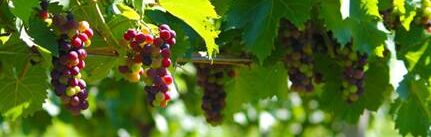
Grapes are at or near veraison in Vermont vineyards, which signals the start of fruit ripening. This is an important time of year for a few activities. First, bird damage can be expected to begin and increase as fruit ripen. Birds will harvest your berries just a day or two before you’re ready to, so…
-
VT Apple IPM: Foliar nutrient analysis, apple maggot, summer diseases
Foliar nutrient analysis – It is the time in the growing season to collect leaf samples for analysis. Samples are usually collected between July 15 – Aug. 15. The UVM Agriculture and Environmental Testing Lab can provide analysis, but at this time their output does not generate fertility recommendations. The following are potential options of…
-
Neonicotinoid BMP Rule comment opportunities
The Vermont Agency of Agriculture, Food and Markets is in the process of adopting a rule required by the General Assembly that establishes Best Management Practices for the use of neonicotinoid treated article seeds and neonicotinoid pesticides. The Draft rule language was developed over the last year and a half through a public process using…