
Category: Pest Management
-
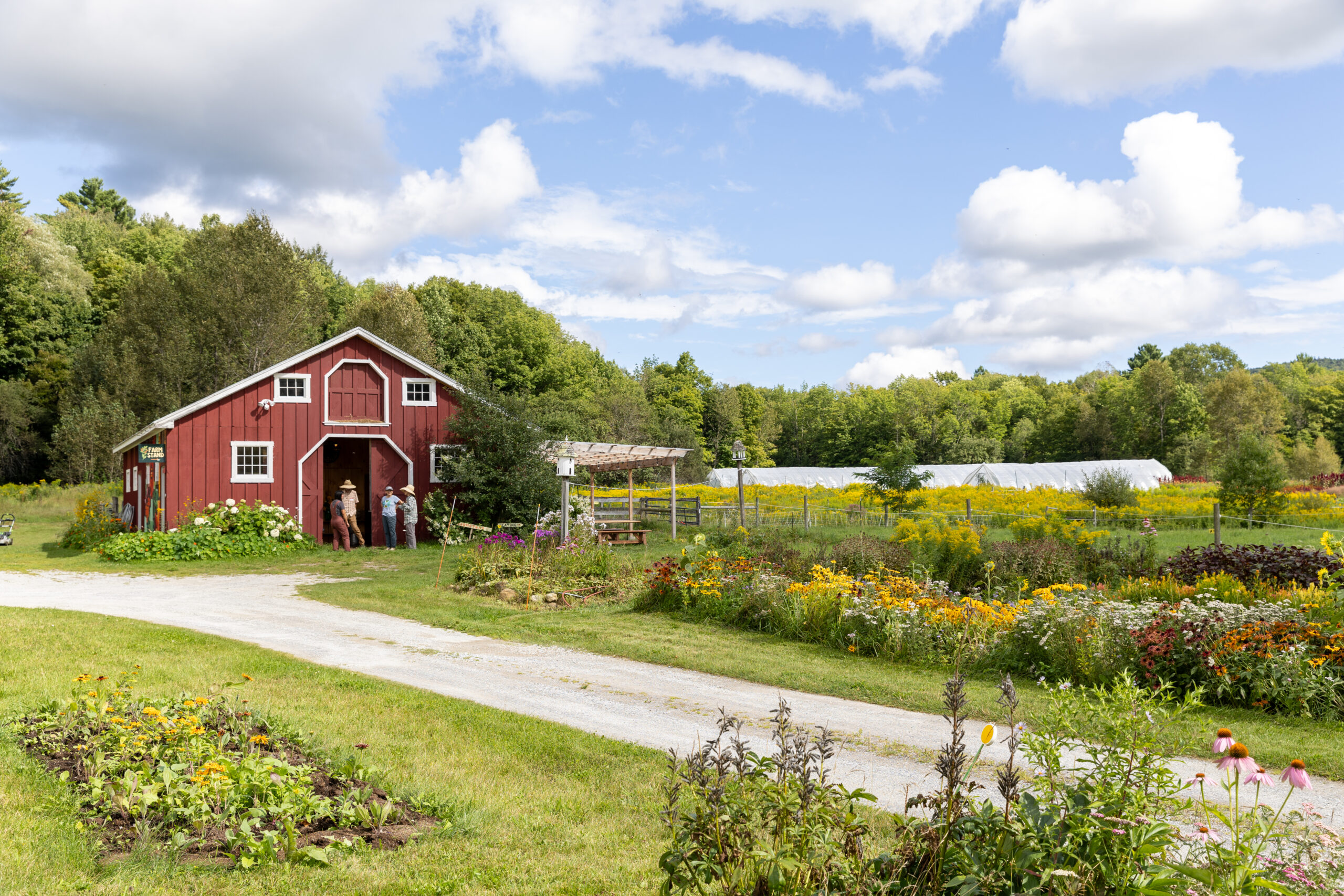
Reduced Tillage, Insect Scouting, and NRCS Practices on a Small-scale Diversified Vegetable and Flower Farm
On Tuesday August 25 the VT Vegetable and Berry Growers Association and UVM Extension hosted a workshop at Stone’s Throw Farmstead in Shrewsbury, VT. Jess Purks and Connor Self grow certified organic vegetables and flowers at a human-powered scale with minimal tillage on one acre. The pasture surrounding the farm is used for a small…
-
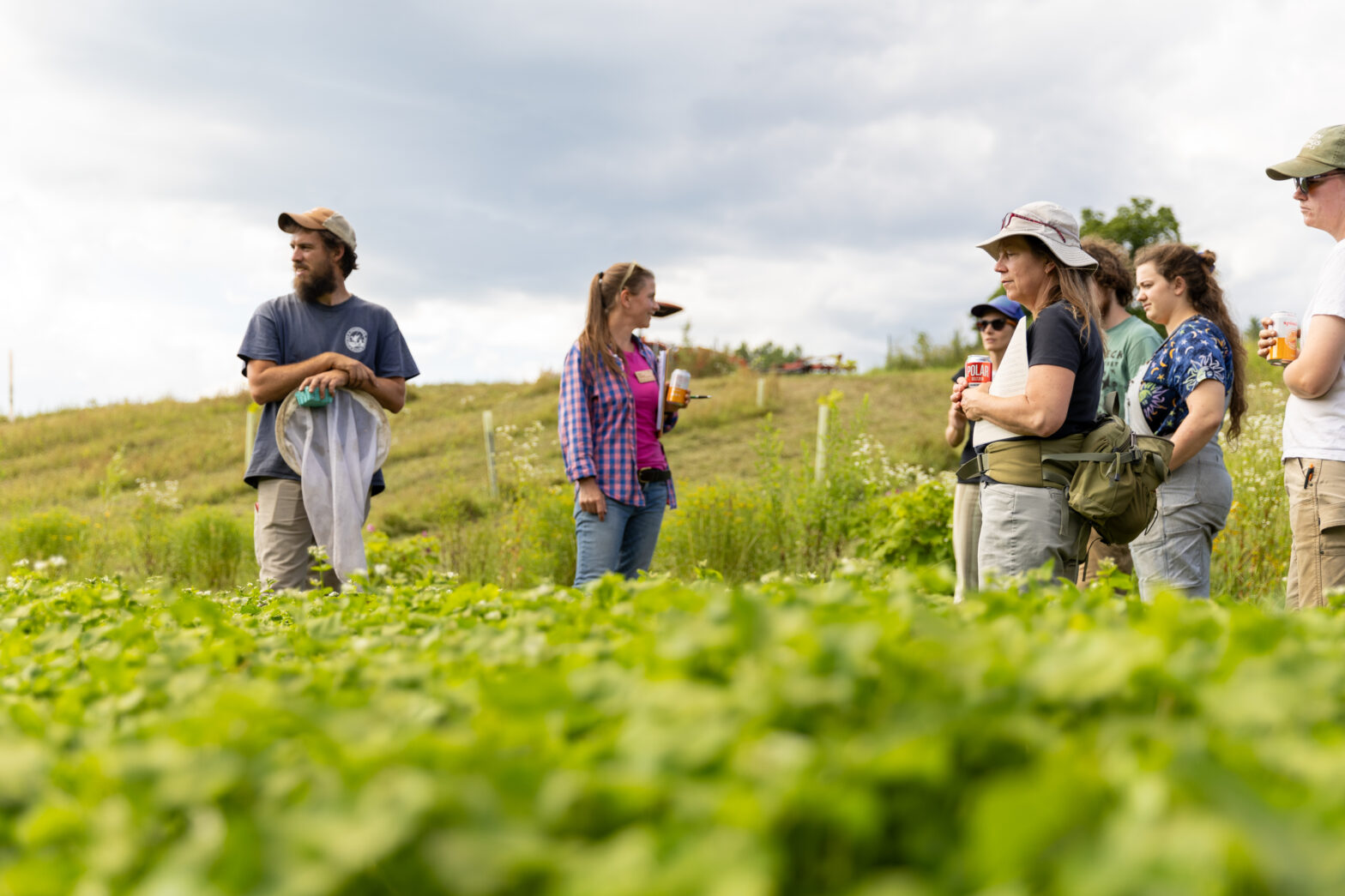
Soil Health and Pollinator Support at The Farm Upstream in Jericho, VT
On Thursday July 23rd the VVBGA hosted a workshop focusing on pollinators at The Farm Upstream in Jericho Vermont. The Farm Upstream is a collectively owned, certified organic farm and native plant nursery established in 2021. Located on 20 acres along the Lee River, the farm focuses on sustainable practices, riparian protection, and community-centered agriculture,…
-
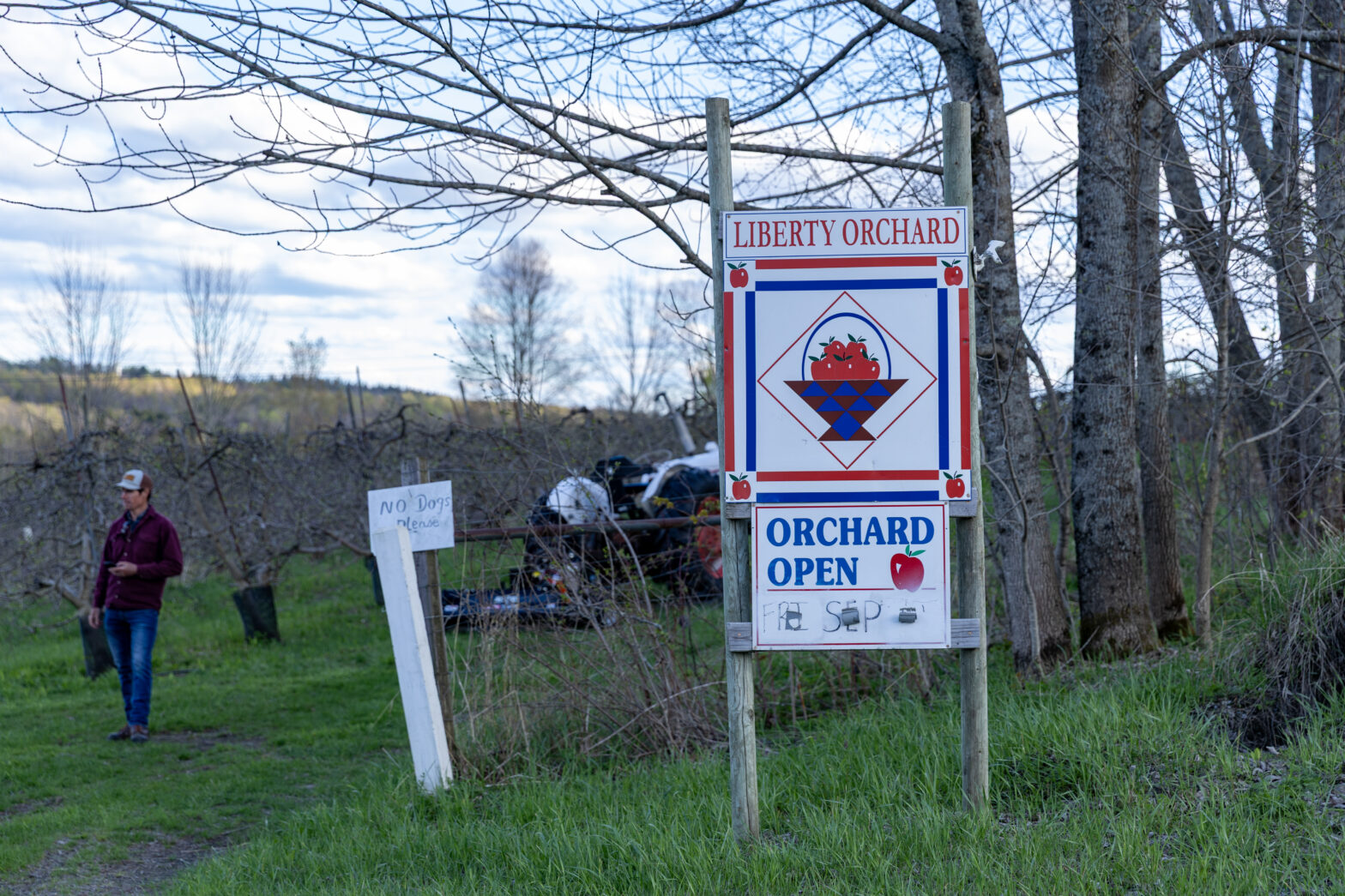
Planning for Orchard Success: On Farm Workshop at Stargrazer Farm
Pest, Pollinator, and Crop Management Decision Making The Vermont Tree Fruit Growers Association and the University of Vermont Extension hosted a workshop at Stargrazer Farm in Brookfield Vermont on May 7th 2026 to visit one of Vermont’s many beautiful apple orchards. We discussed topics related to commercial tree fruit, such as integrated pest and pollinator…
-
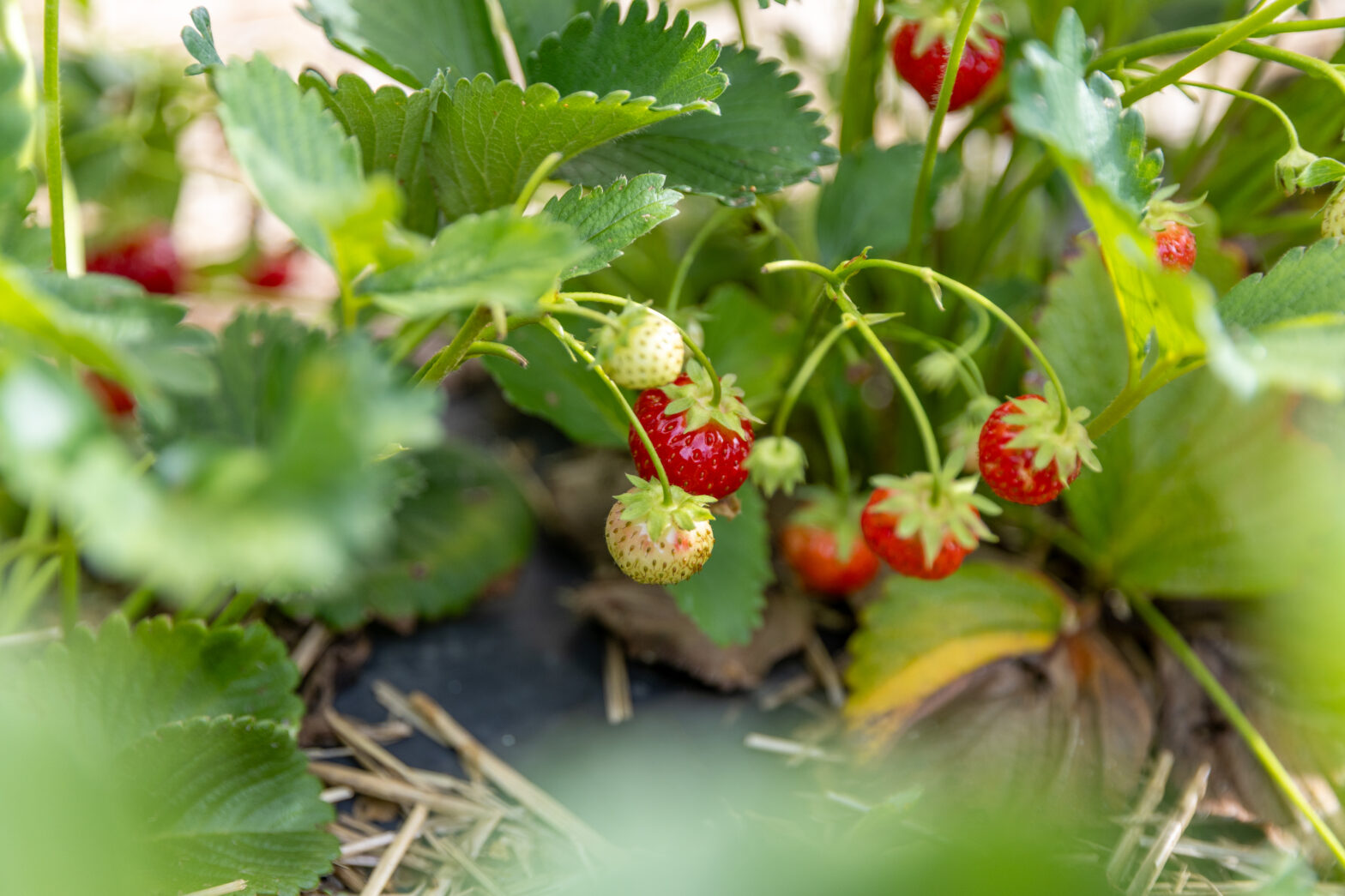
Full Belly Farm Workshop
A workshop talking about Strawberries, tunnel tomatoes & marketing was held at Full Belly Farm on June 23rd, 2026. Full Belly Farm is a retail and wholesale vegetable, berry, and ornamentals farm operated by Sarah and Stephen Park. They purchased the well-known Norris Berry Farm in 2018 with support from the Vermont Land Trust, the…
-
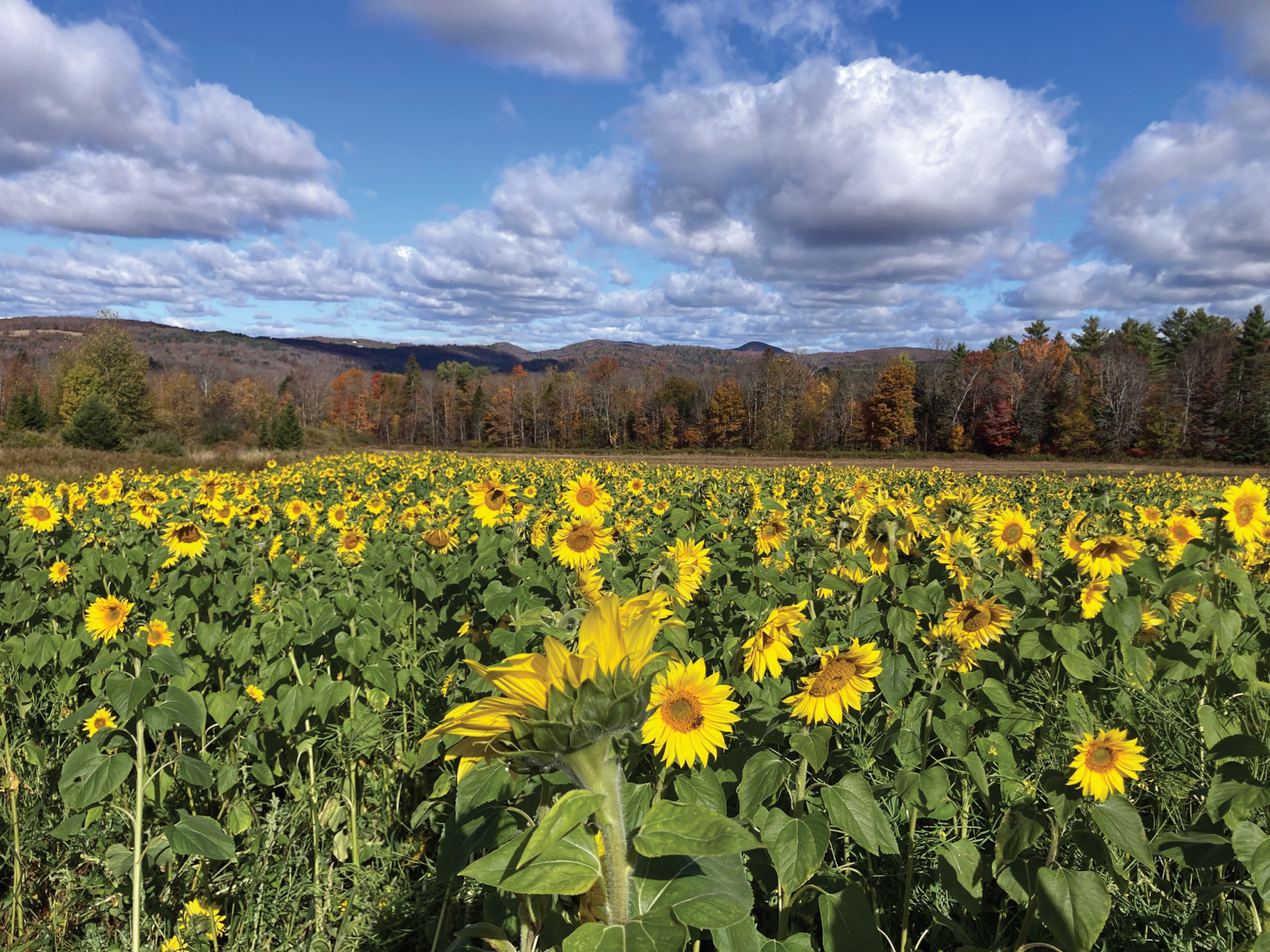
Sunflower Cover Crop for Pollinator Habitat, Soil Health, and Agritourism
A Case Study: Rich and Connie Hourihan, Cabot Smith Farm Background Cabot Smith Farm in Cabot, Vermont has been owned and operated by Rich and Connie Hourihan since 2001. They grow 80 acres of wholesale vegetables and 4.5 acres of pick your own berries. Many of the farm’s crops are dependent on or enhanced by…
-
Grasshoppers in May? What’s going on?
Usually, we think of grasshoppers as a summer or fall vegetable pest. That is why we were surprised to hear from a grower with a plague of them in his Vermont high tunnel in early May (Fig. 1). This grower had never noticed grasshoppers in the spring before but, this year the succulent new growth of his high tunnel cucumbers has been reduced to lacy shadows of their former selves (Fig. 2). Becky Maden has observed grasshoppers…
-
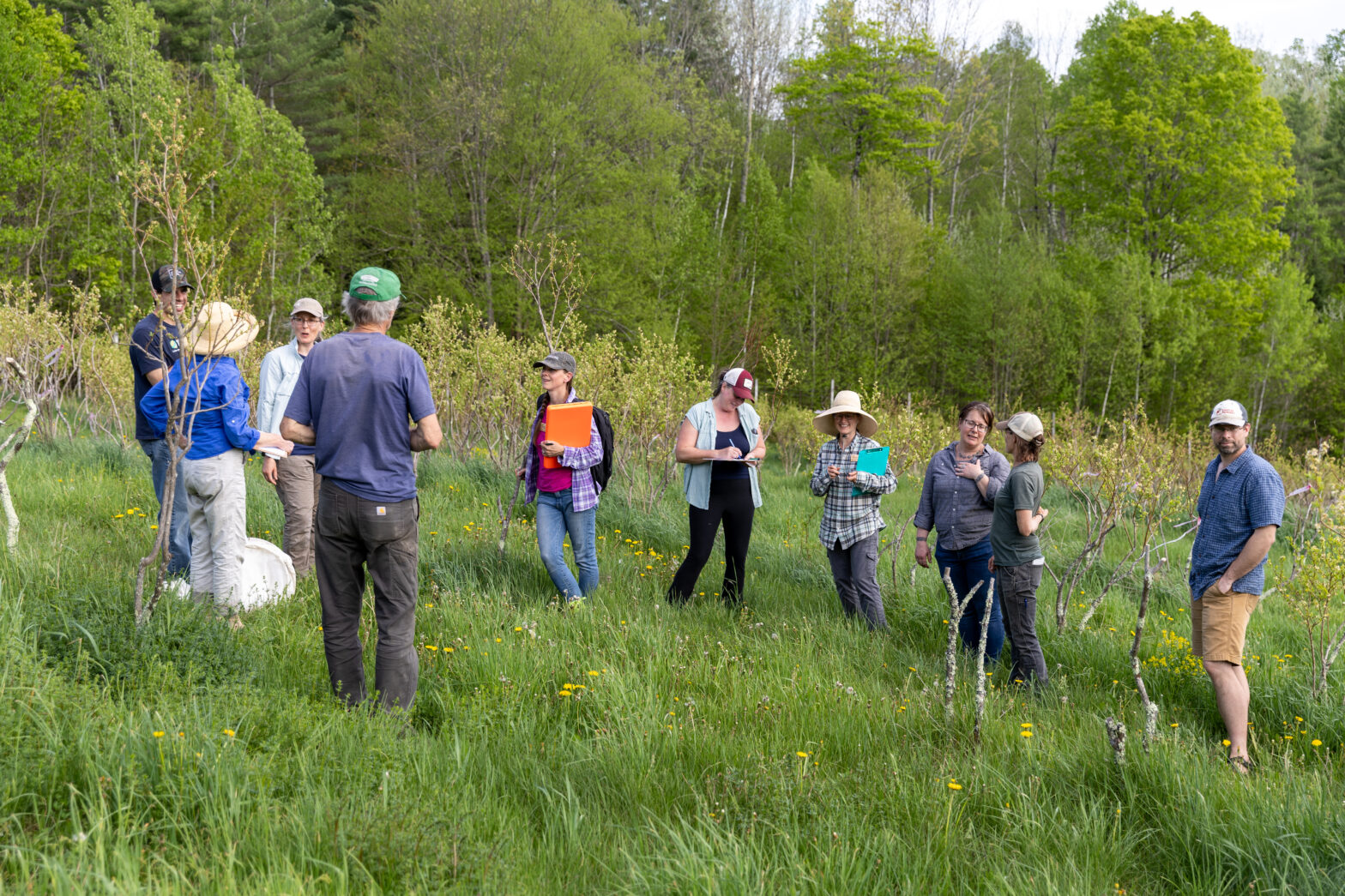
Wild Hill Organics Blueberry Workshop
Thank you to our wonderful hosts Peggy and John at Wild Hill Organics! And thank you to everyone who showed up and contributed to the conversation- farmers, UVM Extension, NRCS, and Vermont Center for Ecostudies to the on-farm workshop on May 19th 2026 in Fairlee, VT. Here are a few resources on the topics we discussed: Pollinators Management, Diseases…
-
Ten Steps Toward Organic Weed Control
About one third of Vermont’s vegetable farms are managed organically. On many others, herbicides are used only on a few of the crops. Vegetable farms here and throughout New England are relatively small, and tend to have many plantings of highly diverse crops, making it a hassle to spray different materials at different times. Necessity…
-
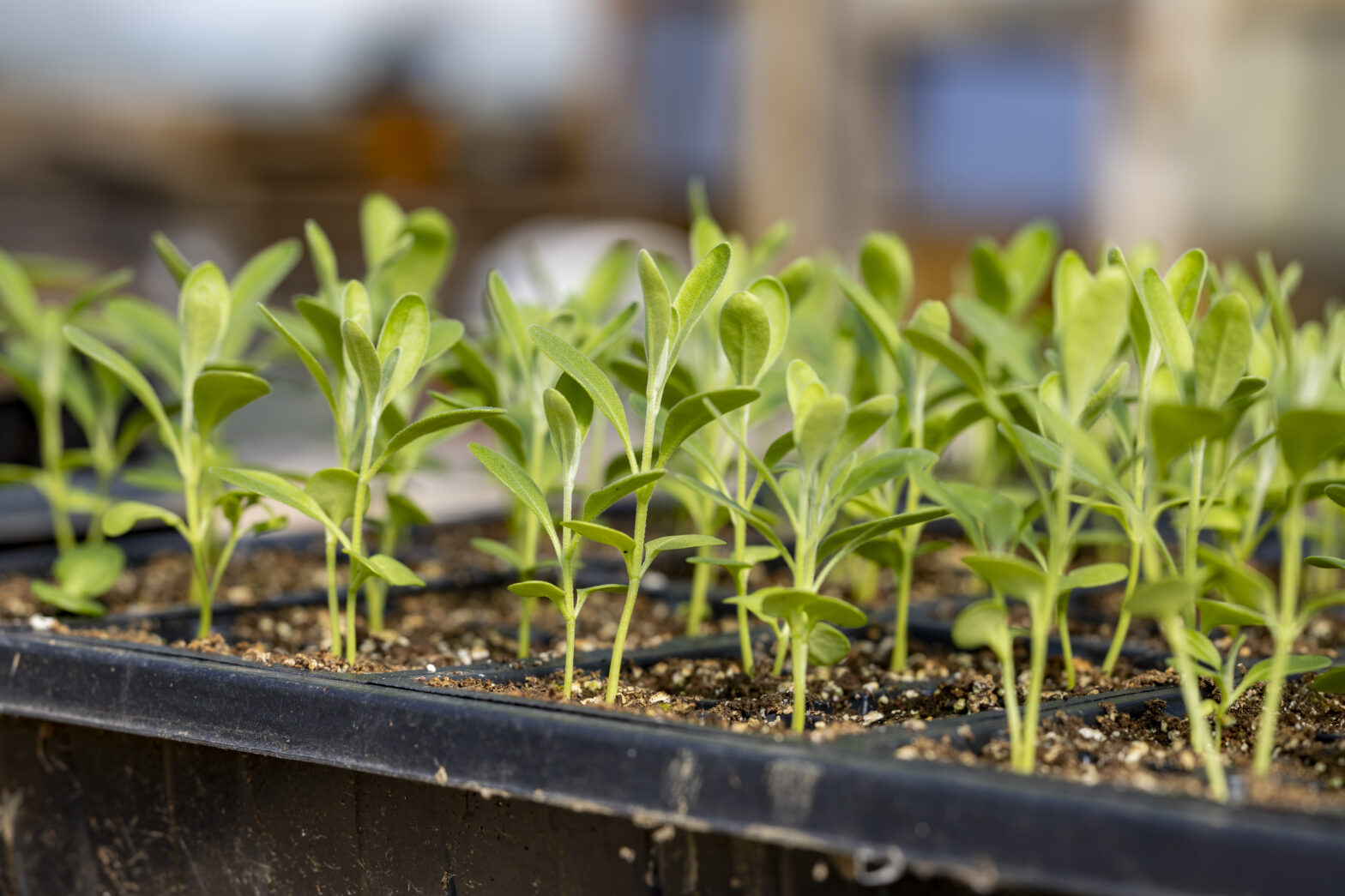
Growing Good Transplants
Growing high quality transplants helps get vegetable crops off to a strong start in the field, and it’s essential to customer satisfaction if you are selling transplants. At the recent New England Vegetable and Fruit conference I picked up many of the following tips on transplant production from presentations by Jan van der Heide of…