
Category: Crop Production
-
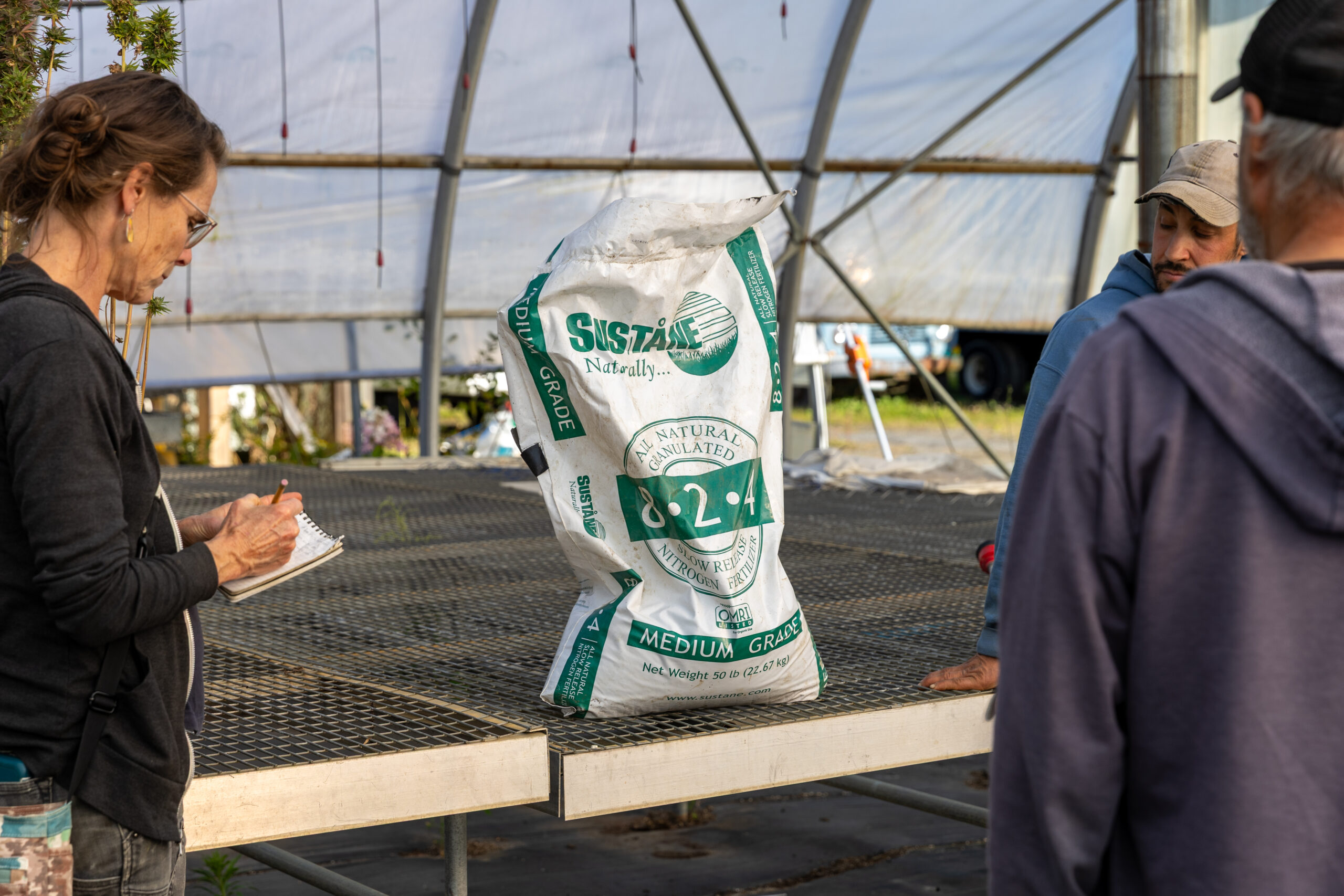
Testing Organic Soluble Fertilizers — Part 1
Providing the right amount of nitrogen (N) to high tunnel crops at the right time in the growing season is a common challenge, especially for organic growers who typically use fertilizers that require microbial activity to release the N they contain. Our previous work has shown that vigorous, indeterminate tunnel tomatoes need 2 to 3.5…
-
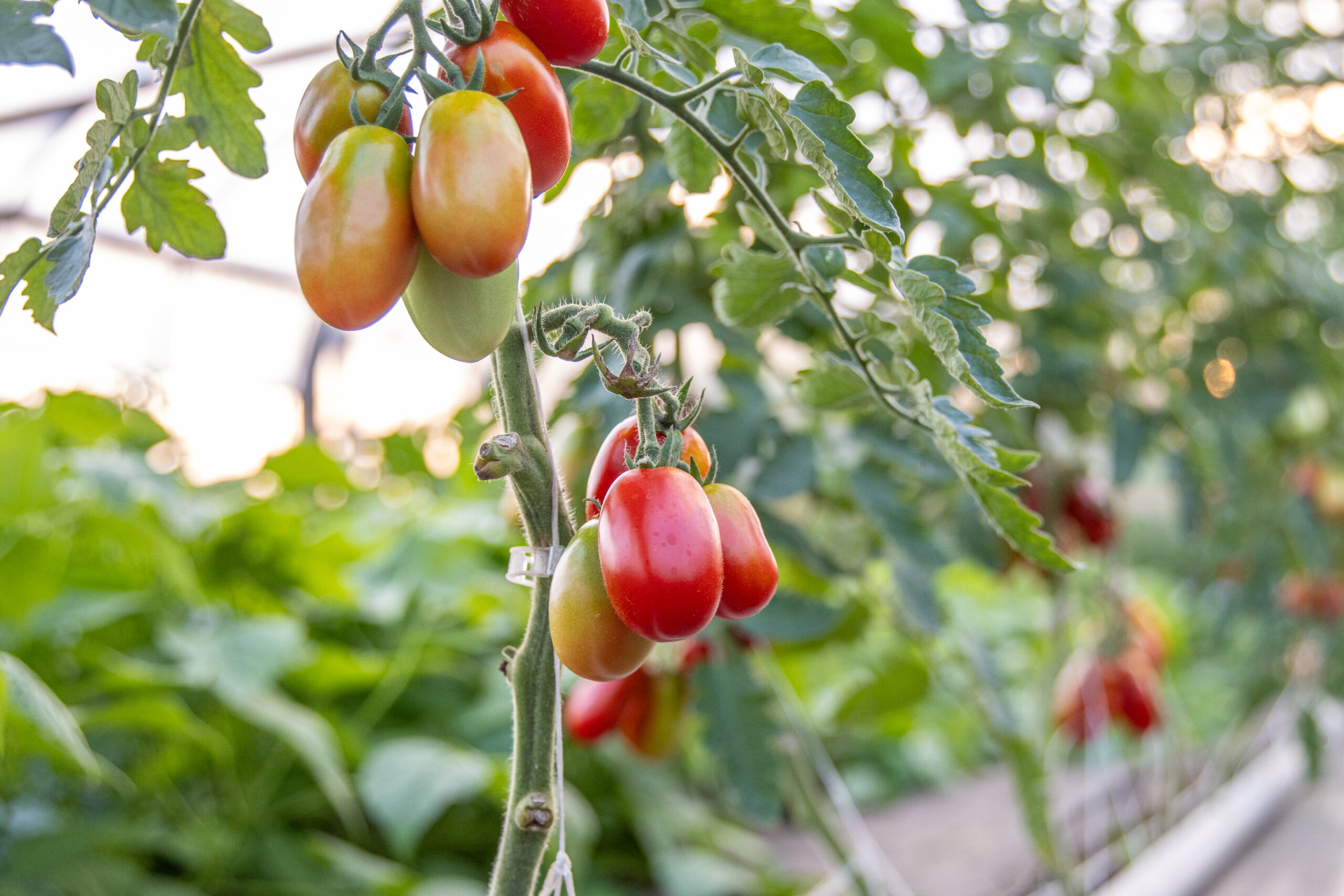
Reap the Rewards of Improved Summer Tunnel Fertility Management
High tunnels create a distinct growing environment with altered soil health characteristics due to the intensity of production, high inputs, and lack of rainfall — which makes managing tunnel soil year after year challenging. Furthermore, many growers are limited in their ability to implement fundamental soil health practices such as crop rotation and cover cropping…
-
Vermont Vegetable and Berry News – September 2, 2026
REPORTS FROM THE FIELD (Westminster) There’s nothing like a food-borne illness to spur sales of greens – they’ve been off the charts. We just began irrigating more intensely to give a boost our kale crop and for new transplants but hope that we’ll get a good rain in the next week. The nice weather has…
-
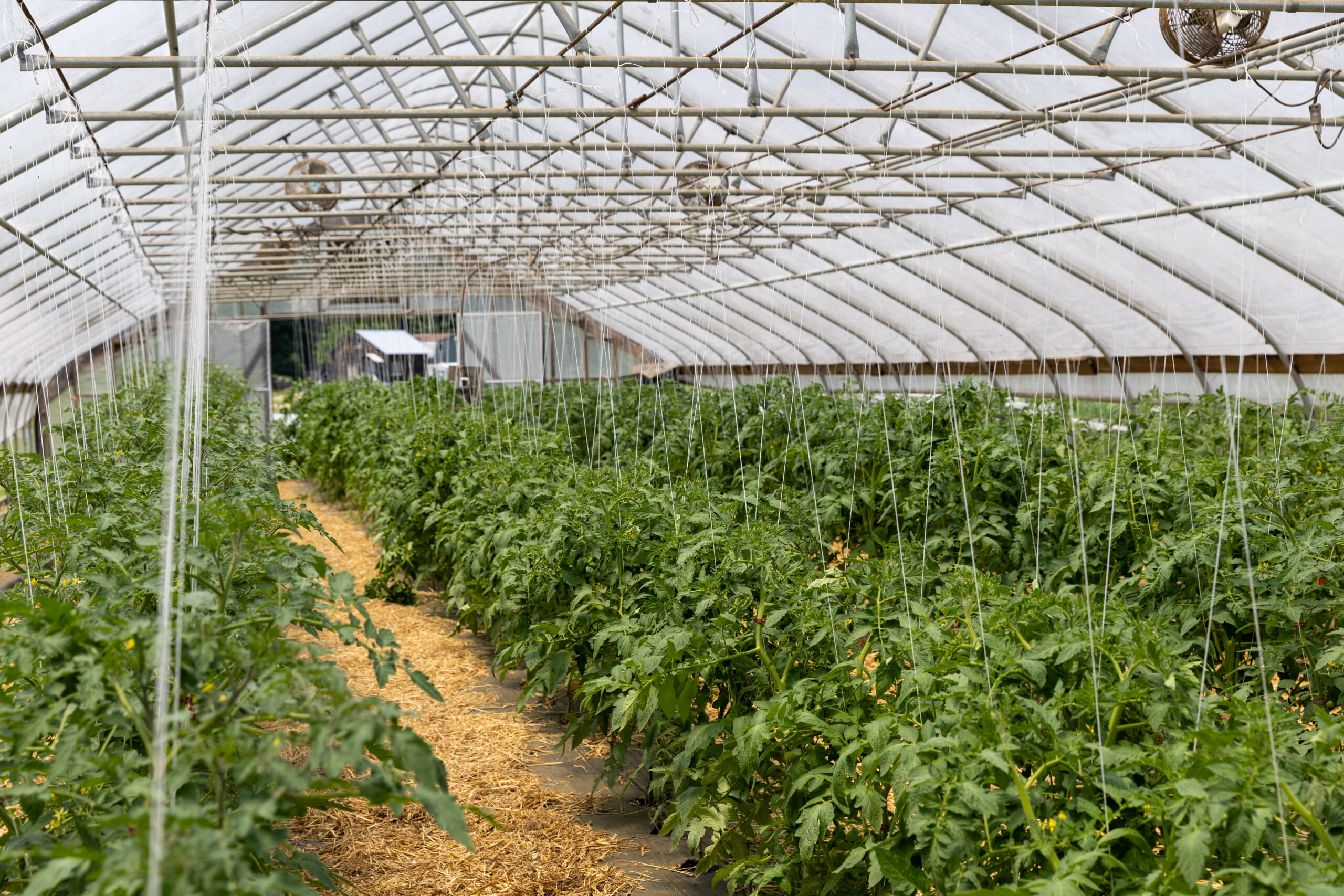
High and HOT — Managing Heat Stress in High Tunnels
The summer of 2025 is barely behind us, leaving a lot of lessons learned about how to manage tunnel crops during hotter, drier summers. For most warm season tunnel crops (peppers, eggplant, tomatoes, cucumbers), optimum growth temperature is between 70°–75°F. Above 85°F, plant growth slows and stress symptoms such as wilting, marginal scorch, leaf roll,…
-
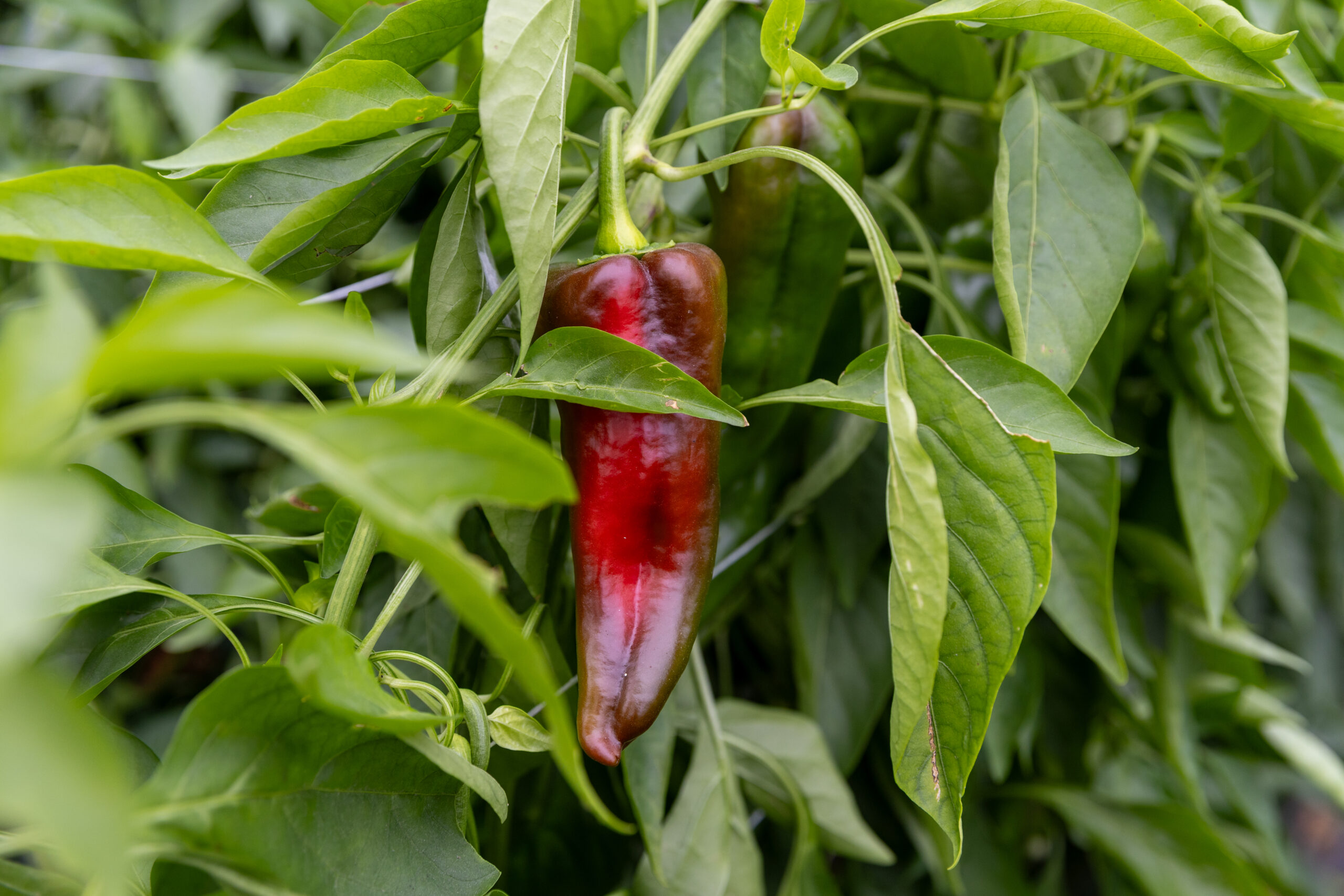
Growing Upwards: Trellising Peppers and Eggplants in Tunnels
Growing peppers and eggplants in tunnels has the potential to diversify early summer crop offerings and improve fruit yield and quality compared to field production. The greenhouse industry in many other parts of the world have been cultivating eggplant and peppers in protected culture for decades, but adoption has been slow in the U.S., especially…
-
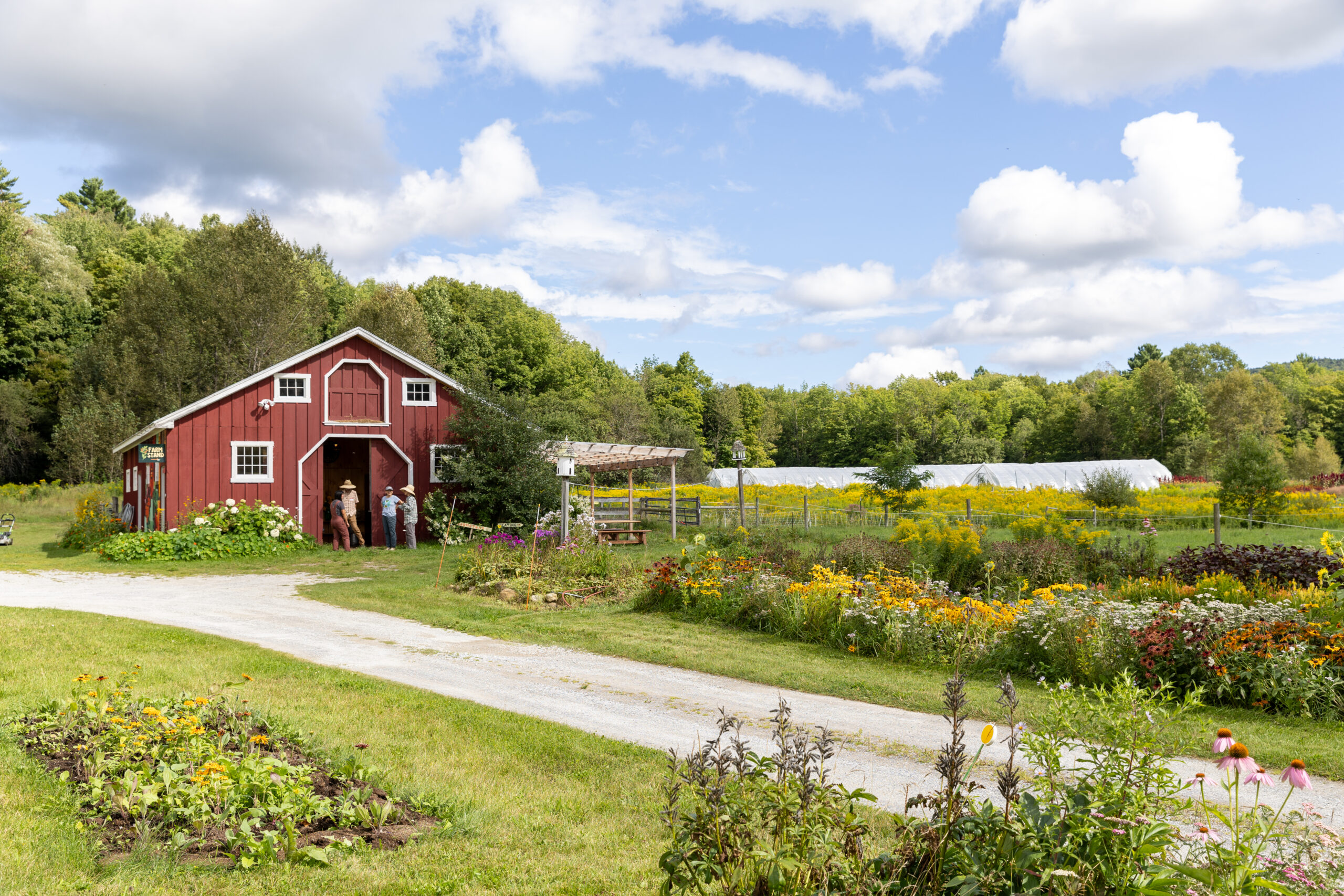
Reduced Tillage, Insect Scouting, and NRCS Practices on a Small-scale Diversified Vegetable and Flower Farm
On Tuesday August 25 the VT Vegetable and Berry Growers Association and UVM Extension hosted a workshop at Stone’s Throw Farmstead in Shrewsbury, VT. Jess Purks and Connor Self grow certified organic vegetables and flowers at a human-powered scale with minimal tillage on one acre. The pasture surrounding the farm is used for a small…
-
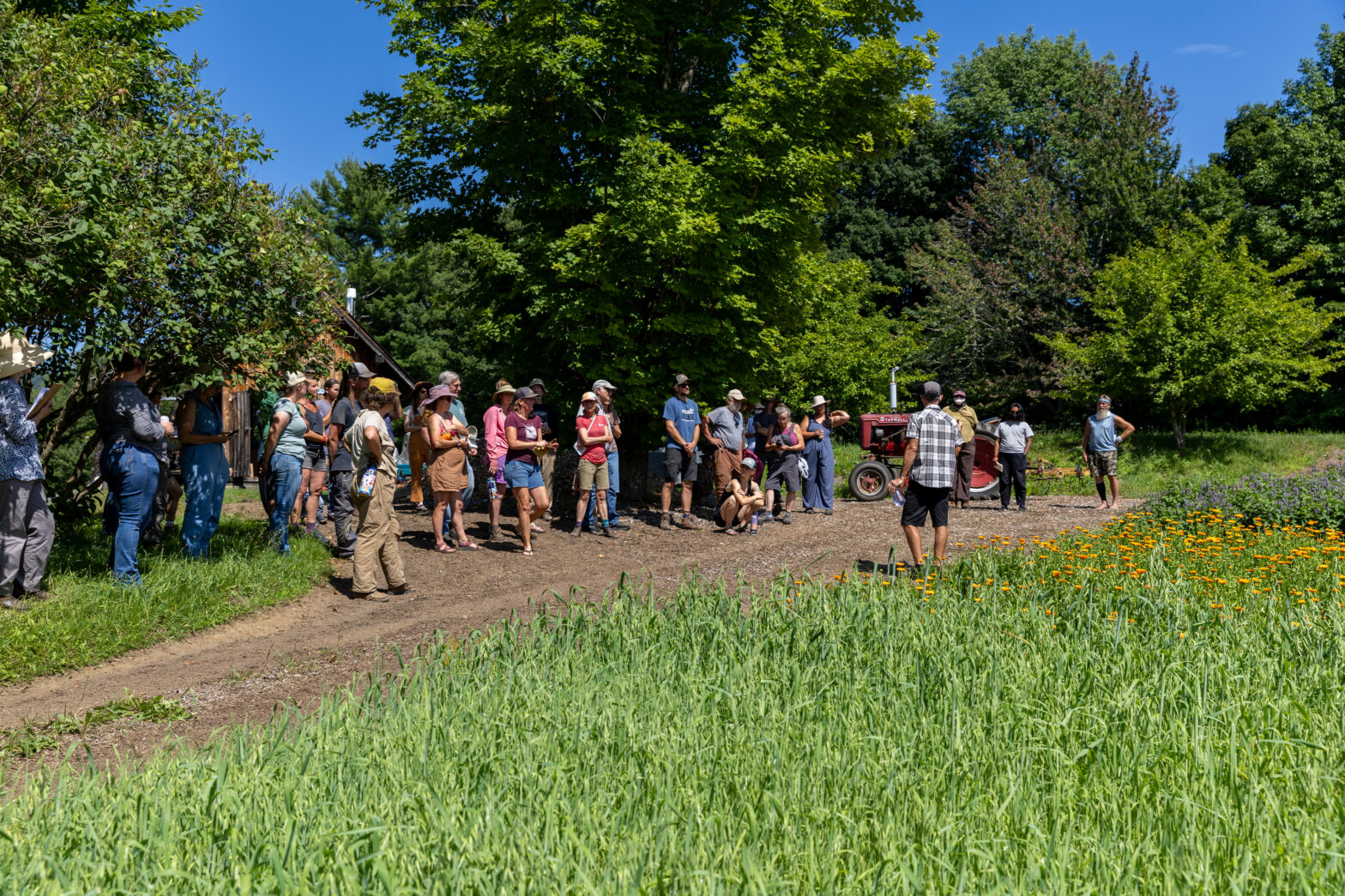
Medicinal Herb Production and Processing at Zack Woods Herb Farm
On Wednesday August 5 the VT Herb Grower Growers Initiative, in partnership with the VT Vegetable and Berry Grower’s Association, hosted a workshop at Zack Woods Herb Farm in Hyde Park, VT. Jeff and Melanie Carpenter shared a wealth of information during the farm tour. Farm Background Zack Woods Herb Farm started in 1999. This is their 27th year growing…
-
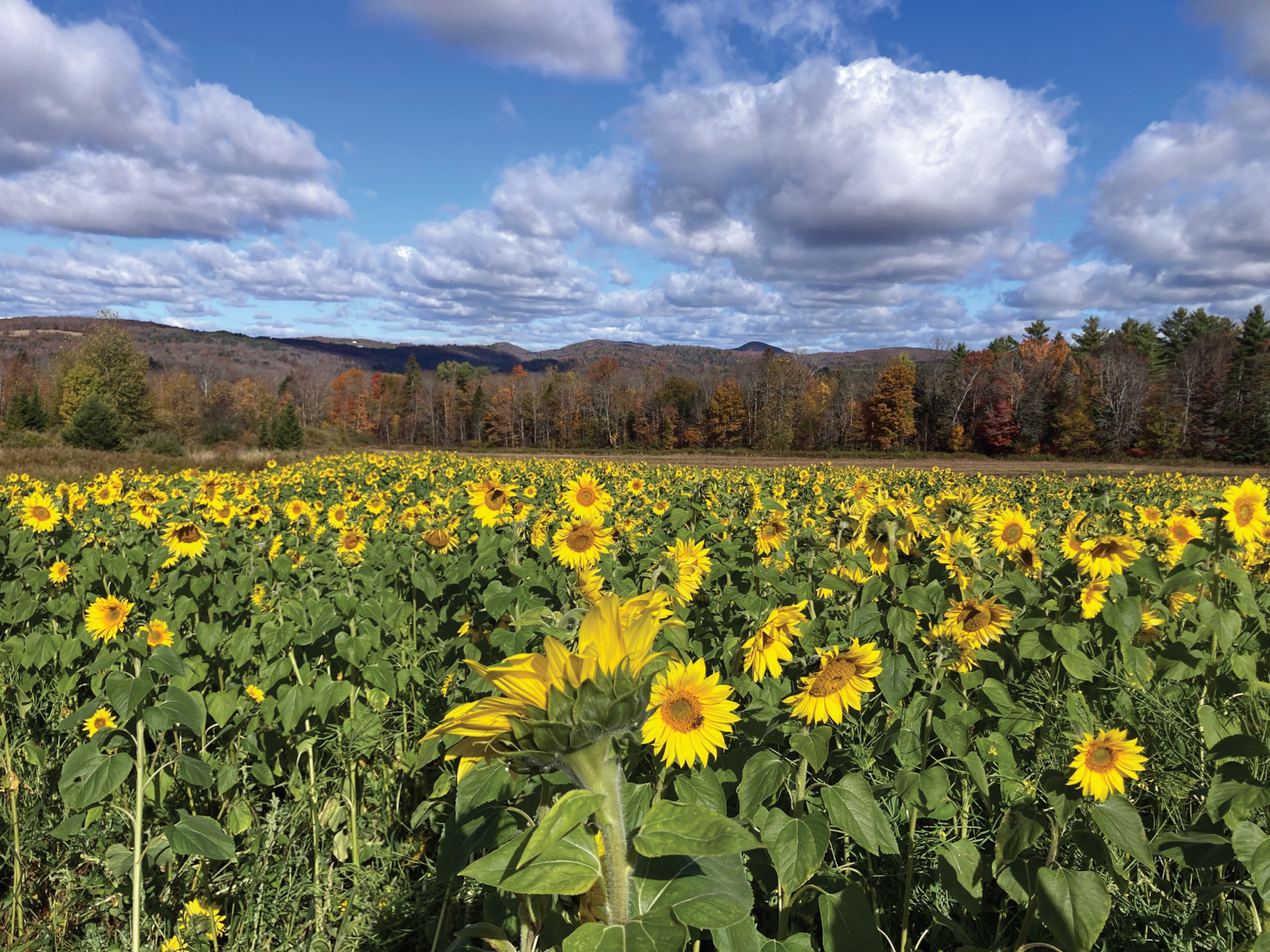
Sunflower Cover Crop for Pollinator Habitat, Soil Health, and Agritourism
A Case Study: Rich and Connie Hourihan, Cabot Smith Farm Background Cabot Smith Farm in Cabot, Vermont has been owned and operated by Rich and Connie Hourihan since 2001. They grow 80 acres of wholesale vegetables and 4.5 acres of pick your own berries. Many of the farm’s crops are dependent on or enhanced by…
-
Vermont’s New Plant Hardiness Zone Map
Anyone who grows perennials in the Northeast has probably experienced the frustration of “winter kill” when a plant that is perfectly healthy going into winter does not make it out alive. There are many reasons a plant might die, or be seriously injured, during the winter. Some are biological, such as rodent damage, others are…