
Category: Soil Health
-
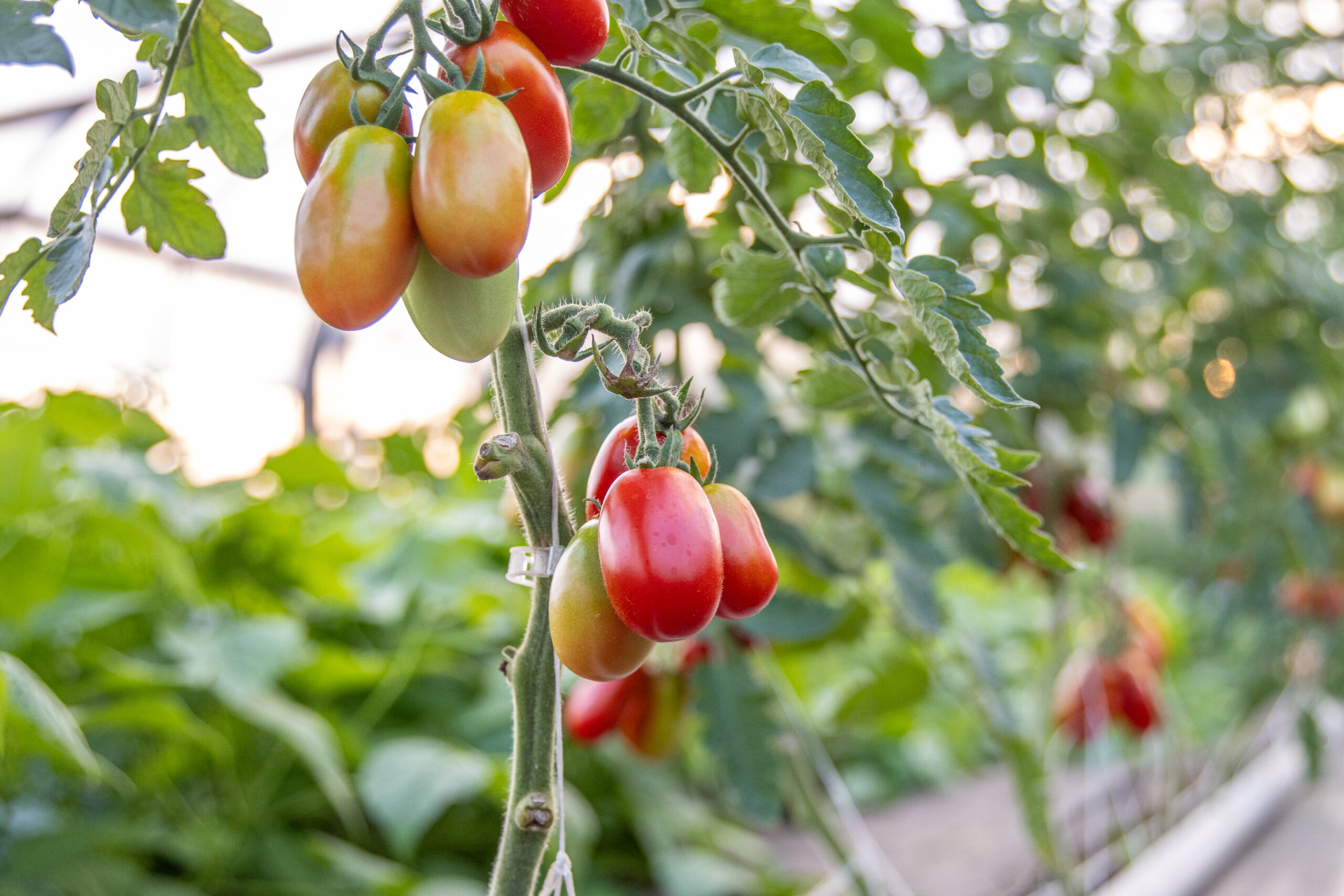
Reap the Rewards of Improved Summer Tunnel Fertility Management
High tunnels create a distinct growing environment with altered soil health characteristics due to the intensity of production, high inputs, and lack of rainfall — which makes managing tunnel soil year after year challenging. Furthermore, many growers are limited in their ability to implement fundamental soil health practices such as crop rotation and cover cropping…
-
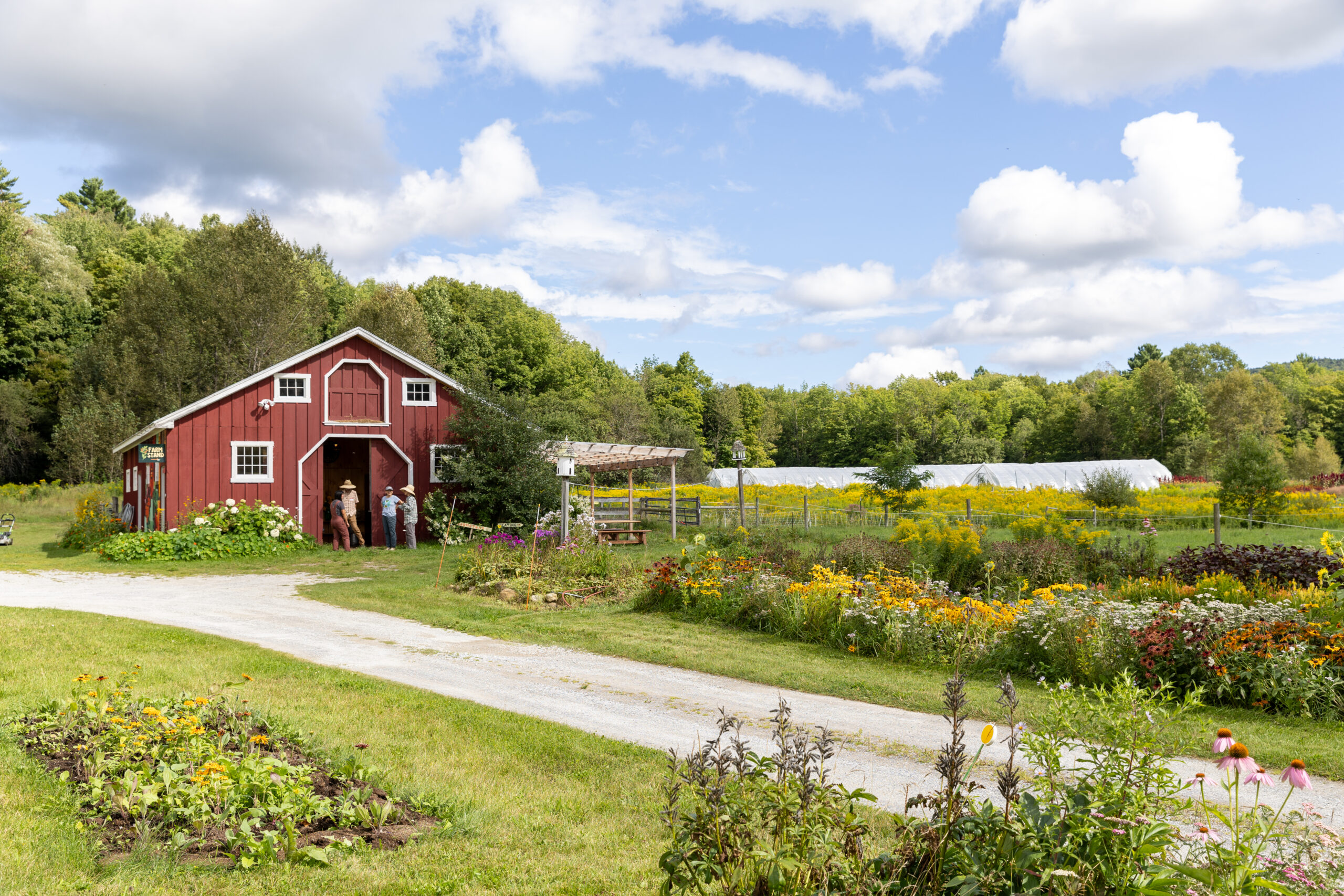
Reduced Tillage, Insect Scouting, and NRCS Practices on a Small-scale Diversified Vegetable and Flower Farm
On Tuesday August 25 the VT Vegetable and Berry Growers Association and UVM Extension hosted a workshop at Stone’s Throw Farmstead in Shrewsbury, VT. Jess Purks and Connor Self grow certified organic vegetables and flowers at a human-powered scale with minimal tillage on one acre. The pasture surrounding the farm is used for a small…
-
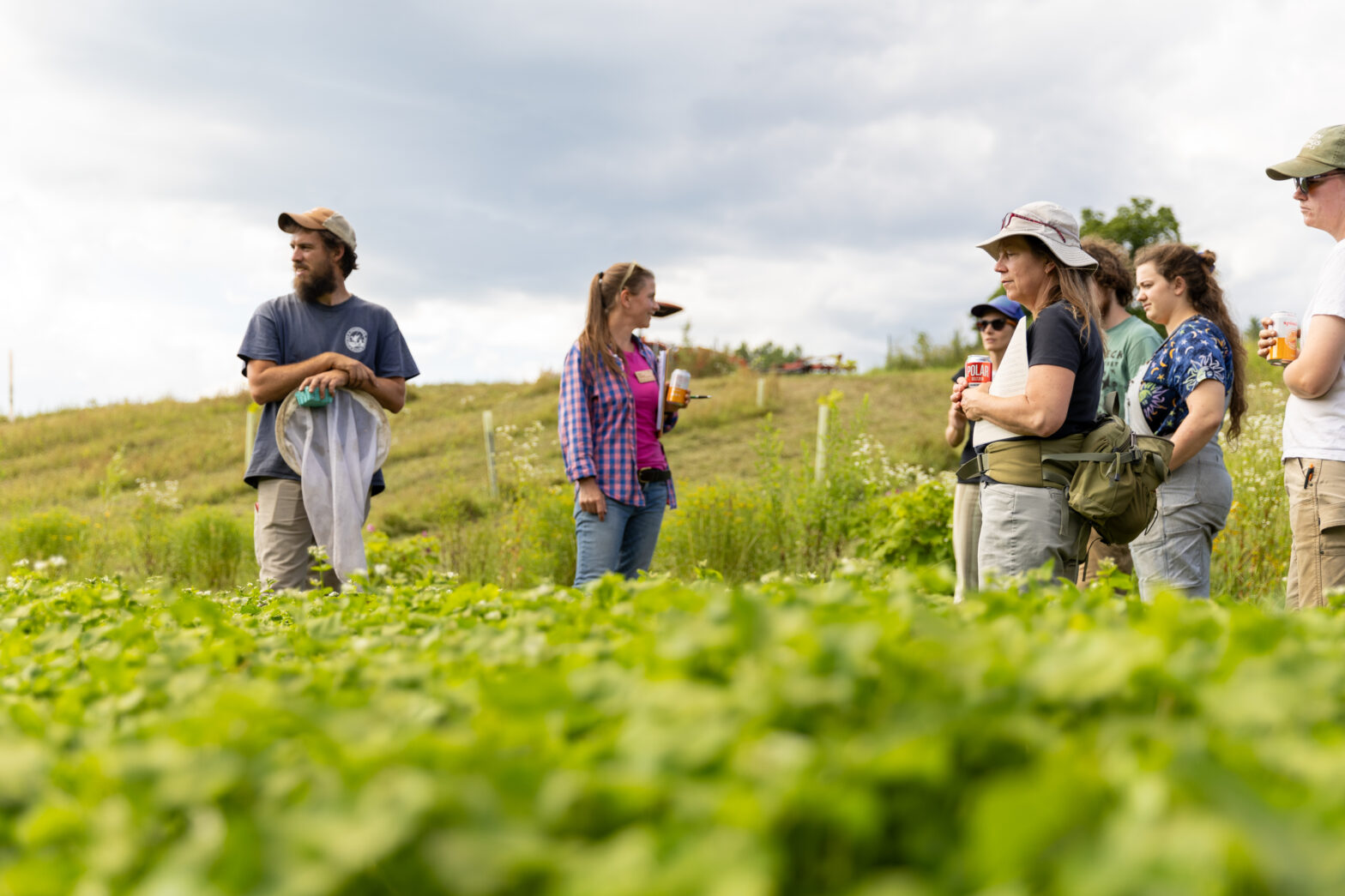
Soil Health and Pollinator Support at The Farm Upstream in Jericho, VT
On Thursday July 23rd the VVBGA hosted a workshop focusing on pollinators at The Farm Upstream in Jericho Vermont. The Farm Upstream is a collectively owned, certified organic farm and native plant nursery established in 2021. Located on 20 acres along the Lee River, the farm focuses on sustainable practices, riparian protection, and community-centered agriculture,…
-
Soil Compaction on Vegetable Farms
Soil compaction is causing trouble for many vegetable farmers, even if they don’t know it. That trouble may be in the form of reduced yields, excessive runoff and soil erosion, or an increase in root disease. Just because compaction is out of sight doesn’t mean it should be out of mind. Understanding Compaction Soil is…
-
Weed Management on Organic Vegetable Farms
Many organic vegetable growers consider weeds to be their primary pest problem. Integrating a variety of weed control techniques is the best way to achieve effective organic weed control. Weed management techniques are aimed at preventing weeds before they appear, or at suppressing weeds once they are present. Weed prevention techniques include: · Rotation of…
-
Ten Steps Toward Organic Weed Control
About one third of Vermont’s vegetable farms are managed organically. On many others, herbicides are used only on a few of the crops. Vegetable farms here and throughout New England are relatively small, and tend to have many plantings of highly diverse crops, making it a hassle to spray different materials at different times. Necessity…
-
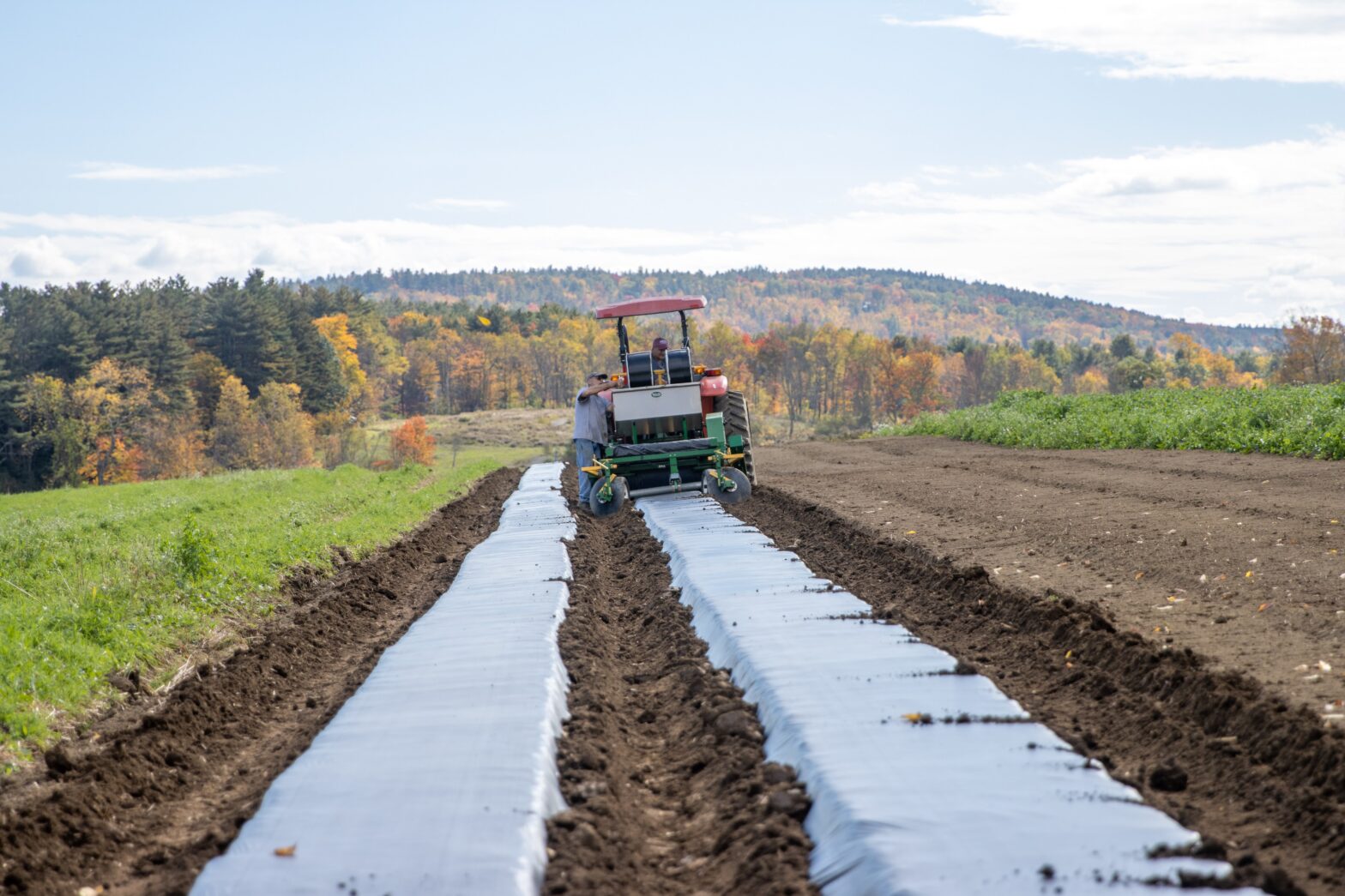
Plastic Mulch Primer
The use of plastics — to cover greenhouses and high tunnels, as row covers, and for soil mulches – has resulted in a horticultural revolution of sorts. Largely unheard of just two generations ago, it’s almost impossible now to find a farm that grows horticultural products without plastic. Taken together, the use of agricultural plastics…
-
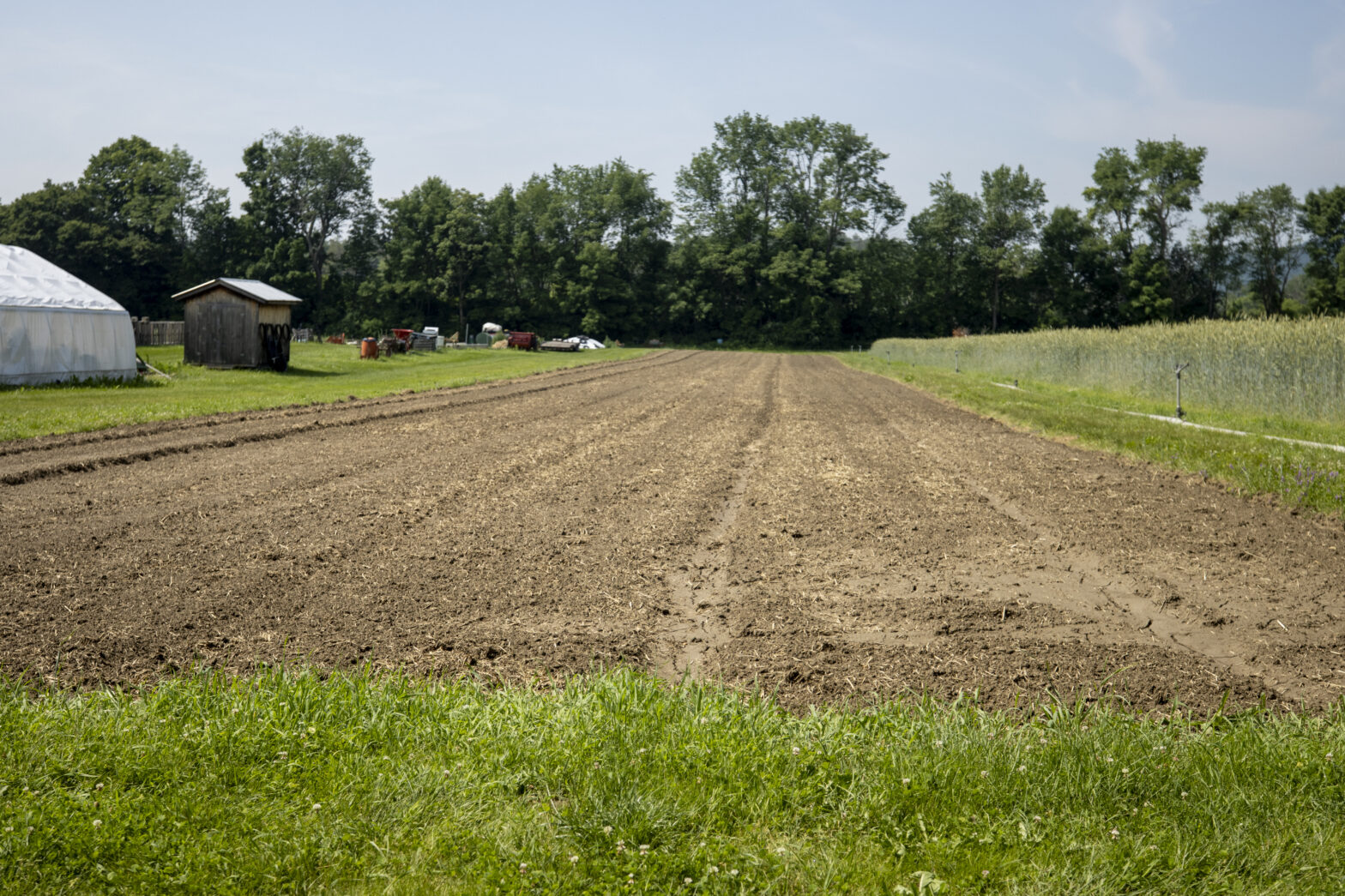
Please Don’t Call It Dirt!
Soil is at root of good crop production, but all too often, as the saying goes, it “can’t get no respect.” As vegetable growers, we push it around, drive all over it, leave it exposed to the elements, and feed it junk food. In other words, we treat it like dirt. Good soil deserves better.…
-
Soil Organic Matter: The Living, the Dead, and the Very Dead
Soil organic matter makes up only a few percent of most soils, but it has a great deal of influence on soil properties, and in turn, agricultural productivity. What does it do? The list of soil properties affected by soil organic matter is long. It includes: aggregate stability (how well tiny clumps of soil hold together,…
-
Observations on Interseeding Cover Crops
Interseeding, or sowing cover crop into a standing cash crop, is a way get a jump on the traditional winter cover crop season. This can lead to an increase in cover crop biomass production, and presumably, better erosion control and soil organic matter enhancement. Earlier establishment also increases your choices of cover crops compared to…