
Author: 97rmaden
-
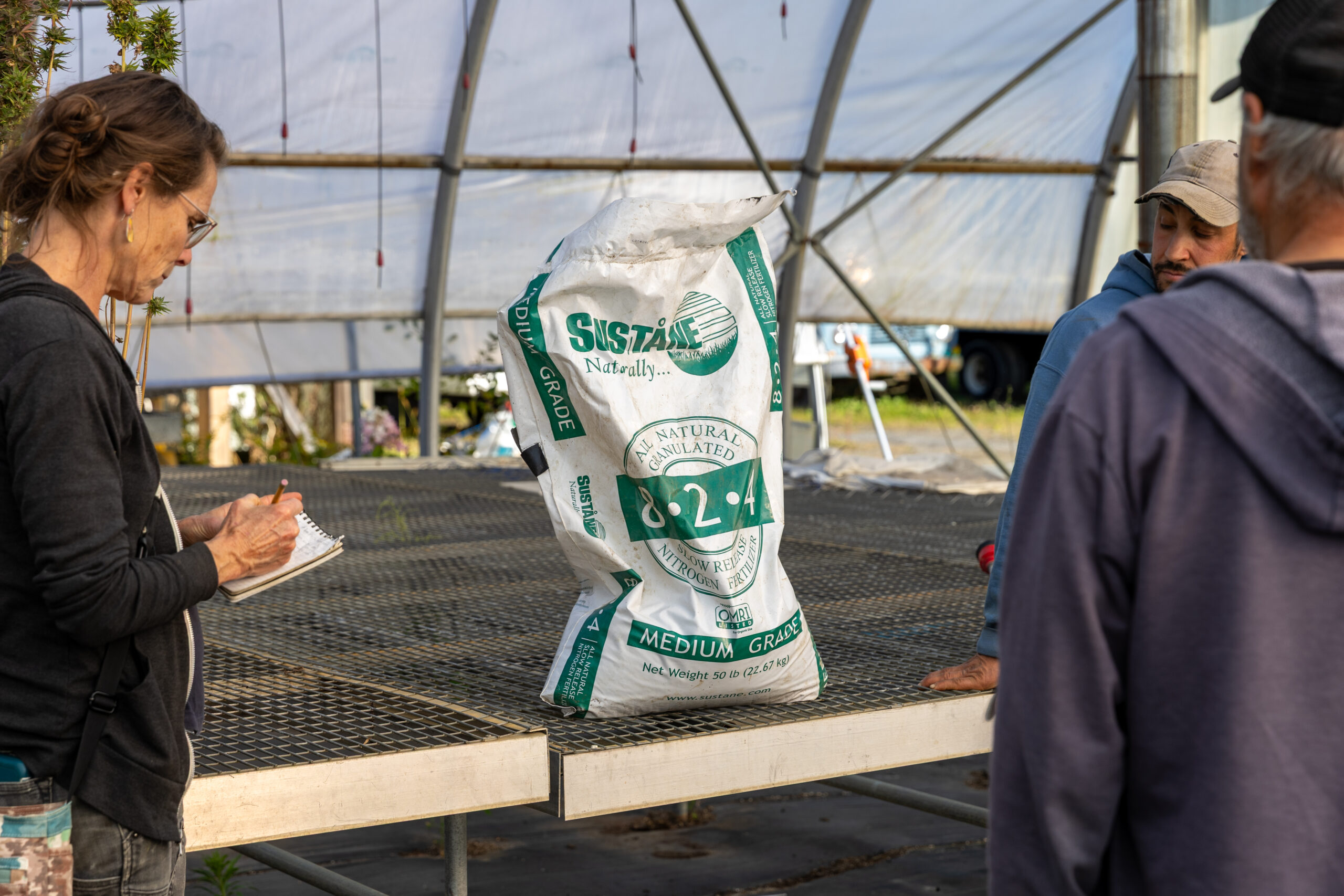
Testing Organic Soluble Fertilizers — Part 1
Providing the right amount of nitrogen (N) to high tunnel crops at the right time in the growing season is a common challenge, especially for organic growers who typically use fertilizers that require microbial activity to release the N they contain. Our previous work has shown that vigorous, indeterminate tunnel tomatoes need 2 to 3.5…
-
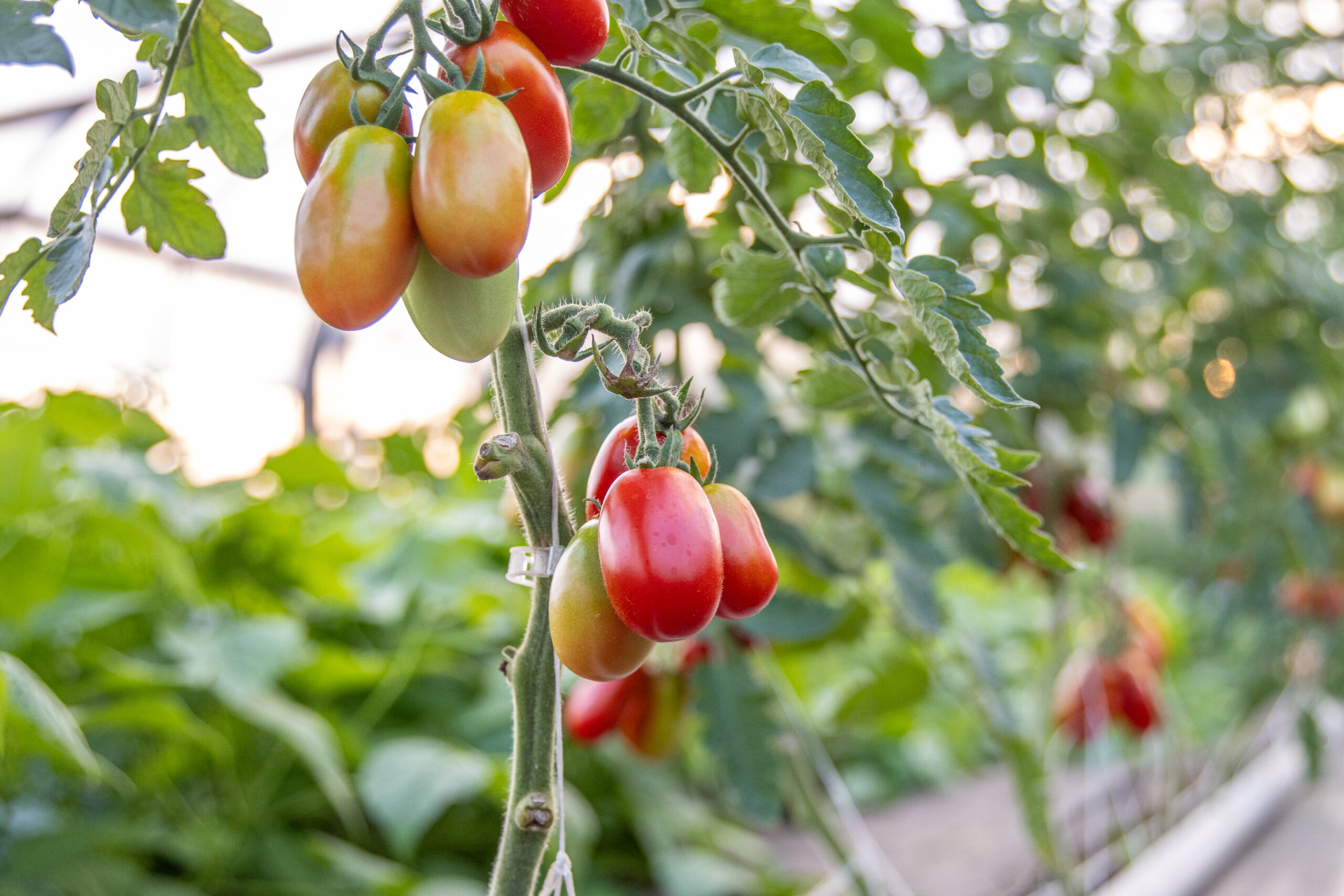
Reap the Rewards of Improved Summer Tunnel Fertility Management
High tunnels create a distinct growing environment with altered soil health characteristics due to the intensity of production, high inputs, and lack of rainfall — which makes managing tunnel soil year after year challenging. Furthermore, many growers are limited in their ability to implement fundamental soil health practices such as crop rotation and cover cropping…
-
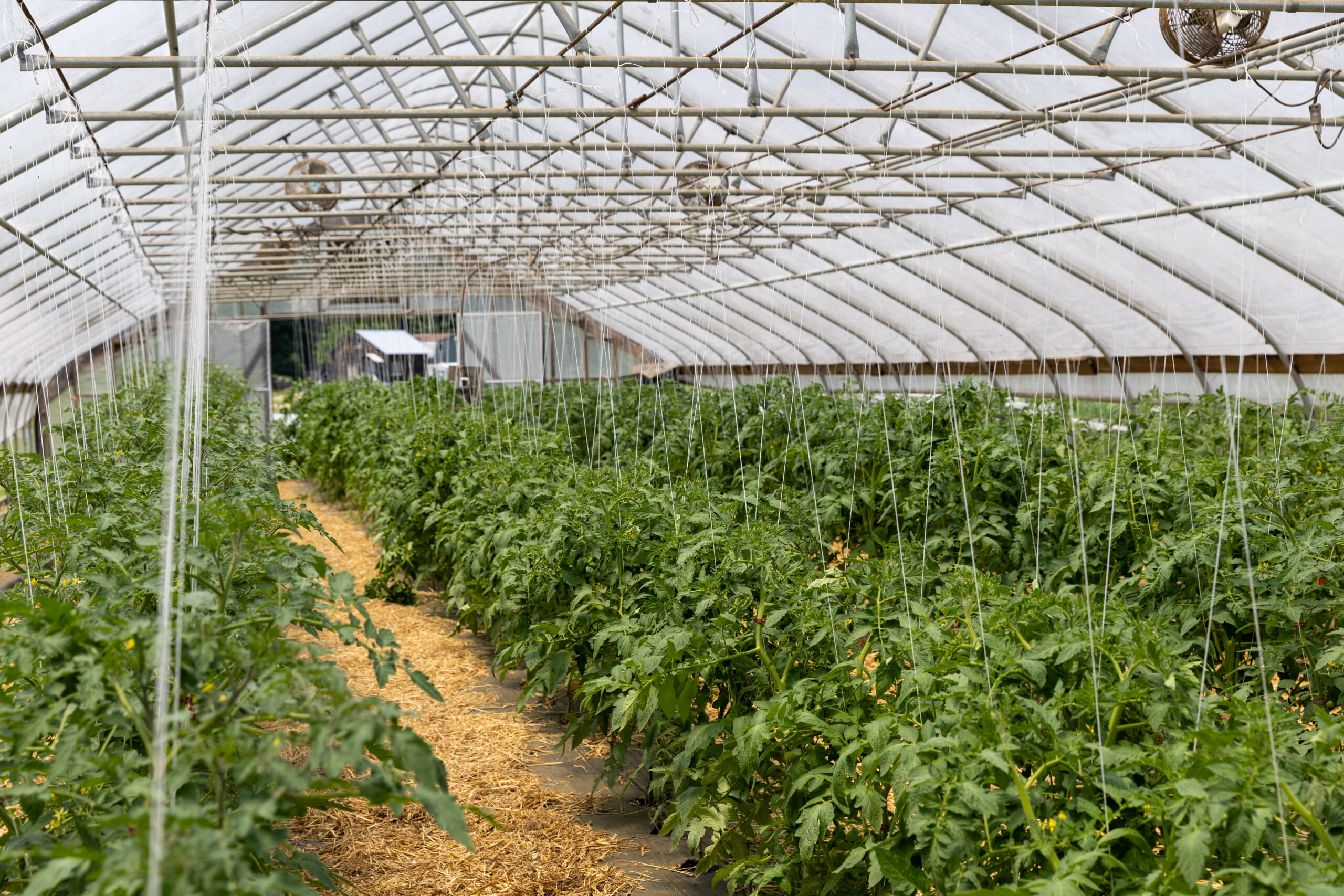
High and HOT — Managing Heat Stress in High Tunnels
The summer of 2025 is barely behind us, leaving a lot of lessons learned about how to manage tunnel crops during hotter, drier summers. For most warm season tunnel crops (peppers, eggplant, tomatoes, cucumbers), optimum growth temperature is between 70°–75°F. Above 85°F, plant growth slows and stress symptoms such as wilting, marginal scorch, leaf roll,…
-
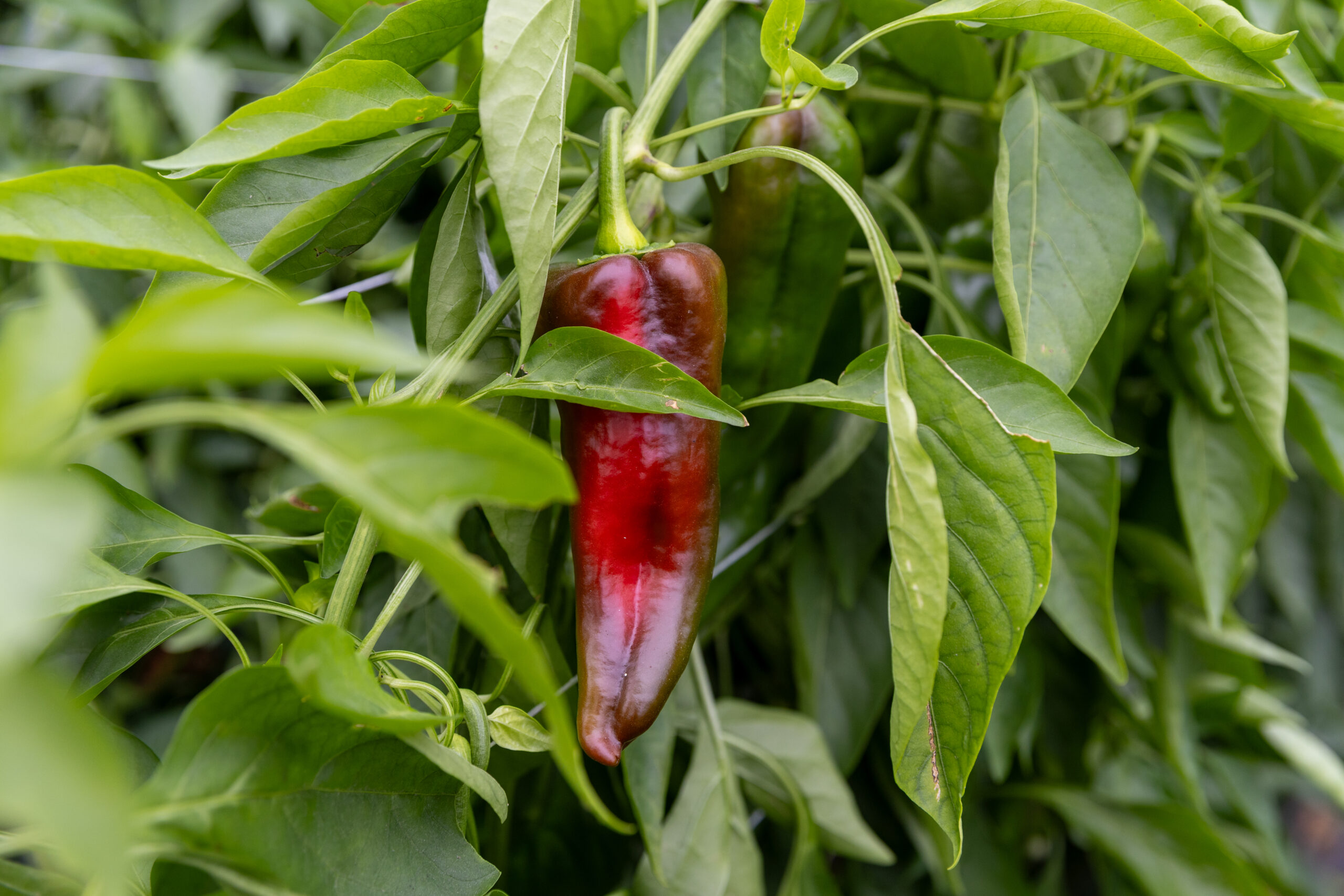
Growing Upwards: Trellising Peppers and Eggplants in Tunnels
Growing peppers and eggplants in tunnels has the potential to diversify early summer crop offerings and improve fruit yield and quality compared to field production. The greenhouse industry in many other parts of the world have been cultivating eggplant and peppers in protected culture for decades, but adoption has been slow in the U.S., especially…
-
Grasshoppers in May? What’s going on?
Usually, we think of grasshoppers as a summer or fall vegetable pest. That is why we were surprised to hear from a grower with a plague of them in his Vermont high tunnel in early May (Fig. 1). This grower had never noticed grasshoppers in the spring before but, this year the succulent new growth of his high tunnel cucumbers has been reduced to lacy shadows of their former selves (Fig. 2). Becky Maden has observed grasshoppers…