
Tag: wash/pack
-
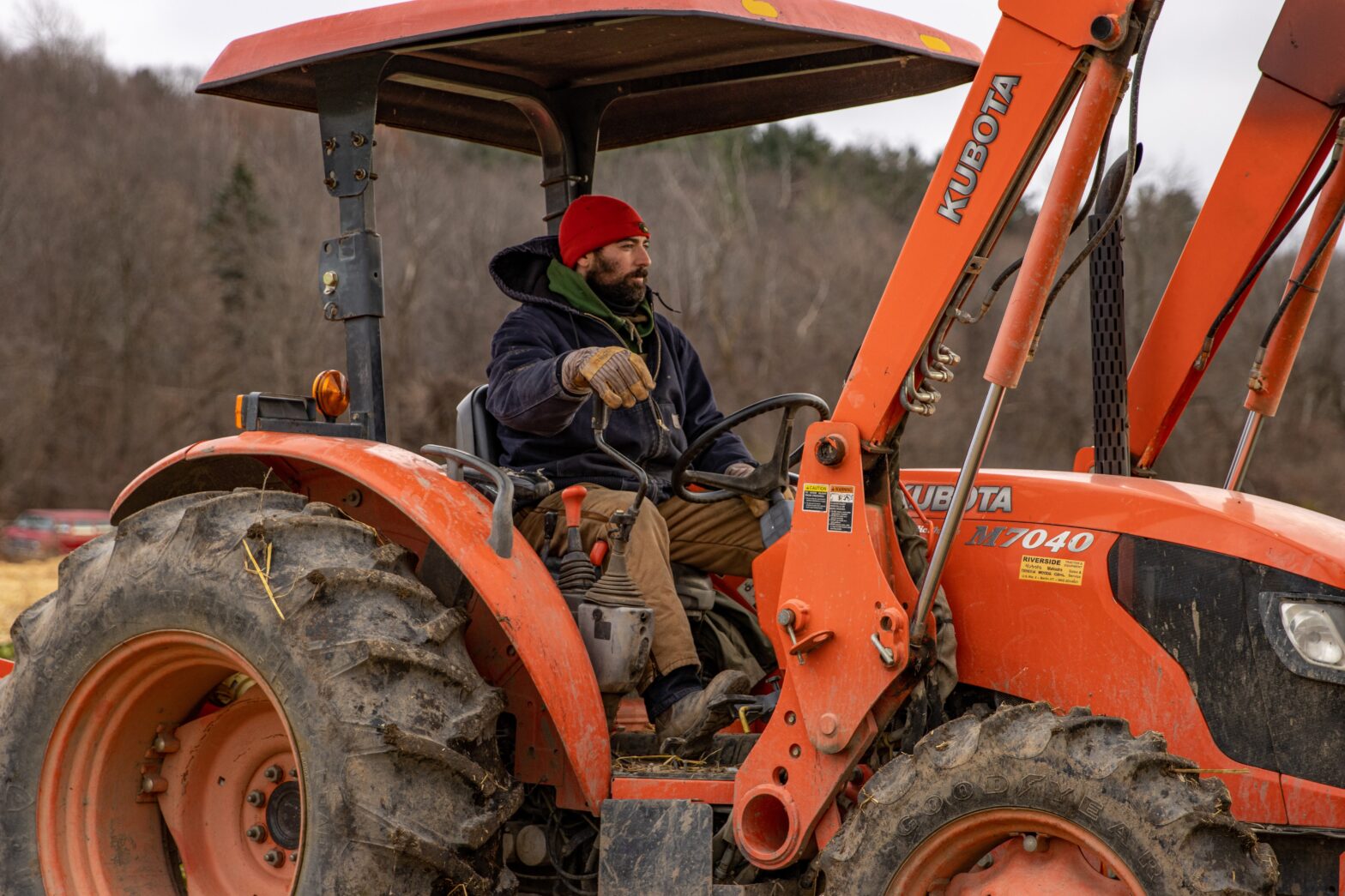
Reinventing the Wheel: Easing Movement and Adding Flexibility
Could wheels help you out in your pack shed? When do they make sense and when don’t they? Below are examples illustrating how growers are using wheels in different ways to ease the movement of product out of the field and around the wash/pack. Why Scale, Diversity, Markets and Bins Matter? At the heart of…
-
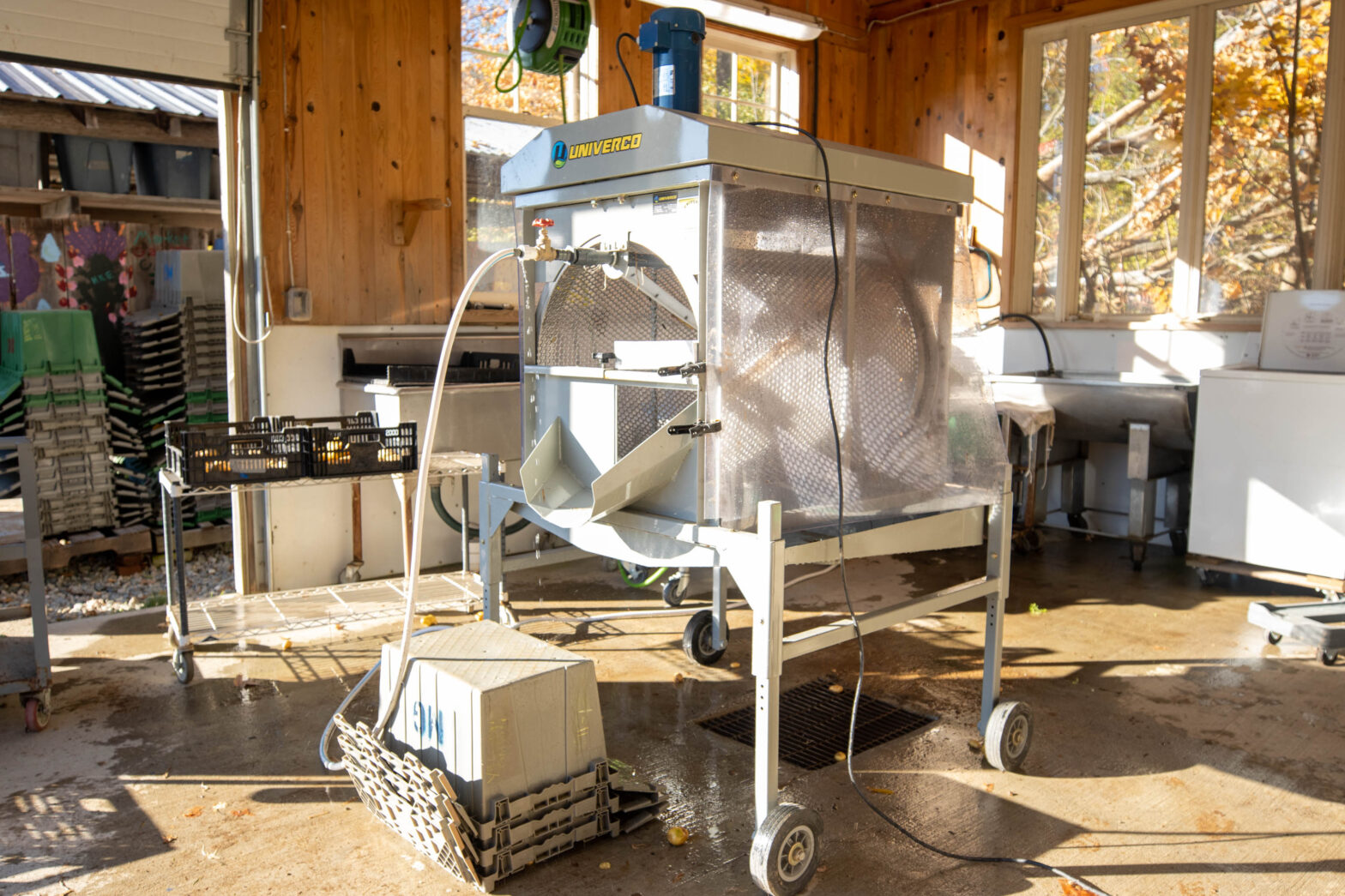
Farmer’s Favorite: Univerco Barrel Washer
Josh Carter is the manager of the market garden at Shelburne Farms. They grow three acres of certified organic fruit, vegetables and flowers while supporting an educational mission. They wanted to eliminate a bottleneck in their postharvest systems of hand washing roots with hoses and power washers, turning them around by hand or in crates.…
-
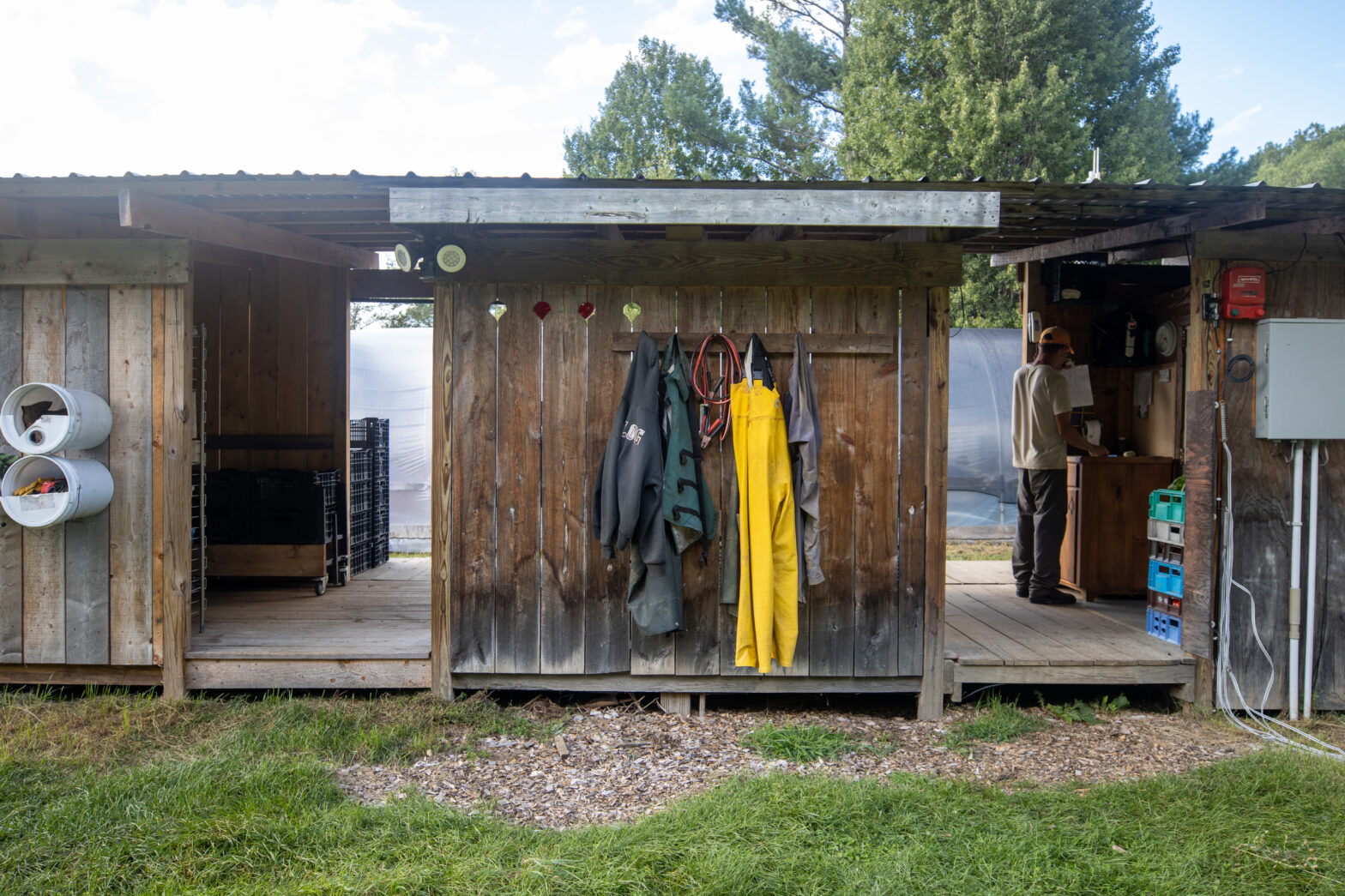
A Three-Season Structure Keeps the Momentum at Flywheel Farm
Ansel Ploog and Justin Cote run Flywheel Farm in Woodbury, Vermont. They wholesale 2 acres of organic vegetables to local co-op stores and through a regional distributor. When starting their farm in 2012, they understood they needed a spot to wash and pack their produce, undercover and off the ground. They chose to go with…
-
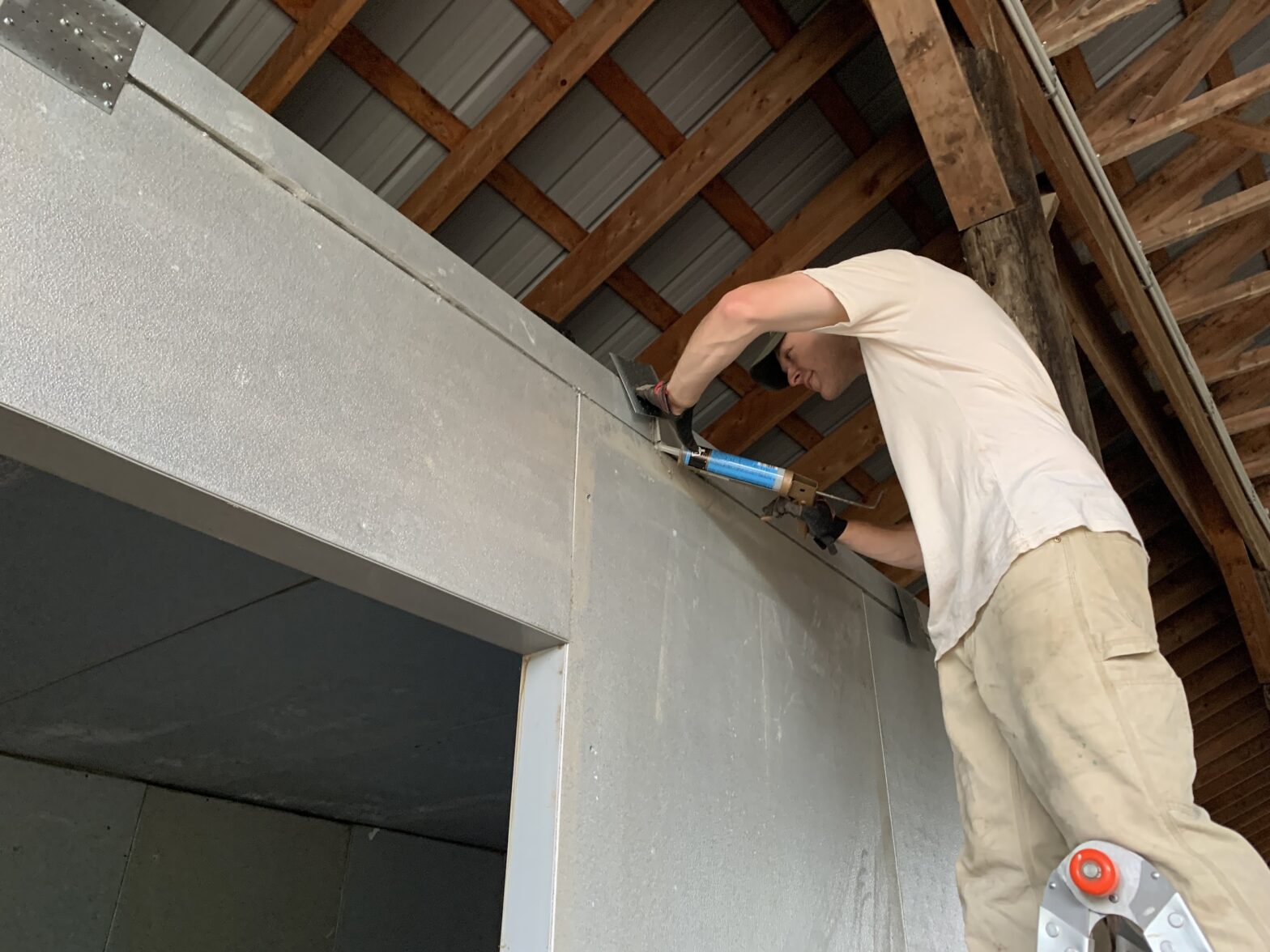
Top 5: Working with Contractors on a Postharvest Project
Key Takeaways Introduction Construction projects are both exciting and daunting. There’s great joy in dreaming about a new space or a renovated work area, but there can be a long windy path full of dread and stress between what you have now and what you hope to have in the future. Working with a contractor…
-
Patient Pursuit of Packshed Happiness at Ananda Gardens
Patrick Sullivan and Melisa Oliva have been farming for 5 years at Ananda Gardens, a CSA Farm in Middlesex, Vermont. They have been working to grow their farm and improve their wash-pack area as they renovated the 1950s dairy barn that stood on the property. They have 150 CSA members between the fall and spring…
-

Washing Machine/Greens Spinner Conversion Guide
Greens spinners play a vital role making greens production profitable for the small farm. Some farms find themselves stuck in the middle, where inexpensive, small-scale spinners cause a bottleneck, but it is hard to justify a more expensive industrial, stainless steel, restaurant-style machine. If you are just getting started, we have a full overview of…
-
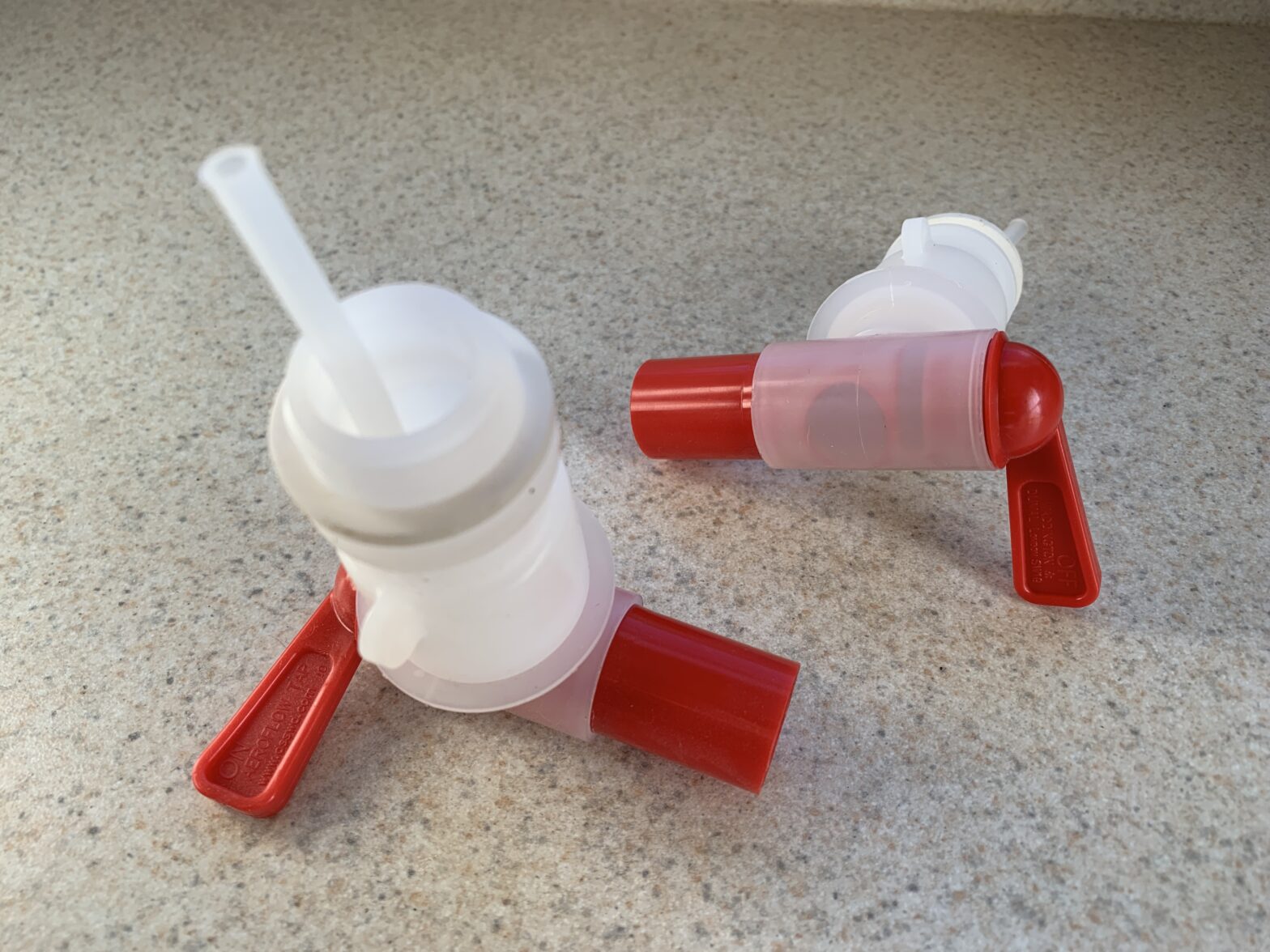
Safely Dispensing Sanitizers
Sanitizers used for treating post-harvest agricultural water on produce farms often come in 2.5, 5, or 10 gallon totes. These totes can be cumbersome to pour from resulting in splashing and spilling. These chemicals are also shipped in concentrations that can cause injury. Here are some simple ways of increasing the safety and accuracy of…
-
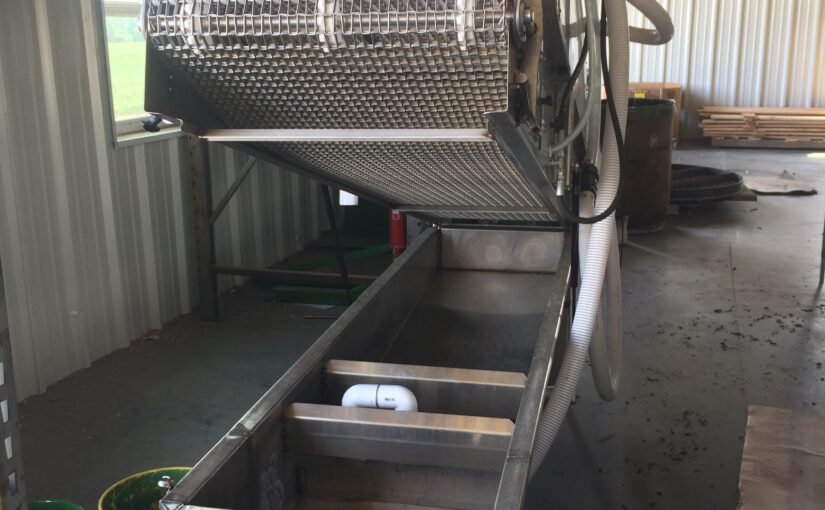
Hygienic and Sanitary Design for Produce Farms
Hygienic design intentionally creates or improves spaces and equipment so they can be cleaned and sanitized as appropriate. This post, associated PDF guide and checklist (PDF and Excel, instructions) are tools we developed to help apply hygienic and sanitary design practice on produce farms. We also collaborated on a video introduction to hygienic design with…