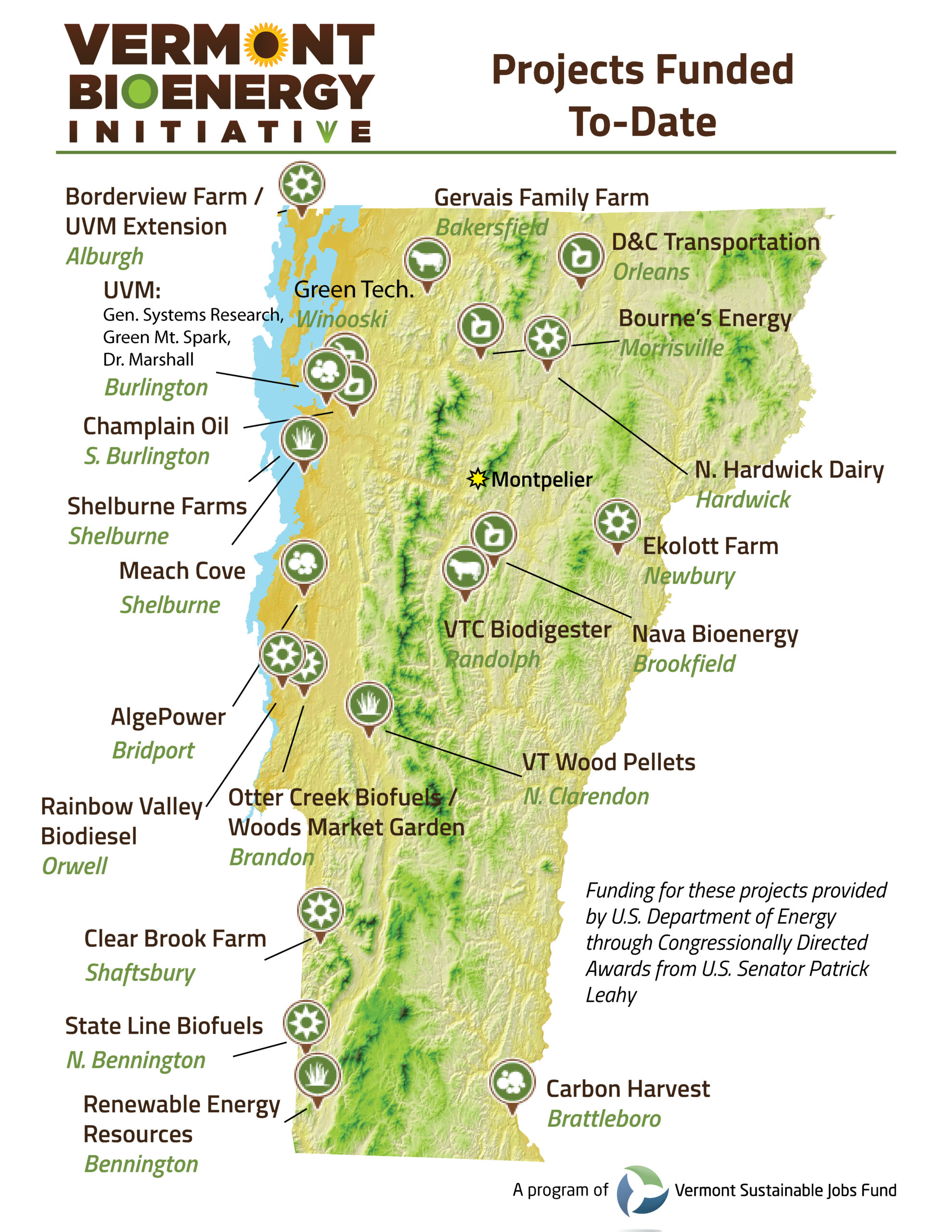
The purpose of the Vermont Bioenergy Initiative (VBI) was to foster the development of sustainable, distributed, small-scale biodiesel and grass/mixed fiber industries in Vermont in order to produce bioenergy for local transportation, agricultural, and thermal applications, as a replacement for fossil fuel based energy.
The VBI marked the first strategic effort to reduce Vermont’s dependency on petroleum through the development of homegrown alternatives. With billions of gallons of ethanol produced and blended with gasoline each year in the United States—and very little possibility of corn-based ethanol development in Vermont—we focused on a specific subset of bioenergy alternatives:
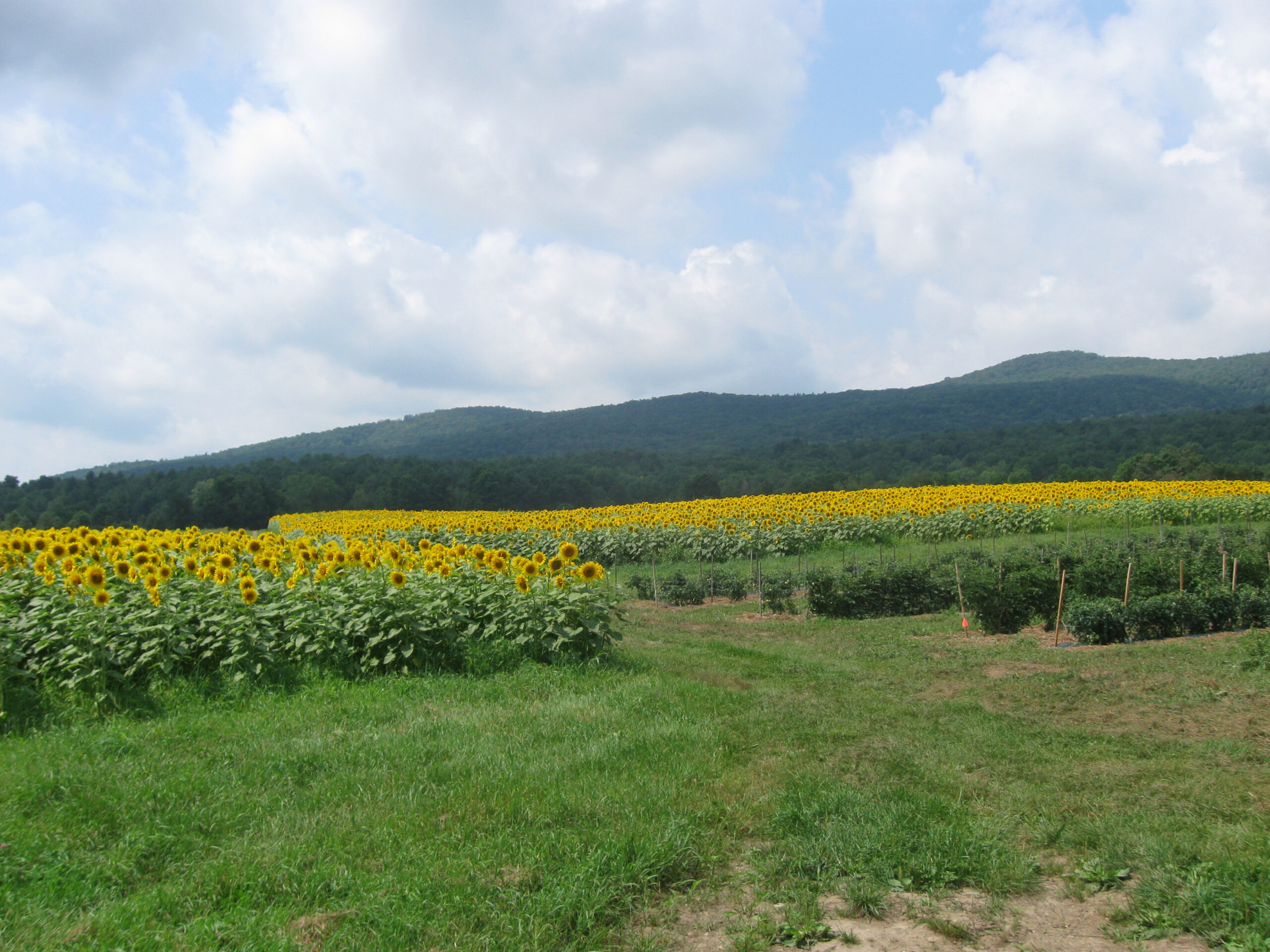
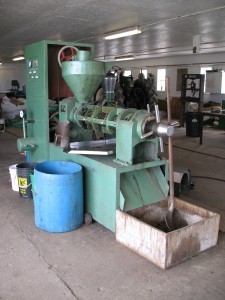
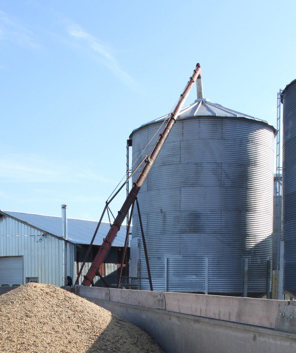
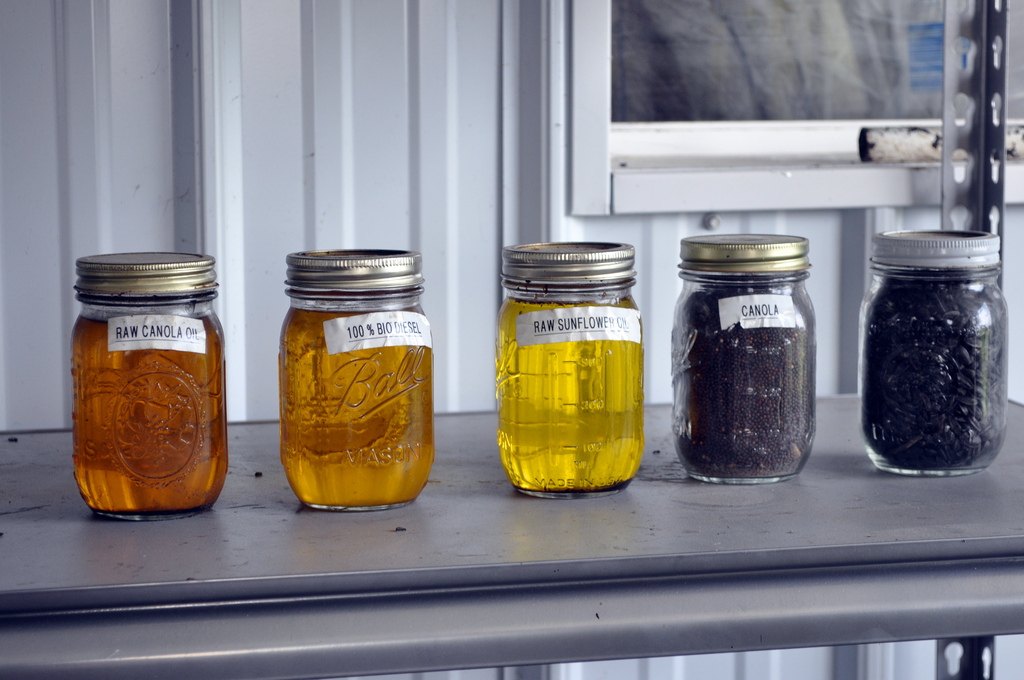
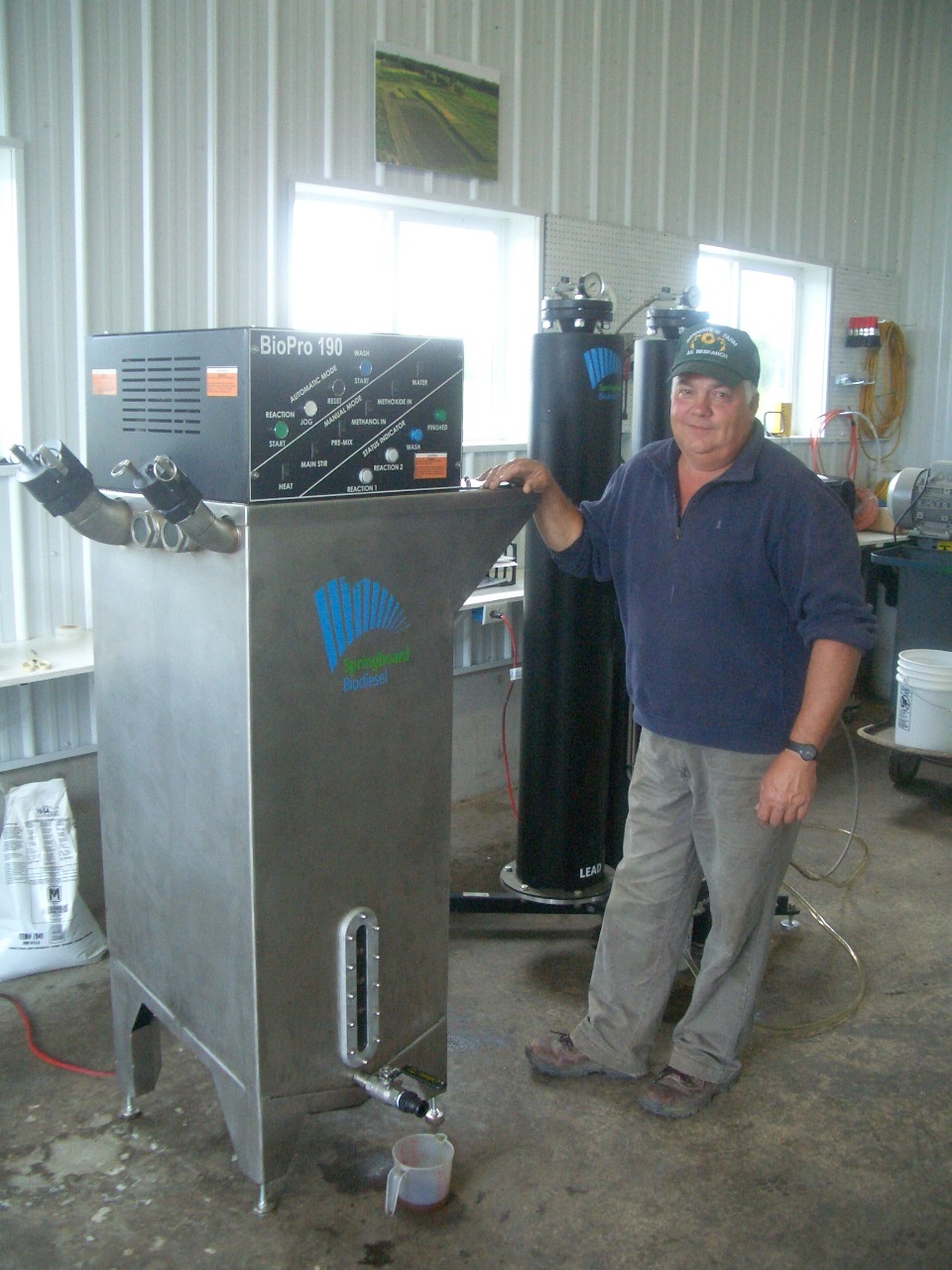
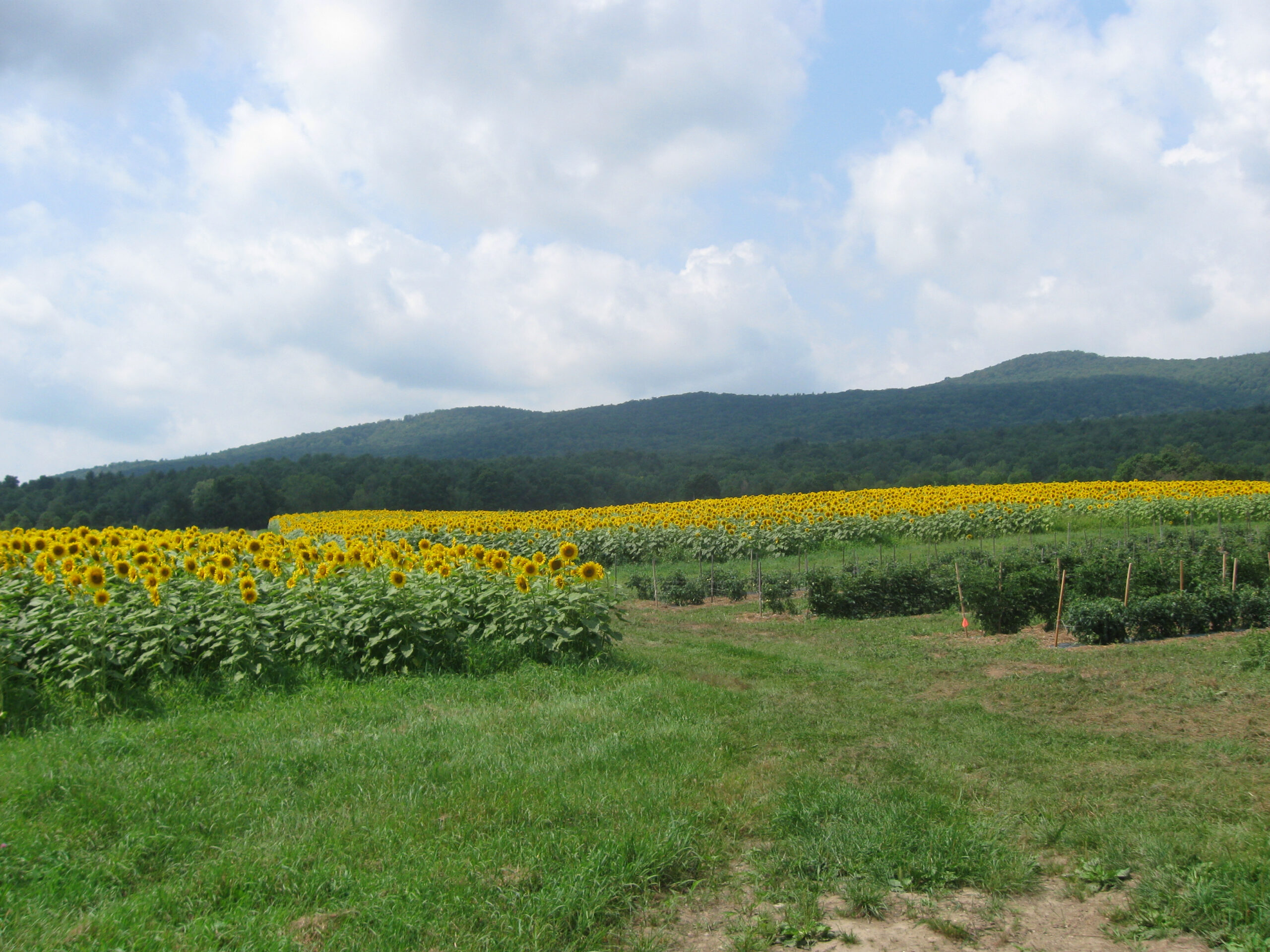
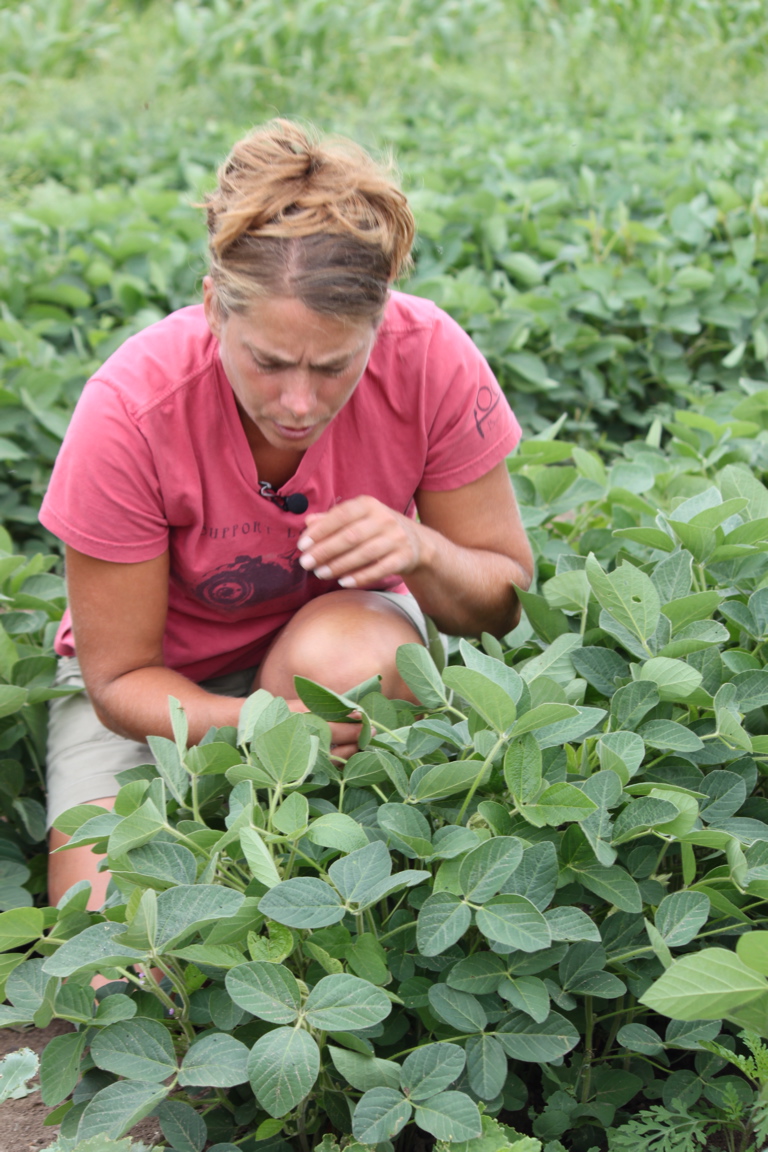
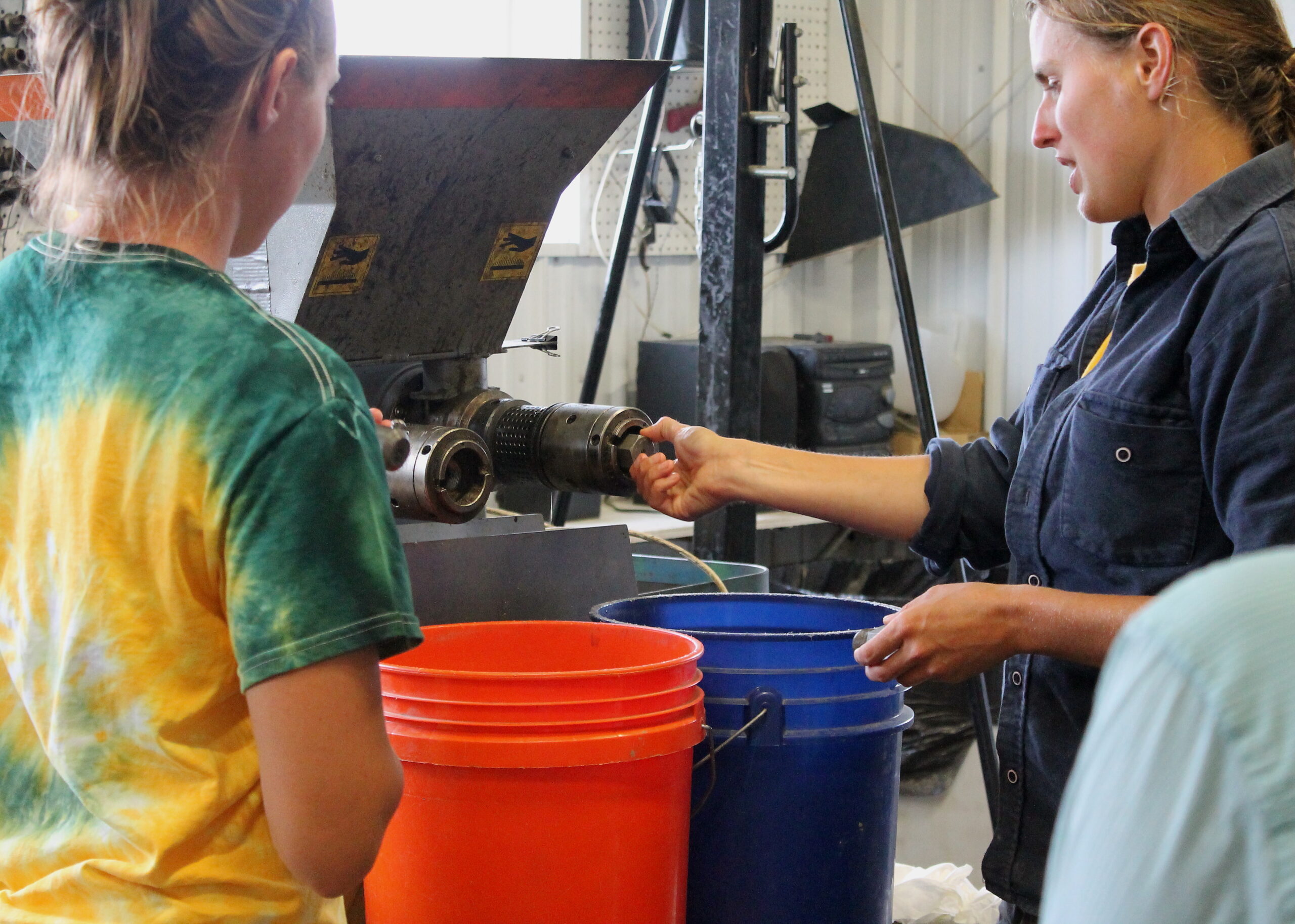
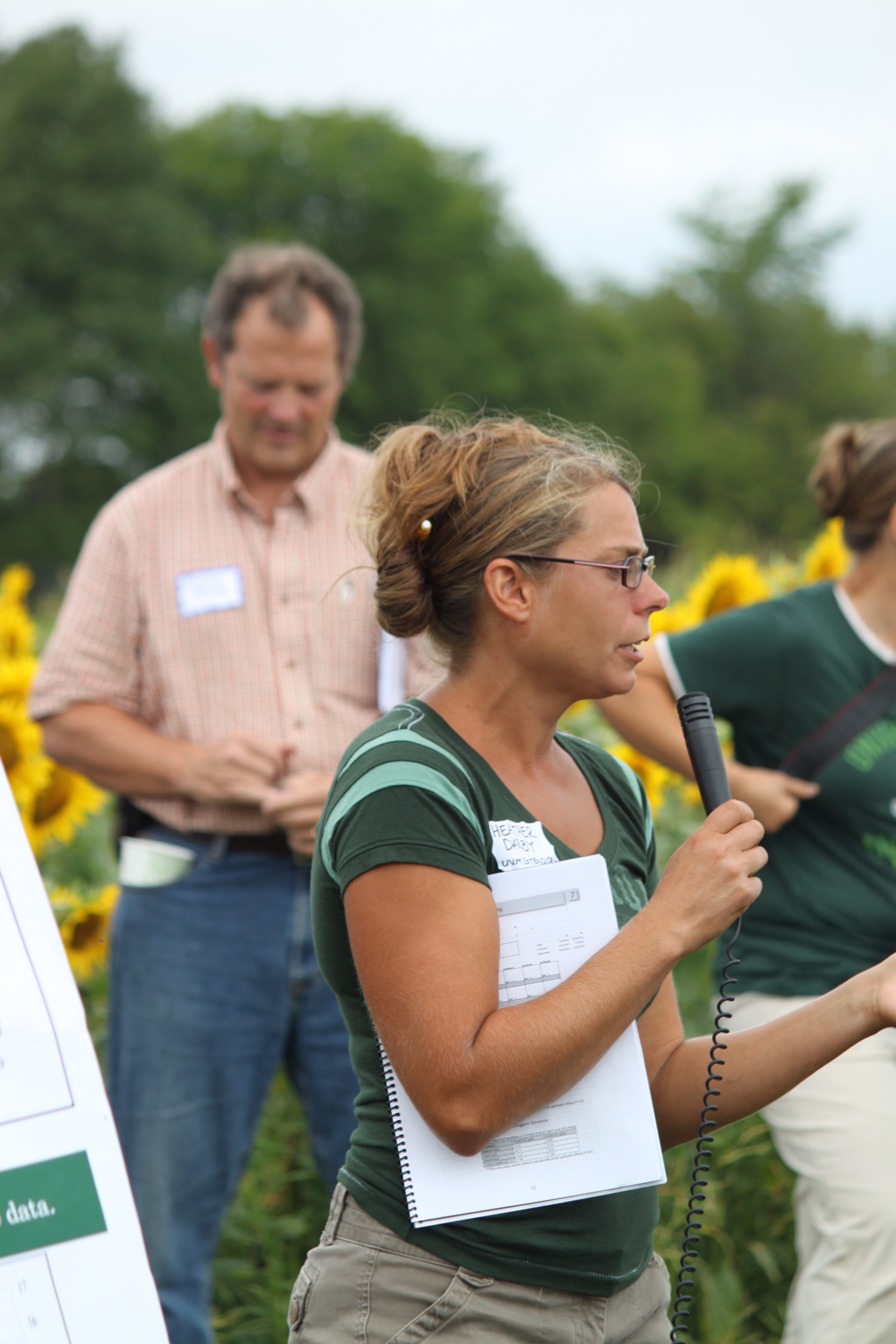
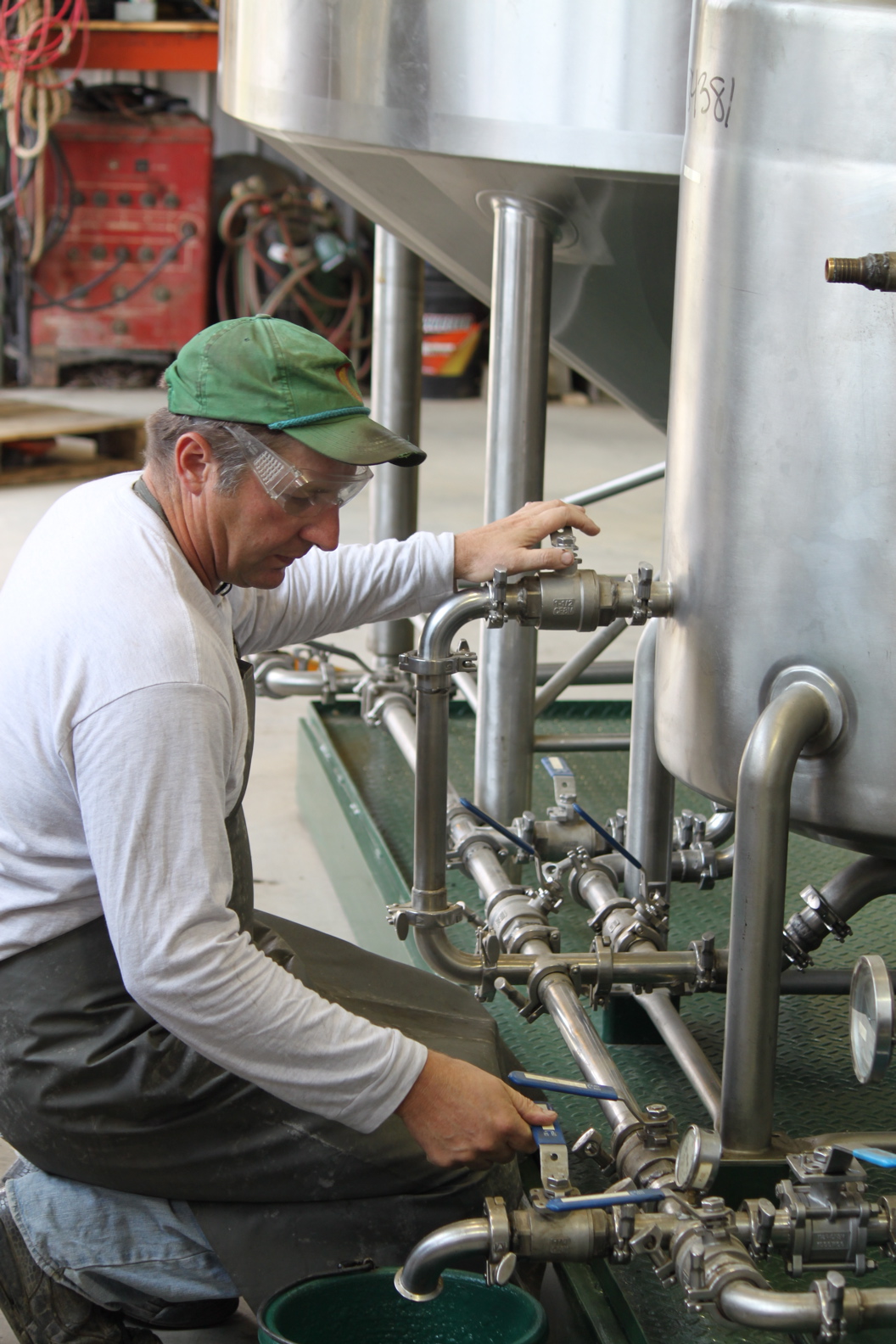
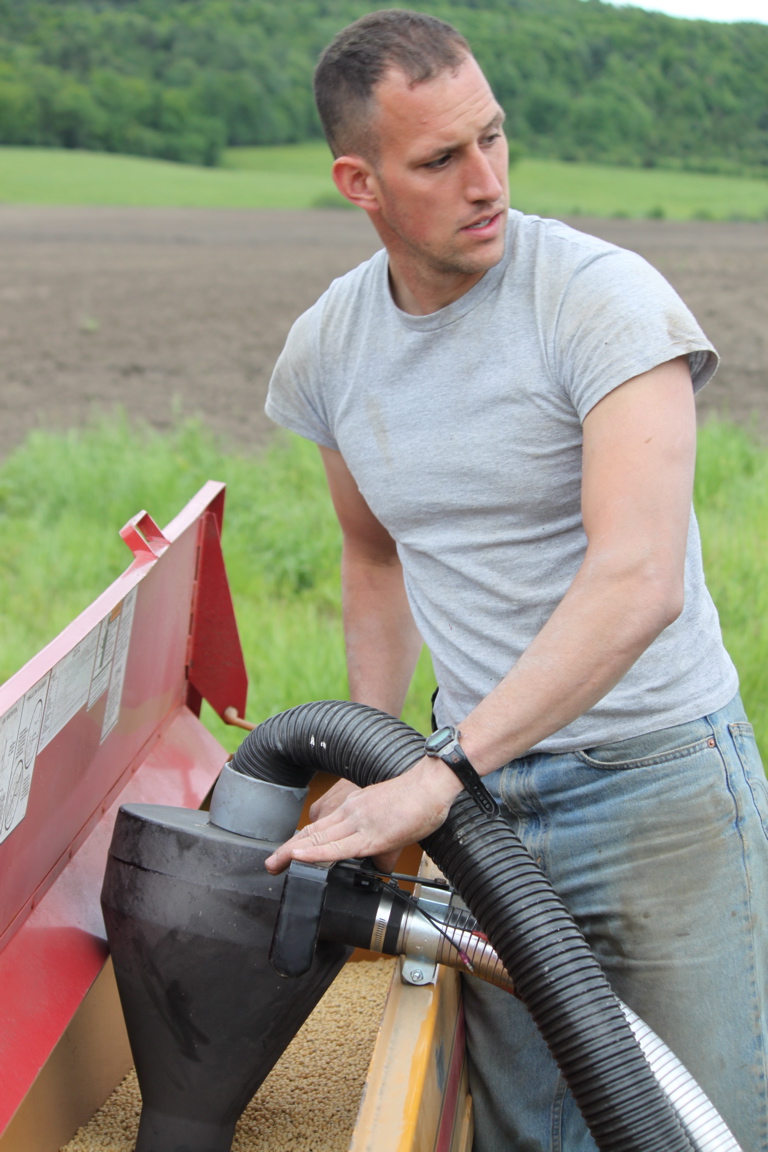
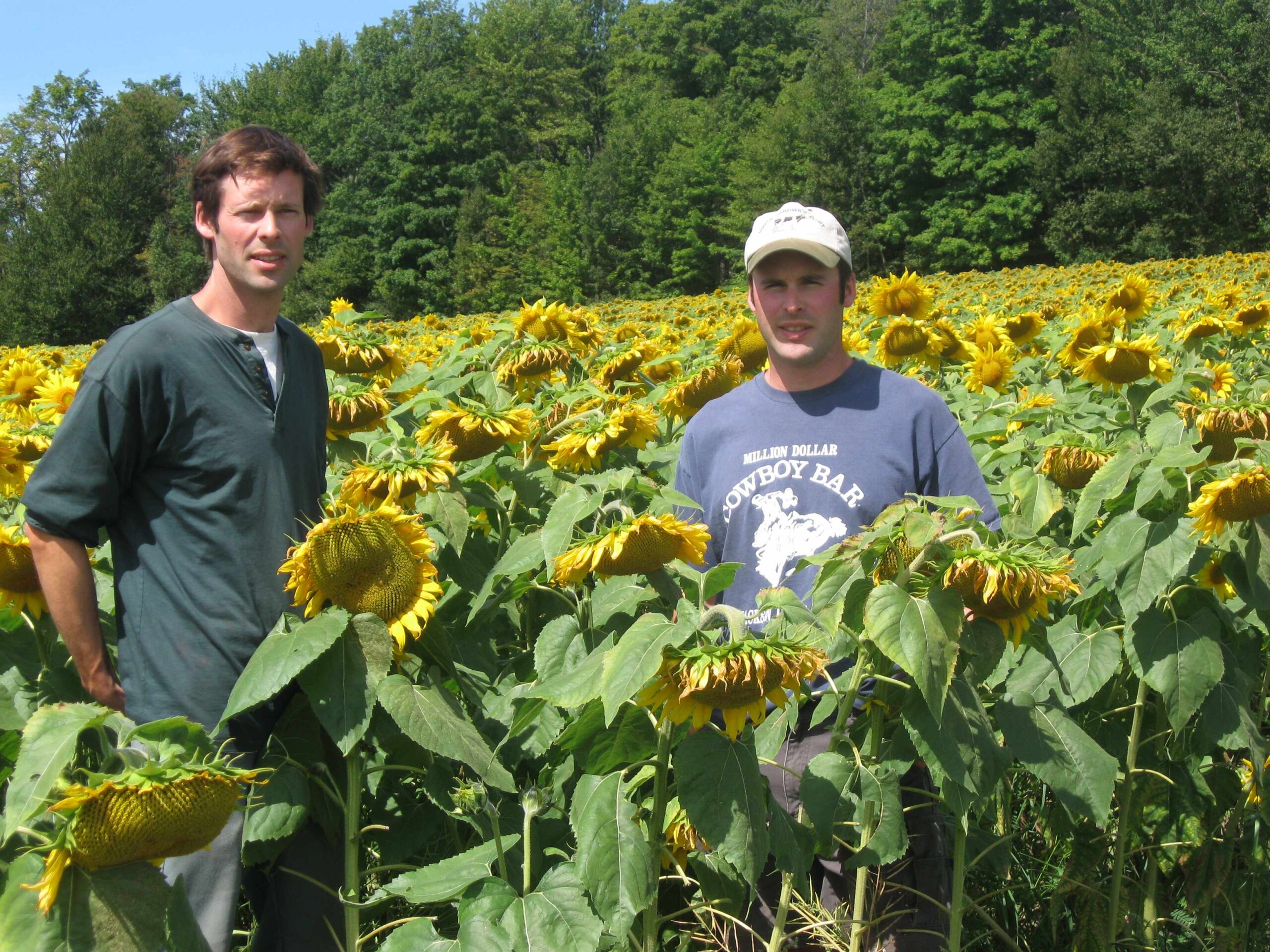
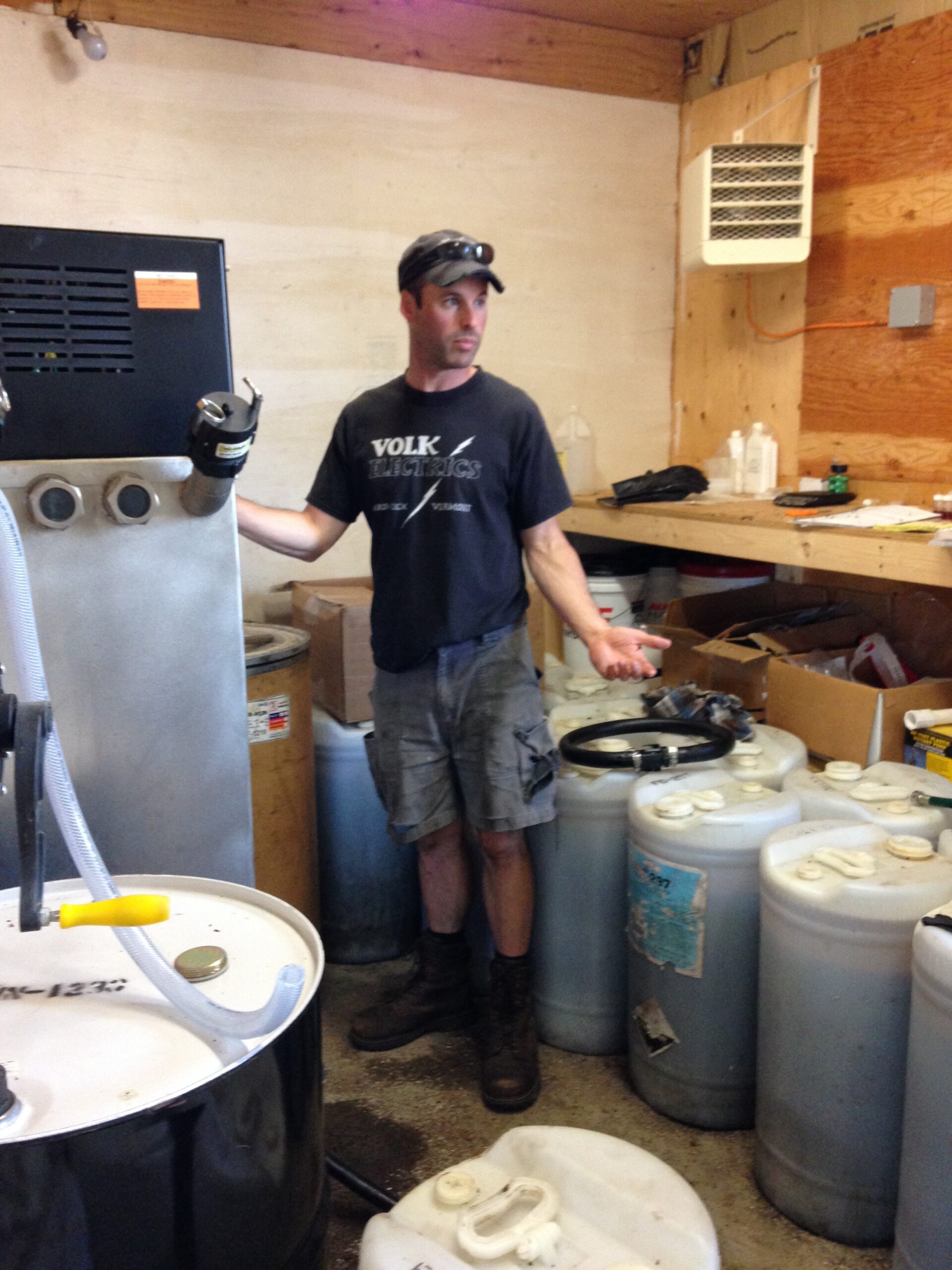
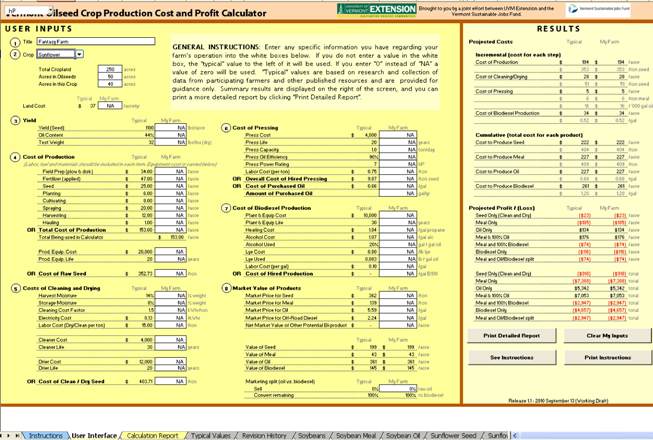
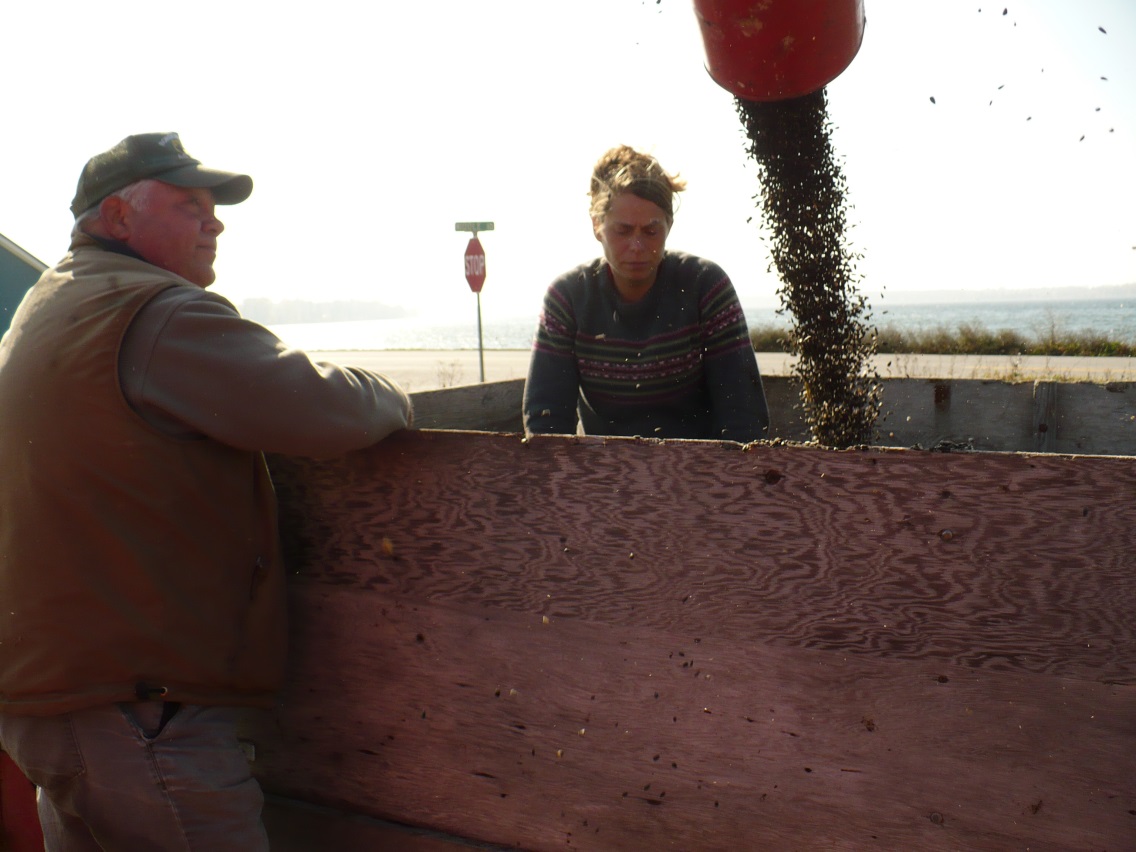
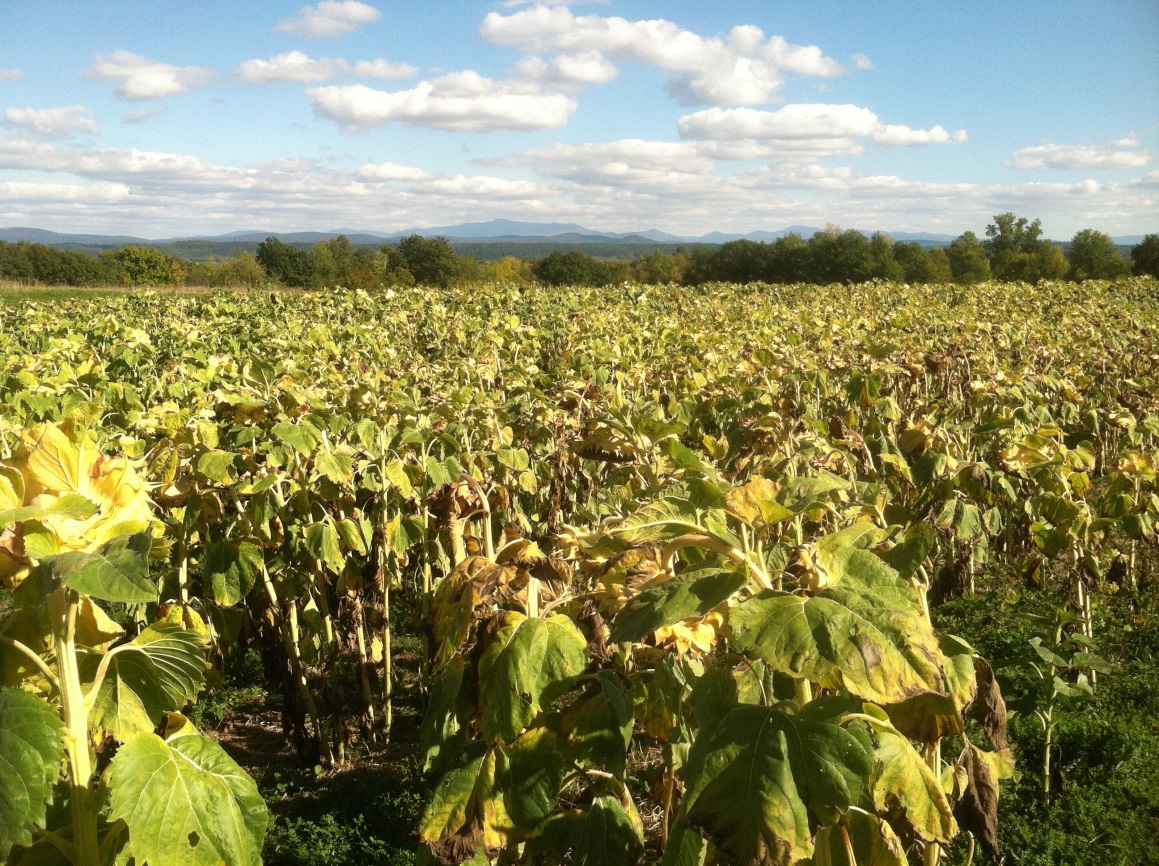
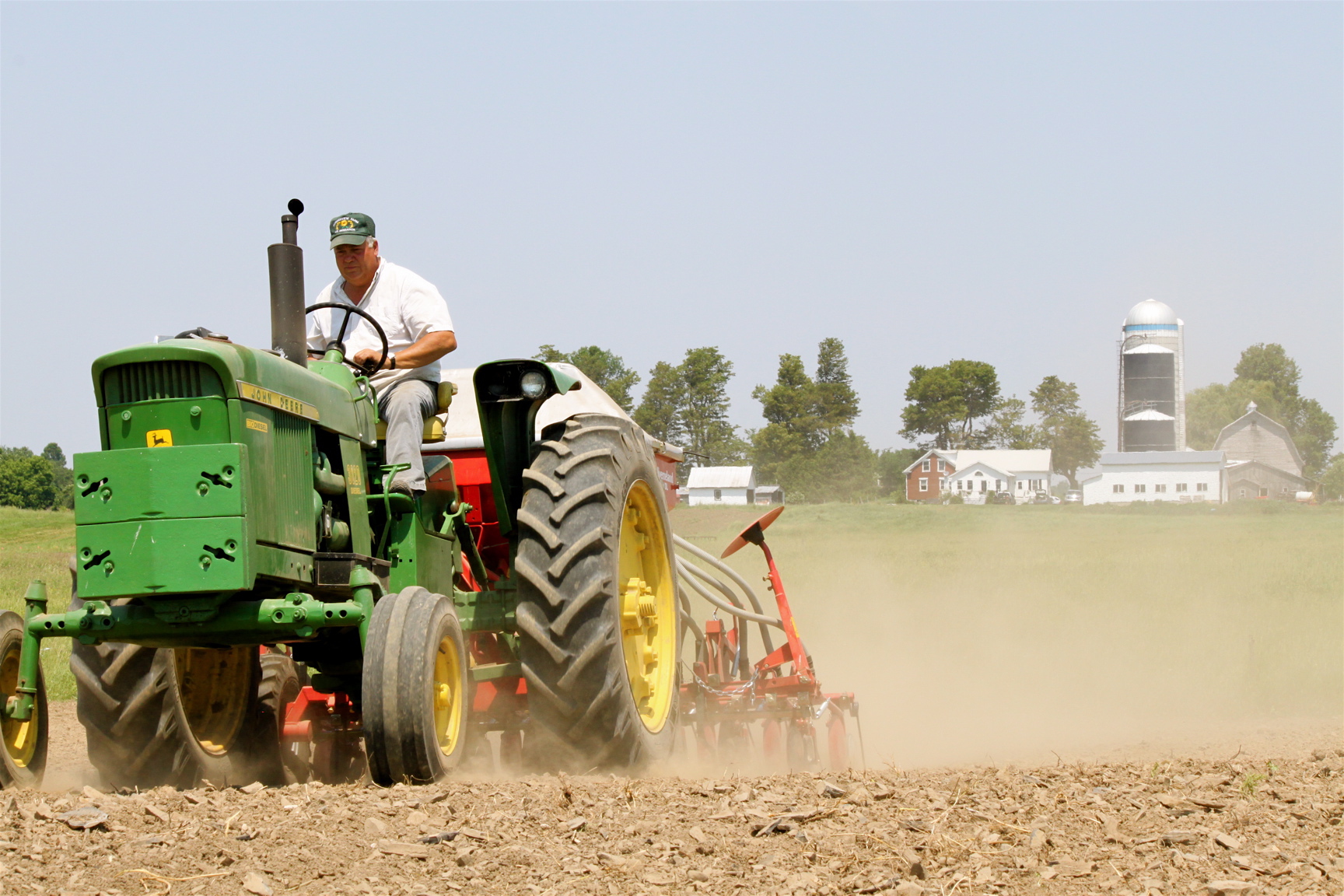
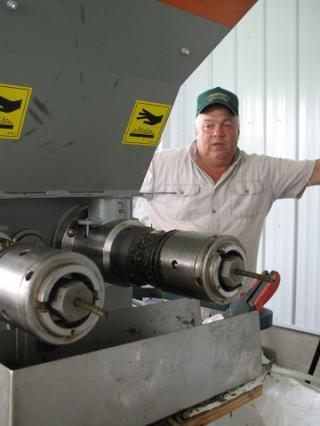
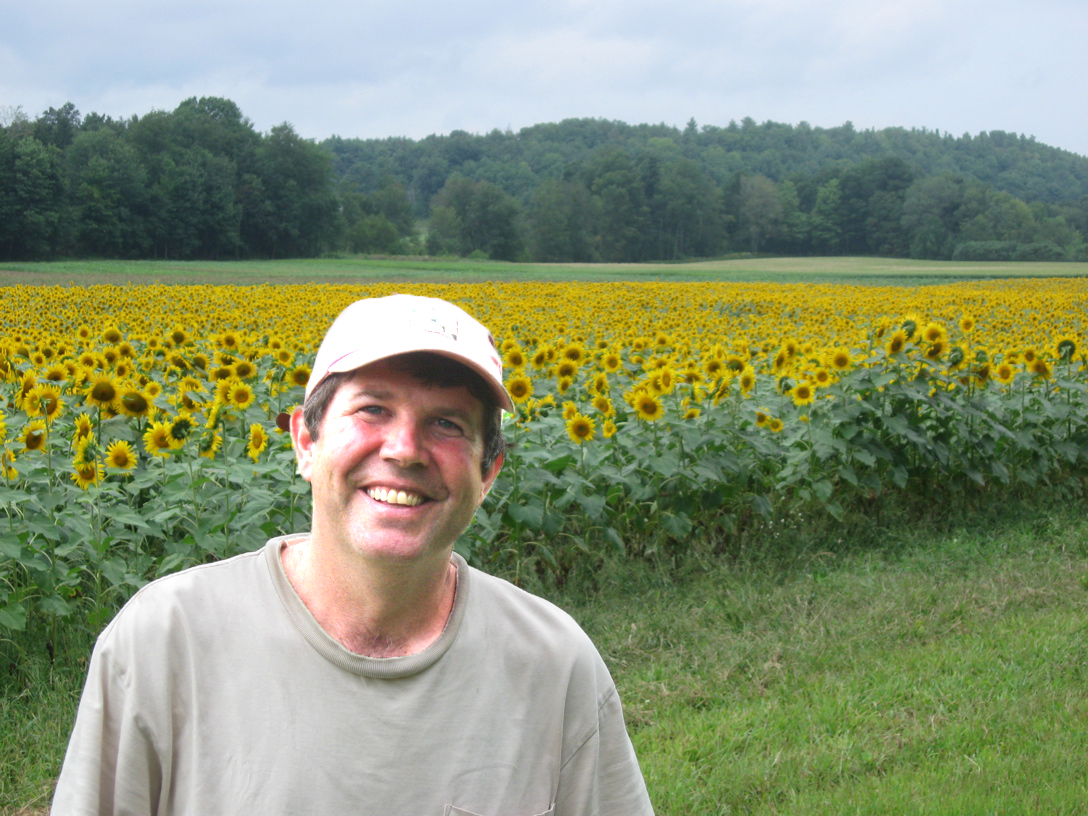
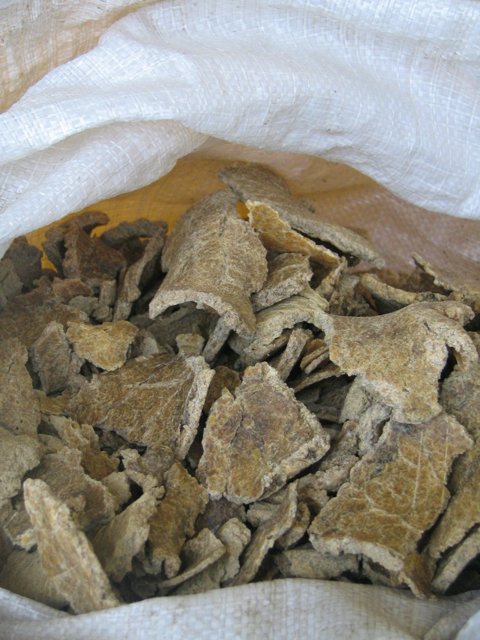
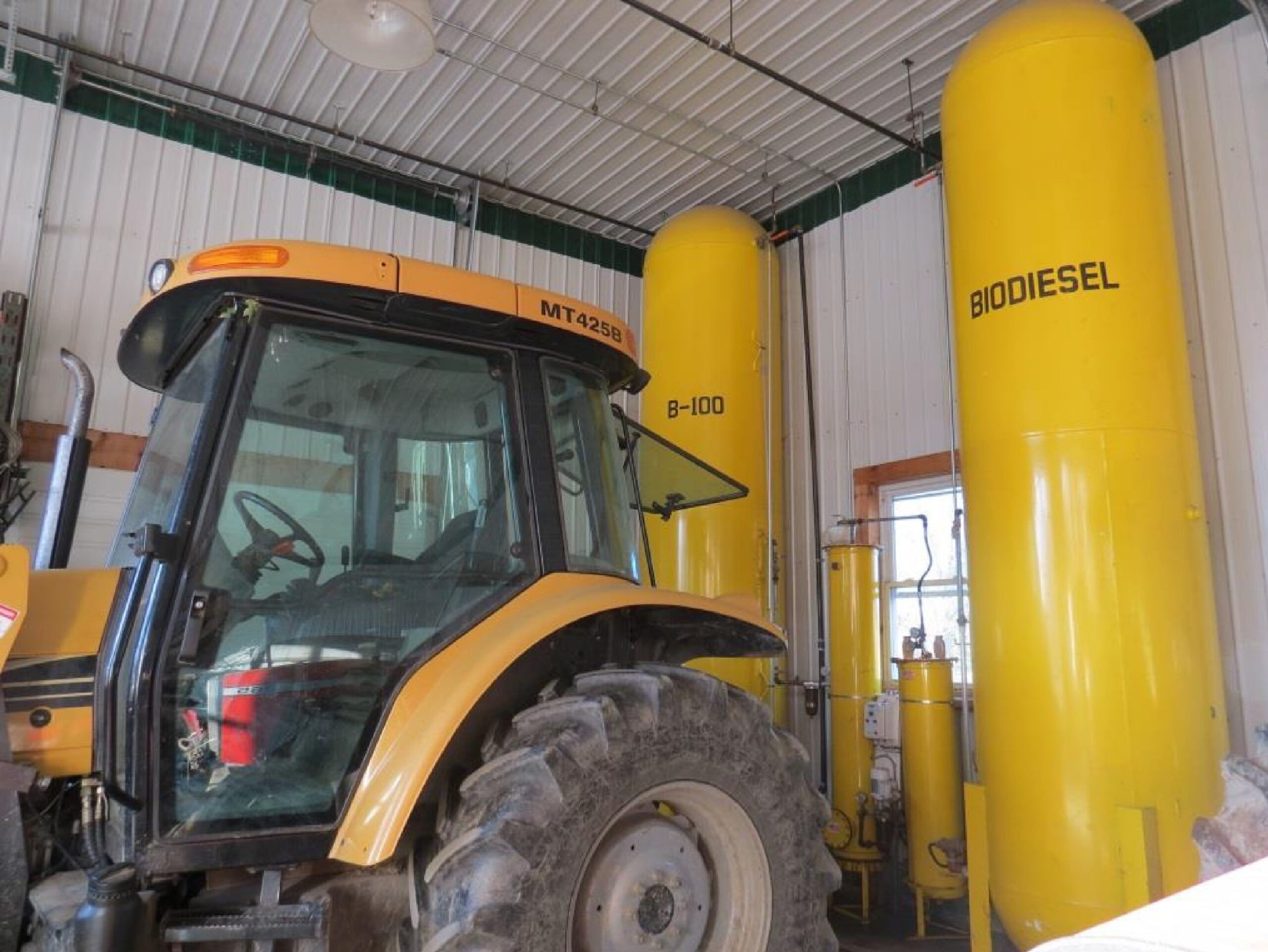
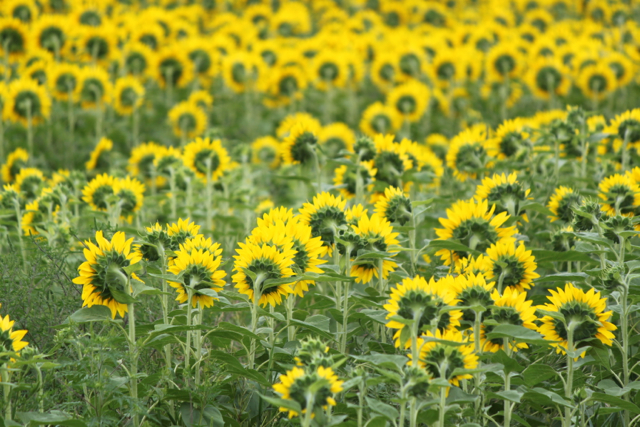
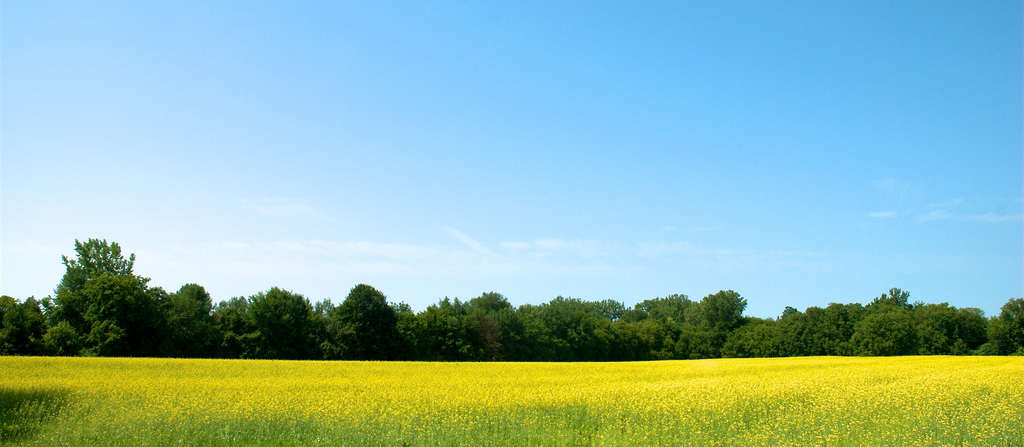
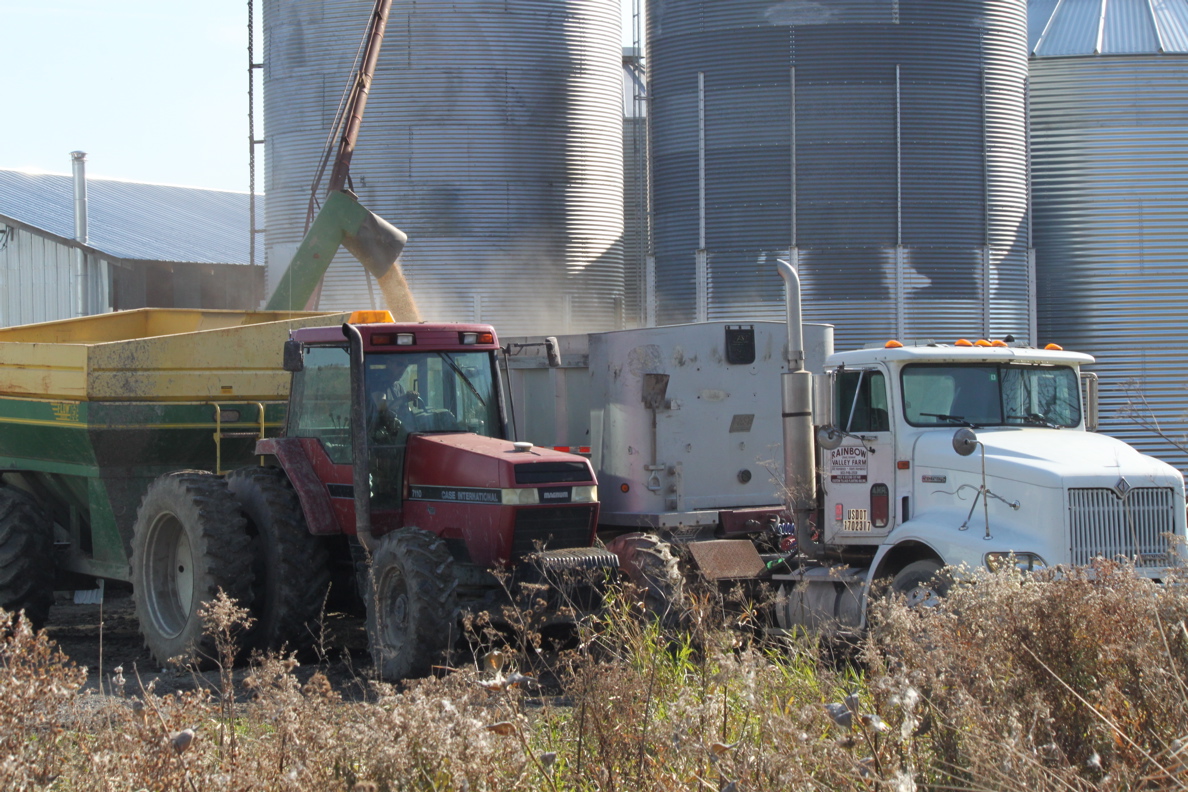
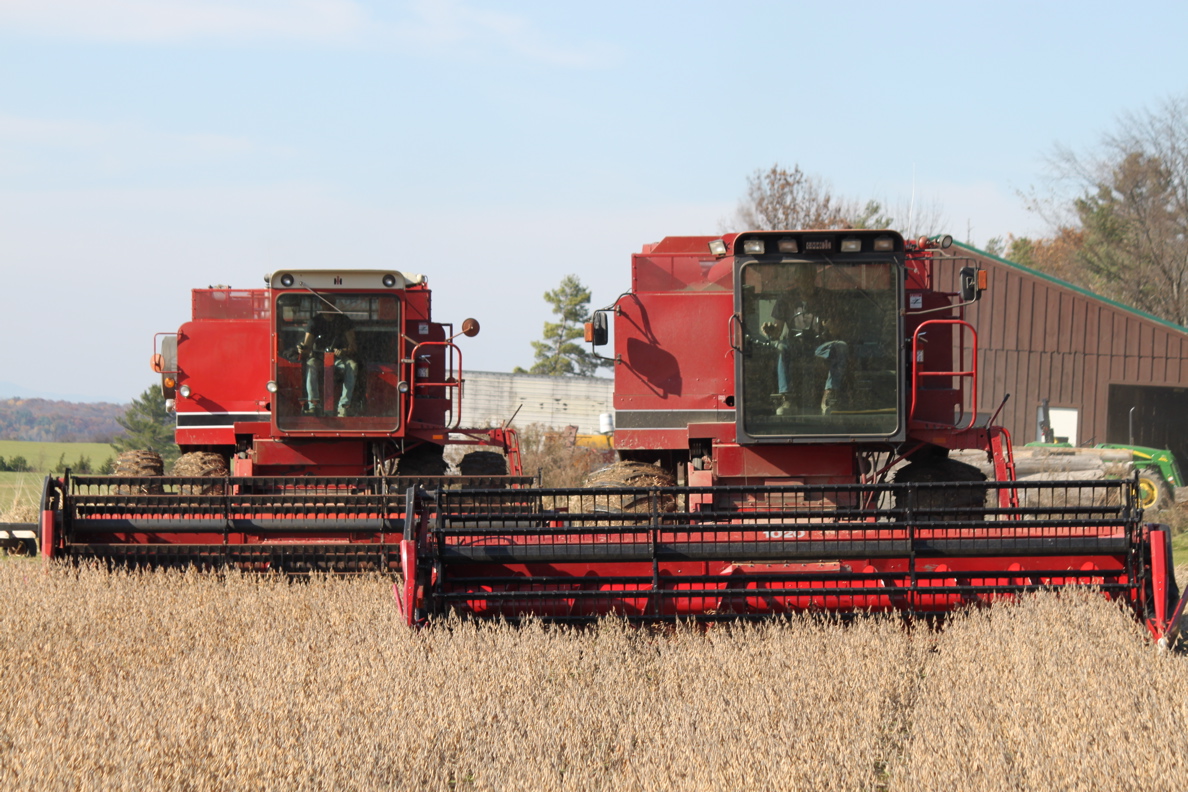
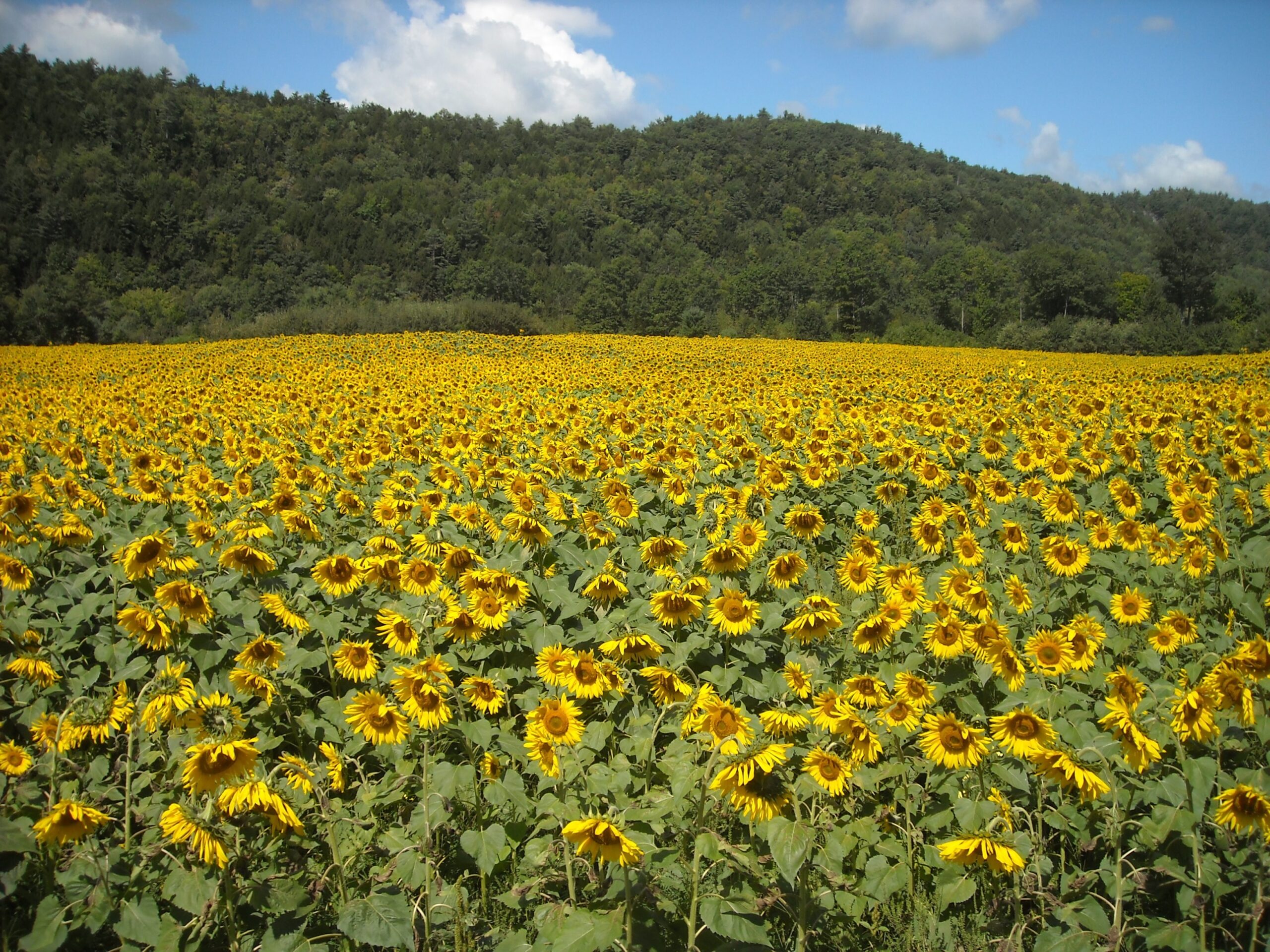
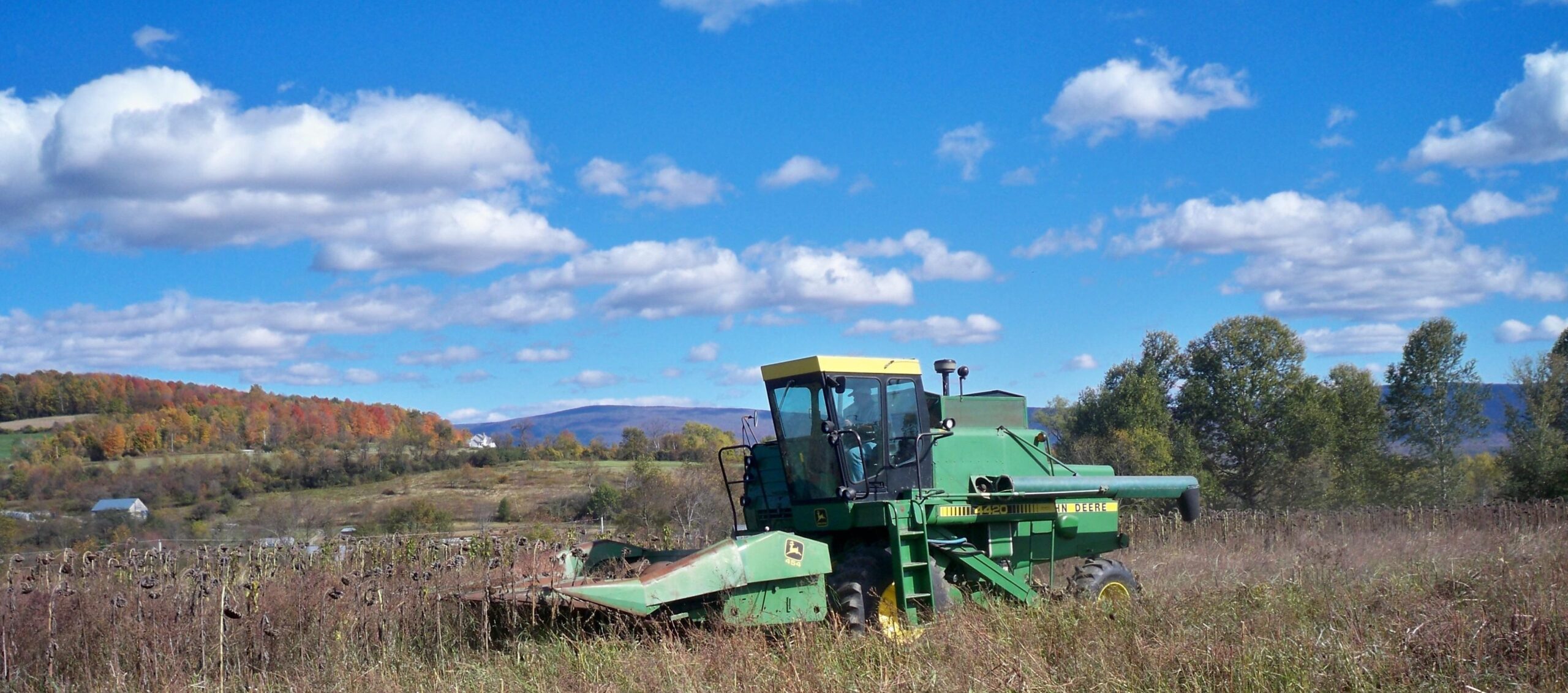
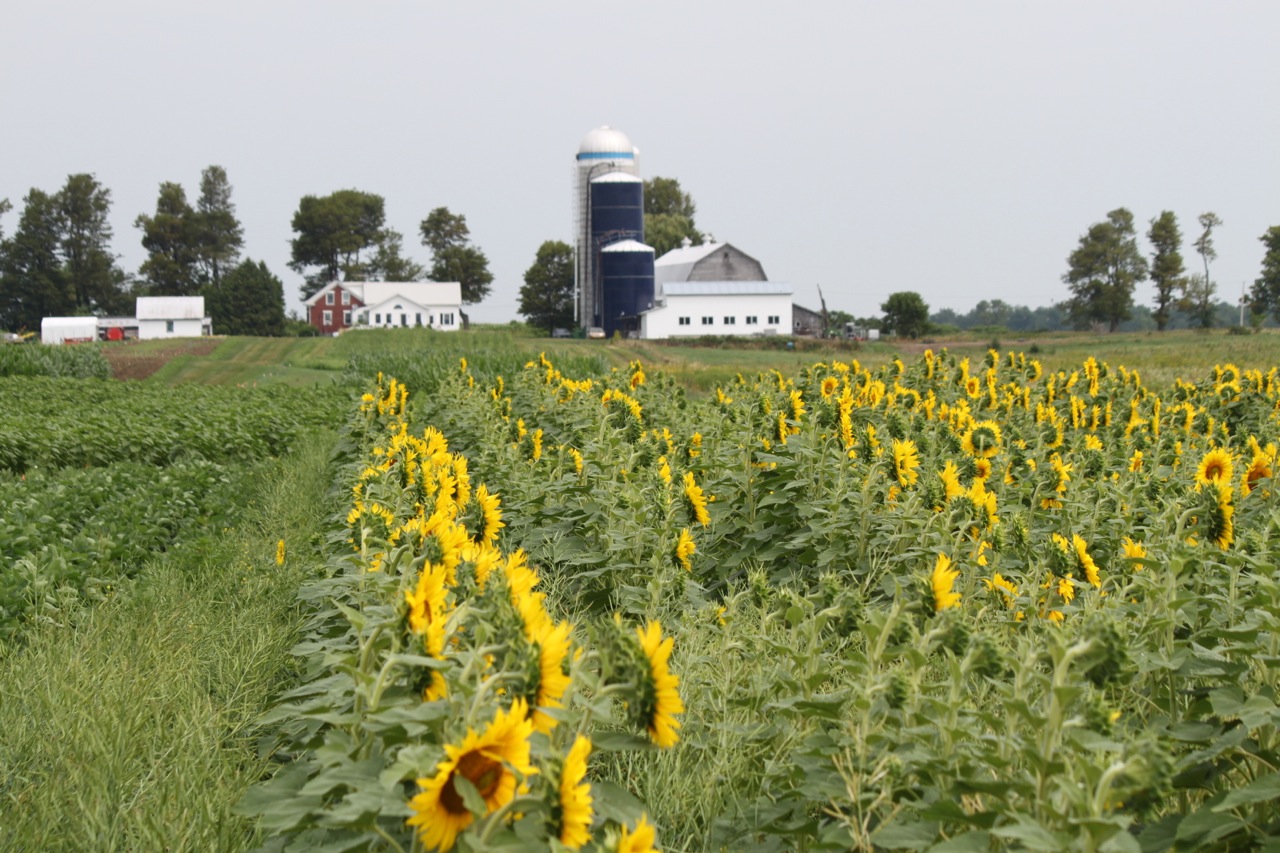
- We worked with interested farmers to develop on-farm oilseed production, processing, and biodiesel production capacity for farm and local community use, and we worked with researchers to develop the agronomics and economics of oilseed crop and biodiesel production in Vermont.
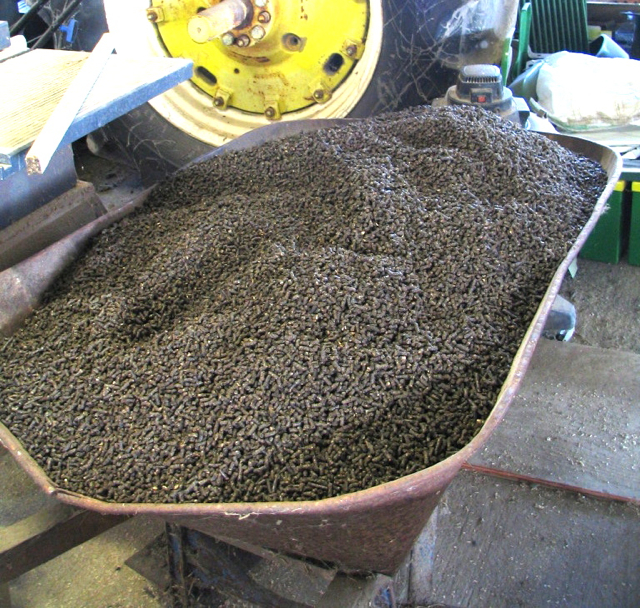
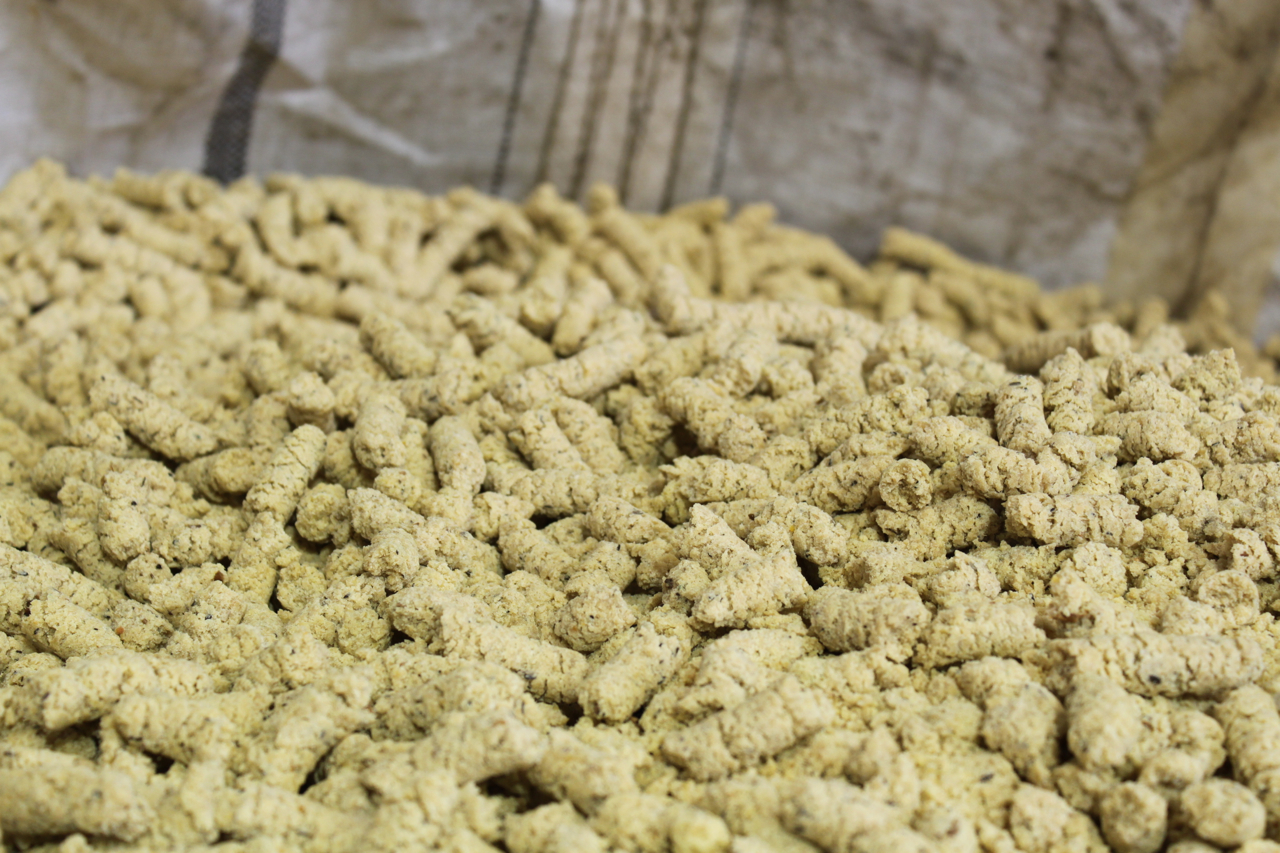
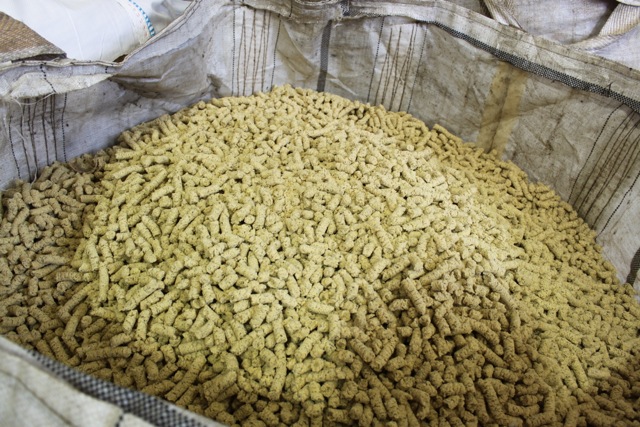
- We worked with interested farmers, entrepreneurs, and researchers to augment Vermont’s woody biomass supply with grass and mixed fiber pellets for thermal applications.
- We worked with interested researchers, entrepreneurs, and farmers to develop cold climate algae that could eventually be available for biodiesel production.
The primary activities of the Vermont Bioenergy Initiative took place from 2008 to 2016 and have been summarized in a final report which is linked below.
This page will also serve as an archive for the many videos, reports, and tools developed as a a result of the VBI. Links to these resources will be provided below.
- Oilseed Resources
- Grass Resources
- Algae Resources