
Category: Crop Production
-

Growing Garlic
For thousands of years garlic has been used as food, a spice, and a medicine. Recently it’s been used as a pest repellent, too. Garlic probably originated in central Asia, and was then brought to the Mediterranean area and Europe. By the early 1700s it found its way to America. Types of Garlic There are…
-
Weed Management on Organic Vegetable Farms
Many organic vegetable growers consider weeds to be their primary pest problem. Integrating a variety of weed control techniques is the best way to achieve effective organic weed control. Weed management techniques are aimed at preventing weeds before they appear, or at suppressing weeds once they are present. Weed prevention techniques include: · Rotation of…
-
Ten Steps Toward Organic Weed Control
About one third of Vermont’s vegetable farms are managed organically. On many others, herbicides are used only on a few of the crops. Vegetable farms here and throughout New England are relatively small, and tend to have many plantings of highly diverse crops, making it a hassle to spray different materials at different times. Necessity…
-
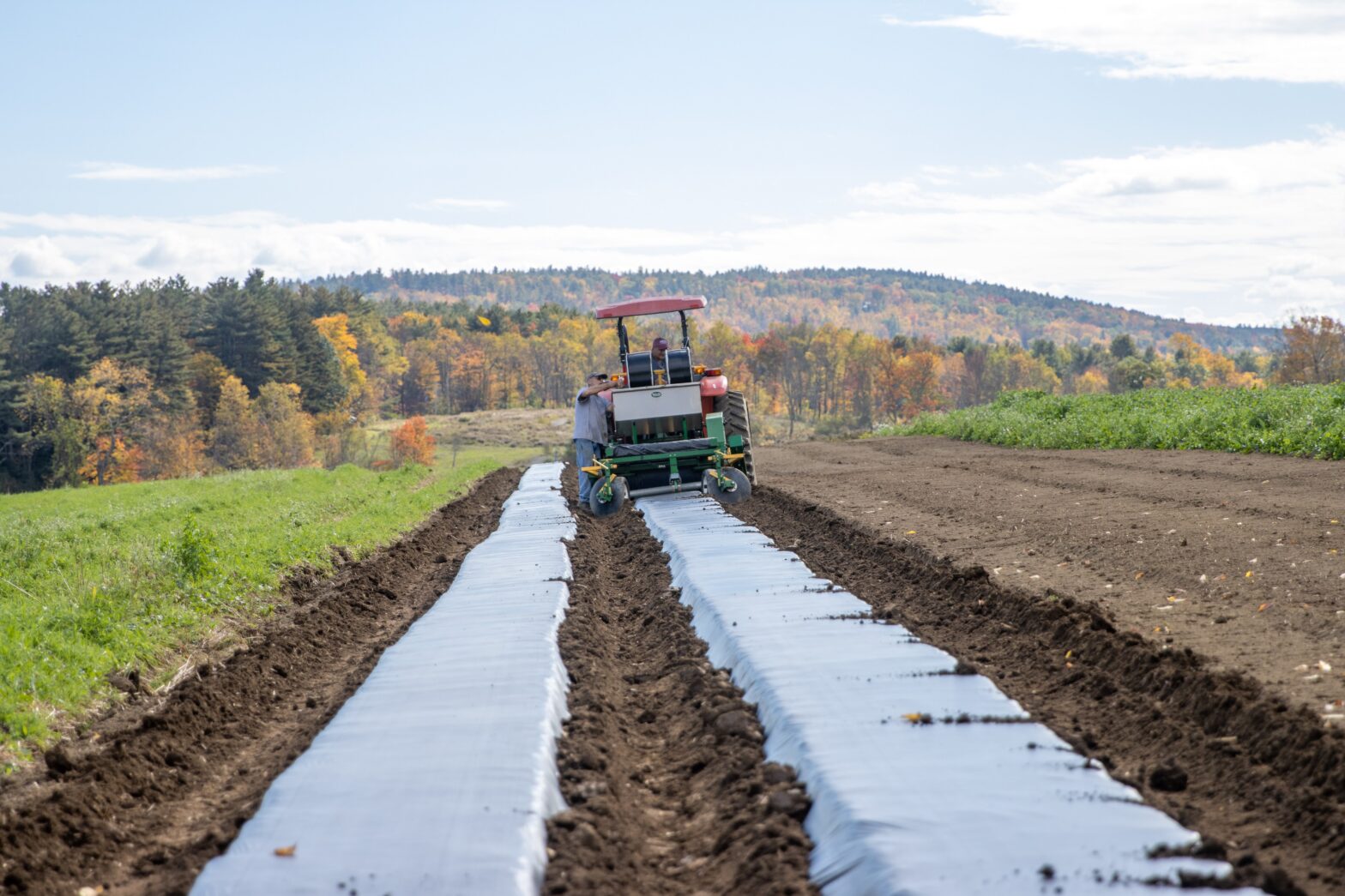
Plastic Mulch Primer
The use of plastics — to cover greenhouses and high tunnels, as row covers, and for soil mulches – has resulted in a horticultural revolution of sorts. Largely unheard of just two generations ago, it’s almost impossible now to find a farm that grows horticultural products without plastic. Taken together, the use of agricultural plastics…
-
Cultivation Equipment for Weed Control: Pros, Cons, and Sources
Effective mechanical weed control requires compatibility among the crop, the soil, seedbed preparation technique and cultivation equipment. As you plant, so shall you cultivate: use row spacings that will accommodate your equipment with a minimum of adjustment. Cultivating in a timely fashion is important, but that can be a challenge because of weather or other…
-
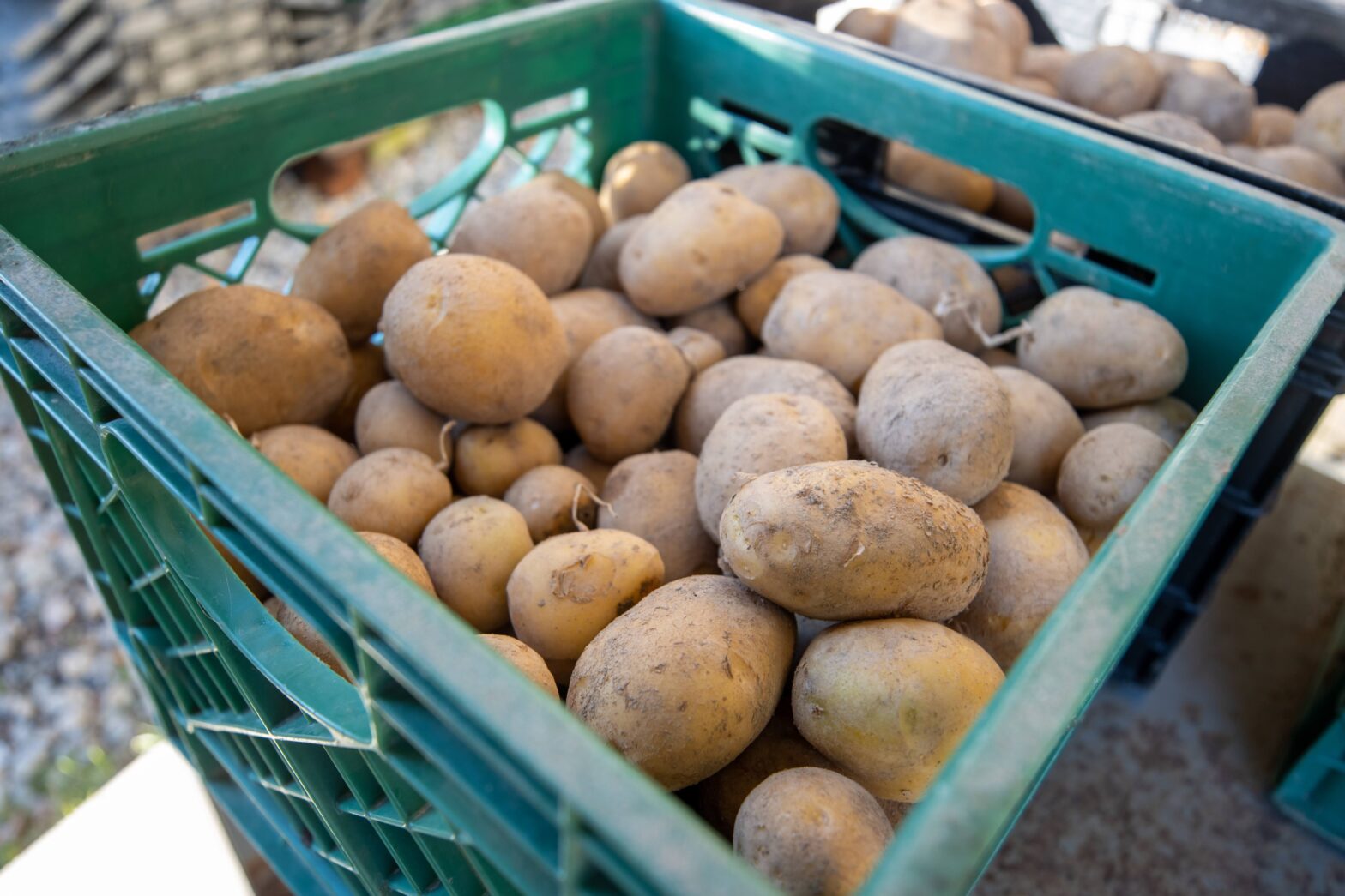
Growing Organic Potatoes
Potatoes are a pretty easy vegetable crop to grow, but they aren’t the easiest to grow using organic methods. That’s because they are prone to quite a few insect pests and diseases that can be a challenge to manage organically. They also require relatively high levels of available nutrients in order to obtain good yields.…
-
Observations on Interseeding Cover Crops
Interseeding, or sowing cover crop into a standing cash crop, is a way get a jump on the traditional winter cover crop season. This can lead to an increase in cover crop biomass production, and presumably, better erosion control and soil organic matter enhancement. Earlier establishment also increases your choices of cover crops compared to…
-

Transplanting Sweet Corn
Sweet corn is an important crop for many diversified vegetable farms. Not only does farm-fresh corn attract consumers, but corn is useful as a rotation crop, too, because it hosts few insects and diseases that affect other vegetables. Weeds, well that’s another matter. Sweet corn fields can get quite weedy, especially if timely cultivation is…
-
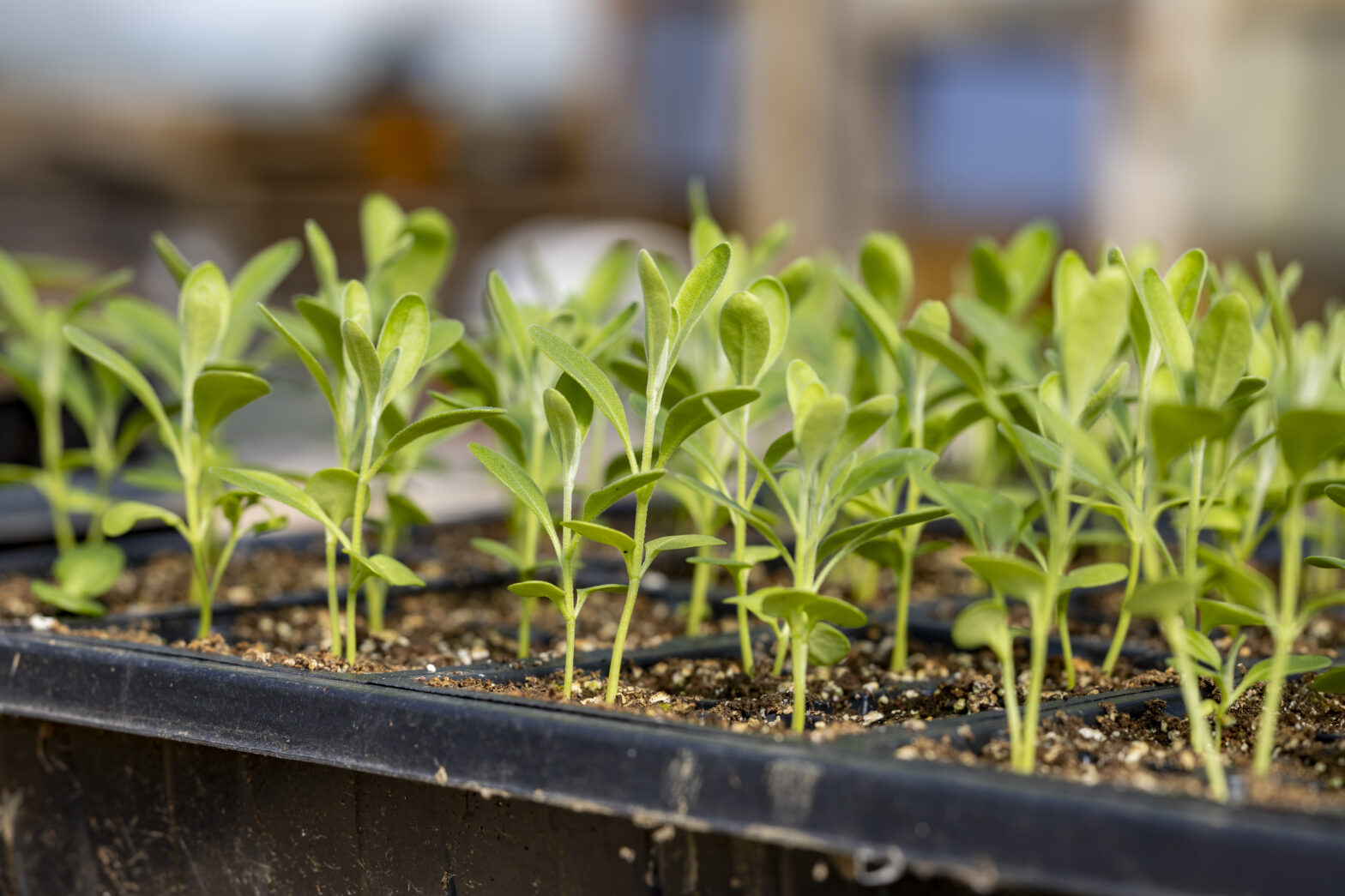
Growing Good Transplants
Growing high quality transplants helps get vegetable crops off to a strong start in the field, and it’s essential to customer satisfaction if you are selling transplants. At the recent New England Vegetable and Fruit conference I picked up many of the following tips on transplant production from presentations by Jan van der Heide of…