Posts

Let’s talk soybeans!

Although it hasn’t felt like it, fall is right around the corner. Despite dry conditions through much of the growing season, and still persisting in some regions, soybeans seem to be doing well. Overall, they look tall and healthy with pods filling and not too much disease. Since it will be a while longer until we have all the results from our 2021 trials, here are some highlights from our soybean work in 2020 to consider while you wait. We hope you find this information useful in making informed decisions on your farm. Full results of research trials can be found at uvm.edu/extension/nwcrops/research. Reach out to us if you have any questions (cropsoil@uvm.edu)! 

Variety Selection

In 2020 we trialed 19 conventional and 8 organic soybean varieties spanning maturity groups 0-2. Despite exceptionally dry and hot weather, soybeans in both trials performed well averaging 65.3 bu-1 and 55.8 bu ac-1 in the conventional and organic trials respectively (Figure 1 and Figure 2). However, as you can see from the figures below, there was quite a range in yield between varieties. Interestingly, in both trials we observed high yields from short and long season varieties indicating that high yields can be attained in our northern climate. It is important to consider such trial results when selecting a variety that fits your farm’s goals and is well suited to its environment. Check out the full reports on our website for more details. 
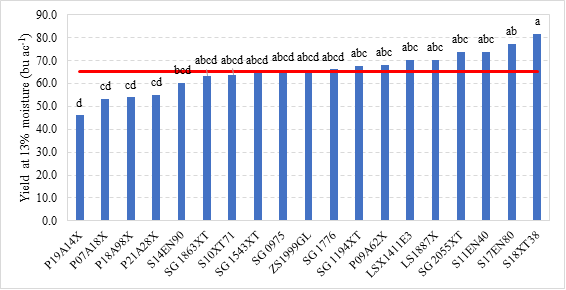
Figure 1. Seed yield at 13% moisture for 19 soybean varieties. The red line indicates the average yield. 
*Varieties that share a letter performed statistically similarly to one another. 
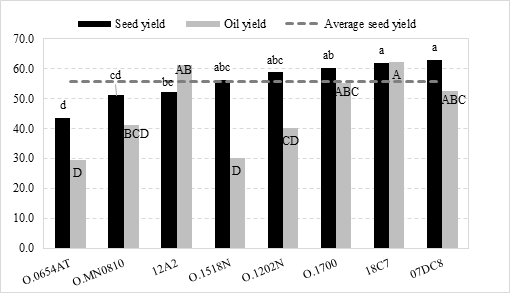
Figure 2. Yield of eight organic soybean varieties. 
Varieties that share a letter performed statistically similarly to one another. The trial mean seed yield is indicated by the line. 

Cover Cropping with Soybeans

In 2020 we conducted two cover cropping trials with soybeans. The goals of the trials were to: 

1) investigate the impact of various cover crop species and mixtures on subsequent soybean yield and quality, as well as nutrient and soil health dynamics, and 

2) investigate the impact of termination methods on soybean yields and quality. 

Introducing a cover crop into a cropping system can provide a multitude of benefits but also presents challenges. Cover crops used in this region can be categorized into two main groups: winterkilled and overwintering. While overwintering cover crops provide protection to the soil through the winter and regrow the following spring, having them regrow in the spring requires terminating them in a timely manner without delaying planting impeding nutrient availability for the cash crop. In 2017, we saw a 7.5 bu ac-1 yield reduction when soybeans followed winter rye but no yield reduction when soybeans followed a winter killed cover crop. Interestingly the experiment was repeated from 2018 through 2020 and although the soybeans yields were often higher following a winterkilled cover crop, it wasn’t statistically different in yields compared to soybeans following winter rye (Table1). This suggests that utilizing an overwintering cover crop that was incorporated into the soil prior to seeding soybean, does not result in a significant yield reduction. We are still trying to understand why the overwinter cover crop might lead to yield reductions in soybeans. 
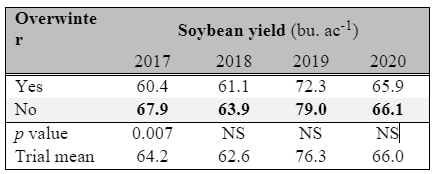
Table 1. Impact of cover crops on soybean yields. The top performers are in bold. NS – No significant difference between treatments. 

When comparing the different cover crop treatments, there were differences in soil nitrate concentration throughout the season (Figure 3). You can see that incorporating the overwintering cover crop biomass (winter wheat and triticale) into the soil resulted in the lowest nitrate availability throughout the season whereas the winterkilled cover crop such as annual ryegrass and tillage radishes, led to significantly higher soil nitrate concentration over the season. The additional nitrogen in the spring may help the soybeans establish and could potential lead to higher yields.   
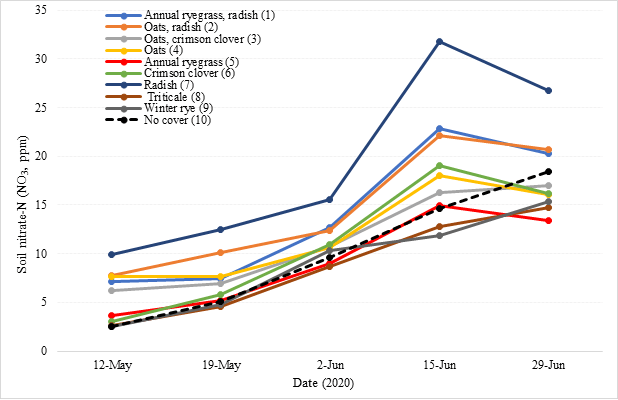
Figure 3. Soil nitrate-N (NO3) concentration (ppm) by cover crop treatment, Alburgh, VT, 2020. 

We also compared three different termination methods for terminating overwintering cover crops:

  1. Tillage 
  1. Pre-plant herbicide application 
  1. Post-plant herbicide application (planting green) 

Figure 4 shows the spring cover crop biomass and subsequent soybean yield for each of the termination treatments. The pre-plant herbicide application treatment (pre-spray) saw the lowest cover crop biomass and the highest soybean yield of over 70 bu ac-1. In the tillage treatment, although the cover crop biomass was significantly higher at over 2 tons ac-1, no significant soybean yield reduction was observed. The lowest soybean yield was observed in the post-plant herbicide application treatment where yields were almost 30 bu ac-1 lower than the tillage and pre-spray treatments. This treatment also experienced significantly lower soil nitrate and soil moisture concentrations compared to the tillage treatment over the season which may have negatively impacted soybean establishment and performance. 
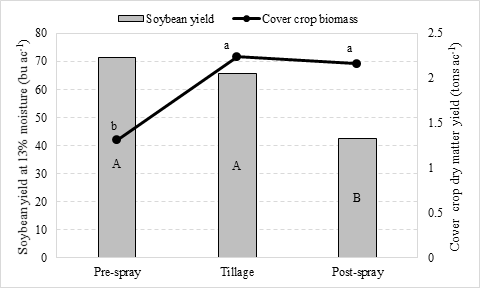
Figure 4. Soybean yield and spring cover crop biomass by termination method, Alburgh, VT, 2020. 
Different letters indicate a statistically significant difference between treatments (p=0.10)  

Planting Dates

Over the last four years we have also been conducting research on altering soybean planting dates in order to better understand the best range of planting dates and their subsequent impact on soybean performance in our region. Two-row plots of an early group 1 maturity variety and a mid-group 1 maturity variety were planted approximately weekly from 14-May through 2-Jul. 

The significant interaction between relative maturity and planting date for yield indicates that soybeans of different maturity groups have different yield responses to delaying planting dates (Figure 5). We would expect shorter season varieties to begin to out yield longer season varieties as planting dates are delayed. However, that is not what we observed in this trial. Although we did see the later maturing variety out yielding the early maturing variety in early planting dates, both varieties experienced significant yield declines as planting dates were delayed beyond mid-June and the early maturing variety did not outperform the late maturing variety at these dates. This indicates that, even for shorter season varieties, delaying planting until late June or later will have a significant impact on soybean yields. This was likely impacted by the early frost that negatively affected both maturities despite adequate GDDs. The extremely low yields experienced in the first two planting dates was likely due to an error in herbicide application that contributed to damage to early planted treatments, not a factor or the planting date itself. This is further evidenced by growth stage data collected throughout the season that shows the first two planting dates aligning with the growth stages of soybeans planted 3-4 weeks later. 
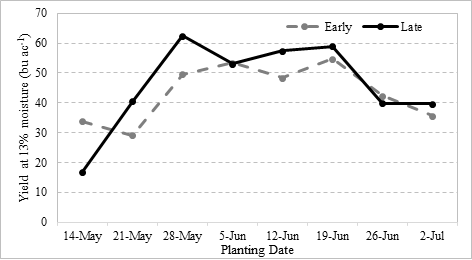
Figure 5. Soybean relative maturity x planting date interaction for yield, 2020.

Soybean yields ranged from 1519 to 3411 lbs ac-1 or 25.3 to 56.9 bu ac-1 with the highest yields being obtained when planting between 28-May and 19-Jun (Figure 6). However, the first two planting date yields were likely negatively impacted by an erroneous herbicide application. These data suggest that delaying planting to late June and beyond negatively impacts soybean yields in this region. However, some of the later dates may not support such high yields in years where weather conditions are less conducive to soybean productivity.  
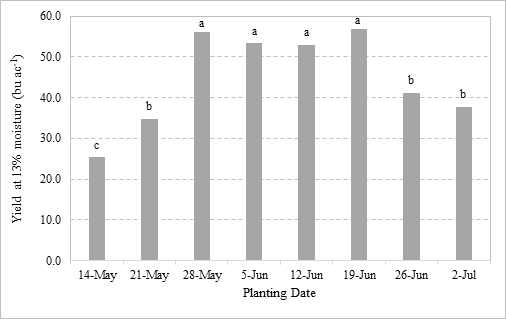
Figure 6. Soybean yield across eight planting dates, 2020. Treatments that share a letter were statistically similar. 

Soybean yields were significantly impacted by planting date with the highest yields observed when soybeans were planted between late-May and mid-June. These data suggest that delaying planting of soybeans beyond this is likely to result in depressed yields. An erroneous herbicide application likely impacted the first two planting dates. There was no significant difference in oil content between planting dates. Soybean yield was not significantly impacted by relative maturity of the variety as both varieties were able to reach maturity and produce high yields. However, these trends may not hold in years with more normal GDD accumulation. 
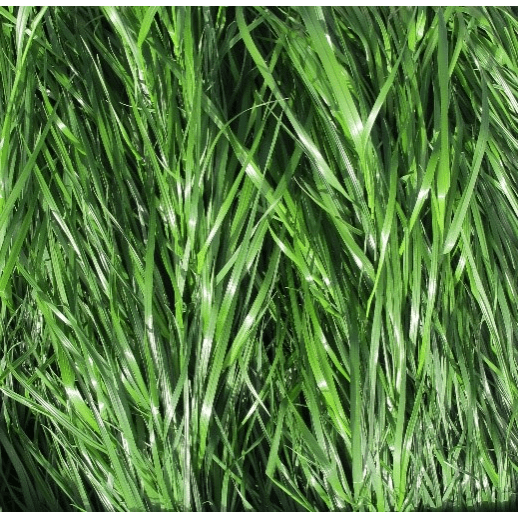
It’s time to plant cool season annual forages!

Planting cool season annuals such as annual ryegrass, small grains, peas, and brassicas, can enhance the diversity of nutritional feed sources for your herd. Utilizing these annuals can help stretch feed supplies, by extending the grazing season or adding to stored feed supplies. The addition of cool season annual forages can extend the grazing season well into October or later depending on the year. The sooner you plant cool season annuals, the more time they will have to establish and produce biomass! Continue reading to learn specifics about a few different options for cool season annuals in the Northeast… 

Annual Ryegrass 

Annual ryegrass is a fantastic fall forage. It establishes quickly and most varieties are very palatable for grazing. Annual ryegrass can produce about 1000 to 2000 lbs of dry matter per acre in our region if sown by late August. The seed is typically quite inexpensive compared to winter cereal grains or brassicas making it an affordable way to boost fall grazing and/or feed stores. Annual ryegrass can be drilled at a rate of 20 to 30 lbs per acre at a depth of ¼ to ½ inch. 

Annual Ryegrass 

Brassicas 

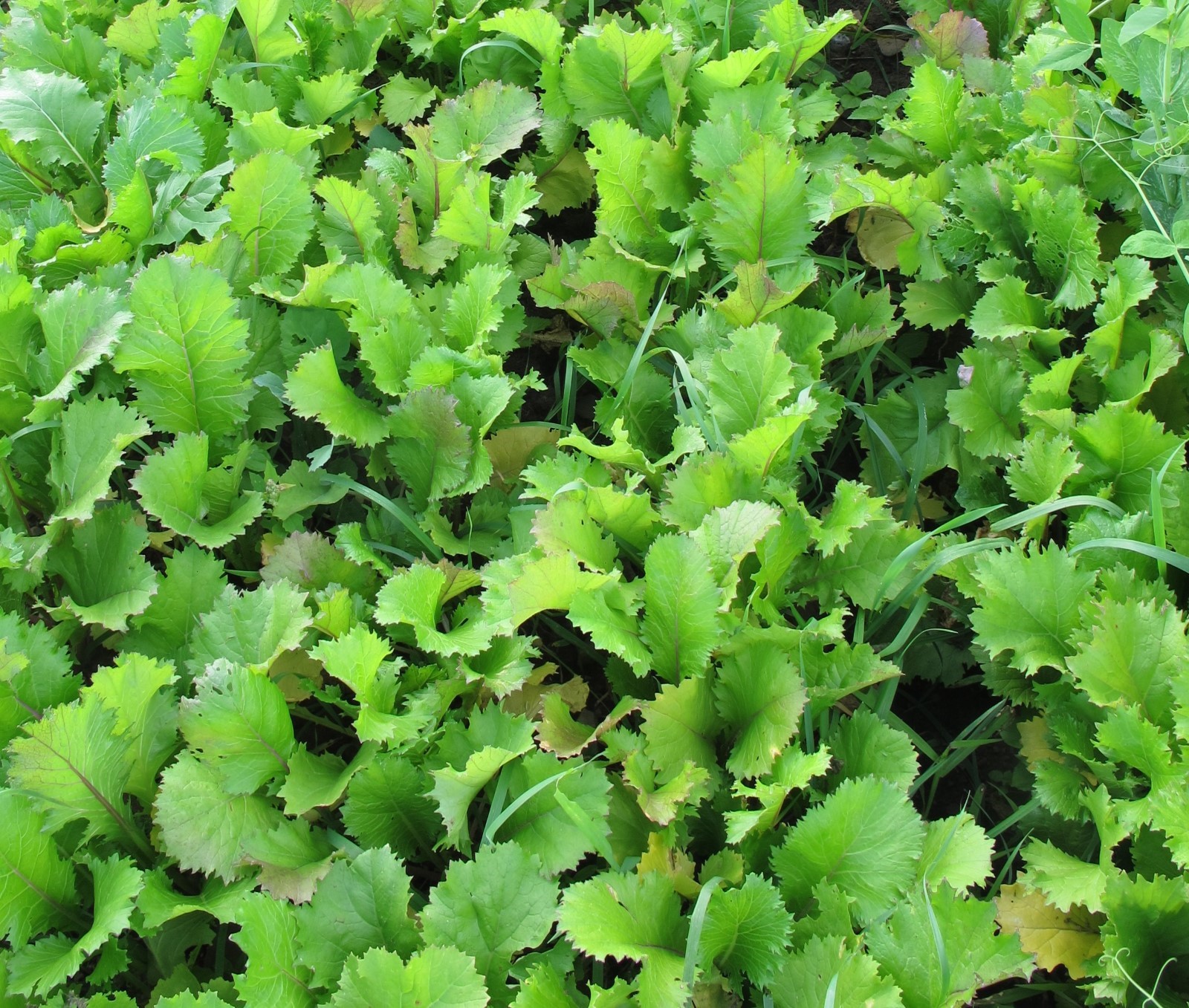
Forage brassicas, such as turnips, kales, and radishes, can provide plenty of high-quality fall forage for grazing. They may be seeded alone or in combination with other annuals and can yield 1500 to 2000 lbs of dry matter per acre. Brassicas are highly digestible and therefore need to be grazed with caution to avoid her health issues. Animals should only be allowed to graze brassicas for short periods of time and given adequate supplemental fiber. Overall, brassicas should constitute less than 30% of an animal’s overall dry matter intake. Remember, brassica forage can lead to off-flavors in milk and this factor should be considered especially with direct to consumer sales. Brassicas can be drilled at a rate of about 6 lbs per acre at a depth of ¼ to ½ inch. 

Turnip 

Small Grains 

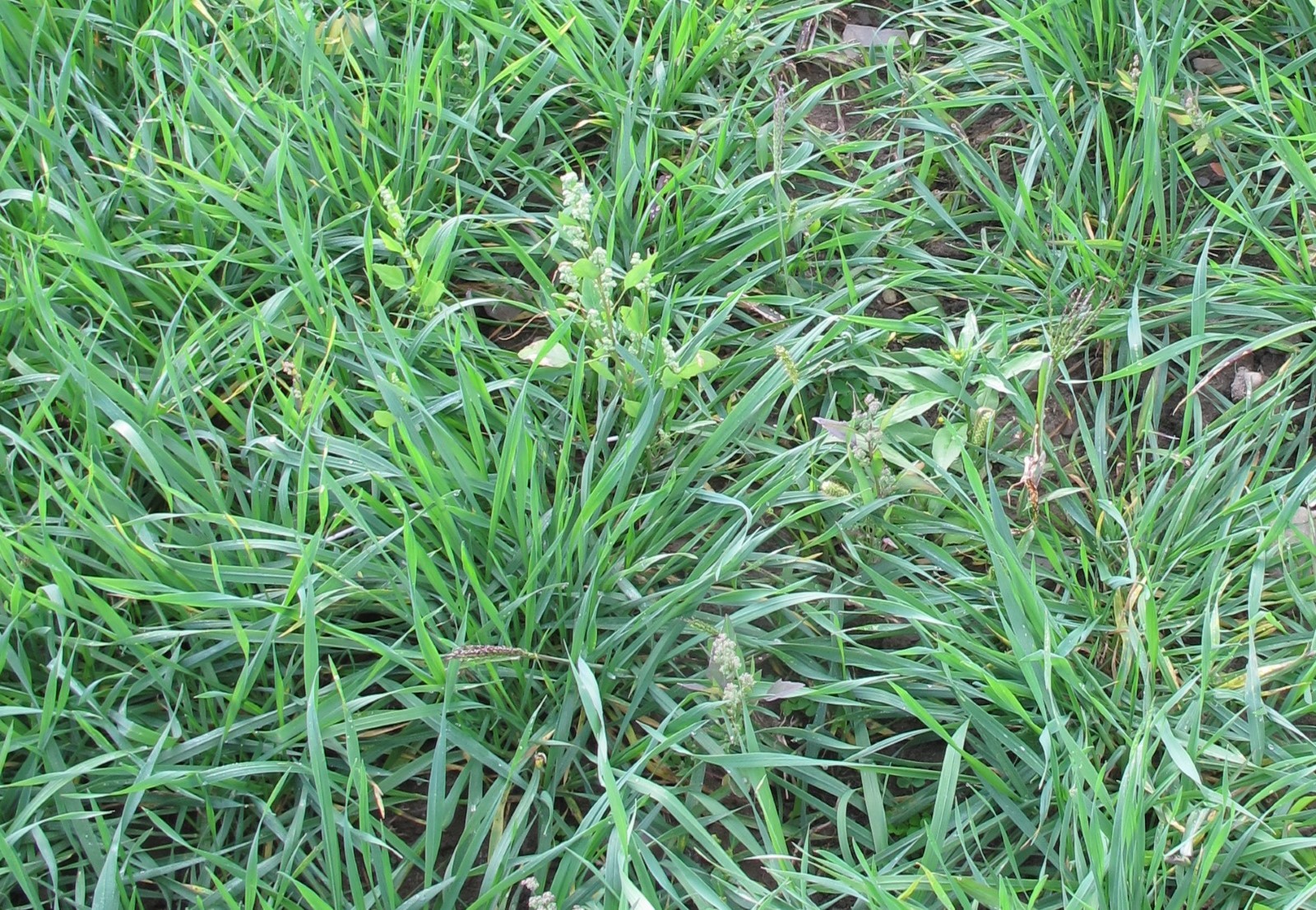
Small grains are also great options for fall forage. There are spring and winter grains that can be planted to produce late season forage. Winter triticale, wheat, and rye can produce decent quantities of biomass in the fall prior to going into dormancy for the winter. These winter grains are typically grazed in the fall and left to provide soil cover over the winter months. Spring regrowth can also provide early season grazing. Spring grains such as oats, triticale, wheat, and barley can also be used; however, they will only produce forage in the fall as they will winterkill in northern New England. Oats are very fast growing and produce about 2000 to 3500 lbs of dry matter per acre. There are forage-specific oat and triticale varieties that bred for wider leaves and higher nutrition. Select these varieties if available for maximum yield and forage value. Forage peas pair well with small grains, especially oats, as their more upright stature provides structure for the peas to vine up. Combining forage peas and small grains can provide a highly digestible forage. 

Small grains may be seeded with a grain drill at a rate of 100 to 125 pounds to a depth of 1 to 2 inches. Peas are generally added to the mix at a rate of 50 lbs of seed per acre.  Broadcasting the seed followed by light incorporation can also be successful. Plant spring grains and peas from mid to late August to maximize the fall biomass. Winter grains can be planted from early to mid-September to achieve acceptable biomass for grazing in the late fall.  

Triticale  

For current information and research on using cool season annual forages, see our reports: 

Applications to Help Cover Costs for Organic Certification

Trouble viewing this email? View it as a webpage. Agricultural Marketing Service header
USDA Accepting Applications to Help Cover Costs for Organic Certification. The U.S. Department of Agriculture (USDA) today announced that organic producers and handlers can now apply for funds to assist with the cost of receiving or maintaining organic certification. Applications for the Organic Certification Cost Share Program (OCCSP) are due Nov. 1, 2021.   OCCSP provides cost-share assistance to producers and handlers of agricultural products for the costs of obtaining or maintaining organic certification under the USDA’s National Organic Program. Eligible producers include any certified producers or handlers who have paid organic certification fees to a USDA-accredited certifying agent during the 2021 and any subsequent program year. Producers can be reimbursed for expenses made between Oct. 1, 2020 and Sept. 30, 2021 including application fees, inspection costs, fees related to equivalency agreement and arrangement requirements, travel expenses for inspectors, user fees, sales assessments and postage. View the Full Announcement

Clean Water Initiative Program

Join s on June 28th for a ‘Lunch and Learn’ session with UVM Extension farm business advisors Tony Kitsos and Zac Smith as they discuss the details of the Clean Water Initiative Program (CWIP). They will also review examples of how farms can utilize financial assistance programs to implement water quality improvements.

Topics to be discussed include – Background on RAPs, – Types of farms and examples of water quality improvements, – Review of assistance programs, and – Farmer stories/examples

Click here to sign up to attend the webinar – https://bit.ly/2TgKyon

The CWIP provides funding to UVM Extension Agricultural Business program to work with dairy, livestock, and other farm businesses who are currently addressing water quality issues.

Questions? Please contact Zac Smith, 802-696-8755 or Zachary.m.smith@uvm.edu.

USDA Pandemic Cover Crop Program (PCCP)

This new program is for farmers who have crop insurance coverage and have planted cover crops.

The USDA Risk Management Agency is providing a program for producers who have crop insurance and planted qualifying cover crops. This new Pandemic Cover Crop Program (PCCP) provides additional premiums to reduce crop insurance premium bills to help them maintain their cover crop systems. PCCP is available for most insurance policies.

The window to apply for the additional $5 per acre premium is short. Producers must file the Report of Acreage form (FSA-578) by June 15, 2021, at their local FSA county office.

You can find links to additional information and FAQ’s and the USDA RMA Fact Sheet about this program on the UVM Ag Risk website http://go.uvm.edu/ag-risk or you can search out this information on the USDA RMA website https://www.rma.usda.gov/

Conservation Reserve Enhancement Program (CREP)

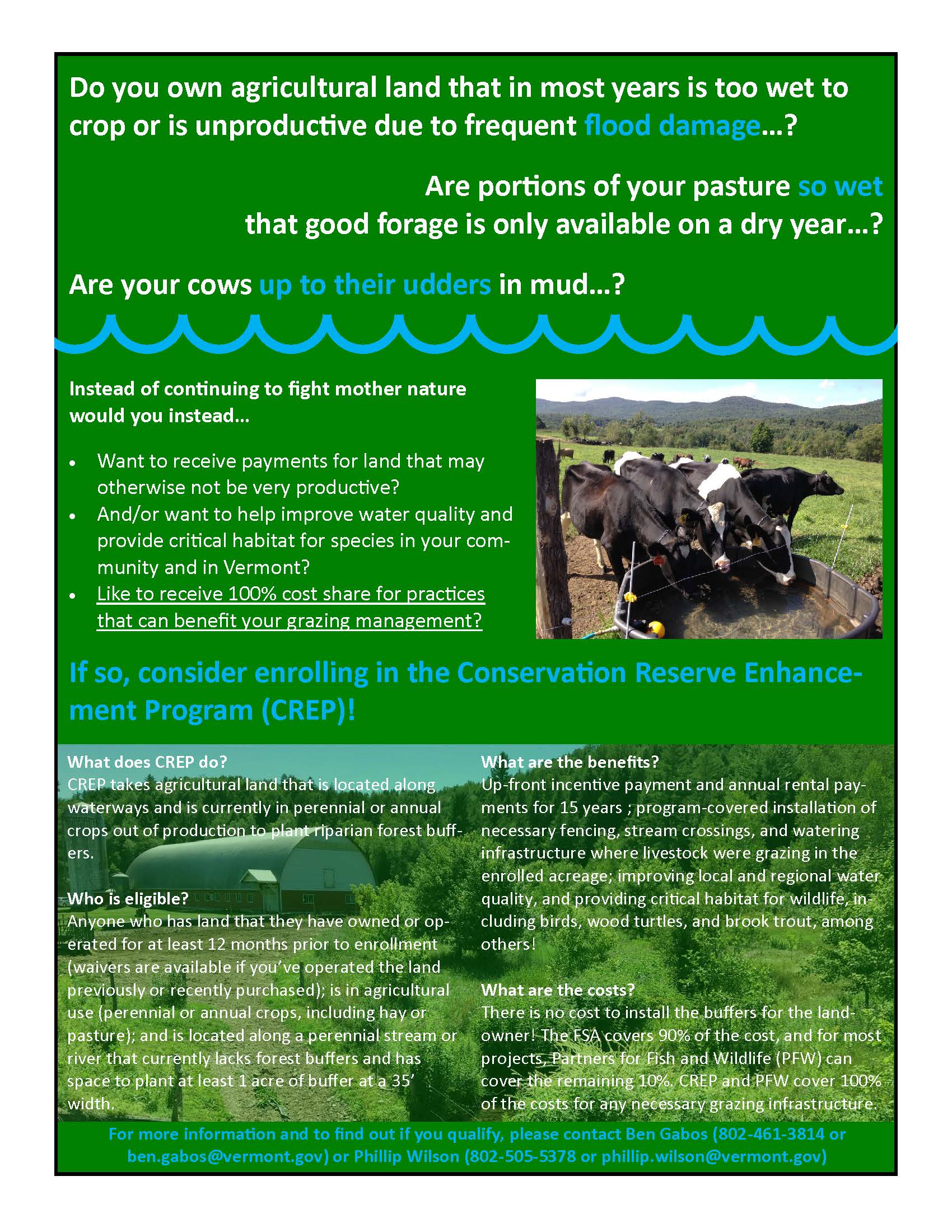
CREP takes agricultural land that is located along waterways and is currently in perennial and annual crops out of production to plant riparian forest buffers. You could receive payments for land that may not be very productive, and you could help improve water quality and critical habitat for some species.

For more information, visit https://agriculture.vermont.gov/crep or contact Ben Gabos at ben.gabos@vermont.gov or Phillip Wilson at phillip.wilson@vermont.gov.

Northeast SARE Now Accepting Preproposals for 2022 Projects

The Northeast Sustainable Agriculture Research and Education (SARE) program is seeking preproposals for three grant program: Research and Education, Professional Development, and Research for Novel Approaches. Preproposals, which capture the preliminary project concept, are required for each grant program and are due online by 5 pm on August 3.

A webinar about Northeast SARE and these grant programs will be offered on June 24 at noon. Although free, registration is required at: https://go.uvm.edu/nesarewebinar. The webinar will be live captioned. To request a disability-related accommodation to participate, please contact Deb Heleba at debra.heleba@uvm.edu or 802-651-8335 ext. 552 by June 3.

For more details, please go to NE SARE web page – https://northeast.sare.org/news/northeast-sare-now-accepting-preproposals-for-2022-projects/

NE SARE is funded by the U.S. Department of Agriculture’s National Institute of Food and Agriculture and housed within University of Vermont Extension. Questions about the grant program should be directed to northeastsare@uvm.edu.

VAAFM Farm Agronomic Practices (FAP) Program

The Vermont Agency of Agriculture, Farm and Markets FAP Program is open for applications for conservation practices planned only between July 1, 2021 and June 30, 2022. Applications will be reviewed in order of receipt and the Agency may not fund all applications.

Learn about FAP program requirements and rates: agriculture.vermont.gov/fap

The FAP program can provide funding for the following practices: conservation tillage (no-till), cover crop, crop to hay with or without a nurse crop, manure injection, and rotational grazing. Please submit one application for all practices planned July 1, 2021 until June 30, 2022.

Applications which include Rotational Grazing are due June 15, 2021. Applications which include Cover Crop are due August 1, 2021. For all other practices, applications must be submitted 30 days prior to practice install.

If you are applying for rotational grazing, you must submit a grazing plan and map, clearly indicating which pastures you are seeking assistance for, with you application. Please keep in mind that any applicant seeking assistance through FAP will be ineligible for financial assistance if the applicant is receiving financial compensation for an equivalent practice on the same field under another state or federal agreement.

If you have specific questions about practice eligibility, or how the FAP program works, you can contact Nina Gage at nina.gage@vermont.gov or 802-622-4098 or Sonia Howlett at Sonia.howlett@vermont.gov or 802-522-4655.

Apply now

Solar Cropping System grant announcement

UVM EXTENSION EARNS GRANT TO STUDY SOLAR CORRIDORS ON FARMS Burlington–University of Vermont (UVM) Extension recently received a $68,438 grant from the U.S. Department of Agriculture’s Natural Resources Conservation Service to work with farmers interested in trying “solar corridors” in their corn silage fields. The project will be led by Dr. Heather Darby, a UVM Extension agronomist based in St. Albans and head of the UVM Extension Northwest Crops and Soils Team. Over the past decade, the team has worked with farmers to adopt cover cropping projects across the state. This new research project will further enhance the conservation benefits of cover crops on Vermont farms.

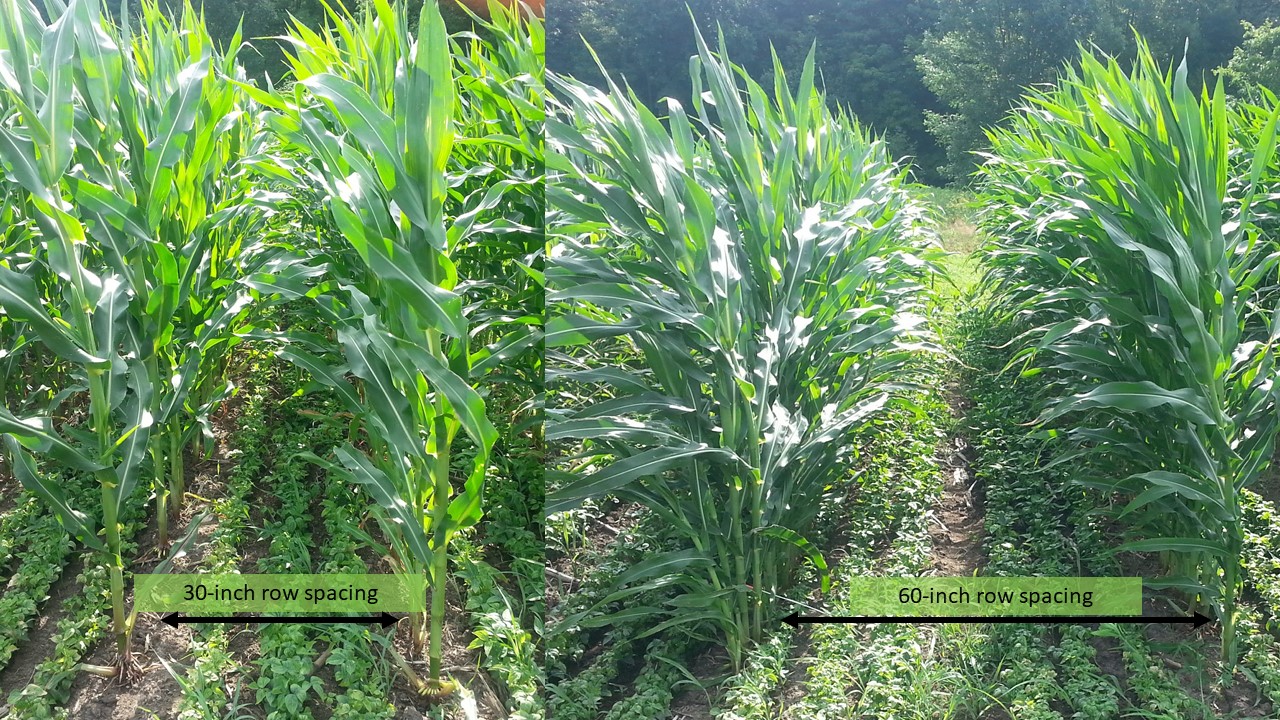
Solar corridor cropping systems use wide-row spacing of narrow, single or twin rows of corn to create a corridor between rows. This practice maximizes the amount of sunlight reaching the cover and corn crops, which can increase the yields of both. This type of cropping system also allows crops to grow throughout the year, which contributes to soil carbon storage, thus keeping carbon dioxide out of the atmosphere. In addition, better cover crop establishment aids water quality by increasing ground cover and holding soil in place to reduce nutrient runoff into lakes and streams.

Darby and her team will work with farmers to implement this new practice and develop practical and suitable recommendations for the Vermont landscape. Results will be shared at UVM’s No-till and Cover Crop Symposium, the Northeast Cover Crop Council annual meeting, Franklin Grand Isle Farmer’s Watershed Alliance meetings and on-farm field days, including UVM’s annual Northwest Crop and Soils Field Day.

More information about the research and outreach work of the Northwest Crops and Soils Team can be found at www.uvm.edu/extension/nwcrops.

Frost Seeding

Spring is right around the corner, but it might not be too late to think about forage improvements! Frost seeding is a simple practice that can help improve pasture and hay field yield, quality, and composition over time. The general principle of frost seeding is to broadcast forage seed onto pastures or hay fields in early spring when the ground freezes at night and thaws during the day. The time is now! Below are some helpful tips to make your frost seeding a success.

Expectations- Frost seeding will not look like a new seeding. New plants will grow over time and hard seed may sit around for a while until conditions are right. The first year you may not notice a huge difference but frost seeding a little bit each year around your farm can help maintain stands and avoid the need to do costly and extensive reseeding.

Limit competition– Frost seeding will be more successful where the seed can easily reach the soil surface. Fields that have a lot of bare ground showing or where you have grazed or mowed very short, will be more successful than fields with a lot of residue covering the ground.

Be ready to go when the conditions are right– At this time of year, fluctuations can happen quickly. Be ready. Walk your fields and decide which are the best candidates for frost seeding and what you’d like to seed (more on species selection below). When the snow is gone or mostly gone and the ground is freezing at night but thawing during the day, you should frost seed. Sandy soils that don’t heave and shrink under these conditions are generally poor candidates for frost seeding.

Species selection– To be ready when the weather is ready, you must select your species and purchase seed ahead of time. Frost seeding is more successful with legumes and grasses that can germinate quickly in cool temperatures. Red and white clovers are generally the most successful legumes while perennial ryegrass and orchardgrass are relatively successful grasses. Seeding rates of recommended species can be found in the table below.

Equipment– Frost seeding is often done with seeders mounted on ATVs, or a tractor mounted or hand held broadcast seeder. When frost seeding with a broadcast seeder, make sure to first determine the effective seeding width to avoid possible overlap of seed. Although not always necessary, a disk or cattle can help incorporate the seed into the soil. A no-till drill can be used but this will increase the number of trips across the field.

More information on frost seeding can be found at https://www.uvm.edu/sites/default/files/media/frostseeding.pdf

Happy seeding!

Skip to toolbar