
Welcome to the eighth issue of High and Dry: Growing Vegetables in Northern New England High Tunnels, a quarterly newsletter linking growers, researchers, and agricultural service providers to enhance protected crop production. (view/download this newsletter as a PDF) The snow has vanished, evenings grow longer, and — even on a chilly day — when the sun shines this time of year, tunnels can get steamy hot! Stepping into a tunnel during mud season is a welcome jump on spring — the soil smells alive, greens are growing, and beds are prepped for summer crops. Problems are also quick to emerge in spring tunnels — chickweed, aphids, and cutworms love these warmer temperatures and can get out of hand if not kept in check. We hope this issue helps you get a jump on pests, diseases, and soil management this growing season.
High and Dry is a collaborative effort between the University of Vermont (UVM), the University of New Hampshire (UNH), and others to support high tunnel growers — especially new ones who are still gaining experience with this technology. Our goal is to provide information and resources to help your high tunnel crops thrive! There is loads of great information to explore in previous issues — search the archives here.
Don’t hesitate to reach out to the team listed on the last page with ideas for future topics, feedback, or questions. This work is funded by the Northeast Sustainable Agriculture Research and Education (NE-SARE) program and the UVM and UNH Extension programs.
High Tunnel Production Conference: A Successful High Tunnel Conference!
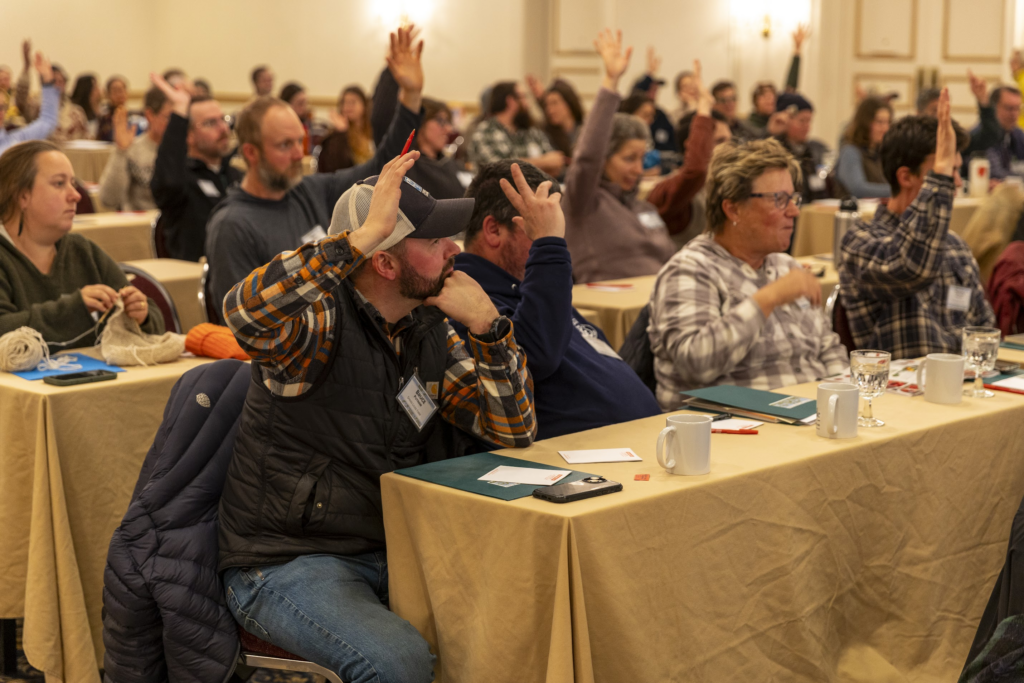
We kicked off a snowy and cold winter with the biannual high tunnel conference in December 2025 at the Fireside Inn in West Lebanon. This gathering was a huge testament to regional collaboration and high tunnel innovation in Northern New England. With over 170 attendees, exhibitors, farmer to farmer sessions, and a farm tour, the conference was packed with excellent information and conversation, sparking even more curiosity about how to improve tunnel production.
A special thanks to Edgewater Farm for taking time to host a very large farm tour. Thank you to presenters and exhibitors and to all the people who helped organize this event! We look forward to seeing you all in December of 2027!
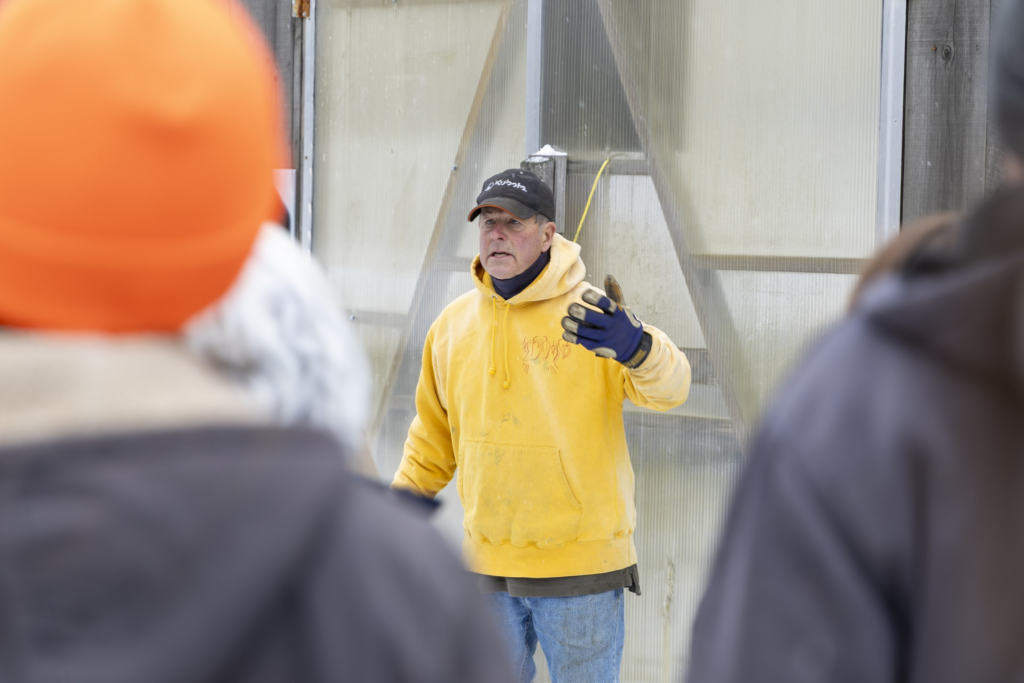
Herb Growers Unite!
Julia Etter, Nomad Farm, Rockingham, VT
two farmers are leading a new initiative focused on herb growers across Vermont, in partnership with the
Vermont Vegetable and Berry Grower’s Association. Sarah Shaw, Hillside Botanicals, and Julia Etter, Nomad
Farm, are both herb farmers collaborating on an effort to explore the challenges and opportunities of commercial herb production with growers. We are conducting surveys to gather information from growers across Vermont and beyond to learn more about what is needed to strengthen this specialty crop sector. We intend to host peer-to-peer roundtables and field visits to build connections. Though herbs are often grown in the field, most also have a high tunnel or two, which is why we are reaching out to growers through this newsletter.
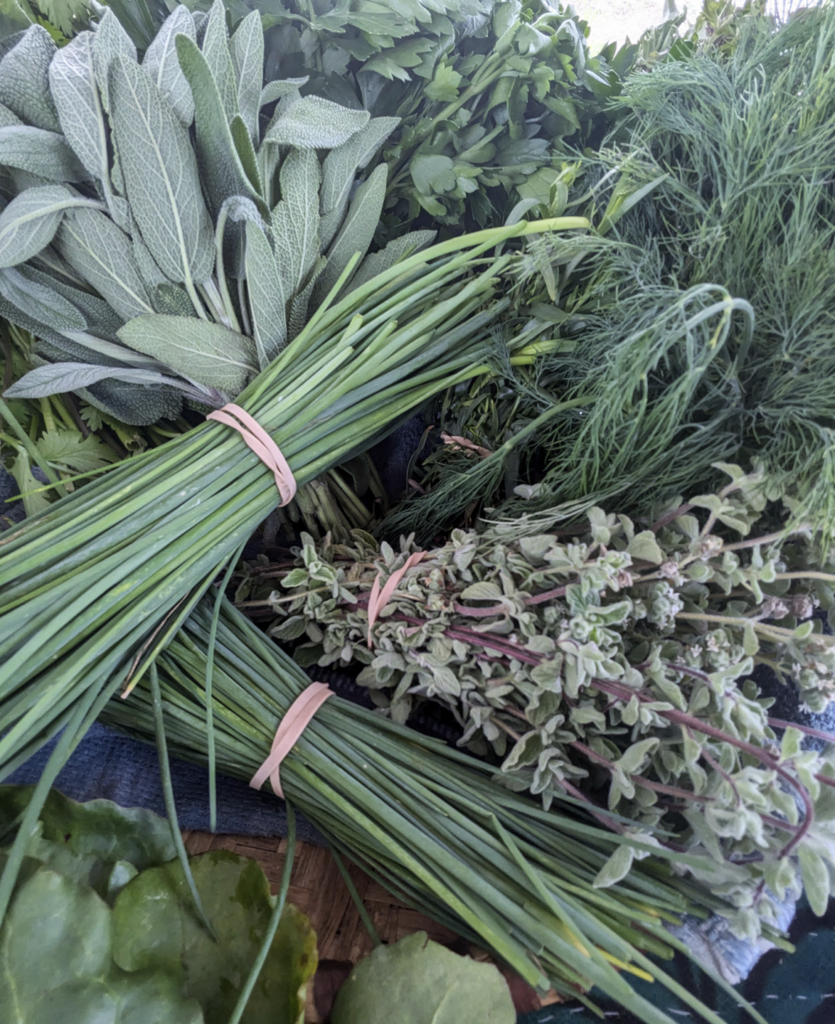
The ultimate goal of this project is to understand the current state of Vermont’s herb production industry and
address challenges experienced by herb producers, including issues related to production, post-harvest processing and marketing access for fresh and dried medicinal and culinary herbs.
We also hope to encourage stronger connections among herb growers and develop a network for information sharing and amplification of herb cultivation to expand market opportunities.
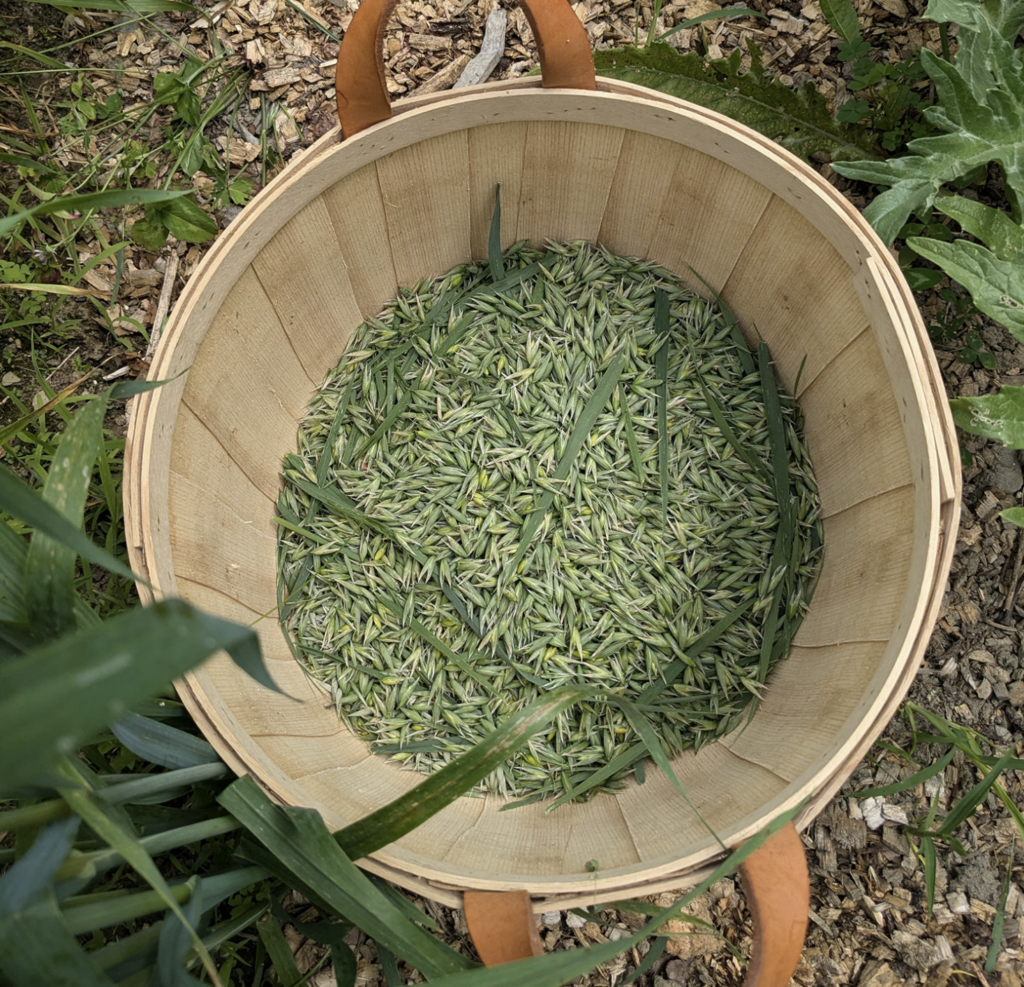
Yes, there is a market for this!
The first step for this project is to collect information from farmers growing herbs now, and those who aspire
to in the future. We want to identify what resources are needed to support herb production. If you are an herb or
spice grower, your voice matters! This includes growers who do not have herbs/spices as their primary enterprises. While grant funding is specific to farmers in Vermont, the team is also collecting information from the broader Northeast region to see what similar needs arise across a broader geographic range.
To complete the survey, go to: https://forms.gle/D2E7GSQuuyvvXsaL8
Your input would really help so complete it today. It just takes 5 minutes! If you would like to learn more about this project and sign up for updates, go to: https://vtherbgrowers.com/
This project is supported by the Vermont Agency of Agriculture, Food and Markets, Specialty Crop Block Grant Program. Funding for Project was made possible by the U.S. Department of Agriculture’s (USDA) Agricultural
Marketing Service through grant 25SCBPVT1285. Its contents are solely the responsibility of the authors and do not necessarily represent the official views of the USDA.
Root Knot Nematodes in High Tunnels
Ann Hazelrigg, UVM Extension
Root knot nematodes (RKN) are a rising problem in high tunnels soils. The most common root knot nematode species of vegetable crops are Meloidogyne hapla and Meloidogyne incognita. These microscopic round
worms have a wide host range that include both weed and crop plants. They feed on root cells with needle-like
mouthparts called stylets. This feeding damages the roots, which compromises water and nutrient uptake. The above ground symptoms in the plant can include stunting, poor vigor, off-color foliage, and diminished productivity which can be confused with nutrient deficiencies or other diseases. Infected plants may wilt more readily in the heat of the day and may not respond to the addition of water or fertilizers. The nematodes’ presence can be confirmed by examining the roots for swollen galls or knots (which you usually can see with the naked eye) or through soil and root assays in a laboratory. Root-knot nematodes spend most of their life protected within the galls and sometimes if you cut open a knot you can see a pear-shaped female nematode within the tissue.
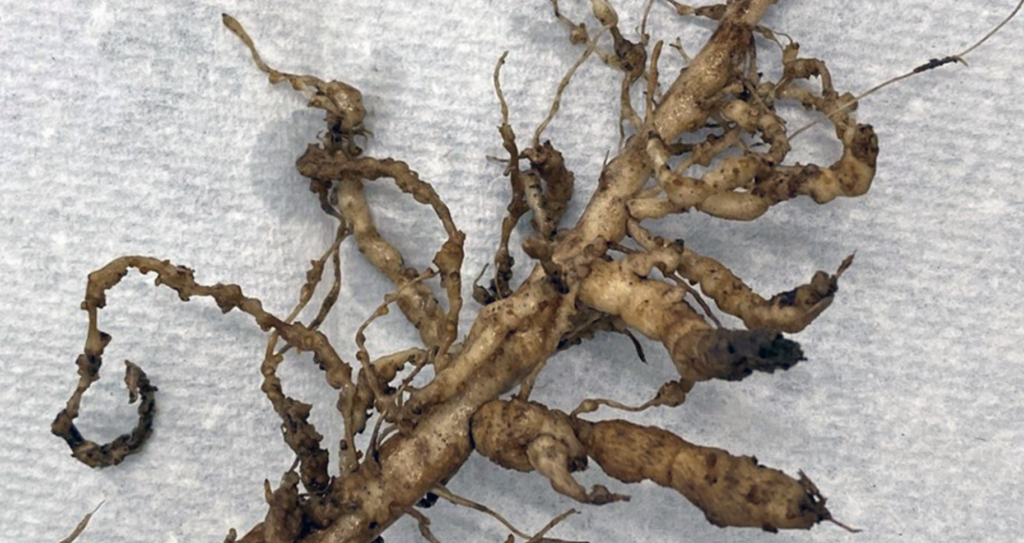
Nematodes can also be a problem in the field, but they typically prefer coarse or sandy soils. The damage in the
field may appear as patchy dead or unthrifty areas.
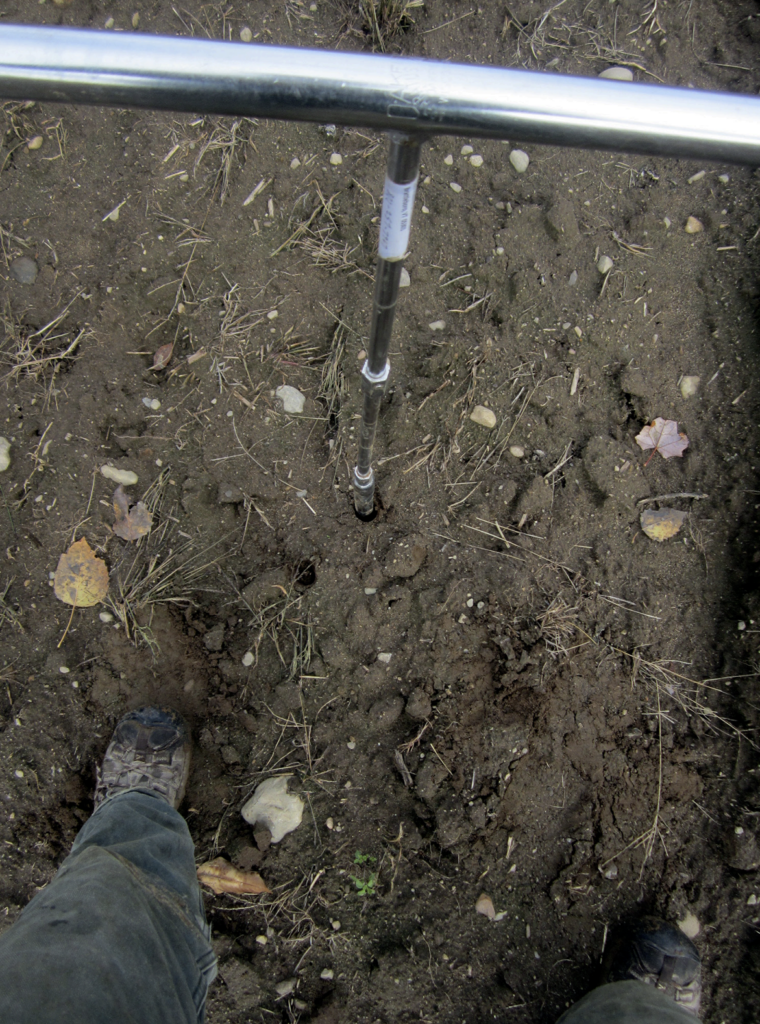
Check the roots of plants with poor vigor for galls and swellings or knots. Even if you don’t see symptoms, it may be worth establishing a baseline for root knot nematodes in addition to the presence of other major nematode pests such as the lesion nematode (Pratylenchus sp.) in your high tunnel through the Arkansas Nematode Diagnostic Laboratory (ArNDL). The lab will quantify the number and nematode type for a very reasonable $40.00 for outof-state samples. They recommend taking 10-20 samples in a zig zag pattern using a regular tube-type soil probe, inserting it 6-8 inches deep in the soil near the root zone.
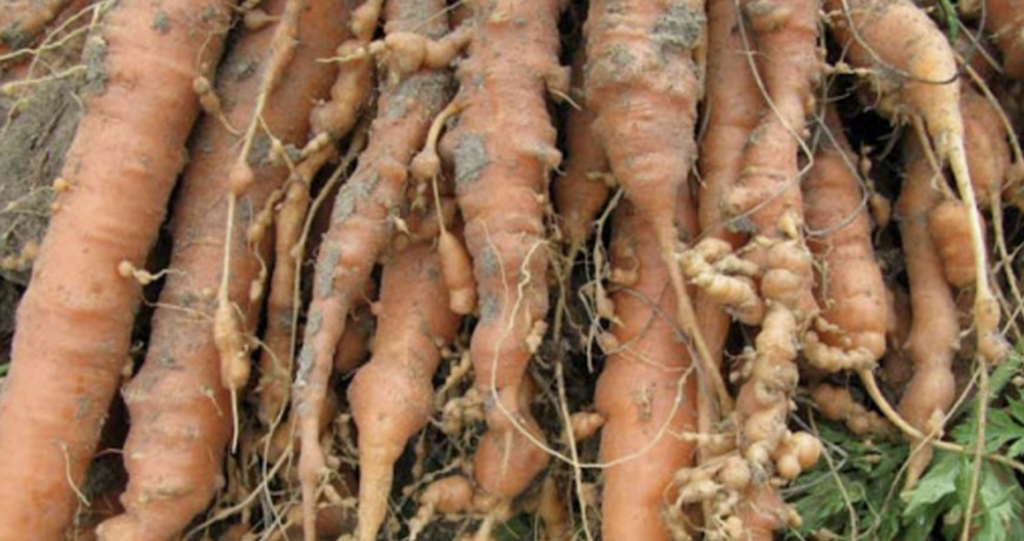
The cores should be thoroughly mixed, and 1 pint of soil should be selected, secured, and labeled in a plastic bag. For those concerned about garlic bloat nematode (Ditylenchus sp.), the ArNDL will also perform an assay for that pest. Submit 4–6 heads of healthy and 4–6 heads of suspect garlic as your sample. Place in a crush proof container for shipping. For more information on their services contact the lab at https://www.uaex.uada.edu/farm-ranch/pest-management/plant-disease/nematodes/diagnostic-lab.aspx.
Managing nematodes is difficult. Rotation with a nonhost crop species or leaving fields fallow is the best solution but not always practical in a high tunnel. Enhancing the biological activity of the soil by incorporating compost can help suppress root-knot nematode populations. Managing weeds is important since many weeds also serve as hosts for the nematodes. Choosing resistant crops is helpful and fortunately there are several tomato cultivars and rootstocks that have resistance to RKN. Nematode Resistant tomato cultivars will have an “N” after the cultivar name.
IPM in Northeastern High Tunnels: Where Are We in 2025?
Margaret Skinner, Cheryl Frank Sullivan, Becky Maden, Ann Hazelrigg, University of Vermont, Extension System
and Department of Agriculture, Landscape and Environment; and Heather Bryant, University of New Hampshire
(UNH) Cooperative Extension, Becky Sideman, UNH, Department of Agriculture Nutrition and Food Systems
Growers are always getting requests to complete surveys. It can get annoying! However, results from these
surveys tell us what impact we are having for farmers. It also provides useful information about what growers want from us as Extension specialists and researchers. Results justify future support to continue our grower-centered studies and outreach.
We conducted surveys of high-tunnel growers in the Northeast in 2016, 2019 and 2025. Comparing responses over time demonstrates the gains producers are making with Integrated Pest Management (IPM). These surveys are sent out to several thousand growers and service providers. The response rate varies each year (2025: 52; 2019: 110; 2016: 110).
What’s growing
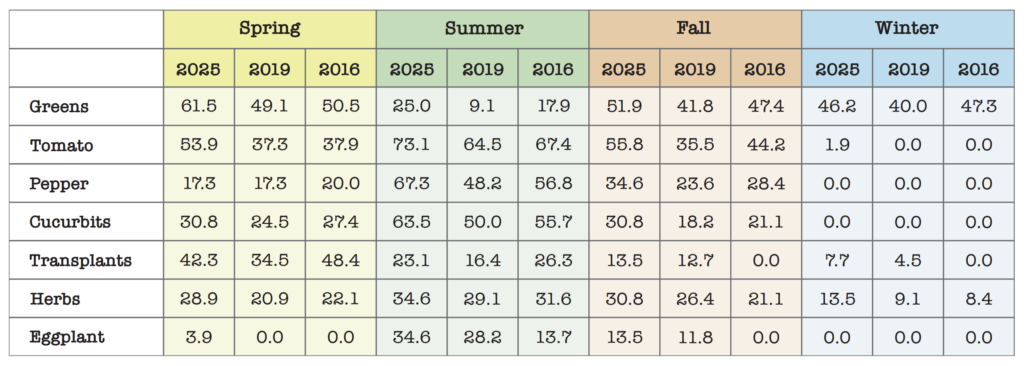
In all three survey years, greens and tomatoes were the most common crops grown in high tunnels in spring and fall (table 1). In general, the percentage of growers producing these two crops increased from 2016 to 2025. As expected, the crops grown varied with the season. Greens were grown predominantly in spring, fall and winter, while tomatoes were grown in spring, summer and fall. Cucurbits were started in the spring and grown through summer. Vegetable transplants were also frequently grown in high tunnels in spring when many growers use high tunnels for early season transplant production, before transitioning to other crops in summer. Growers also listed several other minor crops produced in high tunnels, including eggplant, carrots and other root crops, ornamentals, various fruits (raspberry, blackberry and strawberry), ginger and cut flowers.
What’s eating you?
The insects and mites that posed the greatest damage varied among years. In 2025 around 30% of the growers ranked aphids, tomato hornworm and striped cucumber beetle moderate to severe problems, similar to previous years. A higher percentage of growers (27%) ranked aphids as moderate problems in 2025 than in 2016, but a lower percentage of growers identified them as severe in 2025 (10%). This could indicate that growers still have aphid problems but are better able to manage them. Tomato hornworm continues to be a moderate to severe pest. This is likely a result of insufficient scouting to detect the larvae early. Winter
cutworm was not mentioned in the 2016 survey but surfaced as a mild to moderate problem in 2025, which suggests it is becoming established in this region. Whiteflies and thrips were also occasionally cited as causing mild or moderate problems. Mites (two-spotted spider, broad, and russet) and thrips were frequently noted as “don’t know”, suggesting that growers may not detect these pests or the damage they cause. Other miscellaneous pests included spotted wing drosophila, earwigs, flea beetles, tarnished plant bug, fungus gnat and squash bug. These pests were not commonly reported, but when they were, they were often rated as severe.
Tomato leaf mold Passalora fulva (syn. Cladosporium fulvum) greatly decreased in severity in 2025, with only
10% reporting it as severe compared with 22% in 2016. In contrast, cucurbit viruses increased in 2025 (12%)
compared with 2016 (7%). That may reflect the expanded cultivation of cucumber in high tunnels in 2025 compared with 2016. The severity of basil downy mildew declined in 2025 compared with 2016, which may be due to the availability of resistant varieties. Other occasional diseases noted were crown and root rots, spinach Cladosporium, early blight in tomatoes (Alternaria linariae), white mold (Sclerotinia spp.), Cercospora leaf spot and arugula bacterial spot. Rodents were identified as a mild to moderate pest among around 30% of the respondents in 2025 similar to past years.
What are you doing about it?
Scouting and Pest/Disease ID. Nearly all growers routinely scout their plants for pests and diseases
(98%), and over half rely on staff to assist with pest id. This demonstrates the importance of including staff in discussions at farm visits. Only around 30% of growers use sticky cards to detect pests, apparently preferring to scout plants instead. Thirty-three percent inspect plants before bringing them into the growing area. Around 40% of respondents seek assistance from commercial scouts or Extension specialists to identify pests. Less than 30% send specimens to a diagnostic lab for identification. Plant disease kits were rarely used.
Pesticide Use. In 2025, around 36–49% of respondents used biorational or microbial pesticides againsts
insects, which is higher than in previous years. There has also been a steady increase in the percentage of growers applying microbial-based products against diseases (2025, 31% compared to 22% in 2016). Less than 15% of growers used pesticides preventatively and around 29% used spot pesticide sprays to treat hot spots. Around 25% of respondents selected products known to be less toxic to non-target organisms, such as predators and pollinators.
IPM and Biological Control. In 2025, 38% of growers reported using plant-mediated systems such as
habitat or guardian plants, an increase from 2016 and 2019. A lower percentage (18%) used indicator or trap
plants and 11% used aphid banker plants. In 2025 around 31% of growers reported using biological control (parasites and predators), which was similar to the percentages in 2016 and 2019. Only 20% used nematodes in 2025, less than in 2019.
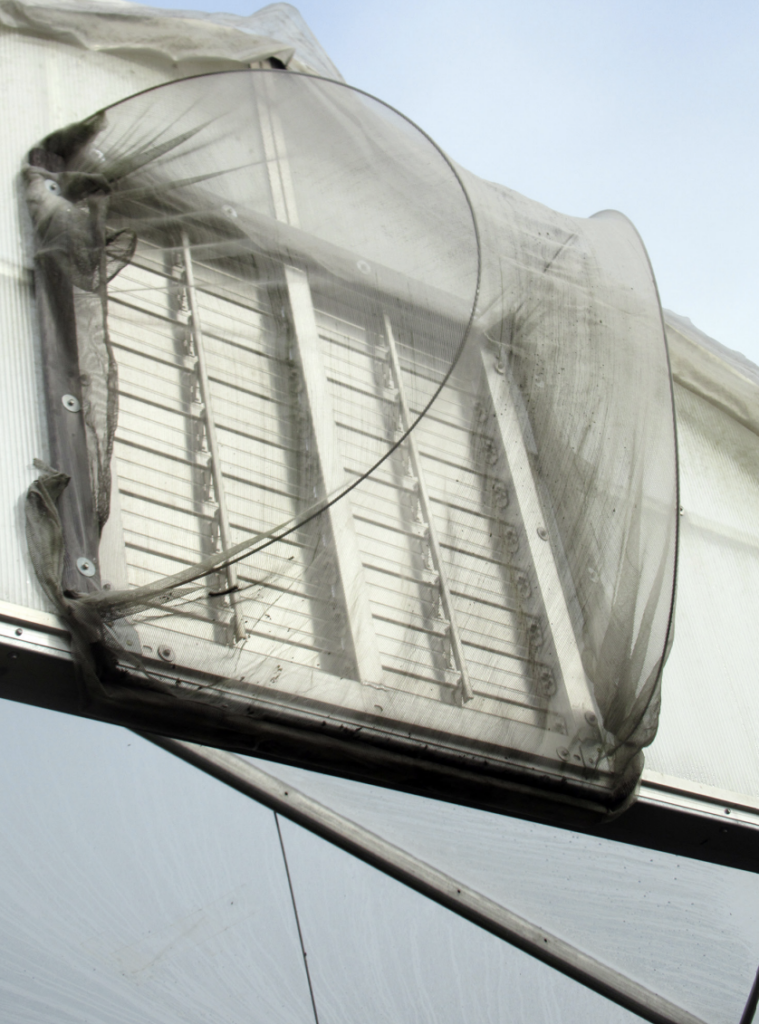
Cultural Controls. An 8% in increase in the number of growers using screens over the vents was reported.
This may be due to the increased incidence of cucumber beetles, and availability of NRCS funding for this practice. In addition, a 10% increase in the percentage of growers using disease resistant or less susceptible crops was observed over the three survey years.
Over the three survey years, about 86% of growers ensured good air flow and ventilation in their high tunnels
to reduce disease issues. Around 33% of growers fallow their high tunnels, 50–70% rotate their crops and 53-60% aim for a weed-free environment.
Impact of IPM Education on High Tunnel Production
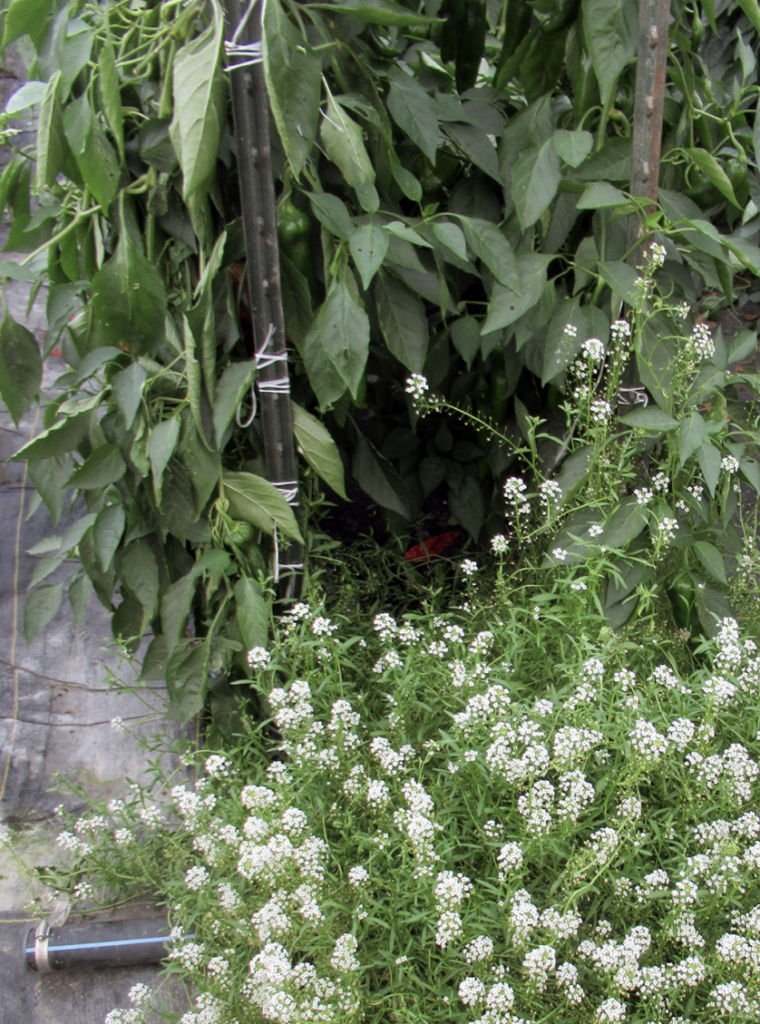
When considering use of IPM or biological control, the bottom line for growers is whether it has a benefit to their production. In 2025, 0ver 42% of growers responding to the survey reported that adoption of IPM increased their crop yield and thus revenues, and over 51% indicated use of biological control increased yield and revenues. One grower commented that they added sweet alyssum habitat plants 2 years ago, and noticed increased predator biodiversity, decreased thrips damage and increased yields. Another grower said they learned how to id pests better which resulted in better quality fruits and vegetables. Yet another said screening for striped cucumber beetle eliminated the pest and resulted in substantial improvement to crop yield.
When growers were asked from where they obtained information on crop production and management, 88%
said from other growers, 74% from University specialists, 67% from the web and 61% from conferences. Growers were also asked what resources or information would help them manage insect and disease pests or abiotic issues in high tunnels. Over 30–40% of growers in 2025 rated the following as very needed: biological control guidelines, identification of diseases and pests, pest/disease id services and abiotic management. A higher percentage of growers identified these subjects as very needed in 2016. Many of the topics that had been rated as very needed in 2016 decreased in importance to somewhat needed, including biocontrol guidelines, scouting methods, pest/disease identification tools. This suggests that responding
growers have gained knowledge or confidence in these topics over the past 8–9 years.
Survey participants were also asked how they would like to receive information that would help them manage
pests and diseases. In 2025 the three highest rated were web-based resources, a website dedicated to high tunnel production and in-person workshops or conferences. These educational approaches will be featured in the future.
Conclusions
Insect pests and diseases will never go away, but as growers improve their skills, damage from these agents will be more manageable. This survey will serve as a valuable guide for developing future research and outreach activities to continue to meet the needs of high tunnel growers in terms of improving the quality and quantity of their crops and enhancing the cost-effectiveness and environmental sustainability of their production. We appreciate the growers who completed the survey in 2025, and hope growers in the future will take time to complete these types of questionnaires in the future.

This survey was conducted in collaboration with researchers and Extension personnel from the University of Vermont and University of New Hampshire with funding support from the Northeast Sustainable Agriculture Research and Education Program (Project LNE22-445).
Rebelski, and Striped Stuffer. Leaf mold is the best canDisease Resistant Seed: Do they fit into my IPM plan?
Heather Bryant, UNH Extension
With last year’s wet spring followed by a hot dry summer, I saw some plant diseases that I don’t see in tunnel tomatoes every year namely, anthracnose, botrytis and powdery mildew (see photo), and a fair bit of leaf mold
which I see every year. Last year’s data is a powerful tool in determining this year’s Integrated Pest Management (IPM) plan. In this article we will take a moment to look specifically at whether resistant seeds can help us manage the diseases listed above.
First some definitions. If a variety is listed as completely or fully resistant that does not mean it is immune. The resistant variety may contract the disease in question, but not show any significant symptoms. Partially or moderately resistant or tolerant varieties will develop noticeable symptoms, but the spread will be slow and less severe compared to a susceptible variety. Because both resistant and tolerant varieties can be infected they are not a replacement for crop rotation in an IPM plan (more important in a crop like pumpkins, but worth noting). Also if you grow multiple varieties, geographically separate the resistant or tolerant ones from the susceptible ones to minimize the spread of disease.
So where to start the search? Seed catalogues will list disease resistance or tolerances available in their varieties and of course you can call a customer service representative for more information. Some online seed catalogs have filters that allow you to refine your results by disease resistance; two local examples are Johnny’s Selected Seeds and High Mowing Organic Seeds. Cornell also keeps a list of Disease Resistant Vegetable Varieties which you can browse by crop. Pro tip: Use the “find in page” feature in your browser to search by disease name.
Going back to my list of tomato disease from last year, ie anthracnose, botrytis, powdery mildew, and leaf mold;
are resistant varieties a viable part of my IPM plan? Unfortunately, I did not find any botrytis resistant varieties and only two varieties resistant to anthracnose (Chef ’s Choice Red and Chef ’s Choice Orange). For those diseases I need to lean into other IPM strategies.
For powdery mildew I had a little more success. My choices are Climstar, Frederik, Granadero, Indigo Rose,
Rebelski, and Striped Stuffer. Leaf mold is the best can didate of the four diseases to try to manage with resistant variety selection. I counted 63 varieties with some leaf mold resistance on the Cornell site in including Favorita, Sakura, Sunpeach, Toronjina, Margold, Beorange, Bigdena, Climstar, Frederick, Geronimo, and Rebelski.
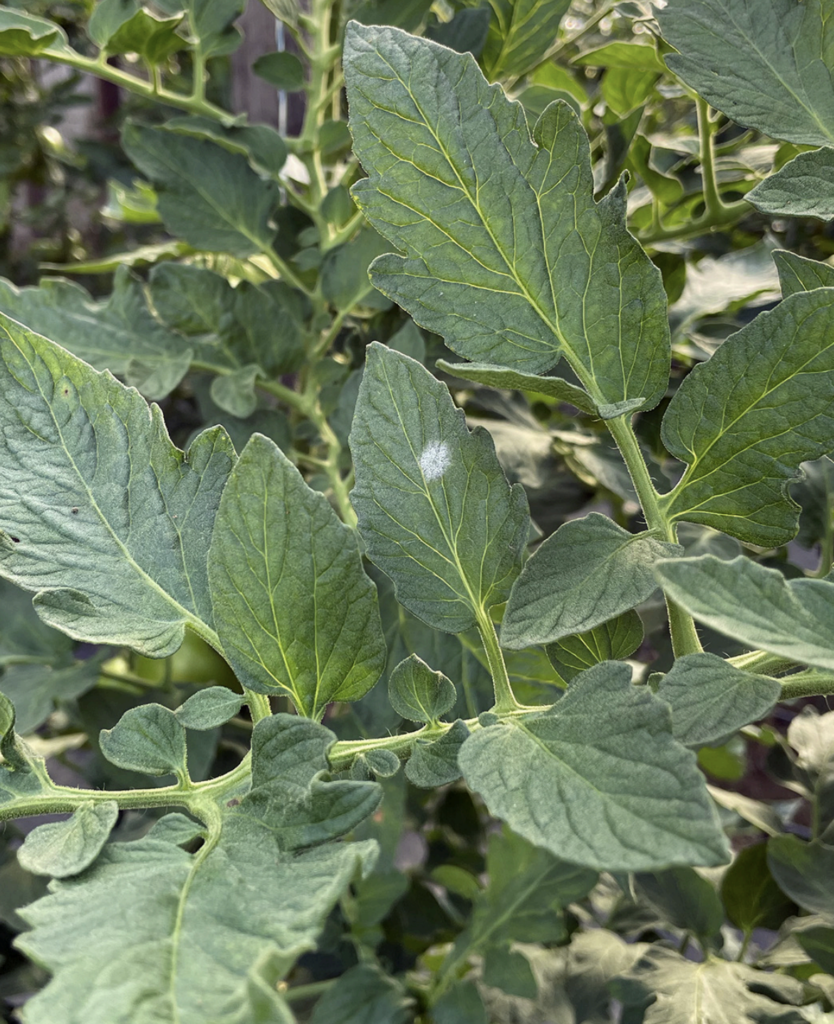
Since Climstar, Frederik and Rebelski have resistance to both powdery mildew and leaf mold, I would look
closely at when making my selections. If I had multiple tunnels, I would separate resistant and susceptible varieties by tunnel to further strengthen this portion of my IPM plan. Resistant varieties won’t solve every problem, but they can be a viable tool in managing disease.
Resources used in writing this article:
McGrath, M.T. 2022. “Tips on Using Resistant Varieties for Managing Plant Diseases”, Cornell Cooperative Extension. https://go.uvm.edu/cornell-tips (captured 2/23/26).
Spring Soil Testing Reminder: Tunnel soils are different from the field!
by Beck Maden, UVM Extension
High tunnel soils require different management from field soils for a few reasons:
- Tunnel crops are planted intensively, often grow vertically, and produce for a longer duration of the season. Therefore, they require more nutrients to optimize production.
- Tunnels keep rainfall off of the soil, which alters nutrient dynamics and availability.
- Over time, tunnel soils may accumulate excessive amounts or imbalances of nutrients, in particular soluble salts and phosphorus.
- Fertilizer recommendations that accompany field soil tests are often insufficient for tunnel crops, which typically have a longer season and higher yield potential than field crops. Fertilizer recommendations should be adjusted to support these high yields. High tunnel specific recommendations can be found here: https://nevegetable.org/cultural-practices/high-tunnels.
Sample protocols: Collect an aggregate sample several weeks prior to the time you intend to apply fertilizers.
Collect at least 10–15 sub-samples per tunnel to a depth of 5–8 inches, where most roots grow. Do not mix samples from areas that have had significantly different rates of fertilizers or soil amendments applied previously— keep these areas separate. If using a spade or trowel to sample, remove a wedge of soil, leaving a smooth edge to sample from. Then trim off a one-inch ribbon of soil that evenly represents the sample from top to bottom. Collect sub-samples in a “W” pattern from production areas. Mix the subsamples in a clean bucket, break up clods and remove any debris. Pack 1 cup of the aggregate sample into a plastic bag and label clearly with farm name, tunnel name, and date taken. Keep the sample in a cool or refrigerated place until ready to mail. If possible, mail early in the week to avoid weekend delays.
Shipping samples: For tunnels that are newly constructed (<3 years in production), UMaine offers a “basic
high tunnel package” ($25) that uses the routine field soil analysis (modified Morgan extract). This analysis
measures nutrients in “reserve” that are predicted to be plant available over the course of the season. In addition, the basic high tunnel test analyzes soils for nutrient salt buildup and nitrate availability/carryover. For tunnels that have been in production for more than three years, the lab offers a “long term high tunnel package” ($30). This test uses two analyses: a field soil test (modified Morgan extract) to monitor all essential nutrients, and a “saturated media extract” (SME) to measure “nutrient intensity” or the level of water-soluble nutrients immediately available for plant uptake. The SME includes measures of available nitrogen and nitrate and ammonium, and soluble salts. Available nitrate-N is important to get transplants off to a good start as excess ammonium-N can damage
plants. Soluble salts may accumulate due to lack of rain and snowfall in tunnels and can damage plant roots. Salts usually accumulate near the soil surface so tillage prior to sampling may provide a more accurate measurement. Based on the results of your soil’s nutrient analysis, UMaine also provides nutrient (fertilizer) recommendations aimed at meeting the high nutrient demand of tunnel crops. Visit the UMaine soil testing service for forms and updated information.
Send samples to:
Analytical Lab & Maine Soil Testing Service
5722 Deering Hall Orono, Maine
04469-5722
Alyssum Habitat Hedges to Attract Beneficial Insects for
High Tunnel Pest Management: Results & Guidelines
Cheryl Sullivan, Univ. of VT, Entomology Research Laboratory & Margaret Skinner, UVM Extension Entomologist
Alyssum (Lobularia maritima) [Brassicales: Brassicaceae] has shown great promise as an insectary/habitat
plant in a variety of agroecosystems. It is easy to grow and has a long flowering period to attract beneficial insects.
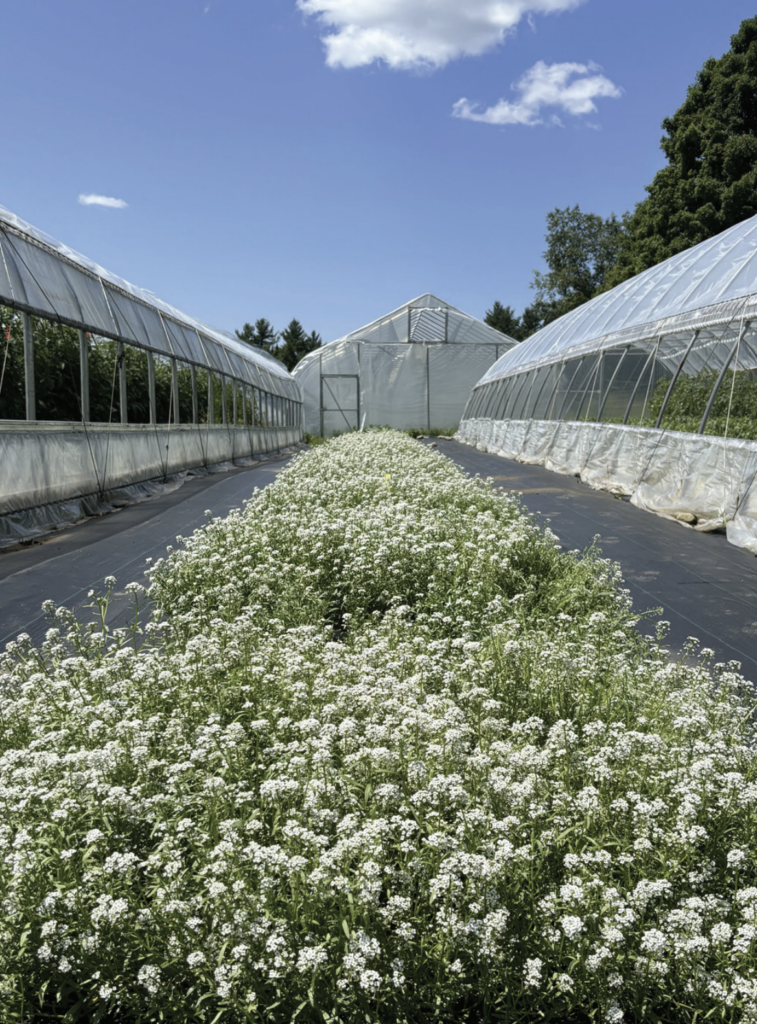
We recently completed a two-year study that evaluated alyssum habitat plantings established in the unused space between high tunnels (figure 1) as a strategy to attract and sustain natural enemies of high tunnel vegetable crops (primarily tomatoes). Those of you that attended the 2025 High Tunnel Conference got to see some of the results. In case you missed it, the following is a brief recap.
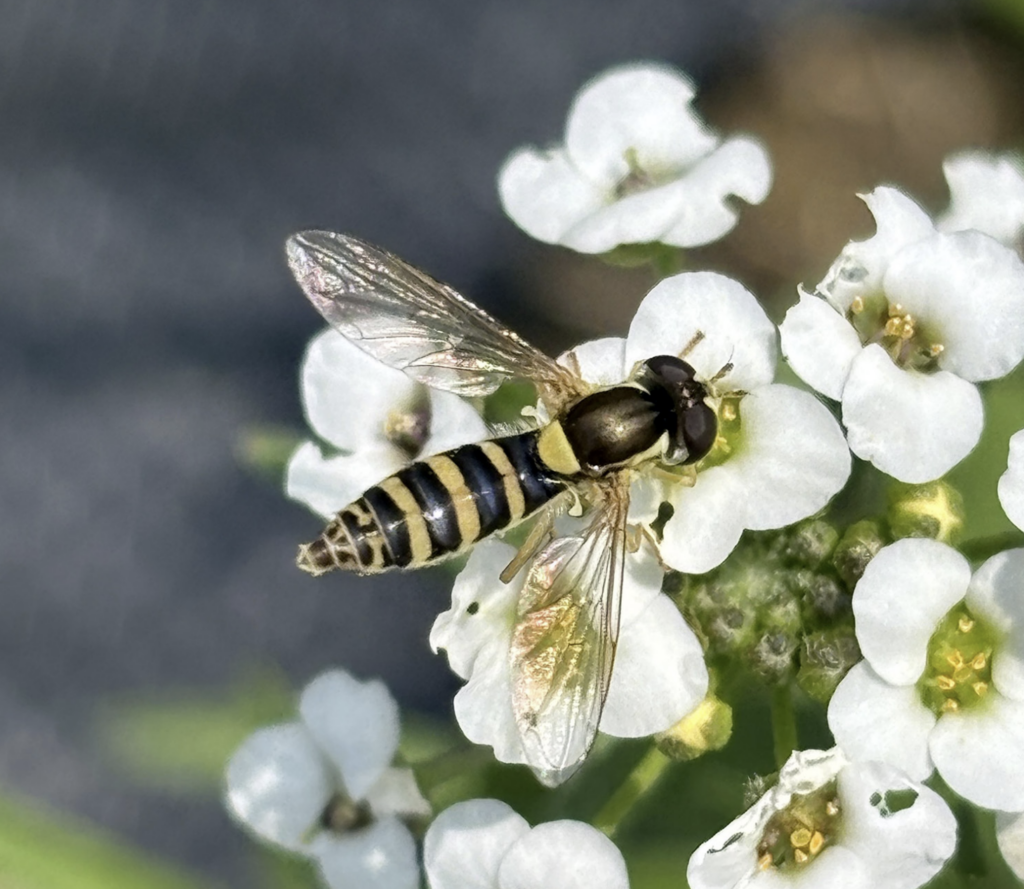
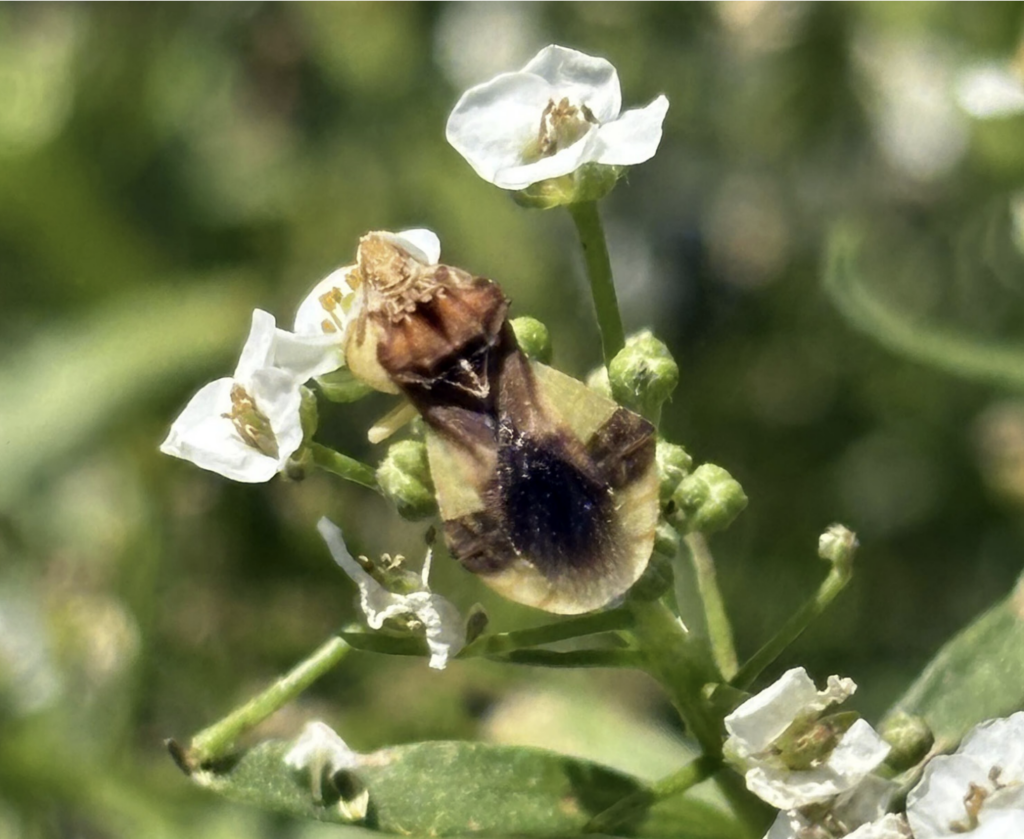
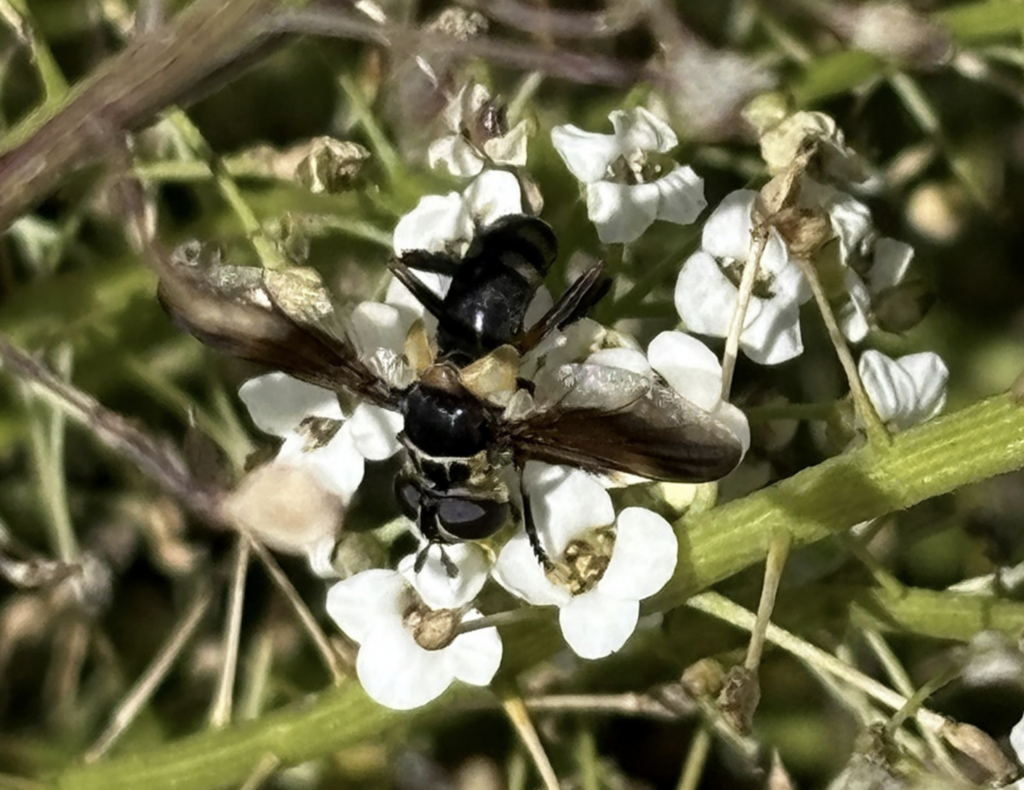
habitat plantings: Tufted Globetail (Sphaerophoria contigua), a syrphid fly
(left), Jagged Ambush Bug (Phymata americana), a predatory bug (middle)
and Banded Feather-legged Fly (Tricopoda plumipes), a tachinid fly (right)
The first research objective was to determine the attractiveness of alyssum habitat plantings to natural enemies and pests. We observed a total of over 4660 arthropods visiting alyssum habitat plantings through visual and plant tapping inspections over the two-year span of the project. Alyssum was attractive to a variety of beneficial insects (pollinators and those that predate and parasitize pests). Of the natural enemies, the majority were syrphid flies (78%). Other natural enemies include Orius, a predatory bug, small parasitic wasps, lady beetles, spiders, tachinid flies, lacewings, rove beetles, assassin bugs and predatory thrips. The top pests on the alyssum were flea beetles and tarnished plant bugs. To a lesser extent, thrips and other pests like aphids, stink bugs, squash bugs, cucumber beetles were observed.
The second research objective was to evaluate the abundance of natural enemies and pests on high tunnel crop plants in the vicinity of alyssum habitat plantings. Although we noted several potential crop pests on the alyssum habitat planting, the most abundant pests were not observed causing damage to adjacent tunnel crops. Aphids and whiteflies were the most abundant pest observed on crop plants. They were seen on crops near the time of transplanting prior to alyssum flowering. Because of this, natural enemies were released to combat them. As a result, the natural enemies that were seen on crop plants consisted of a mix of wild and those that were commercially reared. First, we found that there were significantly more natural enemies on crop plants in the tunnels adjacent to the habitat plantings compared to tunnels without the adjacent plantings over time. Within the tunnel adjacent to the alyssum, we also wanted to know if there were differences in insect numbers on plants in beds adjacent to the planting vs. farthest away. We found there were minimal differences in the number of natural enemies on crop plants as bed distance away from the habitat planting increased. However, over time, the number of pests on crop plants in beds adjacent to the strip declined and ultimately were lower than in the beds that were in the middle and farthest away from the habitat planting. Even though we did not see high evidence of flea beetles on tomato crop plants, if considering using alyssum adjacent to high tunnels, caution should be exercised if planting crops that are more prone to flea beetles (i.e., eggplants) next to it.
For more detailed information about what we found and how we established the plantings, check out the alyssum strip production guidelines publication. Visit the high tunnel habitat plantings webpage for updates about our related projects. We also give a huge shout-out to our collaborating Vermont farms (Jericho Settlers Farm, Honey Field Farm and Walker Farm) for supporting this research on their farms.
Webinars & Workshops
There is a lot of great information about high tunnels to watch, listen, and learn from!
VVBGA 2026 webinar series
(available on Youtube, Spotify or Apple podcast) [check out the online PDF]
- February 11: Go with the flow: improving high tunnel ventilation
- February 18: High tunnel innovations: farmer lightening round
- March 11: What’s that spot? Organic tunnel management of powdery mildew and other
foliar diseases - April 8: Learning from high tunnel tomato enterprise budgets
UNH 2026 Webinar Series for Greenhouse, Nursery & Garden Center Professionals
Check out their website: https://extension.unh.edu/blog/2026/01/2026-webinar-series-greenhouse-nursery-garden-center-professionals
VVBGA summer workshops Dates and locations coming soon!
VVBGA Workshops & Webinars Page
High Tunnel Production ToolKit:
go.uvm.edu-hightunnel
Northeast High Tunnel Project Team
Margaret Skinner
UVM Extension Entomology Specialist, mskinner@uvm.edu
Cheryl Frank Sullivan
UVM Research Assistant Professor, cfrank@uvm.edu
Rebecca Maden
UVM Extension Vegetable Nutrient Management Specialist, rebecca.maden@uvm.edu
Ann Hazelrigg
UVM Extension Associate Professor and Plant Pathologist, ann.hazelrigg@uvm.edu
Heather Bryant
UNH Extension Field Specialist, heather.bryant@unh.edu
Becky Sideman
UNH Professor of Agriculture, Nutrition and Food Systems, becky.sideman@unh.edu
This material is based upon work supported by the National Institute of Food and Agriculture, U.S. Department of Agriculture, through the Northeast Sustainable Agriculture Research and Education program under subaward number LNE22-445. University of Vermont Extension, UNH Extension, University of Maine Cooperative Extension, and USDA cooperating offer education and employment to everyone without regard to race, color, national origin, gender, religion, age, disability, political beliefs, sexual orientation, and marital or familial status. Any reference to commercial products, trade names, or brand names is for information only, and no endorsement or approval is intended. March 2026.