
Author: Vernon Phillip Grubinger
-
Weed Management on Organic Vegetable Farms
Many organic vegetable growers consider weeds to be their primary pest problem. Integrating a variety of weed control techniques is the best way to achieve effective organic weed control. Weed management techniques are aimed at preventing weeds before they appear, or at suppressing weeds once they are present. Weed prevention techniques include: · Rotation of…
-
Ten Steps Toward Organic Weed Control
About one third of Vermont’s vegetable farms are managed organically. On many others, herbicides are used only on a few of the crops. Vegetable farms here and throughout New England are relatively small, and tend to have many plantings of highly diverse crops, making it a hassle to spray different materials at different times. Necessity…
-
Facilitating Positive Relationships with Farmers for On-Farm Research
On-farm research is a great tool for conducting agricultural studies under “real world” conditions. It is also a great way to engage farmers in the design, implementation, and interpretation of research. However, the success of on-farm studies depends on good communication with farm hosts. Here are some recommendations to achieve that. Initial contact should clearly…
-
Plastic Mulch Primer
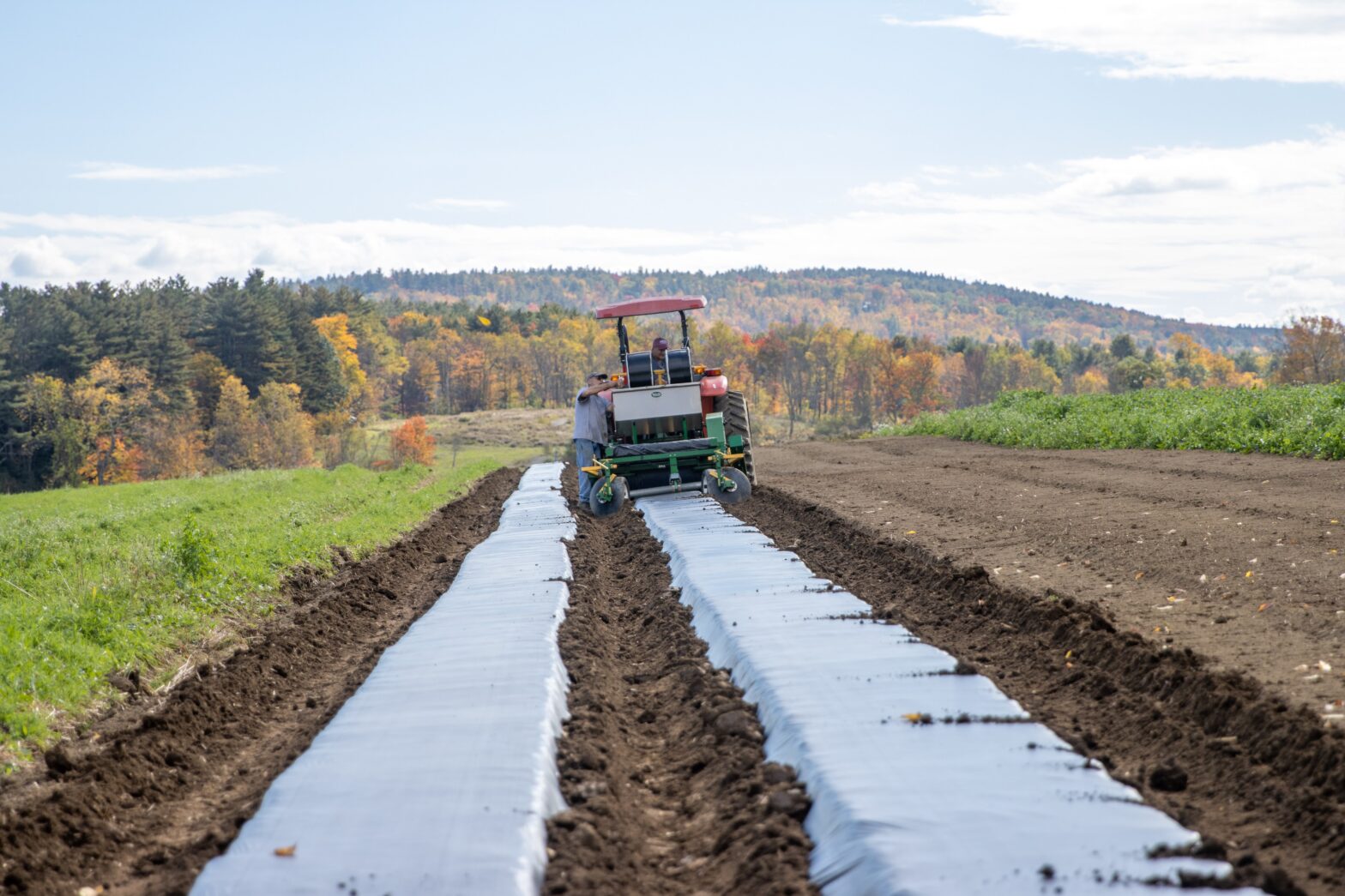
The use of plastics — to cover greenhouses and high tunnels, as row covers, and for soil mulches – has resulted in a horticultural revolution of sorts. Largely unheard of just two generations ago, it’s almost impossible now to find a farm that grows horticultural products without plastic. Taken together, the use of agricultural plastics…
-
Cultivation Equipment for Weed Control: Pros, Cons, and Sources
Effective mechanical weed control requires compatibility among the crop, the soil, seedbed preparation technique and cultivation equipment. As you plant, so shall you cultivate: use row spacings that will accommodate your equipment with a minimum of adjustment. Cultivating in a timely fashion is important, but that can be a challenge because of weather or other…
-
Please Don’t Call It Dirt!
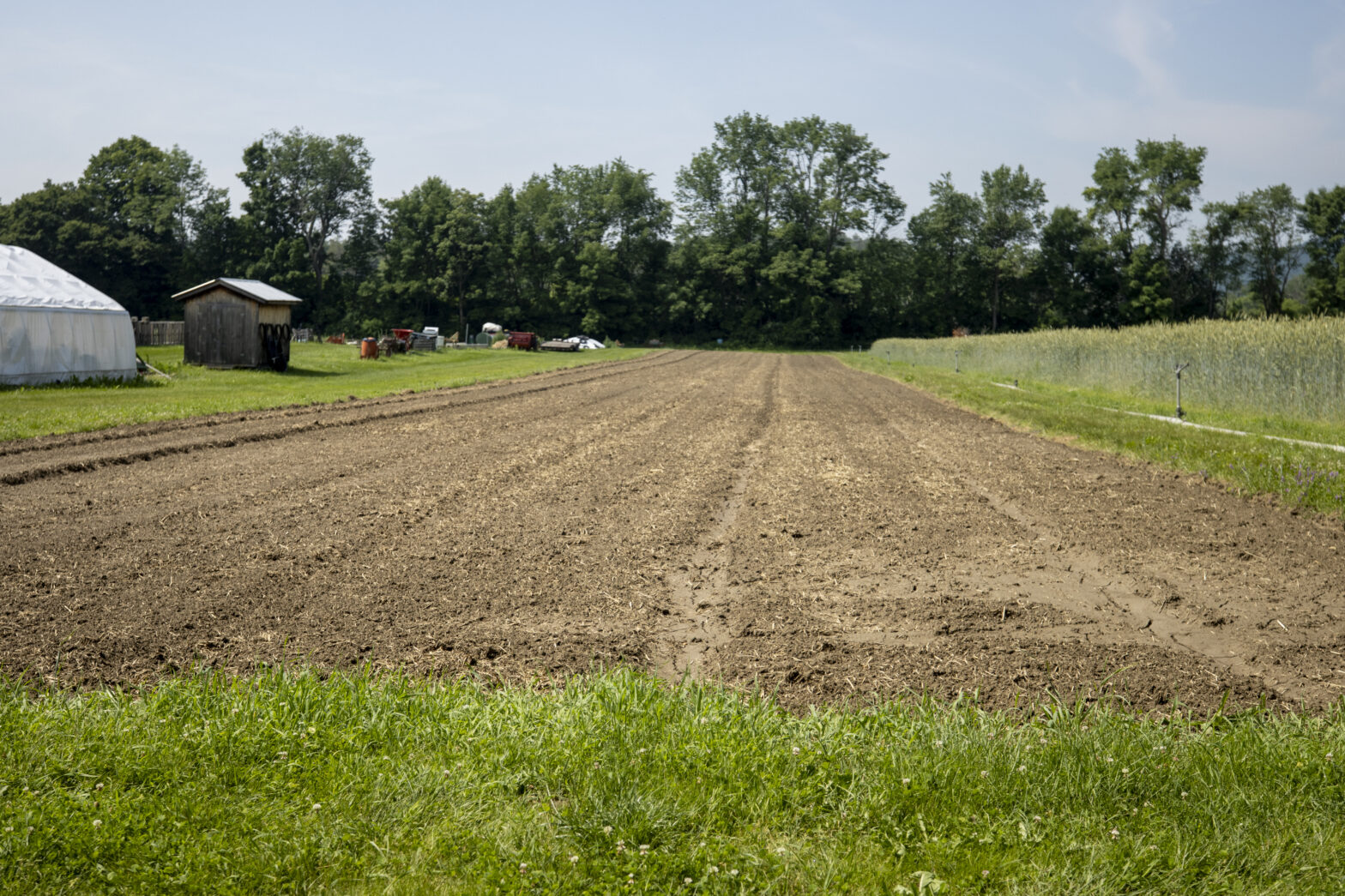
Soil is at root of good crop production, but all too often, as the saying goes, it “can’t get no respect.” As vegetable growers, we push it around, drive all over it, leave it exposed to the elements, and feed it junk food. In other words, we treat it like dirt. Good soil deserves better.…
-
Growing Organic Potatoes
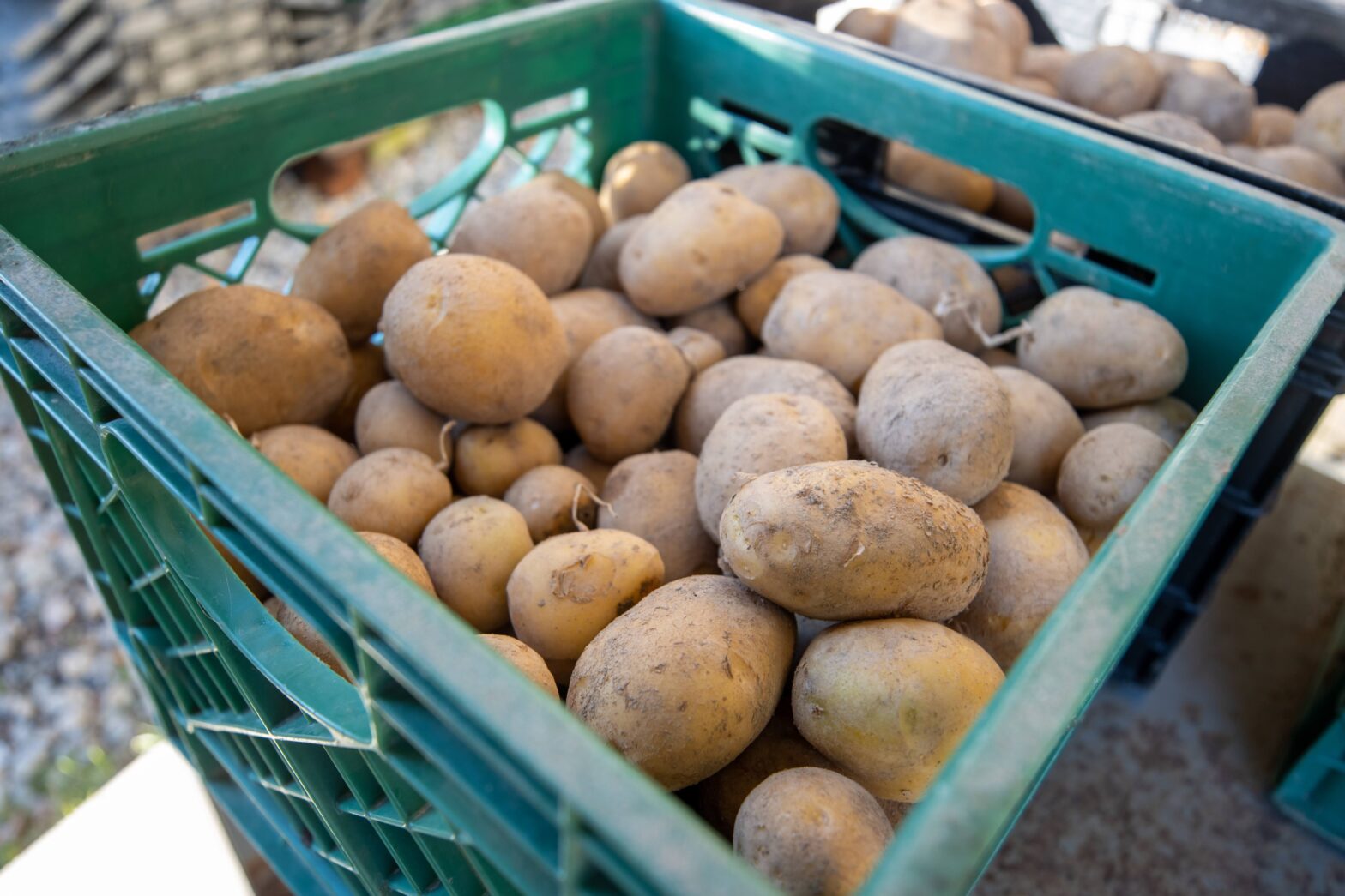
Potatoes are a pretty easy vegetable crop to grow, but they aren’t the easiest to grow using organic methods. That’s because they are prone to quite a few insect pests and diseases that can be a challenge to manage organically. They also require relatively high levels of available nutrients in order to obtain good yields.…
-
Soil Organic Matter: The Living, the Dead, and the Very Dead
Soil organic matter makes up only a few percent of most soils, but it has a great deal of influence on soil properties, and in turn, agricultural productivity. What does it do? The list of soil properties affected by soil organic matter is long. It includes: aggregate stability (how well tiny clumps of soil hold together,…