My Goals, and Life, After The Sustainable Innovation MBA

This post was written by Ruchi Nadkarni ’20. Connect with her on LinkedIn.

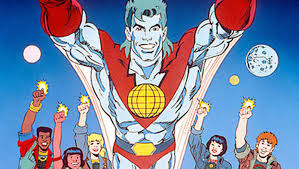
I remember I was 10, when I watched the cartoon network show ‘Captain Planet’ for the first time. It was a show about teenagers who would team up with Captain Planet to keep the spirit of the earth (‘Gaia’) safe. Eerily, little did I imagine that I would live to see the destruction that was only imagined in a cartoon show, come to life. I started my journey at 21, with a nonprofit for animals. It was the most pristine love I could have ever imagined. As life went on, I pondered being another version of ‘Captain Planet’ and 10 years, and millions of happy animals later I hope to expand the course of this odyssey.
The influential driving forces of everything I do in my life stem from uplifting the distanced and forgotten in our world. To me, at this juncture, the environment including waterbodies, land and air combined with the quickly disappearing animals of today are of immediate concern. I am especially passionate about aiding frontier markets with sustainable business solutions addressing their immediate environmental problems using environmental business and sciences. I am passionate about effective solutions that are about more than band-aid remedies, a panacea for most difficulties if you will. This includes creating business solutions for developing countries that especially address their environmental strains.

This is especially important as developing countries struggle as their environmental degradation is a result of the last priority given to it. Countries like India place such a high importance on the development of their economies, that this often comes at the cost of environmental disregard. The lack of facilities for waste processing, soil health, water health and air quality are quandaries we are all too familiar with. The existing large corporations do very well on empathetic marketing to get their products in these markets – however rarely ponder the consequences of their products. The lack of knowledge, education and concern for the immediate environment and the widespread effects of an impaired ecosystem cause relentless practices, that destroy the planet far more rapidly in these places.

Since economy and survival is at the center of these communities, I plan to permeate through these issues, in ways that are coveted. To introduce a way that is sustainable and utilizes environmental gains as well is a triumph in my eyes. From environmental impact measurement, strategy, finance and restoration; I hope to beget measures that will gradually change the way business is done. More specifically I intend to do this by working within consulting companies before venturing out with my own consultancy, as well as business incubator a few years down the line. In this way I plan to start working with corporations, businesses and entrepreneurs to introduce business in these markets. The intentions of these businesses while economy driven of course, will not be to create new markets, but instead disrupt current markets and gain existing market share. Additionally, authentic intentions and shared value creation will be at the core of these solutions.

Whether with renewable energy, soil sequestration or pollution control practices – the businesses I will work with will combine environmental engineering, science and business. The merit of being able to affect all three facets of environmental well being in this way not only widens the scope of my practice but also satisfies my altruistic tendencies. I was often told growing up, that I need to hone my focus on one thing, and that I cannot fix everything in the world. While adult life has made me utterly aware of the fallacies of my childish fantasies, I think I have found a way to address this dilemma.

At the core of it all, I believe that we are transient beings in a home that we stay in for a little while. Our gracious host is currently sick and needs more from us. I am hoping I can influence enough businesses and people across the world to join this movement and that one day my aspiration to be ‘Captain Planet’ will be redundant.

Regenerative Agriculture: A Case for Glocalization Agriculture Practices

This post was written by Bavin Balakrishnan ’20. Connect with him on LinkedIn.

It is common knowledge that carbon emissions is a major contributor to the climate impact crisis. It is even more common to hear about the reduction of carbon emissions to mitigate the impact.

Photo by Roman Synkevych on Unsplash

What about the carbon already in the atmosphere? A common solution to develop carbon sinks is to plant trees, which is a great start to replace the deforested area. However, as the population grows and more land is converted into cities, we need to re-assess the previously suggested solution.

During our first semester in the SI-MBA program we were introduced to the following equation regarding human impact to frame what factors affect this developed by Commoner, Ehrlich, Holdren[1]:

As established earlier, the population is expected to continue rising with estimates of world population reaching 8.5 billion by 2030.[2] Similarly, affluence (or consumption) of people will continue to increase as developing countries are increasing their GDPs, which is commonly used as a proxy to judge consumption. Finally, technology represents the resources required to produce the units of consumption, thus increases with affluence.

So, what’s the solution? Simple algebra can reframe this equation to our benefit and reduce the human impact:

This equation represents that using our resources efficiently can significantly deter our impact. A resource that we are currently failing to make more efficient is the soil. Carbon naturally belongs in the ground and is the prime factor that creates an efficient ecosystem within the soil.

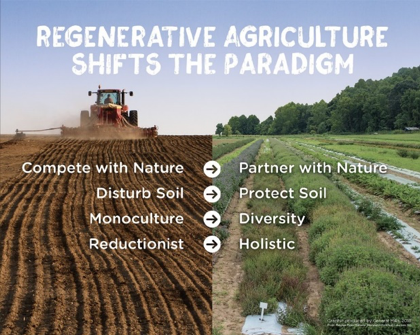
https://www.thegreendirectory.net/wp-content/uploads/2019/07/RegenerativeAgrictulture-1024x818.jpg
Source: Graphic produced by General Mills, 2018

The image identifies fundamental concepts behind regenerative agriculture, however, these holistic practices are not currently applied by majority of farmers as they believe it is not financially feasible. A common misconception in the farming community, especially within developing countries, is that monoculture farming will generating the highest revenues. Though this may have been true in the early days, with strong soil health and support from large enterprises such as Monsanto, those practices have depleted the soil of its natural benefits.[3]

Contrary to the misconception, those farmers who implemented regenerative agriculture practices have rejuvenated their land, which paid dividends through higher crop yields and greater soil health for future generations.

A caveat in this solution, it needs to be applied at a local level. On the other hand, the food industry is a globalized market with customer demands for exotic foods continuously increasing.[4] In order to deal with this supply short, the solution is glocalize the food supply chain, which refers to the production of native crops at a local level to meet the demands of global scale. This requires co-ordination between farmers so that an individual doesn’t face the burden / risks associated with monoculture production.

This is my case to create a platform for farmers in their respective countries to the power of agriculture back in their hands and regenerate their land, reduce the human impact, and provide hope for future generations.


The Ethics of Reducing Emissions

This post was written by Jay Kulkarni ’20. Connect with him on LinkedIn.

2019 may go down as the year that the world began to “wake up to the climate emergency.” Inspired by climate activists such as Greta Thunberg and Extinction Rebellion, the non-violent youth climate movement became a global phenomenon that starkly highlighted the apathy and inaction of the political class in most developing and transitioning economies.

Photo by veeterzy on Unsplash

Despite some recalcitrance amongst those aged 55 and older, acceptance of climate science is spreading. Climate change is a scientific fact, and it’s happening now. It will unpredictably impact ecosystems and biodiversity, thereby affecting people who depend on their environment for ecosystem services such pest/ disease control and provisions such as food and water. As the world warms, diseases will spread. Heatwaves will become deadlier. Coastlines will erode. Species will die out.

We must confront our temporally-, spatially-, and ecologically-distributed responsibility to individuals, nations, future generations, and the other species with which we share our planet. Scientists accept that reducing greenhouse gas (GHG) emissions is a requirement to keep the global temperature increase to below 2°C in keeping with the 2015 Paris Climate Agreement. The disagreements now stem from what to do next.

One common refrain from political leaders — like Donald Trump — opposed to the Paris climate targets is that some countries are disproportionately expected to do the heavy lifting of reducing emissions, which is seen as a threat to their economies. The US has stated that it will withdraw from the Paris agreement on November 4, 2020, one day after the 2020 US Presidential election. However, this argument ignores the global and intergenerational dimensions of climate change; even though China has higher annual emissions at present, the US has historically contributed the most GHGs in total. The US, along with other GHG polluters, are therefore attempting to “pass most of the burden of their activities to people in other parts of the world and the future in unfair ways.”

The other ethical phenomenon at play is the tragedy of the commons: as governments and industries act selfishly and short-sightedly, they “deplete a freely available shared resource, against each of the parties’ long-term interest.” Most GHG polluters face no penalties, while the public pay the costs of pollution and climate change through loss of ecosystem services and impacts to health and well-being. In addition, there are skewed vulnerabilities at play, where the countries whose emissions levels have historically been the lowest are those that may be amongst the most vulnerable to the effects of climate change.

It is therefore imperative that large economies acknowledge their proportionate culpability for the effects of climate change, as well as their responsibility to the peoples and ecosystems affected. In addition, we must absorb the lessons of indigenous people around the world, whose observations of the dynamic equilibrium of natural ecosystems have given them an “equanimity and optimism” to better adapt to the coming ecological and societal disruptions wrought by climate change.

How I Learned to Love Business

This post was written by Ally Polla ’20. Connect with her on LinkedIn.

Halfway through my junior year in college, the reality of graduating with a business degree planted a pit in my stomach that manifested until I found The Sustainable Innovation MBA. Looking at what others did with a business degree, I could not see myself having any of their career trajectories or lifestyles. At that time, I truly believed that all businesses operated at the bottom line and I dreaded becoming part of that system. Hearing about the vast success of major corporations, I had little interest in their monetary successes, but thought about their carbon footprint, their employees, and how resource intensive they were. I wondered if anyone else in the business world felt the same way and why no one was doing anything more. 

Photo by Green Chameleon on Unsplash

 I was aware of fair trade and individual sustainability practices at the time but still was unaware of the positive impact businesses can  have. A few months before graduation, I desperately began to research fair trade and B corporations to find a career path that I could hopefully see myself in. This research ultimately led me to the University of Vermont and The Sustainable Innovation MBA. It felt like all the tension between what my life was and what I wanted it to be had fallen away and everything finally connected. I started my application, scheduled my GRE, and couldn’t see my future looking any other way. 

I  wanted to attend the University of Vermont for my undergraduate degree for civil engineering but upon getting accepted, I realized I wanted to stay closer to my family and home. This led to me attending Manhattan College, enrolling in civil engineering, switching to the school of business freshman year, transferring to Marist to study human resource management for 1 semester, transferring back to Manhattan College, graduating from Manhattan College with a business degree, only to lead me back to the University of Vermont for my MBA.  I never planned on getting a business degree, let alone an MBA. Being in this program has solidified my business knowledge from my undergraduate studies as well as changing my perspective about the problems in the world and ways to solve them through business. The pit in my stomach about business that I once had, has been shaped into motivation that pushes me to be a positive force in the world through business everyday.

Family Business, Entrepreneurship and the Base of the Pyramid

This post was written by Ruchi Nadkarni ’20. Connect with Ruchi on LinkedIn.

“Family Business,” I thought – sounded like just another core course in the laundry list of core courses that we needed to know about. I wasn’t inspired or even intrigued at the notion of it. I had committed the very first faux pas that the class instructor warned all of us about – our A’s – our assumptions. However, my postulations were quickly checked when a poised woman, world renown Family Business scholar Pramodita Sharma entered the class and shook me to my very core, with the inspiration that followed the notion of Family Business.

As if I wasn’t already excited to be learning about concepts that spoke to my very essence, I became deeply fascinated with the promise of family business in the first thirty minutes of the class. I was captivated. As someone that grew up in India, I had a picture of what family business in my mind. It was a common occurrence growing up for me to have come across several family members and friends who were in variously sized family businesses around me. Family business was close knit, small and seemingly inconsequential to me from what I had observed. It seemed to be just another way of making a living, and I concurred with the popular opinion of it as being rather minor-league. Interestingly, I was very aware of the top 1% of my country’s wealth as being in the hands of some of the wealthiest in the world from the Tatas, Ambanis and Birlas! I again erroneously assumed that they were a small minority to the rule.

The various advantages and disadvantages peculiar of family businesses started to familiarize me with the telenovela that is family business! From high passion to high drama, it seemed to have it all. I wasn’t surprised to read the first reason why I was always averse to the idea of family business – its Achille’s heel mixing family and business together. My aspirations to work with the base of the pyramid were augmented further when I read about household enterprises in developing countries. As a more privileged member of society, privy to the lives of the base of the pyramid, I have intimately seen the struggles, lives and phenomenal resourcefulness that resides within it. My nonprofit work took me deep into the slums of Mumbai, and I was honored to have made it into their circles, as these communities are usually very wary of outsiders.

In my working with the community, I happened to also have a chance to observe the enterprises run by them, leaving me fascinated and inspired to bring more to them. It was heartening to read about the resilience of these populations and how their close knit, family-oriented values created informal micro-enterprises that helped void marginalization for them. These societies internalized institutional theory without even realizing it with each member of the family contributing to the household in these enterprises to combat poverty. Their norms, solidarity, values and beliefs in forming these institutions despite being marginalized from resource rich networks was always something of a feat to me as I have admired them all my life. In the US, I recently learned of at-risk neighborhoods and how, the law enforcement and broken system keep them in an inescapable cycle of abjection. Despite the challenges the socio-emotional wealth as an economic consideration was comforting to read about. They subsist where opportunities do not exist.

All our simultaneous classes and lectures pointed out to the most opportunity for business and sustainability for all stakeholders was in the bottom of the pyramid. When we shifted gears to alter that notion and understand that opportunity also resided in the top of the pyramid which consisted of family businesses in a big part because of their legacy oriented outlooks, it was almost like a eureka moment for me. The idea of sustainable innovation can sound insipid to a lot of businesses primarily concerned with the bottom line, but when the bottom line can be tied into this idea, a golden bridge is created where it suddenly all makes sense. This bridge I thought, was that of family business.

Growing up as I went through the various stages of academia, and many of my decisions were usually influenced by my parents or by society and I always had an entrepreneurial streak. I was a natural risk-taker and even have a black book full of business ideas that can change the world. As my non-profit venture progressed, as I became familiar with the pains of entrepreneurship my rose-tinted glasses slowly came off. That combined with the severe strain that my nonprofit put on my work-life balance and my family relationships made me more averse to entrepreneurship than ever before.

Outside of these challenges, being in the non-profit industry for ten years and pure science academic background before that, through my academia and career I was always convinced that ‘entrepreneurship’ is a bad word. Even still, as I ponder about being an entrepreneur I am absolutely terrified of the notion. The lack of resources, loneliness and stress are concepts that I am all too familiar with, being a nonprofit owner. As we spoke of various family businesses that our professor studied over the years, and how passionately she felt about them being contributors to the sustainability and business future of the planet, my fears were slowly dissipating. Every day in this program as we are convinced of becoming entrepreneurs, I can see the silver lining and feel like I am gaining my starry-eyed wonder that I harbored before life’s many challenges bogged me down. I was all at once reminded of the dividends of entrepreneurship, as well as family business as a route to solve the world’s sustainability challenges. I was overwhelmed with gratitude and reminded to be completely in that moment even as I was churning several ideas for the future.

Because the truth is, that we only have the present moment, and to be completely immersed in it is the true joy of life. So even as I drew grandiose plans with my learnings from this class and this program, I truly enjoyed being right there, just in that moment.

Alumni in Review: Maggie Robinson ’19

Maggie is a member of the Class of 2019. Connect with her on LinkedIn.

Where are you currently working, and what is your role?

I am the Director of Community Outreach for Generator, a business incubator at the intersection of art, science, and technology in Burlington, Vermont.

Why did you choose to attend The Sustainable Innovation MBA program? What were you doing before?

I felt in my previous role before the program that I was stagnating. It was everything that I needed to be gaining experience, yet at the same time, I didn’t see a clear path into higher management roles.

What was your favorite part about the MBA program experience?

Learning more about myself through the process. Being that I switched career paths, I had to look at my experience and decide what problems I wanted to solve, not just deal with. Additionally, this program was ridiculously time-consuming. I probably wouldn’t do it again, but it really sharpened my organizational and prioritizing skills. I also enjoyed the team collaboration and getting to know talented individuals, and some are lifelong friends now.

How are you applying the tools/skills you learned in the program, post-MBA?

I’m finding I’m using the most material and knowledge from organizational behavior, complex systems, and being deliberate and strategic on growth and collaborations.

What would you tell someone who is considering The Sustainable Innovation MBA?

No matter what, you’ll get something out of this program that will be life altering.

Embracing Plastic(ity)

This post was written by Cody Semmelrock ’20. Connect with him on LinkedIn.

Plastic.

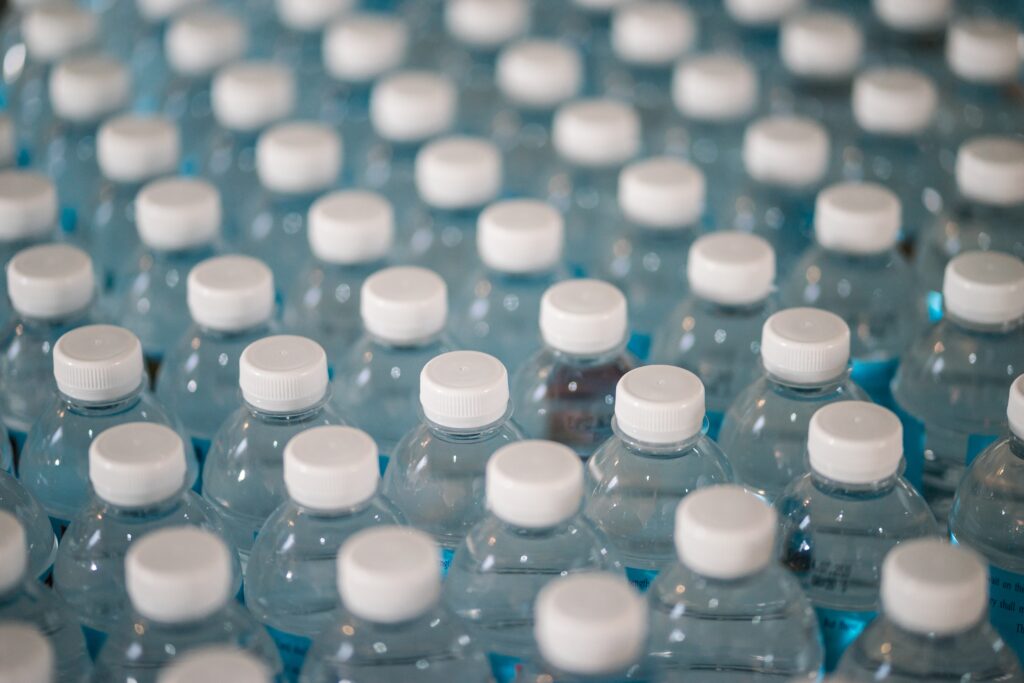
Understandably, this word has been vilified as it becomes more and more apparent how its mismanagement may define our generation. It is painfully clear how damaging this resource can be in the natural ecosystem. As such, I won’t spend much time on that discussion. Instead, I would like to offer up a different take – one that embraces the word. These synthetic materials boast a tremendously impressive and valuable quality; they all are plastic in nature because they are easily shaped or molded. From a manufacturing standpoint, they are highly adaptive and can be purposed and repurposed to serve different needs under different conditions. Although some promising programs are beginning to emerge, on the whole, the industry’s management of recapturing the value of their product has not looked for inspiration in the product’s defining adaptable nature, and has instead practiced the status quo for far too long.

Photo by Jonathan Chng on Unsplash

As I reflect on the first few months in The Sustainable Innovation MBA program, it is hard for me to shake the word. Initially, I felt like I shouldn’t acknowledge my work history that I shouldn’t talk about plastic production in a sustainability program unless I had to. I quickly realized this was the wrong approach. My work background includes project development, management and sales of plastic packaging. My job was to develop and create products that don’t have adequate or appropriate disposal methods. Many single-use medical device packages inevitably would end up thrown away and/or incinerated. The “Take, Make, Waste” model was, and still is, being practiced. Movement away from this model is on the rise and conversations centered on a circular economy are materializing. When I think of the greatest take away of this program so far, I can’t help but think to the adaptability I have been forced to hone, how essential it is for my own career and how this level of adaptability will need to be utilized for a successful transition within the plastics industry.

These past few months have been truly transformative. Like many, I decided to pursue an MBA for a variety of reasons. I was looking to outfit myself with a “toolkit” comprised of a variety of skills that would help bolster my career while simultaneously setting a foundation for using business as a vehicle for substantive social change. Ultimately, I was seeking to better understand financial statements, canvass business strategy and evaluate the feasibility of my own crazy business ideas. For the purpose of strengthening my resume and making myself more marketable, I understood these skills to be most critical. It has become apparent, however that my ability to adapt, to be reshaped according to new conditions and embrace plasticity in my career approach and personal development has been my greatest take away of the program thus far.

My education in adaptation started the first day of orientation. Transitioning back to life as a full-time student after a five-year academic reprieve did not occur overnight. It was difficult and it was exhausting, but innate in the program’s structure were lessons I can reflect on as defining moments which have made me a more adaptable student, employee and citizen.

Prior to starting in the program, I would have incorrectly identified myself as being adaptable. I would have cited some lesson learned on the mini-tour golf circuit about how important it is to approach novel problems (like sitting 40 yards off the fairway with the pin nowhere in sight) with calm, optimism and creativity. The primary distinction between this example and the adaptability required in SI-MBA and moving forward toward a more sustainable future is the notion of playing with others.

Within an intimately sized cohort of 30, we are assigned to module learning teams. Groups of 3-4 students are hand selected to build diverse groups in an effort to reflect real world working environments and prove that highly diverse groups are more likely to solve increasingly complex problems than their more uniform counterparts. We then tackle assignments in every class together. This team experience inevitably differs for everyone but illustrated to me areas where I should improve, be more flexible and help encourage others development.

Without a thorough understanding and appreciation of this soft skill, hope for a more sustainable future seems bleak. Across every industry and profession, a need for highly adaptable individuals will exist and SI-MBA has uniquely outfitted myself and my fellow cohort members with a distinct ability to roll up our sleeves and roll with the punches. I am confident this lesson in adaptability will serve us well as we venture beyond the classroom and face many of the same problems that drew us to the program a few short months ago.

A New Kind of Museum

This post was written by Matthew Licata ’20. Connect with him on LinkedIn.

While home over winter break my family and I wanted to spend a day in New York City so we thought a museum would be a great option. We ended up going to Arcadia Earth in downtown Manhattan which is a pop-up museum dedicated to sustainability. It was amazing.

Photo by Matthew Licata ’20

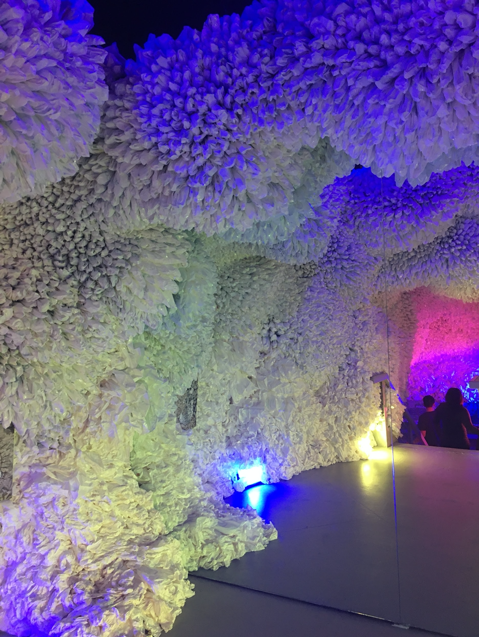
There are 15 different interactive rooms to go through, each with a unique design and message. In every exhibit there are boards with statistics and information telling the reader about a specific issue related to the displays. Each art piece helps contextualize the scope of an issue in an incredibly creative and visually appealing way. The topics they discussed ranged from plastic use, polluted oceans and resources used for cattle farming.

All the messages were given in an easily digestible way for people to grasp as well as understand the scale in which some of these issues are at. Examples of “how much plastic we consume?,” or ”How old are the apples in the supermarkets?” are some of the information that keeps people interested since if affects their daily life. Also as you walk through the rooms, you use the app that utilizes Augmented Reality to increase interaction as well as offers more information for participants to understand the topic. The AR shows schools of fish swimming next to piles of trash and many other visuals. My favorite room was the plastic bag cave created out of 44,000 upcycled plastic bags. It was visually stunning to see the sheer number of bags and the use of mirrors and lights made the cave seem never ending.

It was really interesting to go with my family to see how people react to this way of vocalizing some of our worlds issues since I have been involved in sustainability since I was a sophomore in high school and the rest of my family has an average understanding. I have heard a lot of the information that was given in the museum but I know my parents haven’t so I was watching their reactions as they read the data. It was amazing to see how disturbed they from what they read and how the exhibits were able to help them visualize the issue. I am sure that many other visitors were also mind blown by the data they were reading and will be able to bring that home with them to help improve their habits.

With so much information coming at us in present day, it was great to see people putting their complete focus into the museum and really internalizing the data. This museum is a great way to leave a lasting impression on people with its stunning visuals, interactiveness and simple message.

Arcade Earth is located at 718 Broadway in New York City.

In-“Vesting” in Sustainability and Innovation

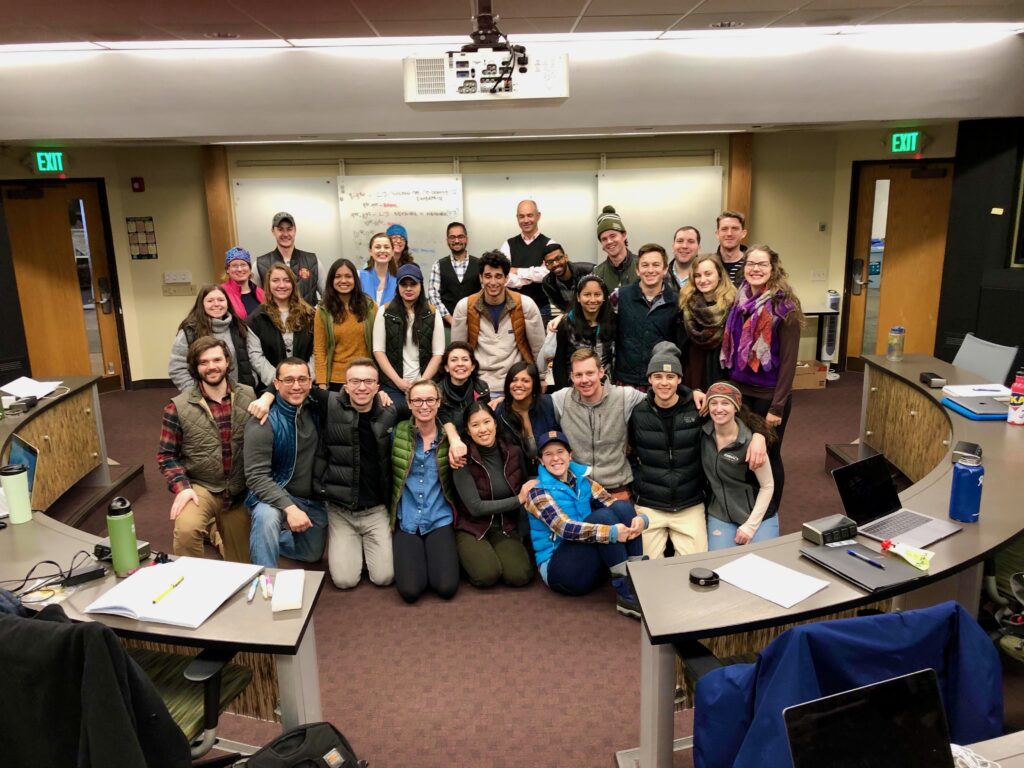
Than Moore ’20 (kneeling, third from right) is well-known among The Sustainable Innovation MBA Class of 2020 for his preference for wearing vests — a lot. In honor of his birthday (January 30), the entire cohort clad themselves in, well, vests. Happy Birthday, Than!

Sustainability and the Craft Brewing Industry

This post was written by Dan Versace ’20. Connect with him on LinkedIn.

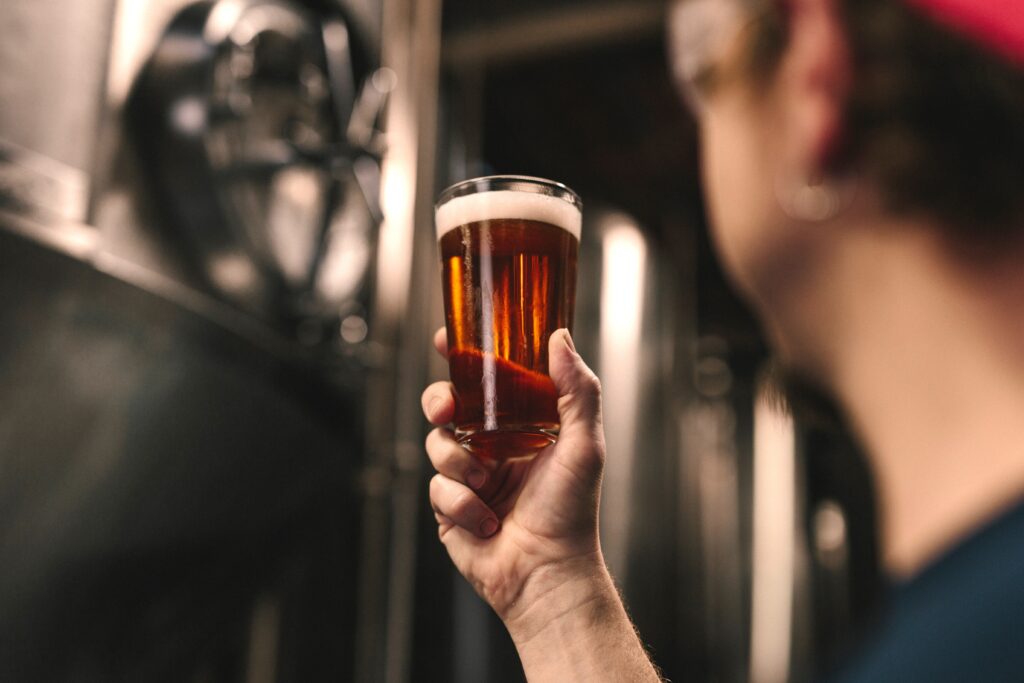
Since the craft beer boom of 2012 started, many brewers across the country have found it hard to differentiate themselves from their competitors.  Many have tried to create new and inventive brews and invest in a tap room where customers can come to the brewery and learn more about how the process is done while sampling the products.

Photo by Elevate on Unsplash

But, in recent years the focus has shifted from inventive and innovative products and experiences to differentiation through the process by which the beers are made, with many breweries investing in the sustainability of their product and manufacturing lines. They can do this in a multitude of ways as complex as installing a device called an anaerobic digester to recycle wastewater that the brewery produces, or as simple as working with local farms to use their spent grain as food for a variety of livestock. Some breweries in the UK have even experimented with using stale bread from local bakers as a starter for their beers, limiting the amount of barley or hops that is needed.

With that being said, there is still room for innovation when it comes to the energy used in the brewing process along with the distribution and supply chains linked with the operation of the brewery. Many large scale consultancies such as SustainaBrew are working to refine a sustainability plan that works with the nuances that are inherent with brewing and selling beer, as laws and regulations differ from state to state,  limiting the amount of barley or hops that is needed.

Environmental sustainability isn’t everything though; social responsibility has seen large growth in the brewing sector as well. Take Switchback Brewing for example. They recently shifted from a single ownership model to being 100% employee owned, allowing every single one of their employees to have a meaningful say in how the business operates and what decisions are made on a day to day basis. This has led to a company that operates like a family where everyone is vales and each person employed by the brewery is committed to seeing it succeed.

While it may seem like a no brainer to some, many others are still very wary of implementing these strategies for sustainability as they do run quite a high upfront cost, and can take a lot of resources and time to implement, with no guaranteed pay off.  However,  in a recent study produced by NPR it was shown that consumer’s willingness to pay increases when the breweries they are purchasing from are utilizing sustainable practices, something that is not necessarily true for other products in the marketplace. What is it about the brewing business that lends itself to this outcome? I believe that it is the client base and the values that they hold. The craft brewing industry has grown through, and is held up by the purchasing power of the millennial generation, a young consumer base that has sustainability at its heart and chooses to make purchasing decisions based on their values.

The proof is in the pudding (or perhaps beer in this case). Sustainability efforts in the brewing industry has positive effects on the world, the people who buy the product and work in companies, and, finally, the bottom line. There is only more to come in the future.