Live Your Values: How to Eat Sustainably

Live Your Values: How to Eat Sustainably

Written By:
Lindsay Jarrett ‘22
Contributing Writer
Connect with Lindsay on LinkedIn

Like many college students, I find relaxation and creativity in cooking and trying new recipes. However, with a busy schedule, I must plan out meals in advance and try to stick to a reasonable budget. Before I go to the grocery store, I look through my fridge and pantry to see which ingredients I already have to include in the week’s recipe to decrease food waste and extend my dollar .

Today I found:

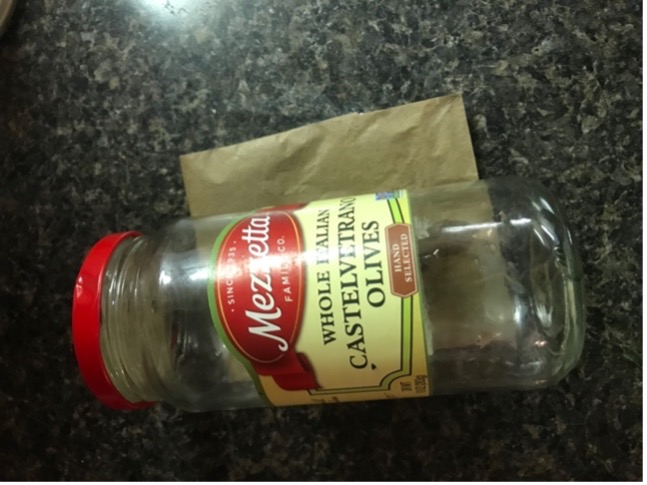
  • Castelvetrano Olives (open jar in fridge)
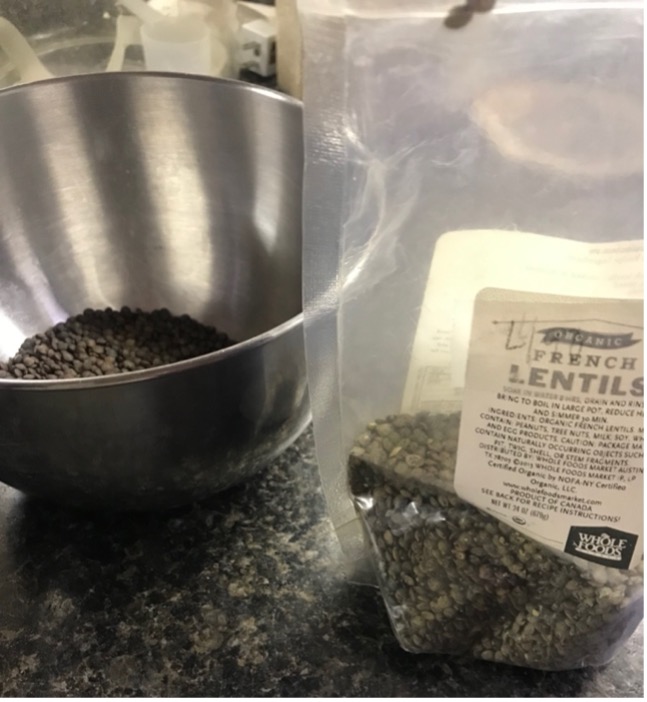
  • French Green Lentils (pantry)
  • Olive Oil
  • Red Pepper Flakes

I do not subscribe to a specific diet, but I typically do not include meat in the lunches I bring to school. I often look for a recipe that will make enough servings for the week, will keep me full through our 1:30-4:30 pm class, and is easy to take to school in a glass Tupperware. This week, I decided on Sarah Jampel’s Just-Keeps-Getting-Better Lentil Salad, published on Bon Appetit.

Burlington’s local Co-op, City Market, is a great option for shopping locally and sustainably. My experience has taught me that if you’re strategic when shopping, you can stick to a budget and minimize waste. For this recipe, I put together my grocery list, gathered my reusable shopping and food storage containers and headed to the market.

Here’s what I bought:

  • Organic Tuscan Kale $3.29
    • TIP: No need to put in a plastic or compostable bag! Just straight into my basket.
  • Raw Almonds $1.75 (on sale)
  • Organic Scallions $1.99
  • Garlic $0.96
  • Lemon $0.69
  • Cumin Seeds (from bulk bin) $0.16
  • Feta Cheese $4.99
  • French Green Lentils $1.21
    • TIP: I measured out my lentils before I left, and I did not have enough for the recipe. I emptied the bag into a bowl and used the same bag in the bulk section to purchase the remaining amount needed.

TOTAL: $15.04
City Market curates seasonal produce from local farms in Vermont; however, the winter season means most of the current produce is procured from other regions in the United States or abroad. The feta I purchased is local from Maplebrook Farm in North Bennington, VT.

Next, I laid out all ingredients for the recipe and began preparing. I followed the recipe exactly as written.
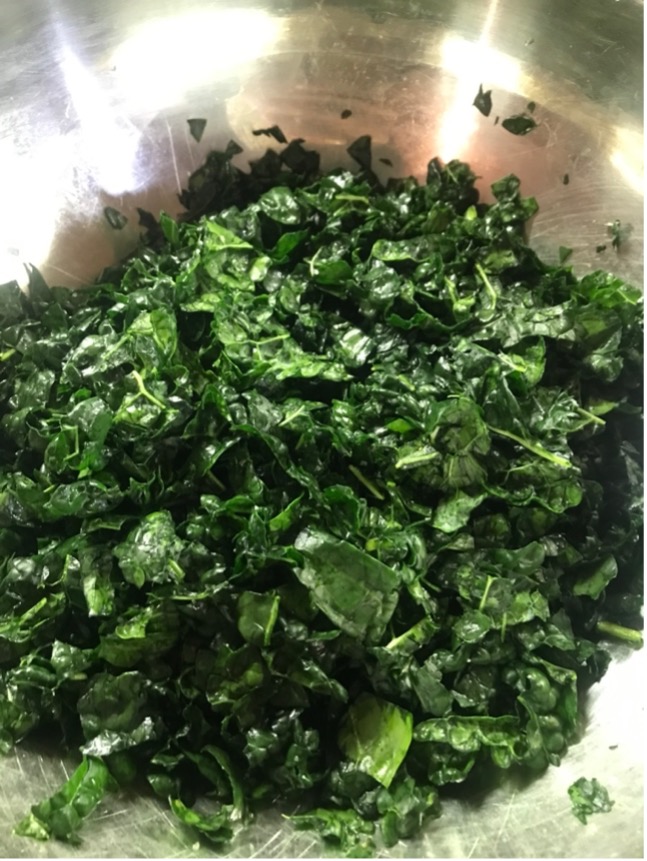

In the end, the recipe filled one large Tupperware and one small Tupperware. This created  about 4-6 servings, a perfect amount for the week and brought the price per serving between $2.50 to $3.76.

As a sustainability student, I am also conscious of the waste I produce when cooking. This recipe left me with the following:

COMPOST: Burlington has a mandatory compost law, so food waste must be discared properly through pick-up services, local drop-offs, or personal composting practices.

  • Kale stems
  • Garlic skins
  • Lemon
  • Olive pits

RECYCLING or REUSE:

  • Glass Olive Jar – Wash and recycle or use as a jar for bulk shopping in future
  • Small paper bag used to purchase cumin seeds from bulk bin – can be used again in store
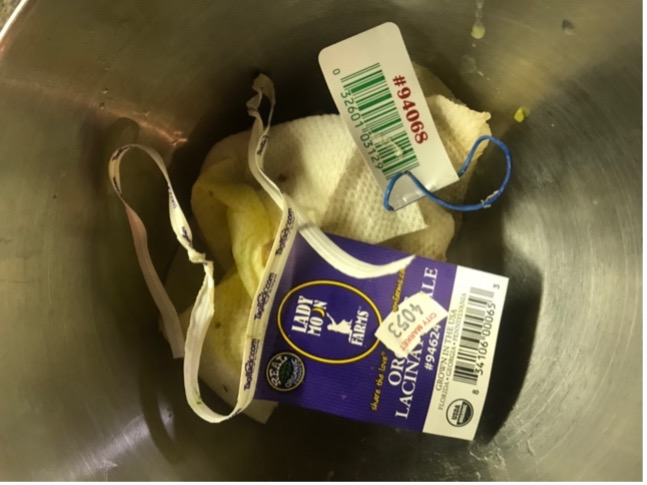
WASTE: It’s difficult to eliminate packaging when purchasing produce from the grocery store, but mindful shopping habits and recipe choices help reduce waste.

  • Wire and tag from kale bunch
  • Rubber band and tag from scallion bunch
  • Sticker from lemon
  • Paper towel used in recipe

Many recipes will not use the entire amount of your purchased ingredients, so I view meal planning as an iterative process. I consider what I have leftover, and base my next meals off of any remaining ingredients. Here are a few recommendations based off the recipe above:

  • Scallions
  • Feta
    • Scrambled eggs, or top the salad with a bit more throughout the week
  • Raw Almonds
    • Snacks!

Winter in the Northeast means produce often travels far to reach our plates, but through mindful grocery shopping we can reduce our impact and still be creative in the kitchen. We are lucky to have amazing growers in the area, and the Burlington Farmer’s Market will open on May 7, 2022. I look forward to cooking with local produce this summer, and not only shopping sustainably, but also supporting local businesses!

Opinion: SEC’s ESG disclosure proposal is a steppingstone, not a solution

Written By:
Carly Joos ’22
Digital Content Editor
Connect with Carly on LinkedIn

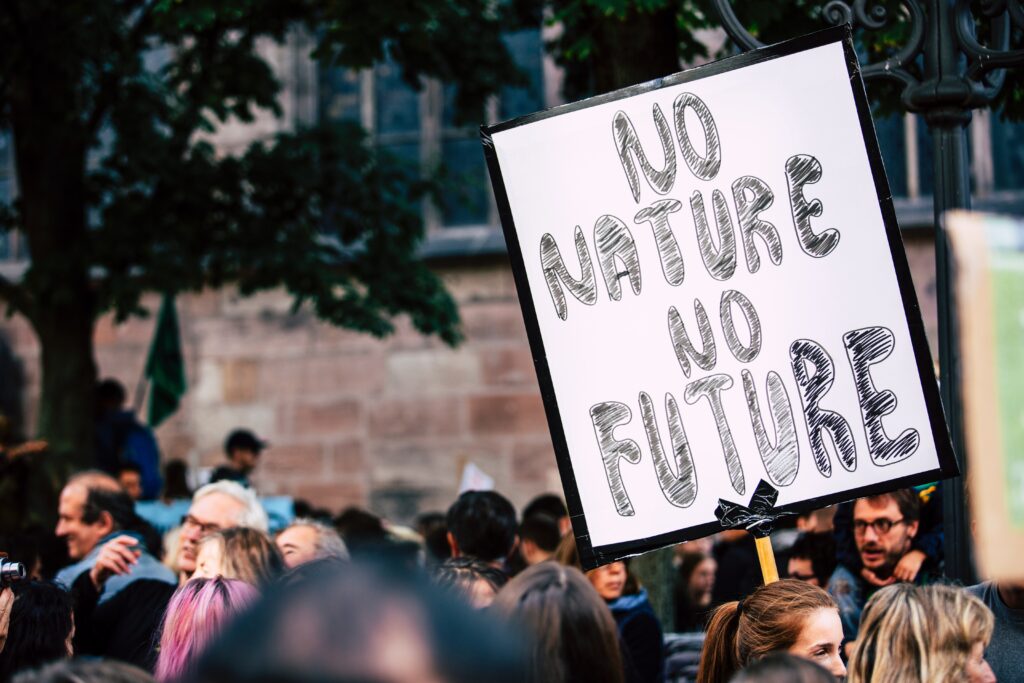
A new wave of capitalism may be looming as the latest proposal from the Securities and Exchange Commission (SEC) directly ties the future of business to environmental and social impact. On March 21st, the SEC proposed new rules for reporting on environmental, social, and governance (ESG) metrics. These rules would require public companies to disclose their contributions to global warming, such as greenhouse gas (GHG) emissions, and evaluate the threats that climate change poses to their operations. This proposal is an essential step in compelling corporations to think critically about their impact on our planet and society, but is not a silver bullet to bring about true disruptive and systemic change. 

Many companies, both public and private, already voluntarily disclose their social and environmental impacts. KPMG’s 2020 Survey of Sustainability Reporting indicated that 80% of N1001 companies worldwide, and more than 90% in North America, report on sustainability[1]. So, if companies are already reporting on sustainability and ESG metrics, why is the SEC proposing new rules?

1The N100 refers to a worldwide sample of 5,200 companies. It includes the top 100 companies by revenue in each of the 52 countries and jurisdictions researched in this study. These N100 statistics provide a broad-based snapshot of sustainability reporting among large and mid-cap firms around the world.

Photo by Scott Graham on Unsplash

A major problem in ESG reporting today is that companies lack clear guidelines on how to actually do it. There are countless reporting frameworks that companies can use, including the Global Reporting Initiative (GRI), Sustainability Accounting Standards Board (SASB), Task Force on Climate-Related Financial Disclosures (TCFD), and many more. Each framework varies in scope, for example focusing exclusively on environmental impacts such as GHG emissions, or financial impacts of climate change, or a broad range of ESG topics. Sometimes companies elect to use more than one framework, but often they choose only one, omitting critical information that their stakeholders may want to see. This makes it difficult for investors to compare ESG risks across companies. The SEC’s proposal solves for this problem by offering consistent guidelines that all publicly traded US companies will be required to use.

You might be wondering why the SEC, which focuses on informing and protecting investors, is proposing ESG reporting rules rather than another governing body like the Environmental Protection Agency (EPA), whose mission is to protect human health and the environment. The EPA carries out their mission by sponsoring and conducting research and developing and enforcing environmental regulations. While these activities are critical for supporting climate science, the EPA does not shape financial policy. Investors have begun to realize the threat that climate change poses to the future success of business and are increasingly demanding insight into the non-financial performance of their investments. This comes as a new generation of employees and consumers, Millennials and Gen Z, are more inclined to align their employment and their purchases with their values. These generational trends also threaten businesses that don’t begin taking climate change seriously.

Photo by Markus Spiske: https://www.pexels.com/photo/people-walking-on-street-2990647/

The SEC’s proposal is an important steppingstone for the sustainability community. We can predict and hope that as companies begin disclosing their ESG metrics and climate risks, those who perform poorly will suffer from drops in share price and inhibited access to capital. But this is precisely why the proposal is not a silver bullet – there is no guarantee that ESG disclosures will force companies to actually transform their operations to be more sustainable.

“This proposal is long overdue (we are playing catch-up with Europe).  It would provide valuable information to investors and the public at-large, and would help inform the development of public policy,” commented Charles Schnitzlein, UVM’s Grossman Endowed Chair in Finance, and Academic Director of the Sustainable Innovation MBA program. “Nevertheless, critics of the proposal abound, and if the rule is enacted, it will surely face legal challenges from the usual suspects (right-wing think tanks, the fossil fuel industry, and politicians from coal and oil producing states).”

Already the proposal is receiving critical feedback from industry groups protesting that the new rules will drive up compliance costs and impact company profitability[2]. If companies aren’t willing to spend money to report on what they already do, then they certainly won’t be willing to invest in more environmentally sustainable practices. Meanwhile, environmentalists argue that the new rules won’t require all companies to report on Scope 3 GHG emissions due to various exemptions. Scope 3 emissions are those that are generated outside the walls of the company, such as by suppliers or consumers, and are often much greater than Scope 1 and 2 emissions combined.

The reality is that traditional business leaders and environmentalists are unlikely to agree on the role of business in the fight against climate change. We are in a race against time as we work to limit the impacts of global warming and must accept and celebrate small steppingstones, like the SEC’s proposal, as wins. “There is scientific consensus that there is a rapidly closing window to prevent catastrophic climate change.  This proposal would help. Let’s hope it is enacted!” Professor Schnitzlein concluded hopefully.

When it comes to climate change, the widely debated quote “you can’t manage what you can’t measure” reigns true – businesses must begin quantifying their impact on the planet to begin reducing it. The SEC’s proposal lays the foundation for exactly that. From there, we can continue to advocate for systemic change and support businesses as they transition to truly sustainable operations.


The opinions expressed in this article are my own, and do not represent the views of UVM or the Sustainable Innovation Review editorial team.


[1] Threlfall, Richard, Jennifer Shulman, Adrian King, and Wim Bartels. “The KPMG Survey of Sustainability Reporting 2020.” KPMG, December 2020.

[2] Kiernan, Paul. “SEC Floats Mandatory Disclosure of Climate-Change Risks, Emissions.” The Wall Street Journal. Dow Jones & Company, March 22, 2022. https://www.wsj.com/articles/sec-to-float-mandatory-disclosure-of-climate-change-risks-emissions-11647874814.

New Belgium Brews for a Cleaner Future

Written By:
Zoe Kurtz ’22
Contributing Writer
Connect with Zoe on LinkedIn

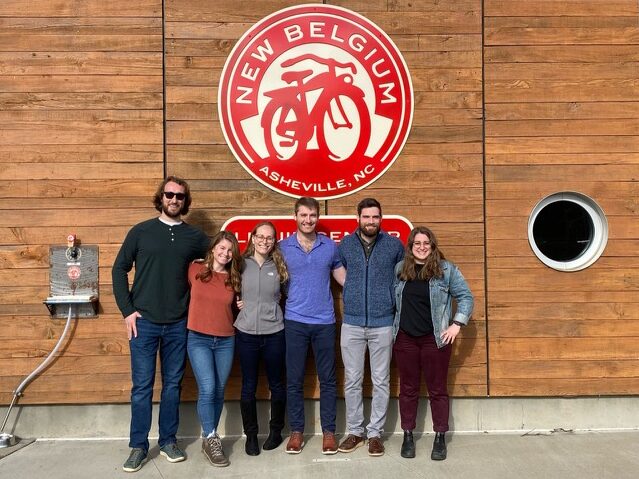
At the beginning of March, I joined five other students and traveled to Asheville, North Carolina to enjoy spring break, which included a meeting with the New Belgium sustainability team. As a SI-MBA student with a particular affection for breweries, I was fully supportive of the school-inspired detour. We were particularly interested in meeting Sarah Fraser, New Belgium’s sustainability specialist. New Belgium rides ahead of their competition as the proud brewer of Fat Tire, the first carbon neutral beer to be distributed in the US. This means that both the brewing and the sourcing of Fat Tire contributes no net carbon to the atmosphere. That’s right, something that is delicious for you is also delicious for the planet.

SI-MBA students at the New Belgium Liquid Center in Asheville, NC

New Belgium’s story is novel in the industry but becoming increasingly popular as more breweries experiment with innovative sustainable techniques to brew ever more delicious beer. Traditionally, the brewing process consumes large amounts of energy and water, both in sourcing the ingredients and transforming those grains into the beverage we are all expecting. While these challenges present massive hurdles to overcome for breweries trying to reduce their environmental footprint, New Belgium is not shying away.

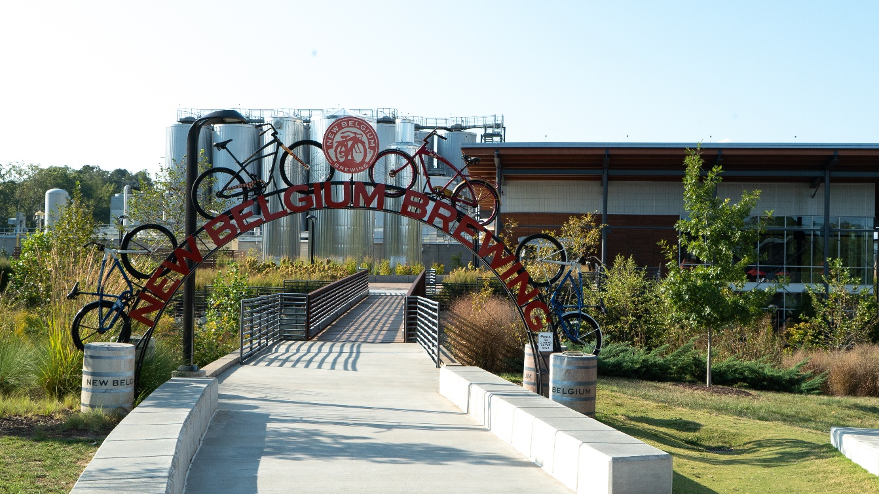
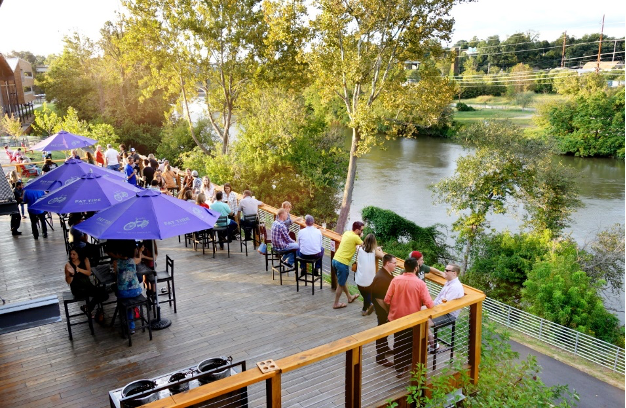
I was giddy walking into New Belgium’s Liquid Center in Asheville to meet Sarah. The Liquid Center is a paradise for beer lovers. The bar inside is colorful and welcoming, and the outdoor space overlooks the French Broad River, which plays host to the tasting room and brewery. As we walked in, we could see the current construction to install solar panels on the brewhouse underway: another investment New Belgium is making towards their sustainability goals. As we sat outside, absorbing the southern sun and sipping our beers, we spoke with Sarah about everything from their carbon neutrality goals, supply chain issues, their relationship with the local Asheville brewery scene, and different exciting innovations they are exploring. The experience was both surreal and validating as I saw classroom discussions transition so seamlessly into real life application in an industry I love.

Entrance to the Liquid Center in Asheville, NC. Photo Courtesy of Sarah Fraser, New Belgium Brewing

Our conversation with Sarah left me with two major impressions: 1) to help achieve their sustainability goals, New Belgium’s operations could benefit from a more dedicated focus on the collection and analysis of data, and 2) the brewing industry is better positioned than most to successfully make the transition to carbon neutrality.

New Belgium is already tracking their brewery’s utilities and operational data, as well as their greenhouse gas emissions data, choosing to self-report across three defined scopes: Scope 1 emissions are all direct emissions from owned or controlled sources (such as in-building heating equipment); Scope 2 emissions are all indirect emissions from purchased electricity; and Scope 3 emissions are all indirect emissions (not included in Scope 2) that occur along the entire value chain (Greenhouse Gas Protocol). New Belgium is going the extra mile to track Scope 3 emissions – a strategic decision that exemplifies their robust commitment to sustainability. The sustainability office at New Belgium is an interdepartmental team of passionate employees. They are tasked with the collection and use of this data to help New Belgium move closer to their 2030 climate commitments. However, not having a full-time team of dedicated sustainability analysts limits the power of the data New Belgium collects.

The true power of data analytics is in how it provides companies the flexibility and creativity to experiment with innovative new approaches to their processes without investing significant capital. This process takes intention, know-how, and most importantly, time. Sarah did speak about how New Belgium is shifting the way they use their data: she highlighted some projects that use data to help estimate potential emissions reductions from changes to recipes or production processes. This shift could uncover new innovations that push New Belgium closer to their sustainability goals.

Innovation is only as valuable as it is scalable. Sarah reflects on how the industry competes for shelf space but collaborates in every other way. This is evidenced by the formation of the Brewers Association, an organizing body that allows for the space to share ideas, innovations, and best practices with fellow brewers. New Belgium is a proud member of the Brewers Association and cofounder of the Association’s sustainability subcommittee.  New Belgium even took an additional step towards transparency by creating an independently run Carbon Neutral Toolkit. This website is their “How-To”, aimed at helping other small brewers reach their carbon neutrality goals. Their commitment to sharing best practices is emblematic of the camaraderie in the industry: New Belgium embraces information sharing as a way to create a more sustainable industry, rather than gatekeeping their knowledge to retain their competitive advantage.

Brewery patrons enjoying the view of the French Broad River from the Tasting Center. Photo Courtesy of Sarah Fraser, New Belgium Brewing

There was something sublime about sitting outdoors next to the river, listening to the water rush past, and feeling the winter Asheville sun that made our drinks taste even better. Sarah, at one point, reflected: brewing consumes so much water and energy that those who brew understand and feel how their work is pulling those resources from the Earth. The brewing process truly connects the heart of the brewer and the soul of sustainability, encouraging the innovation we see in the brewing atmosphere in the hopes of a more environmentally friendly beverage. Connection and innovation are at the core of the brewing industry, allowing for a unique advantage to adapt to a new way of life as we all rush against the deadline of climate change.