Feeds:
Posts
Comments

April 30, 2022

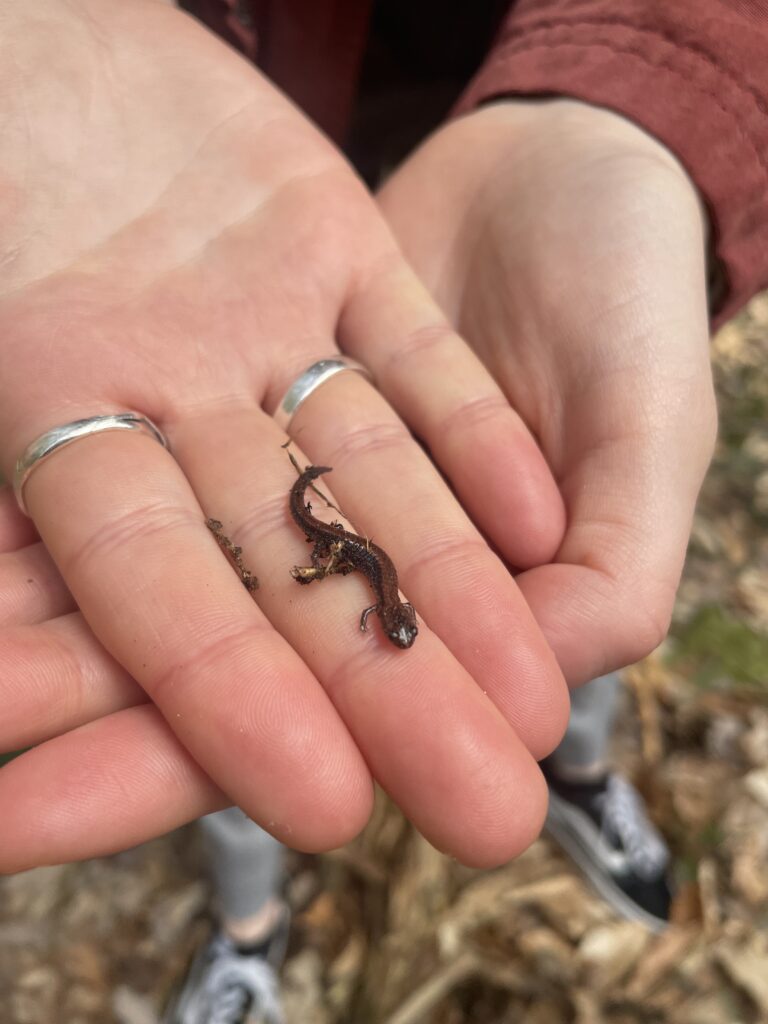
During the City Nature Challenge, I spent most of my time near campus exploring centennial woods and the woods behind my dorm. I spent roughly two hours walking through Centennial Woods looking for some spots to stop and scope out some birds and other critters. There are a couple of bird feeders in the woods, so those were the best spots to sit and wait for some different species to stop by. I ended up finding a bunch of smaller creatures like a salamander under a log. Using iNaturalist was pretty easy, I was able to quickly observe by either recording or taking a photo and identify the exact species. I was able to identify roughly 22 different species throughout this challenge. I thought it was interesting finding all the different species around the globe. I particularly loved seeing the different pictures of insects more recently. I noticed a lot of bees in a lot of the observations which was very interesting to me due to how many different species I did see. 
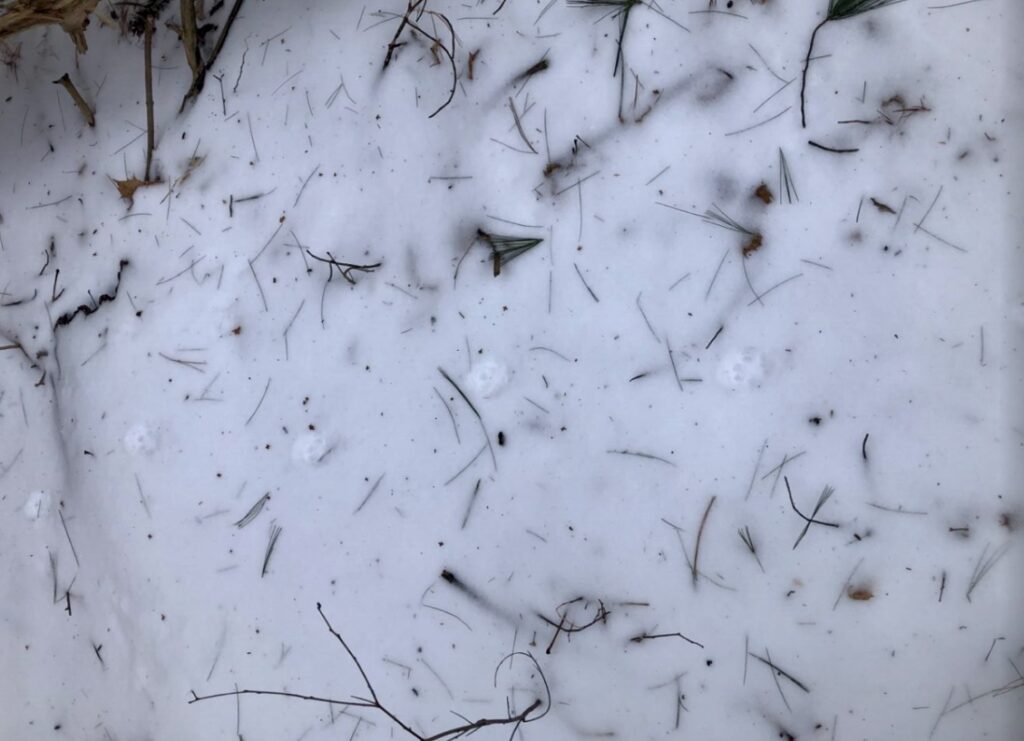
Porcupine Tracks
Eastern Red-Backed Salamander

February 21st

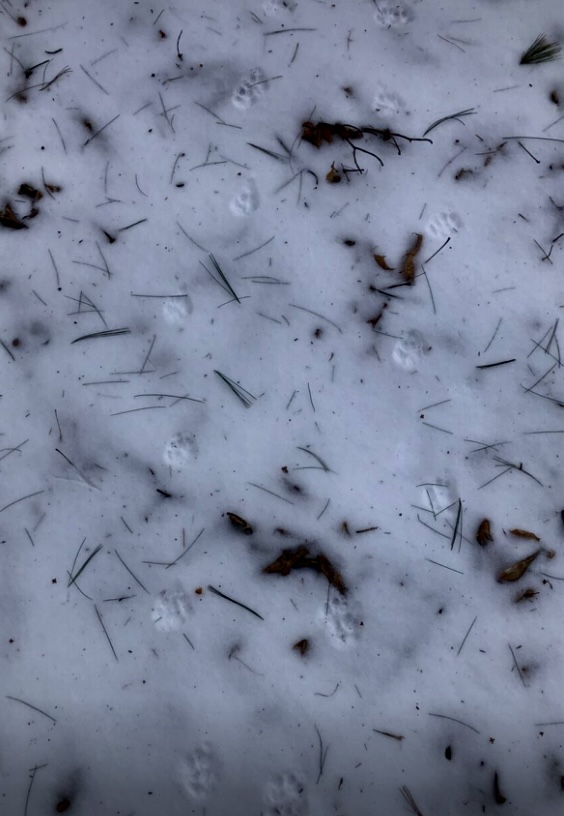
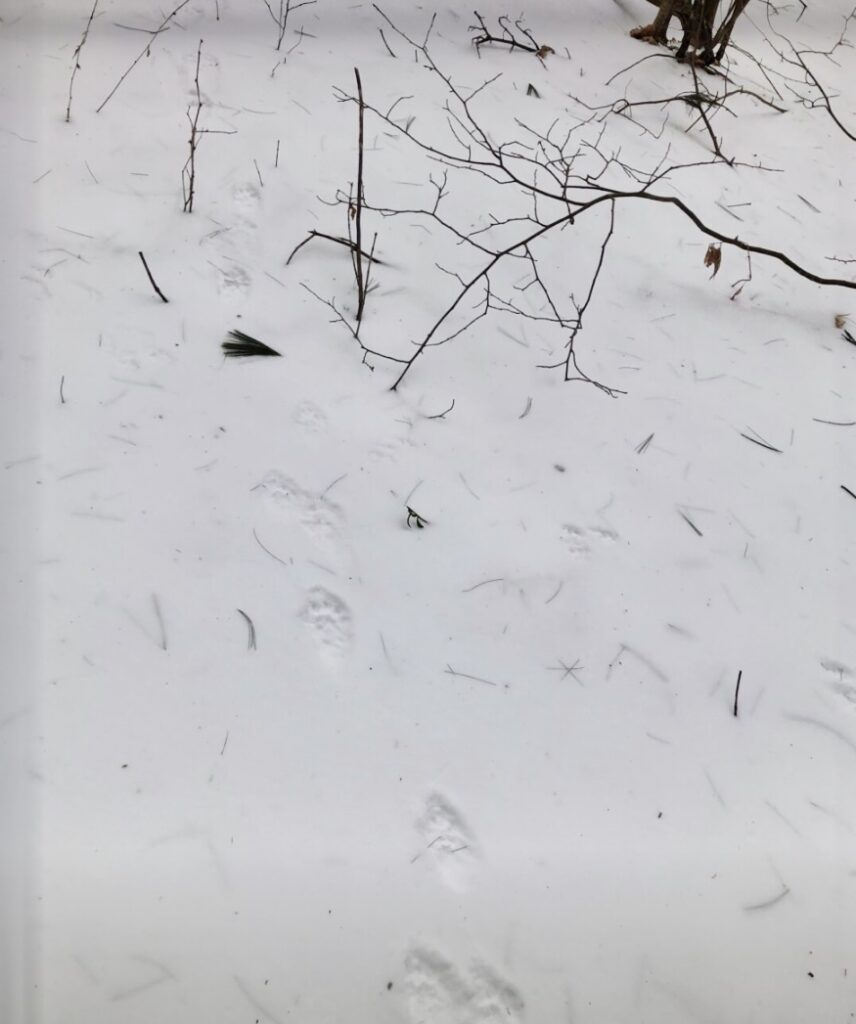
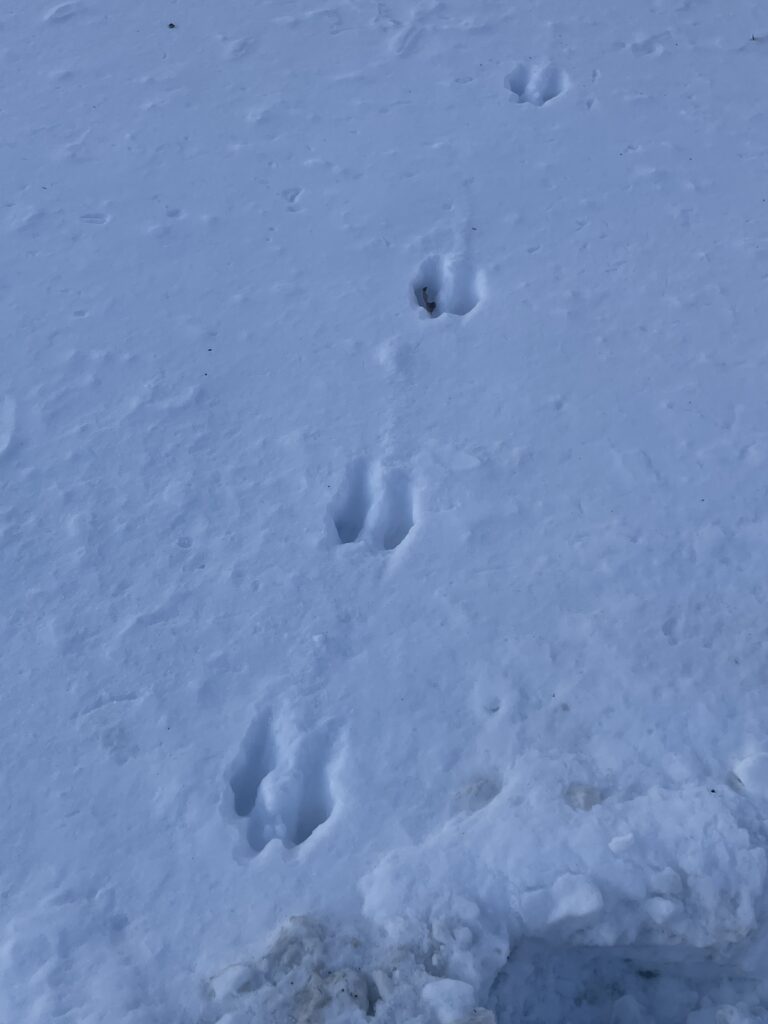
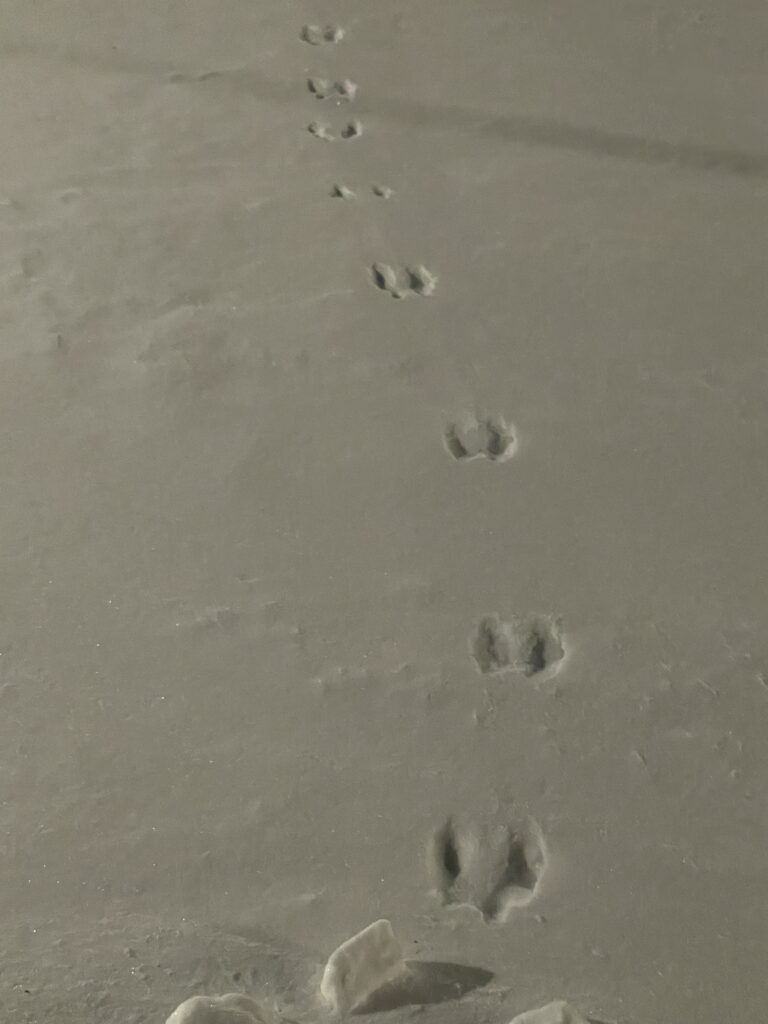
Today I decided to explore the opposite end of my original phenology spot. My original spot was located closer to the dorms on Trinity Campus and therefore had a lot more foot traffic, making it quite difficult to spot most tracks near the accessible areas. The opposite end of the woods is more tucked away, making it a lot easier to spot tracks this time around. I explored this other end of the woods with a friend, and we were able to spot some grey fox and fisher tracks. We later spotted some grey squirrel tracks and what we thought might be a porcupine as well (though I was unable to get a picture of these two). The iNaturalist app is definitely a useful tool if you’re looking for a tool to assist you with identifying certain plants in the area, looking at locations of recent sightings of other creatures and looking at how many posts were found recently. I definitely like to use the app for identifying plants, but it is not the most useful when it comes to identifying tracks in this case.

Grey Fox Tracks
Fisher Tracks

January 29th

This January I have returned to my original phenology spot, tucked behind the back five. Surprisingly, this area has a decent amount of traffic, but around the edges of the woods, you can see some untouched snow with some tracks. A majority of the tracks I was able to find in the untouched snow were from gray squirrels, leading up some of the nearby pine trees. I checked the branches of the trees for any signs of nests from squirrels or birds, but there were no thick masses of twigs and leaves to be spotted in the bare trees. I was able to find these tracks a few days apart in different areas surrounding my phenology spot.

The greatest phenological change I have noticed has been the loss of all leaves on most of the trees that tend to drop their leaves in the winter. The eastern white pines still stand with their needles, and quite a few new sprigs show up each week. The remaining beech trees, paper birches, and red maples remain bare and stagnant. Most of the leaves that were originally on the ground from the last time I was able to visit have blown off or become covered in snow. It is much calmer than before; the blanket of snow and bare branches allow you to listen to the whistle of the winds in the trees while you are standing there.

December 11th

Over the course of the past few months as the colder weather rolled in, the trees began to enter their dormant state. The closing of October brings the vibrant yellows, oranges, and reds to the leaves. November shedding a majority of those leaves creating a sunset on the forest floor. The beginnings of December concluded the falling of those leaves remaining on the paper birches and surrounding red maples. From my very first trip to this little forest tucked behind Trinity Campus, many changes have ensued. The biggest is the loss of all leaves on the main tree species in the area. The only remaining ‘leaves’ would be the needles of the eastern white pines. The smallest red maple saplings have lost all their leaves and entered their dormant state for the rest of the winter. The remaining adolescent eastern white pines still have their green needles. I was unable to reach my site during the heavier snow days, and by the time I made it the weather had warmed up. The bare trees made it easier to spot any nests, specifically those of the gray squirrel. I noticed a couple crawling around in the area, hopping from one tree to another. I have not spotted any birds recently, but there was an owl spotting in a nearby phenology spot.


Though the area remains fairly calm and quiet, the winds have reached high speeds and you can hear the wind traveling between the trees and shifting some of the larger eastern white pines above the dormant paper birches and red maples. With the temperatures dropping each day, this area will slowly lose the remaining dash of color on the forest floor. It will soon gain a full layer of ice and snow. Though it will appear completely empty and lifeless, there is much happening under that blanket of snow for the duration of the winter.
November 12

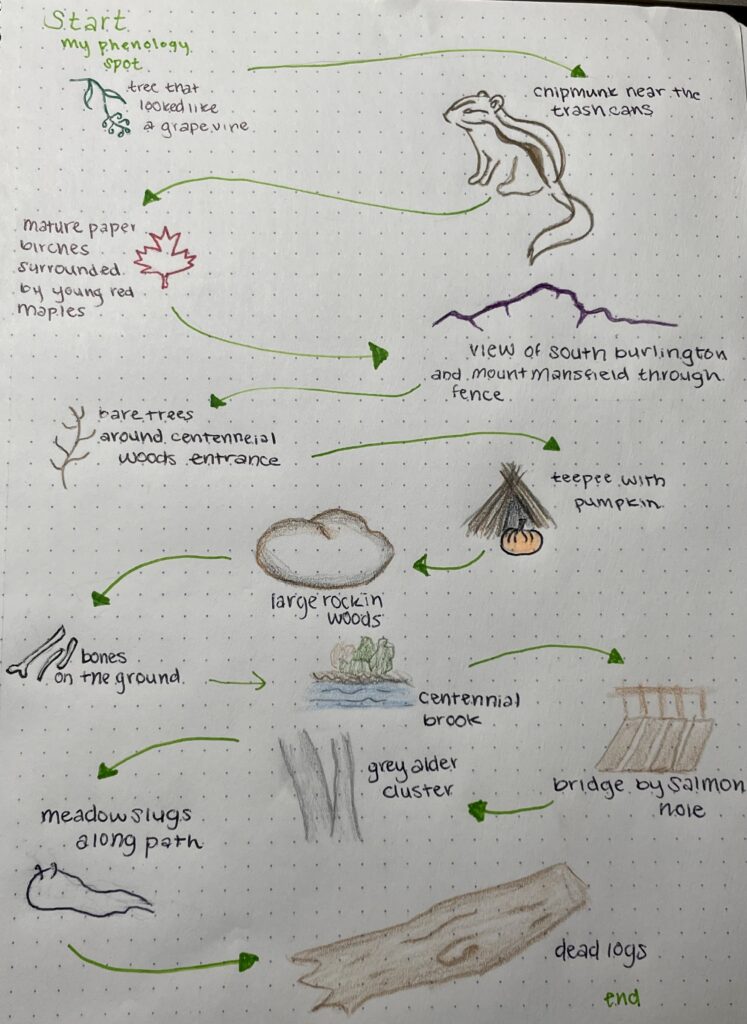
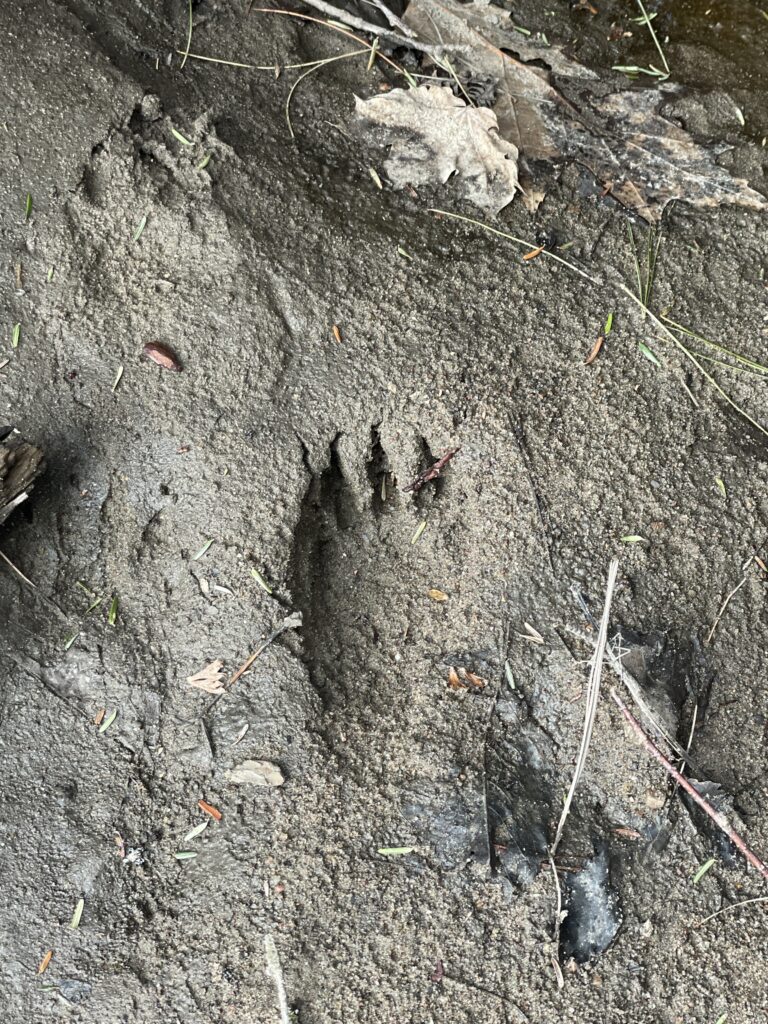
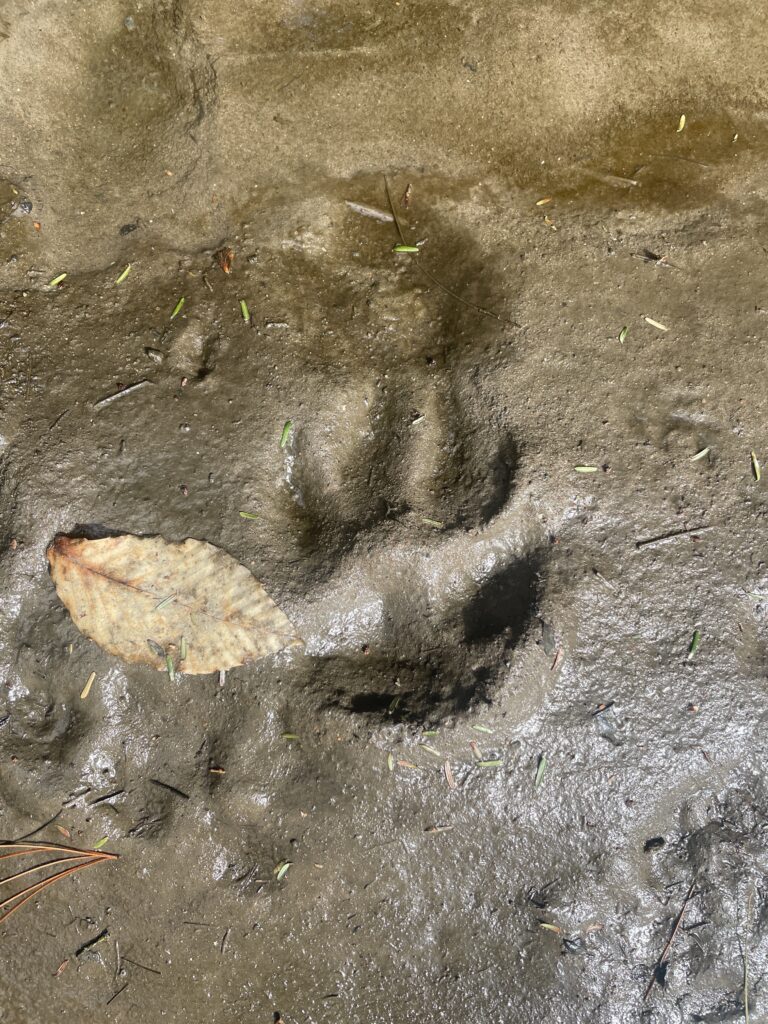
For my adventure, I started at my phenology spot with a couple of friends. We looked around Trinity campus and the back five. We then made our way across campus towards Centennial Woods to visit another phenology spot. Along the way, we saw a mixture of both natural changes in the trees and some changes around campus after the cold weather rolled in. After exploring Centennial for a bit we took a bus towards the Winooski River. Upon arriving at Salmon Hole, we found a small bridge made of wood and made our way towards the brook.

November First

Today I spent 15 minutes sitting in my spot, listening to the surrounding area. It was an incredibly windy day so the sound of the rustling leaves overpowered any sound from birds or insects nearby. Along with the leaves blowing, I could hear a slight creaking coming from some of the older trees. A lot of the eastern white pines moved in the wind quite a bit. I noticed a lot of red and yellow leaves falling to the ground. The center of my spot has slowly started to open up as more leaves continue to fall, leaving the trees bare.

Over the past few weeks, the trees have slowly started to change in color and drop to the ground. The area has slowly thinned out. The layer of leaves on the floor of the woods has slowly thickened and become more spongy as you walk along. The younger red maple plants start to stand out from their bare friends and surrounding elders.

Introduction

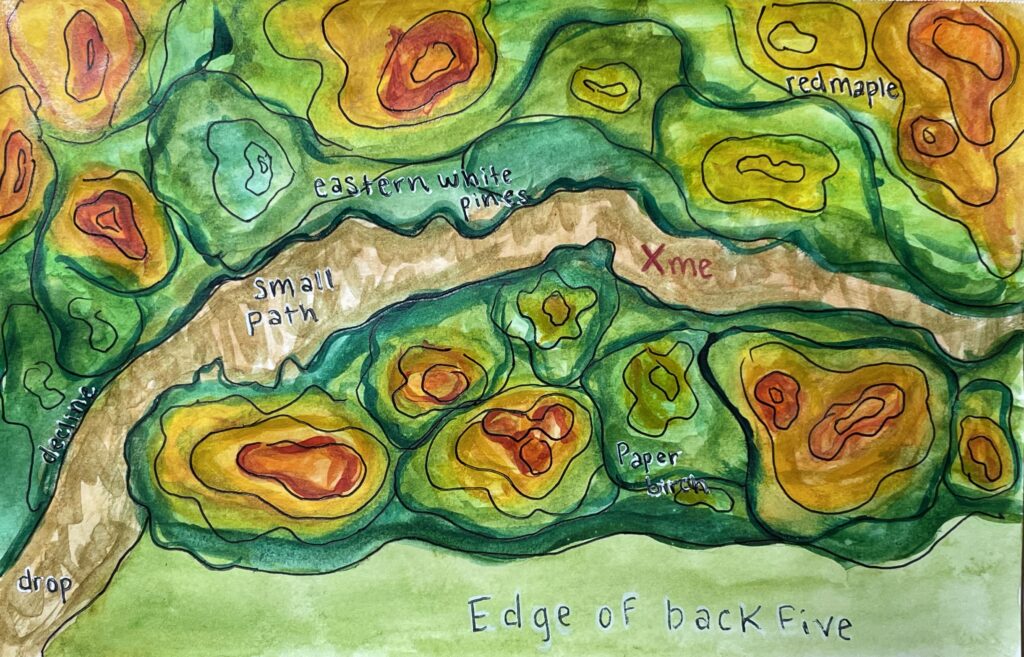
My phenology spot is located on the backside of the back five on Trinity Campus. You can find it by going down the path past Mercy Hall to the very last building in the back five. There is a small fence that ends after a steep drop, just behind that is the center of my phenology location. My location consists of mainly red maples, paper birches, and eastern white pines. It has a large amount of young red maples on the understory and some ferns as well. There are a few very small eastern white pines in the understory, those will likely remain throughout the duration of the year, shedding some needles but gaining more before the rest of the forest sees new growth. You can spot a hefty amount of grey squirrels and chipmunks roaming the area, climbing the trees and burying foods they have discovered. Smaller birds sit at the very tops of the trees watching over the understory.

Hello world!

Welcome to UVM Blogs. This is your first post. Edit or delete it, then start blogging!

Skip to toolbar