Feeds:
Posts
Comments

May 7

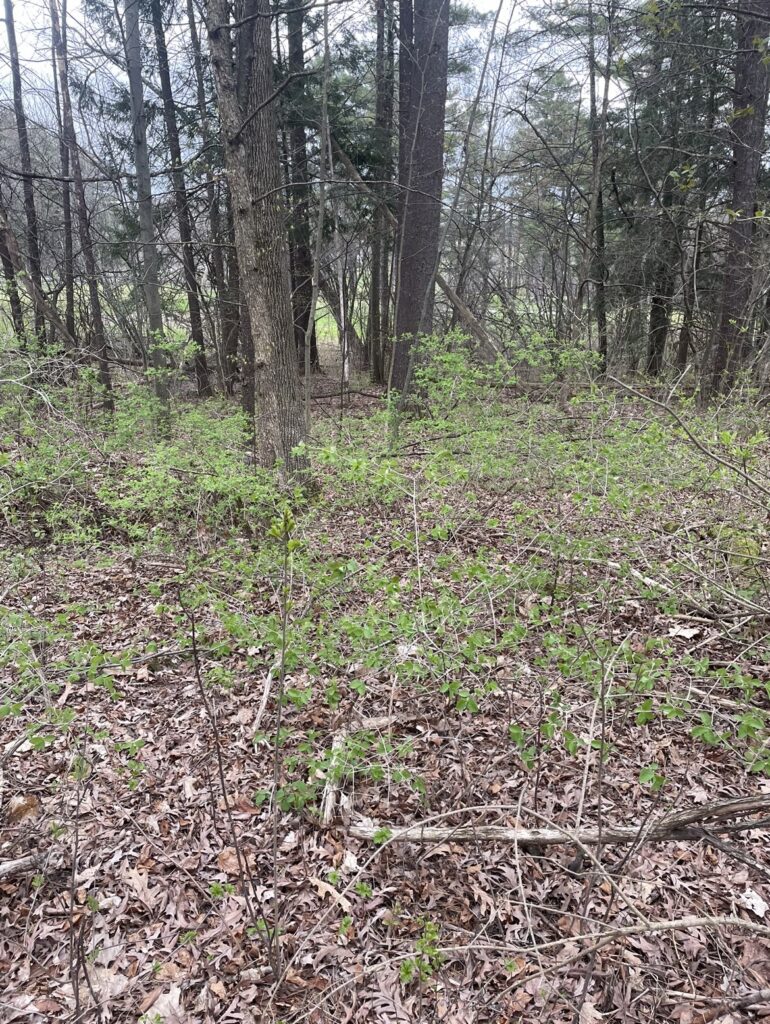
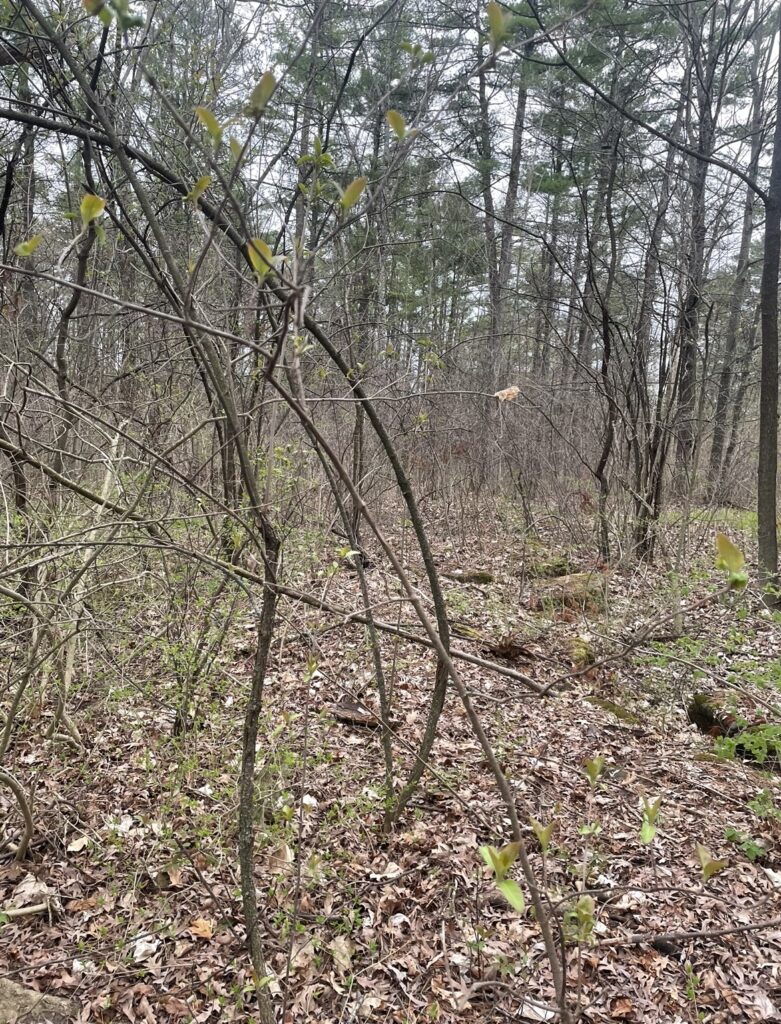
The trees are no longer barren and still, now holding new life. Many trees are beginning to fill out with dense greenery and others are beginning to bud. What isn’t already alive and ready for the summer is beginning to wake up and bloom. The canopy is full of chirps from birds and the rustling of foraging squirrels. Although the forest floor is still littered with fallen leaves, the browns mix with the greens from the buckthorn shrubbery and the patches of moss on the large fallen tree that lays in the middle of my spot.

Nature and culture intertwine here through nearby human influences. While this is a place seemingly untouched by all things outside of it, upon closer inspection human activity can be seen. Trash left behind and noise pollution from the nearby road, as well as domestic animals trespassing on the land. However, it can also be used as a place of quiet reflection and a chance to be enveloped in nature. I consider myself a part of this place. I have been coming here almost the entire academic year and have seen this place change throughout the seasons. I have used this phenological spot as an escape, a place to think peacefully and just be in nature. Every time I have come here, I have made sure to respect it. Never leaving anything behind and being careful to leave the nature undisturbed.
May 2nd

I explored the Burlington area around south prospect street. I decided to go on a nature walk and see what things I could find around the neighborhoods. I documented different species along my walk towards my phonology spot, about eleven different species. After this I noticed part of Lake Champlain peeking through the trees of a nearby neighborhood and decided to explore. As I walked closer, a rabbit ran across my path and then I came upon a lush field of grass with a white bench sitting at an overlook with a beautiful view of the lake. I decided to sit and stay for a while, looking out at the lake. I saw a bumblebee buzzing around the clover, a squirrel foraging in a nearby tree, and a seagull soaring overhead.

I found it really interesting that many reports from other cities had very similar if not the same most common species, showing how many species we share across the world. I like using iNaturalist because it was fun to feel connected to other people doing the same thing as me, however I wish it was better at identifying species right away.

March 14

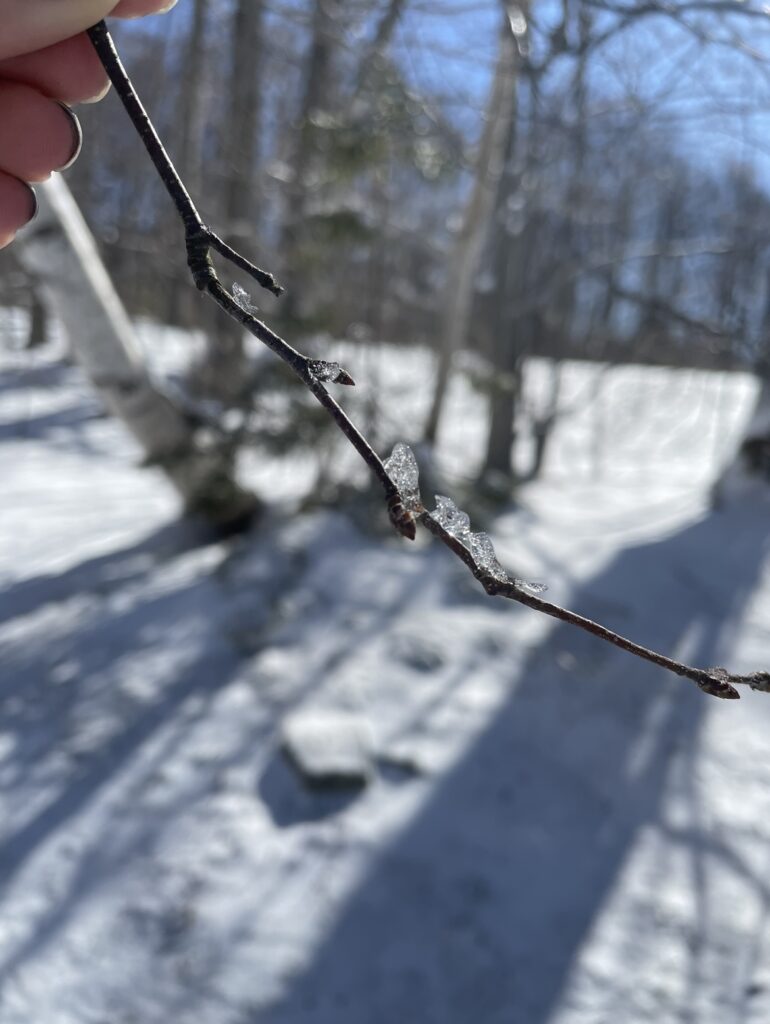
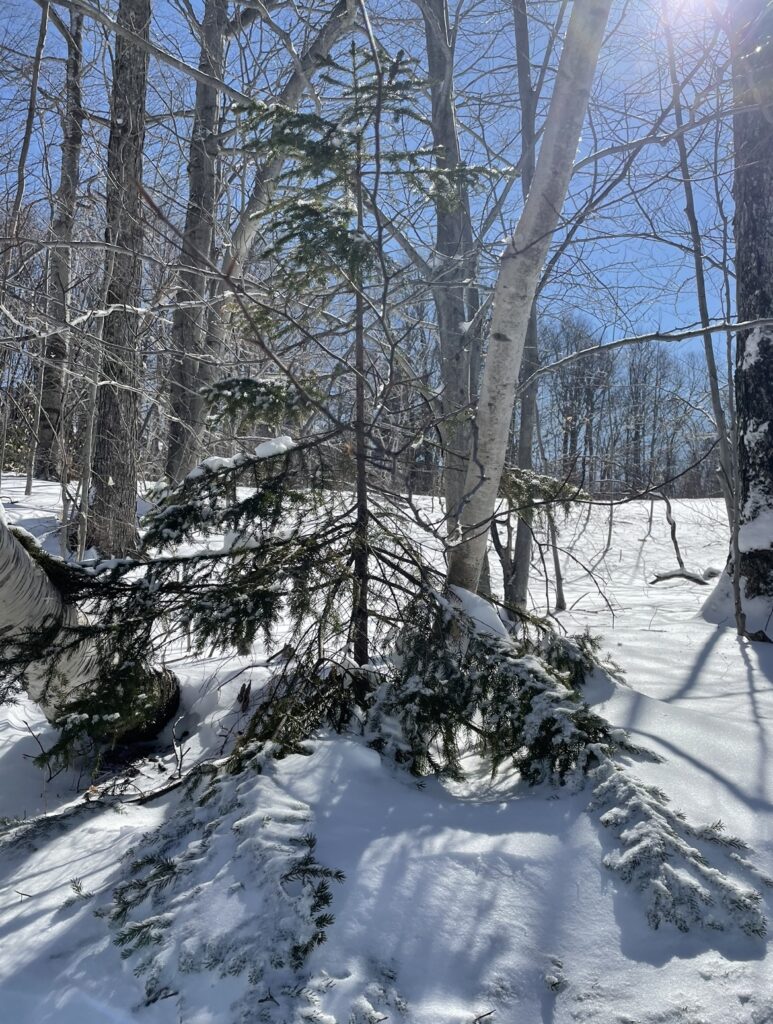
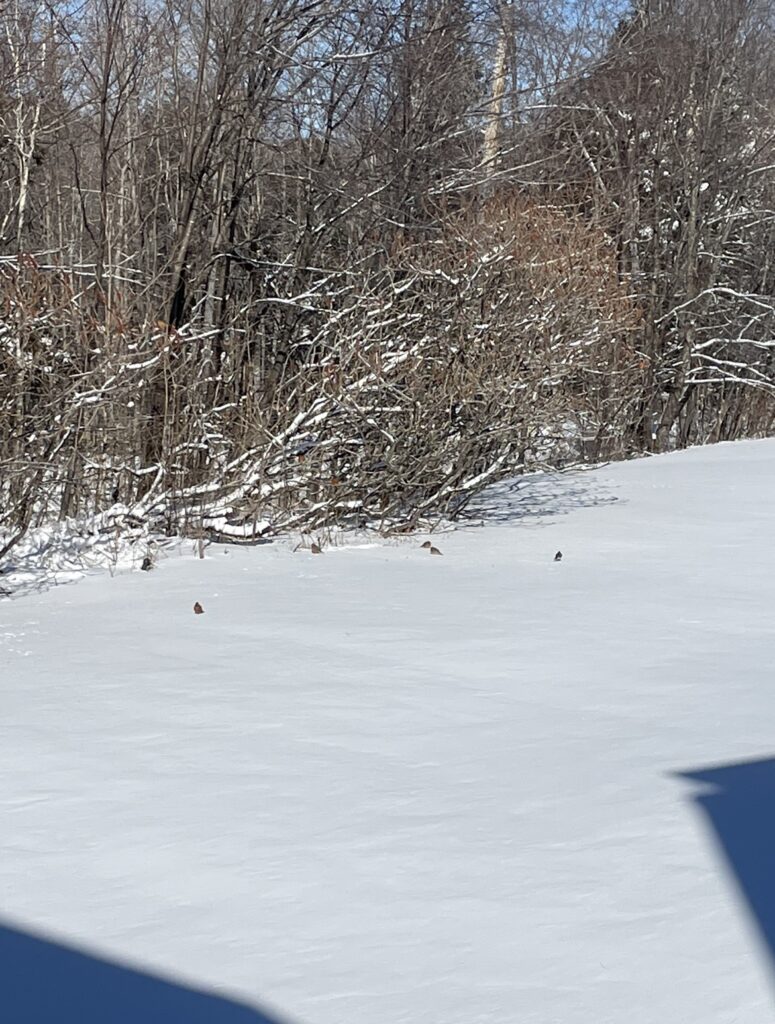
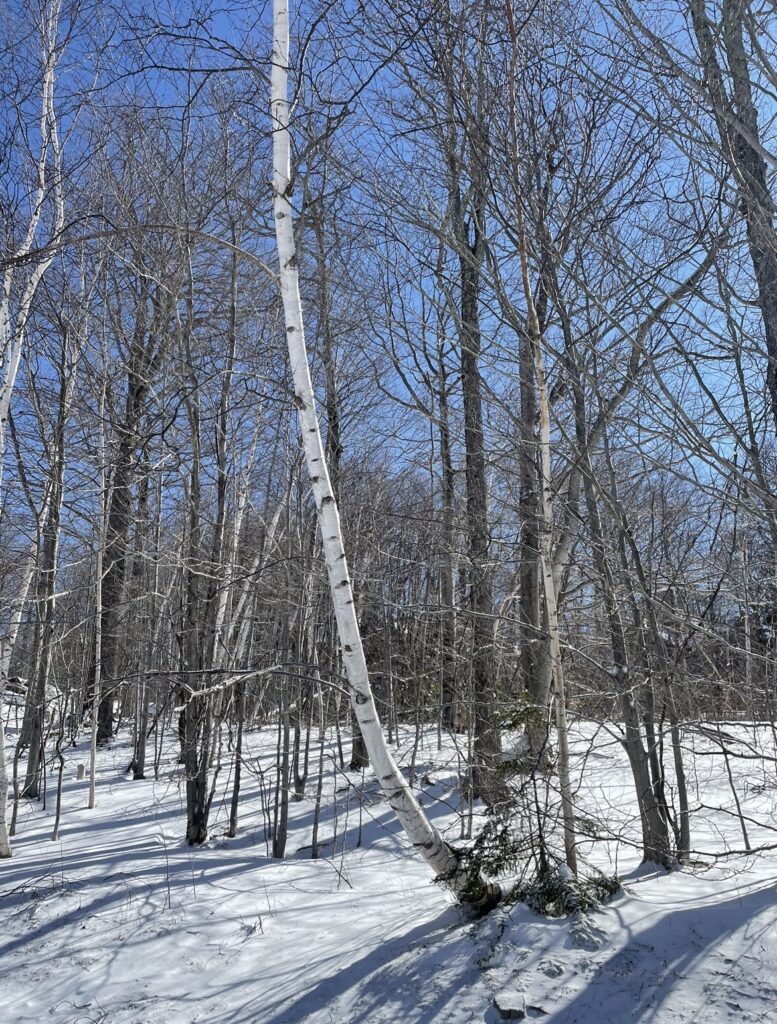
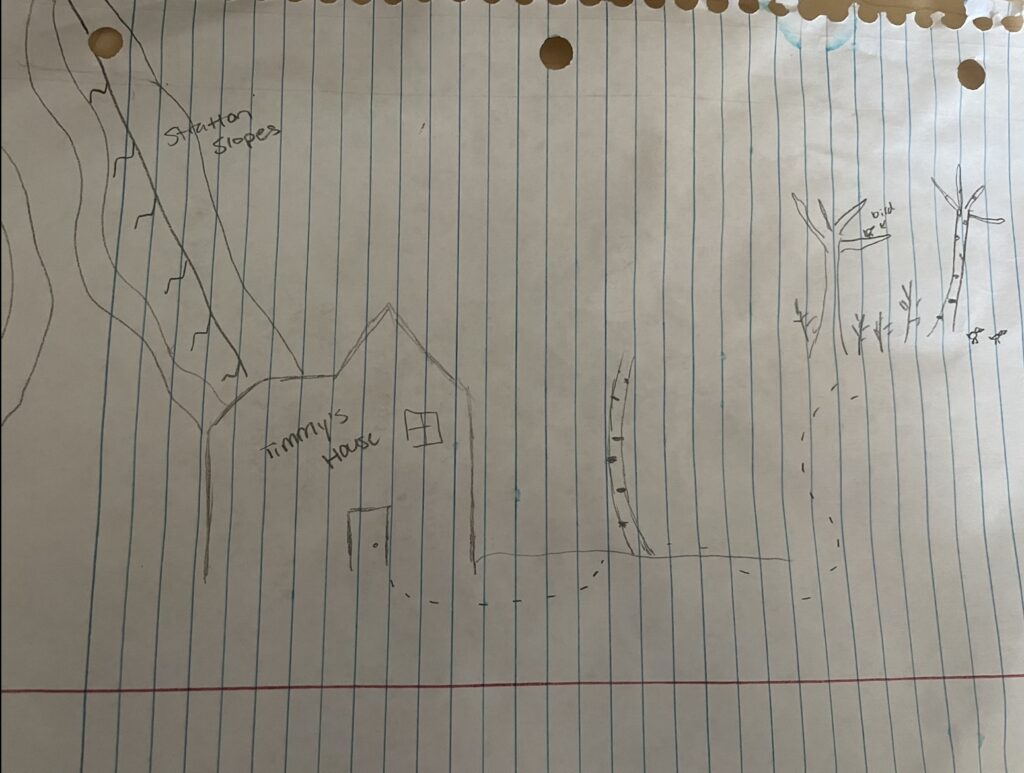
My spot over break was in Stratton Vermont. It was made into a ski mountain resort in the 1960s, where much of the trees on the mountain were cleared for ski trails and lifts. in 1999 the resort put into place a wildlife habitat study which included preservation of 1,500 acres for deer habitat, bear travel corridors, and bird habitat. Looking around at this phenological spot I can tell that it is a very healthy wildlife habitat by the abundance of birds. There are many spots where there are thick forests full of high elevation birch, hemlock, sugar and red maple, and many fir tree species. The trees appear to be a mix of old and new growth.

February 21

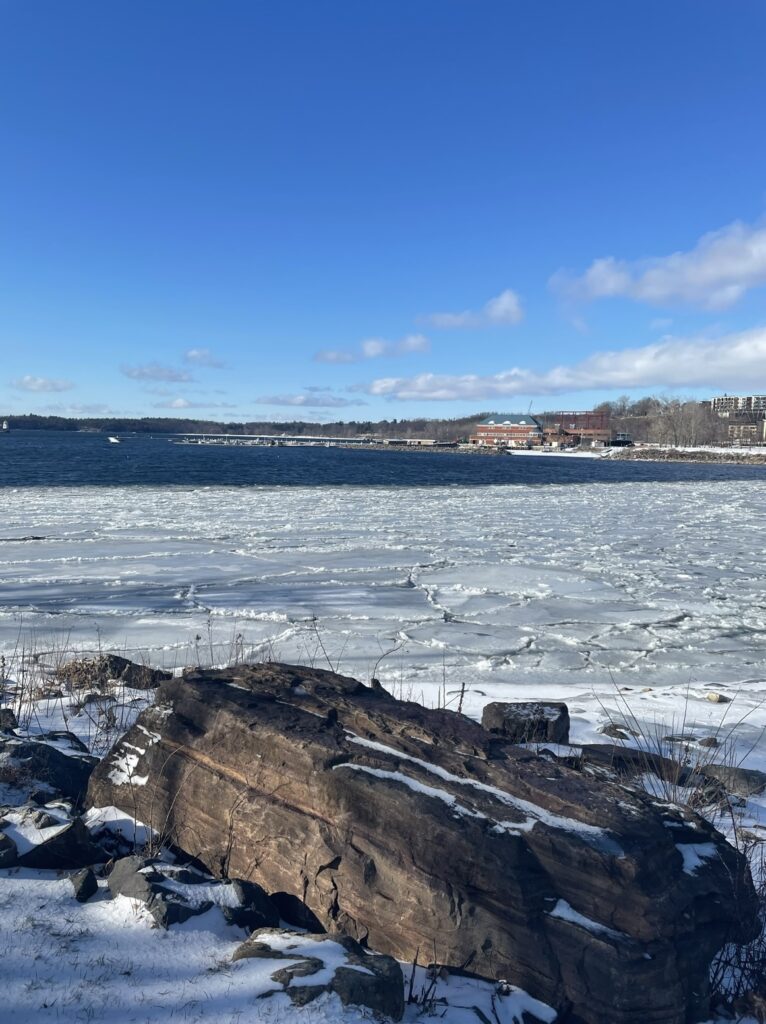
This past weekend I chose to explore the Lake Champlain waterfront. I didn’t encounter much wildlife, as it was a particularly cold and windy day. But I did see some tracks from squirrels and the occasional squirrel scurrying across what was left of the snow on the ground. I liked the iNaturalist app, I’ve use it before and it has worked well for me in the past as it did this time. I found it to be a really cool app for identifying different species of plants and animals. I enjoyed going down to the waterfront and seeing the frozen patches of the lake floating along the shore line. I have never seen something like that in person before coming here and It was a unique experience.

January 29

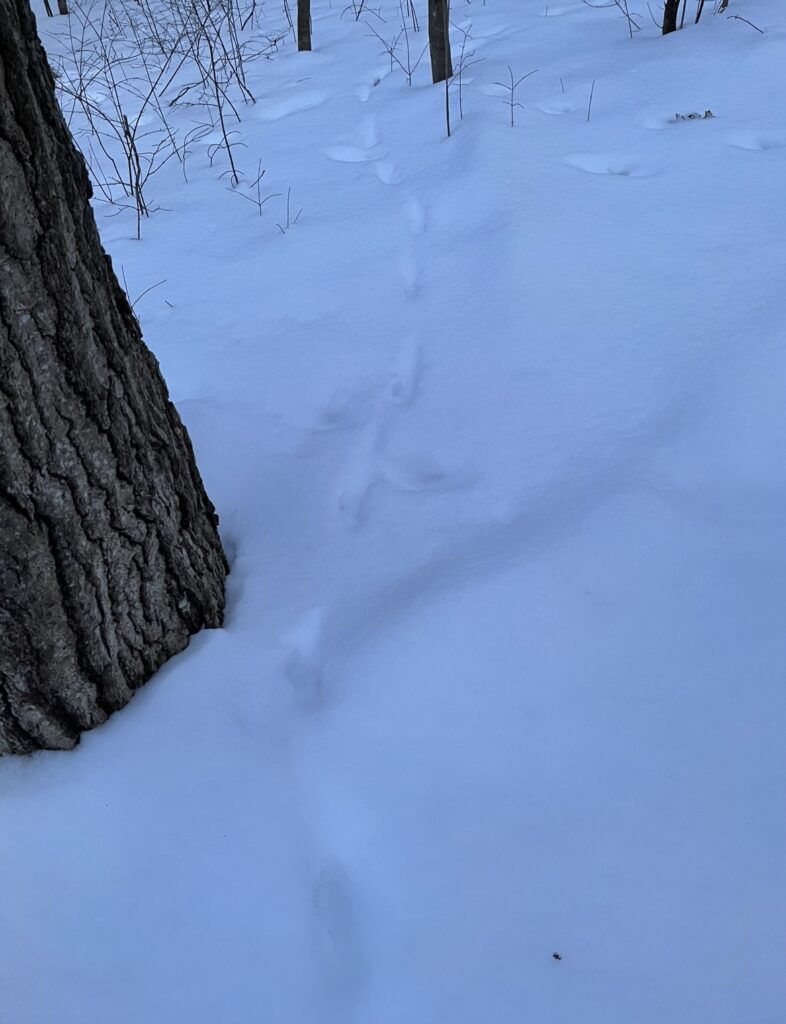
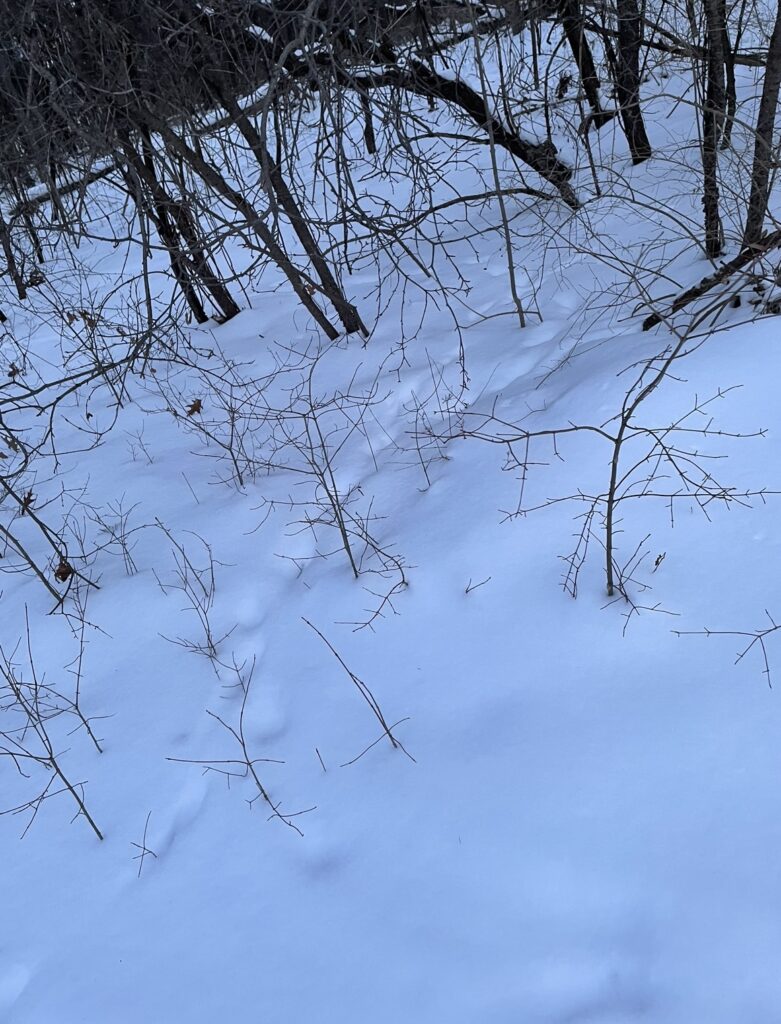
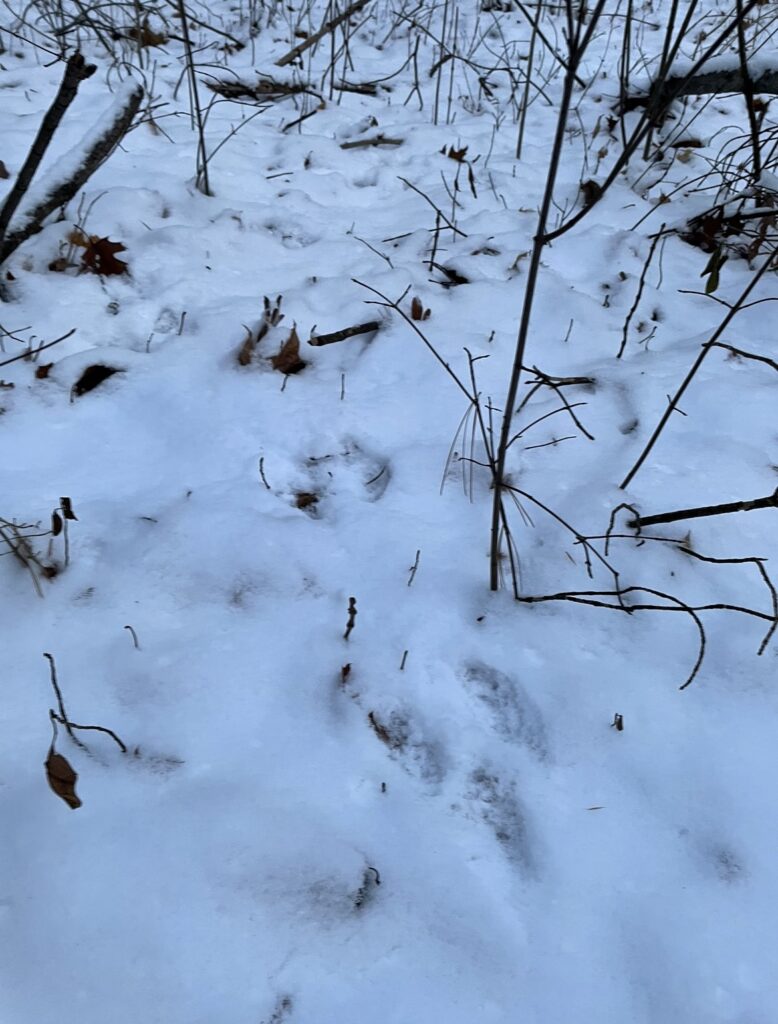
My spot has changed, but not drastically from December. There is more snow on the ground and what little plant life was remaining in before is now long gone. A thick blanket of snow covers the forest floor, silencing the world around it. The only sign of life is the two pairs of animal tracks that can be seen zig zagging through the trees.

December 11

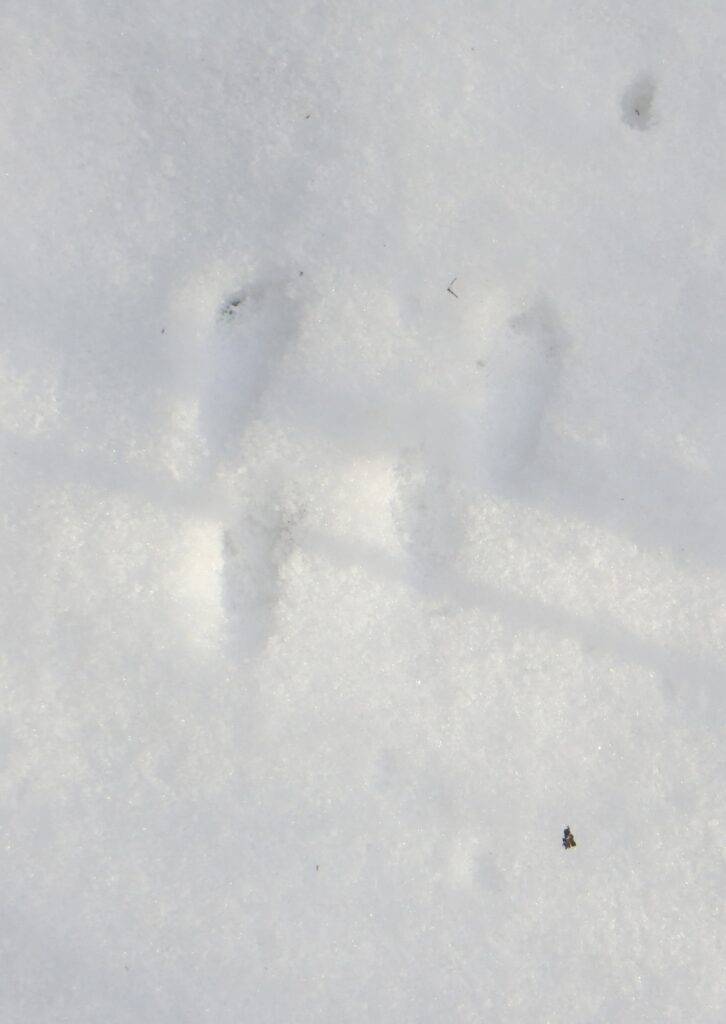
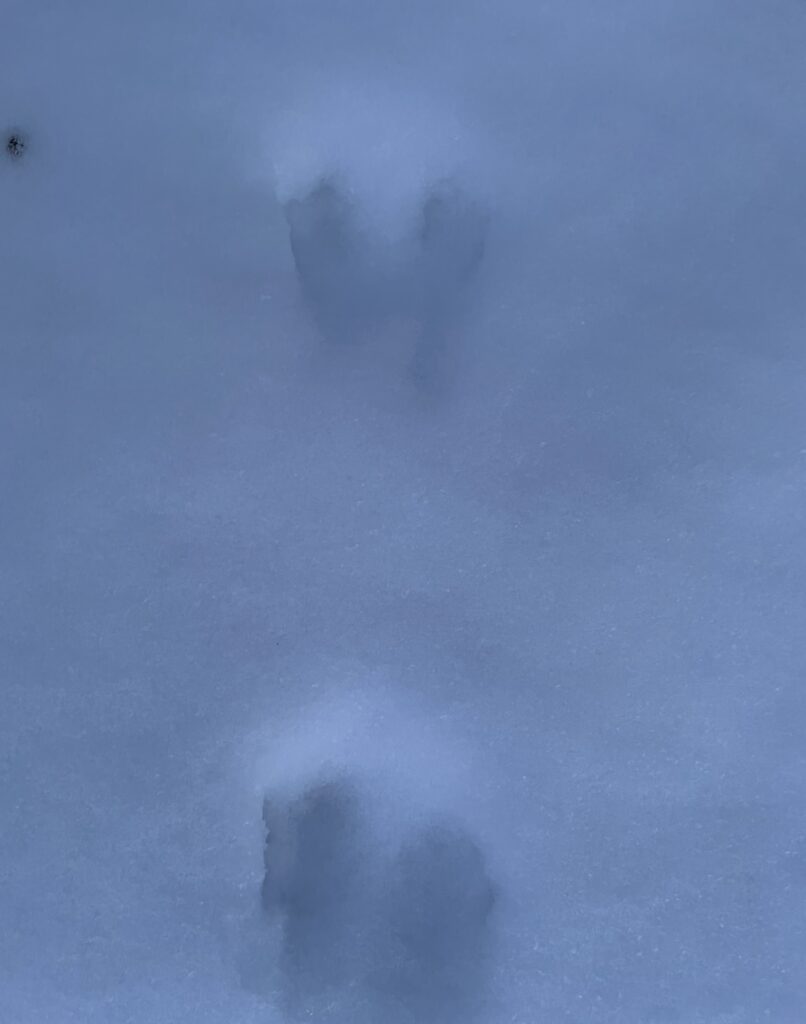
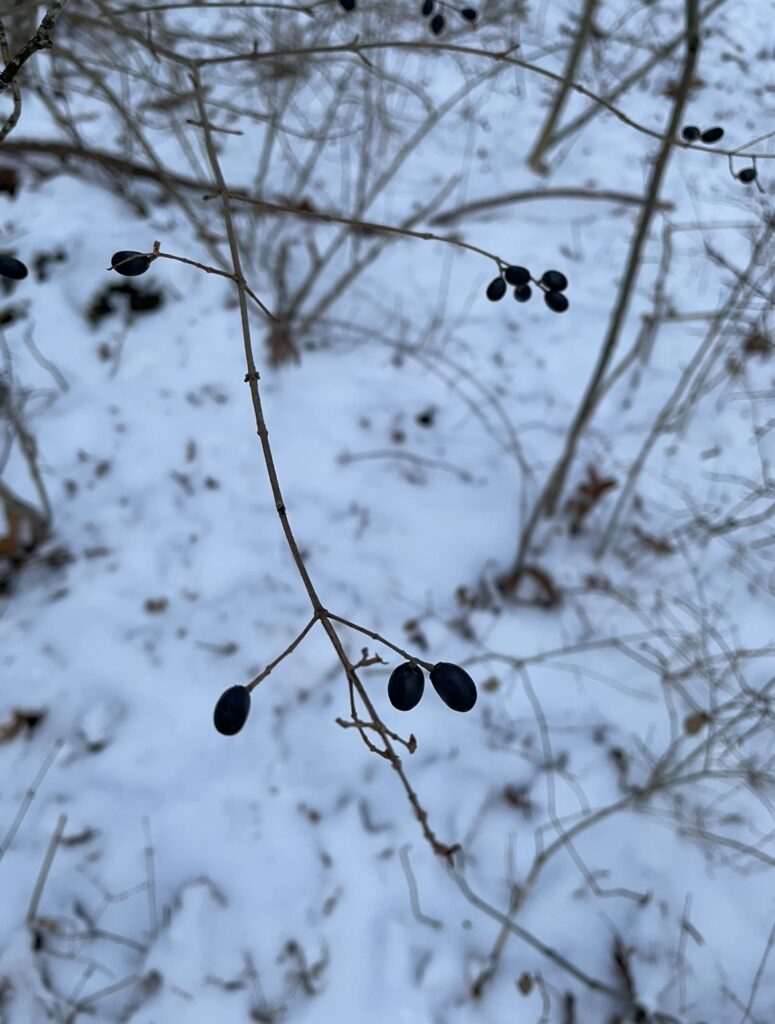
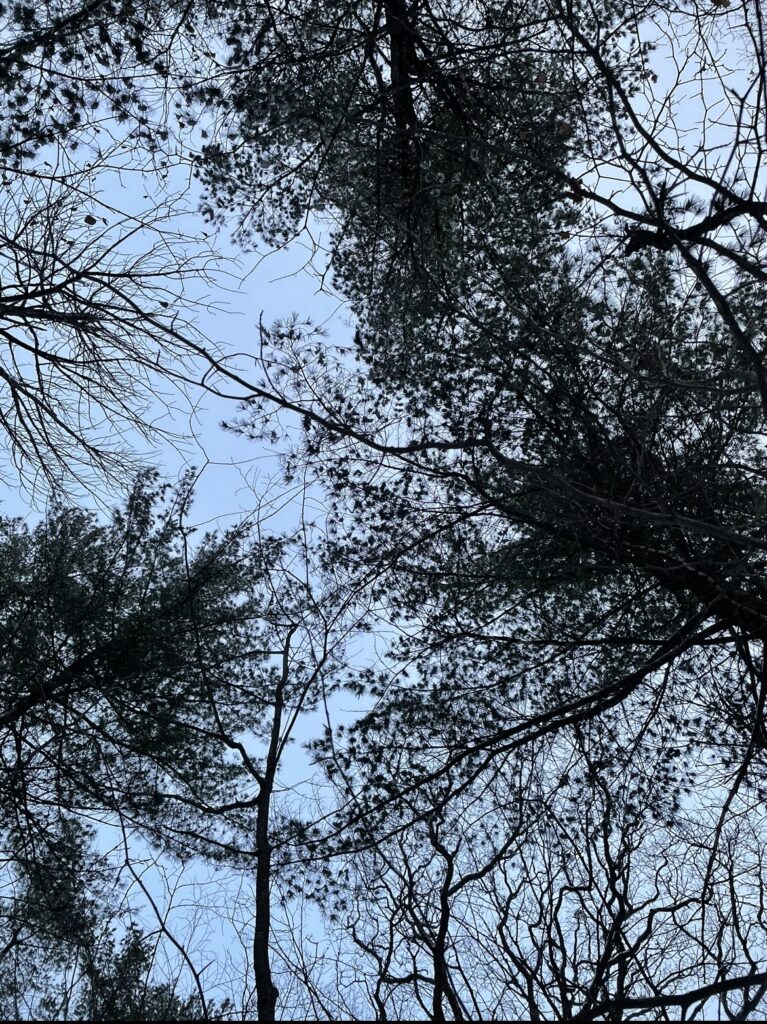
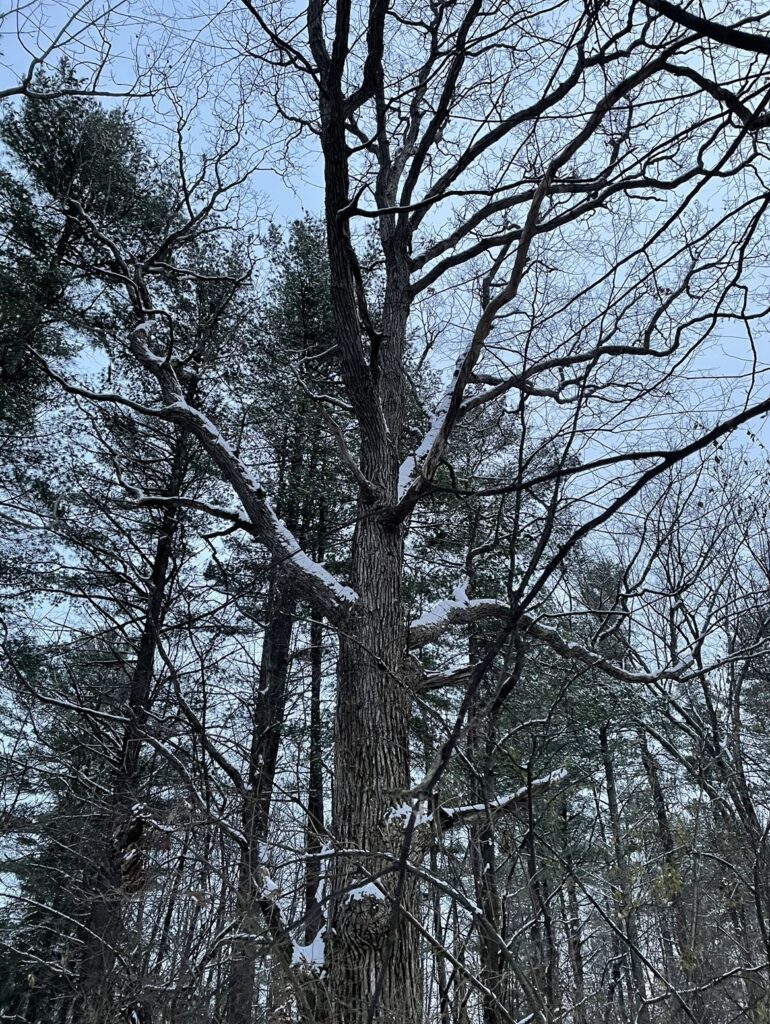
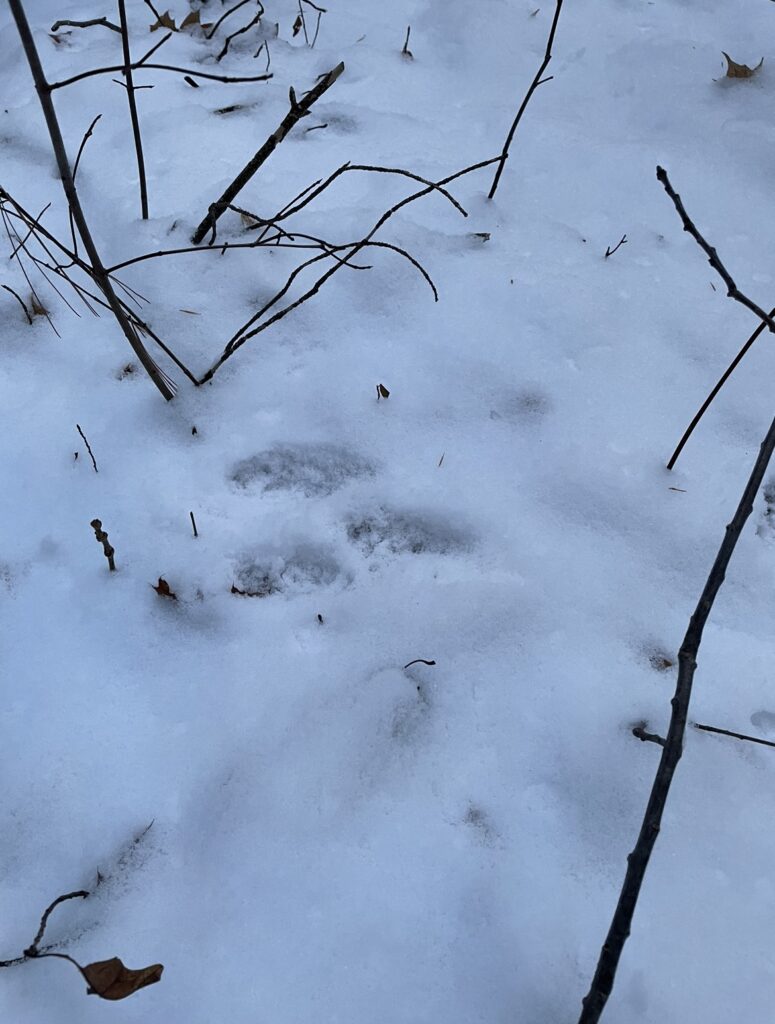
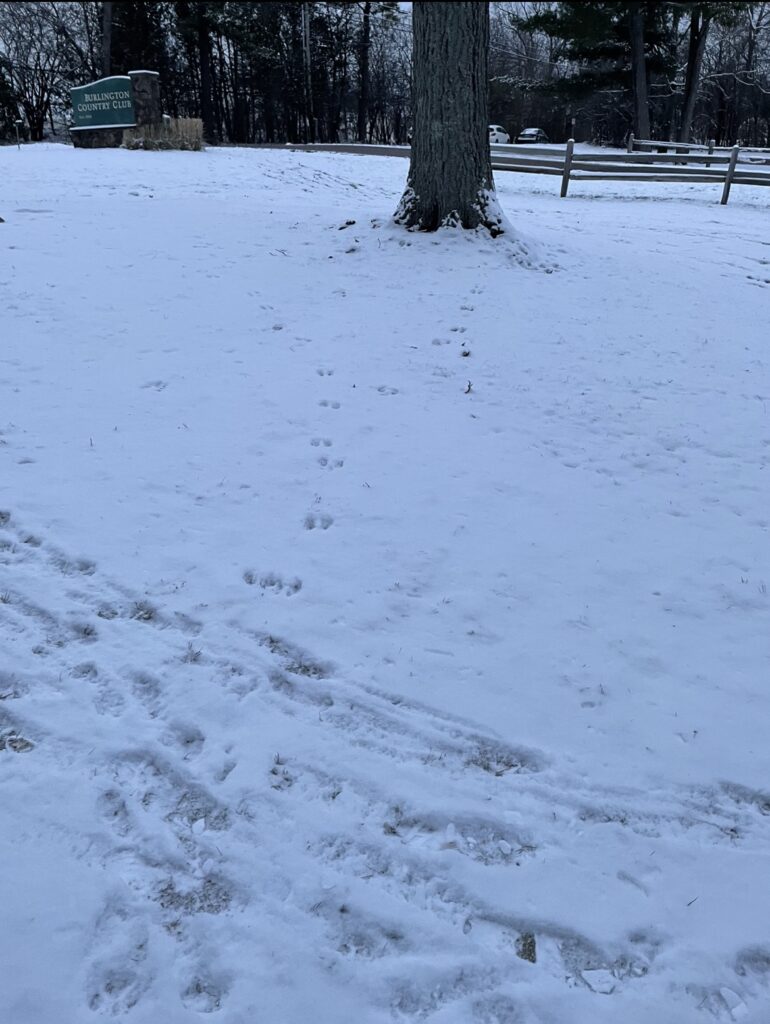
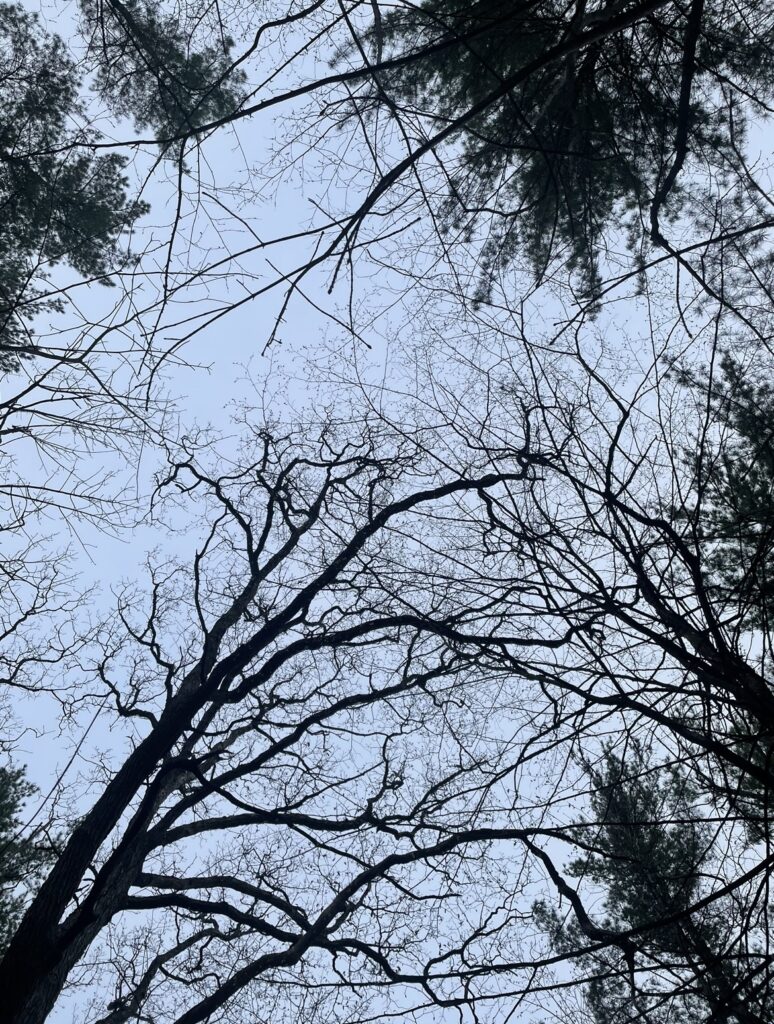
As winter sets in and snow sticks to the ground there are less signs of animals, and plants have gone dormant. The snow provides a perfect backdrop for the rabbit tracks that I saw in my phenology place. It’s the ideal opportunity to see the path the rabbit takes. I was able to follow a pair of tracks all the way from outside of the woods until they disappeared into the center. The trees have all dropped their leaves which are now either decayed or covered in a layer of snow on the forest floor. The great white oak in the center of the woods, no longer holding its fiery red leaves from fall, now stands looking old and twisted amongst the gray, snowy sky. The only green that remains is the pale, darkness of the Eastern Hemlocks. Berries remain on prickly bushes, as the only thing remaining to indicate the buckthorns of the woods.

by: Jada Samitt

Skip to toolbar