
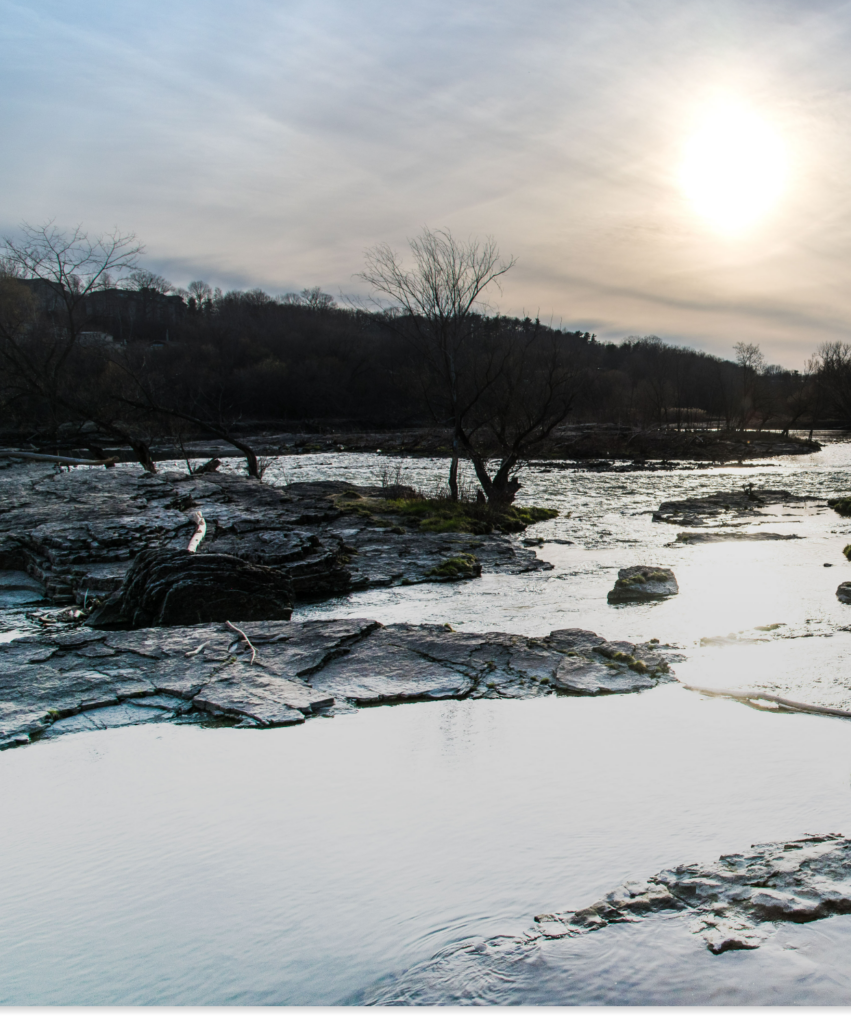
It had been a while since I had gone to my phenology spot. Although it has been about a month since I had last been there, it didn’t seem like much had changed. When I looked closer at the surrounding area, however, I found some of the smaller, more subtle changes. The first thing I noticed was the habitats and species in the area. It seems like it was quieter due to animals migrating, burrowing, and hibernating. Smaller species that may have been running around before were holed up inside the ground, trees, and dead shrubbery. There were some small animal holes in the ground off to the sides of the trail and small holes in the trees for nesting. I wasn’t able to find any scat, but I believe many small critters were hidden in the area. In addition, a lot of the leaves that had fallen and covered the ground were mostly gone, I suppose a lot of them had followed the current upstream or were washed up on the shore elsewhere. With this I believe a lot of the worms and insects that feasted on the leaf litter were burrowed underground for the winter. There was no sign of recent snow, but the ground was firm and showed signs of the cold weather.
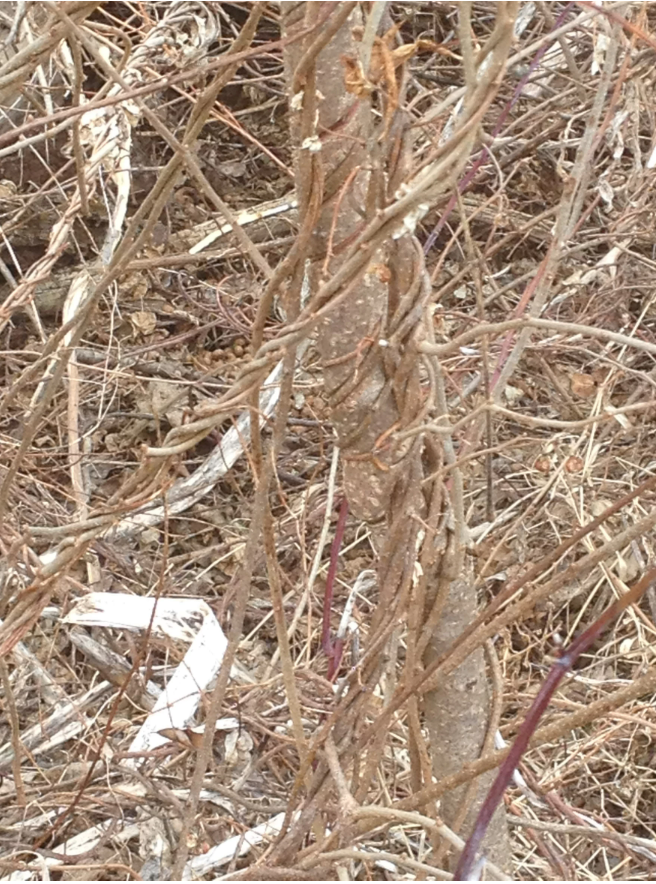
Over the course of my time coming to this spot, it has been really fascinating to evaluate the changes of all aspects of the area. The most interesting aspect I think, however, was the changes in the invasive species. The bittersweet invasive species was incredibly advanced and covered many of the native trees, slowly suffocating them. However, as the colder weather came it lost its leaves and no longer had much of a presence on the surrounding trees and plants. This is interesting because a lot of the time we think of winter being the decrease in life and a negative thing for ecosystems but in this case the cold weather helped the trees and harbored a positive effect on the native species.