Posts

Final Phenology Post: iNaturalist BioBlitz Challenge

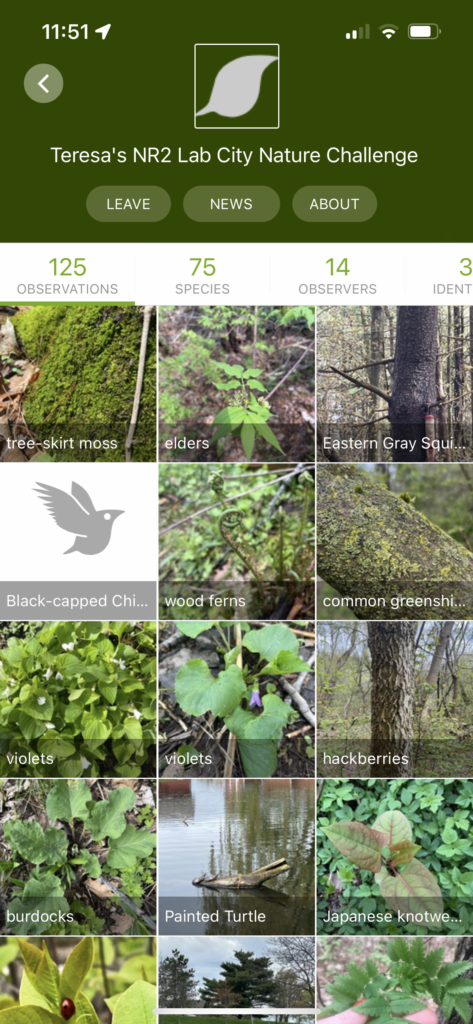
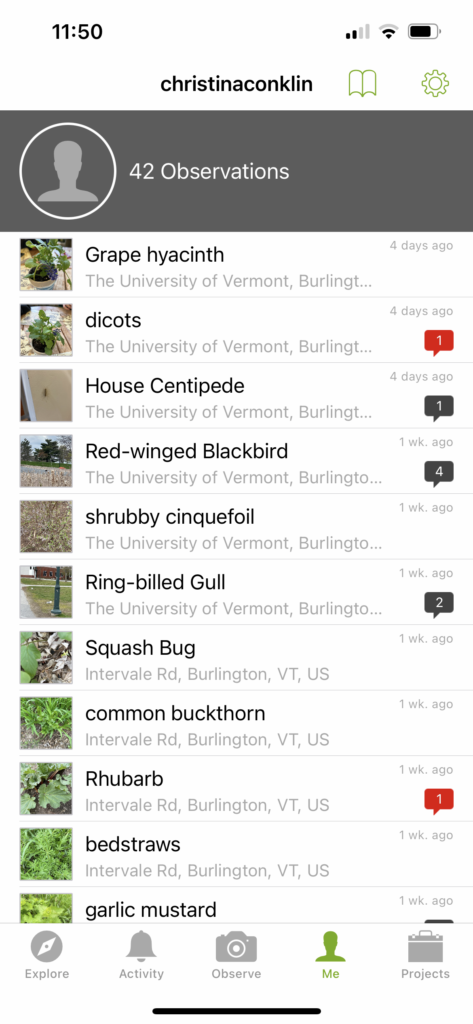
The City Nature Challenge iNaturalist BioBlitz was an exciting experience that allowed me a way to engage with the environment in a new way. I gained a deeper appreciation and understanding of the greater Burlington area. I found invasive and non-native species including Japanese Knotweed and Garlic Mustard. I also observed many new species that I had never seen or recognized before such as a Red-winged blackbird, squash bugs, water leaves, or horsetails.

Many of the species that I observed came from the Intervale Center because a friend and I went on a run in the area and decided to explore the area to take observations of species. In total I found/observed around 35 species but only 14 new species for my lab groups collective efforts towards the challenge. I think iNaturalist was a great way to ID different species. It also allowed for people who were more trained at IDing species to comment and give a more in depth description or analysis of the species, which was super helpful.

I think this is a great challenge for a city to work together to reach a goal of identifying species. I think it was also good for people to get outside to be a part of nature and understand it on a deeper level. I think it could be advertised more to other groups of people to retain a greater number of participants in the population. It was really interesting to compare species observations from different parts of the world.
Phenology Spot: Salmon Hole (4/24)

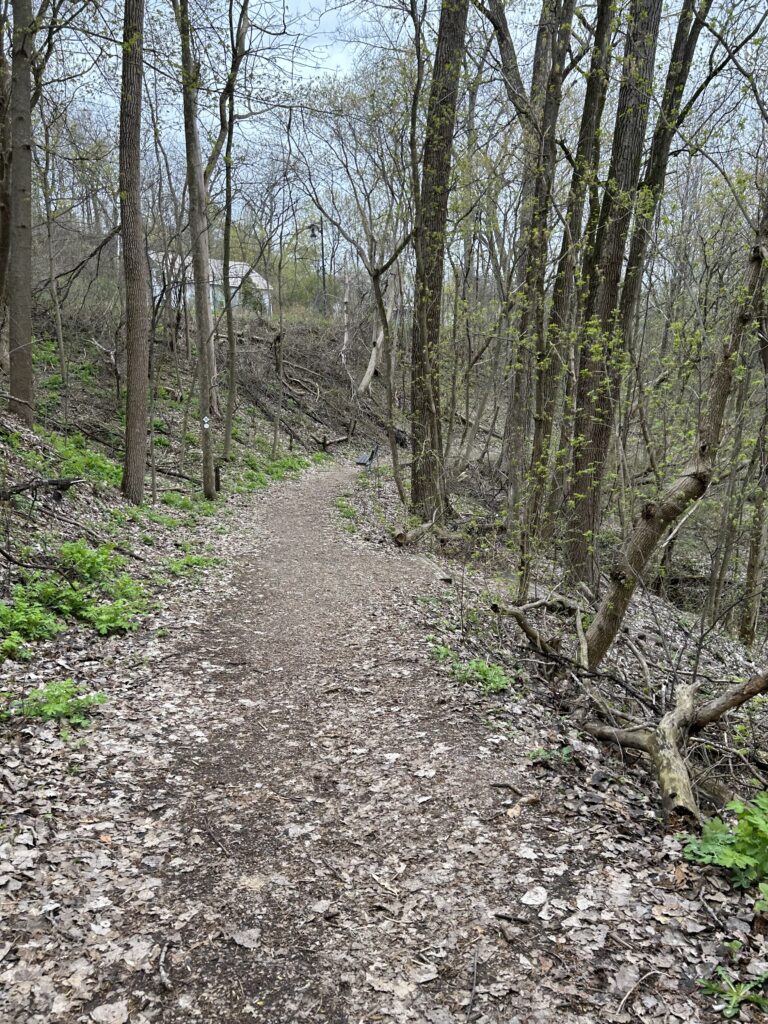
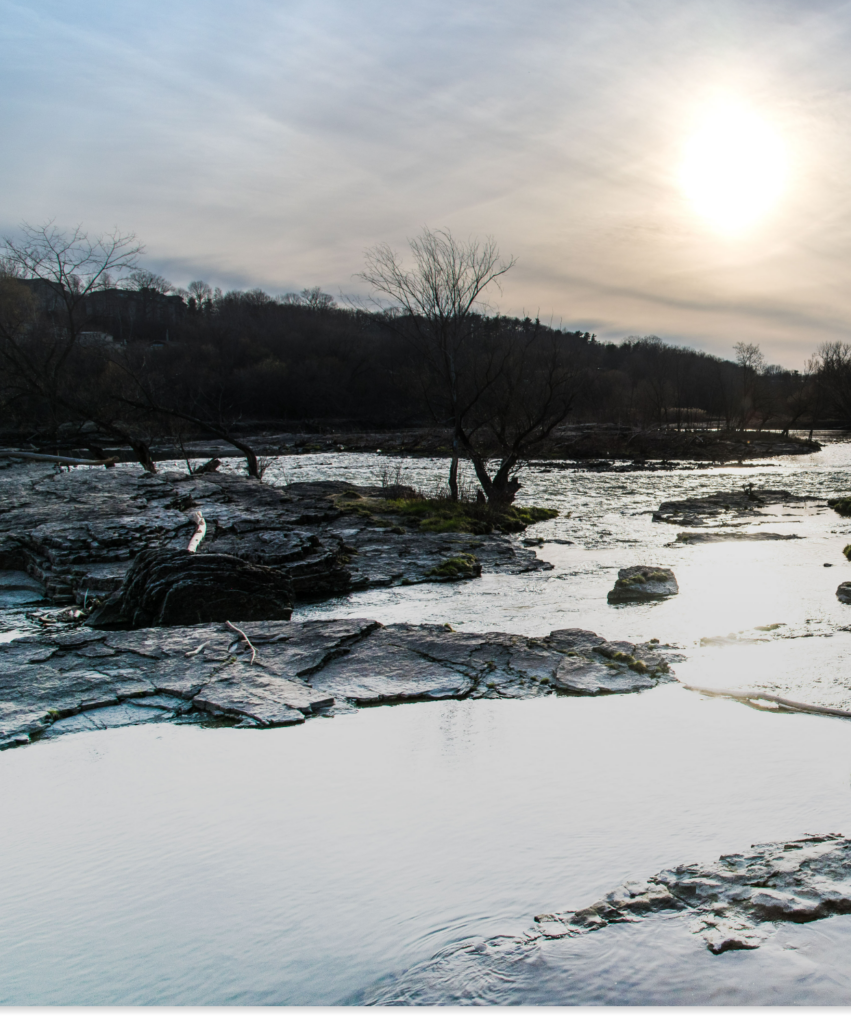
Today I went to Salmon Hole for the last time to look for phenological changes. When I arrived at the park it was much fuller of life than any of the times I have been there. The trees were finally budding, and plants were sprouting from the ground. The birds were singing, and I caught the call of a black-capped chickadee.

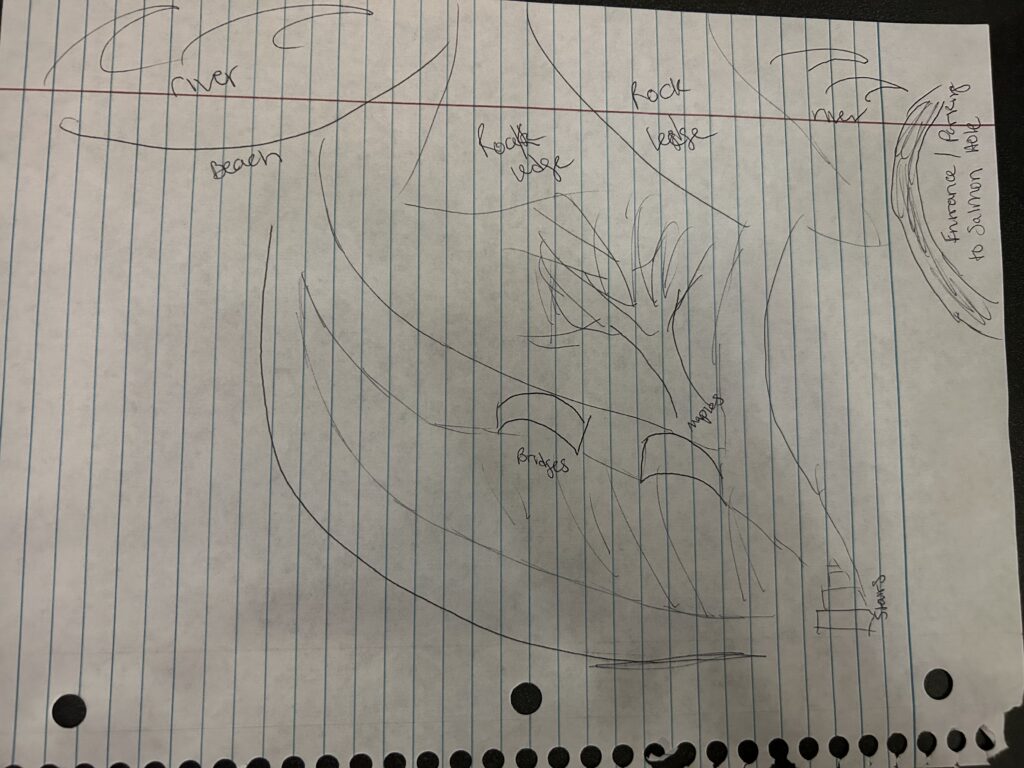
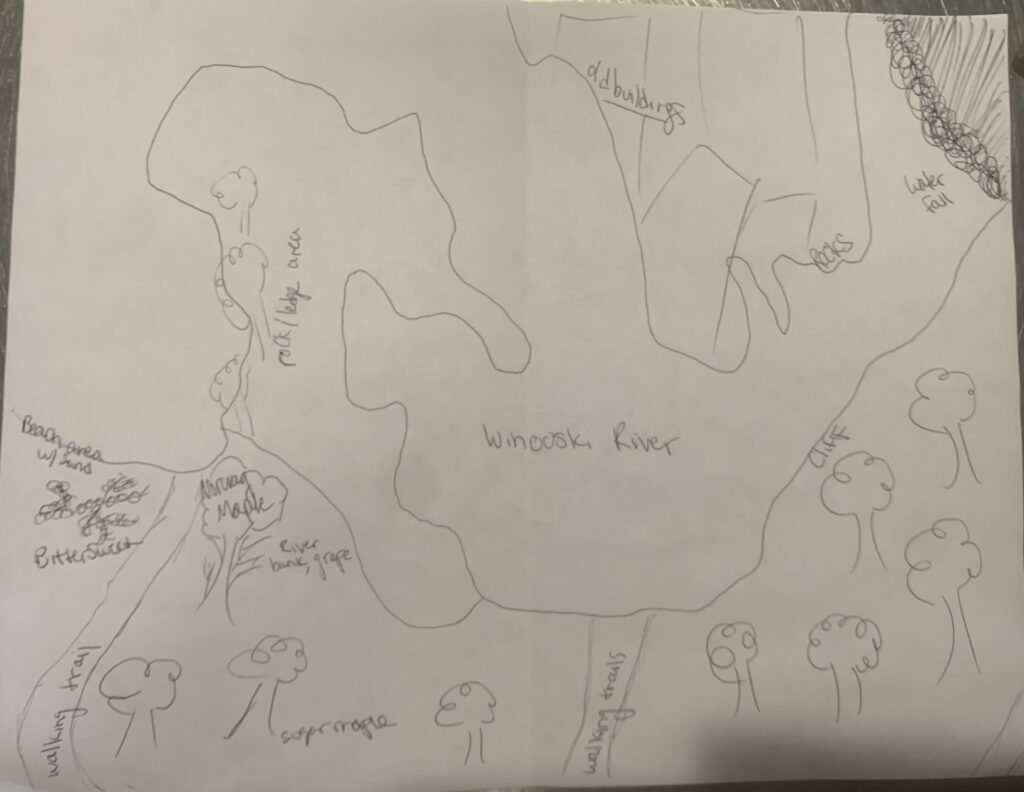
Some of the large landmarks include the old sugar maples that split the trail into a fork, the stairs leading down to the park, the entrance of the park, the beach area, the rock jutting out into the river, the bench in the middle of the park, and the path along the riverbank.

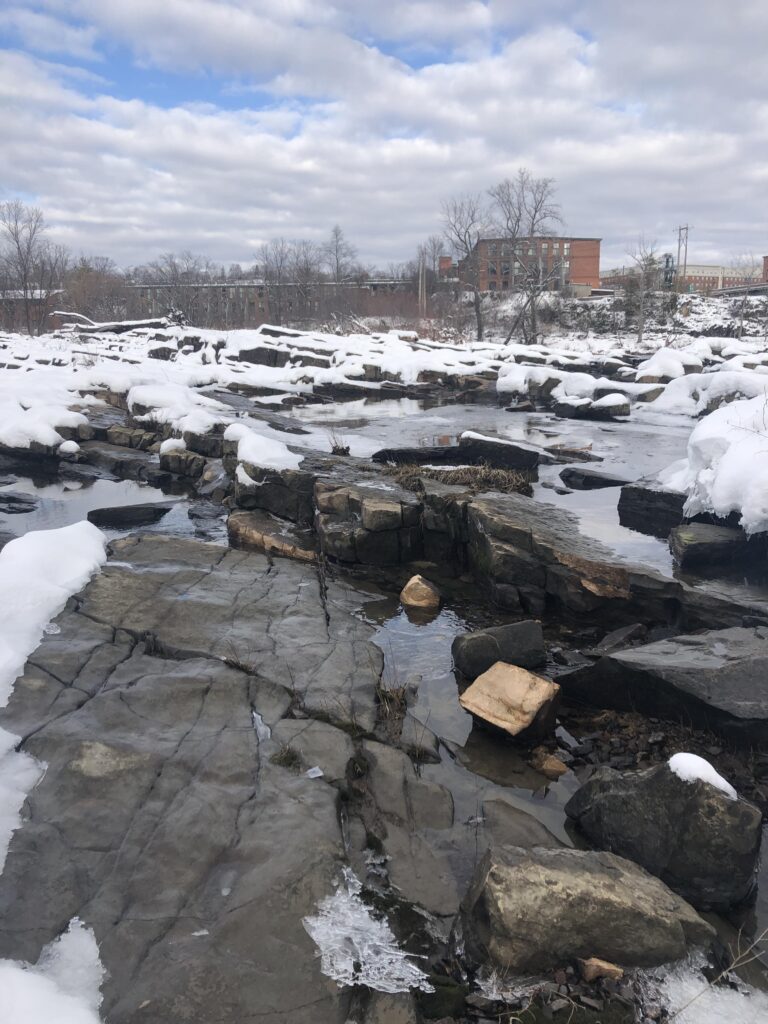
The area around salmon hole is relatively the same as it was when I started observing it in the fall of 2022. The riverbank is slightly more eroded than before and the river was extremely high, many areas that I usually walk on, I could not get to.

In many ways, the evidence of a lack of people shows how nature and culture intertwine here. Many people do not use this area and it is evident by the somewhat overgrowth of the area and the disregard of the pollutants put into the Winooski River. This represents the culture around the area as many people can’t enjoy the outdoors or get outside because of their busy lives.

I don’t consider myself a part of this place, but I will always correlate this area with my freshman year of college and the simplicity and beauty of the areas around campus.

Salmon Hole Phenology 4/10/23

Today, I took a short jog to Salmon Hole to revisit the paper birch tree that I have chosen for this assignment. The warm spring weather has been an incentive to go outside. Noticing the trees on my way to the spot I already thought/knew that the trees would not have buds or flowers on their branches yet. However, I think that the warmer weather is an indicator that in the next couple of weeks we will start to see a change with the trees. When I reached Salmon Hole, I noticed the liveliness of the area. The birds were chirping, the Winooski River below was loud, there were people walking through the trails, and there were small flowers poking through the grass. I also saw a Robin, again, on my way out which might indicate that Salmon Hole is a good habitat for Robins and other birds.

Phenology Spot 3/27

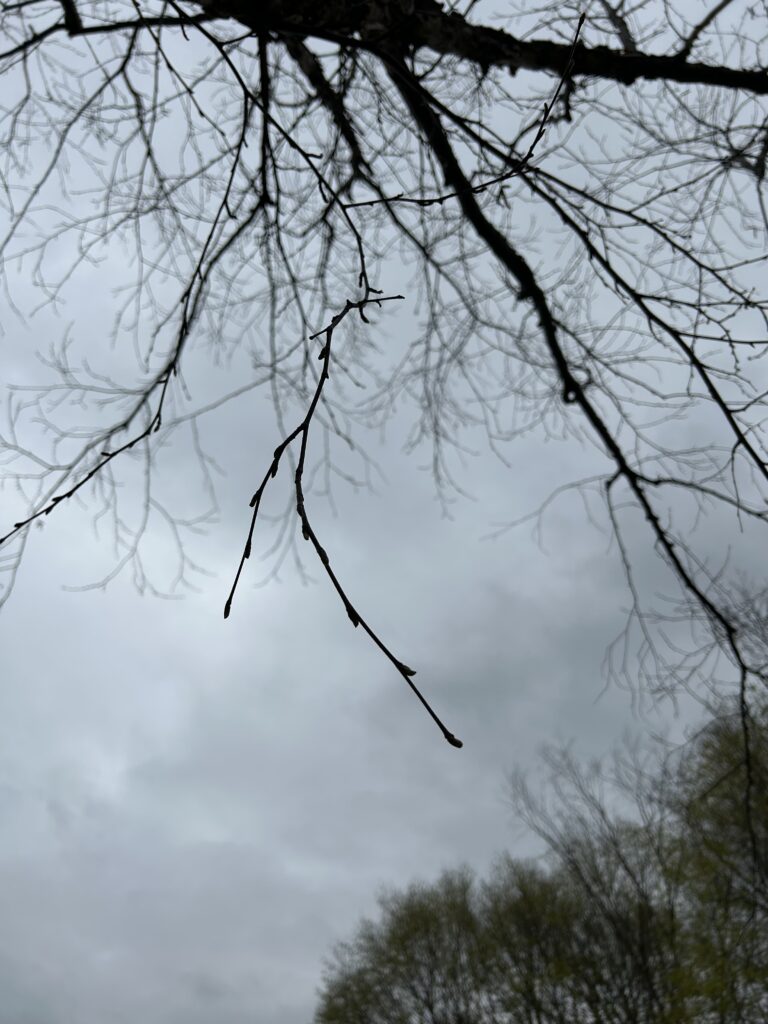
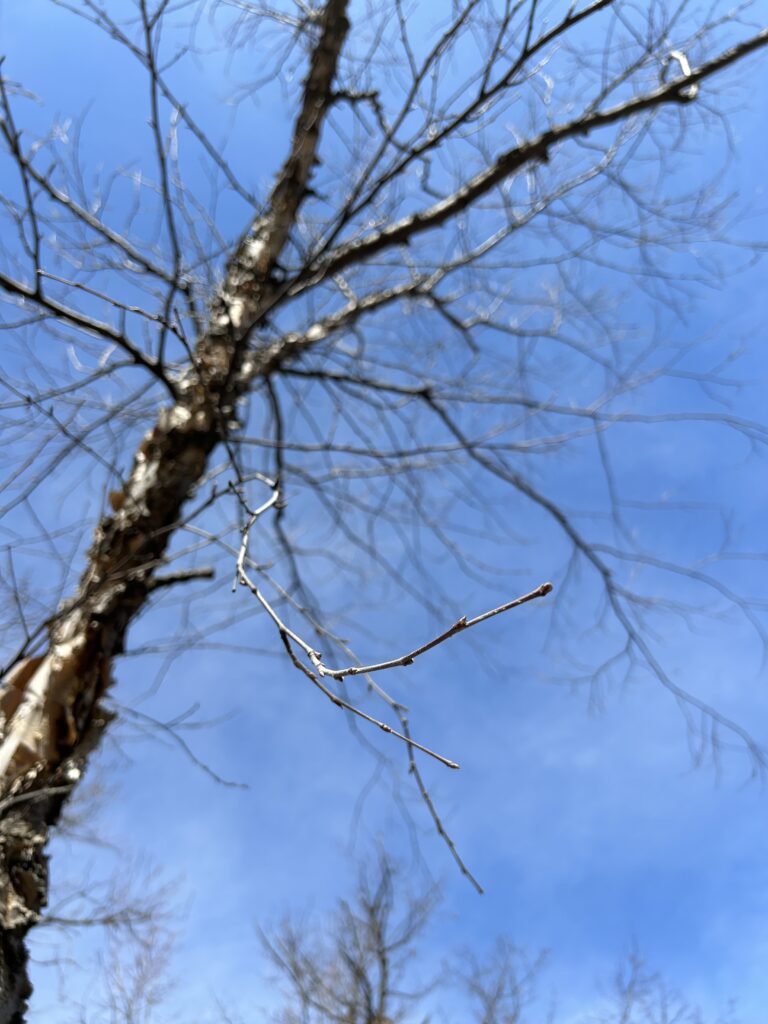
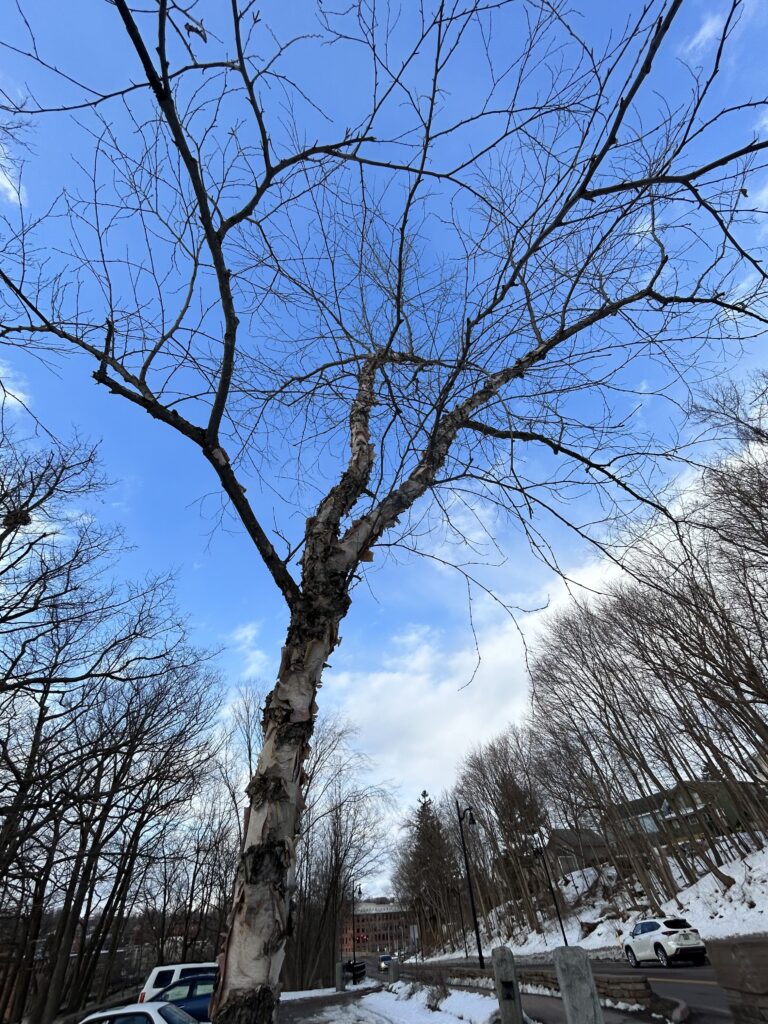
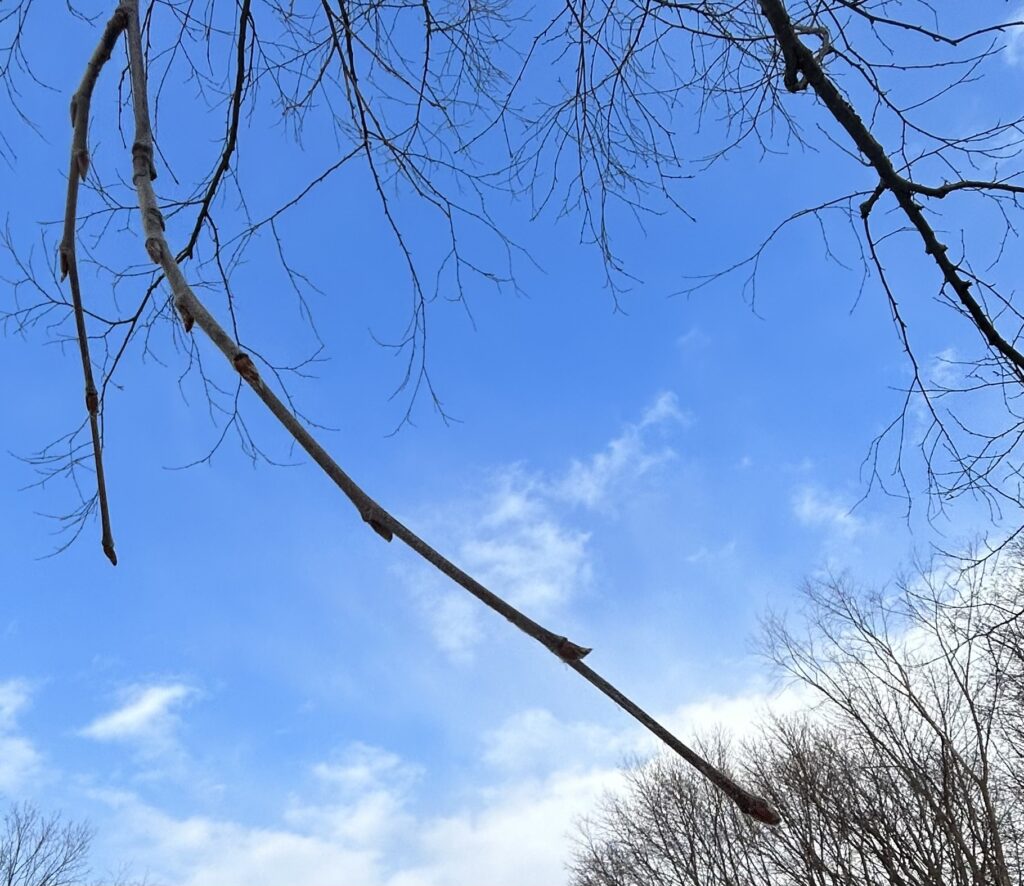
Today I visited Salmon Hole in Winooski to look at the paper birch that was observed a couple of weeks ago. It was a sunny spring day, and the temperature was a comfortable 50 degrees Fahrenheit. The Winooski River was loud and rapidly moving along. The paper birch stood tall, but I noticed quickly that none of the branches had budded or flowered. With the budding/flowering season for birches being in April, I think that in a couple of weeks the tree will show signs of buds and then flowers.

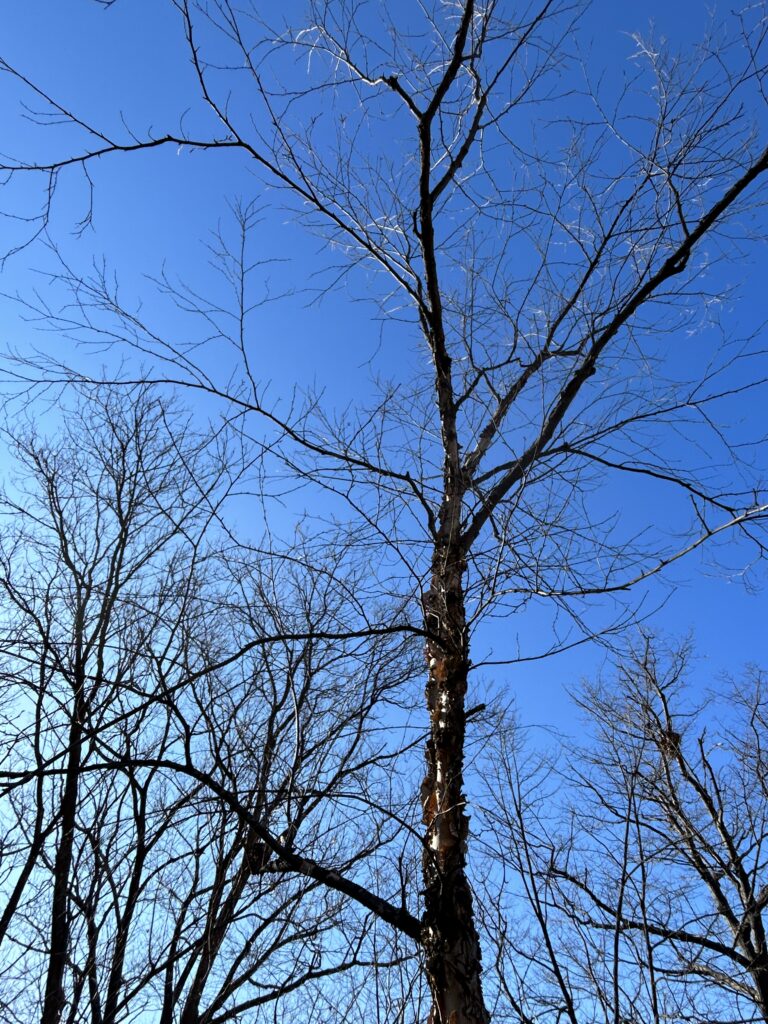
Paper birch at Salmon Hole
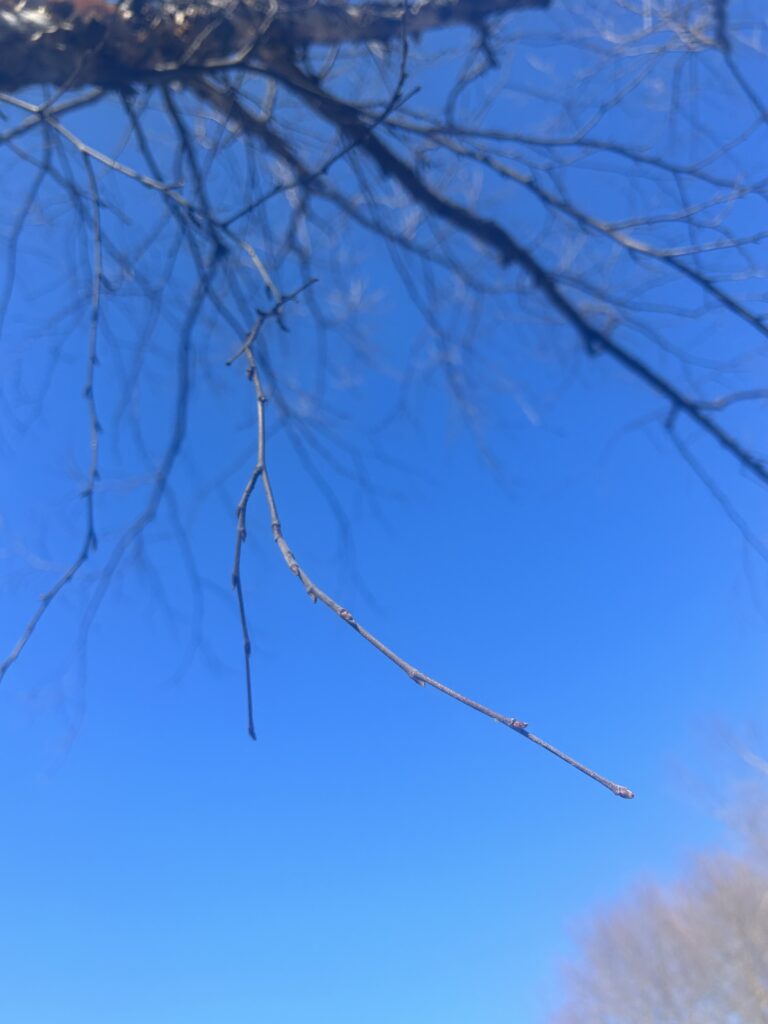
Paper birch branch; no sign of buds or flowers

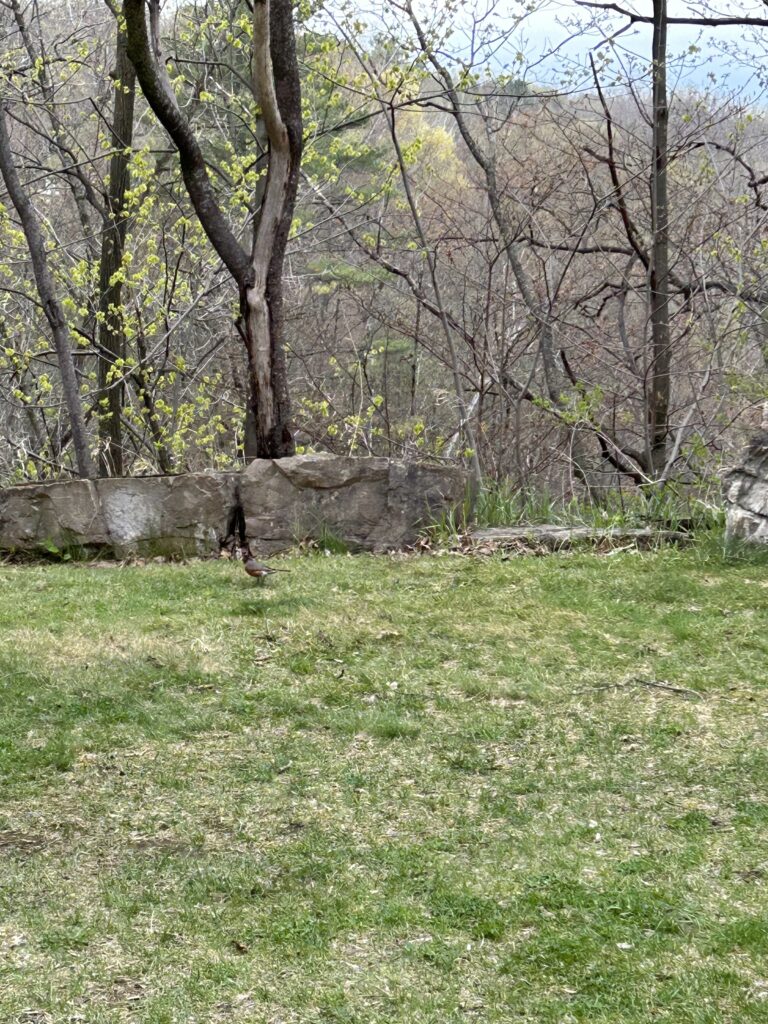
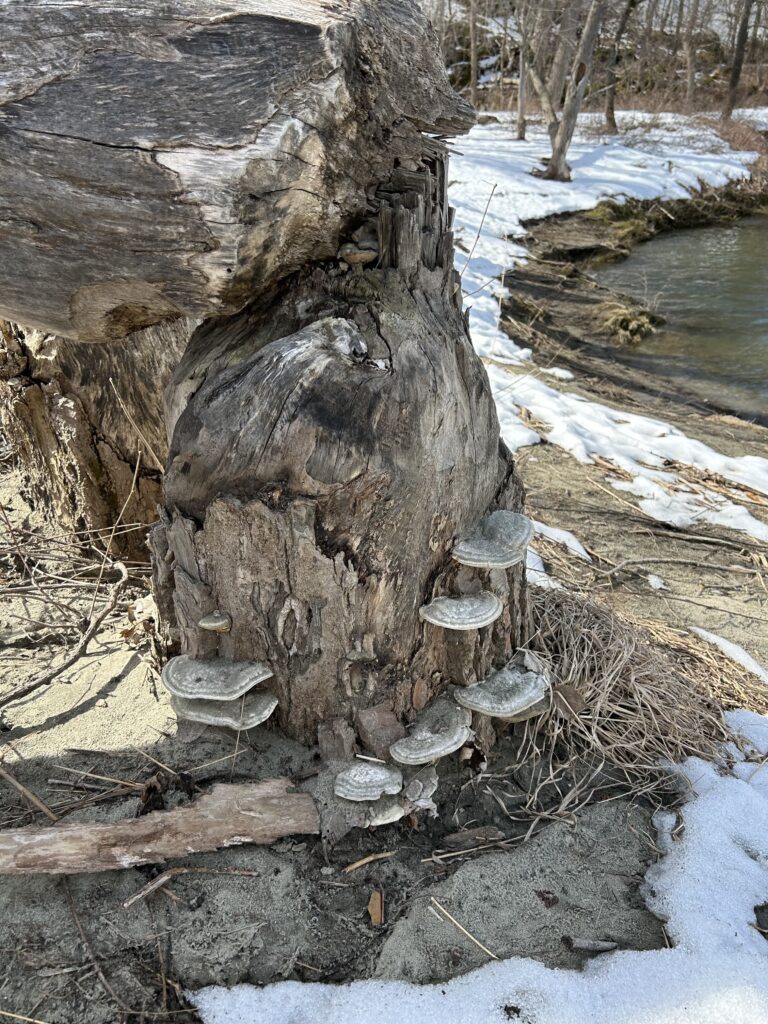
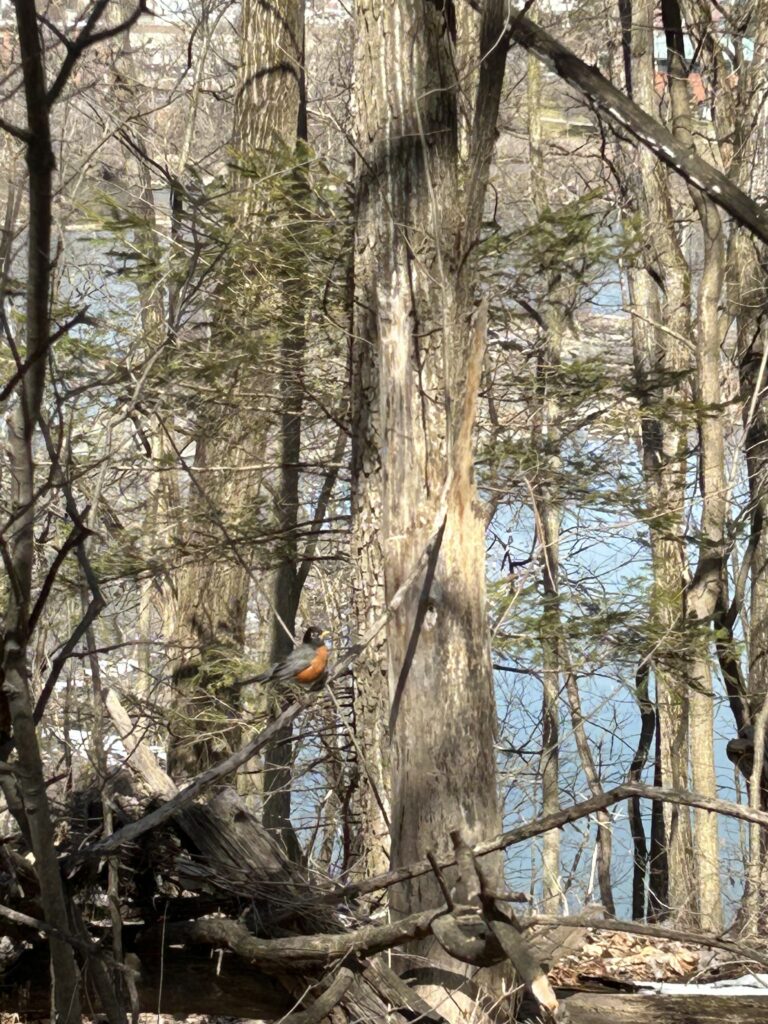
In addition to observing the paper birch, I also looked around the area for some phenological changes. A lot of the snow from the previous visit had melted and revealed smaller plants, weeds, and grass that were trying to poke through. One group of mushrooms at the bottom of a tree caught my eye. When I identified it on iNaturalist it classified the mushrooms as “bracket fungi”. I also noticed a lot more sounds of birds in the area, on my way out I spotted a robin hopping from branch to branch.

Bracket fungi found at Salmon Hole
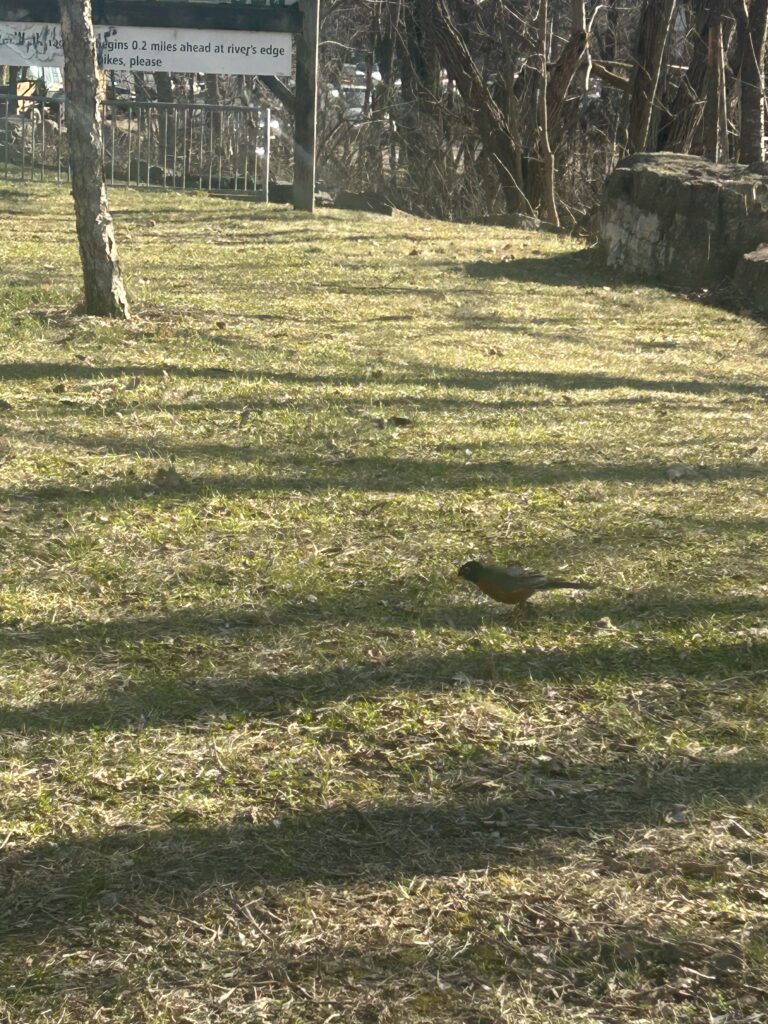
Male American Robin at Salmon Hole

Phenology of Salmon Hole 3/06

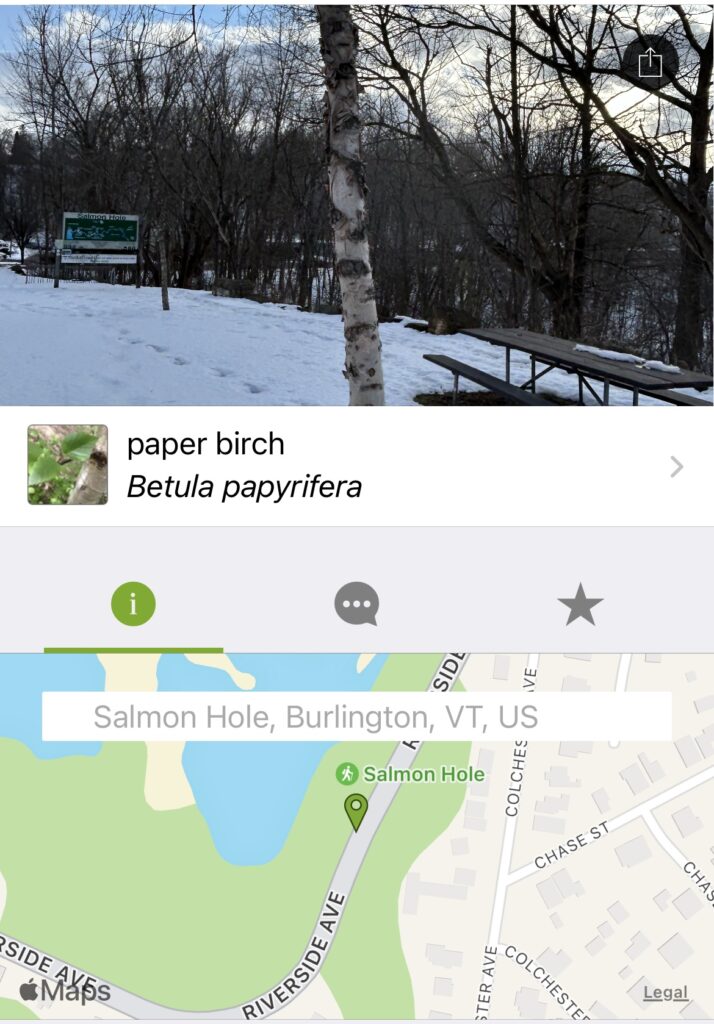
I walked down to Salmon hole just before spring break to observe some of the nearby trees. One of the easier trees to identify was the paper birch (Betula papyrifera) that lie next to the parking area/entrance of the public park. This paper birch did not resemble the look alike birch trees and with the help of iNaturalist was easy to tell apart from the others. The bark was white and thick and peeled in layers. The tree branches were not flowering and did not have evidence of flowering. However, I think in mid-April the birch will begin to bud and flower.

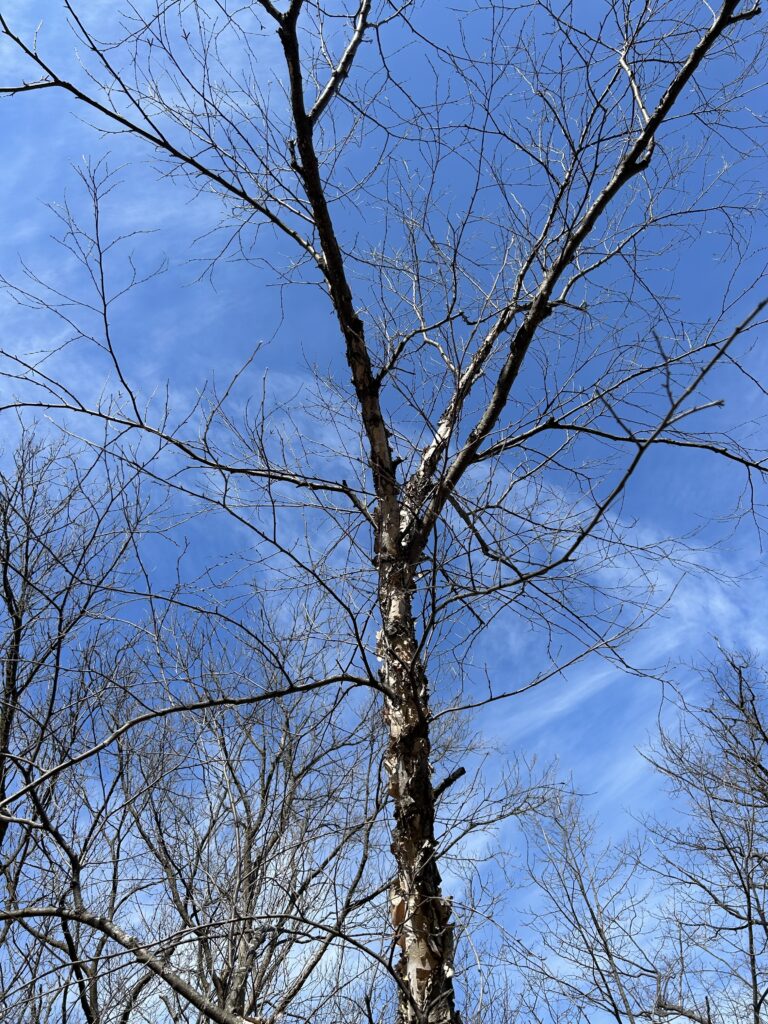
Paper birch tree at Salmon Hole Park
No evidence of flowering
Paper birch location at Salmon Hole Park 3/06/2023

Phenology of the Burlington Area 2/10

I took a walk down to centennial woods. It was about a half a mile walk from my dorm. It was brisk but not too cold. It was near the evening before sunset. There was a light snowfall on the ground, and I was lucky enough to find some fresh prints. Using iNaturalist I was able to identify a few different animals.

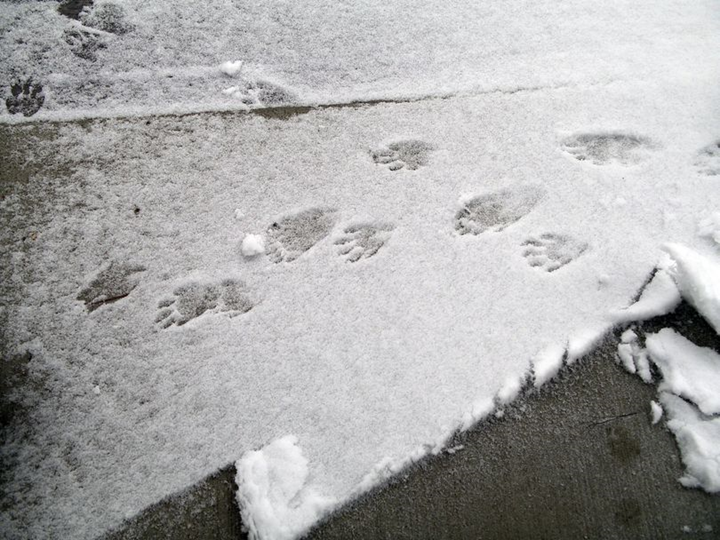
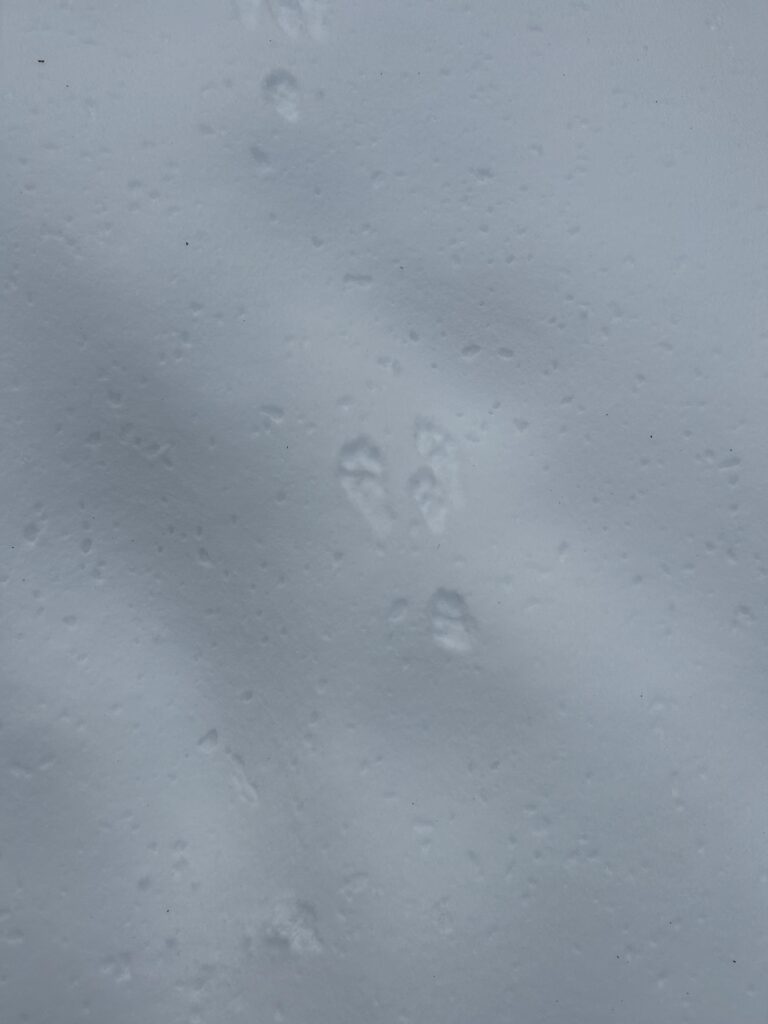
First, on my way there I noticed a pair of tracks that looked like little human hands, my first thought was raccoon and iNaturalist was able to confirm this. There have been a few raccoons around and near campus, so I was not surprised. These footprints were pretty big, about 3 inches long and 2 inches wide. The waddling pattern of the walk also indicated that a raccoon may have been there.

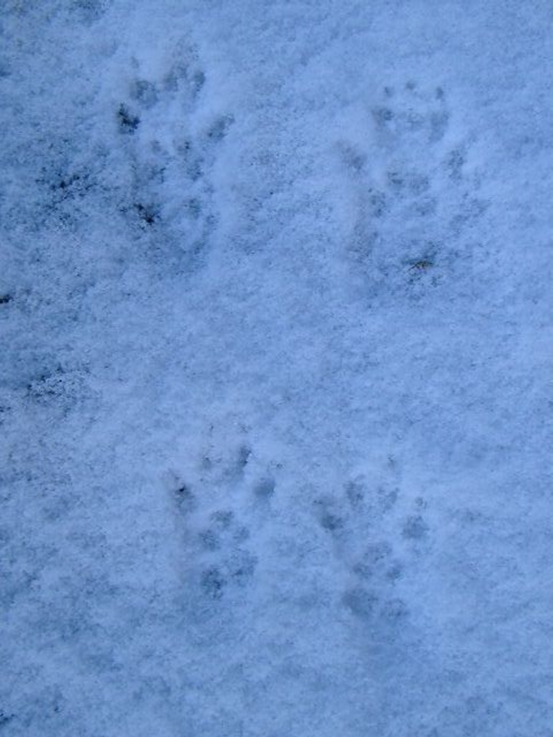
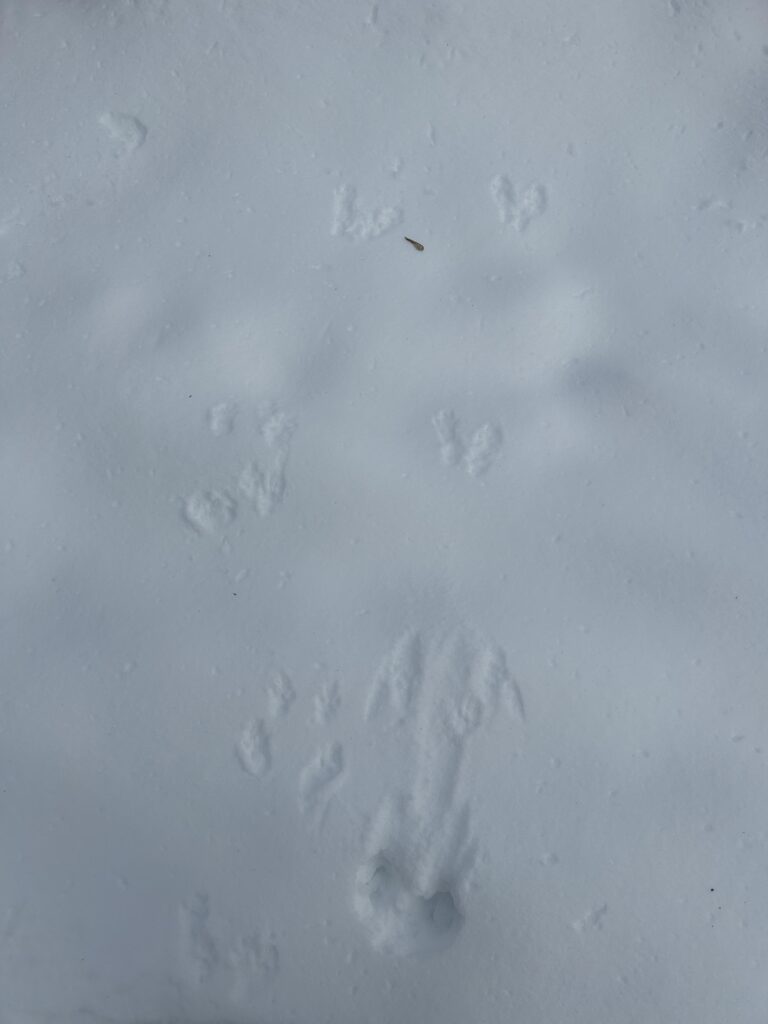
After, I kept walking further into Centennial. This is where I found another set of prints. I immediately saw claws and four toes. The size of the foot was definitely a bigger hint than anything else. The print size was about 1 inch by 1.5 inches. In the tracks and scat book I figure it was a gray squirrel footprint although I’m not entirely sure because it could be a red squirrel or a chipmunk maybe. What was most interesting was when I was walking back to my dorm a huge Raven flew out near the roof of my building.

Raccoon Footprints
Gray Squirrel Footprints

Salmon Hole (1/25/23)

Phenology Assignment

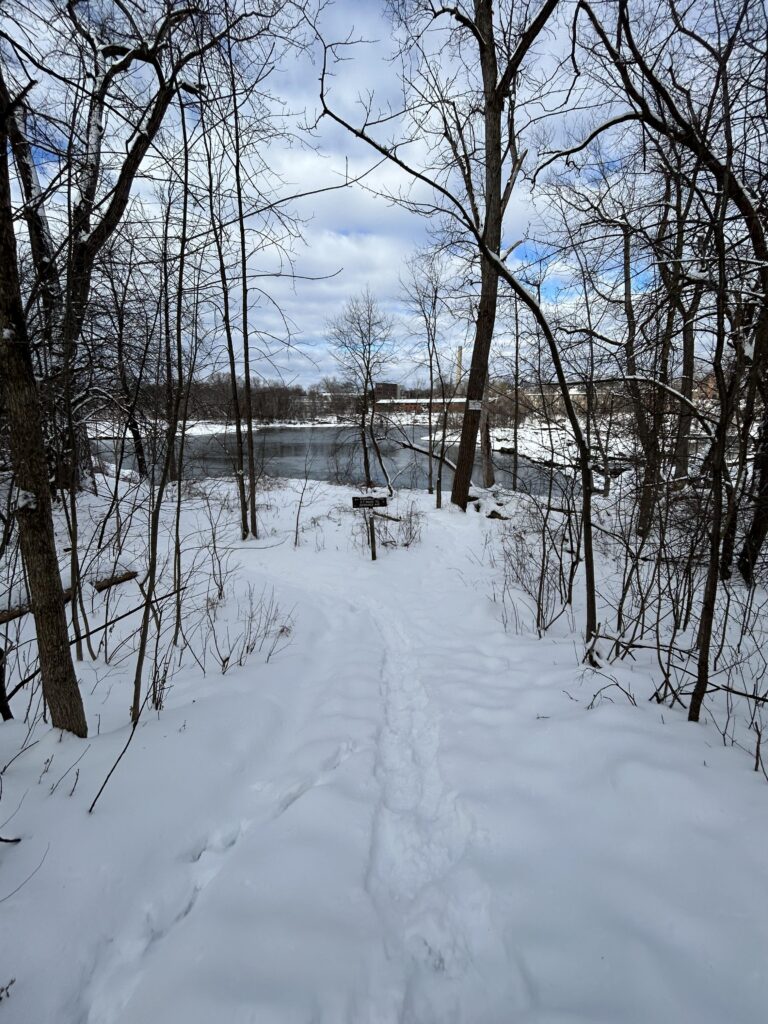
After being away for over a month from the Salmon Hole, a few changes were very apparent. The first and most obvious change was the snow. Vermont finally received a few inches of snow, and it covered the ground and trees. Another change was the evidence of animal life and habitat, because there hadn’t been snow last time, I wasn’t able to see the tracks from the animals. Another change was the flow of the river, it has slowed down a lot more since I had last been there, perhaps the ice and snow were slowing it down to an extent. Lastly, it was much colder than I had expected it to be, although the sun was shining, it was still a chilly 23 degrees Fahrenheit.

Salmon Hole (12/10/22)

Salmon Hole 12/8/22

It had been a while since I had gone to my phenology spot. Although it has been about a month since I had last been there, it didn’t seem like much had changed. When I looked closer at the surrounding area, however, I found some of the smaller, more subtle changes. The first thing I noticed was the habitats and species in the area. It seems like it was quieter due to animals migrating, burrowing, and hibernating. Smaller species that may have been running around before were holed up inside the ground, trees, and dead shrubbery. There were some small animal holes in the ground off to the sides of the trail and small holes in the trees for nesting. I wasn’t able to find any scat, but I believe many small critters were hidden in the area. In addition, a lot of the leaves that had fallen and covered the ground were mostly gone, I suppose a lot of them had followed the current upstream or were washed up on the shore elsewhere. With this I believe a lot of the worms and insects that feasted on the leaf litter were burrowed underground for the winter. There was no sign of recent snow, but the ground was firm and showed signs of the cold weather.
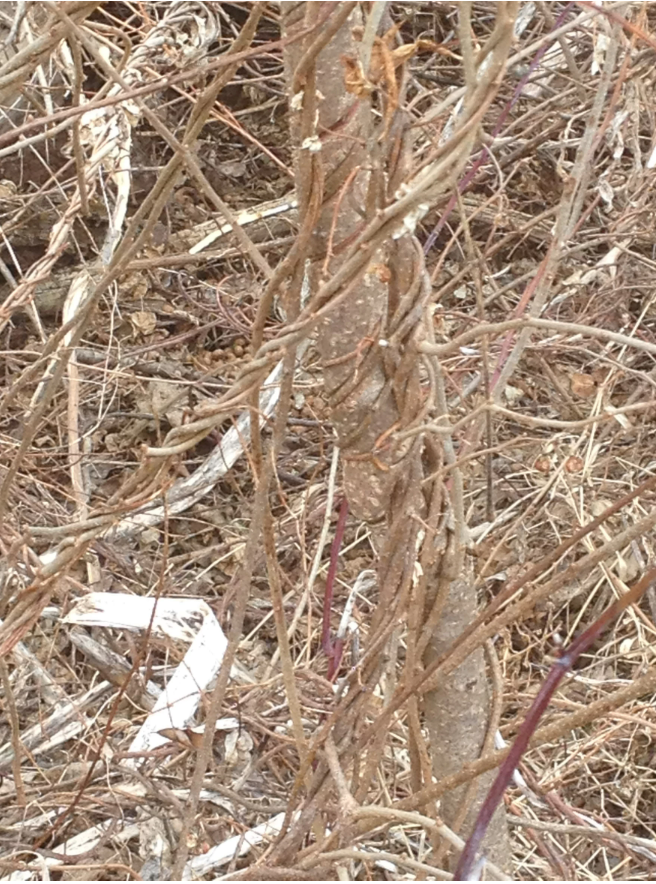
Over the course of my time coming to this spot, it has been really fascinating to evaluate the changes of all aspects of the area. The most interesting aspect I think, however, was the changes in the invasive species. The bittersweet invasive species was incredibly advanced and covered many of the native trees, slowly suffocating them. However, as the colder weather came it lost its leaves and no longer had much of a presence on the surrounding trees and plants. This is interesting because a lot of the time we think of winter being the decrease in life and a negative thing for ecosystems but in this case the cold weather helped the trees and harbored a positive effect on the native species.

Invasive bittersweet during late fall (Salmon Hole)

Phenology Spot #4 (Thanksgiving Break)

Christina Conklin

While visiting this spot over thanksgiving break I observed many similarities and a few differences between my phenology spot at school and this phenology spot. The phenology spot I observed was in Dorset Farms, South Burlington Vermont. My phenology spot from school, back at Salmon Hole, is a lot more ecologically affected and changes more drastically because it has more interaction with humans and species around it. This area is more sheltered from busy human interaction although it definitely does feel the effects because it is surrounded by a neighborhood and has power lines running through it. In regards to the phenology of this spot it is very similar to the spot at Salmon Hole because they’re only a 20 minute drive apart meaning they’re affected by similar aspects of the natural environment.

I used to come to this place as a kid and go on walks with my parents and family. I still use the trails in the area and I sled and ski through it in the winter. I value this place because it provides many ecosystem services. In order to give back to this place I walked around the trails and collected trash for about an hour.

Phenology Spot November 7th

I went to Salmon Hole on Friday November 4th. It was a warm and sunny fall day of about 65 degrees Fahrenheit. It took about 20 minutes to get there between walking and riding the public bus. When I got there, I sat walked down the path to the rock peer surrounded by water. I sat for a few minutes in the sun and listened to the sounds of the river, cars, wind, and planes in the sky. Obvious changes in the vegetation included the falling of the leaves off of the trees and less vibrant colors in the trees. A lot of shrubs had lost their leaves and were only evident by the wood and branches left behind.

Skip to toolbar