Archive for October, 2019


My sight off the Calkins Trail is a beautiful spot characterized by a number of species. The most dominant and interesting of these is probably the Green Ashes which fill the side of the bank that I observe from. Up and down the Winooski on my side of the trail. It catches my attention because I do not typically notice Green Ash trees on my adventures through life, but they are confidently rooted here in the sandy soils of the bank.
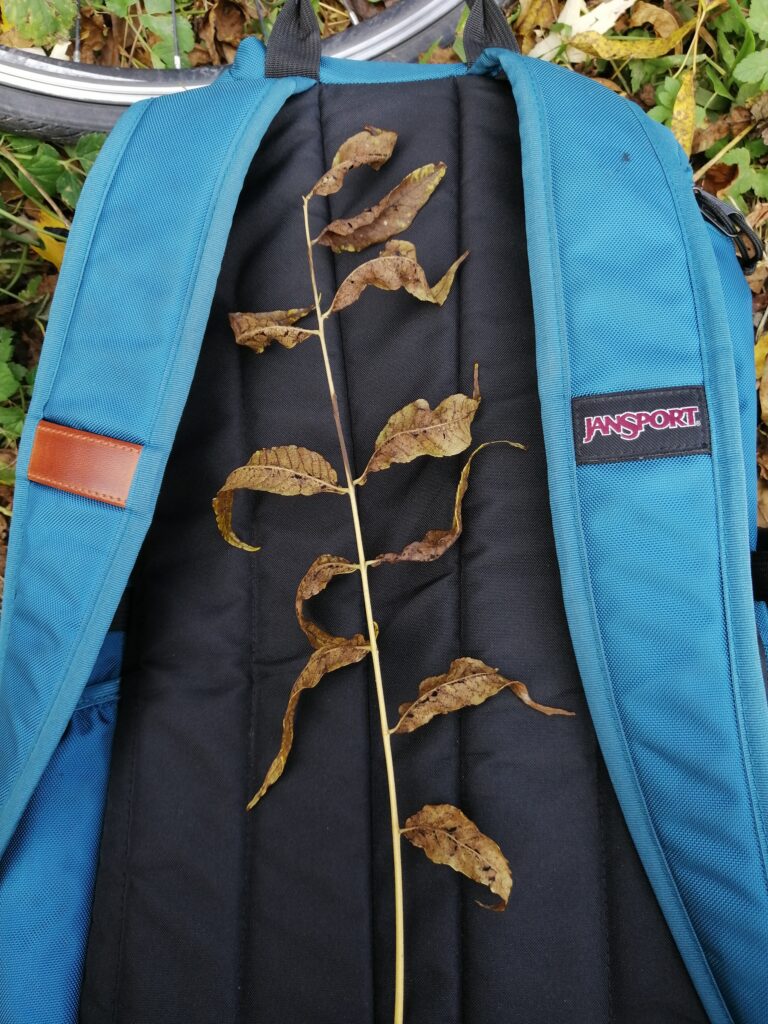
Fallen compound leaf of a Green Ash.

Another established species in my phenology site is the ground cricket, there is always crickets chirping loudly to my left as I look out on the river. They have chirped since the first day I went my phenology site. I believe they live in the grasses that are next to me.
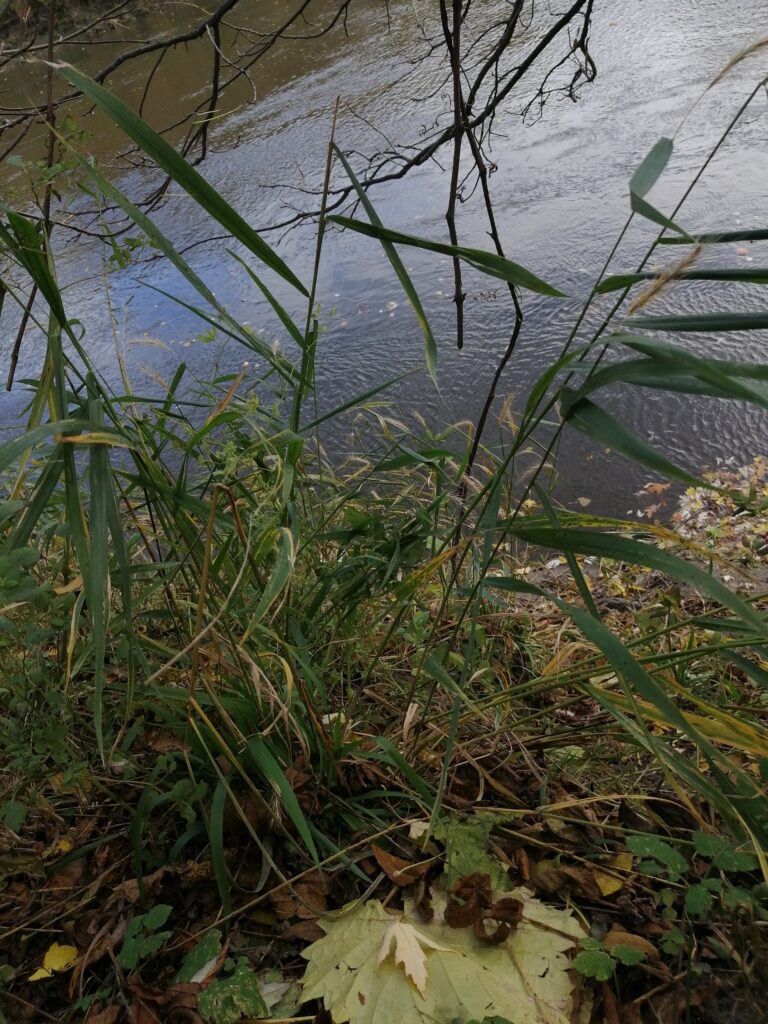
The grasses in which the crickets reside and also the grassed that occupy the muddy banks sparsely separated.

Ravens also are one of the most notable species in the area surrounding my phenology site. They have been hard to photograph. However, I see these highly intelligent birds flying back and forth over the Winooski or in the woods behind my plot. They often are calling out loudly. Maples are another noticeable species, they are common on the opposite shore of the river and somewhat common in the area surrounding me. The maples are especially interesting due to their fall foliage as expected.
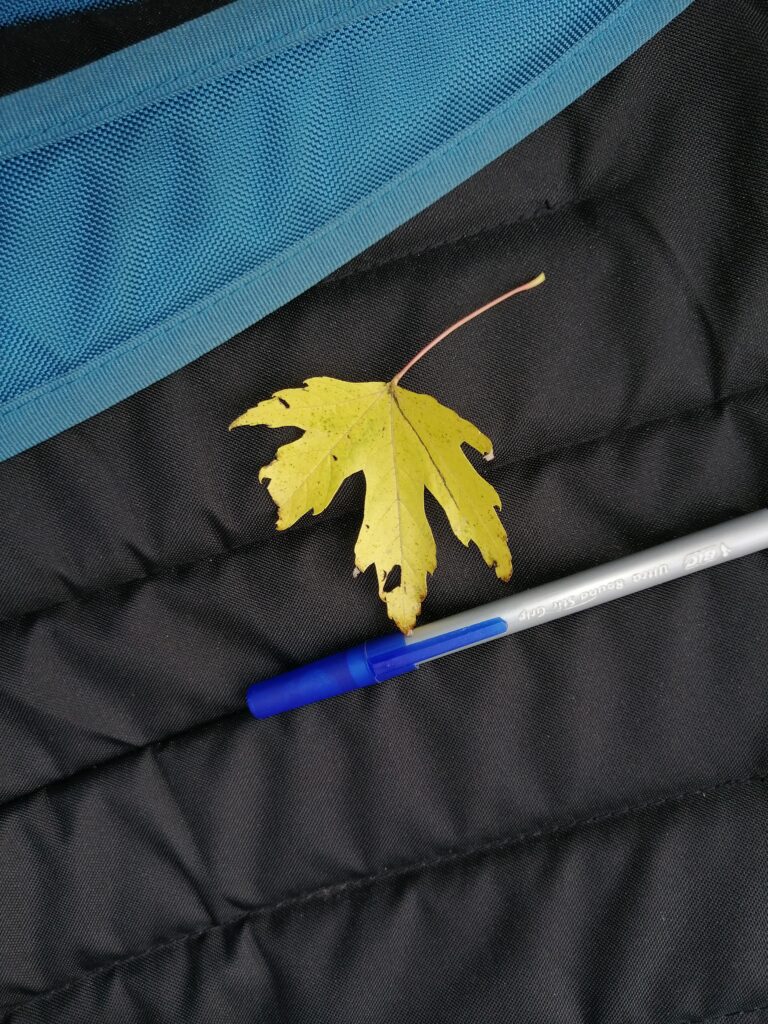
Maple leaf

Another species that characterizes my plot is the millipede and other small insects that live in the soils near my plot. I have dug through the soil, multiple times when at my phenology site to see if these insects would go deeper into the soil with decreasing temperatures.
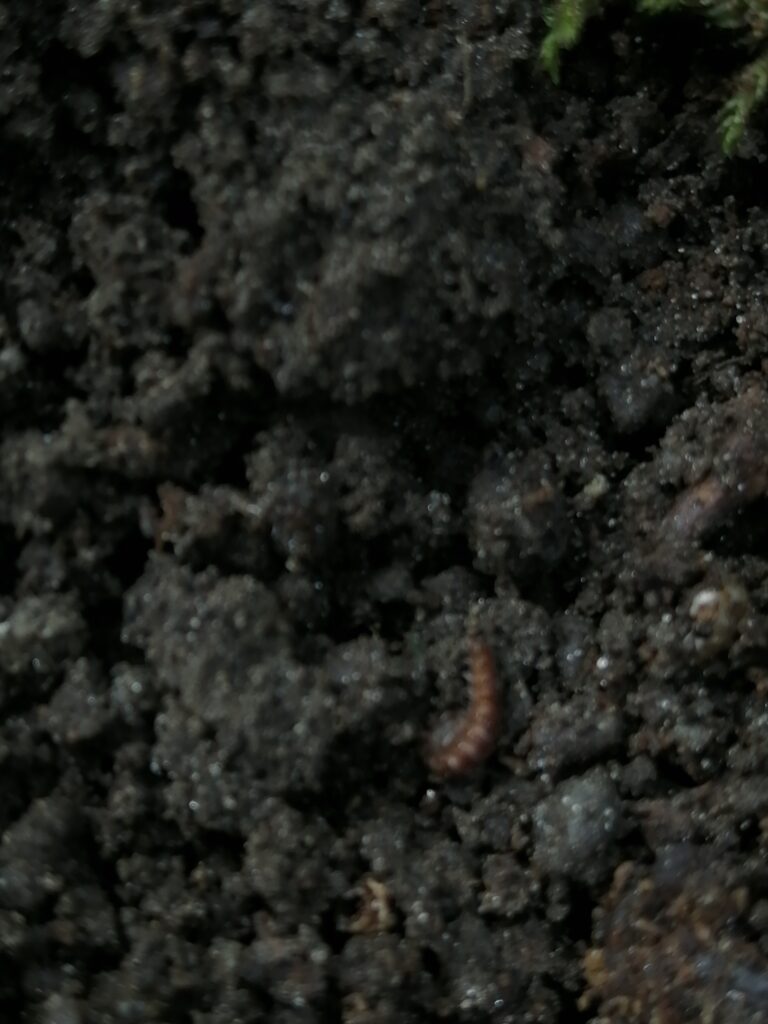
A grainy photo of a small millipede.

The turkey vulture is one of the species that I find very interesting in a phenological sense. These birds are scavengers and are highly adapted for that purpose. I have seen turkey vultures circling the forest to descend on what is most likely a dead organism who struggled to make it through the diving temperatures and lack of food. Some other observed species are the green frog, some mice, some different song birds, water striders, mosquitoes, and possibly signs of a raccoon.

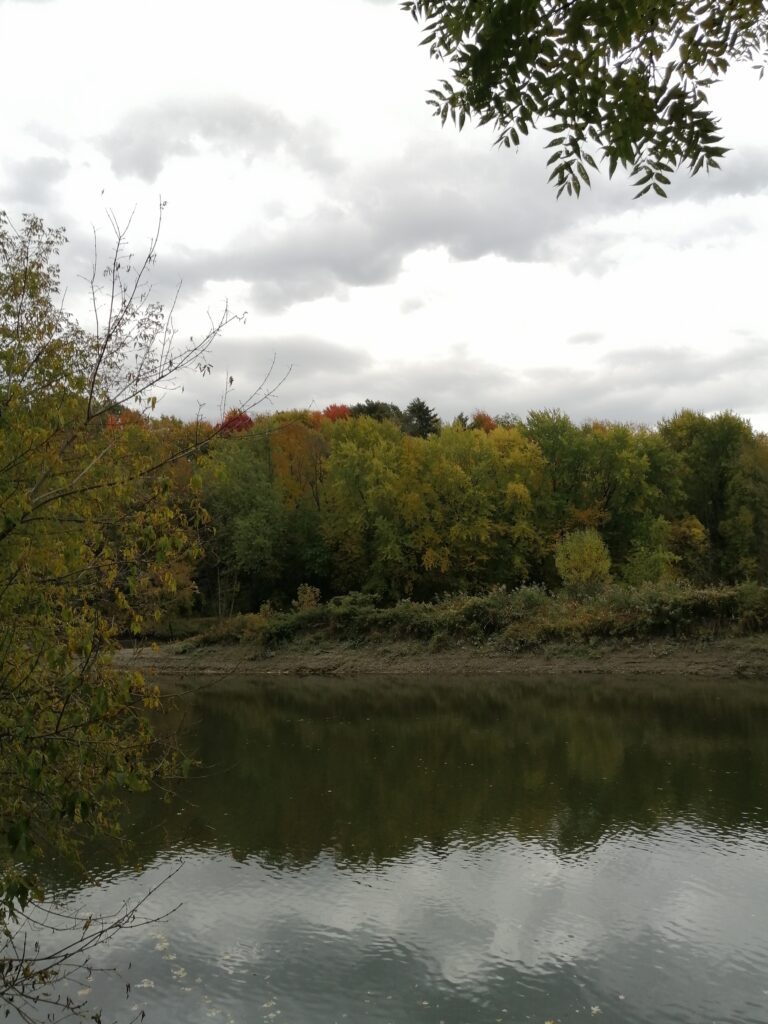
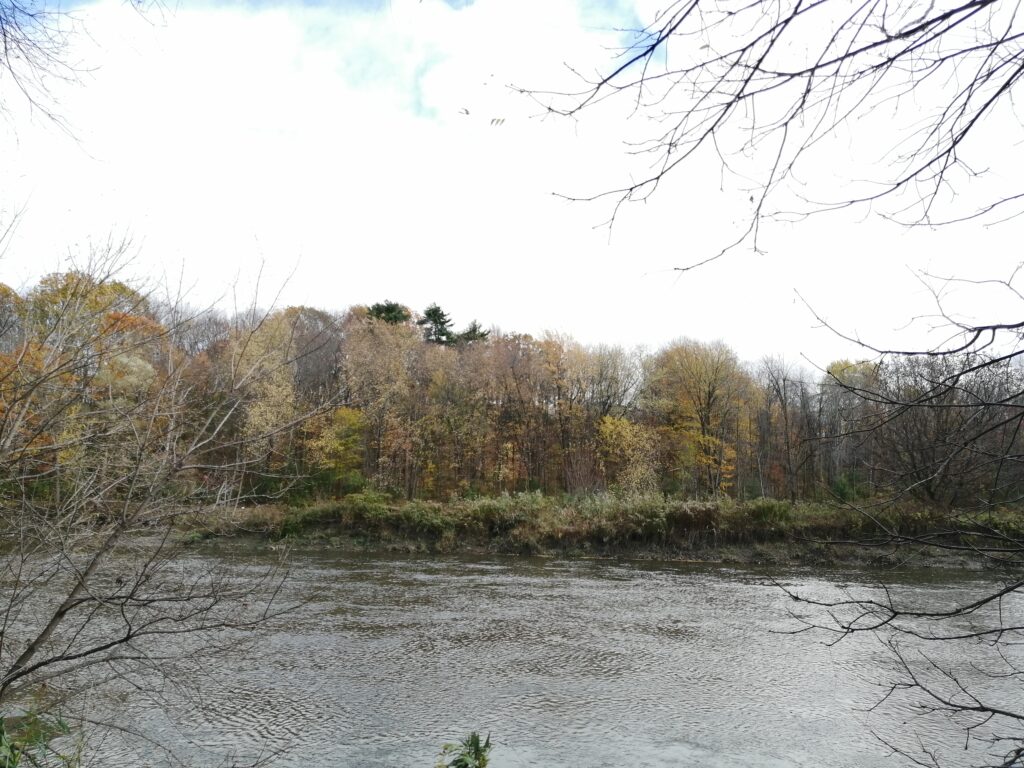
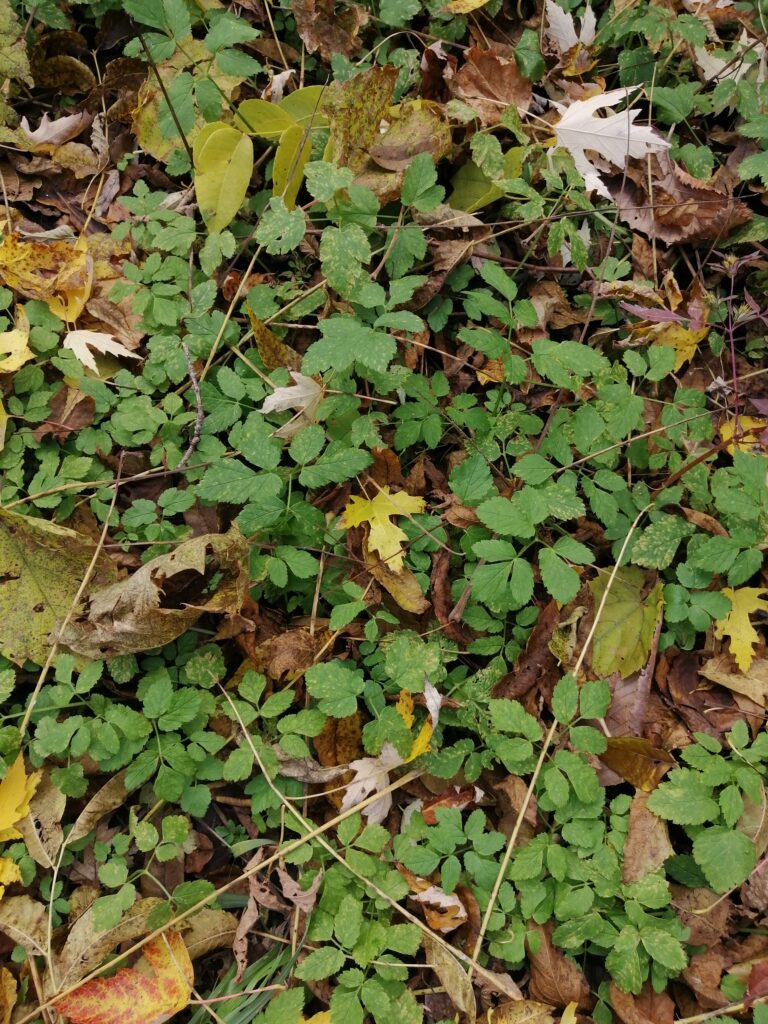
There has been many vegetation changes. The last time I visited my phenology site was on October 3rd, 2019. At that time although the leaves were vastly unproductive and pigmented, the leaves were still attached. Now the leaves have dropped entirely, this was a drastic change. Additionally, I would have expected the herbaceous plants to be affected by the colder temperatures and reduced daylight. These plants however appear unaffected and have remained their pigment. Below are photos comparing the foliage situation.
A photo of low herbaceous plants.
The soils in my site are a muddy carbon saturated clay, with a sandy soil only inches below this. These lower soils drain quickly. I have soil samples in my room and the sandy soil dries quickly. These soils still seem fertile with low herbaceous life vibrant, and a variety of trees. As well Intervale Farm which is located in a reasonable proximity of my site probably could not function in depleted soils.

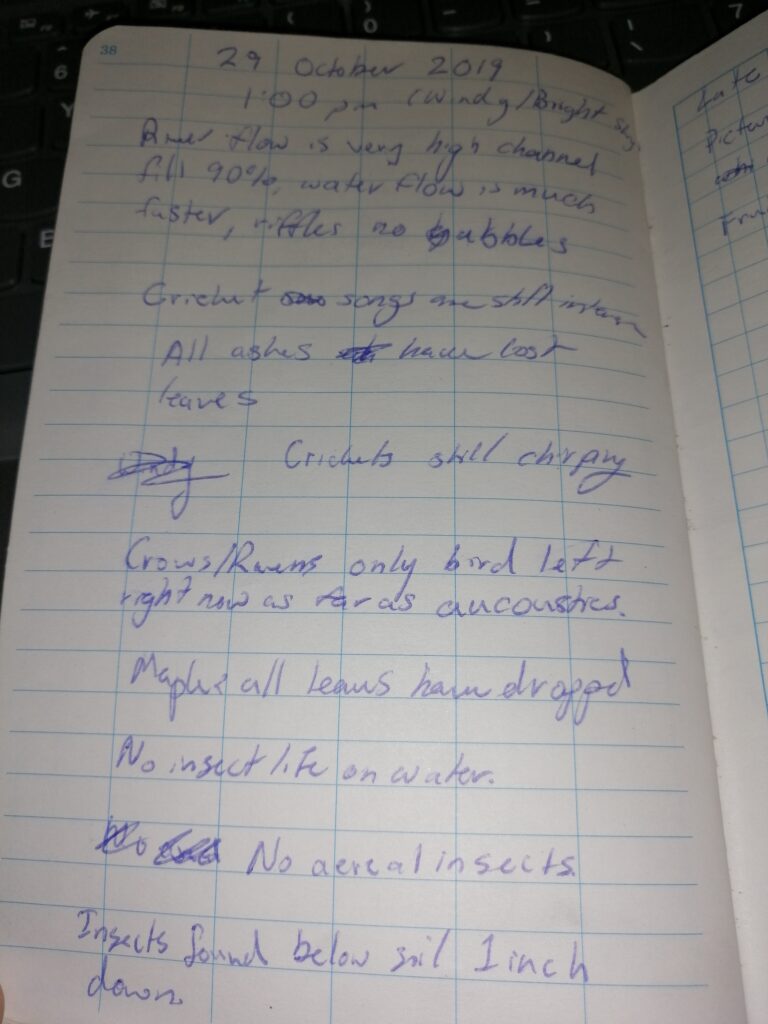
The topography my area is interesting; of course there is the Winooski River which cuts through my site. This wide river with a weak riparian zone and pretty steep but short banks. The side of my observation is flat like a floodplain the opposing side has a very steep hill that rises up so the horizon is capped with trees and notable white pines. The topography changed in a way recently. The river channel went from a 60-70% fill in previous observation periods, with slow water movement. In the last observation the river channel went to about 95% fill and medium fast flow. This is slightly observable in the foliage comparison photos.
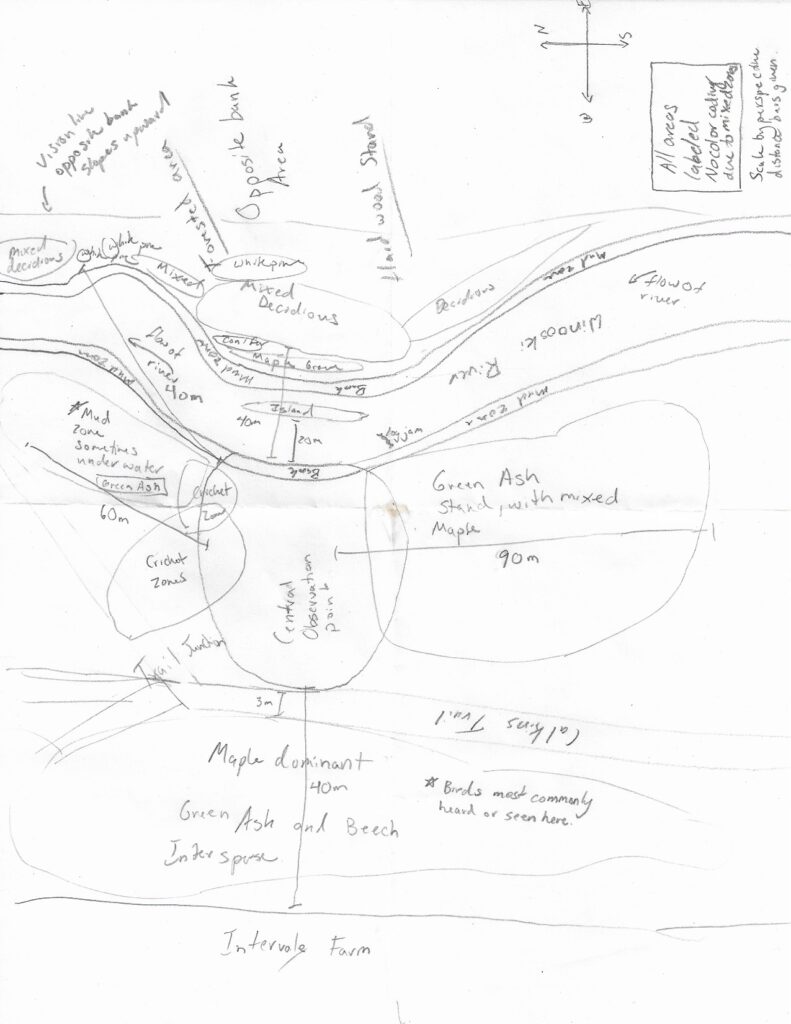
My site map!

This map helped me visualize and conceptualize where the different types of tree stands were. It also helped me draw a connection between the grasses and the crickets. It helped me focus on the types of trees in my zones. It also gave me perspective on the different distance levels I have been making observations. From far observation, like analysis of stands and river dynamics, to plot observation like cricket and ash analysis, to small scale soil observation of insects and such.
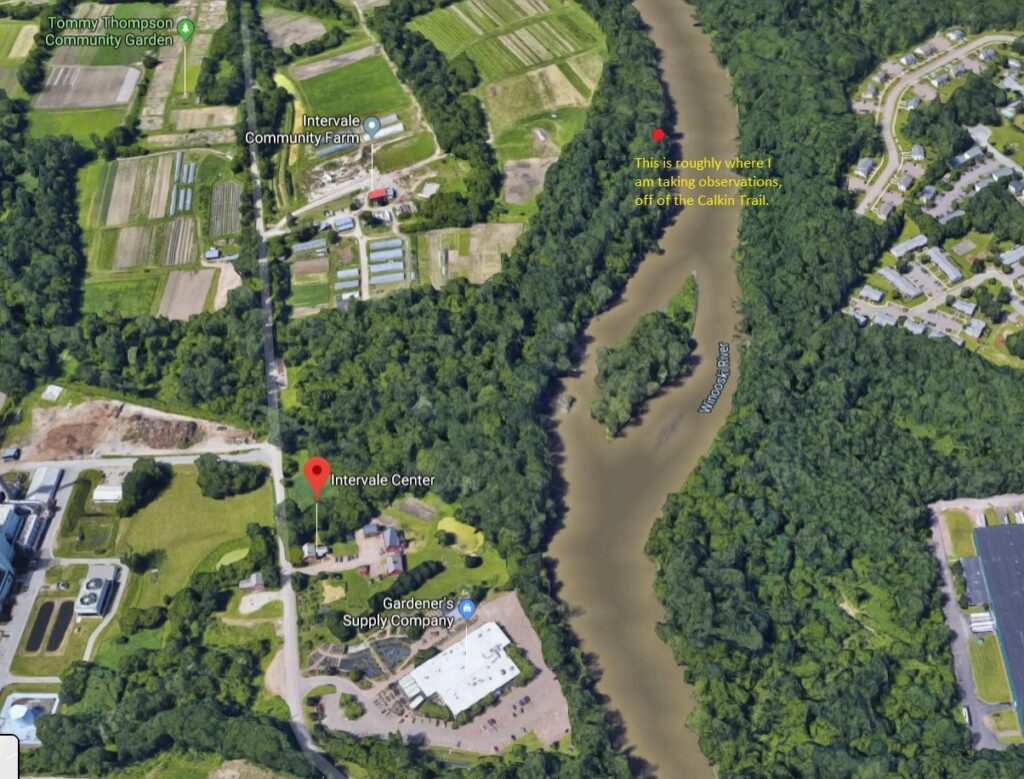
My bike and I are traveling at a fast velocity down the the hill towards central campus, I bank tight turns by heavily leaning and go by the quad with the statue and head down South Prospect Street. Into a massive downhill that makes me put on both brakes. I get down the hill, using my biking skills and velocity, jump over the trail tracks entirely on the durable old street bike. I turn right into the Interval Center and steam ahead through the grass and onto the dirt paths. I continue past the junction a quarter mile in and go to the first pullout along the bank. I have been smiling and exuberant the whole time. It is a two mile trip in total.

My place is characterized by a green pull out fifteen feet from the trail. The ground is covered in low herbaceous plants. The clovers and other low plants are growing well here. There are grasses to the left (facing the river) and small patches of grass on the river bed. There is groves of Green Ash to the right, behind, and sparsely dispersed to the left. The soils are a mix of clay and sand, perfect for the Green Ash that live here. The Winooski River forms a broad channel in front of the pull out. The river meanders to the right and meanders to the left, but directly in front of my spot the river is relatively straight, filling 75% of the channel, has a muddy substrate and moves at a slow to medium pace. Across the river is a grove of Maples. The crickets so far have endlessly chirped. And upon my first visit I was swarmed by mosquitoes.

Field Cricket Chirping

My place when I first visited had late flowers coming out and a bumble bee invested in it presumably pollinating as well, and the maples across the way were changing their pigment. The Green Ash trees were starting to yellow some leaves. I found a freshwater mussel shell, a telltale sign of a raccoon. Raccoons are known to hangout near waterways and eat aquatic life. The surface of the water was full of water striders. The aquatic plant life in the shallows looked as if it was in late stage. There was no signs of minnows. The banks of the stream are muddy and a riparian zone is missing. There is collapsed banks and trees leaned over into the banks.

Maples Across the Winooski

During my next visit the leaves would be dropping. The mosquitoes would be absent from my ears. The herbaceous growth would continue. I would still hear the songs of the birds. Still find myself at peace, finally outdoors again. The aquatic vegetation would have died to brown stems. I would see a turkey vulture circling, scoping in on some carrion. The carrion of some organism struggling to survive in less plentiful times of autumn probably perished. I would spot a green frog in the grasses. Finally I would dig through the soil to find, insect life still wriggling underneath the soft soil.

Sandy soils off of Calkins Trail.

Field Notes September 30 2019. 17:15-17:35 Overcast low wind.

Mouse spotted

Aquatic Vegetation-Looks to be near dead, but rooted possibly a perennial at the end of its season

Insect life still vibrant by water

Bubble groups on surface, either a sign of turbulence or of gas release.

Trees across bank are changing shade almost exclusive deciduous forest.

Some late season flowers

Some decayed flowers

Carpenter bee/bumble bee pollinating flower

Clover and poison ivy present- Are these perennial?

Freshwater mussel shell found-possibly consumed by a raccoon.

No sign of fish life – No surfacing for bugs or minnows seen in shallows

03 October 2019, 66 Degrees Fahrenheit, 14:40, Overcast low winds.

Herbaceous vegetation still growing strong.

High frequency cricket noise- field cricket mating

Green Ashes surrounding are changing pigment in plot. All are yellow or brown. Most are dropping leaves.

Bird chirping is present

Mosquitoes are absent above bank.

Turkey vulture spotted- carrion is common at this time of year.

Green frog spotted on bank.

Riparian zone still depleted. Indicates high volume charges.

Species List- Green Frog, Turkey Vulture, Green Ash

Chanel at 75% full

Maples and oaks across slope are shading to orange and red.

Soil conditions are still soft

Aquatic vegetation is completely unpigmented and if annual is completely dead.

Route 1.5 from UVM, .5 mile down Calkins

Stream flow is slow no riffles or bubbles. No skimmers or aquatic insects

Insect life under cover

Soils are sandy only inches under decomposed organics

Clover is a herbaceous plant here.

Skip to toolbar