Latest Entries »

April

This months blogs focus will be a story of foraging.

I was on the spring search for the first time and effort to reconnect with my severely severed connection with my indigenous ancestors it was in a way. I feel there presence in my blood sometimes my brother says if he was to choose anyone in our family to being carrying on our indigenous ancestors it would be me. He says the things I do foraging, weaving baskets, fly fishing, and just sitting in silence in the woods, they remind him of what our ancestors might have done in the natural landscapes not to far north of here.

Its not an intentional action, it just happens sometimes I just feel as though I should and this year it was to learn what I could eat in the woods and effort to draw myself closer to the beings around me.

I locked the bike and walked down the gravel road on my first day of foraging. It was a bleak rainy day, I focused on the ground, I was looking for wild asparagus shoots from that would be coming up from the sides of the path. All I found was the old dead heads and stalks of the wispy overground plant from last year. If asparagus goes to flower the plant changes from thick and fleshy to fibrous an thin, the flavor evaporates as the flowers and seeds form and it begins to look like an aggressive bush. So no luck on the asparagus, I turned into the forest and found chicory and dandelion fully edible plants but not to delectable a nibble is enough. I retreated out of the rain not calling it a full defeat.

On the next foraging occasion I strolled into the popular piece of conservation land. I focused my eyes looking something a little more tasty wild garlic, wild onions, and ramps. I could find a sign of one in the poor soils of this nearly entirely mono cultured forest of White Pine. Even the understory was completely one type of clubmoss. I began to think about how artificial this place felt and about the eerie foundations and stone walls, this was all abandoned farm land and some of it was filled in purposely with White Pine, the pine that eventually came to fully dominate all of the other trees. I began to think about the landscape around me, I live only a couple miles away from the Wachusett Reservoir which is drink water for Boston, the pines they planted around the lake, after the land was stripped to dig and flood the valley. All the forests were mono-cultured and not diverse, something in me began to feel sick so I turned and went home for the day. Sick not on inedible plants but on a stomach of discontent.

The chain of my bike creaked noisily as I pushed fast over the top of a hill in my town. I was off to find a basswood tree that might just be unfurling so delicious young leaves. The flashing colors of fields and stone walls were going by and then a distinct darker green then the regular grass and a tubular shape. I hit the brakes hard and skidded the tires in normal fashion (a bad habit, wears your tires down pretty fast), crossed the street and broke one of these grass like leaves and took a smell, it was the smell of onions. Any plant in New England that smells distinctly of onions is edible, it took a bite of a scallion/chive from the back of the colony, farthest from the edge of the road. It certain was an wild onion, I dug it out and found its small bulb threw it in my bag and left after all this wasn’t my property although I’m sure these were planted by the way they were randomly spread near the edge of the road this friend of mine in town had no idea they had quite the supply of onions right on the edge of their property. I continued on to the Basswood.

I pulled into the lot, locked the bike and strolled into the floodplain forest, some small fiddle heads were just coming up. They decidedly were not ostrich ferns, I just took a walk not focusing to hard, the basswood had not yet come to greet spring. I came to a field were I would some violets, which are edible so I gave them a try. My favorite wild food so far, the flowers are slightly sweet and delicate in texture with a little soft crunch for the actual flower structure. The petals are like salad greens. Its not a lot of calories, but better than finding nothing at all. I walked back through the forest and rode through the warm spring air a little more happy to find some diversity not to far from the town line.
This entry is going to be about some traveling I did but in the form of creative writing (a story of sorts).

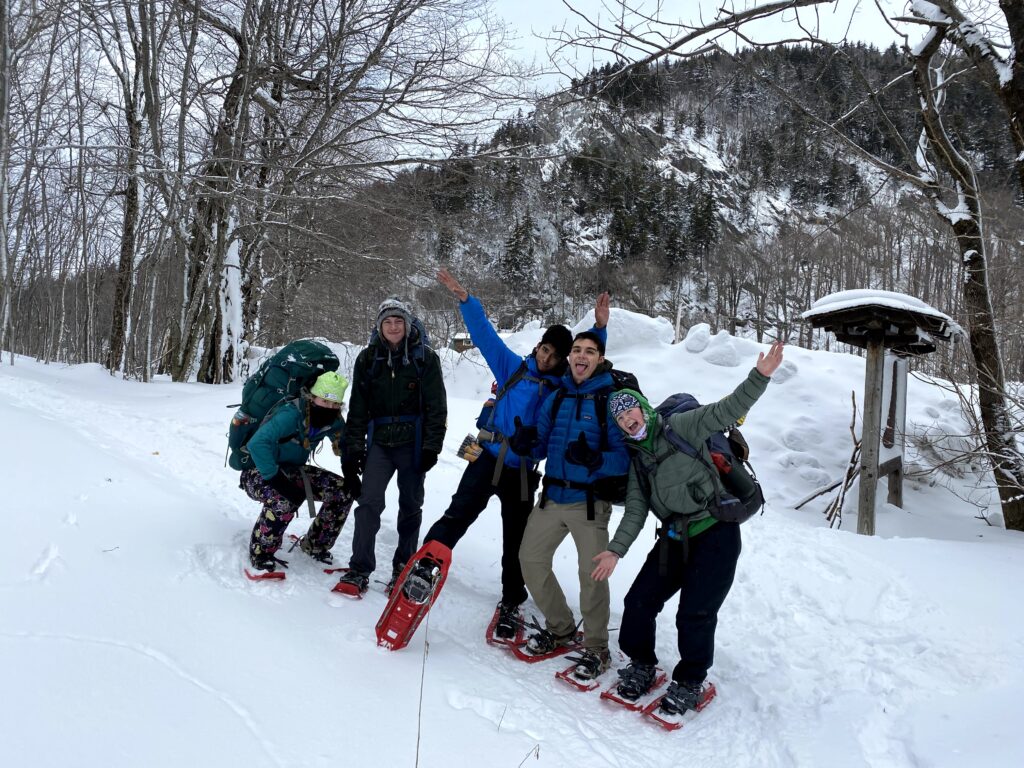
On March 1st I left the snowy trails of Pico’s Peak. Where we saw not a inch of true ground not covered in snow, still truly winter in Vermont. There was no animal tracks to be seen except a squirrel track here and there. I watch as the trees changed up our path, from maples and beeches, to birches and pines, to firs and spruce.

On March 6th I found myself many miles south in Virginia where in the lowland the hardwood buds had began to sprout. The dogwoods, oaks, and maples were showing their color buds and flowers.

On March 8th I found myself even farther from the snow filled land of Vermont mountains. I found myself in the mountains of West Virginia where the mountain wild flowers were in bloom and the mountain laurel was showing its colors. The forests with their thick woody undergrowth was a dense mix of greens and rusty browns. However, I spent my first few days sawing down 600 prickly red cedars.

I left that mountain with more money in my pocket than before just enough to cover my gas there and eventually back. We left and went into Shenandoah National Park, were we encounter more ground uncovered from snow, our friends the Moss, club moss, hornworts and low non-vascular plants were with us.

Soon enough we left those woods and met something unexpected, the coronavirus. Nonetheless, we ripped our way home in one fouls swoop behind the wheel. We I returned home to central Massachusetts again there was no snow I was even starting to miss my old friend. It felt a little bit more like spring than on the morning we left.

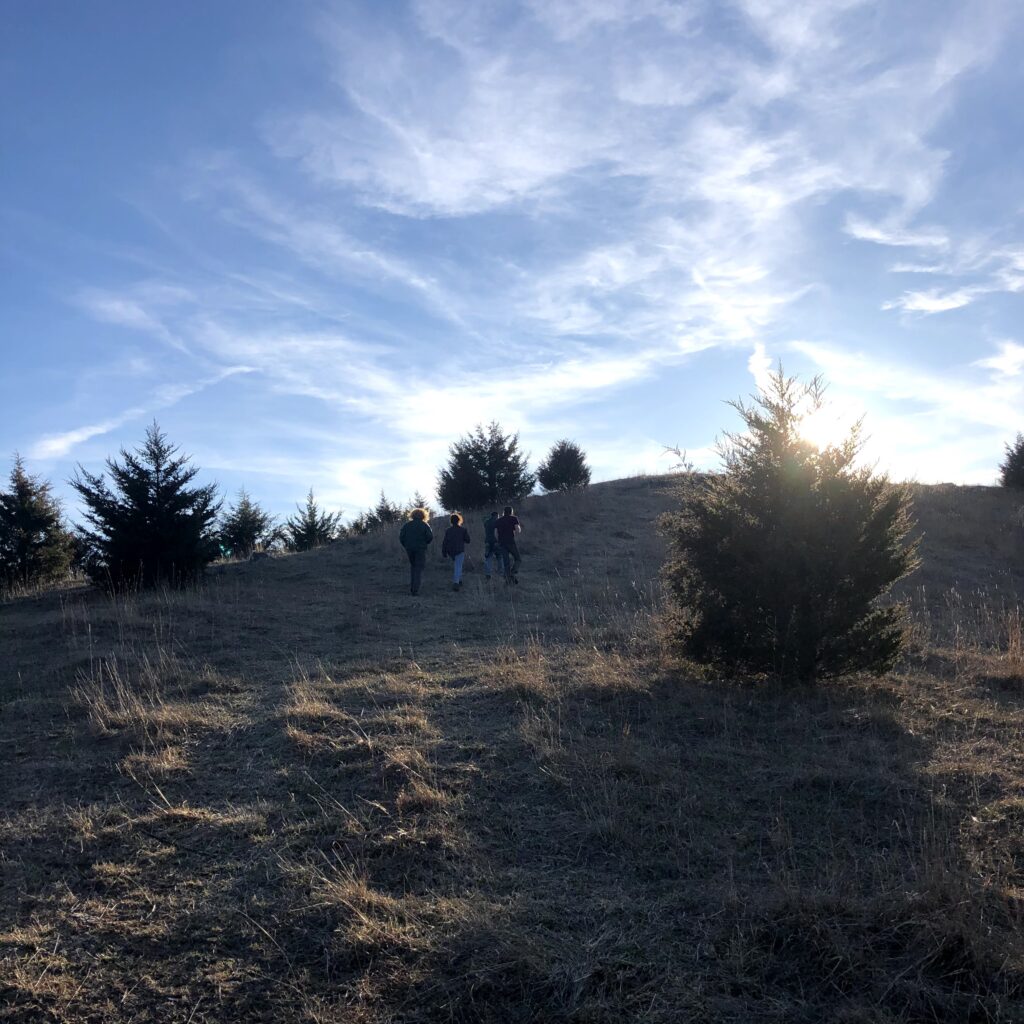
On March 14th, I met my friends the low non vascular plants again this time in my woods on the chossy rock of my backyard. However, spring was still behind that of Virginia and ahead that of Vermont. Only a select few of trees were dipping their toes in the cool spring air and opening their buds ever so slightly.

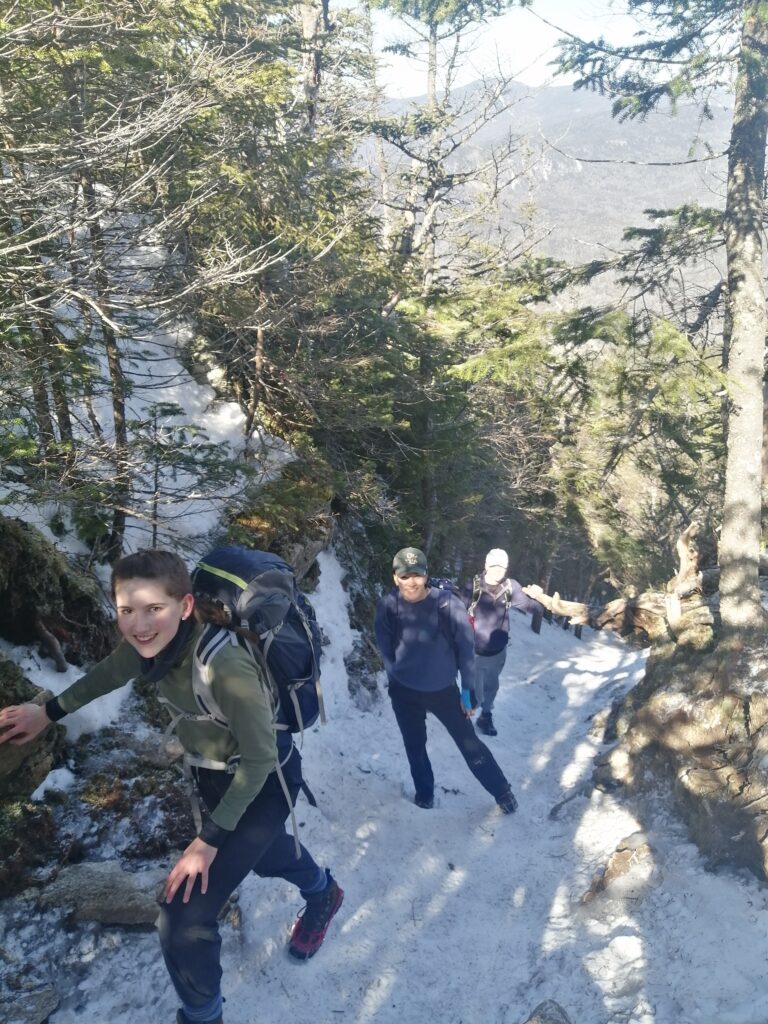
Maybe I wanted one that look at winter before he went away. So I drove with some friends up to the White Mountains before the quarantine order struck.

Up high the snow remain and winter held on and in the valley he was giving ground. It was nice to truly bid him by I had cheated him of it before when I change my climate somewhat artificially.

February

4:00 pm Feb, 26, 2020 30 degrees Fahrenheit.

More wildlife was active during this visit to my phenology site than last time I visited.

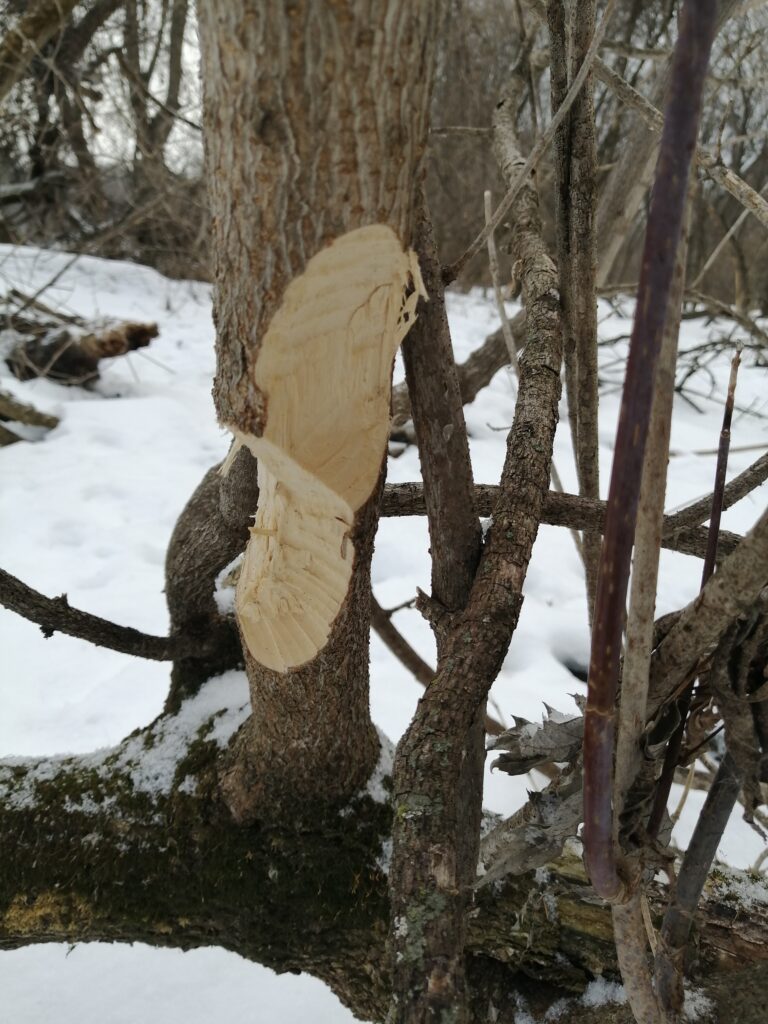
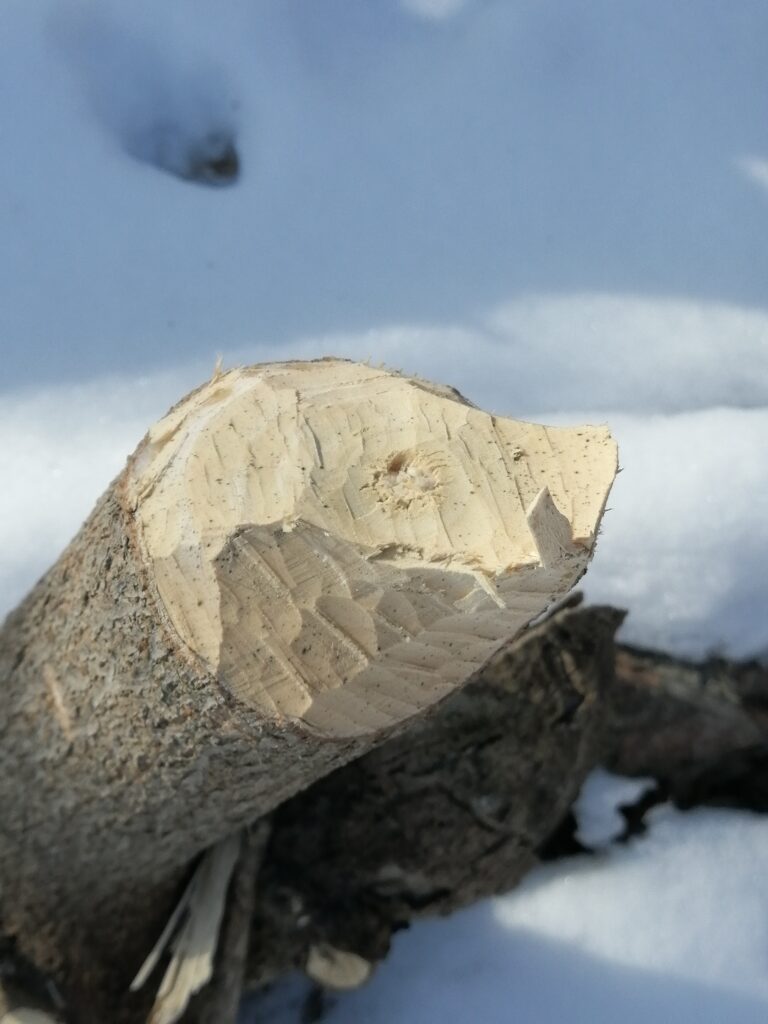
There was even more beaver cuts in the area of my site that appeared to be fresh, additionally there was tracks coming up from the water which indicating that the beaver may have come up from this area. The Winooski River at the time of my visit was broken up with large stretches of water open and some areas retaining full ice cover across. The beaver could swim through these open waters. Beaver do show activity during the winter, to repair structures and dams are never completely frozen. Lancia, R. A., Dodge, W. E., & Larson, J. S. (1982).

Fong, C. (2020). Beaver Chew in February.

Additionally, there was lots of action among birds, there was wood peckers active. A large group of passing black birds, I speculate that it was a group of wintering crows. Crows are known to gather in large groups during the winter. (“Common Crow”, Vermont Fish and Wildlife).

https://drive.google.com/open?id=1yvX9b8GwWQuYy1yfqqQ4nXBZMrdk49Lk

Download to view video of crow movement.

Colby Fong (2020, February 28). Crow Video. Google Drive.

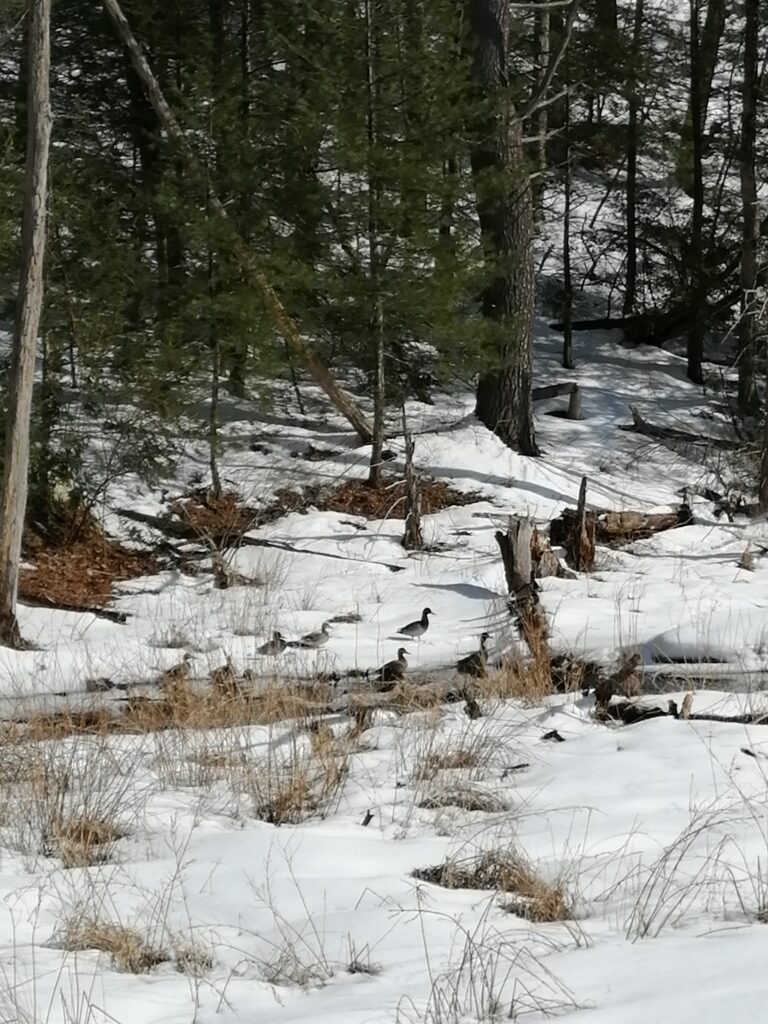
Wood Ducks were also returning from migration and three individuals were spotted swimming in the open parts of the river.

Wood ducks return to Vermont in early march. Ellis, E. & Elison W. (2015).

Fong, C. (2020). Wood Duck in February.

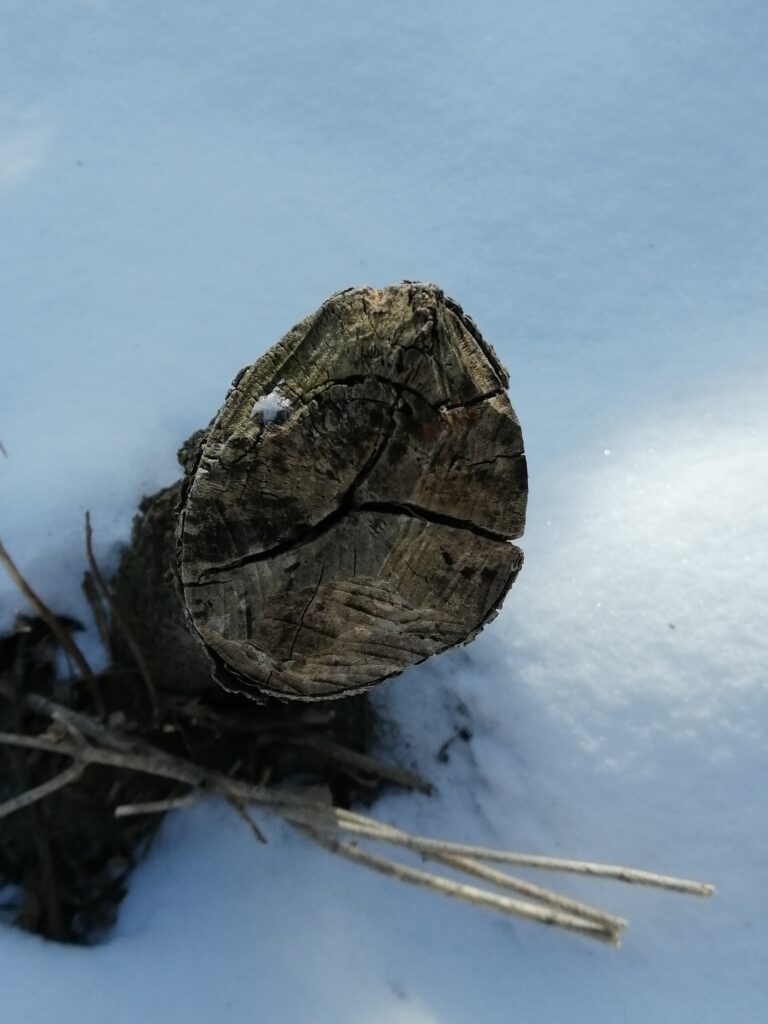
The beaver is the specific animal I would like to investigate. Beavers during winter spend most of their time in their lodge. Beavers are generally nocturnal so they are often only spotted at dawn or dusk. Lancia, R. A., Dodge, W. E., & Larson, J. S. (1982). They are known in the winter to be generally less active especially when winters are cold. Beavers will stock food near their den and also will repair their lodge. Lancia, R. A., Dodge, W. E., & Larson, J. S. (1982). Black bears, fishers, lynx, and coyotes are known to hunt beavers, Dewey, T. & Anderson, R. (n.d). Beavers eat wood cambium and other plant substances. Dewey, T. & Anderson, R. (n.d). The individual that was active near my site had tracks that led up from the shore that then disappeared. There was chewing on green ash which is a species interaction. The individual also chewed on box elder in my site.

Fong, C. (2020). Beaver Chew in February.

Some phenological changes I have not mentioned yet is the lack of mammalian life when I returned to my site. The conditions for track where not great but not much mammalian life was able to be found. Not even squirrel tracks where able to be found. This may indicate that mammalian life is either not present here at this time of year or it is generally more inactive right now.

The return of the wood duck indicates that some aquatic or insect life must be available for the food duck to eat. Some life must be returning from it winter hiatus.

References:

Lancia, R. A., Dodge, W. E., & Larson, J. S. (1982). Winter activity patterns of two radio-marked beaver colonies. Journal of Mammalogy, 63(4), 598-606.

Wood Duck. (2015). VT Ecostudies.

Common Crow. (n.d.). Vermont Fish and Wildlife Department.

Dewey, T., & Anderson, R. (n.d.). American Beaver. University of Michigan.

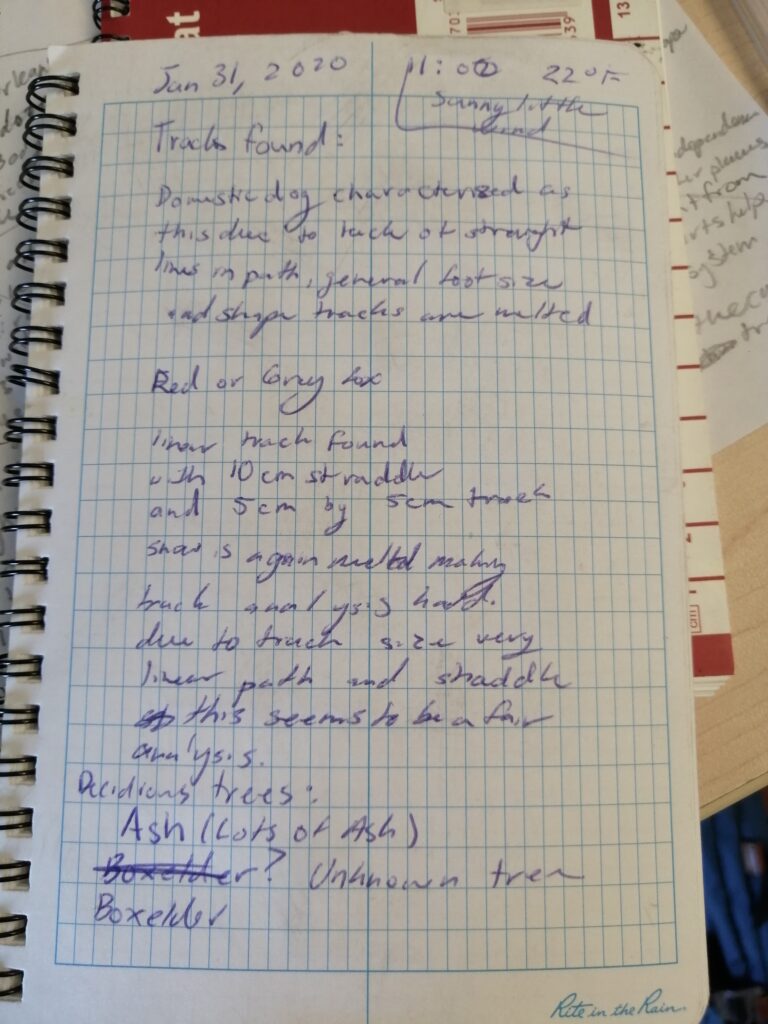
Time: 11:00 Weather: 22 Degrees Fahrenheit, Sunny, Very Low Winds.

Tracks found:

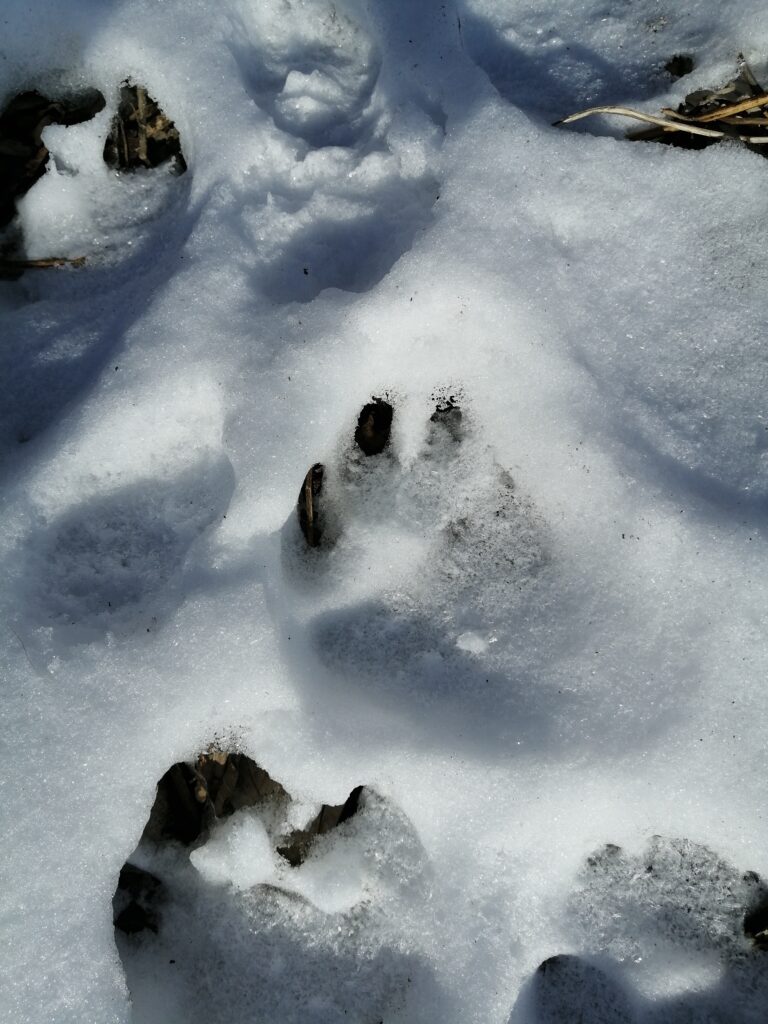
The tracks of domestic dogs were found, they were characterized as domestic dog due to the lack of straight line pattern, general foot size and shaped. The tracks were melted so other factors of identification where hard to come by. However, the pattern of the tracks is very telling as the animal generating them had no concern for expending extra energy, since it did not have to worry about having enough food supply.

Domestic Dog Footprint
(Fong, C. 2020). My photograph

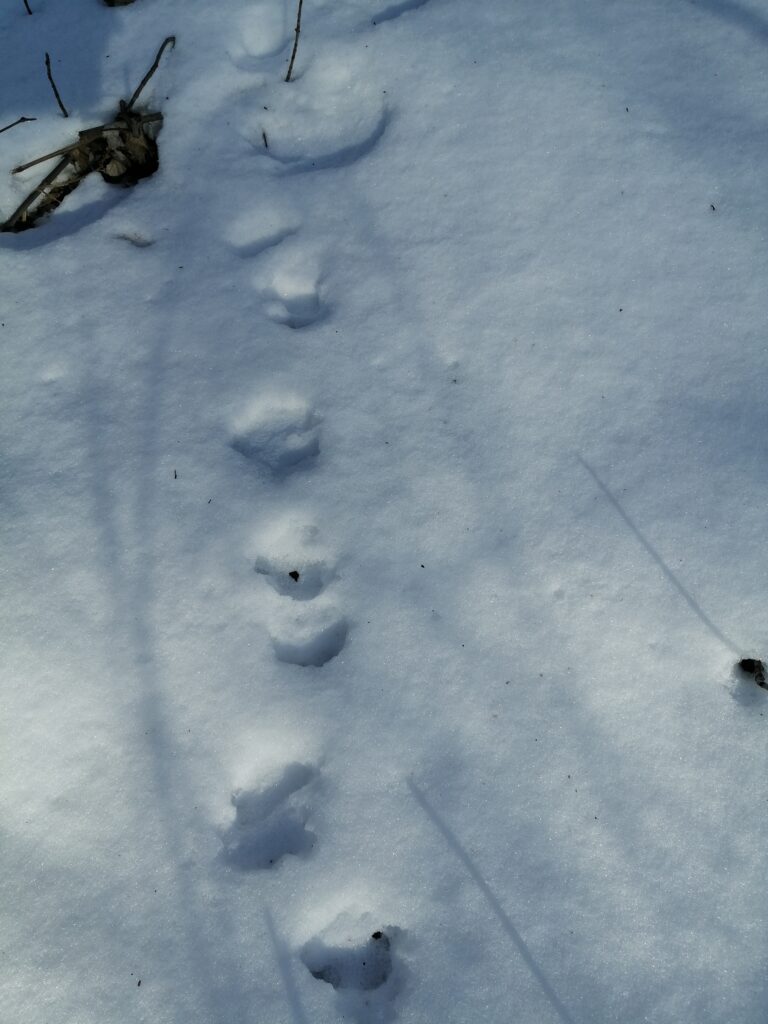
Red or Gray fox tracks were found. Linear track was found, with a 10cm straddle and 5cm by 5cm tracks, these all match with fox tracks. Snow again was in poor condition for tracking. So there is a chance this analysis is wrong and tracks have been distorted to a different size. However, due to the very linear pattern and straddle, domestic dog can be ruled out and coyote seems unlikely due to track size.

Possible Grey/Red Fox Tracks
(Fong, C. 2020). My photograph

Trees Identified in Winter State:

Ash trees were found in the area surround my phenology sight.

Ash Tree Bud.
(Fong, C. 2020). My photograph

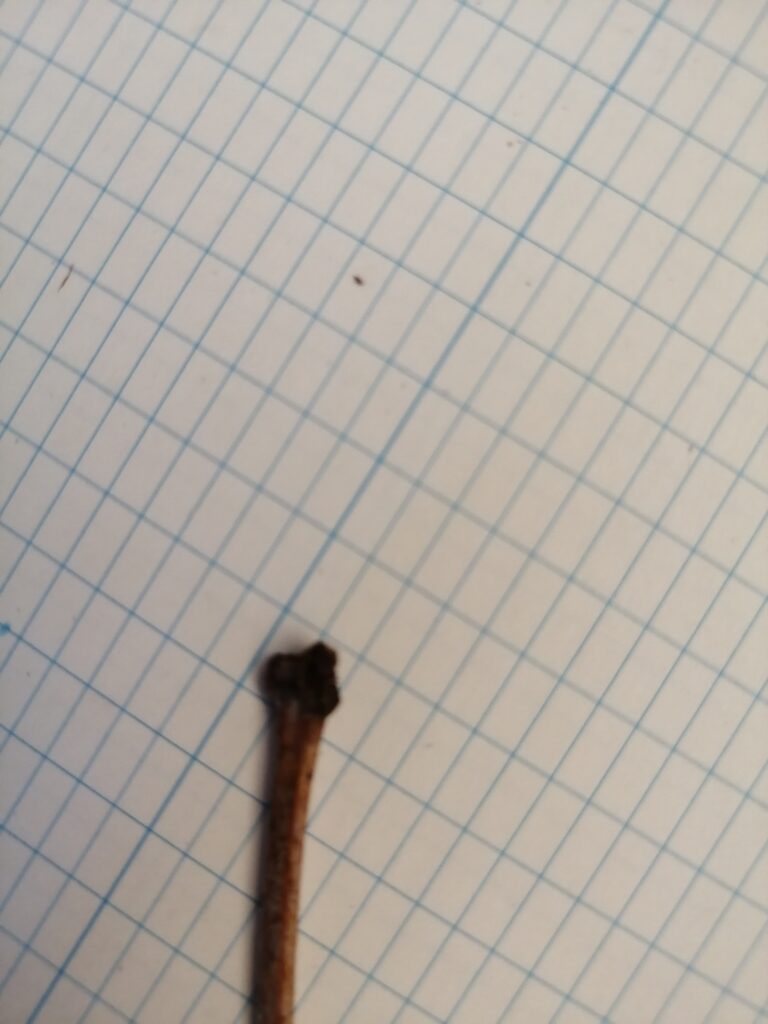
There was a tree that I found which had buds that I could not associate with any specific type of tree on the tree identification sheet.

Unknown Tree Bud.
(Fong, C. 2020). My photograph

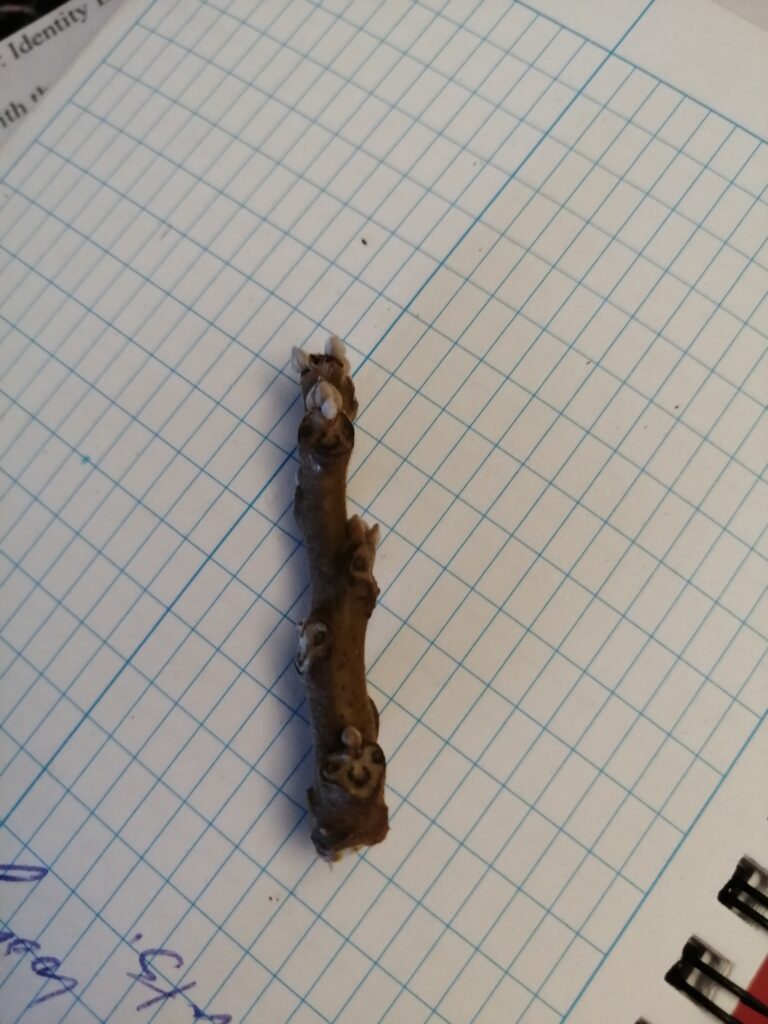
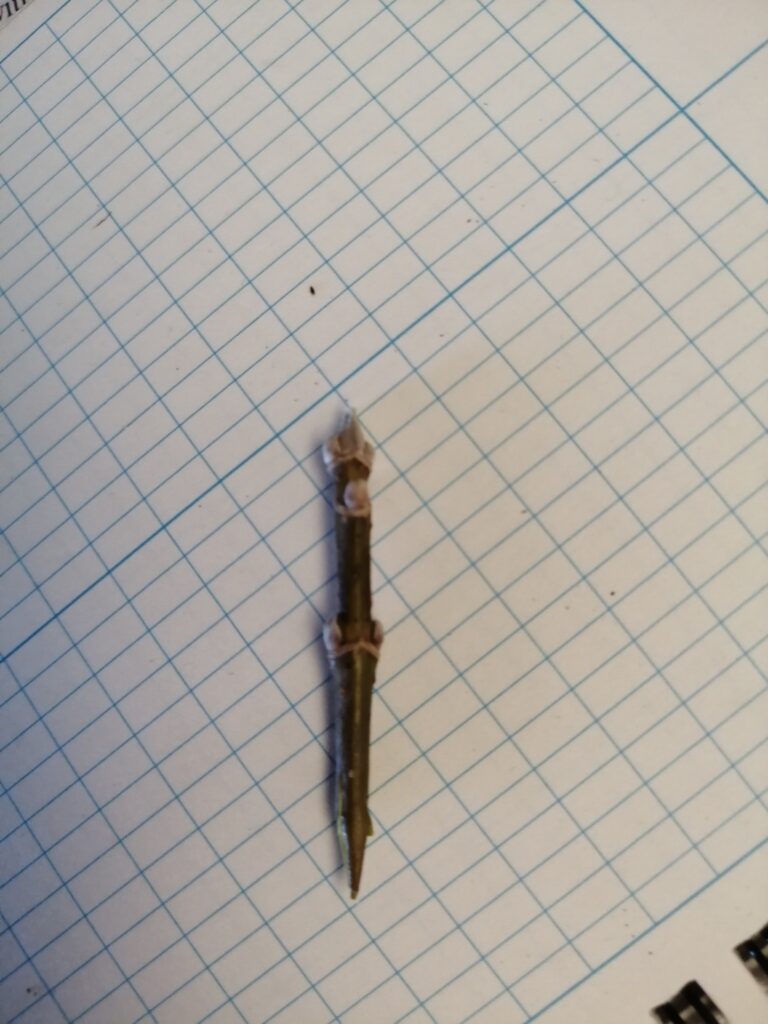
There were a couple boxelder surrounding my phenology sight.

Boxelder Bud.
(Fong, C. 2020). My photograph

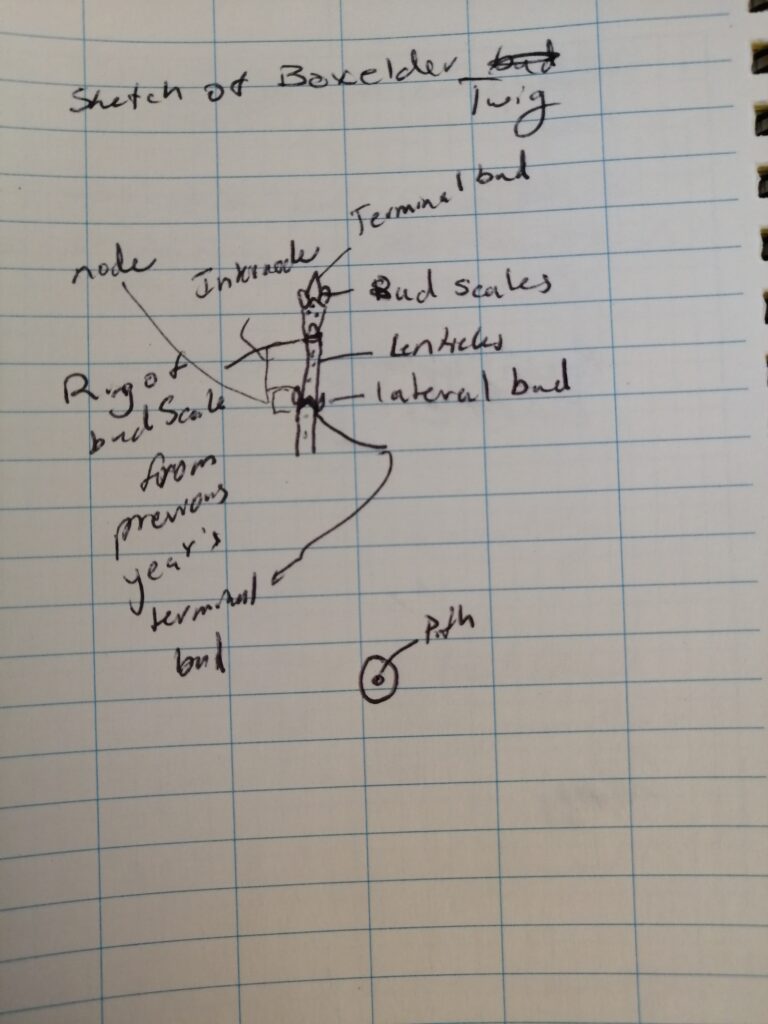
Here is a labeled sketch of a Boxedler Twig

Sketch of Boxelder Twig
(Fong, C. 2020). My photograph

General Phenological Changes

Vegetation is vastly dormant

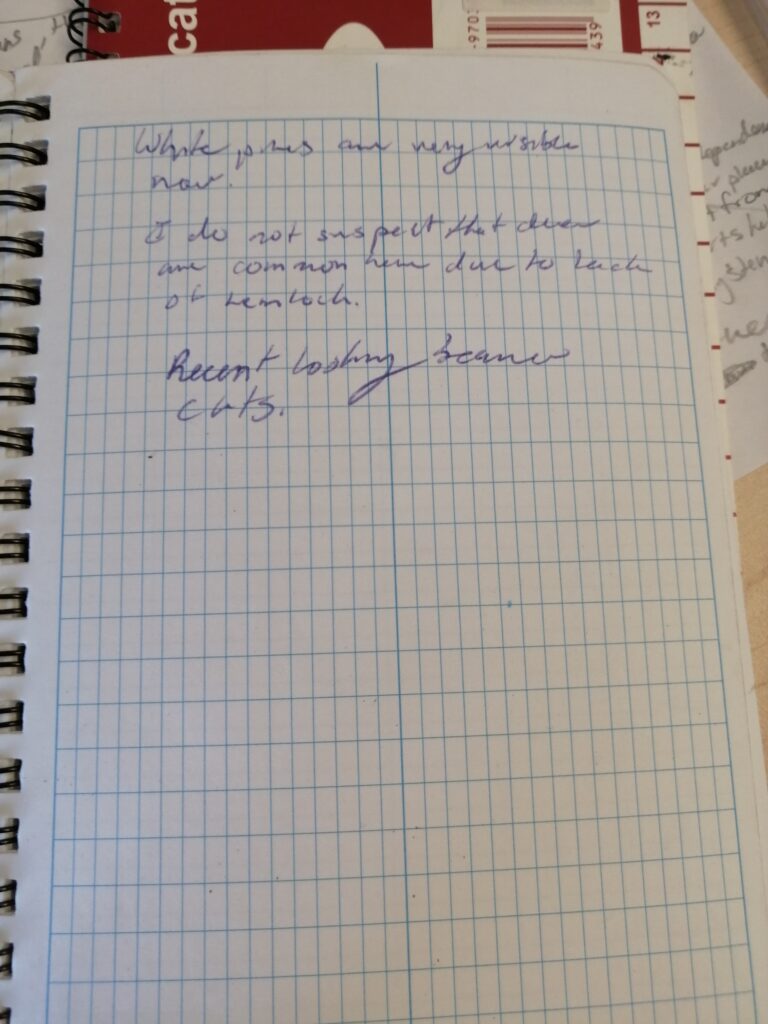
Crows are still calling but out of sight, three different calls of songbirds present. Tapping noise which may indicate a woodpecker. Ashes are still holding onto what appear to be decayed seeds. Grey/Red Fox trail. Snow is coating the ground. White Pines across way are very visible now. Unlikely that deer inhabit this area due to lack of hemlock trees. Recent looking beaver cuts have been found.

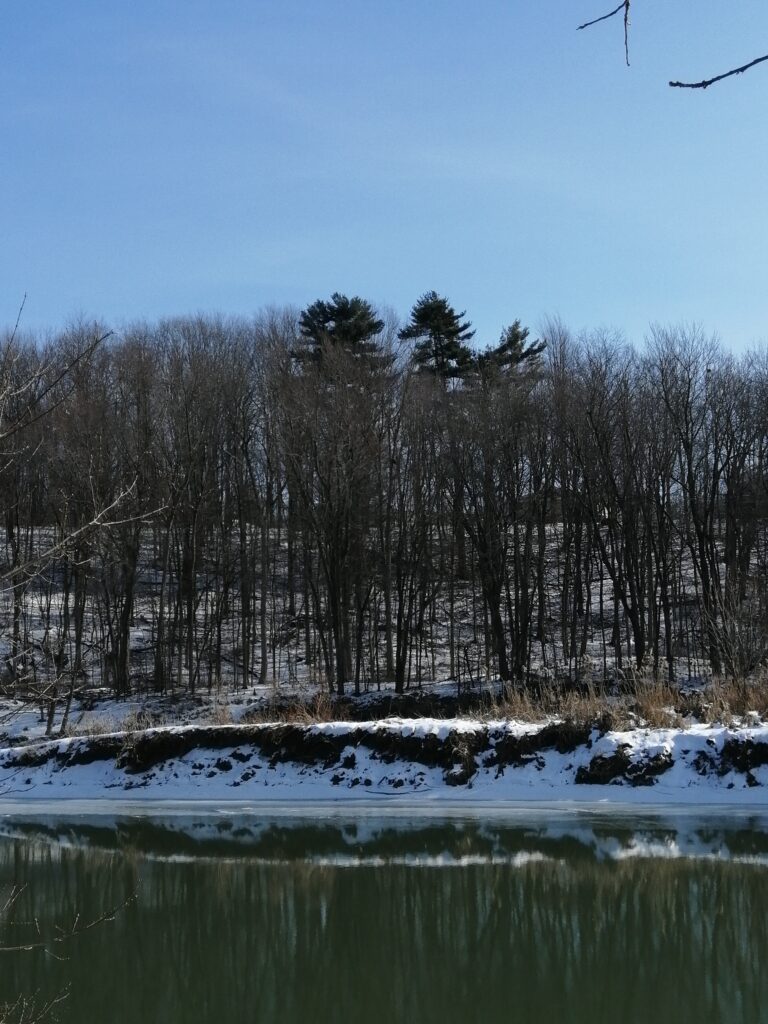
White Pines.
(Fong, C. 2020). My photograph
New Beaver Cut.
(Fong, C. 2020). My photograph
Old Beaver Cut.
(Fong, C. 2020). My photograph

Field Notes:

Referenced Sources:

Levine, L., & Mitchell, M. (2008). Mammal tracks and scat: life-size tracking guide. East Dummerston, VT: Heartwood Press.

Watts, M. T. (n.d.). Massachusetts Audubon Society, South Lincoln MA. Massachusetts Audubon Society, South Lincoln MA.

My home and my sense of place for it is not seated necessarily by the jurisdictional lines of my town. I have connections to the towns around me, and the places removed from this geographic region. My sense of place is deeply seated in specific things that I know well. I know well the placid waters of my small vacation home, I know the crickets that chirp in the woods near my house in the heat of summer, I know the mosses that grow on the boulders on behind my house. Not the Latin names but something more powerful, I know the their fealty touch and their beads of cold water that spread on your hands. Thus I can feel connected to places I’ve never known by the things that are there and my memories with these things. I know the feeling of the outer beach at night or the red sunrise in the alpine. I find myself in my past experiences or in new ones that draw me close to what I perceive to be unrecoverable meaning. The stars on the outer beech do not necessarily mean anything specific but in the same sense they mean everything.
The shores of the lake near my summer home with friends
Cape Cod, Buzzards Bay

There are specific places however that will hold a place in my heart as far as I can know. The conservation land behind my house which holds the trails I biked down with my friends, the rocks we made first ascents on, and the quite woods that calmed my anger, sorrow, and anxieties that every person feels in life.
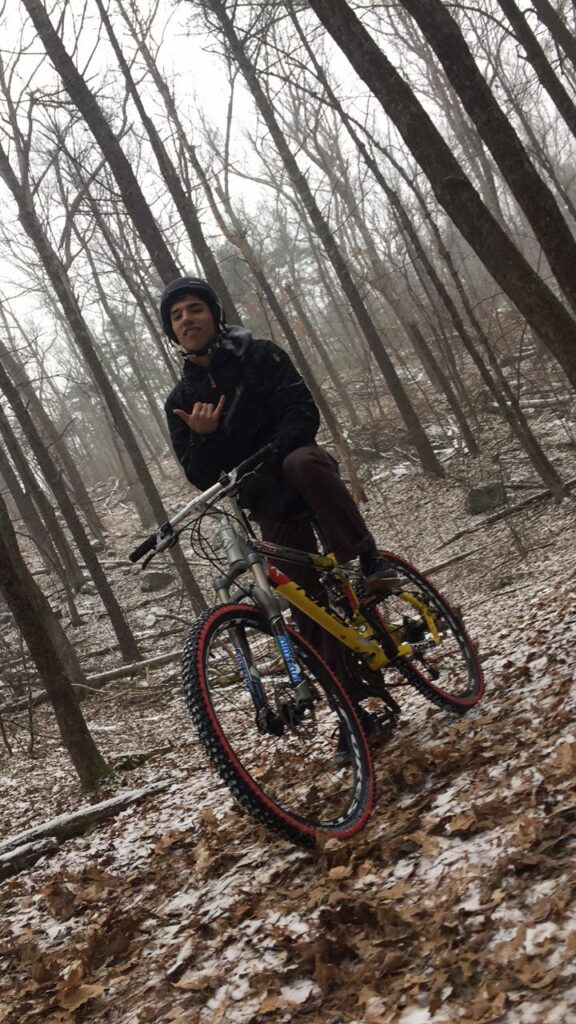
Biking in conservation lands behind my friends house.
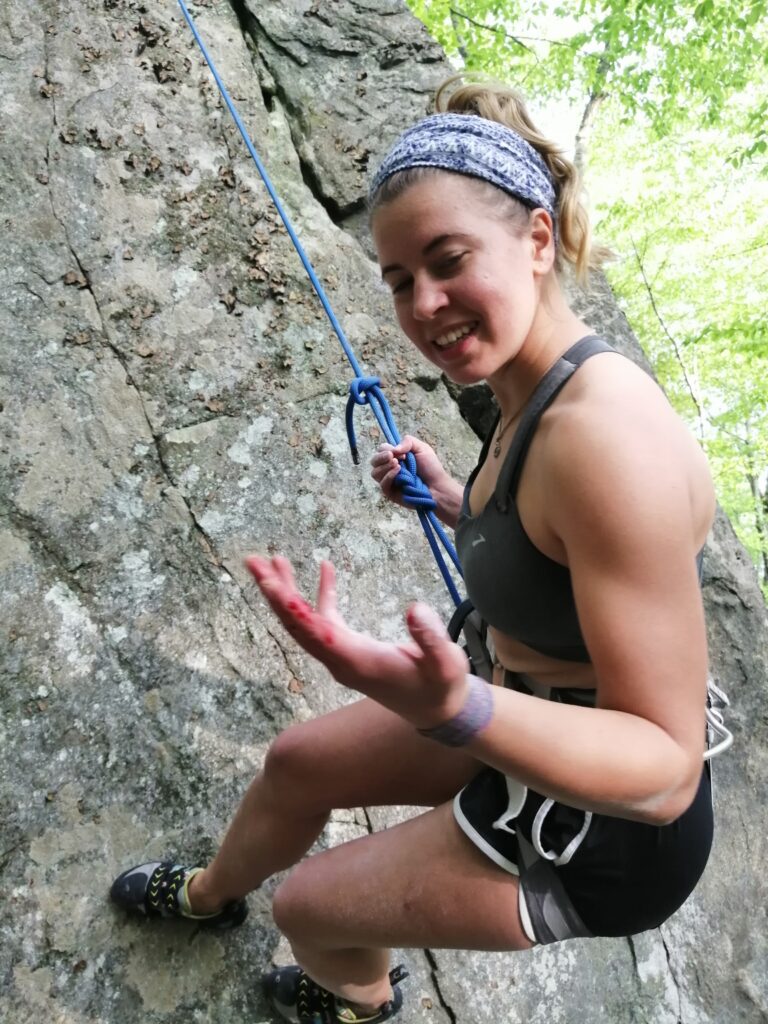
Cut hands on the left side of established route Rupi Naui behind my house.

I connect with the places near me in an ecological sense I know the passing of the seasons. The rate a which things pass I know is ingrained in my memory. And as I grew older I learned slowly of the history of my town and its traditions while working on a seventh generation farm.

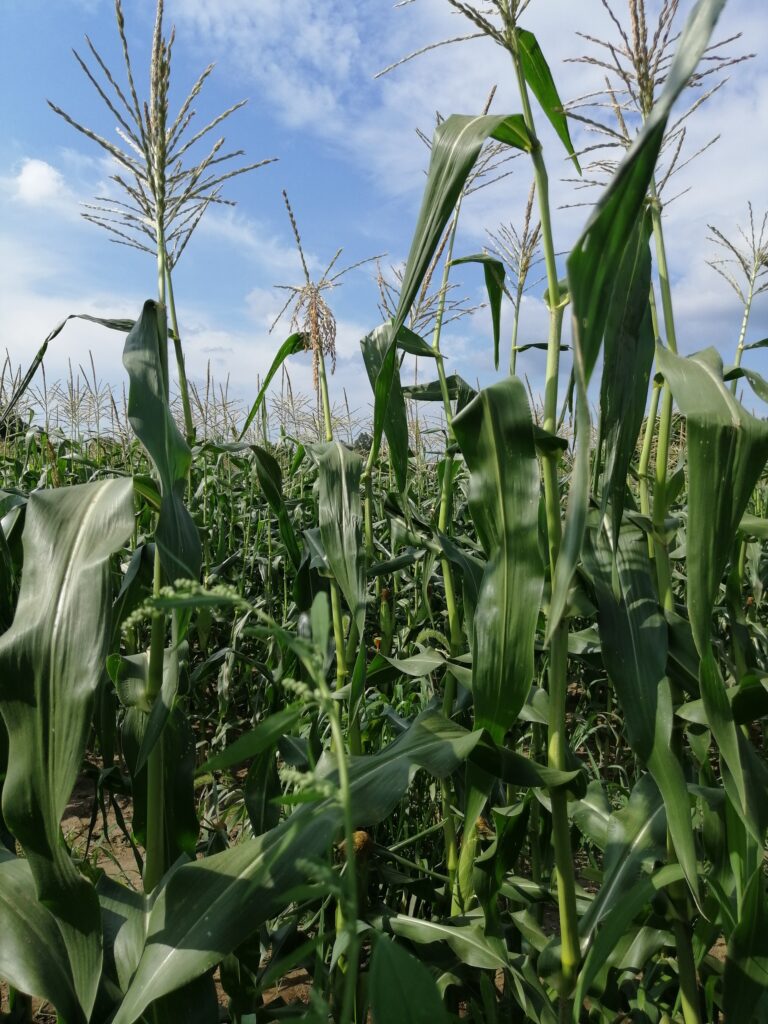
Quiet Corn Fields at Indian Head Farm.

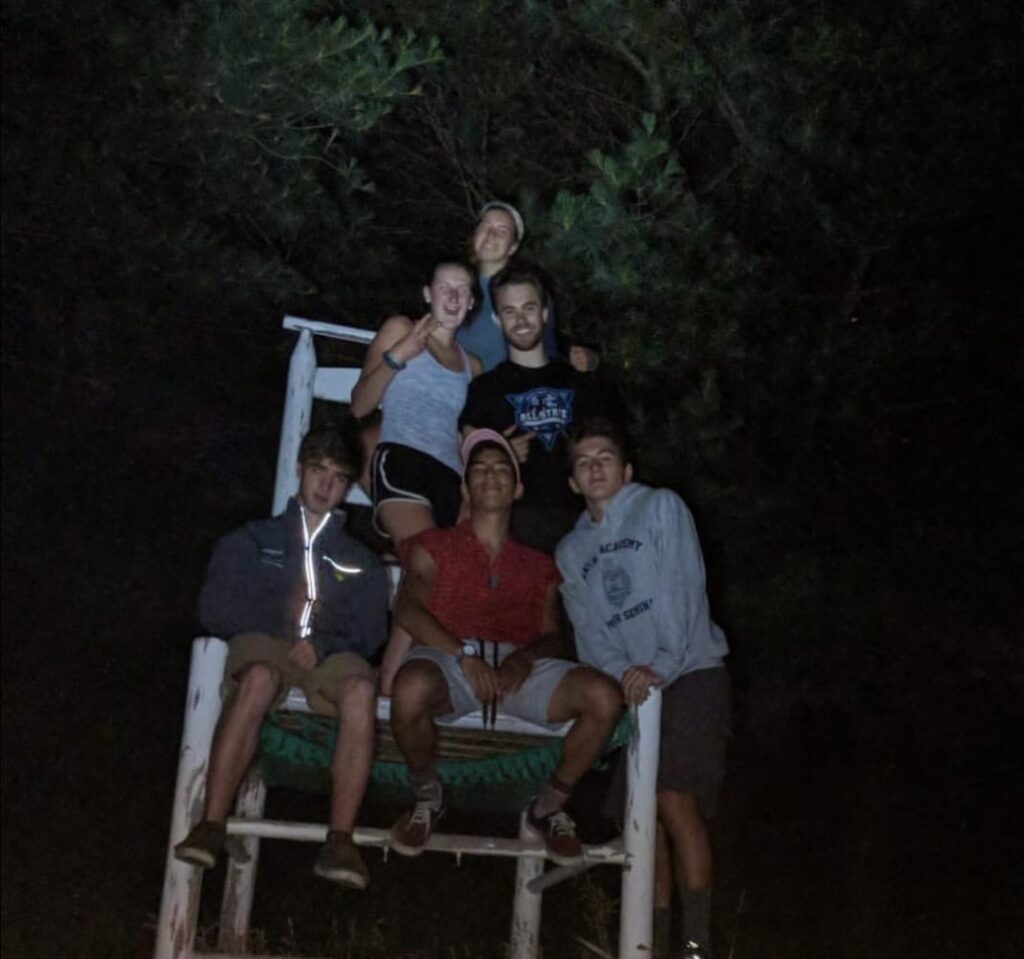
I know the culture of my place and they culture the young people of my town carved out for themselves. Whether it was walking through the mile long old train tunnel, hanging out near the giant chair we found in that field or walking out to the lookout at night. We created a culture of exploration and discovery in the little nooks of our small towns. I challenged my friend to find these places and every weekend we were somewhere new on our little “Midnight Runs”. There might have been a little trespassing but there was worse a bunch of country/suburban kids could be doing.

I recognize that my town is unique in its area, it is a town that use to be very agricultural and has since been reforested, it has large swaths of forested land. The lack of development compared to the other tightly packed Massachusetts towns right next to me, brought my closer to natural spaces, I became to love the conserved lands even more with the towns near me developing to no ends. I remember my driving instructor who was an old man telling me how all the towns around me use to look just like mine only 30 years ago. I have wanted to preserve these natural places since my realize that they are not necessarily permanent.

Conservation Land in Winter.
Me before my 27.5 mile run around the near by reservoir.

The natural places that are familiar to me support me in a way nothing else does. It a large part of my very soul. I would not hesitate to say the natural places of my youth are my religion. They have taught me patience, perseverance, humility, kindness, and tranquility. I do not “ignore the truck” but my sense of place especially that connected to natural places, fuels my well being. And I am sure I will develop it here in the cedars of the Lake Champlain shores.

“The relationship between a person and the land and the community in which they live, developed by experiential intimacy with natural processes, community and history of that place.” -Brooks

I have found myself engaged in my phenology site whether that is rituals like sitting down and just listening with my eyes closed or digging through the dirt like a little kid looking for insects. It removes me from the homogeneity and hustle of daily life and into a mindset were inquisitiveness and curiosity are cultured. That curiosity then further more engages me with my site.

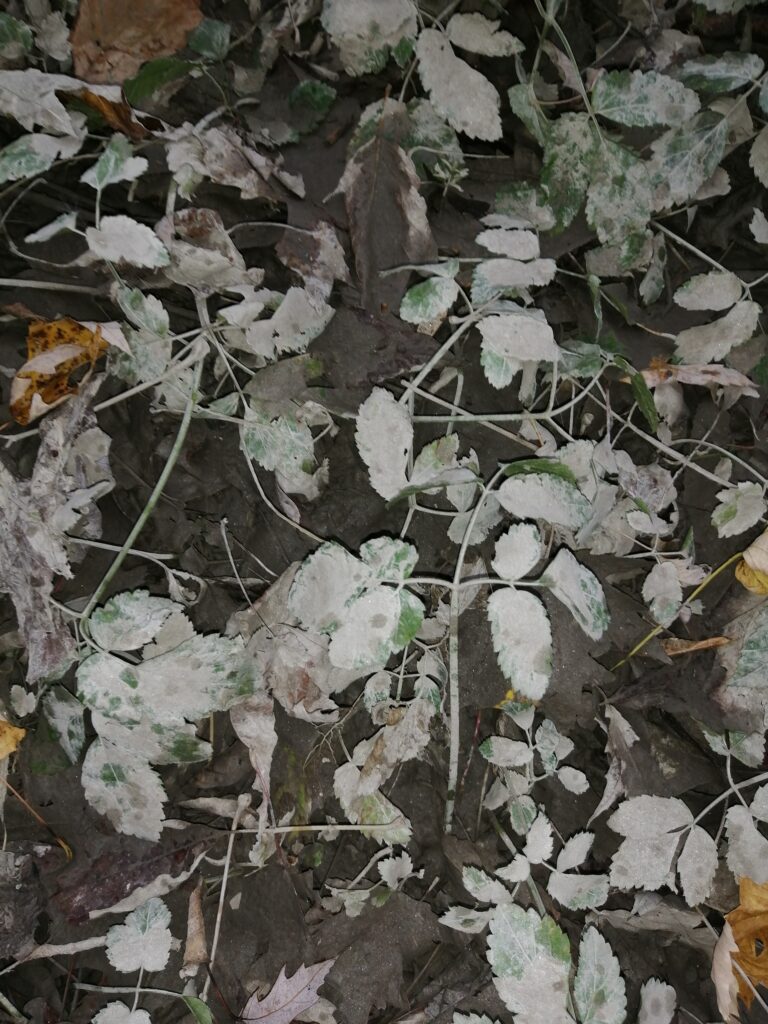
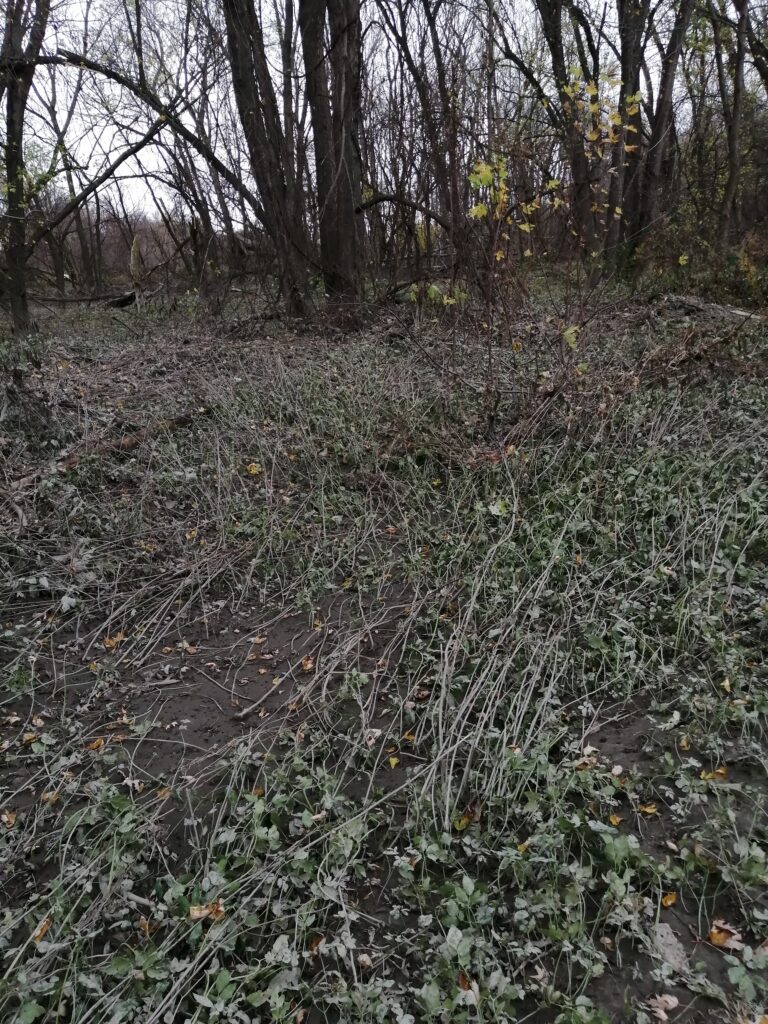
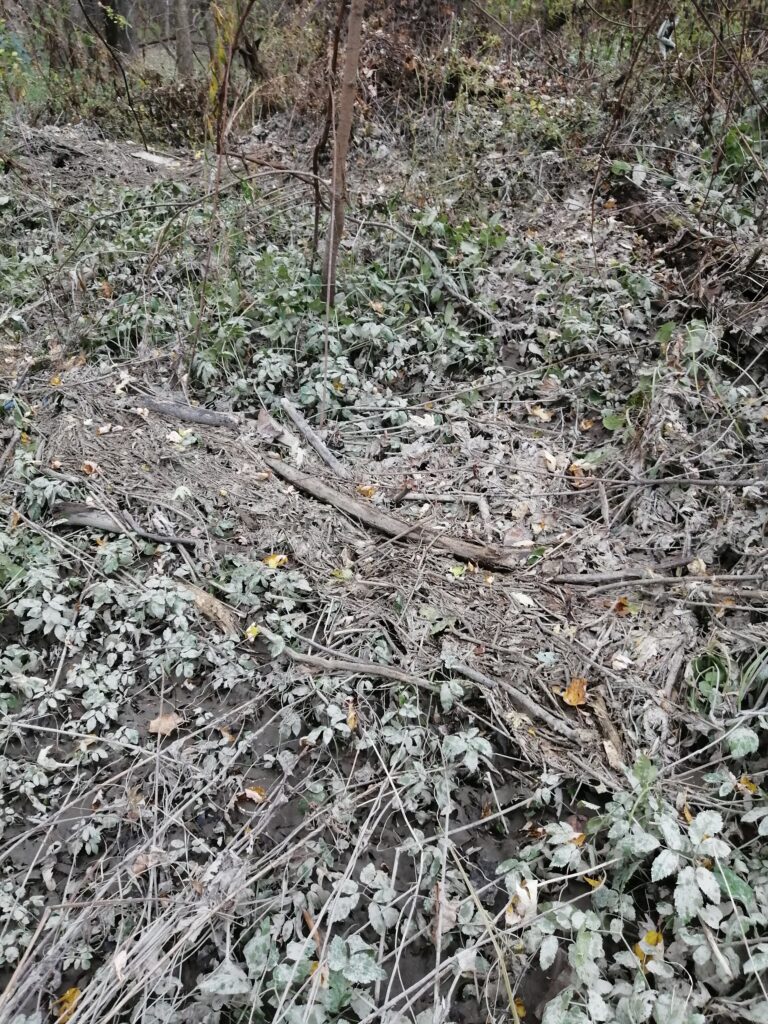
My relation to this land and my deepened sense of place is very related to being a member of this space. To a member of this space I have to learn the language and learn the patterns. This pattern and language is the study of phenology. There has been some notable phenological changes recently. I felt an exhilarating rush when I correctly identified that there was a flood in my phenological area. The low herbaceous life was combed in one direction and so where the grasses. They had sandy mud on their leaves and there was build up of sticks that got caught in one direction. The stream channel was still high as well. There was a layer of sand over everything because that is the heaviest and first sediment to be dropped.

Herbaceous Plants covered in sandy-mud substrate from flood event.
Plant life combed in one direction due to strong water flow.
Flood build up of larger woody substrate.

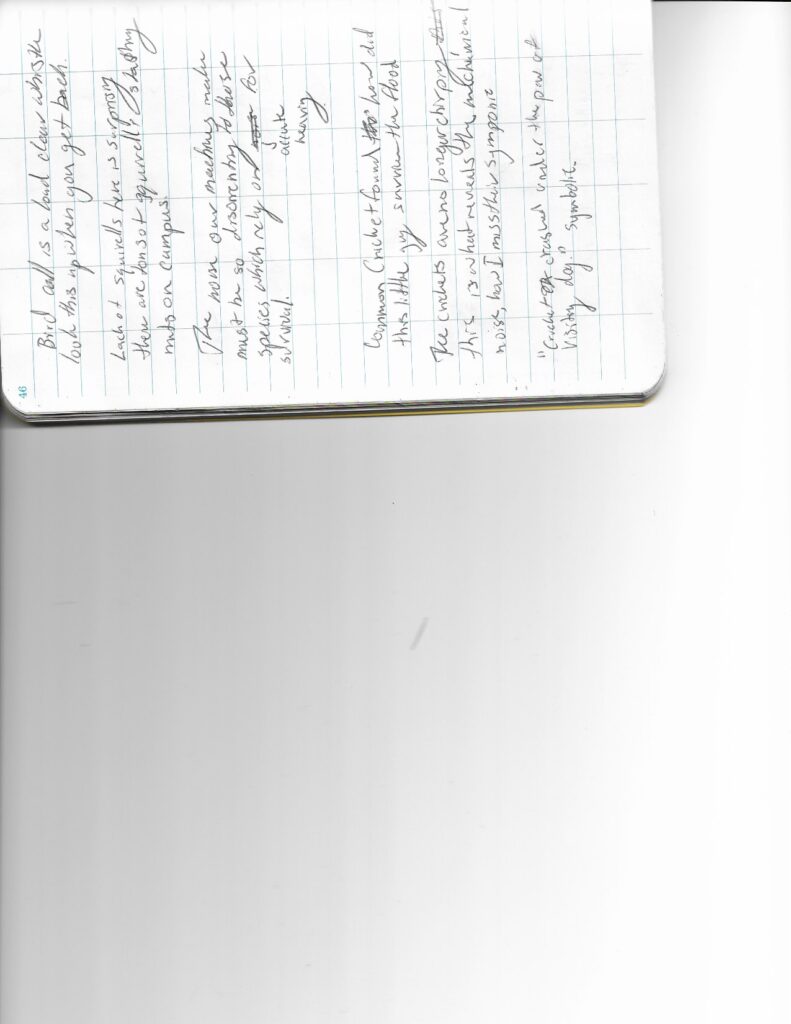
I have experience other phenological changes while at my site, like the disappearance of amphibians, the death of aquatic life, the disappearance of above ground insects, the presence of scavengers, the dropping of leaves, the slowing of bird noise, and most notably recently the stopping of cricket songs. It was strikingly apparent the lack of this noise last time I was at my phenology site. I wrote some notes about my sense of place.

“The crickets are no longer chirping this reveals the mechanical noise, how I miss their symphonies.”

“Ask for silence in a place that is “natural” and you will relieve the sounds of humans consuming the world.”

“How quiet the world would be if we just stopped for a minute.”

This leads me into my thoughts about my phenology site as a part of a bigger place. I live in a social world as well. I live in the world of Burlington as well. These noises of consumption are disturbing yet at the same time it is the world that grounds me in a social realm. The realm that helps me maintain the things that make me human. Burlington to me has community, it has people that care and a value of social capital. The places in Burlington are places and used with emotion. They are not controlled by economic impetus. They avoid homogeneity especially with the banning of big box stores in favor of small companies that have to have emotion to survive. No less though do these noises, make me pity the natural places we have left. For are they actually natural if they don’t have the “sound of rain in a primeval wood.”-Beston Symbolically I saw a cricket the noise maker who masks the sounds of consumption in my previous visits. He was crushed under the paw of a dog that came to visit me. Is the sound of nature headed down to its death knell as well?

Video of my friend the Cricket.

This place has its history as a natural place. Named after Rena Calkins the last working dairy farmer in Burlington this place has always been about agriculture or woods. However, I fear for this places sense of place, I fear its degradation may be real. I was woken to this fact without the cricket and is chirping, the consumption of this area is growing and I hope in the history of this places future it can retain its sense of place.

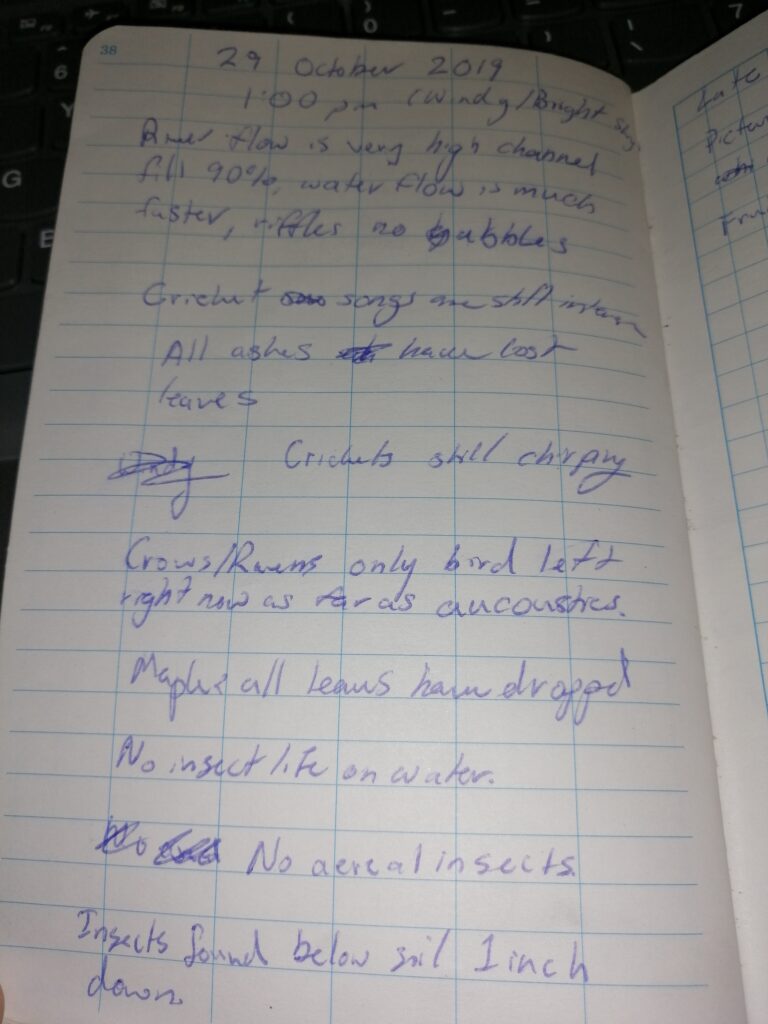
Field Notes
Field Notes
Notes on Naturally Curious

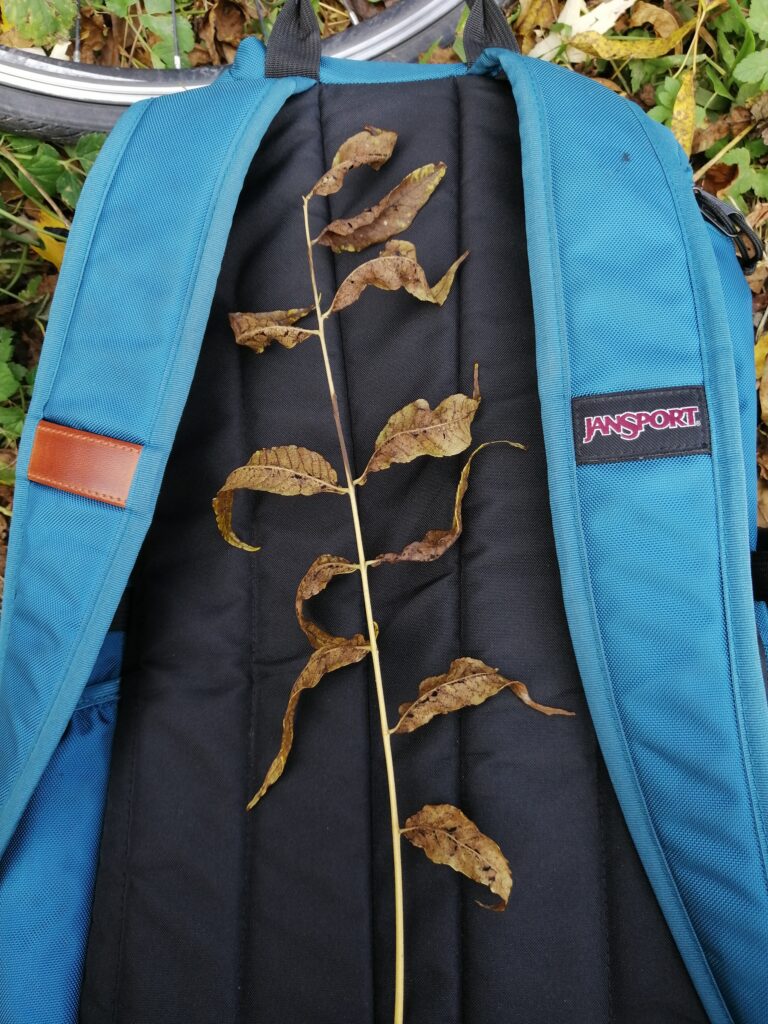
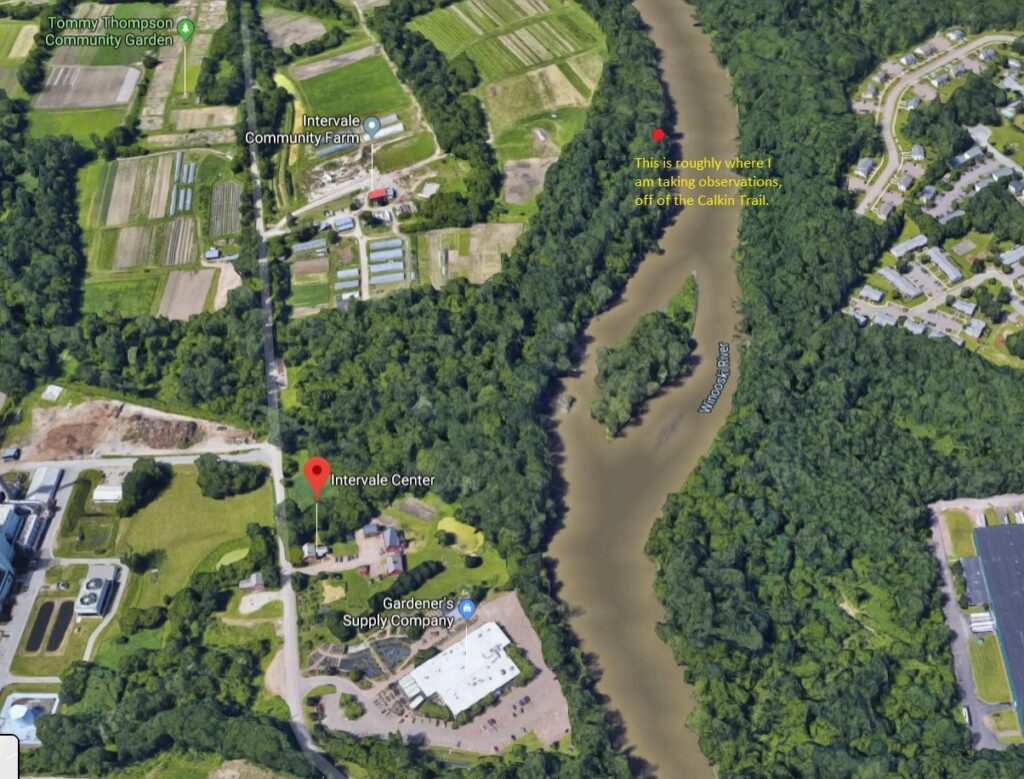
My sight off the Calkins Trail is a beautiful spot characterized by a number of species. The most dominant and interesting of these is probably the Green Ashes which fill the side of the bank that I observe from. Up and down the Winooski on my side of the trail. It catches my attention because I do not typically notice Green Ash trees on my adventures through life, but they are confidently rooted here in the sandy soils of the bank.

Fallen compound leaf of a Green Ash.

Another established species in my phenology site is the ground cricket, there is always crickets chirping loudly to my left as I look out on the river. They have chirped since the first day I went my phenology site. I believe they live in the grasses that are next to me.

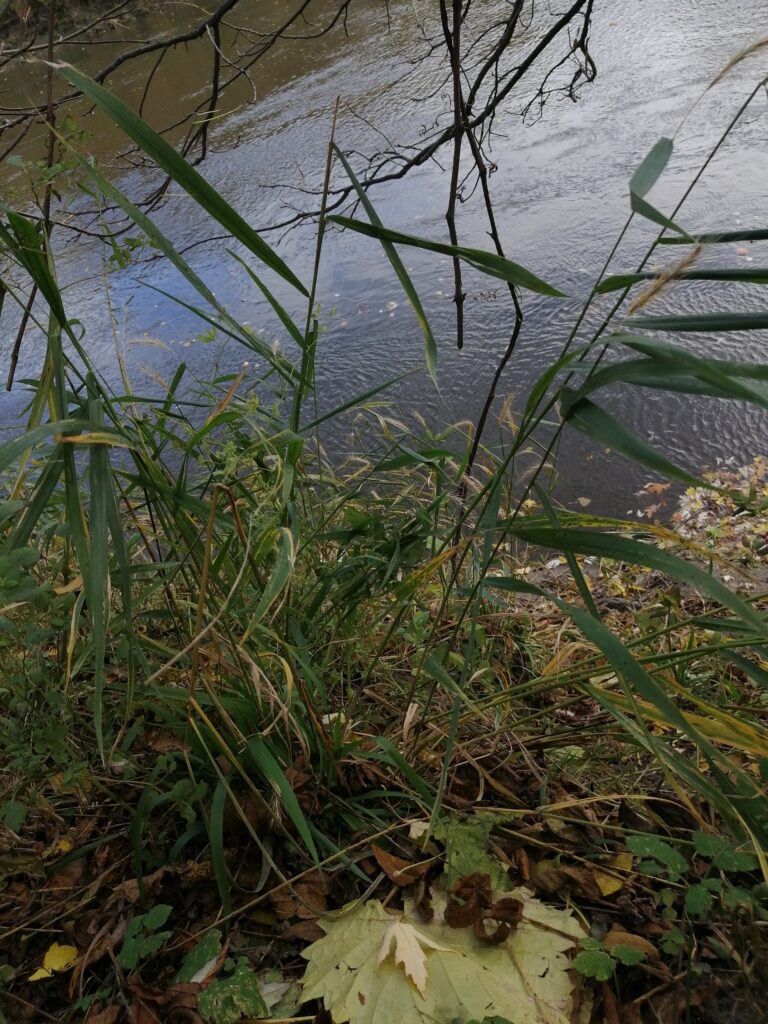
The grasses in which the crickets reside and also the grassed that occupy the muddy banks sparsely separated.

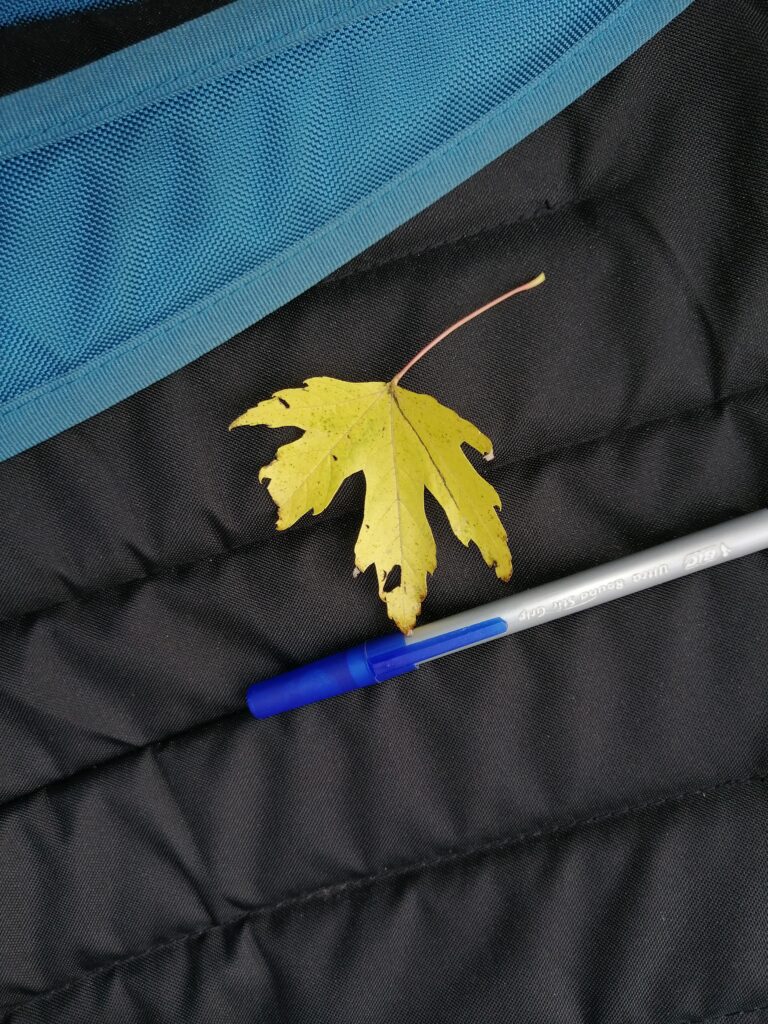
Ravens also are one of the most notable species in the area surrounding my phenology site. They have been hard to photograph. However, I see these highly intelligent birds flying back and forth over the Winooski or in the woods behind my plot. They often are calling out loudly. Maples are another noticeable species, they are common on the opposite shore of the river and somewhat common in the area surrounding me. The maples are especially interesting due to their fall foliage as expected.

Maple leaf

Another species that characterizes my plot is the millipede and other small insects that live in the soils near my plot. I have dug through the soil, multiple times when at my phenology site to see if these insects would go deeper into the soil with decreasing temperatures.

A grainy photo of a small millipede.

The turkey vulture is one of the species that I find very interesting in a phenological sense. These birds are scavengers and are highly adapted for that purpose. I have seen turkey vultures circling the forest to descend on what is most likely a dead organism who struggled to make it through the diving temperatures and lack of food. Some other observed species are the green frog, some mice, some different song birds, water striders, mosquitoes, and possibly signs of a raccoon.

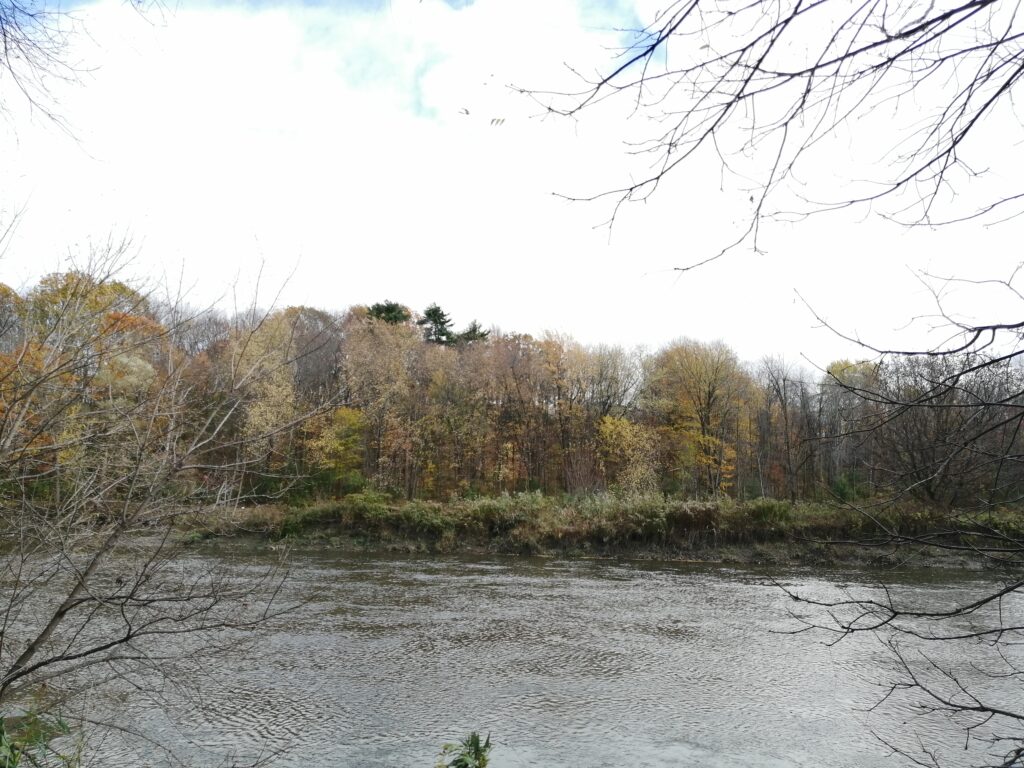
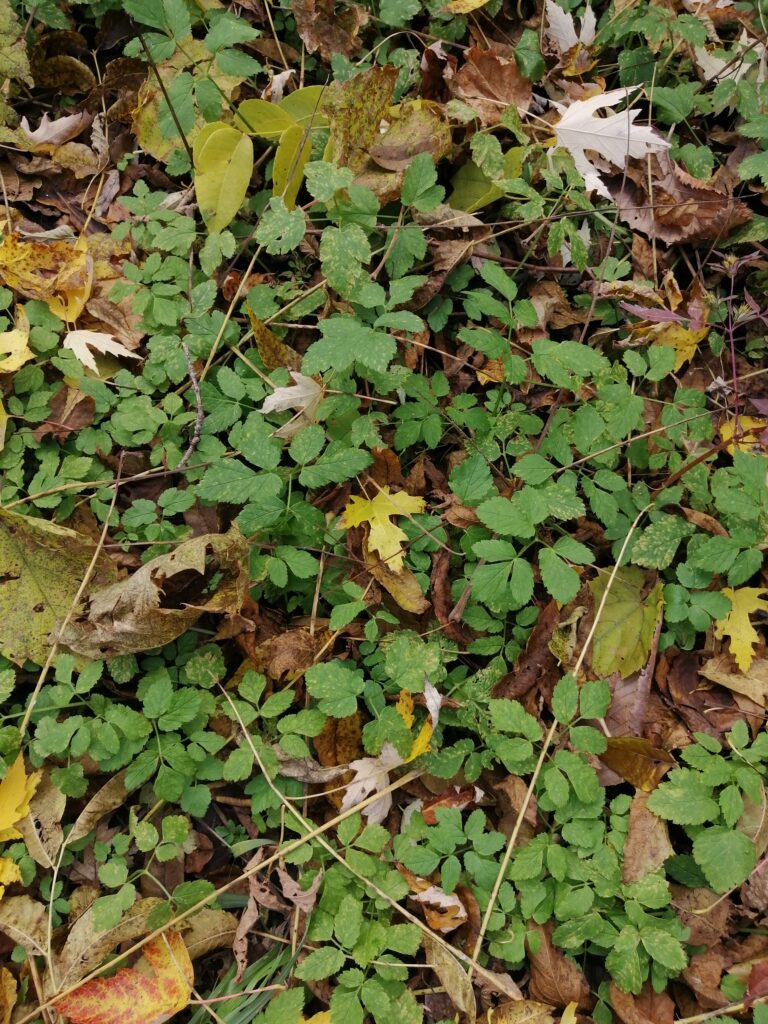
There has been many vegetation changes. The last time I visited my phenology site was on October 3rd, 2019. At that time although the leaves were vastly unproductive and pigmented, the leaves were still attached. Now the leaves have dropped entirely, this was a drastic change. Additionally, I would have expected the herbaceous plants to be affected by the colder temperatures and reduced daylight. These plants however appear unaffected and have remained their pigment. Below are photos comparing the foliage situation.

A photo of low herbaceous plants.

The soils in my site are a muddy carbon saturated clay, with a sandy soil only inches below this. These lower soils drain quickly. I have soil samples in my room and the sandy soil dries quickly. These soils still seem fertile with low herbaceous life vibrant, and a variety of trees. As well Intervale Farm which is located in a reasonable proximity of my site probably could not function in depleted soils.

The topography my area is interesting; of course there is the Winooski River which cuts through my site. This wide river with a weak riparian zone and pretty steep but short banks. The side of my observation is flat like a floodplain the opposing side has a very steep hill that rises up so the horizon is capped with trees and notable white pines. The topography changed in a way recently. The river channel went from a 60-70% fill in previous observation periods, with slow water movement. In the last observation the river channel went to about 95% fill and medium fast flow. This is slightly observable in the foliage comparison photos.

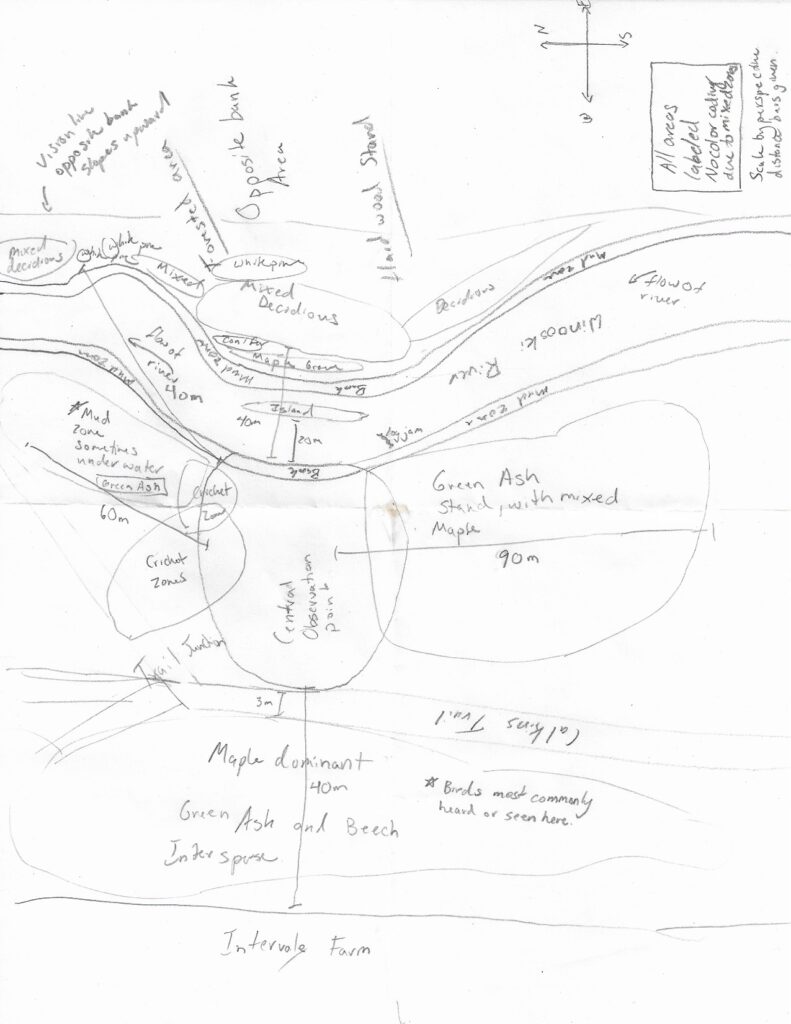
My site map!

This map helped me visualize and conceptualize where the different types of tree stands were. It also helped me draw a connection between the grasses and the crickets. It helped me focus on the types of trees in my zones. It also gave me perspective on the different distance levels I have been making observations. From far observation, like analysis of stands and river dynamics, to plot observation like cricket and ash analysis, to small scale soil observation of insects and such.

My bike and I are traveling at a fast velocity down the the hill towards central campus, I bank tight turns by heavily leaning and go by the quad with the statue and head down South Prospect Street. Into a massive downhill that makes me put on both brakes. I get down the hill, using my biking skills and velocity, jump over the trail tracks entirely on the durable old street bike. I turn right into the Interval Center and steam ahead through the grass and onto the dirt paths. I continue past the junction a quarter mile in and go to the first pullout along the bank. I have been smiling and exuberant the whole time. It is a two mile trip in total.

My place is characterized by a green pull out fifteen feet from the trail. The ground is covered in low herbaceous plants. The clovers and other low plants are growing well here. There are grasses to the left (facing the river) and small patches of grass on the river bed. There is groves of Green Ash to the right, behind, and sparsely dispersed to the left. The soils are a mix of clay and sand, perfect for the Green Ash that live here. The Winooski River forms a broad channel in front of the pull out. The river meanders to the right and meanders to the left, but directly in front of my spot the river is relatively straight, filling 75% of the channel, has a muddy substrate and moves at a slow to medium pace. Across the river is a grove of Maples. The crickets so far have endlessly chirped. And upon my first visit I was swarmed by mosquitoes.

Field Cricket Chirping

My place when I first visited had late flowers coming out and a bumble bee invested in it presumably pollinating as well, and the maples across the way were changing their pigment. The Green Ash trees were starting to yellow some leaves. I found a freshwater mussel shell, a telltale sign of a raccoon. Raccoons are known to hangout near waterways and eat aquatic life. The surface of the water was full of water striders. The aquatic plant life in the shallows looked as if it was in late stage. There was no signs of minnows. The banks of the stream are muddy and a riparian zone is missing. There is collapsed banks and trees leaned over into the banks.

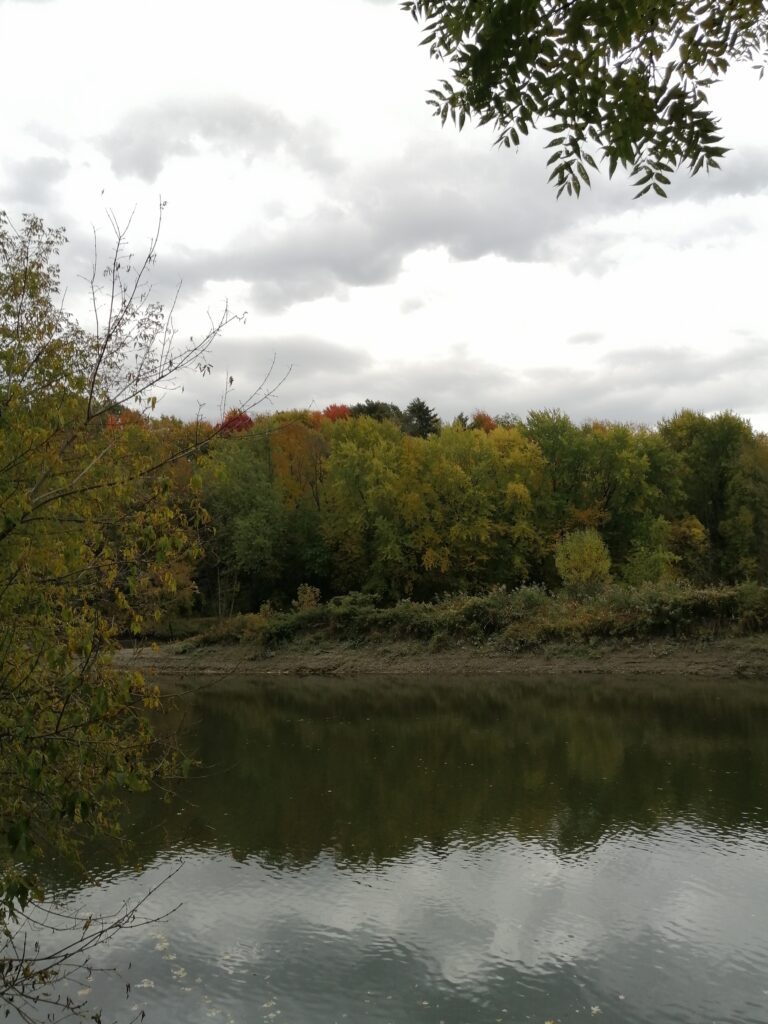
Maples Across the Winooski

During my next visit the leaves would be dropping. The mosquitoes would be absent from my ears. The herbaceous growth would continue. I would still hear the songs of the birds. Still find myself at peace, finally outdoors again. The aquatic vegetation would have died to brown stems. I would see a turkey vulture circling, scoping in on some carrion. The carrion of some organism struggling to survive in less plentiful times of autumn probably perished. I would spot a green frog in the grasses. Finally I would dig through the soil to find, insect life still wriggling underneath the soft soil.

Sandy soils off of Calkins Trail.

Field Notes September 30 2019. 17:15-17:35 Overcast low wind.

Mouse spotted

Aquatic Vegetation-Looks to be near dead, but rooted possibly a perennial at the end of its season

Insect life still vibrant by water

Bubble groups on surface, either a sign of turbulence or of gas release.

Trees across bank are changing shade almost exclusive deciduous forest.

Some late season flowers

Some decayed flowers

Carpenter bee/bumble bee pollinating flower

Clover and poison ivy present- Are these perennial?

Freshwater mussel shell found-possibly consumed by a raccoon.

No sign of fish life – No surfacing for bugs or minnows seen in shallows

03 October 2019, 66 Degrees Fahrenheit, 14:40, Overcast low winds.

Herbaceous vegetation still growing strong.

High frequency cricket noise- field cricket mating

Green Ashes surrounding are changing pigment in plot. All are yellow or brown. Most are dropping leaves.

Bird chirping is present

Mosquitoes are absent above bank.

Turkey vulture spotted- carrion is common at this time of year.

Green frog spotted on bank.

Riparian zone still depleted. Indicates high volume charges.

Species List- Green Frog, Turkey Vulture, Green Ash

Chanel at 75% full

Maples and oaks across slope are shading to orange and red.

Soil conditions are still soft

Aquatic vegetation is completely unpigmented and if annual is completely dead.

Route 1.5 from UVM, .5 mile down Calkins

Stream flow is slow no riffles or bubbles. No skimmers or aquatic insects

Insect life under cover

Soils are sandy only inches under decomposed organics

Clover is a herbaceous plant here.

Skip to toolbar