A UVM blog Phenology Site

Posts

Phenology Site – 5/1

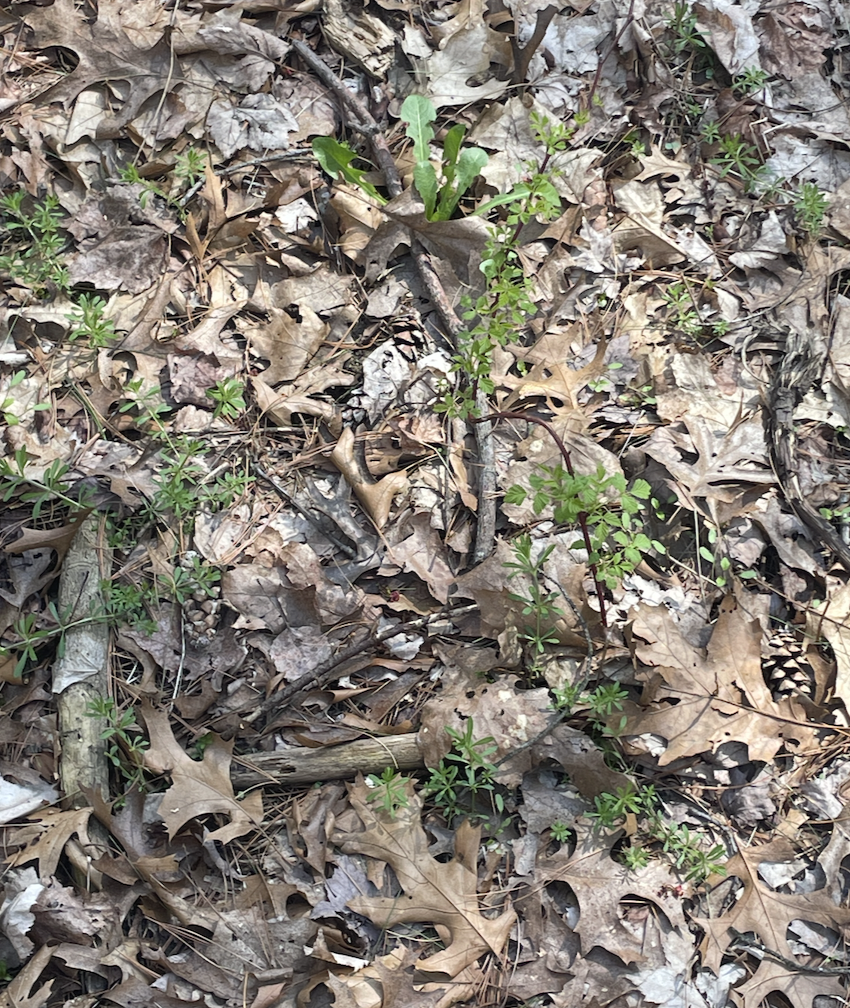
My site has definitely changed over time. For starters, there are many more signs of spring now then there were when I last visited, as snow was still on the ground. In addition, while I was walking through my site, I noticed a major increase in wildlife activity, specifically birds.
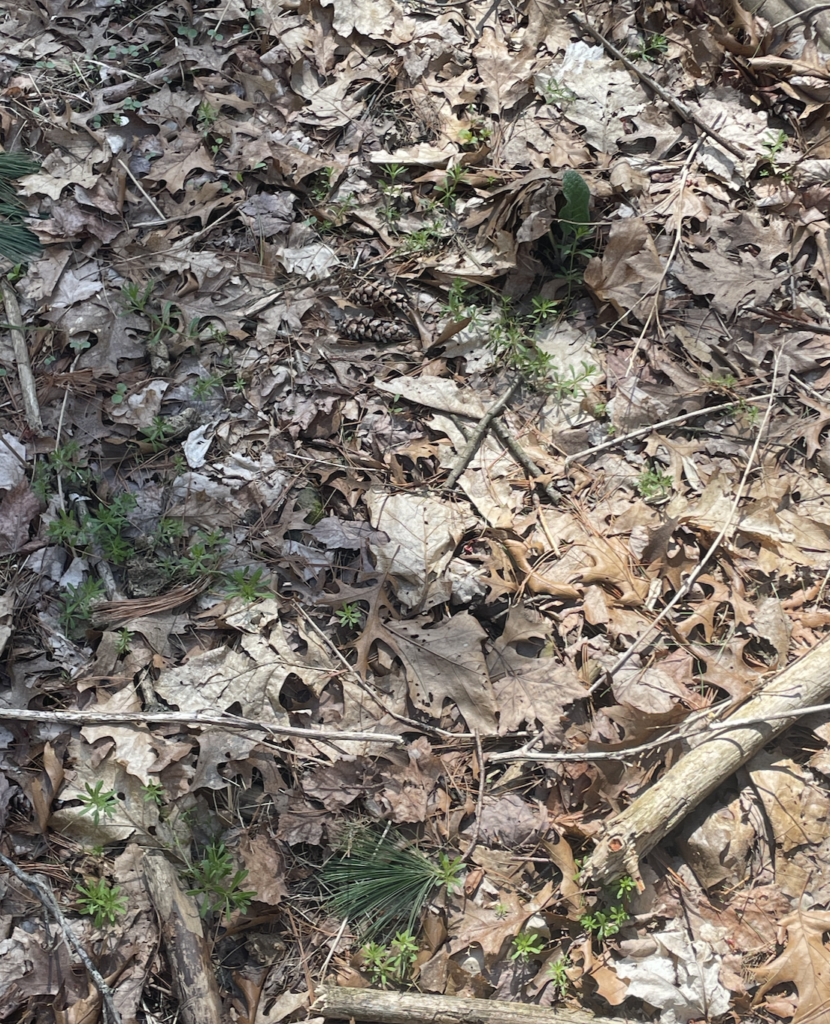
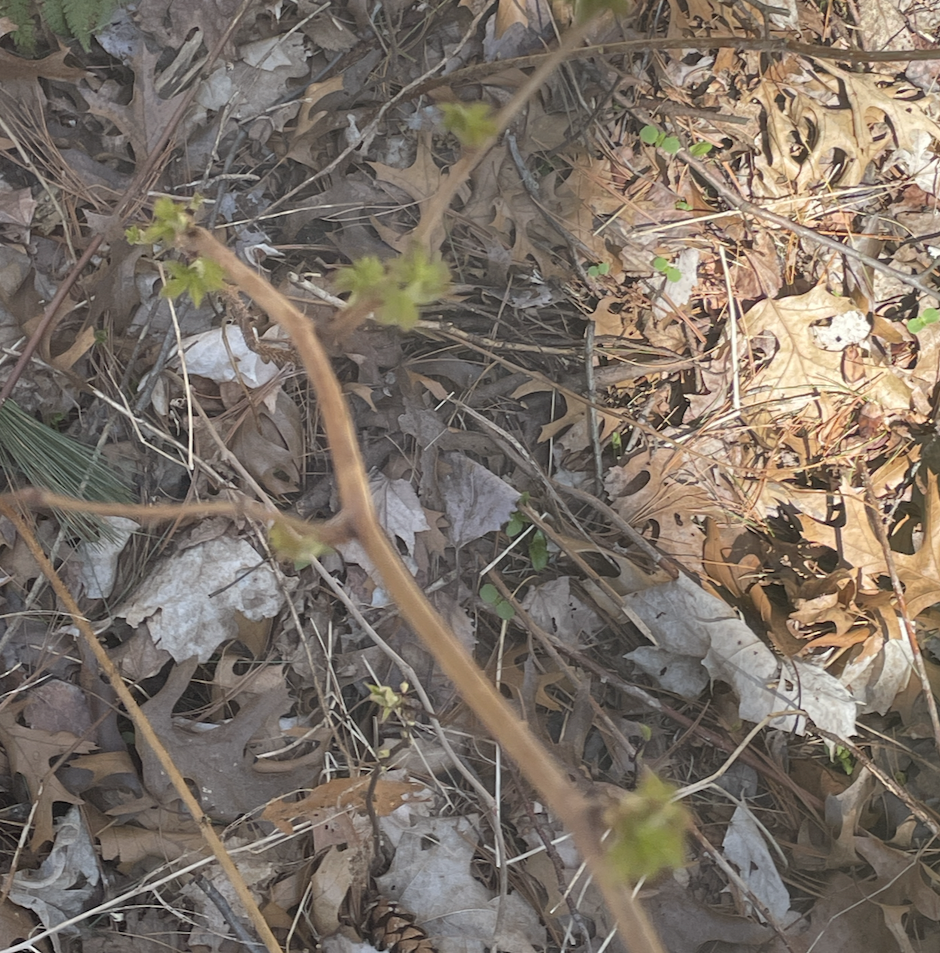
Here are some signs of spring at my site, green understory pushing its way through fallen leaves and other twigs.

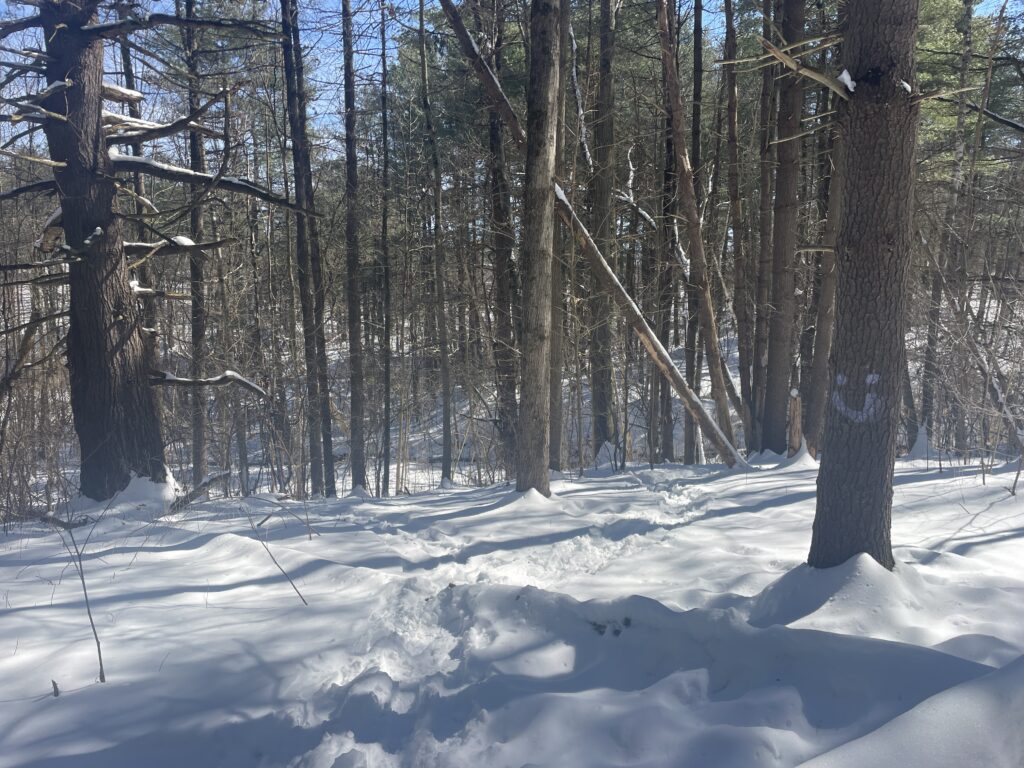
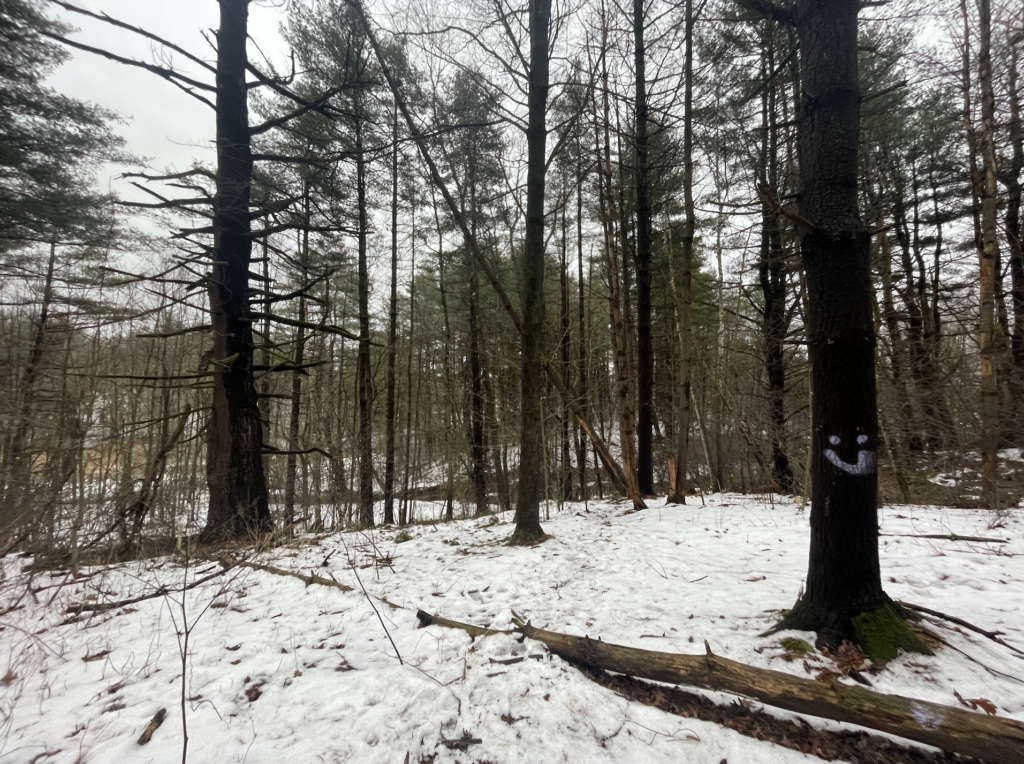
There are many landmarks that I have become very familiar with at my site. For instance, one major landmark is the tree that is always right in front of me when looking at my site. This tree has a smiley face drawn onto it and when I was first becoming familiar with the area, it proved as a good check to make sure I was where I wanted to be. In addition, I have become very familiar with the fallen trees nearby and use those to sit on whenever i visit the area.
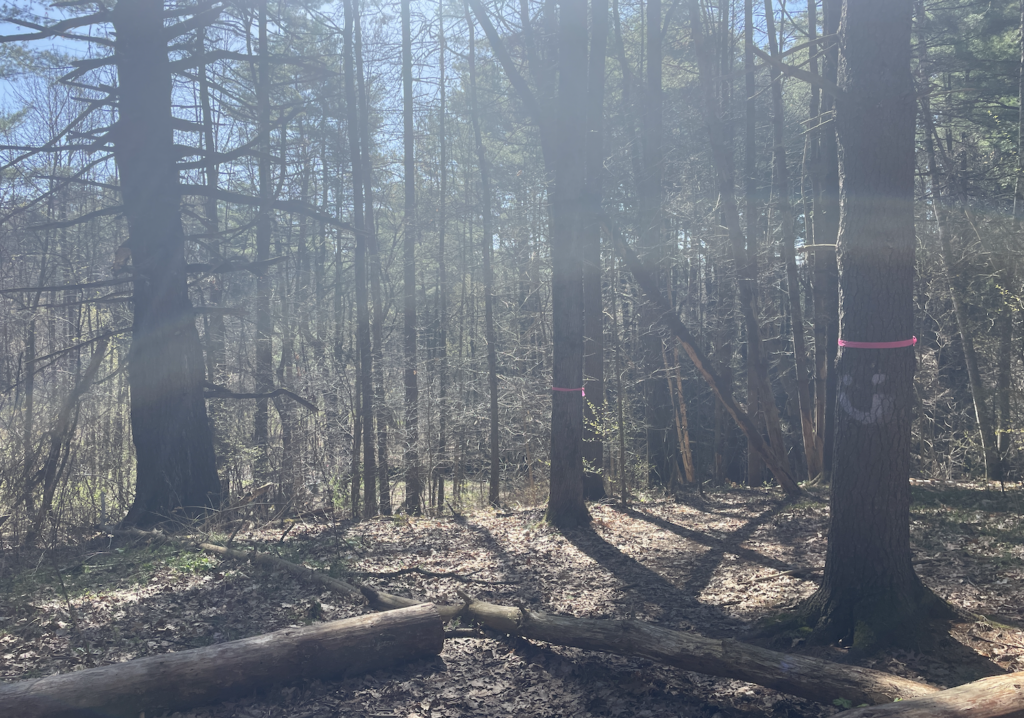
Right in front is my major landmark, the tree with the white smiley face. Also pictured are the fallen trees that I always see as well.

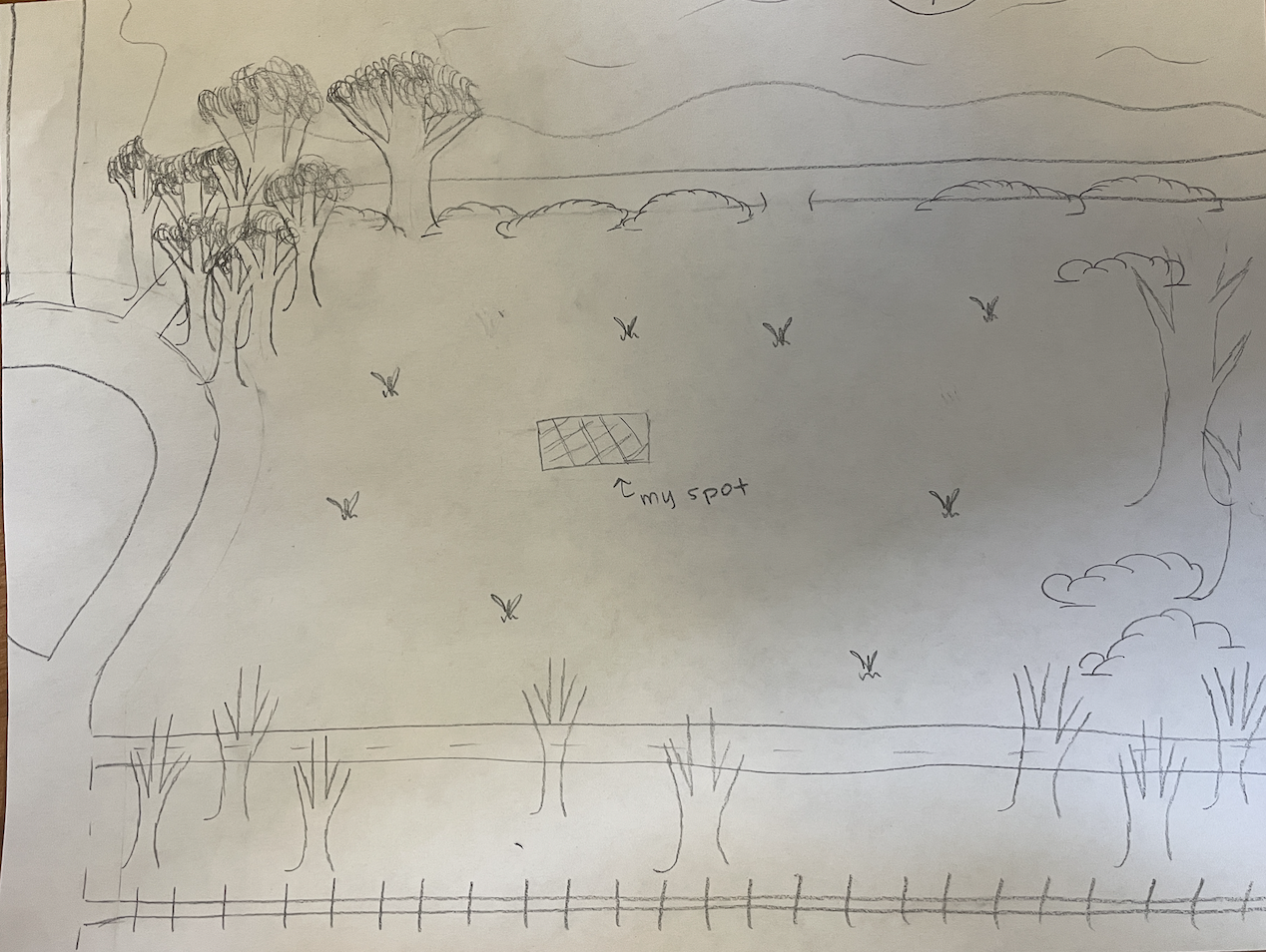
Nature and culture definitely intertwine in this area because my site is directly to the side of a walking path that is heavily used by community members. While I was sitting drawing my sketch, many individuals were walking through this path with friends, pets, or by themselves. Centennial Woods is an amazing area because it is open to the public and has many different sites where humans are able to interact with nature without getting in the way and harming the natural processes. With this being said, I do not consider myself a part of my site because I am only there for a fraction of the time. I do not experience all four seasons in the way that the living organisms of my site do and I am not leaving any impact, positive or negative, on the area.
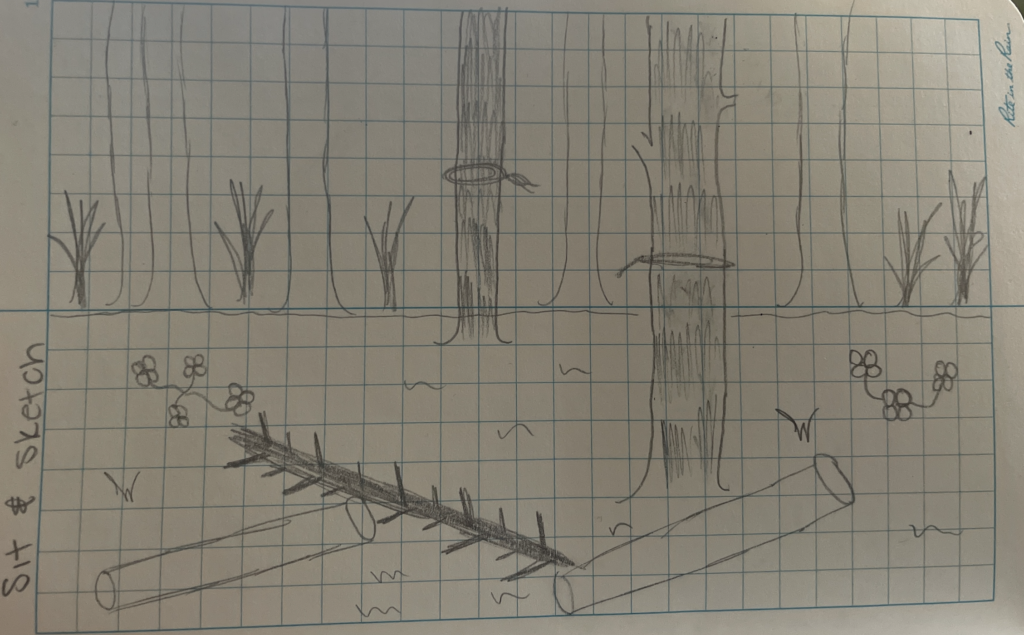
This is the sketch of my site

BioBlitz – 4/28

During the City Nature Challenge iNaturalist BioBlitz, I was able to explore two different areas in the Greater Burlington area. We first went to Centennial Woods and found many different species that we didn’t know how to identify. Through posting them on iNaturalist and getting feedback from other individuals, we were able to identify these species that we otherwise wouldn’t have known. In addition, when we traveled to the intervale center, we continued to post different species and receive helpful feedback on what they could be.

Above are some of the pictures I uploaded in order to identify which species is present.

When looking at other reports coming in from all over the globe, I noticed that in Burlington there are primarily plants and trees being identified but in other regions there are more animals being posted.

Phenology Site – 3/25

While at my phenology site, Centennial Woods, I noticed many signs of the beginning of spring even though there was plenty of snow on the ground. For example, I heard many birds chirping and saw signs of buds beginning to form on saplings.

My phenology site

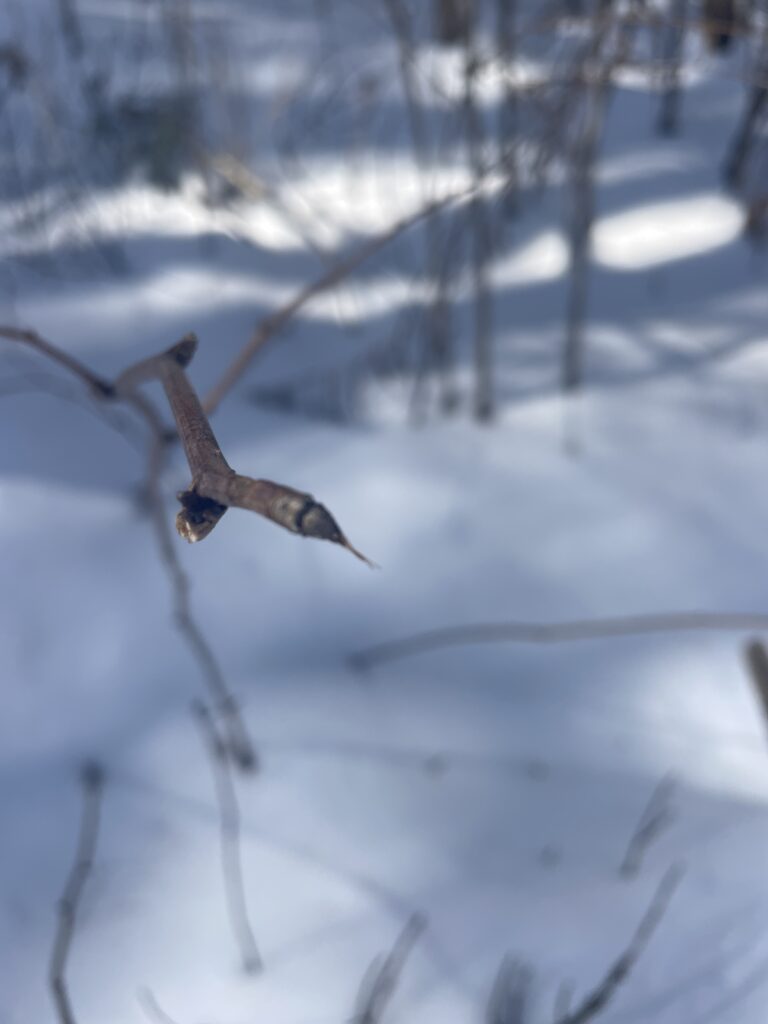
Here is one example of a bud that was beginning to form on a tree. While it is not yet fully formed, it is clear that the bud has begun to break through and will be very interesting to monitor as spring progresses.

A bud beginning to show on a tree in my space

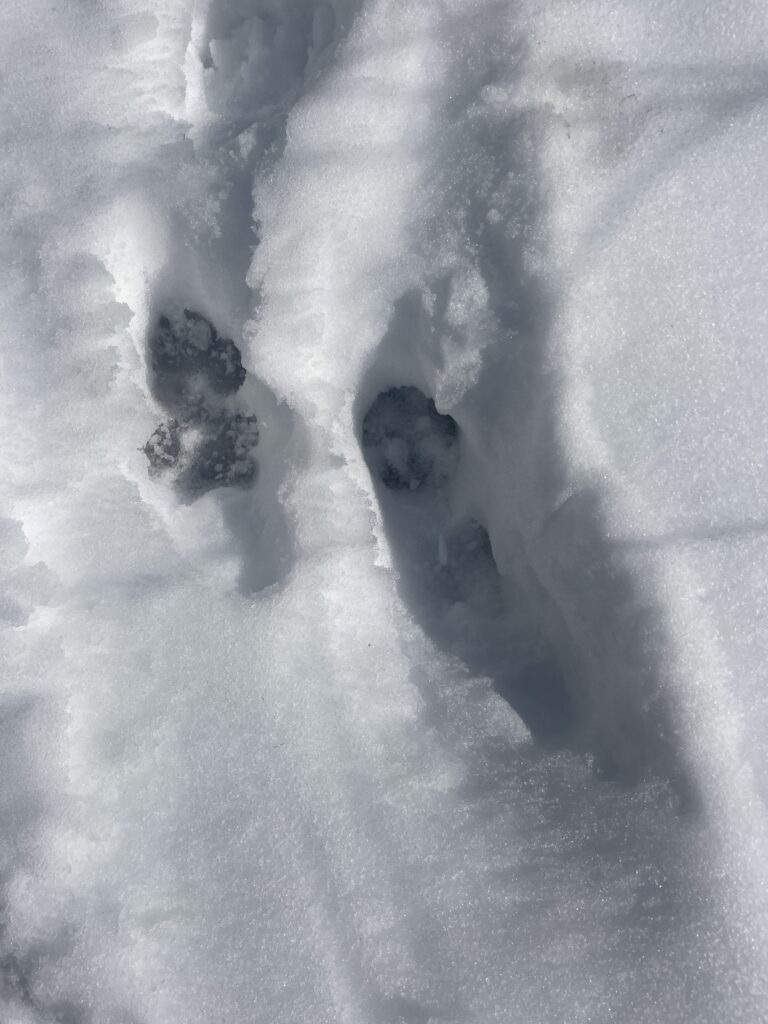
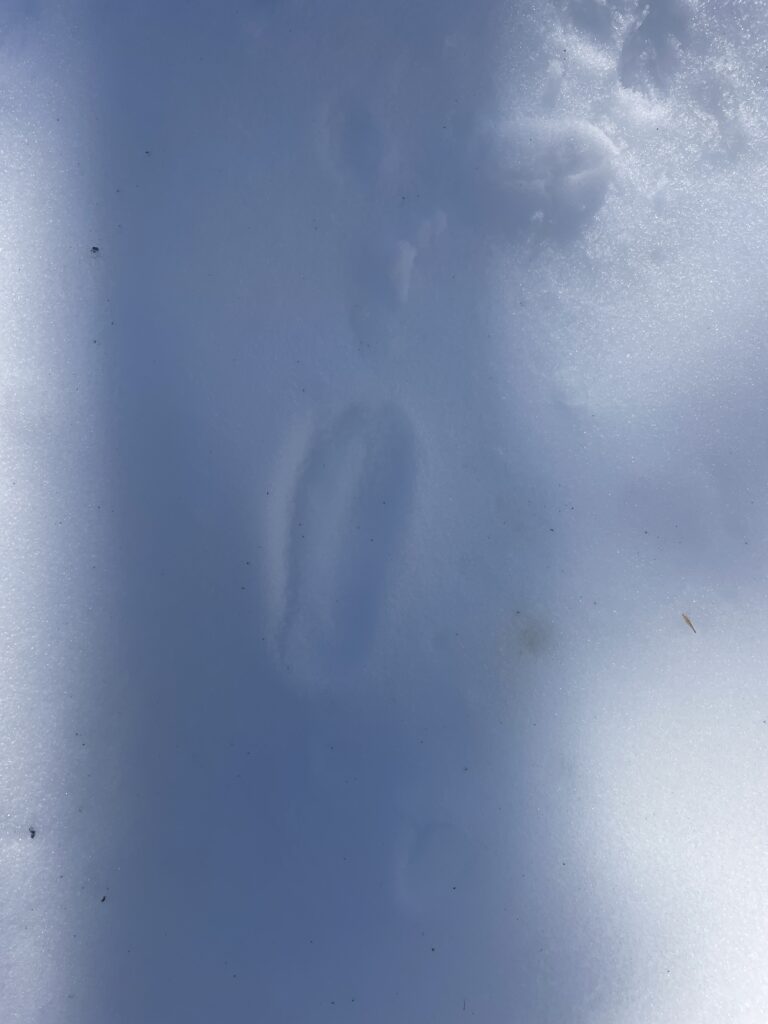
In addition, I found a couple of tracks in the snow at this spot. Most of them were from domesticated canines as this is a popular area to walk dogs. But I found one that is clearly not any canine or feline and I’m actually not sure what it is.

An example of a canine track in the area
One of the snow mysteries found in my phenology spot

Winter Wildlife Signs

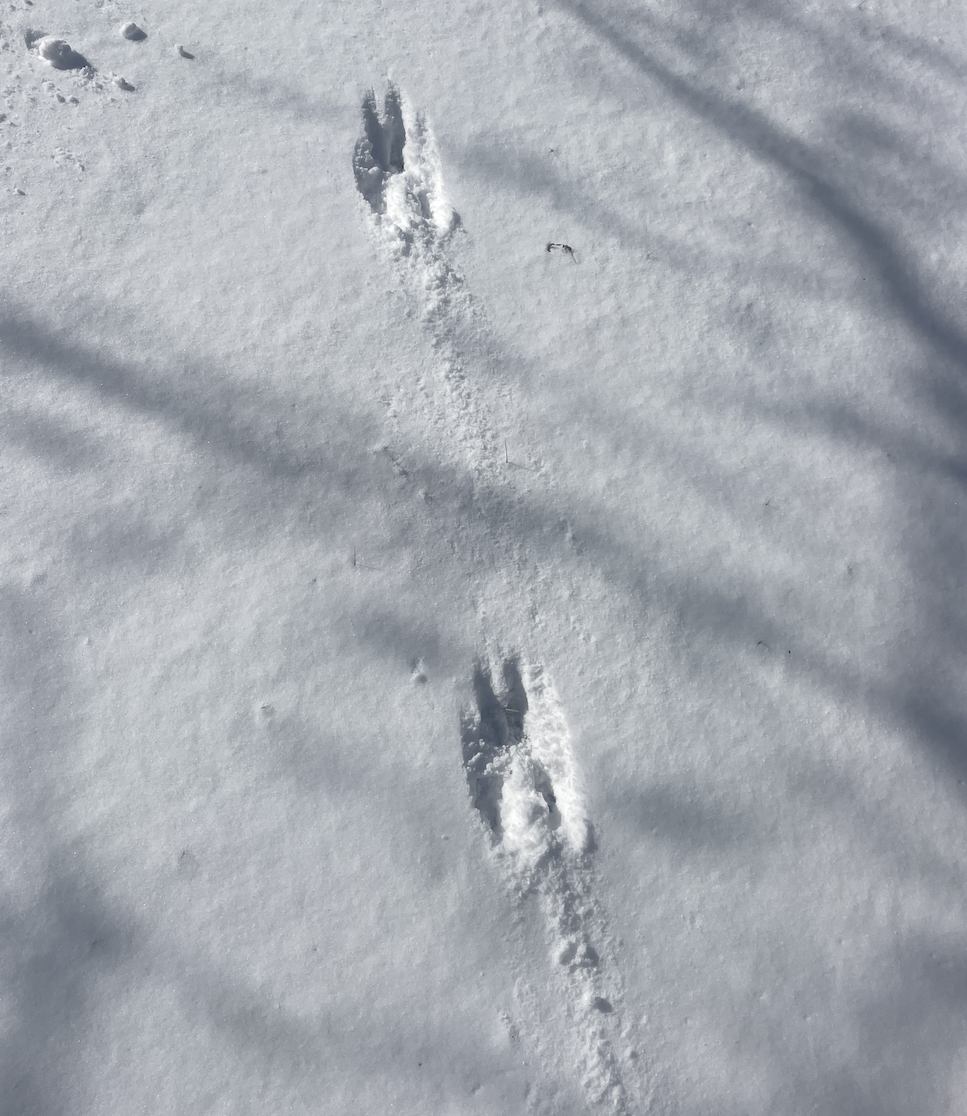
For this weeks assignment we chose to visit Centennial Woods in order to find some snow tracks. Almost immediately we found tracks that appeared to be some sort of a squirrel or rabbit.

When trying to identify these tracks, we used the tracking book in order to measure the stride and size of the tracks. We were pretty certain that it was some sort of a rabbit but followed the trail of the tracks just to make sure it hadn’t climbed up a tree, indicating that it would be a squirrel. Because the tracks stayed on the ground, and due to the sizing and the fact that we found the tracks at a relatively low elevation, we decided that it is a cottontail rabbit.

My Site – 1/29

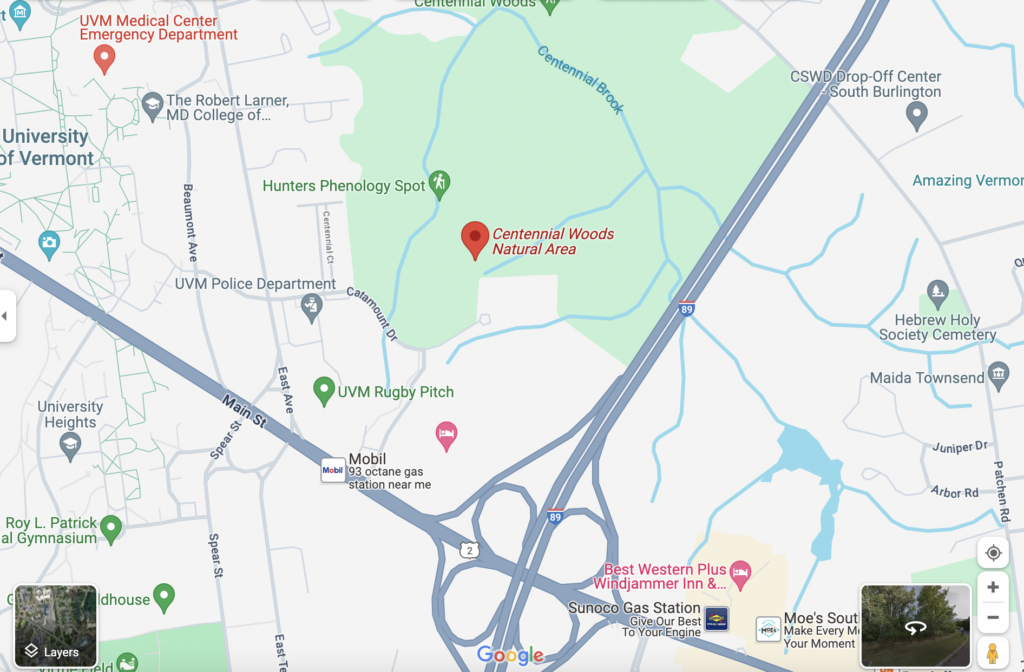
For this semester, I decided to change my Phenology Site to Centennial Woods. It is about a 10 minute walk from my dorm and then once I got to the entrance, I walked about two or three minutes into the woods to get to my new location.

here is a map of my new location

When I went to my spot, I wasn’t expecting much snow as it has been very warm and rainy the past couple of days. However, the walk through the woods was very icy and there was still a light dusting of snow with grass and dirt starting to poke through. Because of the very little amount of snow remaining, I didn’t find any snow tracks besides ones obviously left by people.

Above is a picture of my new phenology site

My Site – 11/6

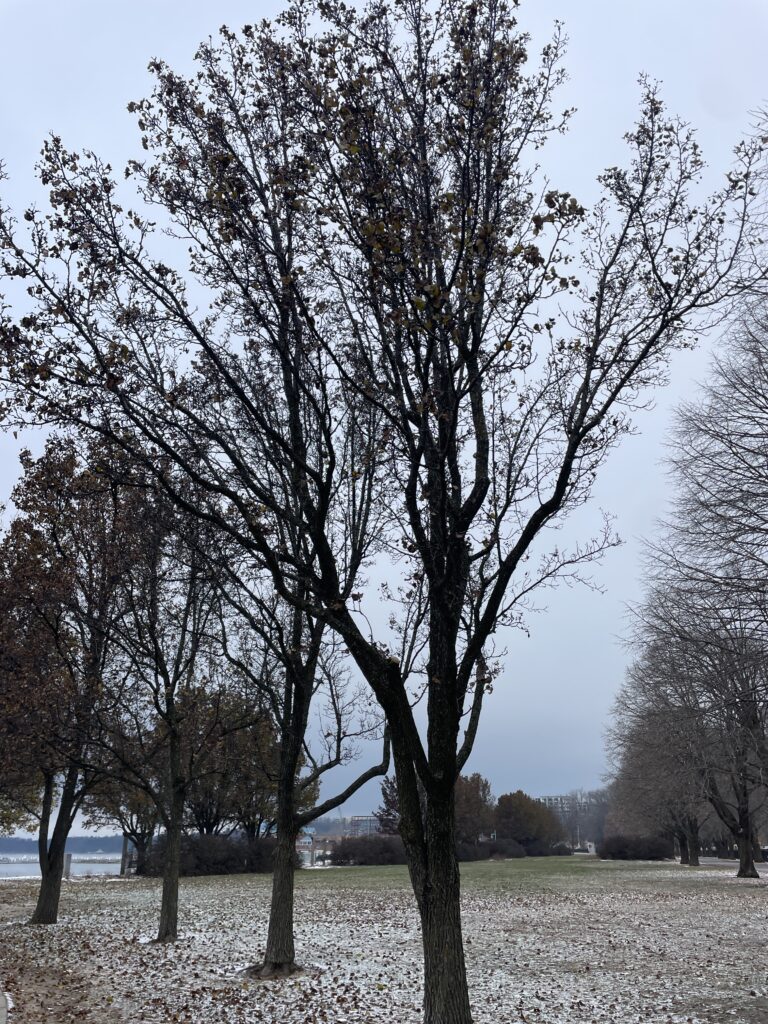
There have been a lot of changes since my last visit in early November. For starters, almost all of the trees have no leaves remaining. However, the row of trees leading towards the lake still have leaves left on them. These are none of the tree species that we have learned and don’t see around campus. However, I was pretty certain that all of the trees would have lost their leaves so seeing them still attached caught me by surprise. The only vegetation that I was able to see were some bushes that are along the walking path. It was very interesting to observe how much duller they looked compared to just a month ago. In addition, there were many leaves along with snow scattered on the grass. To my knowledge, there was no animal activity. This is a change from a month ago when I remember watching squirrels from my spot in the middle of the park. This could be because my visit today was quicker or more likely, it could be because the small critters are preparing for winter and therefore, aren’t seen as often.

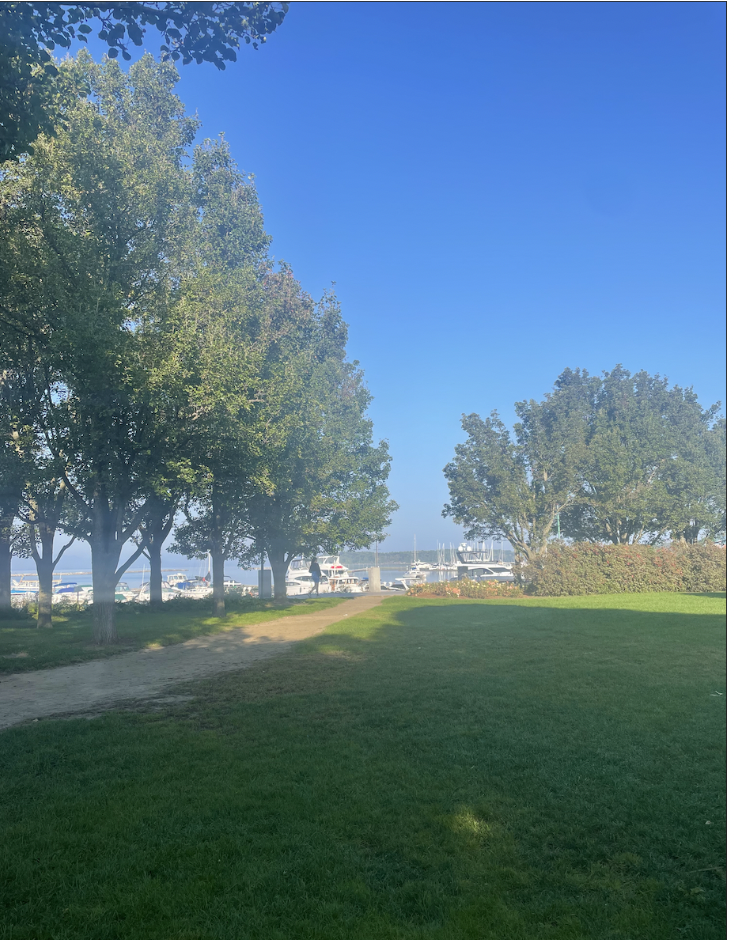
In the above picture is the type of tree that still had some of its leaves on it.
In this image, you can see the trees to the right that have no leaves remaining, the leaves and snow scattered on the grass, and the dull but persistent bushes that are closer to the lake (on the left).

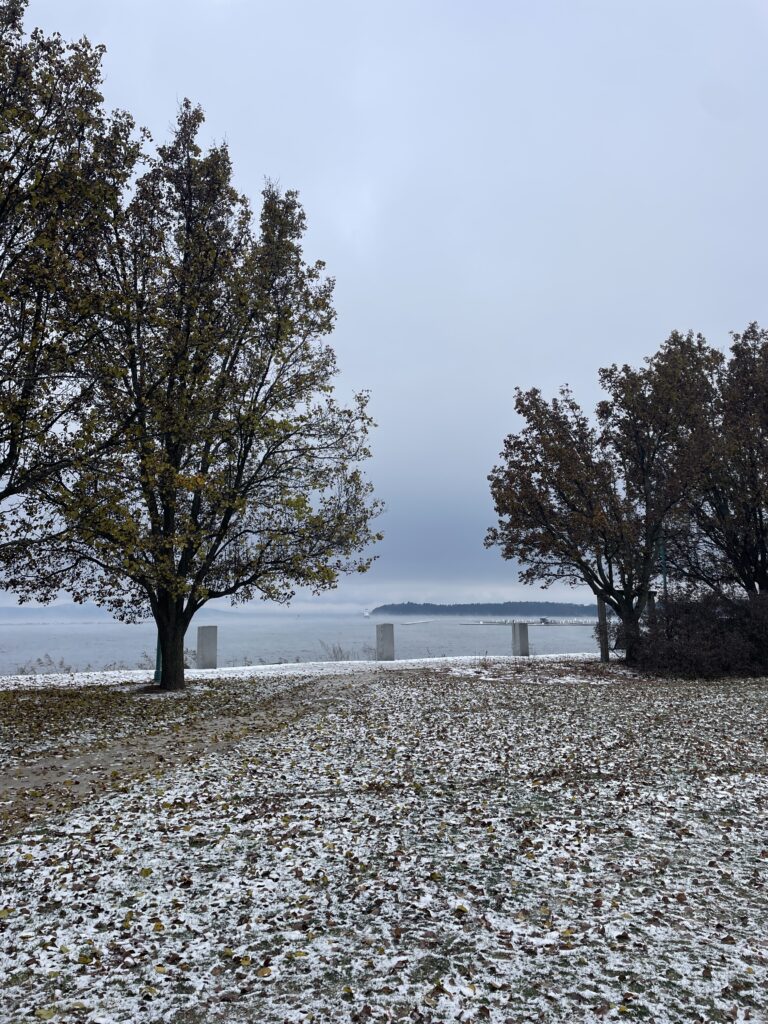
My favorite thing about the phenology spot that I picked is its proximity to the lake as well as the many different components it includes. It was very cool being able to document and witness the changes that took place in all of these components. For instance, along with the park and vegetation experiencing changes, the lake and the bike path both showcased the change of seasons. If it weren’t for this spot, I probably wouldn’t have found myself in this area (especially with the cold) and I wouldn’t have gotten to witness the beautiful lake and surrounding areas.

Here is my favorite view from my spot, being able to see the lake and mountains is always a very cool experience.

My Site (home) – 11/26

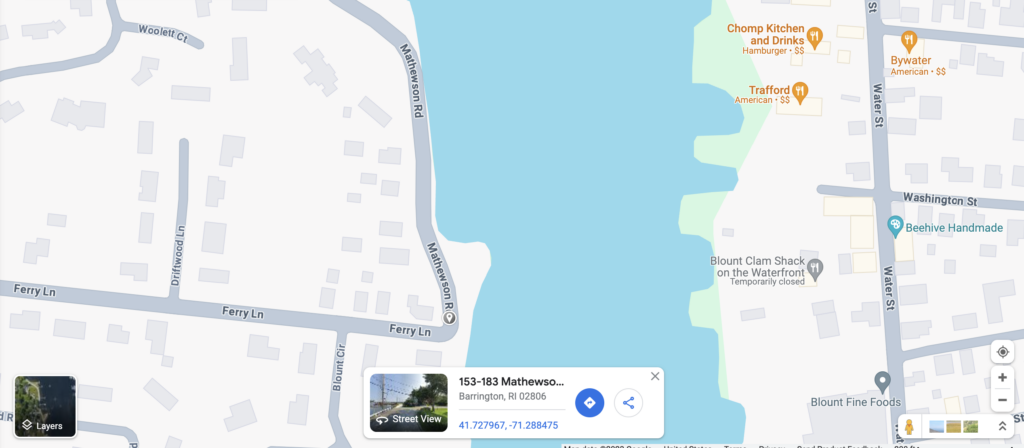
When at home, I love to spend time walking by the water. The closest (and prettiest) spot for this is on Mathewson Road, so this is the place I chose for my new phenology spot.

Here is my spot from a birds eye view. I picked this specific part of the street because there is a little area with some rocks where I could sit and enjoy my surroundings.

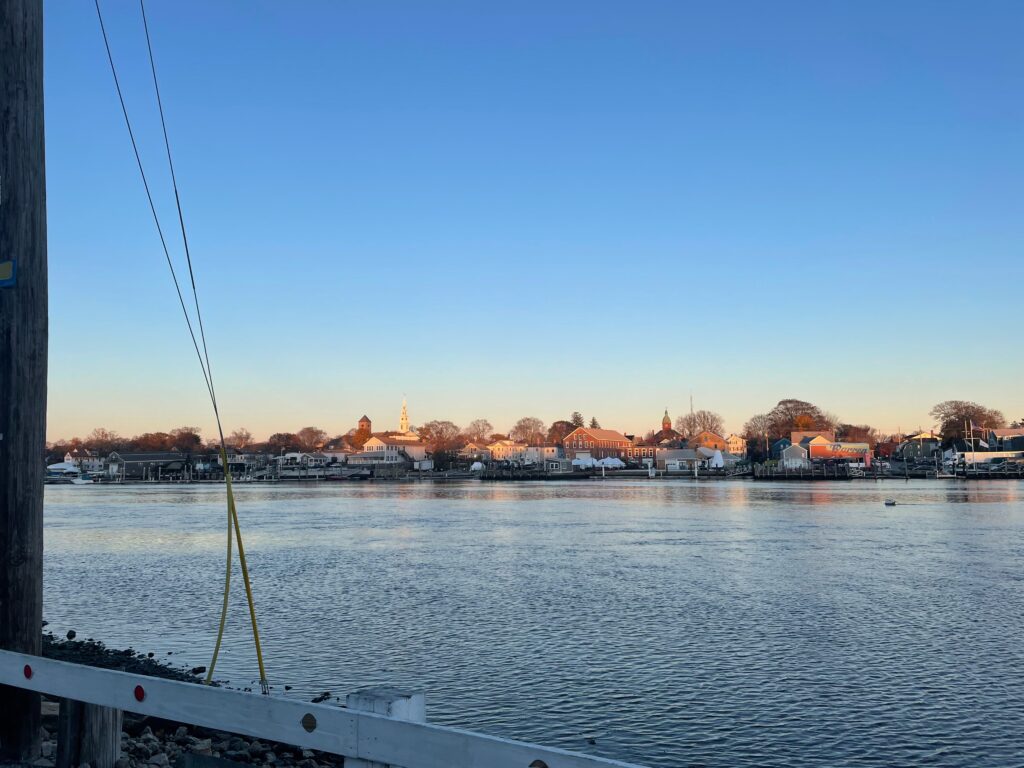
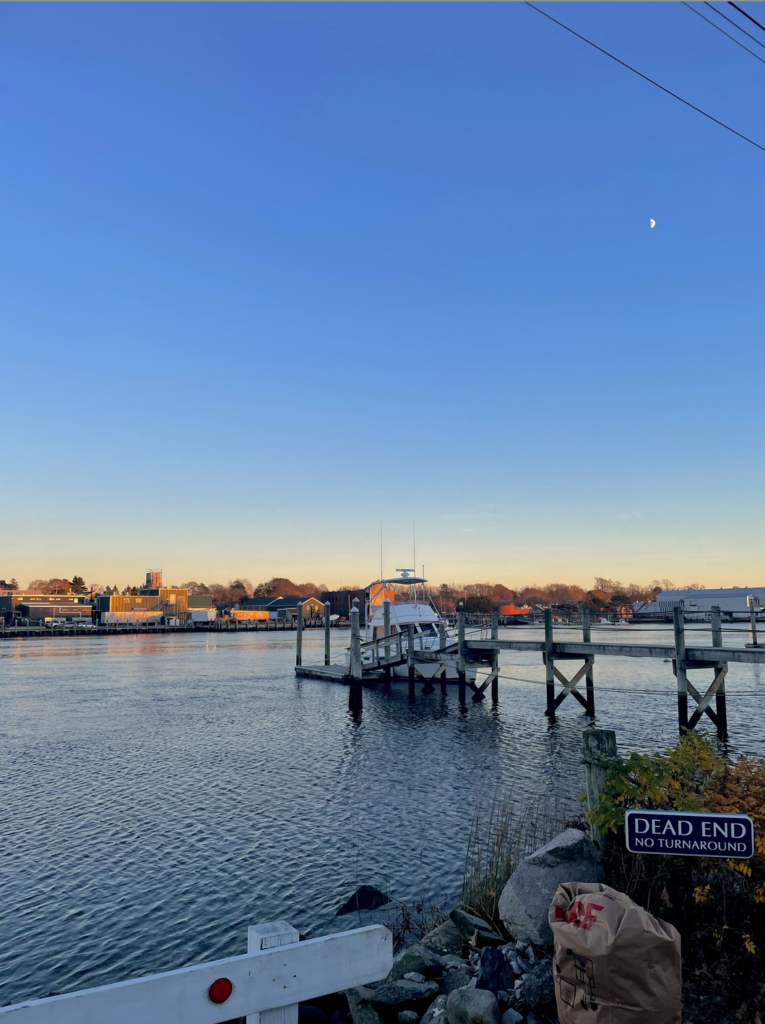
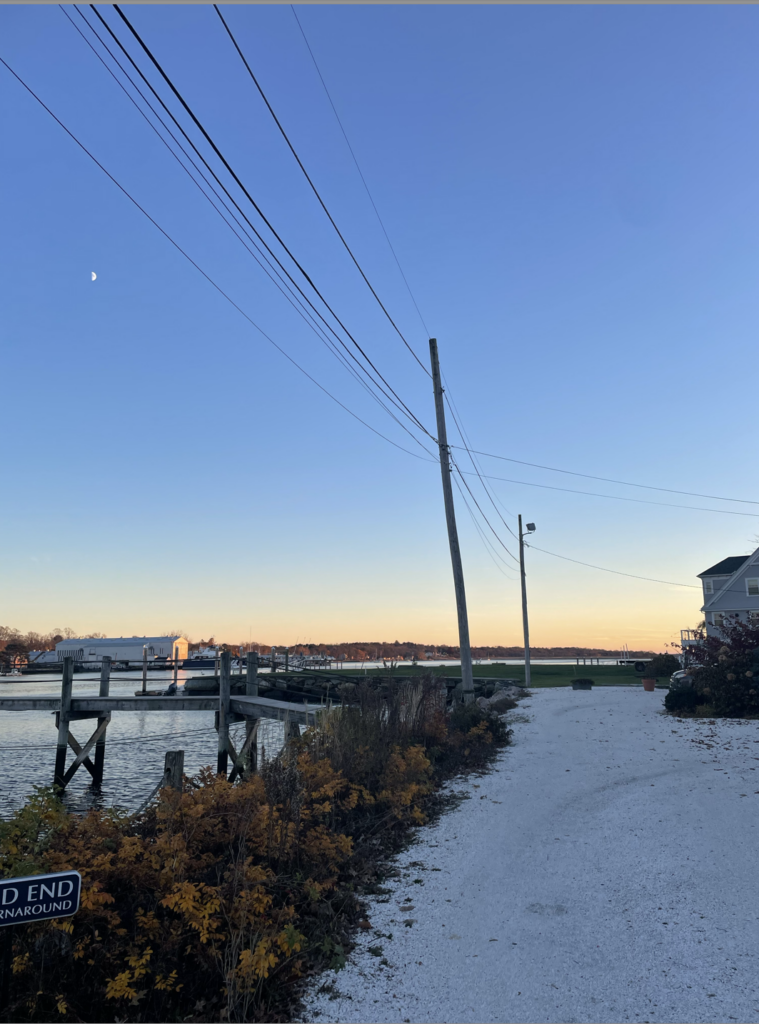
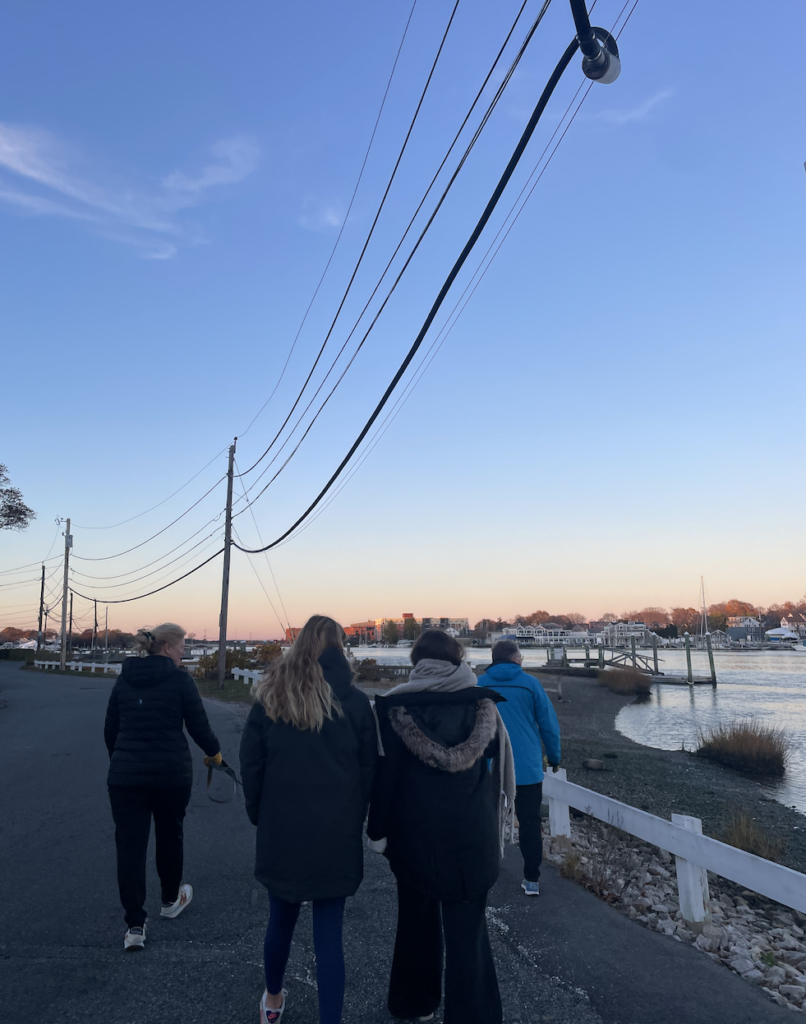
Here are some images I took while at my spot:

While in this area, I noticed some major differences from my phenology spot in Burlington. For starters, this spot is right on a road and while it isn’t a super busy road, the location limits the amount of wildlife and ecology present. Instead of seeing the trees and little animals that I was used to seeing in Burlington, I instead saw many new animals in the water such as ducks and geese. In addition, the plants in this area were very different from the plants I see in my original spot. For instance, in this new spot, there was seagrass and planted flowers due to the nearby houses, something I don’t see at my other spot.

After reading Honorable Harvest, I decided to bring my whole family to this area so we could all enjoy what it has to offer. We took our dog with us and instead of leaving something in this spot, made note of it’s beauty and the many different ecosystems present.

My Site – 11/5

I chose to sit directly in the center of my area, the waterfront park. It was a very sunny and clear day, filled with a breeze from the lake very nearby. Sitting there allowed me to take in my surroundings and appreciate the nature present. I became very aware of the wildlife and components nearby. For example, there were many critters such as chipmunks and squirrels scurrying around. Something that I love about the area I chose is the fact that it is set back from the main road and therefore, I couldn’t hear cars as they were passing through. While winter is approaching, the grass is still very green and most of the trees in the park had some pretty leaves left on them. The biggest change that I noticed from the last time I was there is the decrease in flowers that are in bloom. Along the path leading to the waterfront, there are many hand planted flowers . However, because of the recent drop and temperature and flurries of snow, these flowers aren’t as vibrant as they were a couple of weeks ago. In addition, many trees have started losing their leaves and are left looking very bare, with the leaves scattered in the grass.

This is a birds eye view of my phenology spot and where I chose to spend my time in it.

My Site – 10/16

I picked this site because it is about a twenty minute walk from campus and includes three different aspects. The bike path, park area, and the lake. With these sections, the seasons can be observed through certain lenses and will impact all three of these sections.

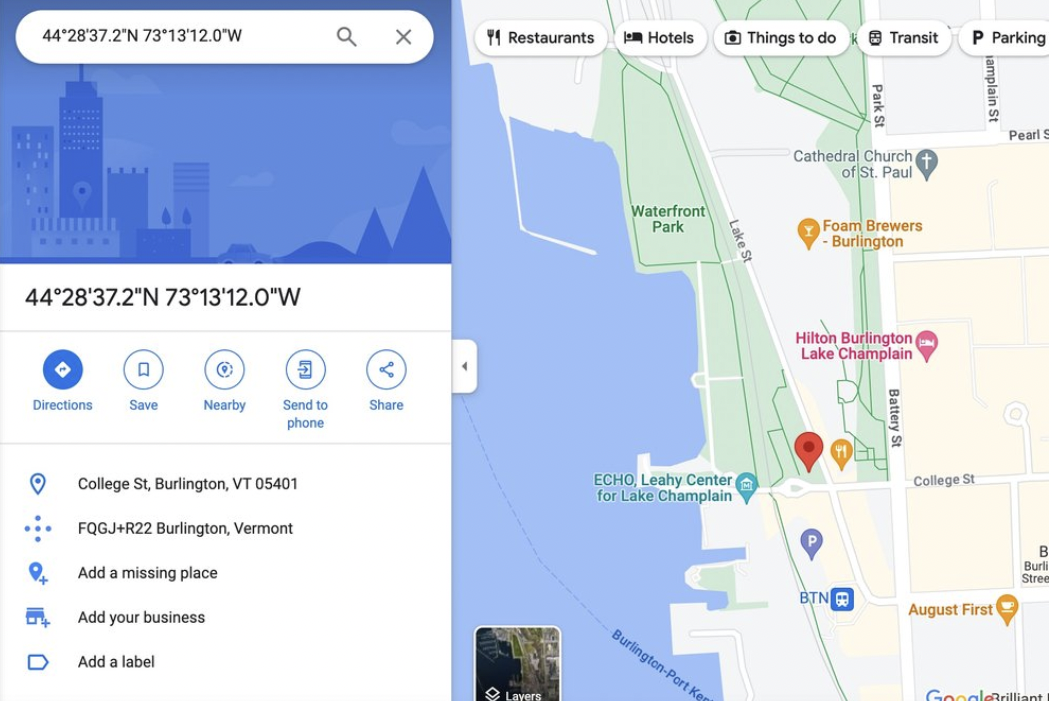
These are the coordinates of my spot. It shows a Birdseye view of the surrounding area and its location
These are the coordinates of my spot on google maps. It shows a Birdseye view of the surrounding area and its location.

Layout

In the park, you can see some planted flowers, a row of bushes, a row of trees, and some very nice greenery. It is clear that everything in this location was man made at one point in time and planted in a certain way. it is definitely taken care of as there are no invasive species found. Because of this fact, there is also very little vegetation found besides some bushes and fallen twigs from the nearby tree species.

Woody Plants

  • The tree species that is on the left in the below picture is one that I haven’t seen before. I don’t believe that it is one we have learned and it also isn’t one that’s present around campus.
  • The second type of tree is one that’s located along the back side of the park, these are sugar maples.
Skip to toolbar