Posts

Featured

Introduction to the Area

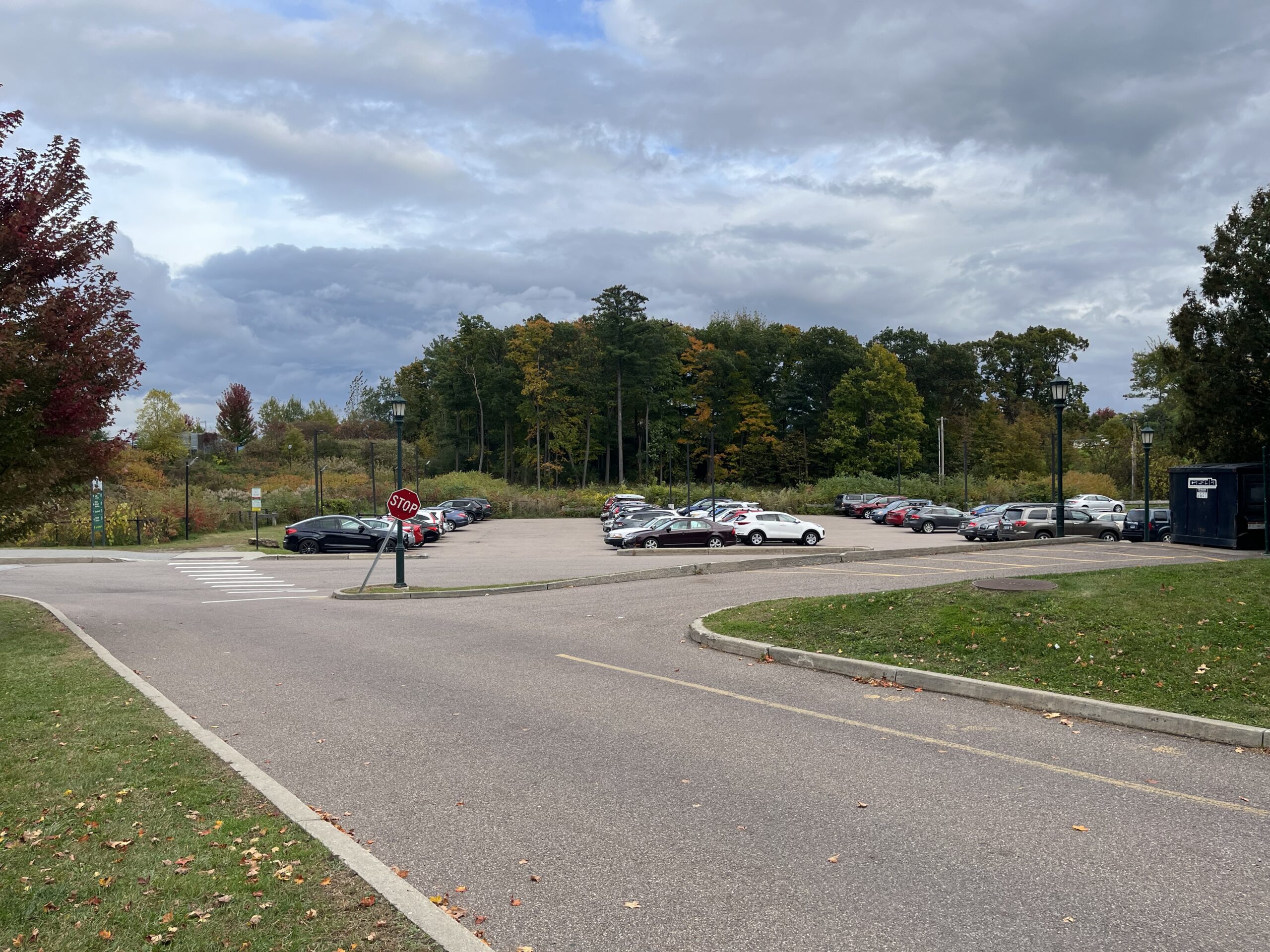
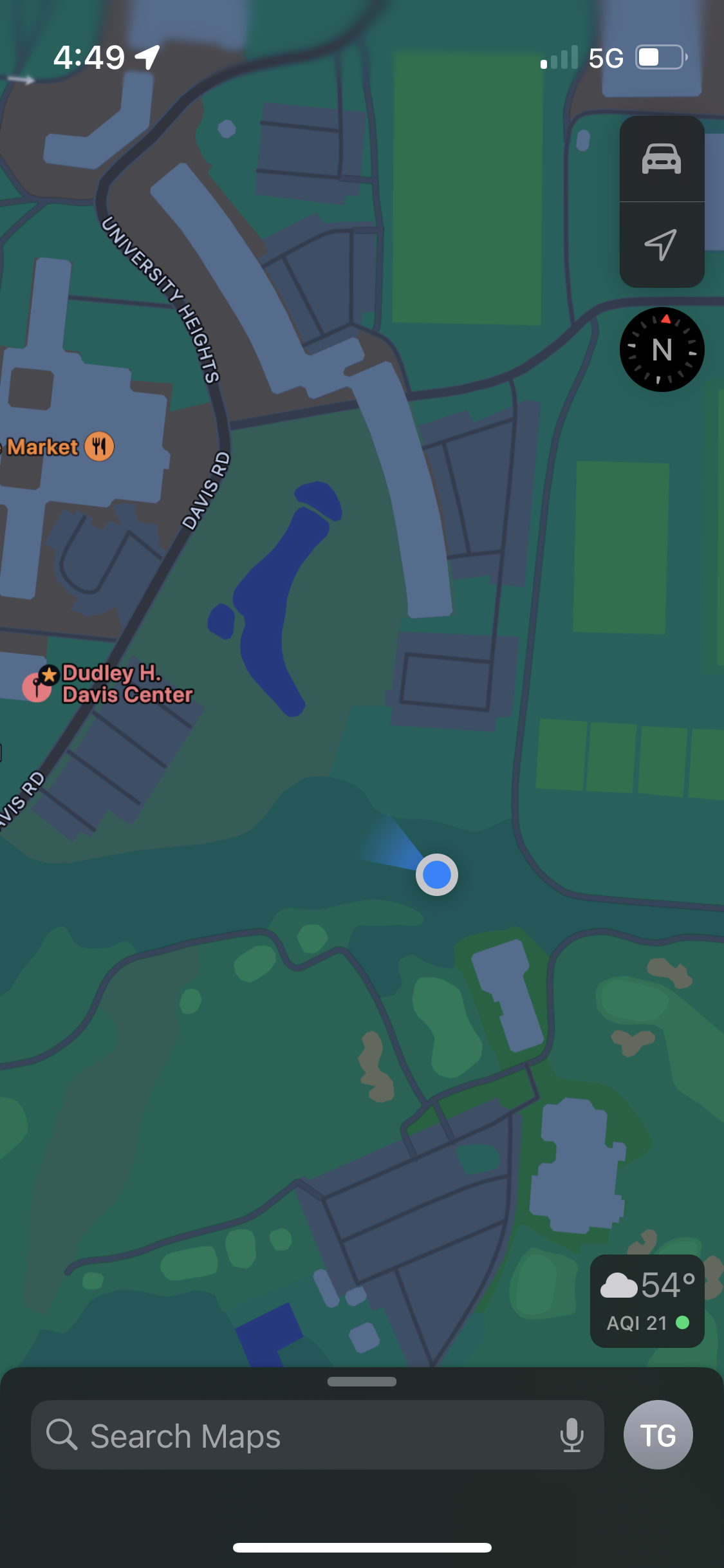
Just beyond the Wing-Davis-Wilks complex, on the fringe of the Redstone parking lots, stands an isolated, mature forest. Mostly encompassed by wide open athletic fields and golf courses, this stand serves as a natural border marking the south edge of the University.

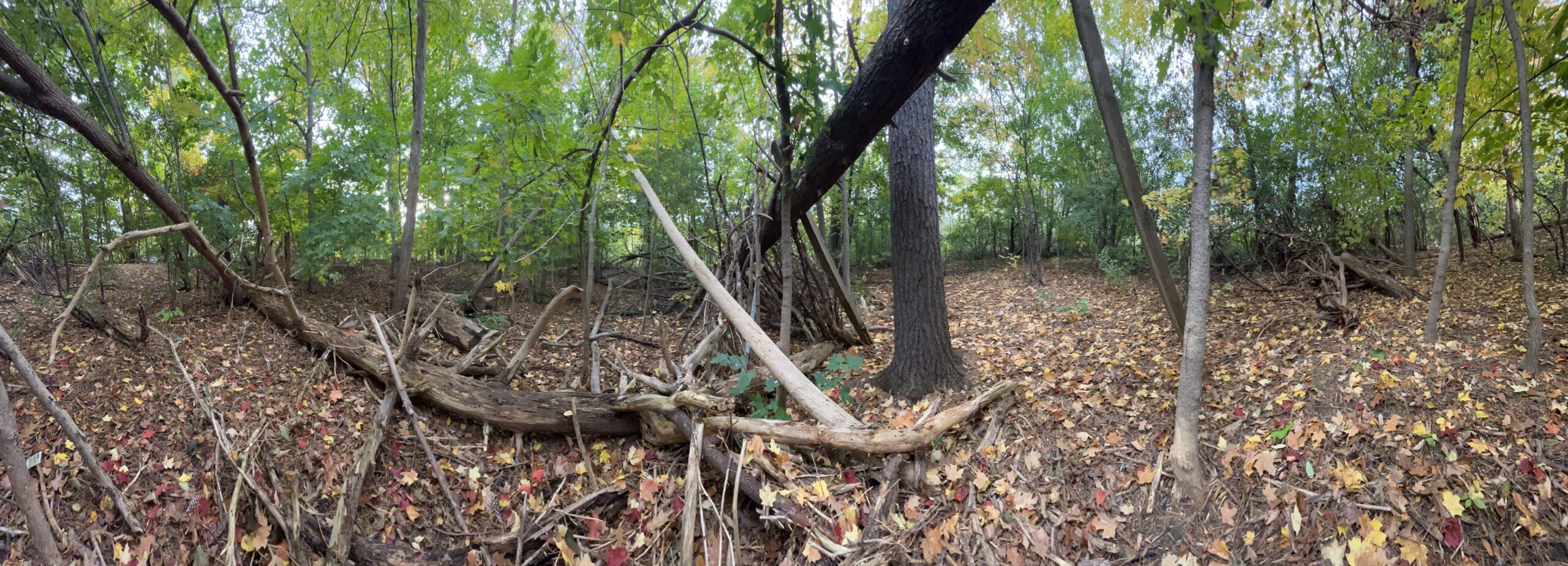
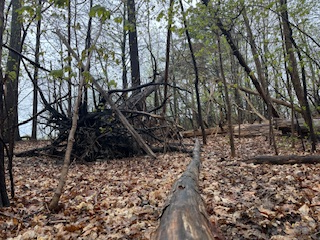
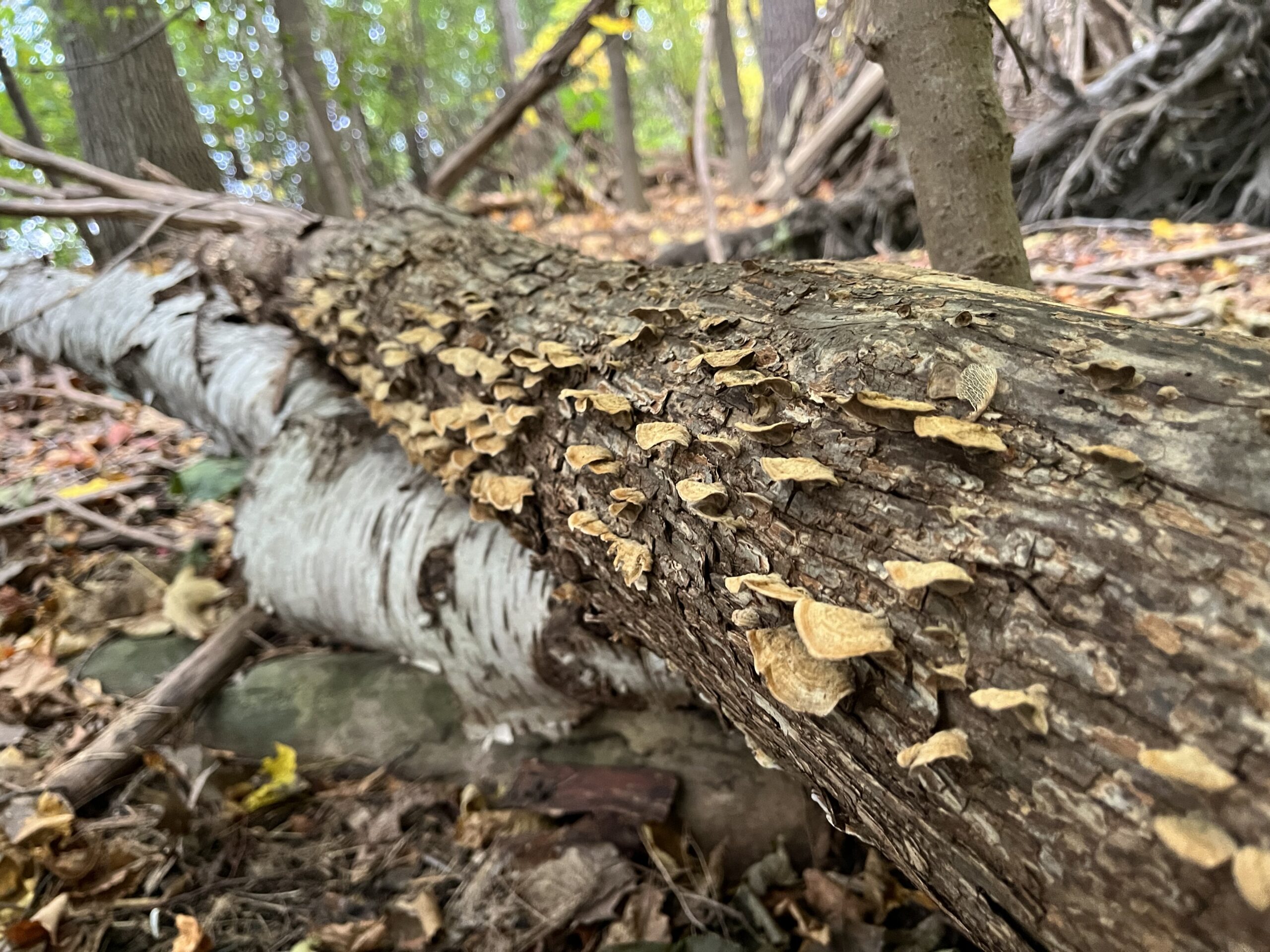
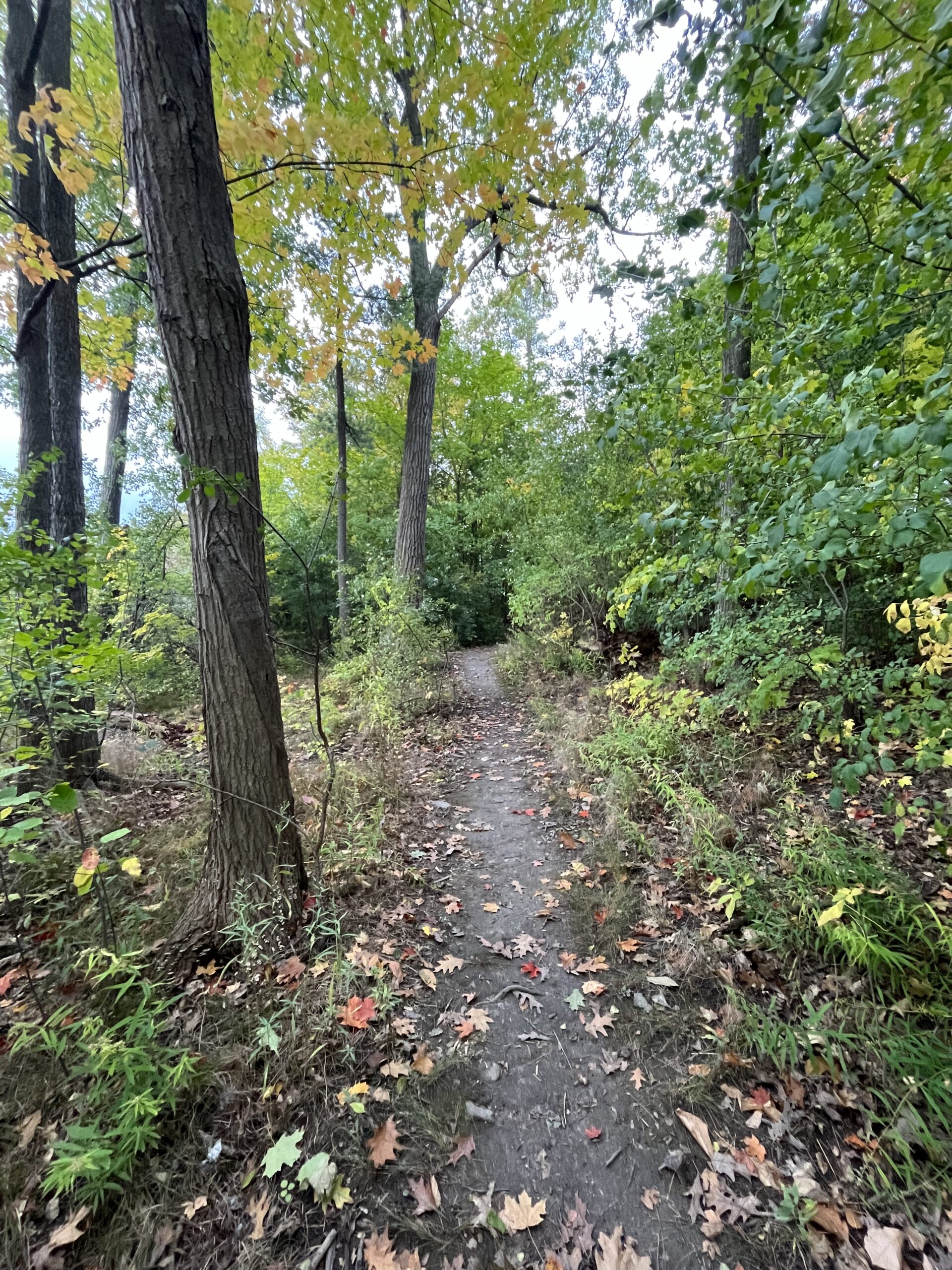
The best way to get to this spot is to find the grass path that connects the southern section of the Redstone Campus with the Redstone Lofts and Virtue Field. Once you reach the large bend, about halfway through, an entrance into the wooded area should be visible. Proceed inside, hop over the fallen log, and bear left with the path. Very shortly, you will arrive at a shelter made from a fallen tree. This section of fallen logs, and its surrounding area, is the location.

Despite its location, the area contains a good amount of diversity in plant life. The most common tree species in the area are Eastern White Pine, a focal species, Sugar Maple, northern Red Pine, Paper Birch, and American Beech. The understory is much more sparse, mostly consisting of Common Buckthorn, Honeysuckle, and Goldenrods.
Final Visit

This was the last time I visited my location for the year. However, it is a great location, and proximal to my dorm next year, so I expect to be back in the fall. While vegetative species haven’t had the time to change and evolve over the months that I’ve been visiting the area, many phenological changes have occurred as we went from fall into a long winter and now the emergence of spring. Within the spot, there are a few “landmarks”, such as the path, which generally serves as the only area with significant human impact, and the fallen Eastern White Pine, which creates a complex canopy with its root ball. In this spot nature and culture intertwine as this small corridor of forest is very close to the dormitories of a large university and one of the few golf-courses in a city. The areas around this forest are quite busy, so this forest serves as an outdoor escape for many. This is evident through the path, which is very compacted down by consistent human use. Abutting my area of the forest is a fire pit, with a few fallen logs serving as seats surrounding it. I’ve seen many students sitting around this area to connect and unwind after busy weeks. I’ve also smelled recently burned wood originating from the ash pile a few times when stopping, which always reminded me of the outdoors. While I most likely visit this place more than the average person who lives in Redstone or the surrounding neighborhood, my part of this place is small compared to the many animals, insects, and mycelia that live there. My only hope is that I serve as just an observer and haven’t disturbed the natural processes at play.

Greater Burlington Bio Blitz

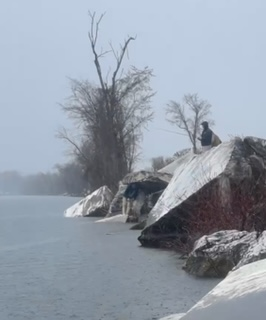
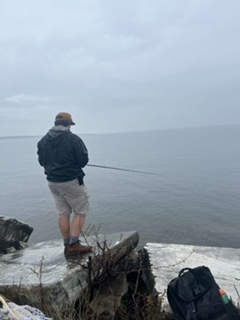
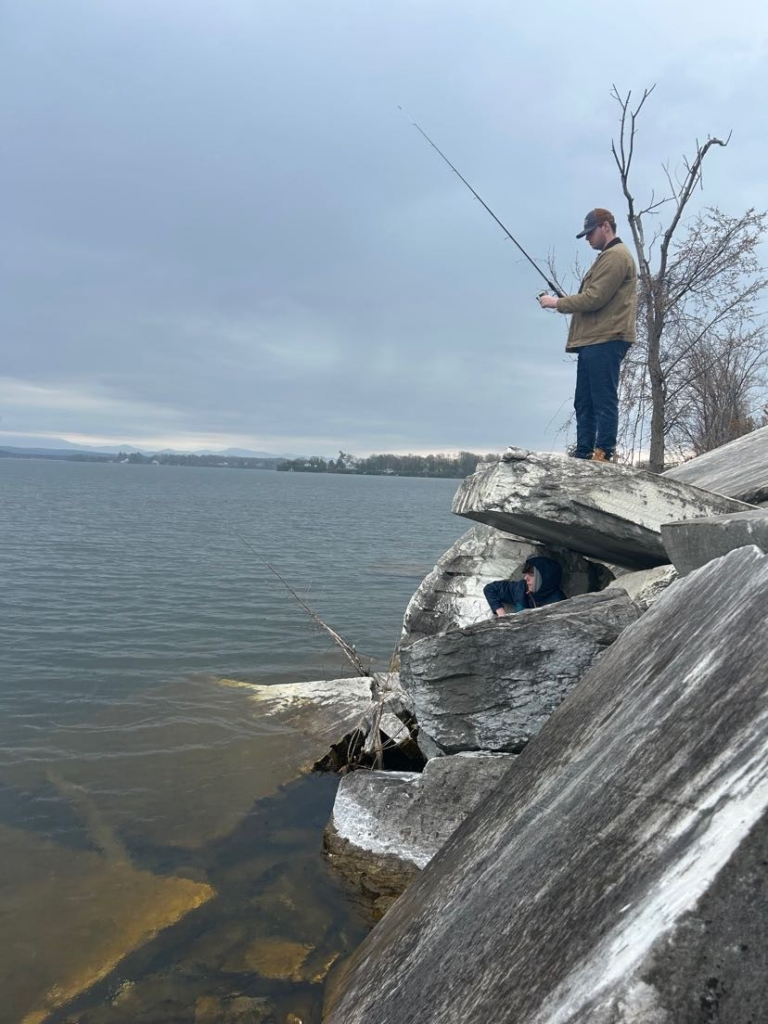
To explore the Greater Burlington area, I decided to walk out on the Colchester Causeway to target some Lake Trout and Smallmouth Bass. Unfortunately, the weather had other plans, and about 20 minutes after rigging an unexpected rainstorm hit the area. I held out for as long as possible but eventually cut bait once the water soaked through my t-shirt. While I was unable to upload to the iNaturalist site for our lab group, I did identify a few species on the long walk. The two main tree species I noticed on the path were White Cedar and Eastern White Pine, however there was a good mix of focal present. Out on the causeway were many low shrub species and Red Oak. As for wildlife, I observed Crows, Chickadees, Robins, and herring gulls, in addition to a few unique species that I was not able to identify. Looking at iNaturalist for other cities reporting, it was interesting to see the number of people posting with unknown identifications, presumably because they are novices such as myself who wanted to get out and record.

Third Winter

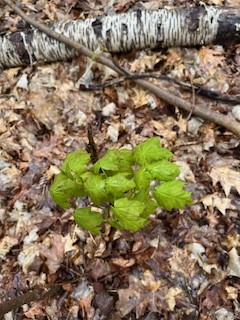
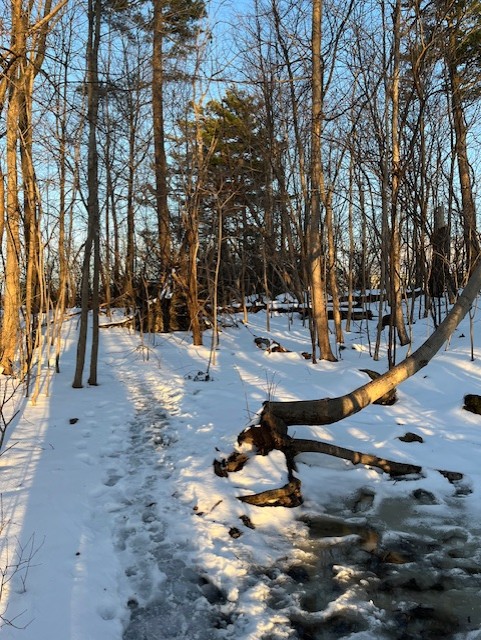
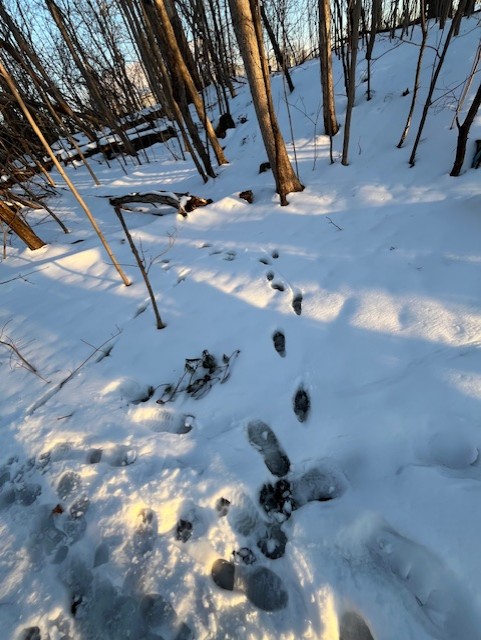
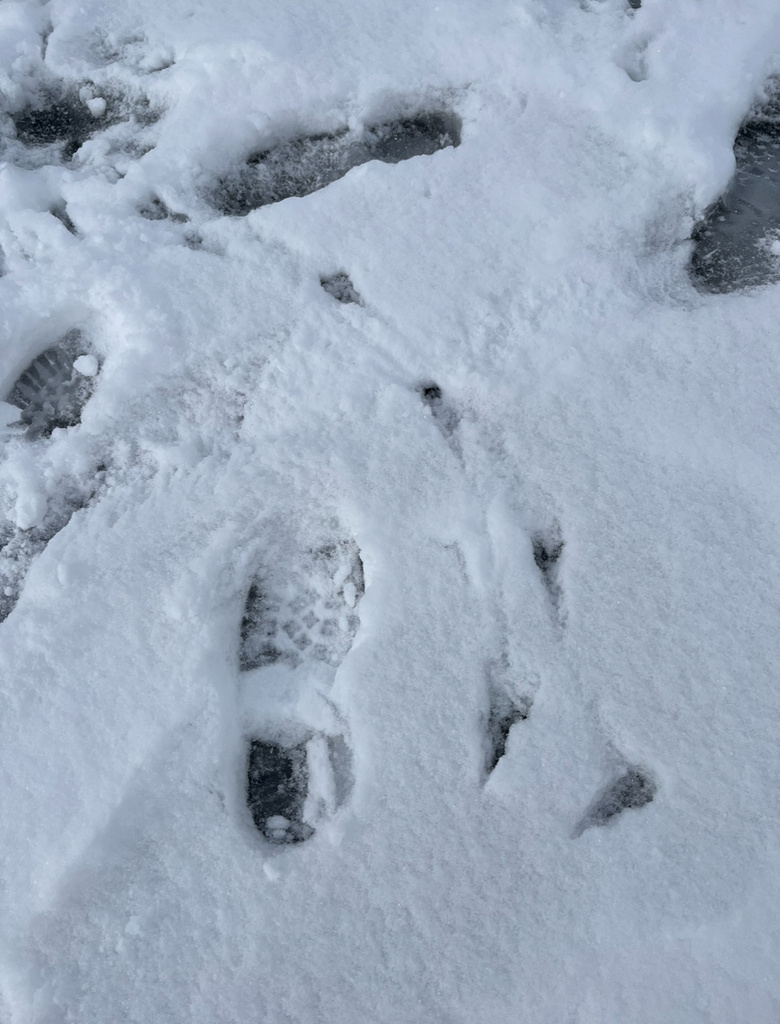
As opposed to what the fresh snow on the ground is telling us, we are officially in Spring. With this, I expected to see a resurgence of life in the forest behind the Redstone campus. Instead of this, I came back to the normal winter lull. Besides from a few distant songs, which I was unable to identify, and one robin that scurried along the snow for a few feet, there was no evidence of emerging birds. Budding on the maples, birches, and beech was incredibly sparce, and there were no examples which I could get a close picture of. The only evidence of animal activity in the area was an abundance of human footprints, as the area is somewhat trafficked with walkers, and a canine track, which I determined to be a domesticated breed.

Return to Redstone

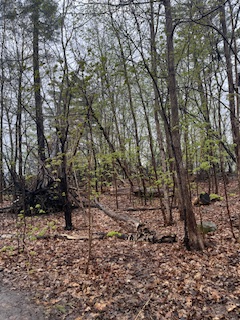
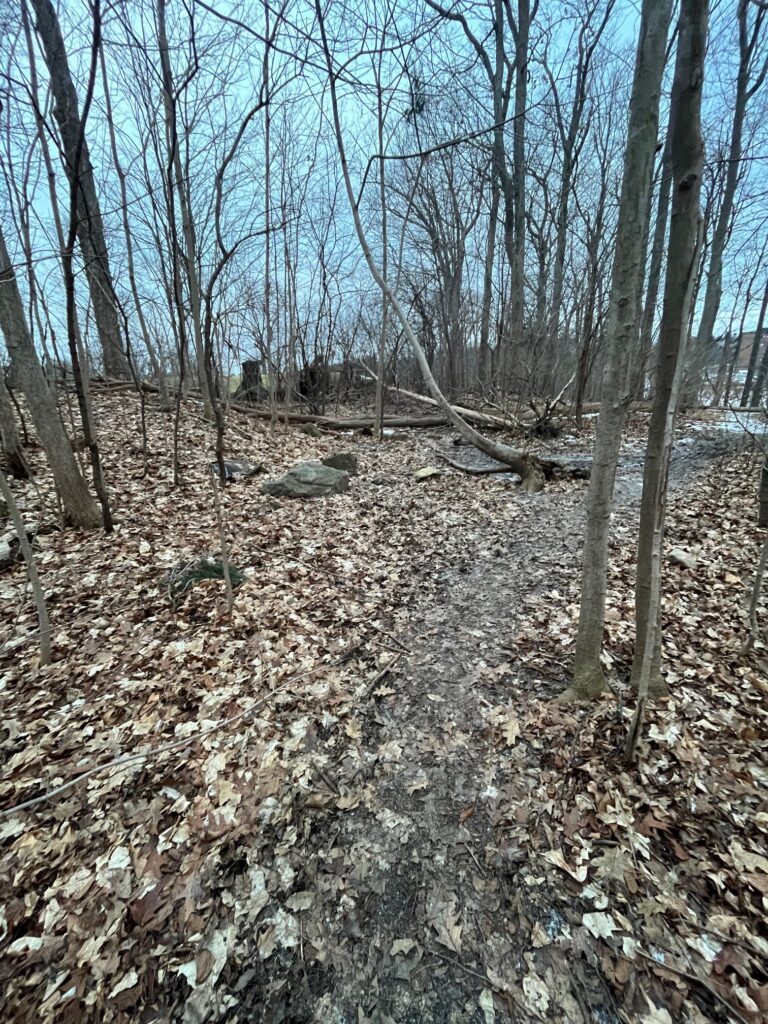
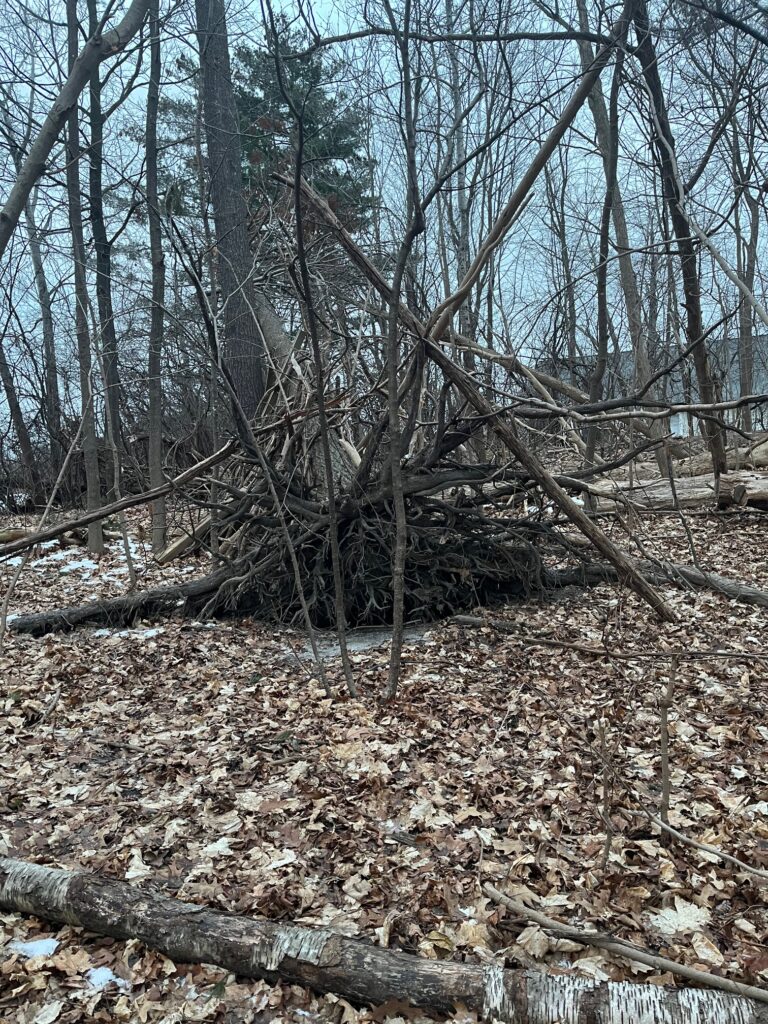
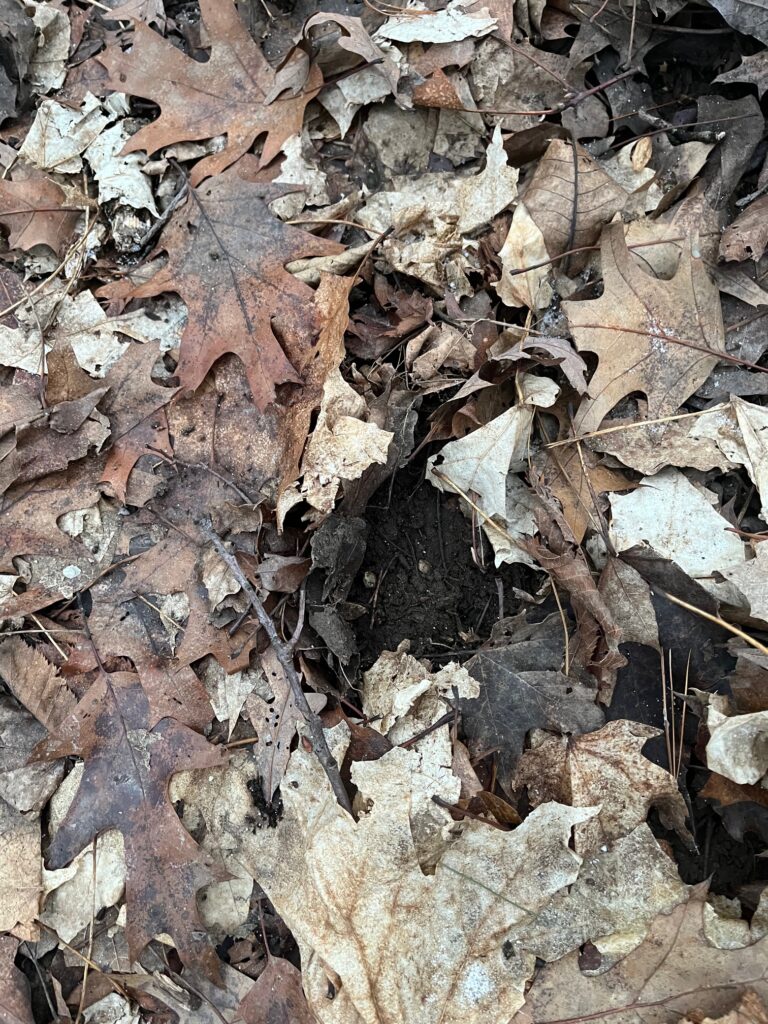
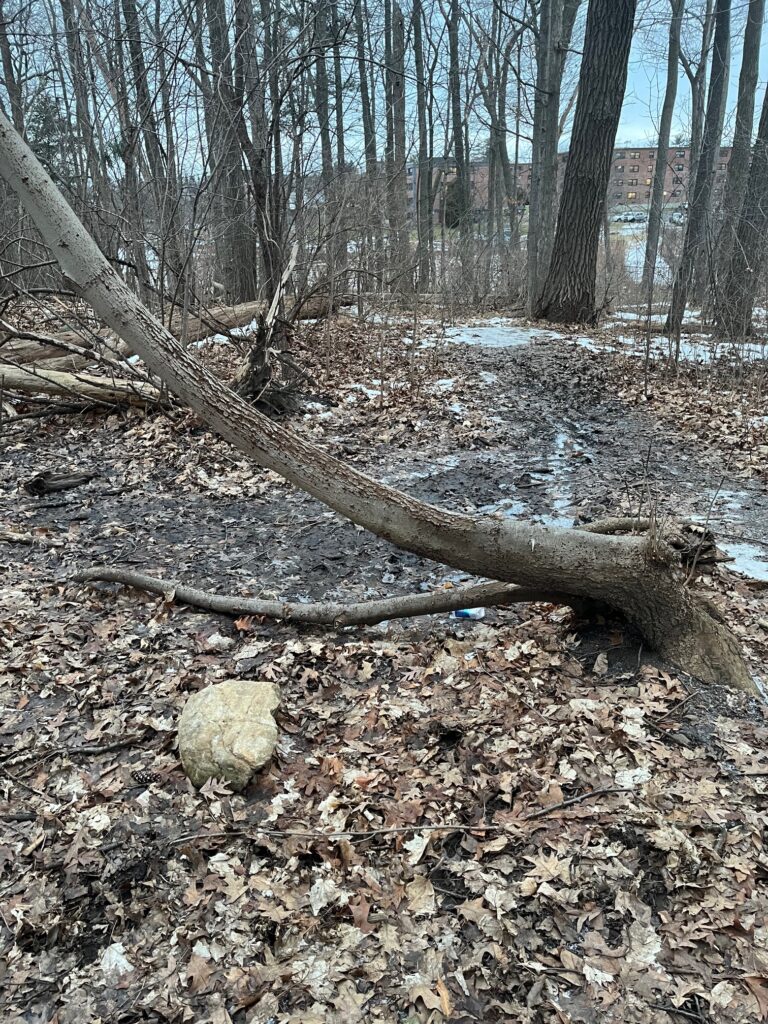
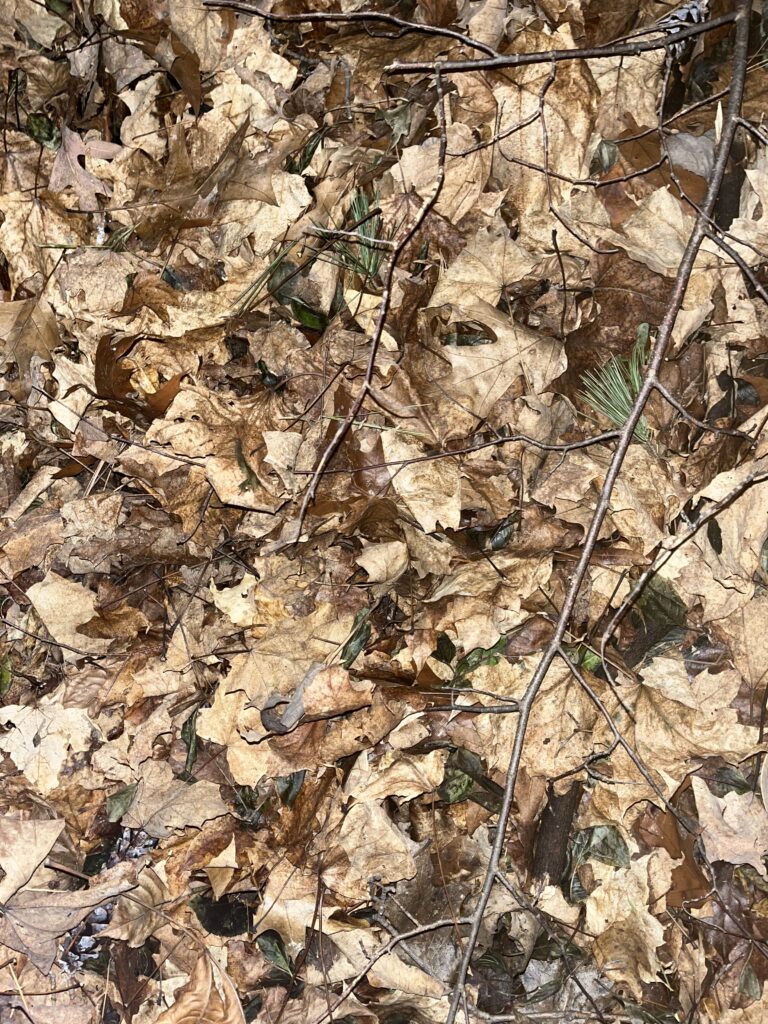
Upon returning to my location, eager to find evidence of wildlife activity and changes, I was immediately disappointed. Recent rain and snowmelt had turned the ground into soft mud, which has been slowly working at decomposing the leaf litter from the fall. Despite scouring the area for some time, I was still unable to find any tracks or evidence of wildlife. If there was snow on the ground, it would have most likely been another story. As we are deep into winter at this point, the trees and understory are dormant, skeletons of their summer form. The only sign of life was an unusual disturbance in the leaf layer, shown in the third photo.

Winter is Coming

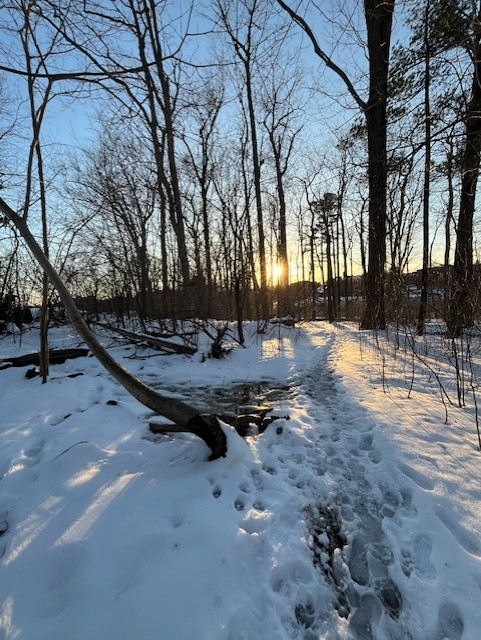
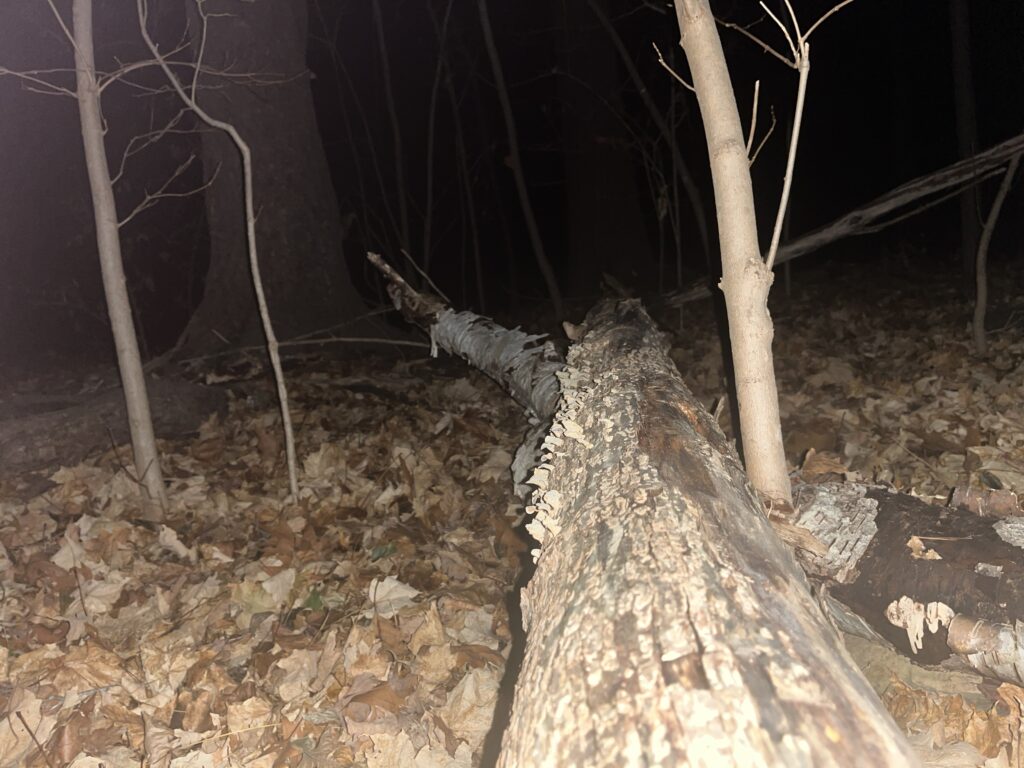
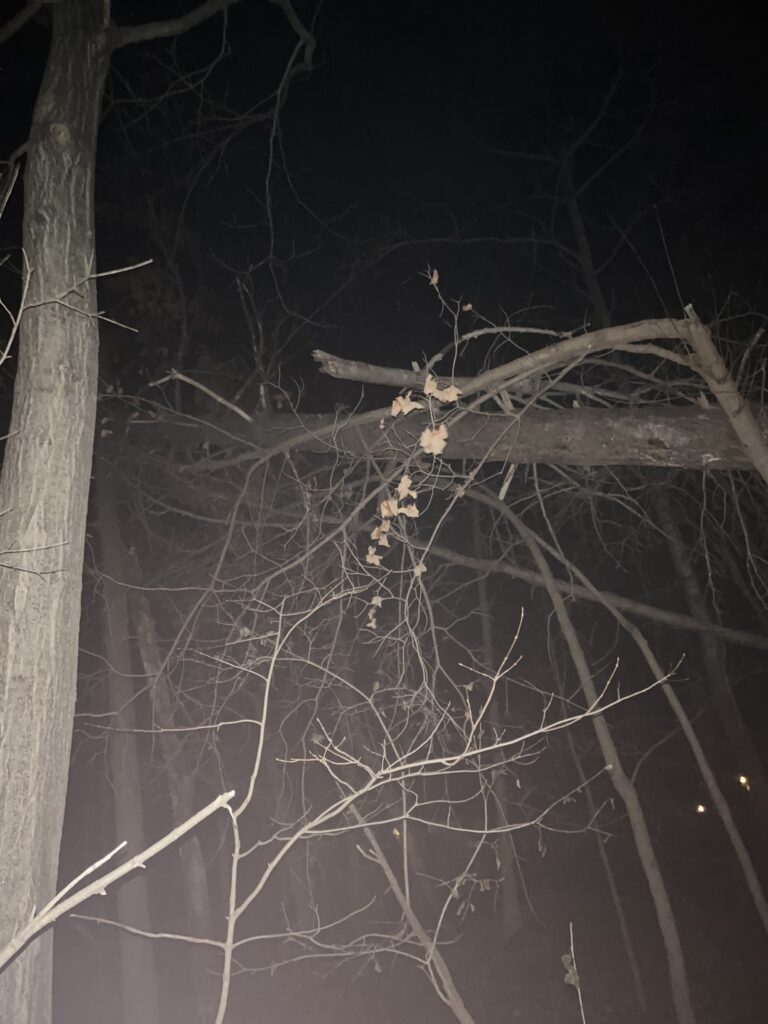
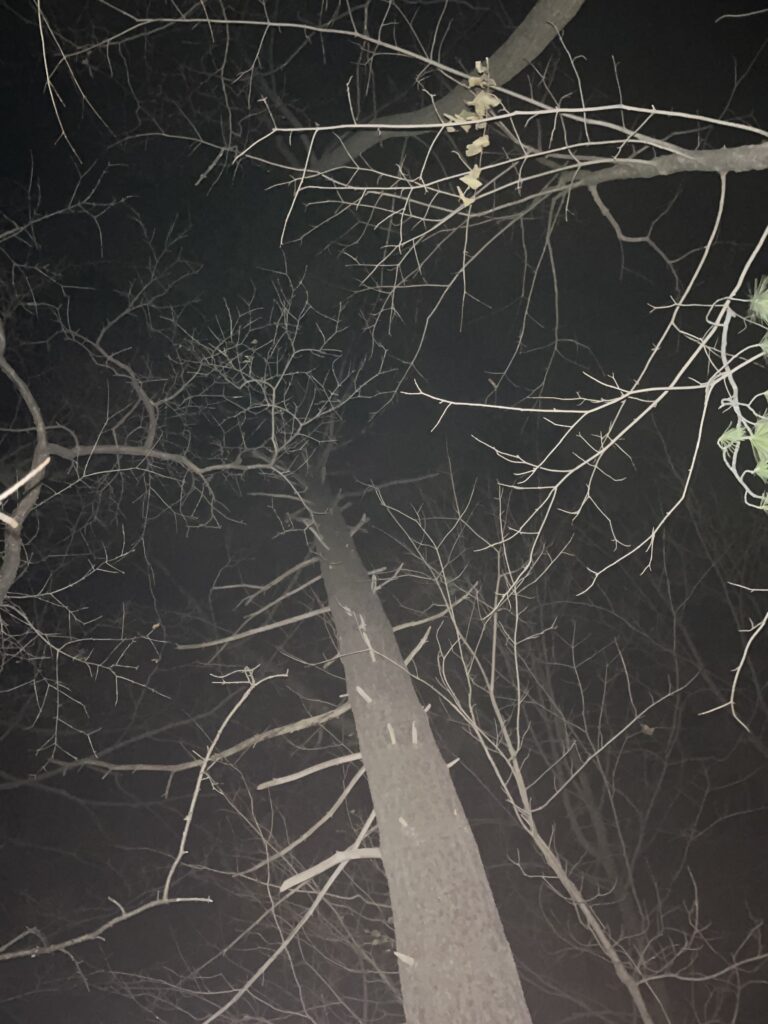
For the final phenology assignment of the semester, I decided to return to my location after sunset, to see if there were any major differences in wildlife behavior or presence. During my stay in the woods, no small animals or birds appeared, unlike my prior visits. If it wasn’t for the noise coming from the nearby Redstone Campus, the woods would be silent. Besides the very occasional small leaf on one of the younger sugar maple trees and the full canopies of the Eastern White Pines, there was no remaining foliage. All of the leaf fall has begun to decompose into the soil, especially on the path, where visitors’ boots break down leaf fibers and speed up decomposition. Underneath the condensing layers of leaves is mud. While the decision to visit the area at night was disappointing in terms of animal sightings, the darkness and lack of foliage created a rather ominous mood, as one can see in the pictures below. What I enjoy the most about this location is how while the intention when the area was first seeded was to (presumably) create a natural barrier between the Redstone Campus and the neighboring golf course, these woods have become a natural area convenient for students. On many of my visits, I have run into other students, and people from the Burlington community either sitting on a fallen log or just walking through on the path, which meshes well with UVM’s existing campus loop trail. Just like Redstone Pines, or the trees near CCRH, these woods are a place for people to engage with nature, even just for five minutes out of their day.

A Trip Home

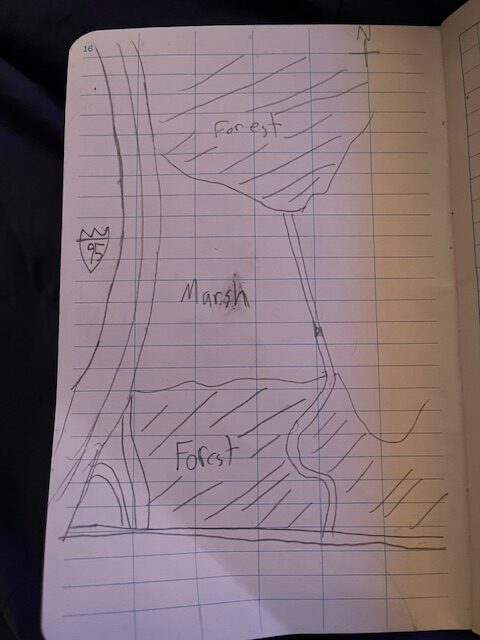
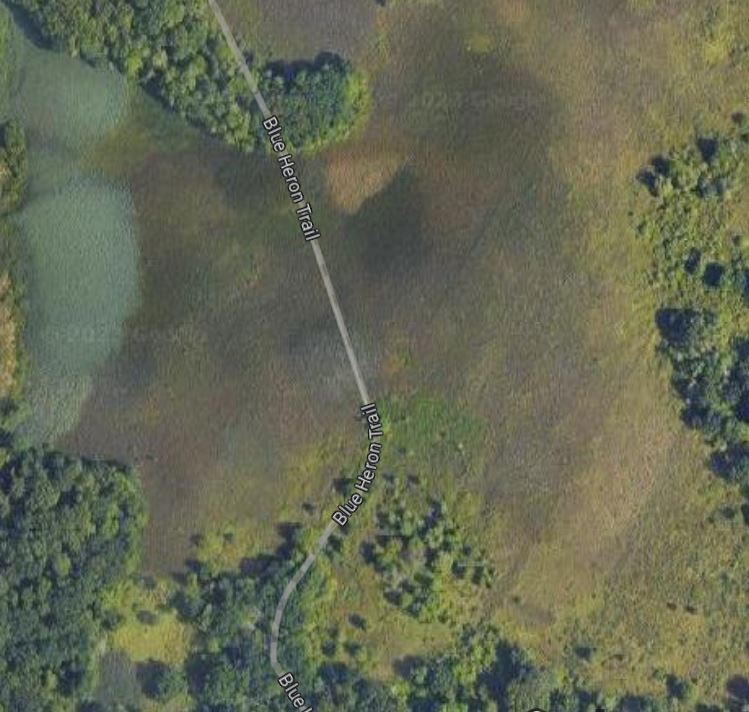
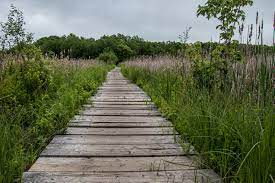
Over Thanksgiving break, I went home to Boston to celebrate the holiday with friends and family. While there, I visited one of my favorite local natural areas, Cutler Reservation in Needham. The park is bordered on one side by I-95, which is eight lanes wide and provides a pretty consistent motor noise. While the park has many acres of hardwood and mixed forests, with species such as Norway Maple, Yellow and White Birch, and Eastern White Pines, among other common tree species, the most interesting parts are where the forests give way to an area called “Great Plain”. Great Plain is a flat, open, freshwater marsh that makes up a majority of the land of the park. The plants present in the marsh are thick, tall, and intertwined. For the most part, the Common Reed covers the dry border areas, and Cattails fill in the areas under shallow water. This park is within the Middle Charles River, and its’ water level is defined by the flow of the river. This spot differs from my location in Burlington primarily in the plant life on the plain. While the forest around the plain has some of the same/similar species, the plain is completely different, trading the canopy of trees for an open marsh. In response to reading the Honorable Harvest before, instead of leaving a gift, I decided to clean up some trash on the boardwalk.

Mapping+ Autumn

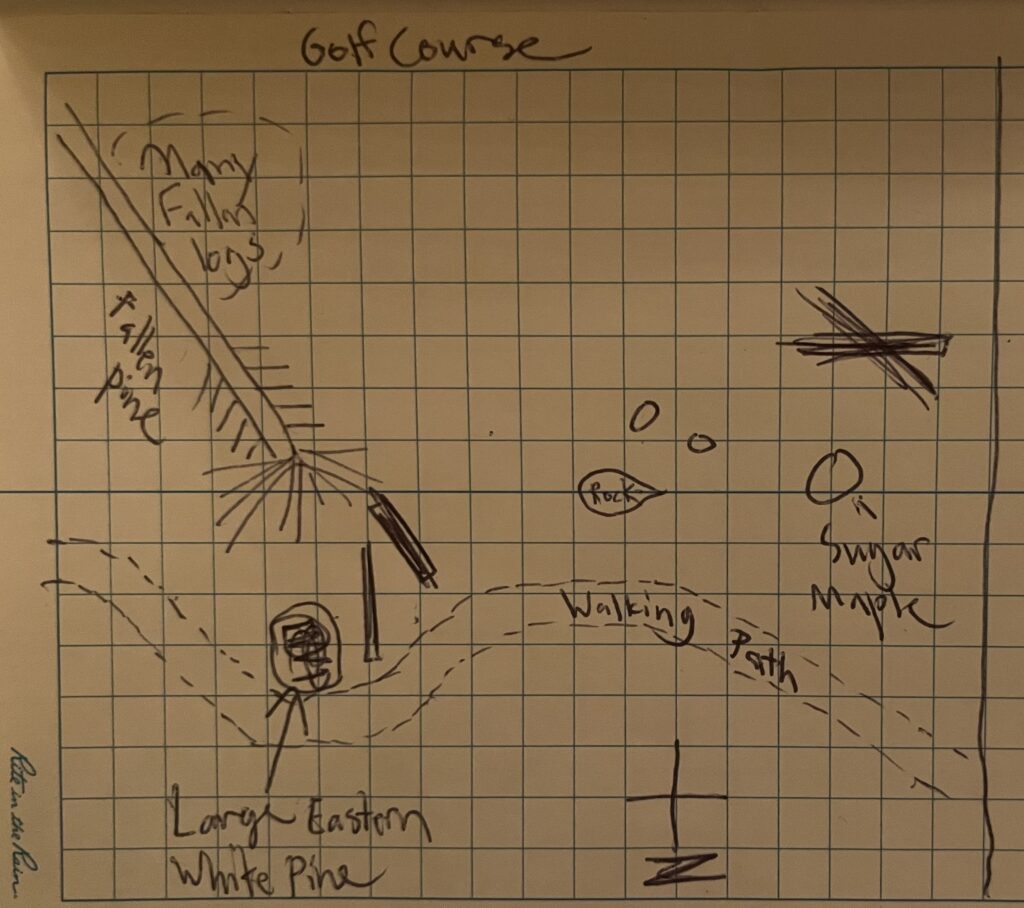
This visit, I sat down on a rock in the middle of my location (labeled “rock” on the map) and tried to pick up on the differences that have taken place since my last visit. Below is a hand-drawn map of the area. Please note it is oriented to the South to be easier to interpret when viewing the area from the walking path. The biggest difference in the vegetation that I noticed was the greater amount of sun reaching the understory, as the taller trees have dropped all of their leaves for the most part. None of this new sun is reaching the soil surface, however, because the O-layer is thick with Sugar Maple and Beech leaves. The open space in the middle/ top is filled with younger sugar maples and yellow birch.

Skip to toolbar