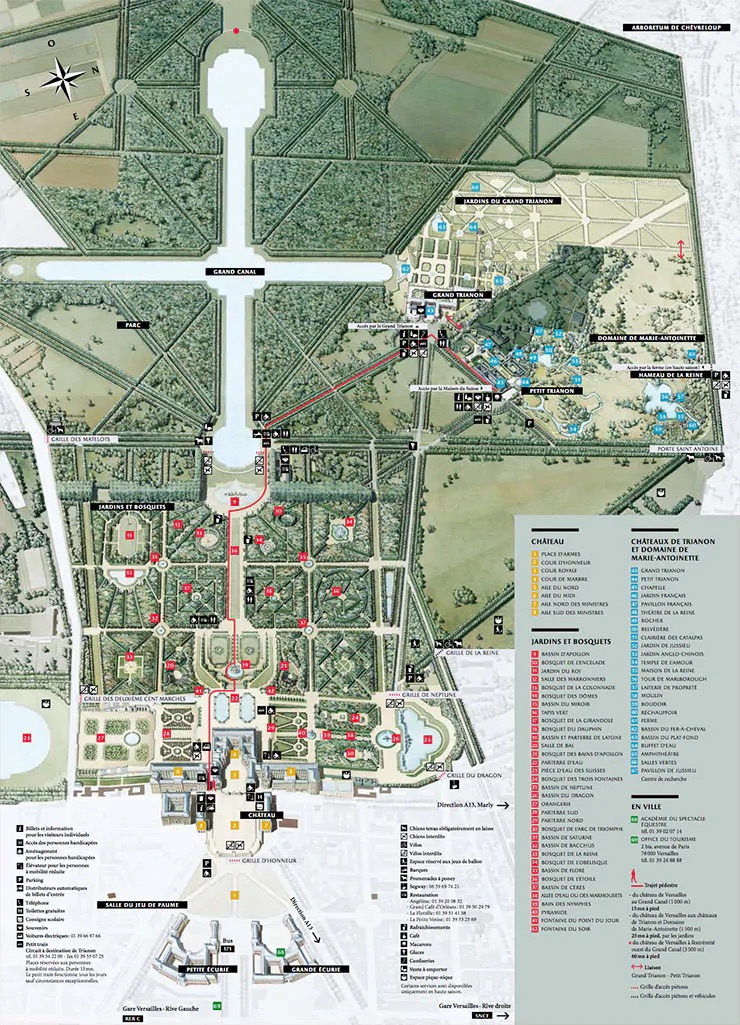
My phenology-lens has taken a global view for this months’ phenology post as I traveled to Paris to visit friends. On a bright sunny day, we walked around the Gardens of Versailles and it made for the perfect location to compare Burlingtons’ phenology to the French landscape.
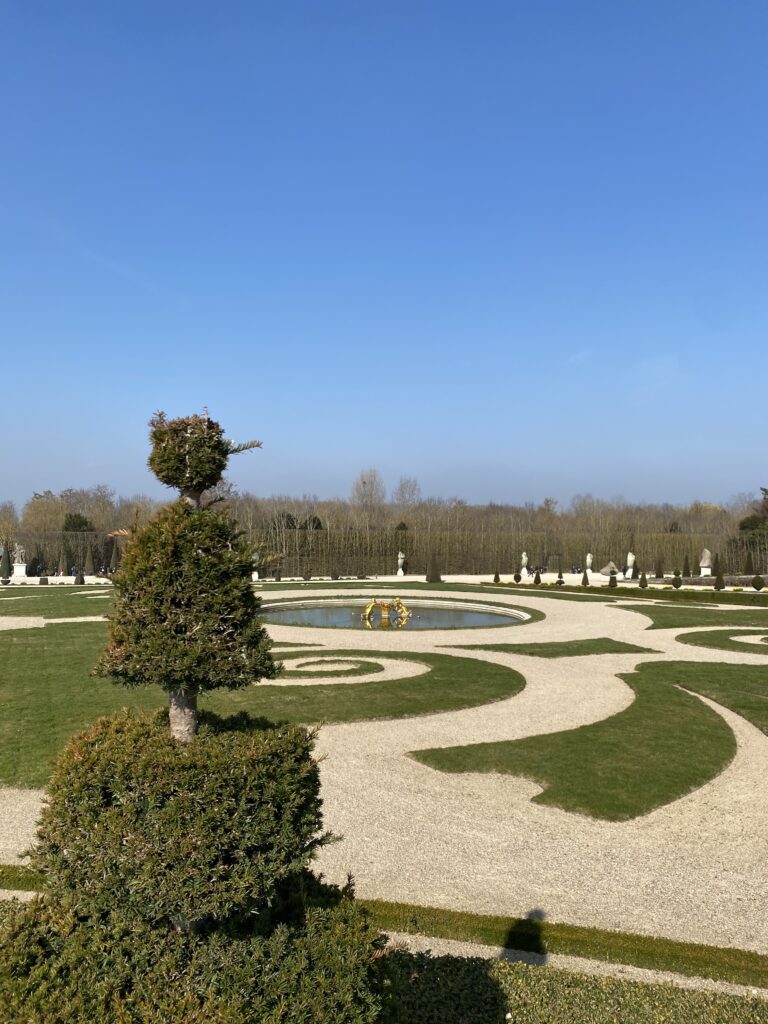
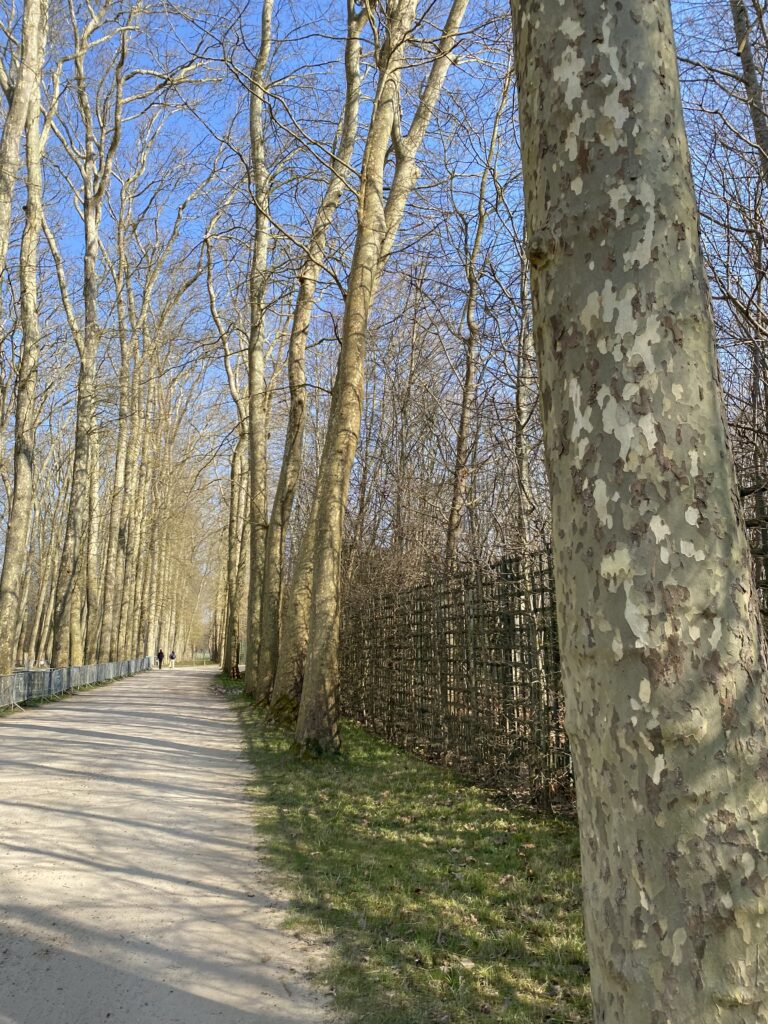
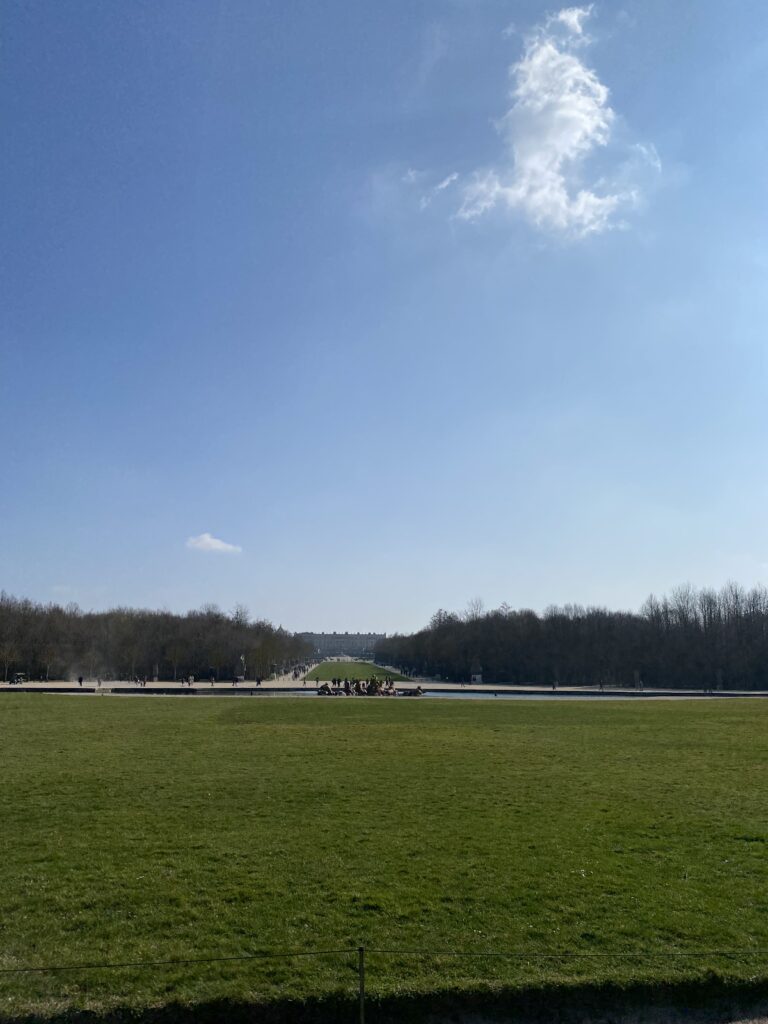
The history of the gardens is quite rich, literally. The gardens were constructed back in 1624 by French landscape designer André Le Nôtre and consists of 50 fountains, 200,000 trees, and 210,000 flowers that are planted annually. Unlike Burlington, the feeling of spring is in the air within the Gardens of Versailles as the first flowers and trees buds are beginning to bloom. The tree species seemed to be more temperate as many were native French species that are used to not going below freezing. All of the trees were intentionally spread out along the paths, allowing them to grow to their full potential. This inevitably made a strong overstory throughout the garden’s wooded areas, unlike my phenology spot in Burlington that has a fine mix between the understory and the overstory. I found myself for the first time in awhile not bundled up with layer upon layer, allowing the sun to soak into my skin. Since the gardens are quite maintained and populated, there were very little signs of wild fauna. While walking around, I did hear a distinct bird call whistling through the trees above unlike any I have ever heard before, yet I was unable to locate the elusive birds. However, I was able to enjoy watching the White Swans that skimmed the nearby ponds.
I thoroughly enjoyed my stroll throughout the Gardens of Versailles, it felt like an out of this world experience. I hope to someday visit them once more again.