The weekend that Walt and Chris have both led the class feeling anticipated has finally arrived, the City Nature Challenge iNaturalist BioBlitz! Throughout the entirety of NR2, my class was constantly reminded about the challenge so when it came around I knew it was time to get out and explore. A disclaimer, however, is that I was having trouble with my iNaturalist app in transferring my data, so although I participated, I was sadly unable to upload my findings. Nevertheless, I joined my fellow citizen scientists in a weekend of identifying fun!
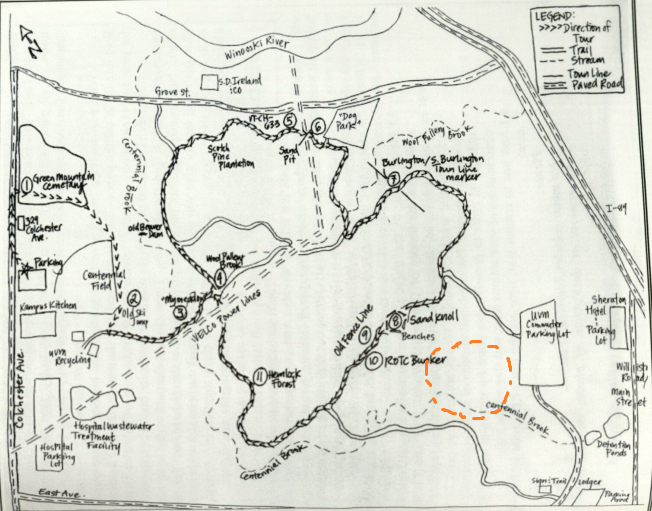
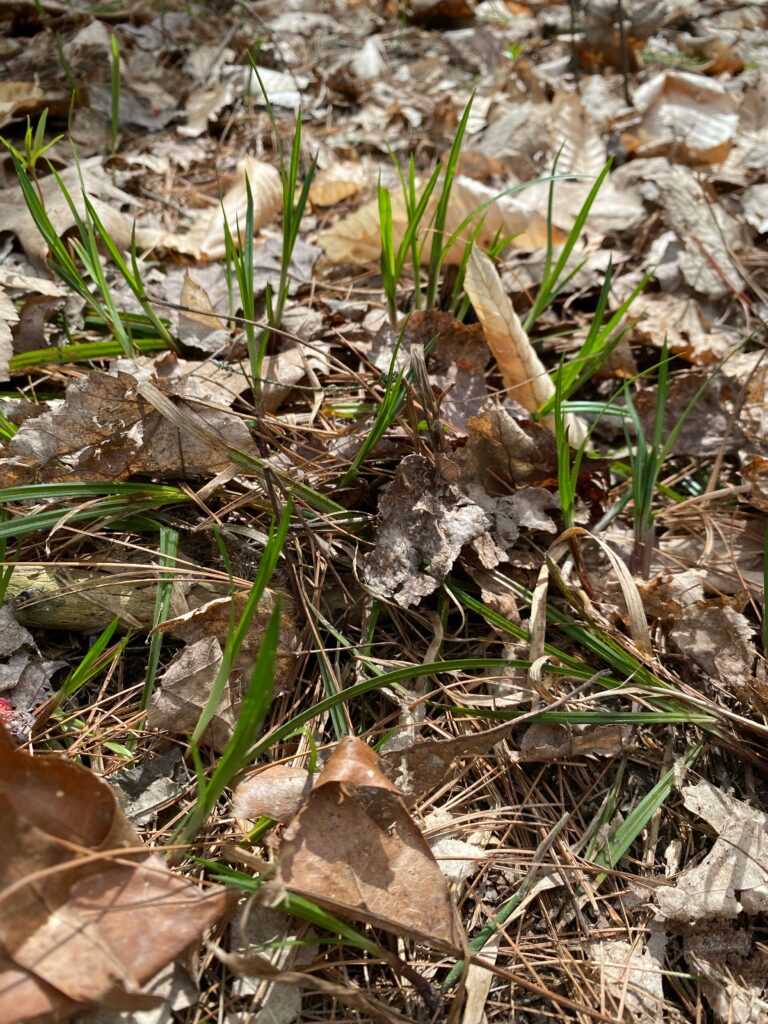
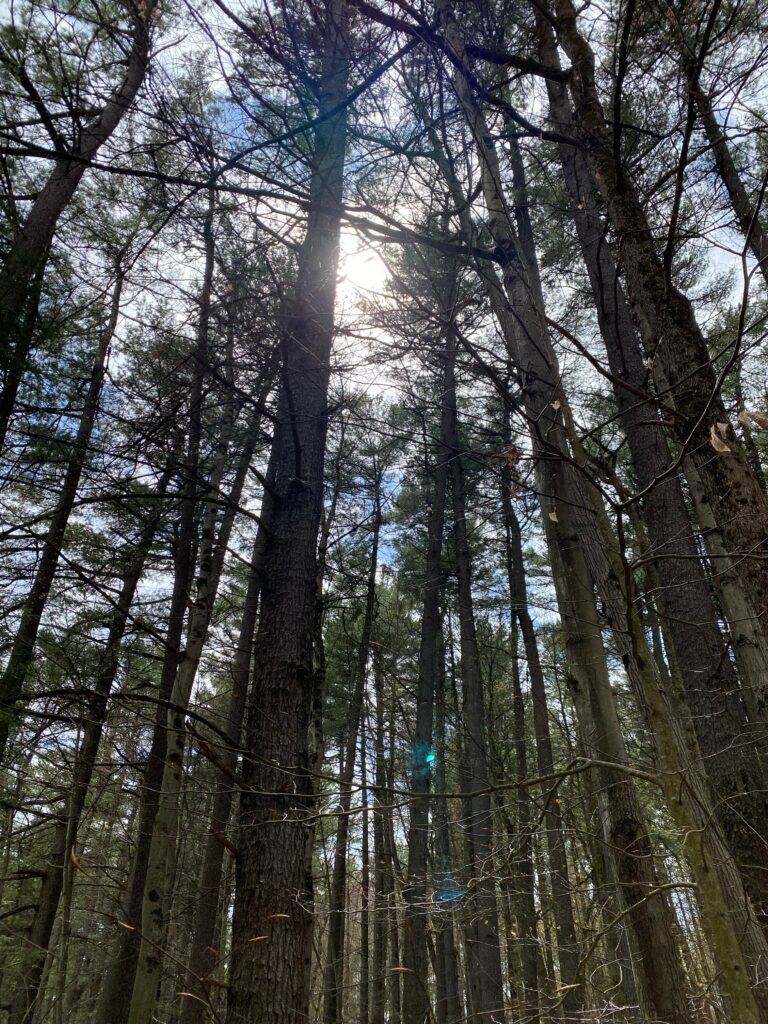
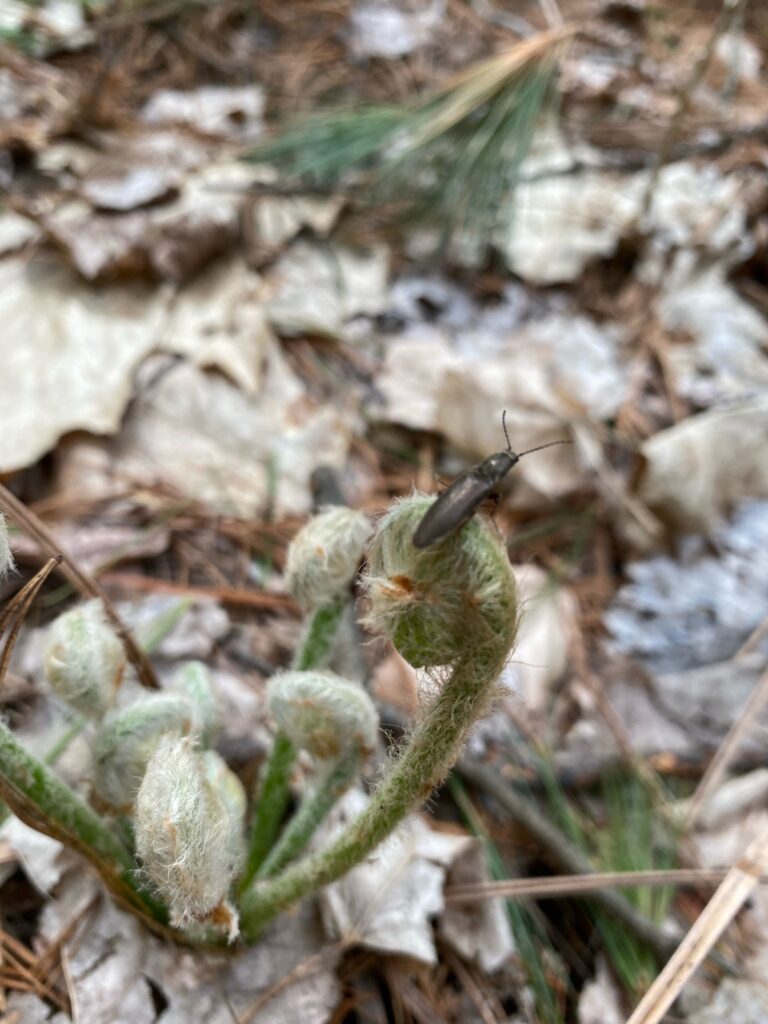
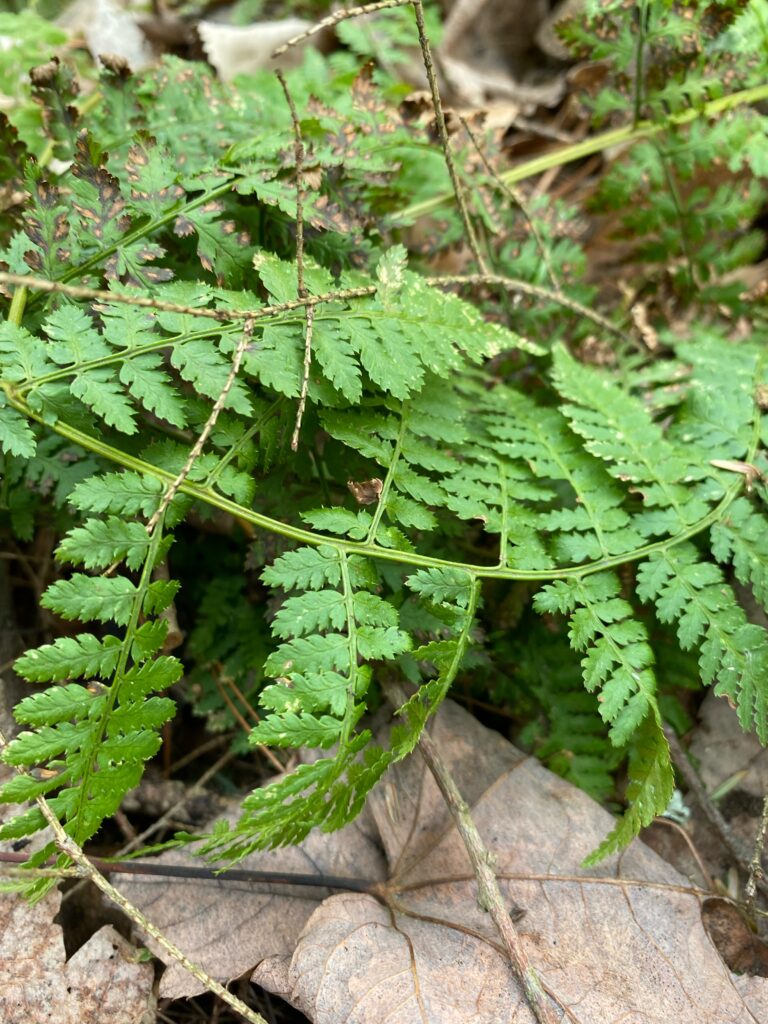
The area I explored the most heavily was the Centennial Woods. I have been to the Centennial Woods many The area I explored the most heavily was the Centennial Woods. I have been to the Centennial Woods many times since it holds my Phenology Site, but the understory has been changing constantly due to spring-awakenings so I wanted to see how the woods in a form I have not seen before. While walking through the Centennial Woods, I always feel a sense of relief flow over me as I escape my busy life and reconnect with nature. Many times, I walk through Centennial without taking the time to truly admire the flora and fauna below me, so the City Nature Challenge served as a great opportunity to reconnect and grow my sense of place even more. I observed many new green spring friends who have just begun peaking out from the humus below. There were plenty of lady ferns, Japanese barberries, mayflowers, and even a few unwanted Japanese knotweeds. I even made a new friend, a genus sylavenlater, more commonly known as a Click Beatle. Although I was able to capture a photo of them with my phone, I saw two American goldfinches fly amongst the old-growth pine stands and saw many robins hopping along the brook bank to find their lunch: the woods were truly alive. I also saw a mammal that was too large to be a squirrel but too small to be a beaver with light brown fur, so with inferences, I believe I stumbled upon either a mink or a porcupine, how exciting!
It is really fascinating to see the reports from other cities across the country flooding in. I was quite surprised by some urban cities, such as Dallas/Fort Worth, which had great success in observing a large number of species in highly urban areas. This made me realize that although cities do displace many organisms and disrupt ecosystems, biodiversity still exists, and this gave me much hope. I also found it interesting that the distribution of findings is quite global with no country/region doing substantially better than the other, also showing biodiversity is everywhere.
I look forward to next year’s City Nature Challenge iNaturalist BioBlitz and hope to see Burlingtons’ species count increase again with large support coming from the Rubenstein student-body, adventure is out there!