Posts

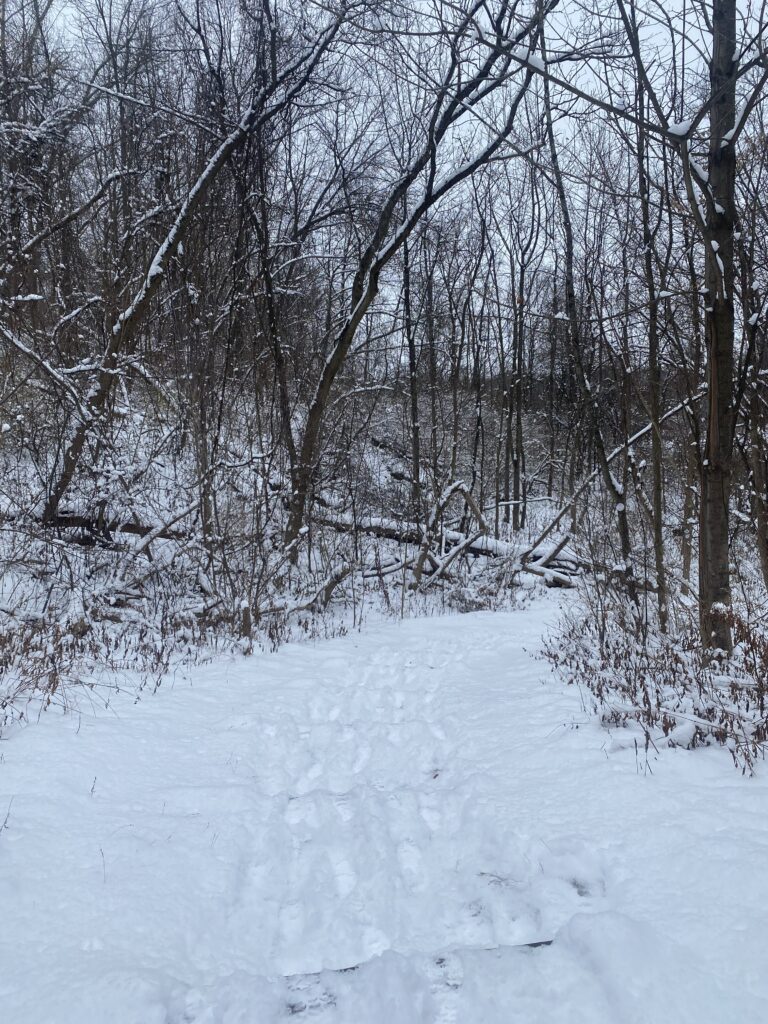
Final Visit

Foliage

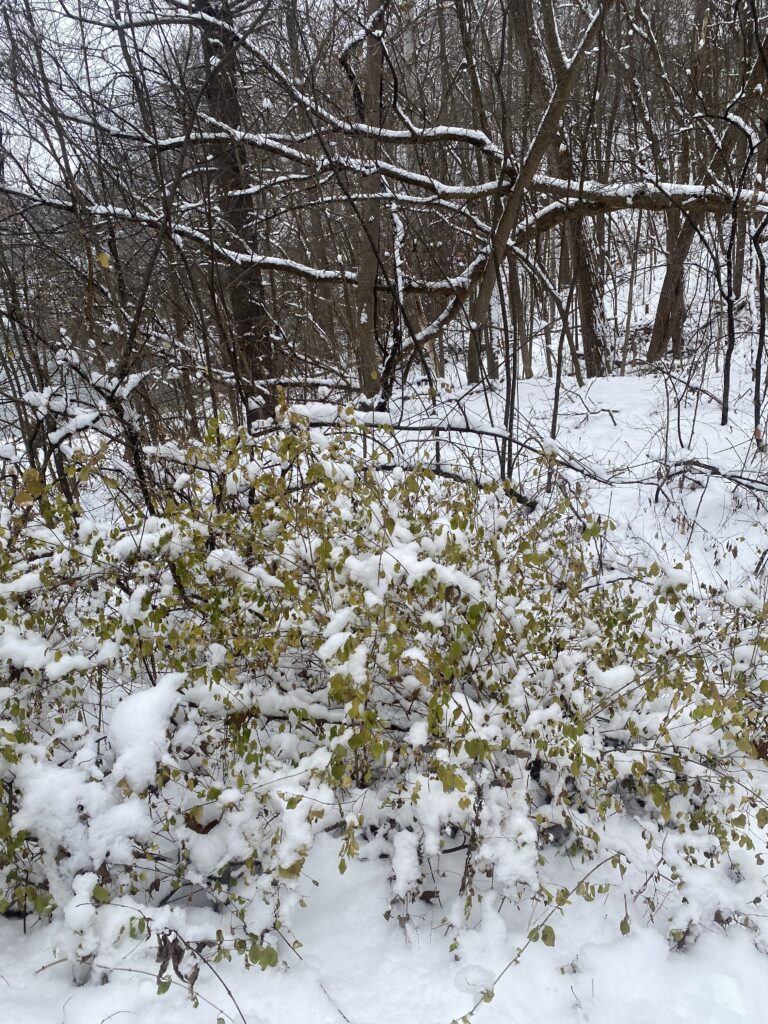
Stick season is upon us! For the time, my phenology spot is almost completely bare of leaves. There are only a couple species that still hold leaves on them, including buckthorn. The only leaves I spotted at my spot are pictured below.
Animals

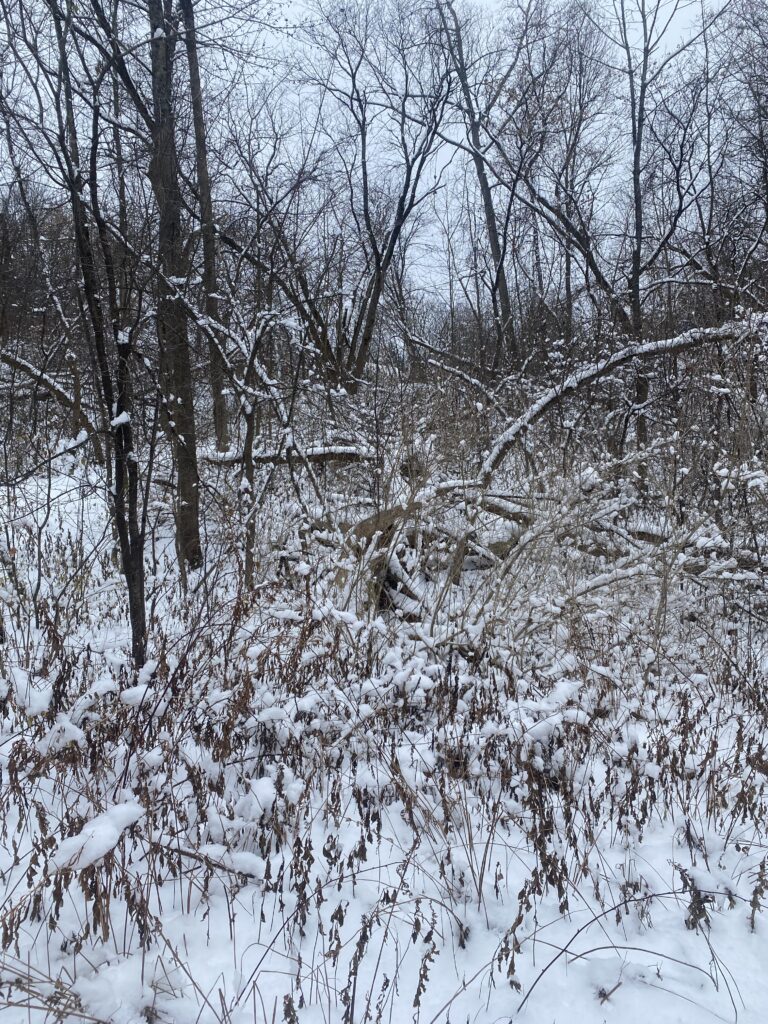
There weren’t any animal tracks that I saw. There were a few bird nests that I was not able to capture good pictures of and I could still hear a couple of bird calls while I was visiting. Other than that, there was not much evidence of animal activity. I assume that since the area is so passed through by humans, animals are likely scared away from the area. The amount of animal activity has remained fairly similar over the past few months, but it may have decreased a bit since the early days.

Reflection

As my time in this space comes to a close and I reflect on my time at Salmon Hole, I realize that I have thoroughly enjoyed spending some time here every few weeks. My favorite trip was the final one because of the snow, but I still loved all of them. Generally, what I love about nature is the peacefulness and calm that it brings me. The sound of the river at Salmon Hole brought a calming aspect that stuck with me. I enjoyed sitting on the steps along the trail and taking in my surroundings, which was all trees. I loved seeing how the space changed as I visited it over the autumn season. I got to see as the leaves turned yellow, then died, then all fell off.

New Place: Muddy Run, Holtwood, PA

Link to Location on Google Maps

Muddy Run Special Features

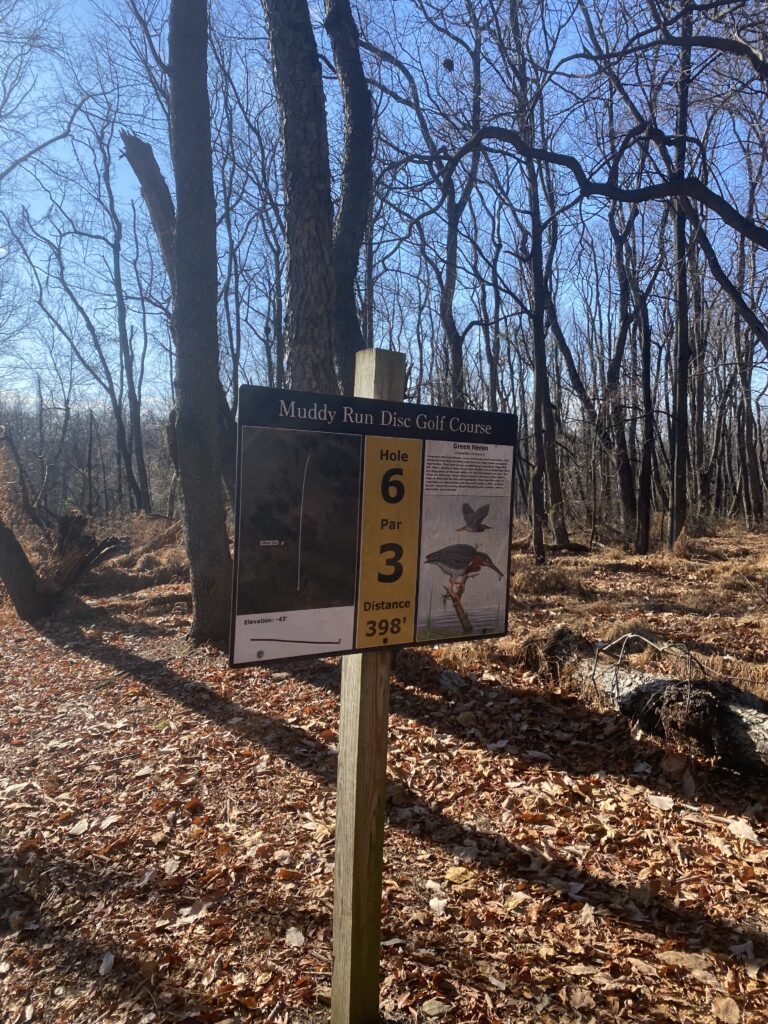
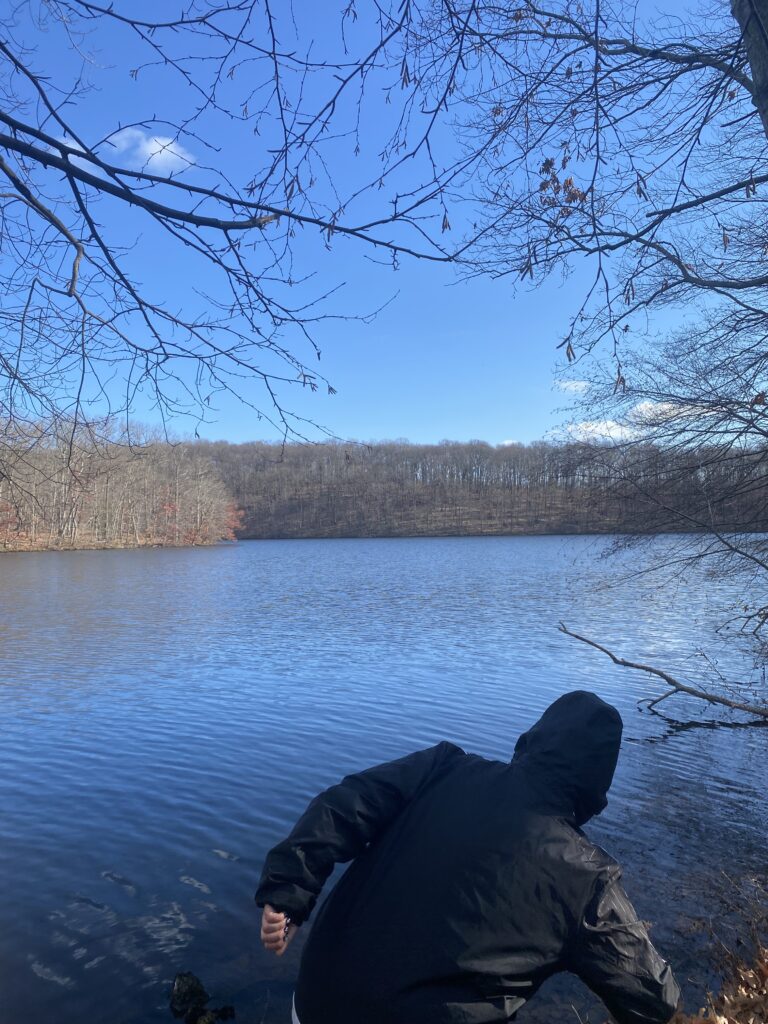
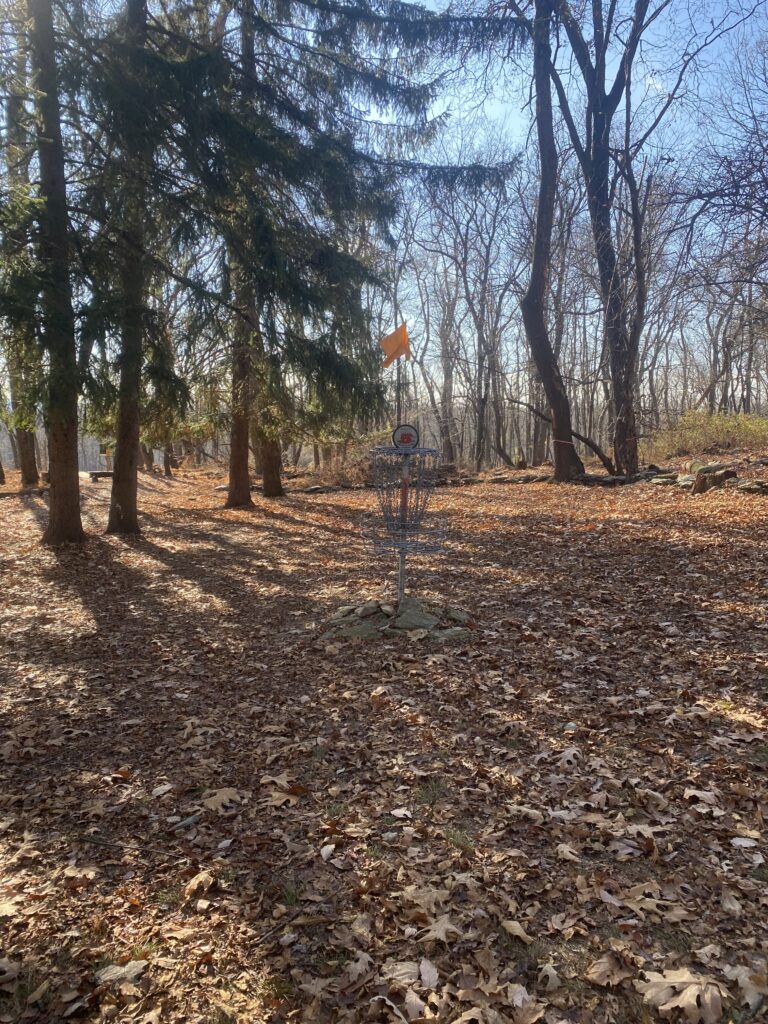
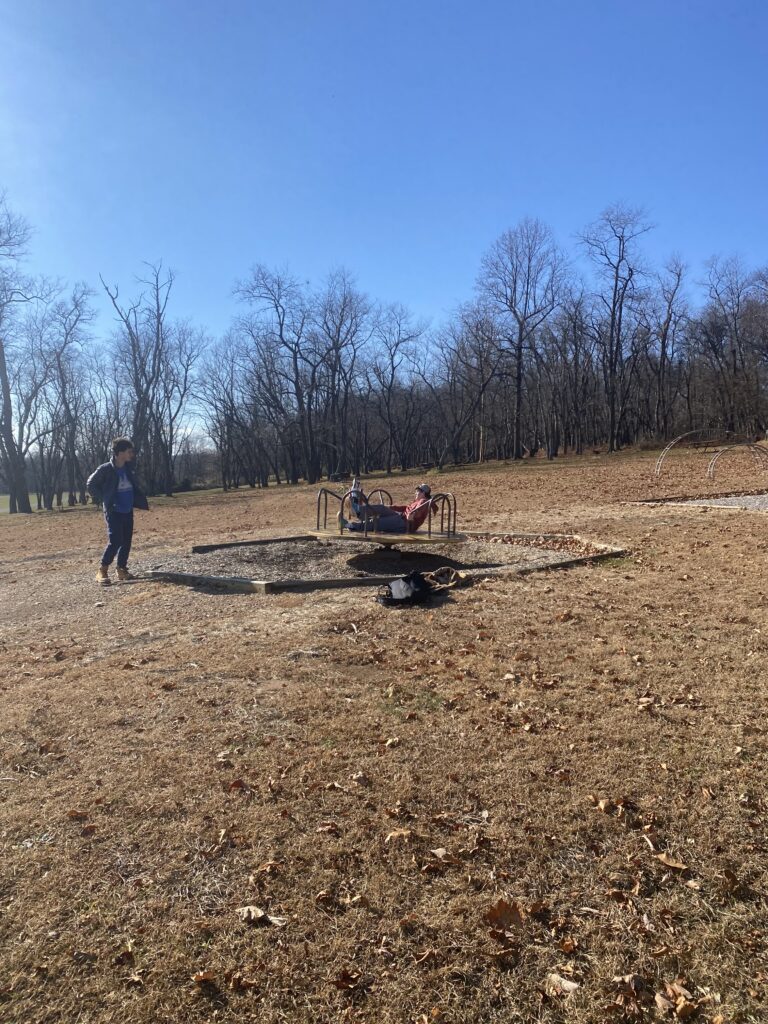
There were lots of different recreational activities available at the location, including playgrounds, a disc golf course, and a hiking trail. There is also a reservoir that is within the park. It is a big, open, and forested natural place that is quite different from the surrounding agricultural land use in Pennsylvania.

Ecological/Phenology Comparisons to Spot in Vermont

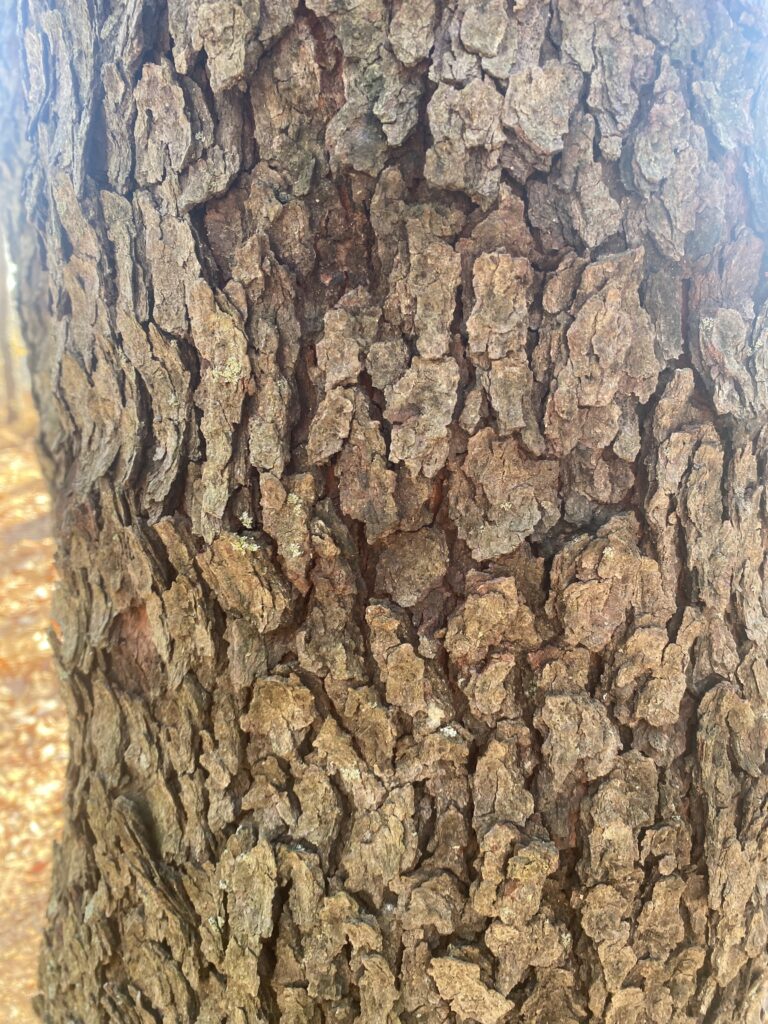
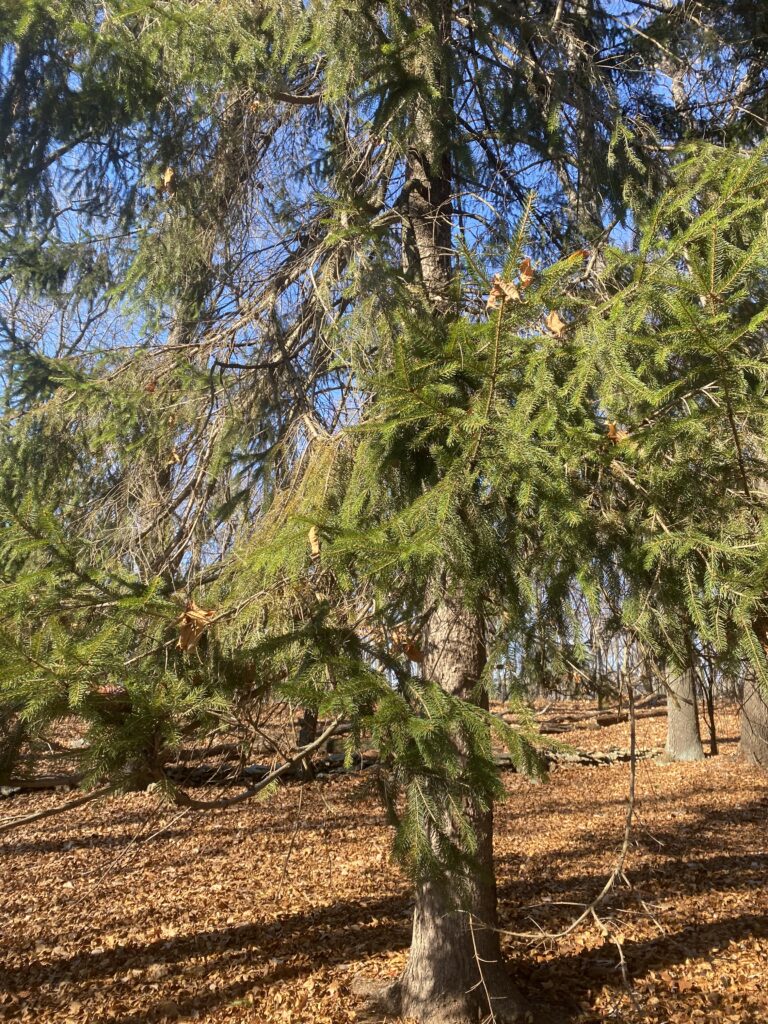
Compared to my Vermont location, Salmon Hole, there are many differences in how the forest is composed. At Muddy Run, there is almost no understory and the forest floor looked strategically placed. While they have both been modified by humans, the Muddy Run location had a much more demanding use of disc golf that requires more modification than the Salmon Hole location does. In contrast to the mostly maple-filled Salmon Hole, the trees featured most at Muddy Run are black cherry, oak, and yellow birch. I also spotted many white pines and eastern hemlocks as well.

Salmon Hole

Salmon Hole is an area on the Winooski River nearby the Winooski Dam and downtown Winooski. It is a famed fishing spot in Vermont due to the variety in species it holds. I chose Salmon Hole as a location for my phenology project because of its proximity to water and to campus. It is a short downhill walk in the northeast direction from UVM.

Location

Location Pin

Plot

Vegetation

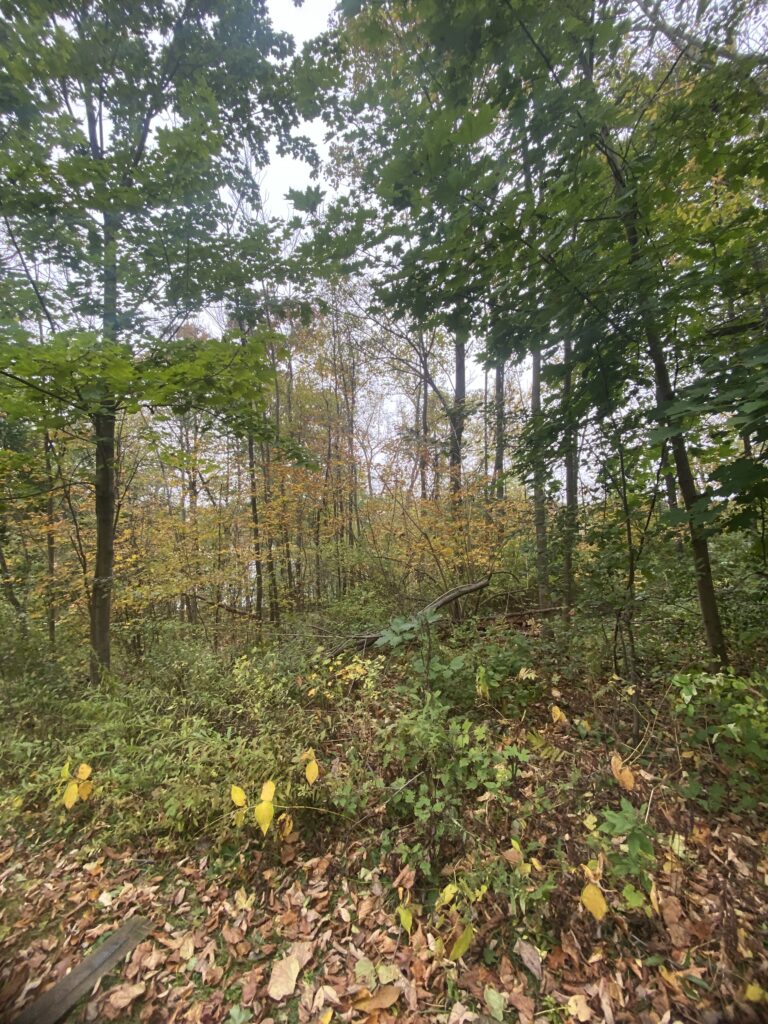
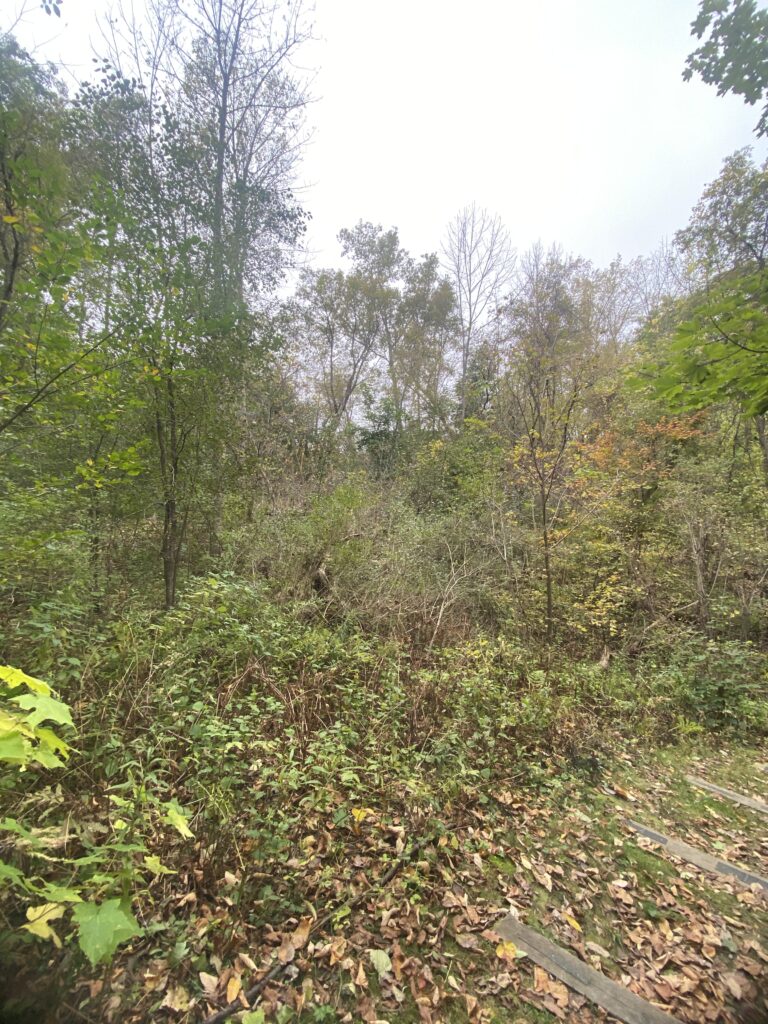
The vegetation in my plot is a mix of lots of small shrubs and some larger trees–the canopy cover is not very dense. Some of the leaves have begun to turn yellow, but most of them are still green. There are many trees that are dead or dying and don’t have any leaves on them. Close to the ground there are many ferns, sticky shrubs, and young trees. Many of the taller trees are some type of maple species. Below are some of the woody plant species observed:

  • Norway Maple
  • Buckthorn
  • Oak (unknown)
  • Basswood
  • American Elm
  • Maple (unknown)

iNaturalist Link

Experience: Friday, November 1

While sitting in my plot quietly for 15 minutes, I felt that I was in a fairly open and calm place. I could hear sounds of birds and the river at some points, but at other points traffic sounds overtook the sounds of nature. The car sounds made me feel like I was not fully immersed in nature, along with some trash that was left along the trail.

Birds-eye Map

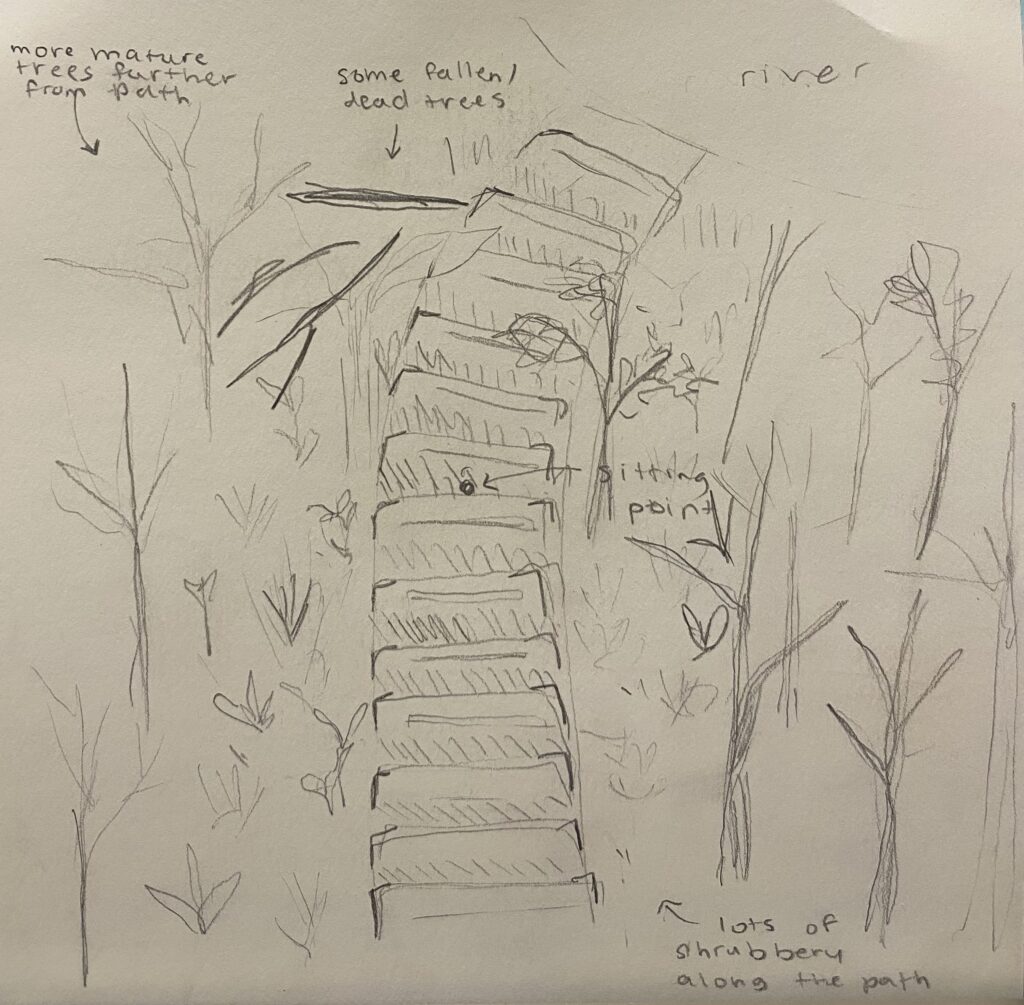
This is a bird’s-eye view of the plot. A path with stairs runs down the middle and goes to the river at the end. On the sides, there is short shrubbery close to the path, and as you get further out, there are some taller trees that are mostly bare.

3 Weeks Later–What Has Changed?

11/1: Since my last visit, not much has change other than the seasonal changes that you would expect. There are far less leaves on the trees now. The color change is also significant–there is now almost no green, as it has been replaced by mostly yellow. The area feels a bit more open due to the lack of leaves.

Skip to toolbar