Posts

May Visit

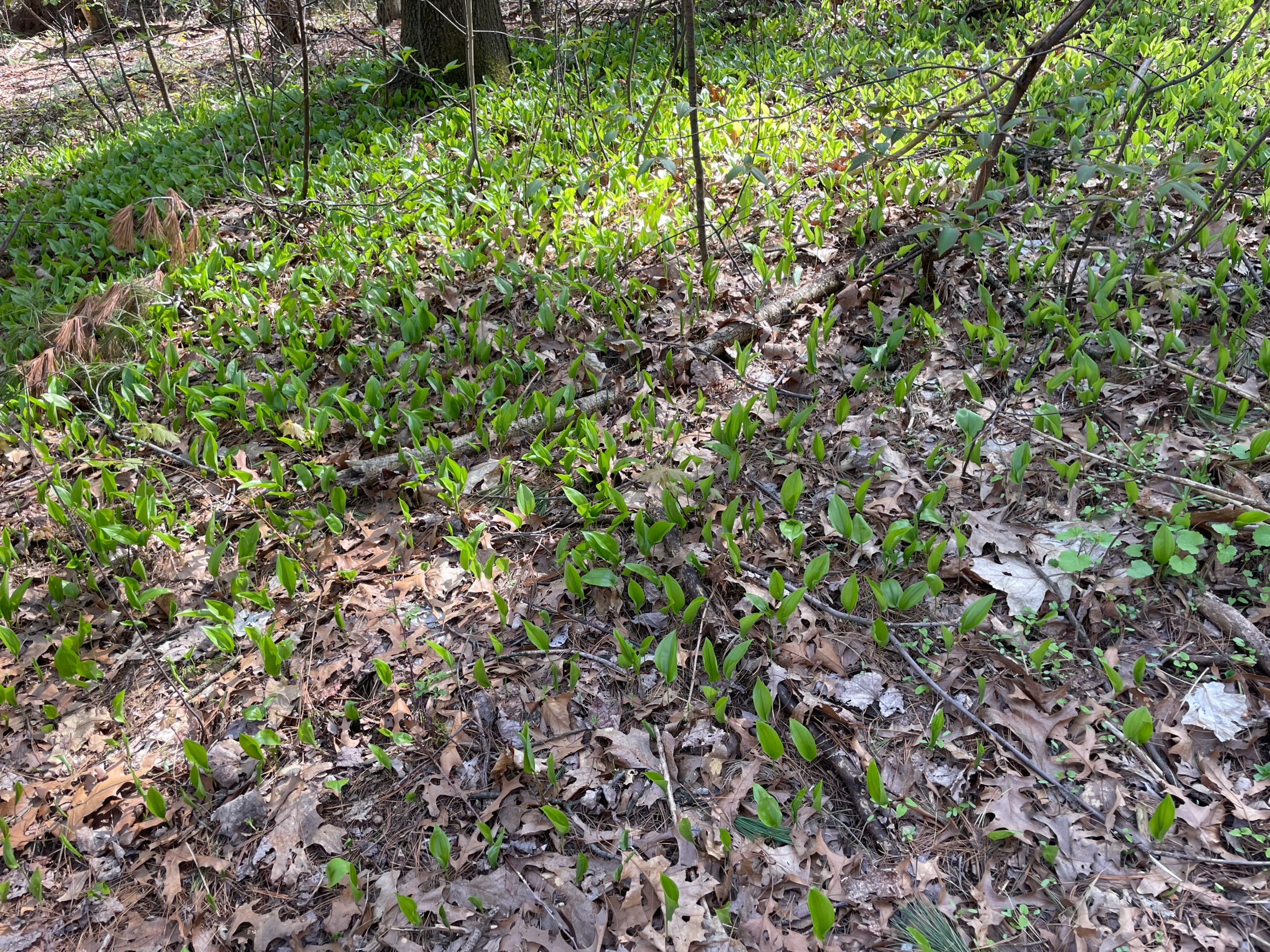
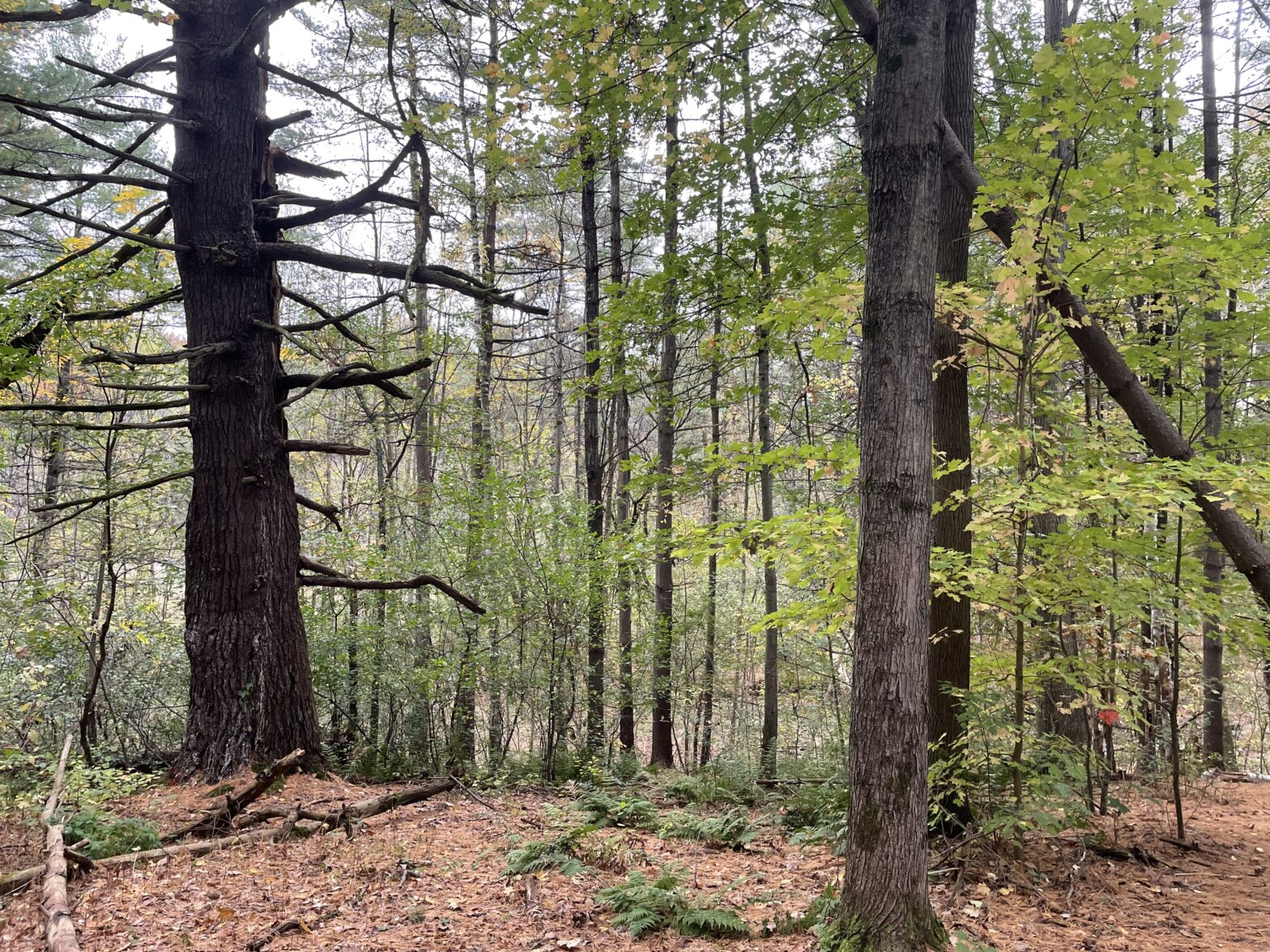
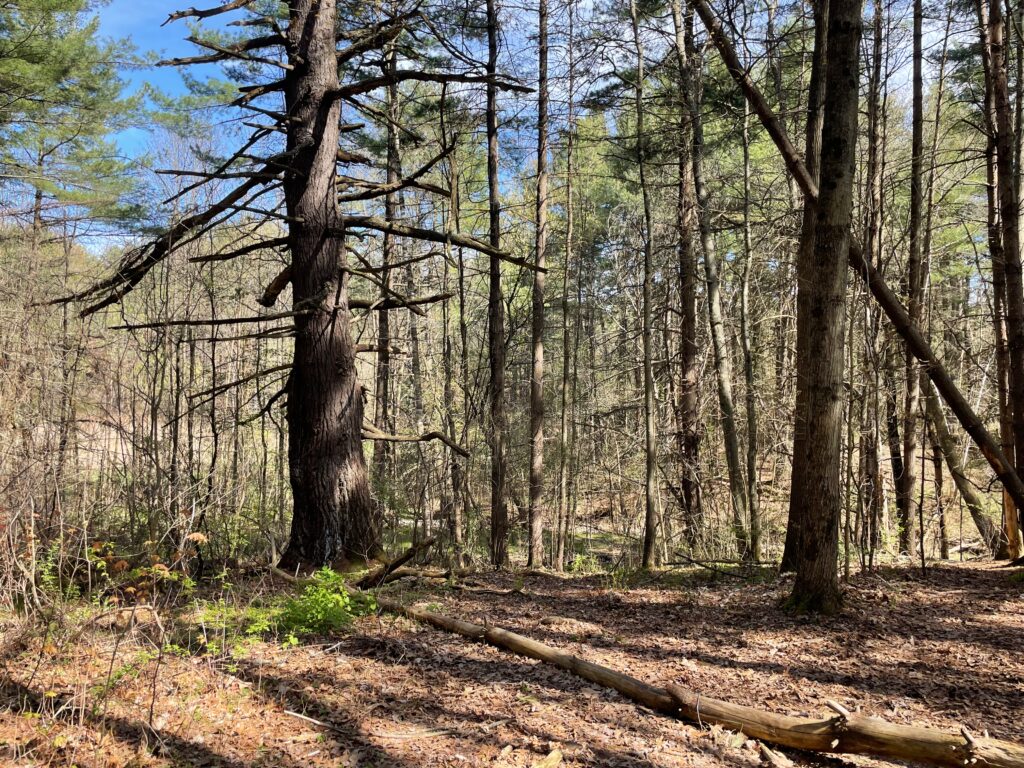
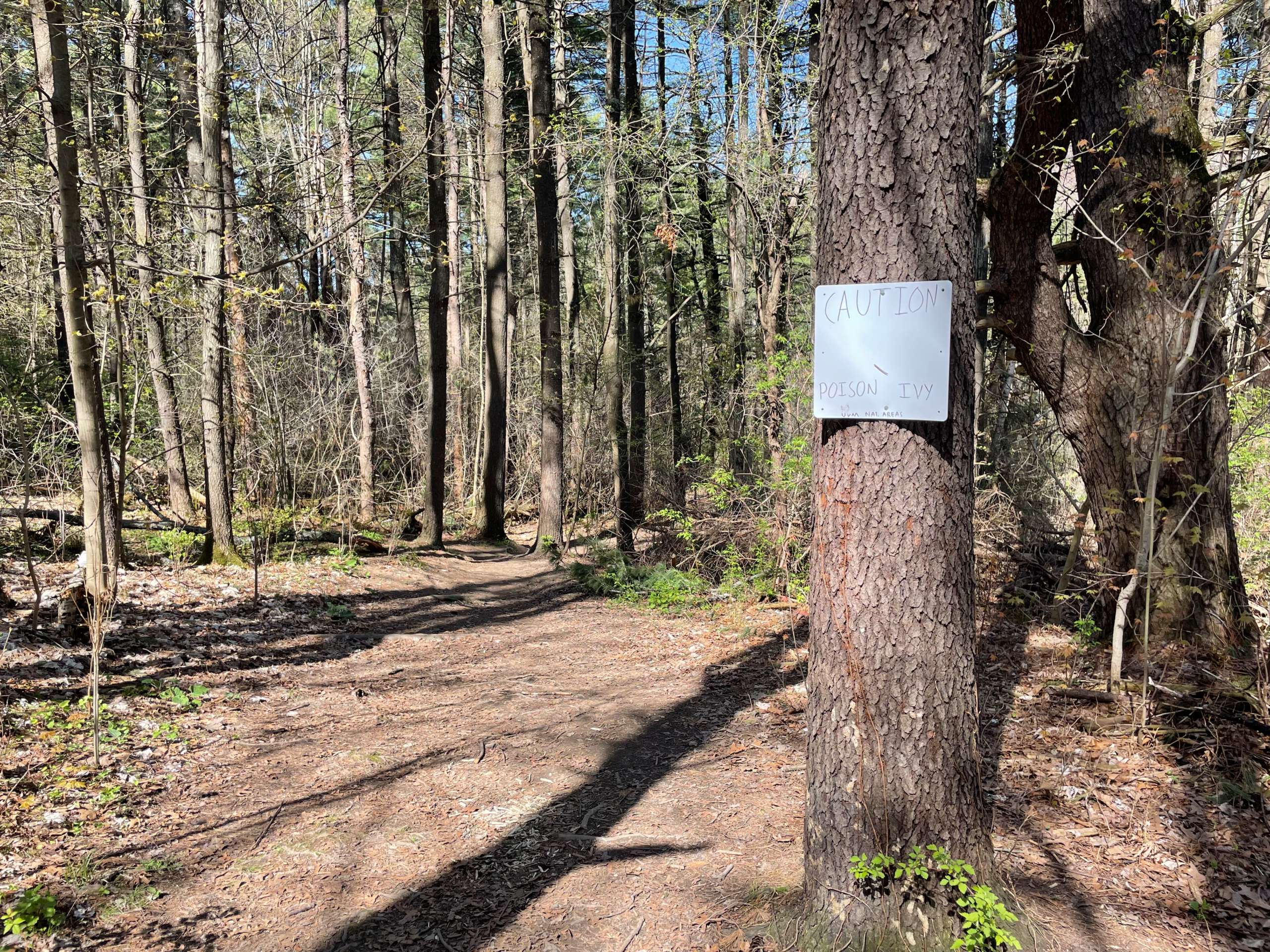
Visiting my phenology site for the last time this school year was definitely bittersweet. The leaves are finally coming out and the weather is finally warm again. The walk down to Centennial was lovely, with many flowers blooming and plants growing all along the path. My actual spot looks fairly similar, with differences mainly because of many new spring plants blooming.
Species Diagram

Nature and culture intertwine at my phenology place because I think that these woods are such an important part of the culture at UVM. We are fortunate enough to have a vast preserved natural area to learn about and enjoy. I’m grateful that I’ve been able to go down to my spot over and over again this year. It absolutely became part of my routine and part of the “UVM culture” for me. I do consider myself a part of this place because I interact with it and value it in the same ways that every other species does. Being able to watch this place change throughout the year has been incredibly interesting. In a way, it is like watching something grow and evolve, and I think this year I’ve grown with it.
March Posting

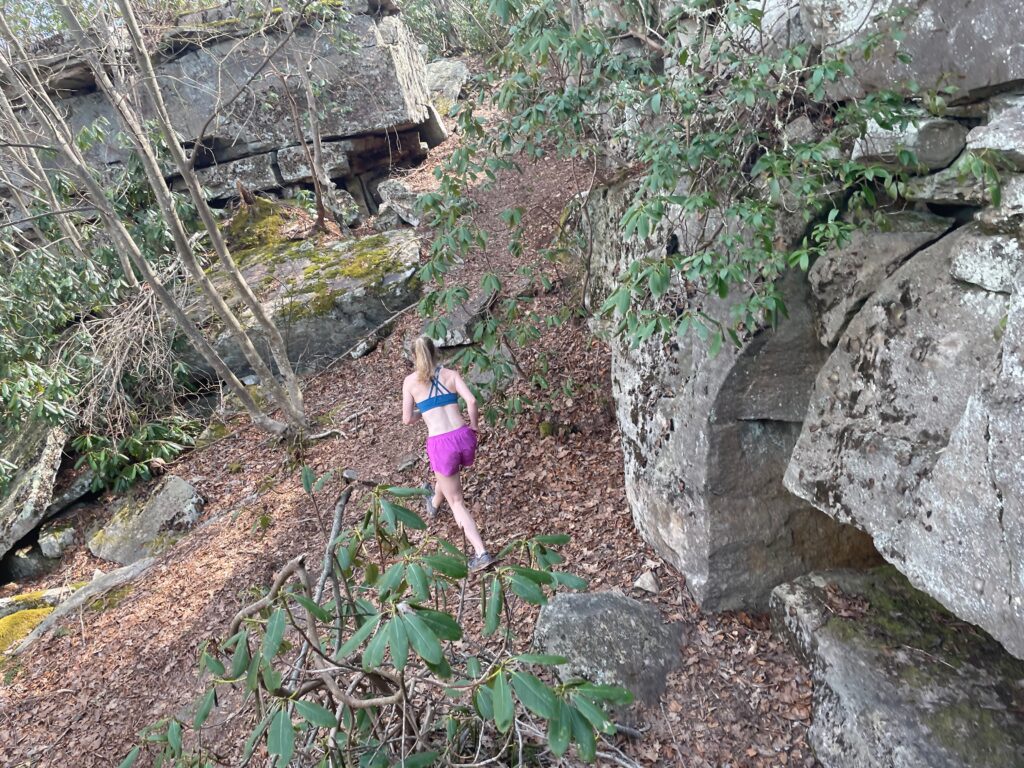
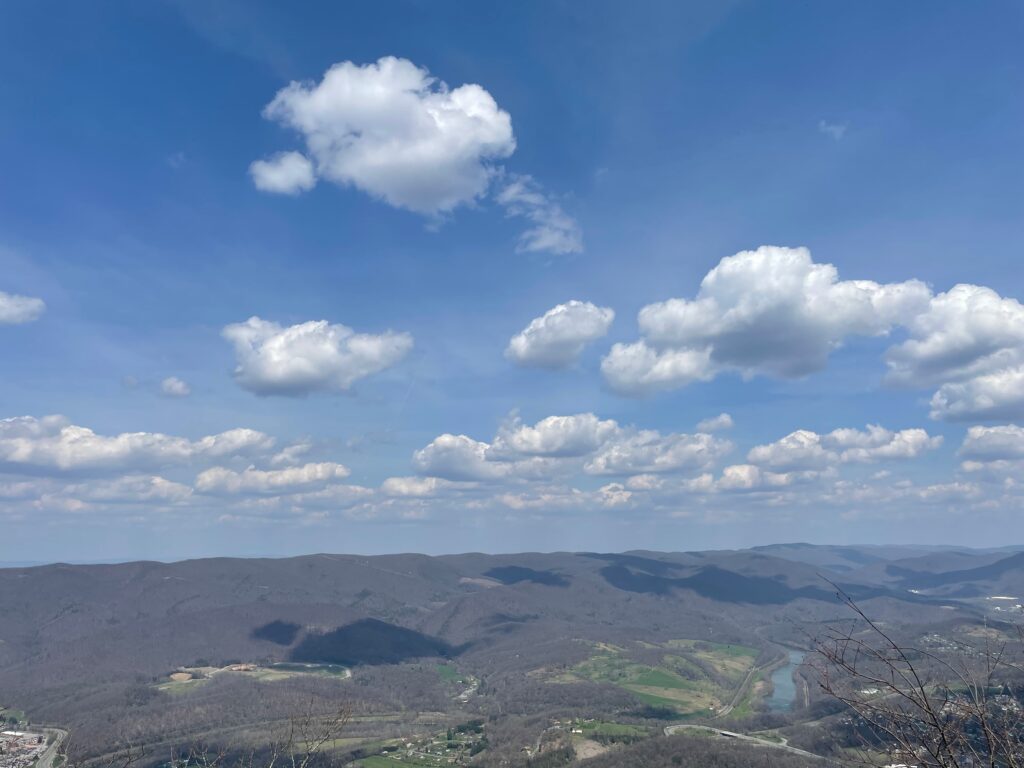
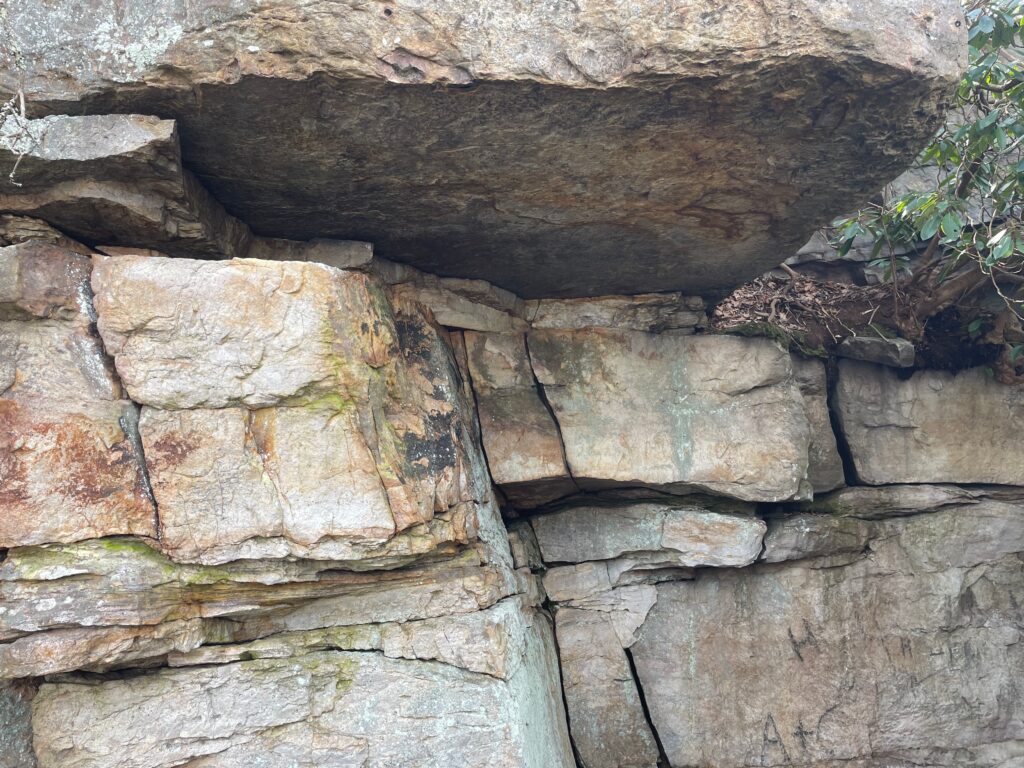
Over spring break I went back home to Virginia. I hiked Angel’s Rest in Pearisburg, Va, and decided to choose this as my new phenology spot. Angel’s Rest is an overlook nestled right in the Appalachian Mountains, right near the Virginia/West Virginia border. The Mountains here are steep with many isolated valleys in between. These mountains were formed during the Paleozoic era with extensive plate folding and thrust-faulting. The mountain peaks are primarily formed from quartzite, conglomerates, and sandstones. The valleys are formed from eroded shale and limestone. The Angel’s Rest overlook has a great view of the New River and surrounding valley. It is also connected to the Virginia section of the Appalachian Trail.

January Visit

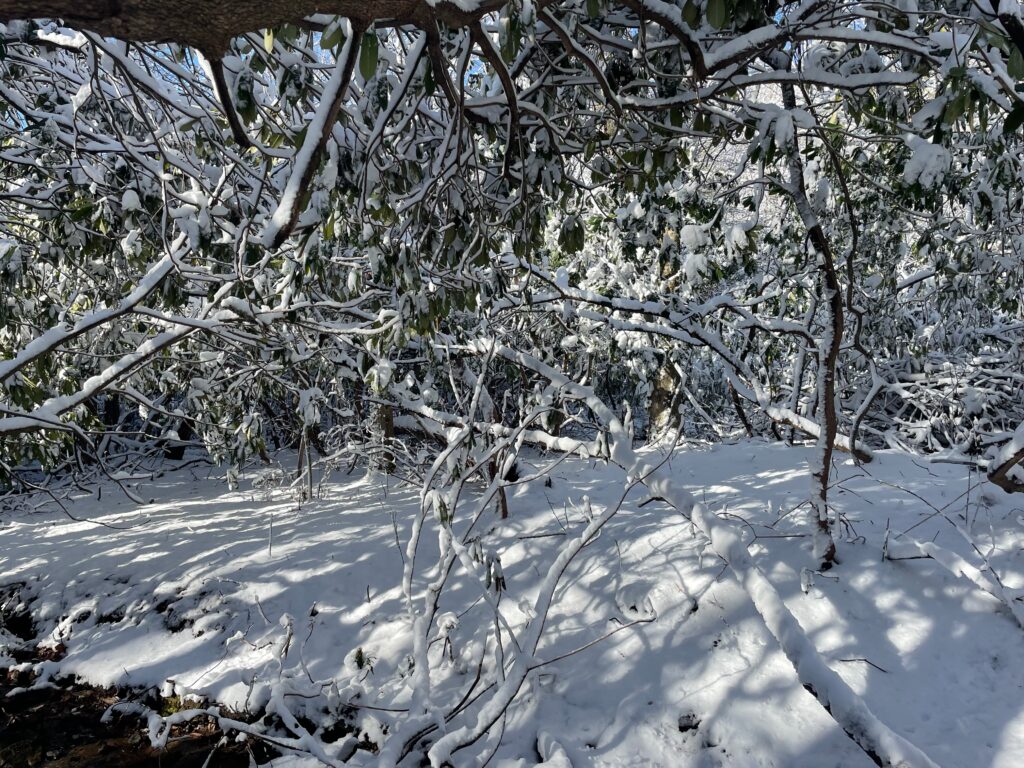
Although there were no clear animal tracks at my sight, on the way down I saw lots of footprints and potential dog prints. The ground at my spot was completely covered in snow, and most of it was pretty melted so it was hard to tell what types of critters had been through there.

December 11th Post

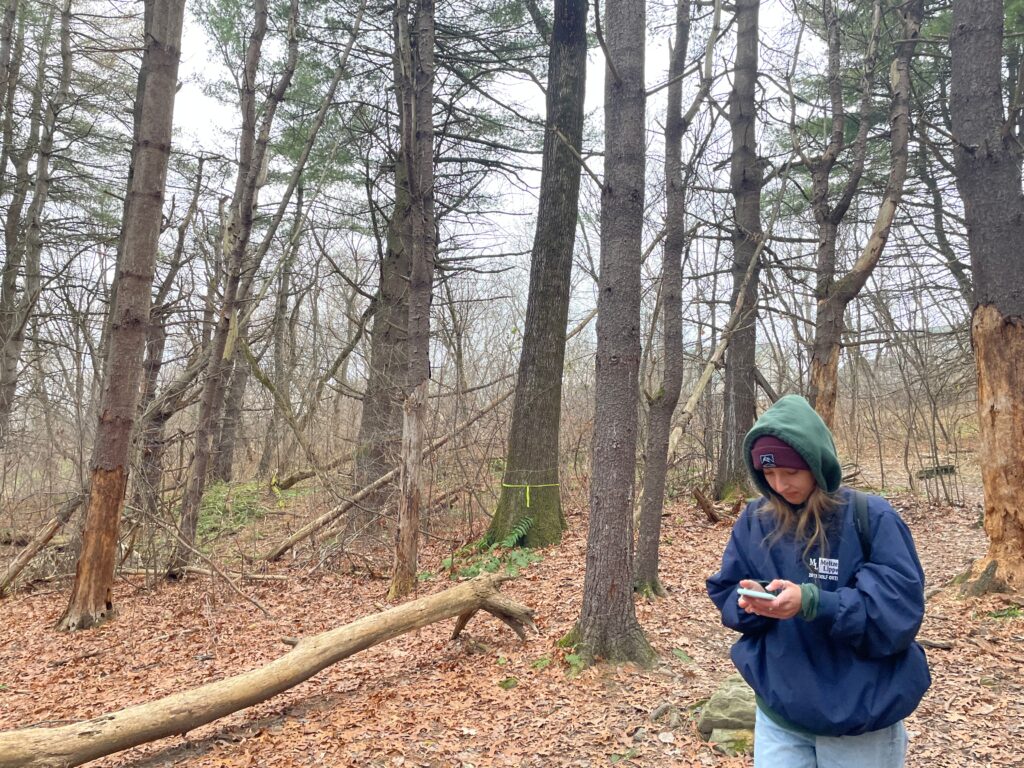
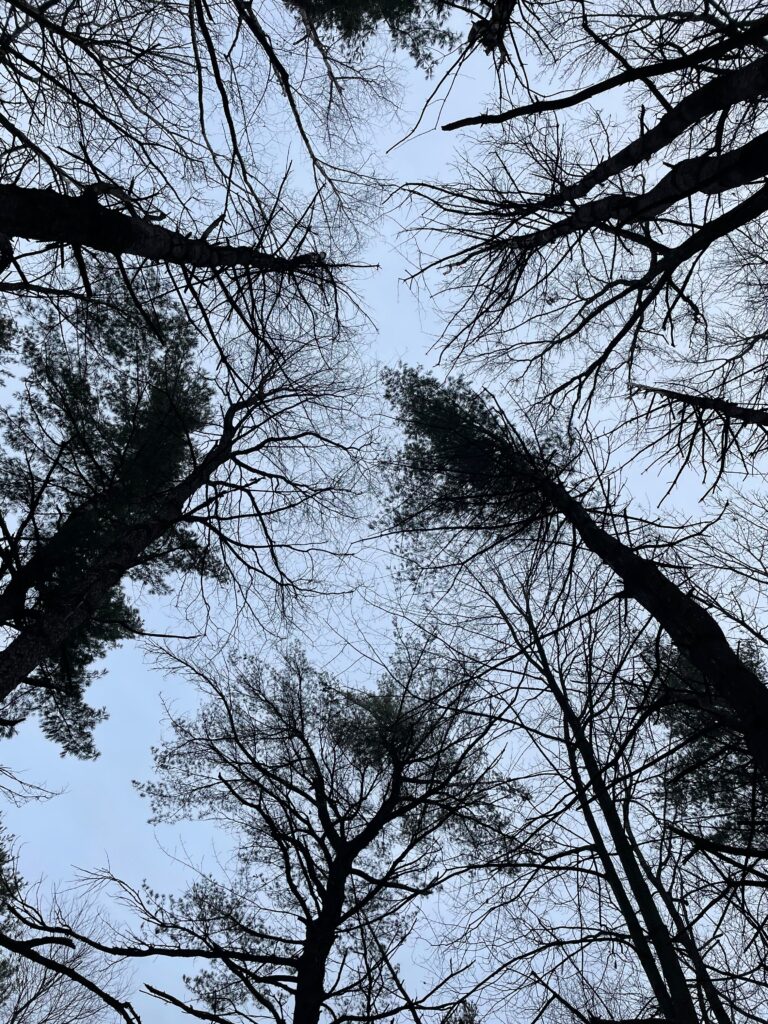
On the way down to my phenology spot, I noticed that most of the trees have completely lost their leaves. There were a few that still had some attached, but they were pretty much brown and dead. I was surprised to see some floor-level green vegetation around my spot, like ferns and moss. There didn’t seem to be any signs of animals out and about, but I did catch glimpse of a squirrel on the way back from the path. The pines at my spot still held their needles of course, but the under-canopy bushes were all completely bare. Unfortunately, there was no snow when I visited my spot this time around. Hopefully, my next visit will be a snowy one, which might help with finding traces of animals and other wildlife.

November 12 Posting

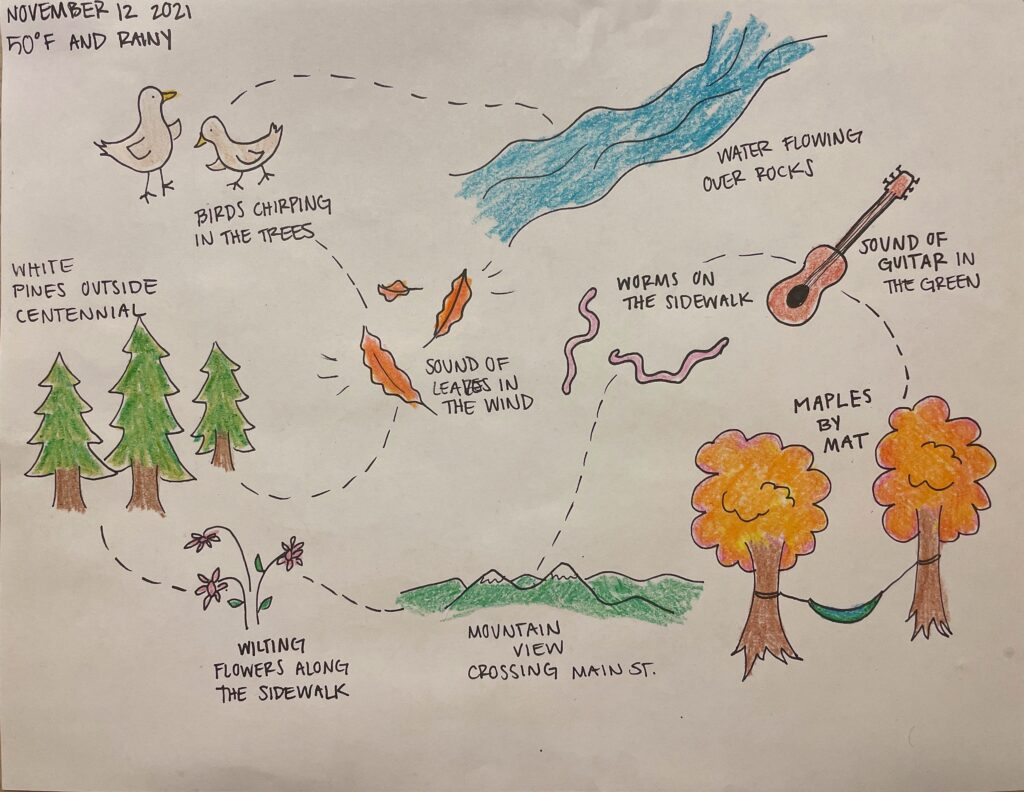
On my little stroll down to Centennial, I saw a lot of cool things. I usually listen to music while walking around but I didn’t on this walk. It was honestly super nice to connect with the sounds of nature and just clear my head a little bit. It allowed for me to notice things I normally don’t, like the sound of guitar and the leaves in the wind.

October 29th Check In

During my 15 minutes sitting in my spot I noticed a lot of birds chirping their little hearts out. I also could hear the sound of the water from the stream which was super peaceful. It was very realxing to take a second just to sit and reflect in the woods. Not a whole lot has changed since the last time I visited my spot. I would say all that’s really changed is that a few more leaves have fallen and the trees have become a bit more bare.

Hello world!

Welcome to UVM Blogs. This is your first post. Edit or delete it, then start blogging!

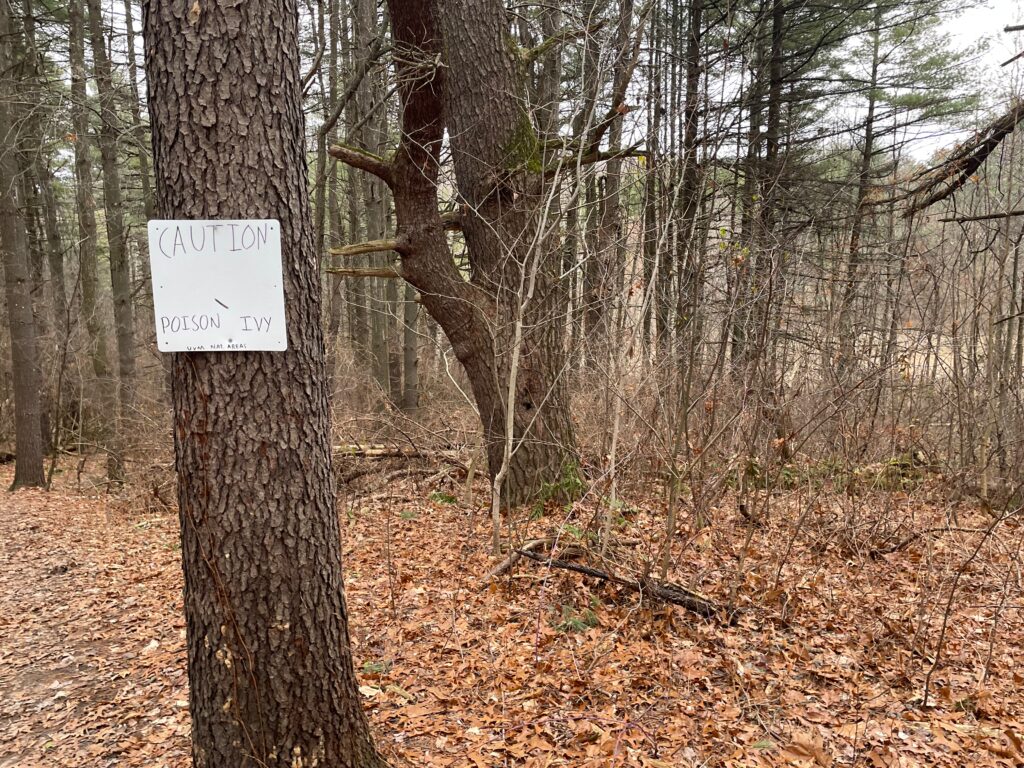
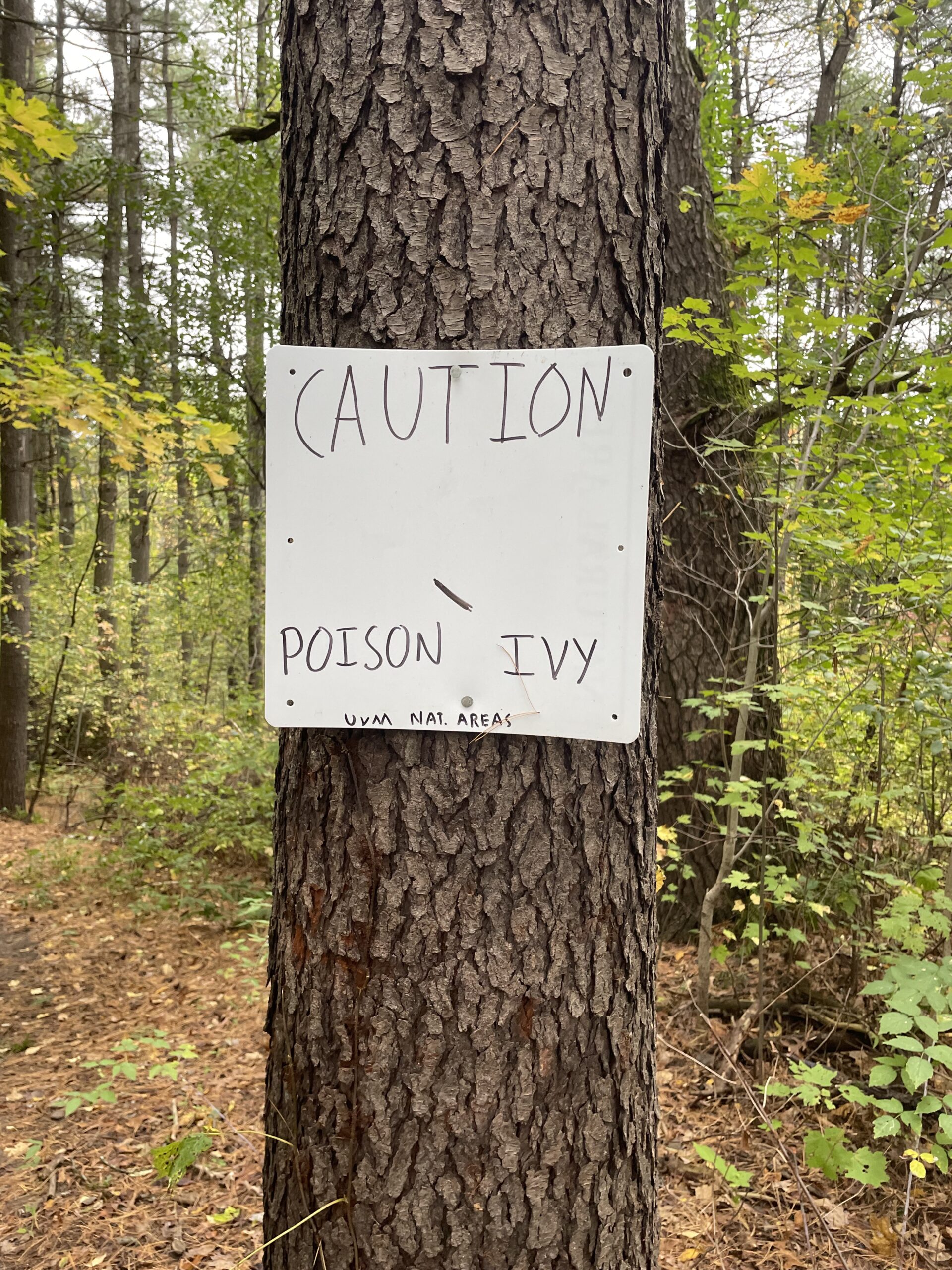
To get to my phenology spot you walk down Carrigan Drive and cross at the Cenntenial Woods entrance. Continue down the path until you see the sign that says “Caution, Poison Ivy” and you’re there. I chose this spot because of the variety of wildlife and plant species. It’s also fairly close to my dorm which is convenient. The plant species that can be found here include sugar maples, eastern white pines, and buckthorn bushes. While visiting my spot I also passed several squirrels running up trees, and a chipmunk nibbling on some sort of acorn.

Skip to toolbar