Posts

Final Phenology Blog 5/4

Over the past few months, I have enjoyed watching the gradual change of seasons along Centennial Creek. Spring is by far my favorite time of year so and this spring has been especially beautiful. The leaf buds which have been growing for the past few months have started to unfurl and the first flowers and leaves are appearing. It is beautiful.

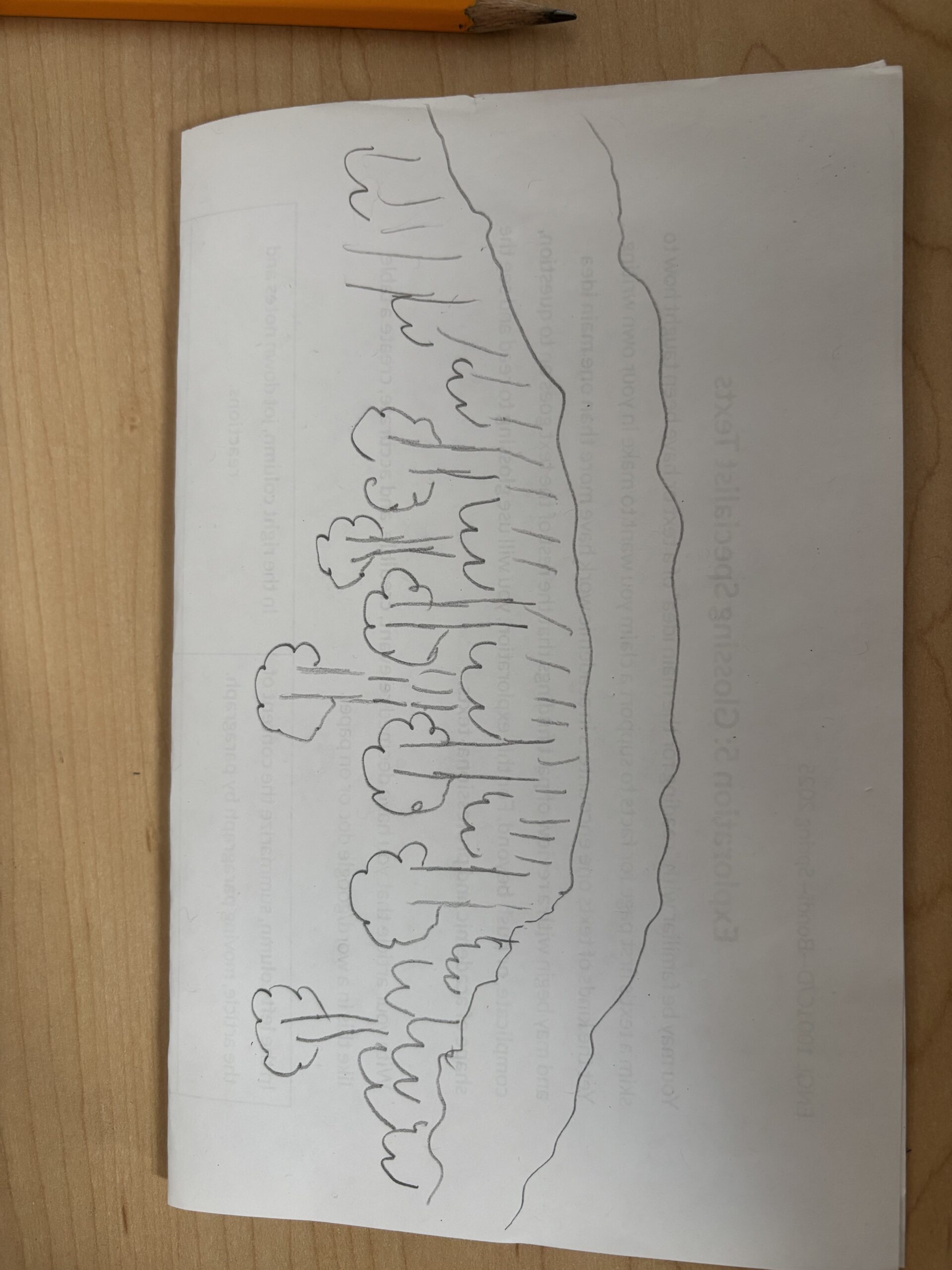
The biggest landmark I’ve come to notice is Centennial Creek. The creek frames the view of the forest; it is a beautiful centerpiece to the surrounding forest. I love hearing the running creek as I look at the trees on the opposite bank.

I think my phenology spot, and centennial woods as a whole, are a beautiful intertwining of nature and culture. In the middle of Burlington, a relatively urbanized area, you have a big patch of forest for people to enjoy. It is a constant reminder of the beauty of the natural world, and shows how the culture of Vermont emphasizes the importance of the outdoors. For the brief amount of time I spend there, I am able to forget about my problems at school and just enjoy the wonders of nature.

I feel like, by observing the seasons, I have really come to be part of my phenology spot. It is not just a part of a trail I observe in passing; over the past few months, I have come to this specific location and truly gotten to know what it’s like. It is an amazing feeling and I know that I will return here in future years to see what my spot looks like.
Phenology Blitz 4/28

For my phenology blitz, I spent about two hours walking around Centennial Woods. I was able to identify a few red maples and box edlers. I saw some squirrels, chipmunks, and one woodpecker. I thought the city nature blitz as a whole was really amazing. It is so cool to see so many people mobilize over this four day period and go out to identify as many species as they possibly could. It’s a great show of local community and how much nature means to people across the world.

4/8-Phenology Walk

I did my phenology walk on April 8th. By this point in the year, every tree I observed was starting to bud, and some of those buds were beginning to break. No trees had developed leaves or fruits yet, but some trees had started to flower. In a few weeks, those buds will break fully into leaves.

Phenology Blog #7-2/23

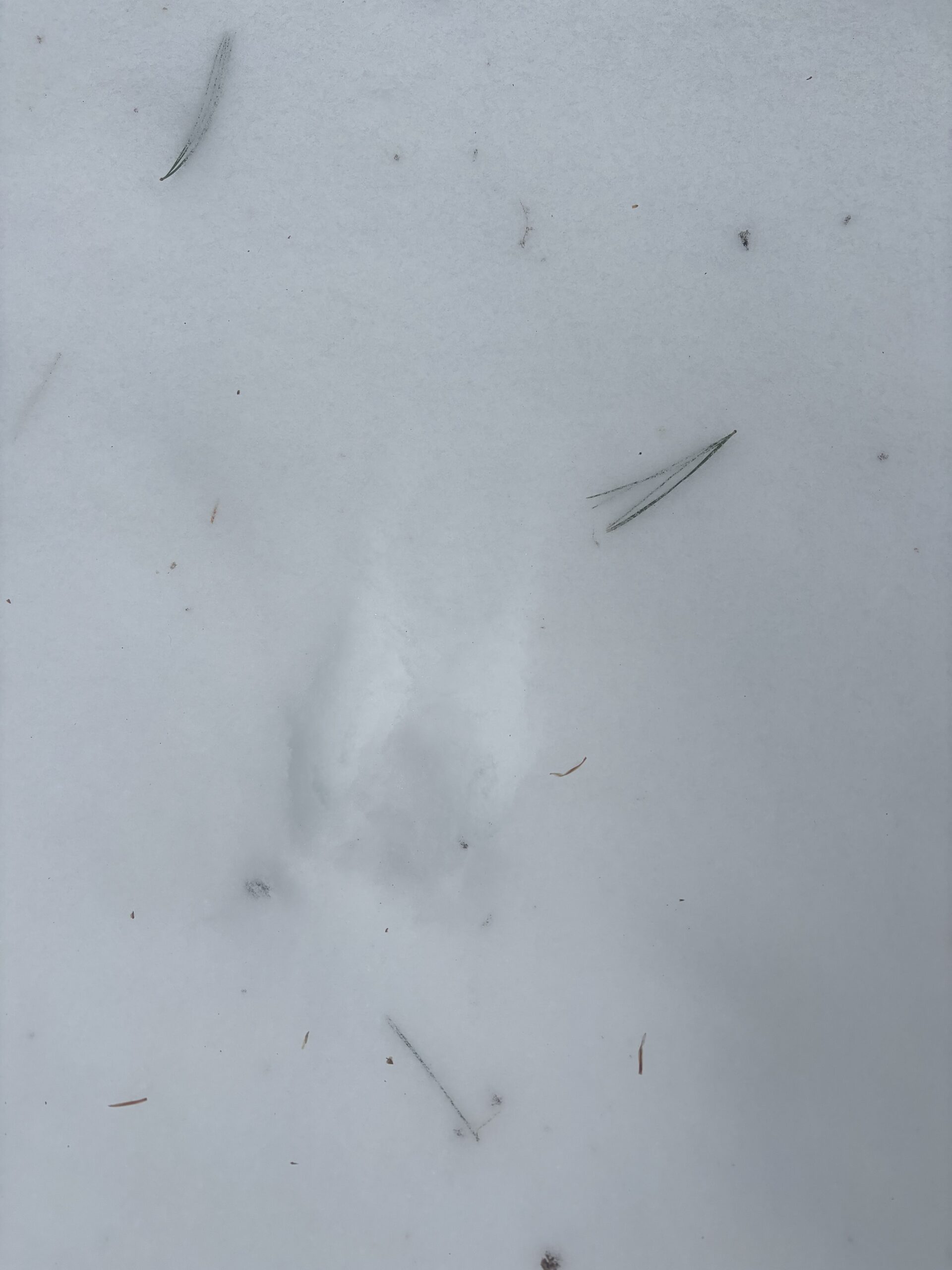
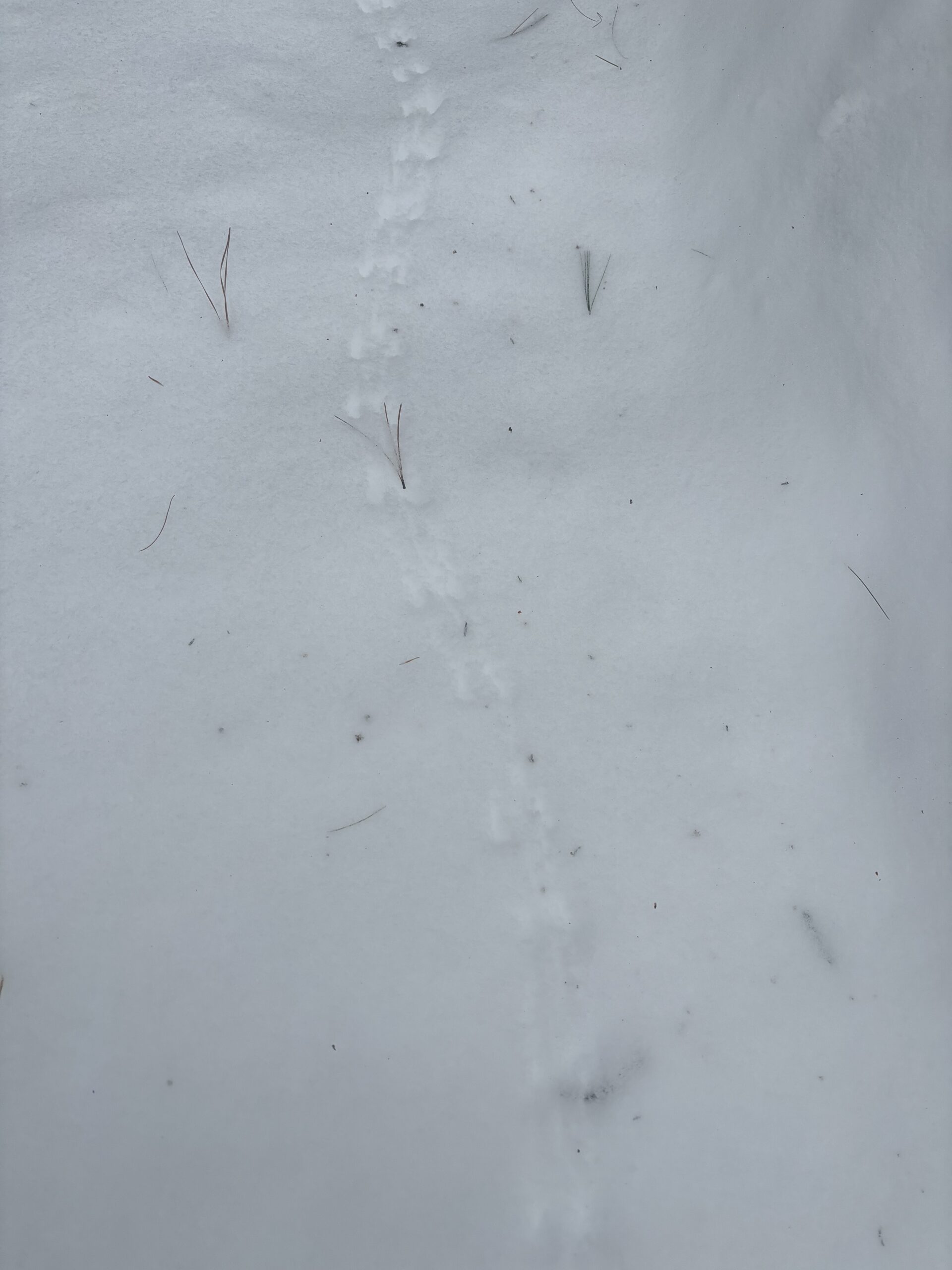
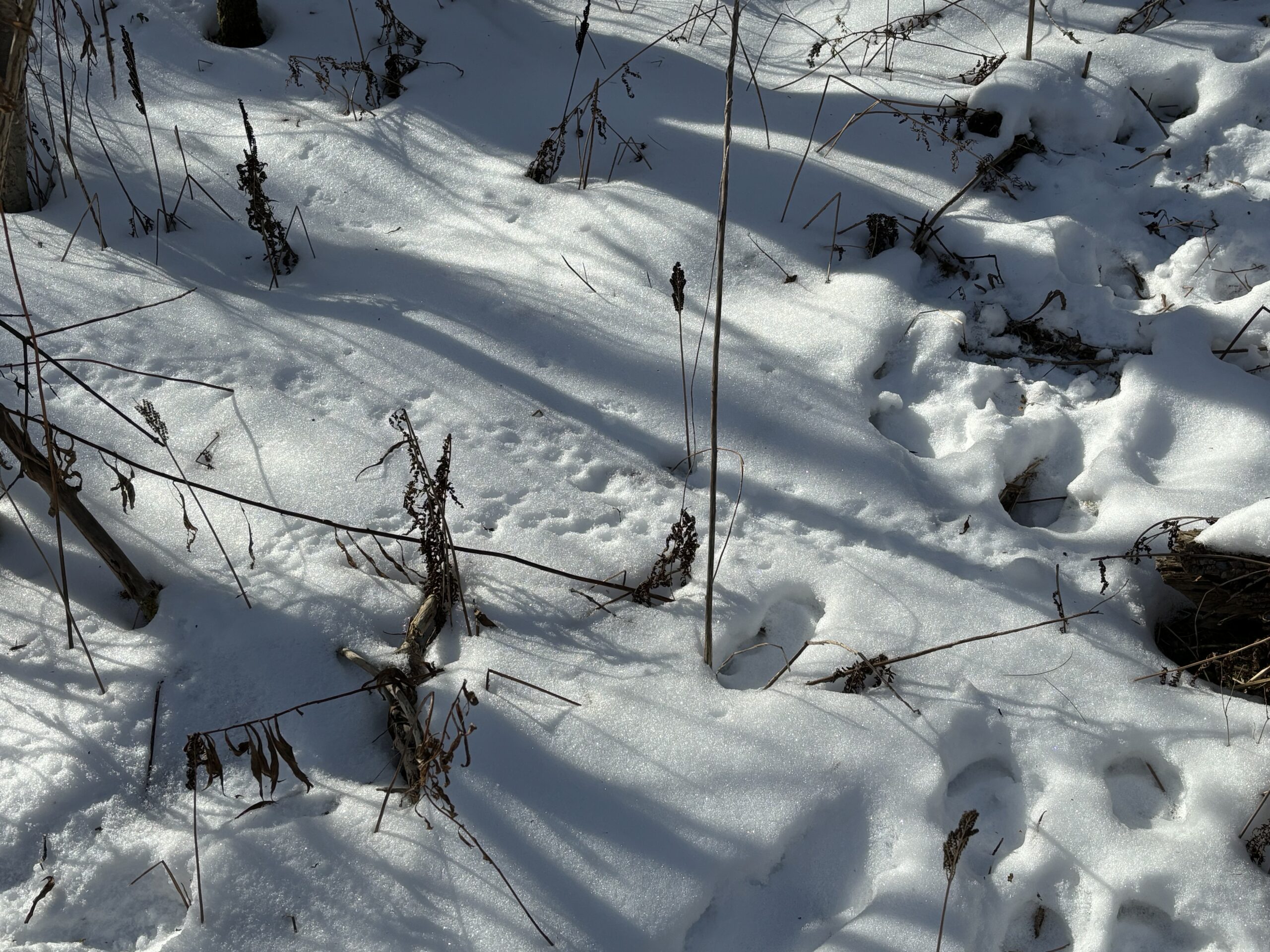
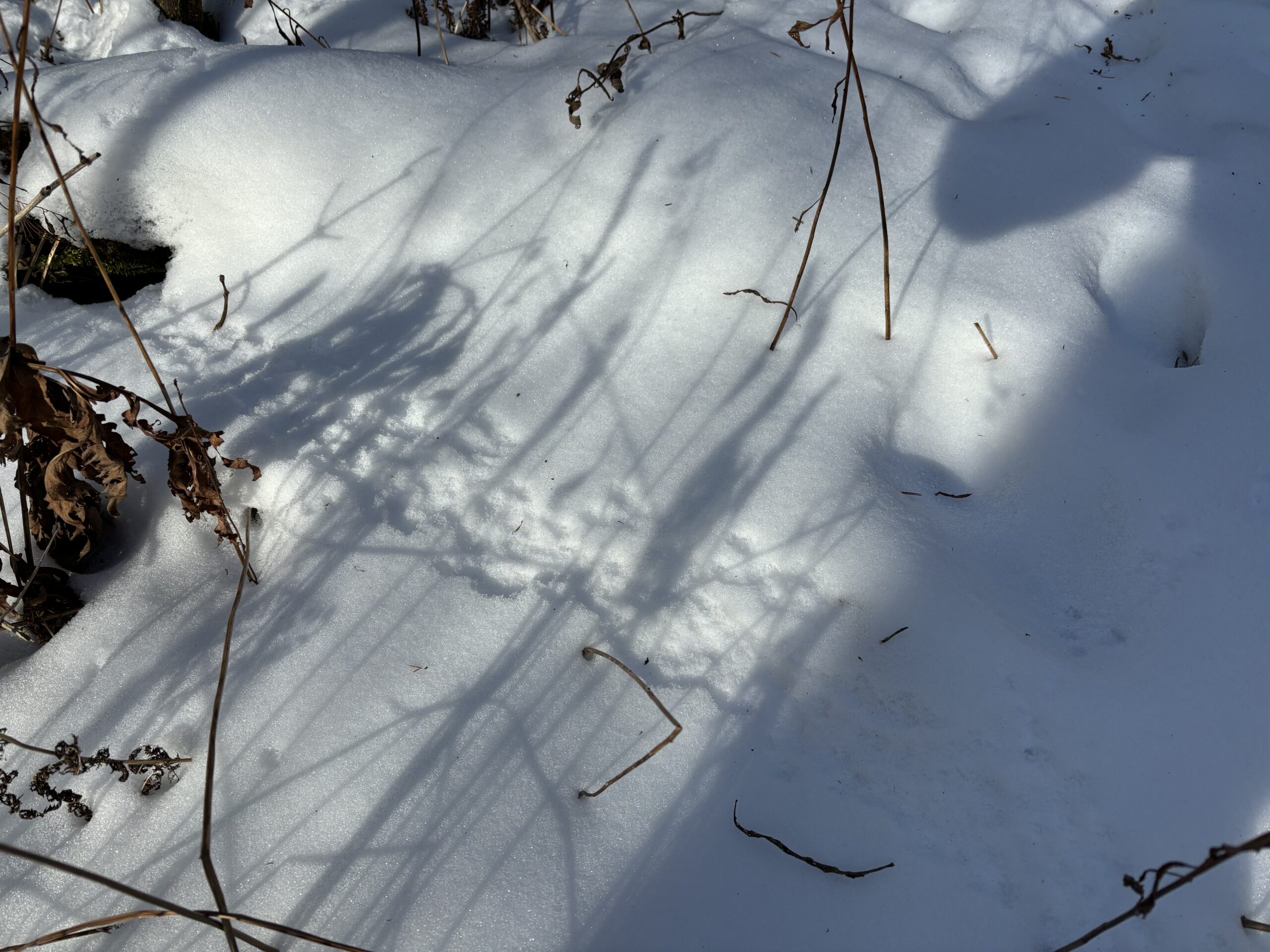
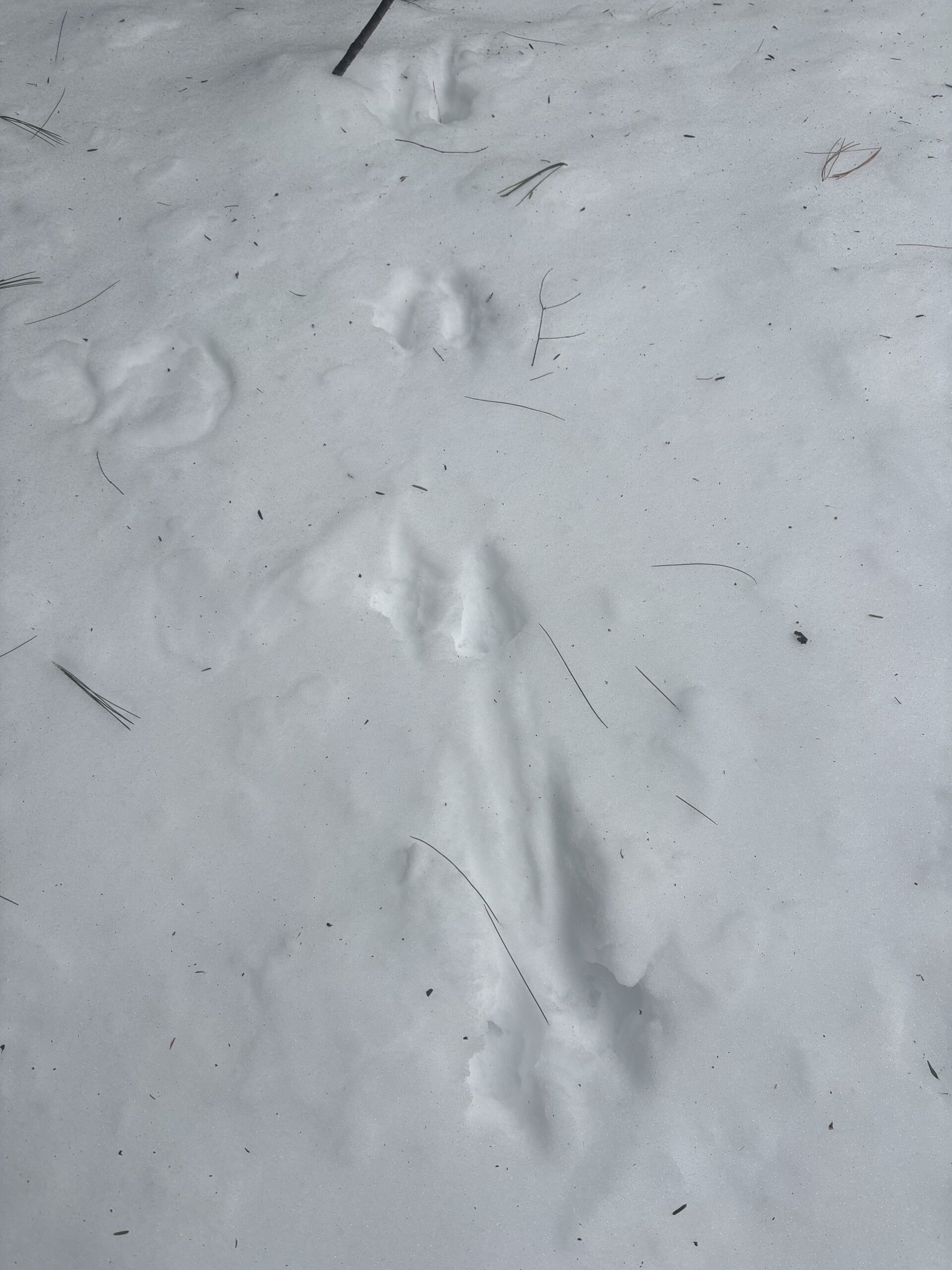
For this phenology assignment, I spent about two hours walking around Centennial Woods looking for tracks. Last Saturday we got about a foot of snow and it has stayed below freezing all week so I assumed I would find plenty of well-preserved tracks, but I was wrong. While there were plenty of tracks, most of them have melted and aren’t easily identifiable. I didn’t let that deter me and with the help of the tracking sheet and iNaturalist I was able to identify a few good sets of tracks.

I believe these first two sets of tracks are both White-Tailed Deer. They are the right shape and length for deer.

This last set of tracks is a challenge to identify. They are clear enough to get a general outline but not detailed enough to easily identify. Due to the track pattern, I believe this animal to be a galloper. I remember seeing almost identical tracks at Jericho, and I identified those to be field mouse tracks, so I believe that these are also field mouse tracks. They have the right patter and length though the tracks were not detailed enough for me to get a good look.

Phenology Blog #6-1/27/25

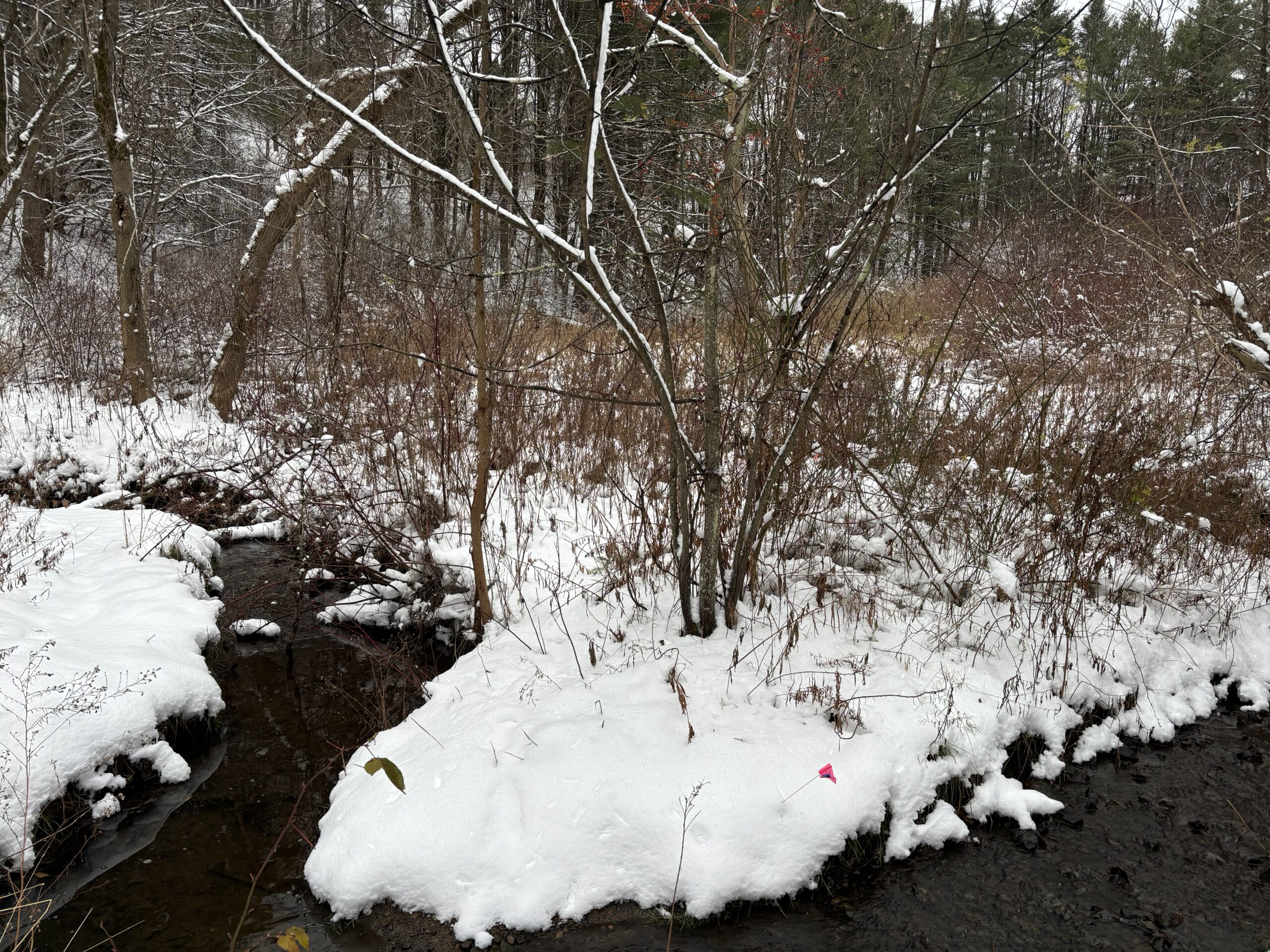
When I returned to my phenology spot, I noticed not much had changed. The ground was still covered in a blanket of snow, the trees had shed all their remaining fruit, and the river had fully frozen over. The changes that had occurred over the past month were much less dramatic than those that occurred during the fall months. There was little sign of animal life, as the area is heavily trafficked by humans, but I was able to spot a few tracks.

Phenology Assignment #5- December 8th

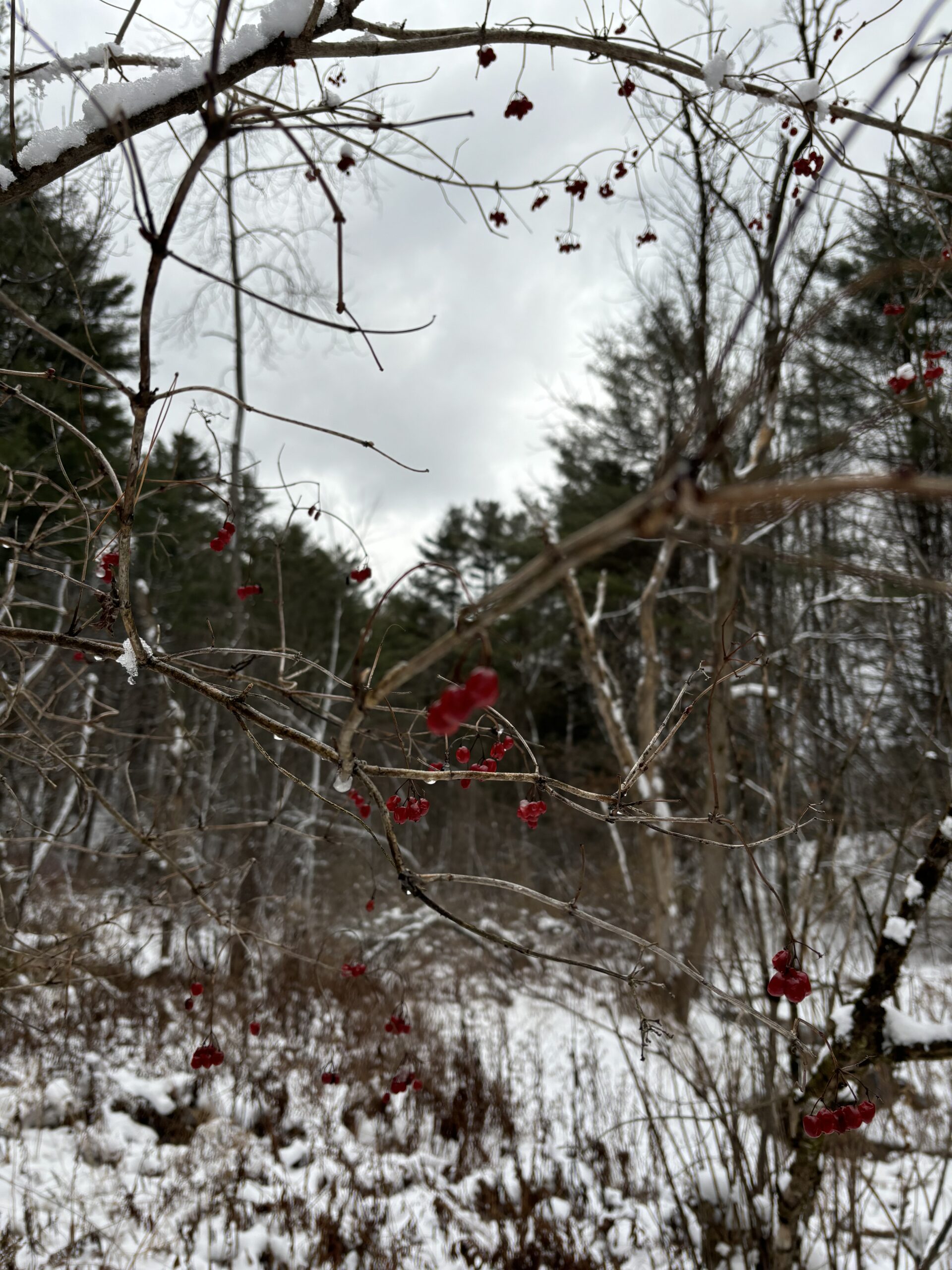
At this point in the year, the Phenological changes that have occurred over the past few months are the most apparent. When I first observed my location, the forest was lush with vegetation. The leaves were starting to change colors, the ground was covered in plants, the river was full and running, and the air was filled with birds chirping. As winter neared, the forest started to slow down more and more. Now, none of those signs of life remain. The leaves have fallen off all the trees, and the leaf pack that once covered the ground has been buried by snow, the river runs slower, and birdsong can no longer be heard. Some plants, such as the cranberry bush and crab apple tree, still retain their fruits, but those trees are few and far between. Some animal tracks can be observed in the snow, but not many. The forest has reached a period of serenity that no other season can replicate.

I have loved observing my Phenology location over the past few months. The meadow surrounding my location is incredibly beautiful. It is lush with vegetation and filled with animal activity, making it a lovely spot to sit and think. There are few things more calming than listening to the sounds of the forest: the wind in the trees, the babbling of the brook, and the sounds of the animals all around me. It is truly serene, and that is my favorite part of my location. Sometimes, after a particularly long or stressful day, I come to my phenology spot just to relax, and it has been the best way too calm down after a long day.

Phenology Assignment #4- November 30th

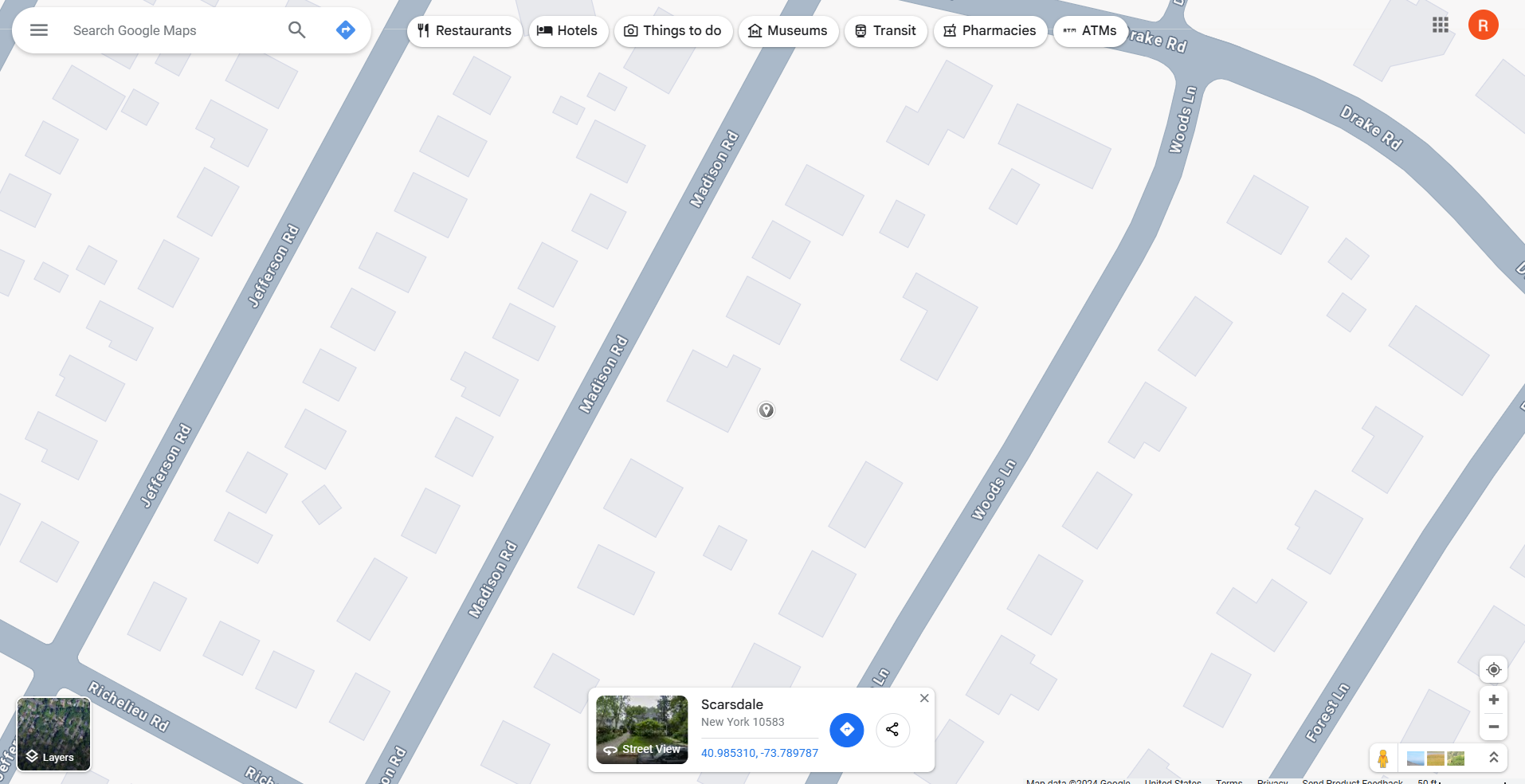
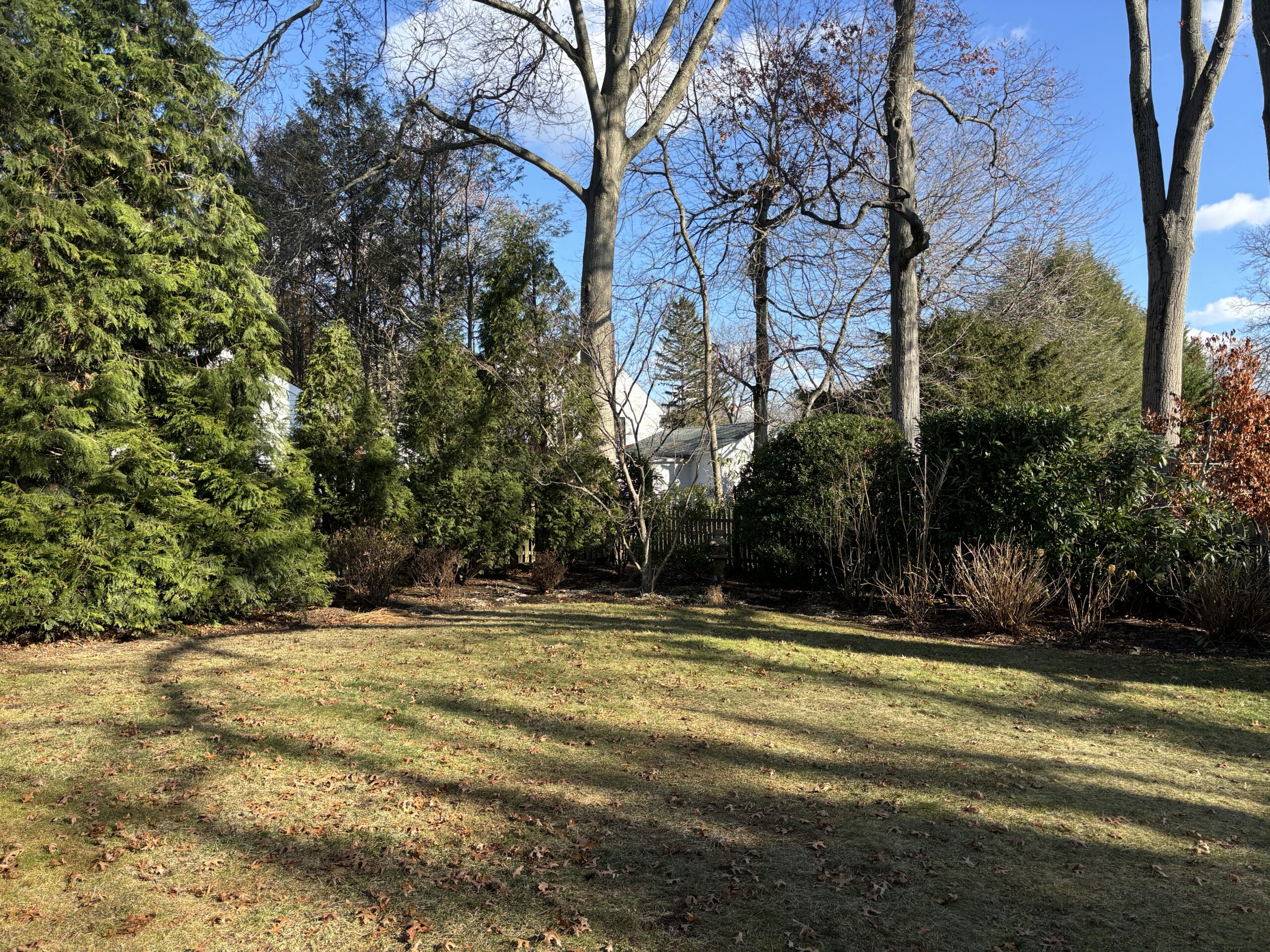
For my new Phenology location, I chose my backyard. I live just outside New York City, so almost all of the land around me has been highly developed. Outside of a few small parks, there aren’t any forests around me. I chose my backyard as, even though it is meticulously manicured by my parents, it is full of plant life. I also chose it as it holds significance to me and my family. There are few activities my parents love more than gardening, and they have poured an untold number of hours into managing our backyard. During the spring and summer, when the gardens have come to life, I will often sit out in my backyard and take in the nature.

Unlike my Phenology location in Burlington, all the trees in my backyard have been intentionally planted. This creates a very different sense of beauty, as almost all the plants in my garden are ornamental. Many of the plants are not native to my area, but my parents take incredible care to make sure these plants don’t spread. My garden, unfortunately, shared no trees or plants with my phenology location in Burlington. The trees planted in my backyard were Eastern Hemlock, Black Gum, Cherry Laurel, Chinese Holly, Japanese Holly, Chinese Dogwood, Japanese Pieris, Northern White Cedar, and Black Spruce. While there were no shared species, the phenological effects on the present plants were very similar to those in Burlington. The trees, except for the conifers, have lost almost all of their leaves, the plants have died off, and there is next to no remaining animal activity. Just like in Burlington, the plants and animals have begun preparing for winter.

Phenology Assignment #3- November 4th

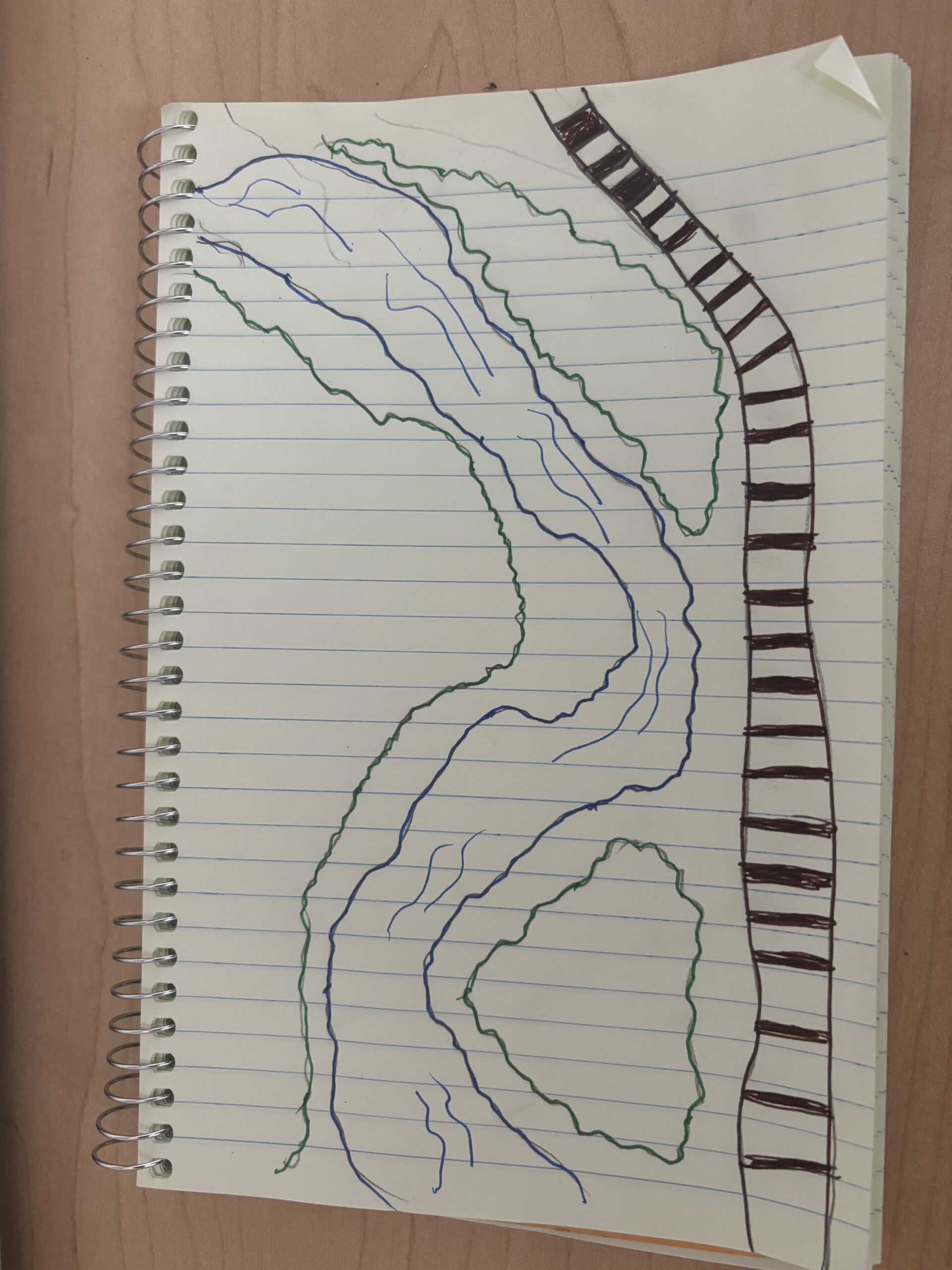
I spent my fifteen minutes sitting on the banks of the creek in my phenology spot. Drawing the bird’s eye view map took about three minutes, so I had about twelve minutes to sit and take in the scenery around me. In the three weeks since I last visited my spot, a lot has changed. When I first observed my location, the leaves were just about to reach the peak of their color change. The peak has long since passed, and most of the leaves have now fallen off the trees. Those that remain have lost their brilliant red and yellow coloring, and are now a deep brown. Similarly, the plants around me had started to die, and the signs of animal life had decreased. Winters gradual approach could be seen and felt all around me, in the wind, the trees, the brook, and every other part of the forest. The sky was cloudy, and that cool autumn chill in the wind had turned into a much more bitter cold. In my opinion, November is one of the best months of the year. The world slows down as winter approaches, and everything feels more peaceful. Nowhere is this change more apparent than in the forests. Once my fifteen minutes had passed, and I started walking back to my dorm, I felt an overwhelming calmness. It was the epitome of a November day.

Phenology Assignment #2- October 18th

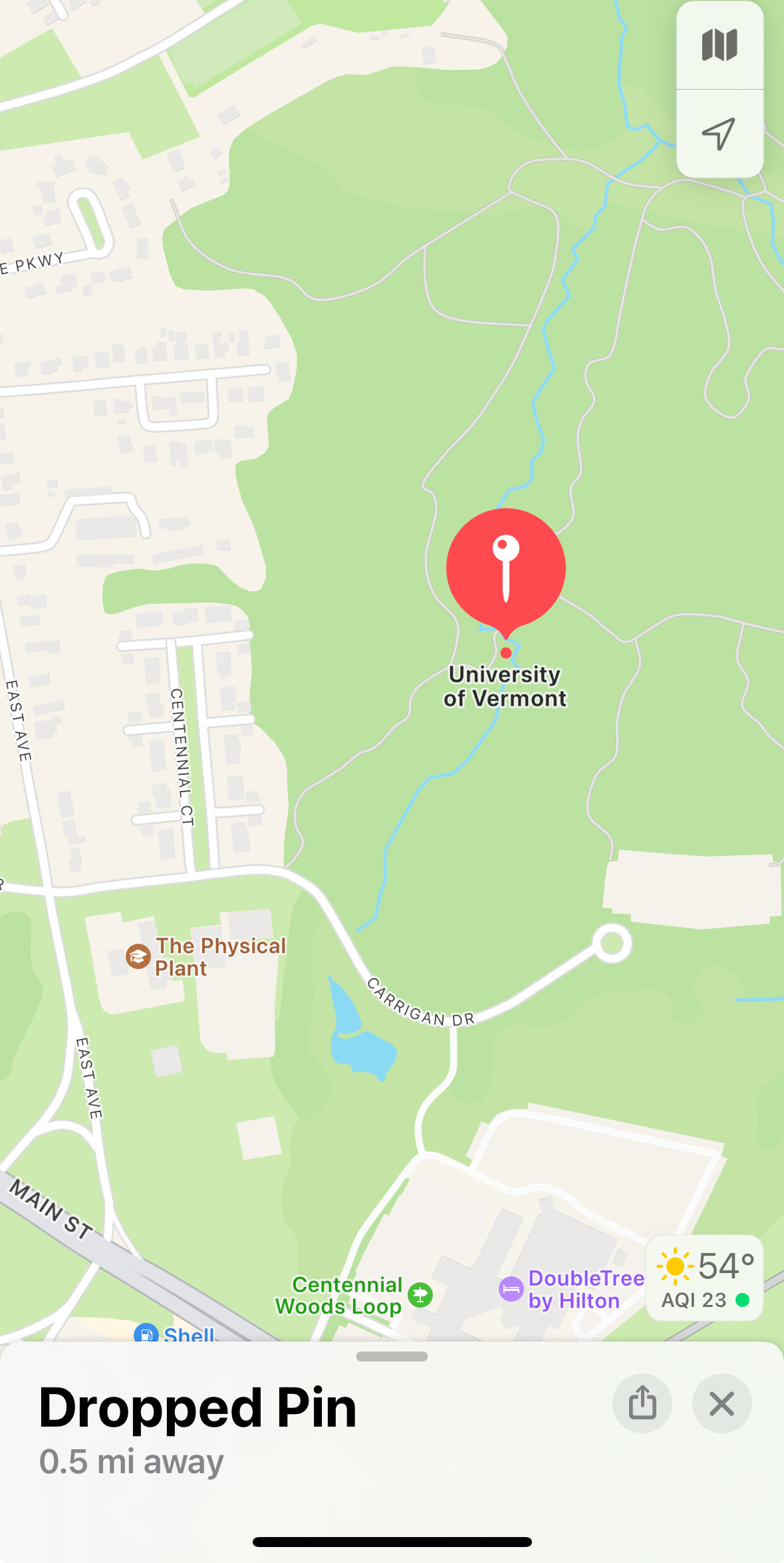
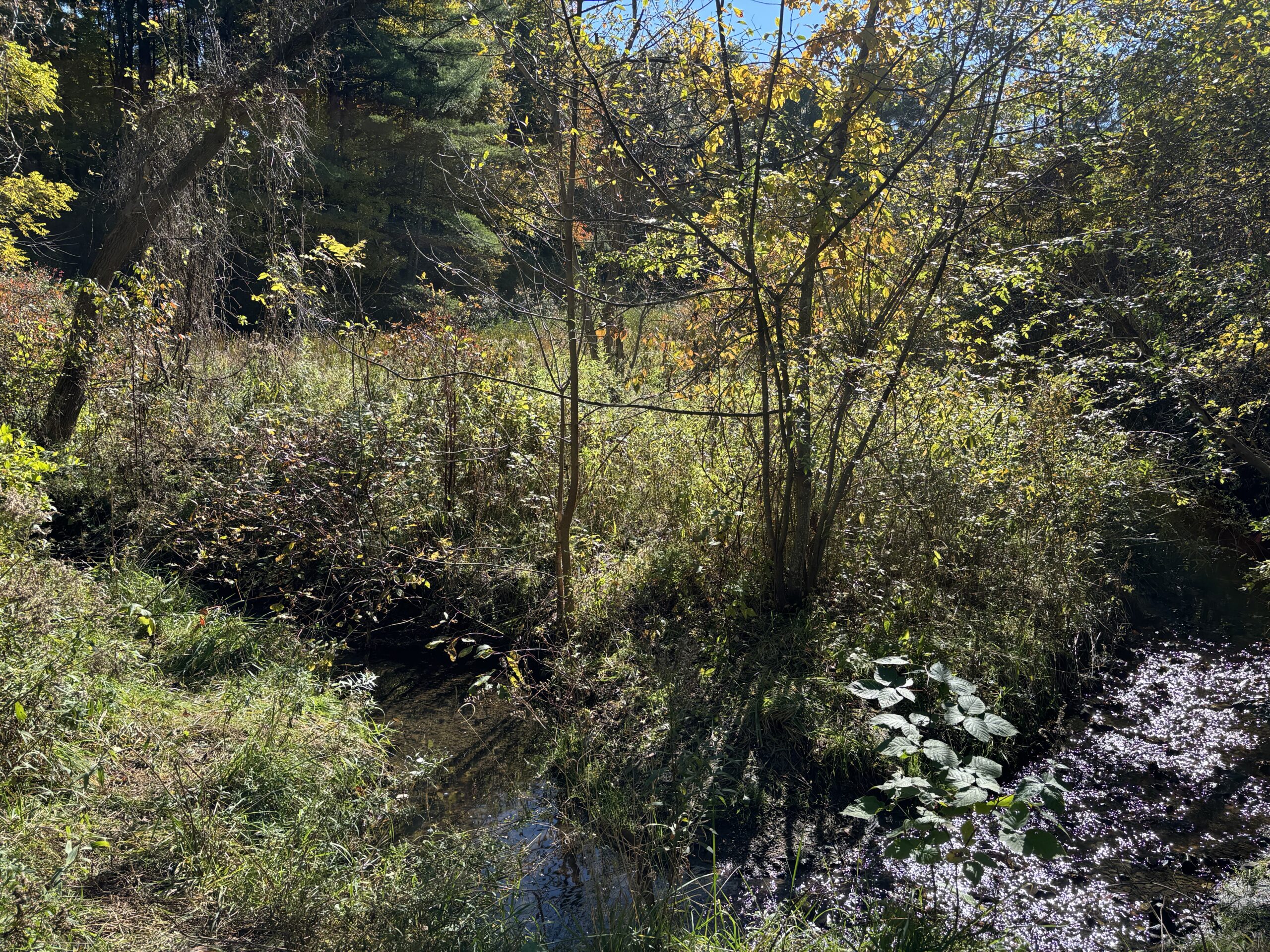
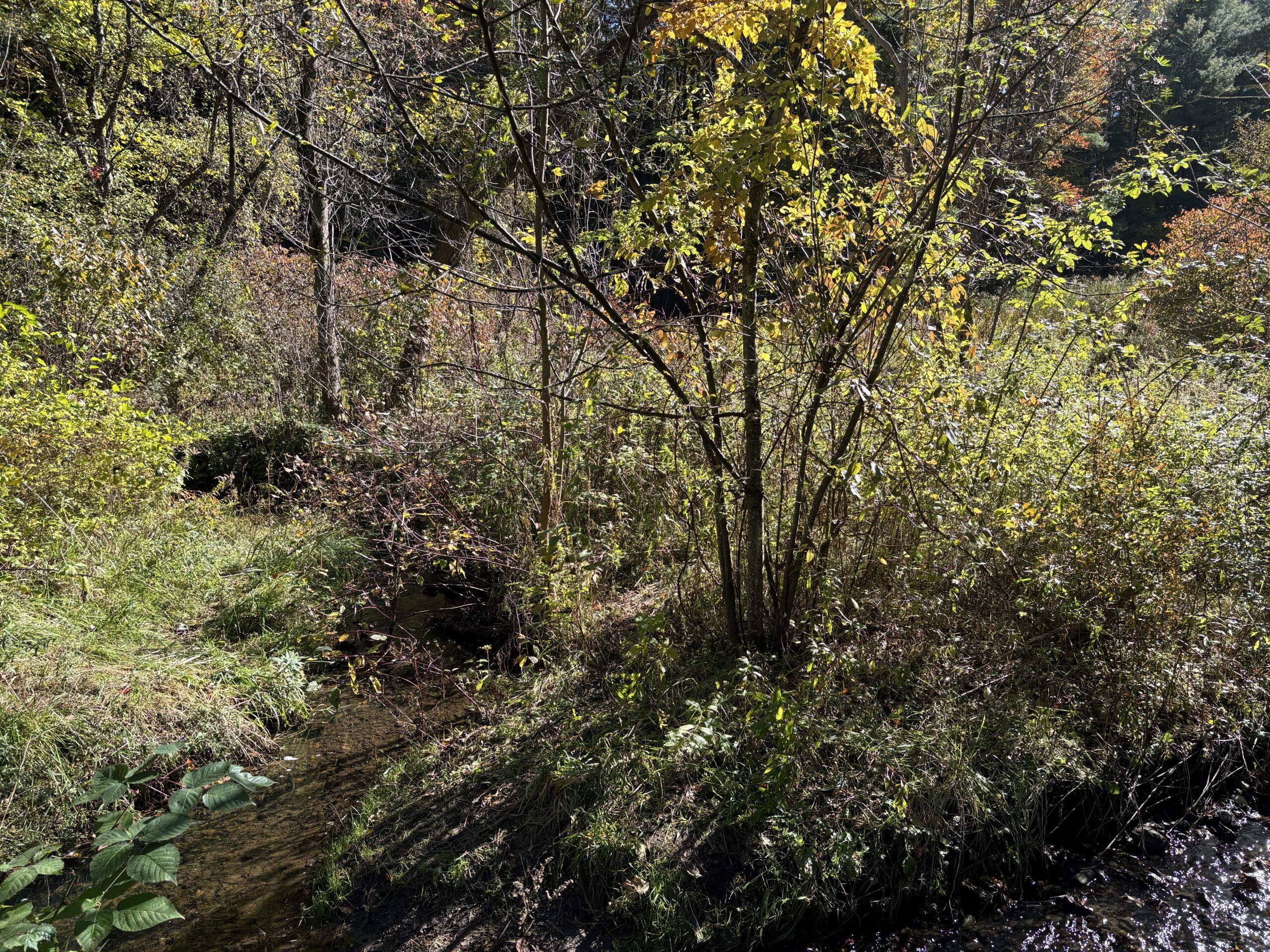
My location for the phenology assignment is a spot along the Centennial Woods Trail. My phenology spot lies along one of the creeks that run through Centennial Woods; it is right in the heart of the meadow. I chose this location as I found the area to be very lovely and very picturesque.

This image has an empty alt attribute; its file name is IMG_0700.jpg

The area had a good mix of vegetation. The meadow is mostly comprised of low-lying bushes such as Goldenrod and Honeysuckle, with some small hardwood trees scattered about. At this point in the year, fall is just starting to set in. The leaves are starting to change and the wind carries a cool fall breeze. You can feel the forest around you slow down as the plants and animals brace for winter. The forest is calming down, and this will continue as the months pass.

Most common types of plants found:

Black ash, Norway Maple. Stiff Dogwood, Goldenrod, Crab Apple, Buckthorn, Loosestrifes, Northern Red Oak, Blackberry Bramble, Spicebush, Sensitive Fern, Honeysuckle.

This image has an empty alt attribute; its file name is IMG_0699-scaled.jpg
This image has an empty alt attribute; its file name is IMG_0698-scaled.jpg

Open save panel

  • Page
Skip to toolbar