Feeds:
Posts
Comments

Final Phenology Blog

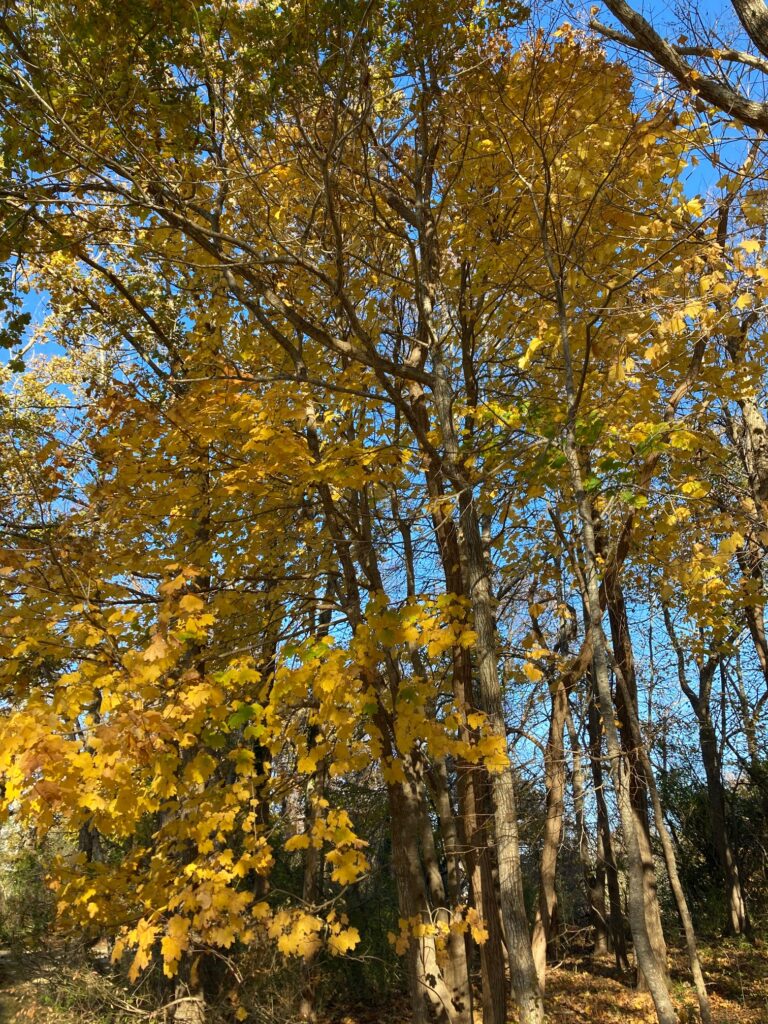
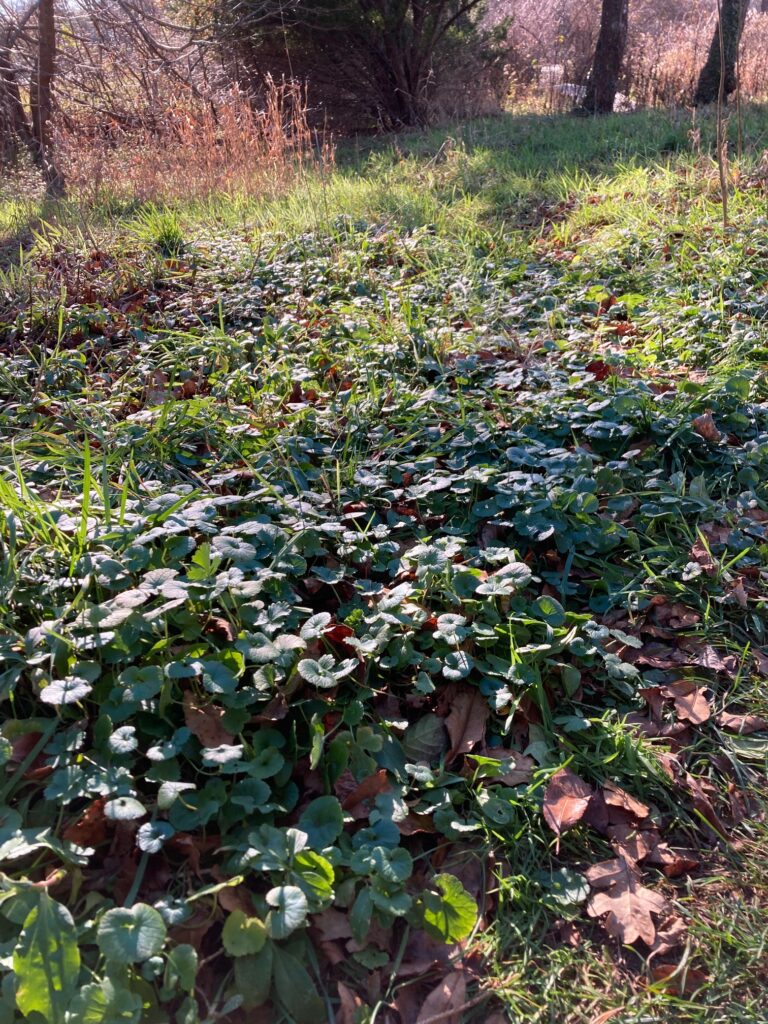
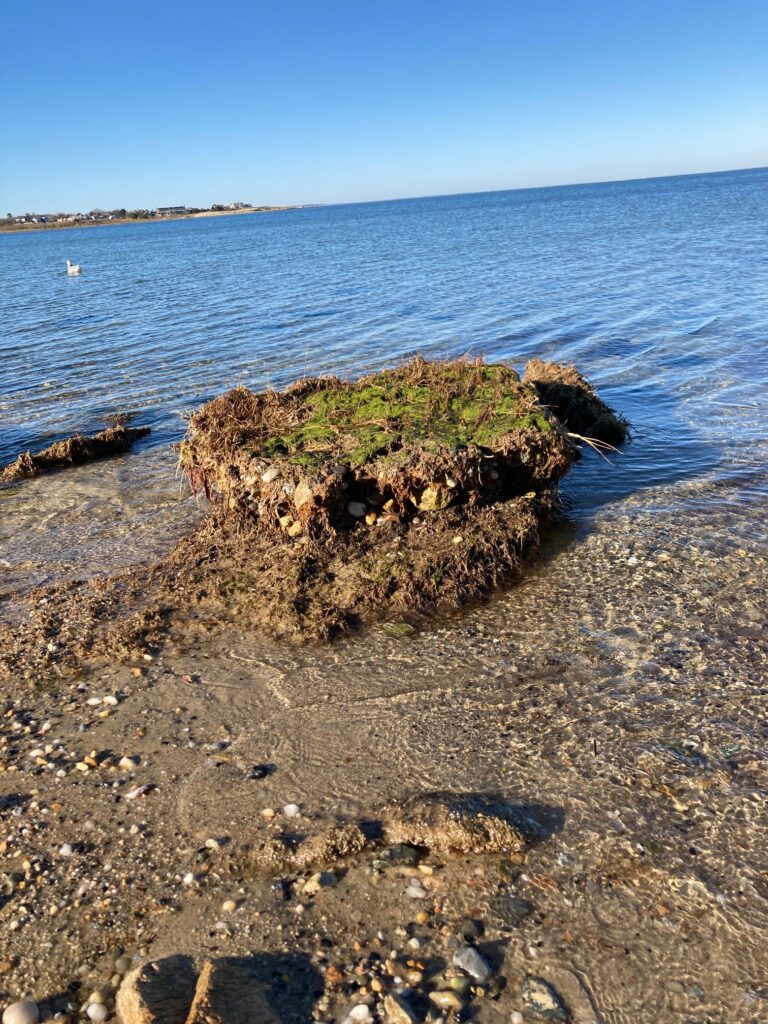
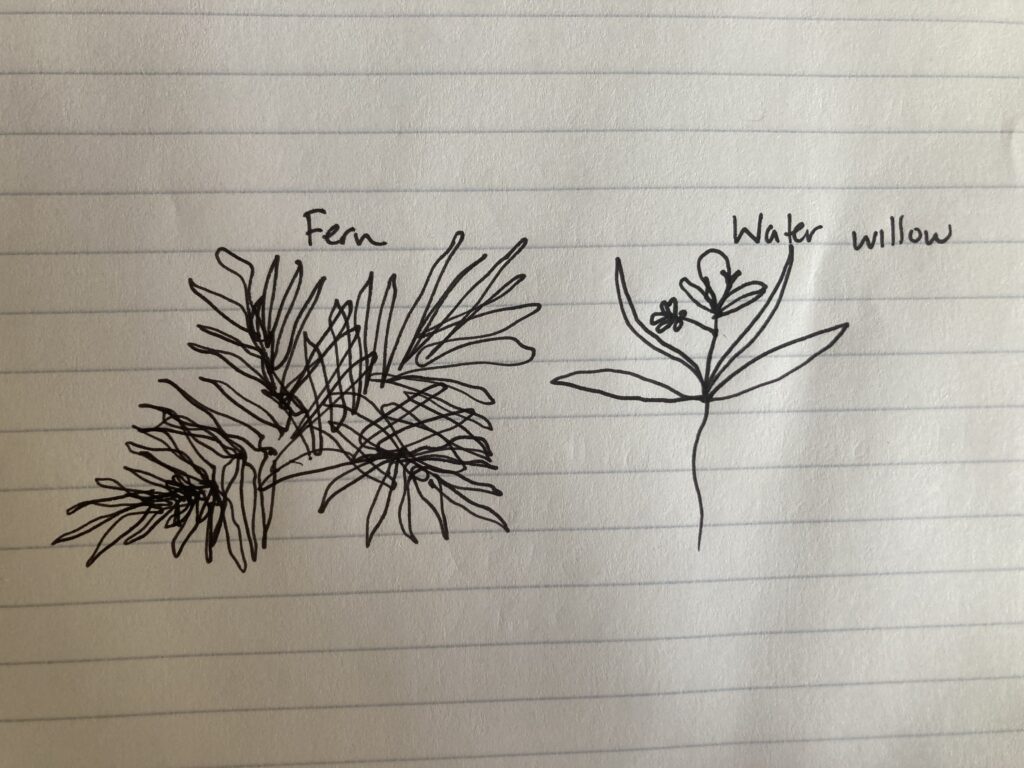
Unfortunately, for the last week of the phenology blog, I am not in Burlington, and am instead at home on Martha’s Vineyard. Last time I saw my spot at home was right before I left in January. The ground was hard, the trees were bare, and decaying leaves and matter covered the forest floor. The area I focused on is a section of forest that backs onto a pond. Coming back now, the leaves are lush and full, and signs of new life are evident through this, flowers, buds, and even a goose and her goslings! The low laying vegetation had also grown in, and the trail was more trodden down, I’m guessing because more people have been using the path with the warmer weather and influx of people for the summer season. Low laying vegetation included ferns and moss. I also saw water willows and honeysuckles, which are an invasive species here. The name of the overall area I went to is called Sheriff’s Meadow, which includes an area designated as a salt marsh ecosystem.
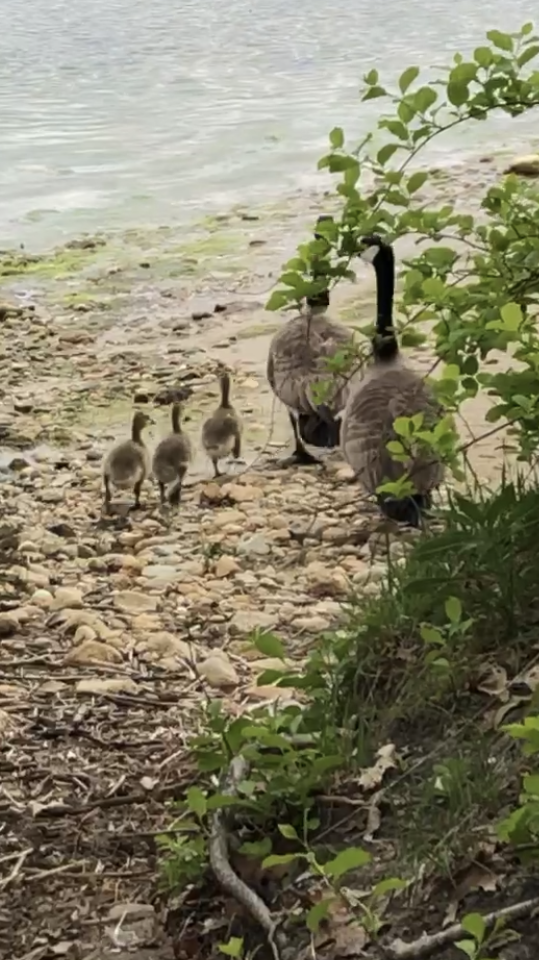
The geese!
Species I observed when at my spot

I think, when considering my place in Burlington and on island, that culture is intertwined through deepening the connection of self and nature. In Western culture, this connection is harder to come by on a societal scale, typically we see nature monetized and as a resource. I think going to Burlington, and growing up on Martha’s Vineyard, I have seen how others treat nature, through recreation, knowledge, spirituality, and just by being. In this sense, I have seen how nature is being integrated into Western culture by the practices of others. I think the coming together of cultures is how culture is intertwining with nature here in Burlington and Martha’s Vineyard.

On Martha’s Vineyard, I have thought of myself as a part of my place for as long as I can remember. I know that area like the back of my hand, and try my best to treat the area with respect and gratitude. I feel a connection to this place since I feel it is my home, just as the house I grew up in is my home. I learned from the nature, how to climb trees, how to swim, how to avoid angry swans. Nature was my teacher, just as my parents were, just as school was. Now I find the same thing happening in Burlington. I am learning more and more about myself and the nature around me and how this relationship will effect me, I do not know yet, but I am excited to see. Going from the ocean to the mountains, I feel I am already learning a lot about different ways of interacting with nature. I have learned how to climb, how to trudge through snow, how to embrace being at the top of a summit after a long hike. I am learning new things from nature wherever I go. And from that aspect, I feel that I am apart of nature, through integrating the learning lessons of nature into my own life, while solidifying my appreciation and respect for nature.
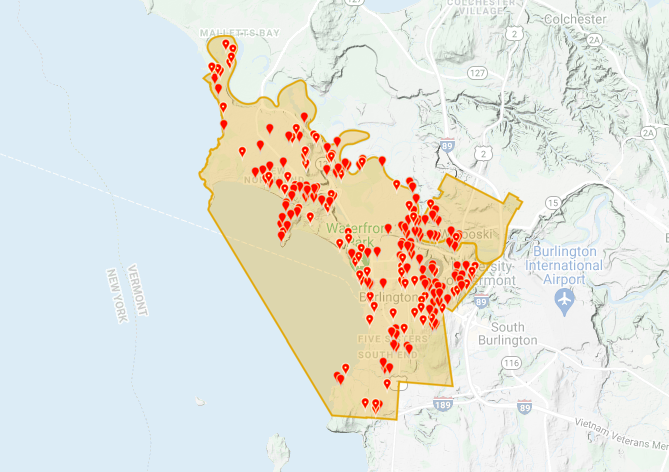
During the four day BioBlitz I was able to explore Centennial Woods! I also was able to go on a hike at the Stowe Pinnacle, which isn’t right in Burlington/Winooski area, but it was interesting to see the nature there as well! My experience with iNaturalist was good because I thought it was really interesting to see what other people notice and observe in an area versus what I observed. The map is particularly interesting since you are able to see relatively the exact spots a certain species was observed.

Burlington iNaturalist Map

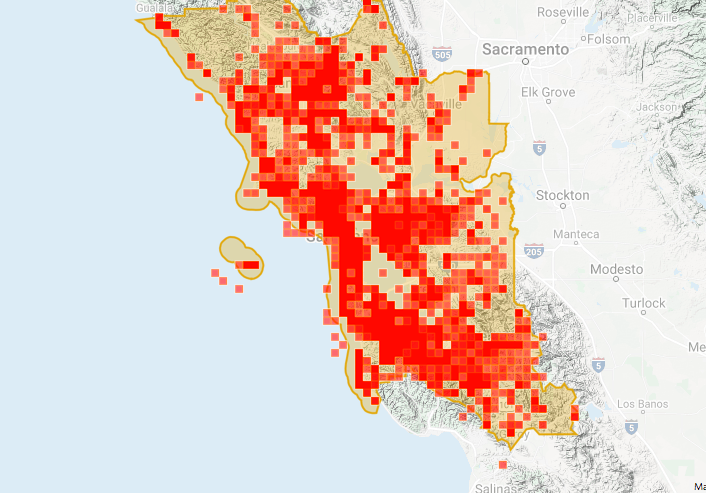
I chose to look at the iNaturalist for San Francisco (Bay Area), CA, because that is where I was born and lived for the first few years of my life, and I visit there often, so I was curious to see what species I had noticed before as well. What I thought was interesting, is that San Francisco seems like a very flora oriented city, filled with lush landscaping and public gardens. With this in mind, many of the top observed species were plants and flowers. But, looking at the fauna of the region was particularly interesting, since I never pay much attention to that, maybe since it’s such an urban area.

Bay Area iNaturalist Map

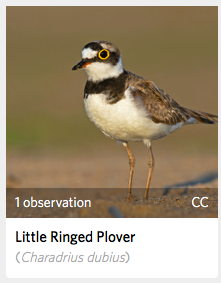
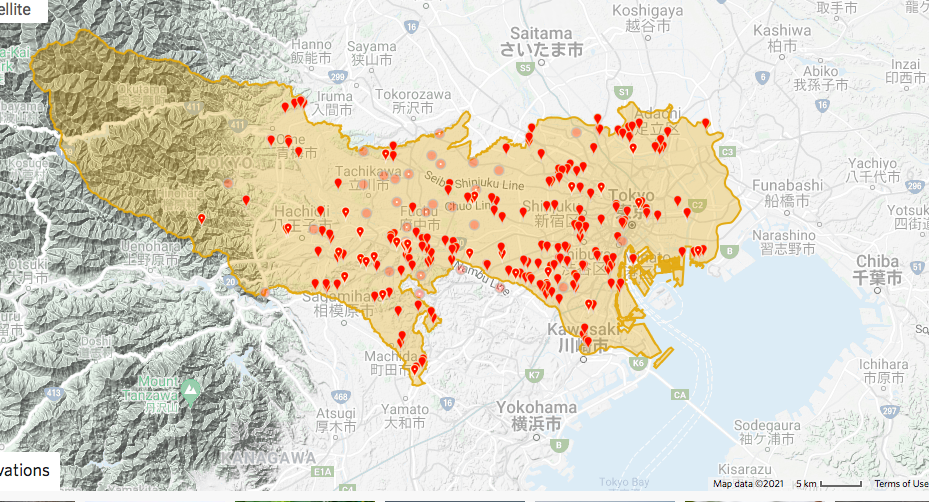
I also decided to look at the Tokyo, Japan, iNaturalist challenge, since I before COVID I was planning to go there prior to college. Being able to look at the native species is interesting, because I feel like that is something I would love to brush up on before traveling there, or anywhere in the world really. What I found is that many of the commonly observed bird species look similar to ones I have seen either on the west or east coast, (maybe because they are migratory?). I was surprised to find out that Tokyo has a species of plovers, since I only really associate plovers with climates and habitats like those found in coastal New England. The plant species differ from what is seen in New England, but that seems pretty obvious since the climates are different.

Tokyo’s iNaturalist Map

Phenology post 4/18

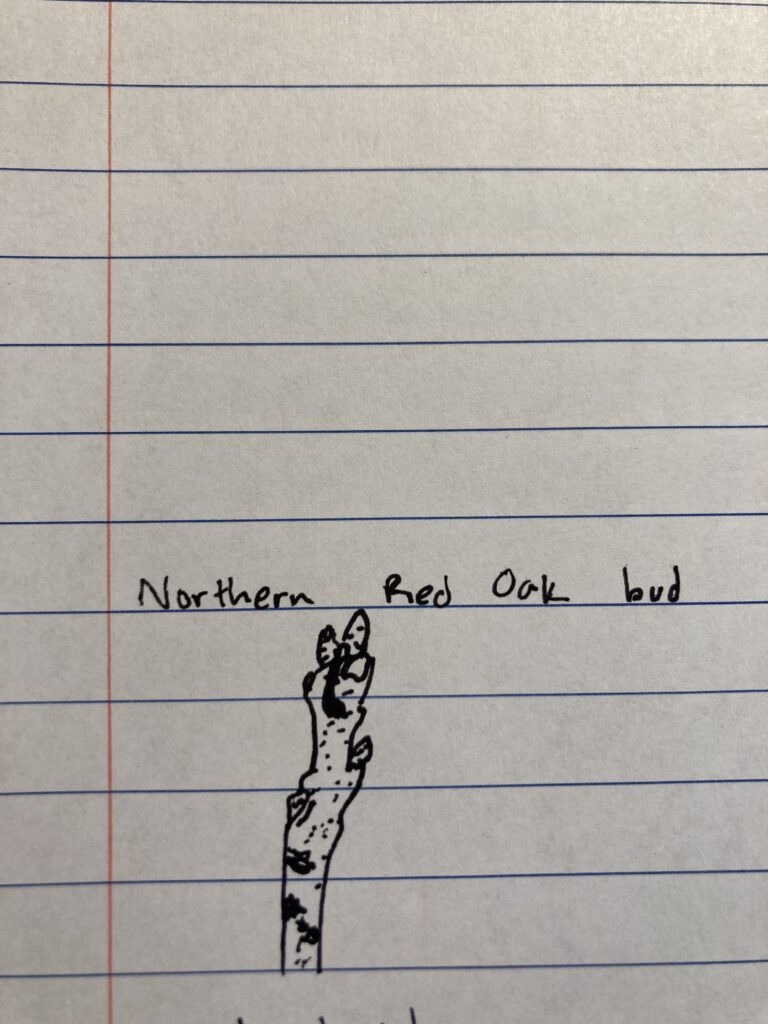
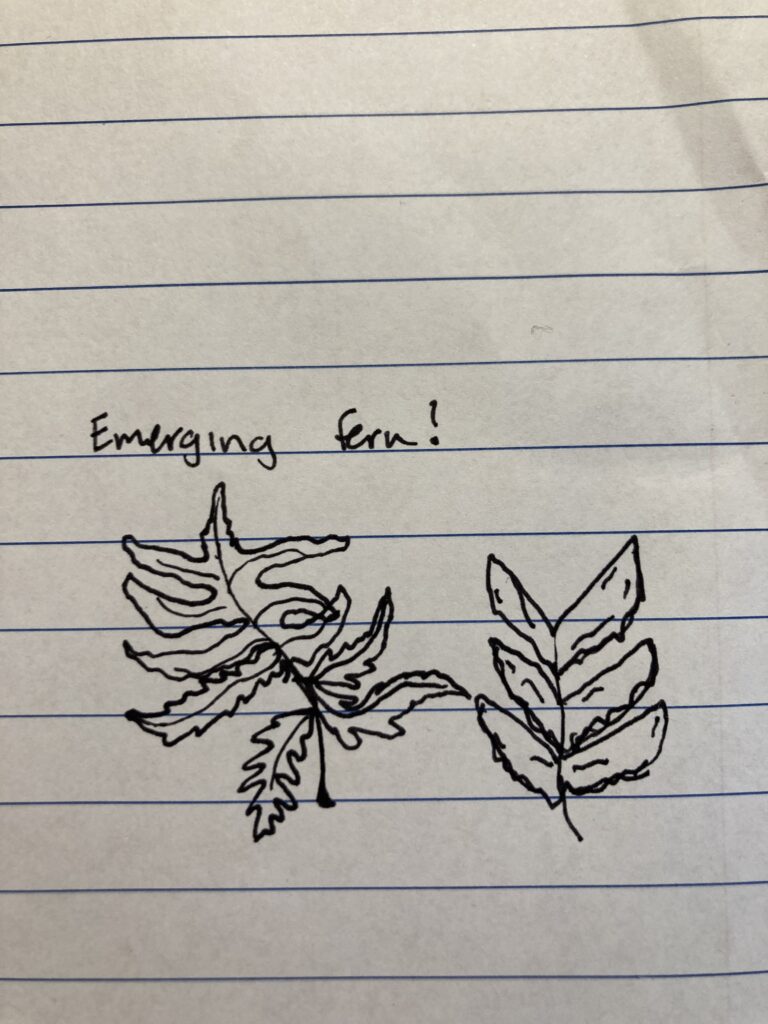
I have not been to my site in a bit of time, so visiting was much different than last. Centennial is opening up to spring, and the newly sprouting buds and emerging plants show that.

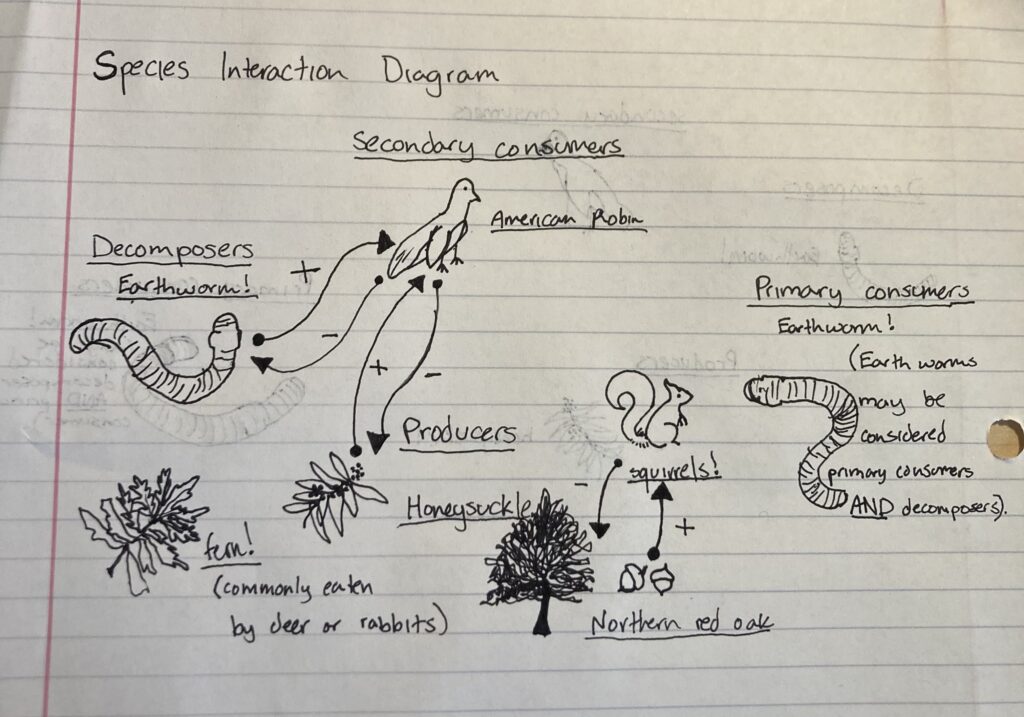
On my walk to may site, I heard many birds, I’m guessing the song was American robins, since I spotted them as well. I also saw a few squirrels on my walk. I didn’t notice much indirect visual evidence of the wildlife, but definitely through directly seeing them and noise there presence was known. I also visited after the rain, so there were worms out as well!

Northern Red Oak bud!
Emerging ferns!
Species Interaction Diagram!

A stroll around Burly

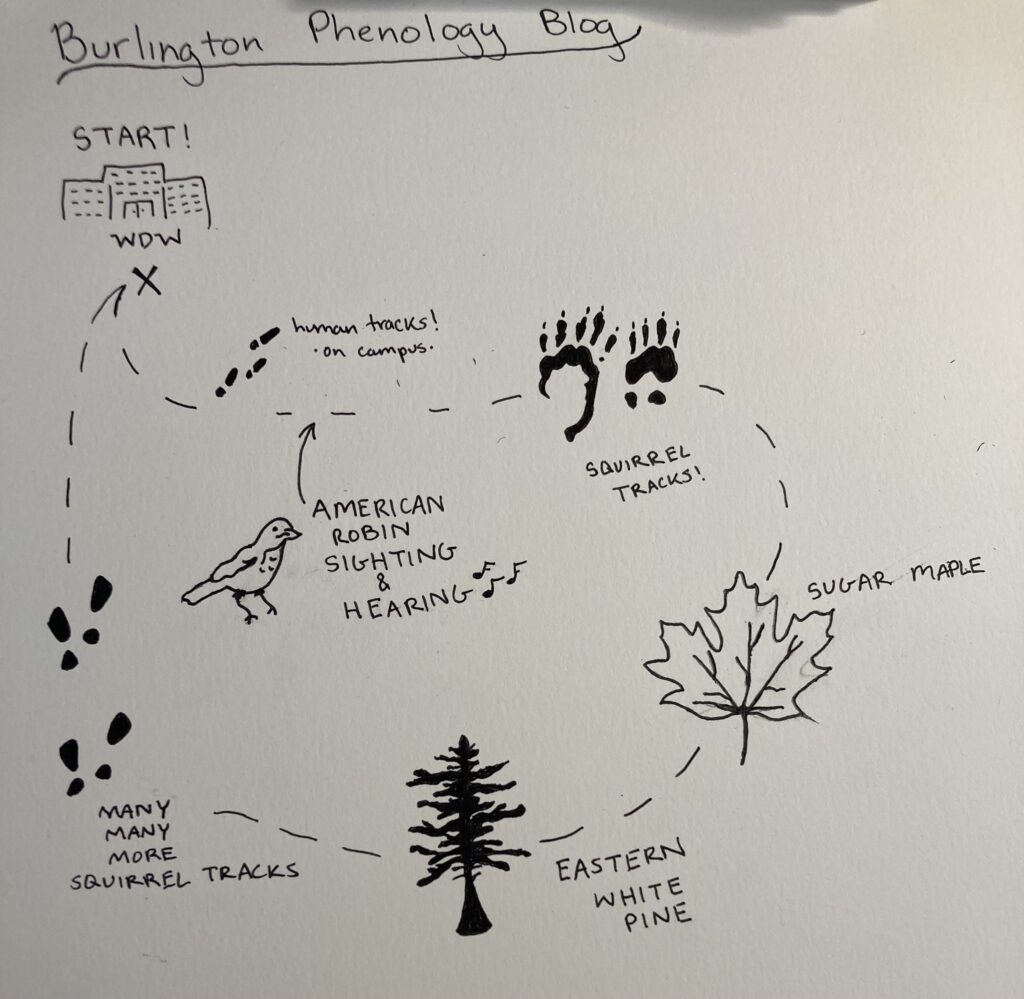
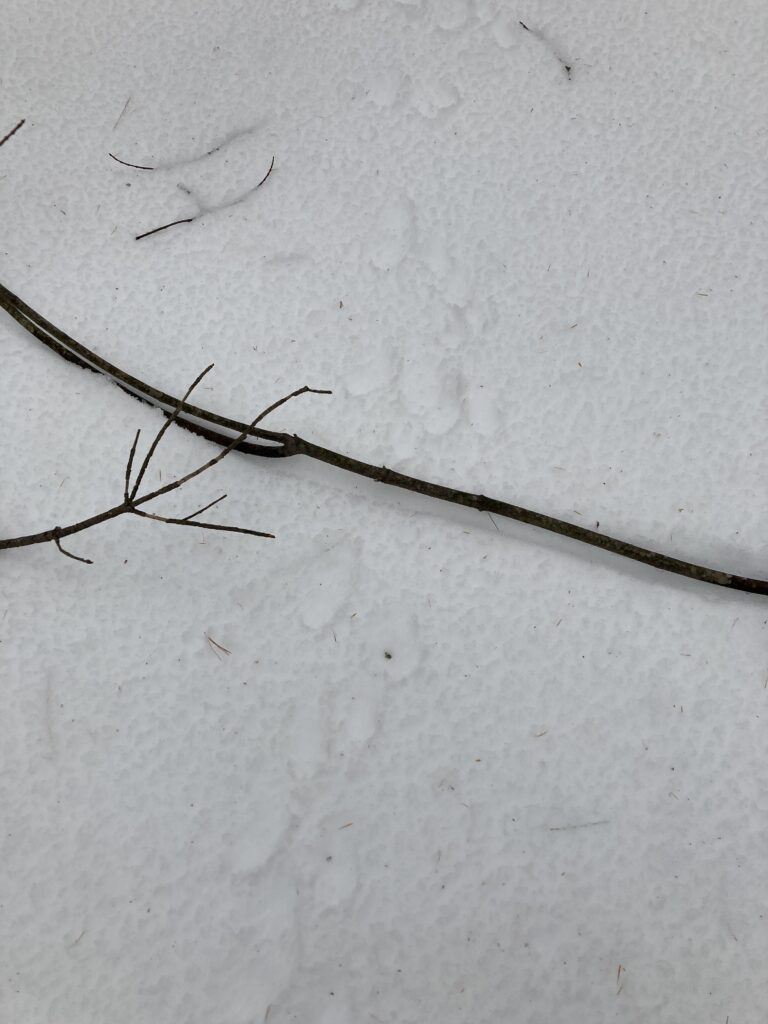
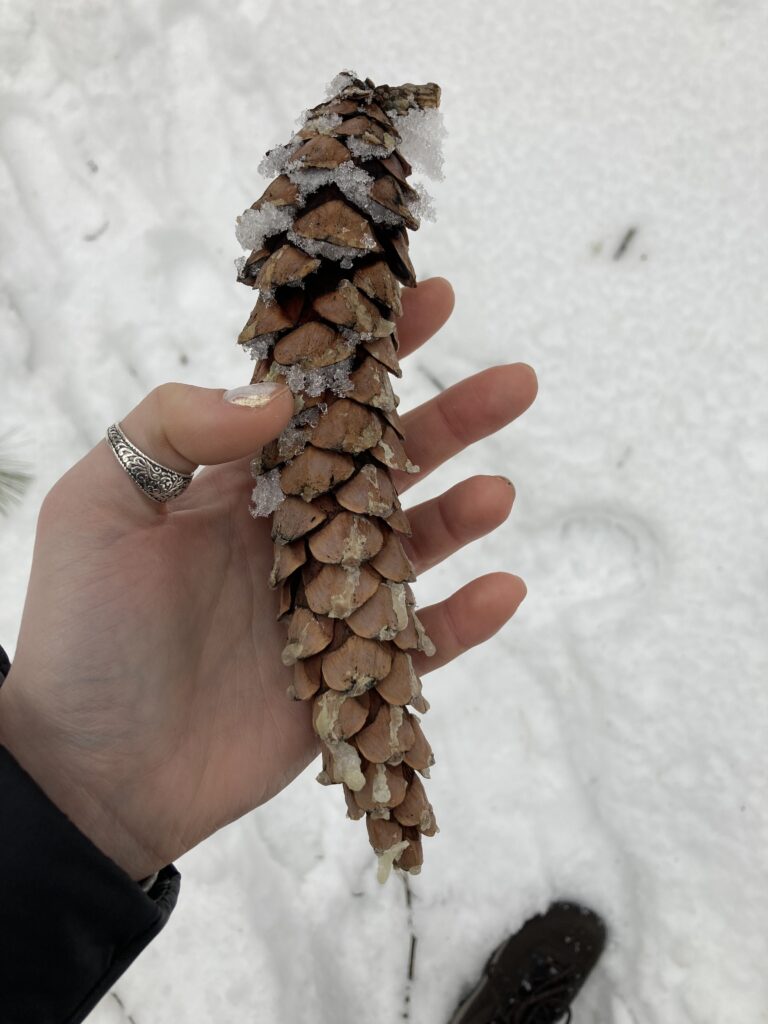
Starting at WDW on Redstone Campus, I made my way into Burlington. The weather was partly cloudy, probably around 20 degrees F, with a bit of a breeze as well. Not a shock, but first I encountered many human tracks in the snow. Other evidence of human activity were the few pieces of litter along my walk. As I kept walking, I noticed a few American Robins, either flying, in trees, or on the ground near the base of the trees. The birds were unresponsive to me, even when I was fairly close. I’m guessing this is due to the birds being used to human encounters, especially in Burlington. I also encountered more evidence of animal activity when I saw squirrel tracks. Which I have come to realize are very, very common in Burlington, and New England. Trees I noticed, were sugar maples, eastern white pines, and a possible willow bud. I also found a pinecone at the base of the eastern white pine covered in sap.

Map of my phenology experience
Squirrel tracks!
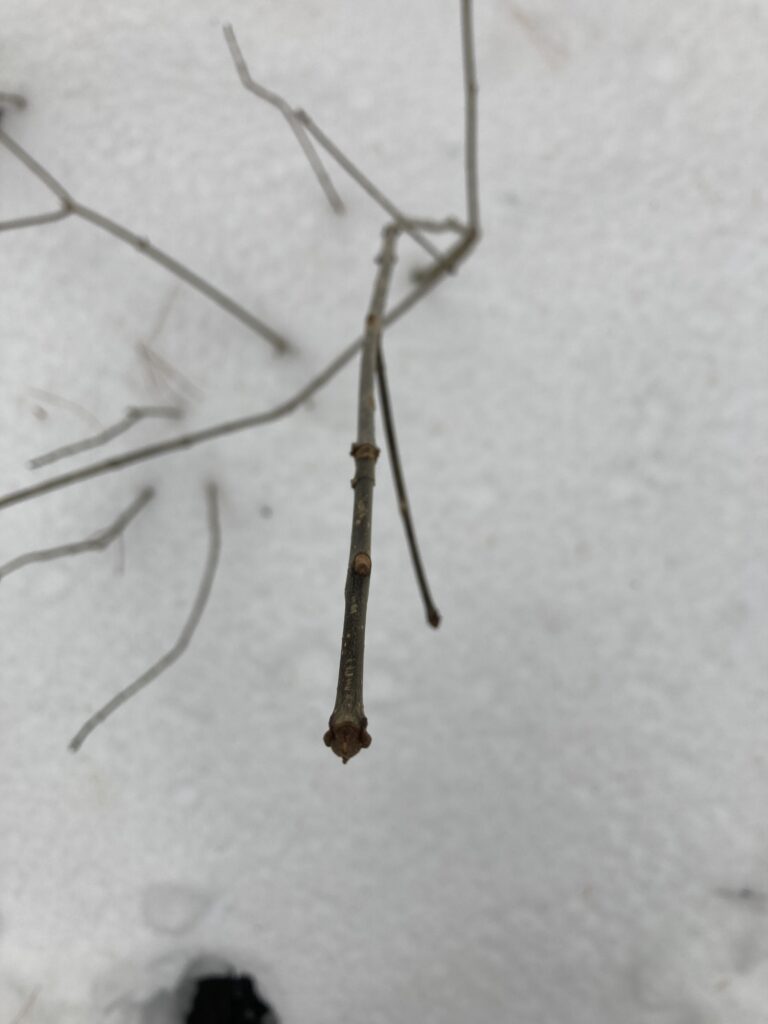
eastern white pine, pine cone covered in sap
sugar maple bud

Burlington is a city interwoven with a college campus and natural areas. One of these natural areas is Centennial Woods, a natural area where Native Americans lived, and Europeans & Americans settled. The land ownership went from Baxter, 1891, Ainsworth, 1904, Hickok, 1908, Kirby, 1938, and Unsworth, 1968. The forest is presumed fairly new, since records indicate the forest underwent succession following settlements and agricultural use.

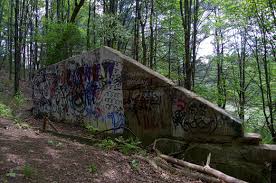
The woods contain 70 acres of diverse species, and an array of evidence of human use. One of the most prominent “unnatural” features is the large cement bunker. The presumed previous military bunker is now a crumbling mass of cement, turned into art by the graffiti sprawling across it’s surface. Although military bunker is the top contender as an answer for this mysterious piece, there have been other propositions such as an abandoned structure for agriculture, or was meant to be used for borders/surveying in Burlington.

“Cement Bunker. Centennial Woods.” 2020. Obscure Vermont.

Another use we learned about in lab was the abandoned ski area of Centennial Woods. Evident through a metal pole, and a rusty gear, we see evidence of the ski slope that once was. The placement of this evidence makes sense, since it sits beside a steep slope, now grown in with trees, with a few trails for mountain biking.

Overall, Centennial Woods is the culmination of human history and natural areas combining. Now the area is evident of human usage through the trails and bridges that adorn it. A walk through the woods and you’ll encounter runners, hikers with dogs, mountain bikers, and everyone in between, showing how Burlington is truly a place where people and nature can live together.

Sources

https://researchguides.uvm.edu/centennialwoods/history#s-lg-box-21517714

http://www.uvm.edu/~uvmsc/Centennial%20Woods/Changing_Landscapes_Centennial_Woods002.pdf

https://obscurevermont.com/tag/south-burlington-kiwanis-ski-area/

Home Phenology Site

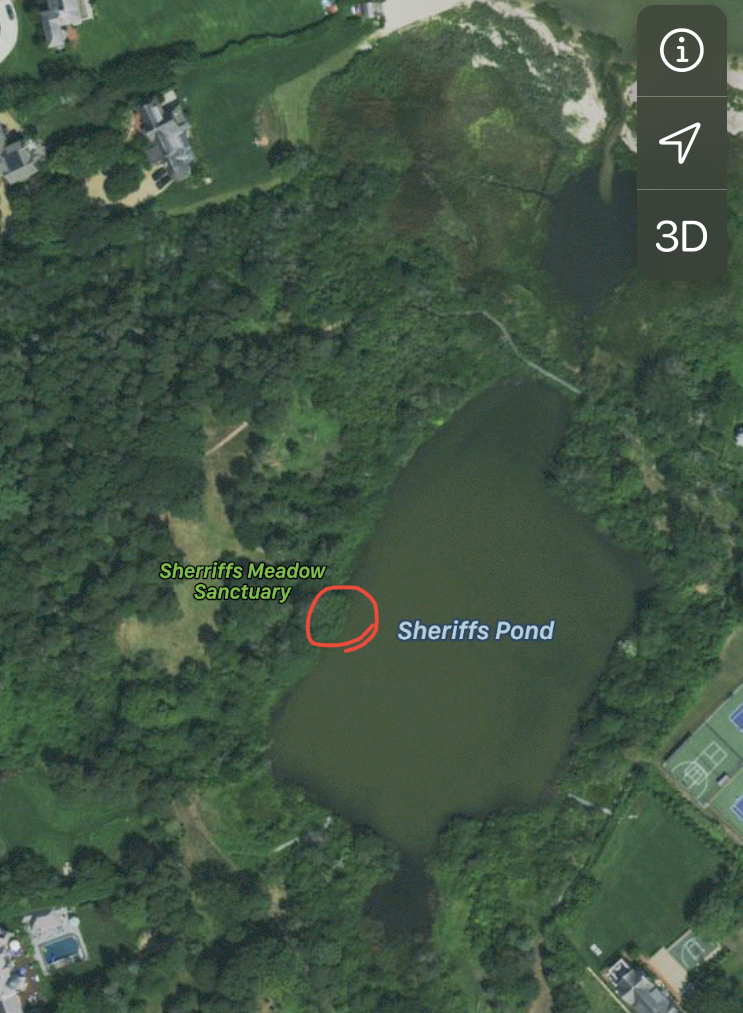
In my hometown of Edgartown, on Martha’s Vineyard, there is a heavy mix of suburbs and natural landscapes. I live right in the suburbs, but am lucky to have a protected natural area nearby, Sheriff’s Meadow.

“Sheriff’s Meadow Bird’s Eye View from Google Maps.” 2020.

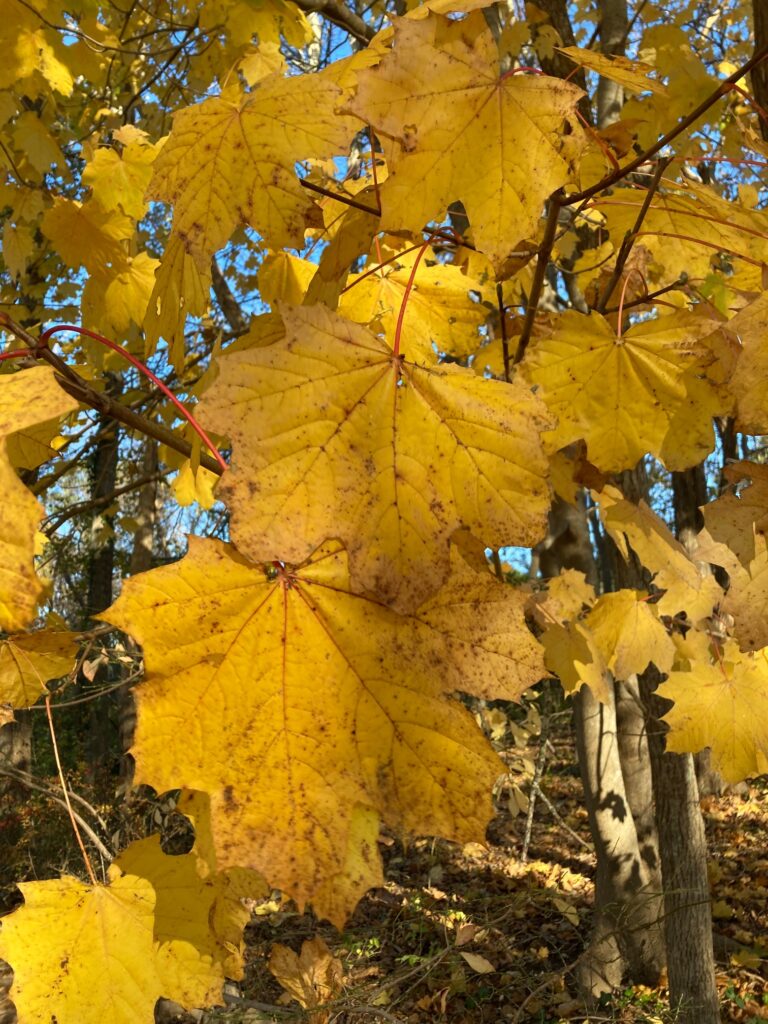
To get to my site, you only need to walk about ten minutes into the trail loop. While you are here, suburbia seems far away. There is no evidence of the suburbs being nearby. Like Centennial Woods, there is a human presence in the natural areas. Beaten down pathways, and stone benches are present along the trail, indicating human presence. Also like my Centennial Woods site, my hometown site is accessible to those who are able to hike easy to moderate trail heads. The ecology of Sheriff’s Meadow is interesting since the landscape includes trees like scrubby and black oak, low vegetation, and cattails. There is also a pond, which means the ground is more saturated and there is a larger presence of moss. This compares to my Burlington site, in Centennial Woods, by the trees and vegetation tending to be larger. Another difference is Centennial Woods is drier and my area did not have the pond ecological system. Also in my hometown site, the leaves still had color, specifically in the Norway maples. Most of the other trees, including scrubby oak, had lost their leaves.

“Norway Maple Leaf.” 2020.
“Norway Maple.” 2020.
“Low lying vegetation.” 2020.

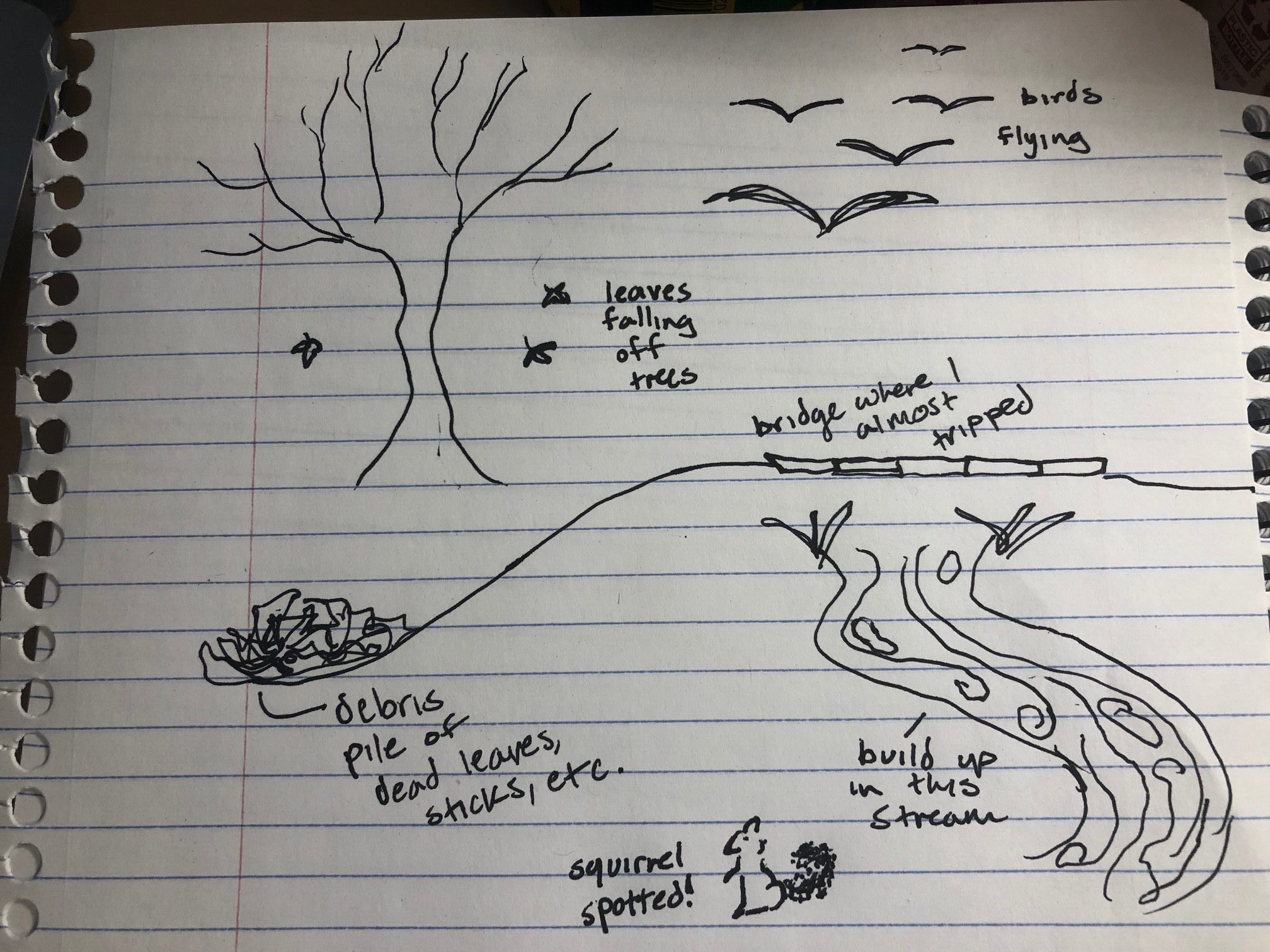
November 8th Event Map

My event map! Changes I noticed at my site in Centennial Woods were way less leaves on the trees, and in turn, more buildup of leaves on the forest floor. On my walk to my spot, I also noticed the stream seemed to have more debris buildup and flowing through it.

Centennial Spot Poem!

Blistering winds shrug shoulders in tight

Each step a crunch, a snap, 

A sink, into muddy trodden pathways

Peeling birch, flaky bark, prickly shrubs,

Adorn Centennial Woods

Flying overhead, birds black against blue,

leaves imitate, soaring to the ground

To the undiggable dirt, hardening

With every step towards winter

“Hand Drawn Centennial Woods Site Event Map.” 2020.

Bird’s Eye View

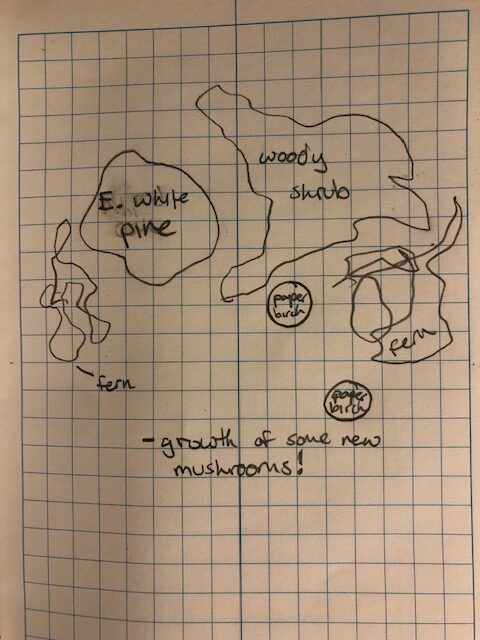
When I visited my spot in Centennial Woods it was much chillier and grey out than the time before. I noticed more browning leaves than last time, and the appearance of a few mushrooms!

“Hand Drawn Centennial Woods Site Bird’s Eye View.” 2020.

Hello world!

Welcome to UVM Blogs. This is your first post. Edit or delete it, then start blogging!

Centennial Woods 10.11

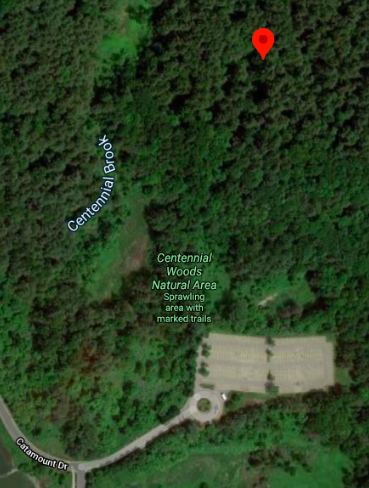
Centennial Woods is an integral piece of Burlington located right on the UVM campus. From the UVM Davis Center head down Catamount Drive and on the left is a path with a UVM sign, “Centennial Woods.” I chose Centennial Woods because of its proximity to campus, the variety of species, and the variety of ecosystems/other features i.e. the stream.

“Bird’s Eye Google Maps View of My Site.” 2020.

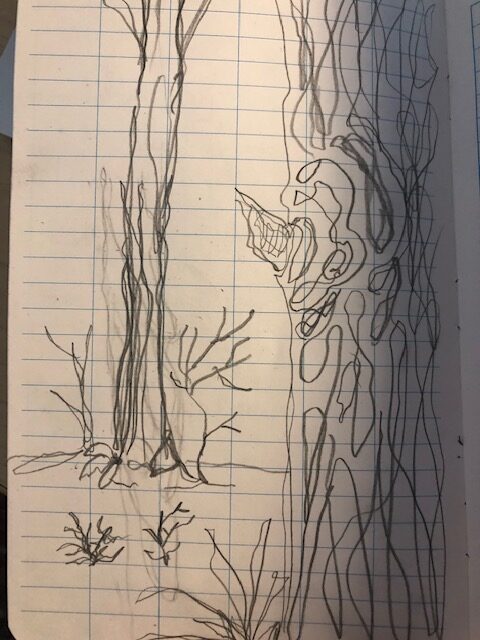
Common species found in Centennial are Eastern hemlocks, American beech, White pine, Paper birch, and a variety of evergreens. On my site there was a fair amount of plants in the understory, primarily ferns and other herbaceous plants. While I was there I drew a picture of my site which is seeing the signs of fall.

“Hand Drawn Site View.” 2020.

Skip to toolbar