Feeds:
Posts
Comments

Final Visit to Salmon Hole

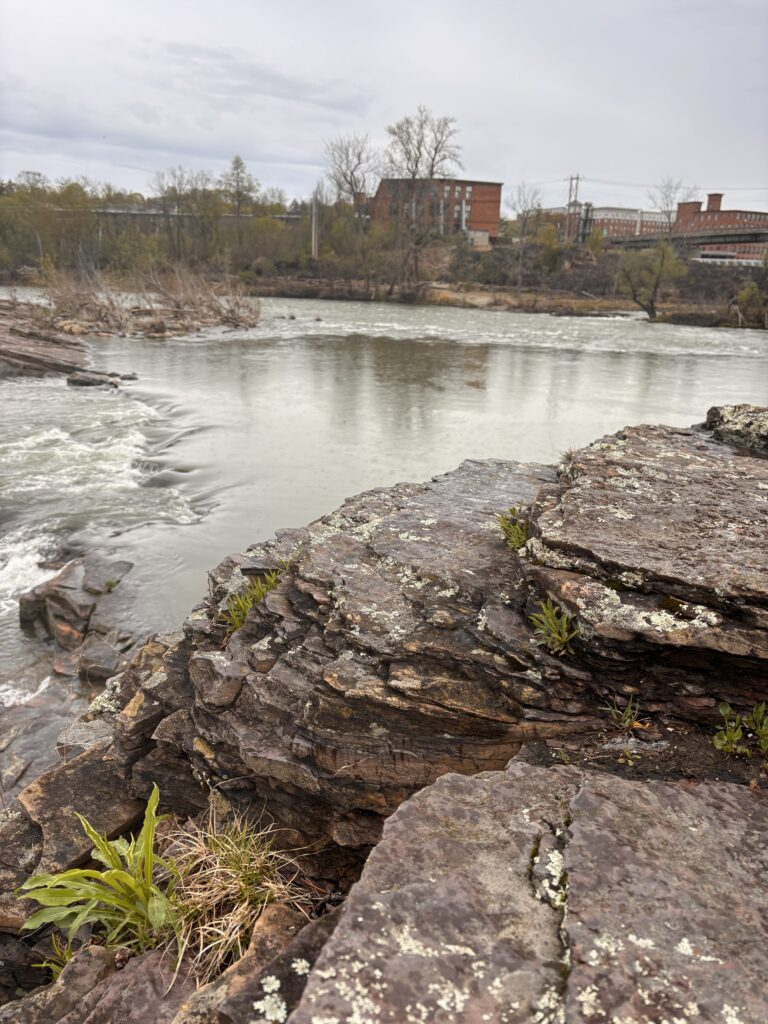
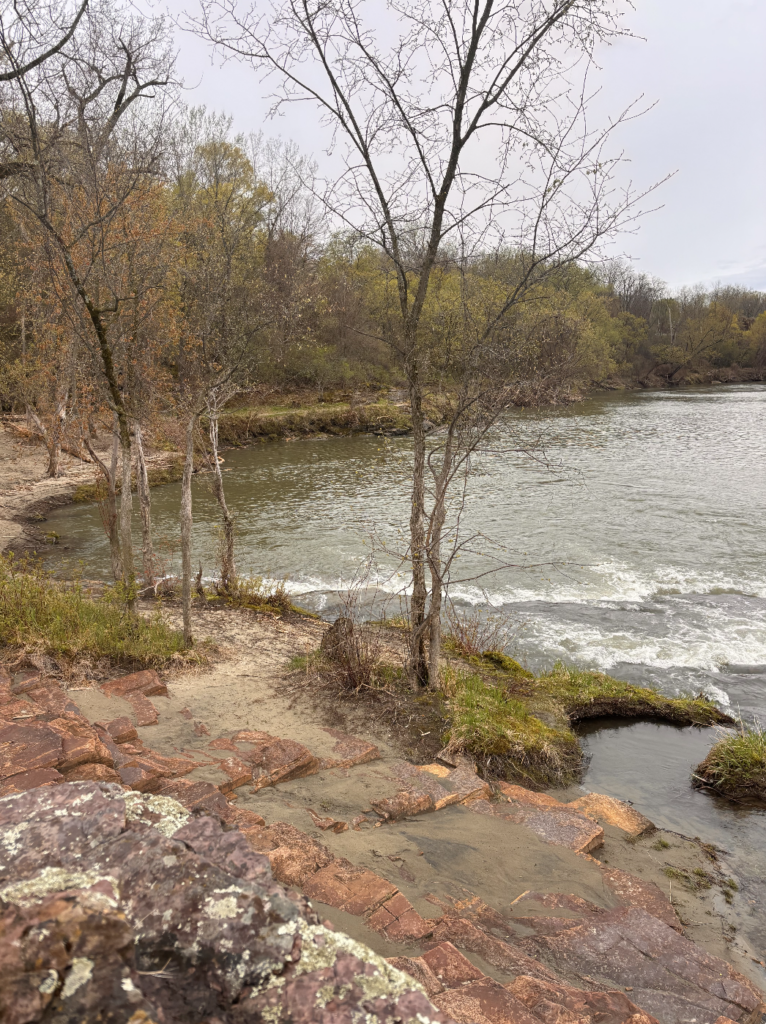
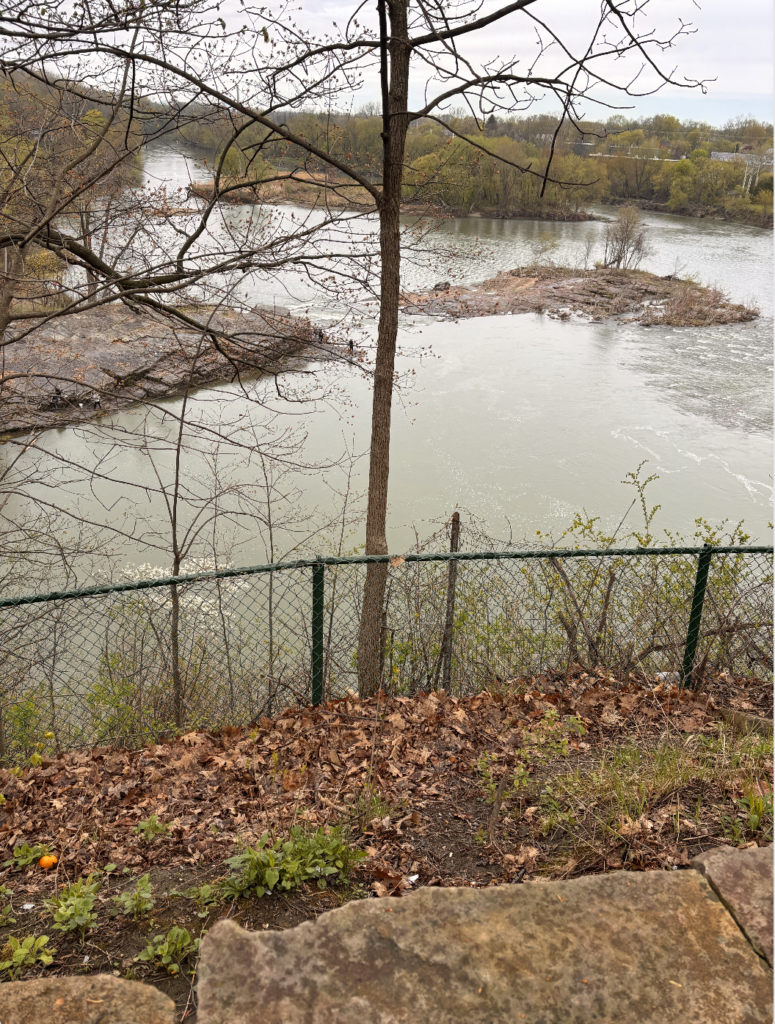
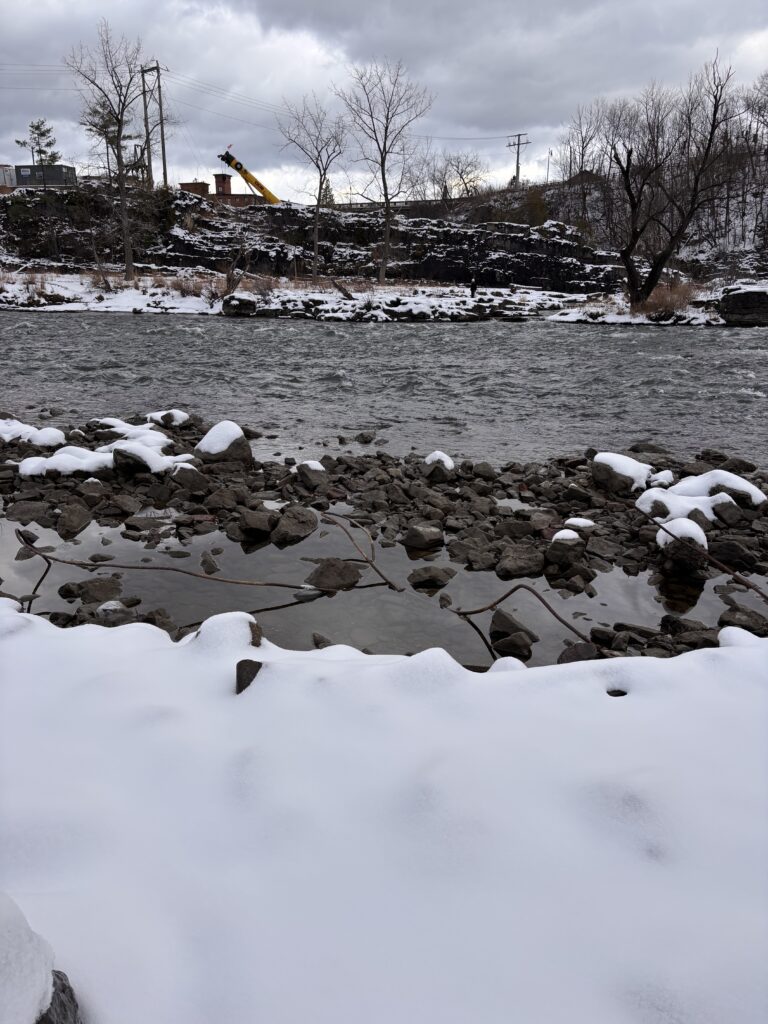
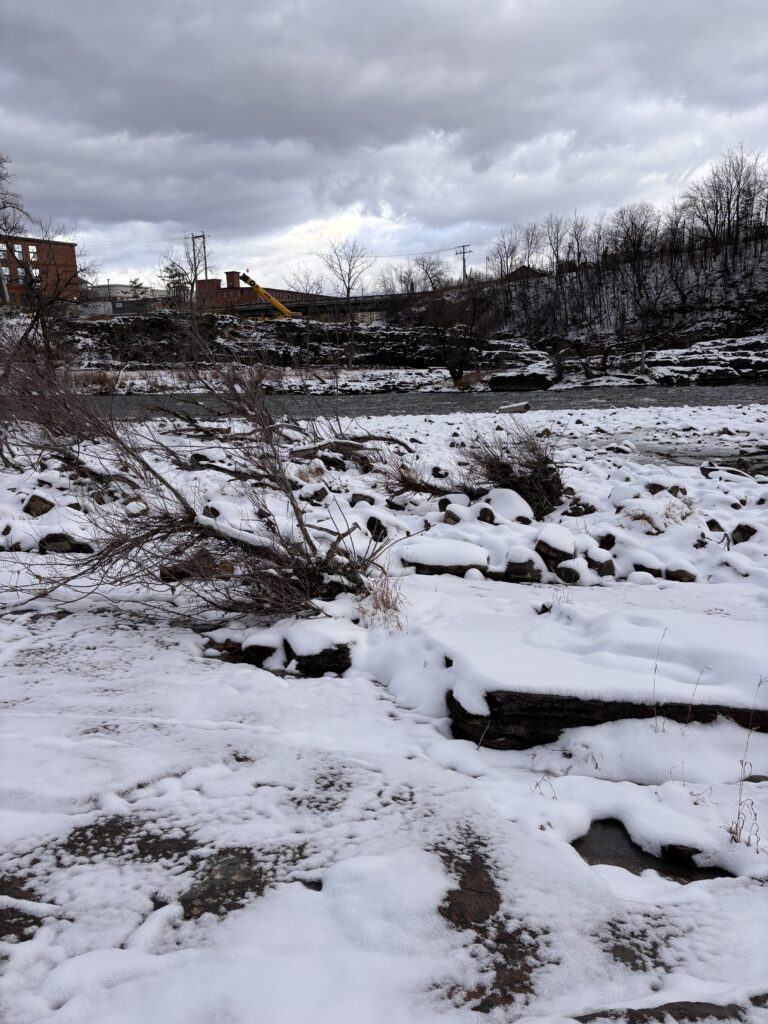
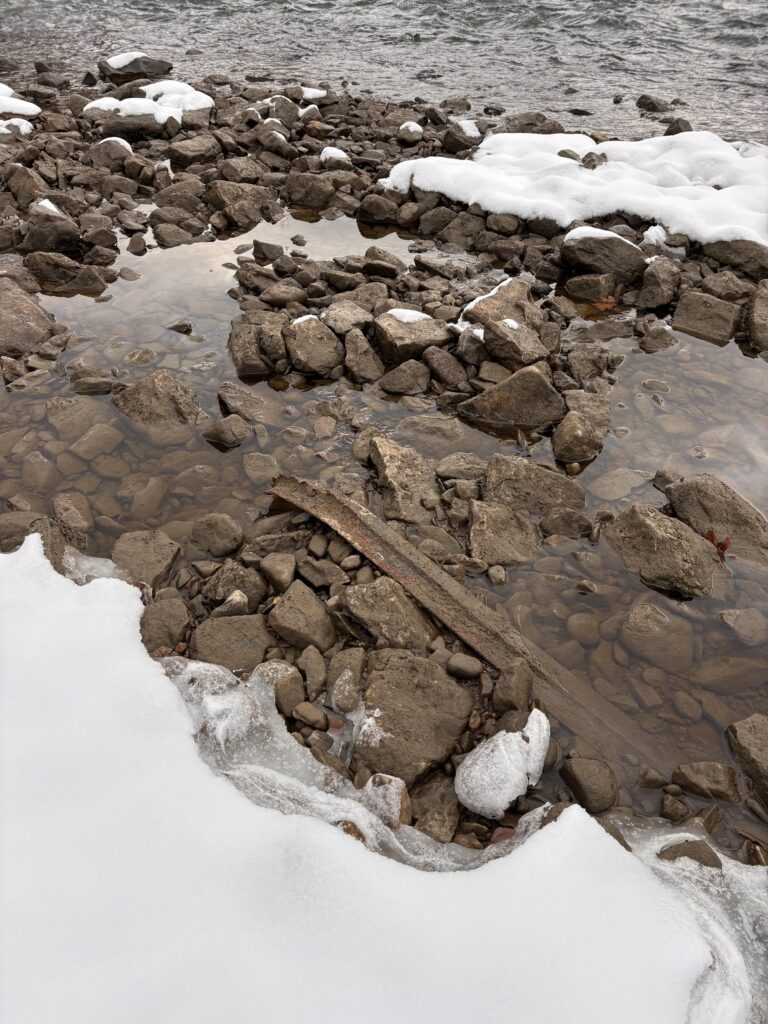
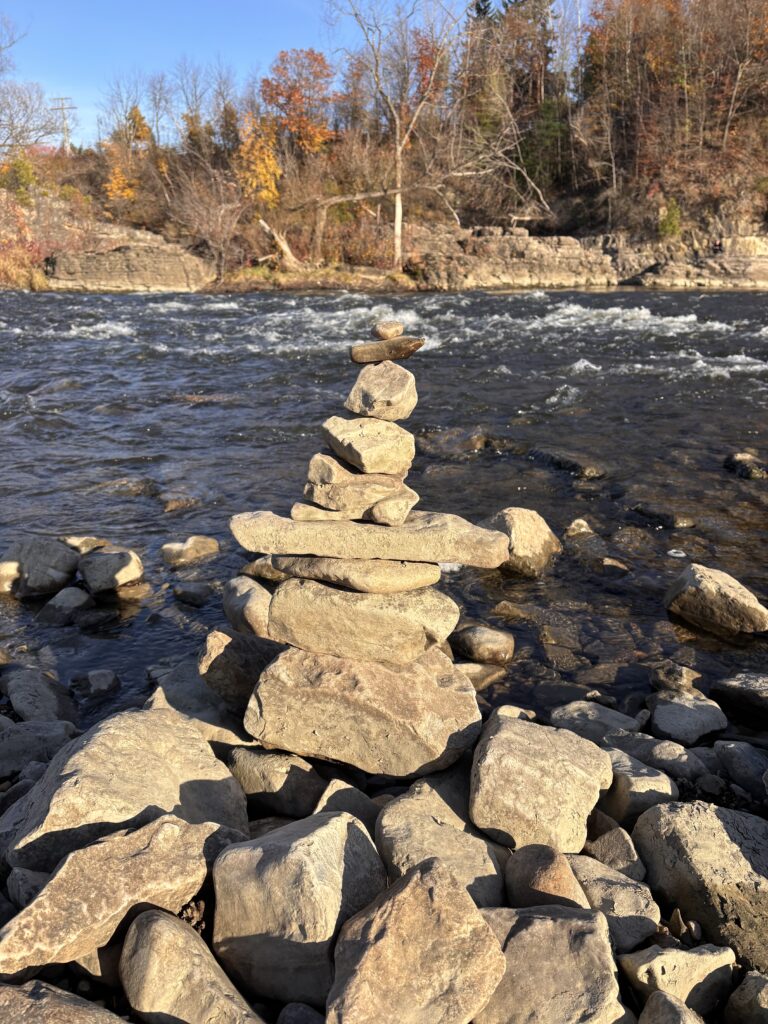
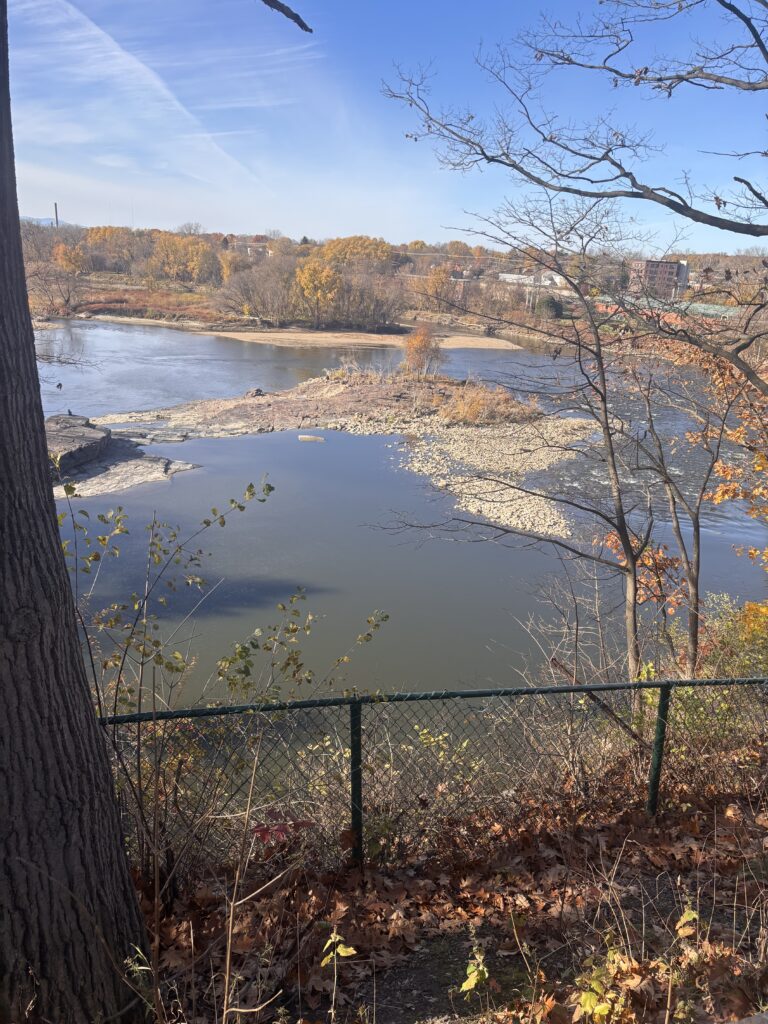
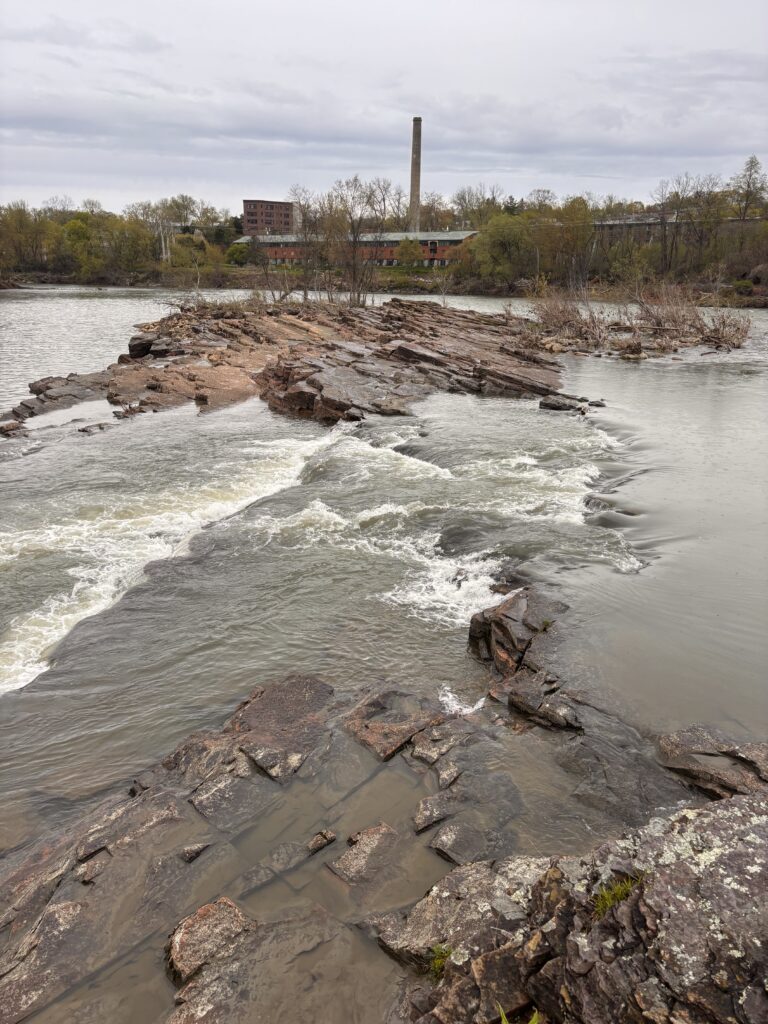
My final visit to Salmon Hole for this Phenology assignment was on a rainy, slightly chilly day. The water level was really high and the spot I normally go to was flooded over. Even the area I would go too was flooded and unable to get to. The current was also much stronger than it usually is. Normally, the current is weak and a minor flow, but today there were two currents flowing in two different directions at a pretty strong pace. I also noticed a lot of sand on higher rocks which caused me to think that maybe the sea level rose even more than it did today. The sea level may have rose so much that the whole little island my spot is on was once covered by water this year.

Major Landmarks

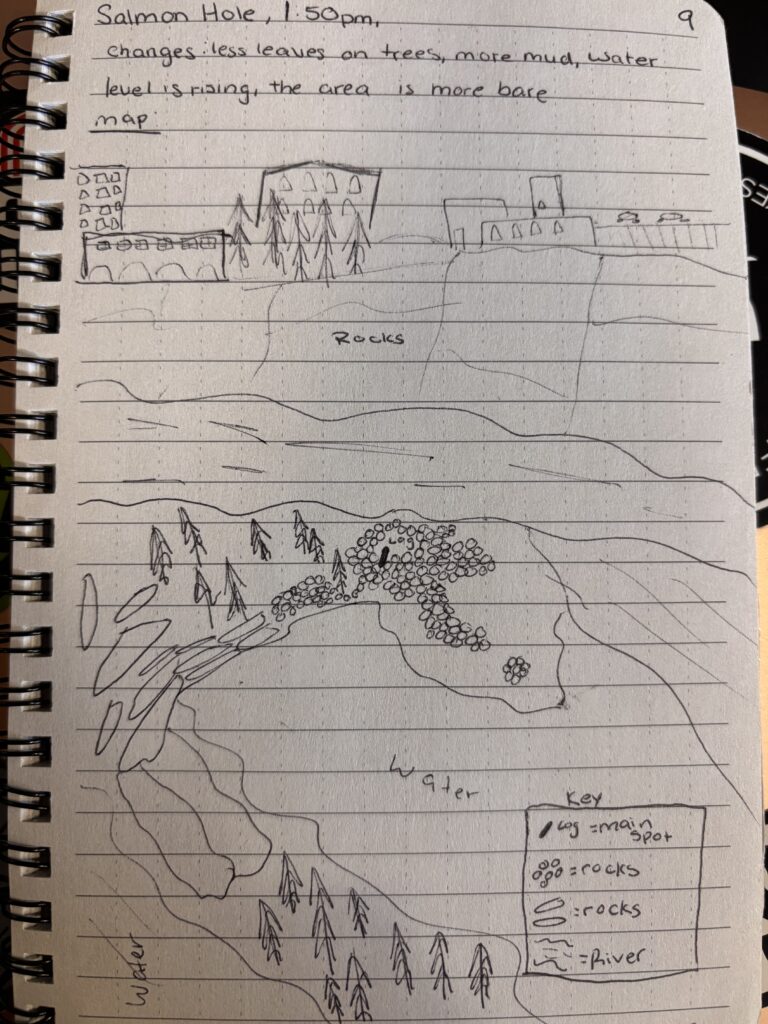
Im not sure if this can be considered a land mark, but there was this washed up log that I would sit on everytime during my phenology assignments. Even though I was unable to see it this last time I went, I would still consider that a major landmark on my place. Another major landmark would be the mill that sits right across from the river. It is crazy to think about how one day that mill worked and many people worked in there to produce textiles.

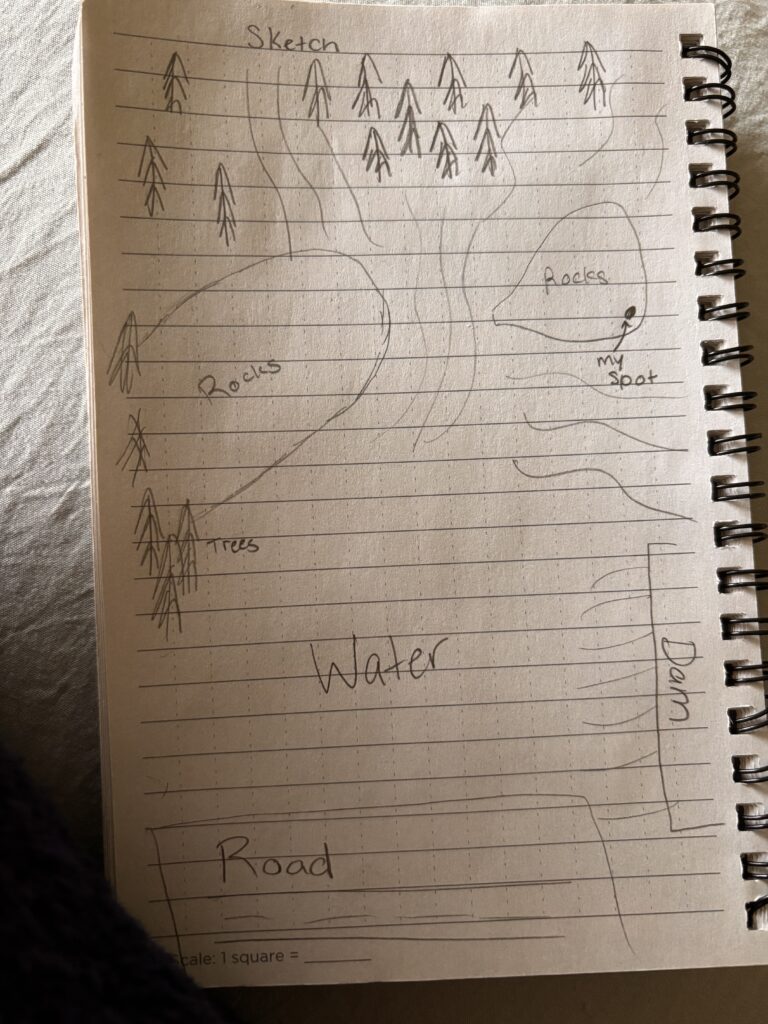
Sketch
Pictures
How Do Nature and Culture Intertwine at Salmon Hole?

The land that Salmon Hole sits on used to be Indigenous Land, buit now the Indigenous people are only allowed to use some of the falls. Aside from the land being previously owned by the Indigenous people, I am not sure how nature and culture intertwine here. People come together to fish at Salmon Hole, but whenever I go, usually there is no one there. If you look across the river you can see the old textile mills which at one point were the largest mill employer in the state of Vermont. This can intertwine nature and culture because it shows how humans once relied on the river as a source of energy to power their mill.

Do I Consider Myself a part of Salmon Hole?

I would say yes and no to this question. In some ways I would consider myself a part of Salmon Hole because when I went to do my phenology projects, as long as the weather was okay, I would sit and enjoy nature for an hour or two while I was there. This time was a good time for me to reflect on events going on in my life and also to relieve whatever stress I had running through me. In another sense I would not consider myself a part of Salmon Hole because I feel as though I haven’t spent enough time there. I also wouldn’t consider myself a part of it because I never gave back to the land in any way. I picked up trash a few times, but I never really did my part to help clean the land or clear the trails. So, in conclusion I would consider myelf half and half a part of Salmon Hole if that makes sense. Maybe in the upcoming years as I keep revisiting it, maybe I will consider myself a part of this place.
Where did I explore?

Unfortunately, this weekend was very rainy, so my opportunities to go places in Burlington was slim. I also twisted my ankle pretty bad on friday night and was sick saturday, so it was hard to go out and explore Burlington. Yesterday, I went to the University Mall and identified some of the surrounding trees and bushes in the area. Today, I walked around the campus to ID species.

My experience using iNaturalist

My experience was pretty average while using the new iNaturalist. I do prefer the old iNaturalist more though because that one gives you choices/options on what the species could be, while the new version just gives you one answer. Joining our groups project was a little bit difficult at first because my app kept glitching, but when I tried it yesterday it finally worked.

Species I encountered

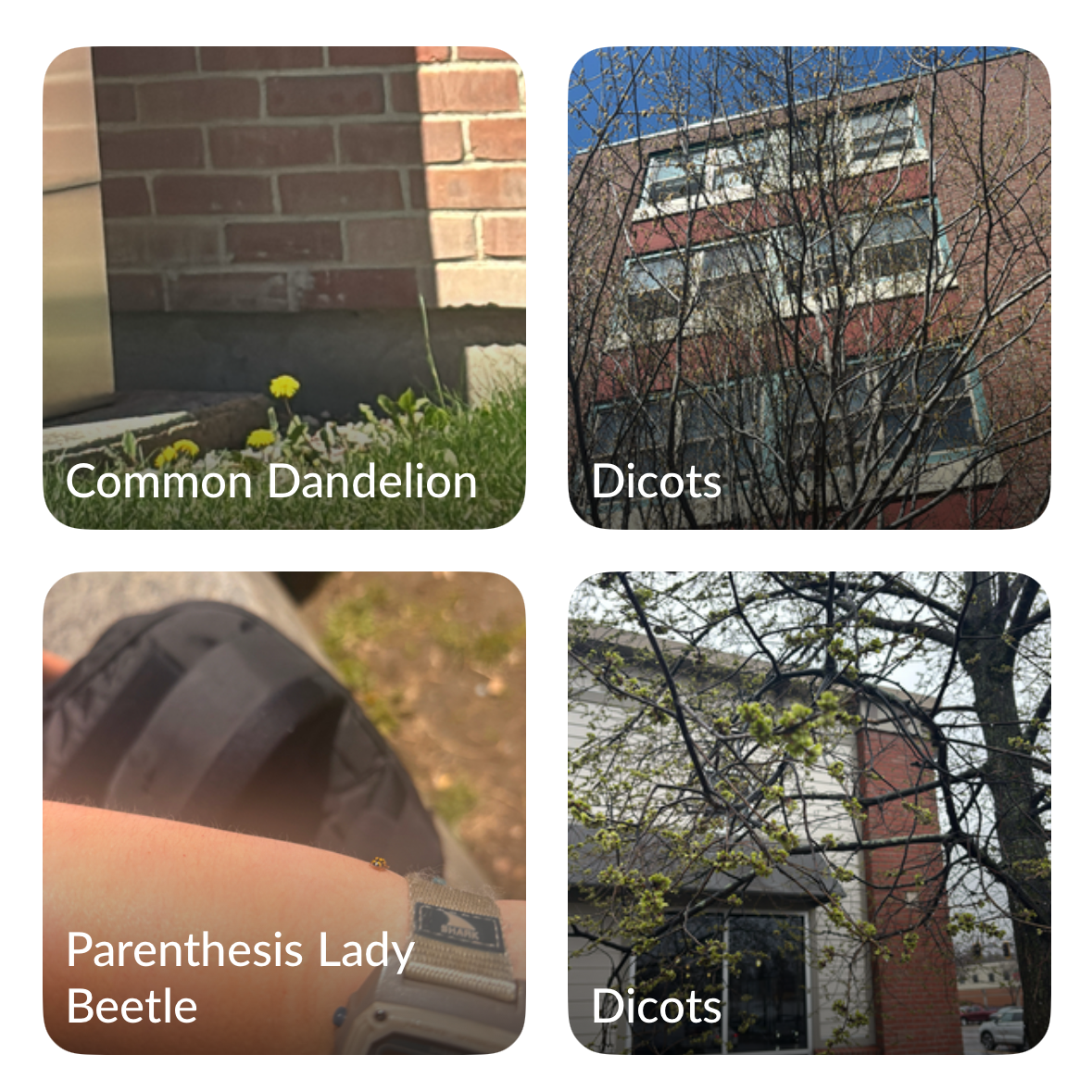
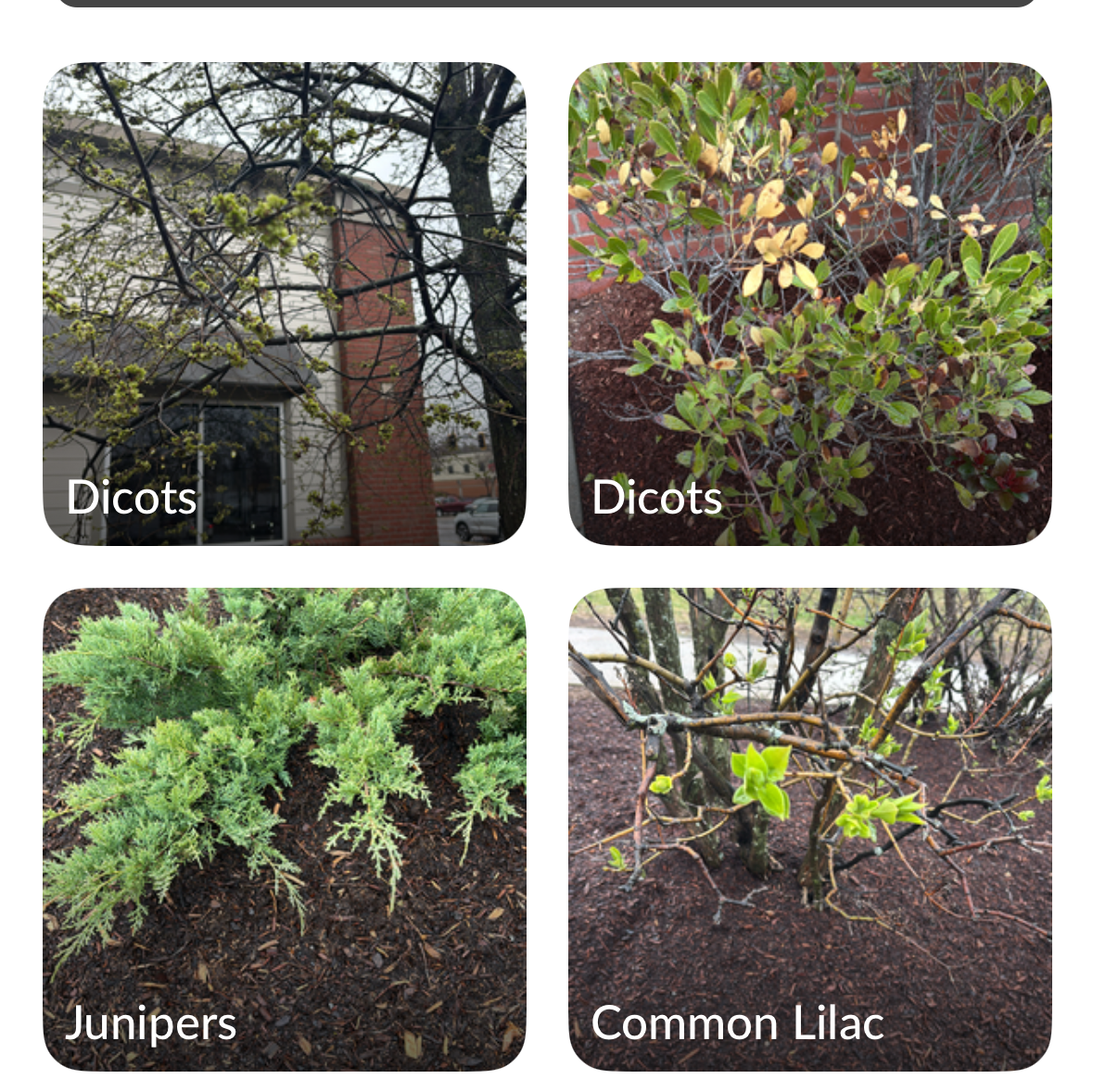
At the University Mall, I encountered 3 types of dicots, a common lilac bush, and juniper bushes. While walking around UVM, I encountered lady bugs, ants, dandelions, and much more.

Other Participating Cities

Something I found interesting while looking at other participating cities observations is that a 19 year old from Canada has had over 9,500 observations. The only observation from Rhode Island is an Eastern Bumble Bee fro Newport, but im not sure if thats correct because it says Vermont has no Observations. I enjoy looking at other countries findings and seeing how they differ from what I would find here in America, but also how its very similar. For example, someone in Moldolva identified a house sparrow, which are also very common here in America. I also really enjoy how people have pictures from underwater to identify. For example, someone in the Maldives identified a Chevron Butterflyfish which is interesting to see.

My Pictures

Phenology walk Date

I originally chose to go on my phenology walk on April 1, 2025, but unfortunately I was sick and unable to leave my room, so instead I did it on April 2, 2025.

What I noticed

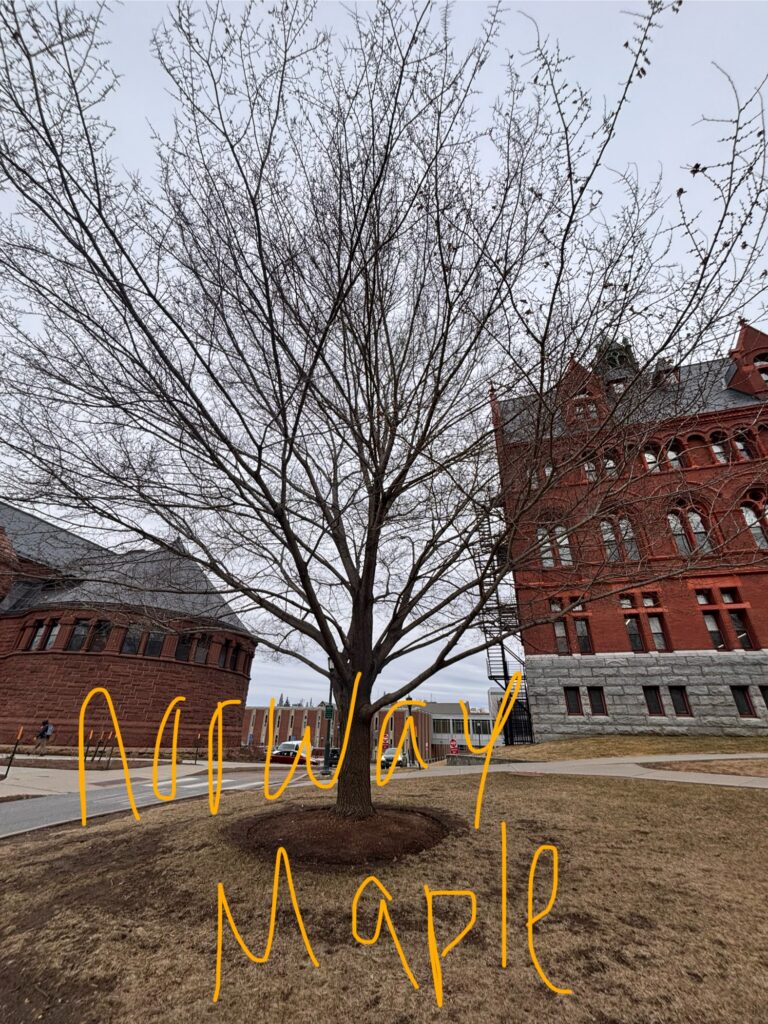
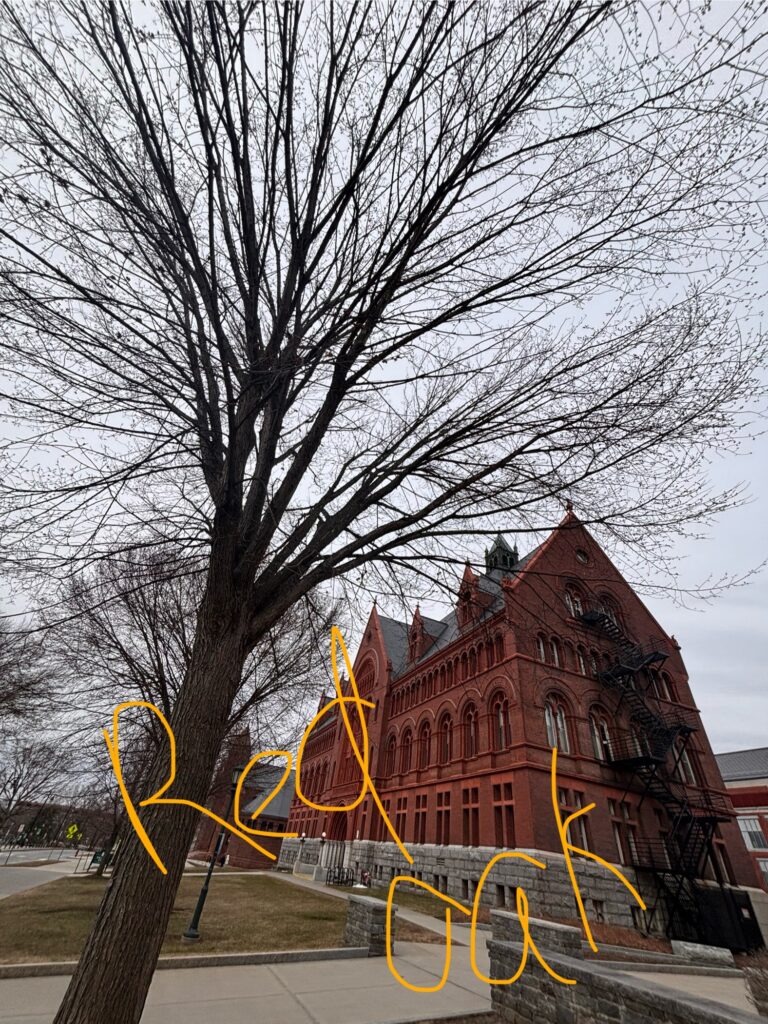
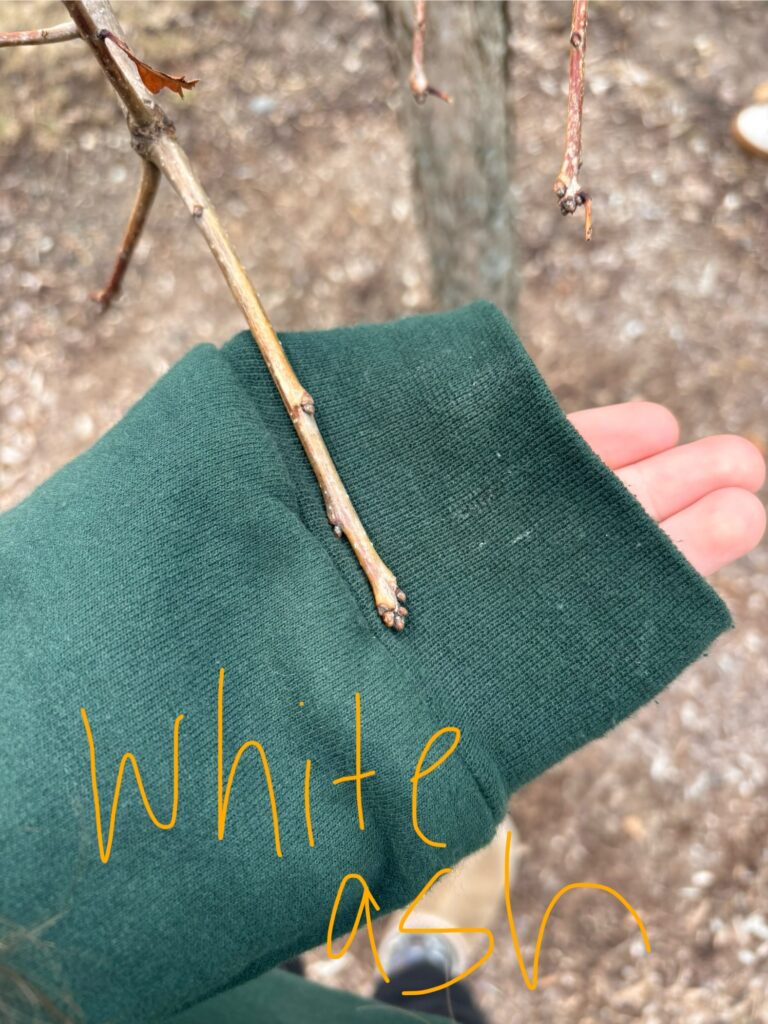
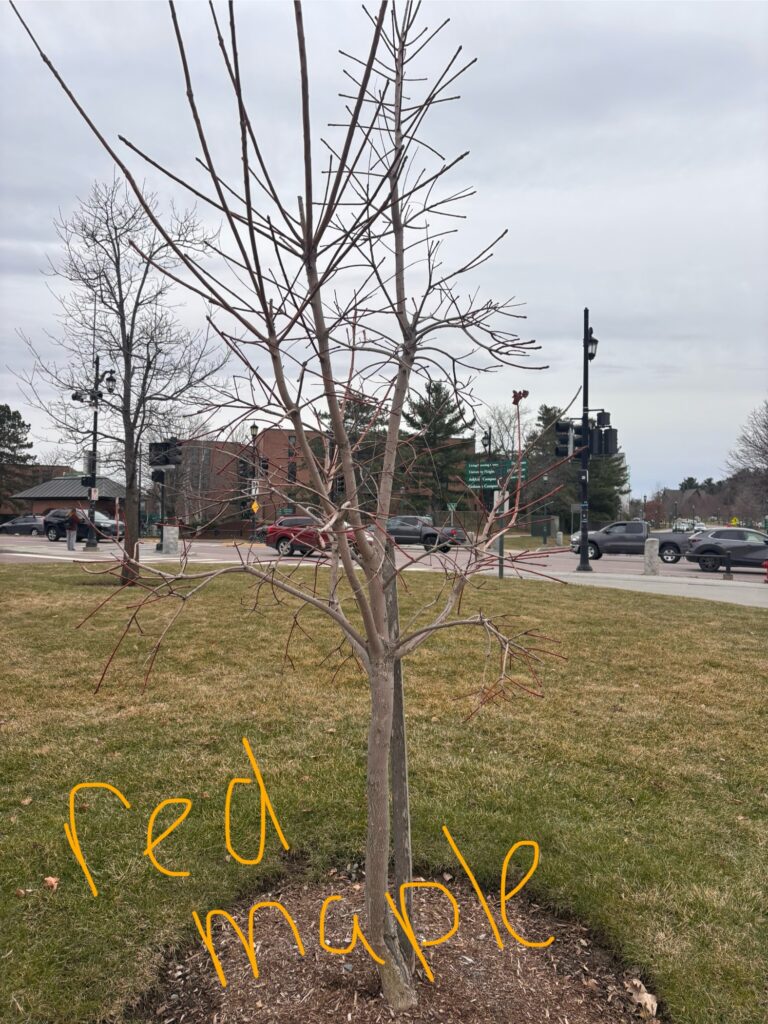
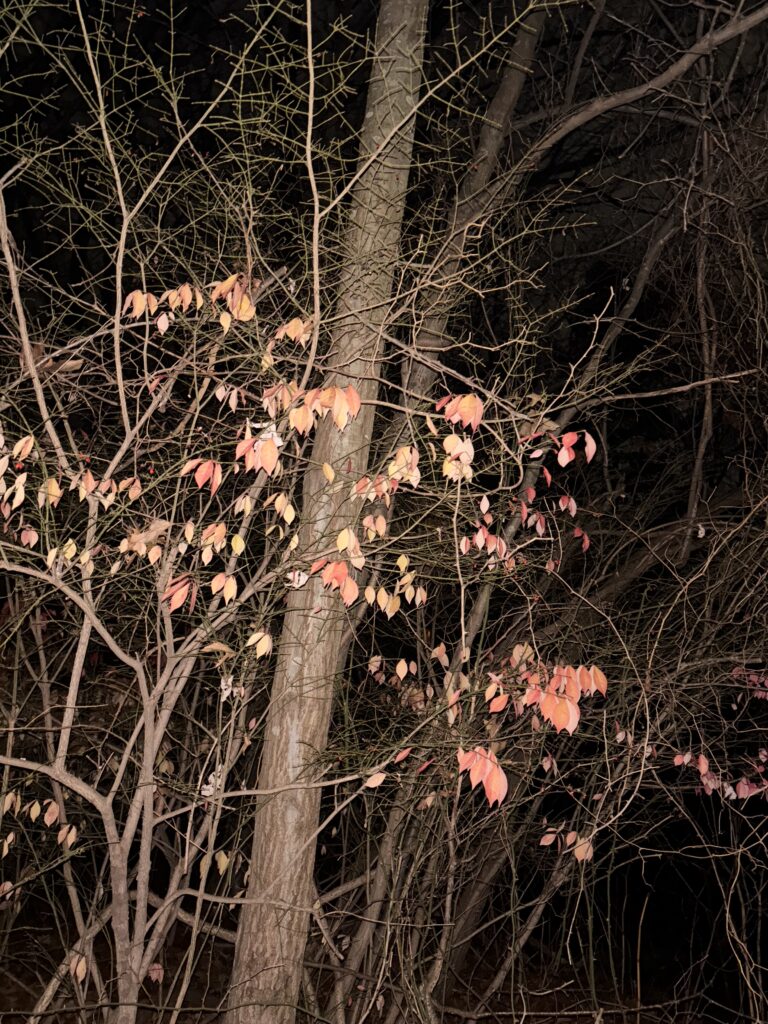
Due to the recent cold weather, none of the buds on the trees were breaking. I saw a few purple flowers starting to bloom right next to the path leaving the Davis Center, infront of Aiken. The only leaves I saw were a few dried onces from the past season that failed to fall off the trees. It seemed as if all the trees were in the same phenophase. The Red Oak may have been a little ahead of the rest of the trees regarding phenophase, but not by much.

NPN’s website

Something I found interesting from this website were the maps of the United States that showed the spring first leaf index and spring first bloom index. It was interesting to see how the map presents almost a line patttern alternating between early and late first leaf showing. The more north the map shows, the darker red the states start to become. The Spring First Leaf Index moves a lot faster than the Spring First Bloom Index which is also very fascinating to watch on the map. These maps are relevant to climate change because they show how the blooming or breaking in buds and flowers are changing and either being pushed back or blossoming at a different rate than normal due to climate change getting worse.

Pictures

This image has an empty alt attribute; its file name is IMG_0092-768x1024.jpg

Phenology #7/ Semester 2 #2

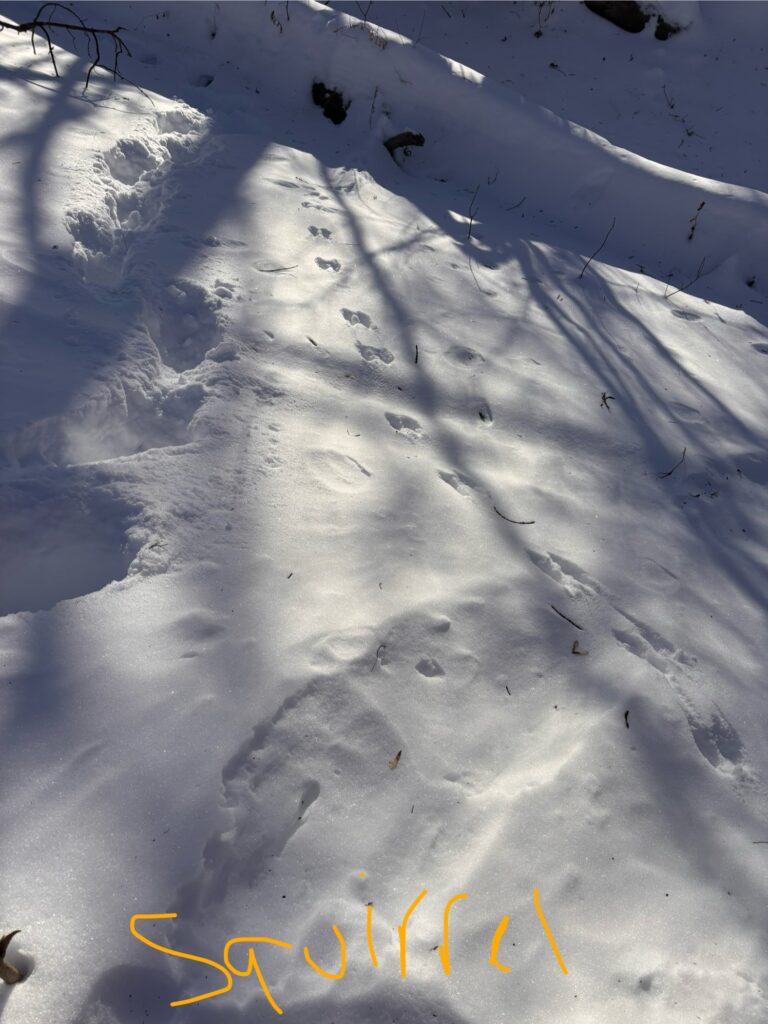
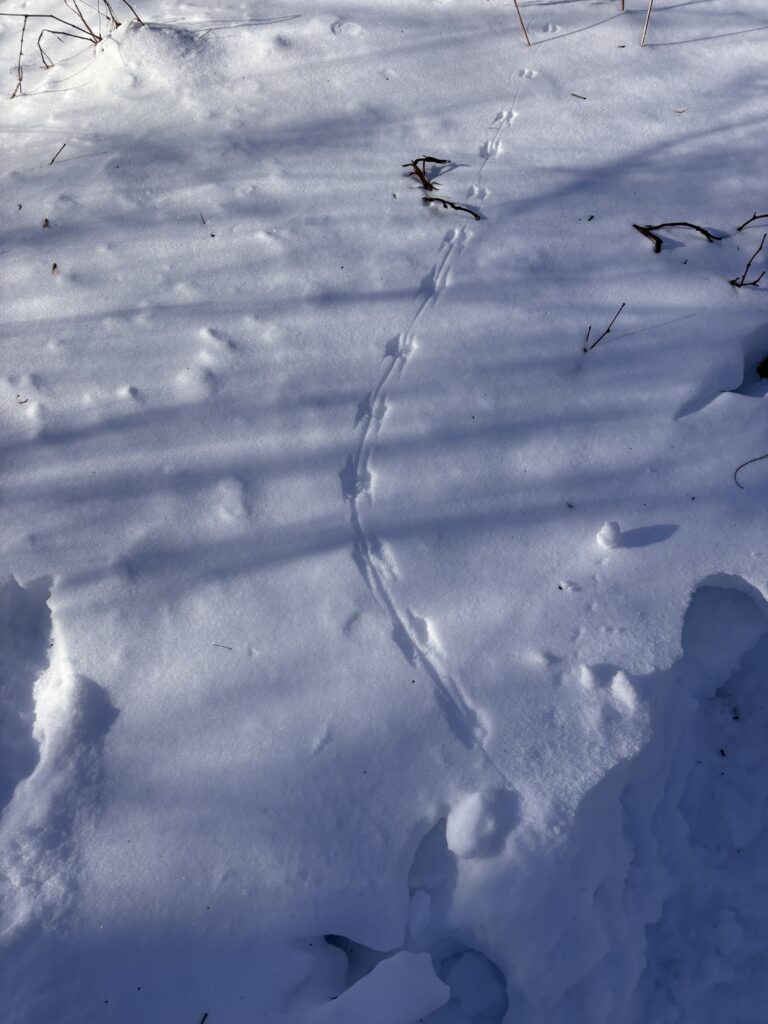
The goal of this phenology assignment was to observe tracks and scats in the greater Burlington Area. I was unable to travel far into burlington due to me having to work all weekend, but I did observe some tracks at Intervale.

Intervale

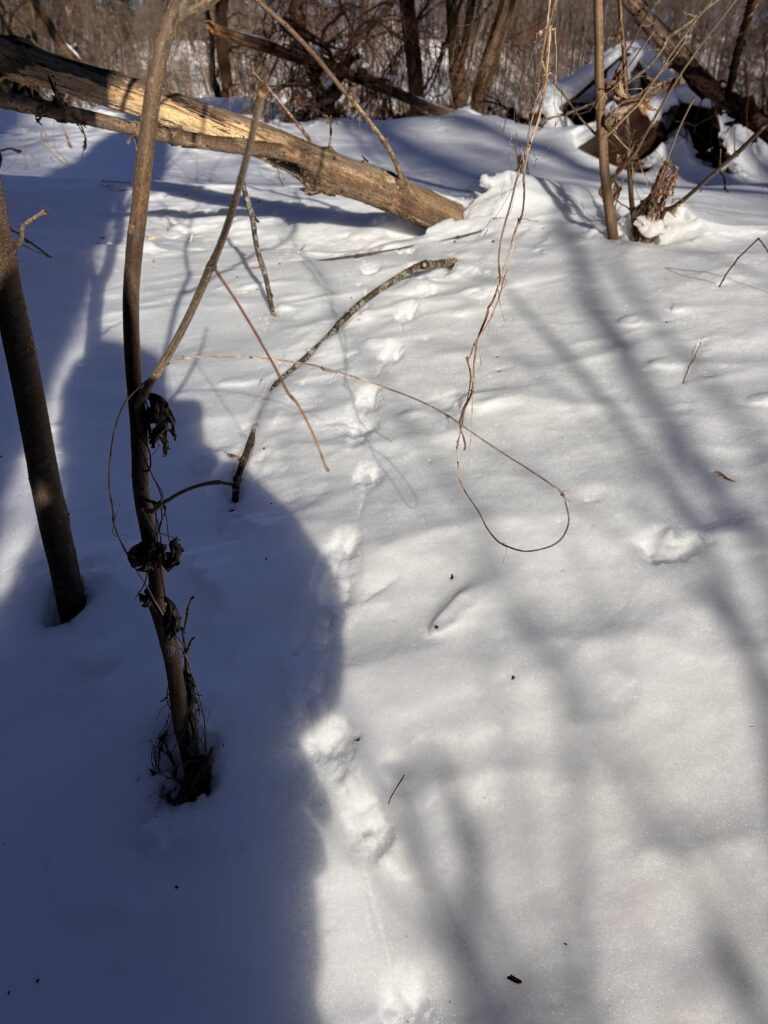
While walking around the trails of Intervale, I observed many mice tracks and a few squirrel tracks. The squirrel tracks led to a fallen tree covered in snow, and then we lost where the squirrel went from there. we were able to identify the mouse prints because they were thin and long prints that are connected by what looks like a tail drag. The squirrel ones were also easily identiable because the tracks matched what squirrel tracks look like as though it was running or hopping through the snow.

There was one track that I was unsure of what animal it could have been. It may have been a squirrel, but I am not certain.

Using INaturalist was very easy to navigate and understand. Joining and posting to a project was also very straight foward. I very much enjoy how other people and other researchers can view your photos and observations and give their professional opionion on what they believe the species or tracks were.

Phenology #6 01/27/25

Information!

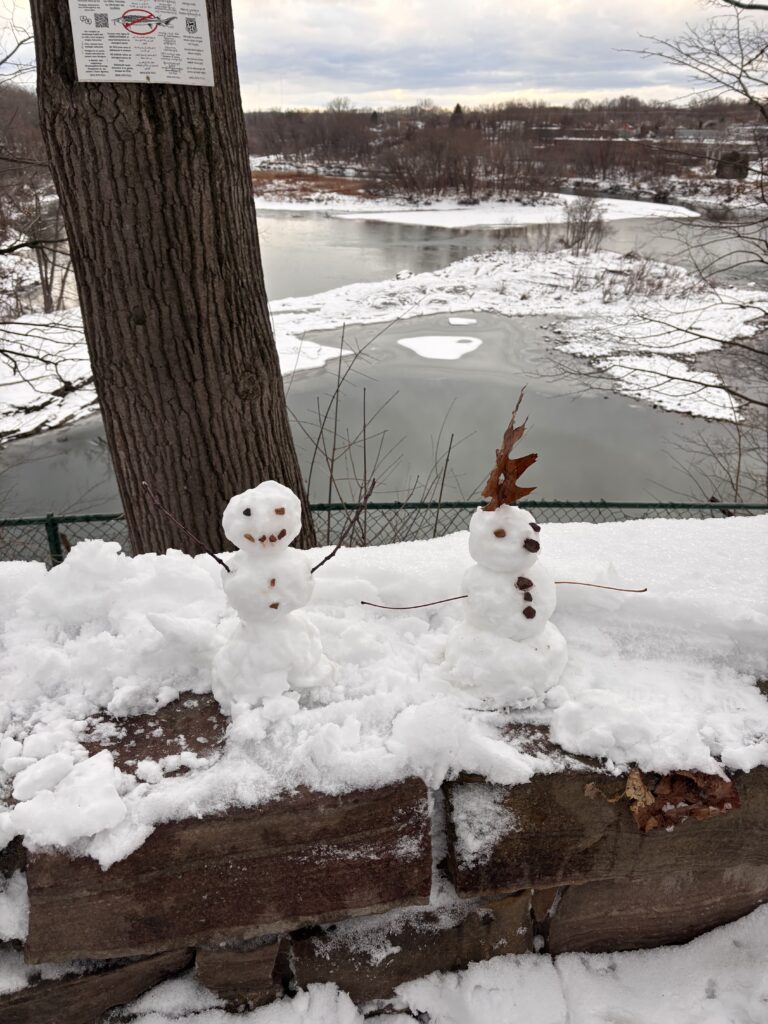
This time when I went to my Phenology Sight, not much has changed since the last time I went there. The only difference is that there was less snow and it was more windy. In terms of animal tracks, all I saw were dog footprints. I saw one bird in a tree, but it was too far to identify the bird species. This trip was a very quick trip because shortly after I left UVM to go to salmon hole, I realized I forgot gloves and my shoes were not snow or waterproof.

Pictures

Phenology #5 12/08/24

How has the foliage changed?

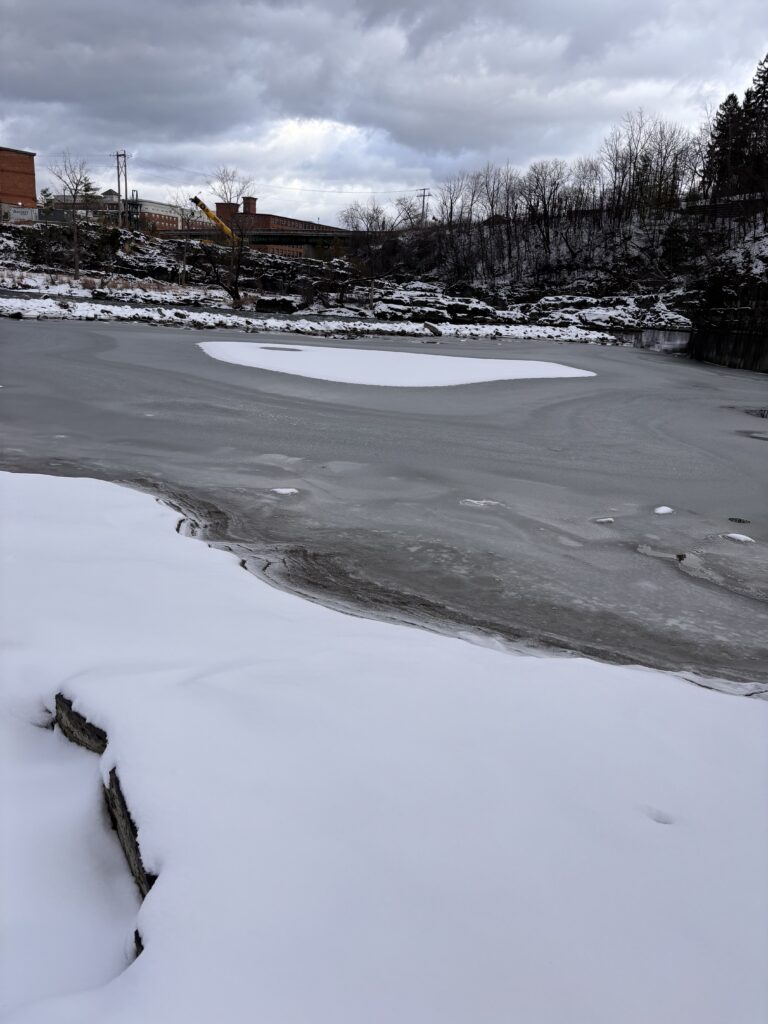
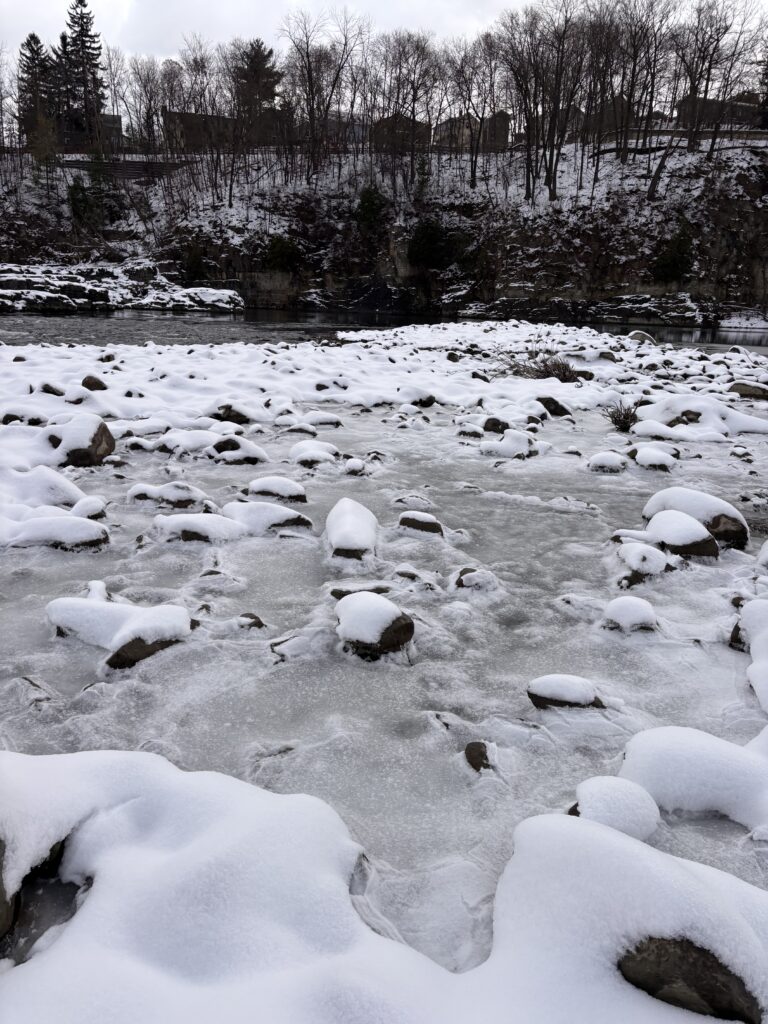
The trees located near my phenology sight had less leaves than they did before. The snow on the ground covered almost all the rocks on the ground. No trees there still had leaves on them except the pines and spruces located on the path I took to get there. The main river where the stream was is not frozen, but smaller ponds that formed were frozen over. The deep still part of the river had a thin sheet of ice covering it. I saw no animal prints, except for some dog ones in the parking lot. There was never really any animal activity at my spot except for some birds. These birds have now migrated and are no longer here. I saw no nests in the trees and no fish in the water.

What aspects do I enjoy most about my Phenology Place?

I enjoy the fact that my place is on a water source. When I was looking for sites, I looked for places around water sources, and this area looked the most apealing since I was not familiar with this location before visiting. I also like how in order to get to my phenology site, I have to trek over rocks to get to the log I sit on.

Pictures!

Phenology #4 12/02/24

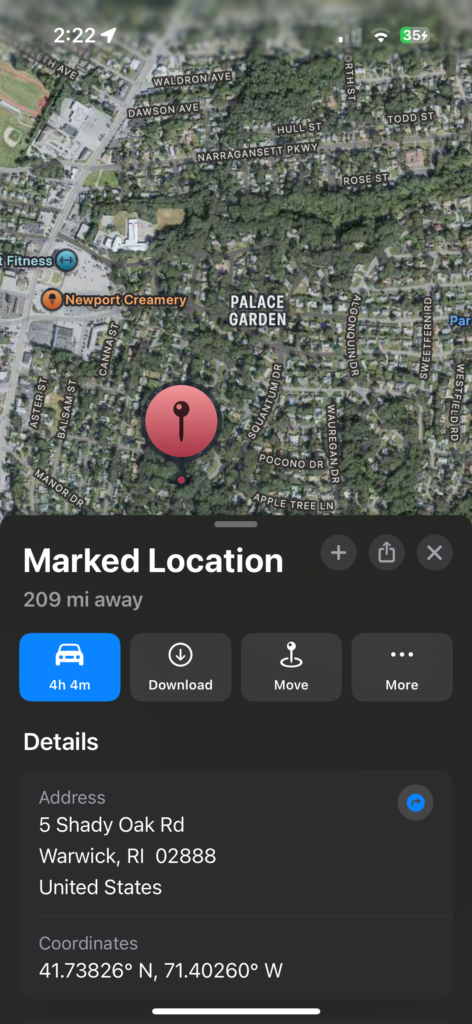
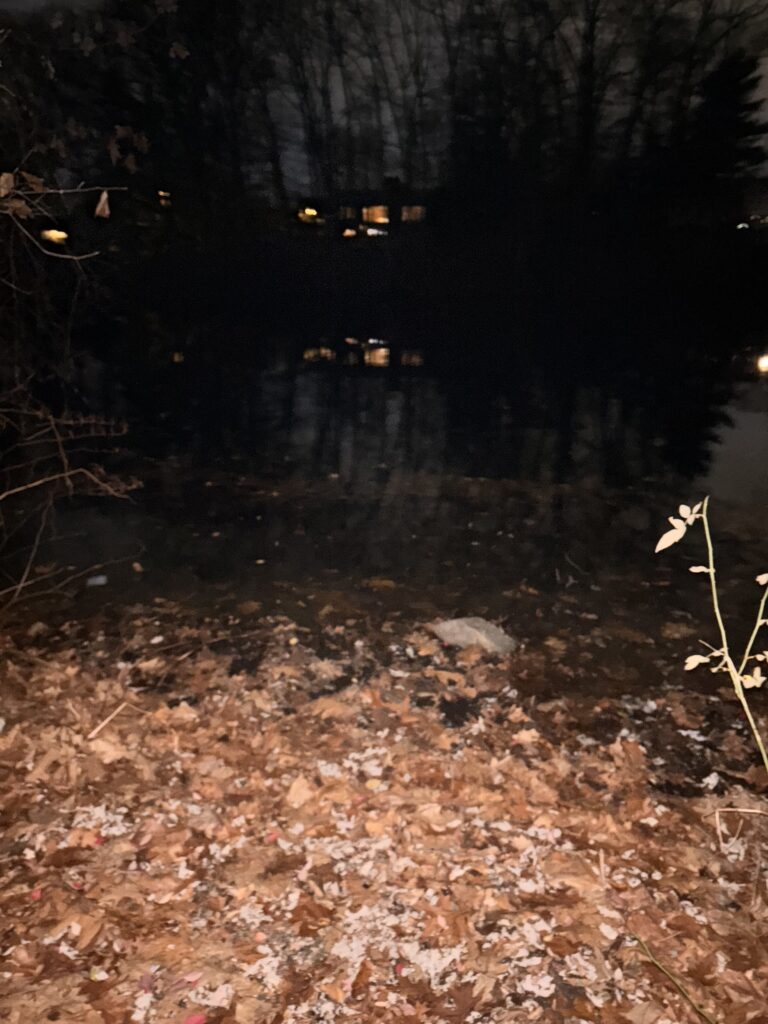
Back in Rhode Island, I chose a new Phenology sight right in my neighborhood. I chose a small pond down the street from my house. The pond has no name, but it is located on Squantum drive, Warwick, Rhode Island.

Why is it Special and how does this location compare to Salmon Hole?

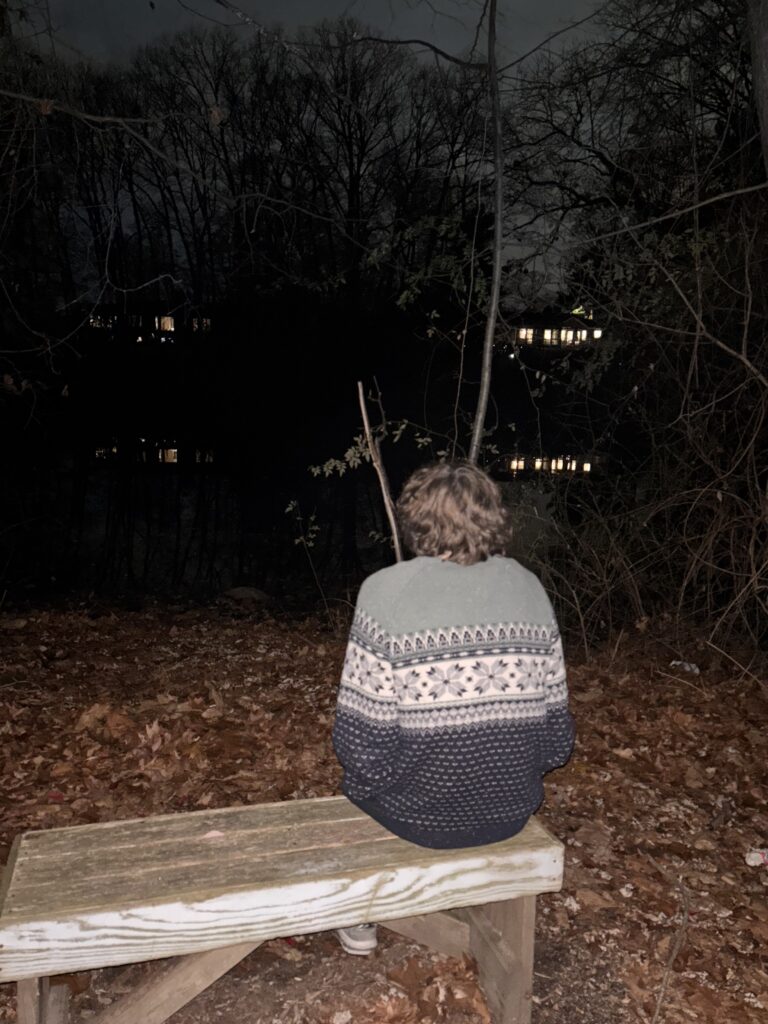
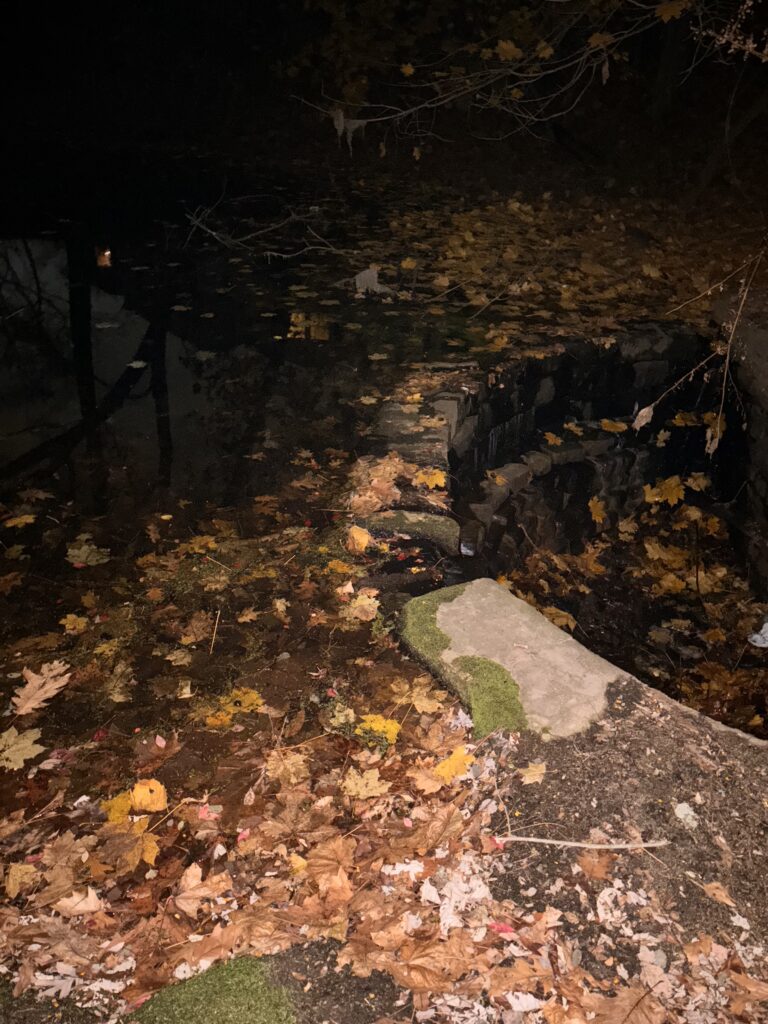
I believe this place is special because i’ve driven by it almost everyday of my life, but ive never thought to stop there. There isn’t much to the pond, but it does have a nice little bench that overlooks the pond. Both of my Phenology sights are located on water. The one in Vermont is a lake, while the new phenology sight in Rhode Island is a pond. There were more leaves on the ground and in the water in Rhode Island. At Salmon Hole in Winooski Vermont, there were a lot less trees surrounding the body of water, most of the trees were spruce, pine, or hemlocks located further from the water, but in Rhode Island most of the trees were oaks and maples.

Today I sat and reflected at my spot for two hours. I noticed that the trees were more bare, there was more mud on the rocks, and that the water level is rising. While sitting on my log, I reflected about the past week and about things going on in life. This relfection really helped to clear my head and my stress. Although it was cold, I never paid attention to the temperature until I left my spot. Before leaving, I was dreading having to find transportation to get there and having to sit there in the cold, but afterwards I am so glad that I went.

iNaturalist Link:
https://www.inaturalist.org/observations?subview=table&user_id=pmccaugh

Map:

Images Taken:

For my phenology project, I chose to do my research at Salmon Hole. Salmon Hole is park located on the Winooski River that has a path that leads to a great view of the lower falls. From Salmon Hole, you are also able to view a historic mill located on the edge of the river.

Why I chose it?: When first hearing about this project, I knew I wanted a sight that was along a river or stream. While my friends and I were researching various places nearby, we came across this one. Since we have all never heard of it before, we decided to check it out. When we arrived, we realized that it was a good place to settle down and start picking our seperate locations for this project.

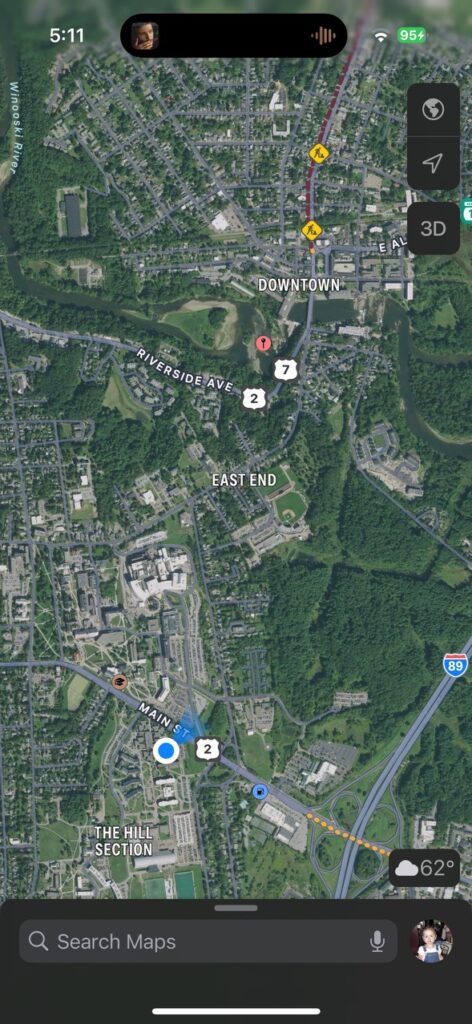
How to get there: Take bus 2 from the UVM Medical Center to the Colchester Ave & Barrett St stop. From there cross the street and walk to the left until you find the trail enterance.

Screenshot

Vegetation: When first entering the path, you are surrounded by various types of trees. As you venture further down the path, closer to the water, there are less trees and more rocks. This is because there is less soil in these areas. Once you keep walking, you start to see more trees, but still not as many as you saw when first entering the trail.

Most common woody plant species: In the begining of the trail enterance, there were a lot of different tree species such as Sugar maple and Northern Red Oak. Less popular trees included American Beech, Grape Vines, and different types of Ash. iNaturalist link coming soon…

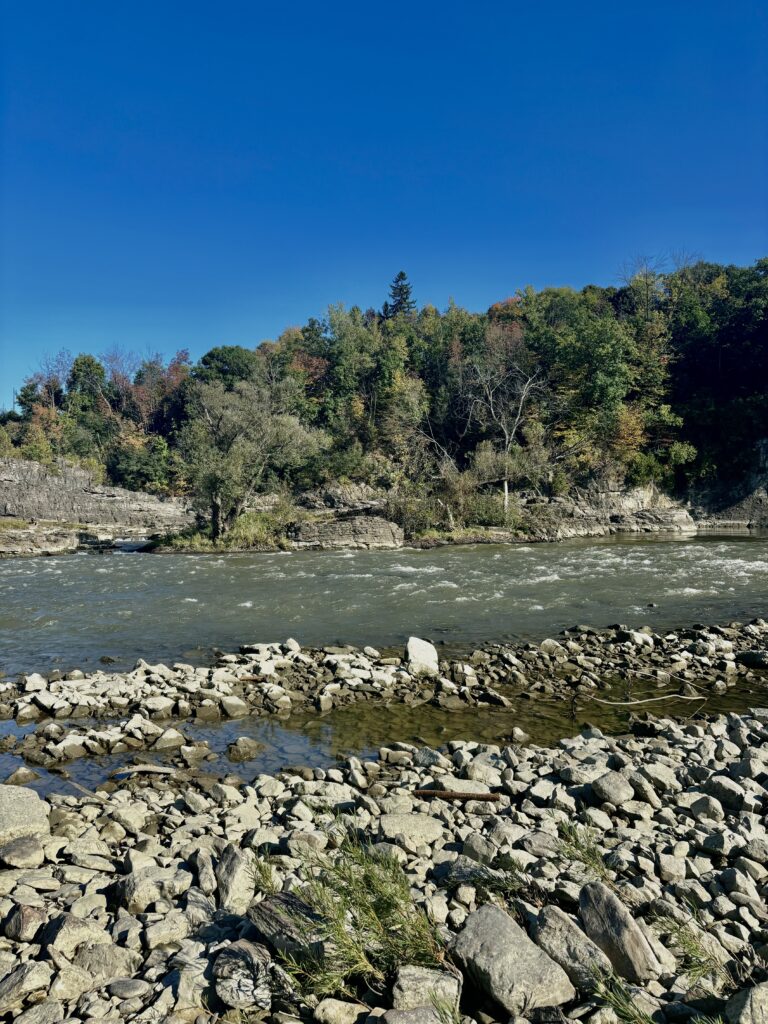
Pictures from Salmon Hole:

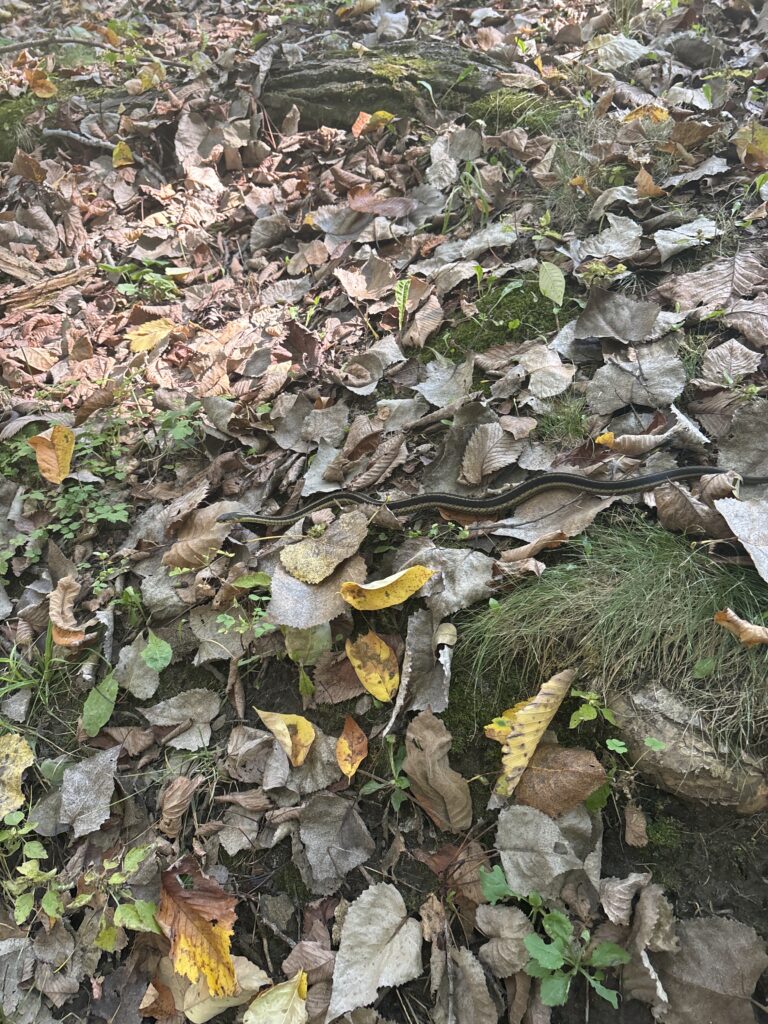
Garner Snake found near trail enterance

Hello world!

Welcome to UVM Blogs. This is your first post. Edit or delete it, then start blogging!

Skip to toolbar