MURAL (Mentored Undergraduate Research and Applied Learning) projects are structured, faculty‑led opportunities for students to earn academic credit while working closely with RSENR faculty on real research or applied projects. Through MURALs, students join a small mentoring cohort and gain hands‑on experience—whether in fieldwork, data analysis, policy work, community‑engaged projects, or creative scholarship—while developing skills that go far beyond the classroom. Students benefit from individualized mentoring, meaningful academic deliverables, and the chance to explore interests, build professional readiness, and clarify future academic or career goals. If you’re looking for a deeper, more personalized learning experience that connects coursework to real‑world impact, a MURAL project is a powerful way to do that.
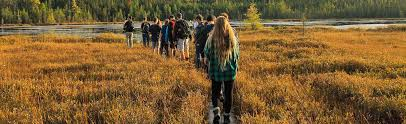
Each of the following projects offer a unique opportunity to engage in hands‑on research or applied work through close faculty mentoring.
Be sure to click on each project’s information link to learn more about the focus of the work, expectations, required meeting times, and how the experience may support your academic and career goals.
ENSC 3995 Undergrad Research, Anne Jefferson, Microplastics in VT
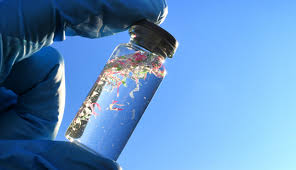
Study microplastics in Vermont environments, gaining hands‑on experience in field sampling, lab analysis, data interpretation, and scientific communication through a real research project.
ENSC 3995 Undergrad Research, Eric Roy, Green and Sustainable Water Infrastructure
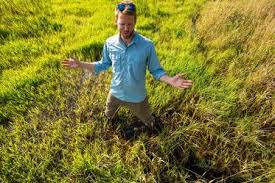
Learn how to design stormwater infrastructure that is both green and sustainable through a hands-on design-build-test-refine process grounded in ecological design and sustainable materials management principles.
FOR 3995 Undergrad Research, Bill Keeton, Science Communication for Old-Growth Forests
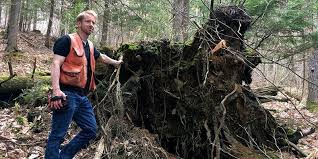
Work as a team to: collect original field data in nearby old-growth forests and restoration experiments, process and analyze field data, synthesize a large body of peer-reviewed research, and develop multi-media communication products for a new website and Youtube channel.
SEP 3995, Undergrad Research, Noelia Barrios-Garcia, Invasive Species
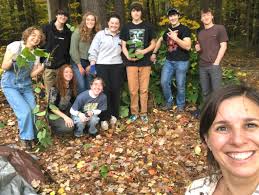
Carry out you own independent research project focused on invasive species ecology. Topics may include understanding the ecological factors that influence invasive species establishment and spread, evaluating management strategies, and assessing restoration strategies in managed areas.
SEP 3993, Independent Study, Eglee Zent, Plants and People
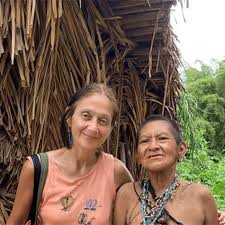
Explore the relationships between plants and human cultures through hands‑on cultivation, ethnobotanical research, and creative or scholarly projects that connect ecological knowledge, cultural narratives, and sustainability.
WFB 3993 Independent Study, Sam Hoff, Investigating Bat Populations
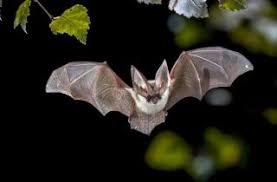
Analyze real bat acoustic and environmental datasets to answer conservation‑focused research questions, gaining experience in bioacoustics, GIS, ecological data analysis, and scientific writing while contributing to applied wildlife management research.
Application Process
The application process is designed to help students identify projects that match their interests, skills, and academic goals, while allowing faculty to build engaged, well‑aligned project cohorts.
Application Steps
- Explore available projects
Review the list of MURAL projects offered for the upcoming semester and identify opportunities that align with your interests and experience. Note that most MURAL projects include a required weekly meeting time that does not appear in the Schedule of Courses. Students should be prepared to adjust their schedules to attend these meetings; specific details are listed on each project’s page. - Submit an application
Click the application link and complete the form, which includes a brief essay explaining why you want to join this project and what you would bring to it, as well as a current resume. - Faculty review and outreach
Applications are shared with the MURAL faculty lead, who will contact applicants within approximately two weeks of registration. Offers are made on a rolling basis until all project slots are filled. - Register for credits once accepted
Accepted students will receive a registration override and must enroll for the approved number of credits.