Posts

Miles’ Costa Rica Blog #3 (Transnational Corporations)

Amazon

Amazon is a unique company as they have completely taken over online retail. The company’s main goal is to control all goods in the supply chain. Accomplishing this goal means: owning all the retail by purchasing from vendors, fulfilling their inventory, and selling inventory by third-party vendors. Overall, Amazon employees 1,541,000 globally.

https://www.iotforall.com/amazon-global-online-retail-operations

Amazon entered Costa Rica in 2008 looking to create a link to Central America that the country was perfect for. The company had 17,000 employees in Costa Rica during 2022.

https://ticotimes.net/2023/01/19/amazon-to-lay-off-workers-in-costa-rica#:~:text=Amazon%20established%20its%20operations%20in,17%2C000%20employees%20in%20the%20country.: Miles’ Costa Rica Blog #3 (Transnational Corporations)

Amazon’s production has continued to grow since entering the Country in 2008 and they are the largest private employer in the Country. This continues to propel Costa Rica’s status as a global business power and puts it well above most Central American countries. Employees receive full benefits including a doctor on-site, vacations, time off, International business plans, etc. A negative impact of Amazon’s presence is the increase in carbon emissions due to the global shipment of goods by air, sea, and land. The company also has large amounts of excess product waste.

https://www.amazon.jobs/en/benefits/costa-rica-benefits: Miles’ Costa Rica Blog #3 (Transnational Corporations)
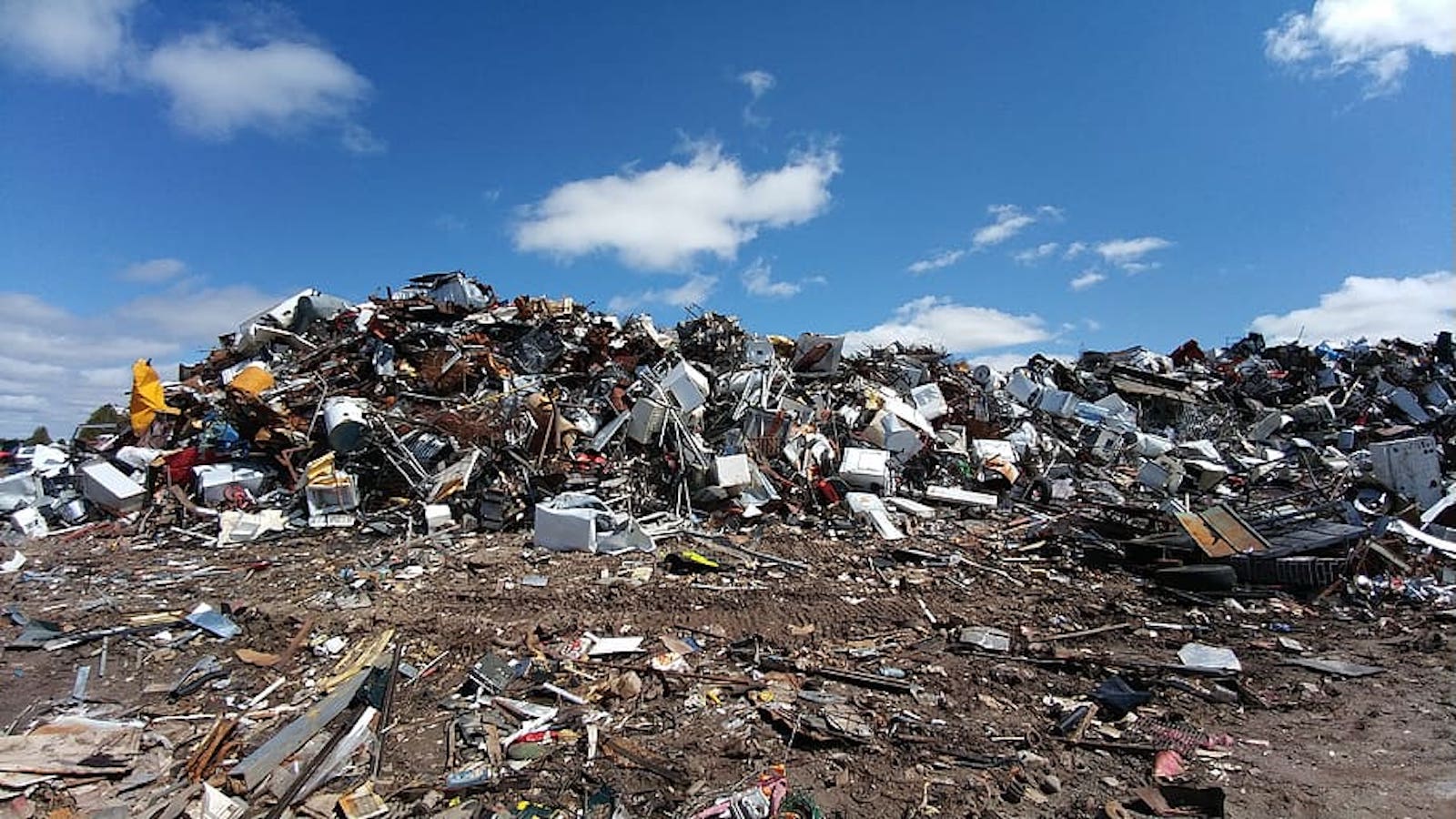
Amazon item waste
Free Trade of Neo-Liberalism

The introduction of Amazon supports Neo-Liberal ideas as it promotes free trade to support the global economy. Central American countries like Venezuela have gone against free trade while Costa Rica has embraced it. The decision to embrace borderless trade increases Costa Rica’s foothold and positive reputation in the global economy.

https://www.seattletimes.com/business/amazon/amazon-invests-in-costa-rica-as-it-carves-itself-a-profitable-niche-in-the-world-economy/

Venezuelan Authoritarian Leader Nicolas Maduro

Image Citations

https://nearshoreamericas.com/wp-content/uploads/2021/07/amazon.jpg

https://www.google.com/imgres?imgurl=https%3A%2F%2Fs.wsj.net%2Fpublic%2Fresources%2Fimages%2FED-AX937_GORDON_16U_20180921141542.jpg&tbnid=7towAwc4XrSGVM&vet=12ahUKEwjv3Y2j1q-BAxUiGVkFHZJxDQIQMygBegQIARB3..i&imgrefurl=https%3A%2F%2Fwww.wsj.com%2Farticles%2Fthe-united-states-of-free-trade-1537566912&docid=ZnT2aAdEZhrwQM&w=1274&h=899&q=free%20trade&ved=2ahUKEwjv3Y2j1q-BAxUiGVkFHZJxDQIQMygBegQIARB3

https://www.pottsmerc.com/wp-content/uploads/migration/2013/03/8fe7e892bac6a476e6d0da0074b81cea.jpg?w=1024

https://environmentamerica.org/wp-content/uploads/2021/08/cc0-pxfuel.jpeg

https://www.expoempleo.net/blog/2018/5/22/amazon-costa-rica-empleo-una-oportunidad-de-crecimiento

Miles’ Costa Rica Blog #1 (The Economy)

Welcome to UVM Blogs. This is your first post. Edit or delete it, then start blogging!

Coffee

People all around the world love caffeine. Thus, Coffee is an integral part of the Costa Rican and Global way of life. Costa Rica is lucky enough to deliver some of the best coffee on Earth. Coffee production in the Osa Peninsula of Costa Rica begins by harvesting the fruit by machine or by hand. The natural method is the most common method in the country for adding value to the harvested fruit. The fruits are dried for many days and raked periodically to maintain freshness. Once dried, the skins are removed all at the same time. The natural method ensures the dried beans have a rich, exotic, and fruity flavor. The finished product is shipped overseas to coffee shops around the world. However, a lot of coffee stays in the country. The nature café in Osa is a local coffee shop/eatery with a local bean supply. Coffee farms can make a profit from their product by offering coffee tours and beautiful accommodations for tourists. The Finca Rosa Blanca coffee farm and inn does just that.

https://finalgrind.com/blogs/blog/complete-guide-to-costa-rican-coffee

https://patriotcraftcoffee.com/processing-methods/

Cocoa

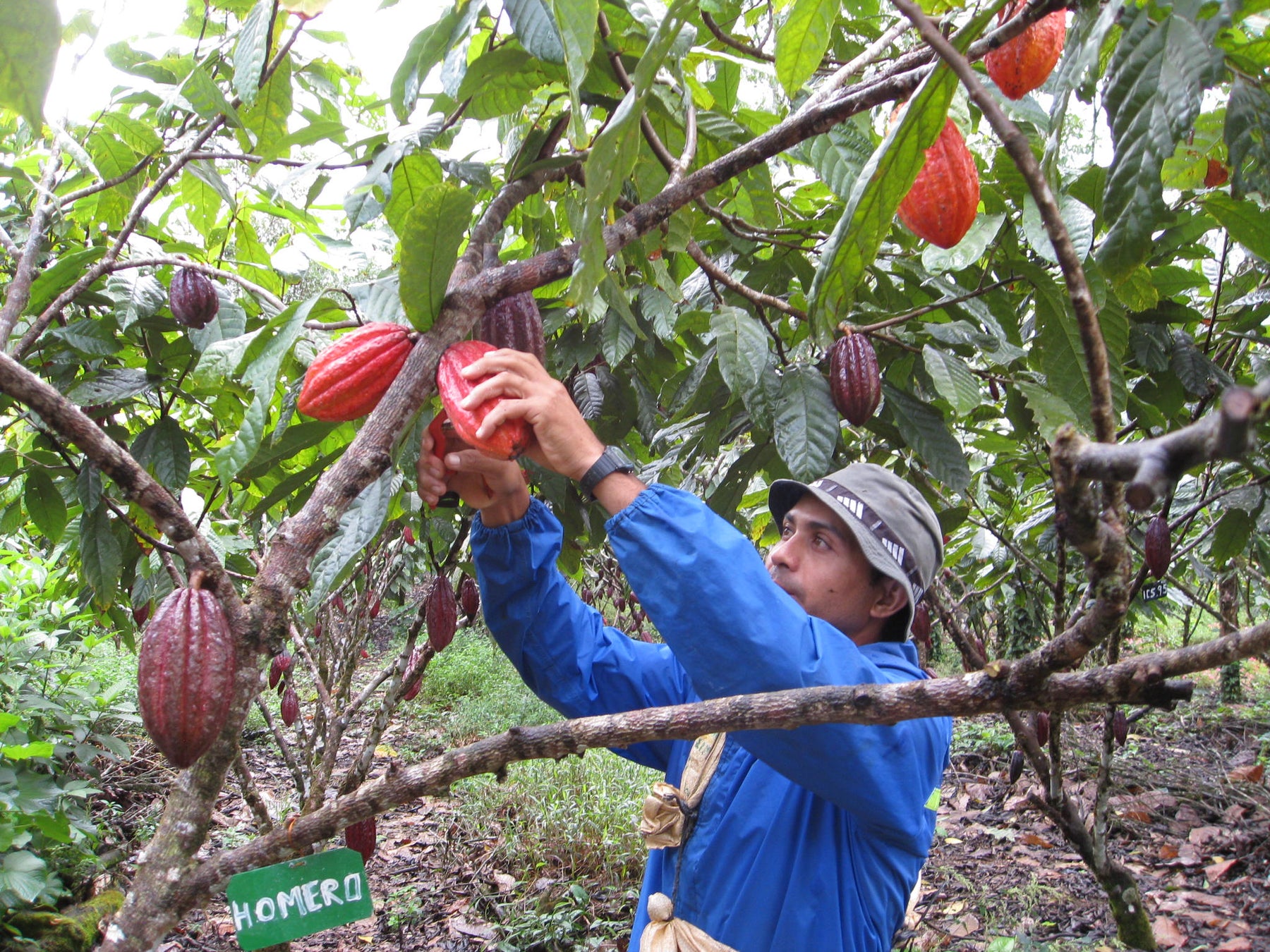
Unlike coffee, cocoa is a product native to Costa Rica. Obtaining the delicious chocolate people know and love requires a lot of work and attention to detail. Pods can only be picked at certain times of the year when the fruit is most ripe (April, May, November, and December). The bean is given ample time to dry as well as ferment. Improper fermentation leads to a less rich aroma and flavor. Chocolate is sold in storefronts but like coffee, cocoa farms offer relaxing and indulgent chocolate tours. Rancho Raices de Puerto Jimenez allows visitors to gain a hands-on chocolate-making experience paired with beautiful lodging and delicious, sweet treats.

https://www.costaricancocoa.com/content/cacao-production/

https://www.osatourism.com/rancho-raices-chocolate-tour/

Bananas

Costa Rica is a fast-growing top Banana producer. The bananas are grown and processed on large plantations. Adding value to bananas is all about timing and attention to detail. The fruits are monitored for about 9 months as they ripen. After nine months, they are checked again and covered to prevent bug infestation and fungus. Finally, they are inspected for size and color. The color should be a consistent light green to ensure all bananas ripen at the same time. All bananas are cleaned and given a final inspection before shipping. The Osa often utilizes small-scale farming to ensure a safe and quality product. Italy, Saudi Arabia, and Spain were the top destinations for Costa Rican Banana shipments. Locally Bananas may end up at local markets and restaurants like Los Higuerones.

https://www.youtube.com/watch?v=-CFj6LfAm-E

https://osaconservation.org/bananas-the-spotty-past-and-precarious-future-of-the-worlds-most-consumed-fruit/

https://oec.world/en/profile/bilateral-product/bananas/reporter/cri#:~:text=The%20fastest%20growing%20export%20markets,Saudi%20Arabia%20(%248.32M)

https://www.tripadvisor.com/Attraction_Review-g309284-d23807820-Reviews-Los_Higuerones-Puerto_Jimenez_Osa_Peninsula_Province_of_Puntarenas.html

Palm Oil

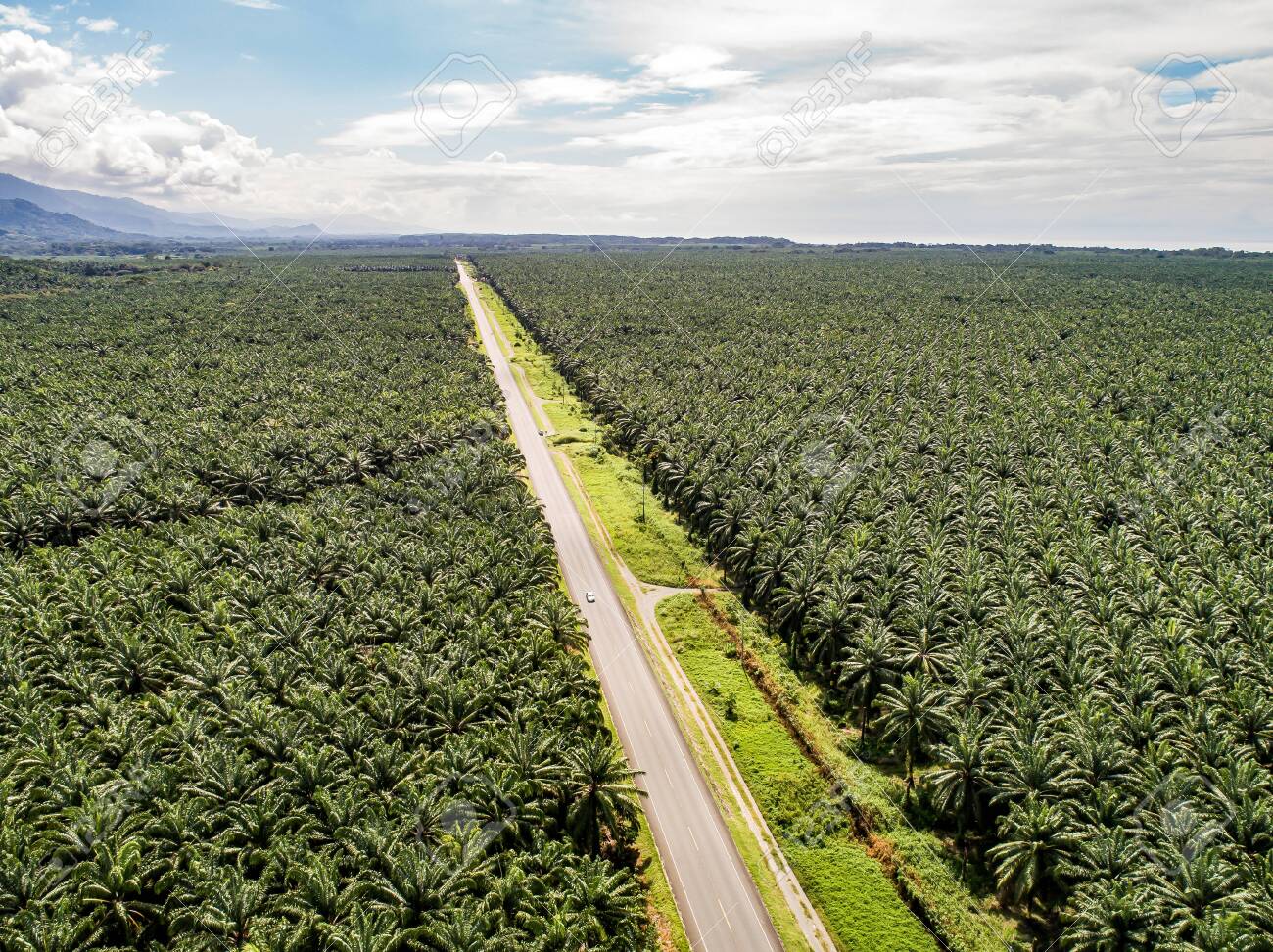
               Palm oil is a global commodity made possible by the introduction of African Palm trees. These palms are resistant to toxic soil and can be grown on old banana plantation land. To turn the palm trees into a sellable oil, the fruit must be harvested. Farmers use long sticks to pull down the fruit that is later chopped up and squeezed to release the oil. The oil is refined before packaging. Similar to chocolate and coffee, palm oil farms give tours to tourists as well as exporting to other countries.

https://www.youtube.com/watch?v=xs7oNGUPi9o

http://www.bellaonline.com/articles/art40105.asp

Rice

Rice in Costa Rica is farmed using irrigated fields. The crop is flooded until just before harvest. The plant is then picked, and grains are separated from the shoot. These grains are either sun-dried or stored in large silos. Machines are used to separate the grain from the husk. Rice is a staple of Costa Rican cuisine. Rice farmed in the Osa can stay locally and is used at restaurants like La Cuna de Golfo. Rice is also exported to other Central American countries. In 2017 Costa Rica accounted for 22% of Central America’s rice production.

https://ipad.fas.usda.gov/highlights/2017/09/ca/index.htm

https://www.google.com/search?sca_esv=561979705&rlz=1C5CHFA_enUS967US970&sxsrf=AB5stBgQTEN7VV8aU57WXi8_4jjxwfLsmA:1693596368222&q=how+is+rice+farmed+in+central+america&tbm=vid&source=lnms&sa=X&ved=2ahUKEwjbua6PkoqBAxVMkIkEHcqKBsIQ0pQJegQIChAB&biw=1440&bih=783&dpr=2#fpstate=ive&vld=cid:48773e0c,vid:kxAEiHCErSA

Skip to toolbar