Posts

May 7th

In what ways do nature and culture intertwine at your place?

I think that nature and culture here are intertwined by being able to experience the outdoors. My phenology site is right along the trail which makes it accessible for all. It is a way for people to learn about the environment by looking at the nature. There is now a bird feeder by my site which has been used by other classes such as BCOR 011 and brings in culture from the school.

Do you consider yourself a part of your place? Why or why not? If so, how?

I do consider myself part of the place. I think that everyone is a part of nature but also because I have spent a long time, a year, going to this spot that it has become part of my first year at UVM and it holds memories.

For some reason my photos are not able to be added because they are HEICs.
May 2022

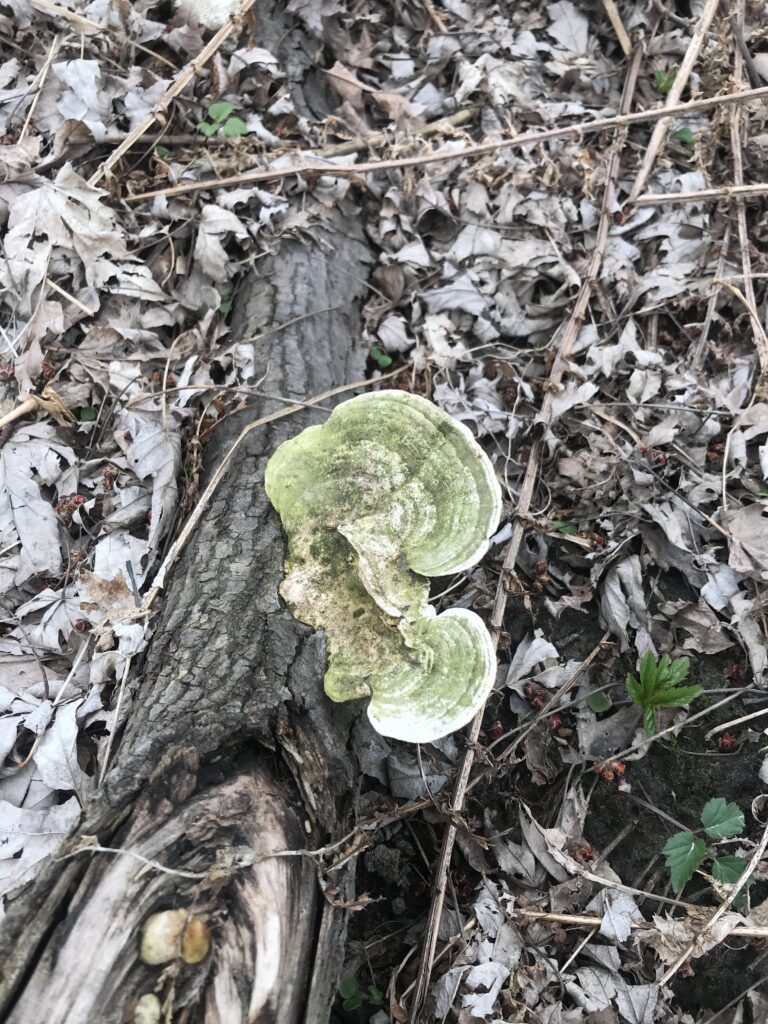
I took a walk through centennial woods on April 29th for my phenology site/project. I walked passed my sight and stopped to see the birds that were at the feeders. My friend who is in BCOR 011 came with me so she could track the birds at the feeders. We saw a variety of Blue Jays, sparrows, yellow finches, and more. I also noticed blossoming wild flowers along the path that I took photos of for my inaturalist observations. Sadly, I wasn’t able to get any good pictures of the birds as they were too far away for my iphone 7 camera. I also saw some mushrooms.

I struggled a little bit with the inaturalist app. I did not have enough storage to take pictures on my phone, and the automatic identifications were wrong. It was helpful that the community on the app are suggesting other identifications.

March 14, 2022

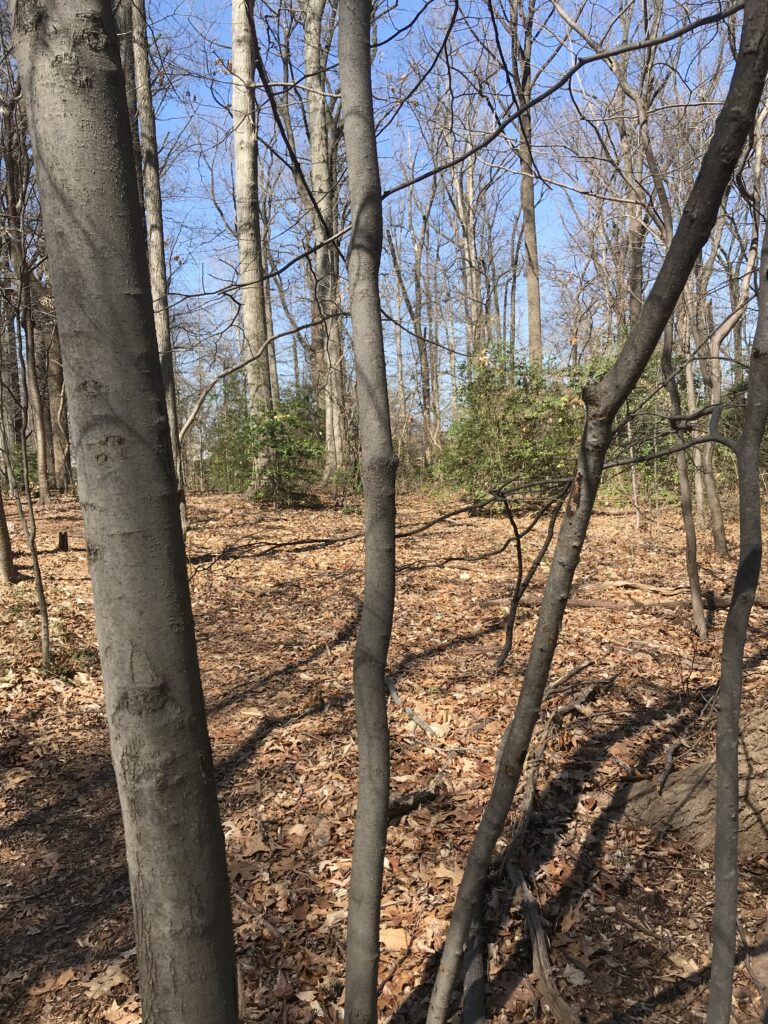
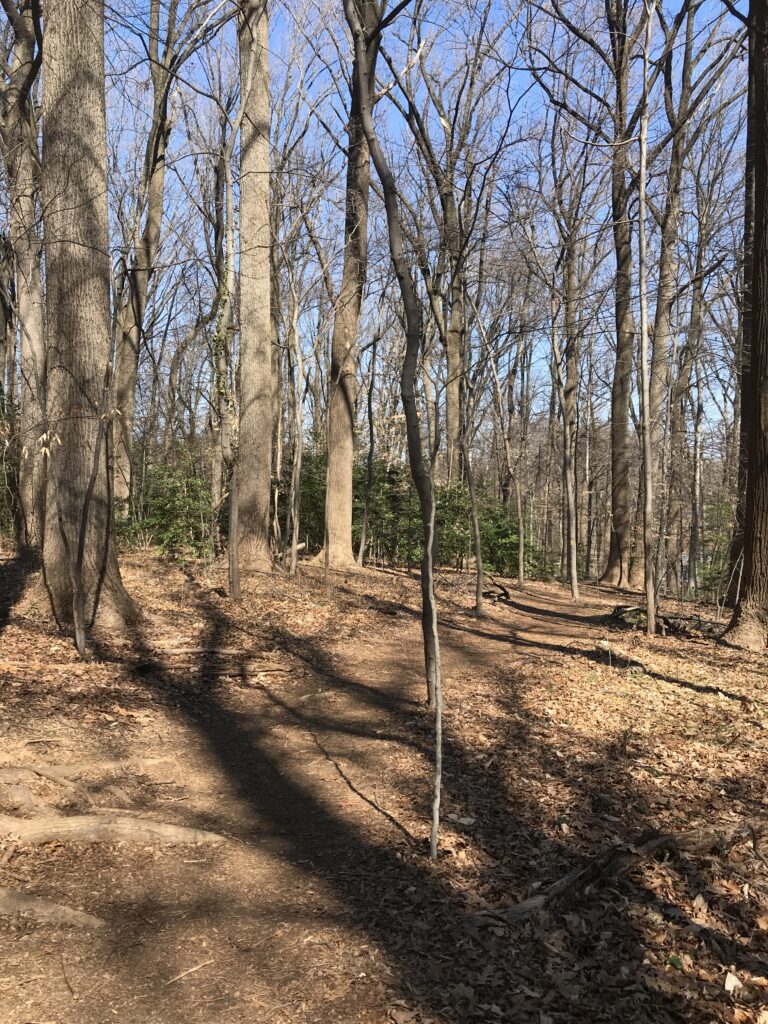
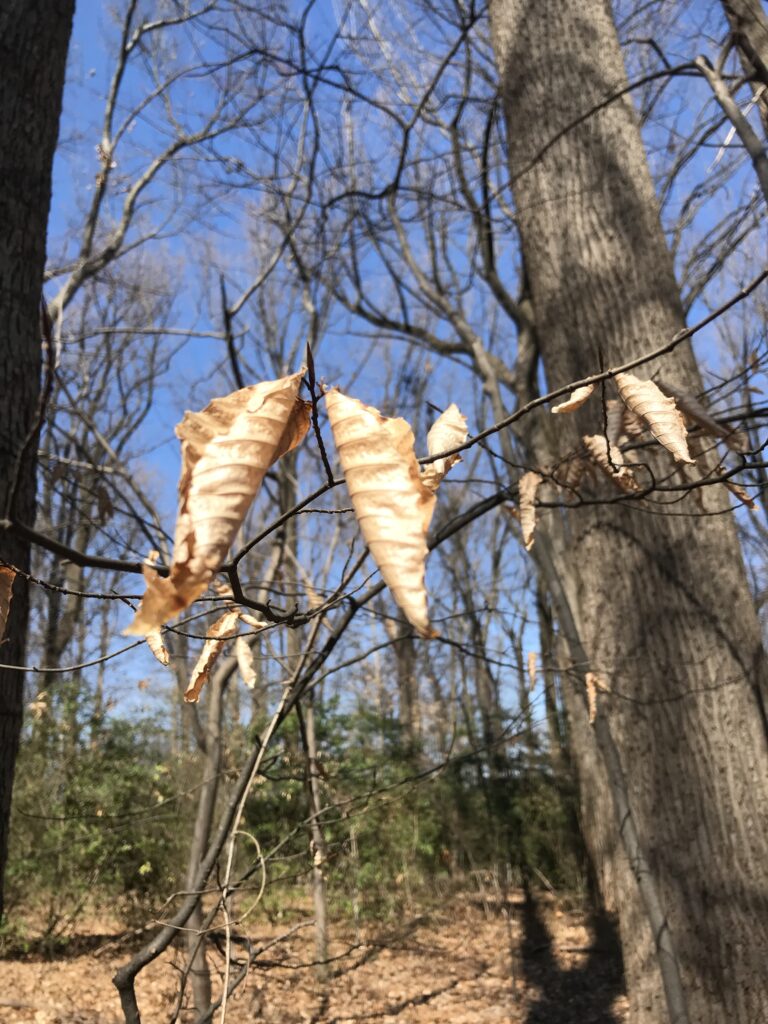
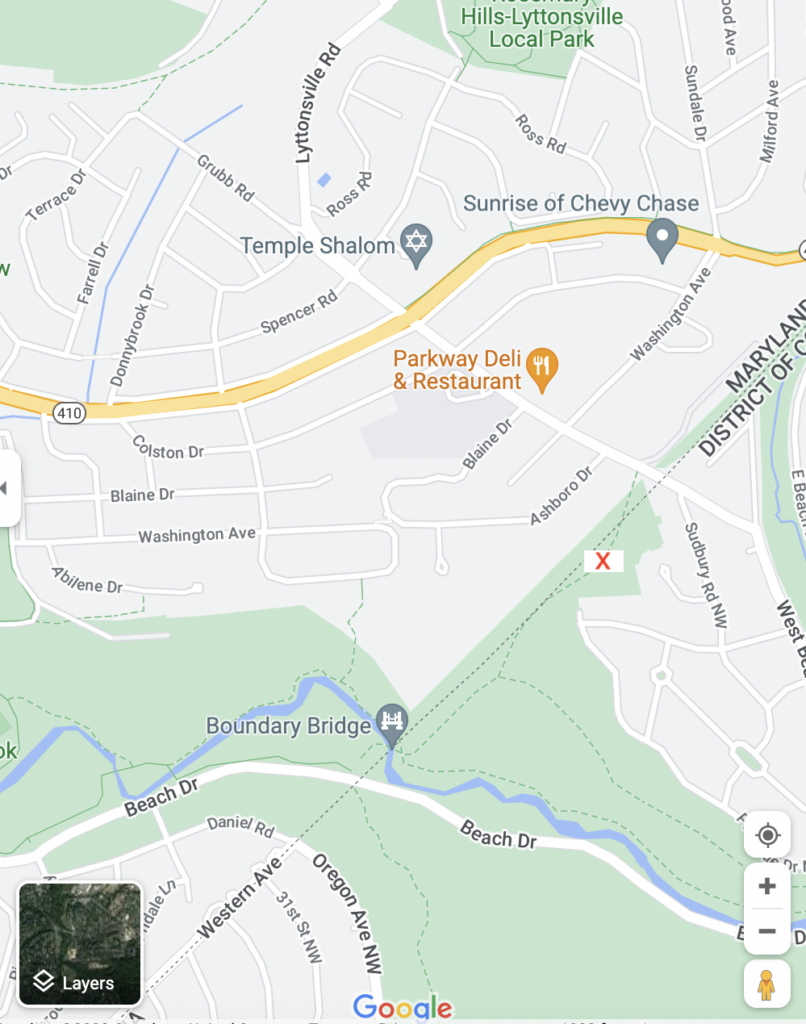
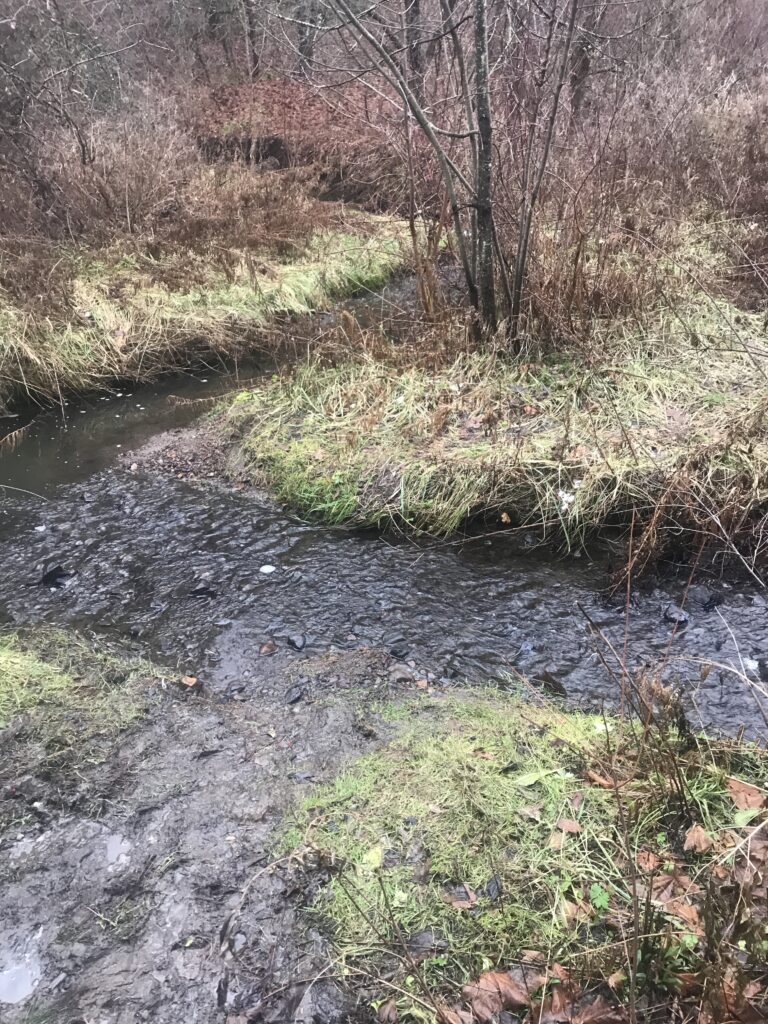
I went to Rock Creek park in Maryland. The creek feeds into the Potomac river that feeds into the Chesapeake Bay. There were many different woody plants in this new sight with oak trees and beech trees. I took these pictures (below) at the top of the hill above the creek. I noticed in Maryland that as the whether was getting nicer, there were many flowers blooming in my neighborhood, but there were no flowers by the creek yet. Unlike Burlington, the ground was not covered in snow and you were able to see all the leaves that fell off during the fall time. This area is mostly used for hikes/walks where the residents near the area walk their dogs and go for runs. Farther up the creek is a horse stable and park. Although I didn’t notice much bird activity during this time, I know that there have been woodpeckers and cardinals in these woods.

For More Information on Rock Creek visit: https://explorenaturalcommunities.org/parks-places/rock-creek-park

February

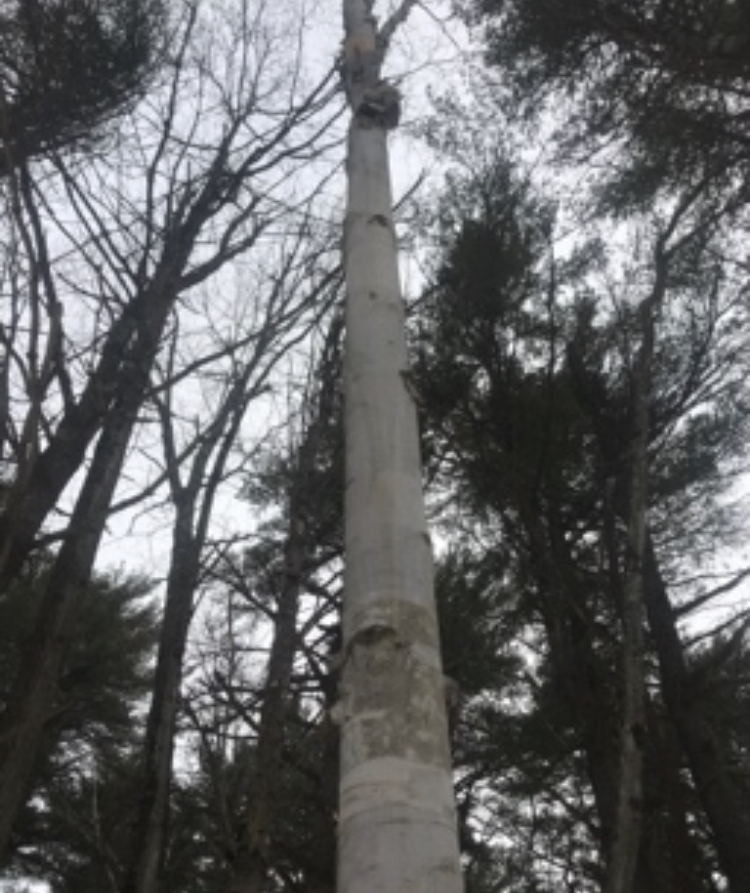
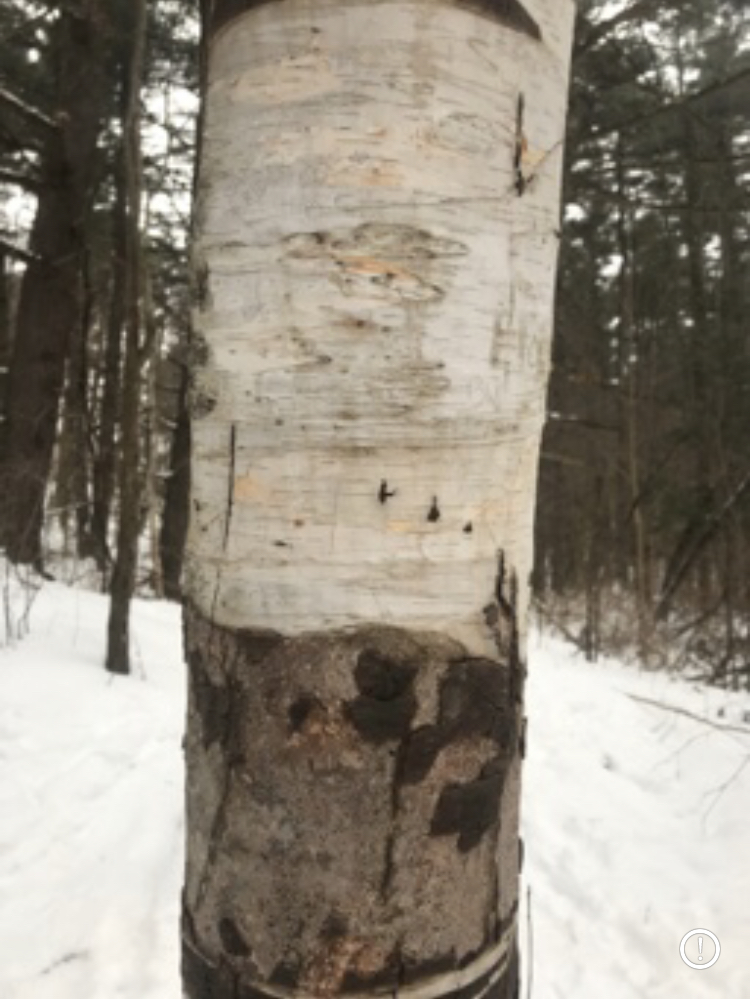
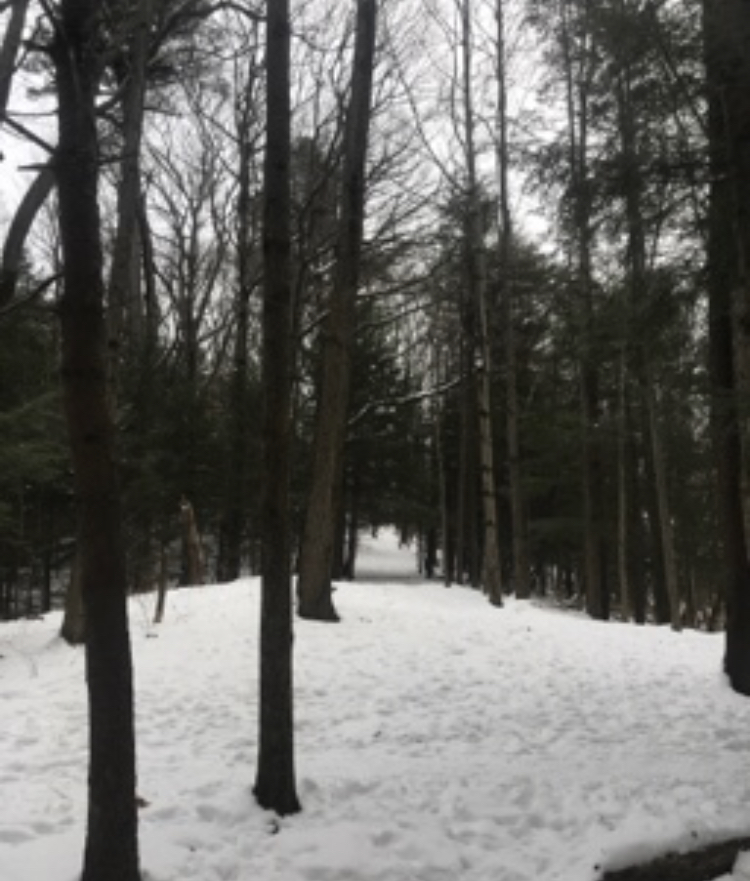
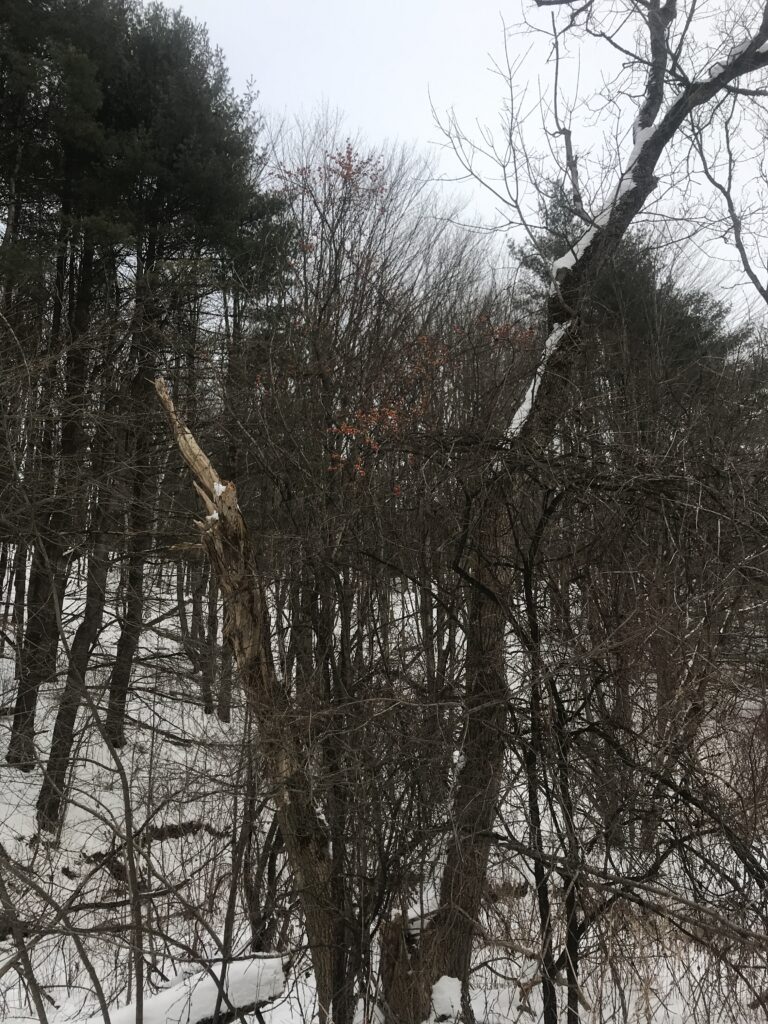
The spot looked very similar to the last time. I went to centennial woods as few days/the day after the snow storm, just like the month before. Exactly like the last trip, the main tracks I saw were human tracks as my site is right on the trail. On the trail, there is a paper birch tree. This tree is right in the middle of the path, which is how I determine where my spot starts. I always look and admire this tree when I get to my site. The colors are always so pretty, especially with the snow. It also pops out so much more than all the other trees because it is the only paper birch in this area.

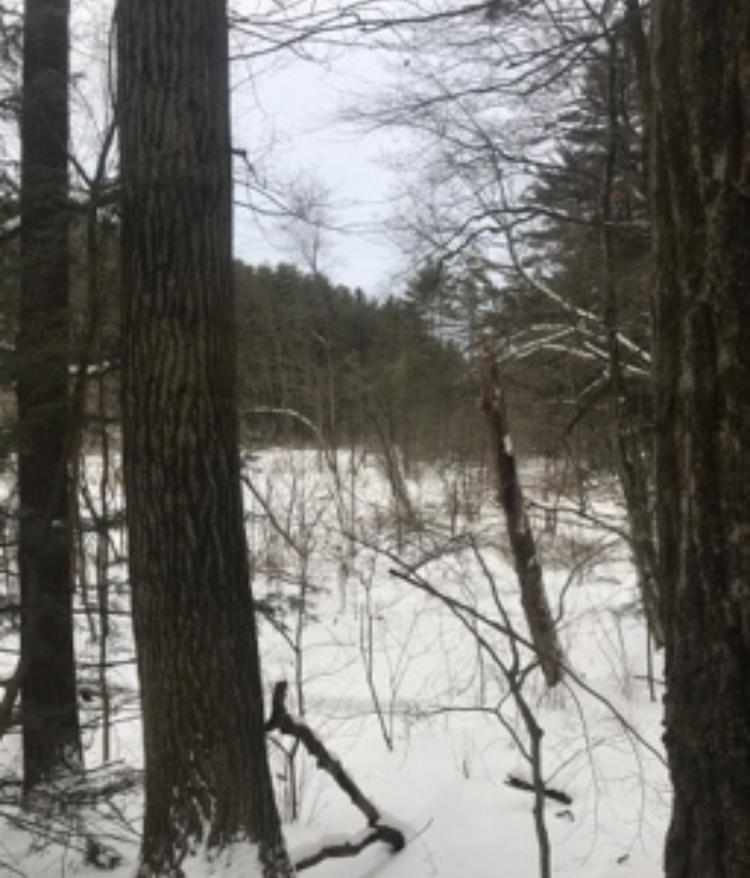
I later walked up the trail, a little father then my site and saw this pretty area. The river is also completely out of site and the human tracks are very dominate.

I’m so sorry about the quality of these photos. They were taken on my iphone 7 with barely any storage.

January 25, 2022

I traveled back to my phenology site from last semester and made many new observations.

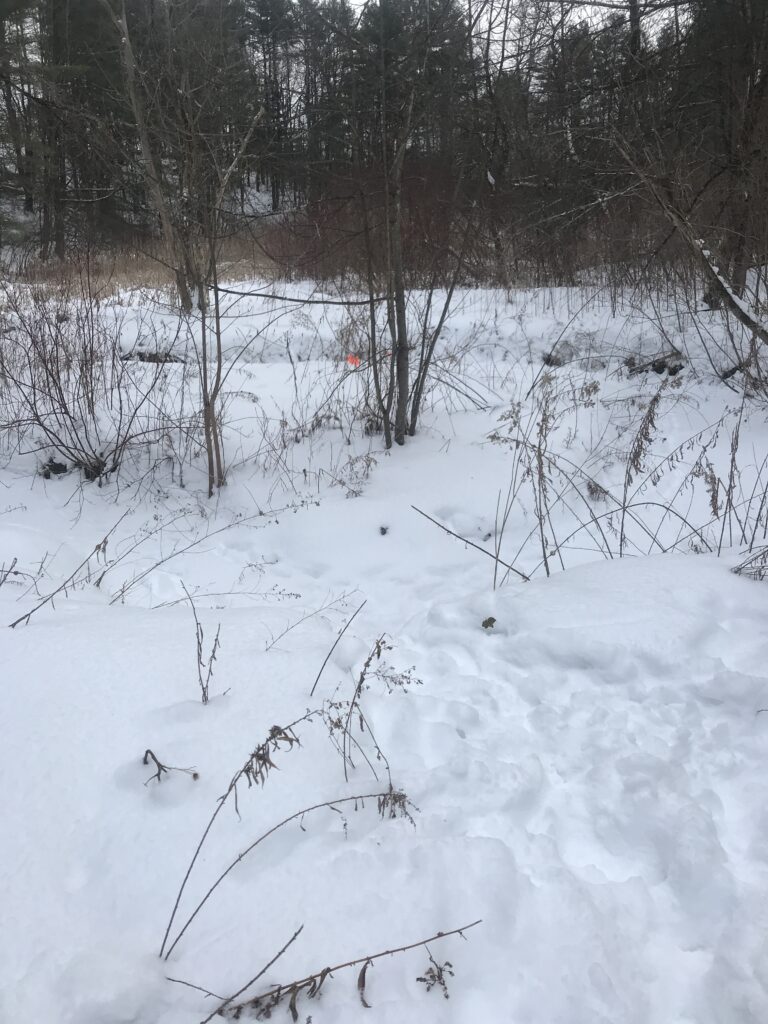
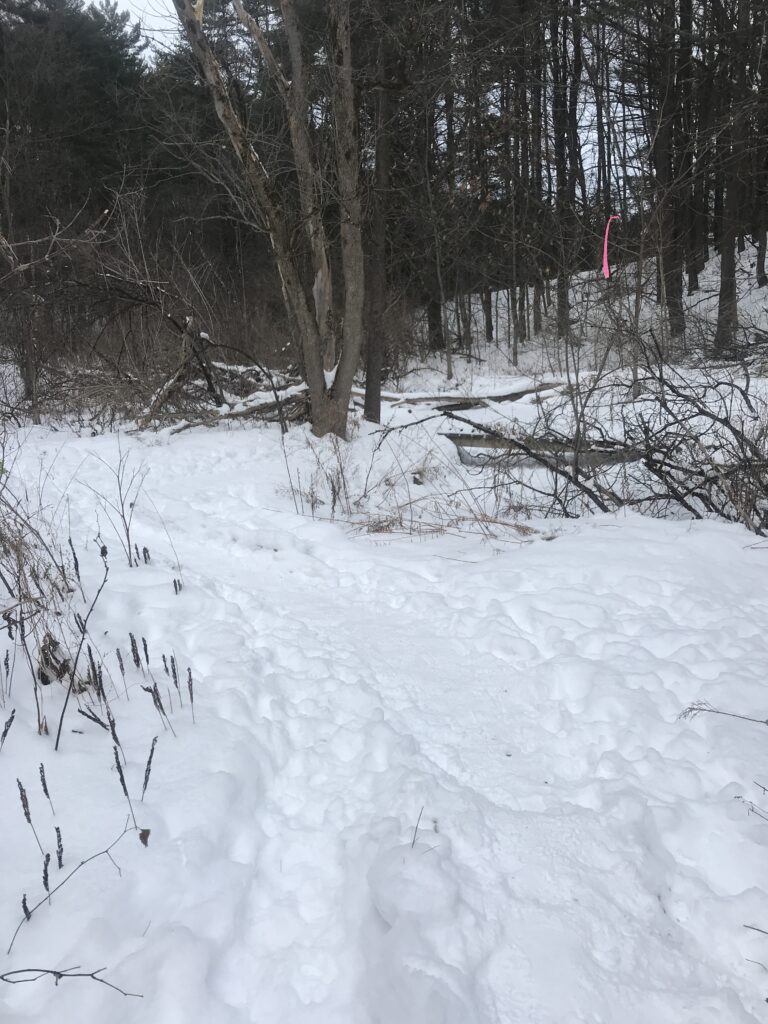
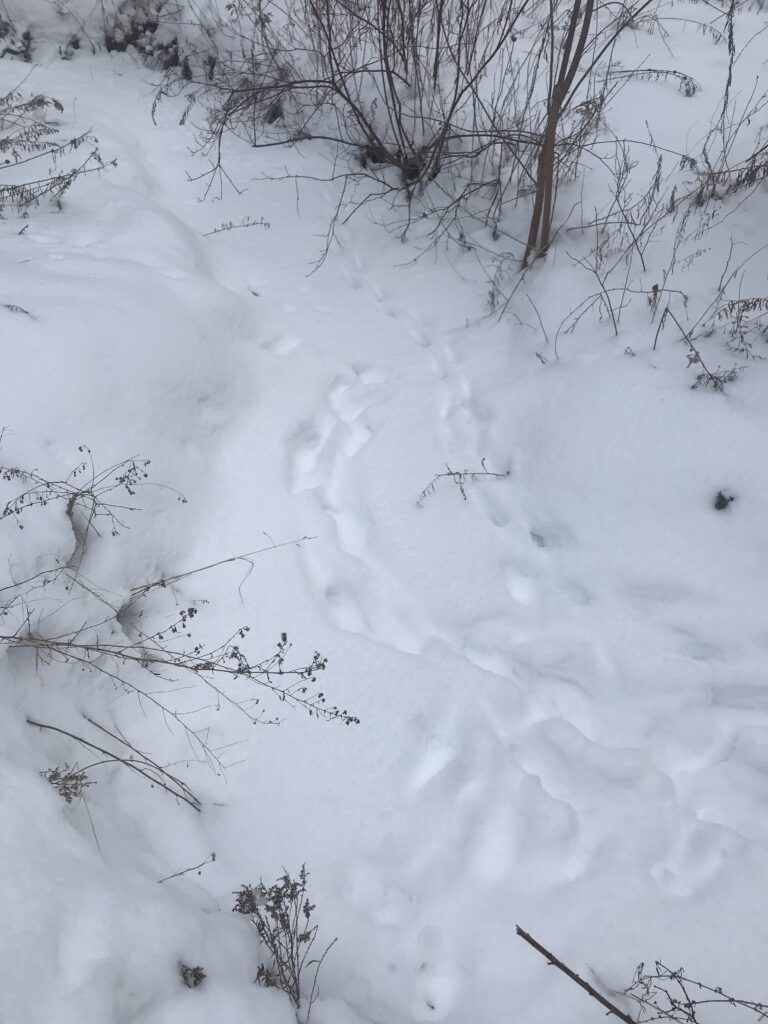
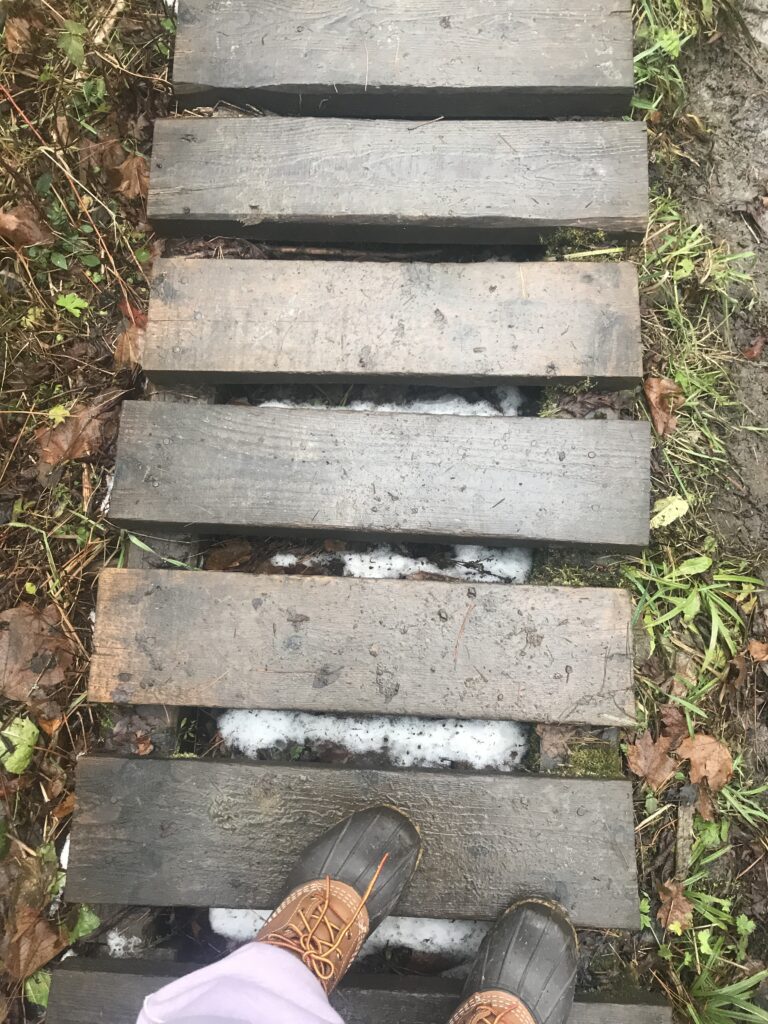
My Phenology spot is right on the trail, on the wooden bridges. These wooden bridges are now completely hidden as the snow is packed tightly on top. Over the winter, the river is completely covered in snow where I was able to see some animal tracks. While I did see some dog footprints, the ones on the river were a lot smaller and closer together (as seen in the pictures above). These footprints seem to be traveling along where the river was.

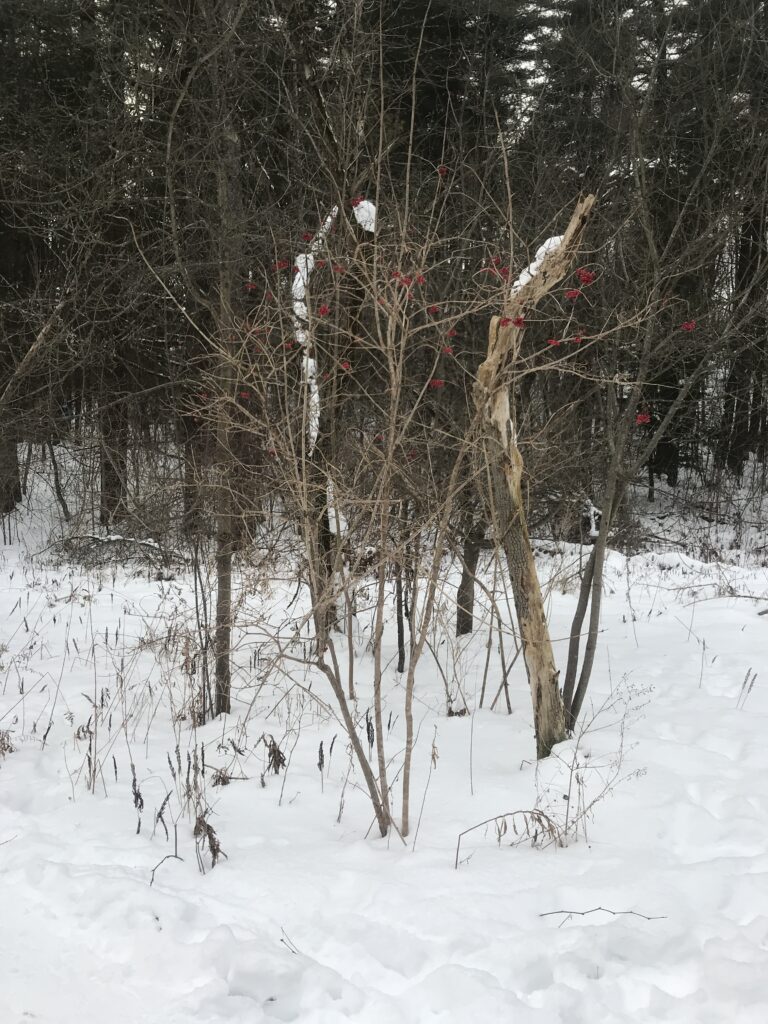
The vegetation of my site was very limited. All the ferns that were there before are now either snowed over or the leaves are now gone. Although most of the plants are covered in snow, or the leaves are completely gone, the Burberry bush still contains the red berries.

12/11/21

Unfortunately, during the time that I went to my site, most of the snow was melted. Since my phenology site is directly on the path where there is a lot of human activity, there was no animal tracks I could find in the mud. I do not think there are many animal markings in the area due to the amount of human activity. Although I did not see any animals, I heard several birds.

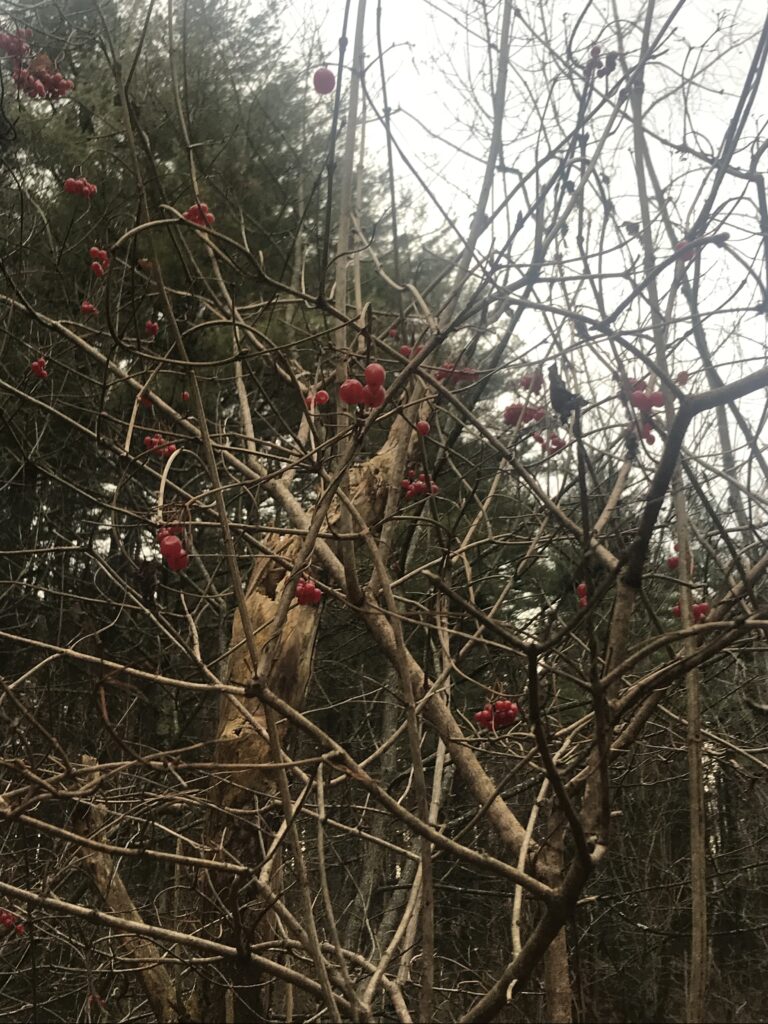
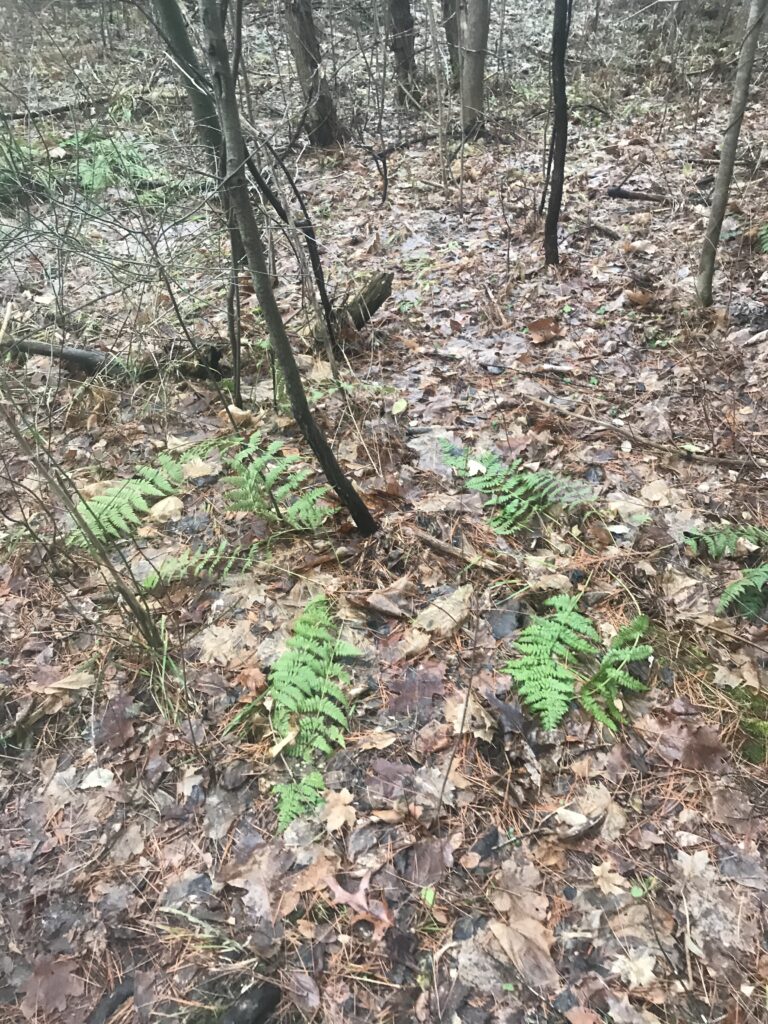
The majority of the trees around the area was bare, but there were a few eastern pine trees thats needles remained on the tree. There are also barberry trees thats berries are still on the branches. Since it was very windy, I could hear the dry tree branches falling on the ground. There were also a few ferns that remained green right along the path. These ferns are mentioned in the book, Naturally Curious, saying how they are green all year round.

Thanksgiving Phenology

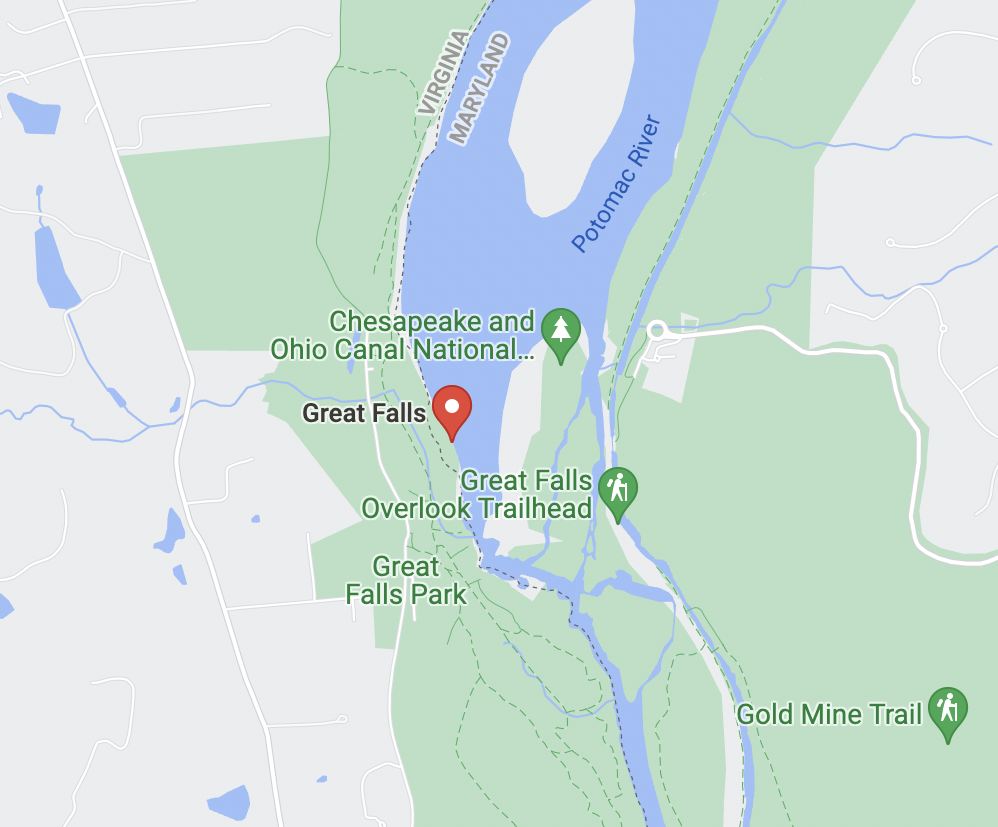
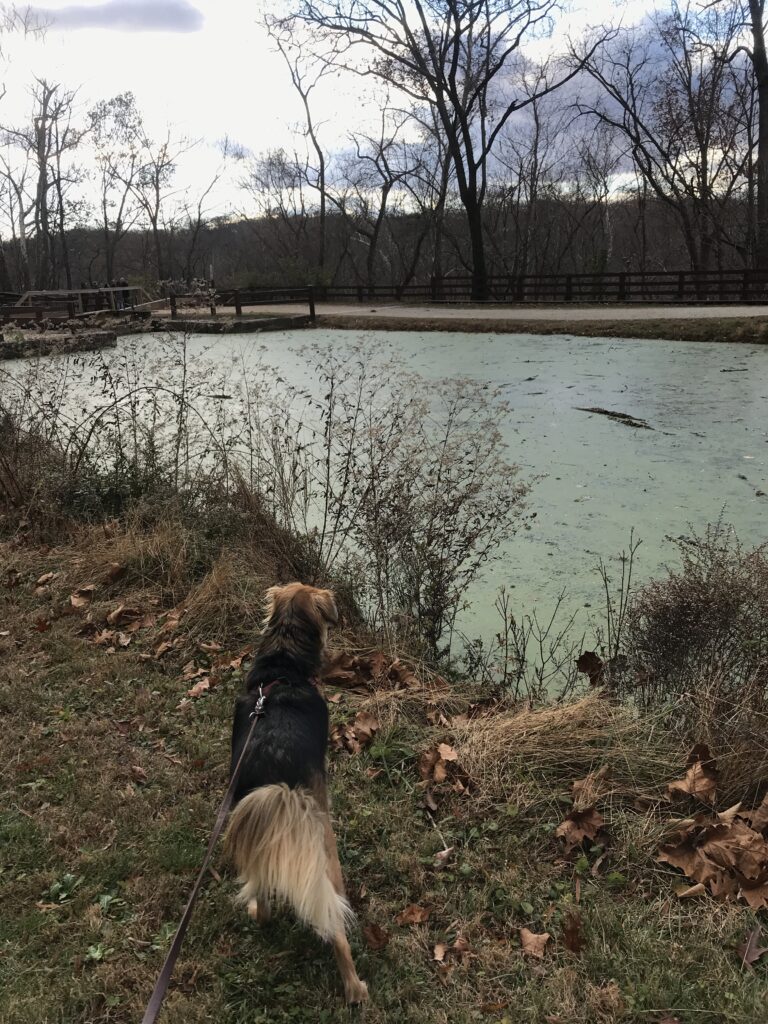
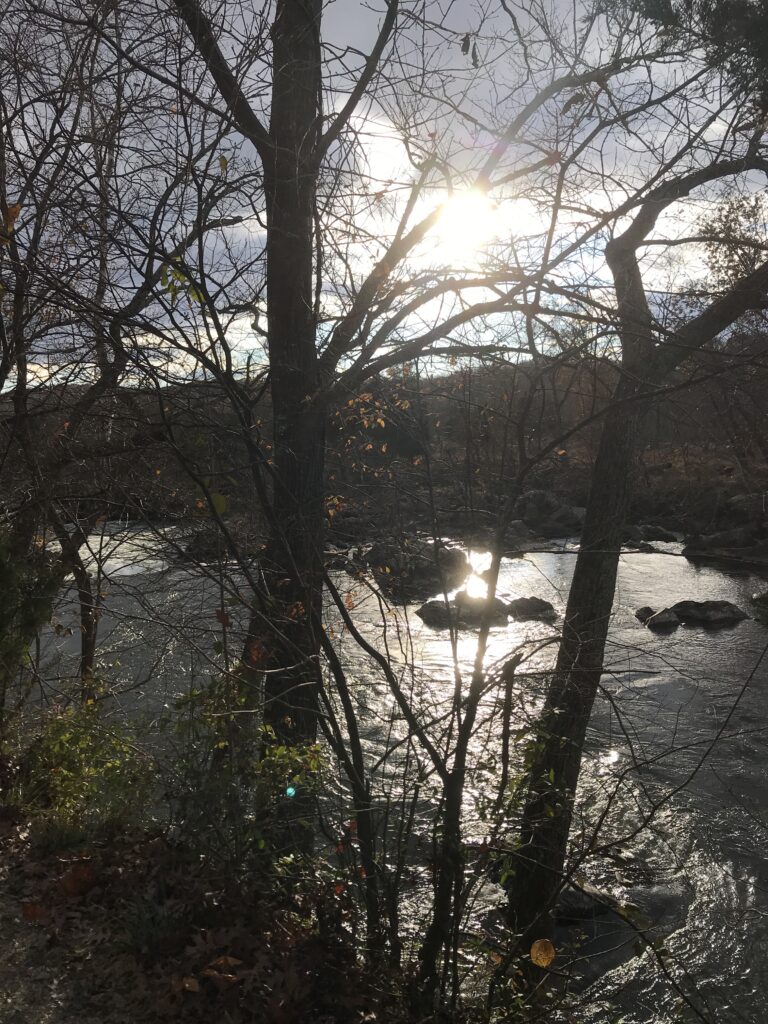
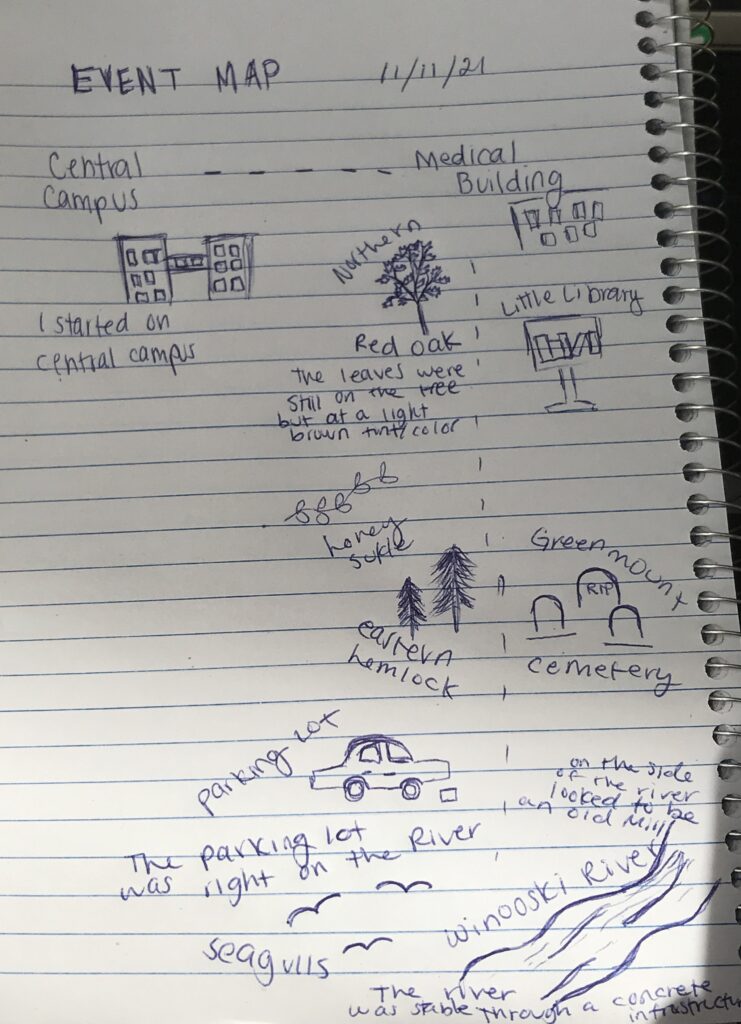
I went for a hike with my family at Great Falls. The path ran between both a canal and the Potomac River. The area was full of hard wood trees such as oaks and maple trees, similar to my spot in Centennial Woods. There were also a few invasive species that were similar to my area in Centennial Woods such as poison ivy. Unlike Centennial Woods, the Potomac River was a drastically bigger than the river near my spot. I saw people who brought their kayaks and were able to kayak down the river. This river also separates the boarder of Maryland and Virginia. Great Falls was also a lot more open with a much bigger path where bikers were able to ride. The Canal is also a large part of the area, especially when it comes to the history of Great Falls. Right now the canal is full of algae. Right away, walking from the parking lot, you can see the algae bloom. While walking back I saw a bald eagle. There were also several other birds, but I did not get a chance to see any woodland animals. Although the river is not as big at Centennial Woods, it has a lot more trees and is a much more forested area than Great Falls.

November 1, 2021

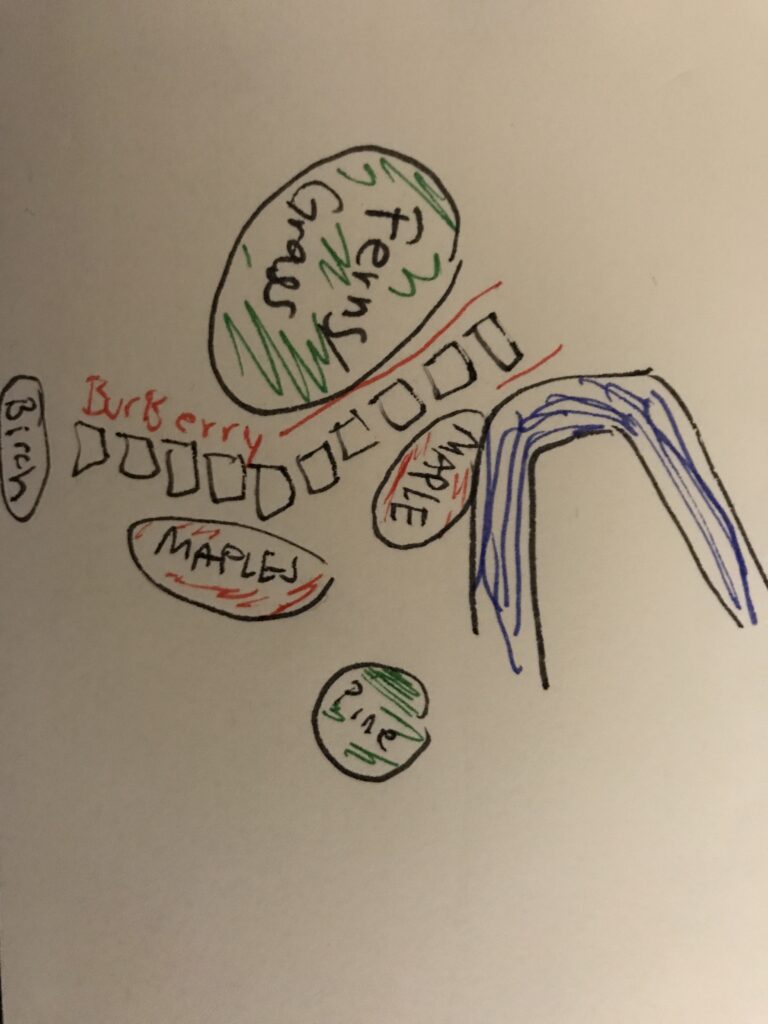
birds eye-view drawing of the landscape

The most noticeable species was the Burberry bushes that ran along the pathway. There were also a few maple trees that ran along the path opposite to the Burberry trees.

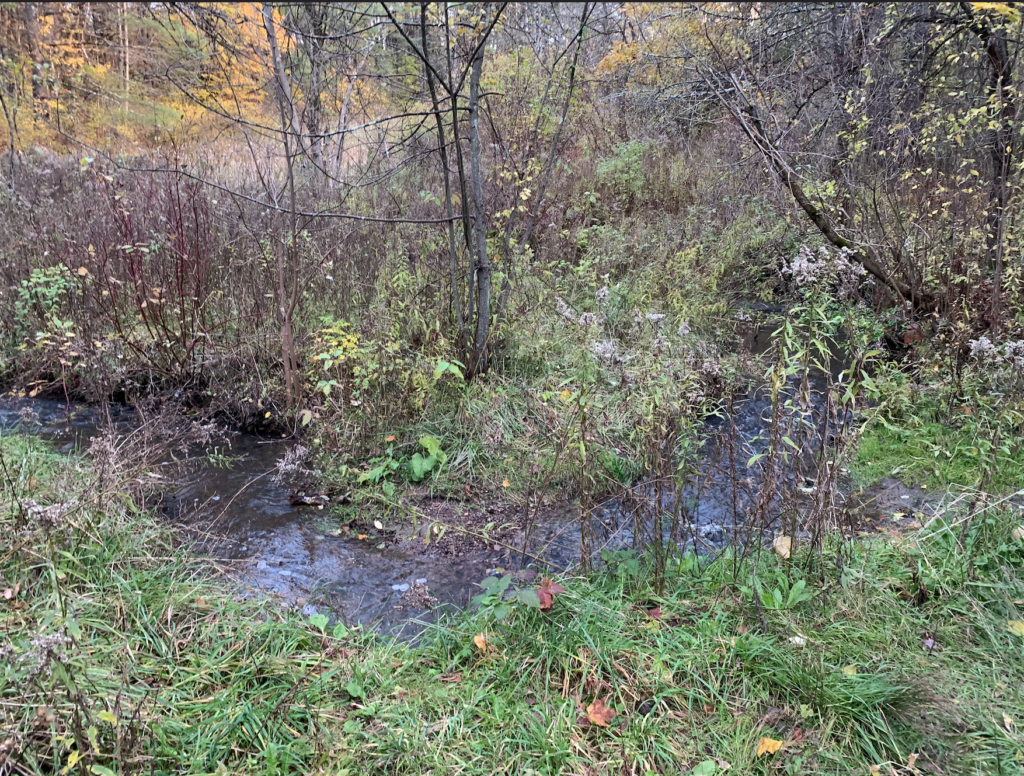
While observing the area, you could hear the stream of the water. The rain from the previous day made the stream a lot faster and bigger.

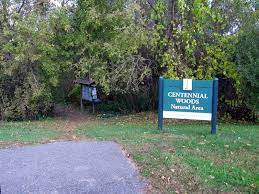
Centennial Woods

October 18

Why Centennial Woods?

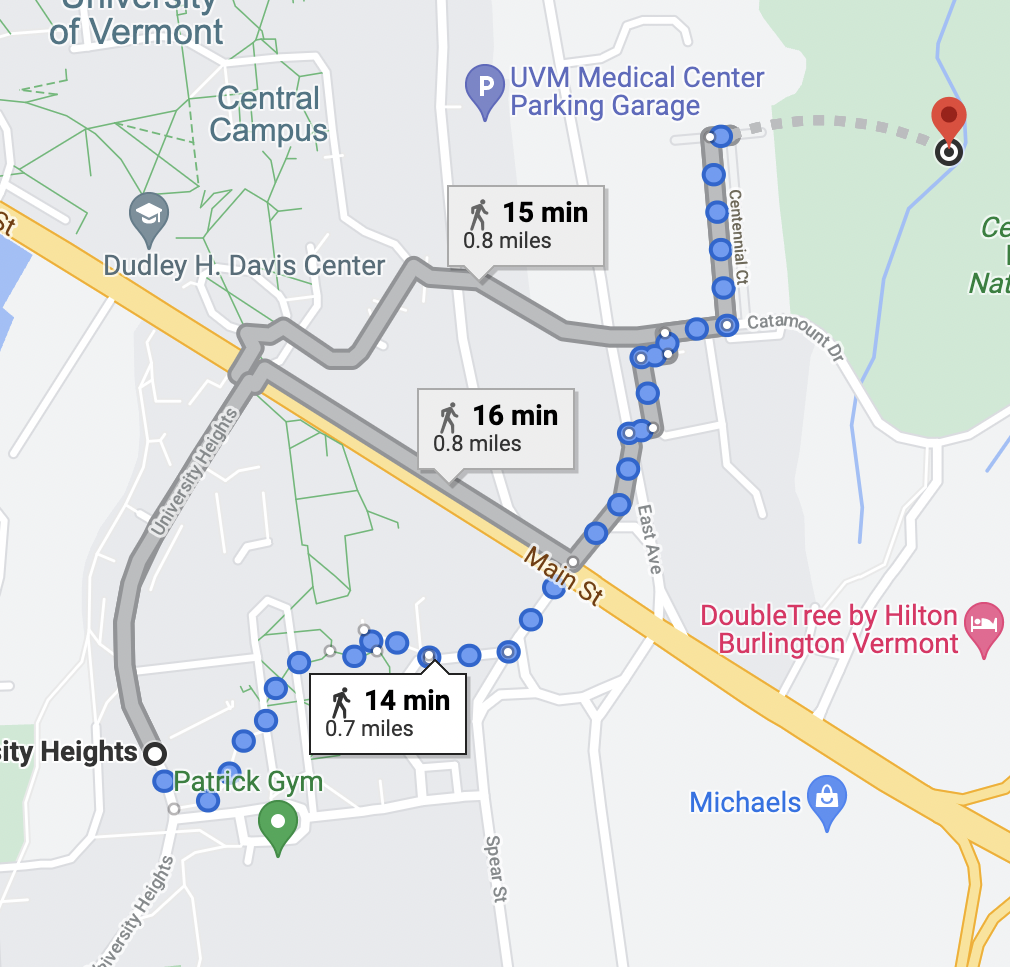
I chose this spot in Centennial woods because it was accessible. I wanted a spot that was easy to walk to, since I do not car or bike access. It is a short 12- 15 minute walk from my dorm room. I also chose it because of the different amount of plants and trees that we have been able to identify in class.

Vegetation and Woody Plants

There is a vast variety of plants in Centennial Woods, including trees, shrubs, grass, and a few flowers. There are even invasive species that can be found such as honeysuckle, buckthorn, barberry, and poison ivy. There are also several hard woody trees and coniferous trees. The hard woody trees consist of paper branch, red maple, and northern red oak. The coniferous trees consist of eastern white pine and eastern hemlock. Many different species can be found in Centennial Woods.

Skip to toolbar