Archive for November, 2023

Home for the Holidays: Greensboro NC’s Bog Garden 🌿🐦

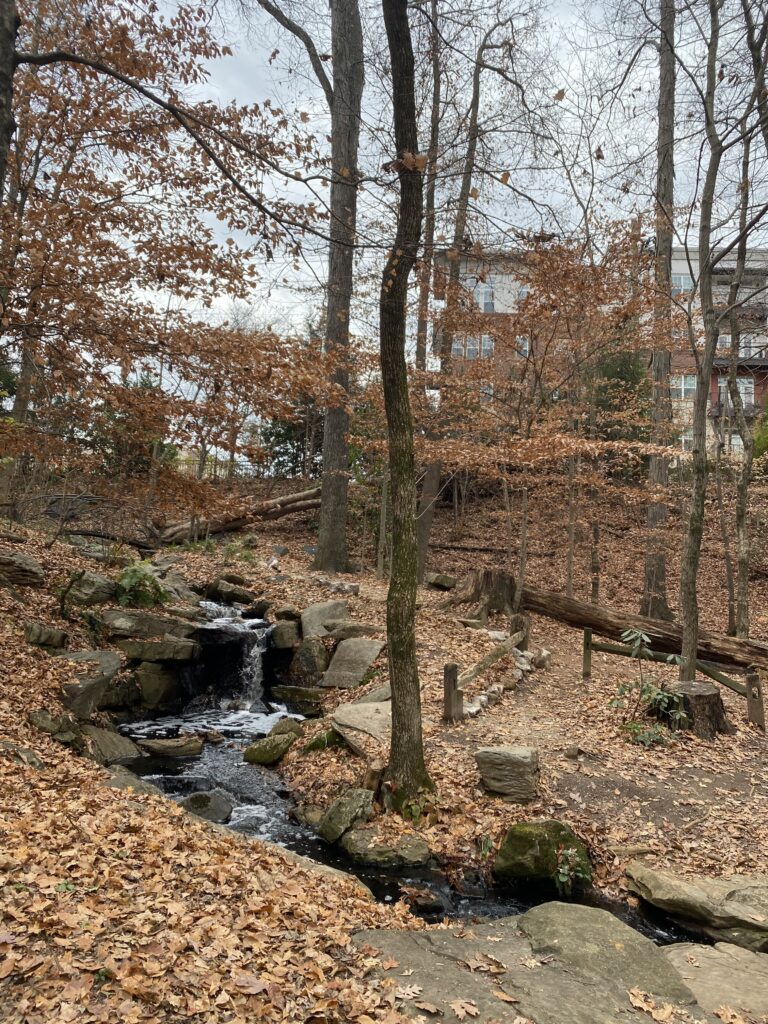
Over the thanksgiving holiday, I have returned home to Greensboro, North Carolina. In my city of 300,000 residents, there are many parks and natural areas. Most can be described as “urban wilds,” as they fall within the large city and are usually found near bustling developed areas. One example of this is the Bog Garden, a natural area consisting of streams, a lake, a boardwalk system, and some of the best birding around. The Bog Garden is an urban wild area because it lies right next to Friendly Center, a very popular shopping complex.
Welcome to the Bog Garden!

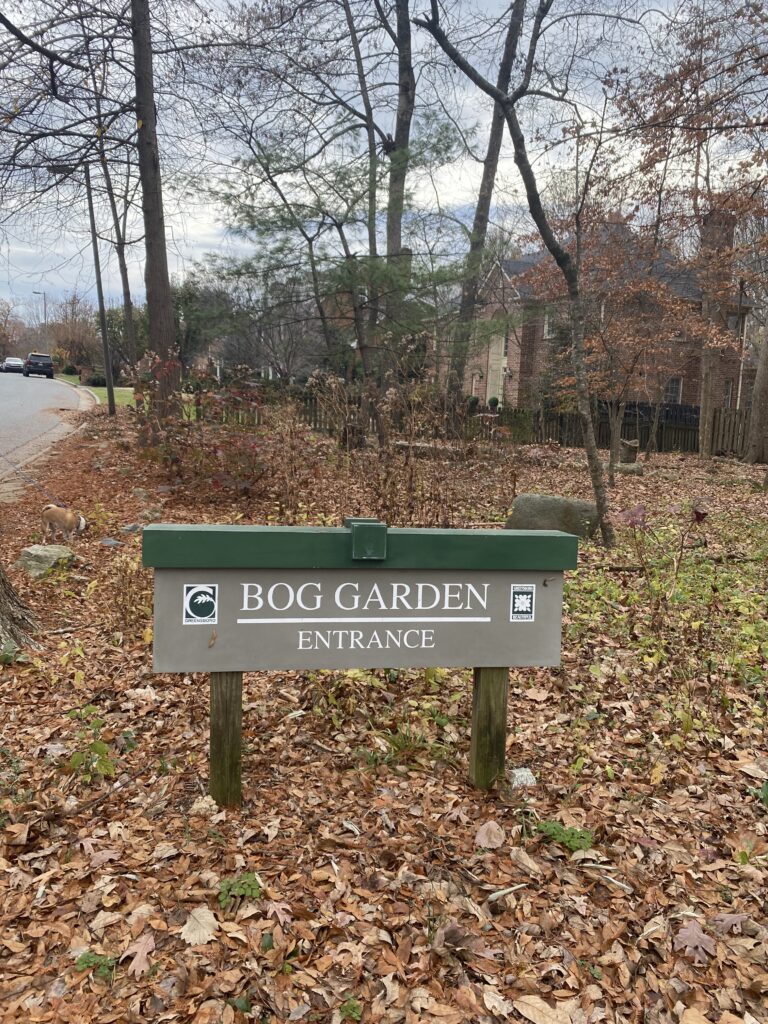
At the entrance of the garden, visitors are welcomed by numerous important signs. After seeing the initial “BOG GARDEN ENTRANCE” sign, there is a large double-sided sign full of interesting ecological information. The signage includes a Bog Garden Bird List from the Piedmont Bird Club, a list of recent plantings, a list of invasive species found in the park, and an entire display celebrating North Carolina’s Native Plants.
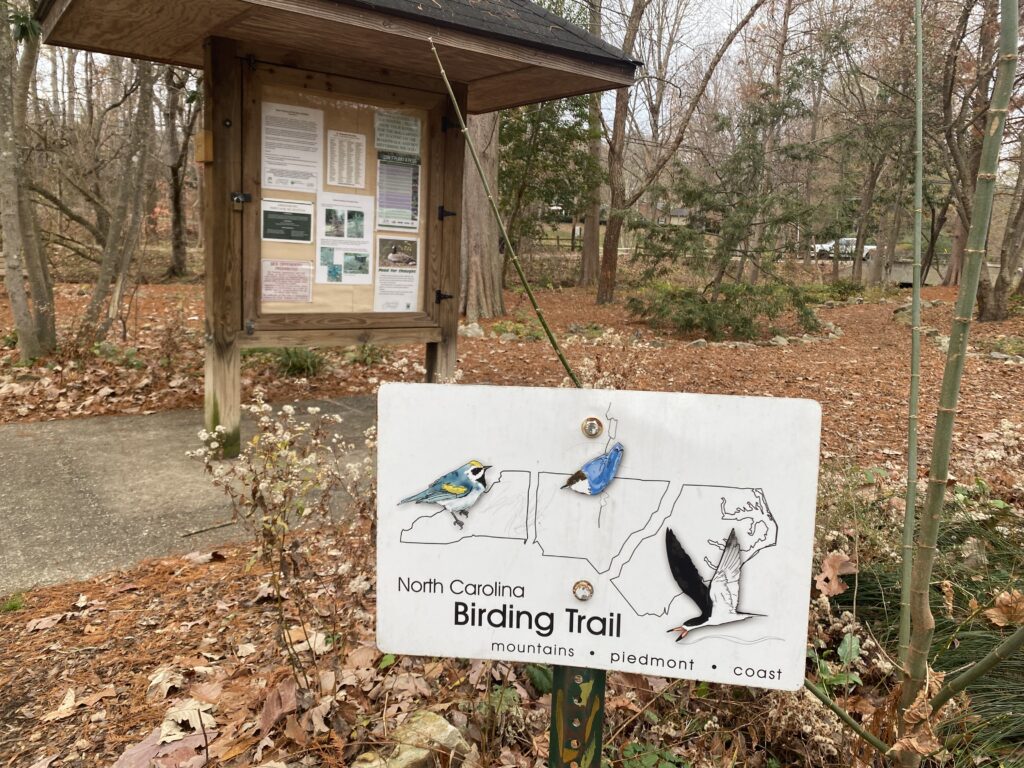
Some park signage

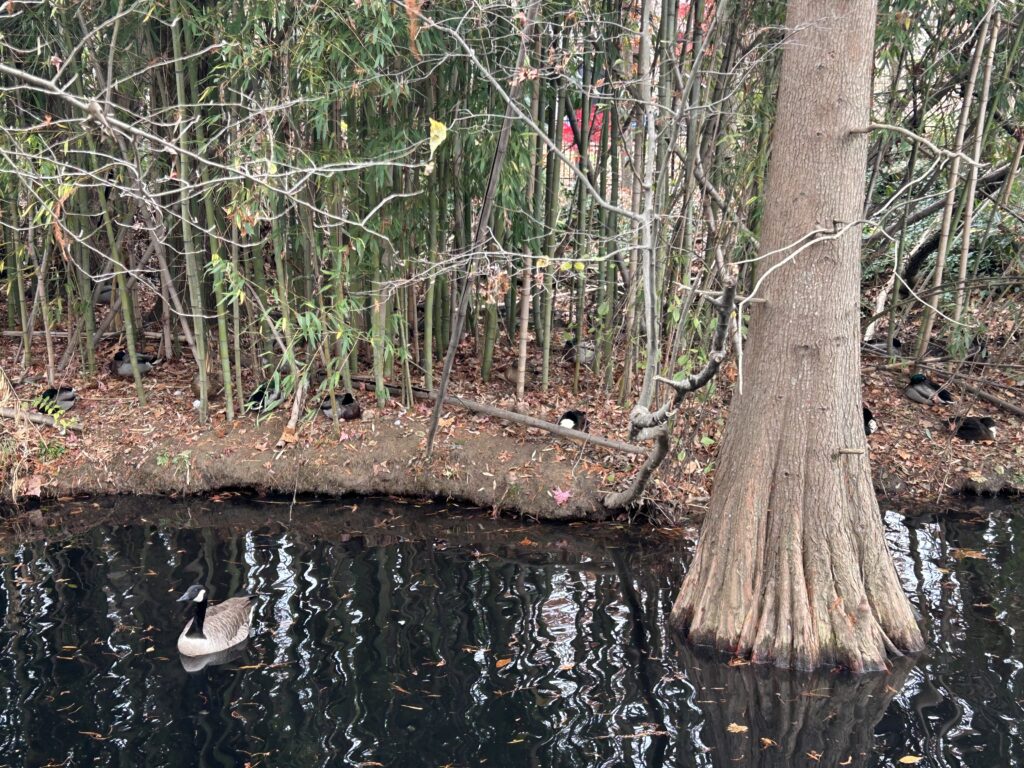
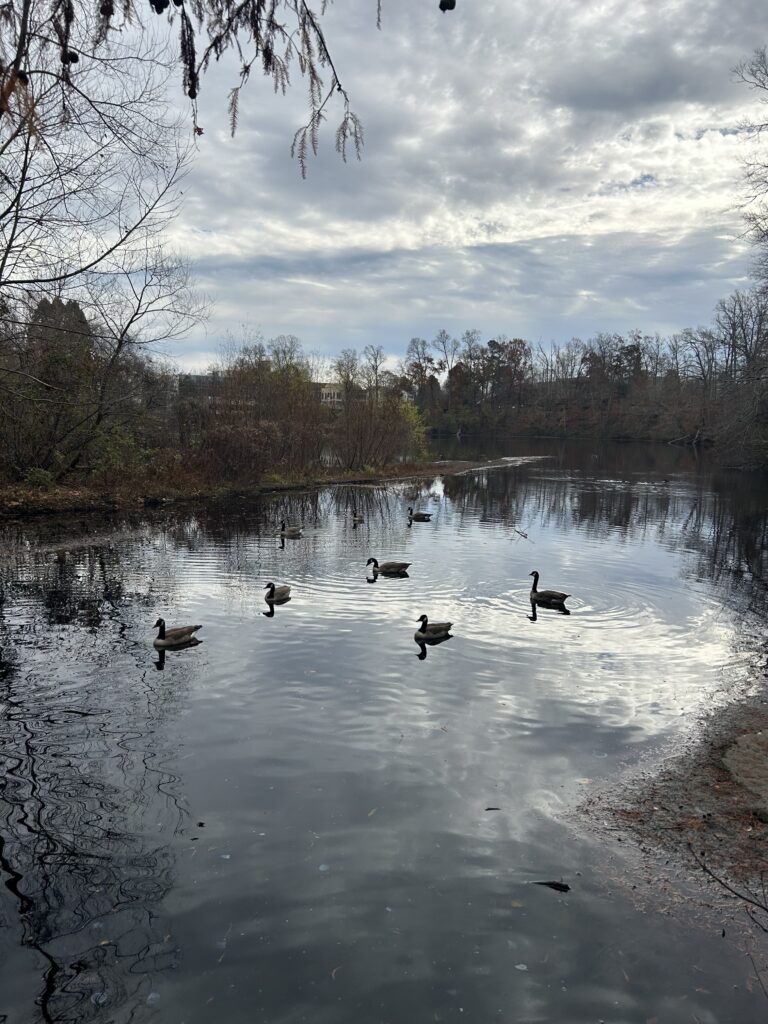
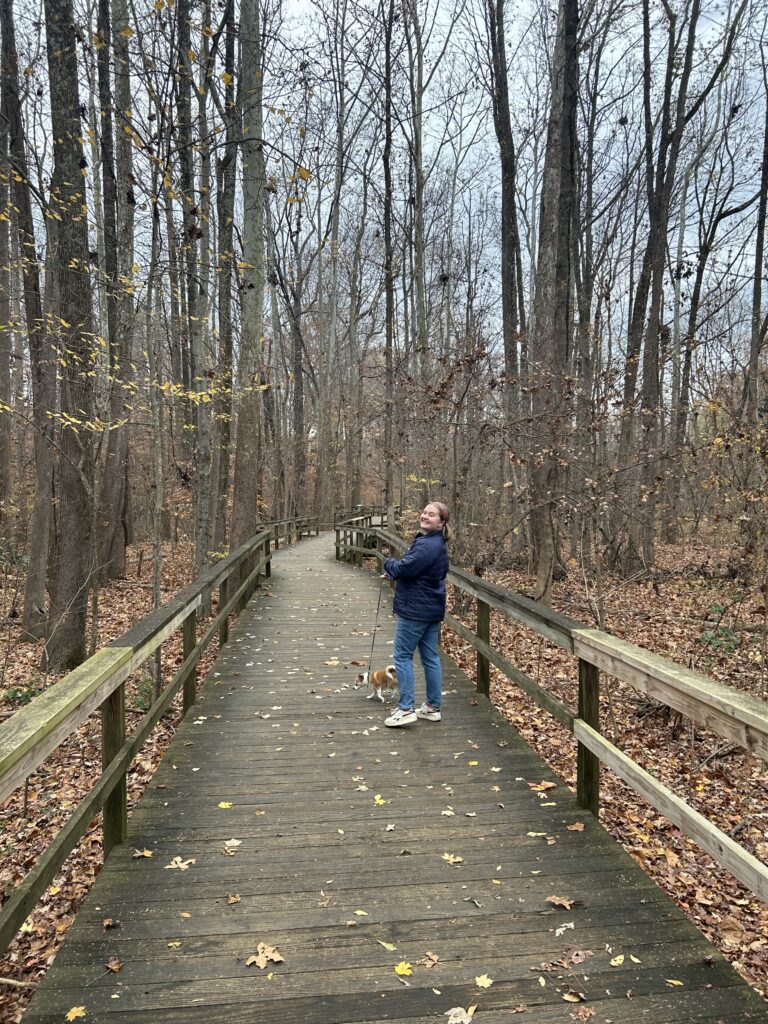
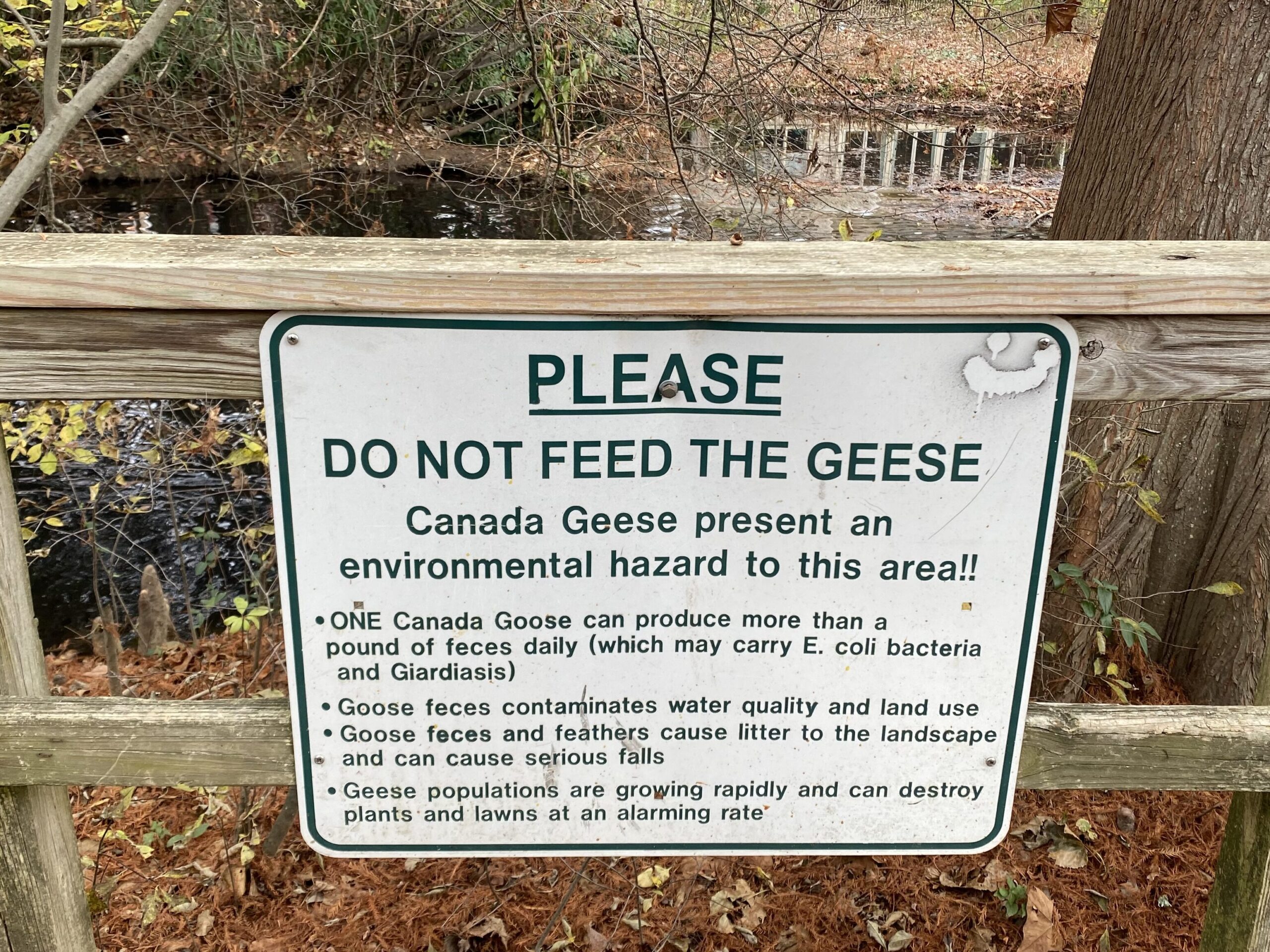
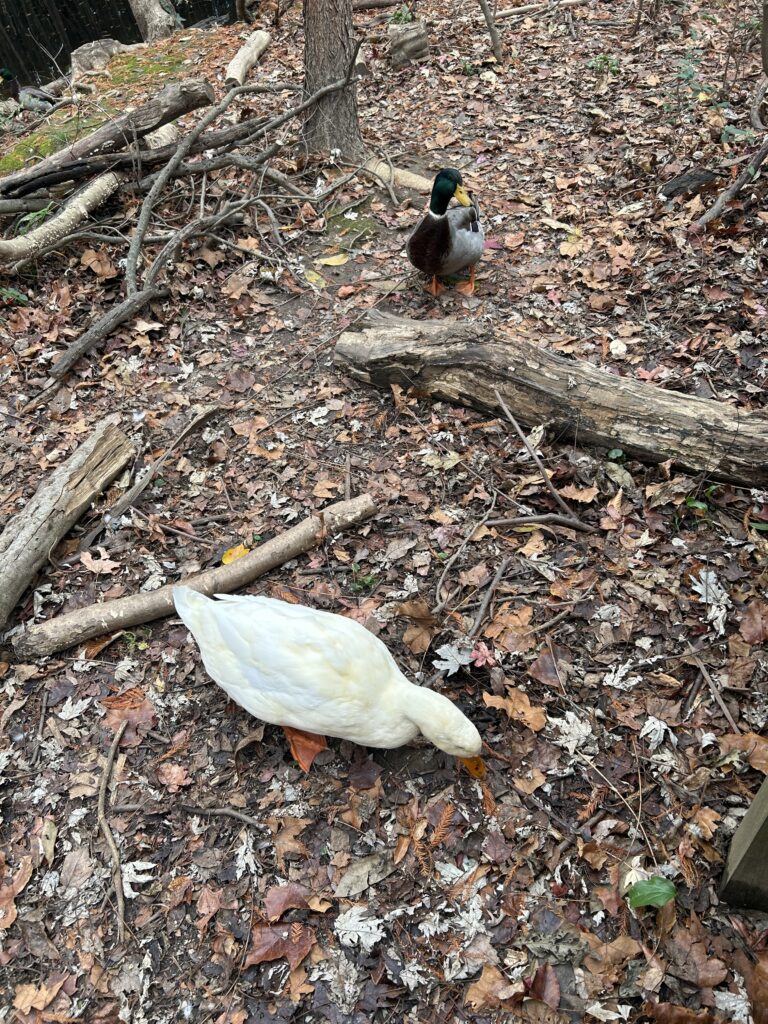
As you venture into the Bog Garden, you will find a boardwalk that follows a stream to a small lake and loops around through a wooded area towards a waterfall. Along the boardwalk, geese, ducks, and mallards thrive in the stream. There was a sign at the garden that read “please do not feed the geese,” explaining that Canada Geese are an environmental hazard to the area because of the quantities of e. coli and other bacteria in their waste.
Canada Geese amongst invasive bamboo growths and native bald cypress trees. Notice all of the birds hidden in the background!
Me and my little dog on the boardwalk πŸ™‚
The man-made waterfall, Serenity Falls

As compared to my Vermont phenology site, Redstone Pines, the Bog Garden is vastly different. The most noticeable difference is the weather. I went to the Bog Garden the day after Thanksgiving and it was still and 60 degrees. In addition, the Bog Garden has no coniferous trees, only deciduous, whereas the Pines are dominated by conifers. The Bog Garden, despite being nestled in a busy urban environment, has much more wildlife than the Pines. At the Garden, I saw geese, mallards, ducks, red cardinals (the NC state bird), grey squirrels, and finches. At the Pines, I only ever see the occasional crow. This is likely due to the size difference in my two locations, as the Pines are very small compared to the Bog Garden.

Reading “An Honorable Harvest” in Braiding Sweetgrass made me reflect on my relationship with nature as it relates to consumerism. The day I chose to visit the Bog Garden was also Black Friday, our country’s number-one day of overconsumption. After reading Kimmerer’s opinions on asking the plants for permission to take them and honoring your humanity, Black Friday seemed so vain and dystopian. I am glad I spent the day among the nature of my childhood and didn’t partake in the Black Friday frenzy.
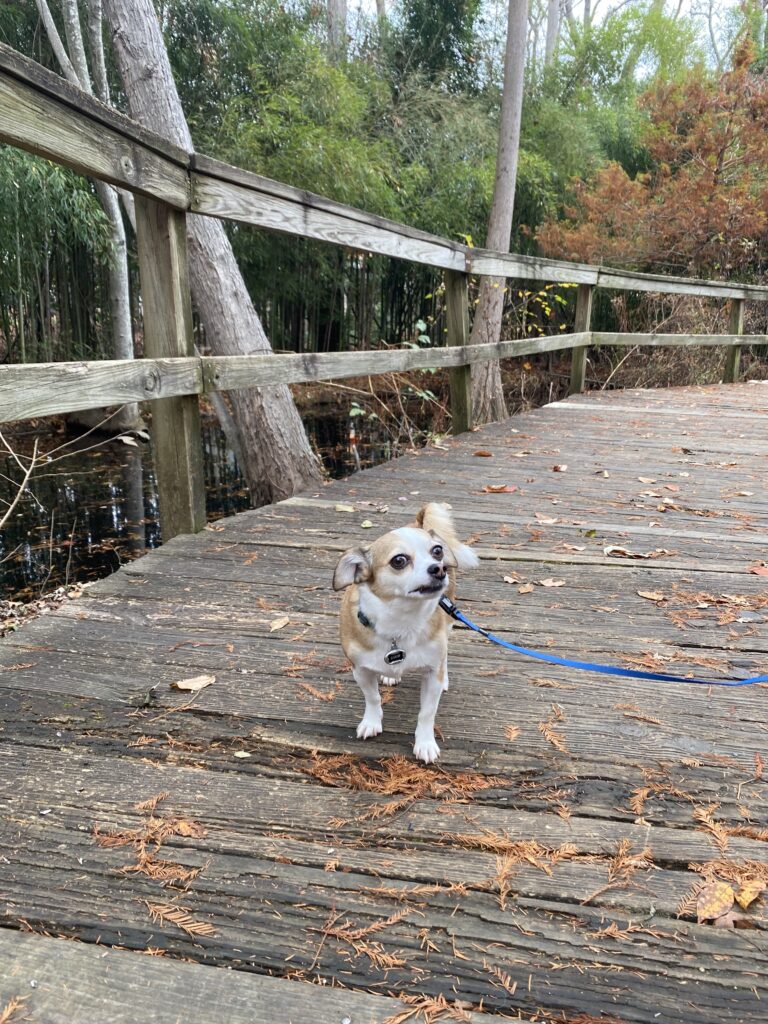
Happy Thanksgiving from me and my pup, Liam!

Early November Phenology & Map

Originally published November 3, 2023

Today (November 3, 2023), Redstone Pines is looking very different than it did a month ago. While spending some meditative time alone in the pines, it was not nearly as relaxing as usual. Today, though the temperature was around 50, the wind chill was extreme for me as a southerner. I mostly noticed the wind whistling across my skin and into my cold ears. I heard and saw a small class walking through the area and scribbling notes into their notebooks. I mostly noticed how barren this usually bustling spot was. I spent some time at my site in the middle of a sunny Friday, but it was virtually empty because of the chill. During my time exploring, I completed my birds-eye view map, pictured below.

This image has an empty alt attribute; its file name is img-8381-1.jpg

To put the map into perspective, I have included a few photos of noted landmarks below.

This is the rock formation.

This is the shrub ditch.

While visiting the pines, I noticed a couple phenological changes. First, the ground was covered with significantly more pine cones and pine needles.

I also spotted a large fungus growth unlike anything I have ever seen at the pines.

Aside from a few select oaks and miscellaneous vegetation, the beauty of Redstone Pines is that it has remained green into the fall. Most of the trees here are conifers, so there isn’t much visual difference throughout the seasons. I can’t wait to see the pines covered in snow!

Welcome to Redstone Pines!

Originally published October 16, 2023

For my phenology blog site, I have chosen Redstone Pines. This small natural area is a pivotal social spot for UVM students to relax, recharge, and connect. It is loved by many students at UVM for its convenient proximity to residence halls, beautiful tall trees, and perfect hammocking spots.

For UVM students, getting to Redstone Pines is easy. First, there is a shuttle that is constantly running to Redstone from all parts of campus. There is a user-friendly online tracker that shares real-time locations of these shuttles. On foot, the path from the Athletic Campus exit of the Davis Center tunnel will take you directly to Redstone Campus. After you pass the Catholic and Interfaith Centers on the left of the path, the Pines will emerge on the right. Across the street from the Pines is the Redstone Green, another popular natural area in its own right. While the Pines are often flooded with hammockers and slackliners, the Green is more popular for sports such as frisbee and hackysack.

Redstone Pines is, of course, dominated by eastern white pine. In addition, there is a sampling of red oak, sugar maple, and basswood. The vegetation here is old; the trees tower over all of the surrounding buildings. As you move deeper into the Pines, there are rock formations further away from the road. Gray squirrels and various birds are very common sightings here.

Skip to toolbar