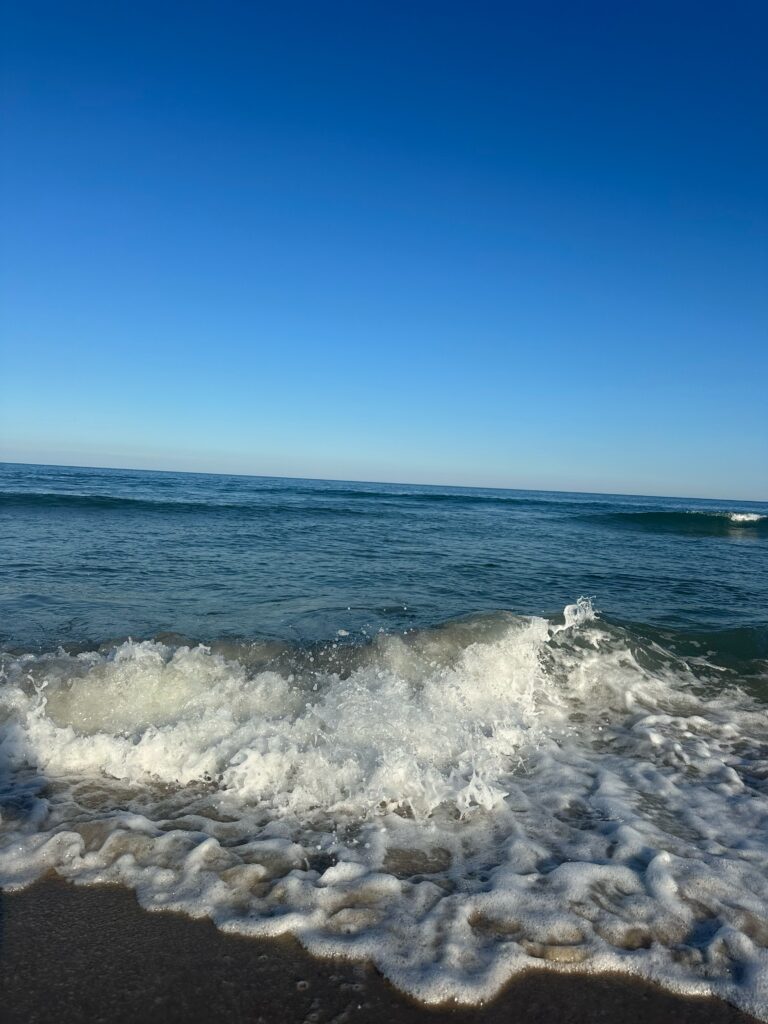
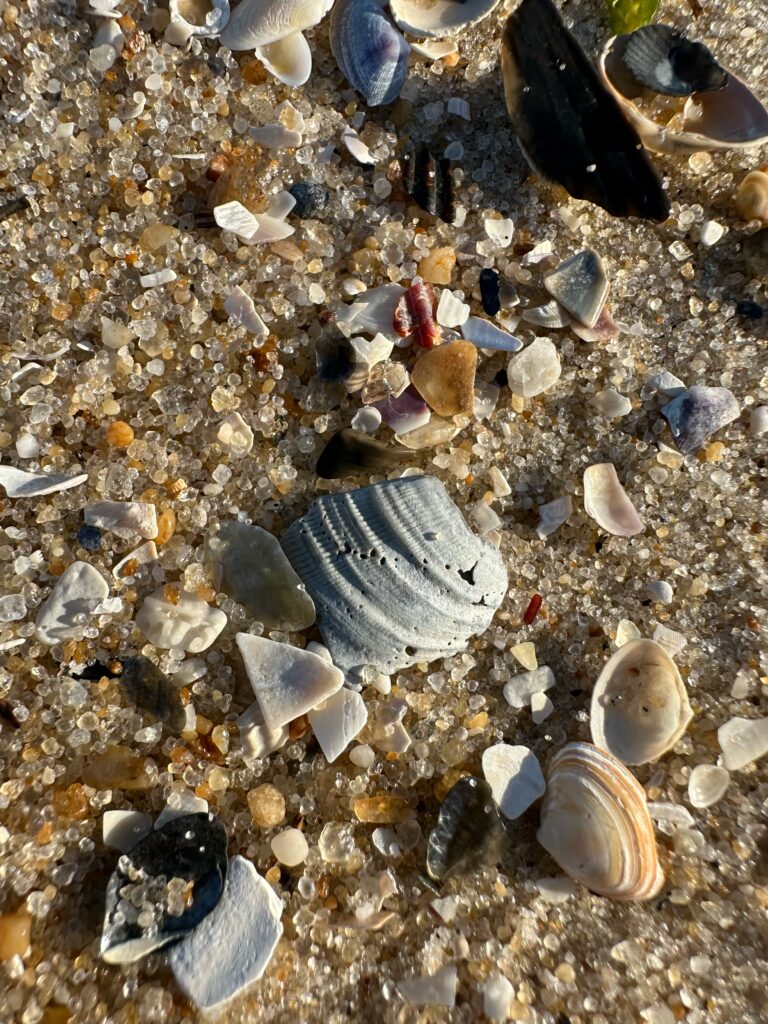
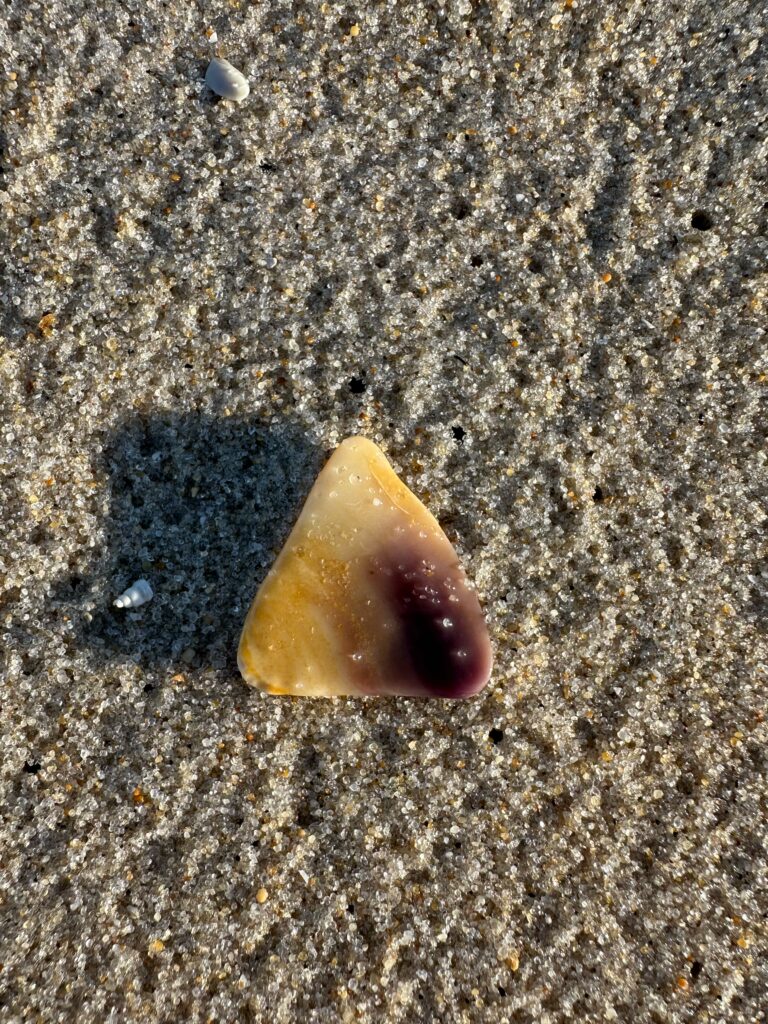
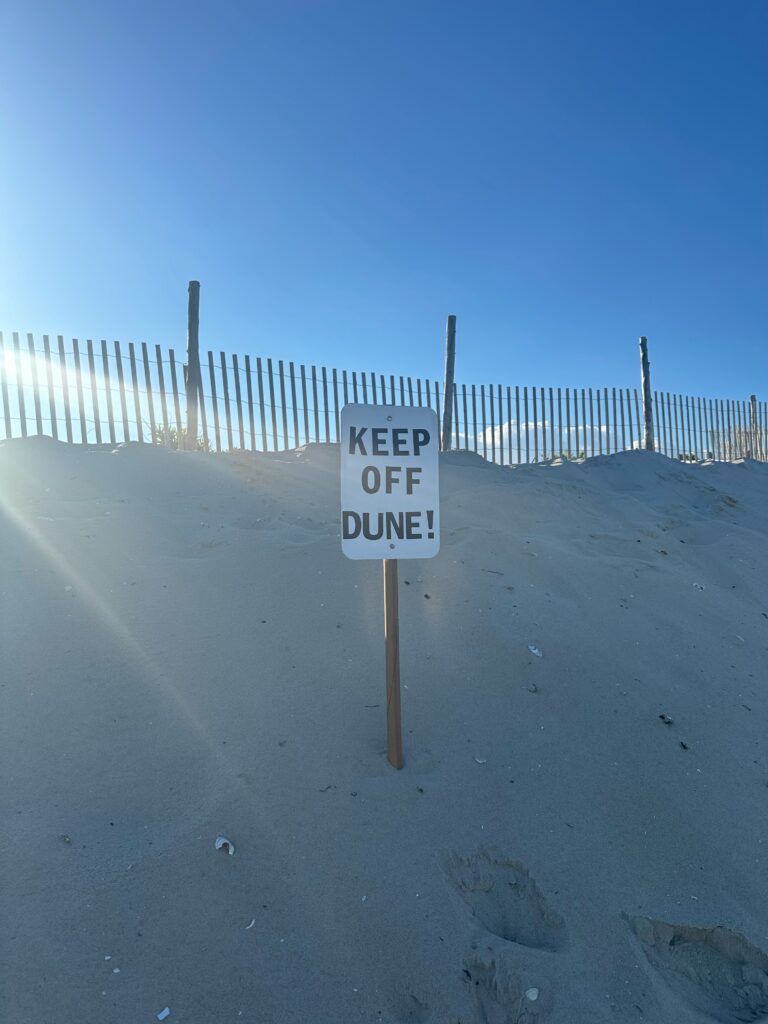
Disclaimer: My project was a video over 60 MB so it could not upload to this site, it is uploaded on Brightspace under. the Wonder Blog #4 tab. Here are all of the species from my video.

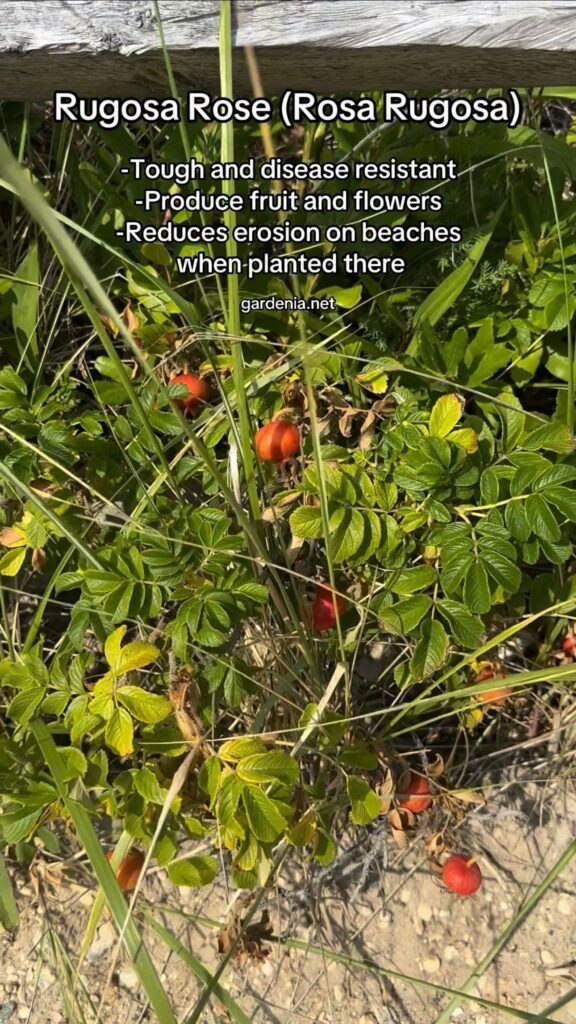
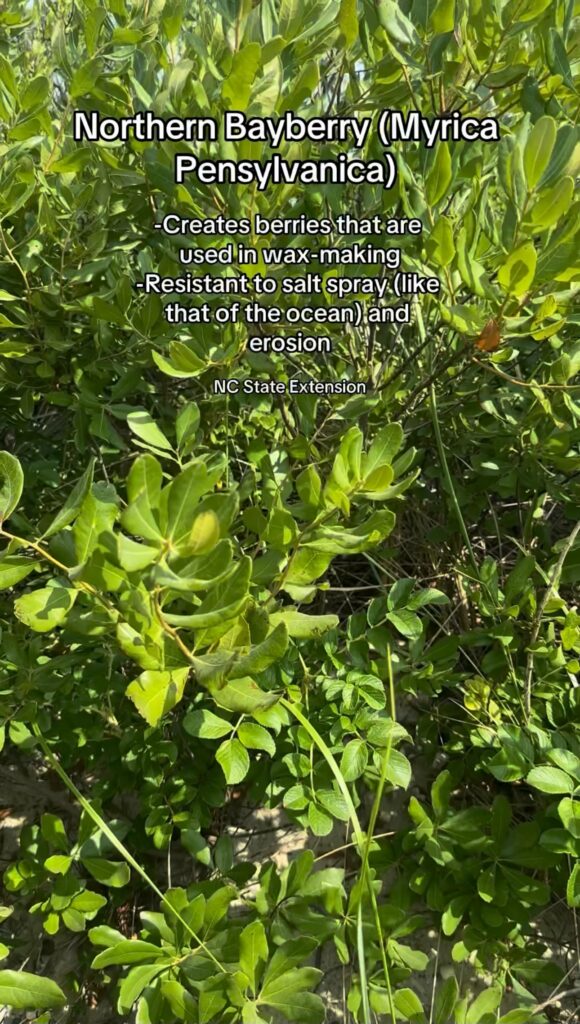
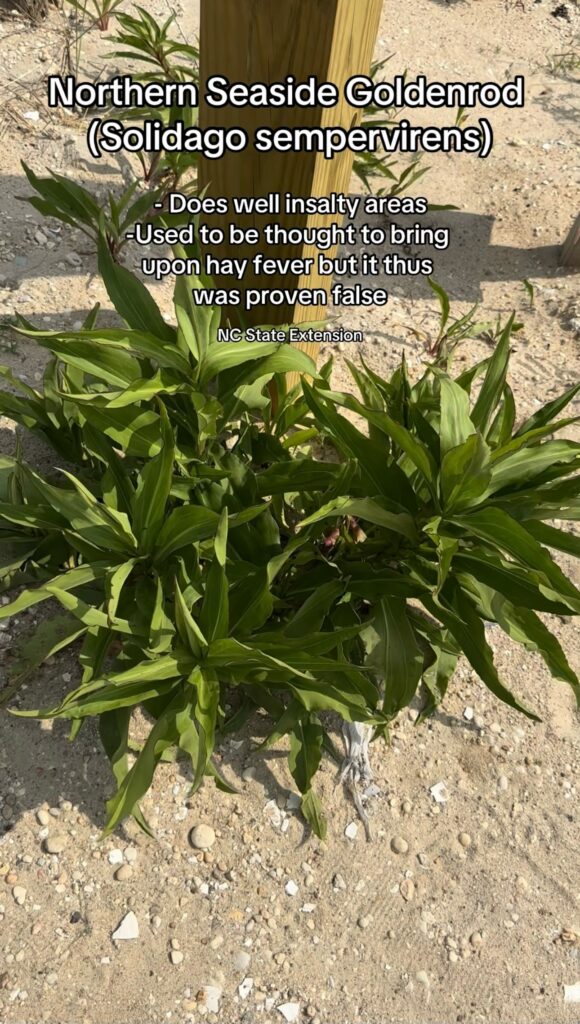

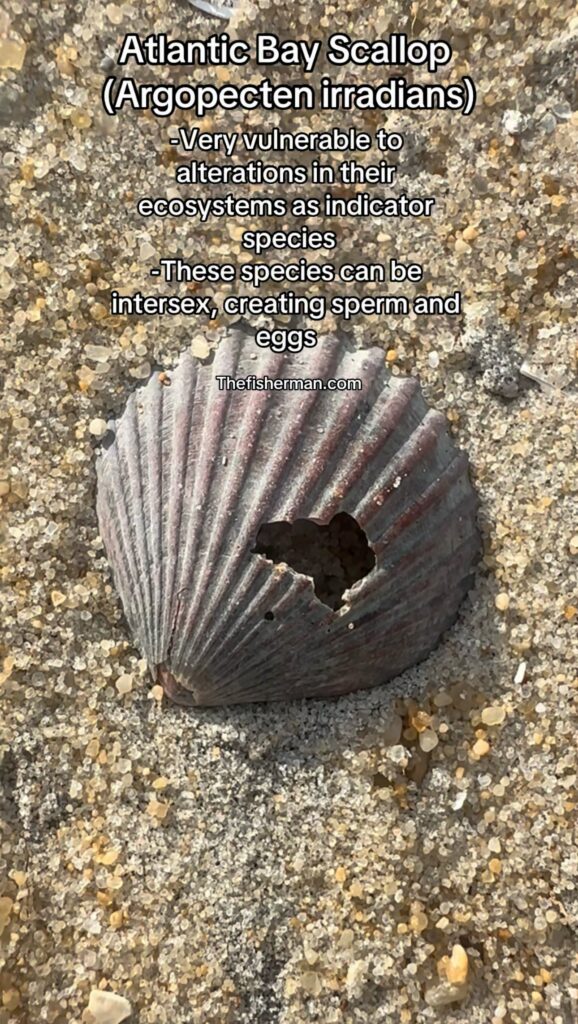
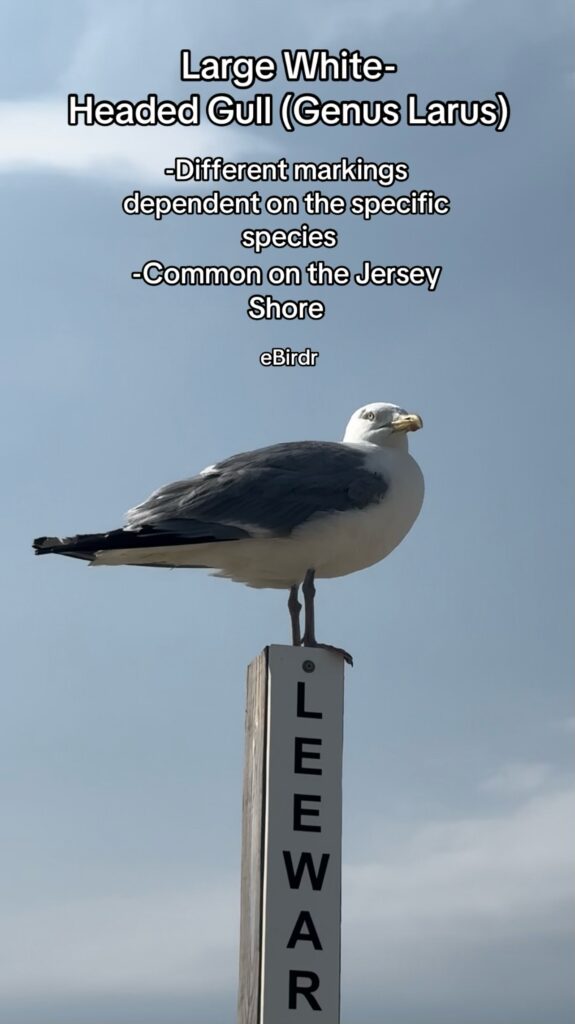
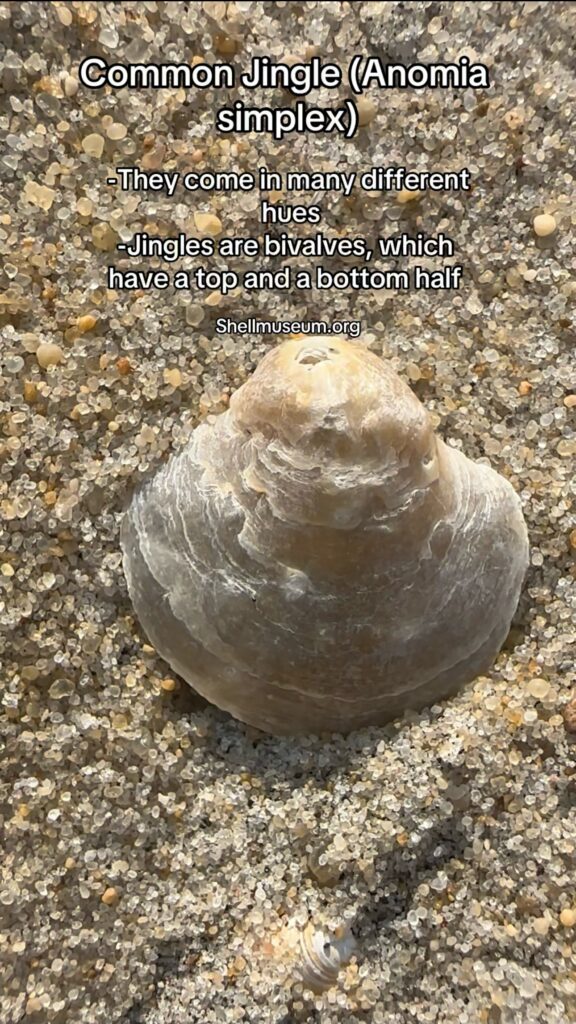
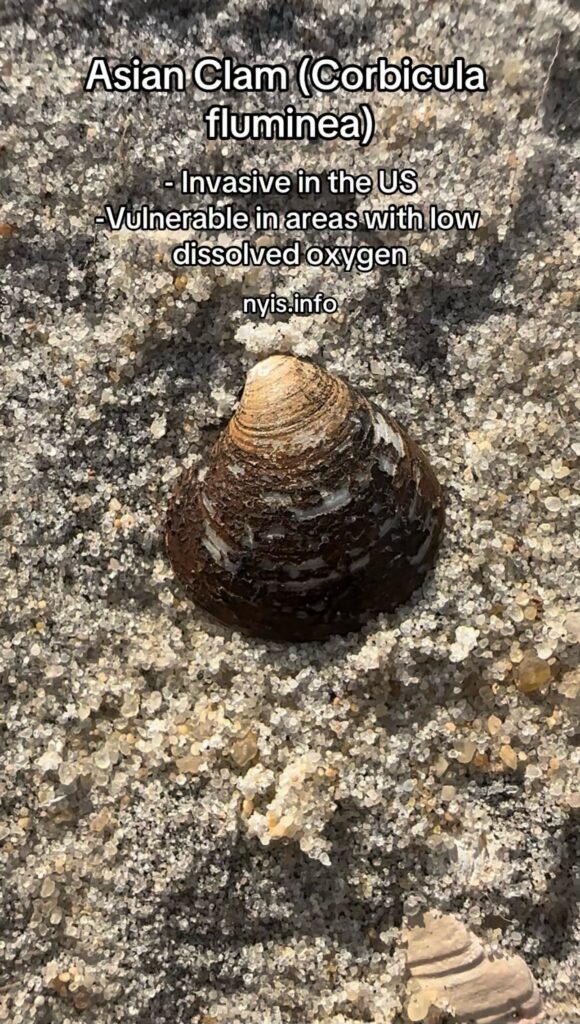
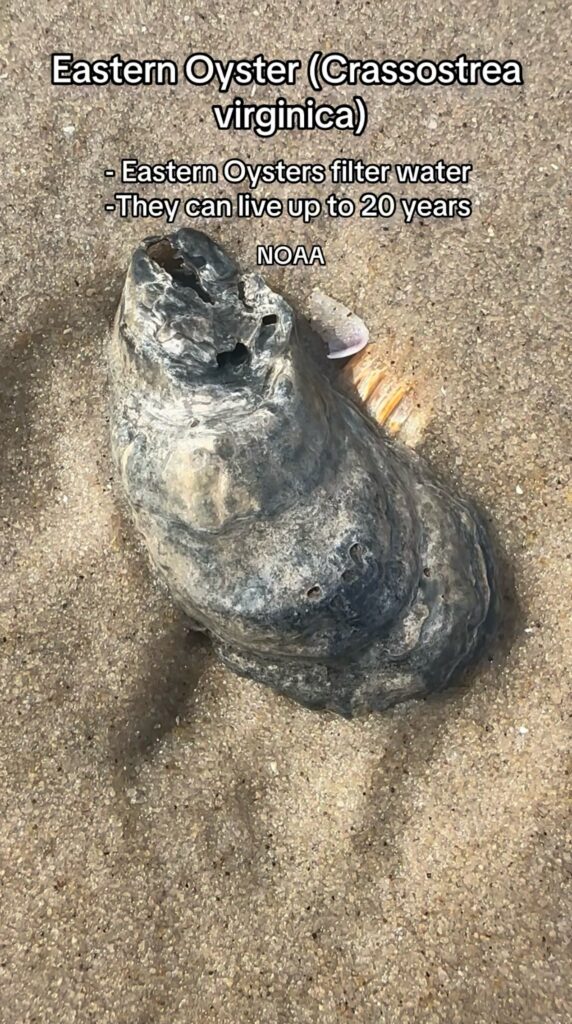
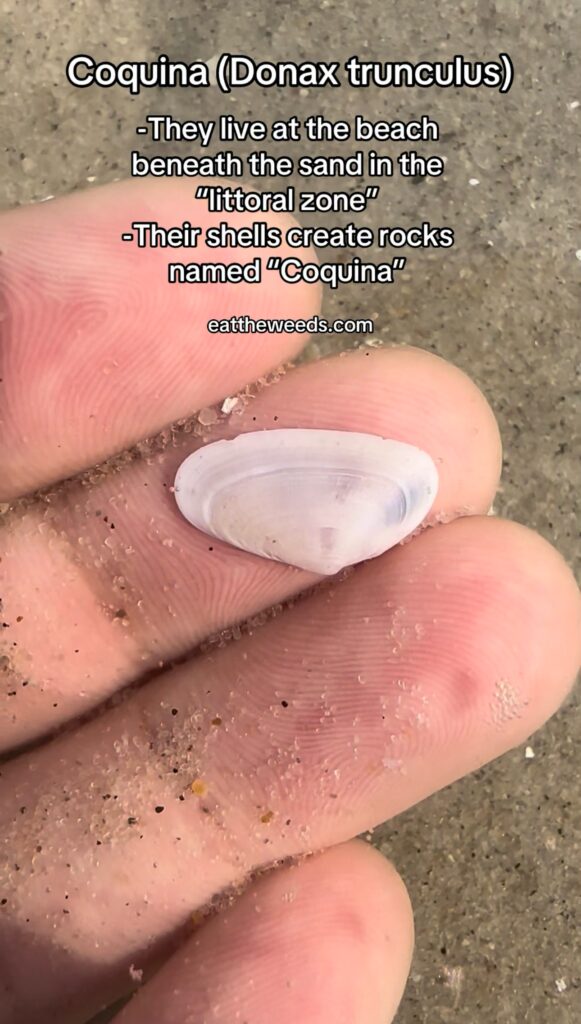
For my fourth and final Wonder Blog project, I chose to create a video to educate viewers about the variety of species that inhabit LBI’s beaches, specifically at my site, Beach Haven’s Leeward St. Beach. I chose ten species which I identified with the Seek app (for precision) to showcase in my video, including Rugosa Rose, Northern Bayberry, American Marram Grass, Atlantic Bay Scallop, Common Jingle, Large White-Headed Gull, Asian Clam, Eastern Oyster, and Coquina. For each of these species, I did a bit of background research and implemented a couple bullet points to give viewers some general information about the species. This project connects to my site because the purpose of my video was to show the diversity and beauty of my home’s beach ecosystem. Making this video and creating my Wonder Blog posts in general allowed me to slow down and look at the beaches individual species, helping me to see plants on the dunes that I never even noticed before or knew the names of prior. This project expanded by comfort zone as well, because I have always been super interested in videography and combining this passion with a science element was definitely something new to me, as I have never done an informative video like this before. The process was definitely different than making a video strictly for fun and creative purposes, as I made sure to be much more meticulous with the information I used. However, I enjoyed the challenge, and I really like my end result.
References
Ammophila breviligulata (American beachgrass) | Native Plants of North America. (2022, November 9). Lady Bird Johnson Wildflower Center. Retrieved July 8, 2024, from https://www.wildflower.org/plants/result.php?id_plant=ambr
Asian Clam – New York Invasive Species Information. (n.d.). New York Invasive Species Information. Retrieved July 8, 2024, from https://nyis.info/invasive_species/asian-clam/
Deane, G. (n.d.). Coquina: Tasty Tiny Clam – Eat The Weeds and other things, too. Eat the Weeds. Retrieved July 8, 2024, from https://www.eattheweeds.com/coquina-tasty-tiny-clam/
Eastern Oyster | NOAA Fisheries. (n.d.). NOAA Fisheries. Retrieved July 8, 2024, from https://www.fisheries.noaa.gov/species/eastern-oyster
Genus: Larus. (n.d.). eBirdr. Retrieved July 8, 2024, from https://ebirdr.com/tree/genus/larus
Go Fret. Landslide Instrumental. Accessed July 7, 2024.
Leal, J. H. (2014, May 23). The Common Jingle. Bailey-Matthews National Shell Museum. Retrieved July 8, 2024, from https://www.shellmuseum.org/post/2014/05/23/the-common-jingle
Michelson, B. (2023, May 15). Species Profile: Atlantic Bay Scallops. The Fisherman. Retrieved July 8, 2024, from https://www.thefisherman.com/article/species-profile-atlantic-bay-scallops/
Rosa rugosa (Rugosa Rose). (n.d.). Gardenia.net. Retrieved July 8, 2024, from https://www.gardenia.net/plant/rosa-rugosa-rugosa-rose
Solidago sempervirens (Goldenrod, Northern Seaside Goldenrod, Seaside Goldenrod) | North Carolina Extension Gardener Plant Toolbox. (n.d.). North Carolina Extension Gardener Plant Toolbox. Retrieved July 8, 2024, from https://plants.ces.ncsu.edu/plants/solidago-sempervirens/
Myrica pensylvanica (Bayberry, Candleberry, Northern Bayberry, Swamp Candleberry) | North Carolina Extension Gardener Plant Toolbox. North Carolina Extension Gardener Plant Toolbox. Retrieved July 8, 2024, from https://plants.ces.ncsu.edu/plants/myrica-pensylvanica/ too