Last Post of the Year

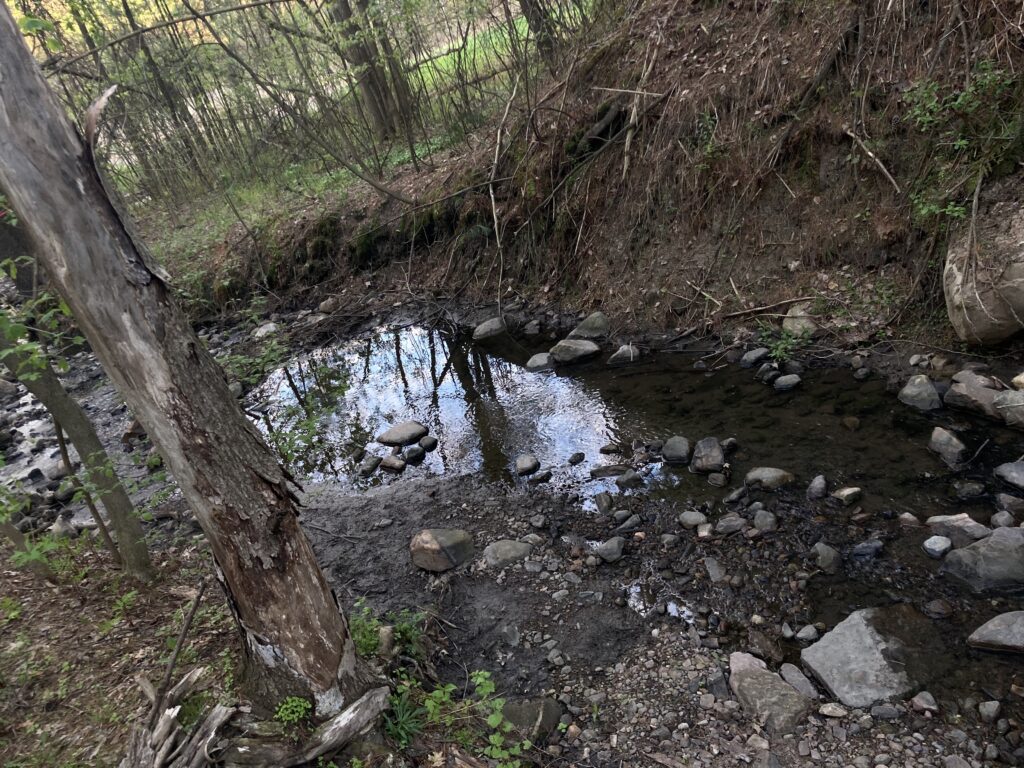
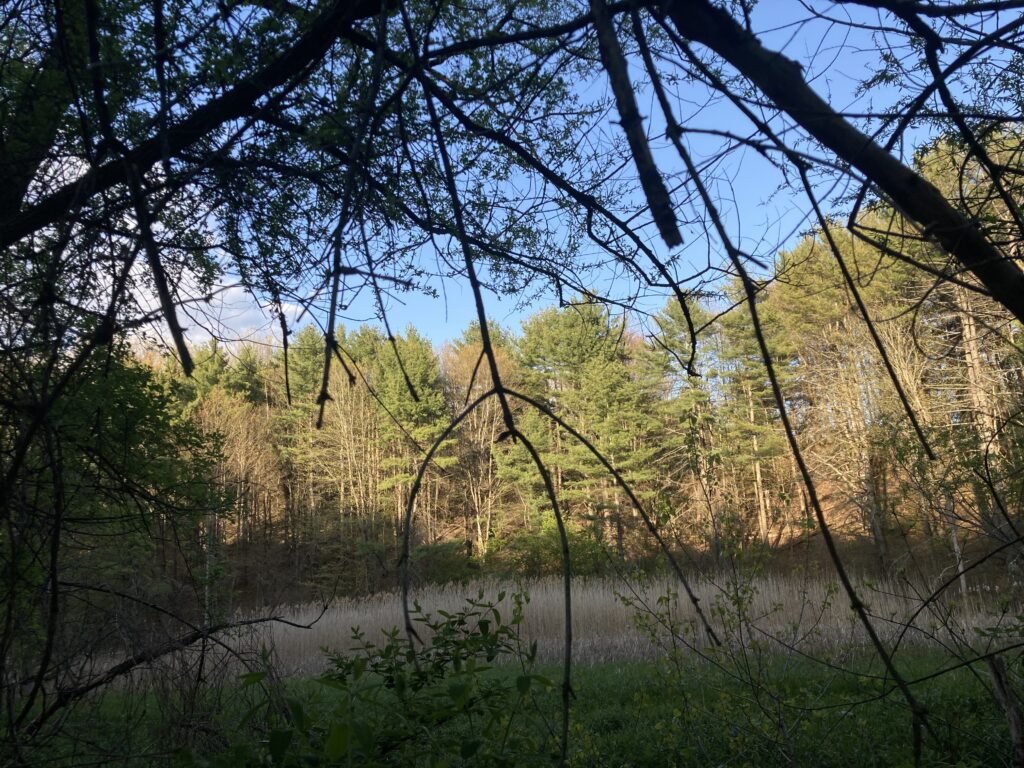
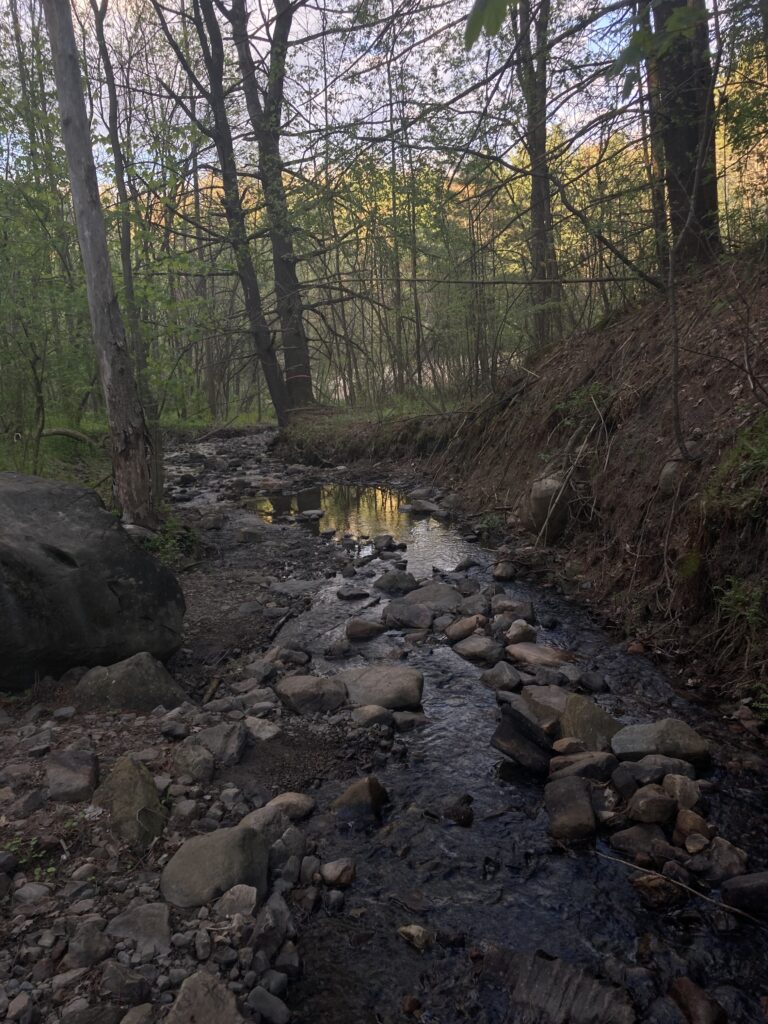
Sadly, I am going home in a couple days. While it will be nice to be back, I’m going to miss UVM a lot, especially my friends, including the trees. After visiting my phenology spot for the past few months, through many different weather events and temperatures, it feels like home. I’m definitely going to miss it, and all the changes that will continue to occur while spring turns to summer. I will be back at the end of August, and I plan on visiting Centennial right at the very beginning. I’m definitely planning on coming back to my phenology spot throughout the rest of my time at UVM, its such a nice spot to just exist and observe the natural world that is surrounding us. Nothing will be closer to hearing the trees speak than sitting among them peacefully, giving them an audience.

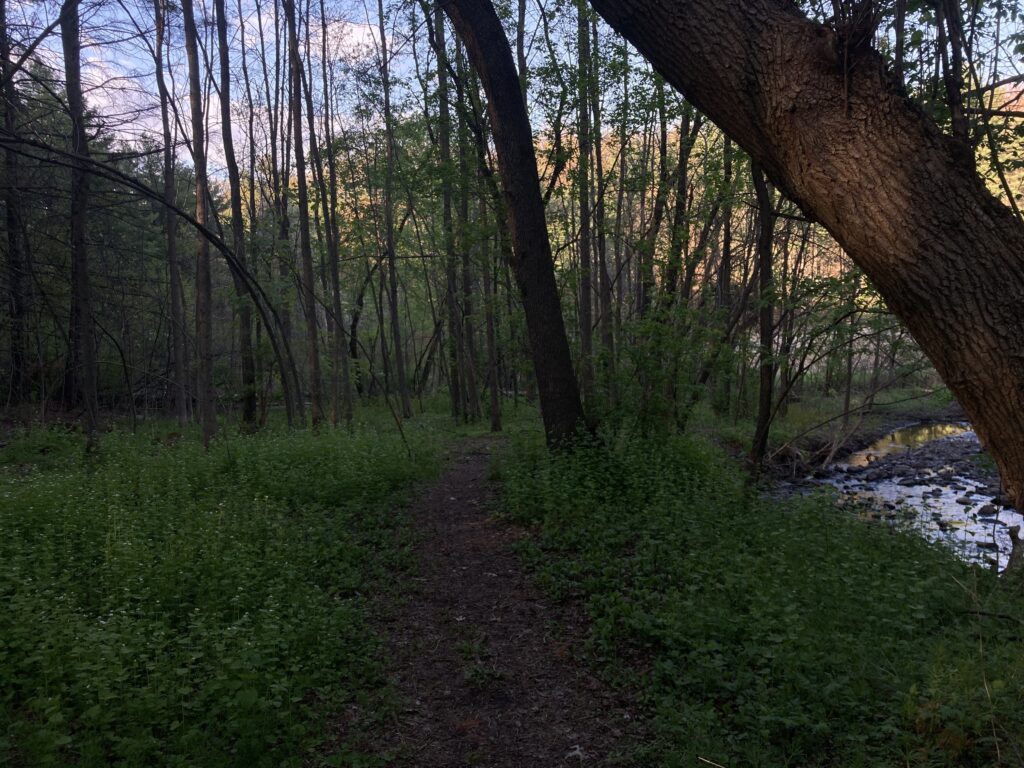
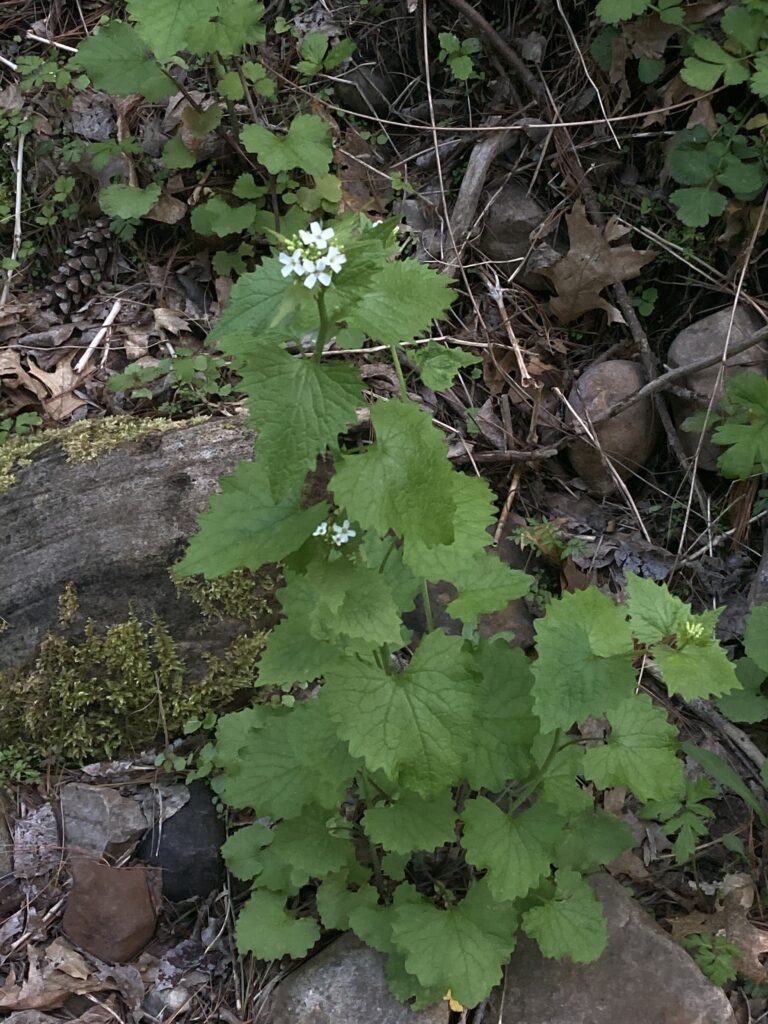
The Garlic Mustard that I noticed last time has popped up everywhere, and if you continue along the stream there is a section where the ground is completely covered and the path winds through knee-high mustard plants.

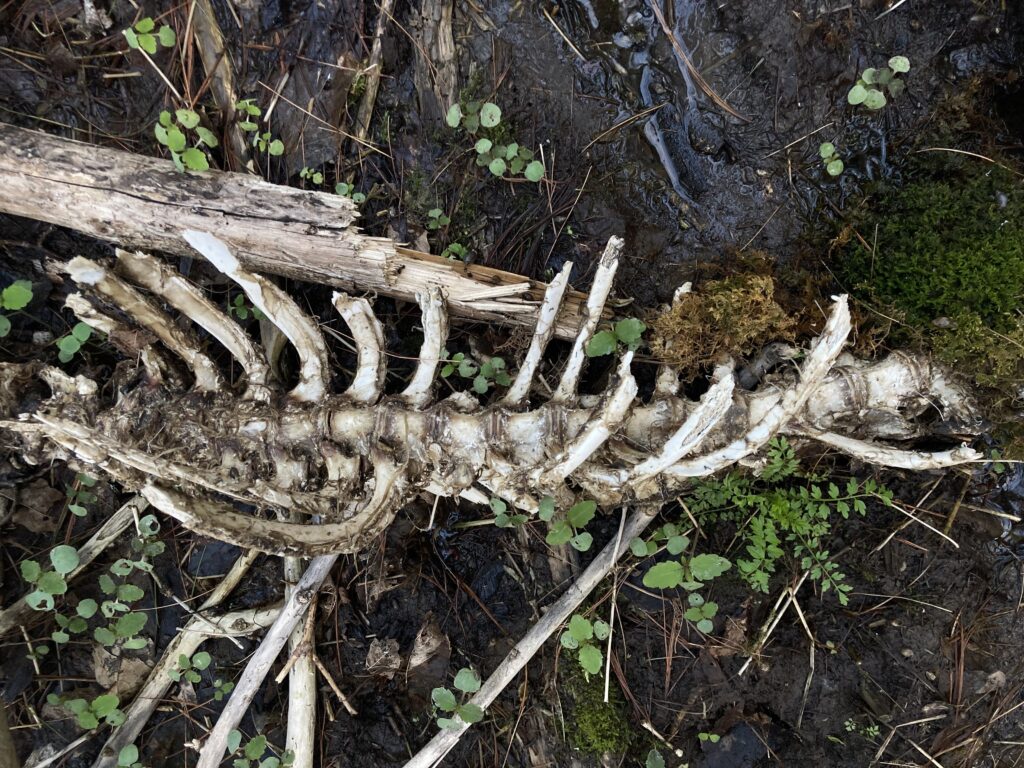
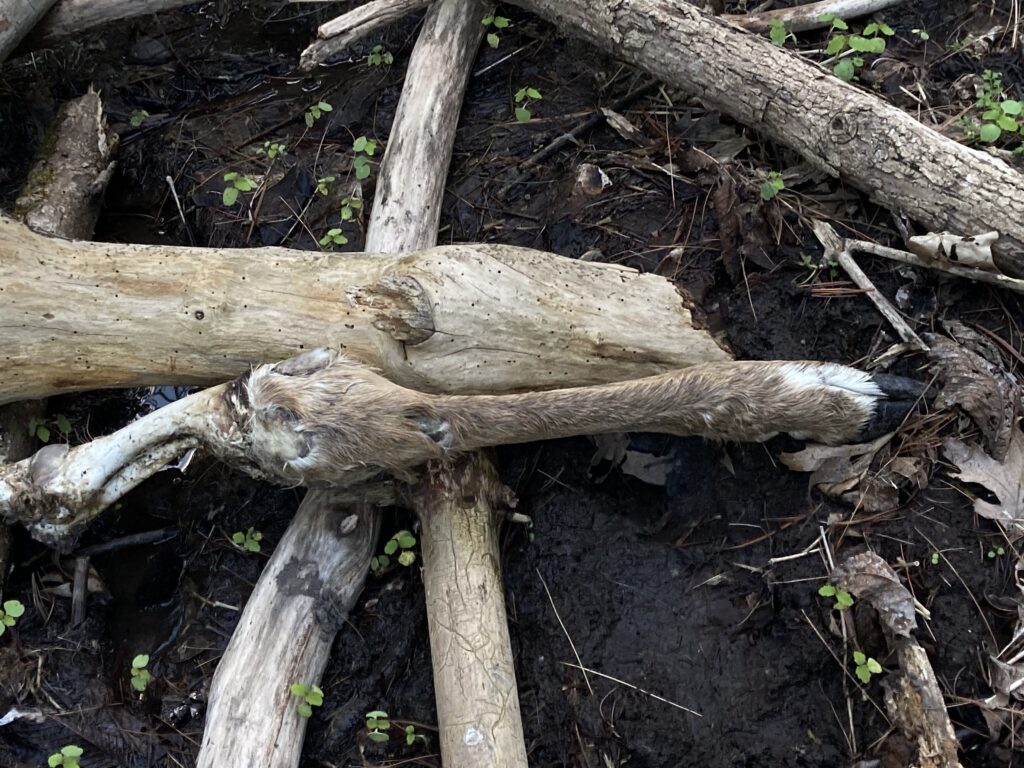
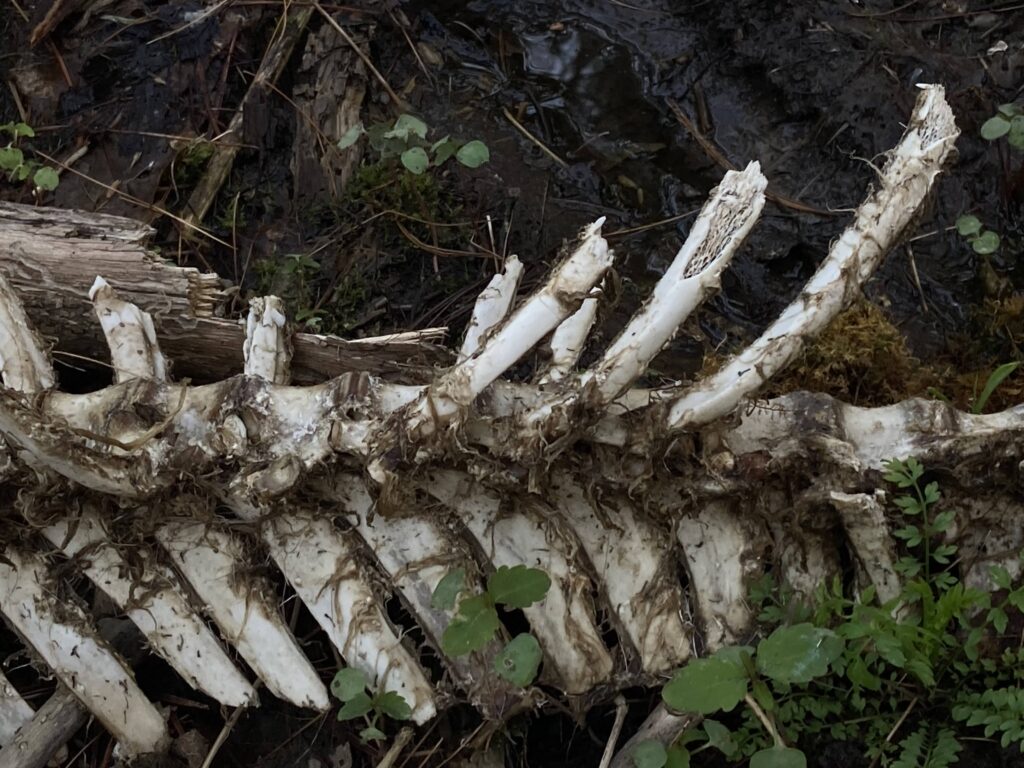
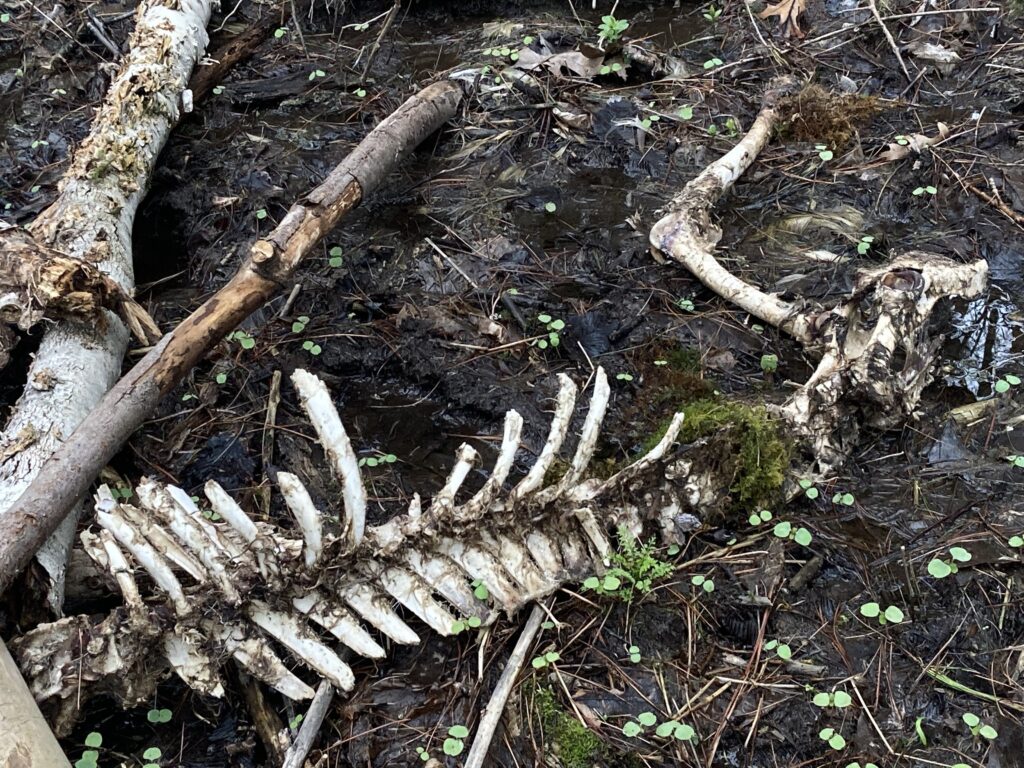
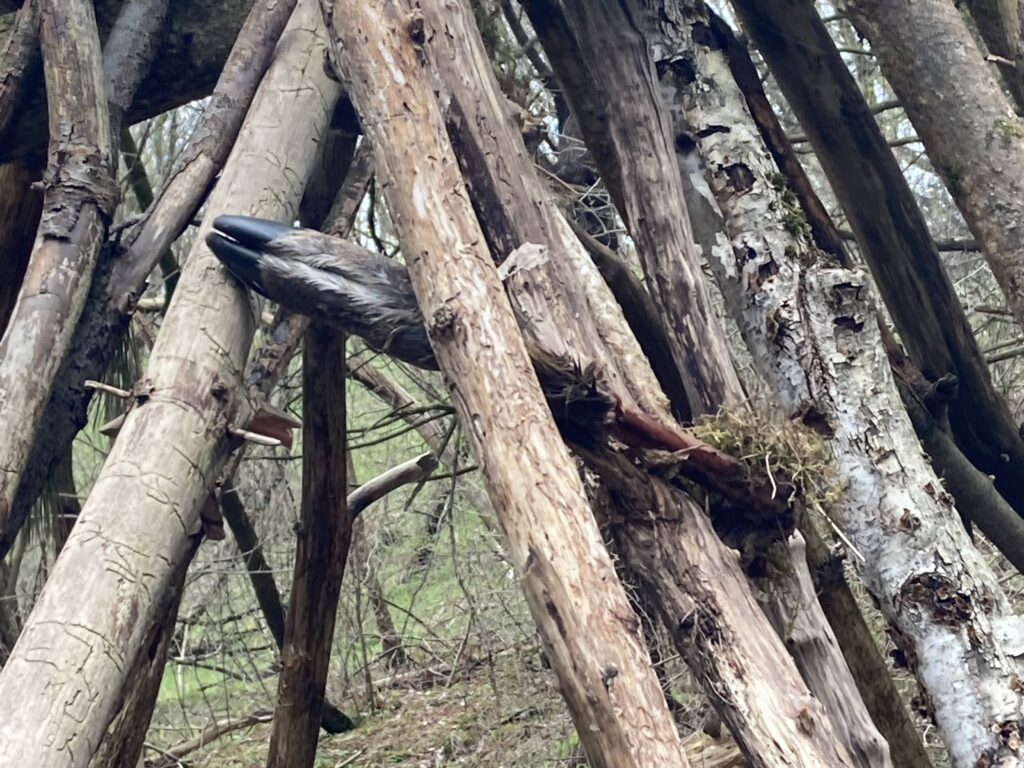
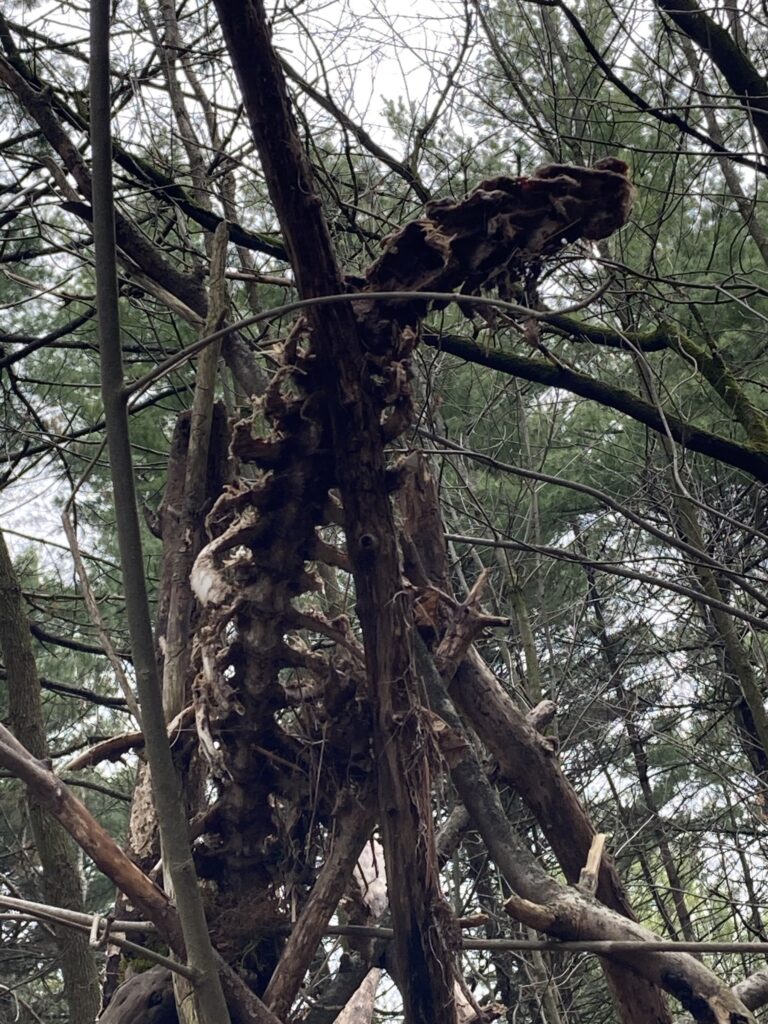
While I was looking at the deer skeleton, I noticed that the second leg with the hoof was also there, but it blended in with the branches which is why I missed it last time. Since the original time that I saw the bones, they have bleached and lost a lot of the moss that was present. It is still resting among the branches as it was the previous visit, silent and still. By the time I come back in late summer, it will most likely be gone, although only time will tell.
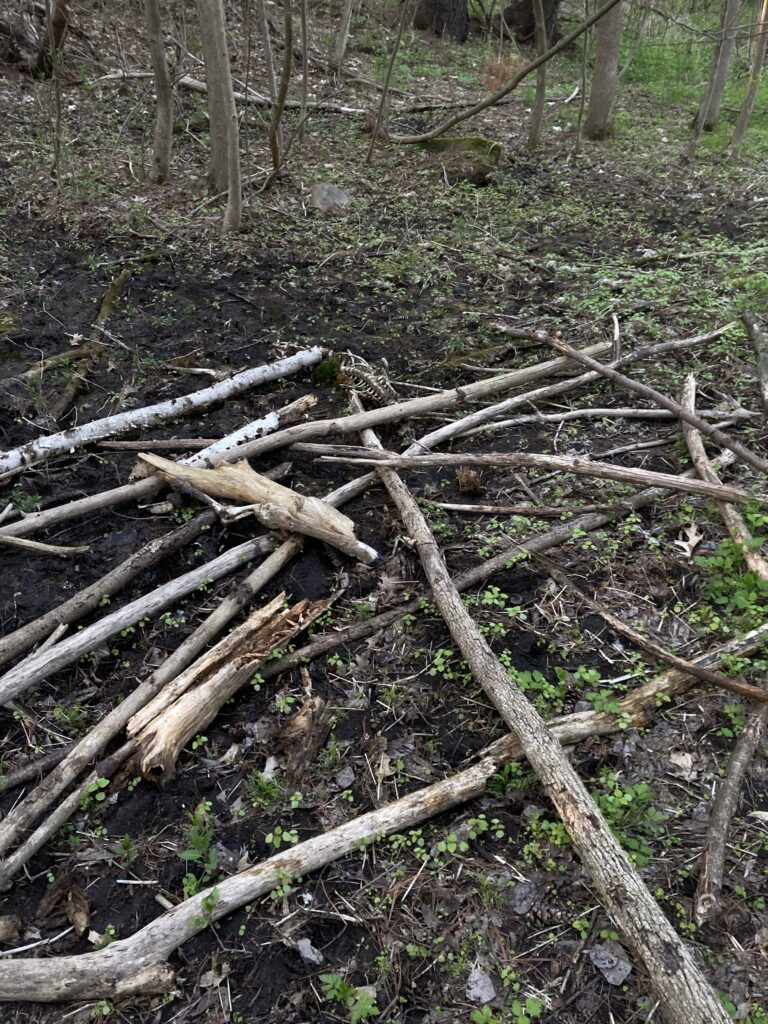
Another branch formation
Garlic Mustard!

City Nature Challenge 2021

Over the four days, I was working Friday, Saturday, and Sunday, as well as had a lot of assignments that needed completion. As such, the only day that I could really get out and observe was Monday. Before Monday I was able to make some observations, but the path I took to and from work (which is on campus) had me walking past the same plants over and over again, so I wasn’t seeing any new plants. Monday morning was the schoolwide walkout in support of survivors of sexual assault, and I took a few plant pictures along the way. That afternoon, my friend and I headed into Centennial Woods, home to my phenology spot and a wonderful natural place that is very close to campus. As we walked along the path, I took a picture of every plant I saw that weren’t grouped together. That way I didn’t just have thirty pictures of Eastern White pines that were growing next to each other, but I did end up finding a few clusters of Garlic Mustard (though I didn’t know what they were while I was taking pictures) throughout the woods, documented only once per area.

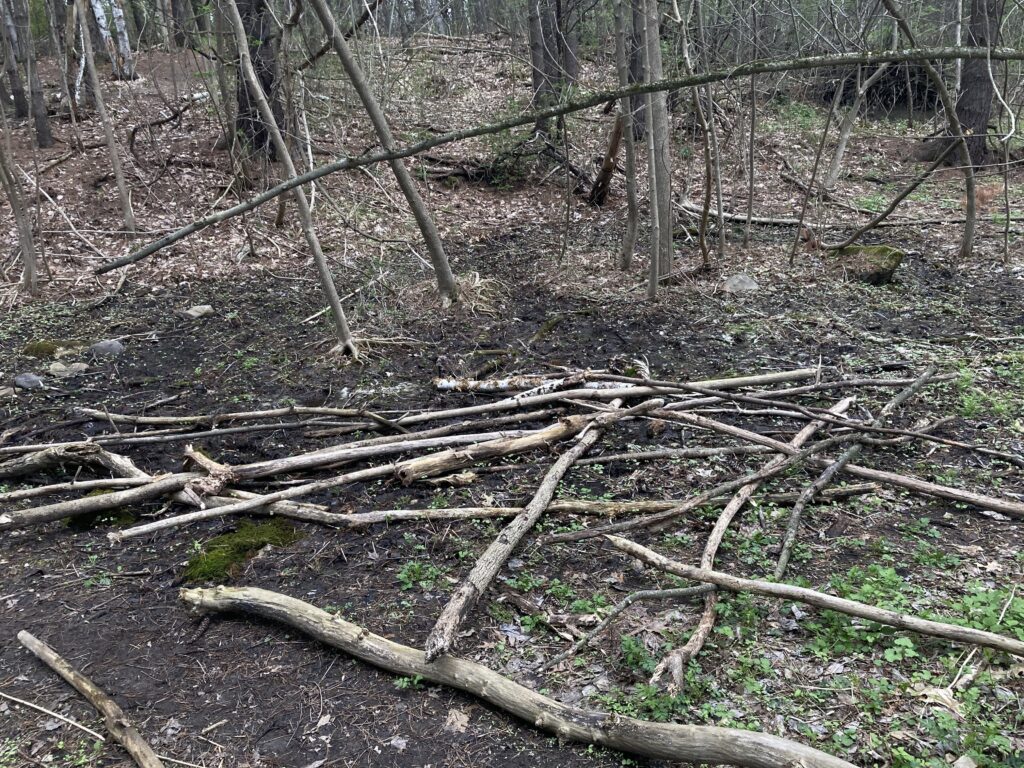
A storm perhaps?
White-Tailed Deer skeleton

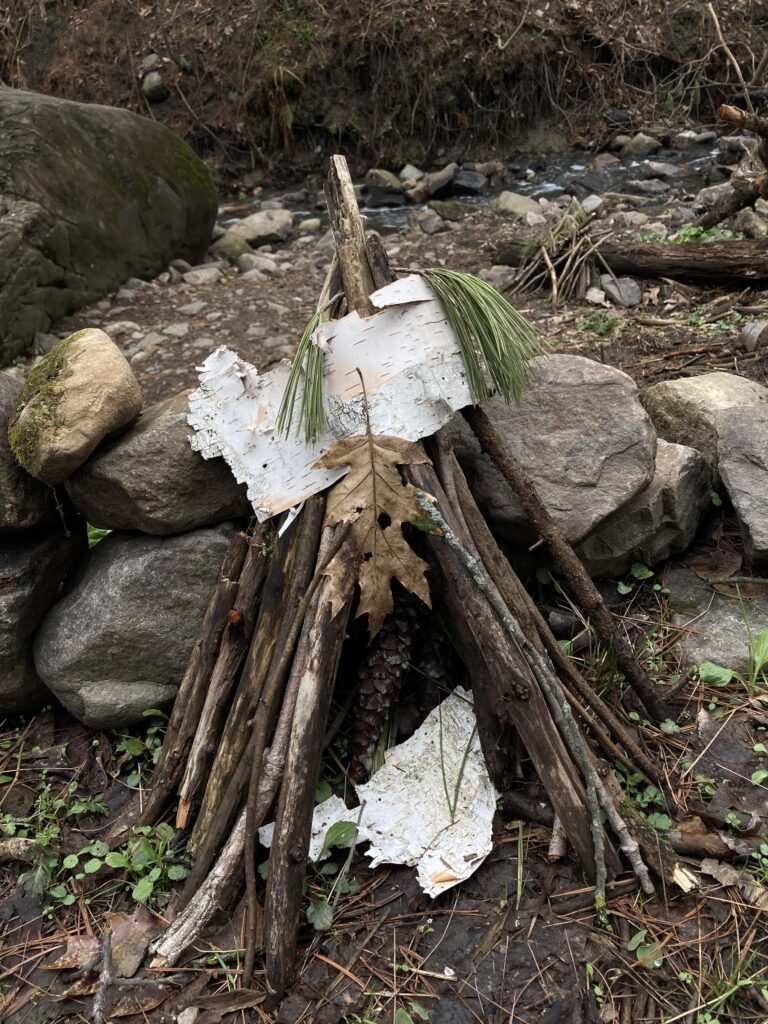
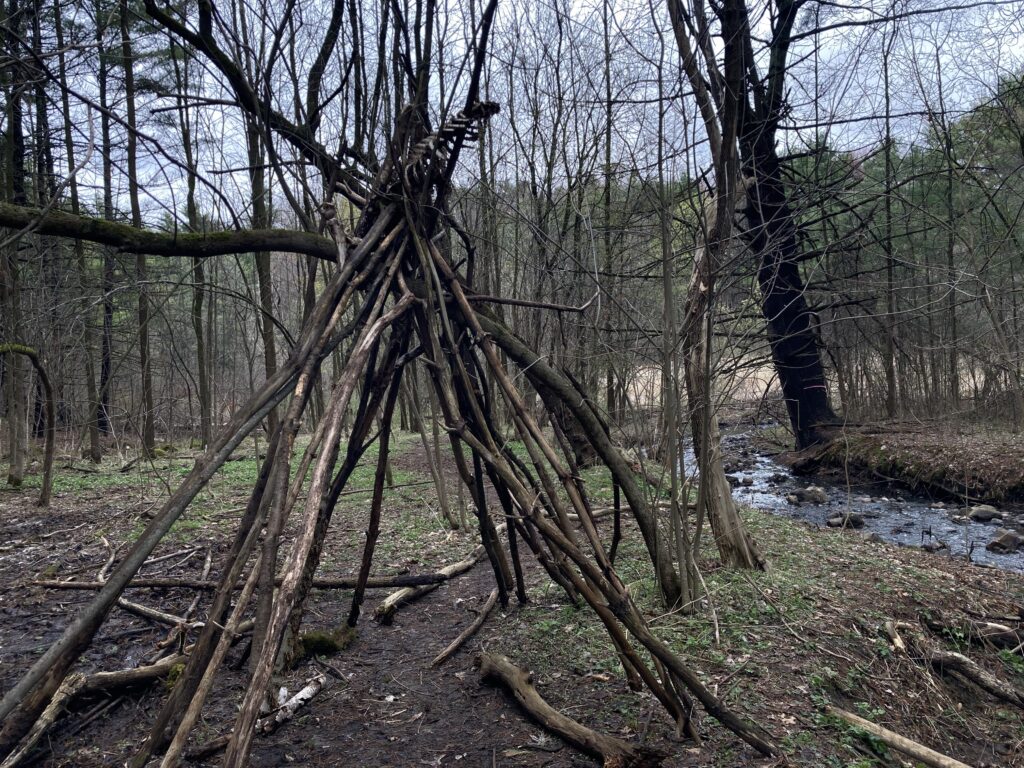
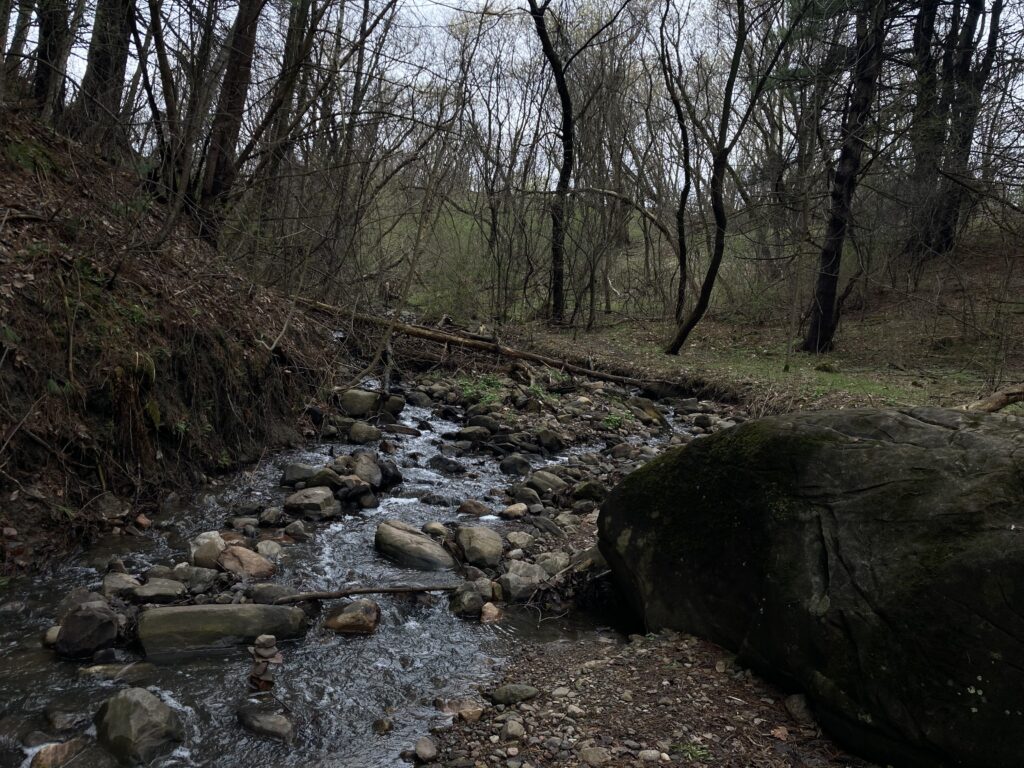
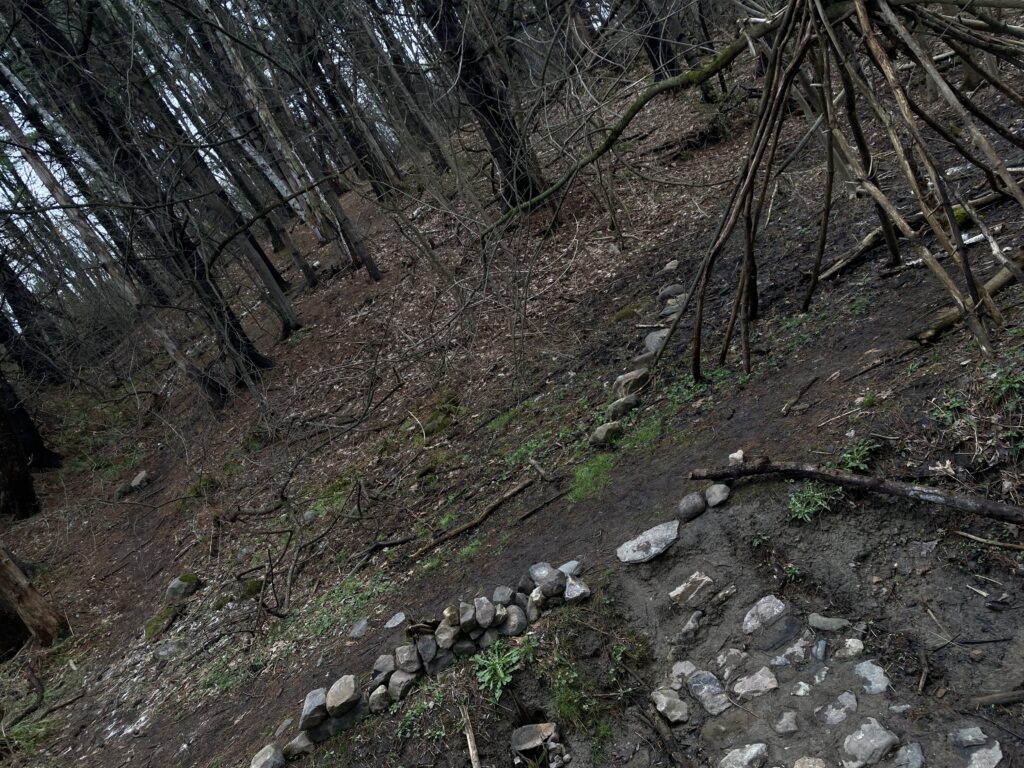
While we were in the woods, I stopped by my phenology spot by the stream, and as I was approaching it I could see that the branches from the previous visit had either fallen or been knocked over. Upon closer look, the deer spine and leg bone were now resting on the ground. Even though it was disheartening to see the branches strewn about, being able to look at the bones up close was really cool.

Using iNaturalist was fairly easy for me, what I did was take pictures through my phone’s camera (or you can use a camera camera) and then went back at a later time to upload all of the pictures to the app. It did take a fairly long time to input all the observations one by one, but other than that it worked pretty well 🙂 I am looking forward to next year’s City Nature Challenge, perhaps there can be a Rubenstein-wide competition.

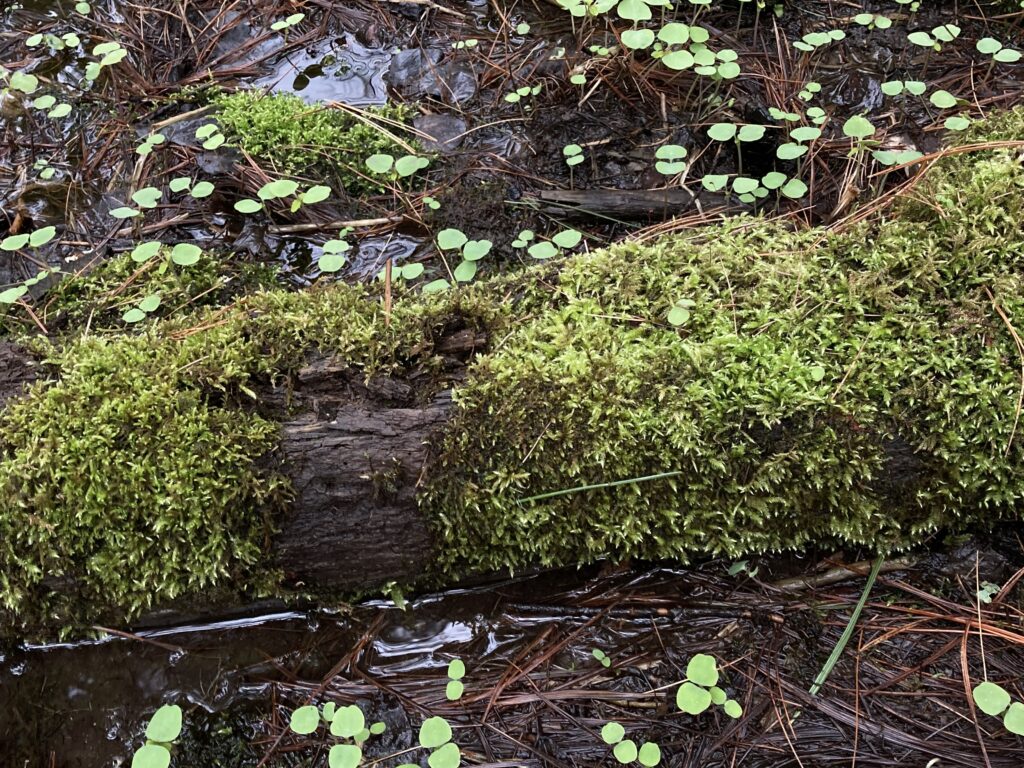
Red-stemmed Feather Moss
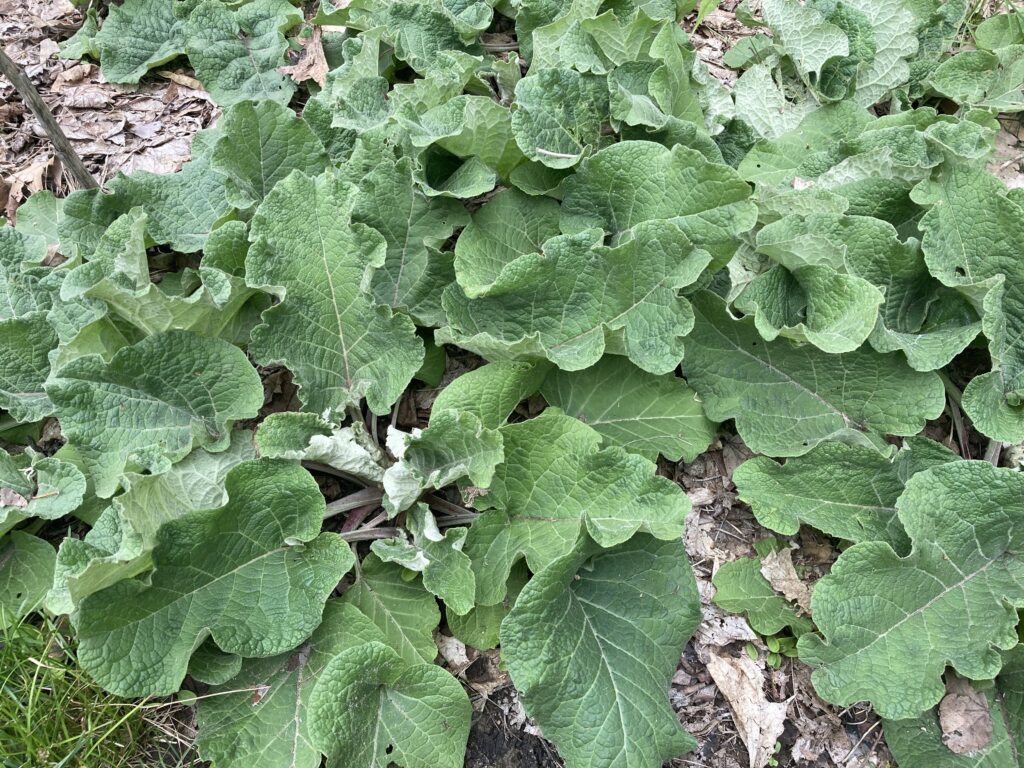
Lesser Burdock
Lady Fern

Spring in Centennial

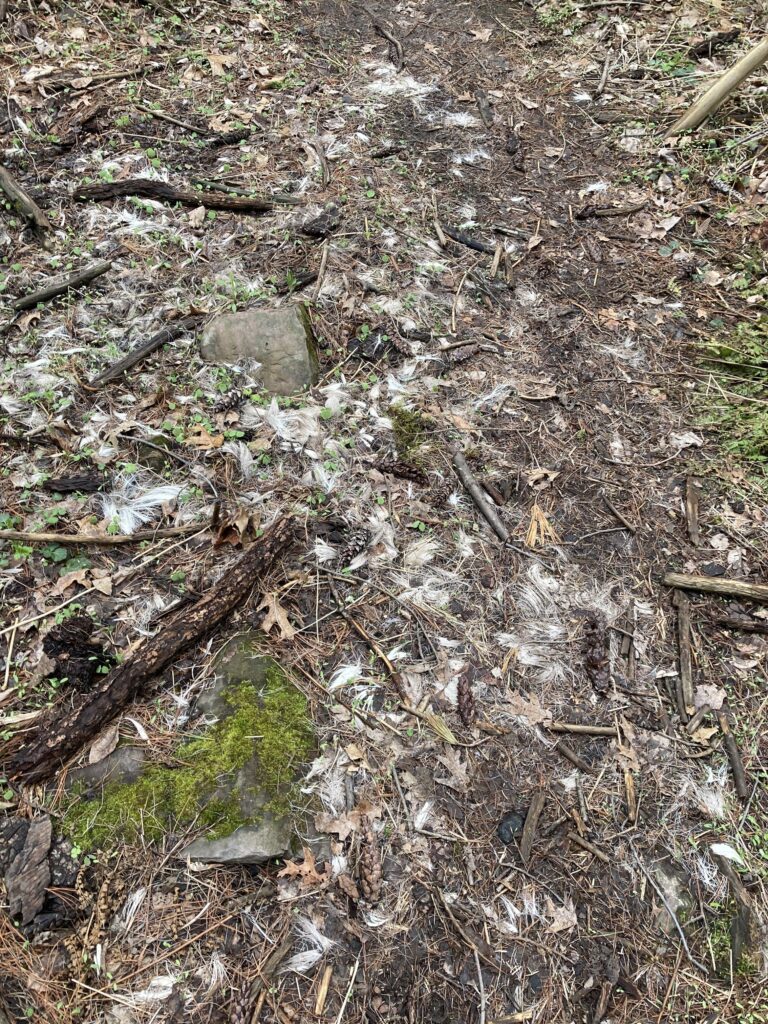
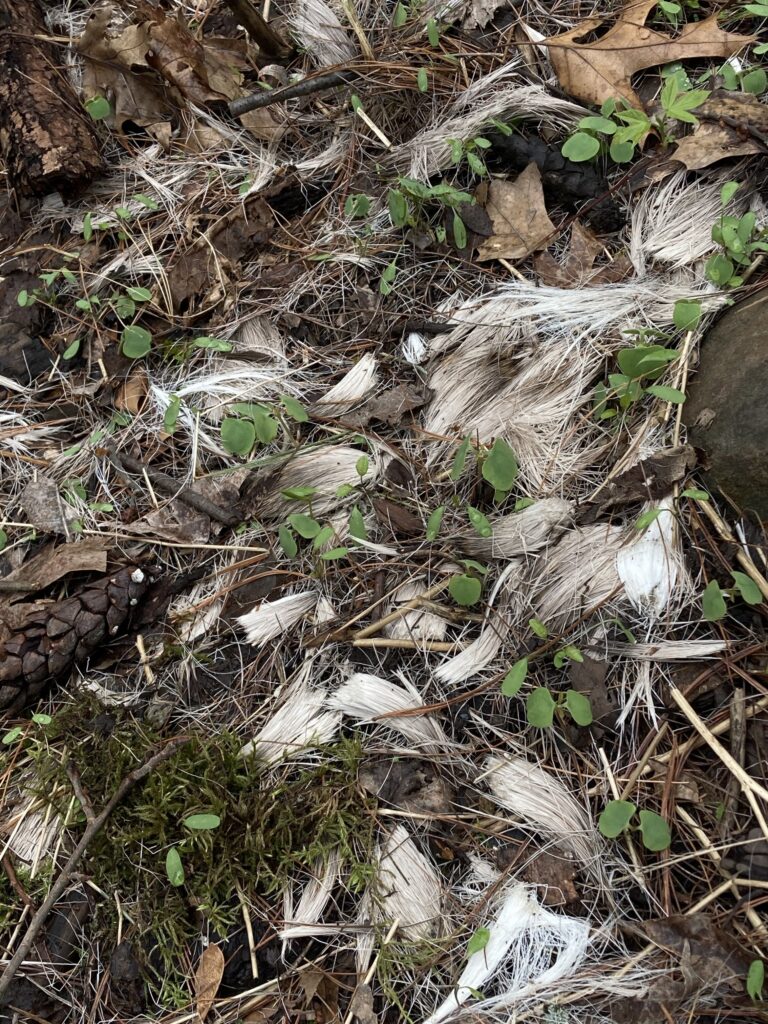
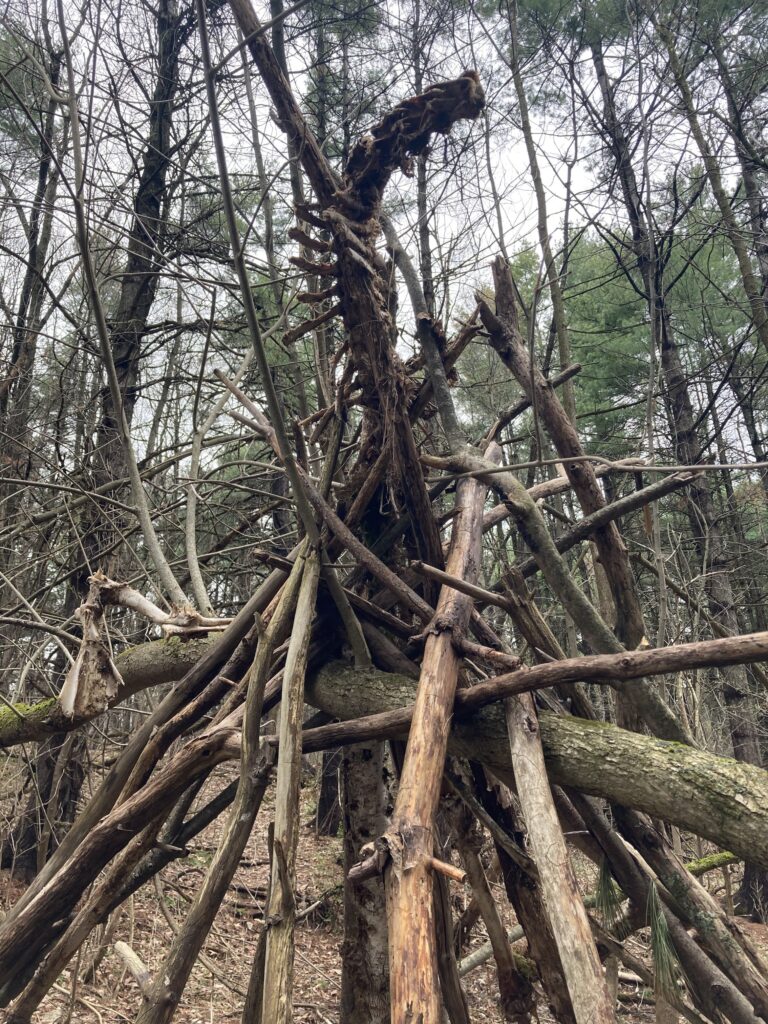
As I was approaching my spot, I noticed a lot of white fur scattered in a circle with a diameter of around six or so feet. The fur was in thick clumps and there was more scattered more lightly in a linear direction away from the original area. Slightly off of that line was a teepee-type formation of branches, at the top of which a deer spine and leg bones were perched. On March 21, one of the NR 2 students mentioned having seen a deer spine and hooves in Centennial, so it was killed some time before then. One of my friends had been to Centennial four days before me (mid April), and had seen the deer spine lying down the path (around where the second area of fur was) and not in the branches, which were also there when my friend was there. From this, my guess is that some animal (coyote?) killed the deer and ate it, leaving its bones behind some time before March 21, and they were still there when my friend visited (he said they were covered in moss, which I could see hanging off some of the bones), and then at some point during the four days between my friend going and my own visit, someone or something picked up the spine and legs and twisted them through the branches, wedging them in so that they didn’t fall out. I have talked to several people and a lot of them think it’s cool/interesting, but when I was there it felt very disconcerting and ominous, like something was going to come out of the trees for me. I did not pass through the branches, as I felt that was an entirely bad idea.

I could hear a lot of birds chirping overhead in the trees, although I didn’t see any.

Burlington Phenology

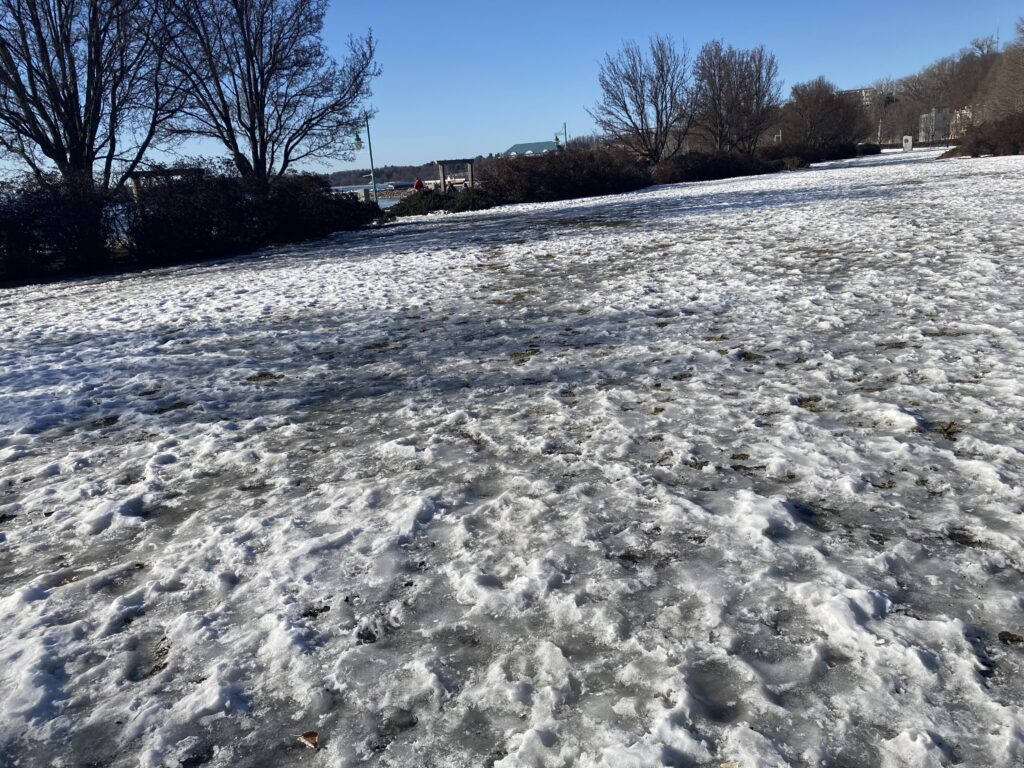
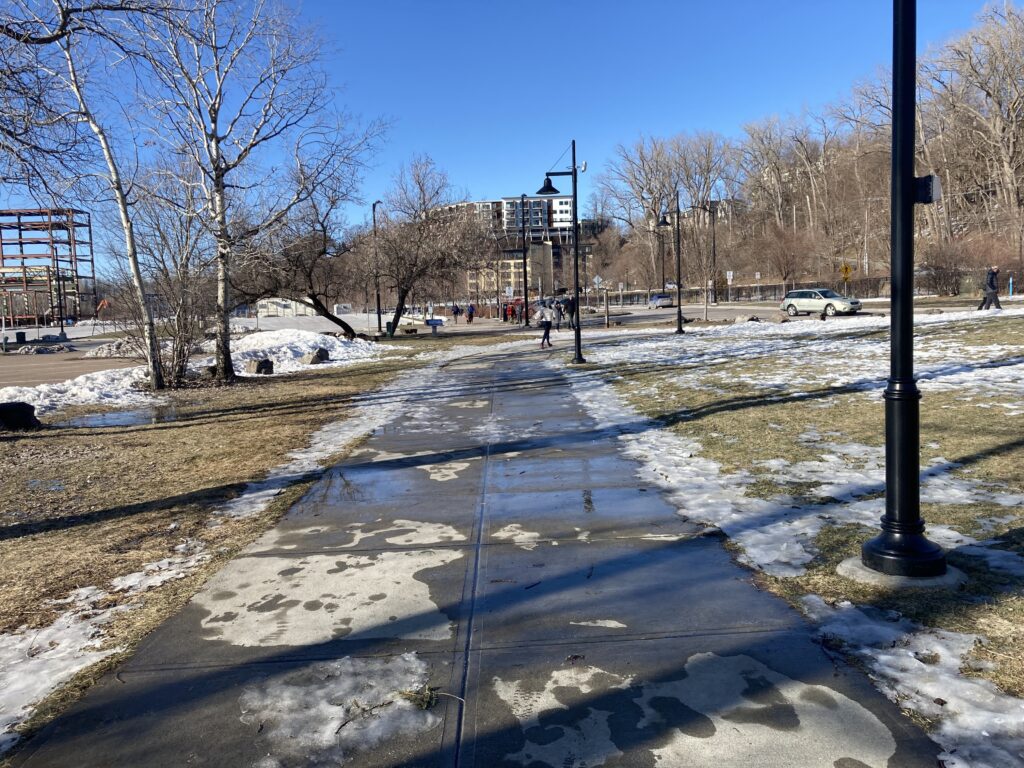
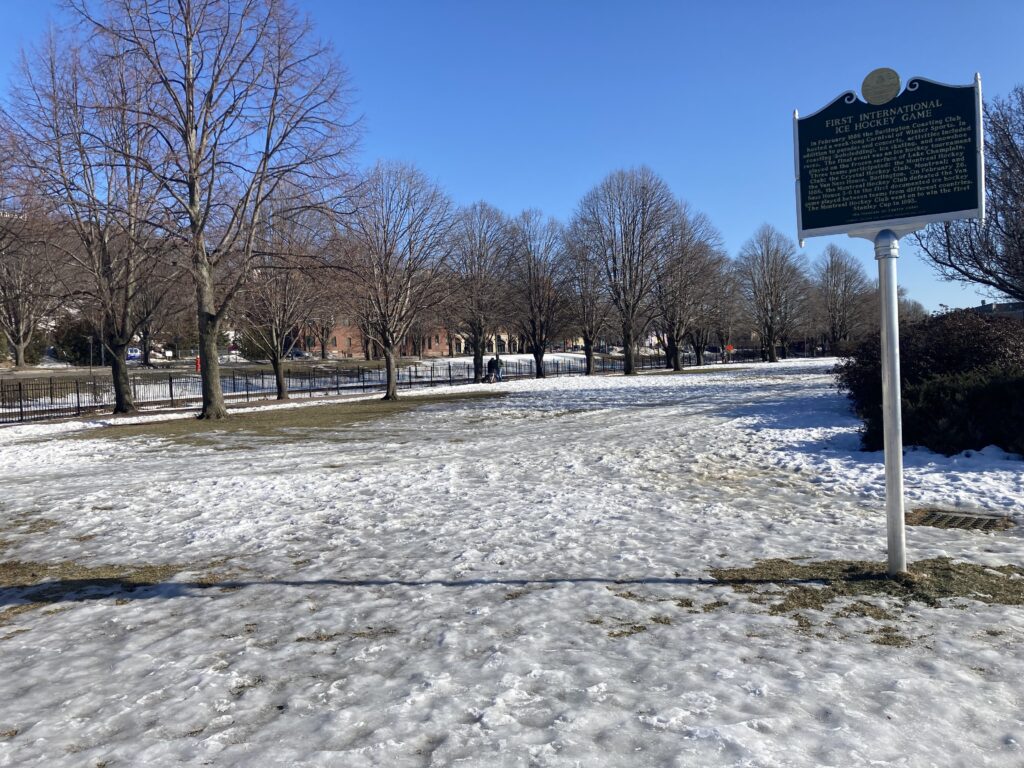
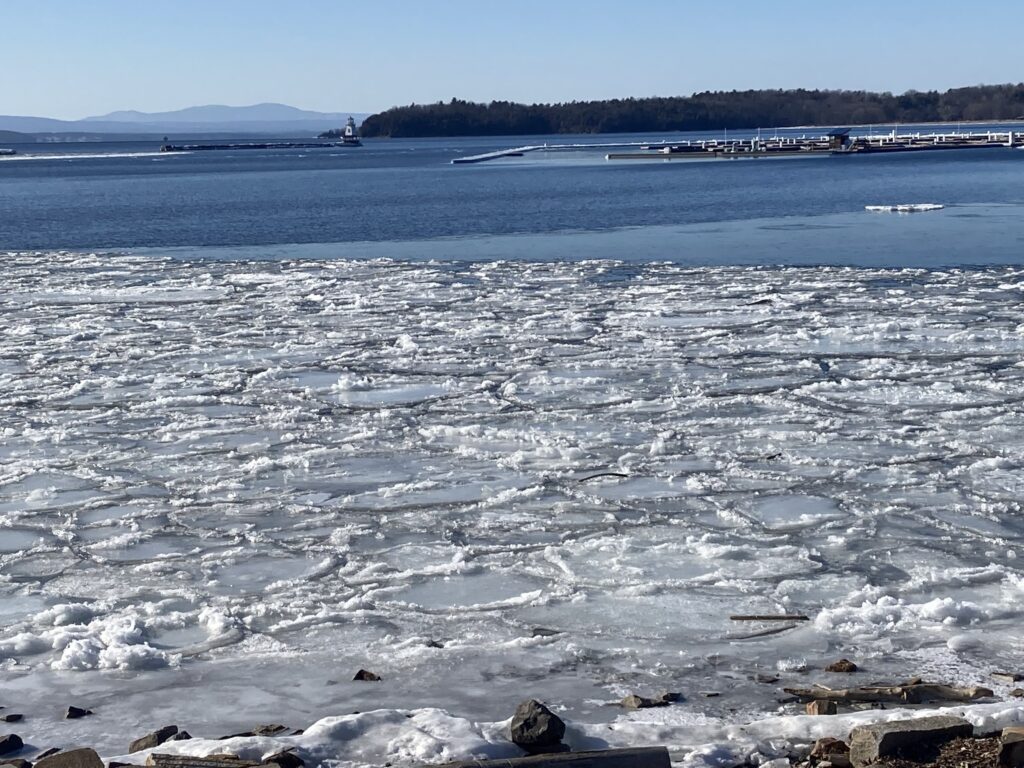
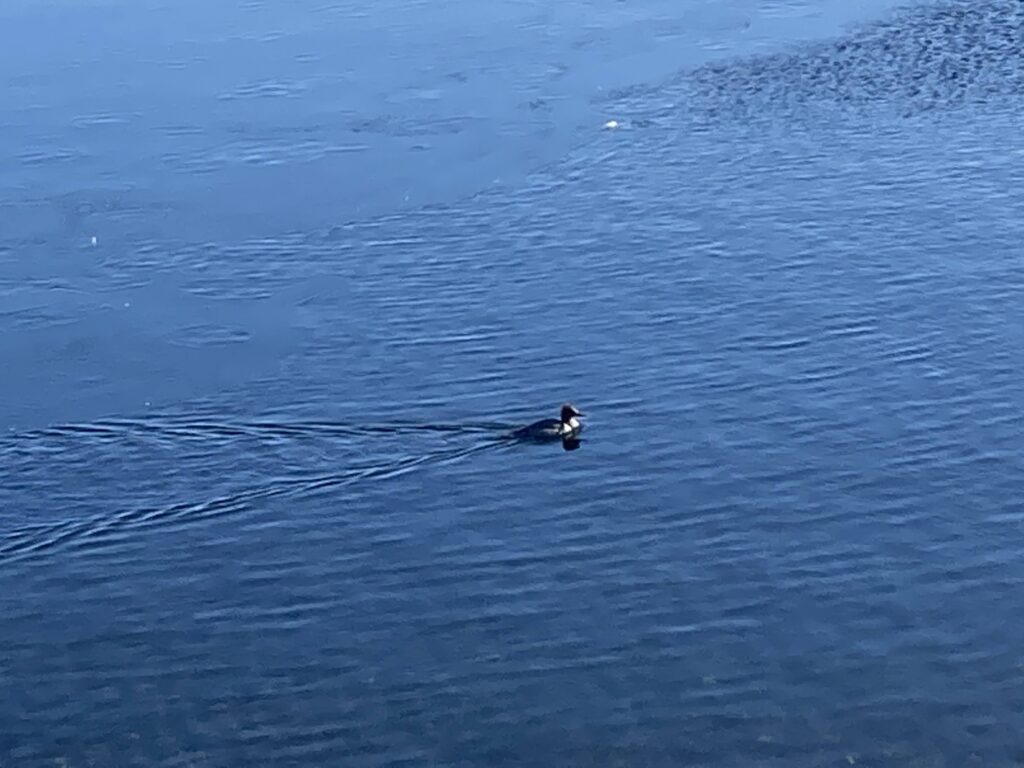
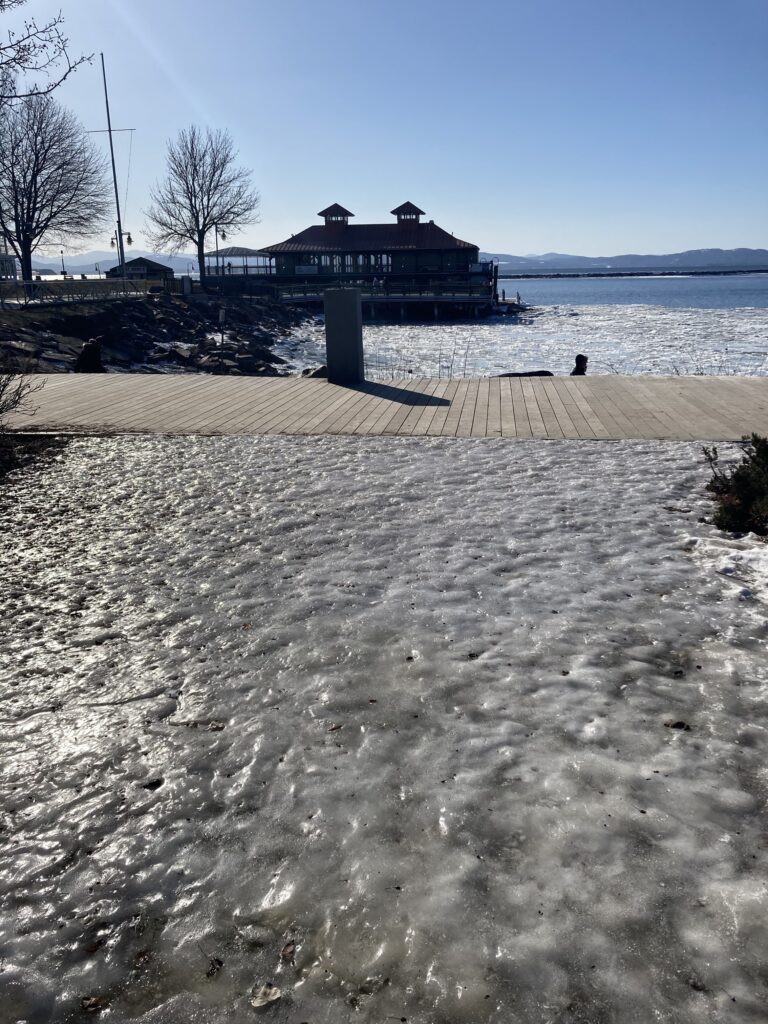
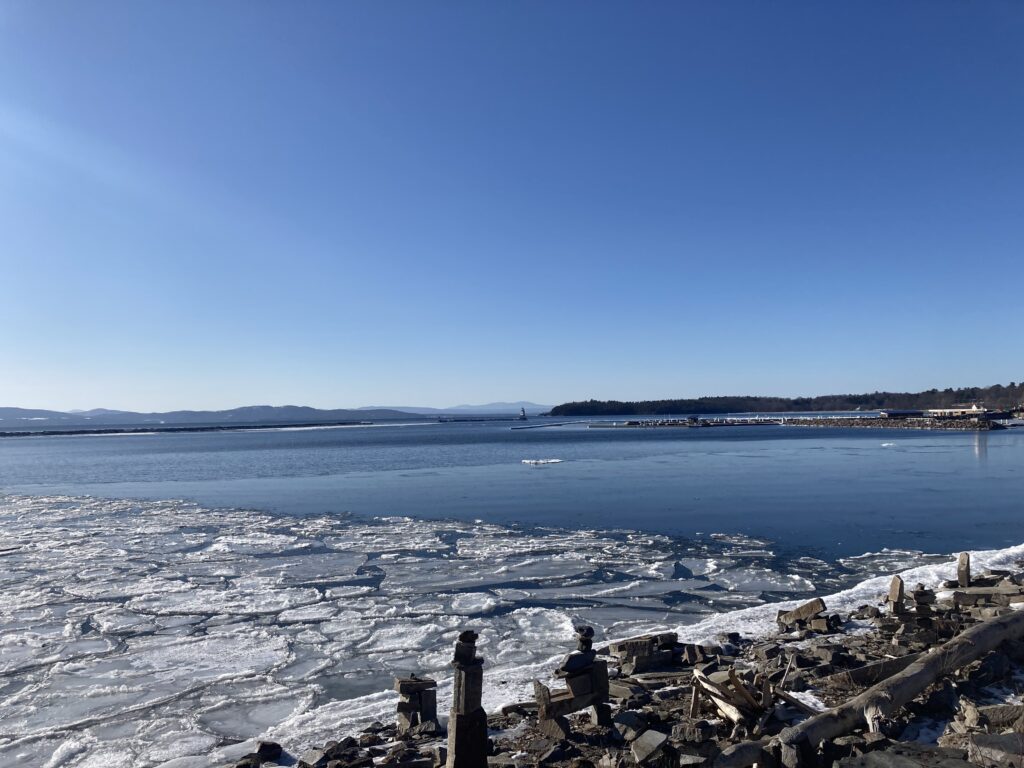
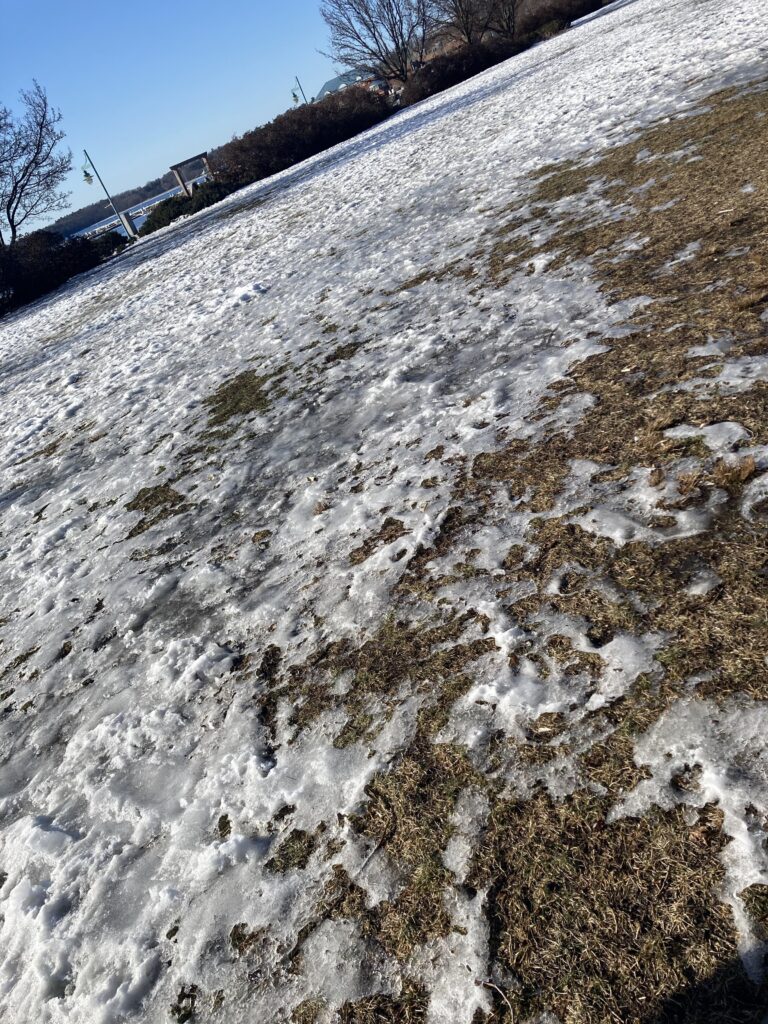
Walking down by Waterfront Park, there were tons of human and dog prints in the snow. As I walked down the bike path, I could hear birds chirping at one another, flying around in the trees. There was snow and ice along the ground, hardening in areas and flaking away and shattering in others. In some areas the ice was rippled, resembling water, but it was hard and slippery, so travelers beware. Sunlight filtered through the barren trees, lighting up the ground as people walked, biked, and ran along the path. On the way out, a couple of ducks could be spotted in the lake, swimming along and duck-ing (haha) their heads underwater. A lot of people were gathered at the skatepark, many of them were unmasked 🙁 but there was a lively atmosphere and some people were playing live music. A wonderful way to spend the afternoon, and I look forward to exploring Burlington more in the future.

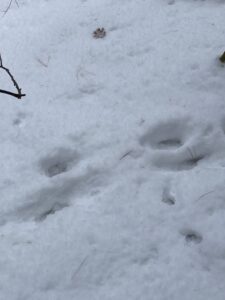
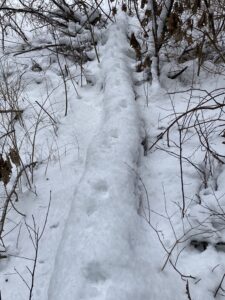
Wildlife Tracks

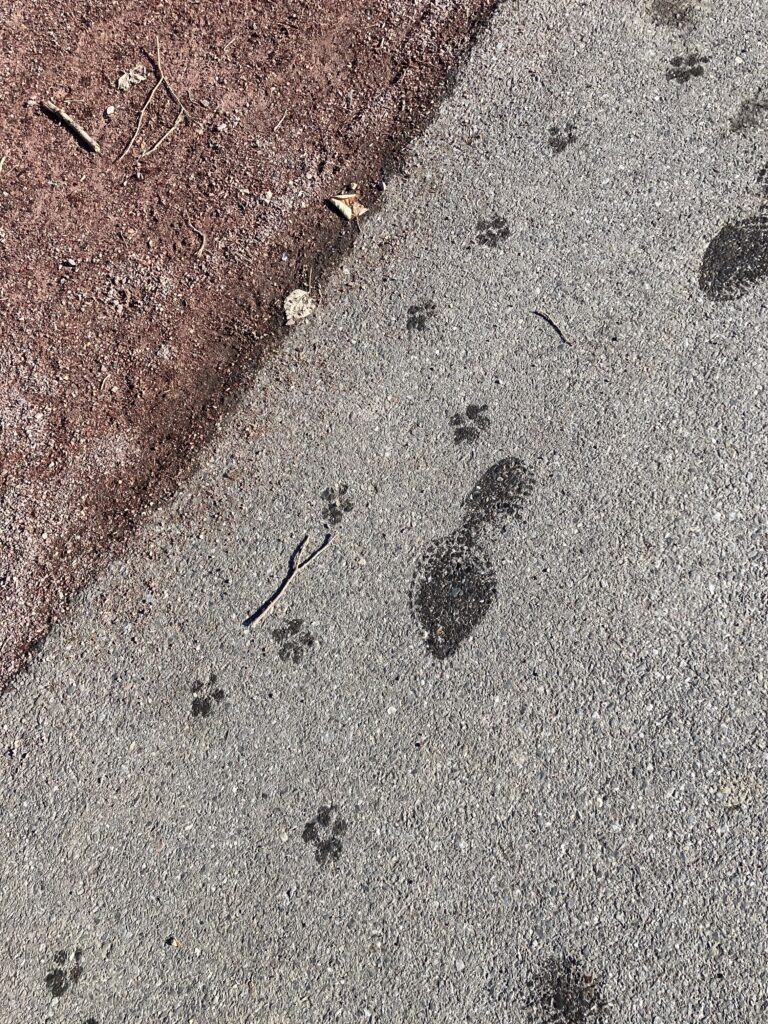
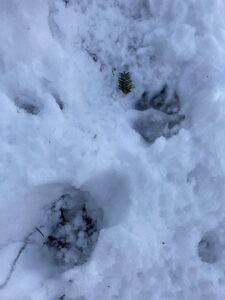
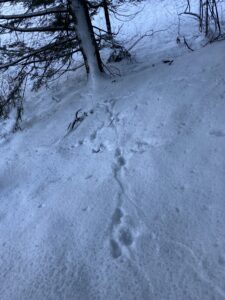
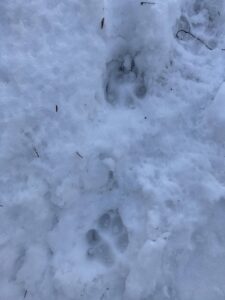
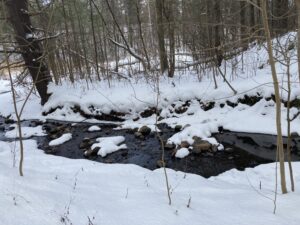
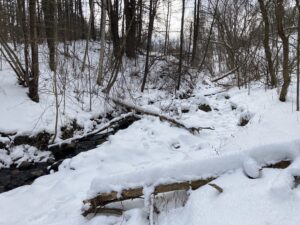
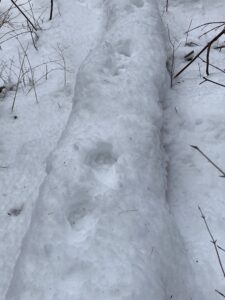
All throughout Centennial there are a bunch of human and dog footprints, which is to be expected. There were some other prints as well, one track running along a fallen tree which was kind of hard to make out. It could’ve been a dog but it may have been another animal; the paws line up instead of weaving in a zig-zag pattern. The other set of tracks is also kind of hard to see, but they’re not from a dog or humans. Since November, the last time I visited, all remaining deciduous trees have dropped their leaves, and the coniferous trees still have needles. There’s a bunch of snow everywhere, but the brook is flowing steadily, carrying any snow melt with it. While at my spot, I heard a bird or two in the trees above me, but other than that I didn’t see/hear any wildlife (except for a couple of dogs accompanied by hikers).

Sources

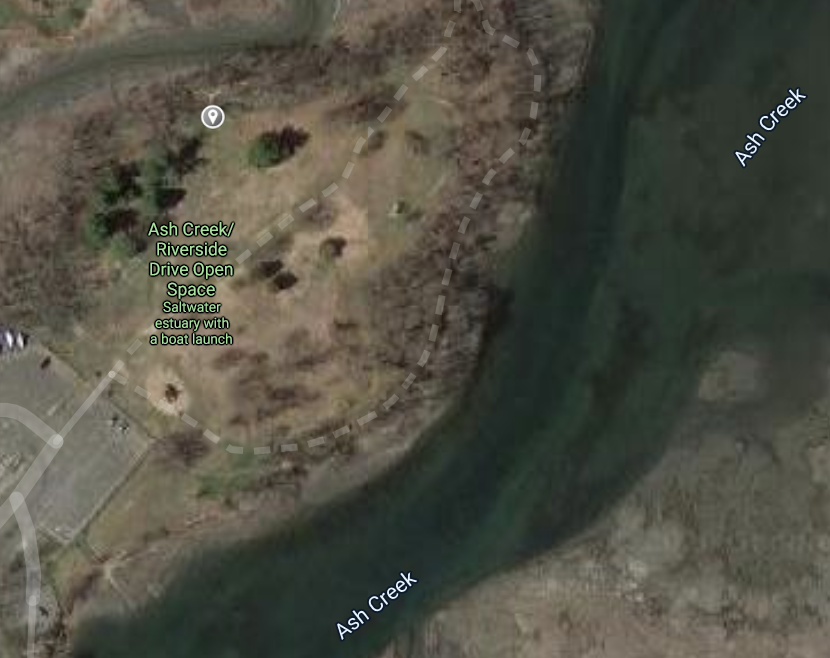
Google Maps. (2020). [Ash Creek. Fairfield, CT] [Satellite Map]. Retrieved November 29, 2020.

Google Maps. (2020). [Centennial Woods. Burlington, VT] [Satellite Map]. Retrieved October 11, 2020.

Ervin, L. (2020). Centennial Woods [Photograph]. Burlington, VT.

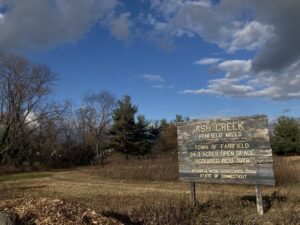
Ervin, L. (2020). Ash Creek [Photograph]. Fairfield, CT.

Land Use History

Everyone knows about the graffitied wall that was possibly a ROTC bunker. No one knows for sure what it was used for, although some think it could’ve been linked to the Green Mountain Boys. Other parts of the woods contain parts of an old ski lift, including a pole which supplied power to the lift, framework from the small shack, and parts of the mechanism. At some point in time the ski area fell victim to arsonists, and has been weathering away ever since. There were ski trails throughout the woods, but they’re now overgrown to the point that they’re indistinguishable. Several times walking on and off the trail, I saw signs of small fires that people had had at some point. Barbed wire can be found in the woods, remnants of dairy farming. It was largely used to keep cows and sheep in, and protected from any predators. The apartments to the left of the entrance to Centennial Woods are resting where an apple orchard once was. Centennial Woods was also once used as a dumping ground for UVM, with many different purposes. Materials from building the campus were dumped, along with oil, and even bodies from the medical center. All in all, Centennial Woods was used for many things, some of which can be seen today, while others have faded into the undergrowth.

Ash Creek

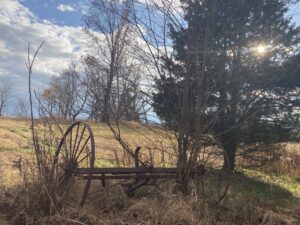
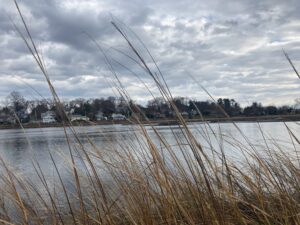
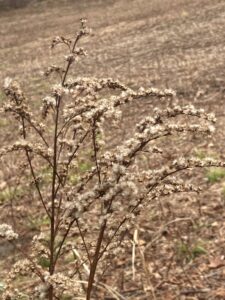
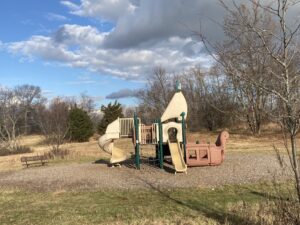
The place that I chose was Ash Creek, a natural area with trails running through it. I’ve been going there since I was a kid, since it’s pretty close to my house and I have a friend that lives right down the road as well. There is a playground at the very entrance to the area, where little kids will often play as their family watches, or after a picnic or walk. There’s also a long walkway with water on both sides that you can walk or bike along, and I’ve seen people fishing off the end occasionally in the summer. There is a boat launch that some people use, and there’s a marina that you can access from the other side of the creek, where people keep their boats in the water. While I was there this week, I found what looks like old farming equipment among the reeds, and in one part of the trail there were a bunch of empty cans 🙁 There’s a large water element to this location, it’s pretty much surrounded on all sides. There are a bunch of reeds everywhere, and the most common trees that I could find were Black Cherries, Norway Maples, and Eastern White Pines. My spot in Burlington also had a lot of Eastern White Pine and Norway Maples. There were also some Black Locust, Burning Bush, and Goldenrod in Ash Creek. The pines and the one cedar that I found were holding onto their needles, as were the Norway Maples holding their leaves, but almost everything else was bare. 
Event Map

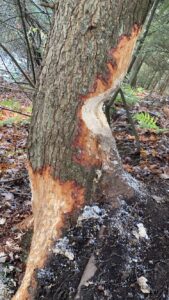
Beaver munched tree – opposite side of the Woods from my spot, down by the bridge in the swamp area

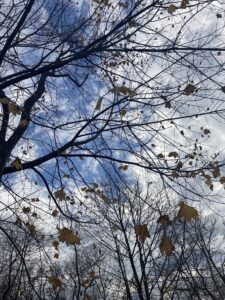
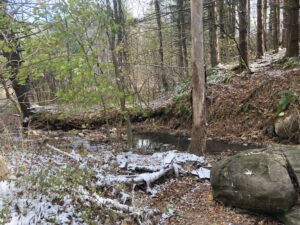
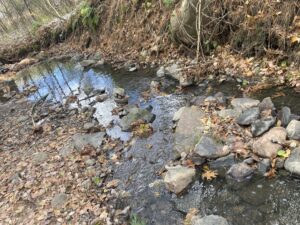
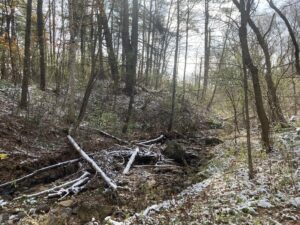
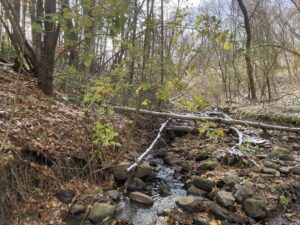
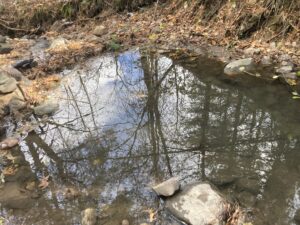
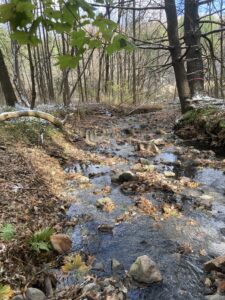
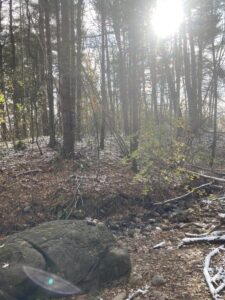
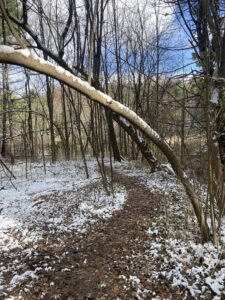
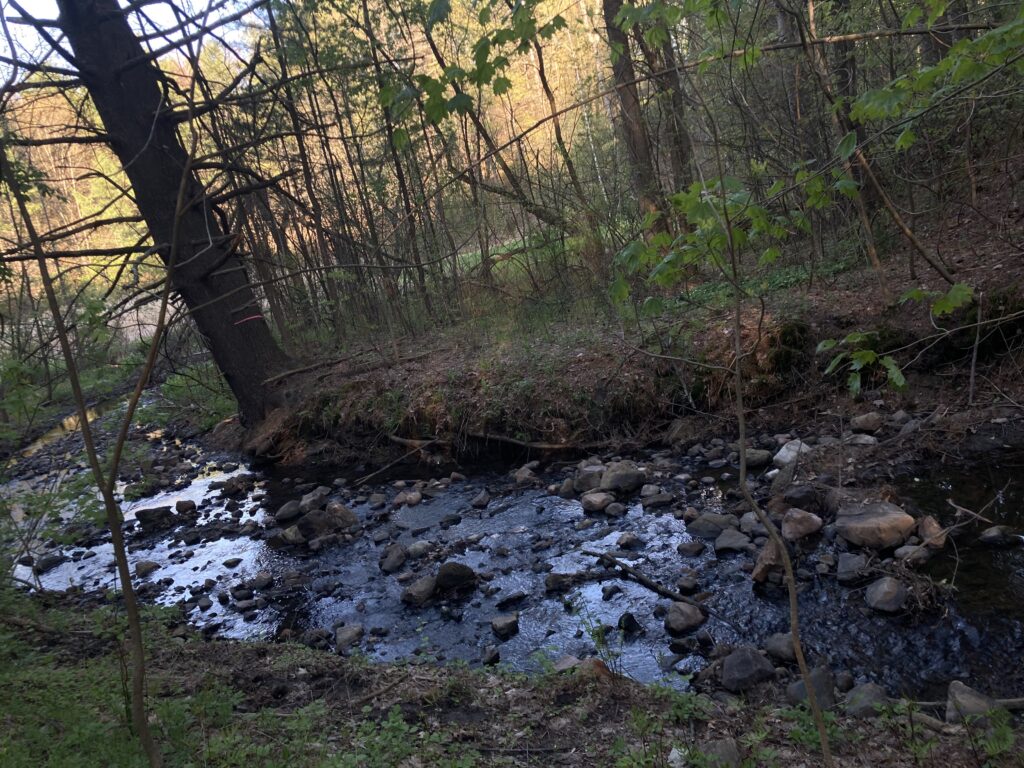
Last time I was at my Phenology Location, about half the trees still had their leaves on their branches; now the ground is littered with leaves and most of the trees are bare. The Norway Maples are holding onto their leaves, as are some Red Oaks. The Eastern White Pines still have all of their needles, of course. The little pool of water in the stream was more still than it was last time, but it was moving along all the same. This time there was also a light dusting of snow on the ground, courtesy of November in Vermont.

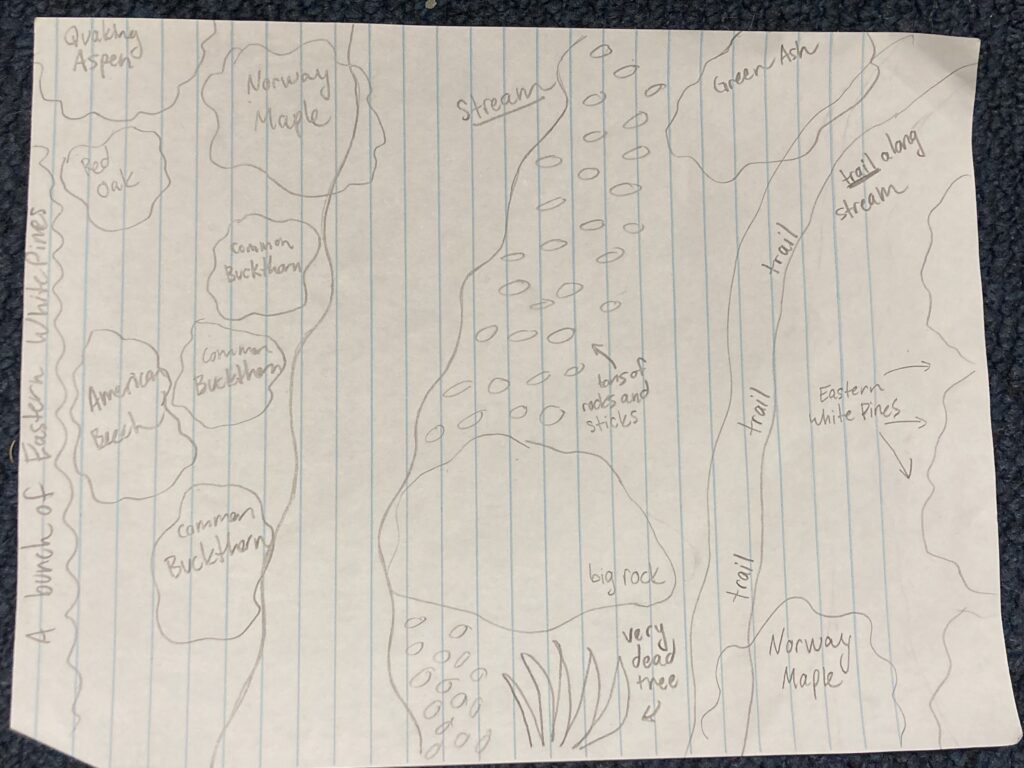
Bird’s Eye

A lot of leaves have fallen, leaving some trees almost barren, while others cling on to theirs, with the Eastern White Pines retaining almost all of their needles. The ground is carpeted with leaves, and they’re mostly yellow, green, and brown, with one strikingly orange white oak just before you get to my spot. The stream is flowing more steadily, up from a slow trickle, and doesn’t really have any stagnant sections. While I was sitting there, I heard a cicada buzzing, as well as several different birds, although I don’t know what types. When I first arrived I just barely saw a chipmunk dart across the rocks before disappearing.

Skip to toolbar