
Welcome to UVM Blogs. This is your first post. Edit or delete it, then start blogging!
Posts
The Economy of the Osa Peninsula
Chocolate
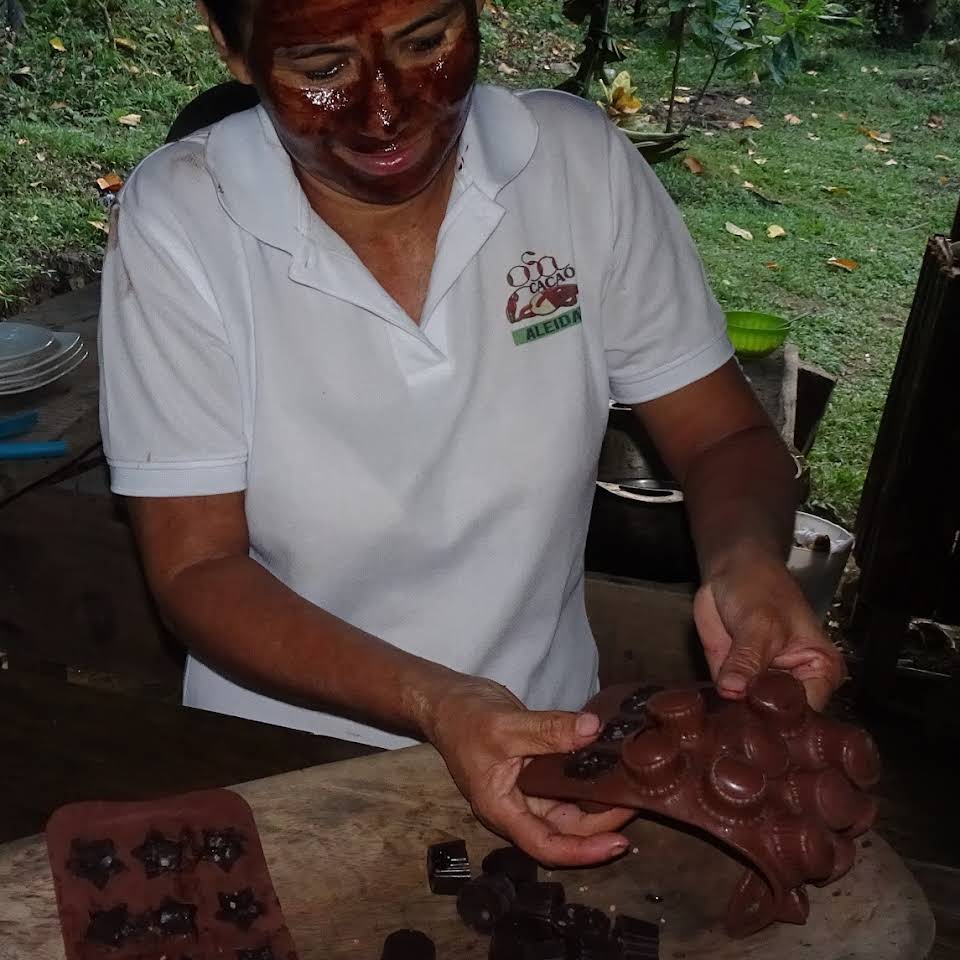
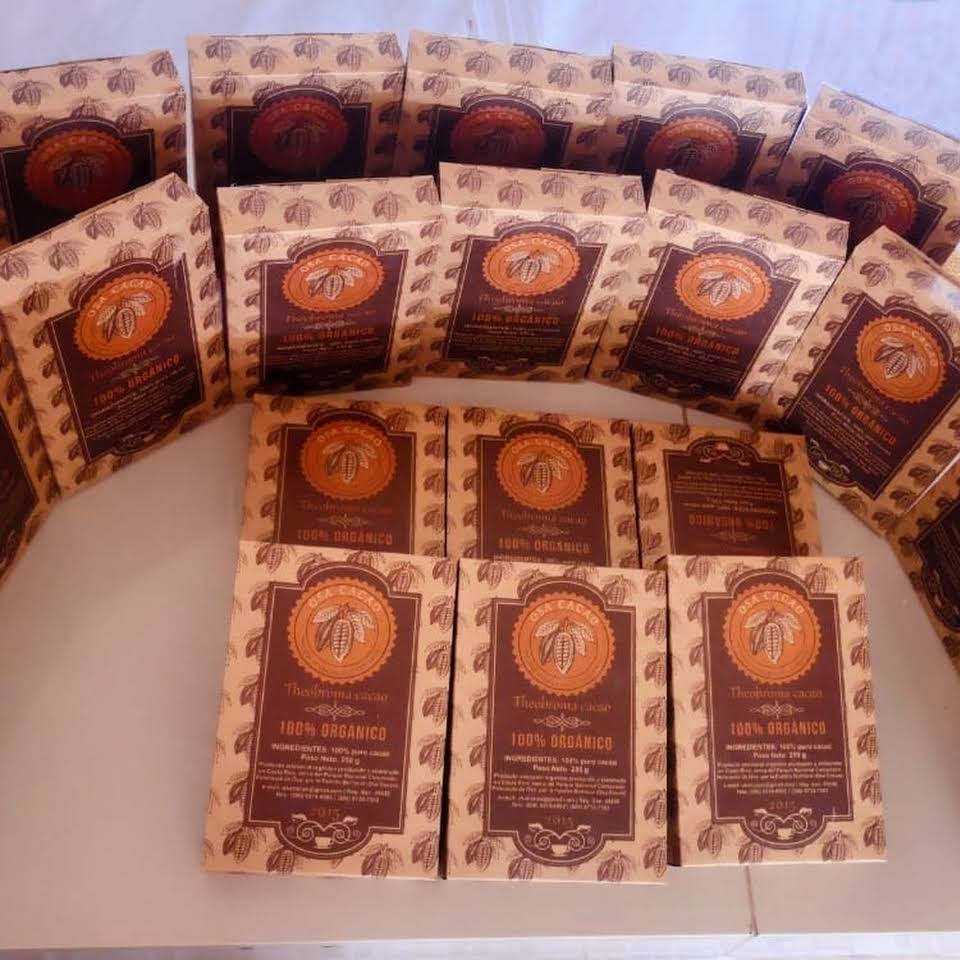
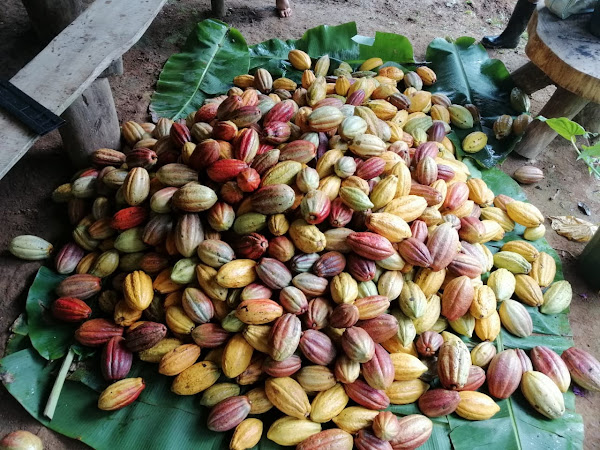
One popular and delicious export of the Osa Peninsula is chocolate. This delightful sweet does not just grow on trees however, that would be its main ingredient, cacao. These cacao beans, as pictured above, are harvested in the wet, shaded and humid regions of the world, making the Osa a perfect place for production. This crop has had significant cultural and spiritual impact for centuries, with indigenous communities reaping the nutritional and medicinal qualities of the plant. Small-scale, family farms grow trees in plots and then harvest and process the beans by hand. The beans are fermented after harvest and then dried to be roasted in the stove. The next steps are winnowing and crushing the beans into a powder. The last step is the tempering process which is where the chocolate we know and love truly takes shape. This is where the nutritional value can be added to the product. Tourism is an important way to add value to this product as many farms on the Osa promote chocolate tours where visitors can even make their own chocolate! Places like Estacion chocolate in Puerto Jiménez are a prime example of an organic farm on the Osa which utilizes tourism to make their chocolate all the more special. Many places on the Osa sell their chocolate to Costa Rica’s main distributor, Sibo Chocolate.
Farley, S. (n.d.). Learn to make chocolate on Nicuesa Lodge Cacao Tour. Playa Nicuesa Rainforest Lodge – Puerto Jimenez, Osa Peninsula. https://www.nicuesalodge.com/blog/learn-to-make-chocolate-on-nicuesa-lodge-cacao-tour
Farley, S. (2013, July 1). Chocolate: Food of the gods in Costa Rica. Enchanting Costa Rica. https://enchanting-costarica.com/nature-and-adventures/chocolate-food-of-the-gods-in-costa-rica/
Osa Cacao Chocolate Factory. (n.d.). Osa Cacao Chocolate Factory – Organic Farm Tours. Chocolate Cafe in Puerto Jiménez. https://osa-cacao-chocolate.business.site/
Sibo Chocolate. (2022, December 1). Costa Rican chocolate. https://sibochocolate.com/costa-rican-chocolate/
Rice
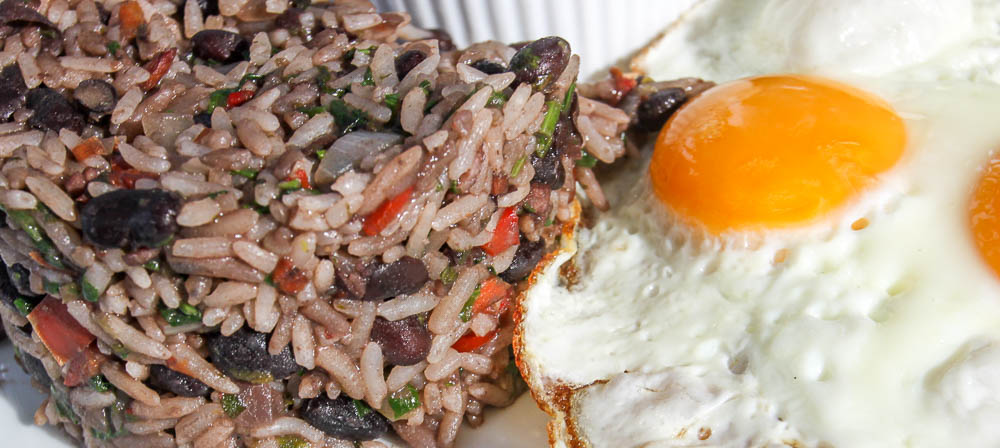
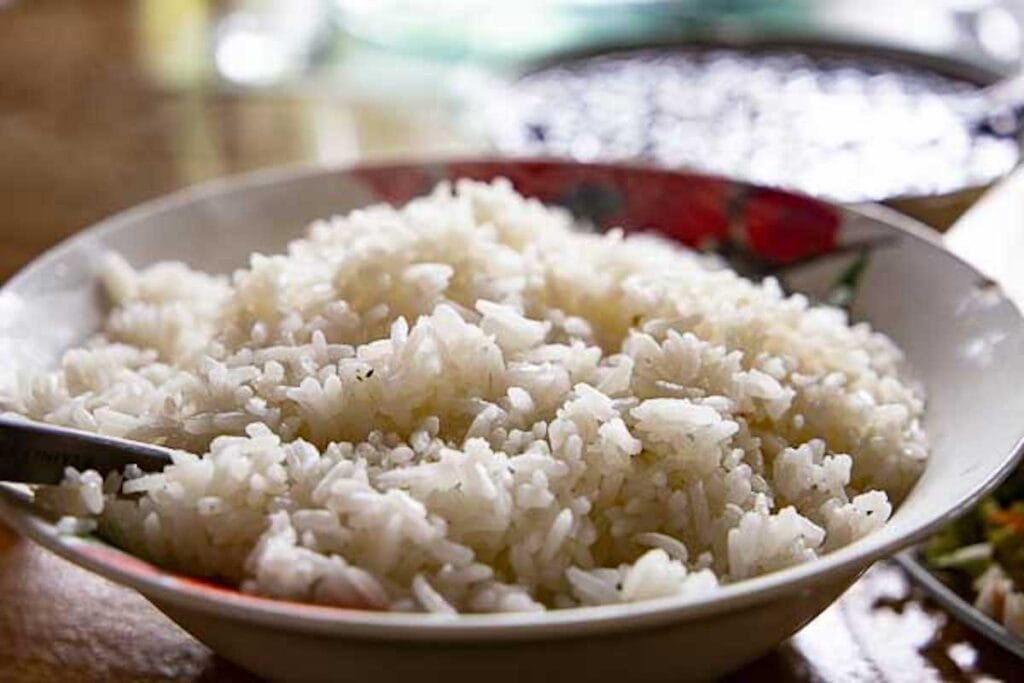
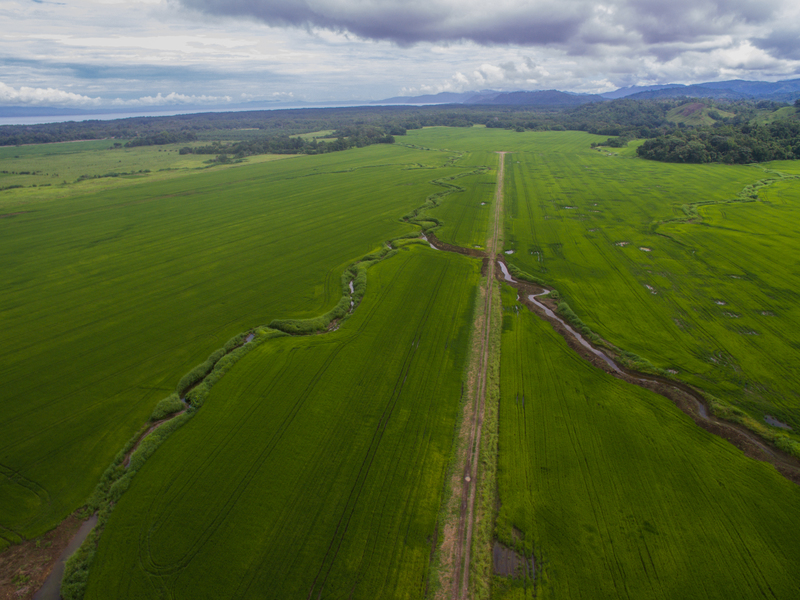
Rice is a significant part of the Costa Rican diet, but it is also an export that brings in a lot of revenue. In the region of the Osa, rain is plentiful allowing for rain-fed rice versus irrigated rice like in other parts of the country. Despite rice being a main export, there is a high demand for rice imports as well since the crop is such a large part of the diet. In recent years, palm oil has replaced rice fields so the grain is becoming less of a national export yet it still remains a significant part of the culture.
Jenkins, J. (2017). Crop explorer for major crop regions – united states department of agriculture. Rice Production. https://ipad.fas.usda.gov/highlights/2017/09/ca/index.htm
Makarik, A. (2007, June 23). Osa Peninsula – against the Trend Investment Ideas. We Love Costa Rica. https://www.welovecostarica.com/osa-peninsula-against-the-trend-investment-ideas/
Palm Oil
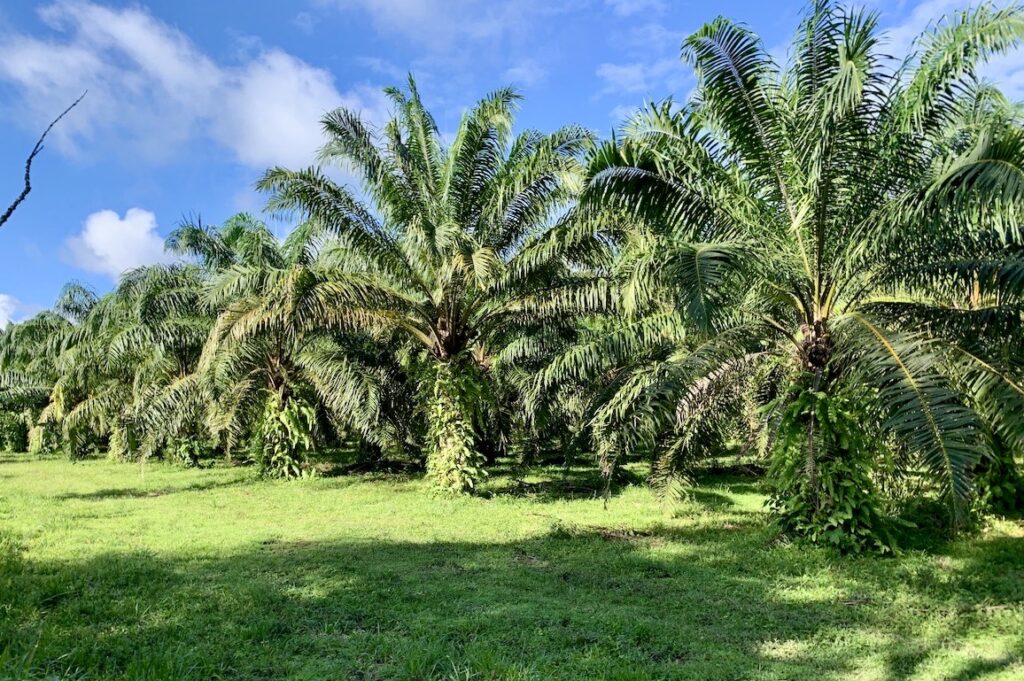
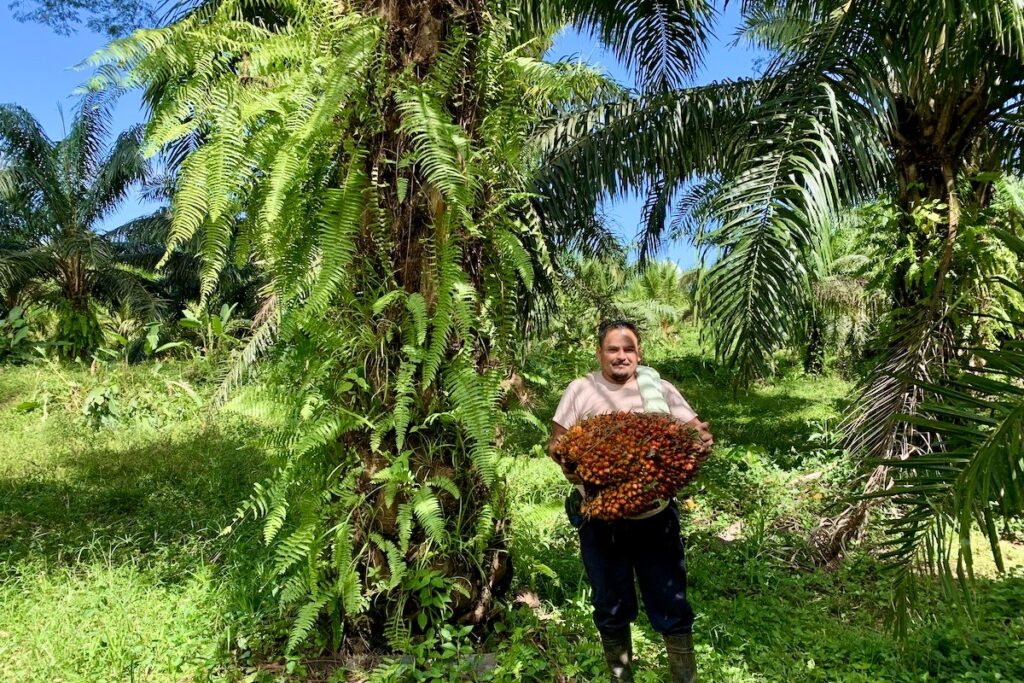
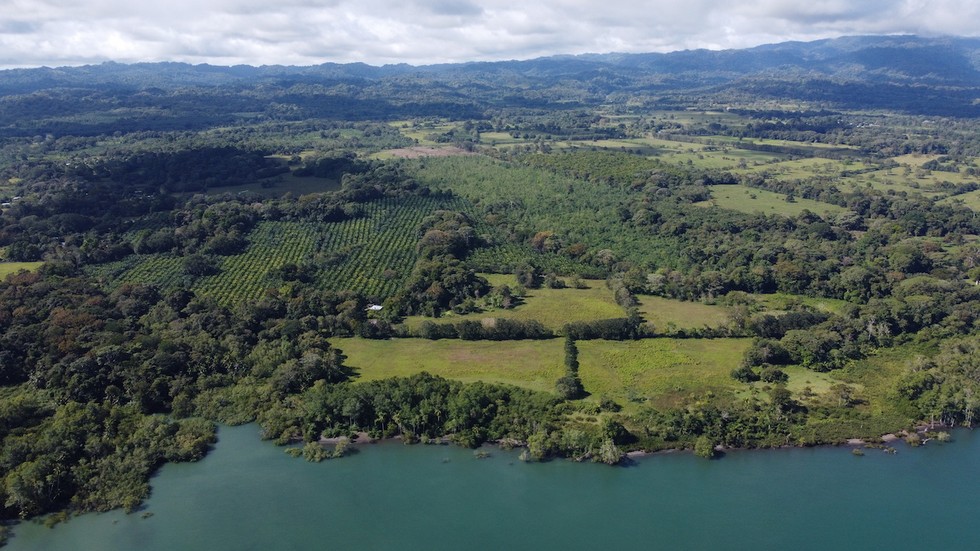
With year round harvest, high prices and an extreme demand, palm oil has become a major export of the Osa Peninsula with many farmers converting cropland to plantations. This has raised concerns however, since more and more land is being used for production. The United Fruit Company first introduced palm oil in the 1940s as an alternative crop to bananas, and since has become a source of economic stability for the Osa and for Costa Rica as a whole. Palma Tica a member of the larger firm Grupo Numar which deals in agro-industries, has played an important role in the expansion of palm oil plantations in the Osa-Golfito region. Fruit is harvested and then sent to a processing plant such as Compañía Industrial Aceitera Coto Cincuenta y Cuatro S.A which then turn the fruit into either a crude oil or a kernel oil both of which are used for cosmetics, soap, margarine and vegetable shortenings in country. These oils are also exported to other countries such as Mexico to be used in food. Many farmers in the region believe that palm oil is not only a great economic investment, but it also lightens physical labor, provides habitats for many species and has a lower amount of chemical inputs compared to other crops.
Beggs, E., & Moore, E. (2013). African Palm Social Landscape Inogo June 2013 – inogo.stanford.edu. The Social Landscape of African Oil Palm Production in the Osa and Golfito Region, Costa Rica. https://inogo.stanford.edu/sites/default/files/African%20palm%20social%20landscape%20INOGO%20June%202013.pdf
Rountable on Sustainable Palm Oil. (n.d.). Compañía Industrial Aceitera Coto Cincuenta y cuatro SA. Roundtable on Sustainable Palm Oil (RSPO). https://rspo.org/es/members/1-0112-12-000-00/
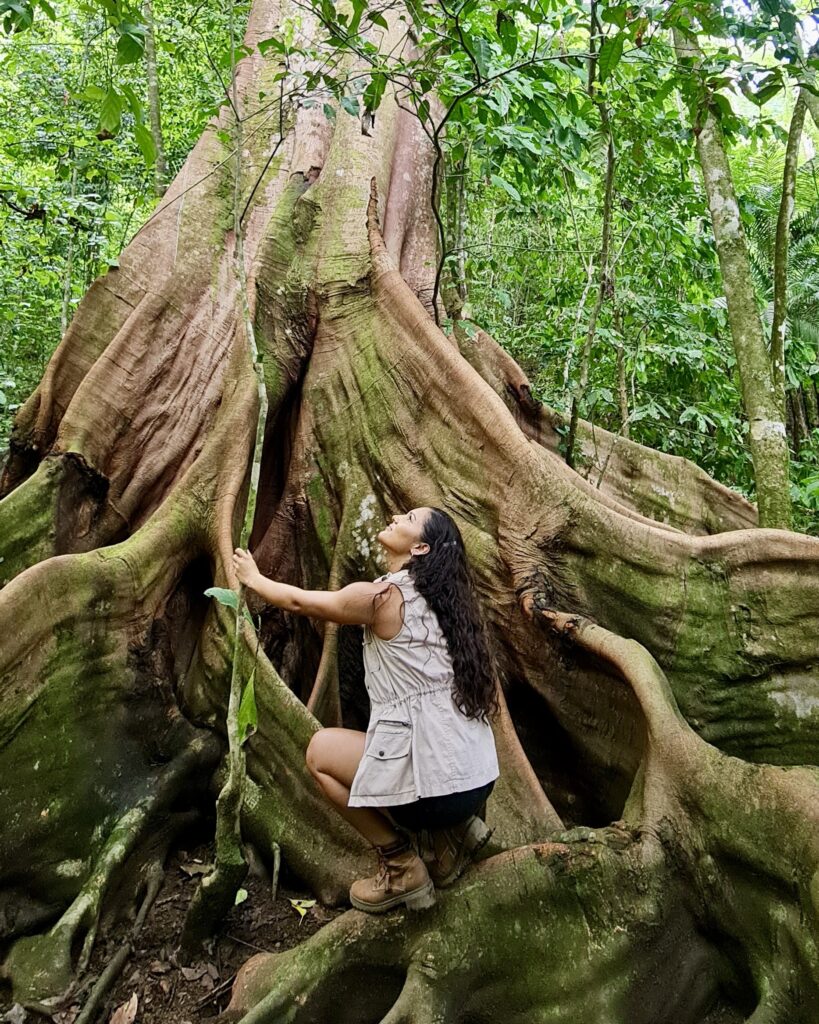
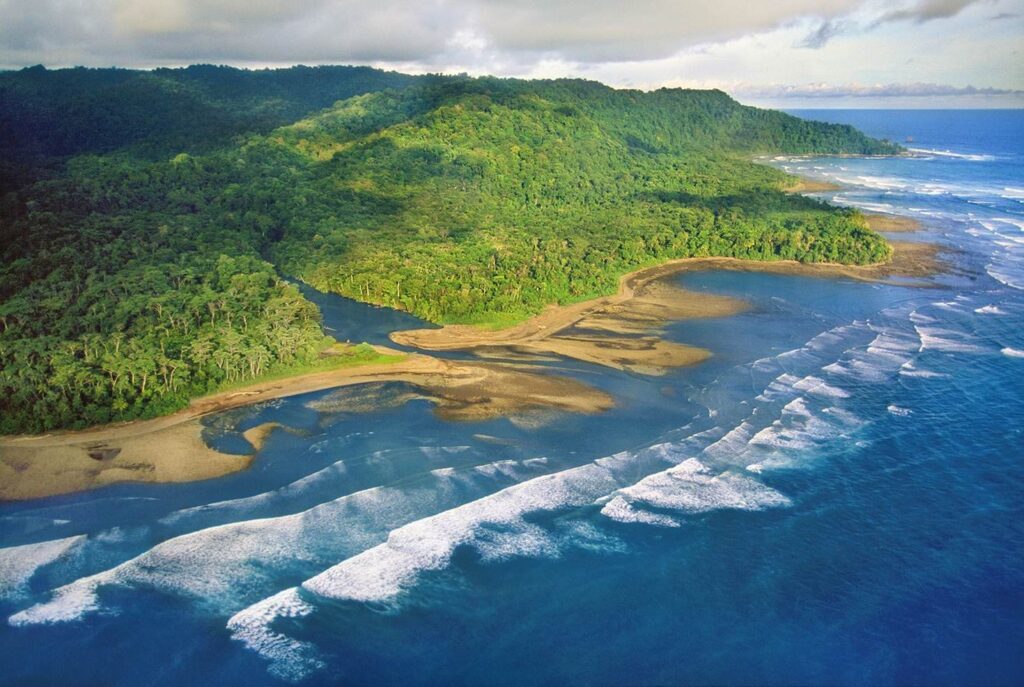
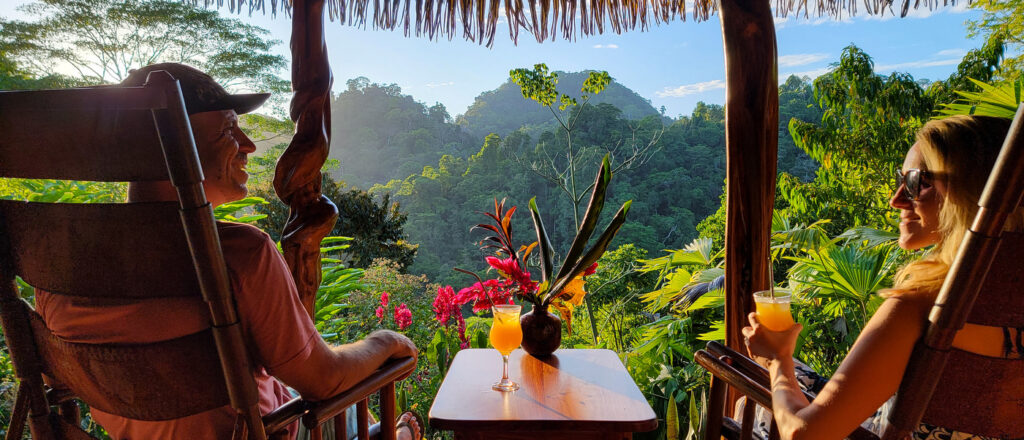
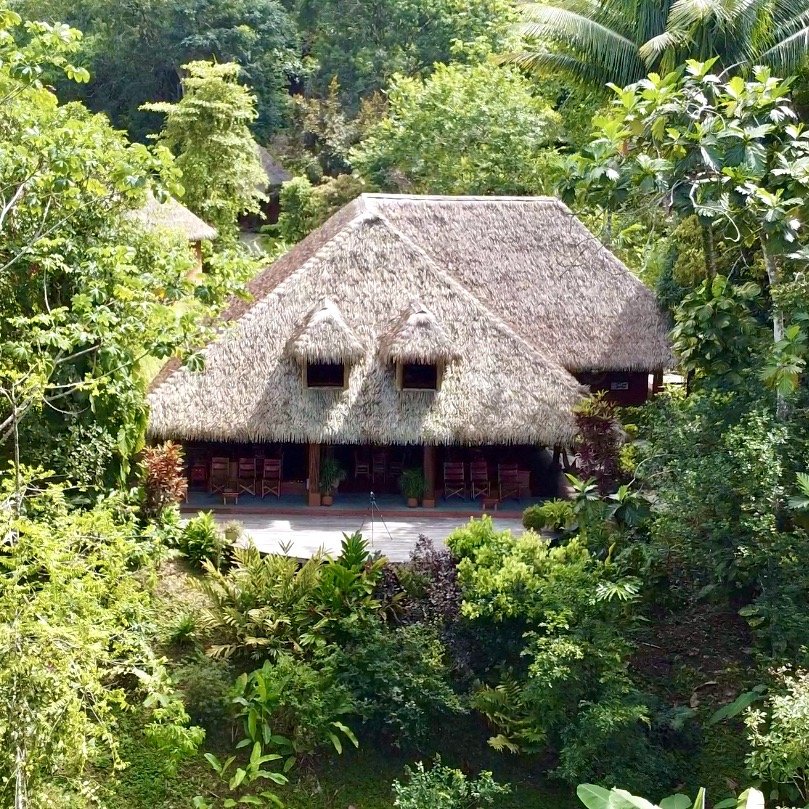
Eco-tourism is one of the biggest sources of income for the Osa Peninsula. While promoting sustainability and conservation, an industry has been built off showcasing the raw beauty of the Osa. Activities like hiking, wildlife watches, thrill-seeking, nature photography, and many other educational adventures draw tourists to the culture and environment of the Osa. Eco-lodging and eco-tours add another layer of value to the landscape. Visitors are encouraged to take part in these activities not only because of the surreal nature but because of the dedication to sustainable practices and support that is given to the local communities. Many residents of the Osa work in the tourism industry and much of the economic development on the peninsula has been due to the tourist market.
Osa Tourism. (2023, March 8). Ecotourism – Osa Peninsula Costa Rica. https://www.osatourism.com/costa-rica-ecotourism/
Driscoll, L., Hunt, C., Honey, M., & Durham, W. (2011). Importance of ecotourism Osa Peninsula – Center for Responsible Travel. Center for Responsible Travel. https://www.responsibletravel.org/wp-content/uploads/sites/213/2021/03/importance-of-ecotourism-osa-peninsula-english.pdf
Bananas
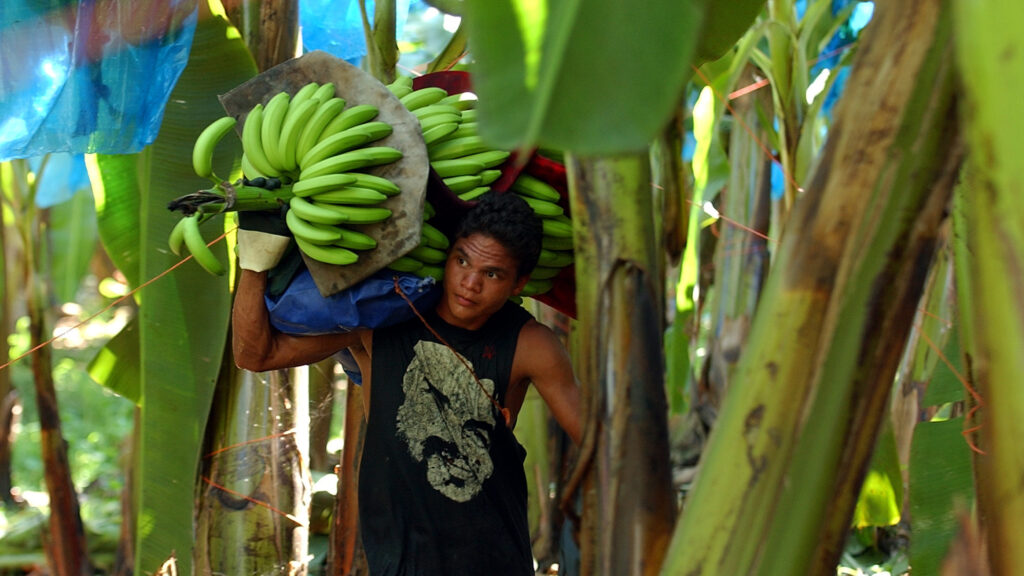
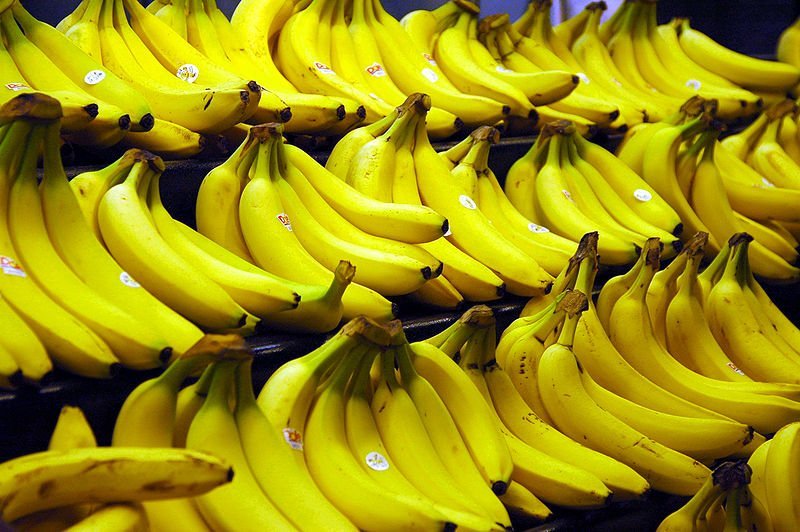
Bananas have been a long-standing crop in Costa Rica’s history with its fair share of challenges such as disease and workers rights violations. Grown on bushes, all you have to do is pick the bundles and this fruit is ready to be used. Bananas are also one of the worlds most consumed fruits so the demand for this crop has been extremely high for decades. When the United Fruit Company controlled Costa Rica’s economy, bananas were their main priority until 1943 when they realized the climate would no longer be suitable for that level of banana production. A battle ensued over the Osa for years after this, until the development of Corcovado National Park in 1975. Since this banana farming on the Osa has been on a much smaller scale. At the Osa Verde farm for example, a new, sustainable approach has been adopted by growing the previous number one species, Gros Michel. By preventing over-moisture and getting rid of old leaves, the bananas on this farm have been able to thrive without chemical inputs.
Cathey, H. (2016, June 3). Bananas: The spotty past and precarious future of the world’s most consumed fruit. Osa Conservation. https://osaconservation.org/bananas-the-spotty-past-and-precarious-future-of-the-worlds-most-consumed-fruit/
Stephens, C. (2008). Corcovado National Park – almost a banana plantation – zobodat. Zobodat. https://www.zobodat.at/pdf/STAPFIA_0088_0645-0647.pdf