An introduction to Centennial Woods & the Phenology Project . . .
Centennial Woods is a ~70 acre natural area right next to the University of Vermont Campus. This natural is largely made up of forest, but also contains wetland areas, streams, brooks, etc. Centennial Woods is home to a plethora of plant and animal species which find refuge in this natural area amidst the development of Burlington. Additionally, Centennial Woods serves as an important area for recreation in the town of Burlington and among UVM students with its various hiking trails.
Centennial Woods is located a short walk from Central Campus- just a short walk down the sidewalk near Jeffords Hall. Choosing Centennial for my Phenology project was a no-brainer decision, as it is undeniably the easiest location to get to from where I live (about an 11 minute walk from Athletic Campus). I wanted to pick a location that I could easily get to, as it’s questionable how much motivation I would have to travel any significant length once the weather gets colder. Centennial Woods was the perfect option for me as it’s not only close to campus, but also beautiful & rich in ecological activity.
Location of Centennial Woods

The vegetation of Centennial Woods . . .
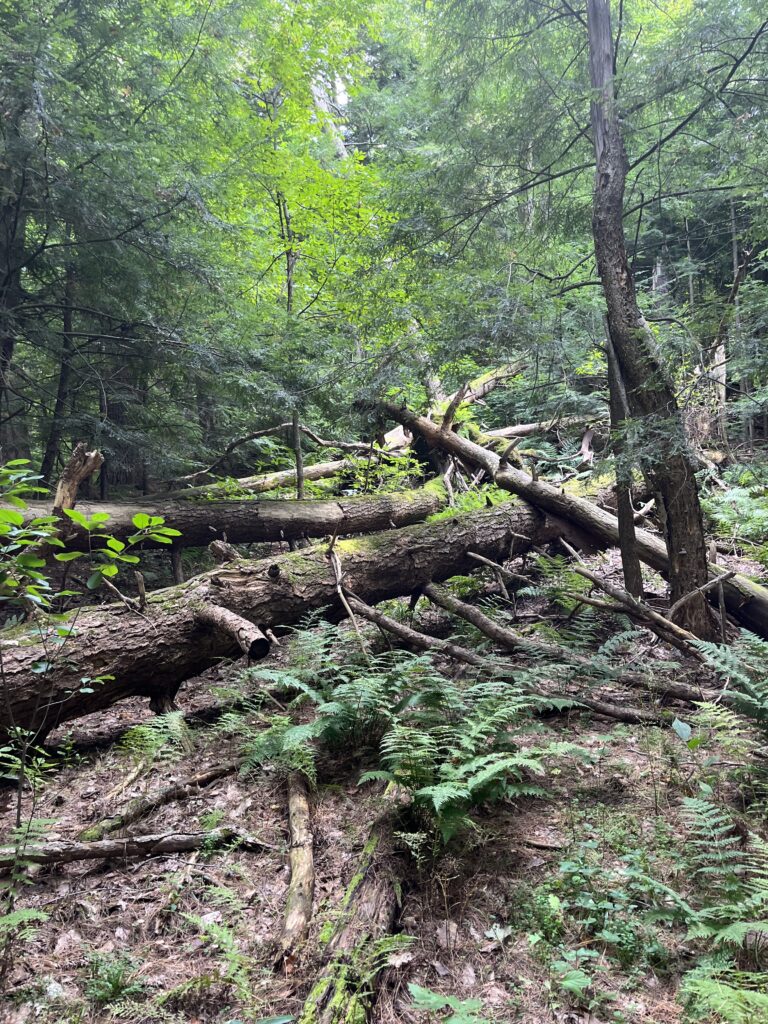
Some of the most common (native) tree species at Centennial include Eastern White Pine, Eastern Hemlock, Red Maple, Black Cherry, Northern Red Oak, Yellow Birch, Boxelder. Non-native, invasive Common Buckthorn is also prominent.
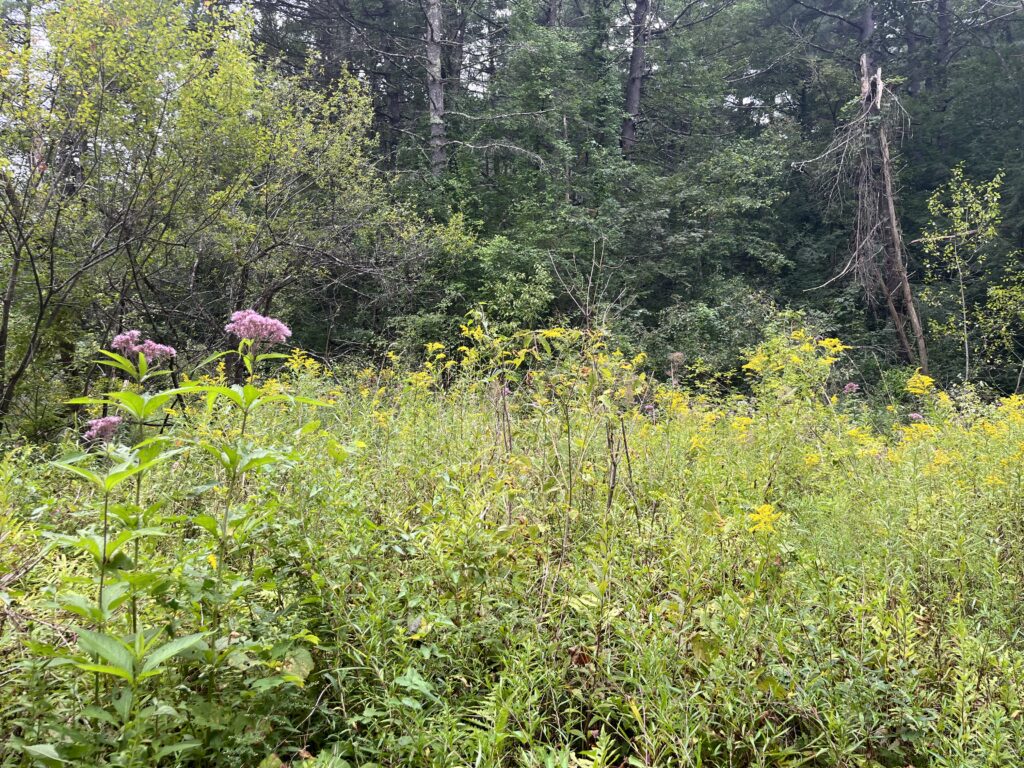
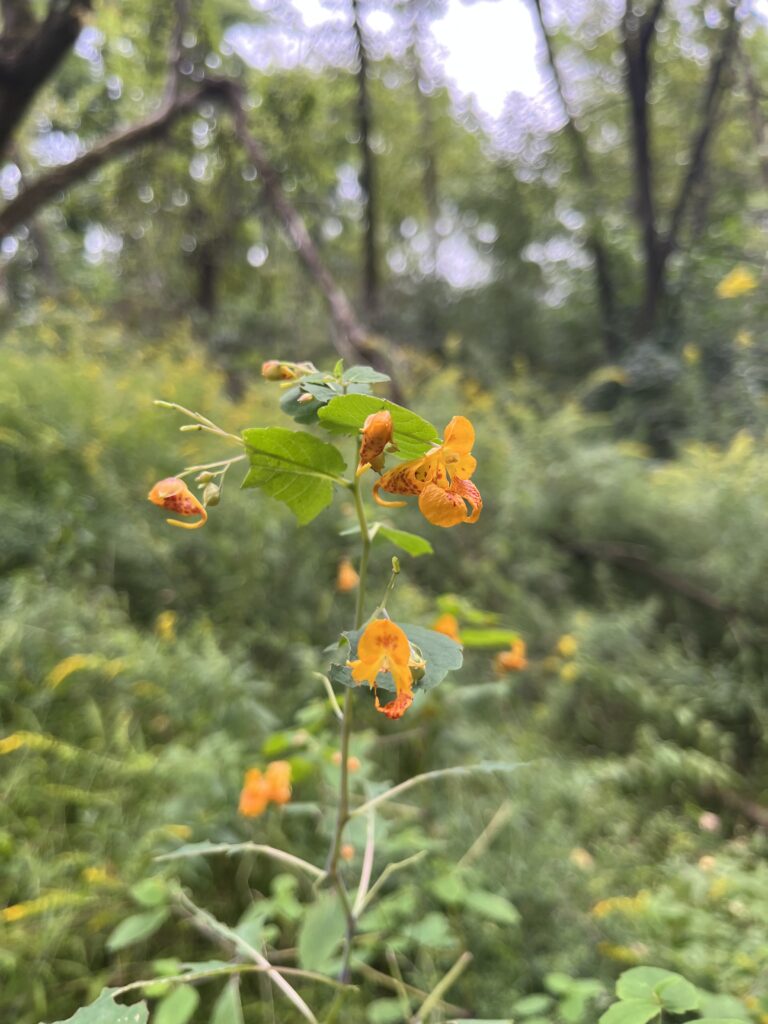
Much of Centennial is wooded but there are significant areas of native wildflowers (ex. Joe-Pye Weed, Goldenrod, Jewelweed, etc.). Ferns are incredibly prominent in the entirety of Centennial; the dominant fern in the area from my observation seems to be Intermediate Wood Fern (Dryopteris intermedia).