RSS
 

Final Phenology Post (5/7/2024)

07 May

The final visit to my phenology spot was undeniably bittersweet. The weather was beautiful, the birds were chirping, insects were out, and Centennial Woods was teeming with life.

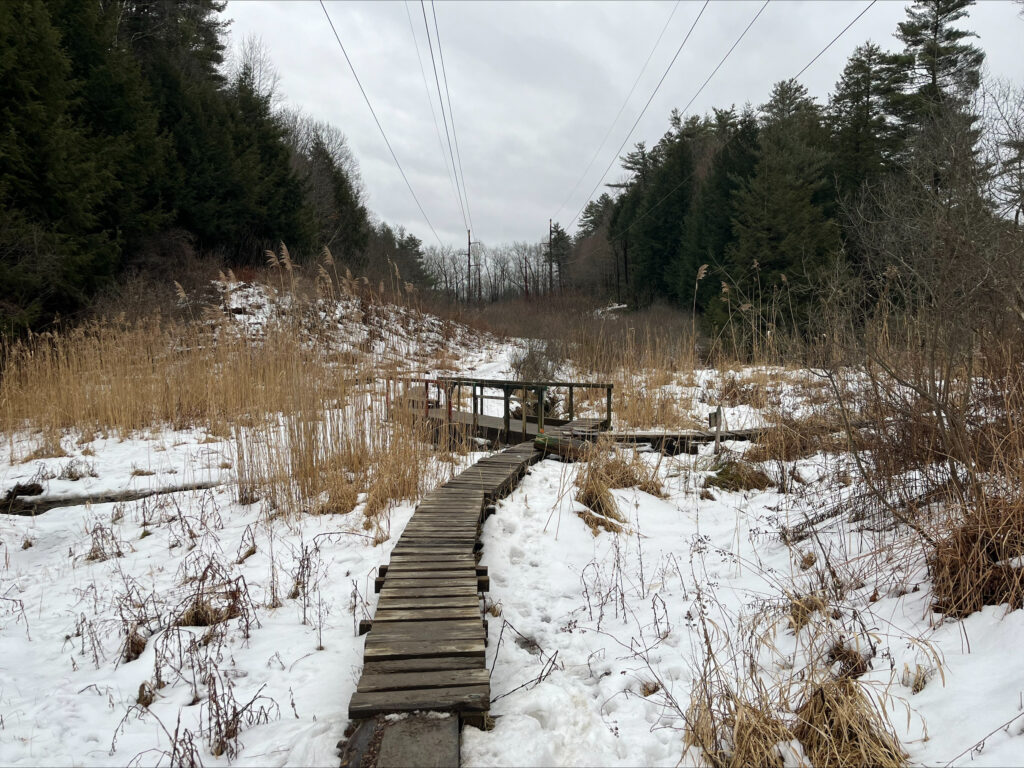
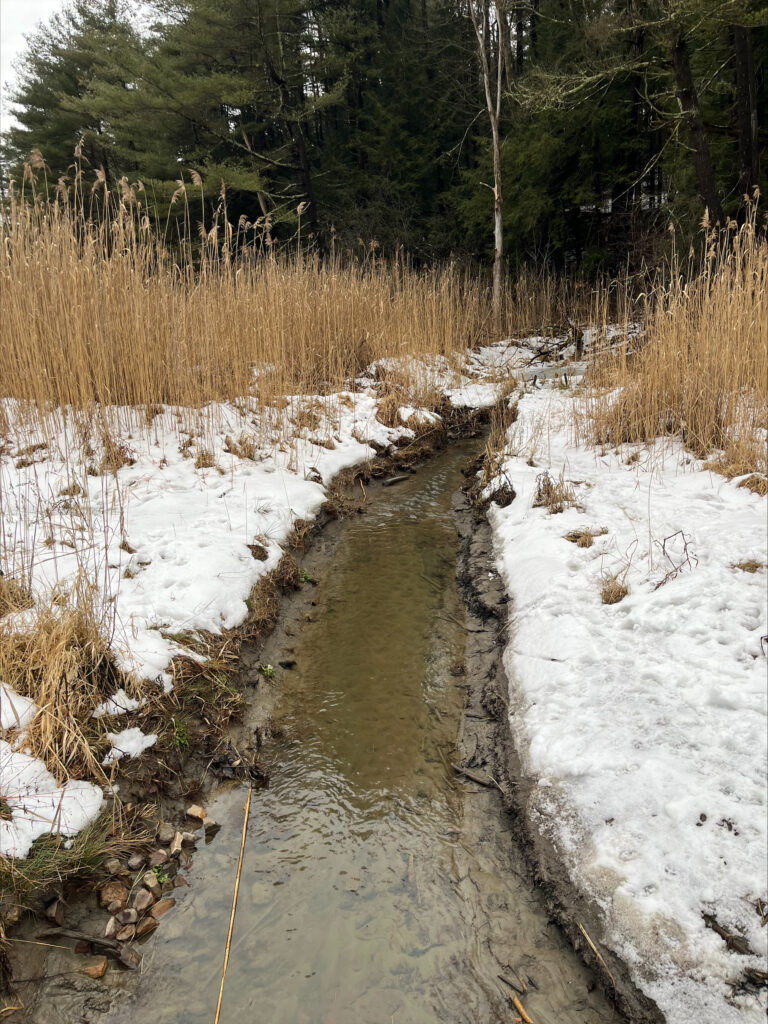
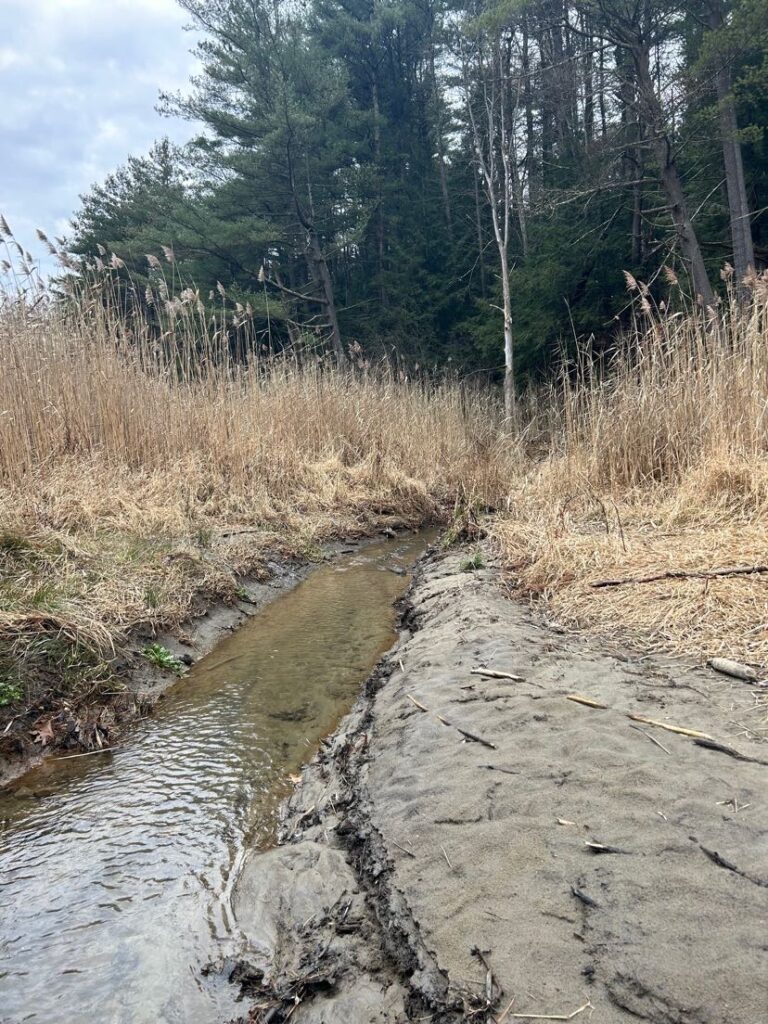
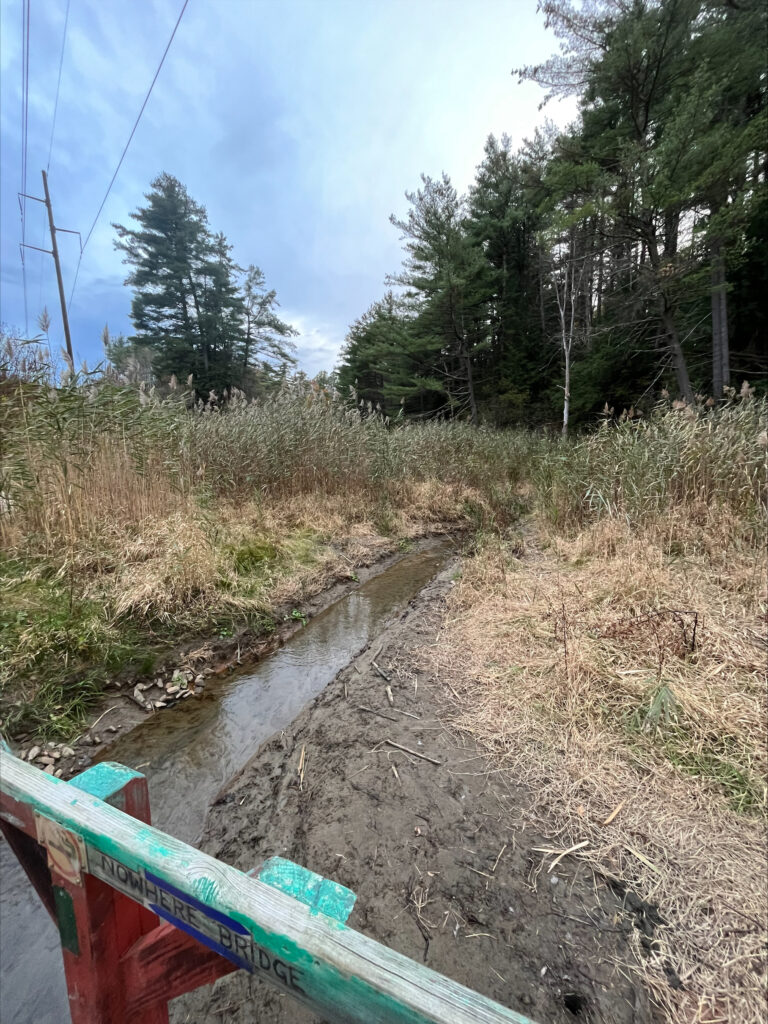
My sight hasn’t changed drastically over time, and has simply changed with the seasons. As there is running water going through my phenology spot, the curves of the streambank have changed with time as the process of deposition and erosion takes place. New little streams have also come and gone during my time doing this phenology blog, likely due to the occasional flooding. Overall, there haven’t been many significant changes at my phenology spot
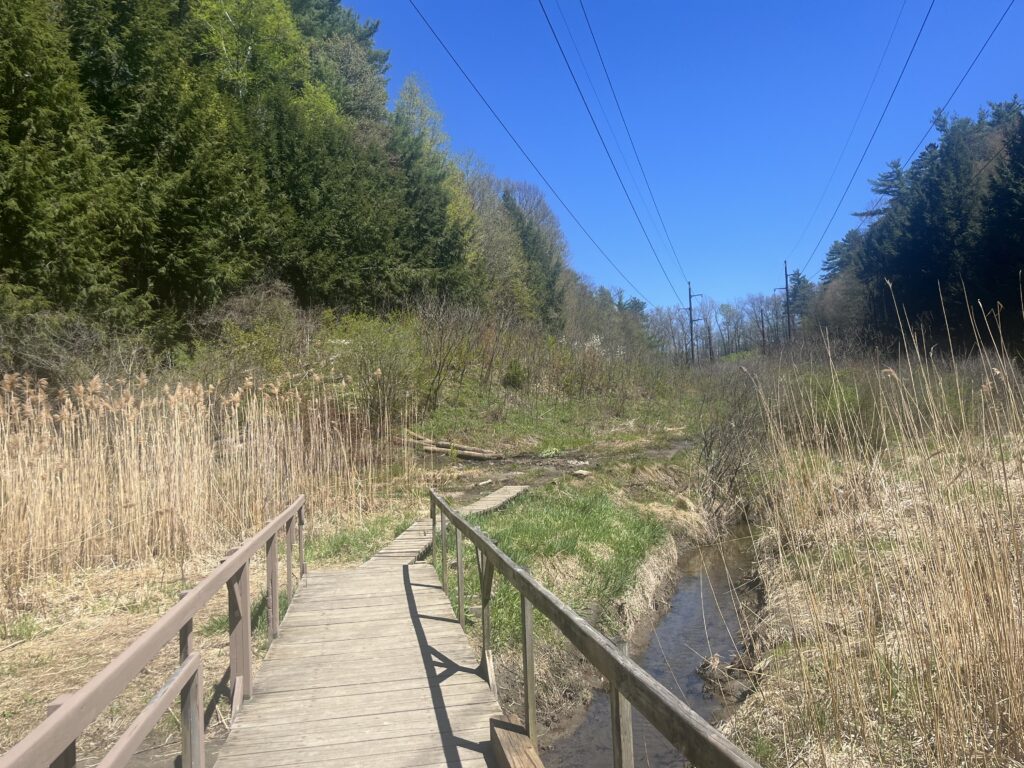
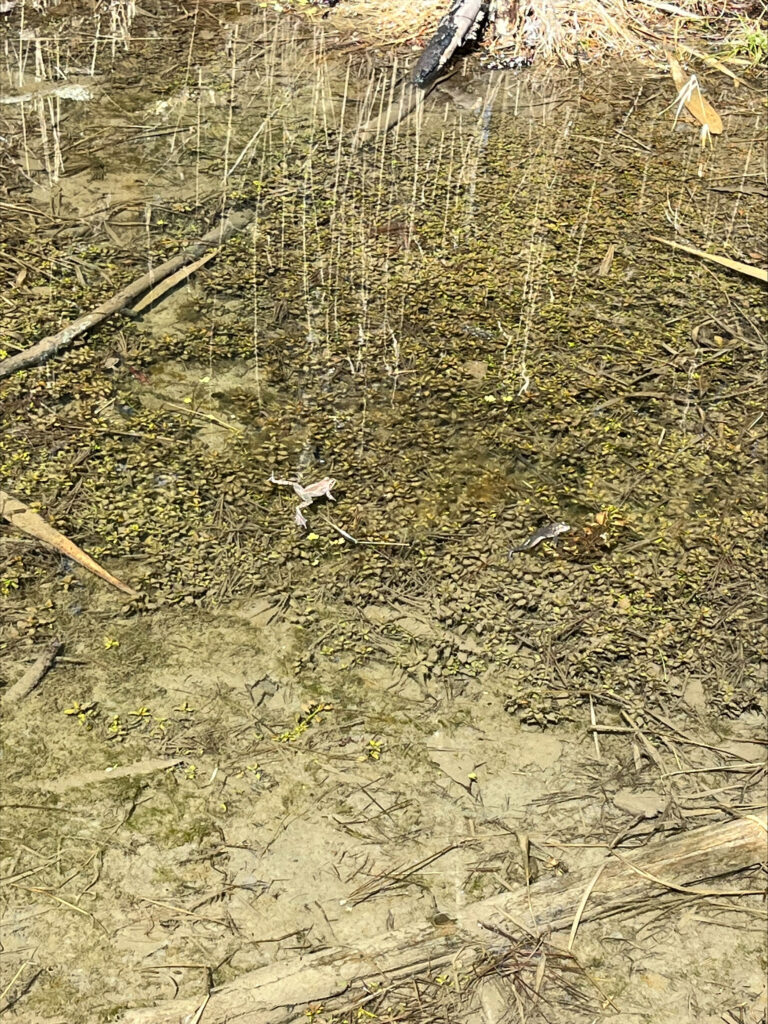
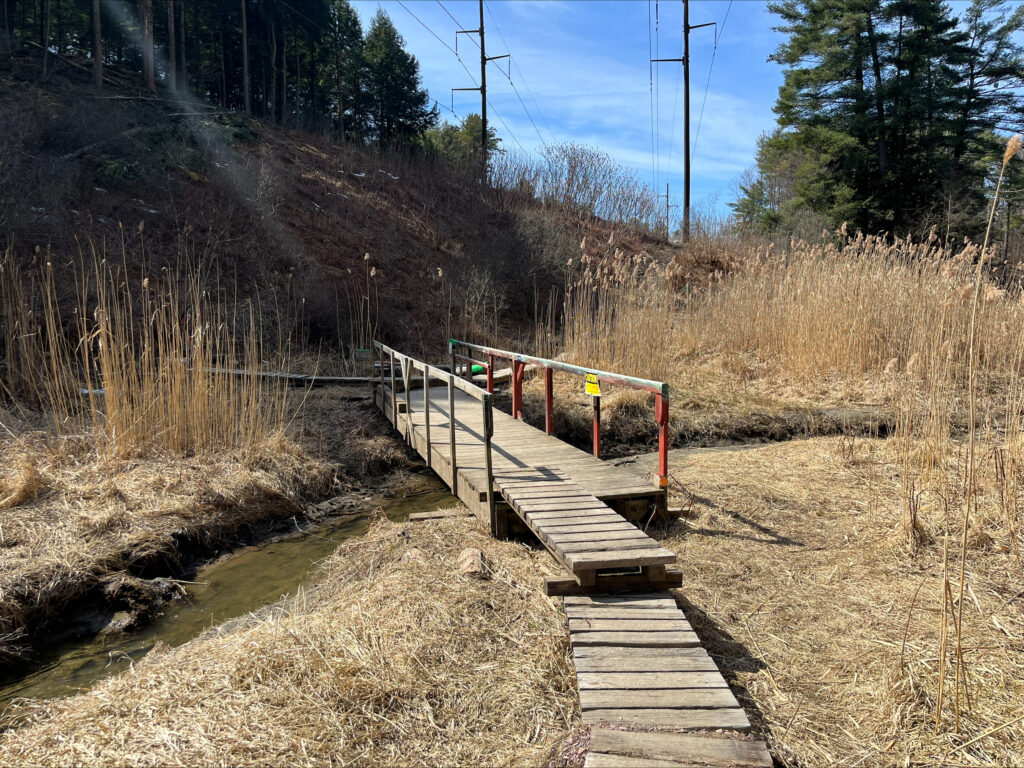
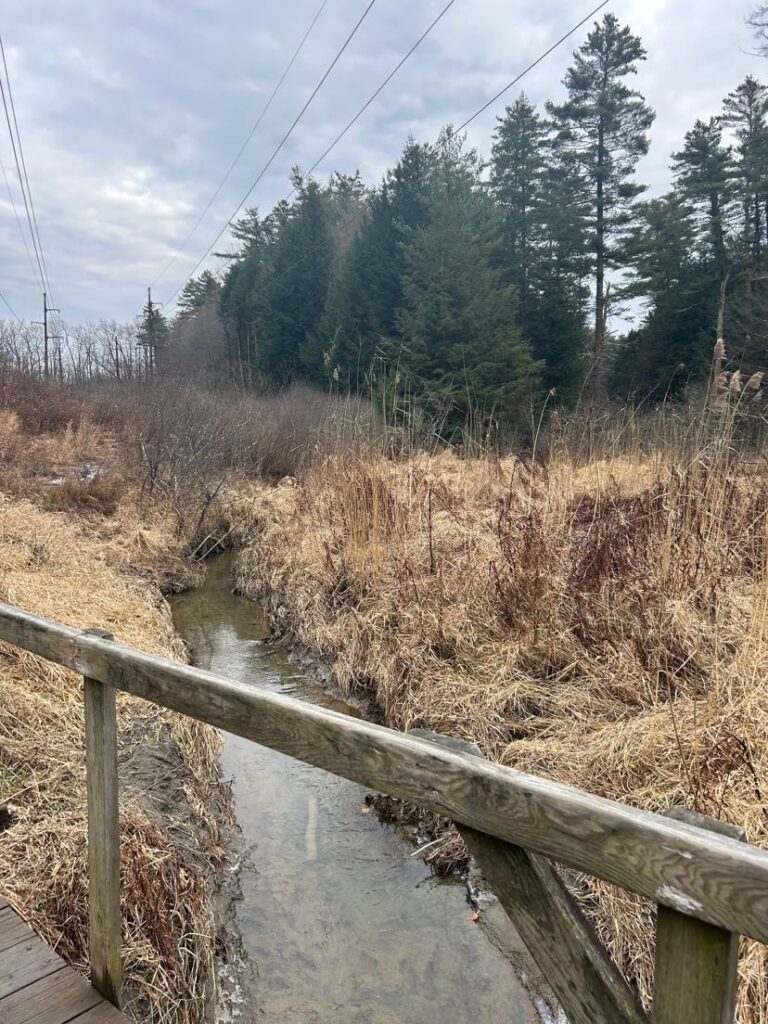
The most prominent landmarks at my phenology spot are definitely the wooden bridge/pathways and the stream running through the site. The stream has been the most important landmark to me, as this is what had drawn me to pick this site in the first place. The common reeds surrounding my spot have also been a prominent landmark, but they more so serve as a reminder of the prominent ecological instability present in Centennial Woods. Since my last visit, the little pool upstream from my spot has become a landmark, as this is where I found wood frogs.
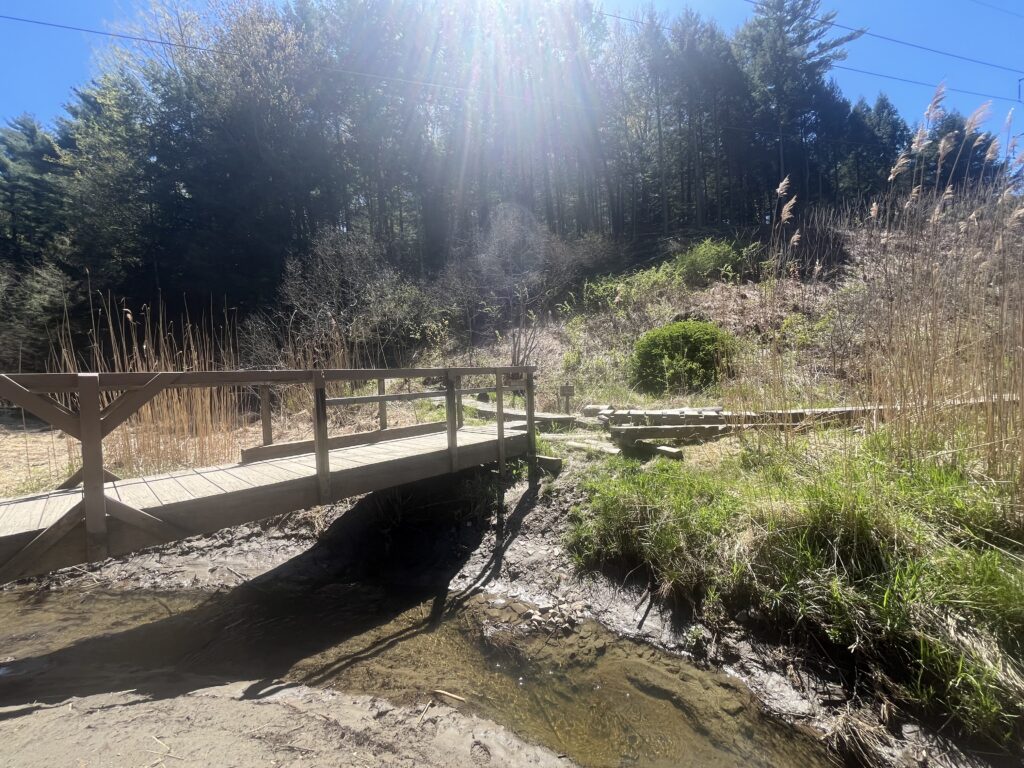
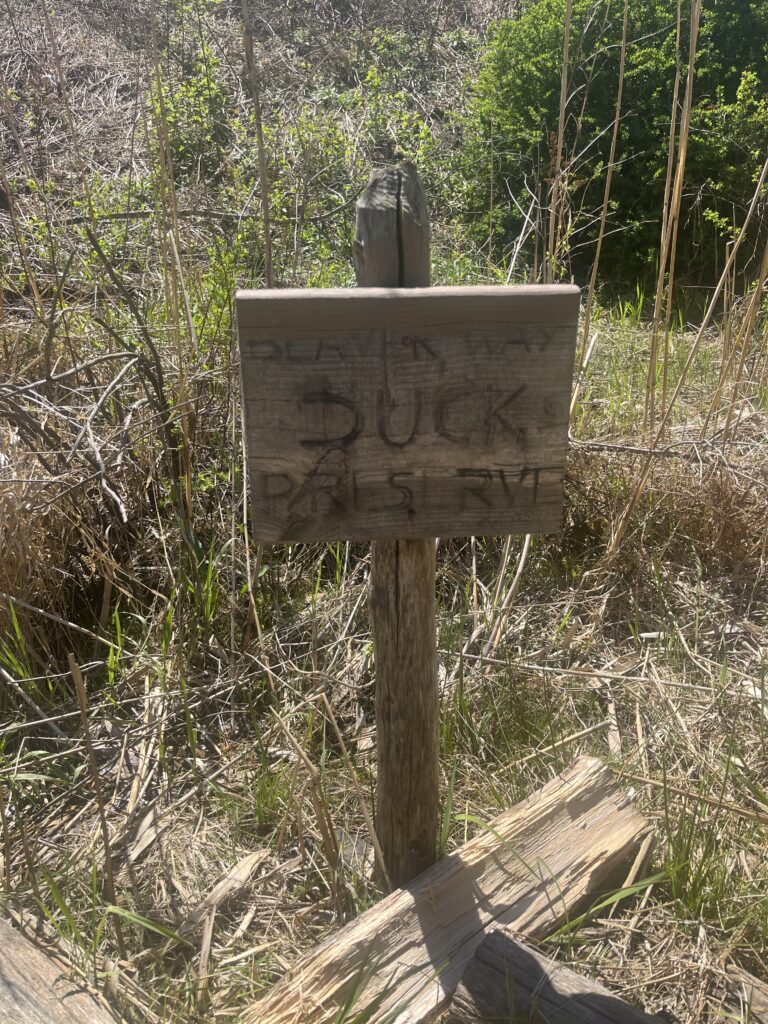
The intersections of nature and culture are reading apparent all throughout Centennial Woods. Arguably, the space of Centennial Woods is integral to the culture of UVM and the Greater Burlington Area. Centennial Woods is a visibly maintained area with plenty of indicators of community involvement on the trails. This natural area is a great example of community and cultural integration in a natural area, and also showcases the importance of UVM students and staff when it comes to maintaining these trails and keeping the Centennial Woods Natural Area running smoothly as an important urban natural for the Greater Burlington Area. I undeniably consider myself to be a part of my spot, because ultimately, aren’t we all a part of everything? I’ve grown incredibly fond of my phenology spot, so I would undeniably consider myself a part of my site.
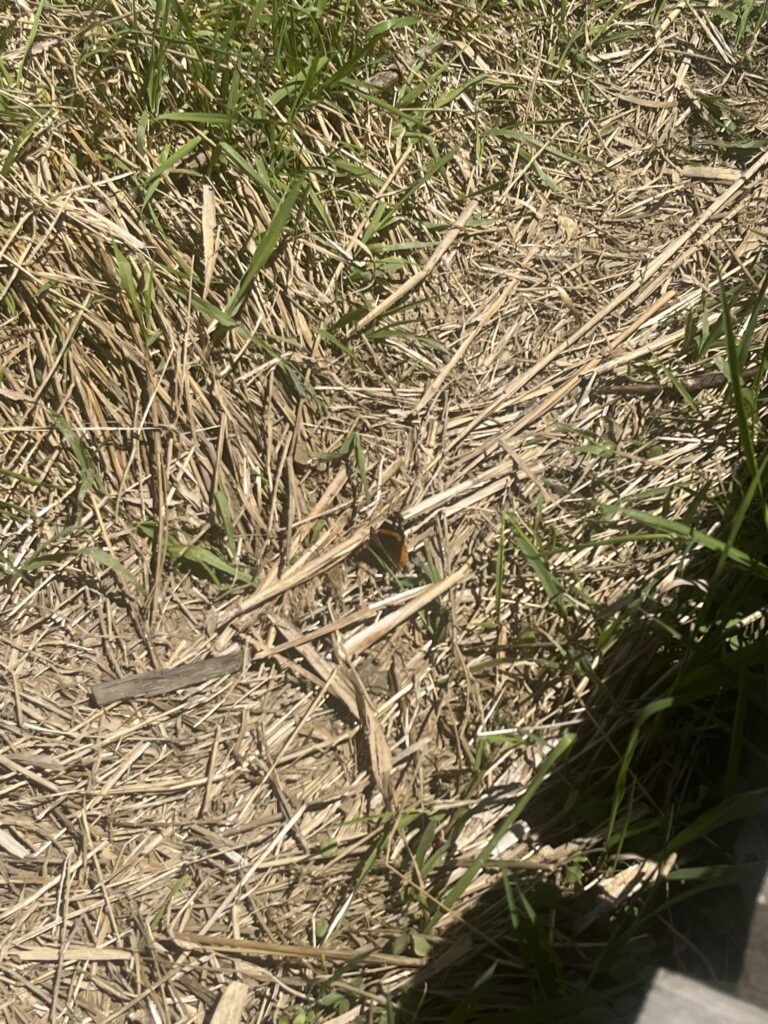
Red Admiral Butterfly
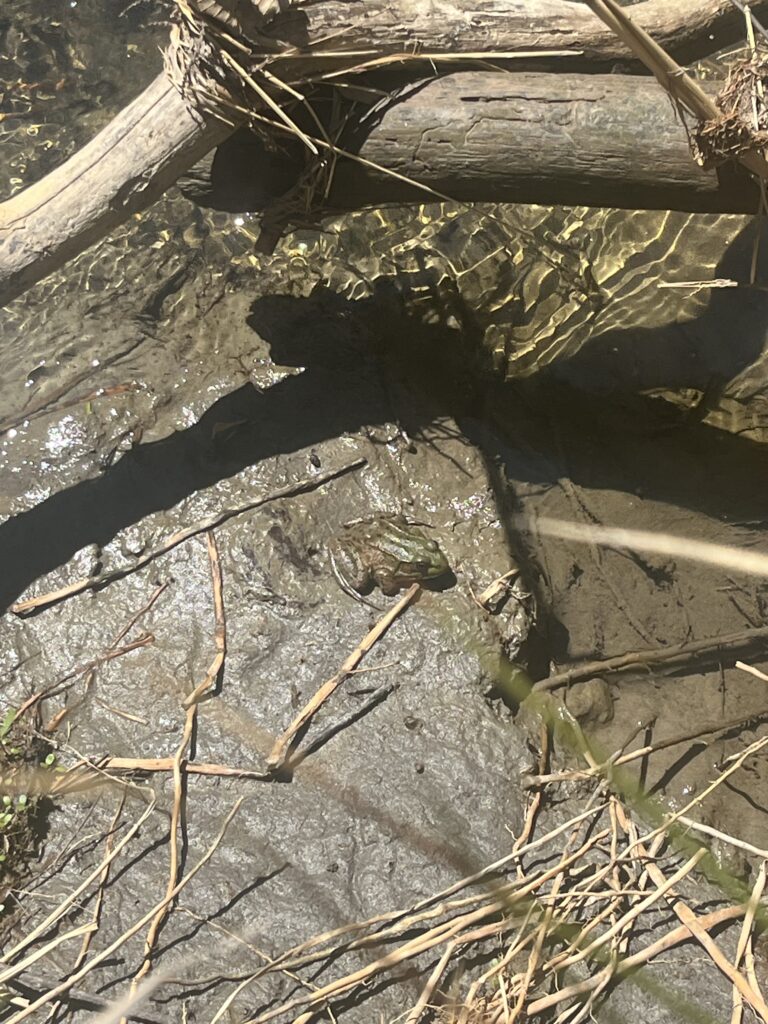
American Water Frog
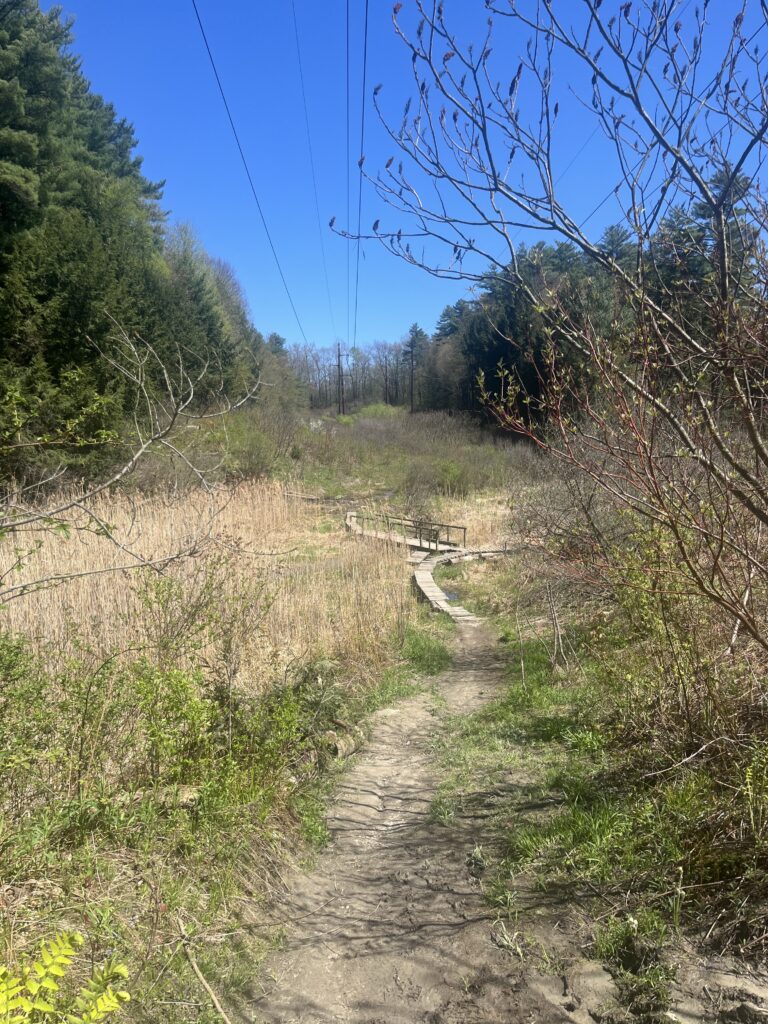
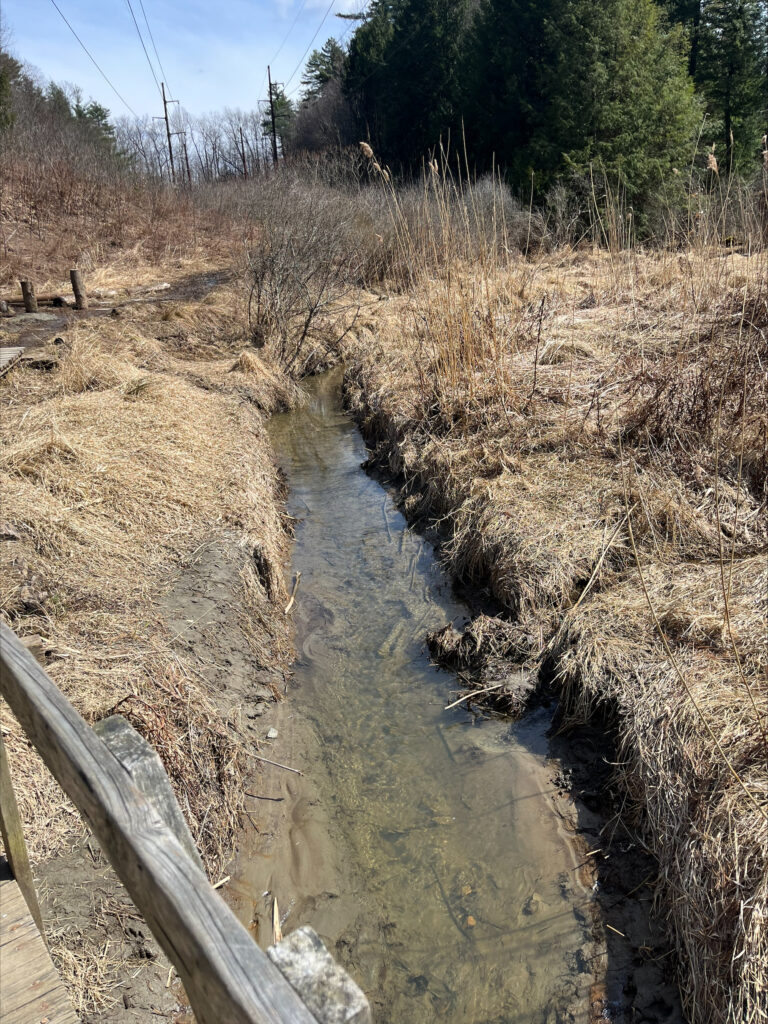
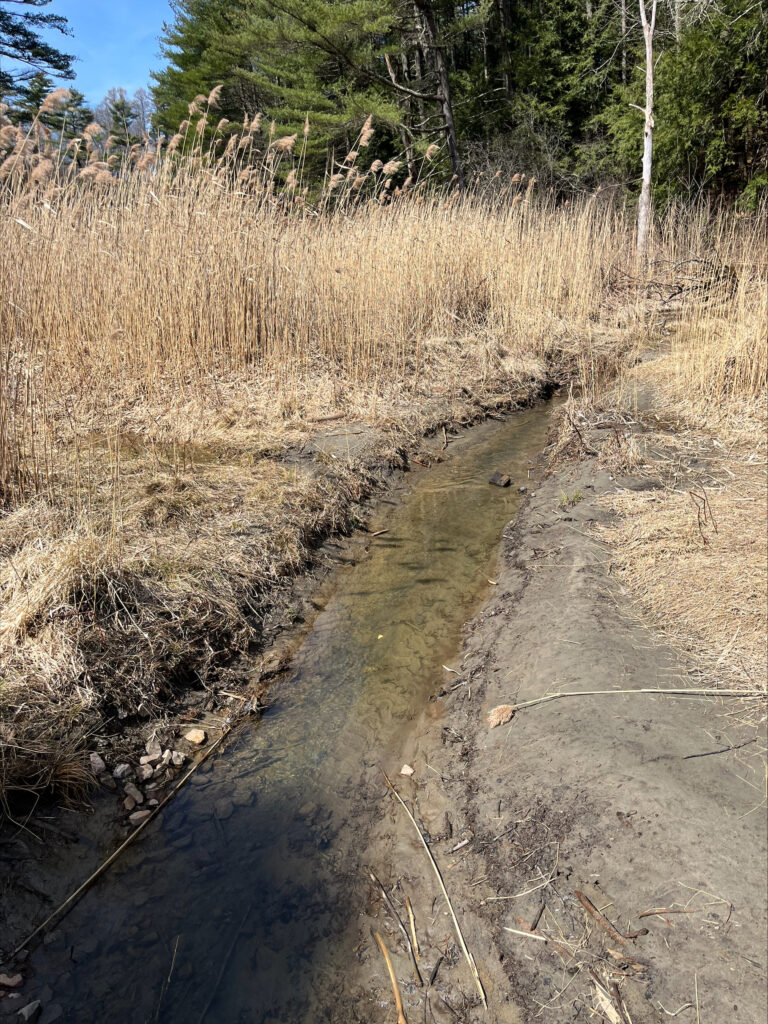
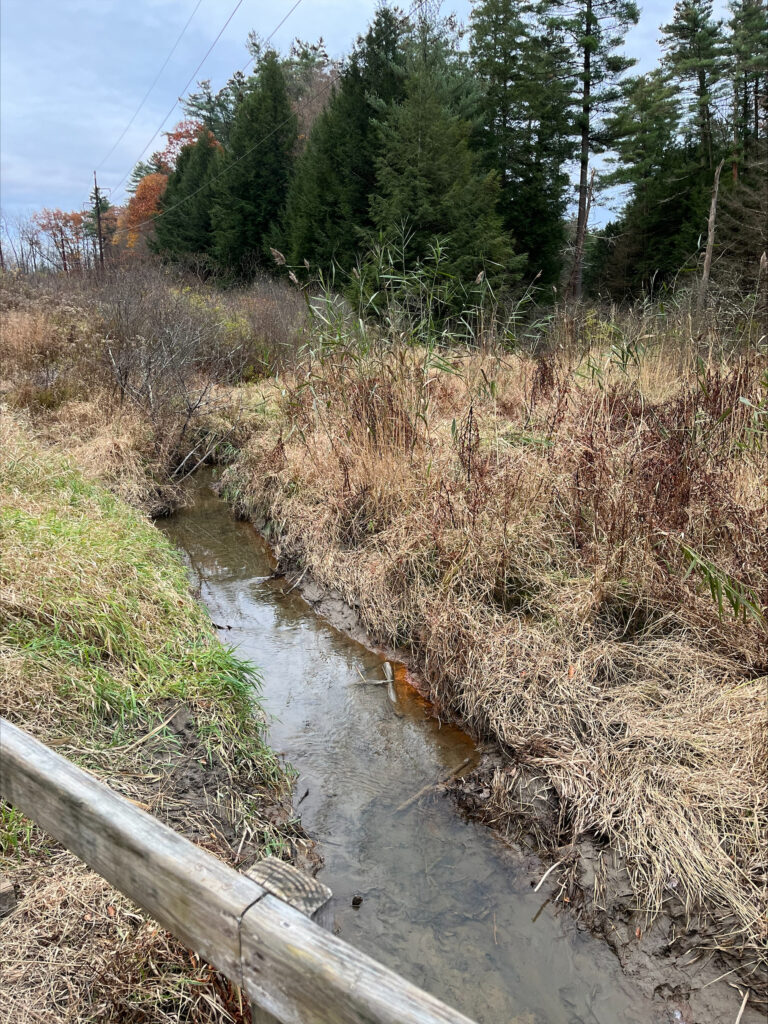
Phenology spot from slightly afar.


City Nature Challenge (BioBlitz)

29 Apr

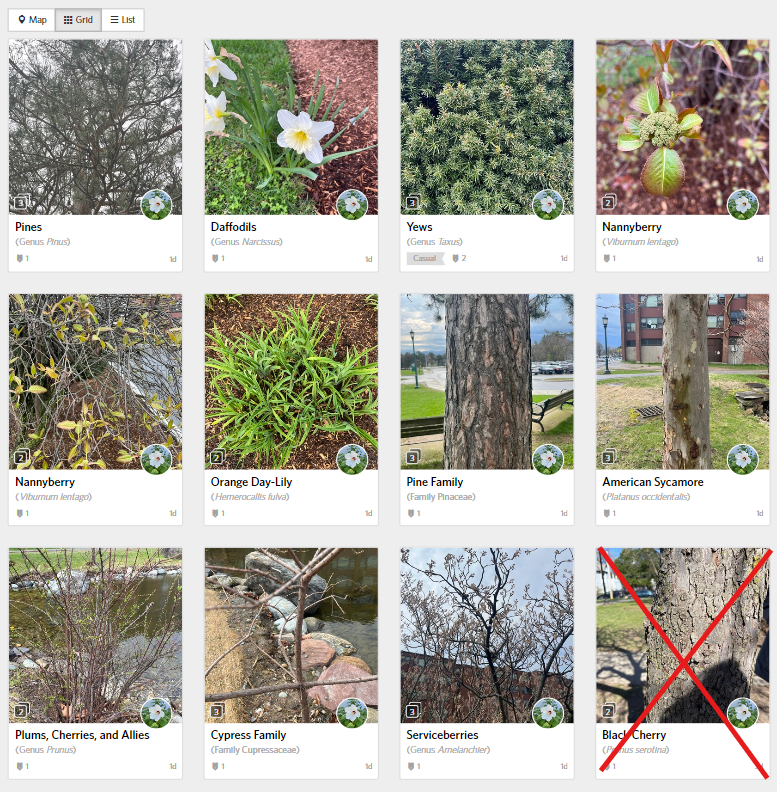
During the City Nature Challenge, the only place that I really explored was on campus. The BioBlitz unfortunately fell on a very busy time for me, so I wasn’t able to participate as much as I would have liked. That being said, I definitely made sure to snap pictures of some species that were closer to my dorm and around my walks on campus. I found a total of 10 different species (there was undeniably more, but this is what I found) right in the area around my dorm and the dining hall.

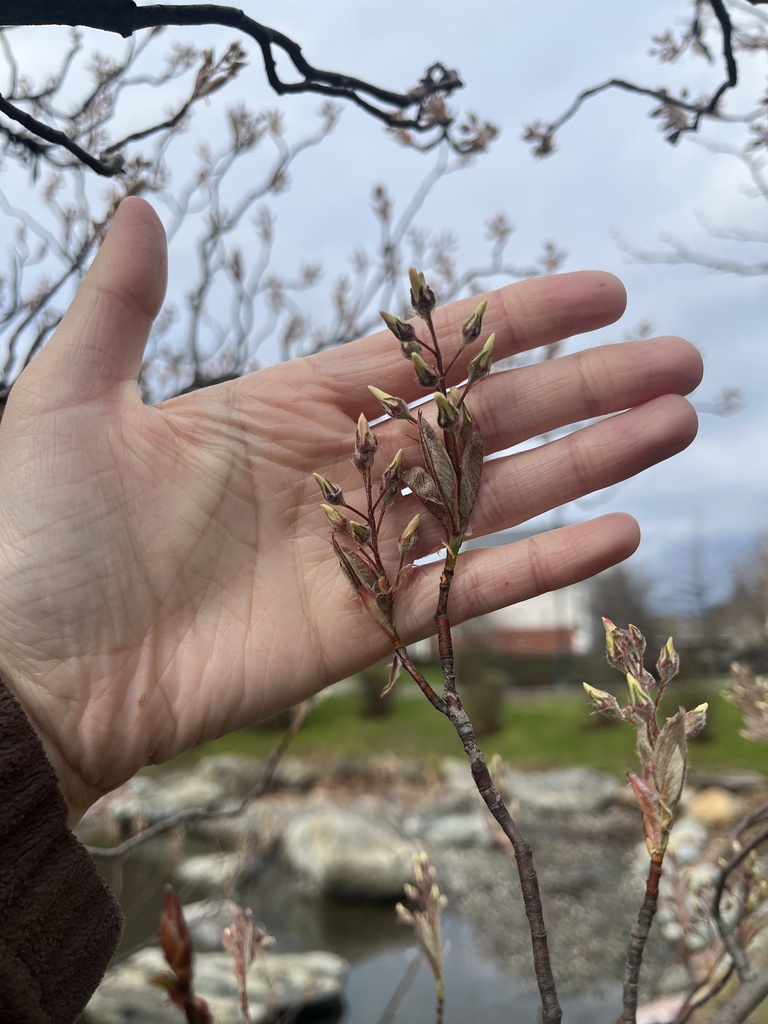
The most interesting species that I found was definitely the serviceberries- I’ve never had one but I’ve heard that they taste really good, so maybe when I come back next semester they’ll still be fruiting and I can taste one.
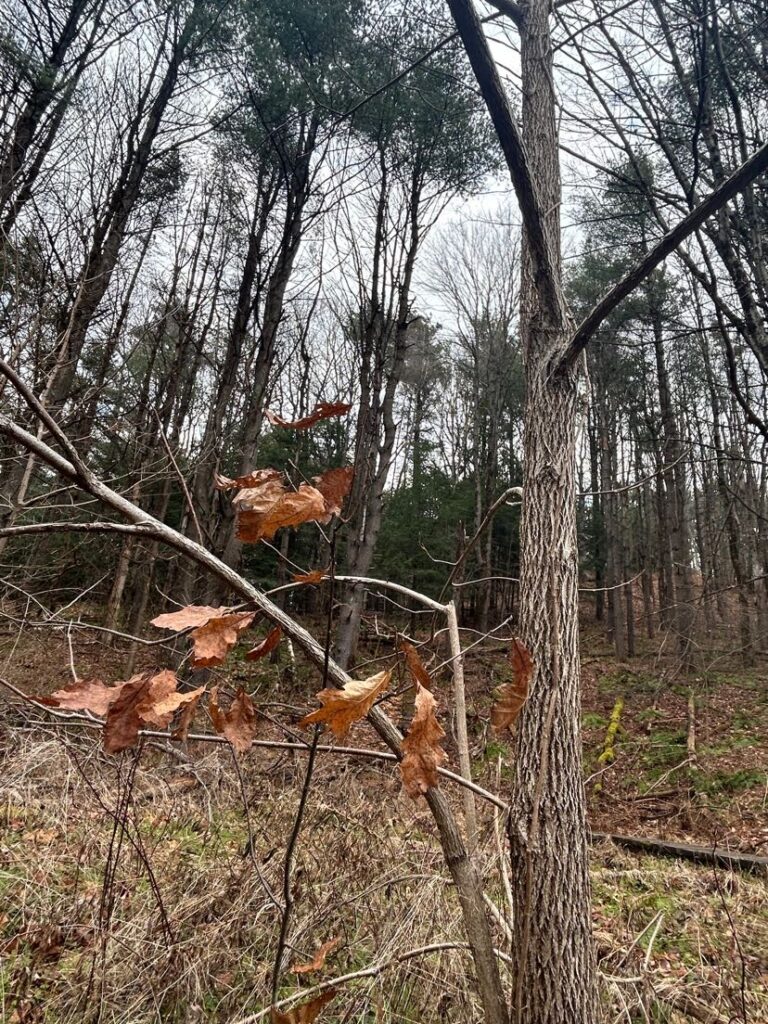
Serviceberry buds (Genus Amelanchier)

I’m a big fan of iNaturalist, so I had a nice experience using it. It went very smoothly as I have a decent amount of past experience using the app/browser. Seeing the reports from the other cities is really cool, and it’s really awesome to watch the BioBlitz connect so many people and so many countries across the world. Being able to observe the vast amount of biodiversity across the globe is very interesting.


The Vernal Equinox (3/29/2024)

29 Mar

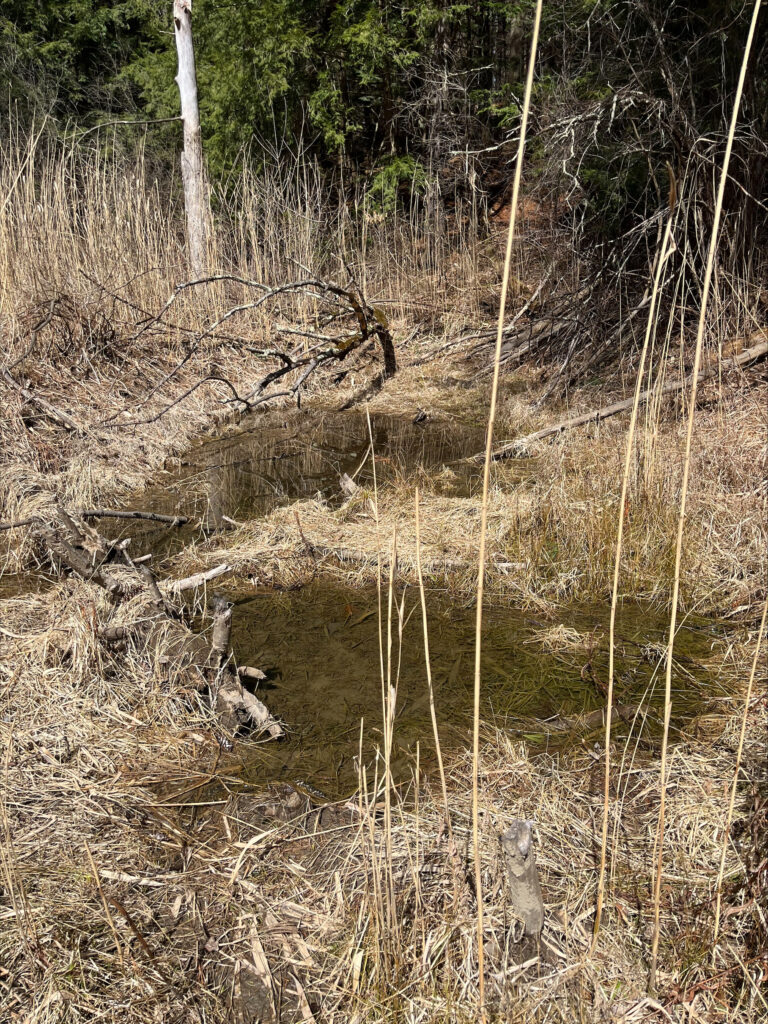
With the arrival of spring, my phenology spot was incredibly active. During my walk to my phenology spot, birds could be heard all throughout Centennial Woods, squirrels were chasing each other through the understory, minnows were present in the streams, and insect activity is beginning to return. There was some incredibly exciting amphibian activity a few paces upstream from my official phenology spot. As I arrived at my spot, I noticed strange noises that seemed to be coming from a little pool upstream of the bridge which marks my phenology spot. At first, I thought there may be ducks making strange quacking noises. To my surprise, these were frogs.

https://uvmoffice-my.sharepoint.com/:v:/g/personal/ggrzan_uvm_edu/EcRm-Hg_t39LqjGuZWrtMQ4BrKOyLf39UJeE6fvECfjBPA (a video of the frog activity)

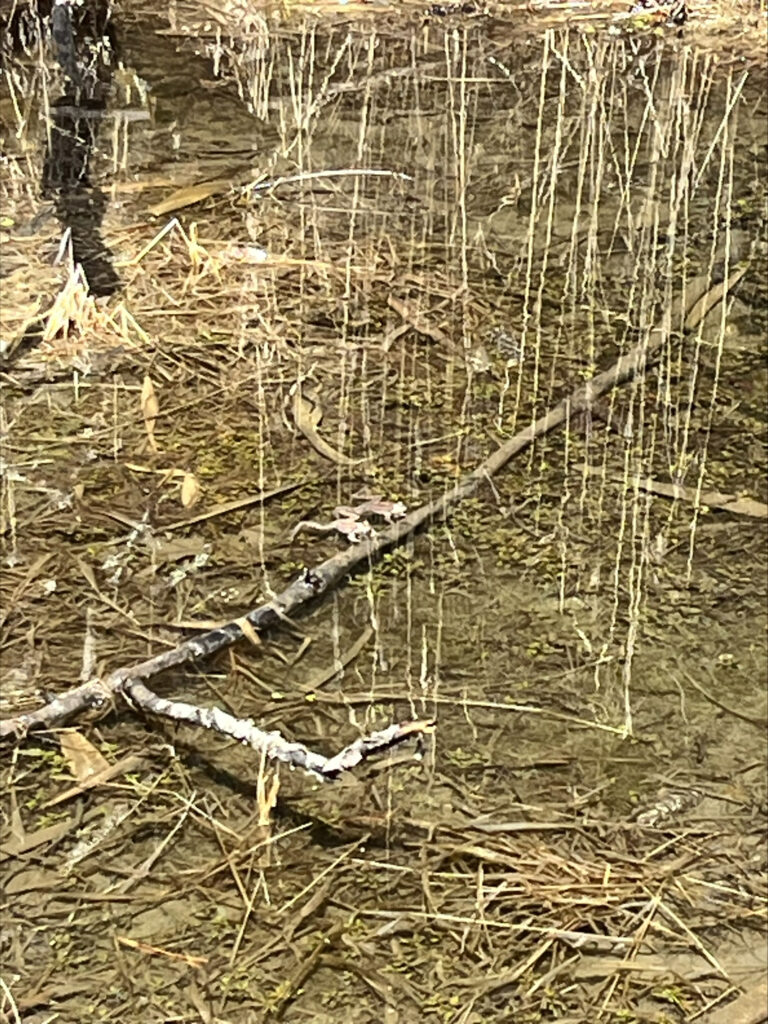
I was soon able to identify these guys as wood frogs by using iNaturalist and then comparing the chirping sounds that I heard to videos of wood frog noises online. I was super excited to find that these frogs are the ones directly mentioned in “Naturally Curious”, that freeze solid in the winter and thaw out as the weather gets warmer.

This is the full pool where the frogs were- I was able to count about 5 of them in the back portion of the pool.
Bird calls and wood frogs.

Here are some general pictures of my spot- not a whole lot has changed other than the surrounding animal activity.

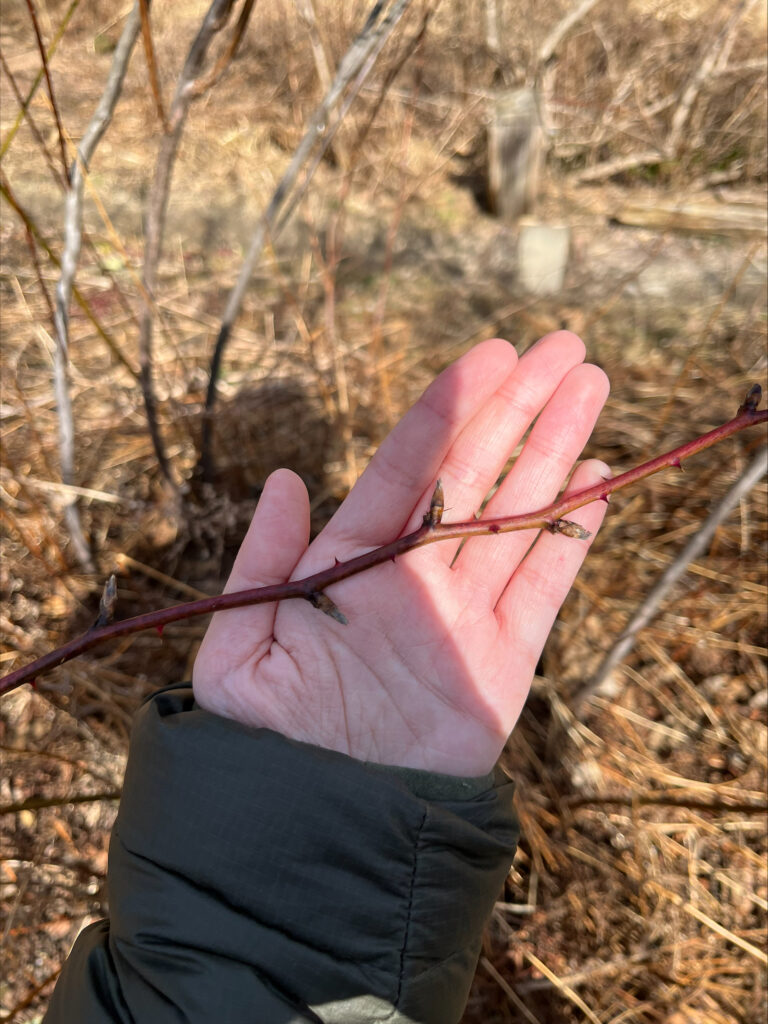
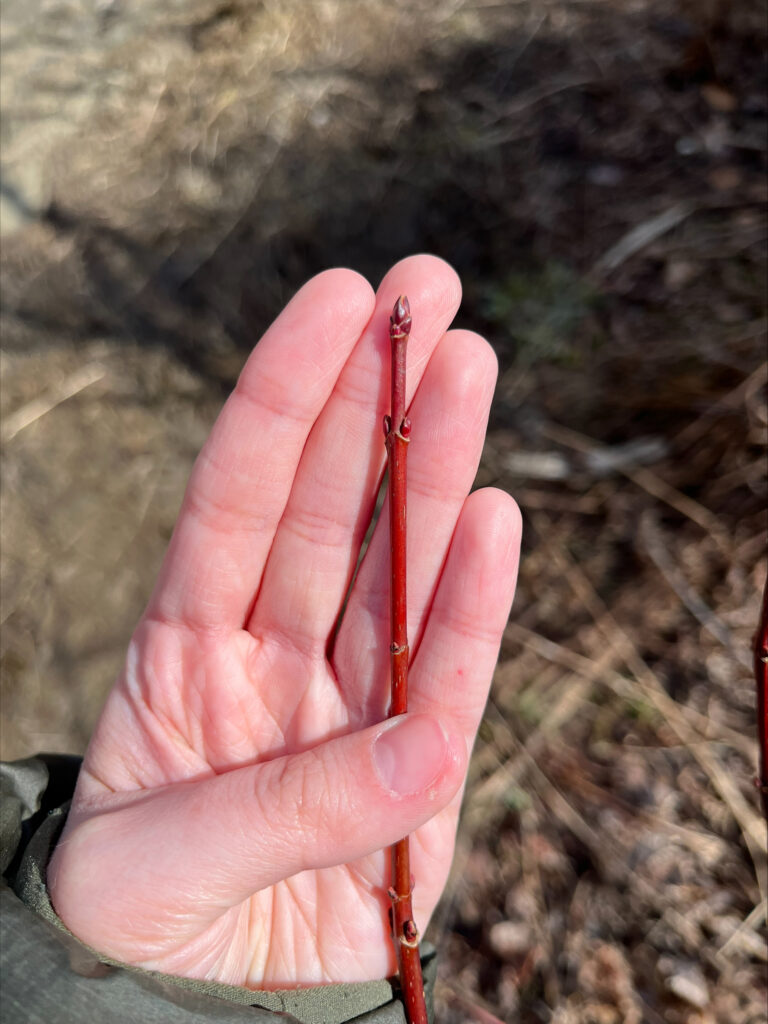
There aren’t a whole lot of budding shrubs directly on my phenology spot, but I was able to find some in the surrounding area.

The buds of Allegheny blackberry (Rubus allegheniensis)
The buds of Red osier dogwood (Cornus sericea)

Finally, here are some videos that I captured on my way out of Centennial Woods. The first video depicts an American red squirrel and a bird that I haven’t been able to get a firm ID for with iNaturalist or with Merlin (some kind of woodpecker?). The second video depicts a blue jay hopping through the trees.

https://uvmoffice-my.sharepoint.com/:v:/g/personal/ggrzan_uvm_edu/ETZdkJaiqphJgJpav4OXCi4Bg7vqhst6L6TDUUM6ylJR7g

https://uvmoffice-my.sharepoint.com/:v:/g/personal/ggrzan_uvm_edu/EZv9AFhqgpxPuTtLQNmRGmEBD0TTfiwMlBdjnraf3bSg5w


Wildlife in Burlington

19 Feb

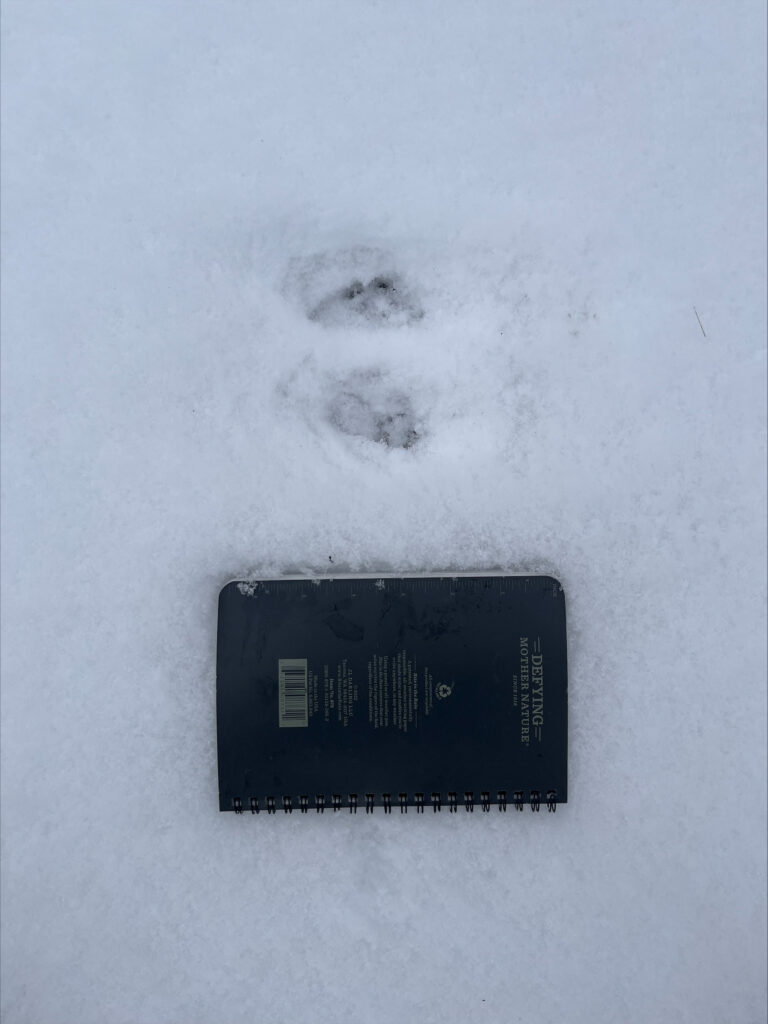
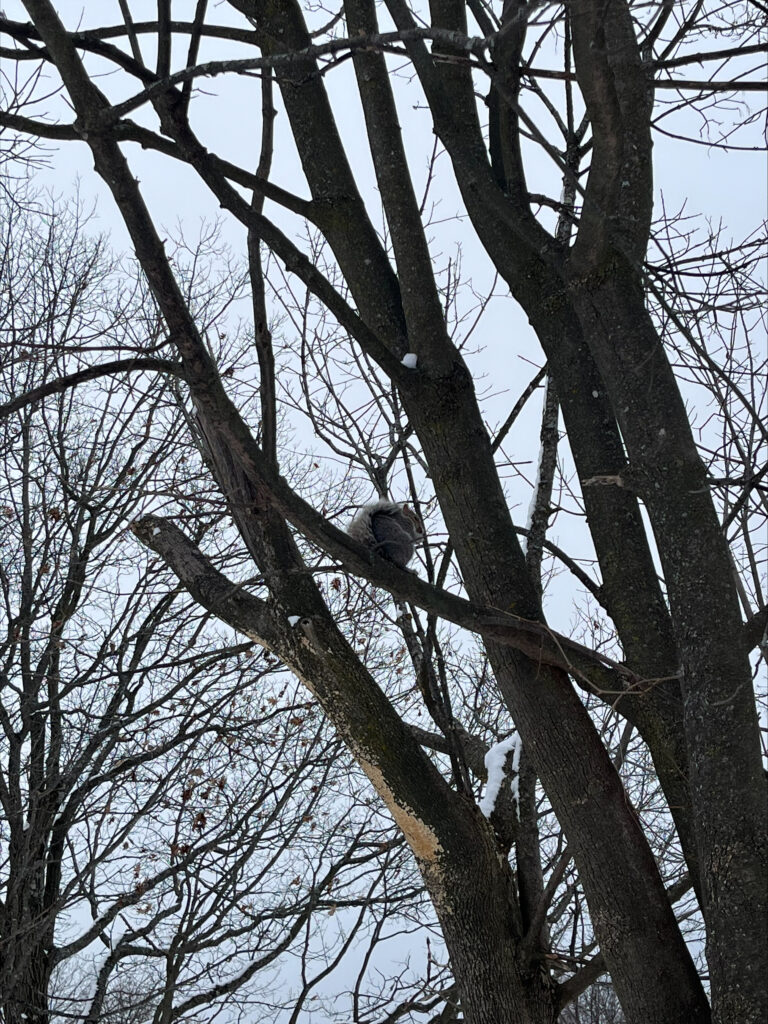
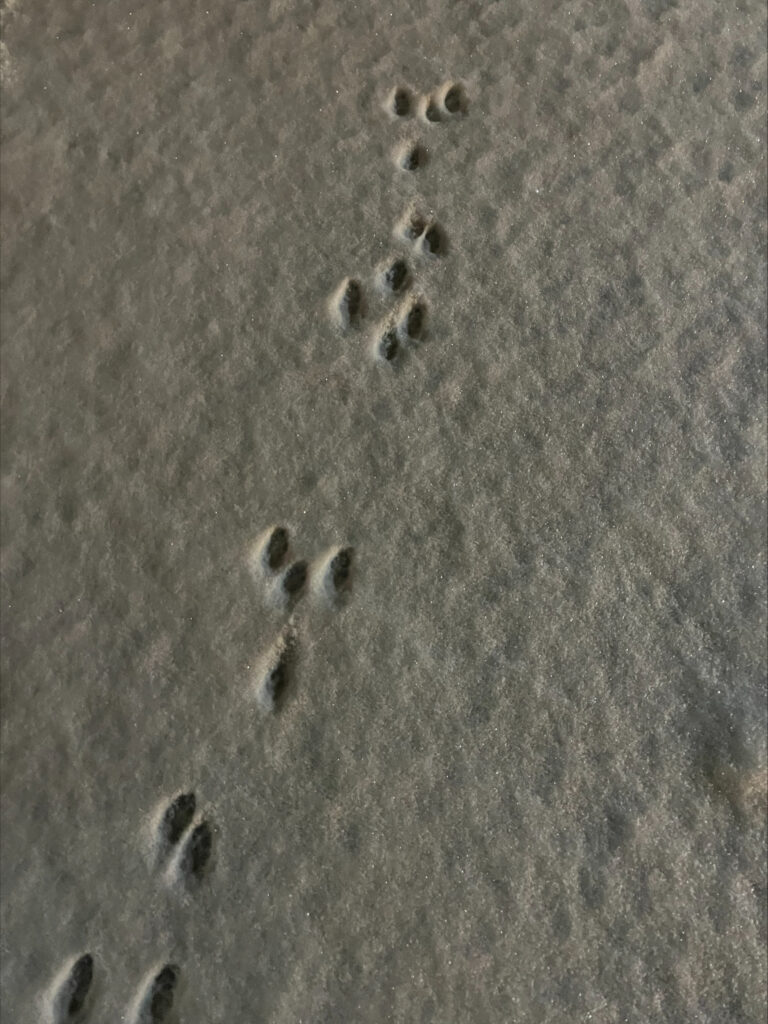
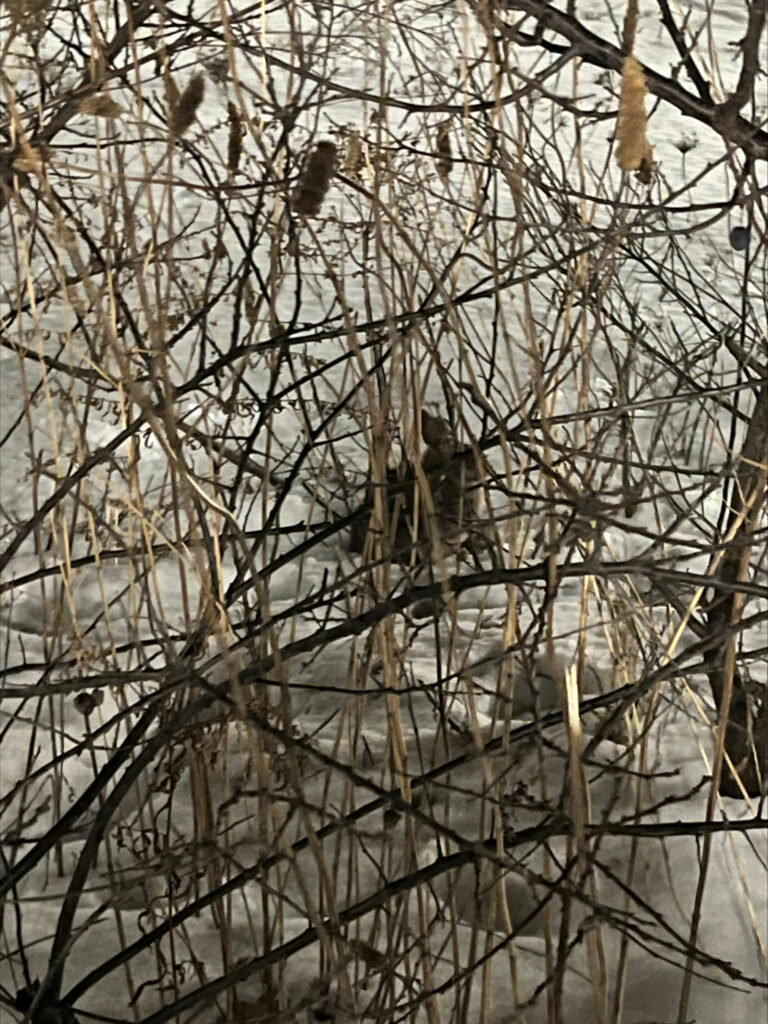
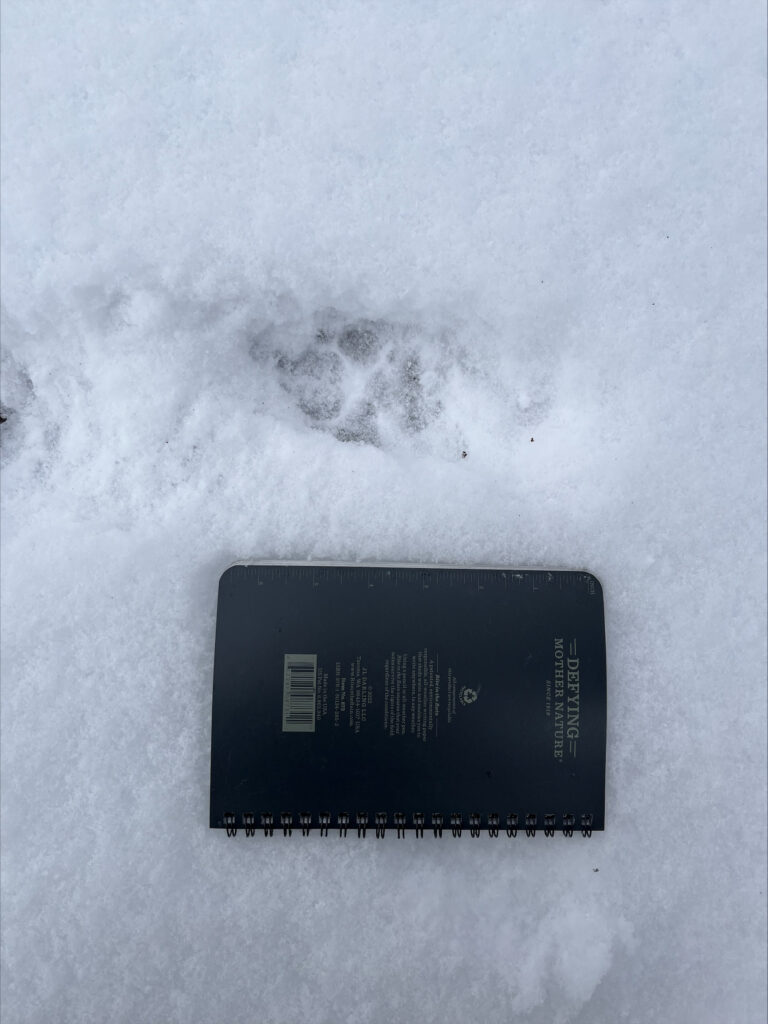
For the “Wildlife in Burlington” phenology blog post, I decided to mostly stay on campus and do some mammal tracking. The main area which I explored was the open area with some trees by the Davis Center Tunnel exit. I figured this area would have at least some activity, due to the presence of scattered trees and the lack of man-made pathways. First, I’ll start with the tracks that were relatively easy to identify, and some of the straightforward mammal sightings:

Eastern cottontail rabbit tracks, 2/16/2024
Eastern gray squirrel tracks, 2/16/2024
Raccoon tracks, 2/16/2024
Eastern gray squirrel, 2/16/2024
Eastern cottontail tracks, 2/16/2024
Eastern cottontail, 2/16/2024

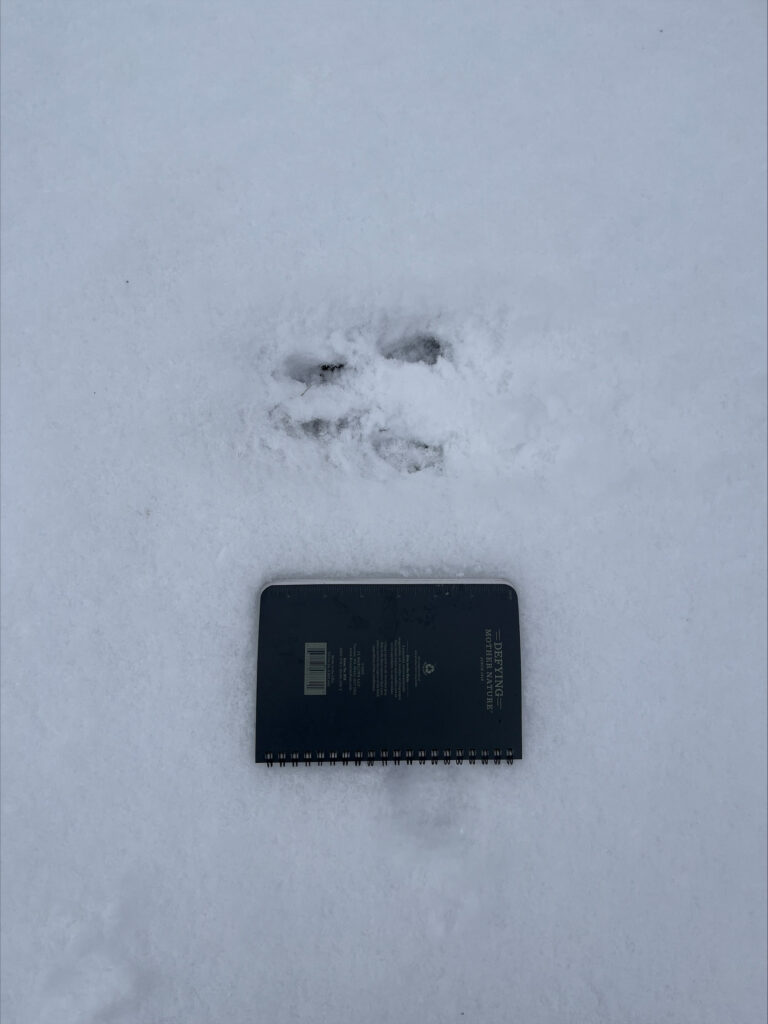
Now for the more difficult-to-identify tracks. Some of these may definitely just be from a domestic dog or cat, but I wasn’t quite sure.

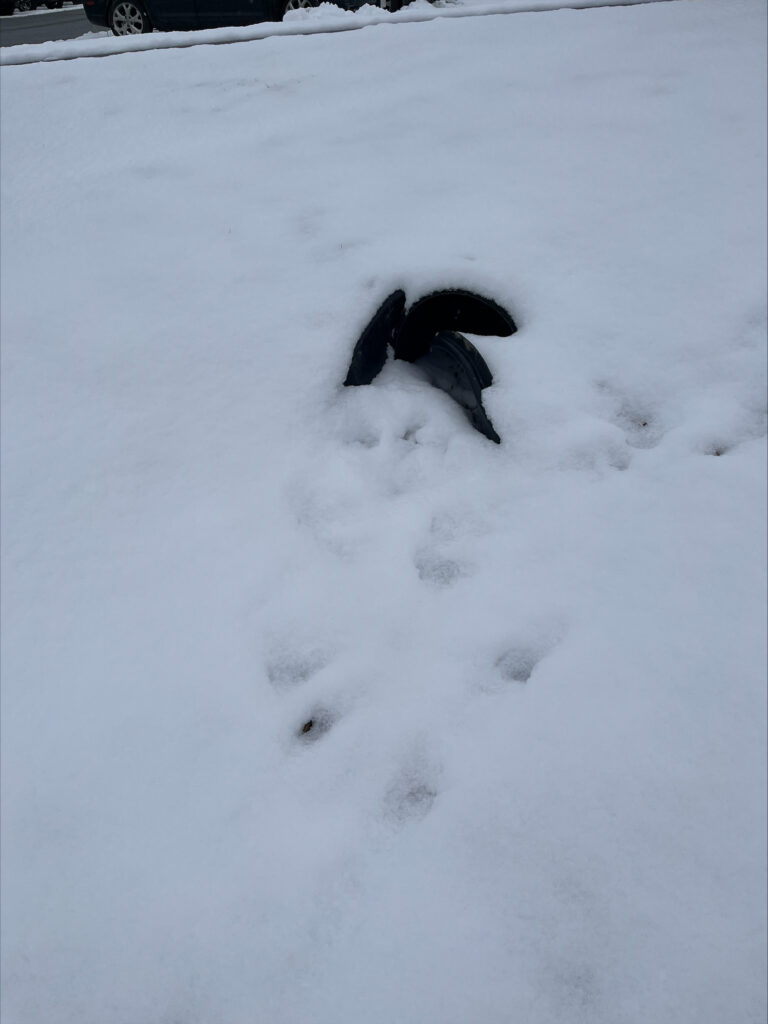
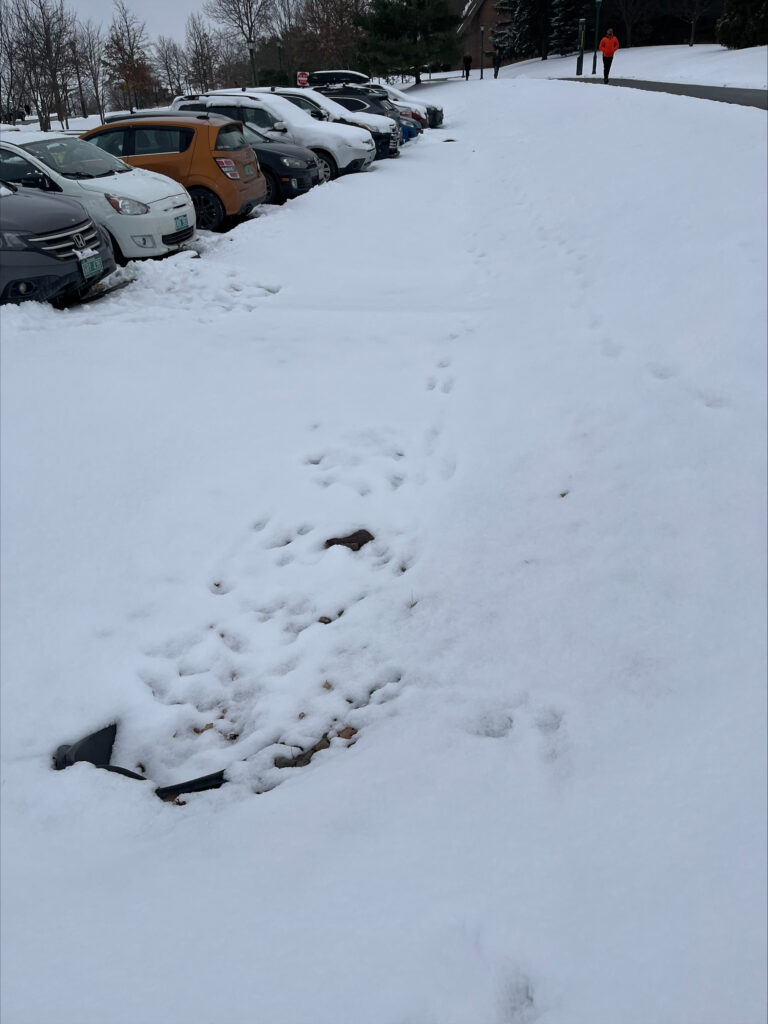
Additionally, after doing the initial tracking, I realized there was a culvert with animal tracks on either end, right behind the University Heights complex. This culvert with animal tracks represents the interactions between wildlife and man-made structures.

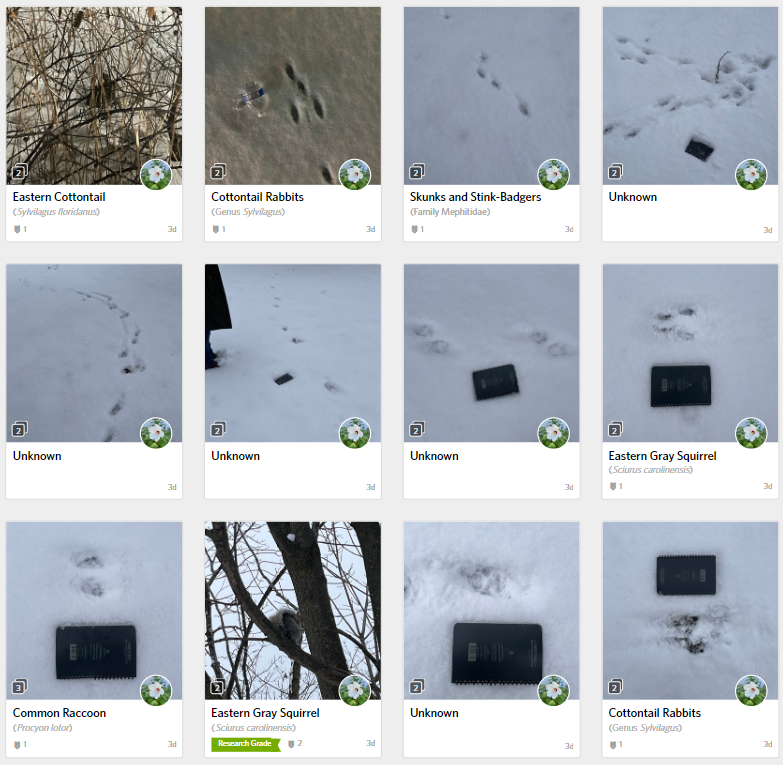
Overall, my experience using iNaturalist went pretty well, except iNat didn’t quite help with any identifications as the top guess was consistently “American Fisher” when obviously, none of these tracks are from a fisher. I’ve been using iNaturalist for about a year now, so I didn’t experience difficulty with uploading my findings and adding potential identifications. The only thing I found slightly annoying is that your upload is required to have an identification for it to be added to the project, which was kind of unfortunate because I wasn’t totally certain about some identifications so some of my uploads will remain in my general observations until I get a suggested identification.


Returning Visit (1/28/2024)

29 Jan

The return to my phenology spot was admittedly depressing; not because of the “sad” winter weather or lack of vegetation, but because of the lack of genuine winter weather. The conditions during my visit were a sad excuse for winter weather; the area should’ve been covered in fresher snowpack rather than slush, the water of the stream should not have been running, and it definitely shouldn’t have been above freezing. The trek to my spot was genuinely treacherous, as the trails were packed down with mixed layers of ice and slush, making the journey incredibly slippery.

The most prominent phenological change to my spot is the layer of slushy snow on the ground, covering a significant amount of the dead flora. There were little to no direct signs of wildlife directly at my phenology spot, and the most prominent animal prints were from humans walking their dogs. I could no longer audibly hear insects chirping, and less birds could be heard in the surrounding area.

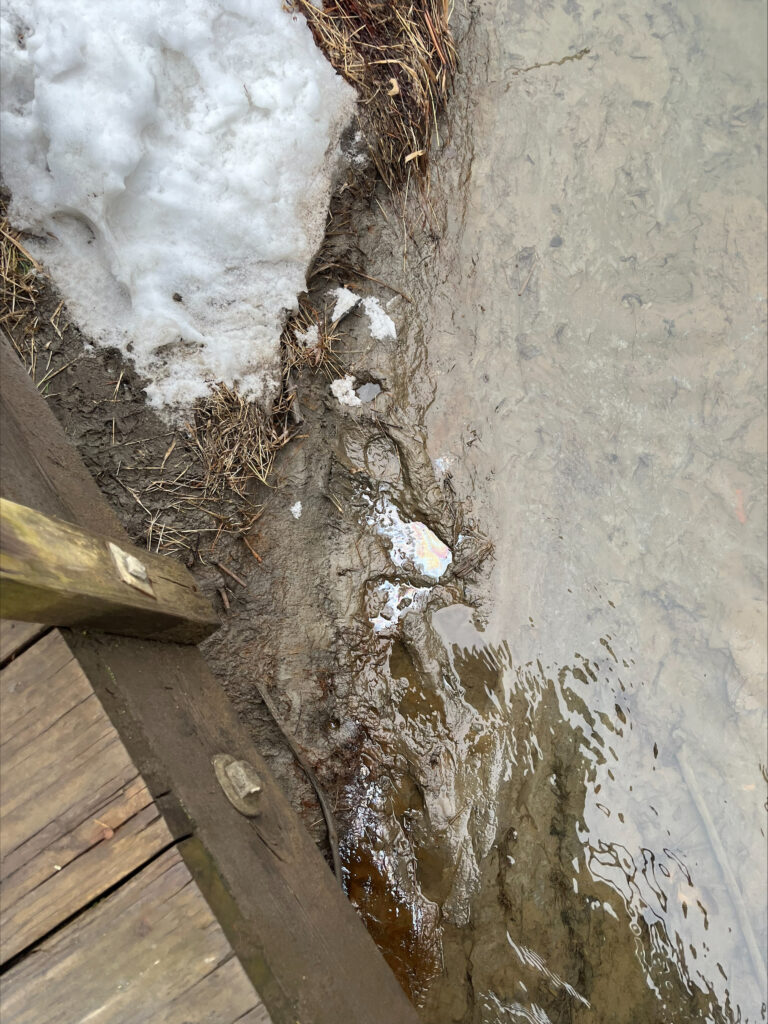
The pooled oil which I have kept track of on the streambank is now on the left side rather than on the right; more oil used to be present on the right, but now the left has a large pool of oil.
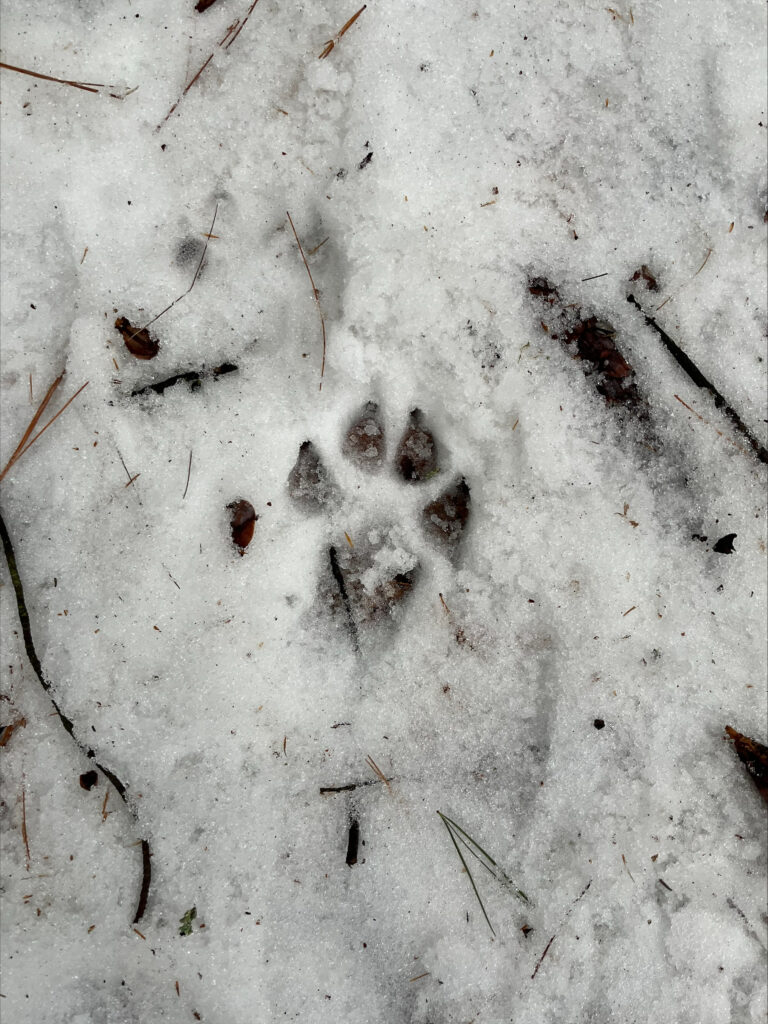
A possible coyote track found during my walk through Centennial.
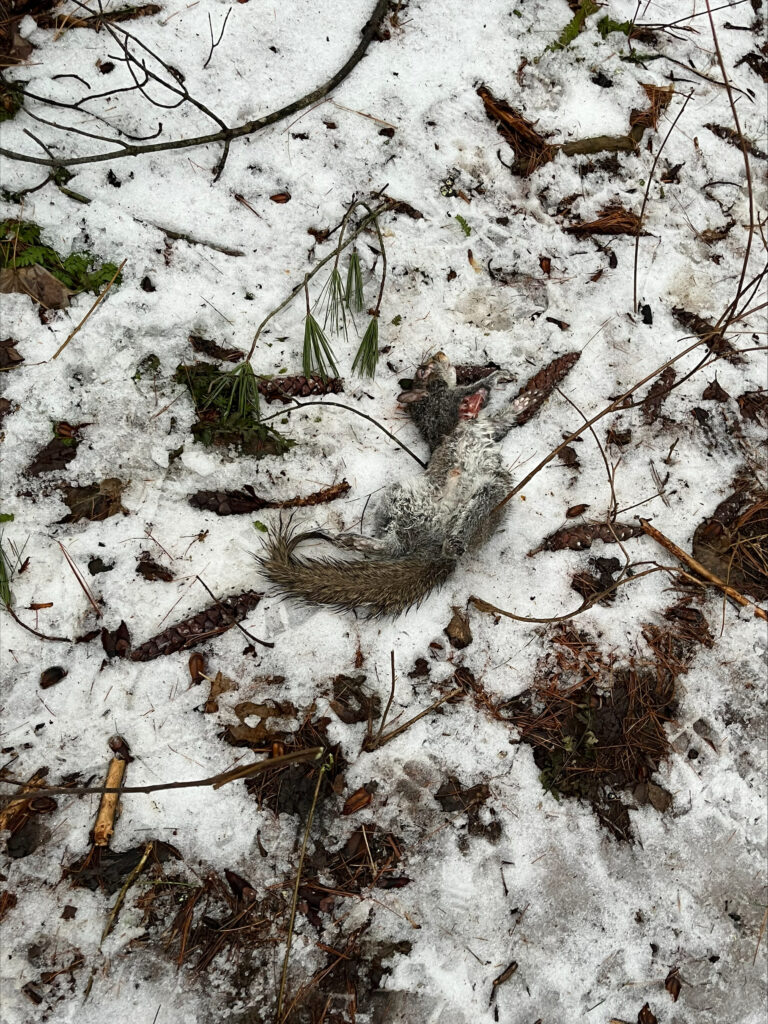
A dead squirrel, found during my walk out of Centennial.
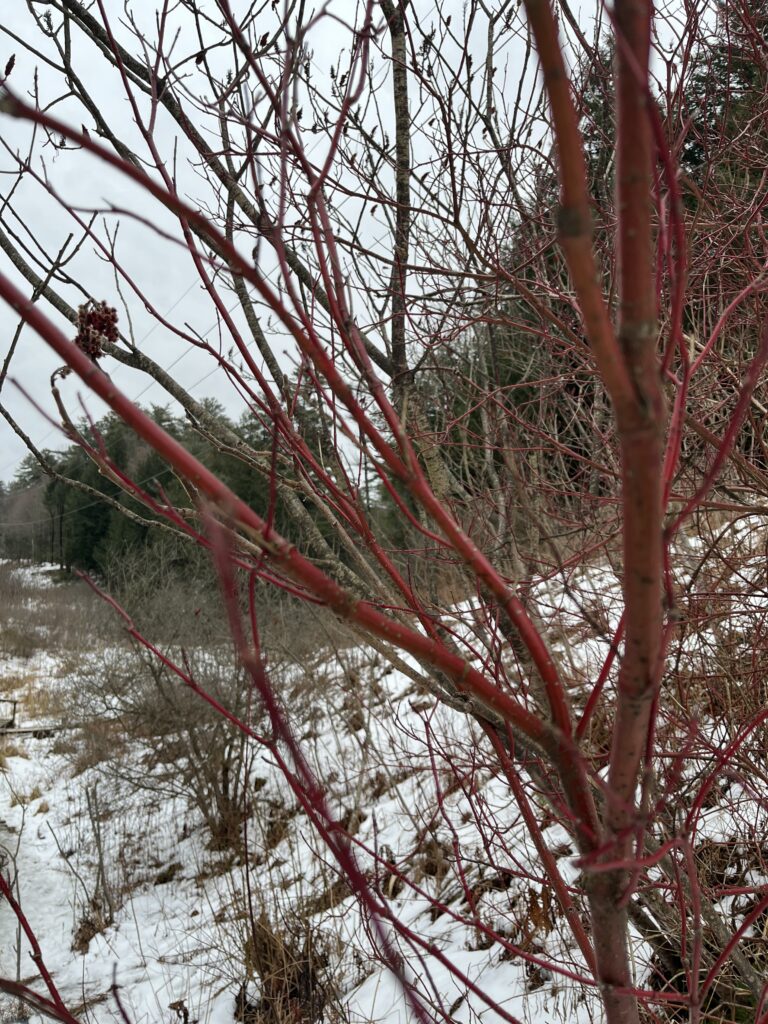
Red osier dogwood (Cornus sericea)
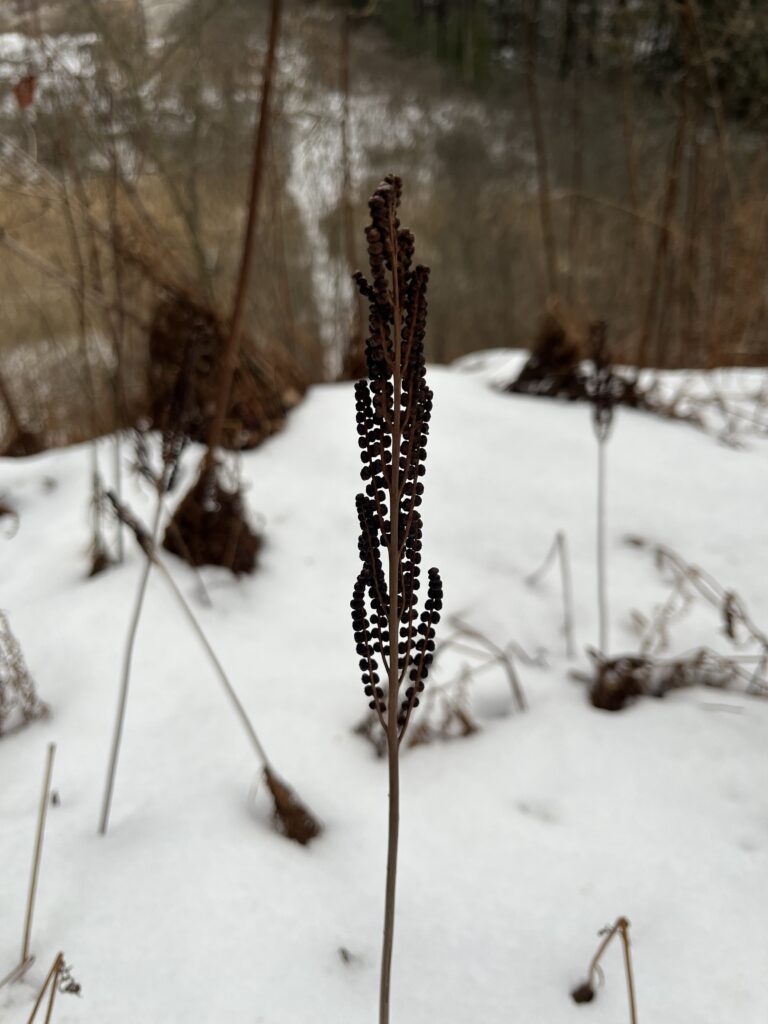
Sensitive fern (Onoclea sensibilis)


Final Post of the Semester

09 Dec

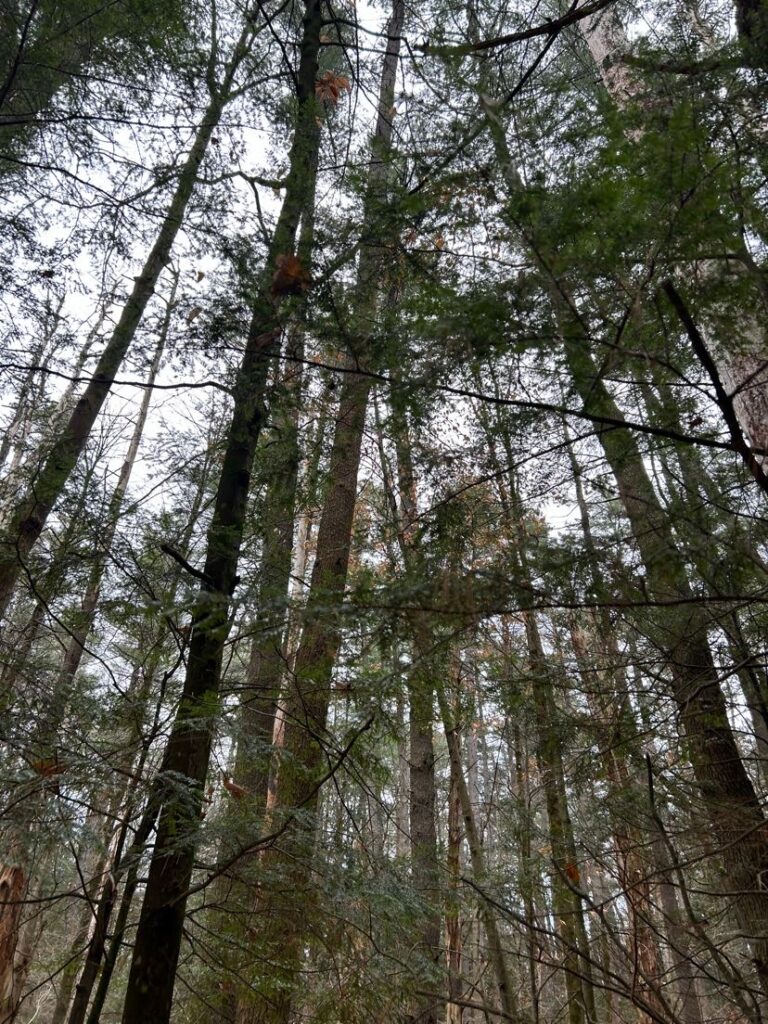
Upon arrival at my phenology spot, it was very apparent that winter was approaching. The state of my spot at this point wasn’t incredibly different from my last visit, but it was obvious that we’re moving closer and closer to the winter season. The phragmites which dominates my spot still stands, and the leaves of a few deciduous tree species surrounding the phenology spot still hang on for dear life (including):

  • Sugar maples (Acer saccharum)
  • American beech (Fagus grandifolia)
  • Northern red oak (Quercus rubra)

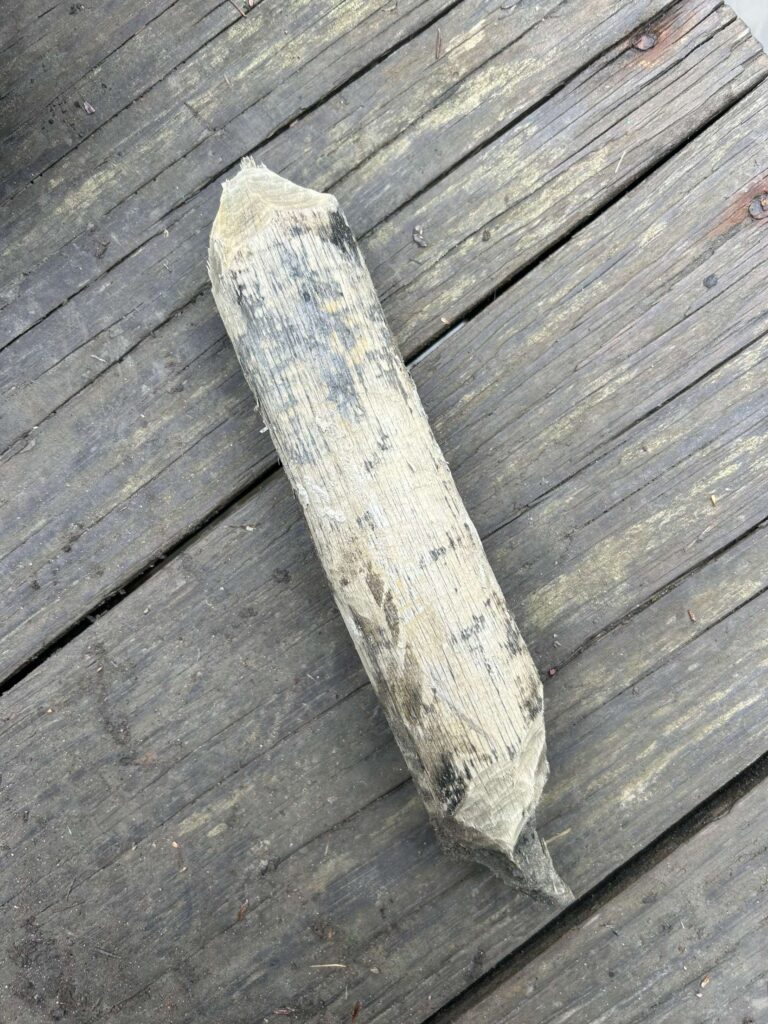
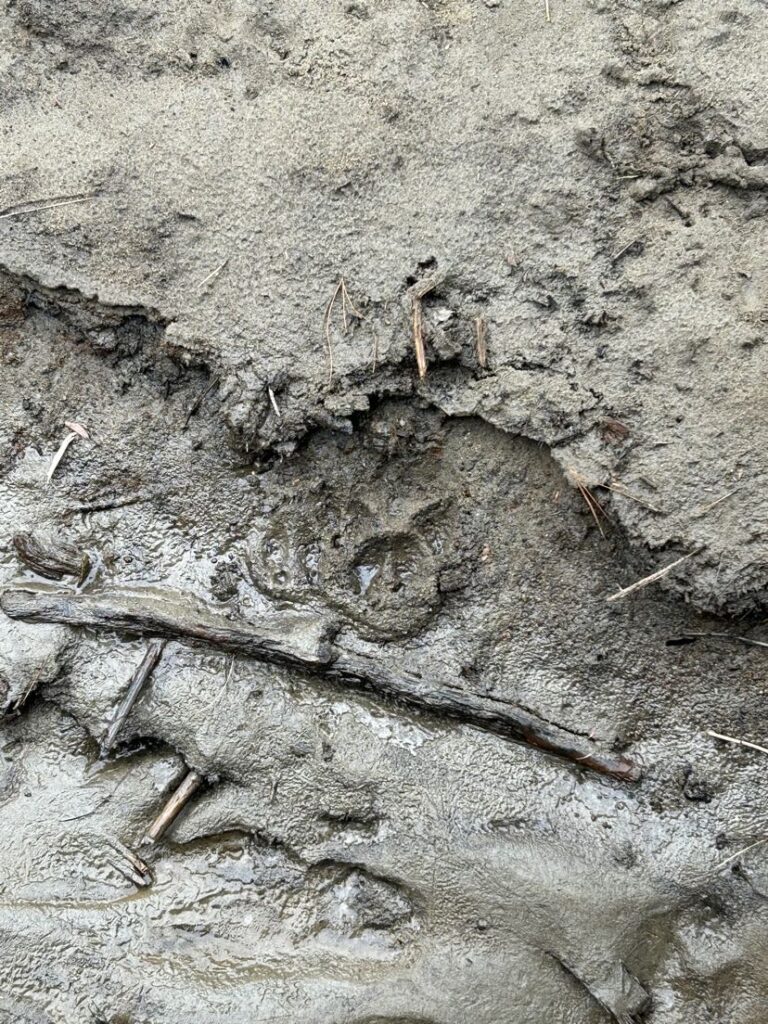
Some signs of animal activity could also be seen, specifically some animal tracks in the mud (possibly deer tracks) and a piece of wood indicating past beaver activity.

Wood possibly chewed by beaver (12/9/2023)
Animal tracks (deer?) in the mud (12/9/2023)

Final reflection question:

I genuinely love my phenology spot and feel like I couldn’t have picked a better place for this assignment. My spot is a relatively short walk from the entrance of Centennial, but still captures a unique aspect of the ecosystem of Centennial Woods being located at the most prominent stream (that I’ve found), in the forest. The stream is probably my favorite aspect of the spot, and upon seeing the stream for the first time I knew that I would pick this as my spot. In hindsight, my spot is very peaceful, but also fills me with a general nervousness due to the prominence of invasive species. I would say that the prominence of invasive species definitely docks a few points, but the entirety of Centennial Woods is infested with invasive species, so that wasn’t really escapable. Going to my phenology spot doesn’t feel like an assignment, it always feels like a little adventure where you never really know what you’re going to find or end up doing. I look forward to visiting my phenology spot after break and watching the changes take place as winter shifts to spring.


Phenology at Home (Northport, Long Island, NY)

27 Nov

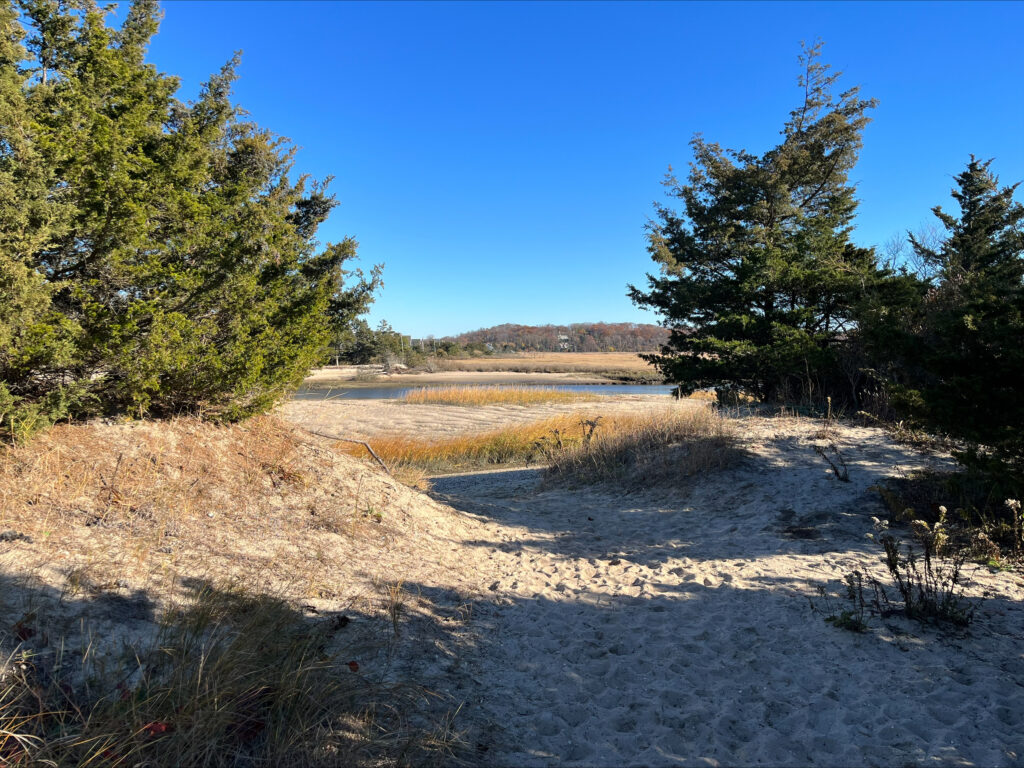
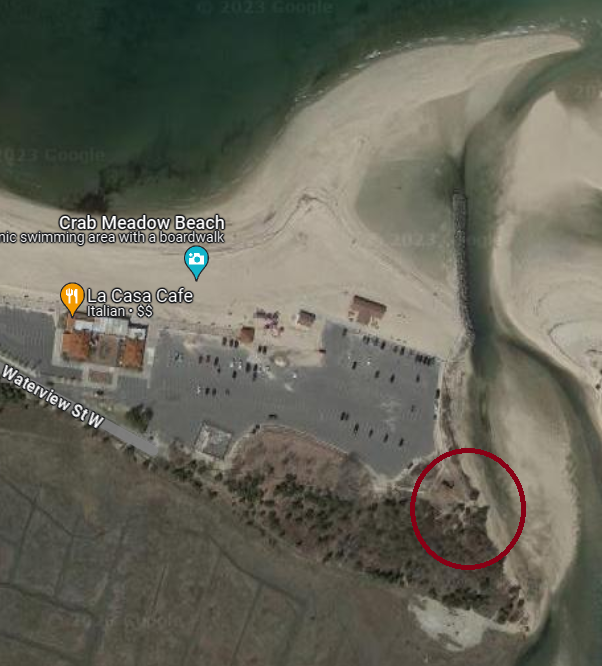
For the phenology-at-home portion of our Phenology Blogs, I picked one of my favorite local beaches which is a 15 minute drive from my house. Crab Meadow Beach is right next to a golf course, and contains an estuary + salt marsh (located on the right side of the Google Maps screenshot). The phenology spot which I decided on is mainly contained to the red circle in the bottom right.

Crab Meadow Beach, Long Island, New York

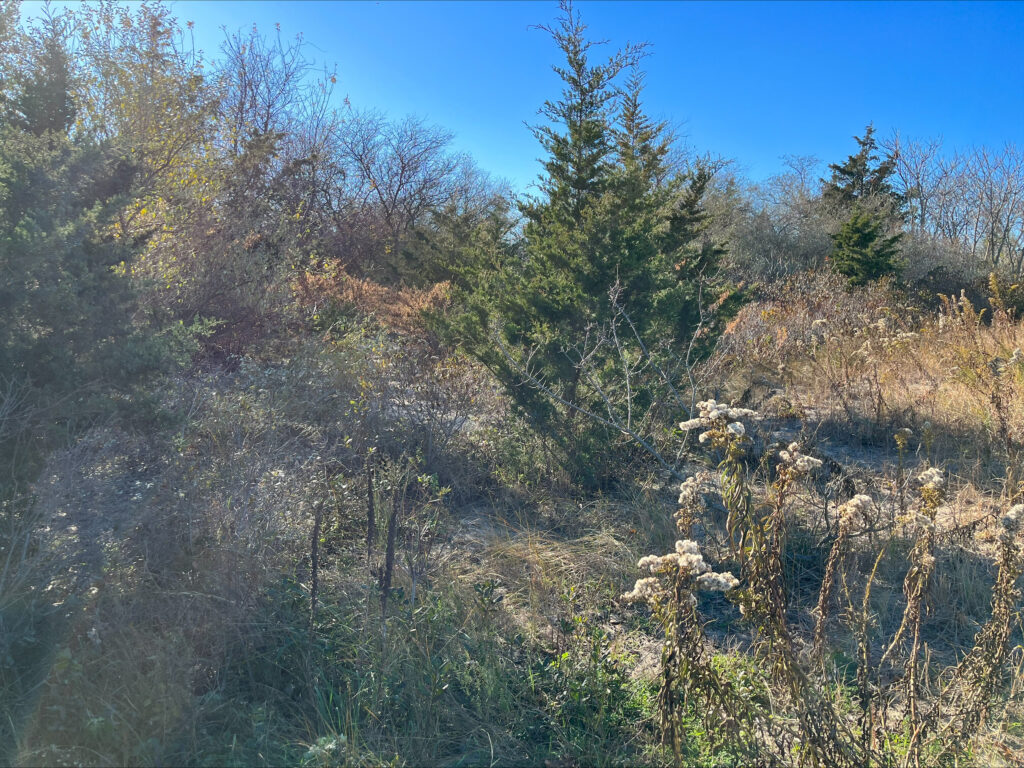
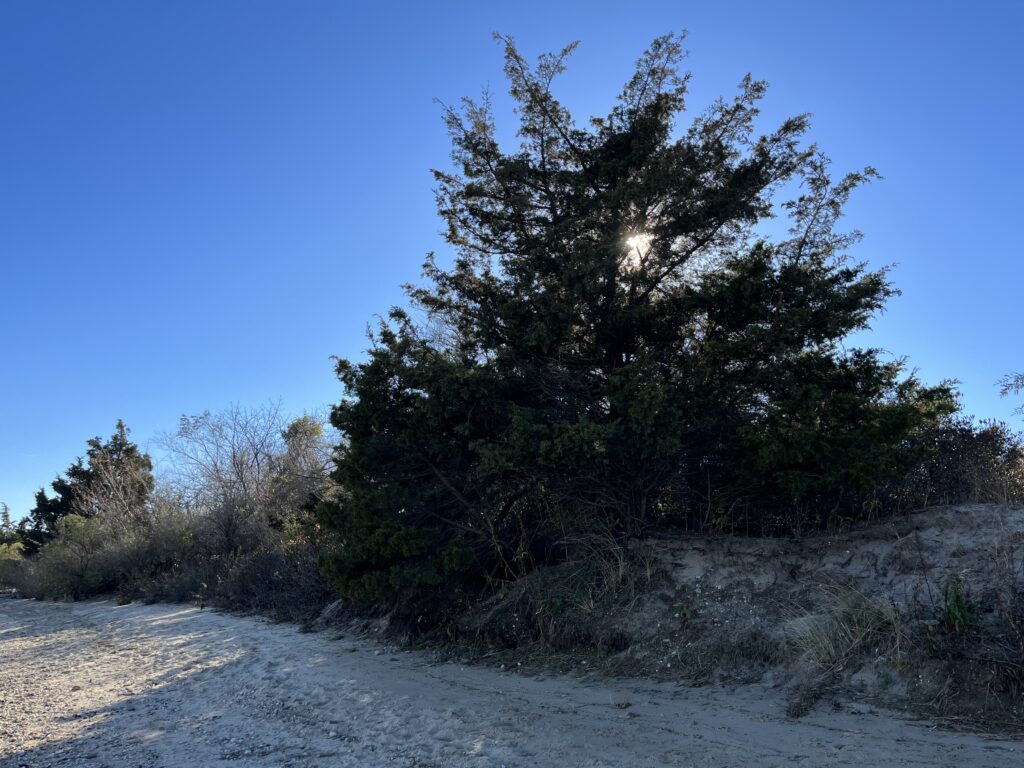
Some photos of the general area, before I dive into species composition:

This new phenology spot is in a wildly different ecosystem compared to my Centennial Woods phenology spot (forest versus salt marsh/beach), leading to a significant difference in plant species makeup.

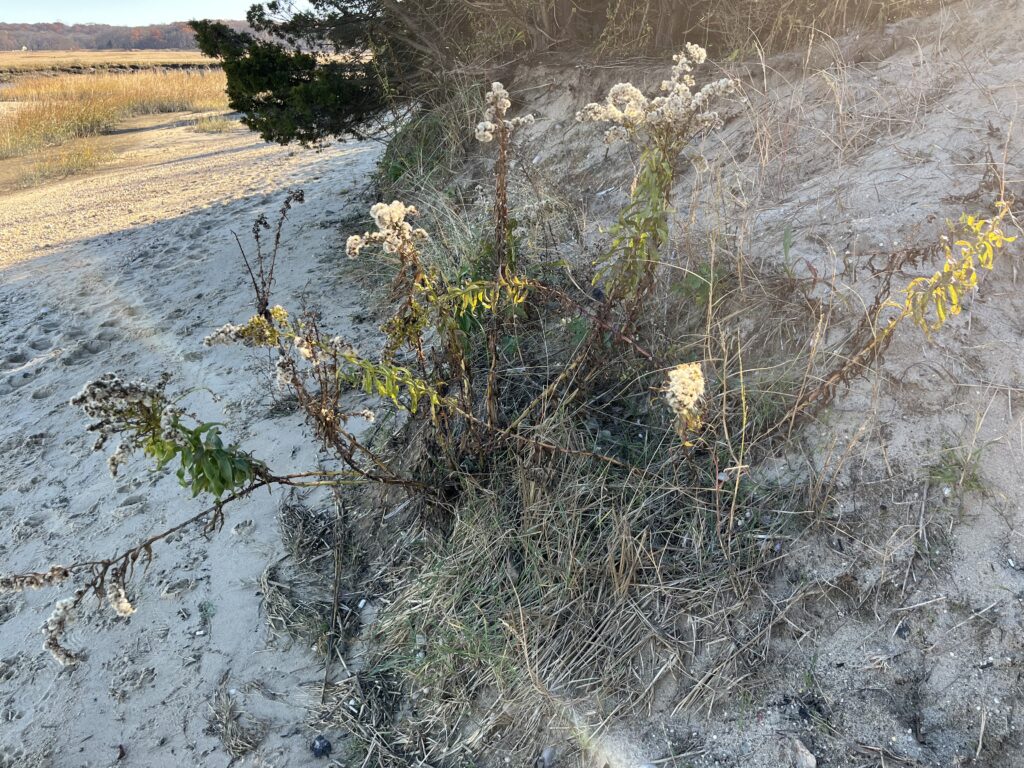
Depicted below is Seaside goldenrod (Solidago sempervirens), one of the most prominent species in the salt marsh area of Crab Meadow Beach. The top two photos show the flowers still in bloom, despite the cold weather, and the bottom photo is a cluster of Seaside goldenrod which has gone to seed.

Seaside goldenrod (11/23/2023)

Some other prominent native species in this area include:

  • Smooth cordgrass (Sporobolus alterniflorus)
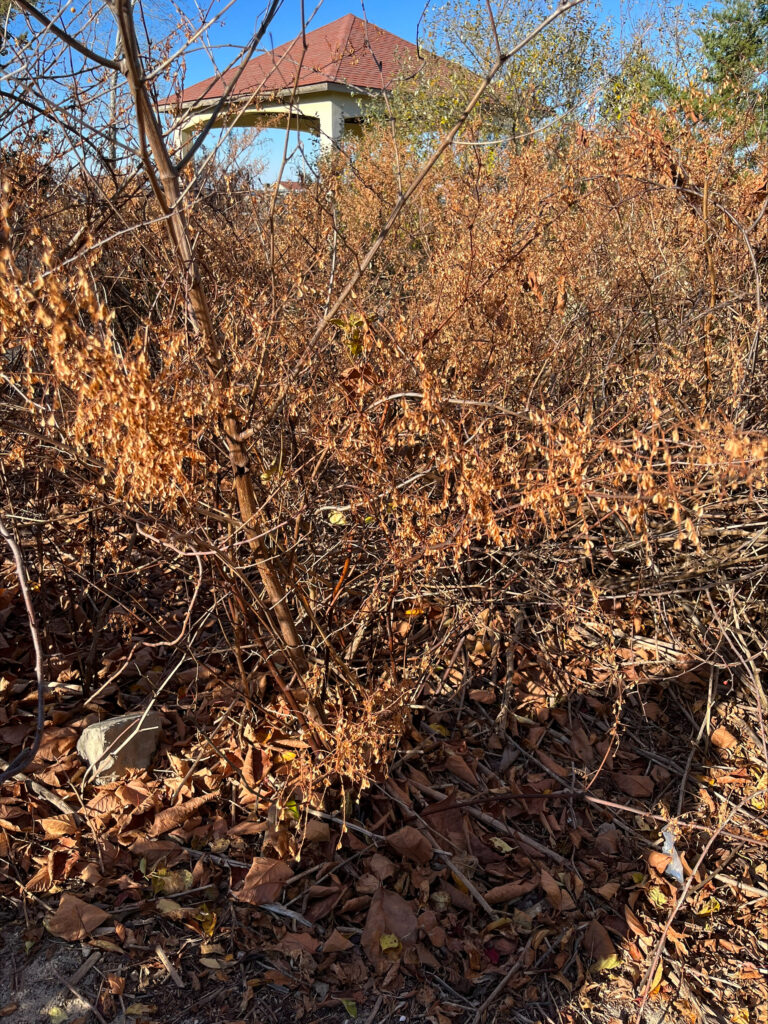
  • Northern bayberry (Morella pensylvanica)
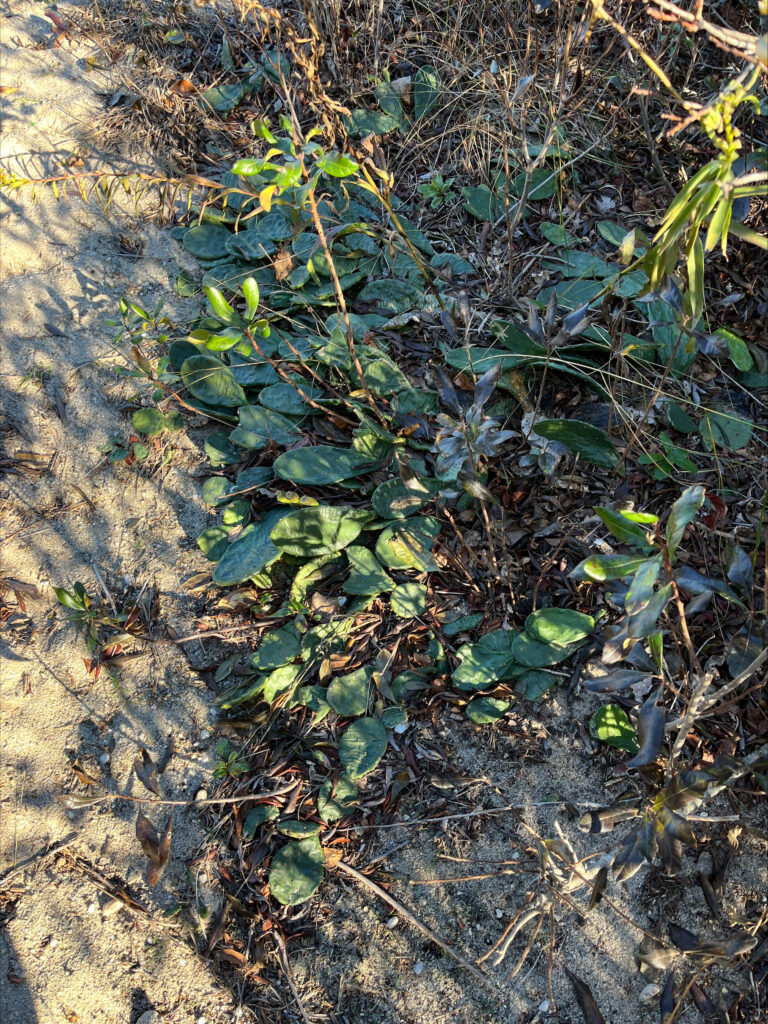
  • Eastern prickly pear (Opuntia humifusa)
  • Black cherry (Prunus serotina)
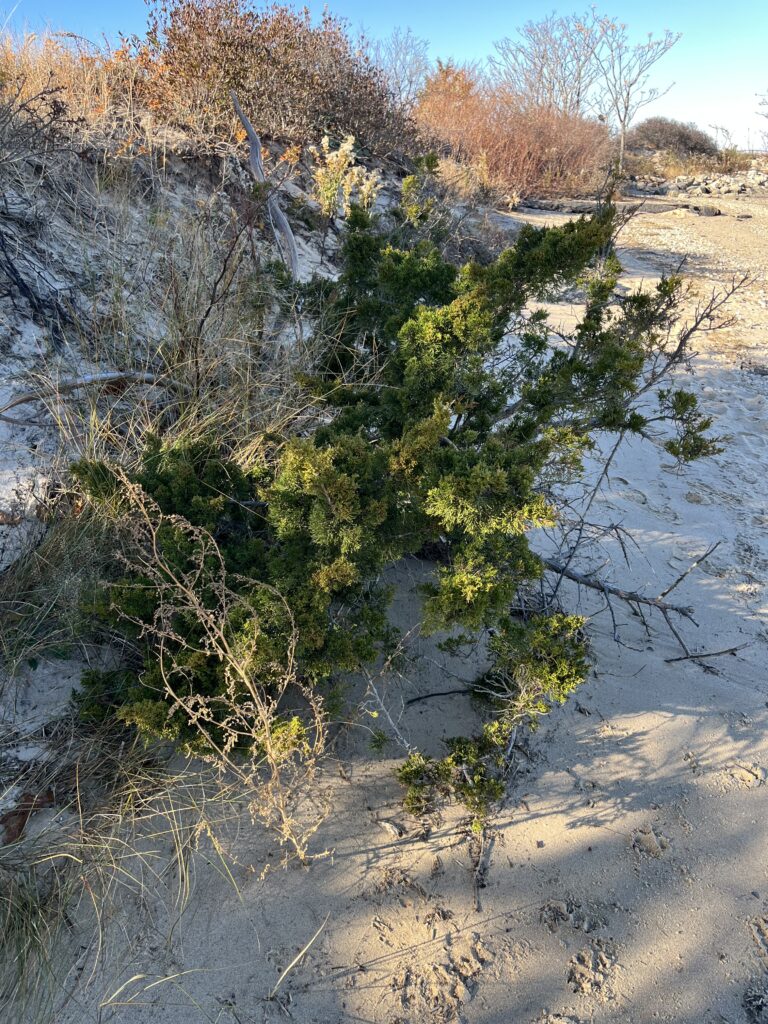
  • Eastern red cedar (Juniperus virginiana)
  • Red pine (Pinus resinosa)
  • Northern dewberry (Rubus flagellaris)
Eastern red cedar (11/23/2023)
Eastern prickly pear (11/23/2023)
Northern bayberry (11/23/2023)

Despite the beauty of Crab Meadow, the ecosystem is incredibly disturbed. The salt marsh is home to many native plant and animal species, but the area is overrun by invasive species which have choked out a significant amount of the native flora. The most prominent invasive species include:

  • Oriental bittersweet (Celastrus orbiculatus)
  • Japanese knotweed (Reynoutria japonica)
  • Autumn olive (Elaeagnus umbellata)
  • Amur honeysuckle (Lonicera maackii)
  • Multiflora rose (Rosa multiflora)
Japanese knotweed (11/23/2023)
Amur honeysuckle (11/23/2023)
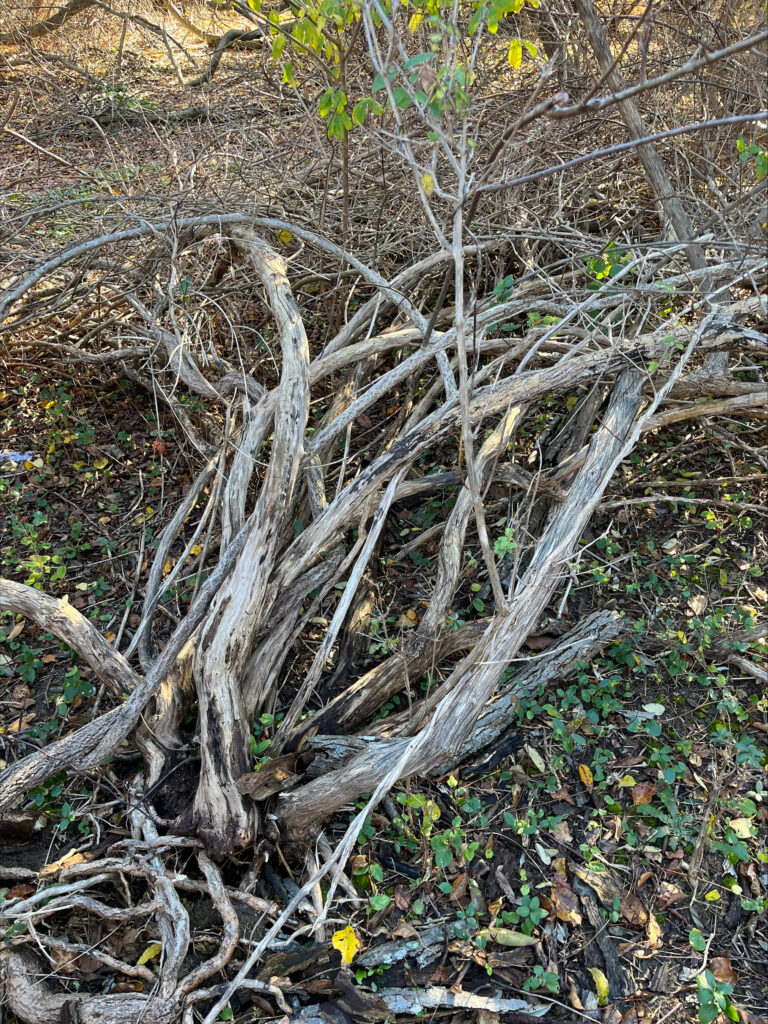
Black cherry tree entirely choked out by Oriental bittersweet (11/23/2023)


A Quick Visit (11/17/2023)

27 Nov

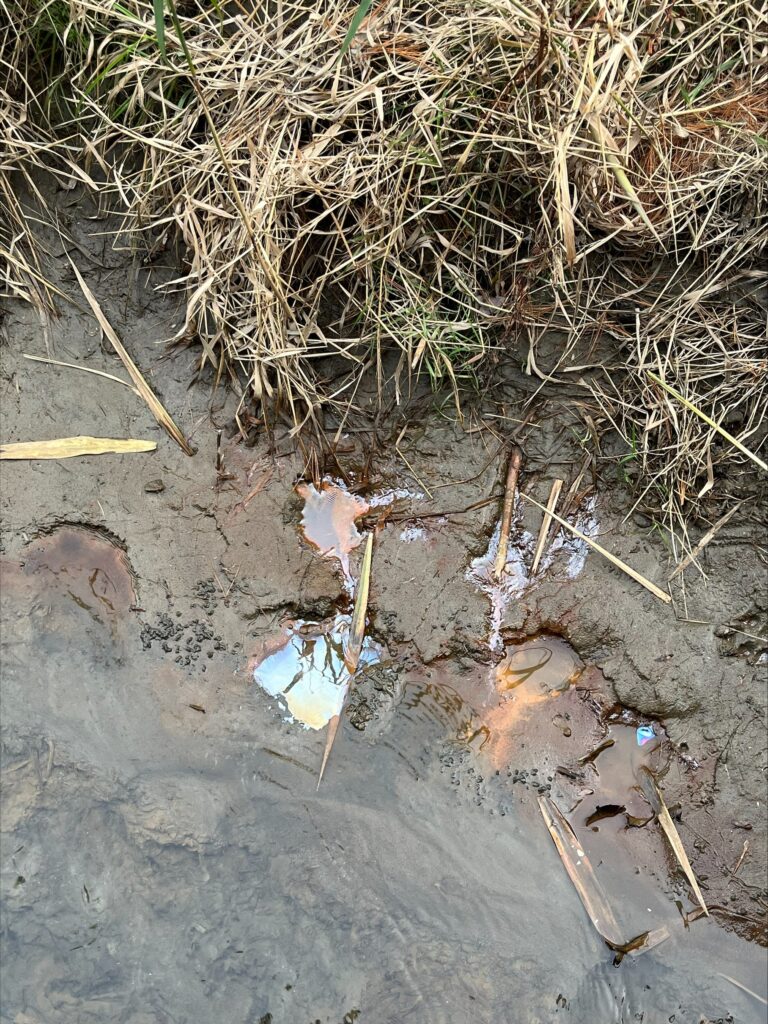
During the Urban Naturals Stewardship lab, we conveniently walked through my phenology spot. Upon arrival, I noticed the growing size of the oil deposit sitting along the streambank.

The oil deposit, 11/17/2023

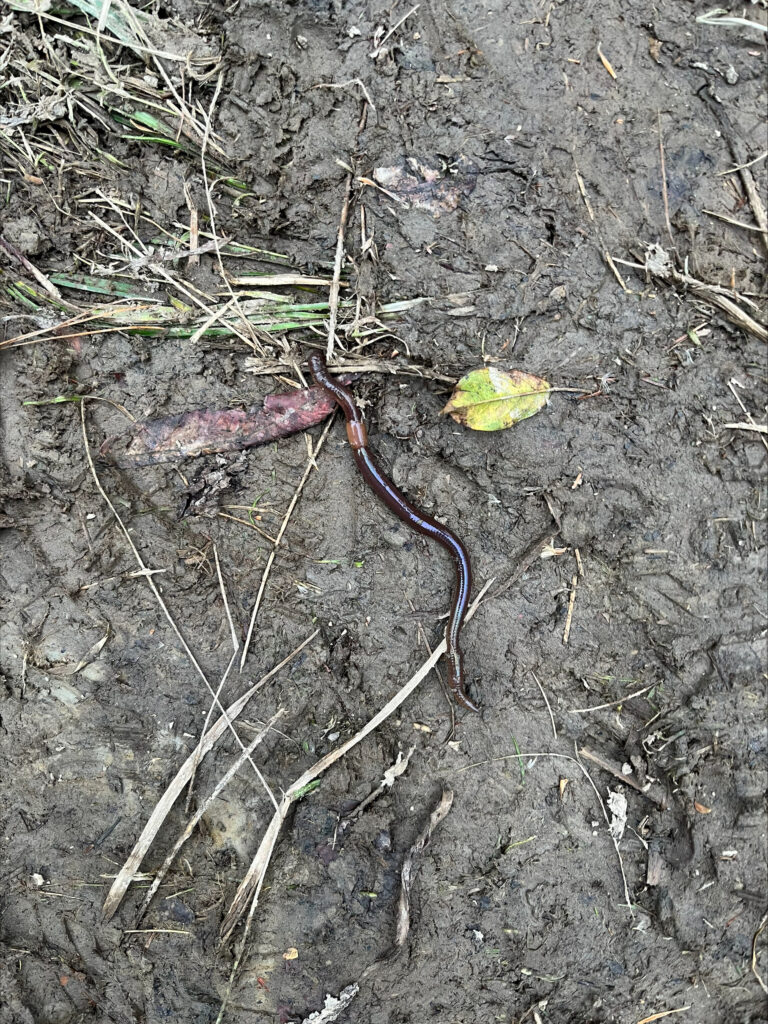
Just down the trail from my phenology spot, we came across an invasive earthworm, which ironically led to the group dilemma of “should we kill it?”. In the end, we decided to not kill the earthworm as we didn’t have anything to suffocate it in (to avoid regeneration and to be more humane).

Invasive earthworm, likely a “Red Wriggler”, 11/17/2023


Vegetation Changes and Sensory Experience

06 Nov

The most prominent vegetation changes don’t lie directly in my phenology spot; they are most noticeable in the surrounding area, especially the trees in the distance. In pictures taken during my first visit on 10/25/2023, the trees in the distance visibly had yellow leaves which had not yet fallen. Upon returning to the spot, many of the leaves on these trees had fallen, and the leaves that were still present were orange rather than yellow. Overall, the vegetation in the direct area was less green and less abundant. Sensorially, the most prominent sounds at the phenology spot are the reeds blowing in the wind. On occasion, a miscellaneous noise may be heard from the reeds- possibly a mouse scurrying through. Bird calls can be heard throughout the area, most identifiably crows, along with the faint chirping of various insects. The running stream is incredibly peaceful, however, the dominant presence of invasive species such as Phragmites troubles one’s mind while sitting at this spot.

Sumac fruits remain on branches amidst weather changes.


Birds-Eye Map of Phenology Spot

06 Nov

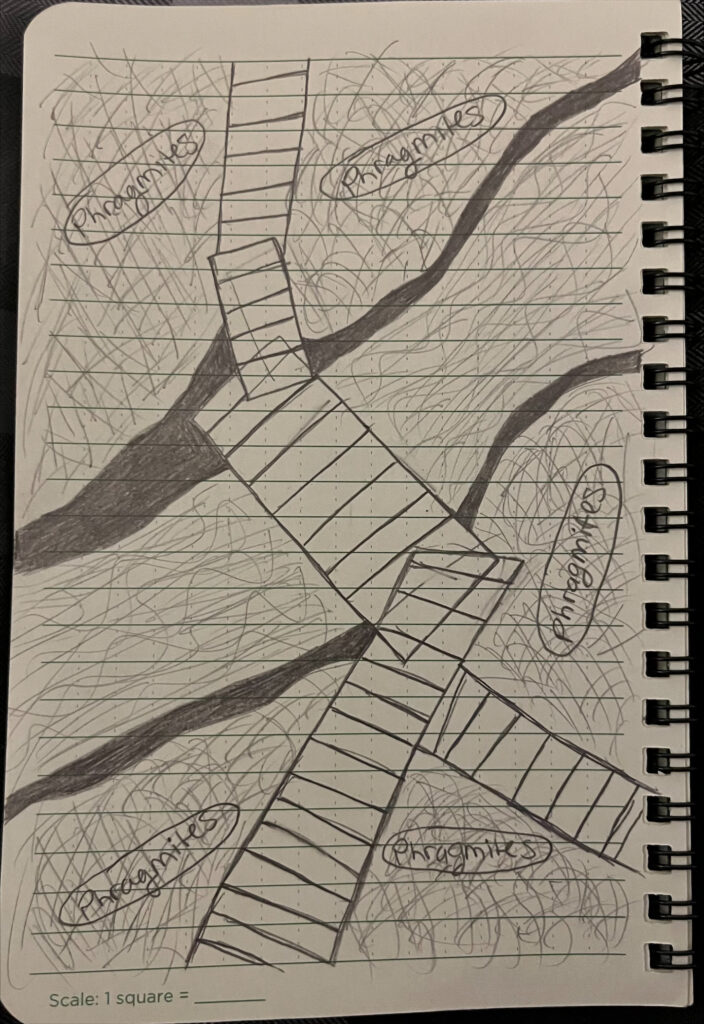
The specific spot which I have chosen for this project lies on a bridge above one of the streams running through Centennial Woods. This area is significantly disturbed- being largely overrun by invasive “Common Reed” (Phragmites australis) and in close proximity to other invasive species such as Japanese barberry (Berberis thunbergii) and Alder buckthorn (Frangula alnus). Some of the native species observed in the area are Devil’s beggarticks (Bidens frondosa), Purple loosestrife (Lythrum salicaria), and Reed canary grass (Phalaris arundinacea). In addition to the presence of invasive species, it is clear that this stream deals with a great amount of stormwater runoff from the surrounding area, as there are recurrent collections of oil along the streambank.

Hand-drawn map of phenology spot (11/6/2023)
Oil deposits along the stream (11/6/2023)


Skip to toolbar