RSS
 

Archive for November, 2023

Phenology at Home (Northport, Long Island, NY)

27 Nov

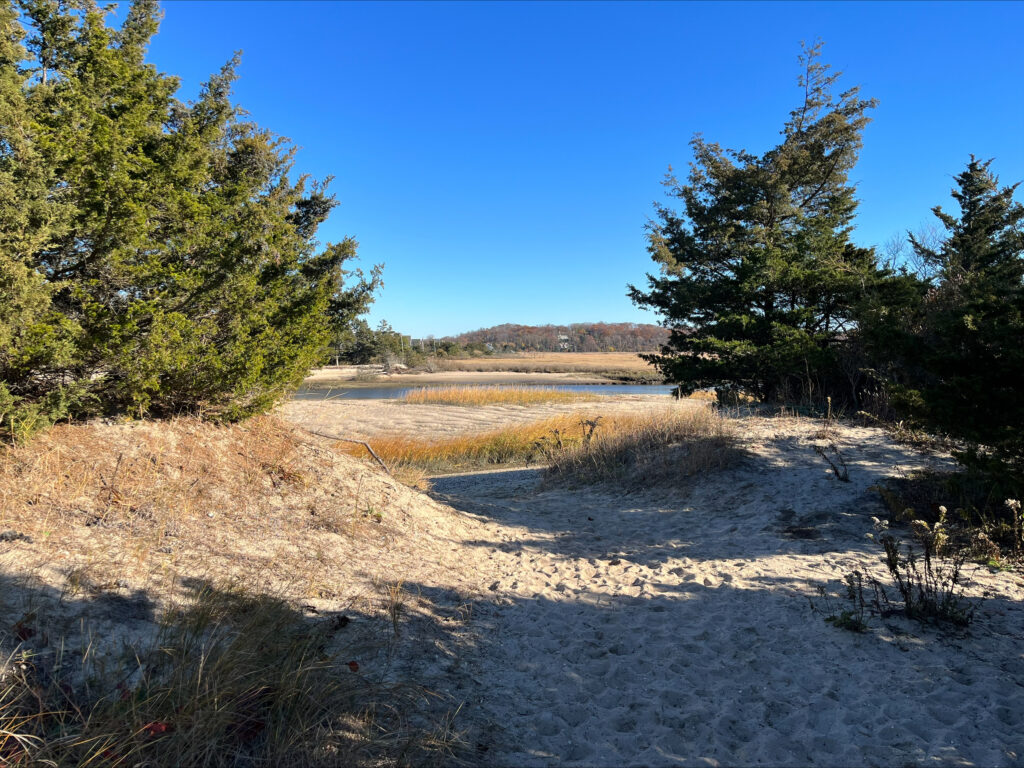
For the phenology-at-home portion of our Phenology Blogs, I picked one of my favorite local beaches which is a 15 minute drive from my house. Crab Meadow Beach is right next to a golf course, and contains an estuary + salt marsh (located on the right side of the Google Maps screenshot). The phenology spot which I decided on is mainly contained to the red circle in the bottom right.
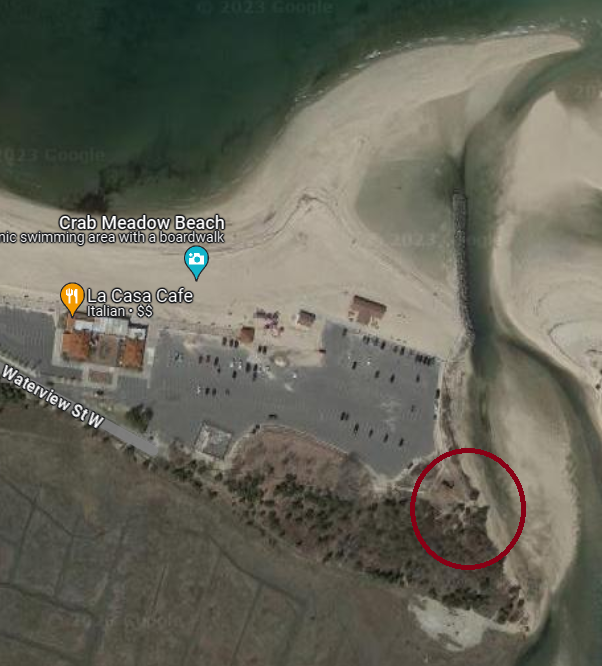
Crab Meadow Beach, Long Island, New York

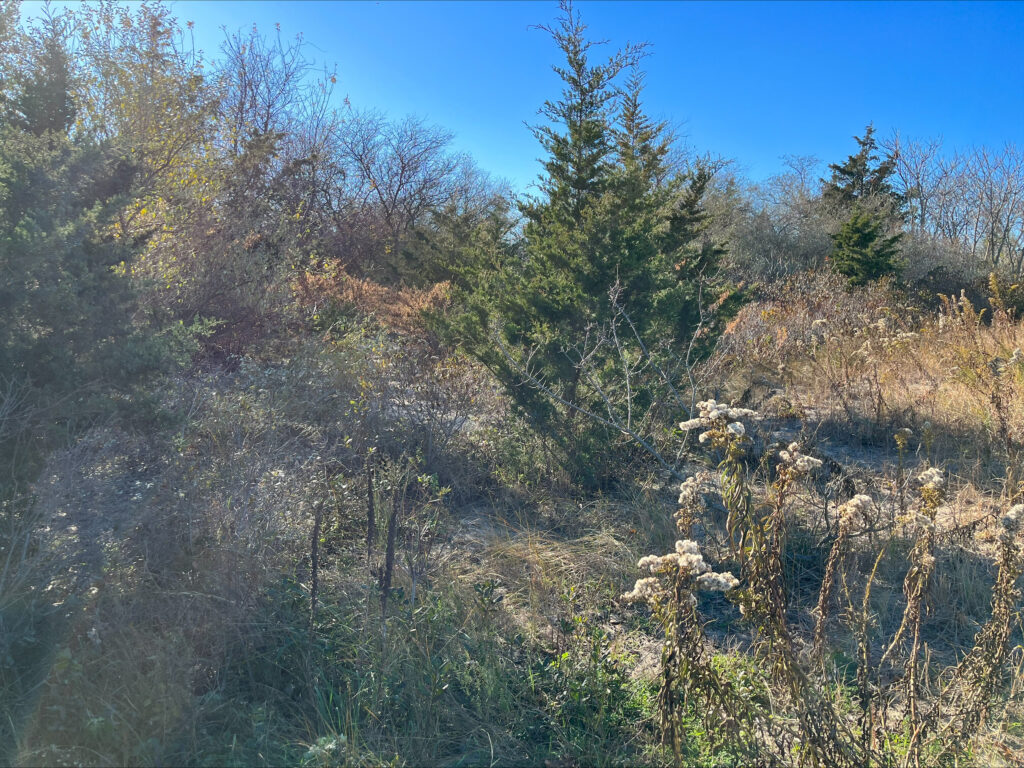
Some photos of the general area, before I dive into species composition:

This new phenology spot is in a wildly different ecosystem compared to my Centennial Woods phenology spot (forest versus salt marsh/beach), leading to a significant difference in plant species makeup.

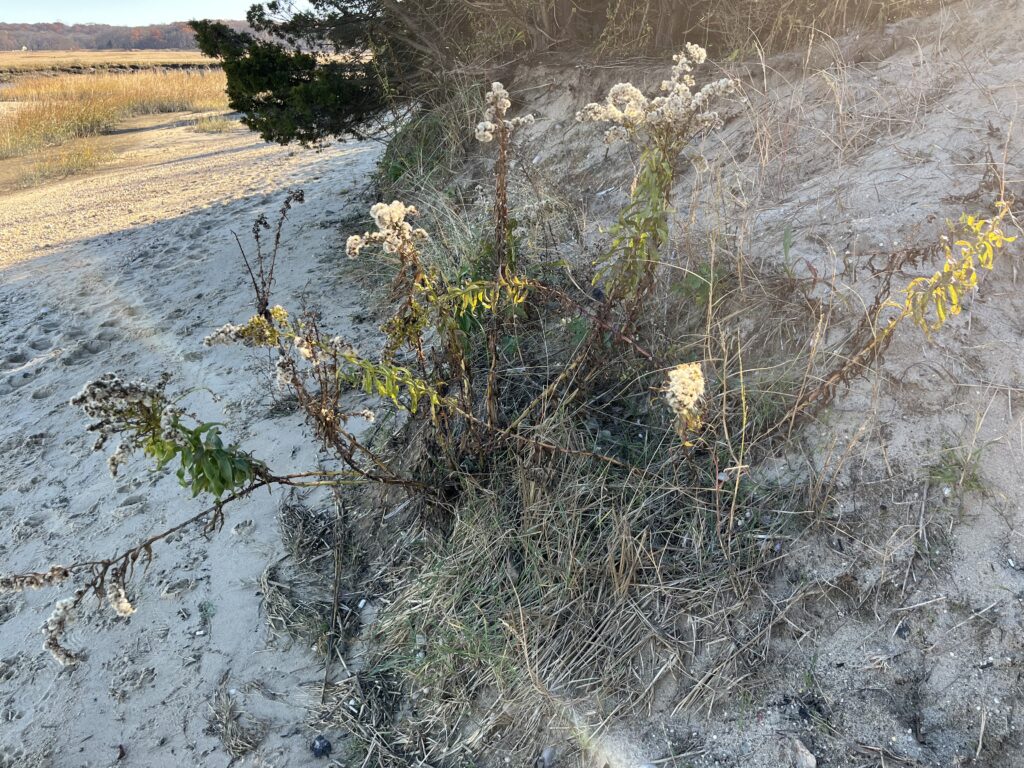
Depicted below is Seaside goldenrod (Solidago sempervirens), one of the most prominent species in the salt marsh area of Crab Meadow Beach. The top two photos show the flowers still in bloom, despite the cold weather, and the bottom photo is a cluster of Seaside goldenrod which has gone to seed.

Seaside goldenrod (11/23/2023)

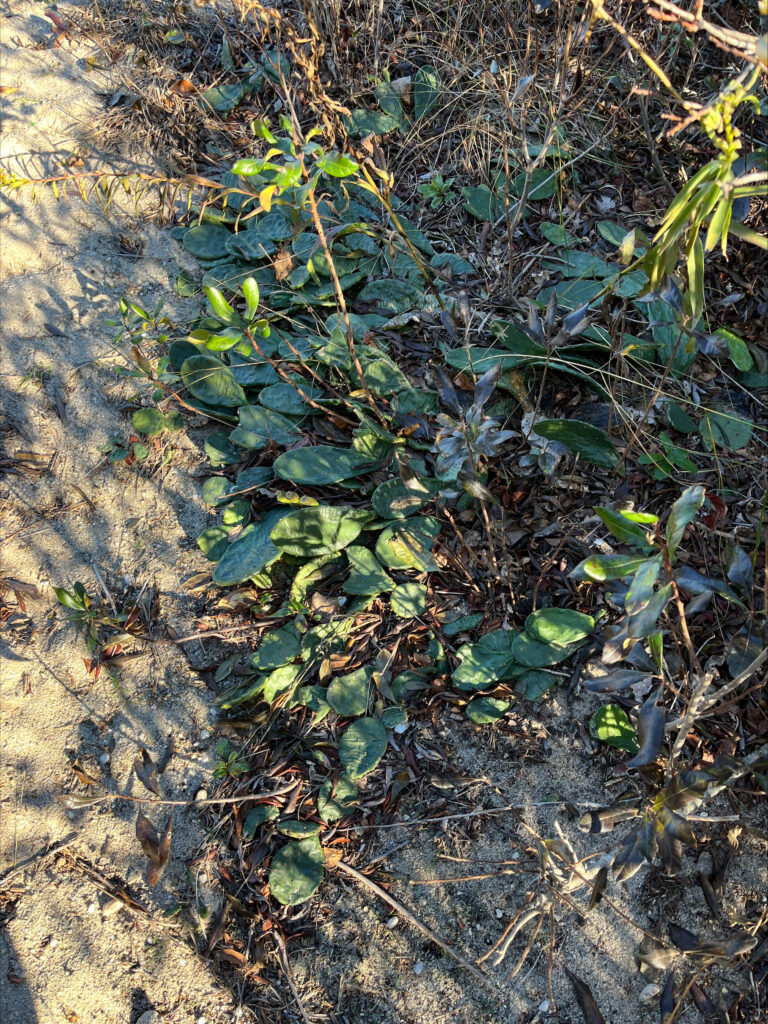
Some other prominent native species in this area include:

  • Smooth cordgrass (Sporobolus alterniflorus)
  • Northern bayberry (Morella pensylvanica)
  • Eastern prickly pear (Opuntia humifusa)
  • Black cherry (Prunus serotina)
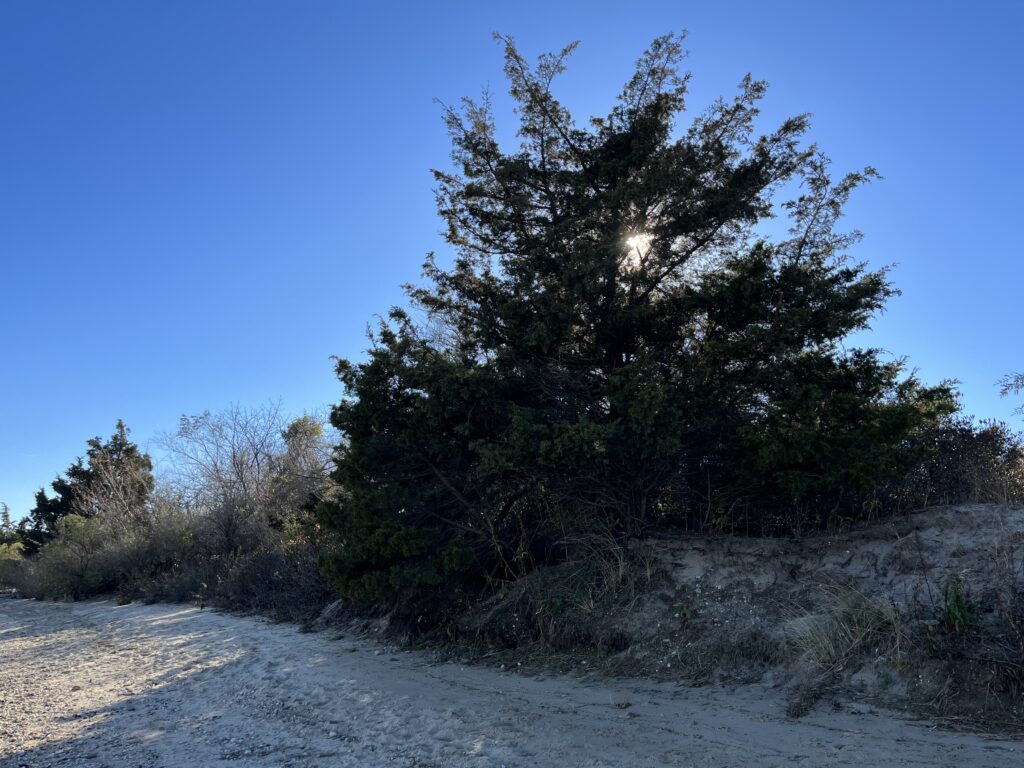
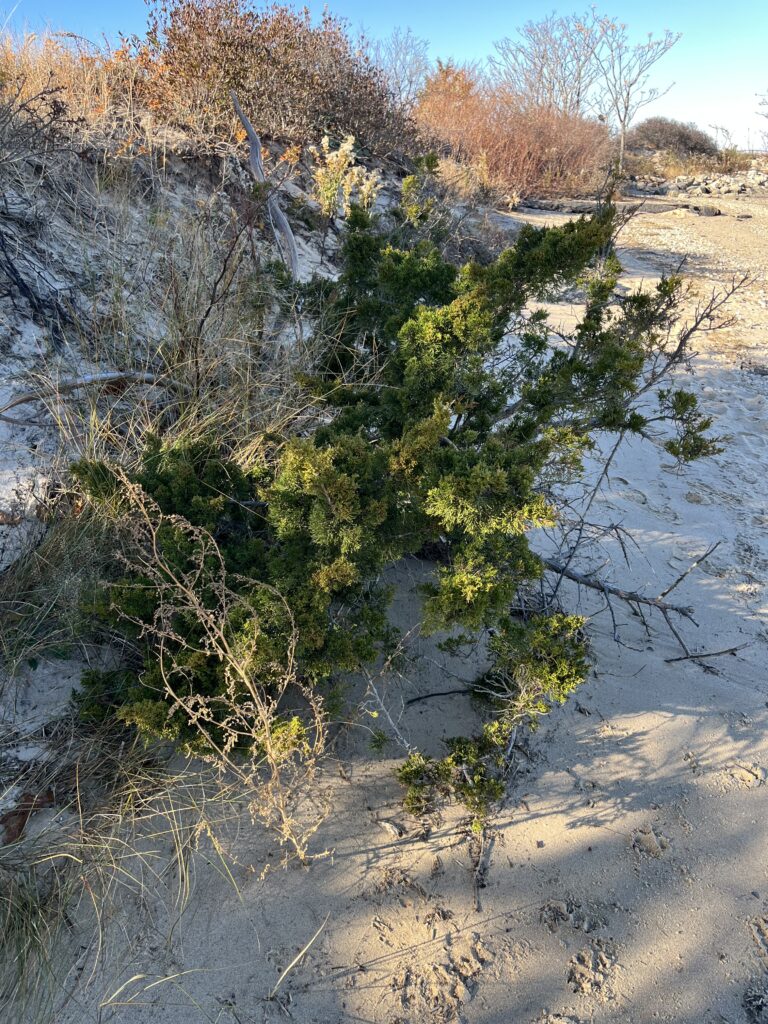
  • Eastern red cedar (Juniperus virginiana)
  • Red pine (Pinus resinosa)
  • Northern dewberry (Rubus flagellaris)
Eastern red cedar (11/23/2023)
Eastern prickly pear (11/23/2023)
Northern bayberry (11/23/2023)

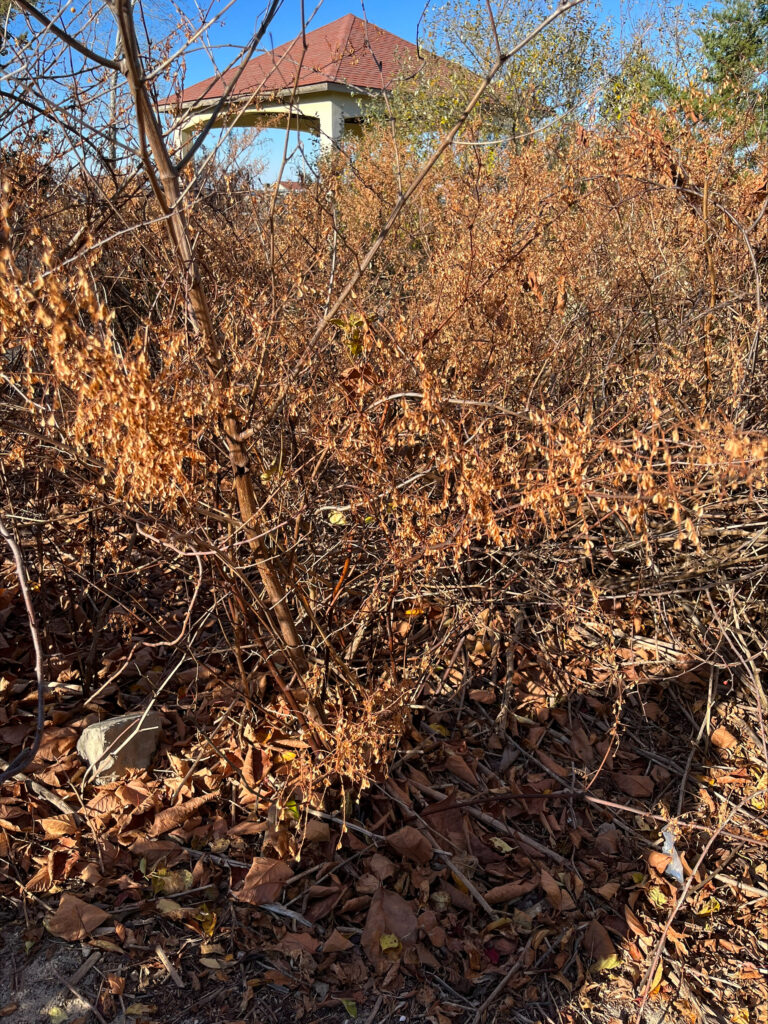
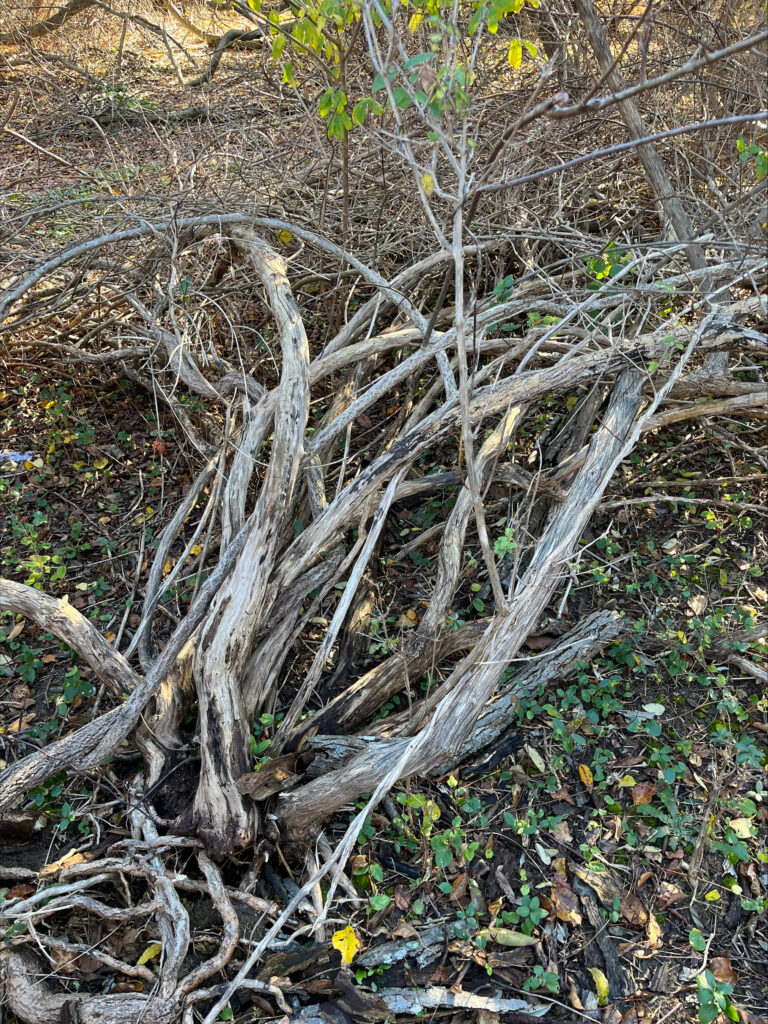
Despite the beauty of Crab Meadow, the ecosystem is incredibly disturbed. The salt marsh is home to many native plant and animal species, but the area is overrun by invasive species which have choked out a significant amount of the native flora. The most prominent invasive species include:

  • Oriental bittersweet (Celastrus orbiculatus)
  • Japanese knotweed (Reynoutria japonica)
  • Autumn olive (Elaeagnus umbellata)
  • Amur honeysuckle (Lonicera maackii)
  • Multiflora rose (Rosa multiflora)
Japanese knotweed (11/23/2023)
Amur honeysuckle (11/23/2023)
Black cherry tree entirely choked out by Oriental bittersweet (11/23/2023)


A Quick Visit (11/17/2023)

27 Nov

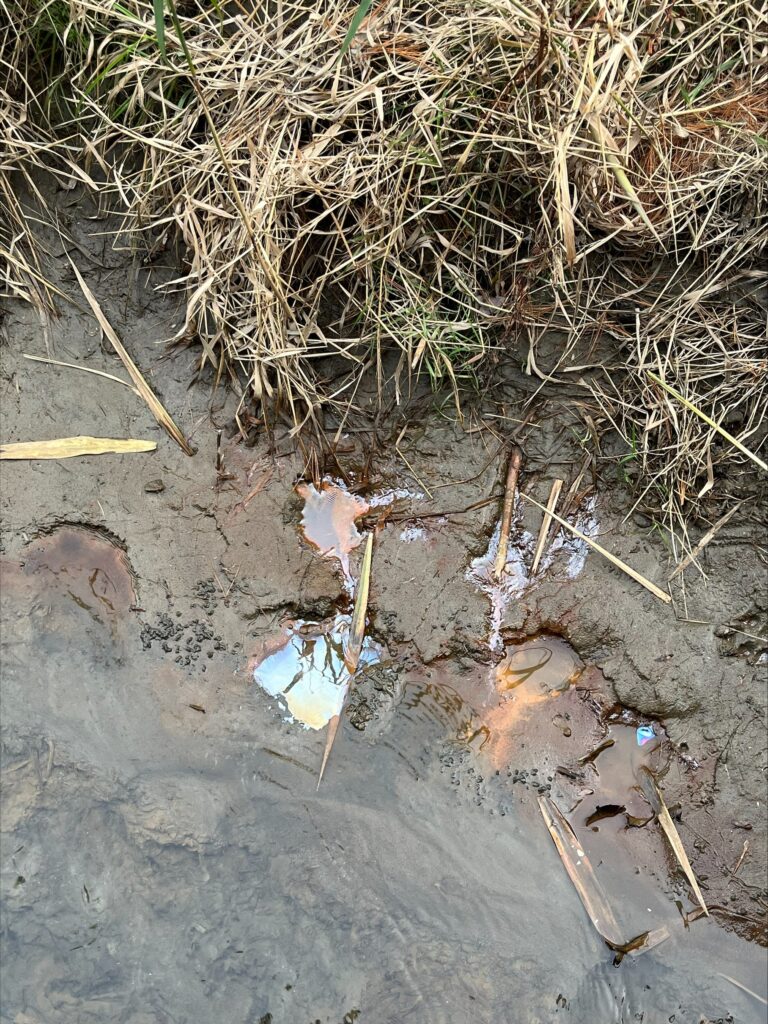
During the Urban Naturals Stewardship lab, we conveniently walked through my phenology spot. Upon arrival, I noticed the growing size of the oil deposit sitting along the streambank.

The oil deposit, 11/17/2023

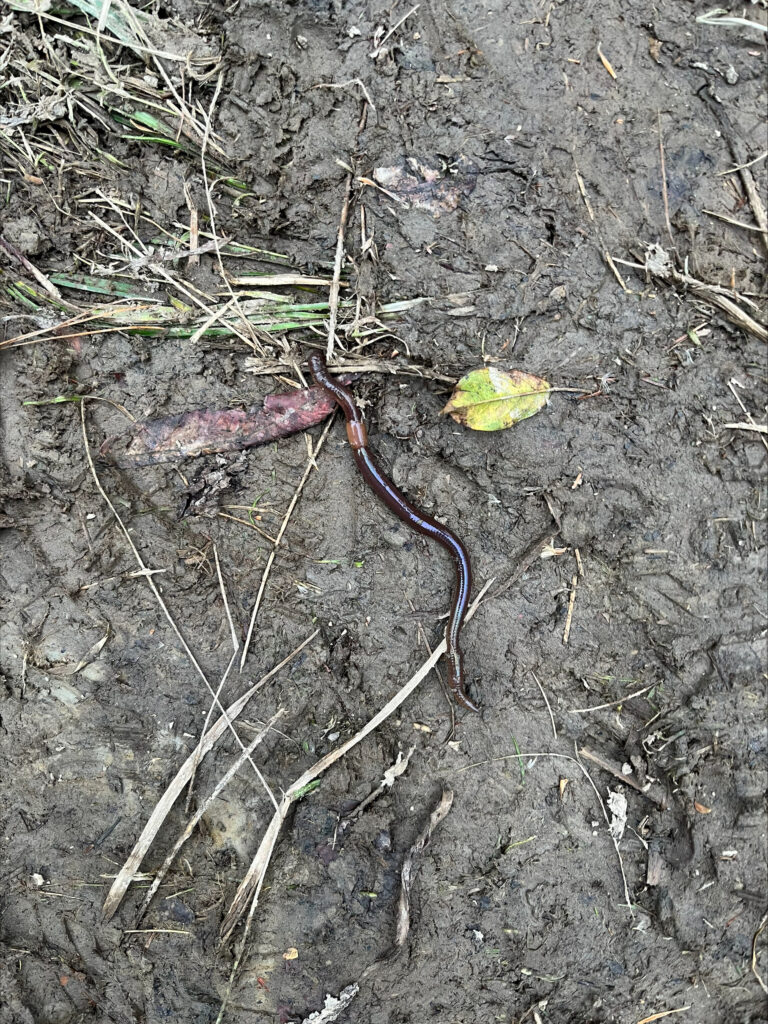
Just down the trail from my phenology spot, we came across an invasive earthworm, which ironically led to the group dilemma of “should we kill it?”. In the end, we decided to not kill the earthworm as we didn’t have anything to suffocate it in (to avoid regeneration and to be more humane).

Invasive earthworm, likely a “Red Wriggler”, 11/17/2023


Vegetation Changes and Sensory Experience

06 Nov

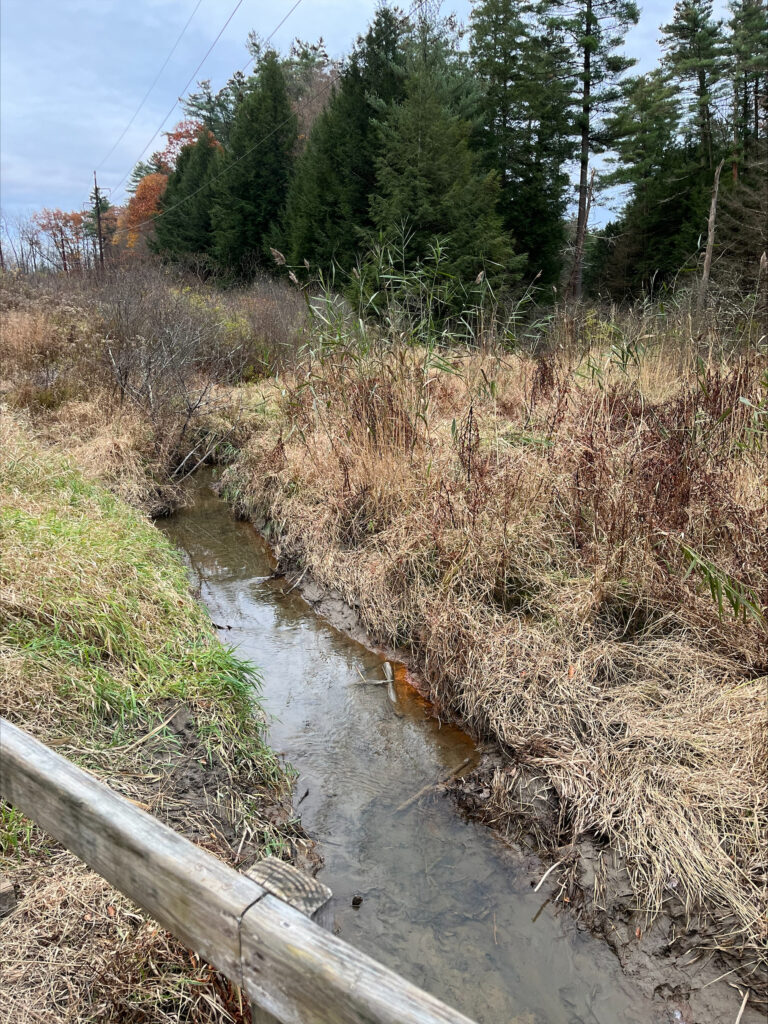
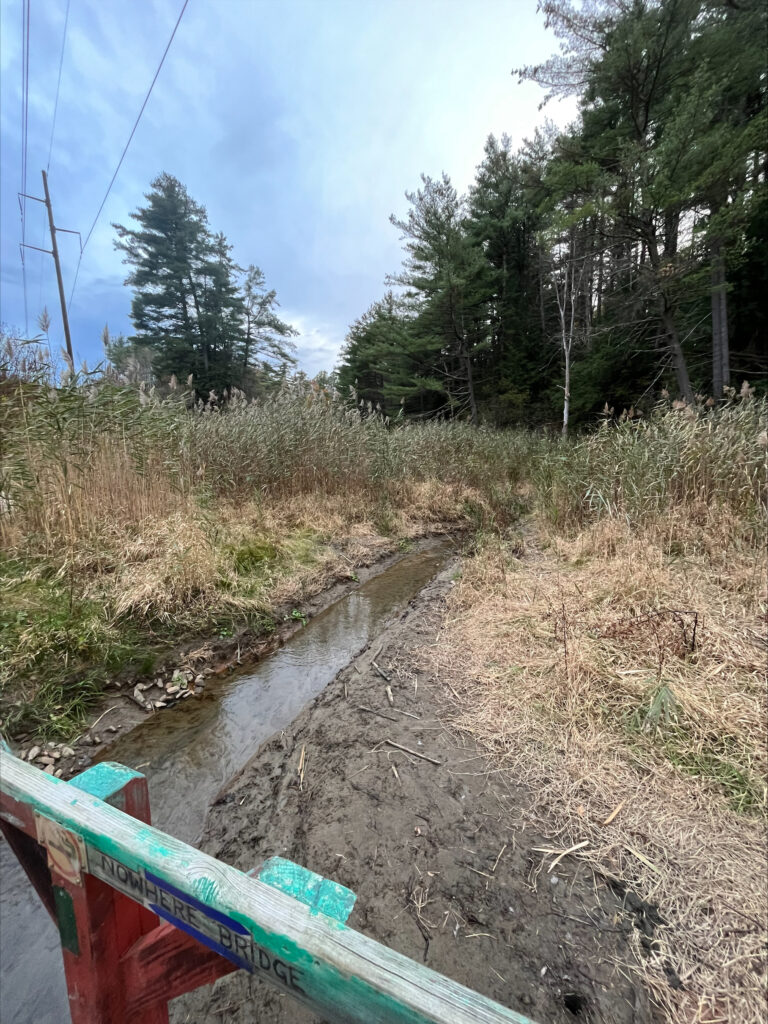
The most prominent vegetation changes don’t lie directly in my phenology spot; they are most noticeable in the surrounding area, especially the trees in the distance. In pictures taken during my first visit on 10/25/2023, the trees in the distance visibly had yellow leaves which had not yet fallen. Upon returning to the spot, many of the leaves on these trees had fallen, and the leaves that were still present were orange rather than yellow. Overall, the vegetation in the direct area was less green and less abundant. Sensorially, the most prominent sounds at the phenology spot are the reeds blowing in the wind. On occasion, a miscellaneous noise may be heard from the reeds- possibly a mouse scurrying through. Bird calls can be heard throughout the area, most identifiably crows, along with the faint chirping of various insects. The running stream is incredibly peaceful, however, the dominant presence of invasive species such as Phragmites troubles one’s mind while sitting at this spot.

Sumac fruits remain on branches amidst weather changes.


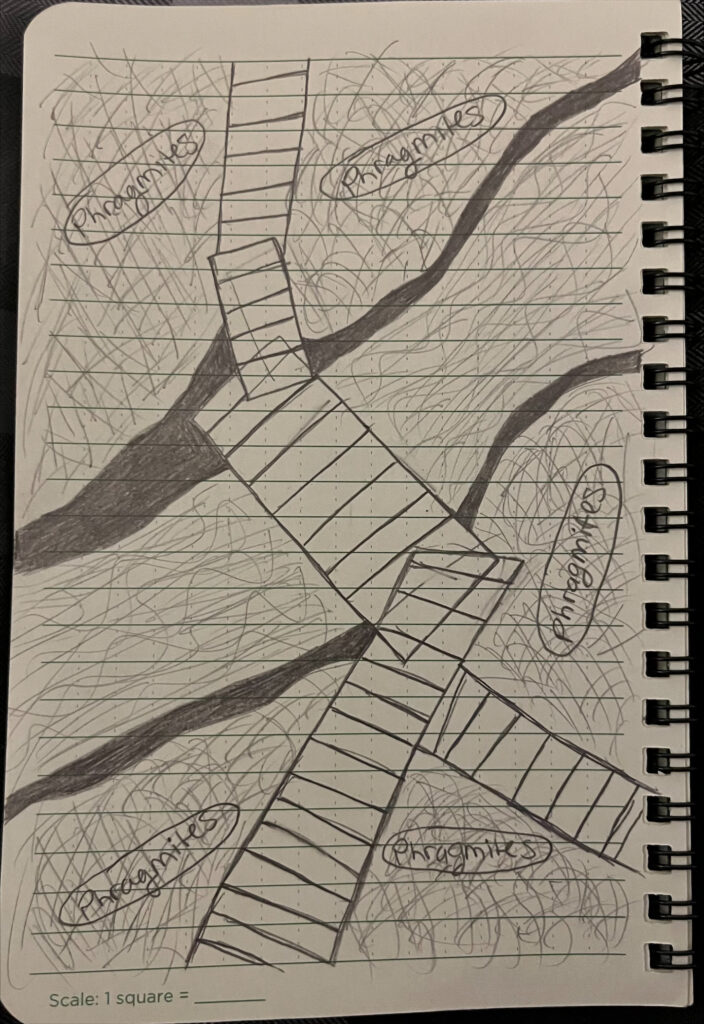
Birds-Eye Map of Phenology Spot

06 Nov

The specific spot which I have chosen for this project lies on a bridge above one of the streams running through Centennial Woods. This area is significantly disturbed- being largely overrun by invasive “Common Reed” (Phragmites australis) and in close proximity to other invasive species such as Japanese barberry (Berberis thunbergii) and Alder buckthorn (Frangula alnus). Some of the native species observed in the area are Devil’s beggarticks (Bidens frondosa), Purple loosestrife (Lythrum salicaria), and Reed canary grass (Phalaris arundinacea). In addition to the presence of invasive species, it is clear that this stream deals with a great amount of stormwater runoff from the surrounding area, as there are recurrent collections of oil along the streambank.

Hand-drawn map of phenology spot (11/6/2023)
Oil deposits along the stream (11/6/2023)


Skip to toolbar