
Emma Hoyle
Bananas
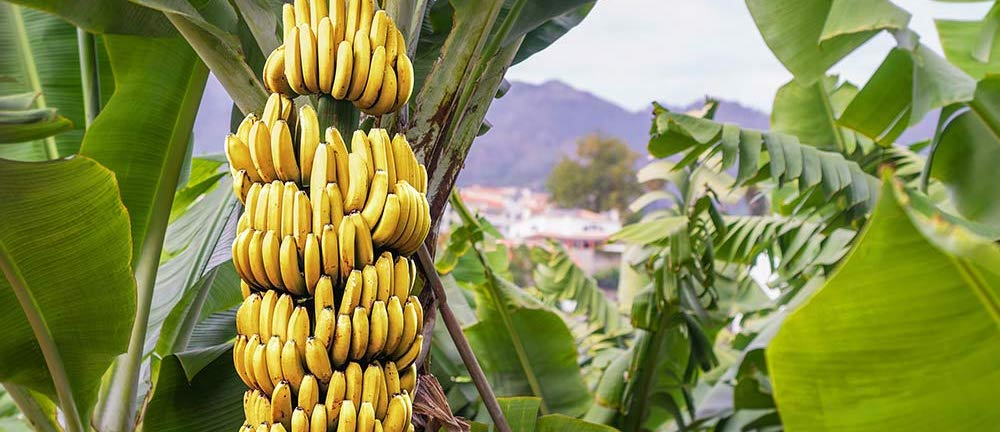
Banana production is one of the most important sectors of the Costa Rican market with around 120 boxes of bananas exported each year (WIPO, 2023). Corbana, also known as La Corporación Bananera Nacional, is the regulatory body that ensures quality production and distribution of Costa Rican bananas. Production is dominated by companies like Chiquita and Dole. Bananas are planted on fertile soil with regular moisture, then packaged to be sent around the world by Corbana. There is a large market for bananas as they can be used in a large variety of food products and recipes that companies need to produce. Costa Rica exports bananas to countries all over the world to be sold in grocery stores or to companies that require bananas to be added to their food products.
Palm oil
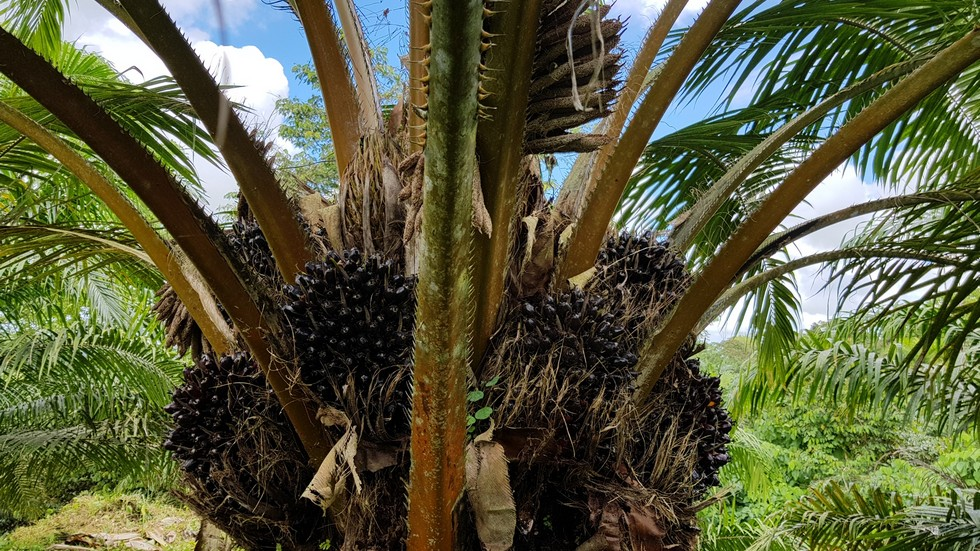
Palm oil, usually coming from African countries, is regularly processed in Costa Rica. First introduced in the 1940s by Chiquita, the African palm was brought over as an experimental response to a time of decimating crops due to the Panama banana plight (Eco Preservation Society, 2008). United Fruit Company made the transition to palm oil processing to combat this and eventually began transporting palm oil in and out of Quepos, Costa Rica in the 1970s. African palms produce pods of palm oil kernels that contain rich oil. These then can be harvested and transported to a processing plant to make a variety of products, such as items like lipsticks, candies, and soaps. Palm oil may often be directly exported to countries like the US, or it can be made into everyday items that will be sold in pharmacies, grocery stores, etc.
Pineapples
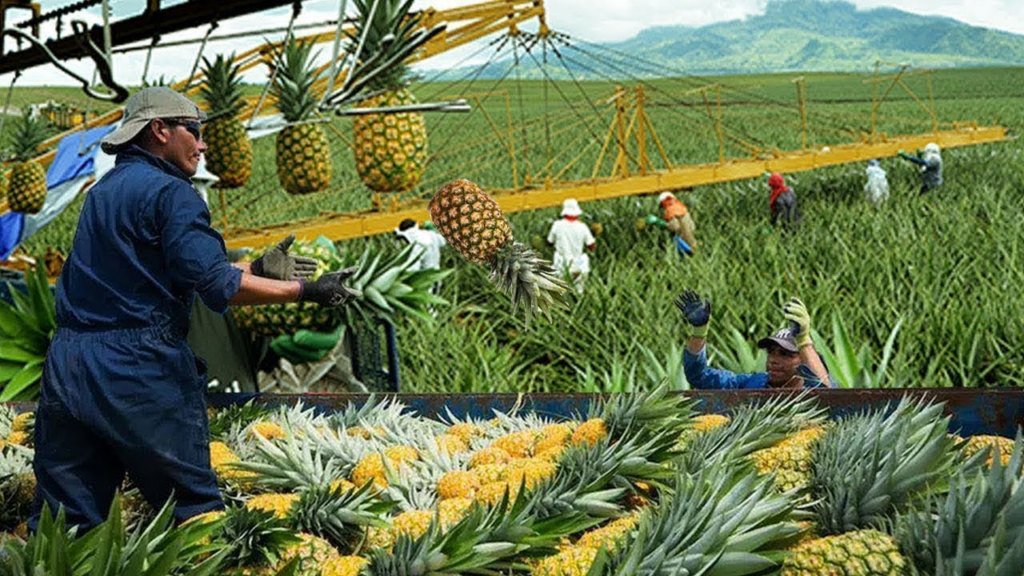
Pineapple production is a vital part to Costa Rica’s economy and is facilitated year-round. Costa Rica is the largest producer and exporter of pineapples in the world; in fact, 90% of the pineapples consumed in the US come from Costa Rica (Chestnut Hill Farms, 2021). Pineapples grow in ideal rainy, humid conditions in Costa Rican valley plantations mainly during the rainy season. These are shipped out primarily to North America and Europe by The National Chamber of Pineapple Producers and Exporters. Pineapples then may be sold in grocery stores or to companies who use pineapples to create their products.
Vanilla
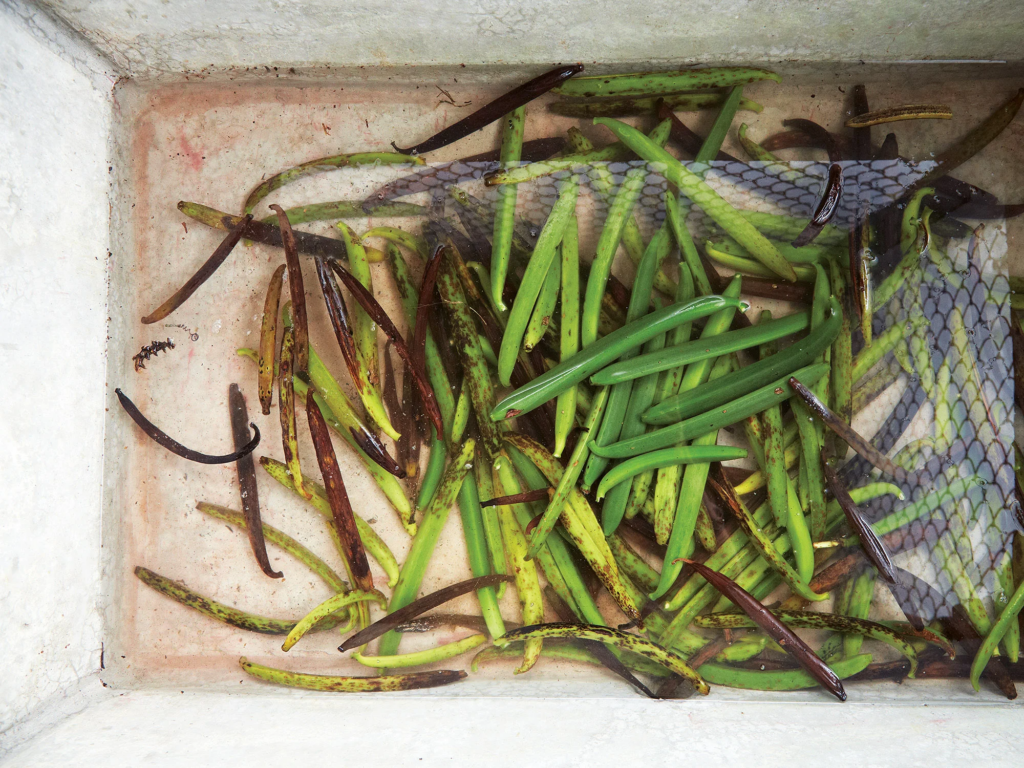
Vanilla beans are a staple product grown on Costa Rican spice farms. Vanilla starts as an orchid flower that needs to be hand pollinated (Maia, 2011). Once ready to harvest, vanilla beans get cured, dried outside in the sun, then conditioned. This process involves extensive human care, time, and attention, but results in sweet vanilla beans with a great fragrance. This process therefore is often conducted by smaller farms to deal with this complex cycle of production. Once beans are cured, they are sorted, wrapped up, and shipped out. Costa Rica exports most of its vanilla to Guatemala, France, the Netherlands, and the US. Most of this vanilla goes to the food industry to be used as a flavoring agent. Vanilla is sold on its own in most supermarkets and also integrated into many different food products. It is also a popular scent used for fragrances.
Coffee
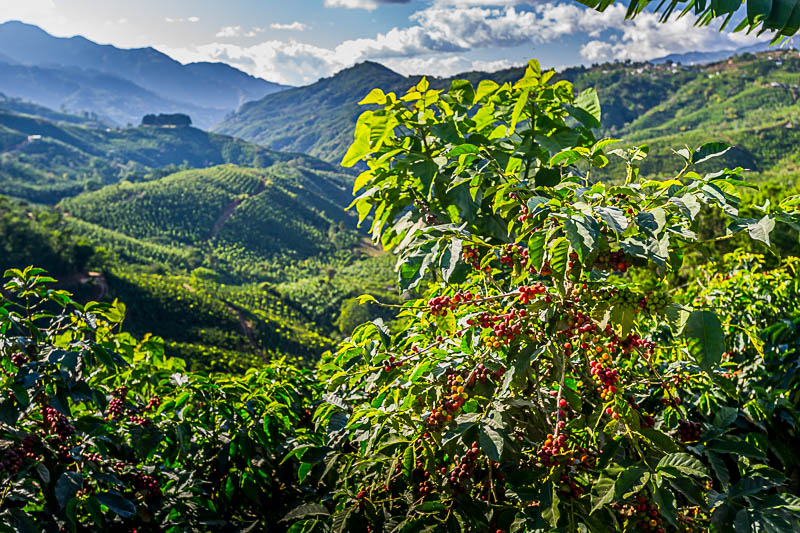
The Arabica coffee plant of Costa Rica first took root in the late 1700s (Embassy of the Republic of Costa Rica in Singapore, 2023). Costa Rica’s ideal growing conditions suited the coffee plant perfectly with apt high altitudes, a cool climate, and fertile soil. The government actually began to offer coffee farmers free land in the 1800s when they found the economic potential of the crop. Most coffee berries are handpicked, then taken to processing plants to be washed and dried. Coffee was originally exported to Panama, Chile, and England. It originally contributed to a wealthy class of growers and traders as a hot commodity. Coffee actually helped contribute to the modernization of Costa Rica by helping build a railroad. Coffee beans are typically bought by coffee bean wholesalers and food distributors. They are often brought over to business owners facilitating a bakery or café.
References
- WIPO. 2023. The Banano de Costa Rica Geographical Indication: Supporting Environmental Sustainability. https://www.wipo.int/wipo_magazine/en/ip-at-work/2021/banano.html
- Eco Preservation Society. (2008, April 8). A brief history of african palm production in Costa Rica. https://ecopreservationsociety.wordpress.com/2008/01/29/a-brief-hisory-of-african-palm-production-in-costa-rica/
- Chestnut Hill Farms. (2021, November 8). Pineapple production in Costa Rica. https://www.chfusa.com/blog/pineapple-production-in-costa-rica/
- Maia. (2011, January 11). Growing Spices in Costa Rica: Part 1 – Vanilla Beans. http://www.dessertolicious.com/blog/2011/01/growing-spices-in-costa-rica-part-1-%E2%80%93-vanilla-beans/
- Embassy of the Republic of Costa Rica in Singapore. (2023). History of Coffee in Costa Rica. https://www.embassycrsg.com/history-of-coffee-in-costa-rica.html
Hi, this is a comment.
To get started with moderating, editing, and deleting comments, please visit the Comments screen in the dashboard.
Commenter avatars come from Gravatar.