
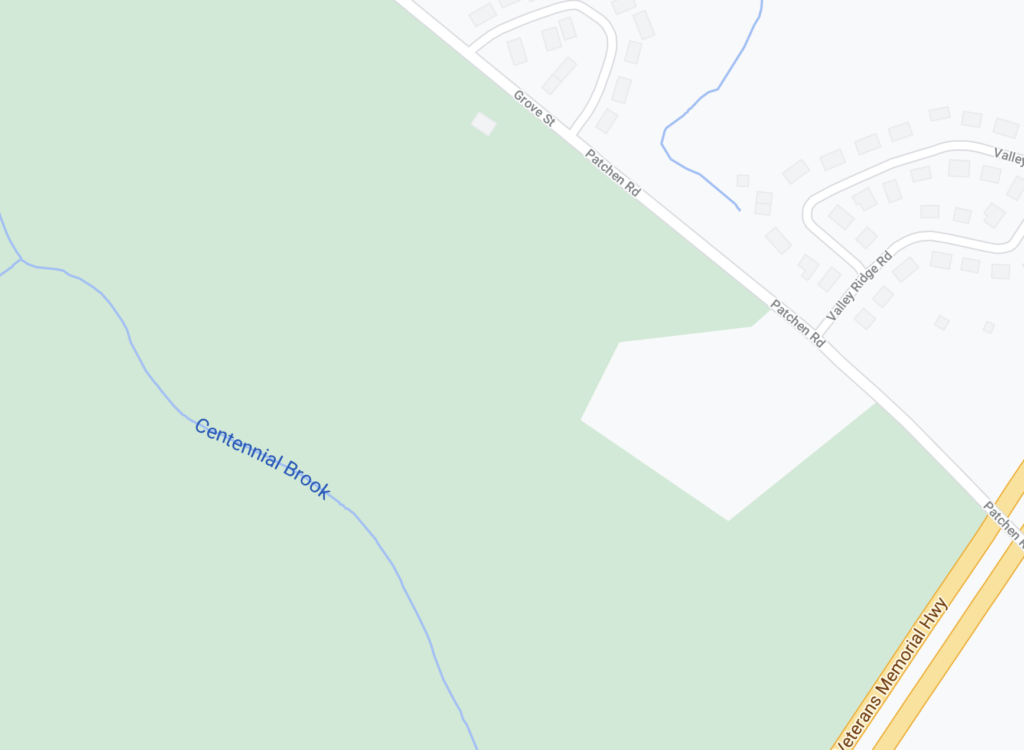
Deep within Burlington’s Centennial Forest, past the pine groves, and even the meandering brook lies a ridge line full of beauty. Here, the Western slope of Centennial meets the Eastern slope of which descends towards the Winooski river.
I spent quite sometime walking throughout forests around Burlington trying to determine the most perfect place to show the world in this blog. However, as I walked I slowly began to stop thinking about my project all together. I passed the ancient pine trees and tiptoed through muddy marsh. I wondered and wandered through some of the most beautiful places in Burlington.
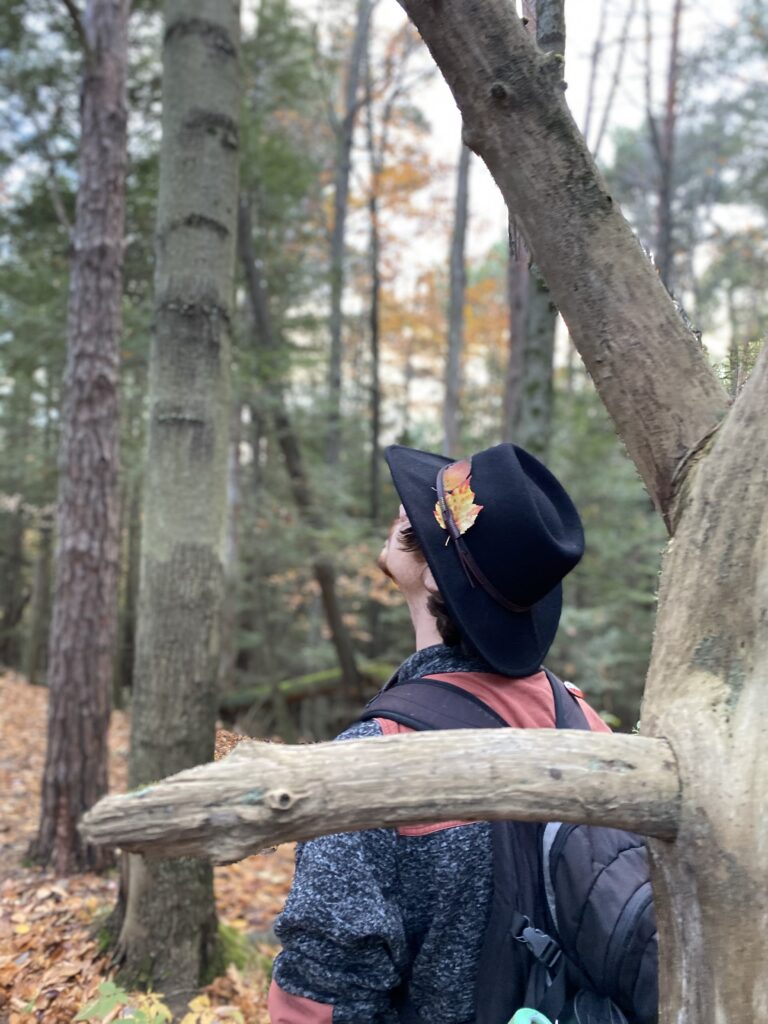
The serenity of the forest brought my usually racing brain to a calm stop. I found myself further than I had ever been in Centennial Forest. Forgetting my purpose for the day I walked along the ridge until a fallen log called my name
Here I sat for several minutes and begun to sketch what I saw around me, while listening to the calm.
Eventually my legs grew weary of sitting and I decided to continue the march. Yet as I stood up, the memory of picking a place for my Phenology Project returned to me. As I looked around I realized that I had accidentally ended up in the exact place that I was looking for.
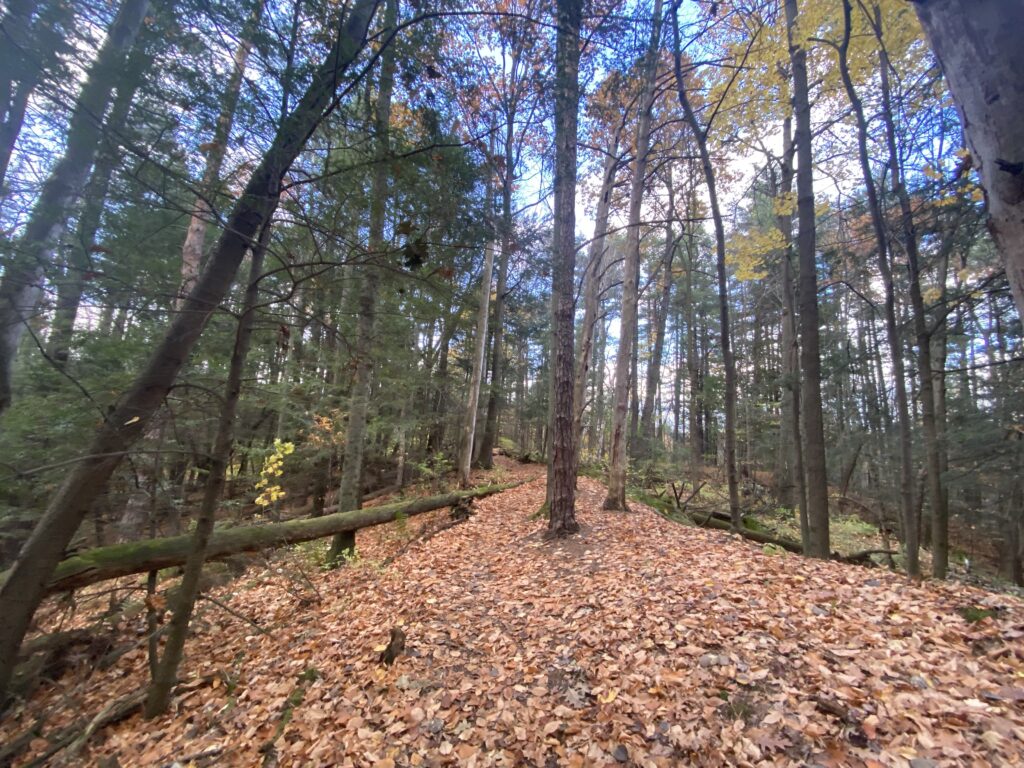
As I walked along the Ridgeline this was the first glance of my spot that I saw. The towering Red Pine in the center frame calls the name of anyone walking past. In the left of the picture the downed log can be seen where I first rested.
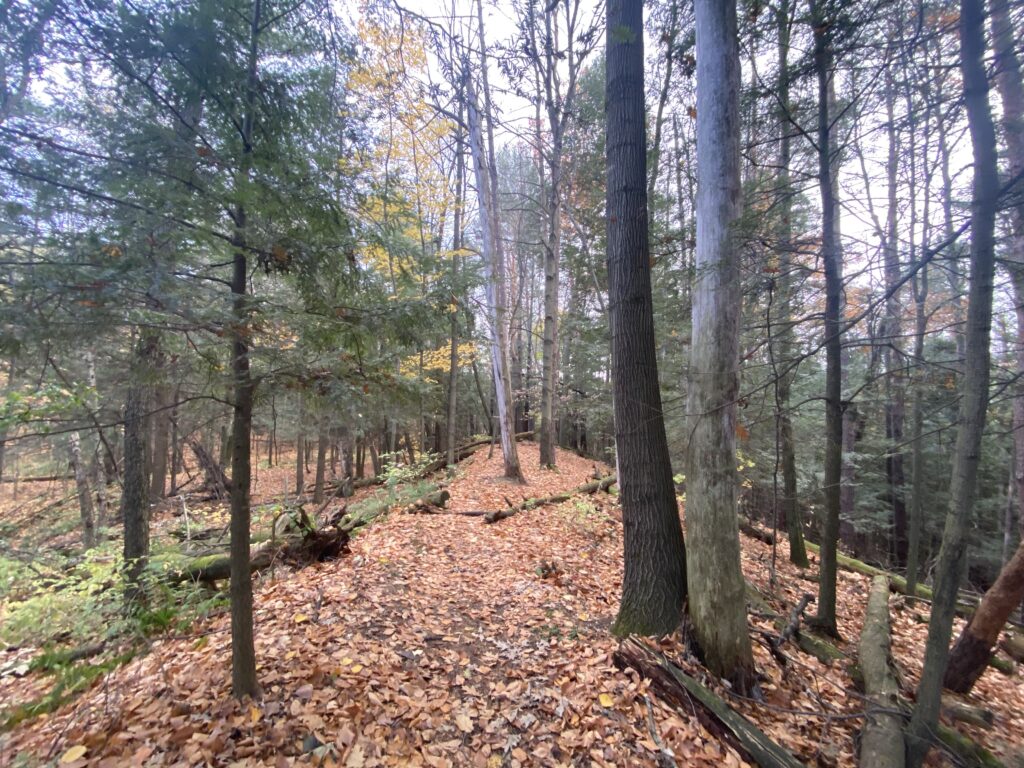

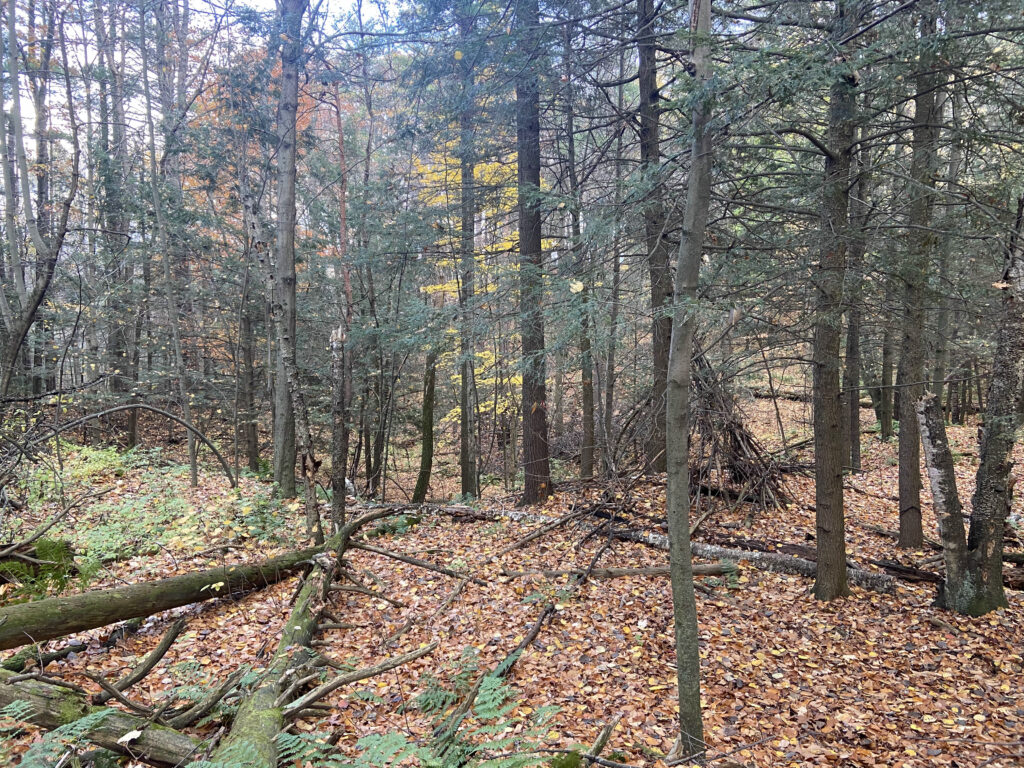
On the Eastern slope remnants of human activity can be found. Unlike the rest of the forest this activity is not from past farmlands, but something more recent. It appears someone has chosen this spot as sell and created their own TeePee fort. The energy of this place seems to have drawn more than just myself in.
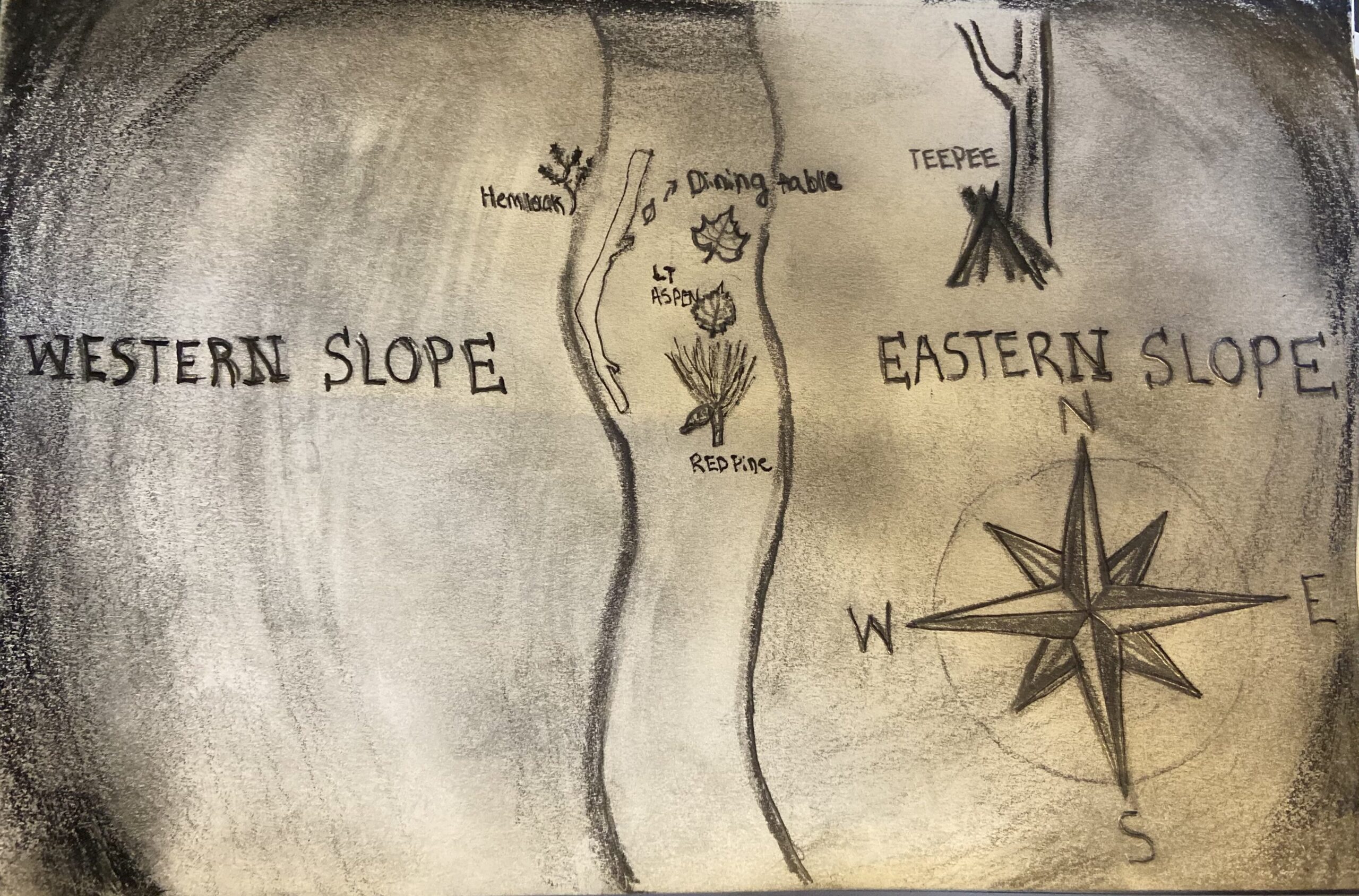
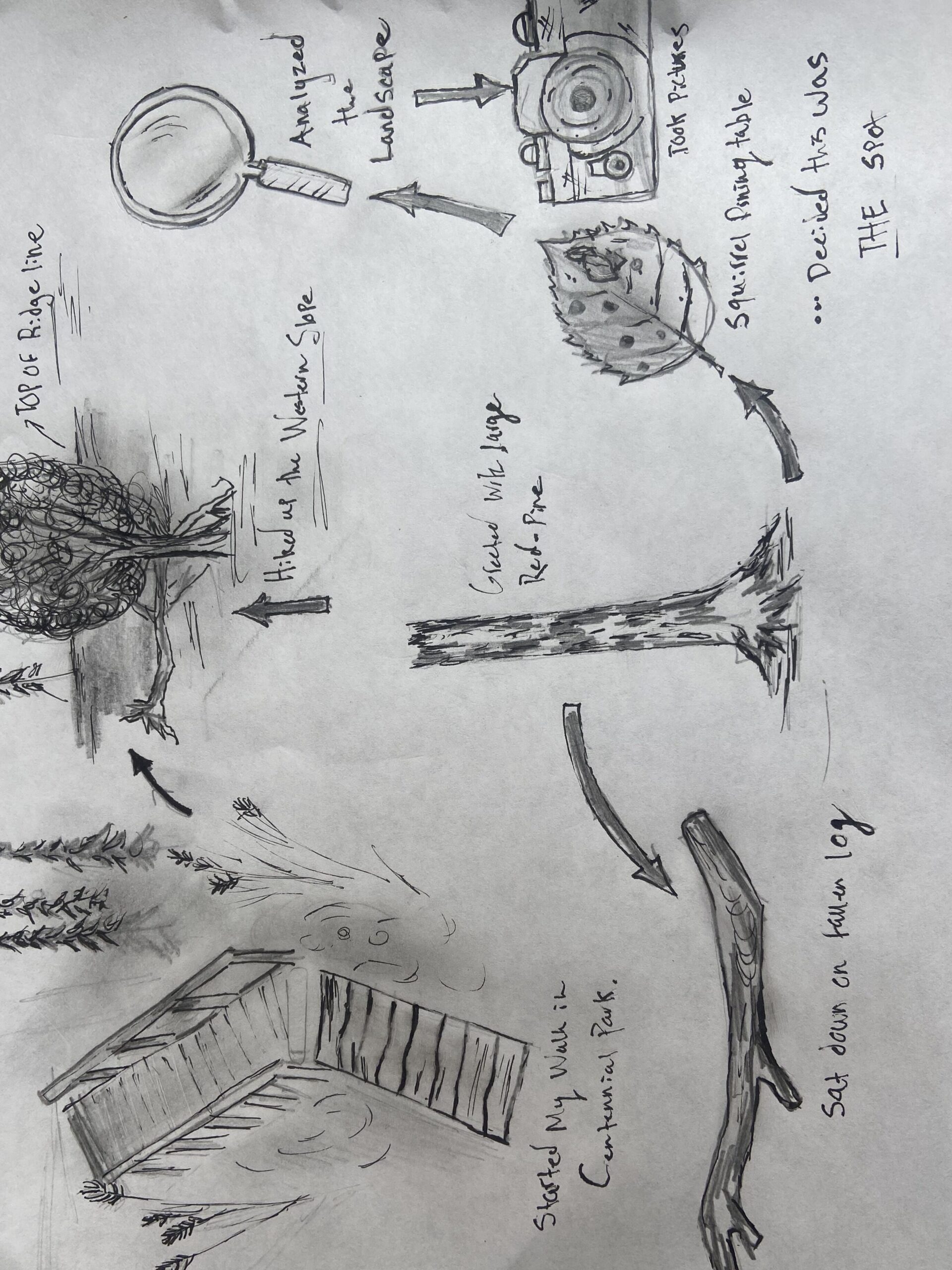
Birds-eye view of the Ridgeline that I did in the field. Key markers show important trees or landmarks.
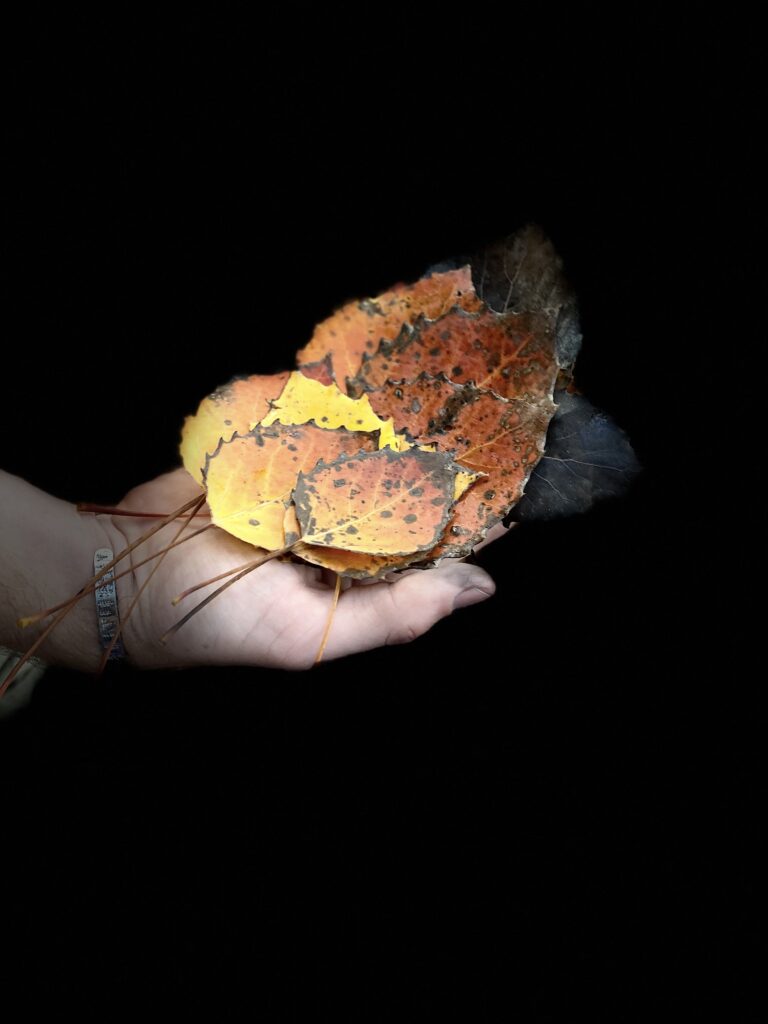
Patterned along the ground lay brilliant orange leaves mimicking the hue being cast through the trees from above. Large-tooth Aspen (Populus grandidentata) invested their colors into orange yellow and red hues. Yet something was wrong? On every leaf that I could see was large black speckles and spots. Some leaves had even turned completely black. I had never seen a black leaf before let alone the brilliant patterns created by the black spots. I knew that I had found something interesting.
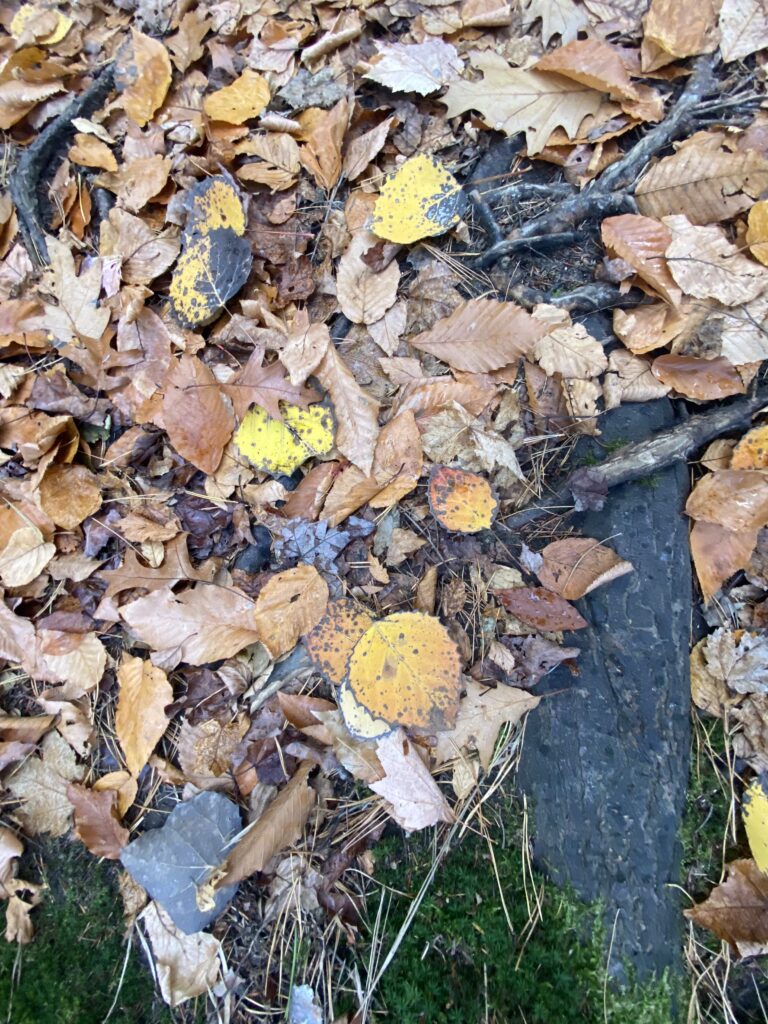
Marssonina Brunnea fungi
After doing some personal research I found that the most likely culprit for the black patterning was to be the fungus Marssonina Brunne . Marrssonia causes the most common foliage disease among aspen in the Rocky Mountain Region. However this is Vermont, thousands of miles away. More research into this leaf blight may be needed to understand its impact on the Aspen of Vermont. (Forest Health Protection).
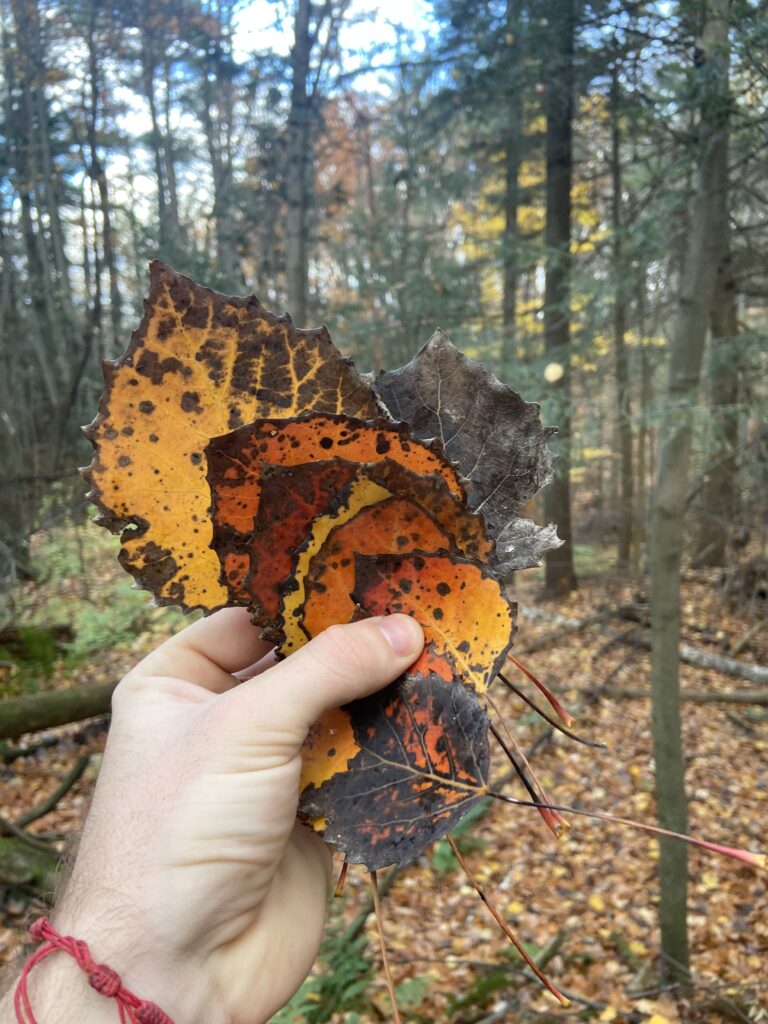
My artistic side of me immediately jumped into action after seeing the brilliant colors laid out before me. The ground was on fire. The fungus had created the illusion of smoke, fire, and embers with the charred black leaves. This left an excellent opportunity for a quick photo.
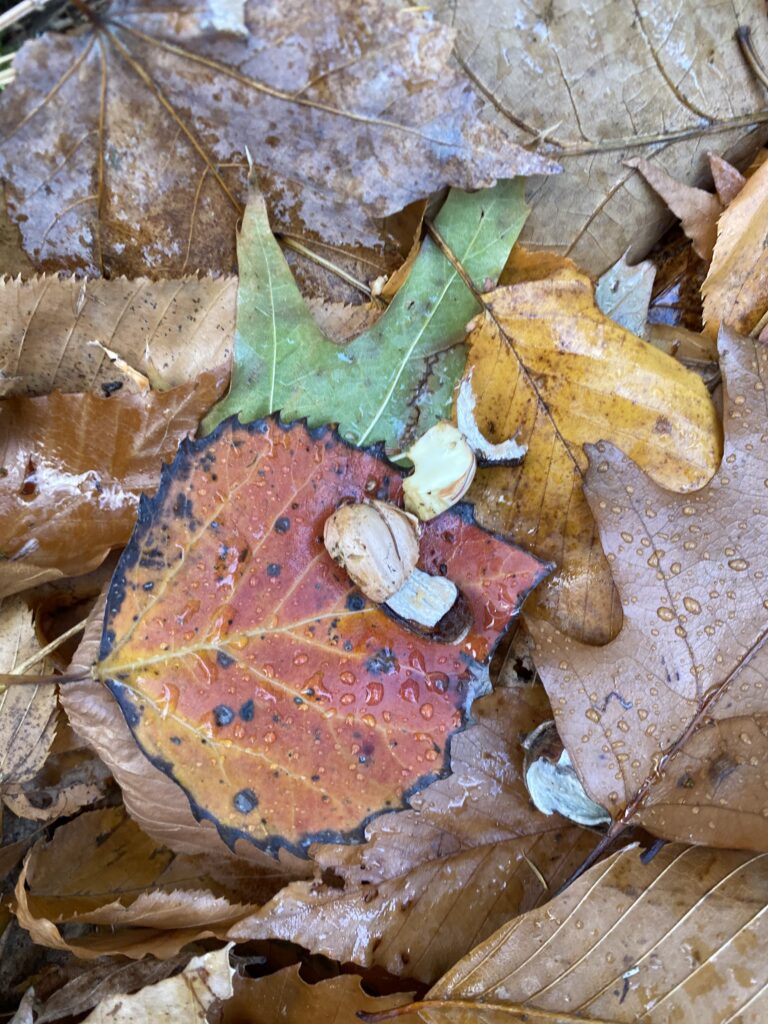
Just as I was finishing analyzing the foliage something caught my attention out of the corner of my eye. Just next to the mossy log laid this brilliant orange Aspen leaf with a cracked nut lying perfectly on top. This sparked my imagination and I thought of the squirrel who had used this leaf as its own dining table. I like to think the squirrel also saw the beauty in the leaves and had chosen this place for his lunch. I hope I didn’t disturb them and they were able to come back to finish their meal!
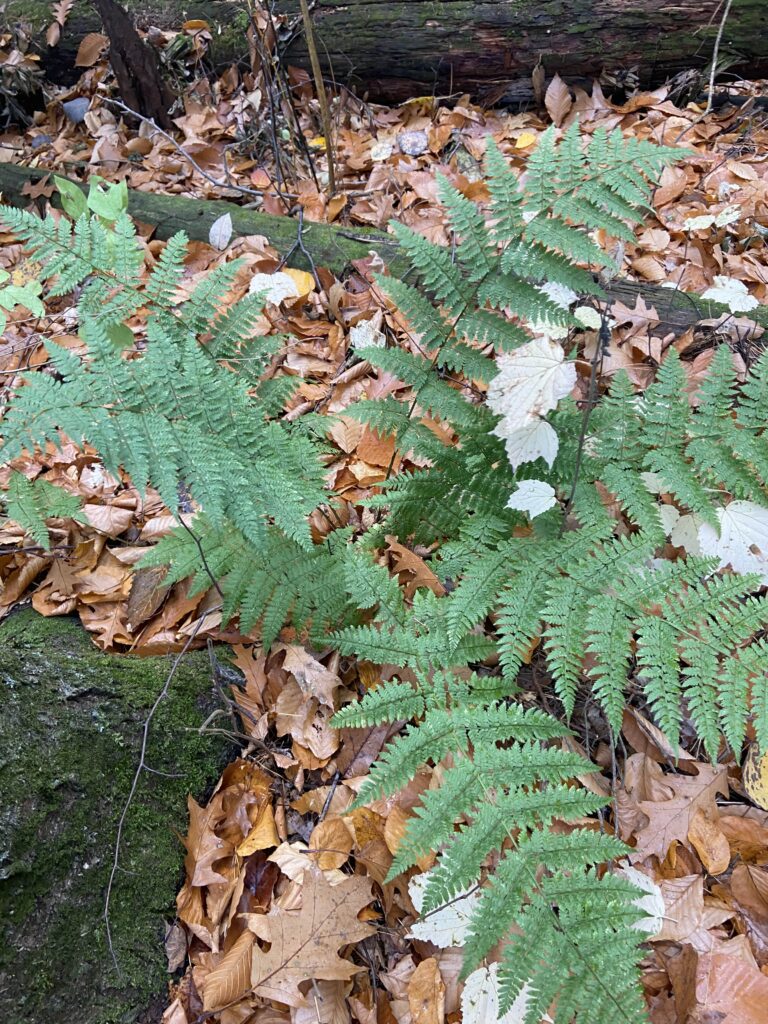
Although 75-80% of the ground cover was fallen leaves, some other plants peaked its way through the earth. Here was the largest group of ferns in the direct area.The rest of the ground cover was made up of moss and leaves.
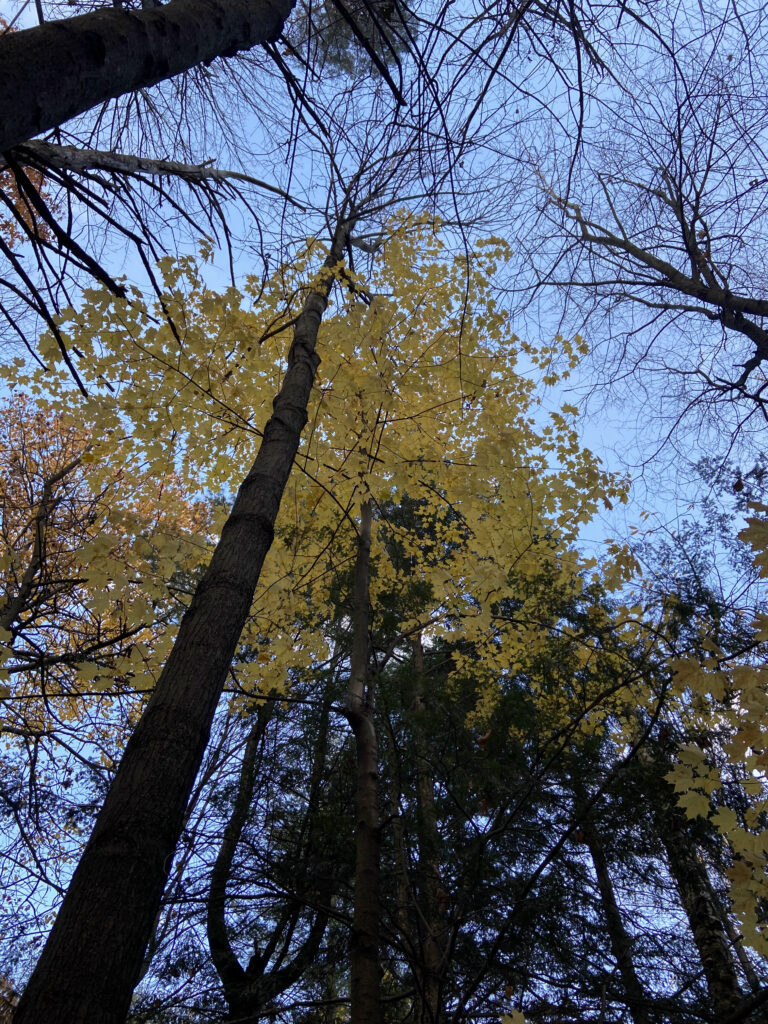
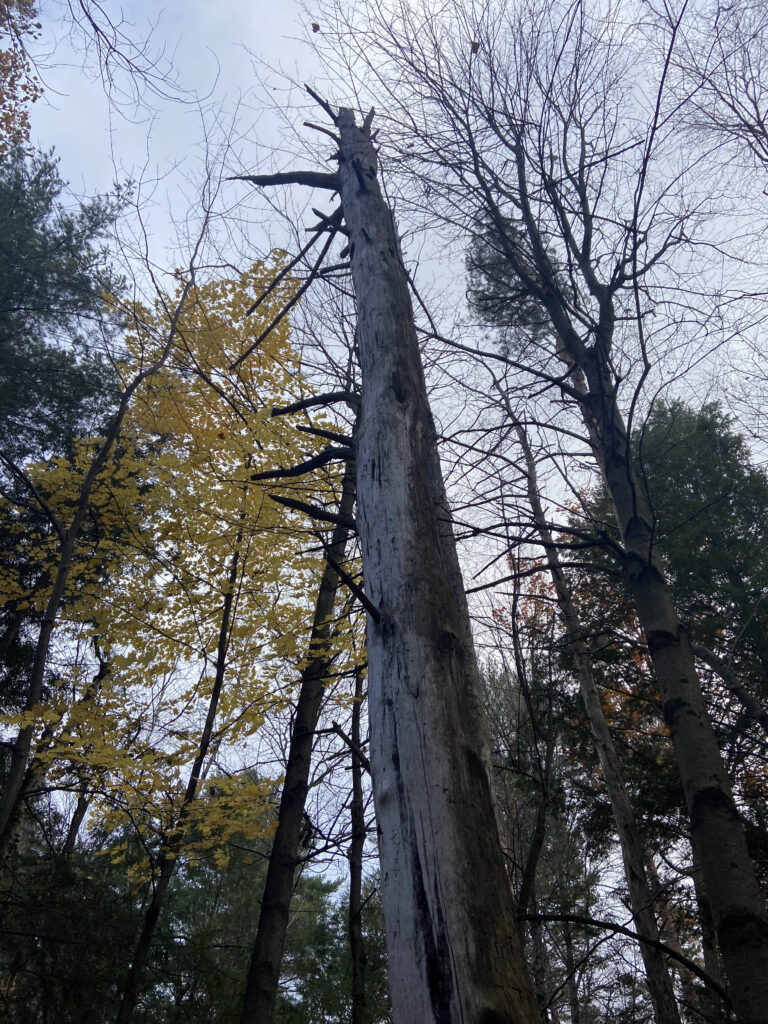
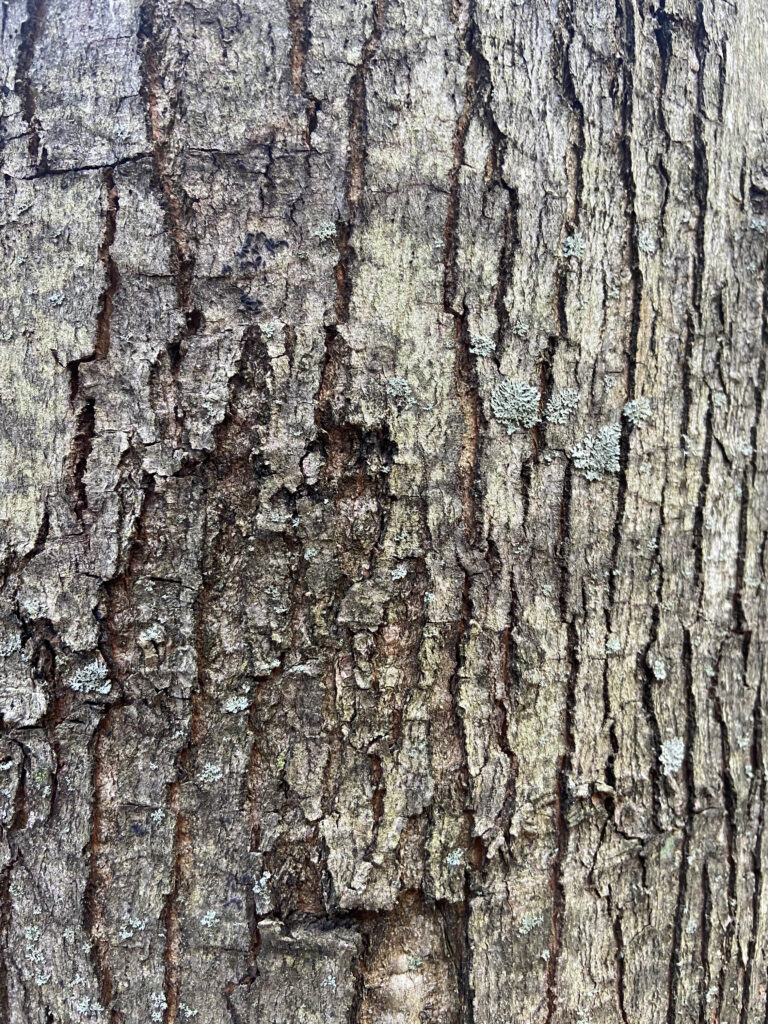
The Canopy of the forest drew my attention away from the ground and to the trees. I decided to try and identify every tree in the direct vicinity of the Ridgeline. Here is pictured the tallest Sugar Maple directly with brilliant yellow leaves. An Eastern Hemlock can be seen in the foreground spreading its identifying needles toward the sky. The most common tree in the area is the Large-Tooth Aspen trees which litter the ground with their organic litter. Two dead trees are unidentifiable due to no needles or bark. I wonder if this has something to do with the fungus, and if they are also Aspen trees?


During the duration of my Thanksgiving break I decided to compare the woods of my central Vermont home to that of the woods in Burlington. For this, I took a hike on the trail directly behind my house. This trail is named the Jerusalem Trail and connects to the most beautiful part of The Long Trail. This section of the LT meets with ski resorts; Mad River glen and Sugarbush.
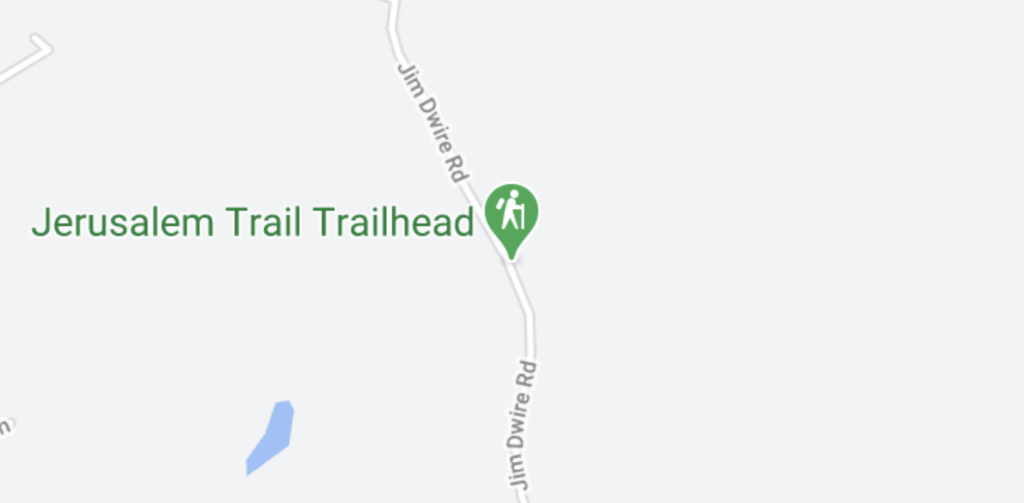
For the duration of my hike I followed a high mountain stream, which eventually feeds into Baldwin creek, into the New Haven, and empties into Lake Champlain.

As I rounded a corner about half way up my hike I found one of the most beautiful places I’ve seen. Here, newly formed icicles dripped off of mossy rocks. Past the tree line the majority of the trees around me were Paper Birch, Firs, and Pines. I decided this would be the place for my next Phenology assignment. Here, no fungus could be seen on any leaves. Mostly because now the ground cover was completely made of snow, and every leaf had fallen from the trees. More conifers stood among the landscape than Burlington, most likely attributable to the gain in elevation. I wonder about two Paper Birch trees I saw in a clearing. Have these birches been affected by the Birch Borer beetle? Will they still be here in 10 years. I do not know. I have seen the population of Birch trees significantly decrease over the years. Perhaps the ecology will be completely different a year from now.

Even though this was a different spot than the Centennial Plateau, it had a very similar energy. This place called to me. The understory was much different here than at the plateau. Underneath the snow, most of the covering was mossy rocks and fern like plants.
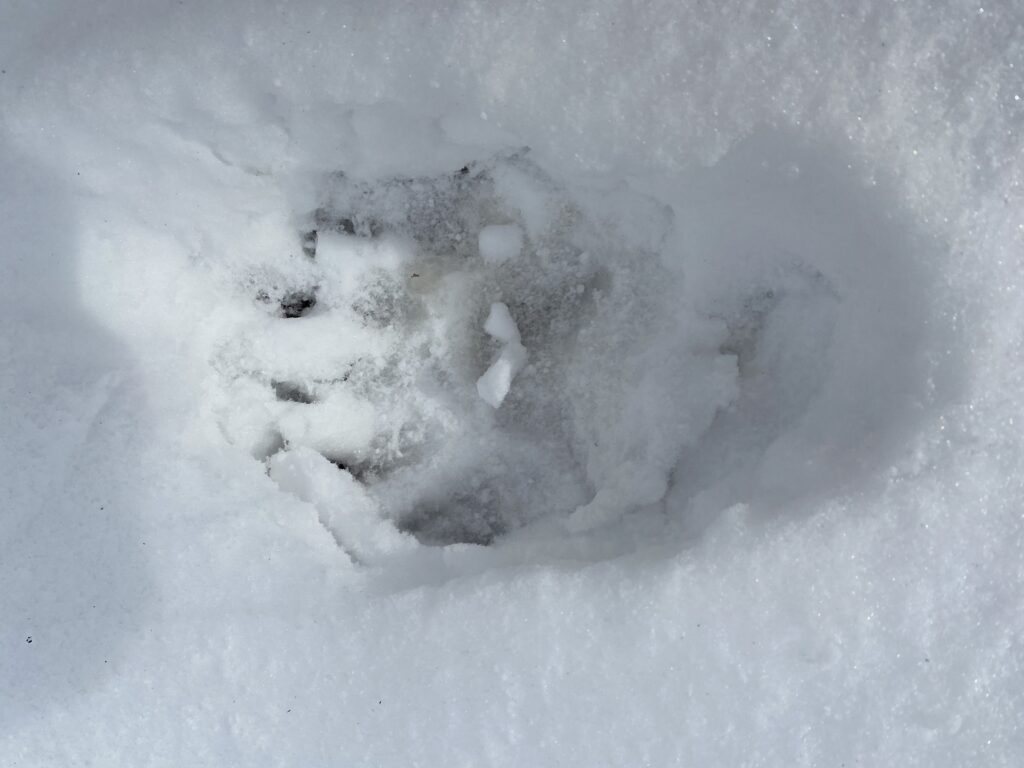
Unlike the Plateau, this place was also home to much more wildlife than the last. I was able to spot several tracks including this one of a Black bear. I also spotted Pileated Woodpeckers, Chickadees, Northern Cardinal, and several mice.
As I gained in altitude, so did the snow depth. Around 1,700 ft the snow pack average around 1 inch. Around 2,500 ft it increased to 2-3 inches.
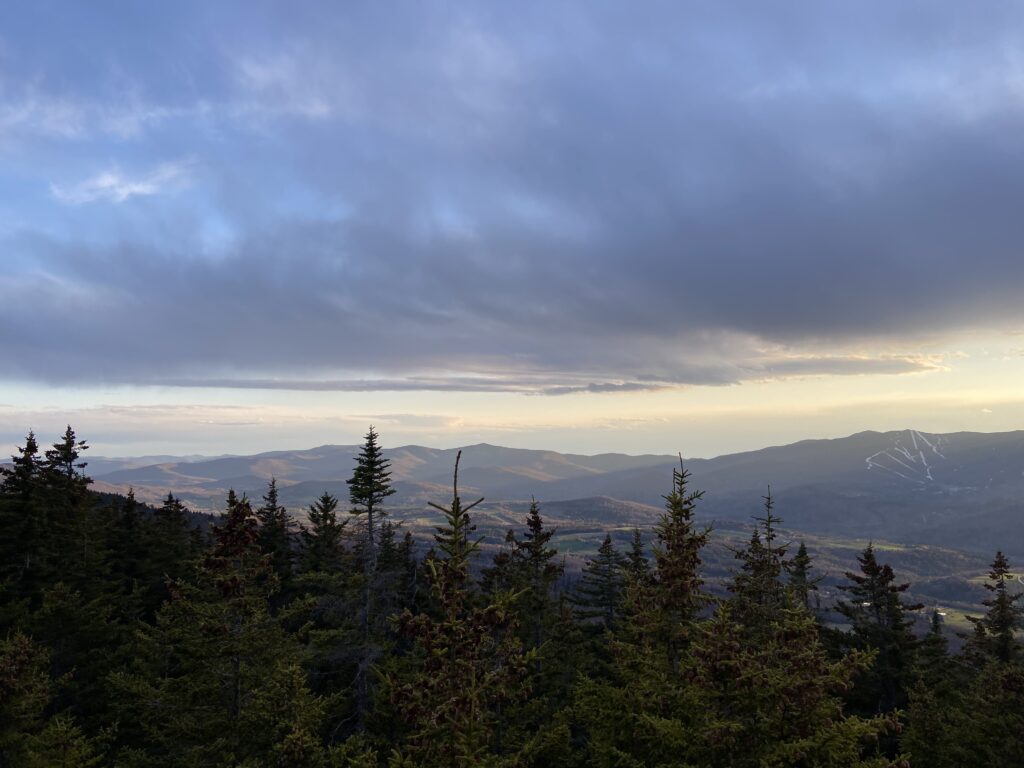
At the top of my hike I was rewarded with a breathtaking view before heading back down the trail to my home.
During the course of my experience in these different places I learned a lot about the natural world. This blog post is a representation of myself getting more in-tune with the natural environment around me. In both places I left the outside world behind and tried to immerse myself in the wilderness the best that I could. It amazed me that even a larger city like Burlington can have a place with the same energy as a spot from the middle of the woods. I hope that by reading about these places you have the desire to go out and find your own plateau.
Forest Health Protection. (2011). Www.fs.usda.gov. Retrieved December 4, 2020, from, https://www.fs.usda.gov/Internet/FSE_DOCUMENTS/stelprdb5362965.pdf