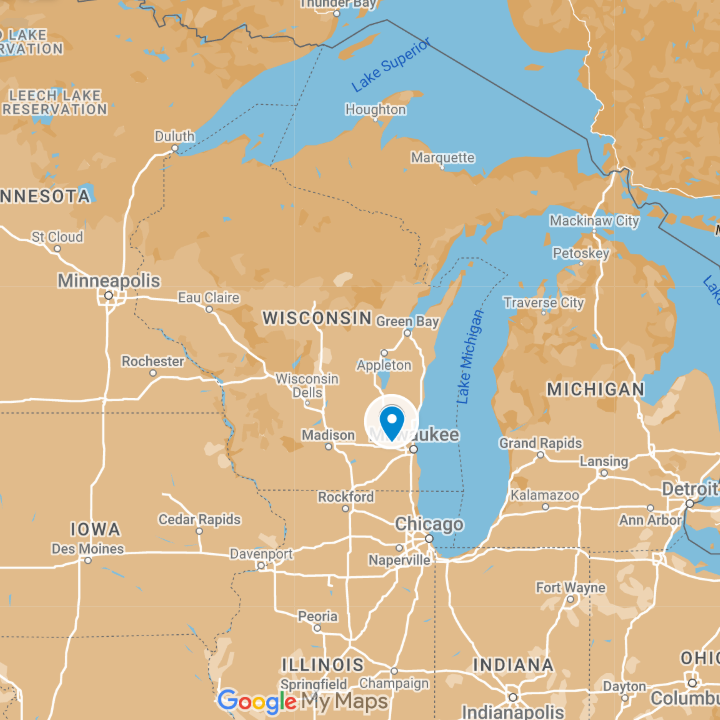

During thanksgiving break, I went back home to Lisbon, Wisconsin. I sat down in my backyard for 15 minutes or so, comparing the phenology of my backyard to my sit spot at Salmon Hole. I live about a half hour outside of Milwaukee in a relatively rural area, so there is a lot of open land by me. A lot of it is being used as farmland, but there is still a lot of natural areas surrounding my house which I love.
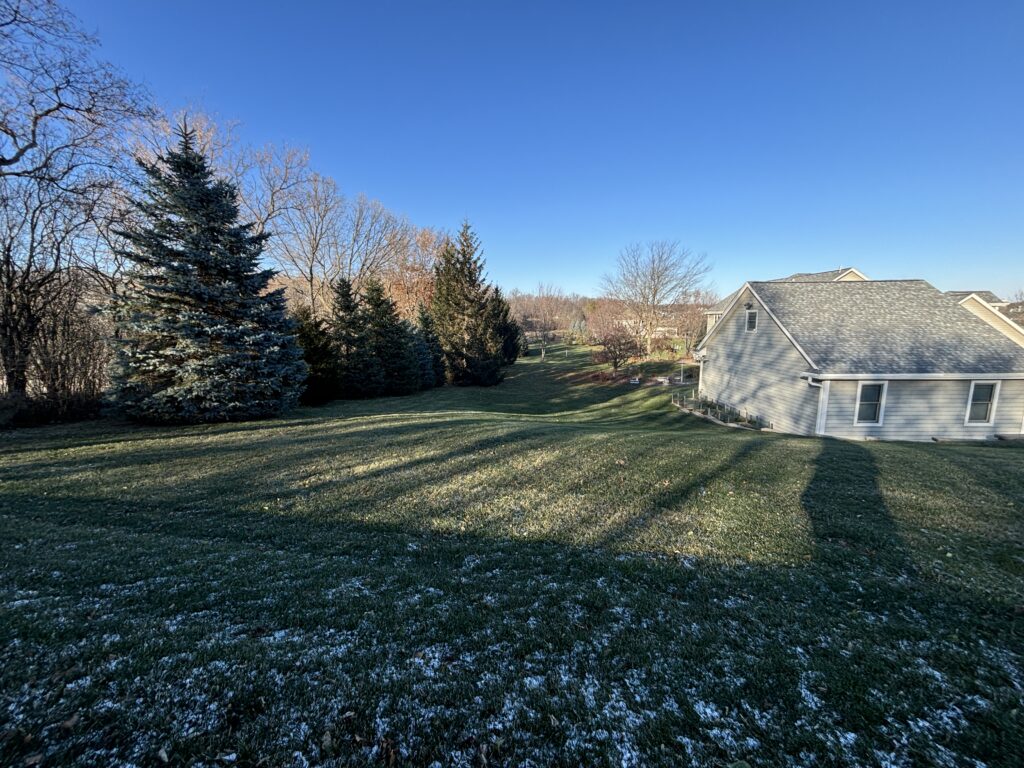
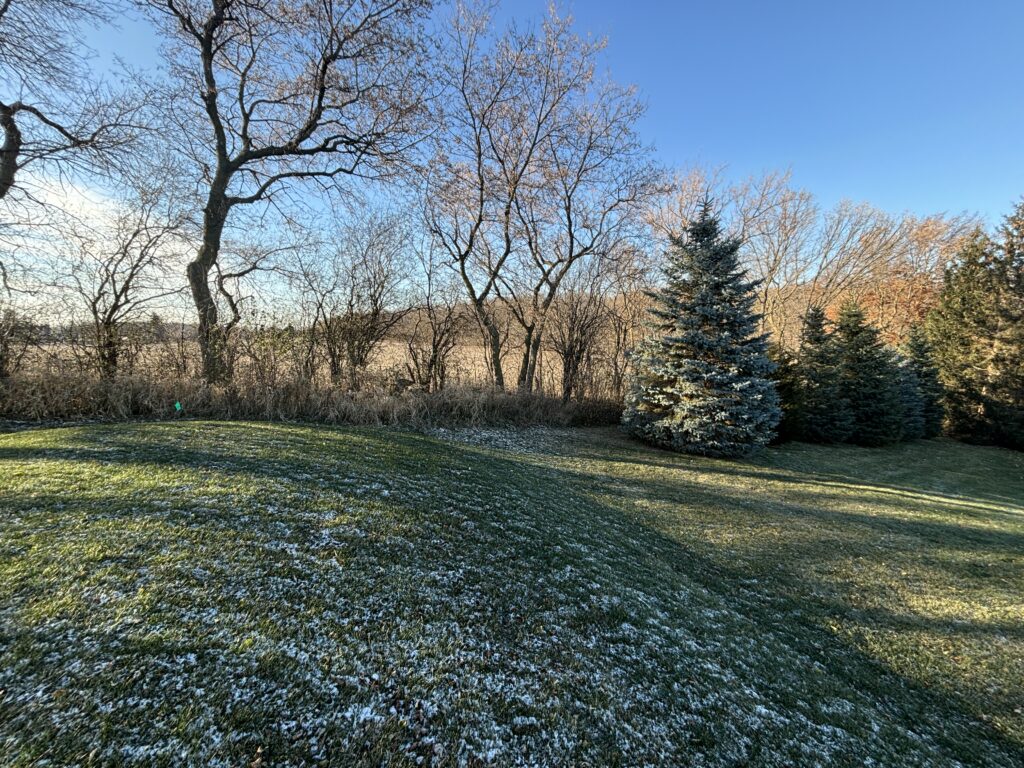
Here are some pictures I took of my yard! This place is special to me because it makes me feel a sense of place. I grew up in this backyard, and I have so many fond memories of exploring here with my sister when we were younger. The nature in my backyard is also contributed to my love for nature and environmental science, which got me here!
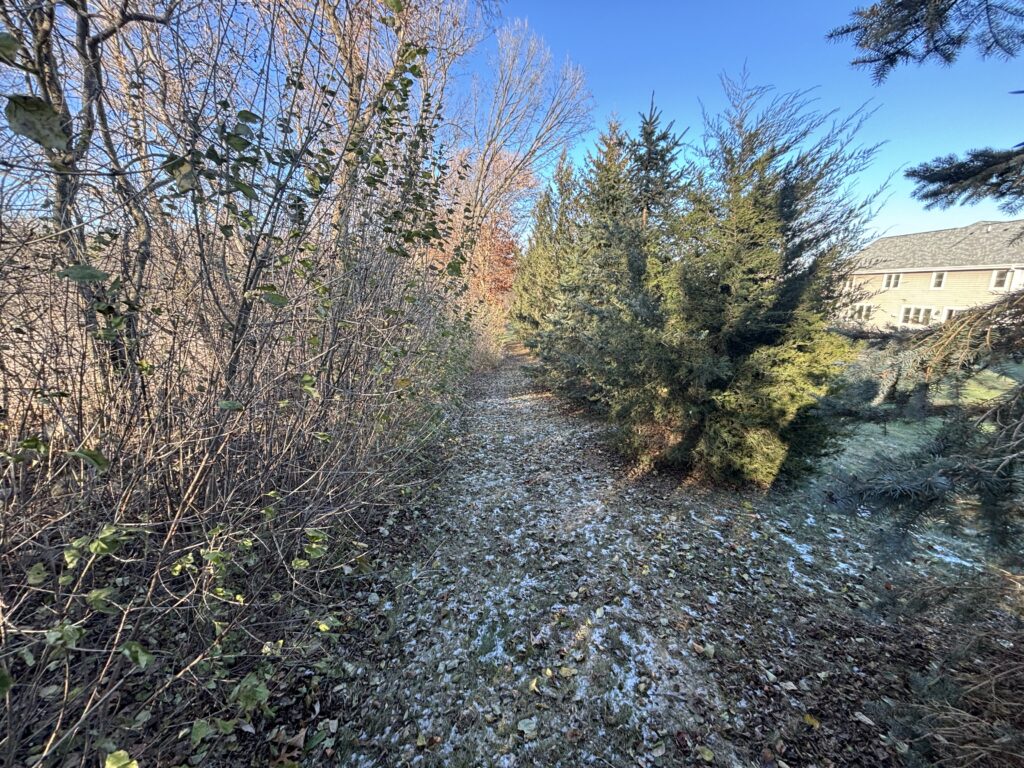
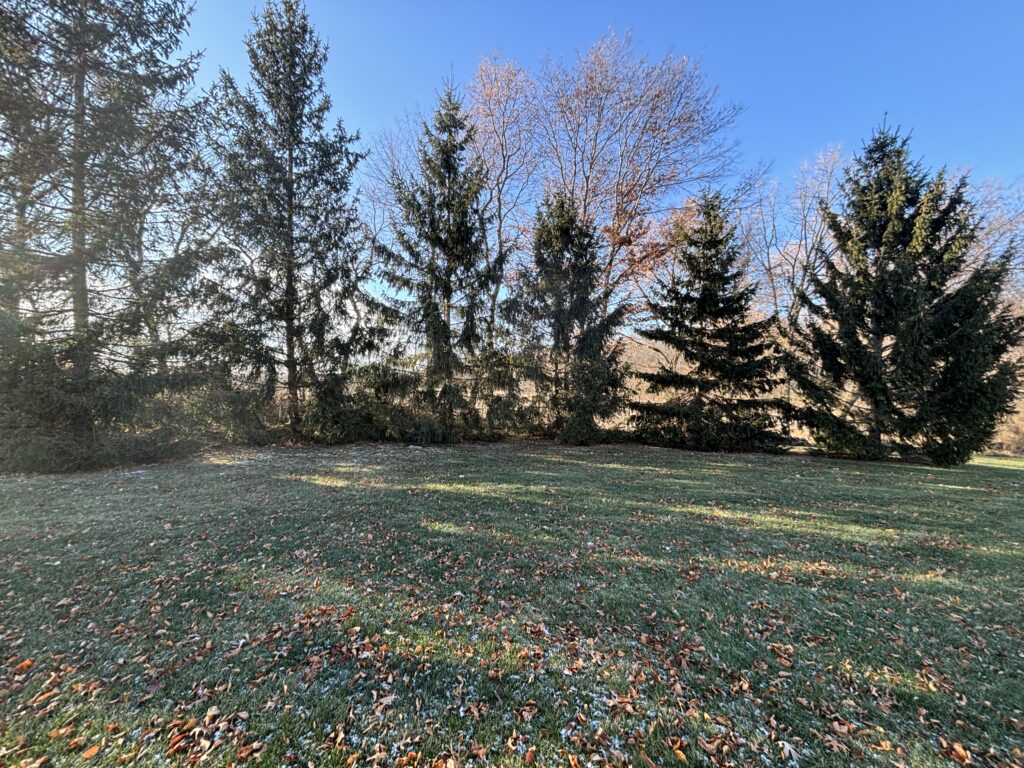
To state the obvious, the phenology of my Vermont and Wisconsin spots are very different. My Vermont spot is rocky and on the edge of the Winooski River and my Wisconsin spot is entirely green and hilly. In my backyard, there is a lot more vegitation including (but not limited to): plenty of species of conifers, some oaks and maples in the tree line, and a lot of transplanted bushes and shrubs for landscaping (of which my Vermont spot has none of). The spot in Wisconsin is much less rocky and is much greener at this time of year. I also noticed more wildlife activity of some birds and small mammals in Wisconsin compared to my spot in Winooski where I didn’t observe any wildlife.
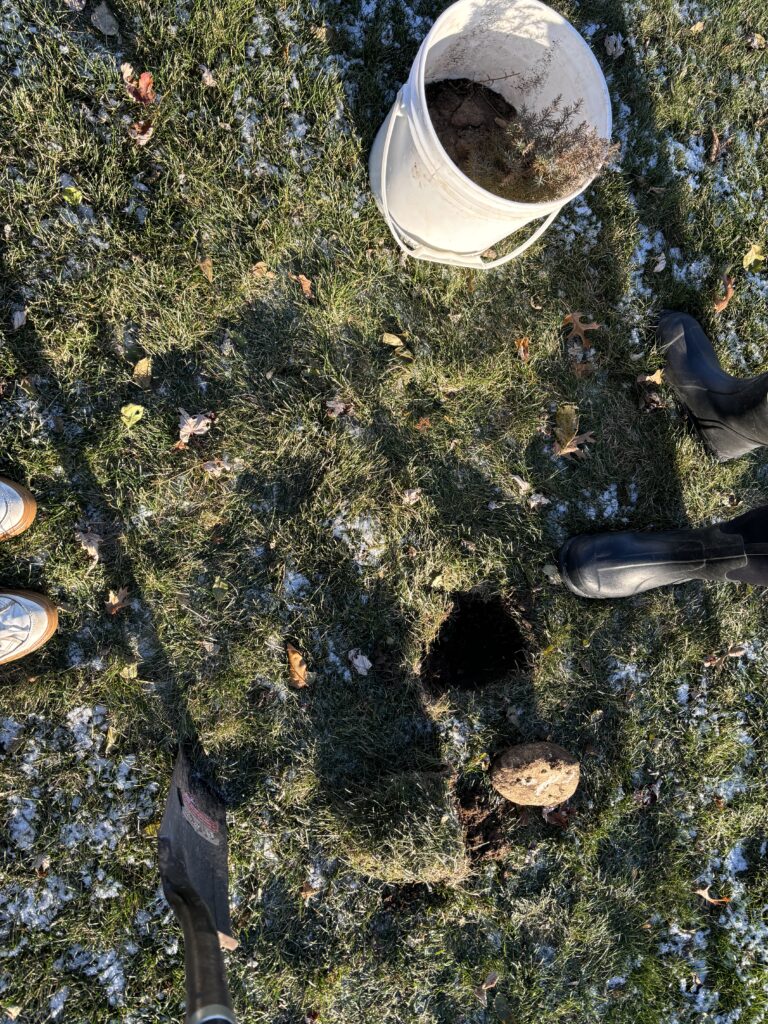
After reading Honorable Harvest, I thought it would be a perfect time to leave a gift of my own to the backyard. My dad found a small tree in the tree line that he was going to have to remove, so we took it an planted it along with some other small trees on the side of my yard. Using seek, we identified the little shrub as a common juniper! Insted of taking the tree and getting rid of it, we decided to give it a new life in my yard, out of the way of harm! It made me feel good knowing that we were preserving the nature of the backyard while moving it out of our way, making it mutually beneficial for us and the juniper.