Posts

A Walk in a Favorite Natural Spot in my Hometown

I’ve found that leaving Vermont to go back down to Boston is sometimes nice because of the slight warmer weather! I live in a suburb on the outskirts of Boston, and am lucky enough to have multiple options of green area to explore to my heart’s desire. I am incredibly privileged to be able to have access to parks and natural trails, because the inner city, which is demographically less white than my suburb, has significantly less green spaces. I took a a walk through Larz Anderson Park, which is not an uncommon destination for me and my friends, as well as schoolchildren and their parents to sled, ice-skate, and picnic.

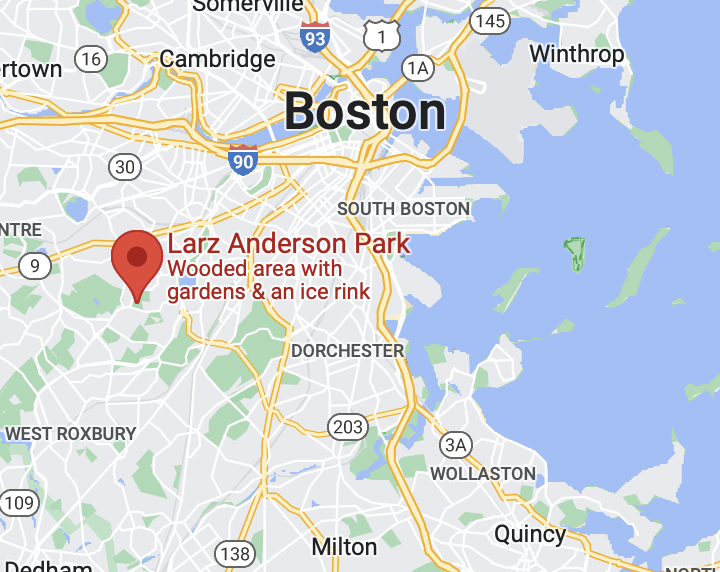
The park is a 60 acre wooded area that is also a National Historic Site. Views of the Boston skyline can be seen from the hill as well as beautiful sunsets/sunrises! The land was previously known as the Weld Estate, until up about 70 years ago when Larz Anderson and his wife Isobel Weld bought the land from Isobel’s cousin. They had a mansion built there that has since been torn down. Upon Isobel’s death in 1948, she officially left the park to the Town of Brookline.

Anderson collected more than 40 bonsai trees while in Japan and created a collection in his estate that is now known as Larz Anderson. His wife uprooted them and donated them the Arnold Arboretum nearby, my favorite natural area in Boston.
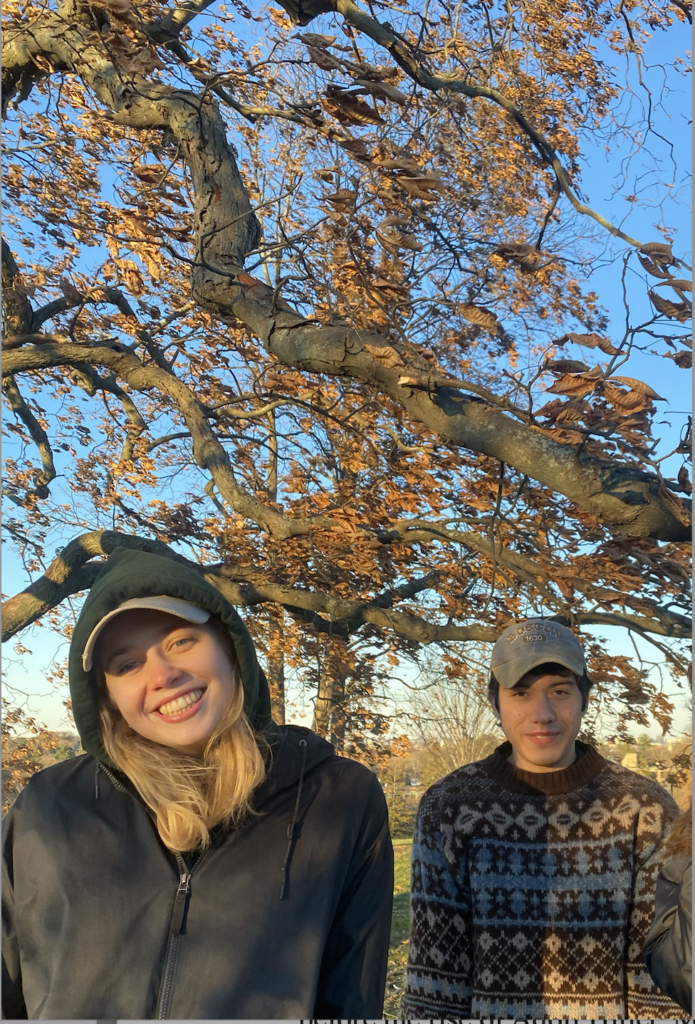
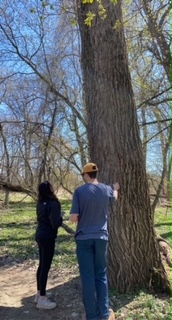
Two of my friends standing under an American Beech

One of the main trees that we encountered was American Beech. This picture was actually taken in November, so the brown leaves on the tree can still be seen. When I walked passed this tree again in March, all of its leaves had fallen, but I could still recognize the commonly occurring tree by its smooth, grey bark that I’ve always found very distinguishable from other deciduous trees. The phenological condition of the Beech trees was still coming out of winter: no leaves or signs of budding yet, only recognizable by the park. Other native trees that I saw that were common were Eastern Hemlock (shown below) and White Pine, as well as Paper Birch and common Sugar Maples.
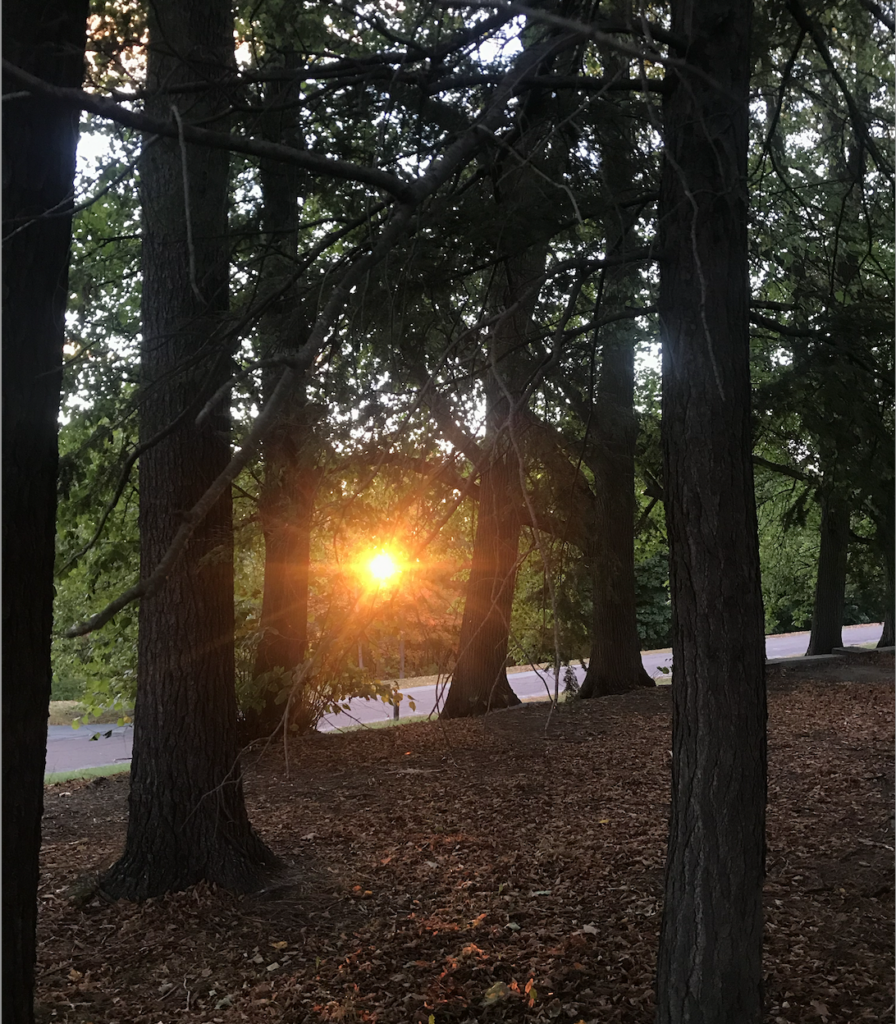
Beautiful view of the setting sun seen through a patch of
Eastern Hemlock trees!

The most common birds that I saw on my walk through Larz Anderson Park were ducks and geese gliding through the pond in the natural area.
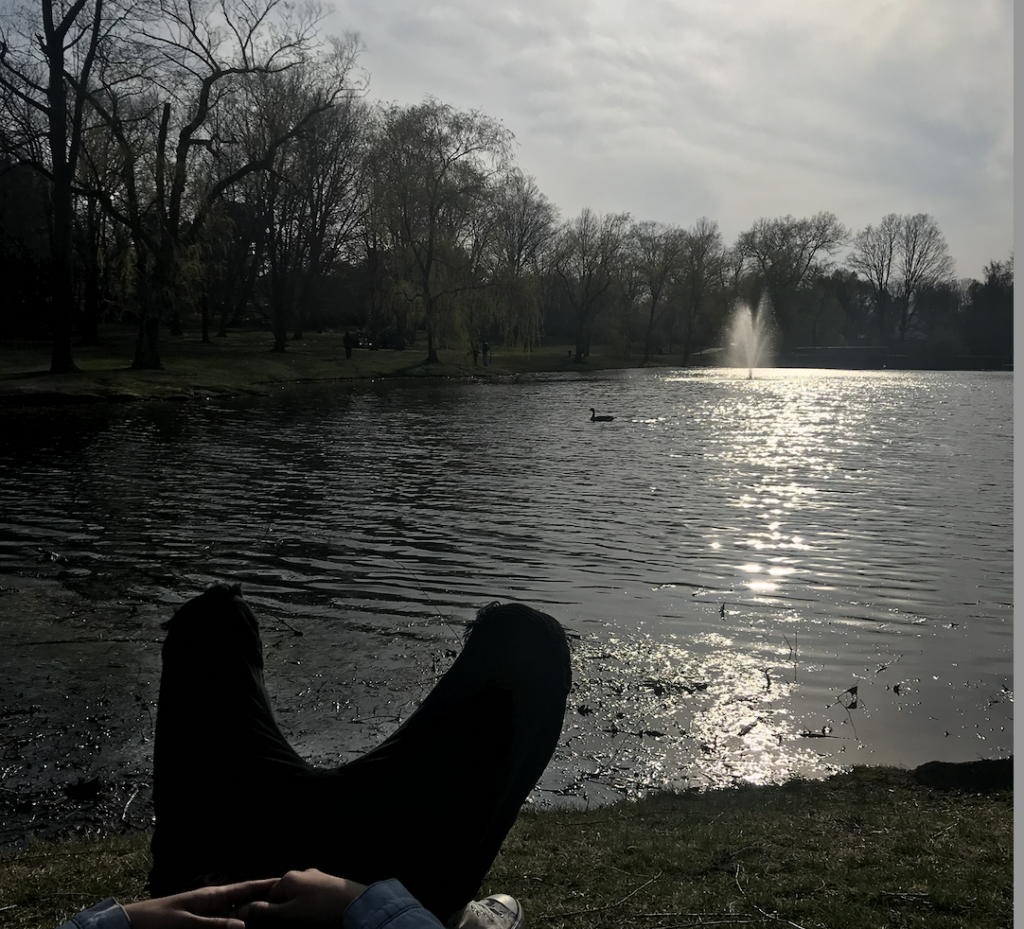
My friend laying in the grass, watching the goose in the pond.

Larz Anderson is by no means closed to public, recreational access. One of the downsides of the area being so popular is that it is a hotspot for high school kids to spend their Friday and Saturday nights at. Because of this, the park is often scattered with litter, up on top of the hill and mass amounts down by the body of water. The water quality in the pond has significantly decreased since I was a little girl and would have soccer practice at the park’s athletic field. This pollution that has come to the pond must negatively impact the populations of ducks, geese, and swans that reside near and in the water. You can see the pollution gathering up in the water by the bankside, which is really unfortunate for the natural community living there. I think that there needs to be more regulation in terms of littering and signs up that advocate for respectful treatment of the natural area while taking part in recreational activities the area has to offer.

While it was lovely to spend some time outside in my hometown, I definitely miss the stunning natural areas that Vermont has to offer, and I’m excited to spend more time in Burlington as the warmer weather approaches!

-Dani
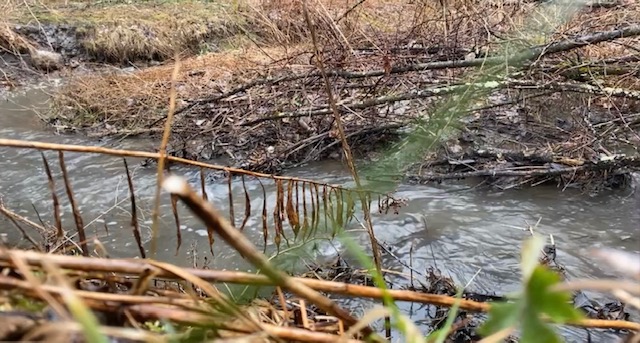
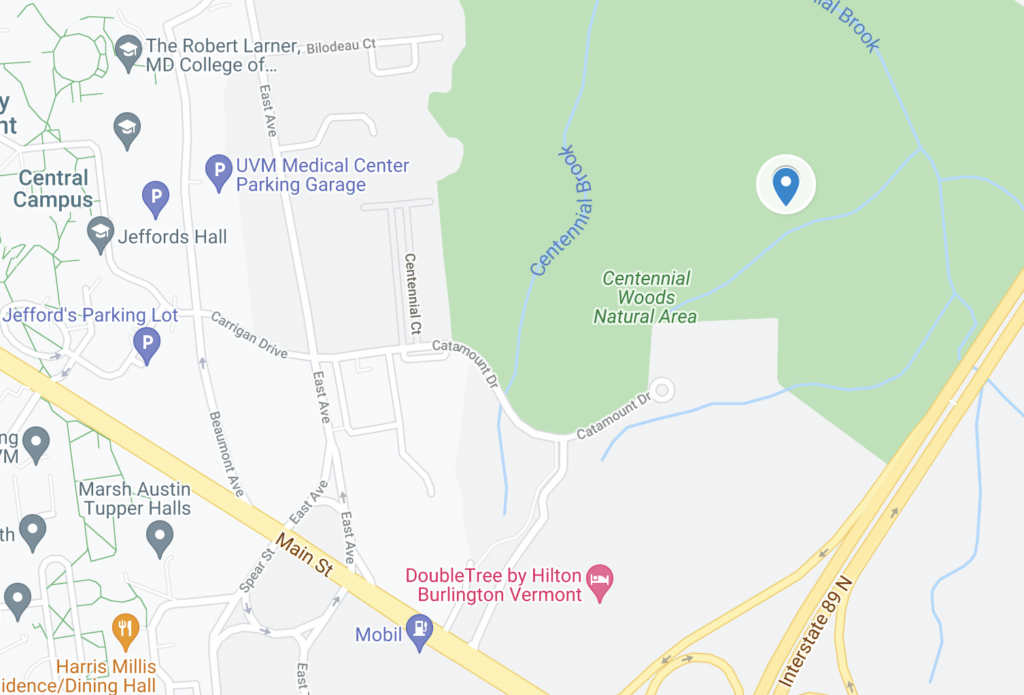
Final Visit to my Hemlock Grove in Centennial Woods, 5/6/22

I took my last walk of the semester over to Centennial Woods on a sunny day in the 60s earlier this week. It was the warmest and sunniest day that I had seen my phenology spot since the fall, and it was so wonderful to see the little heads of new life poking up from the dirt again, as well as listen to the once-again babbling brook.

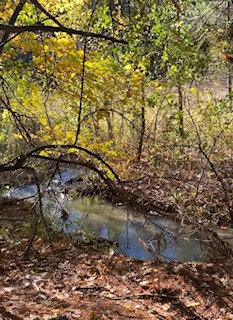
Centennial Brook

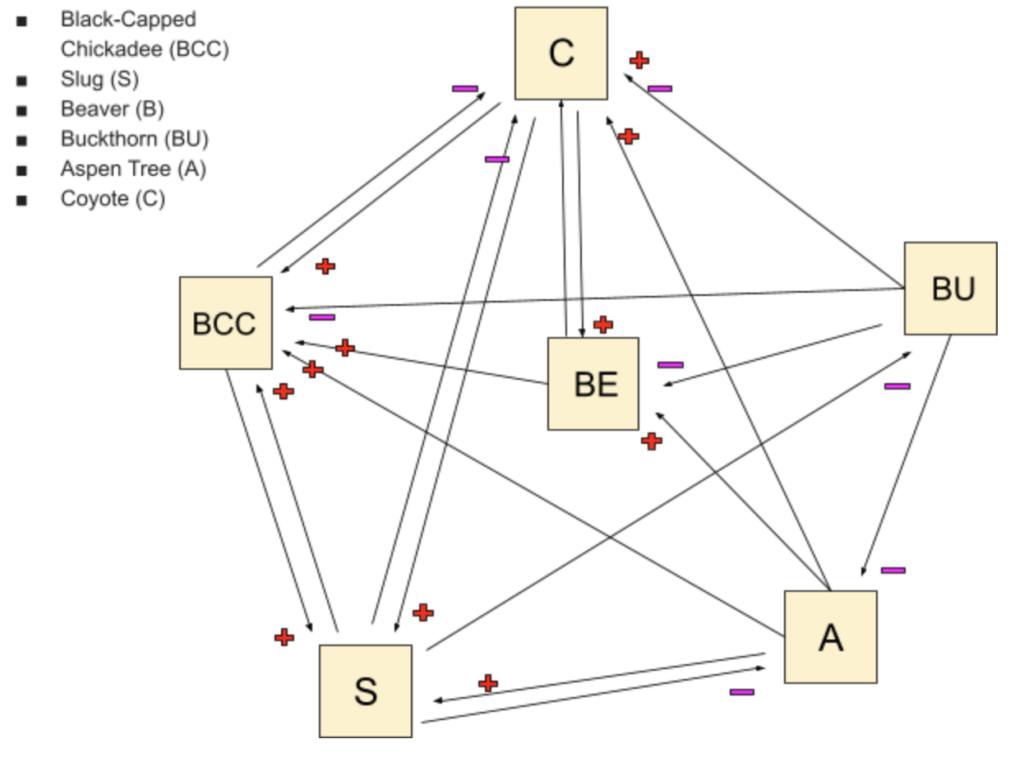
My Species Interaction Diagram highlights six documented species in Centennial Woods: Black-Capped Chickadee, Coyote, Land Slug, Aspen Tree, Buckthorn, and North American Beaver.

Centennial Woods Ecosystem Species Interaction Diagram

My species interaction diagram highlights the interactions of four animal organisms with two species of tree, one native and one invasive. Aspen is one of the most popular trees for beavers to gnaw on and use to build their dams, as well as offers coverage for Black-Capped Chickadees and the prey of Coyotes. Common Buckthorn is a wildly invasive species in Centennial Woods and the greater Burlington area, and its population impacts the abundance of the native aspen tree that other species rely on. Between animal organisms, beaver habitat actually helps bird populations due to the vegetation growth the dammed brook brings. Coyotes are the top predator of the natural community interaction. They are omnivores so they will basically eat anything in the diagram, including beavers and insects.

Centennial Woods is a natural, but open to the public, area. The big question that comes to mind when discussing the usage of such areas is, how can we foster an area that humans may use for recreational, educational, and psychiatric benefit without compromising the health of the natural community? Whenever there is a natural area that is being shared by humans, nature and culture instantly become intertwined. The health of both groups become interdependent with one another. Management of Centennial Woods must be done through a socio-economic approach, with an understanding that access to the natural area for cultural benefit may put the nature aspect of the place at risk. Preservation of the nature of the woods will maintain cultural benefit of the area, while overexploiting cultural benefits of the natural area will face the risk of fostering an unsustainable and harmful ecosystem.

I don’t know if I would consider myself to be part of my place. I can say with certainty that I receive benefits from the natural area, as well as recognize it’s intrinsic value. I became very familiar and developed feelings of compassion and gratitude towards my recurring phenology spot, and there were moments when I would sit by the bank of the brook in my Hemlock Grove and feel as though I was melding into the mosaic of the landscape. However, I feel as though claiming that I am part of my place feels self-centered, when I am, in fact, a temporary visitor to the natural habitat. A place shouldn’t be defined on what humans receive from it, and I don’t think that any natural place should be categorized by the humans in and around it. This way, it’s easier to appreciate the intrinsic value of nature without getting caught up in appreciating nature only for the benefits of ecosystem services.

Centennial Woods is one of my favorite parts of campus. I was so lucky my first year to have been less than a ten minutes walk away from it from my dorm, and I feel as though I was really able to take advantage of the psychiatric benefits the natural area provided.

Thank you so much for a great semester! I’m leaving this course carrying so much information for my future studies with me!

Signing off,

Dani 😀

My experience participating in the City Nature Challenge iNaturalist BioBlitz!

Last Saturday, 4/30, my friends from my lab, Bella and Sam, and I went down to the Burlington Intervale to check out part of the City Nature Celebration! Bella’s recurring phenology spot happens to be far in the back of the trails behind the Intervale, so we took a nice, long walk through the area while using iNaturalist the whole way. Her phenology spot is along the Winooski River, and we posted up in the area and walked around to try and identify bird calls and trees by just their trunks. We arrived later in the day around 1:30, so there weren’t that many other people around, but it was lovely to see people grouped off, their hands in the soil, learning from one another.

Part of the Winooski river we walked along to get to
Bella’s phenology spot

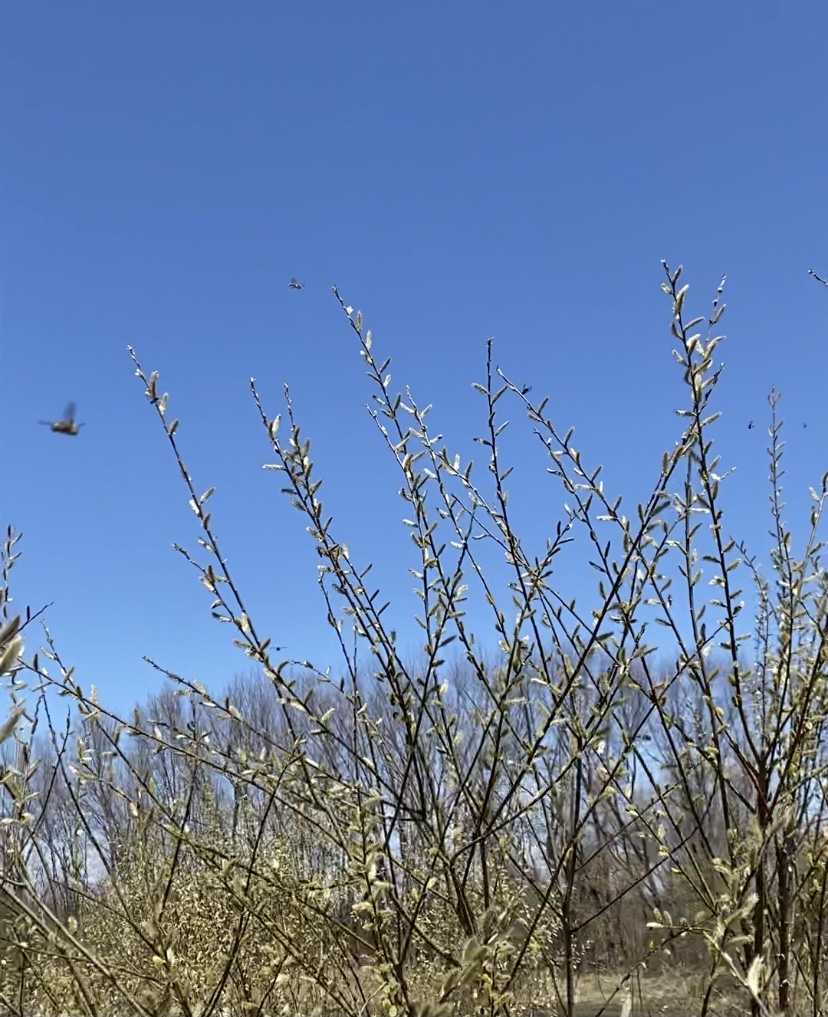
We encountered numerous species in and around the Intervale on our walk. One of the most exciting things that we saw were consistent swarms of Honey Bees feeding off the pollen of recently blooming flowers. I don’t think I had seen a bee for months during the brutal Vermont winter, so it was wonderful to see the pollinators out and about.

Honey bees feeding off a type of willow tree

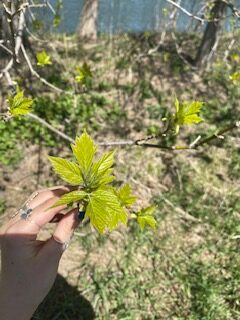
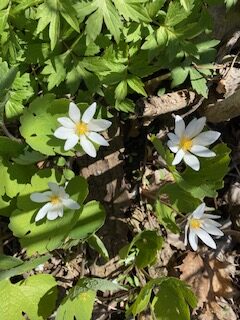
We also came by numerous new fiddle-heads poking up through the ground. The small leaves of maples and oaks were just started to emerge from their buds, and we were able to see the tiny new life peeking out! This was so wonderful for me to see because in my hometown, new life starts blooming several weeks before it does in Vermont, and I was definitely ready for the green landscape to come back to life. Furthermore, we found other new flowers poking up from the ground, specifically an abundance of white, daisy-looking flowers that iNaturalist identified to be Bloodroot.

Our best guess is that these are the budding leaves of a silver maple.
Bloodroot Flowers
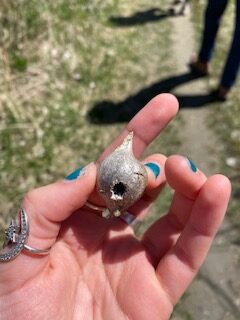
Shell of a Milkweed Pod
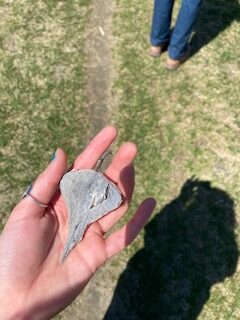
We were unable to identify this pod, iNaturalist mistook it for a bug. However, I included it because I thought the (presumable) insect hole was interesting.

My overall experience using iNaturalist was a relatively positive one. While I had downloaded the app earlier this year for a NR 1 lab, I needed a refresher on how to use it. I will say that it was confusing to join different groups within the overall City Nature Challenge, and I had a hard time at first figuring out where we were supposed to upload observations. Once a quick refresher, however, I was able to take advantage of the identification tool on iNaturalist, which ended up being very helpful on our walk and as I continued my BioBlitz challenge in my own, personal phenology spot in Centennial Woods. It was also incredibly helpful to be able to it inset pictures that we had taken on our walk into iNaturalist later on, and have it still identify the species for us, which I did with almost all the pictures I had snapped on Saturday. My complaint about iNaturalist would be the quality of its identification tool, because there was generally about a 60% chance that a picture I snapped would be accurately identified, and it was very difficult to use the app to identify bird calls.

Furthermore, it was awesome to be able to see the observations from environmental enthusiasts not just in the Vermont area! A few of the observations that were fascinating to me were aquatic invertebrates and species that I saw in the hundreds of thousands observations on the City Nature Challenge 2022 iNaturalist page. There were several starfish and types of coral that I was examining through other people’s observations which was super cool because we had no such species to observe in the areas of Burlington we visited.

Sam (R) showing Bella (L) the deep ridges in
the bark of Cottonwoods

Tune back in tomorrow for my final visit to my phenology spot!

-Dani 🙂

A Walk in Greater Burlington 2/21

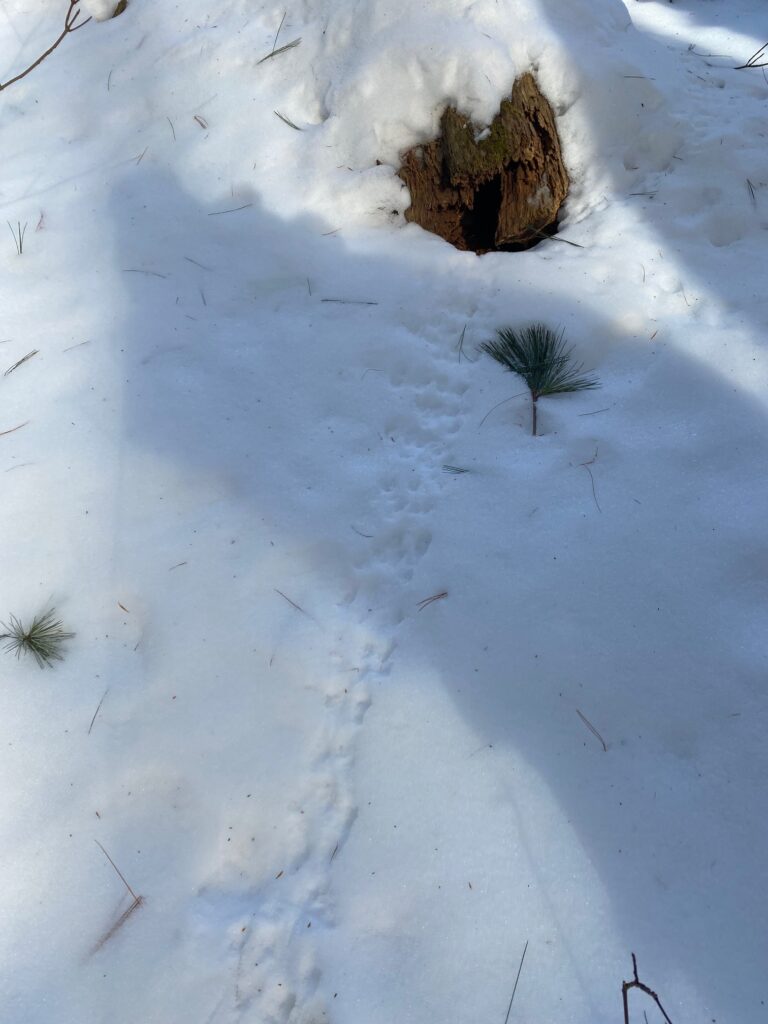
I was curious about tracking in the greater Burlington area and decided to take a morning stroll through the nature reservation next to Saint Michael’s College just on the other side of the Winooski River. The snow was thick, and it was clear to me that I wasn’t the only one who had decided to come through the same way. I started by seeing what appear to be mouse prints that lead into a log that a couple or more mice seem to have resided in for a period of time. Mice don’t hibernate in the winter, so they are essentially in a constant search for food. The entire season is made up of finding and taking shelter near food sources, generally seeds, nuts, and grains, and it’s important for them to be in very close proximity to a good amount of food available. The White Pine needles next to the burrow tell me that the mice may be eating the scales from pinecones, as well as acorns and beech nuts from the other species I observed nearby.

House for a mouse

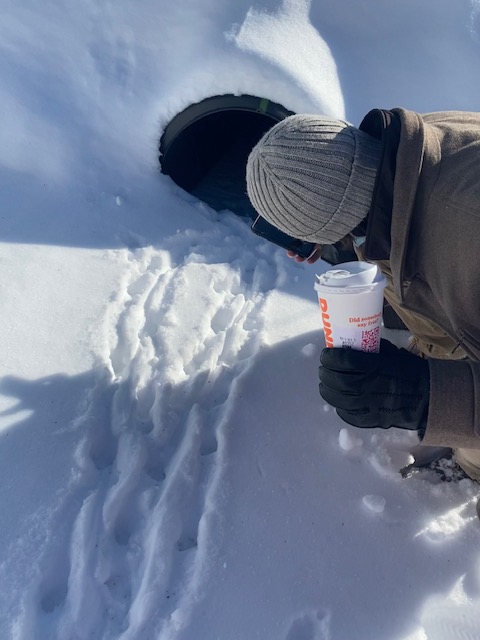
The next set of tracks that I saw confused me for a while and I’m still not 100% positive because it was very hard to make out the individual foot prints because there appeared to be a tail dragging behind the animal, dragging snow over the tracks of the feet.

Tracks entering and exiting a tunnel

I referred to iNaturalist to help me out with identifying these tracks. One angle that I photographed (not-pictured) was suggested to be in the Phasianidae family, some kind of a pheasant, grouse, or partridge. However, from this angle, foot marks are easier to make out and iNaturalist says that it believes the owner of these tracks is a marten or fisher, which I think makes more sense. The alternating walk and tail print occurs twice in this region of snow, but I think that the creature entered the pipe and then walked out the same way they came because of the just distinguishable enough opposite directions the prints are facing. The supposed fisher may have been entering the pipe for one of two reasons: food or shelter, or both. Fishers often search for small animals to prey on in nooks and crannies, and could have been scouring out the scene for the hopes of squirrel or mouse dinner. I’m still new to tracking so it is also possible that this animal is something else such as a skunk. iNaturalist was helpful to use in this instance because it got me thinking about the different options of the source of the tracks, but it wasn’t too exact which is the same experience I feel as though I encountered first semester identifying tree species etc. I don’t expect any app such as this one to be perfect but it would have been nice for there to be more explanation and walk through when identifying the species.

We also came upon white-tailed deer scat and tracks, which I am realizing I’ve come to see very often this semester since being back up in Vermont in the winter.

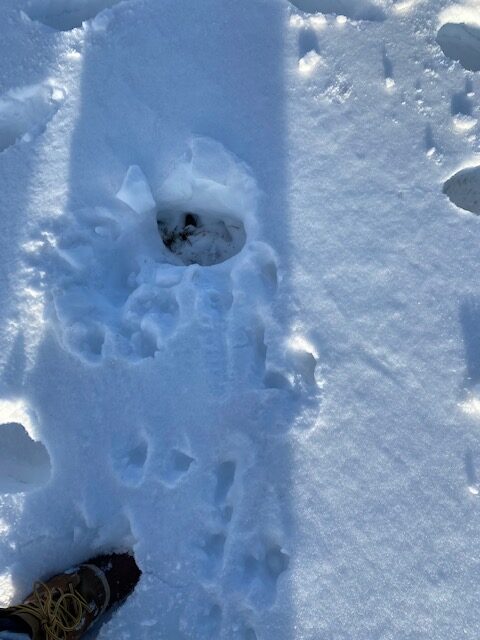
I took the bus back from Colchester and was walking back to my dorm from the medical center bus stop and came upon just a few more bunny and mouse tracks and a mouse hole with the tracks leading up to it. The common Cottontail Rabbit is most likely the suspect of the tracks on the left, with the two smaller front leg tracks almost completely run over by the larger back legs that spring forwards with every hop. The mouse hole on the left doesn’t clearly show the mouse tracks leading up to it, honestly due to the fact that I kind of stepped too close to them and then didn’t get a great picture of the footprints, but there was a trail of mouse tracks, very similar to those shown in the previous mouse tracks in the first picture I included.

The greater Burlington area did not disappoint me on my outdoor tracking adventures this week! It was a beautiful, sunny day to share with the mammals and birds who reside in Burlington and I loved getting out and about to explore new natural places that I have not yet adventured through.

-Dani

Semester 2: Return to Centennial Woods

1/29 Phenology Spot Posting

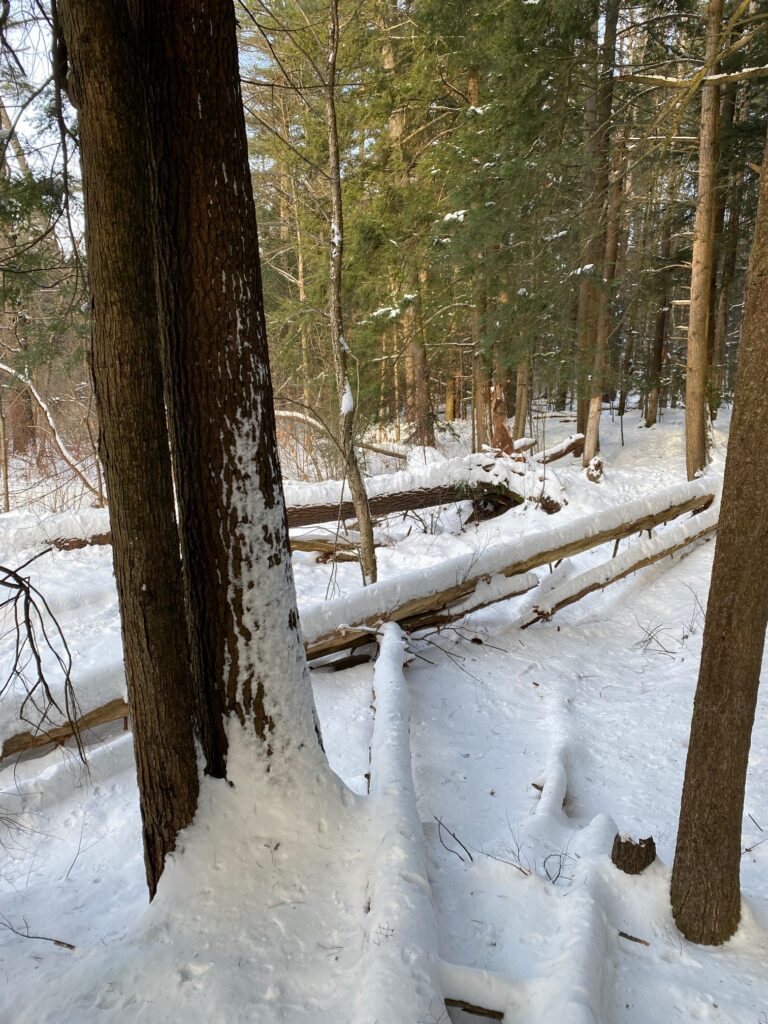
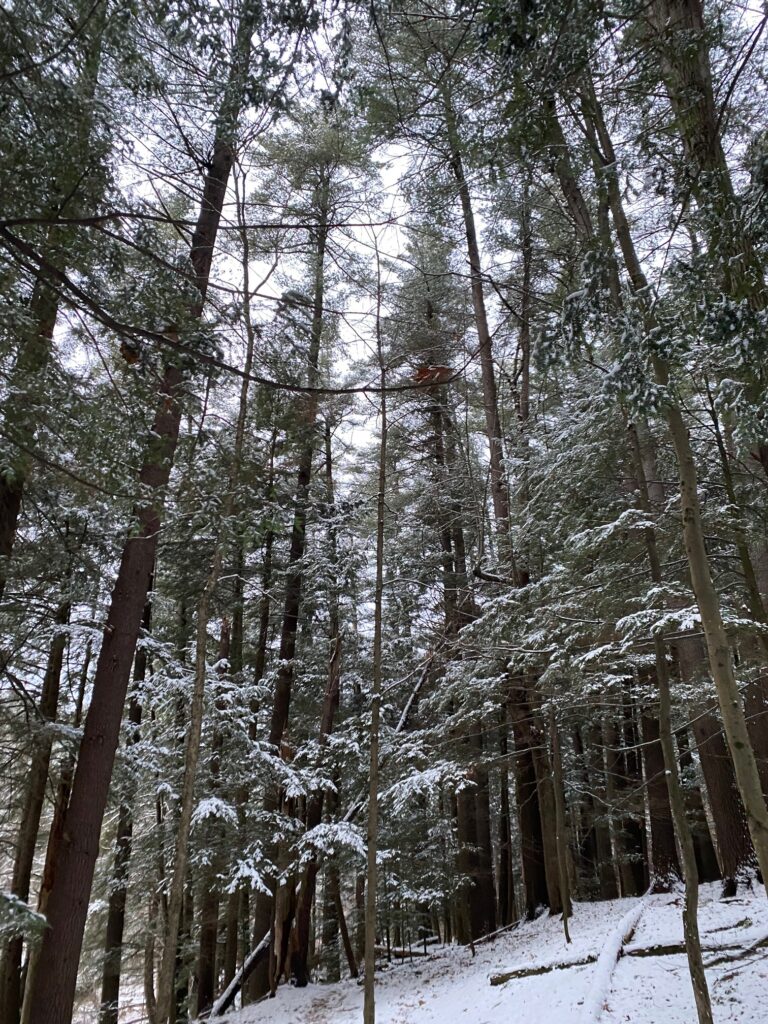
My last visit to my beautiful hemlock grove in the middle of Centennial woods was just after some of the first snowfalls of the season. Tips of green ferns were still peeking out from under the white blanket, and a layer of White Pine needles and browned Sugar Maple and Red Oak leaves were spread out on top of the layer of snow, indicating the trees still losing their leaves into December. Now, in late January, the entire ground was undoubtedly covered in snow, leaving no room for a peak of the river or any green sprouts, but covered with signs of humans and their dogs treading through the area.

As beautiful as the Eastern Hemlock-White Pine grove still was, there was something about seeing it after first snow that was just breathtaking, that had since lost part of it’s magical touch due to the dreariness of the winter dragging on. Something that I instantly noticed was that a good proportion of number of trees that I had observed to be significantly old and decaying last time were horizontal on the ground. There had definitely been some fallen trees beforehand, but now a good amount of the ground space at my focal spot is filled with rotting trunks.

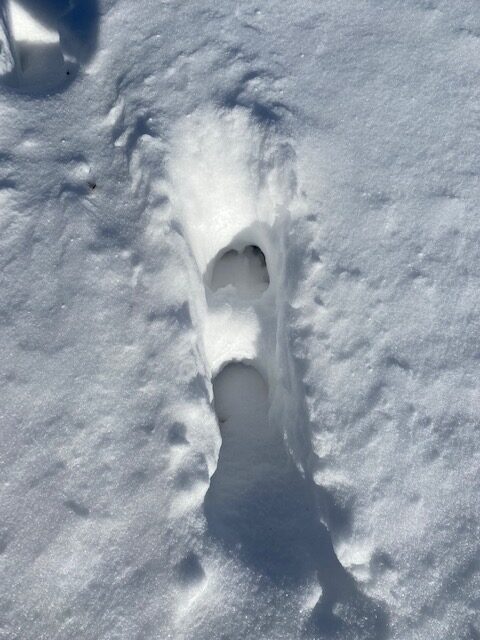
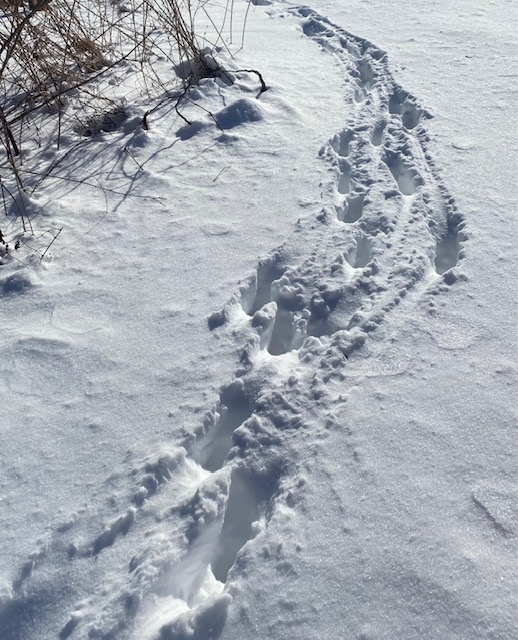
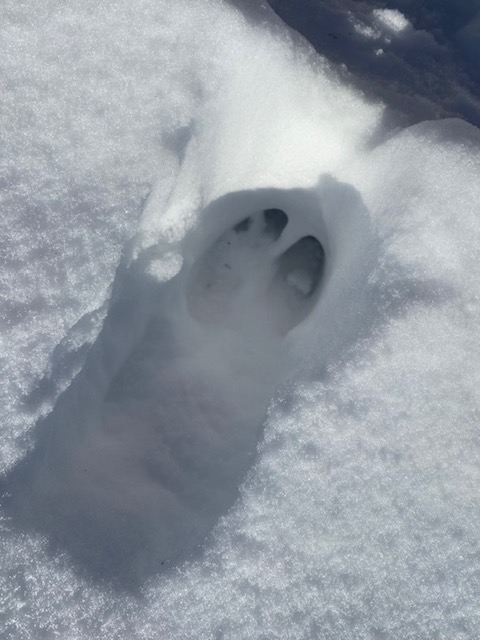
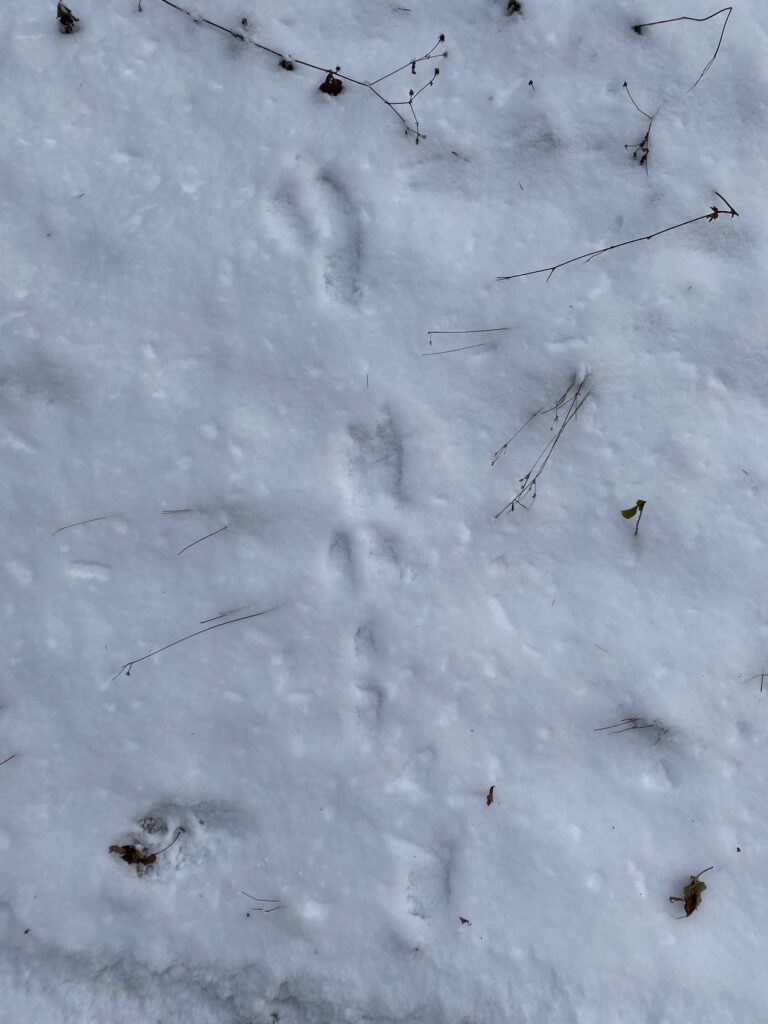
The tracks in my specific phenology spot were relatively disappointing- nothing that I could see other than human footprints alongside dog paw prints. However, I went a different route than I normally do to get out of the woods and came across a few tracks some ways away from my designated spot, but I thought they were fascinating and figured that I would include them!!

I’m inferring that these are deer prints due to the two hoofed toes that can clearly be seen in the second picture, and the snow kicked up behind behind the legs as they walk. So cool!

Can’t wait to continue to return to my focal spot for the rest of this semester, and see it start to bloom again in the spring!

-Dani

Final Phenology Posting

Centennial Woods visit 12/11/21

I was absolutely stunned by the beauty that had struck my phenology spot this past week the morning after a snowfall! I bundled up significantly more than I ever had before a venture through the woods, and boy, was I glad I did. The ground that was once covered in vibrant red and orange leaves, white pine needles, and bushels of ferns was coated in a blanket of snow.

wilted ferns, peaking out from under the snow

The understory in my phenology spot is much made up of ferns, which appear to die back under the frost of the cold Vermont winters, but will grow back and thrive in the spring when the weather warms once again. Ferns are perennials, so they will live for many years, crumpling down under the layers of snow in the winter, and growing back strong and sturdy in the spring. It was nice to see the little spurts of green life underneath the snow, to show the resilience and strength held in such a tiny life form.

Hemlock grove in mid-December!

My phenology spot is made up of an Eastern Hemlock and White Pine grove, with the scattered Red Oak and Sugar Maple. Considering the majority of the trees in the area are classified as evergreen, they are resilient to the cold and snow fall and keep their needles year round. The area also appeared increasingly darker than it had been in the past times I had payed it a visit, even though I was there during daylight. The hemlock trees are clearly very shade tolerant. The Eastern Hemlock may be a great provider of winter shelter for any wildlife that remains in the area. On my recent visit, I heard little to no bird calls, signifying a significant migration of the birds who’s songs filled the area the first couple of times I ventured into the woods to my recurring spot. I saw minimal squirrels as well, which were usually more populated in the earlier, warmer months of the school year.

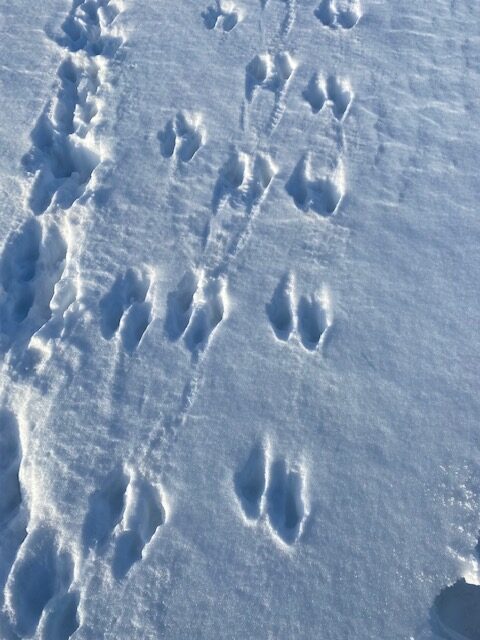
Presumed rabbit tracks

Speaking of wildlife, these are tracks I came upon just on the outskirts of my designated phenology spot. They appear to be rabbit tracks, with two small paw prints, and then larger back feet prints as they bound along. Small branches, twigs, and bark are still of availability to rabbits in Centennial woods to snack on throughout the winter. Their warm pelts keep them somewhat cozy during the winter months, and they may reside either in burrows, or warm spaces such as logs. They try to not move around too much as to conserve their energy to stay warm.

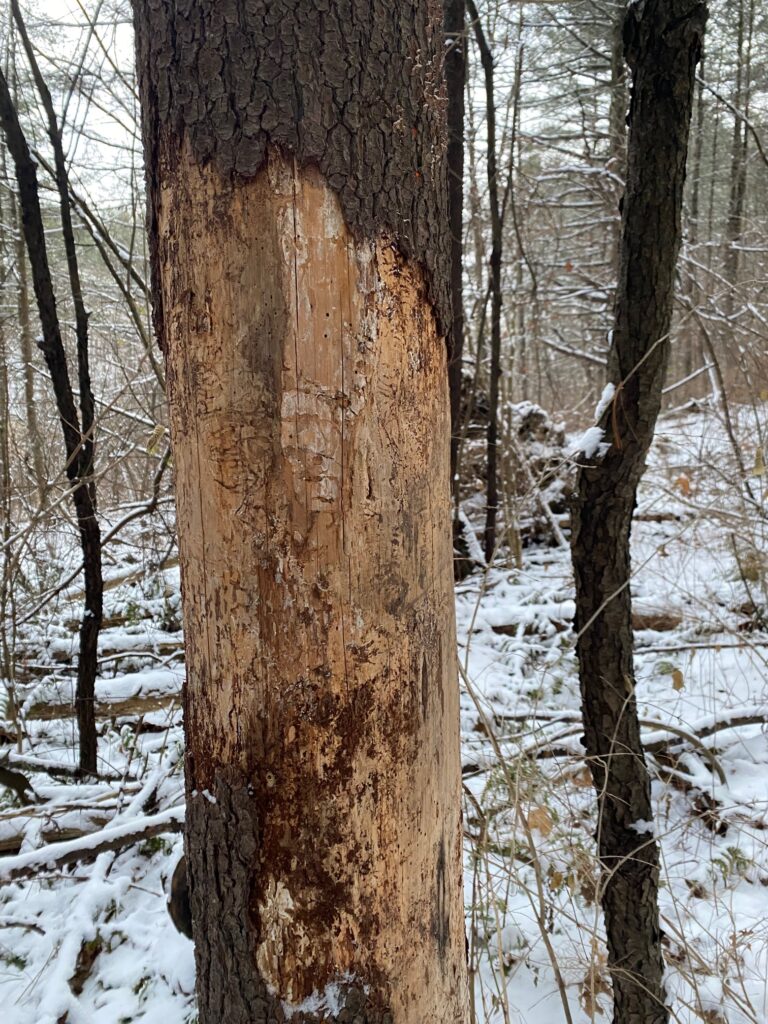
On another note not necessarily related to the recent freezing temperatures, I’ve noticed that there are quite a lot of rotting trees in and around my specific phenology area, as well as other spots throughout Centennial woods. Some trees have fallen from halfway up, and are now hollow, simply standing around, waiting for the rest of it’s demise. On some of these trunks, insect and woodpecker holes line the sides.

My phenology spot has brought me great pleasure to visit consistently this semester, and I will absolutely continue to go back to it. I love how easy it is to walk from my dorm straight into the heart of these woods, and take a breather for a bit while pondering the natural systems and cycles of the area.

Thank you for a great semester!

Dani S

Phenology Post 11/12

Event Map: City of South Burlington 11/12

Last weekend, my friend and I took a little stroll down Main St into town. It was a lovely day out, and easy to admire the more developed area built in and around our natural surroundings.

The waterfront was stunning, we caught it just as the sun was settling back behind the mountain ranges, and casting a pink hue all across the sky. My friend and I sat on a dock and admired the light before we walked back up to Church St to get dinner (ramen!) and pop in and out of jewelry stores. We had been talking about heading over to Lone Rock Point, but unfortunately we didn’t leave campus early enough and it was already relatively dark out. I would love to continue to explore the natural areas of Burlington (in the light), and show my friends the special places that I have been shown in our NR 1 lab!

-Dani

Centennial Woods Phenology Blog!

This week’s visit to my focal phenology spot 11/1/21 🙂

I visited my focal phenology spot on an absolutely perfect day this week. It was chilly but incredibly sunny, and I sat down in a patch of sun by a stream bank on the edge of the general area I’ve been observing. Here, I sat still and did a little mindfulness exercise: find 3 things you can touch, 3 things you can hear, 3 things you can smell, and 3 things you can see. This helped me feel more connected with my area when I immersed myself in the natural systems that would be occurring whether I was there or not. I enjoyed listening to the bird calls above my head, which reinforced my desire to gain knowledge of different bird sounds, because I would’ve loved to have been able to identify what species were flying around my area. I admired the sun’s reflection on the glistening stream, and sat and listened to it burble rapidly downstream.

Sorry for the bad quality, this was screenshotted from a video. I swear it was really pretty.

I observed some minimal seasonal changes in my focal spot since I had last visited. The most prominent of such was the first layer of fallen leaves on the ground, which had initially just been scattered white pine and hemlock needles. This week, I observed a significantly higher amount of fallen red oak and sugar maple leaves on the ground, which indicates that more leaves from the less populated non-evergreen trees in my area have been dying and falling off. On the trees, the leaves that were green and yellow last week were now leaning more towards yellowish-brown, with holes and brown spots. Any leaves that were still green were very light and basically yellow, one the same path towards turning brown and falling. The most noteworthy tree species in my area, the Eastern Hemlock and Northern White Pines, faced little to no change due to their classification as evergreen trees, which means their foliage is likely to remain green throughout the year. However, there were many more pinecones on the ground.

If I remember correctly, the velocity of the stream at the base of my area had increased pretty significantly since I was there last week. This is likely due to the recent consistent precipitation events over the weekend before I visited my area, which filled up the stream from what I observed to be a relatively low and maybe even dry area last week. I can infer that there was not as much rain in the week leading up to my first visit to my spot, making for a less filled stream.

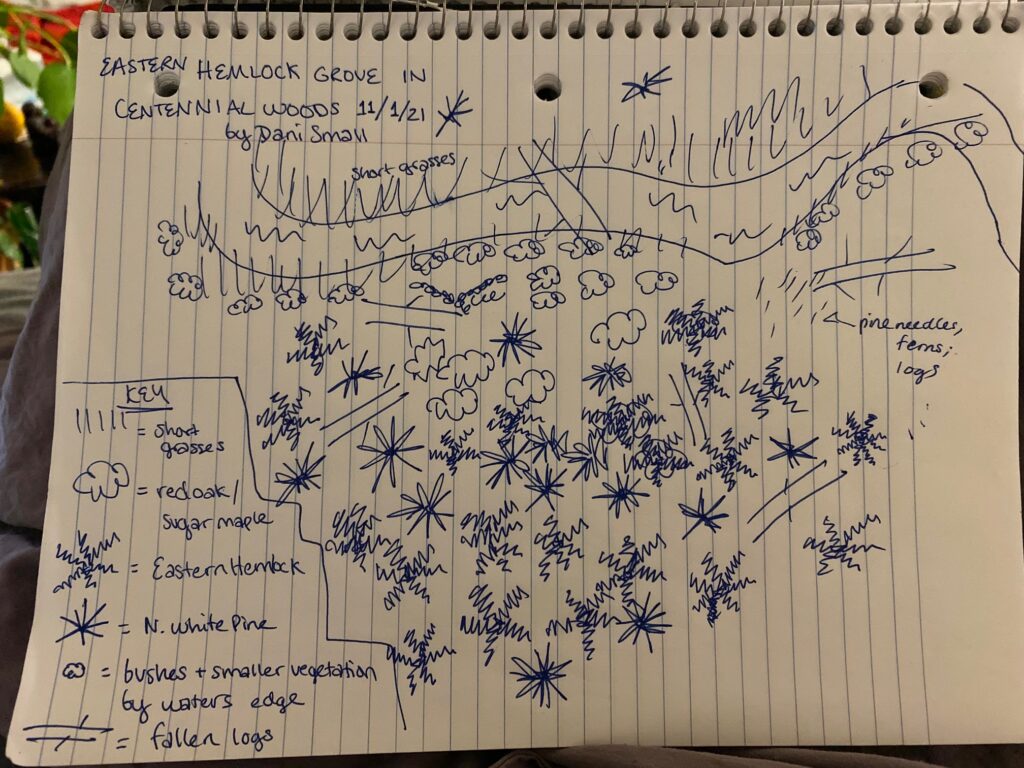
Birds-eye view map of my focal area. See key.

As you can see, evergreens mainly dominate my area with more maple and oak trees growing closer to the water source. I observed some holes that I assume were made by woodpeckers in the sides of a couple of trees, as well as the occasional squirrel scurrying up a tree. I heard many bird calls that I will be working towards identifying as the year goes on.

This week’s visit to my phenology spot was very relaxing and lovely, and I enjoyed the opportunity to take a breather and familiarize myself with the surroundings that I will be continuing to spend a lot of time in over the course of the year!

-Dani

Centennial Woods Phenology blog!

Welcome to UVM Blogs. This is your first post. Edit or delete it, then start blogging!

My Visit to Centennial Woods’ Hemlock Grove: Phenology Blog #1

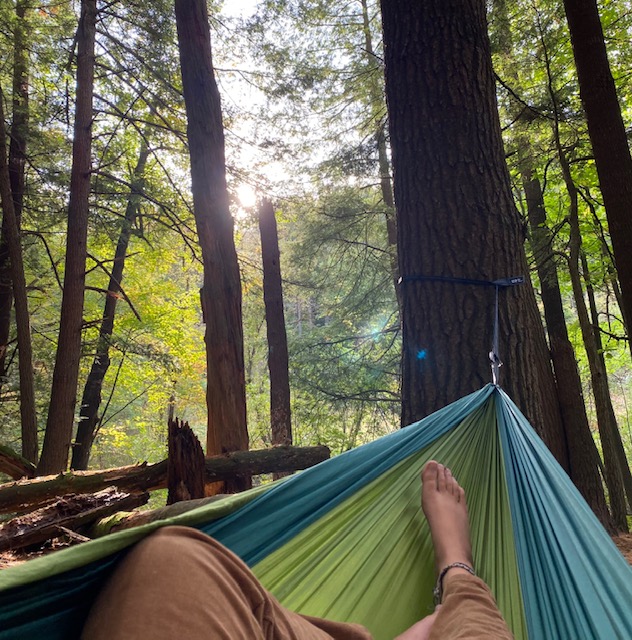
In the midst of the stress that the first month of adjusting to college brought me, my first time visiting Centennial Woods was a breath of fresh air and incredibly relaxing. I had no idea that it existed until our first lab assignment for NR 1, and I was really excited that I had such easy access to such a beautiful and diverse location not 15 minutes from my dorm. I ended up picking the woods for my phenology focus because I feel as though I have already built a positive association and relationship with the area that brings me comfort and joy, and I wanted to expand on that while continuing to explore the ecosystem. I came across a small, secluded clearing in an Eastern Hemlock grove that I set my hammock up in to observe the area.

The Eastern Hemlock trees in my focal area are very tall and grow in close succession with one another. This makes for a large canopy that covers much of the area. Since the canopy blocks much of the sunlight that would otherwise stream in, there isn’t too much vegetation in the undergrowth because of how much shade the area is in. Scattered ferns and fallen logs with moss, lichen, and mushroom patches was about the extent of the undergrowth really growing there.

Other tree species in and around the area include the occasional White Pine or Yellow Birch tree. For the most part, the grove is dominated by Eastern Hemlocks, whose fallen needles as well as the White Pine needles coat the ground. The area is located a little ways up from a stream bank, meaning that the soil was relatively moist, making for a cool, shaded habitat.

My focal location is a beautiful and relaxing spot and I am excited to continue to explore the area and study the seasonal changes throughout this year!!

-Dani

Skip to toolbar