A UVM blog phenology project

Posts

Featured

Hello NR001 Classmates!

Welcome to UVM Blogs. This is your first post. Edit or delete it, then start blogging!
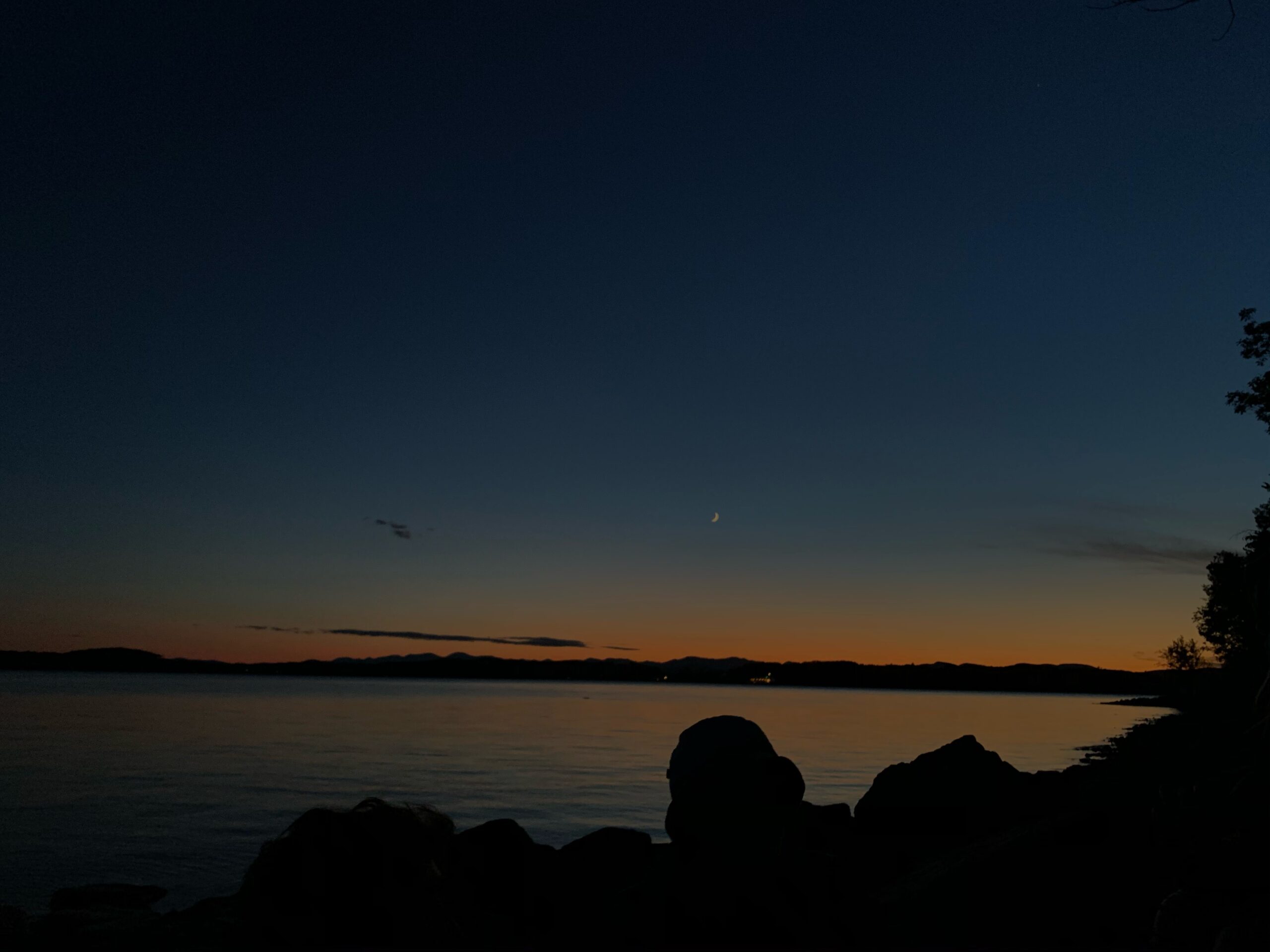
Red Rocks

sunset

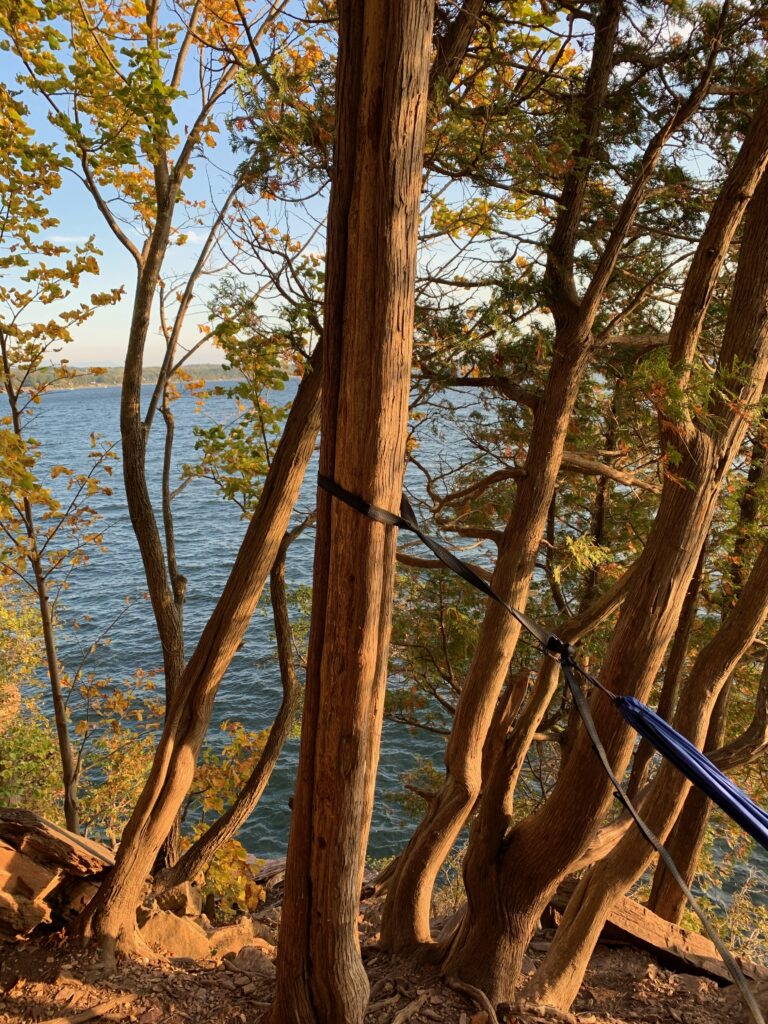
This is Red Rock, it's located in South Burlington and it is quite a hike to get to however it is worth every minute. The sunsets are so beautiful over the lake, it looks unreal.  
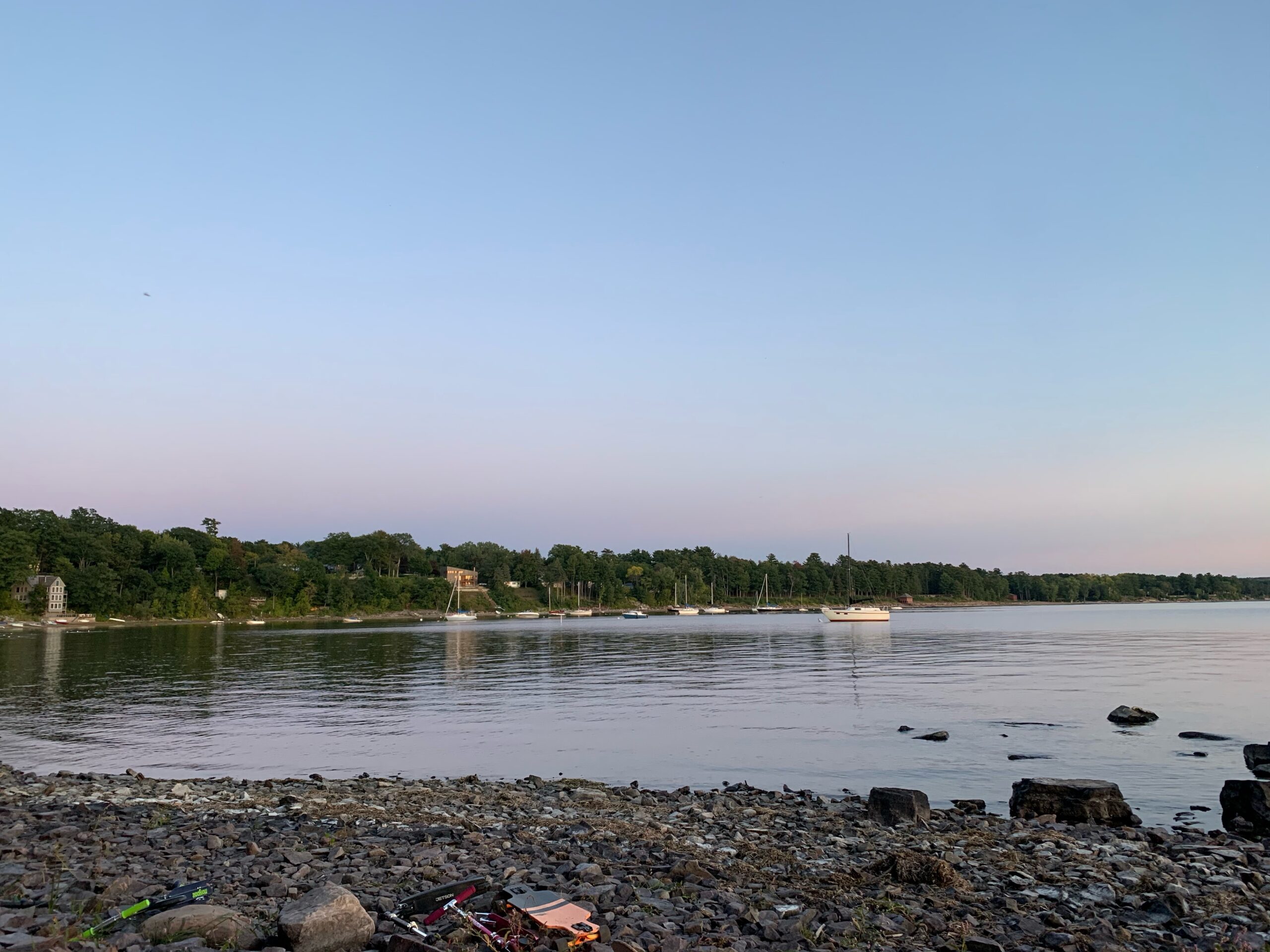
Red Rock entrance

water front

This is the entrance to Red Rock from here it is about a 15-20 minute hike to my phenology sit spot. The reason that I chose this place was because it was so calm and peaceful near the water, and it was secluded enough from the beach that there aren't many distractions, and I feel far more connected and peaceful at this spot compared to my other spot in centennial woods for my LC class.
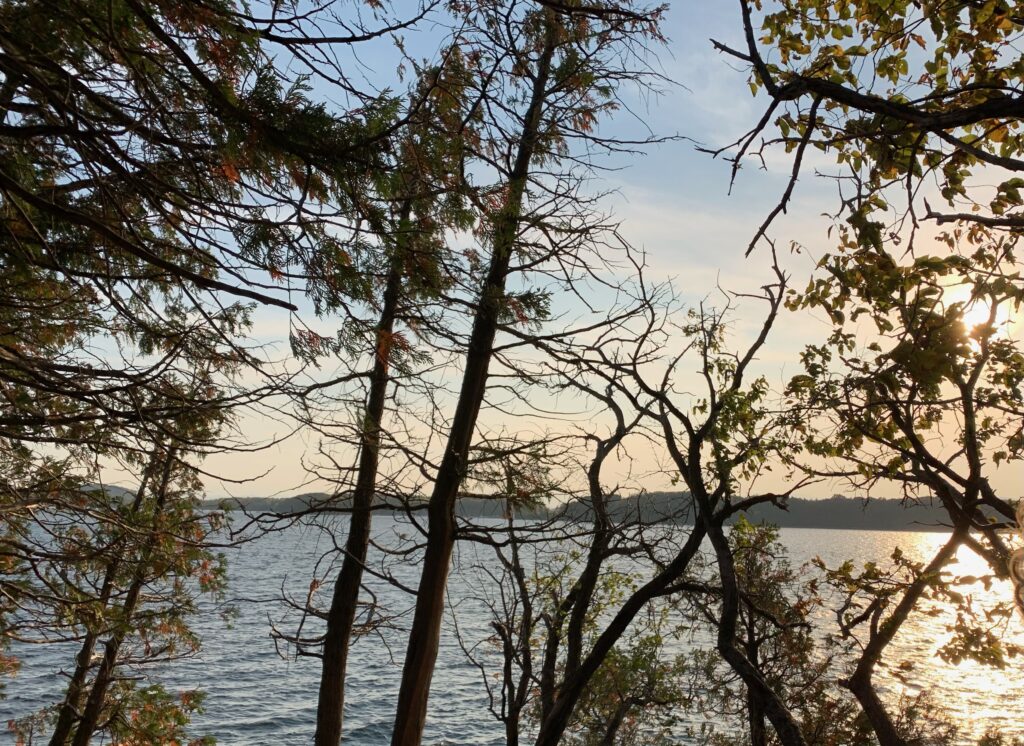
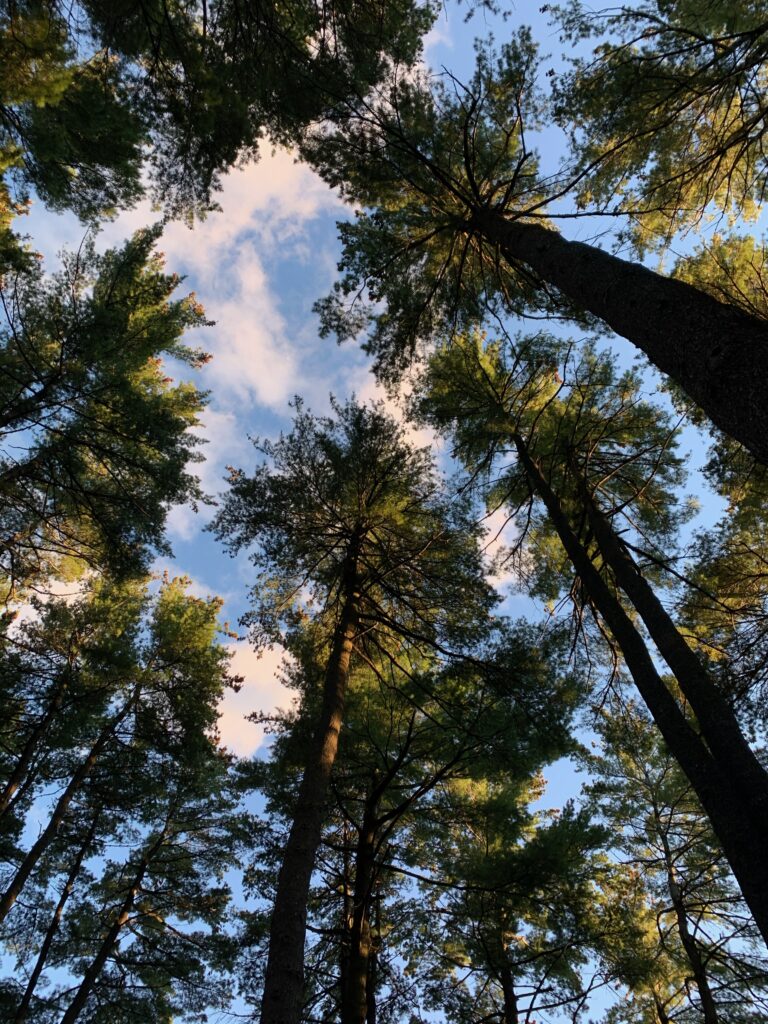
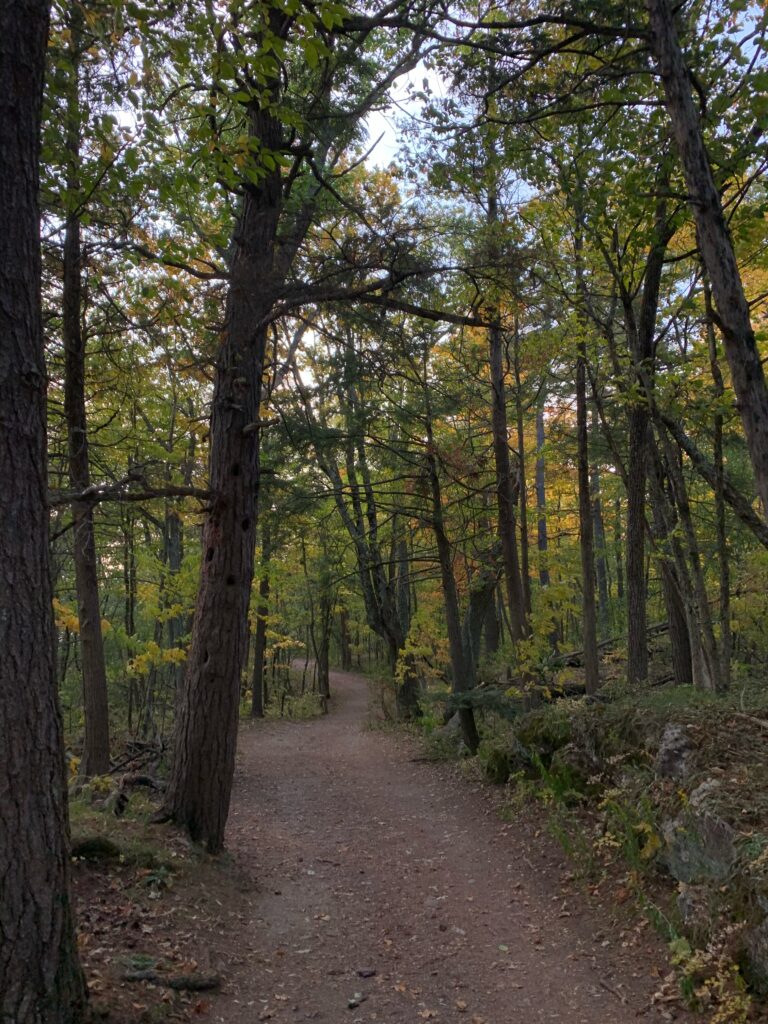
The picture leading up to the last one in the gallery are picture from the hike from the entrance of Red Rocks to my phenology spot. I set up my hammock and kicked back and watched the sunset. Another reason that I love and why I chose this spot is because of the change in scenery. It goes from a heavily covered forest to a 45 foot red rock cliff that you can cliff dive off of (which is the most adrenalin filled 3 second of my life). I could sit here for hours just watching the waves crashing onto the craggy cliff of the red rocks.
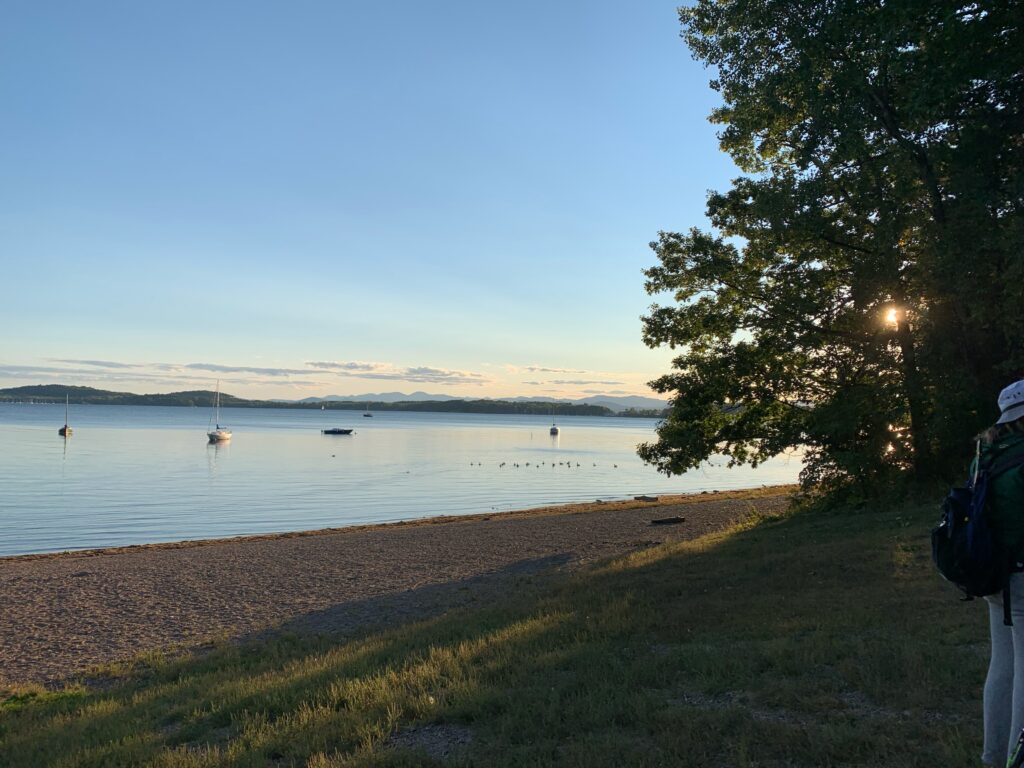
This is a great place for lunch it’s right near the entrance of the Red Rock park and the water is super calm, also it’s a wonderful view as you can see.
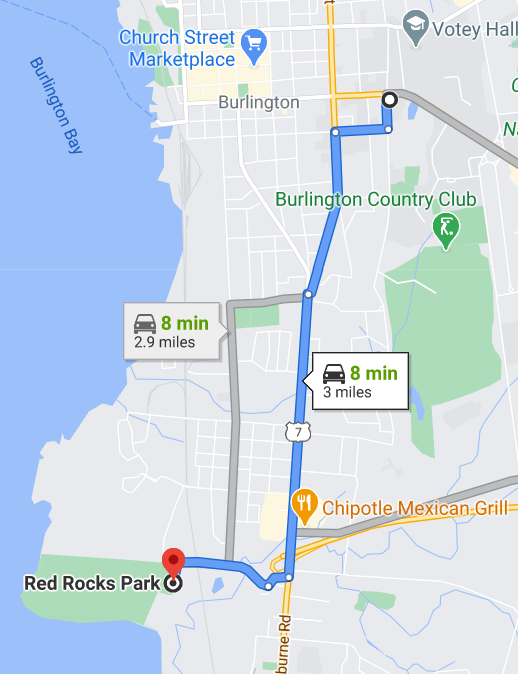
This is the a google maps directions to Red Rock from Redstone campus. I highly suggest that you go here. Its extremely beautiful and is not that far of a drive if you want to take the bus or uber there it shouldn’t take too long. Please if you go comment your favorite part of Red Rocks I’m super interested to see if people love Red Rock as much as I do, and send or comment your pictures if you take any I would love to see them.

This is my birds eye view map of Red Rock Point.
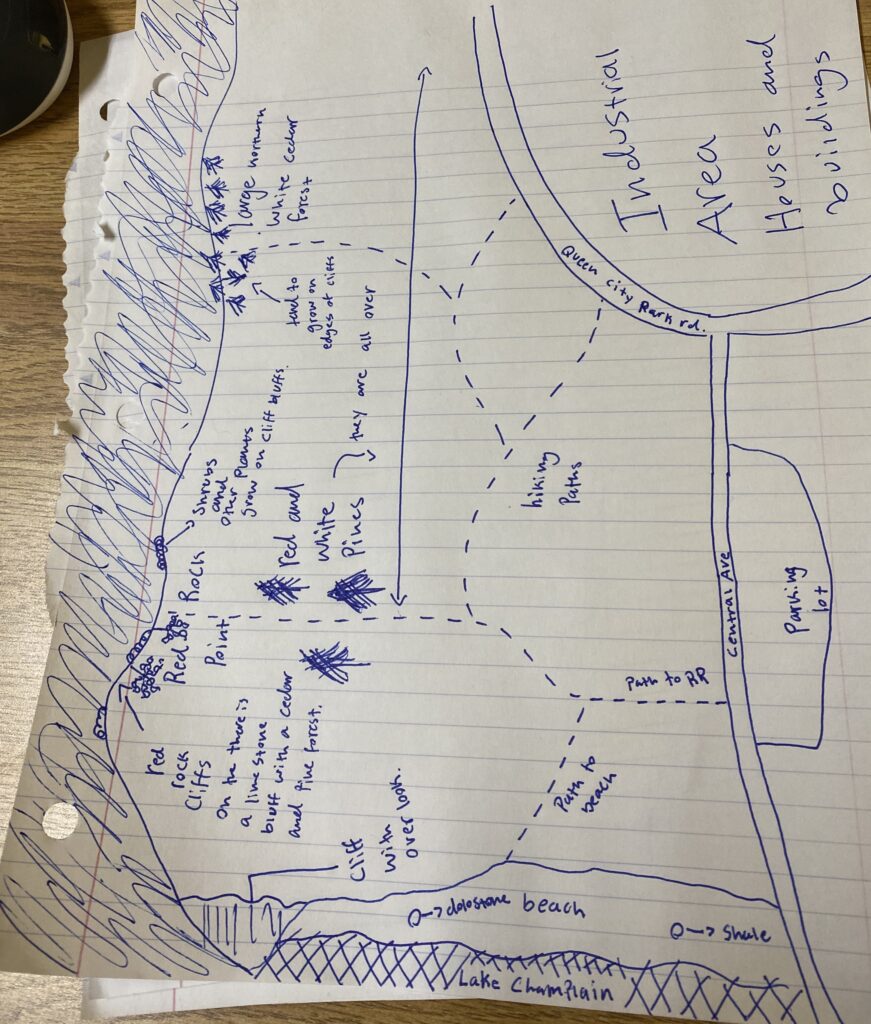
This was fairly hard to draw out mainly because Red Rock Point is in the middle of a densely populated forest with lots of trees such as White and Red Pines and Northern White Cedar. You can find some man-made hiking and walking paths along the way with signs to guide you through the woodsy forested path to the Red Rocks spot. This spot is pretty hard to get to but it is definitely worth the hike, hope my birds-eye view map was helpful for anyone that wants to visit my phenology spot, make sure that if you visit my spot to share the photos that you take with me, I would love to see them, send them to demsfeld@uvm.edu.
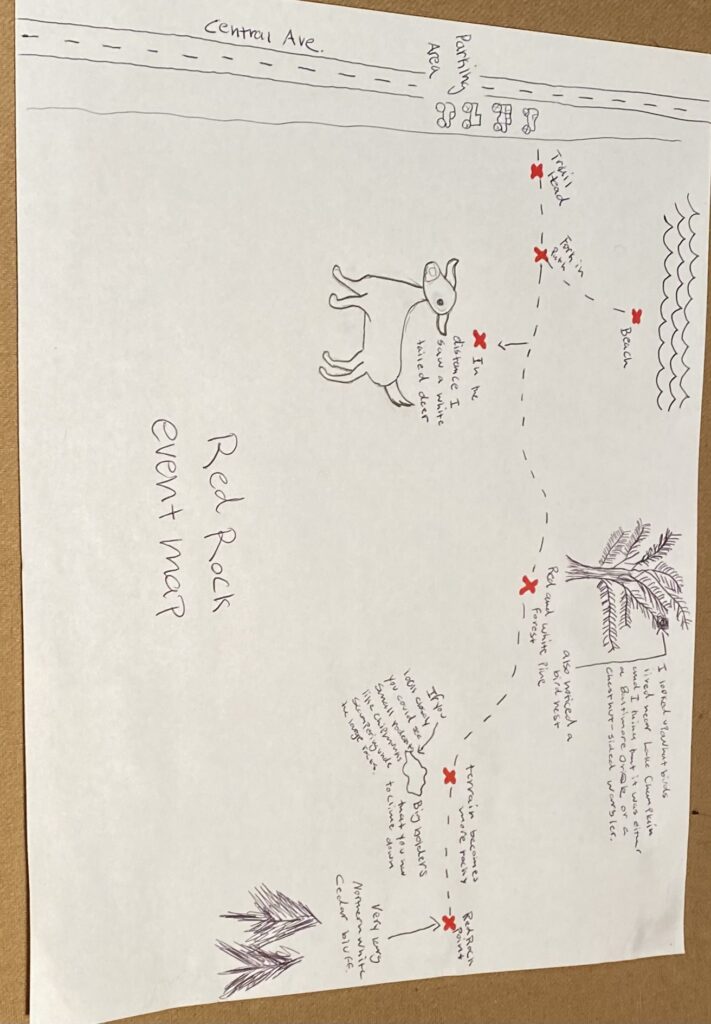
The Human History of Red Rock dates way back to 1866 and goes all the way up to 1970. This land was not owned by anyone but still faced destruction and deforestation of the land, mainly by the hatch family, the colonized this land from 1866-1970, they added roads and constructed other “improvements” such as vantage points and outlooks on to Lake Champlain. In order for these roads and vantage points to be constructed the Hatch family had to cut down parts of the forest and some of the rockfaces that had been there forever, the had to destroy this previously untouched forest so that they could build roads to publicize red rock. It wasn’t until 1971 when Red Rock land was bought back from the Hatch family and transformed into a public park, since being introduced in 1971 Red Rock has become one of Vermonter’s favorite spots for recreational activities, such as hiking, biking, swimming, and cross-country skiing, and cliff diving. Although Red Rocks’ the newly changed public park and hotspot for Vermonters, now it is not in great shape and is met with increasing concerns from local residents and town officials for preservation and conservation of the land, this land is vital to Vermont and needs protection, this park is home to over 300 different species, and home to a rare Northern White Cedar Bluff. This land needs to be preserved and protected.
Burlington Phenology

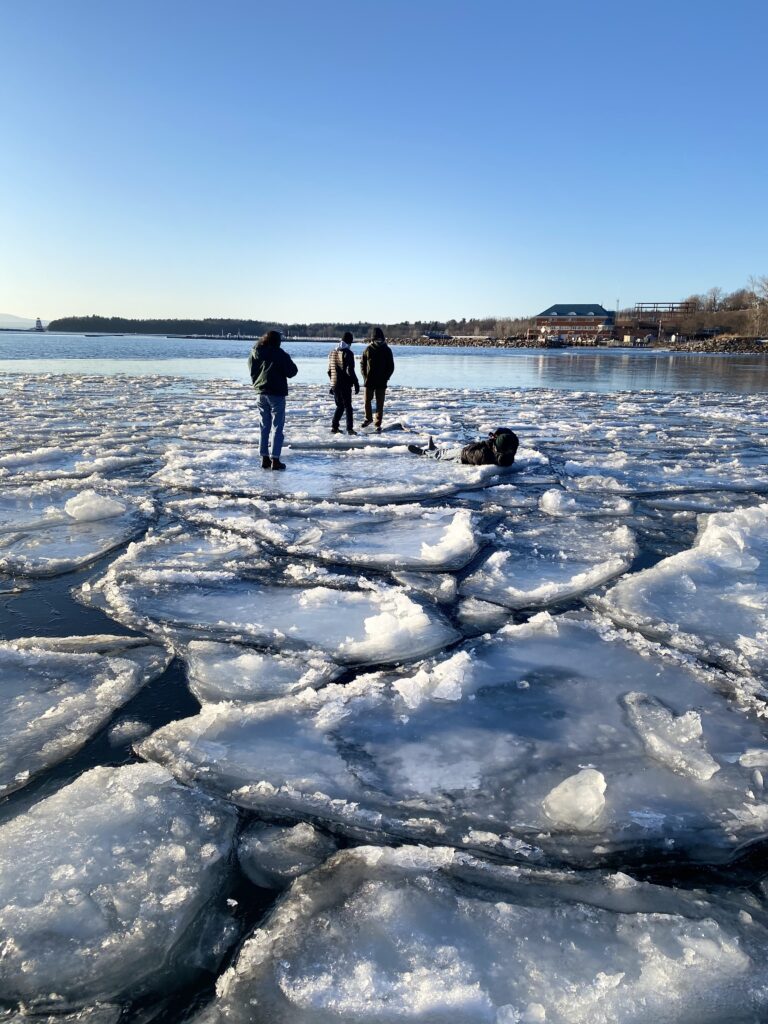
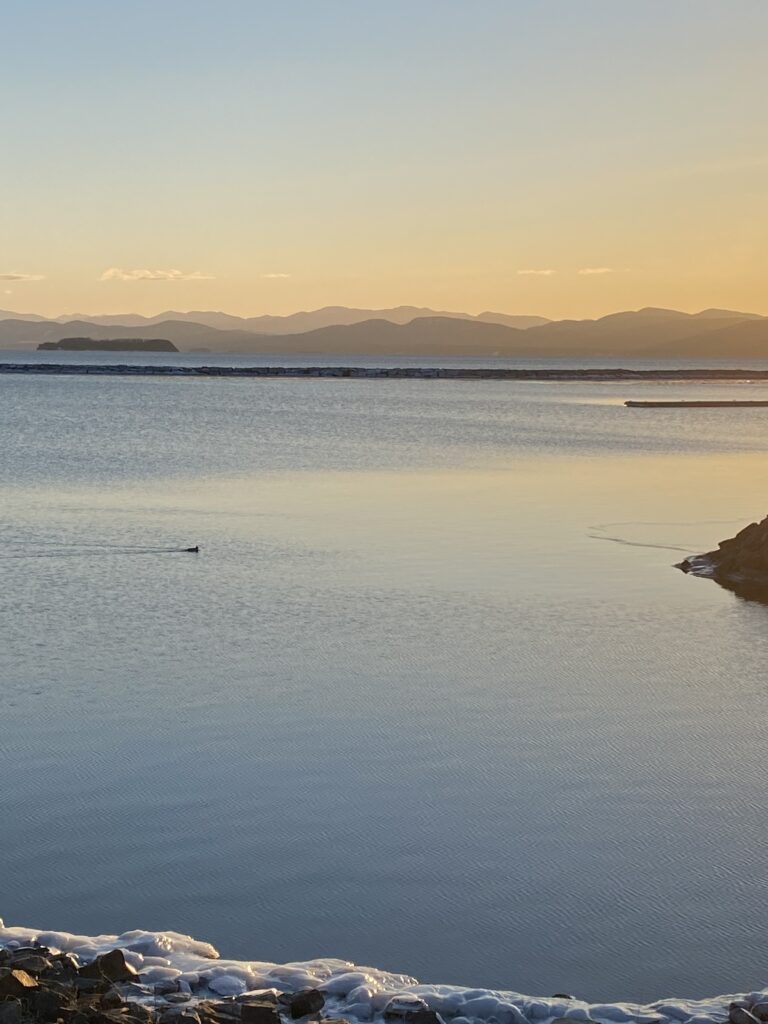
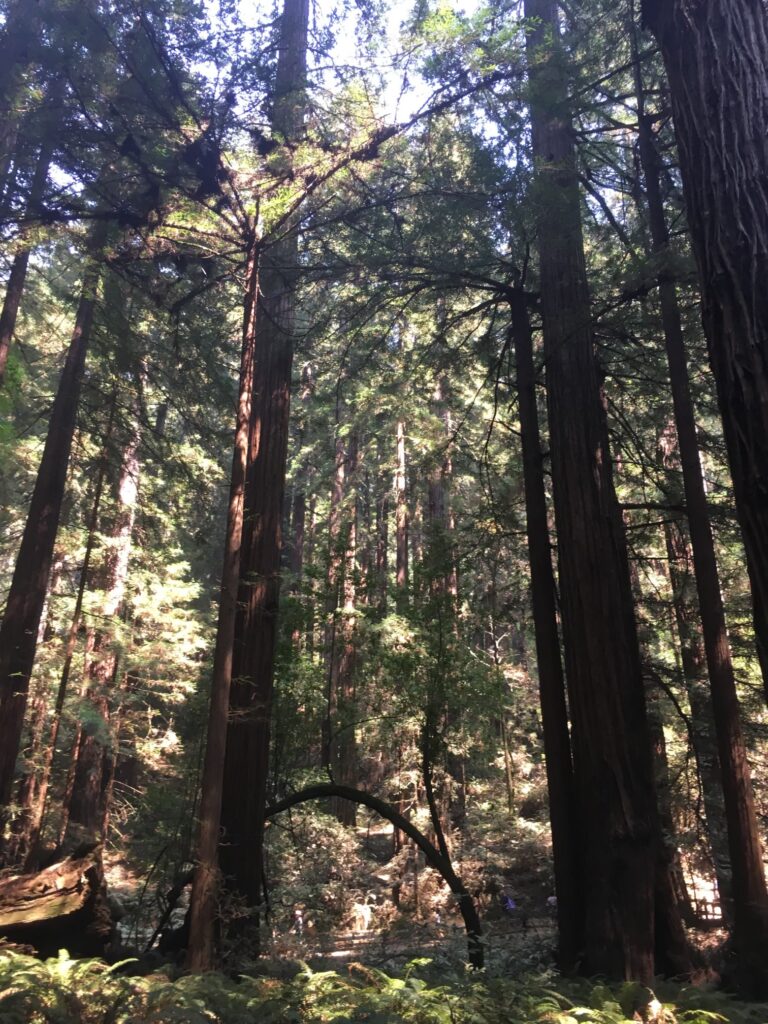
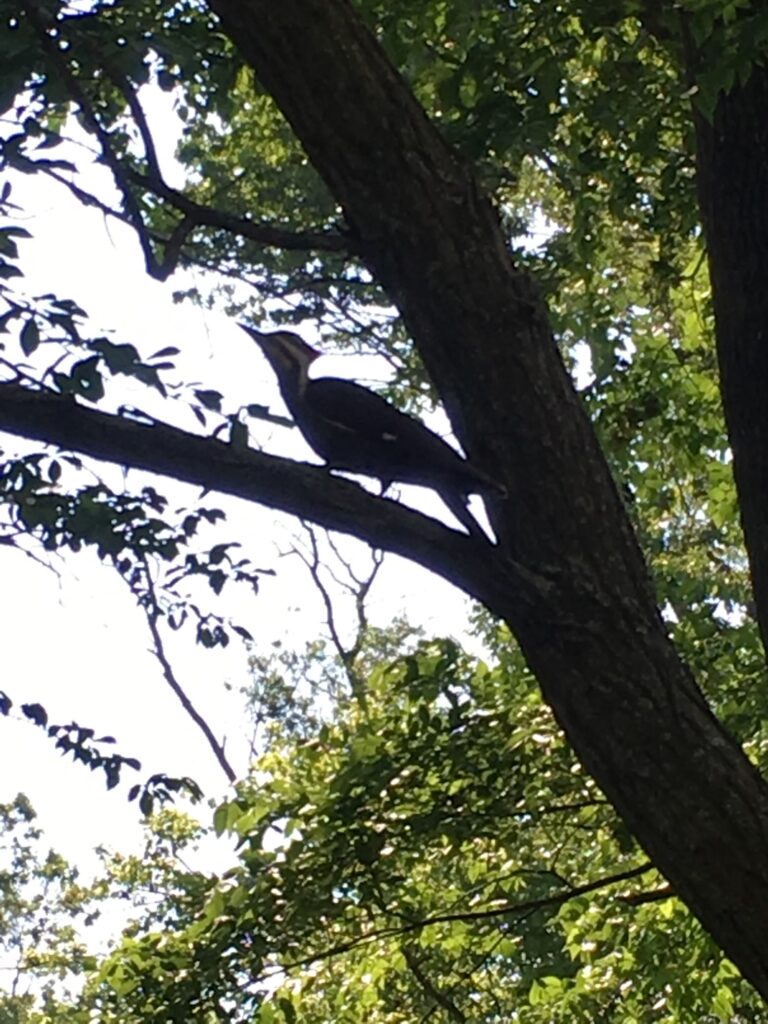
It is clear that Spring is right around the corner here in Burlington, with snow and ice melting and grass poking out it’s only a matter of time. March phenology in Burlington is very different than January and February, there are animals that are starting to come out of hibernation, as temperature are starting to rise. I also saw that in the warmer weather this weekend that there were some plants and trees that were starting to bud, which means that soon Burlington will be flooded with newly grown green leaves. I walked down to the Burlington waterfront to see the sunset over Lake Champlain we also decided to walked on the little bit of ice that was left on Lake Champlain (This was the first time I had ever been on a frozen lake it was awesome). We also saw a Mallard Duck absolutely shredding it in the water, it was pretty cool to see the animal life of Lake Champlain start up again, due to the ice sheets melting.

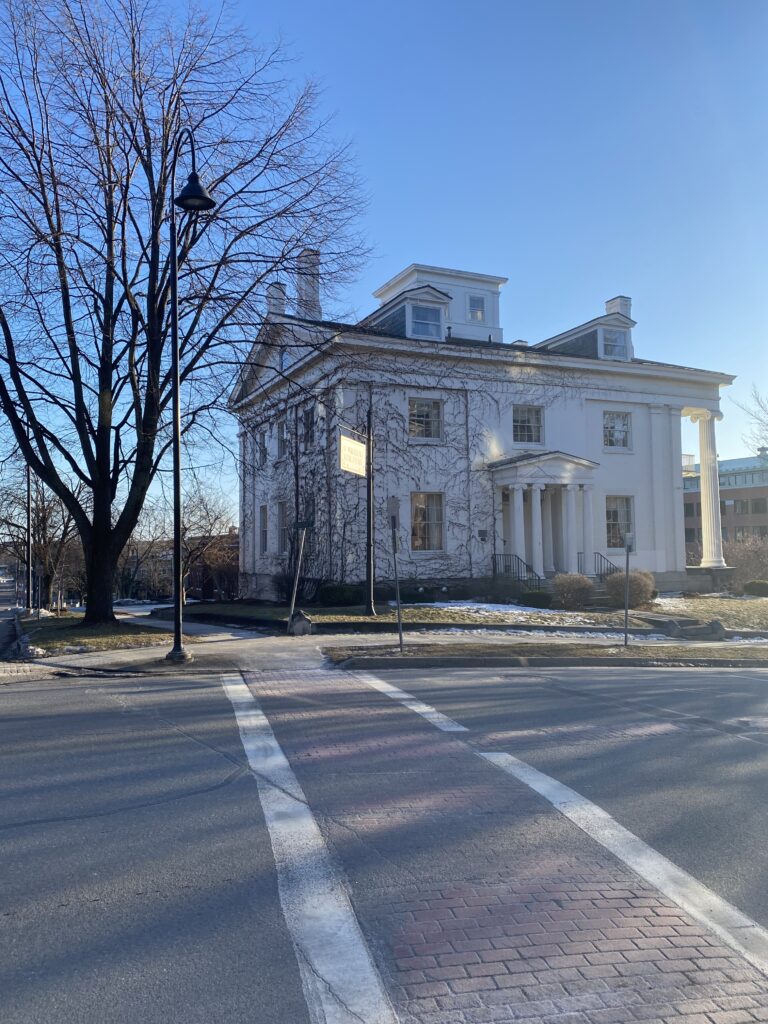
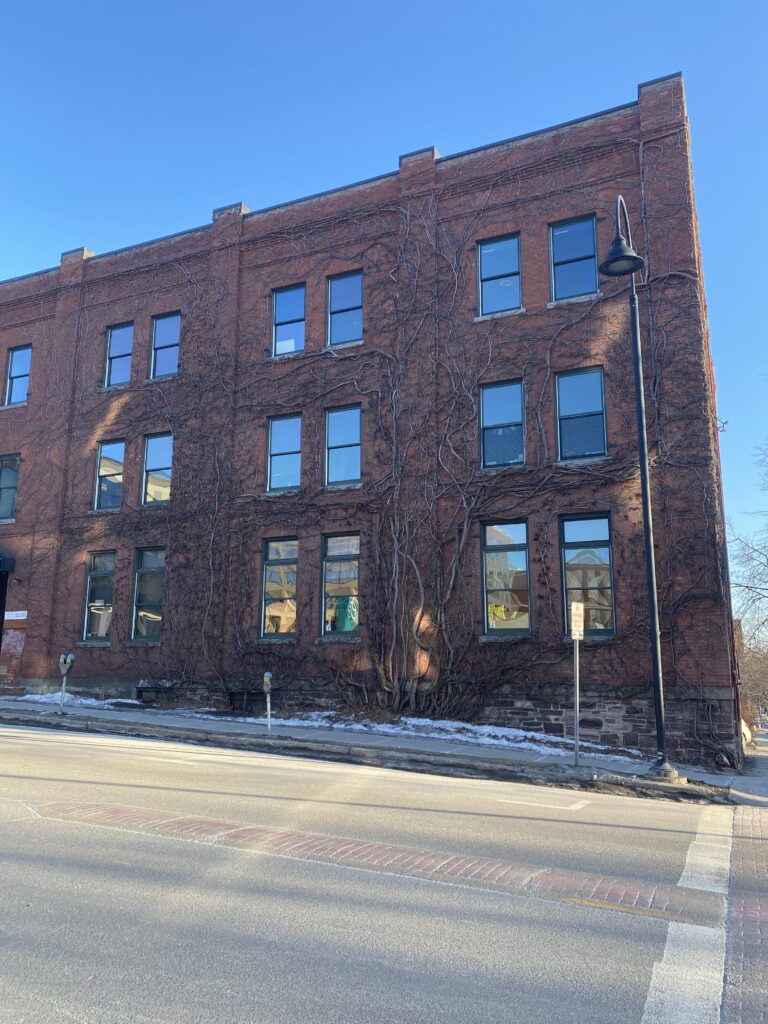
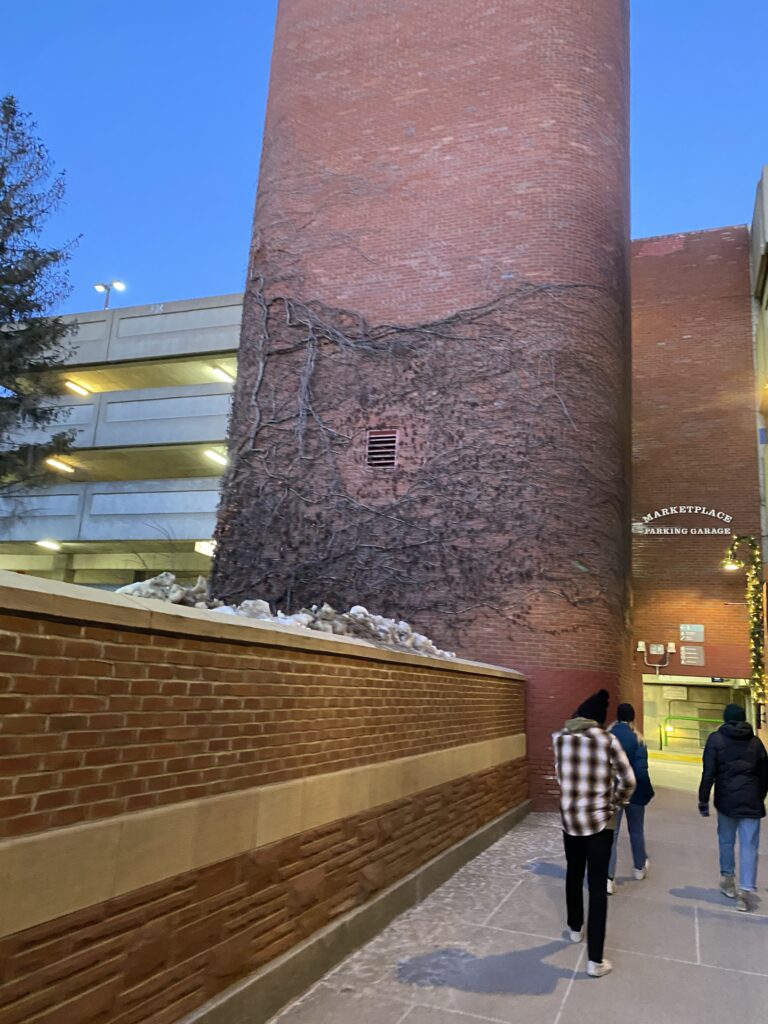
In Burlington, there are many houses and buildings that have this beautiful Ivy that grows on their walls, and in the summer it is always so green and lively, but in the winter it is bare.

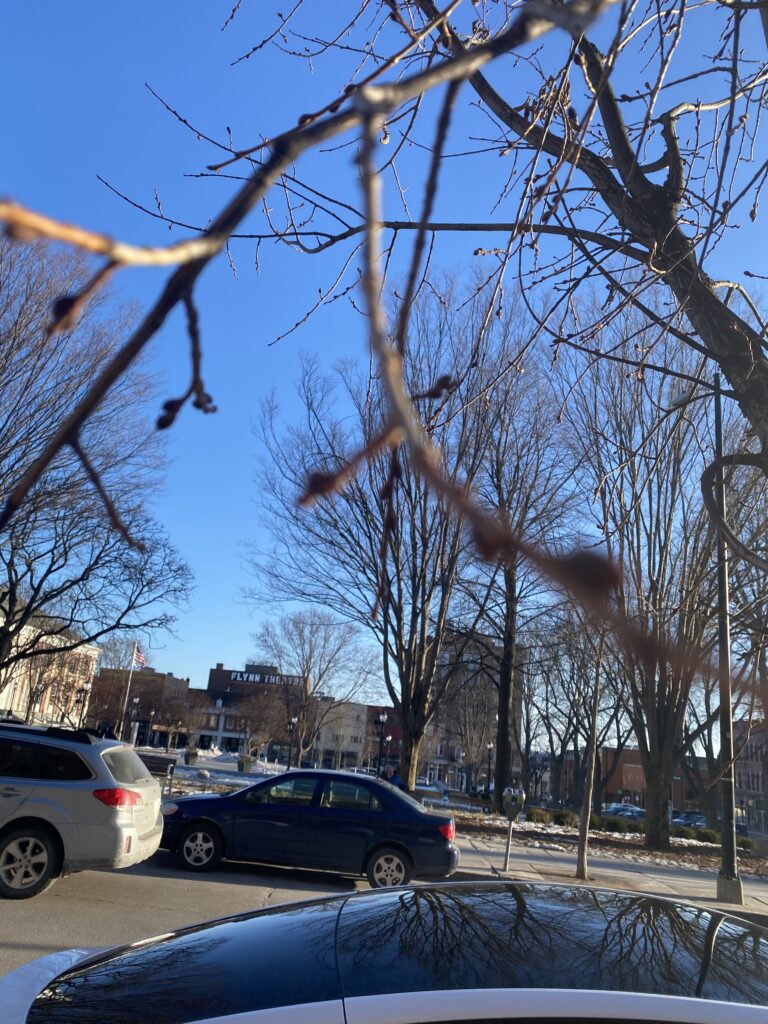
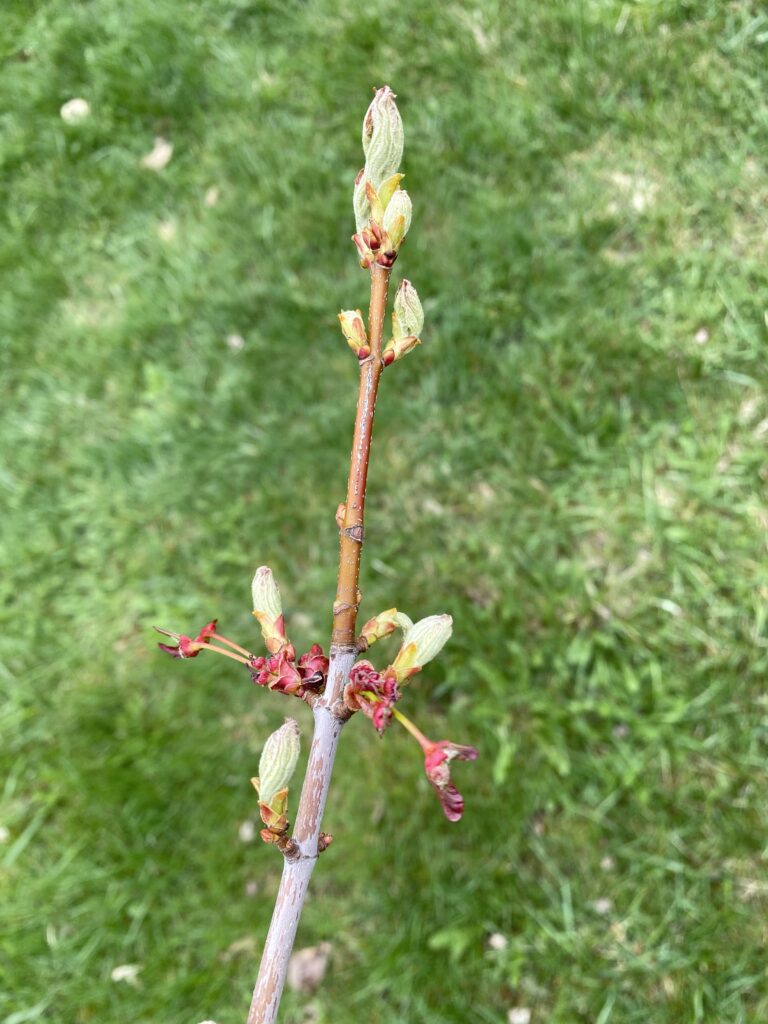
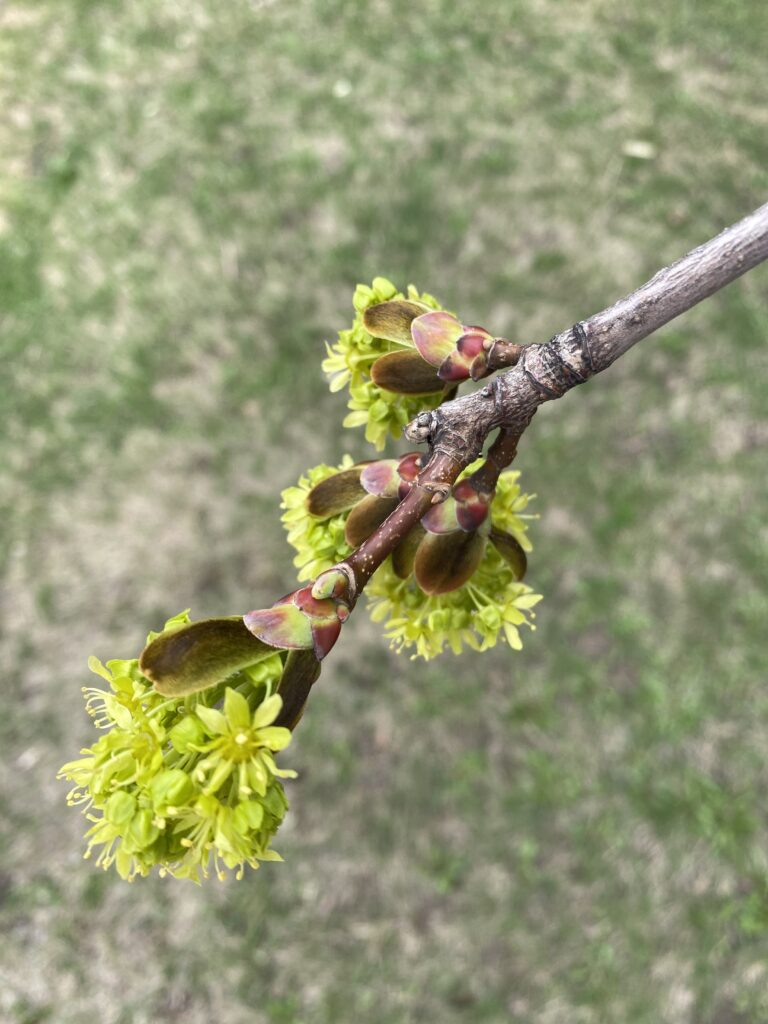
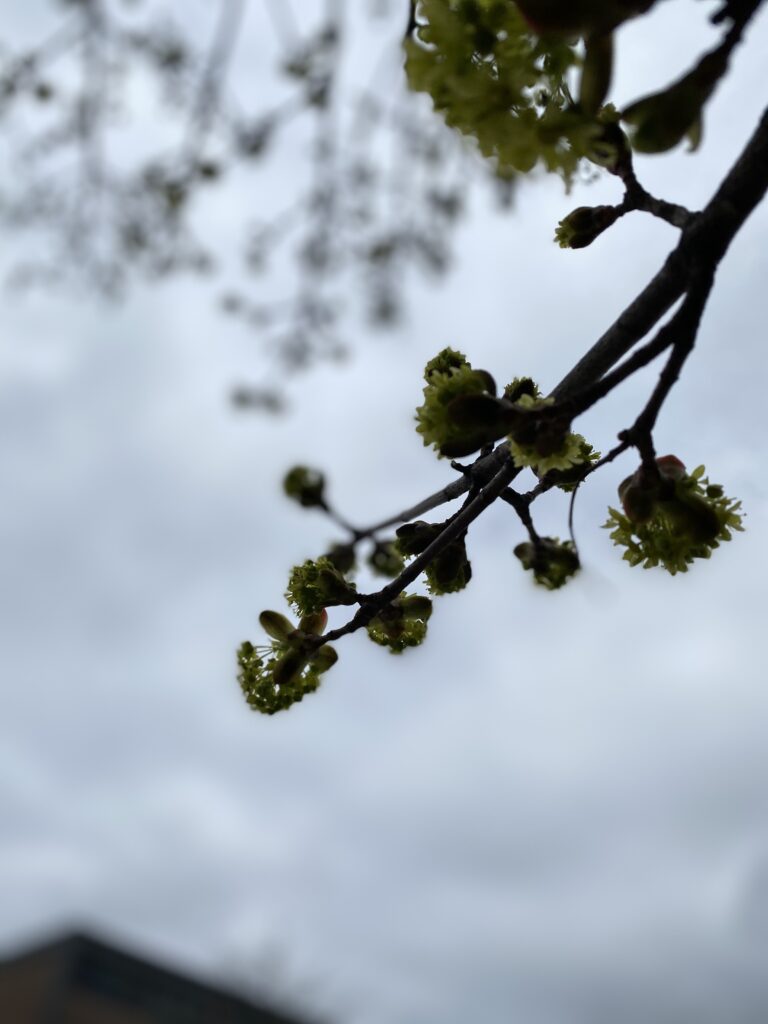
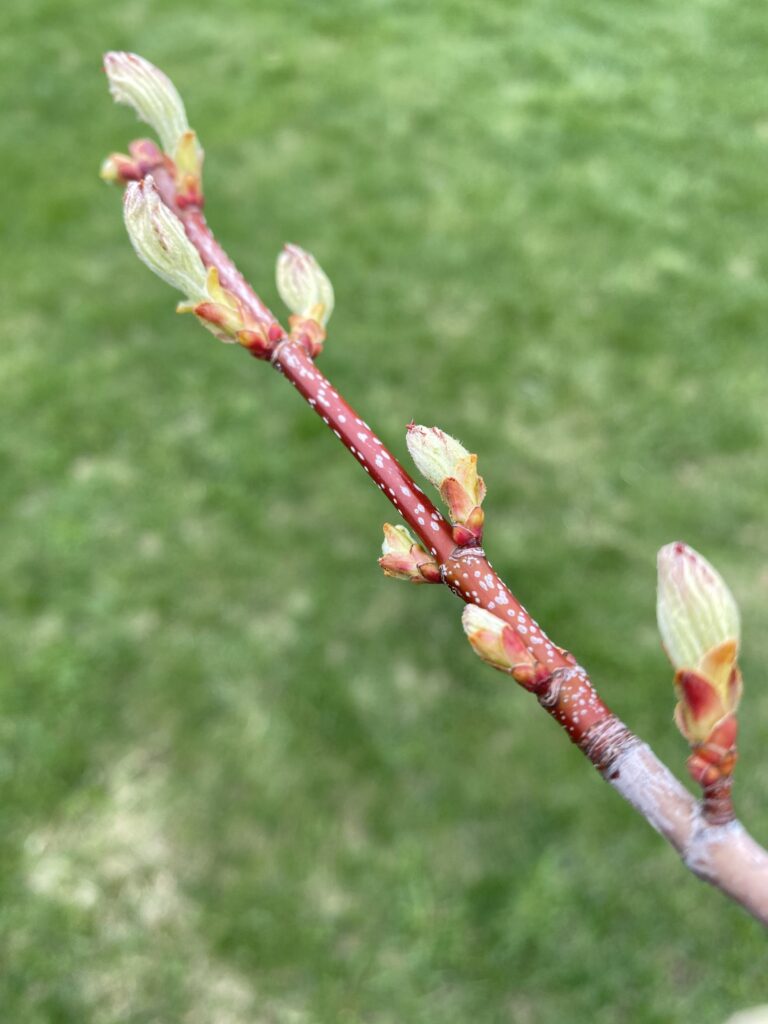
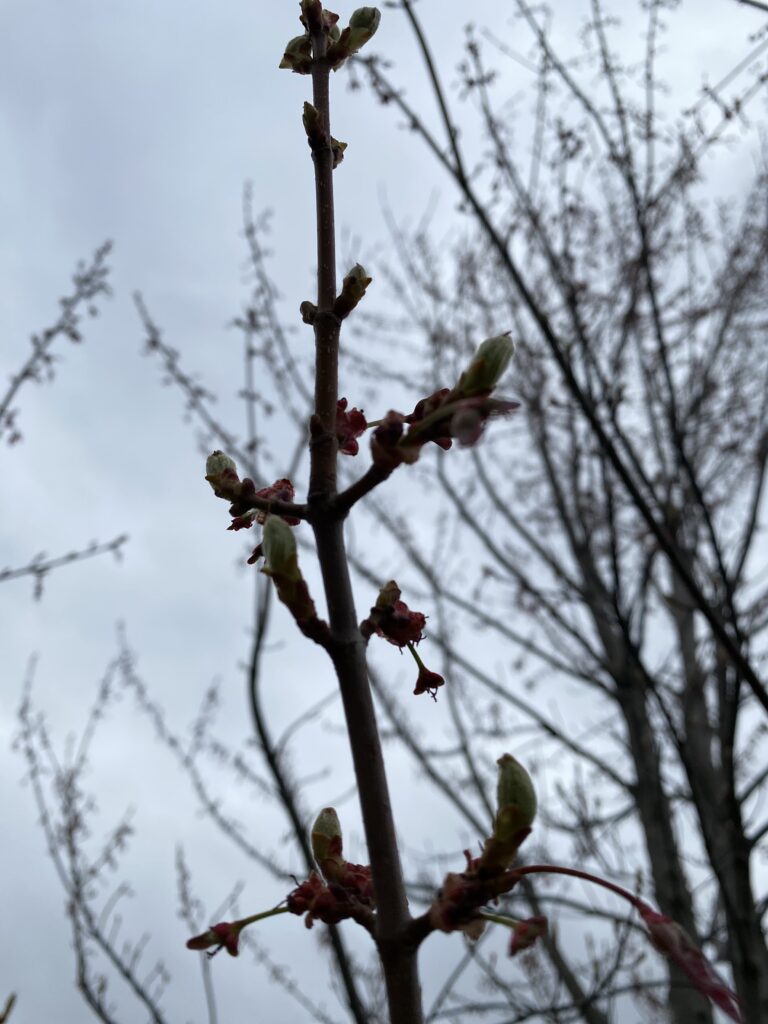
It is hard to believe that only in a few months that these buildings will have the lively green ivy growing on the outside again. This will be the same for the trees that are starting to bud all over Burlington because of all the warm weather we’ve had over the past week and that will continue through this week. I took some pictures of the budding trees that I saw on my walk I’ll show them below.

It is hard to believe that Spring is so near, it feels like winter just started bur here we are in March with snow melting on the grace, ice sheets melting in Lake Champlain, animals coming out of hibernation, and trees and plants starting to bud. Spring is coming and it’s coming sooner then ever.

NEW SPOT CENTENNIAL WOODS

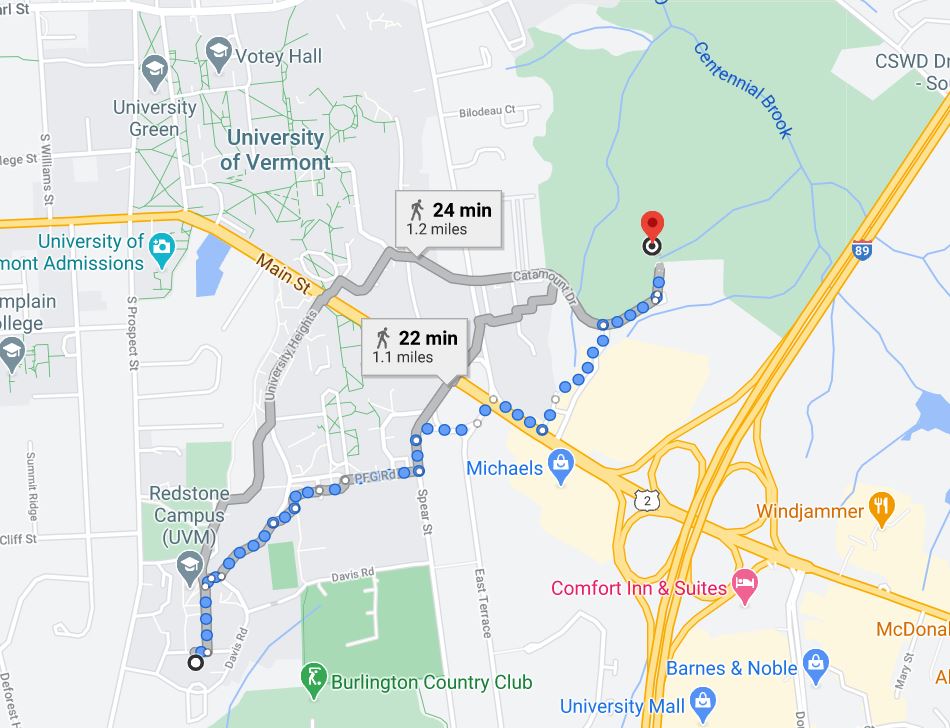
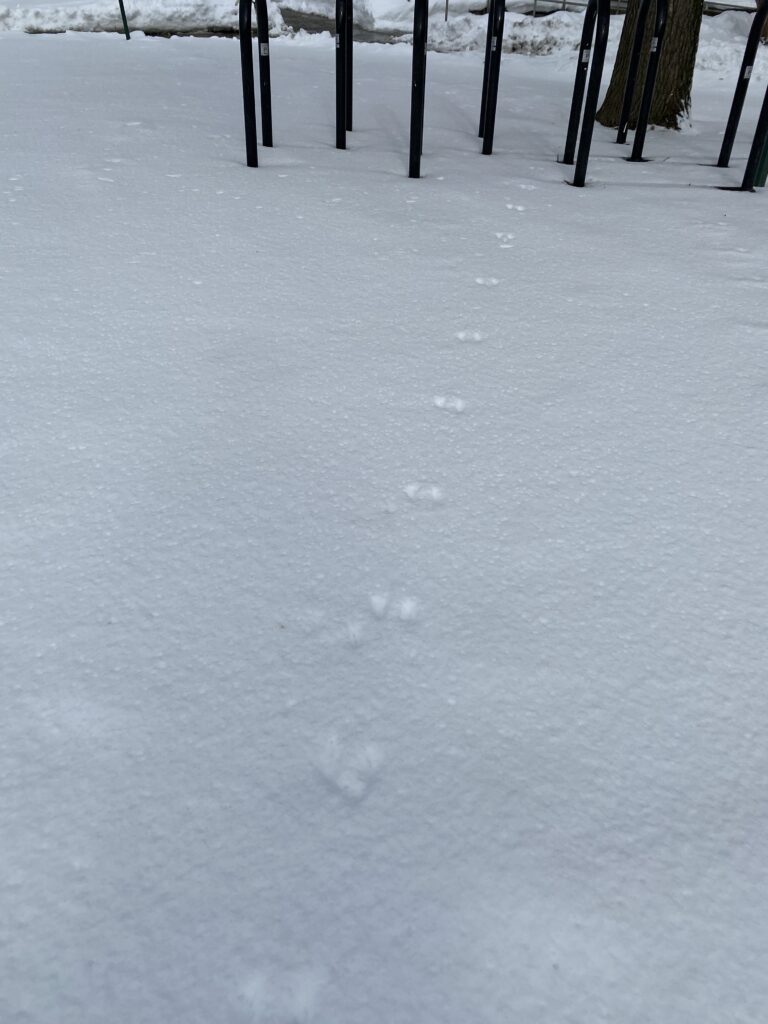
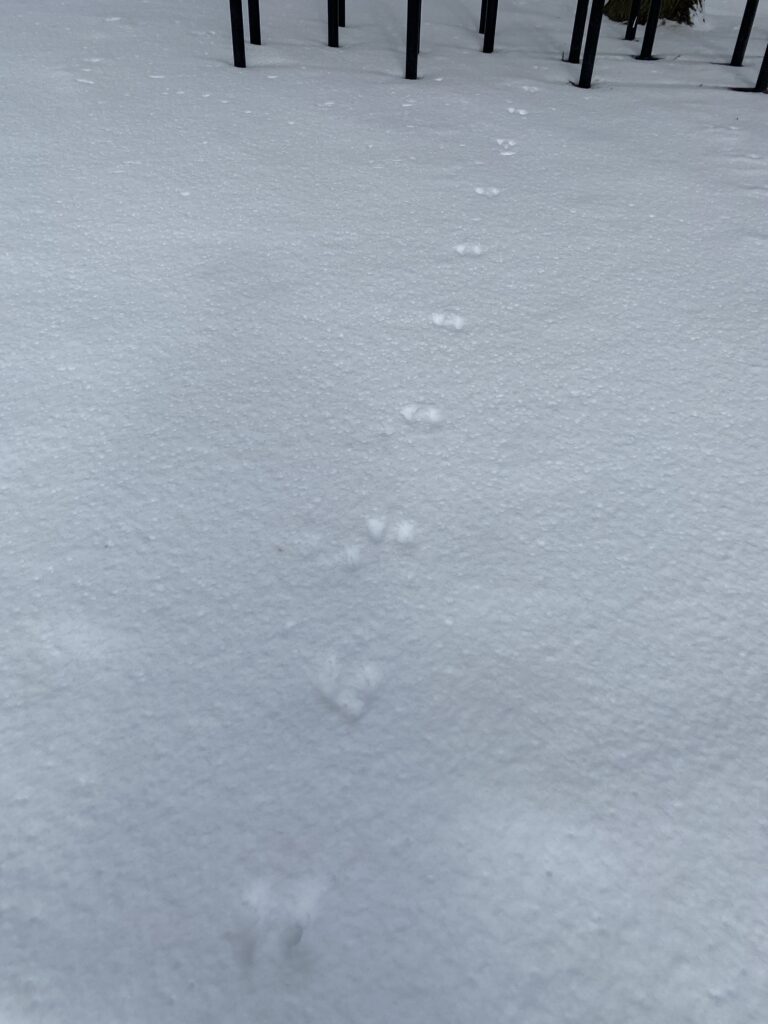
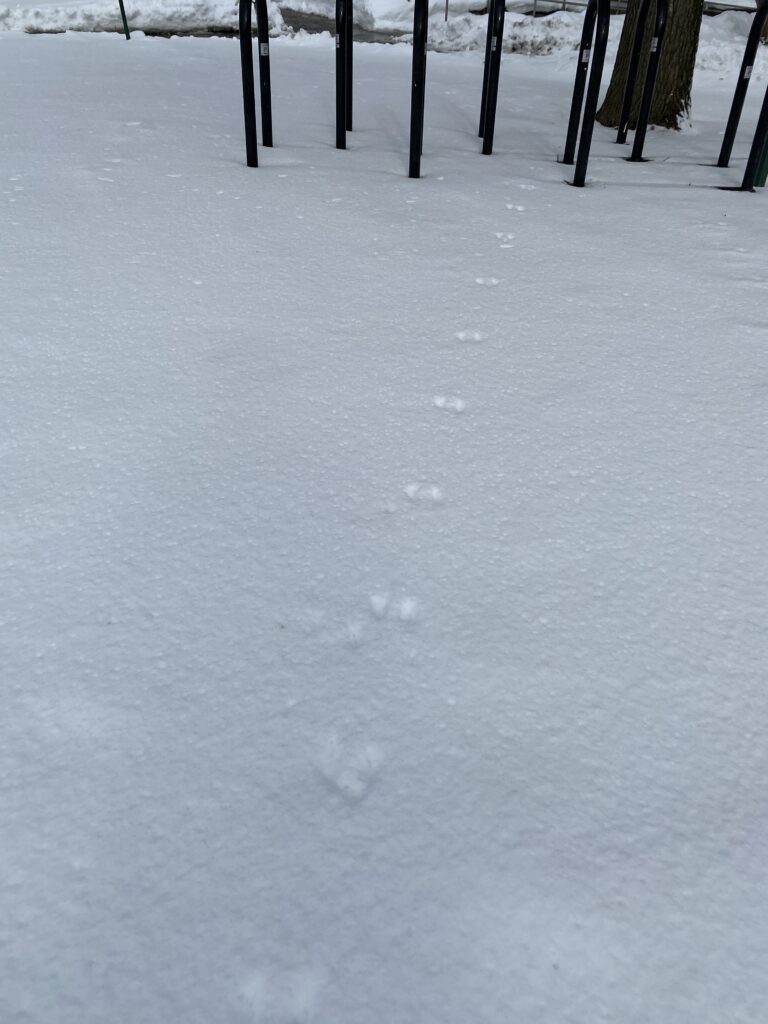
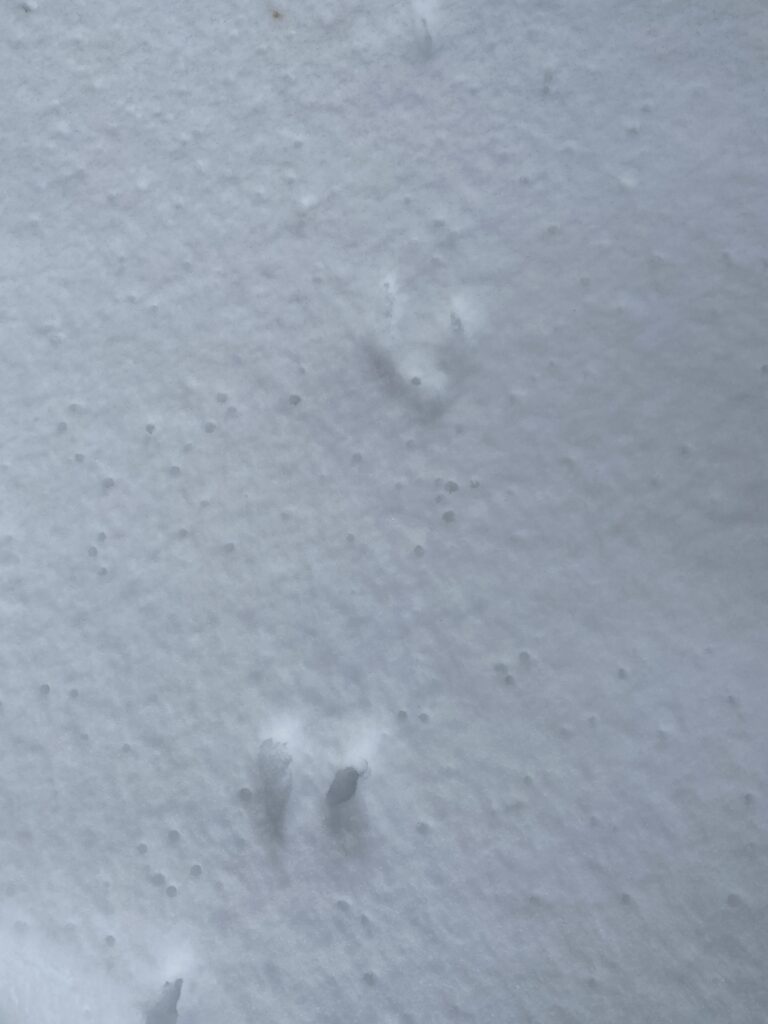
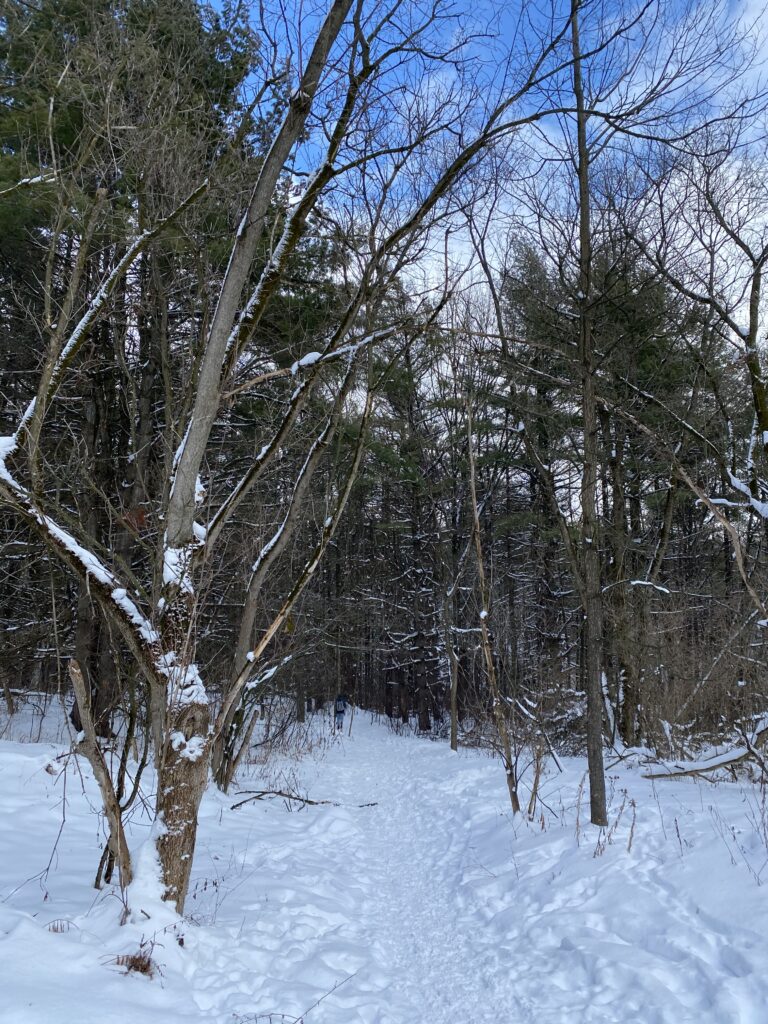
You can walk to my new phenology spot unlike my old one (Red Rocks). It’s about a 20-minute walk you just have to walk on University heights cross over Main street and turns right onto Catamount Drive and then you are there Centennial Woods is at the end of Catamount Drive. On my walk to my new Phenology spot, I saw a couple of tracks in the snow. Sadly it was snowing a little and they were a little hard to identify, so I used my mammal tracks and scat life-sized pocket guide and I decided that since all of the tracks were the same size and pretty small that the mammal must have been a shrew or a chipmunk.

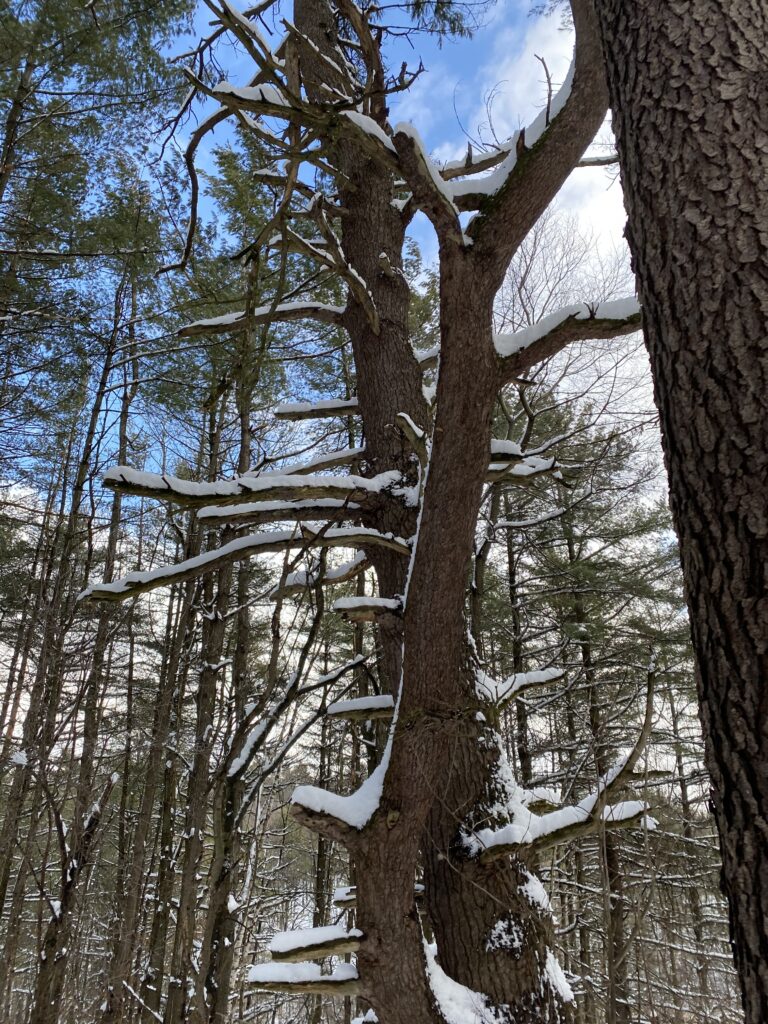
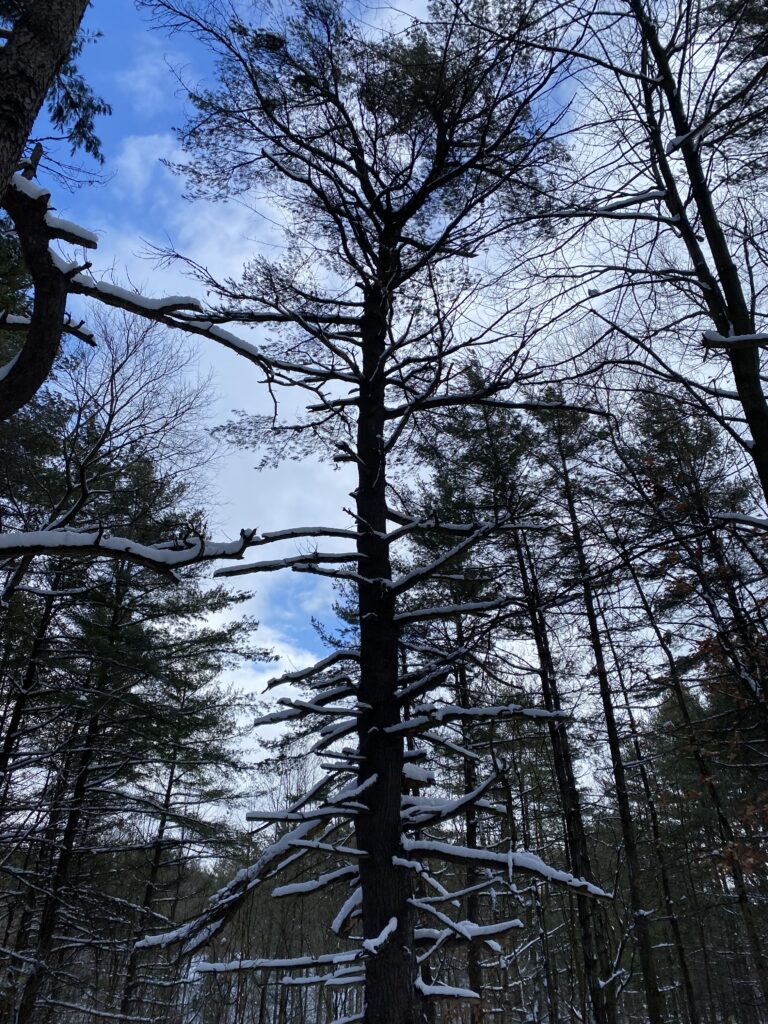
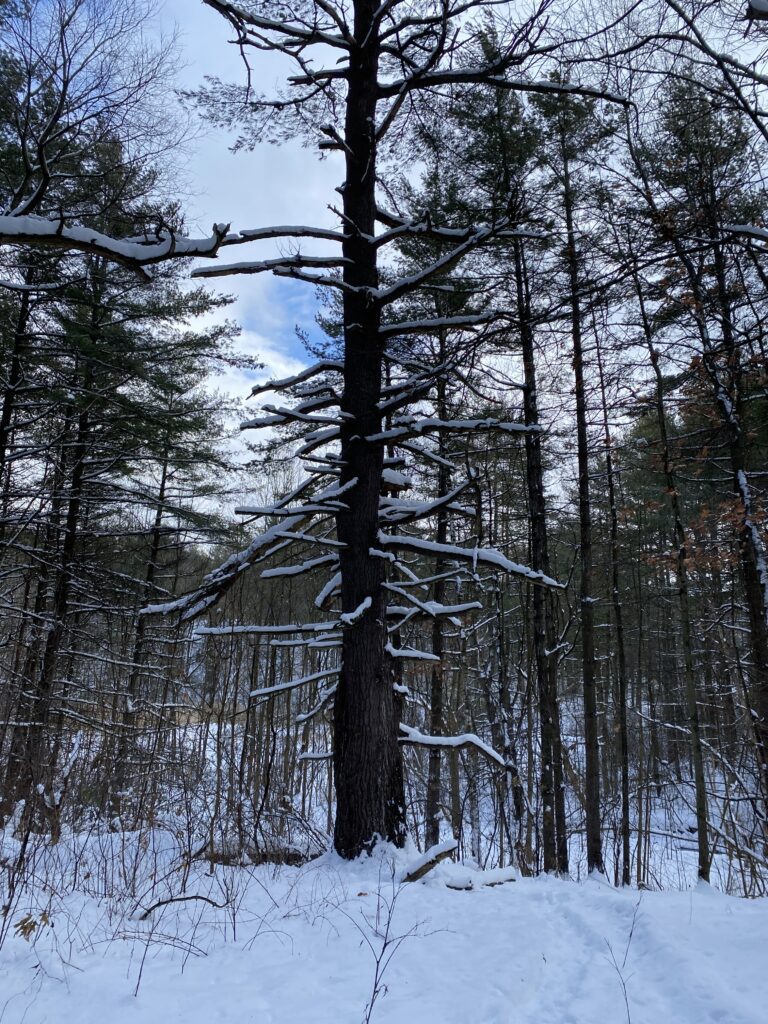
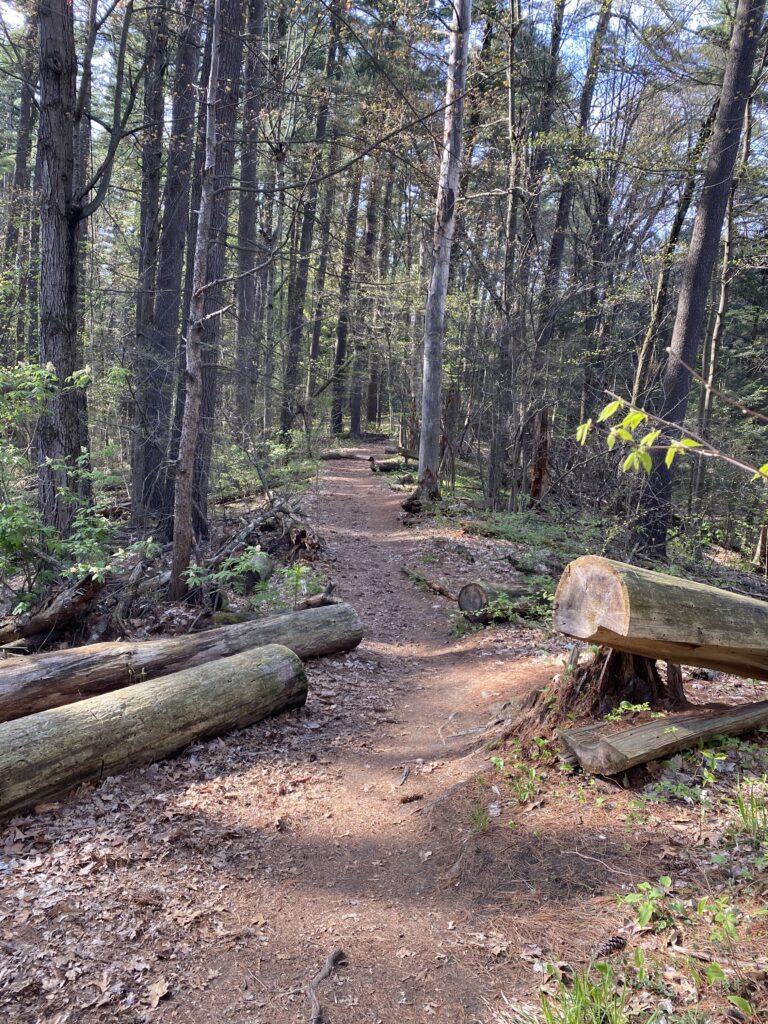
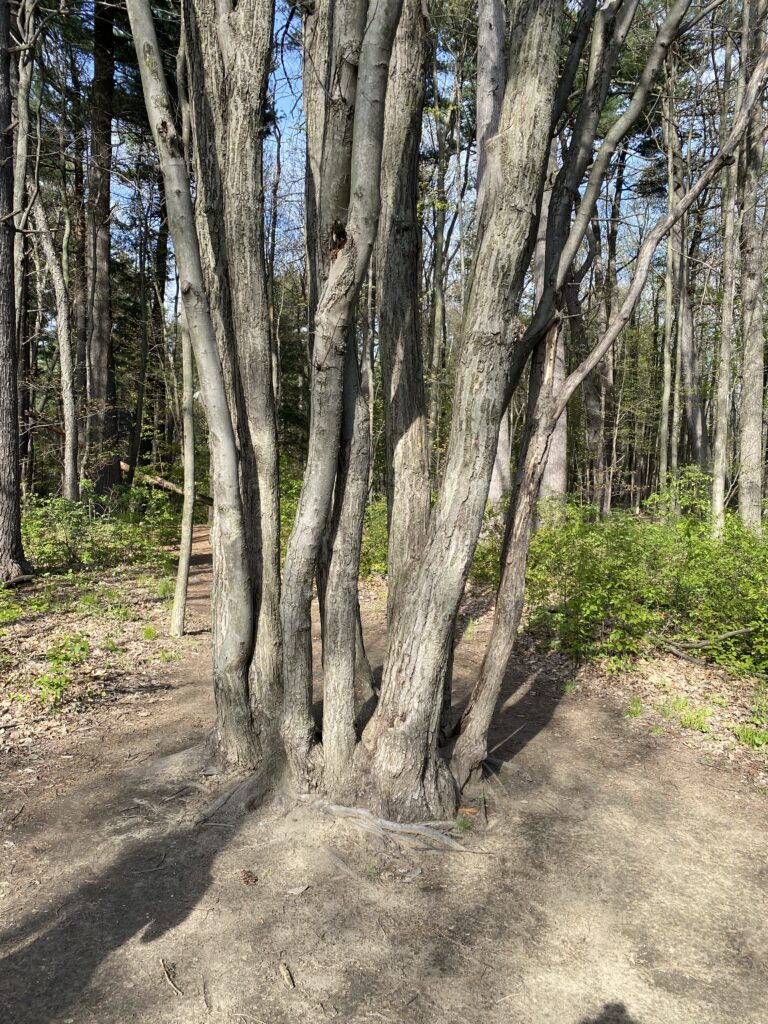
Once I got to my new spot in Centennial Woods I took a lot of pictures and tried to remember what this place looked like in the fall and see how much had changed. There were no leaves on the trees and it was far more clear and visible, this made it way easier to find tracks or at least what I thought were tracks.
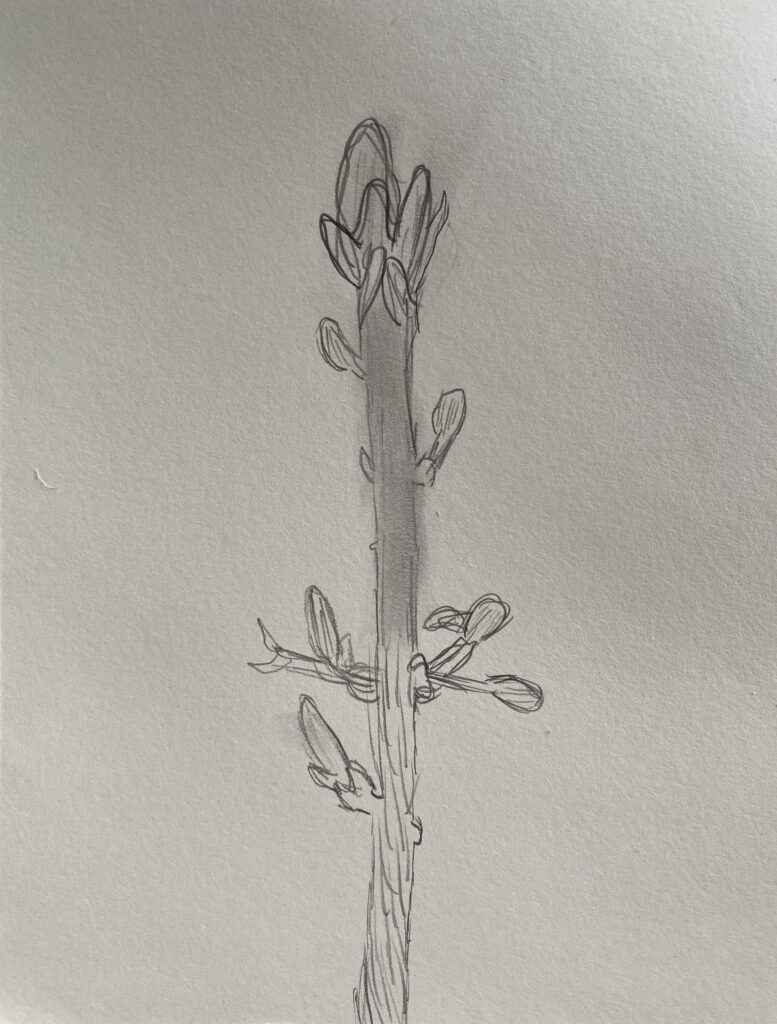
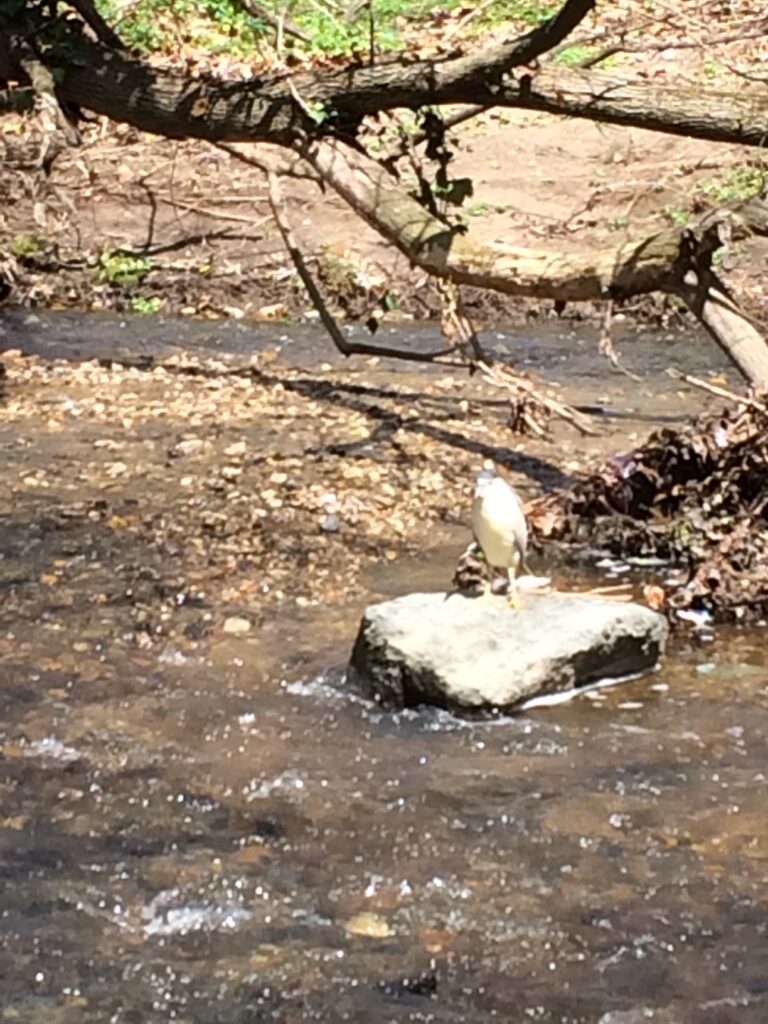
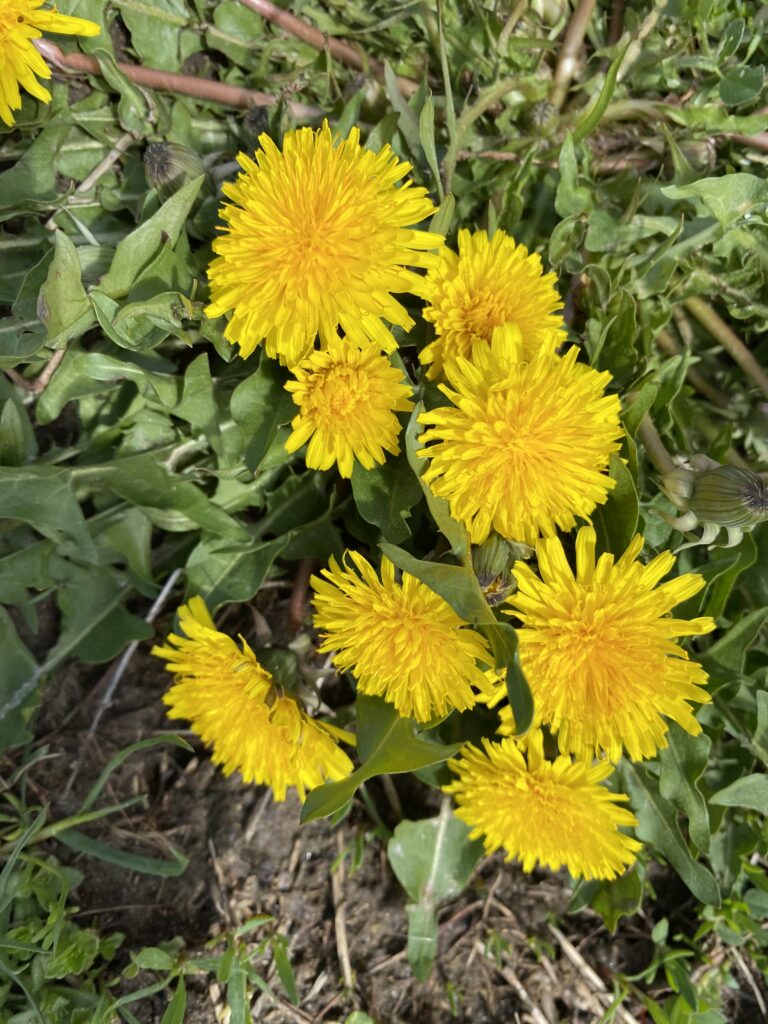
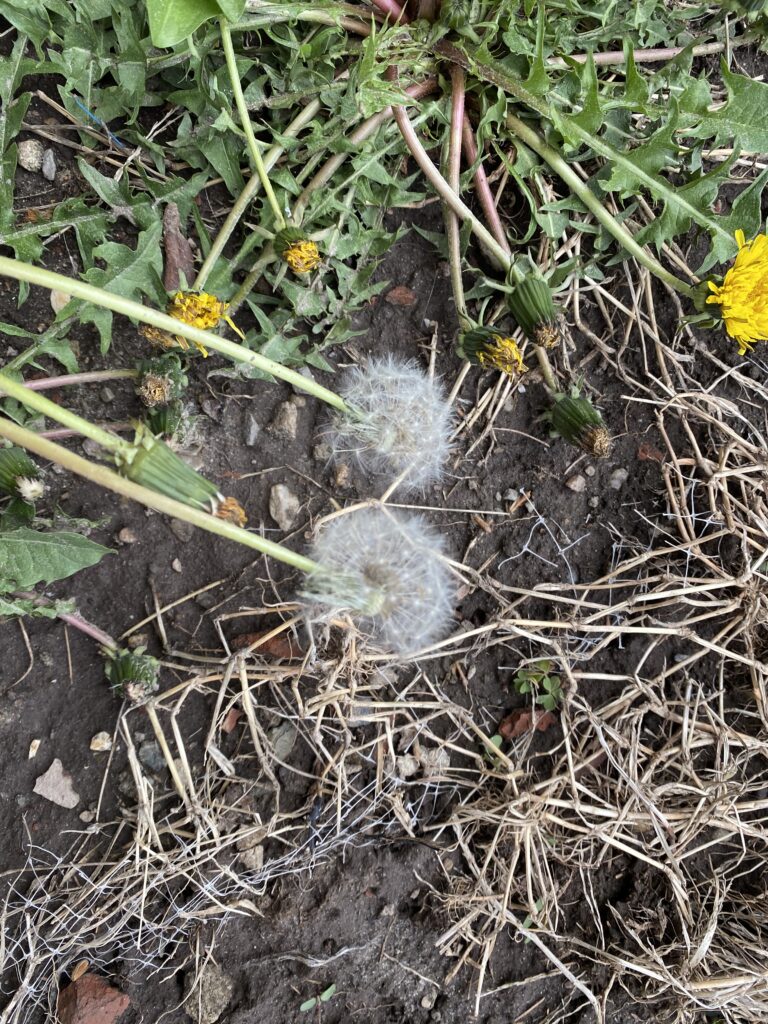
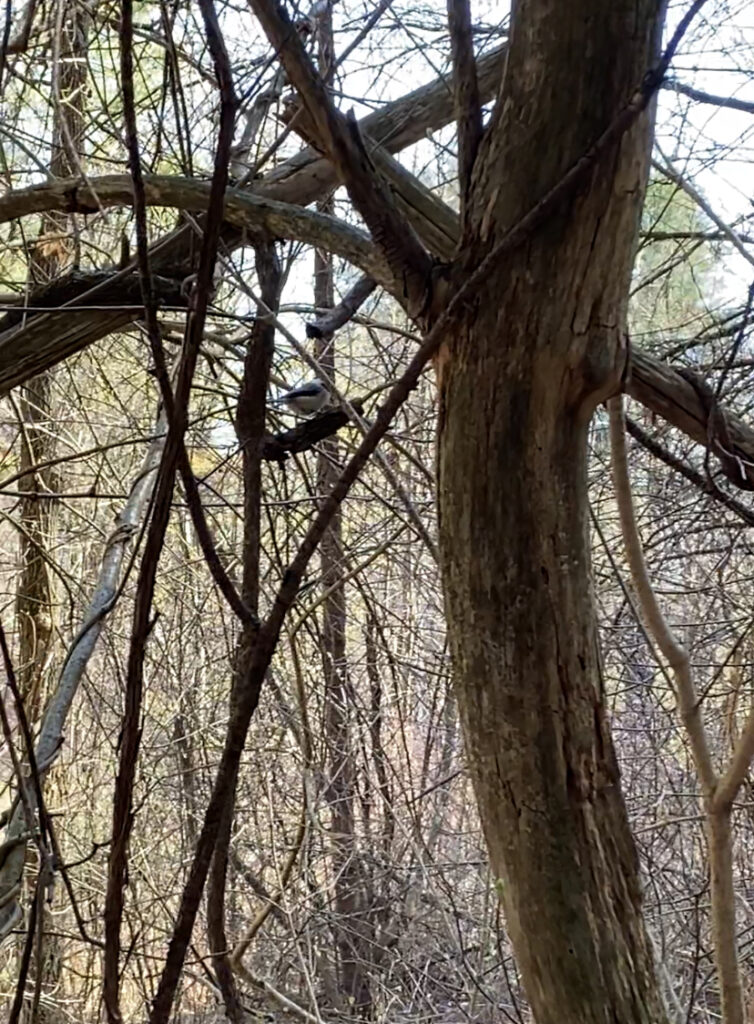
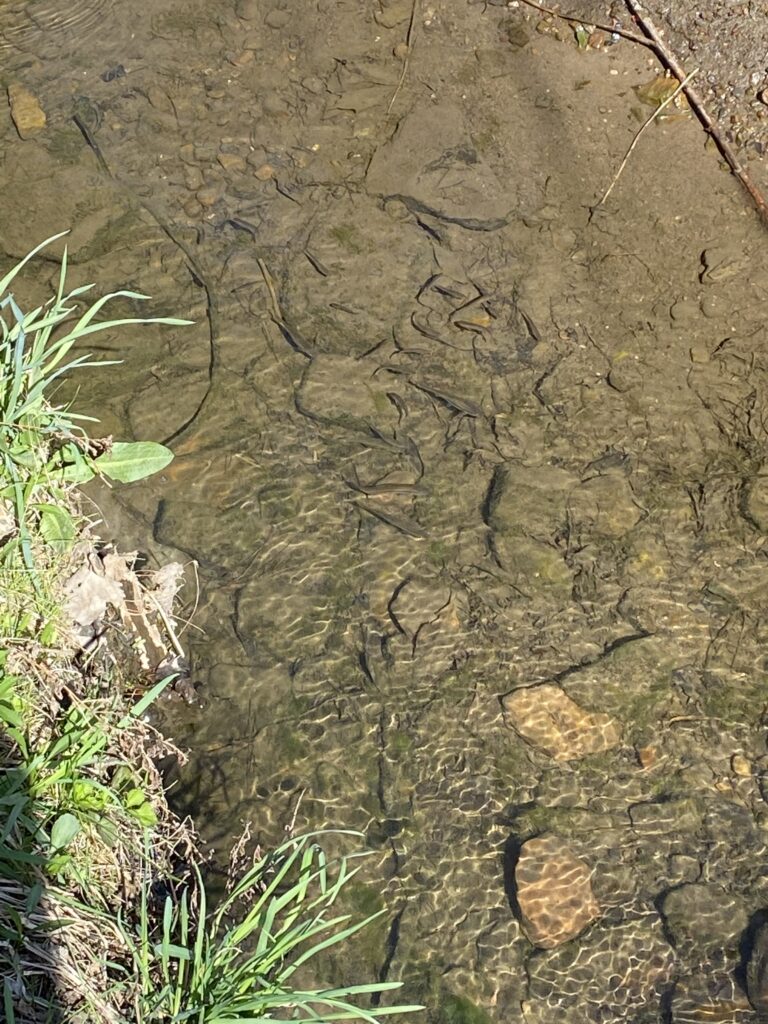
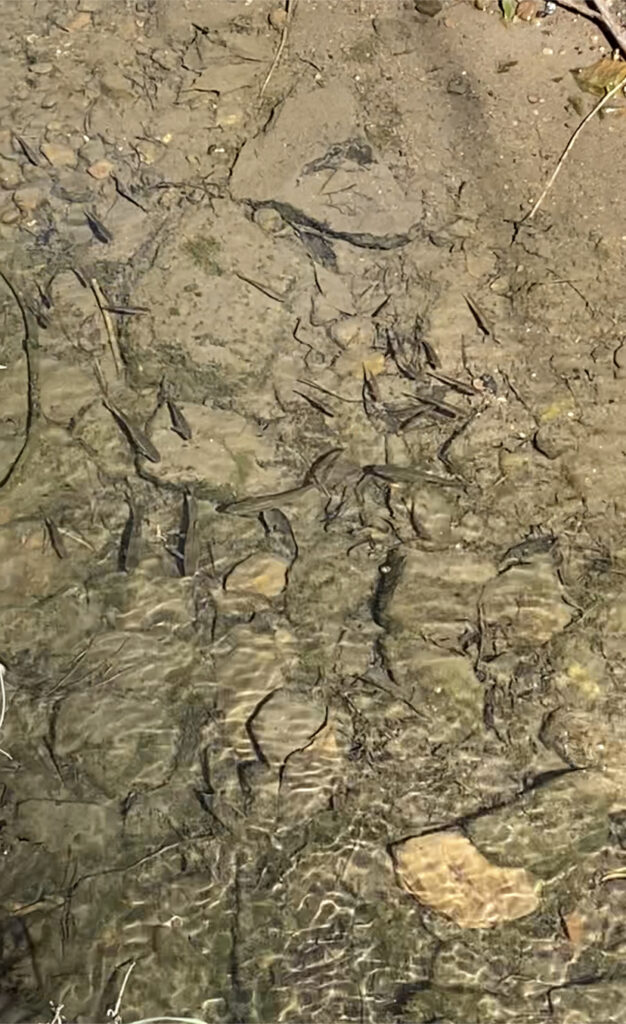
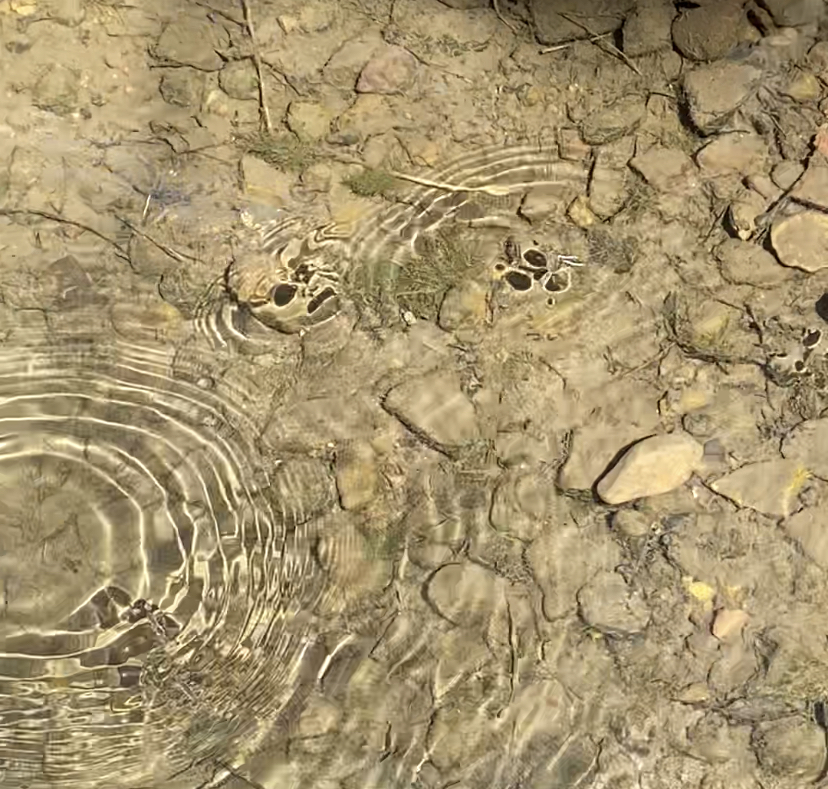
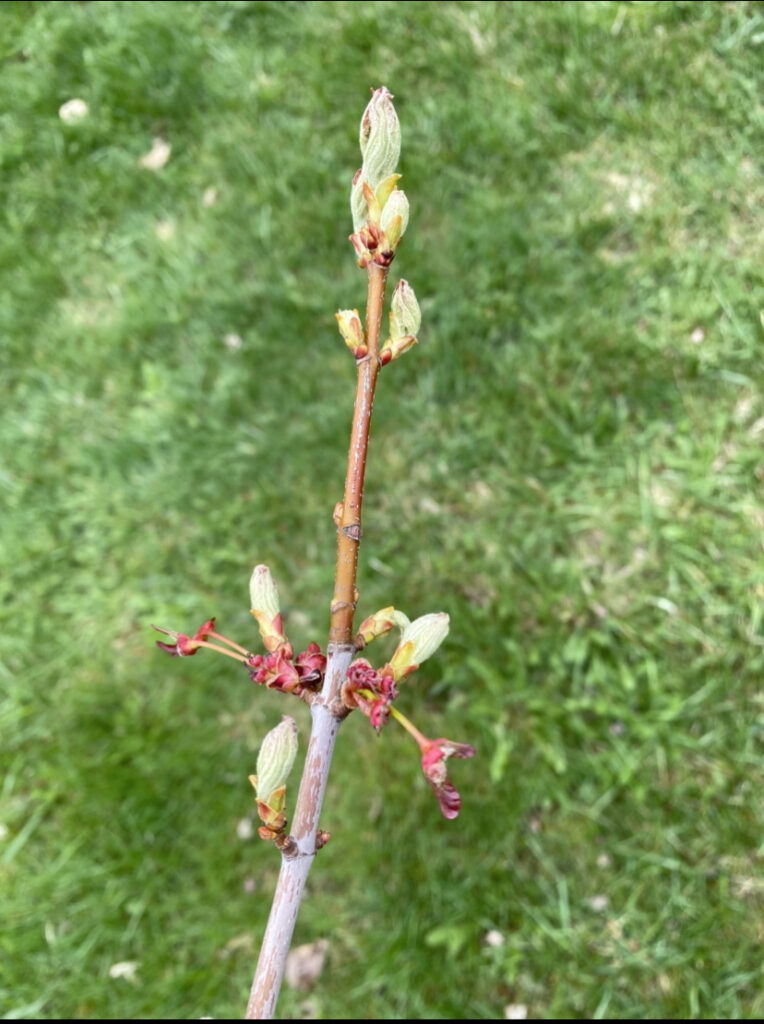
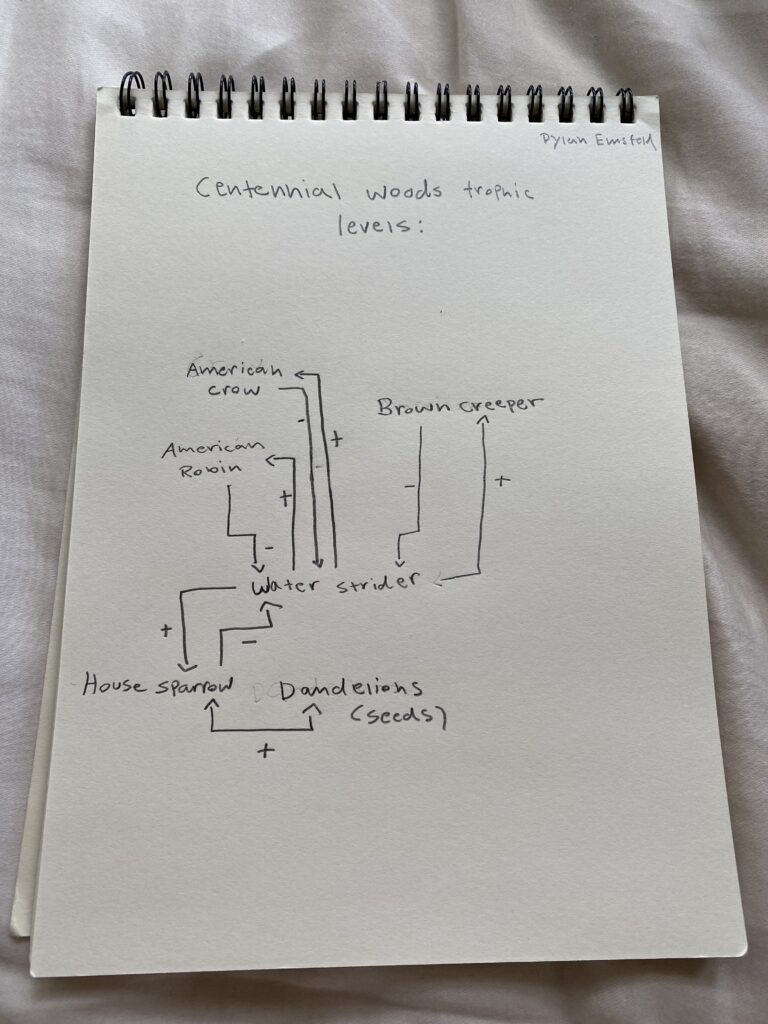
After visiting my phenology place during the first half of April, I found many new signs of life forming and emerging. I saw newly grown buds on branches of trees, flowers sprouting, fish swimming in the brook in Centennial Woods. I set up my hammock and sat for about 30 minutes just listening to all of the birds that weren’t here last semester in my phenology spot, all these birds had recently came back to the spot and their presence made this place a whole different environment. I was able to identify several species of birds well at my phenology spot. There was one that I was able to clearly identify without any help from iNaturalist or the Internet, this species of bird was an American Robin, they are also known as Turdus migratorius. The American robin is a migratory songbird that is part of the turdidae family, it was perched on a branch about 20 feet away from me. Another species of bird that I saw at my phenomenology spot was a Brown Creeper which is also known as the American tree creeper, the brown creeper is a small songbird only found in North America it is a part of the tree creeper family Certhiidae. I only caught a glimpse of this bird but with what I saw I was able to determine that the bird was indeed a Brown Creeper. The last species of bird that I saw in my phenology spot was a House Sparrow, the house sparrow is also known as the Passer Domesticus, I was able to identify this bird by using iNaturalist. The house sparrow it’s a part of the Passeridae Sparrow family, and this bird can be found all over the world, but is most native to Europe. I was able to identify it by its brown back and white chest, The house sparrow it’s a small but plump bird, House sparrows have quite simple songs that are often singular chirrup or cheep notes, so this bird was far easier to distinguish from the other song birds that I found that have more intricate songs. The last bird species that I Saw was an American crow, also known as Corvus Brachyrhynchos, I had actually seen the American Crow on campus for the majority of April, the crow is a large passerine spiecies of bird, Crows are apart of the Corvidae family, I was not surprised to see this bird because I have seen many Crows this semester on Redstone campus. Another species this time of plants that I saw What is a Dandelion, I always get excited when I see dandelions start to Grow because it always reminds me of the start of summer when I was little. I saw these dandelions along the entrance of Centennial Woods. Another species that I found at my phenology spot were water striders also know as Gerridae, water striders are small insects that float on the surface of the water. I saw these insects floating on top of the water in the small brook in Centennial Woods.

Pictures and sketches of some of the species that I saw at my phenology spot and my Trophic Level sketch for the species found at my phonology spot. (Some I was not able to identify or take picture of)

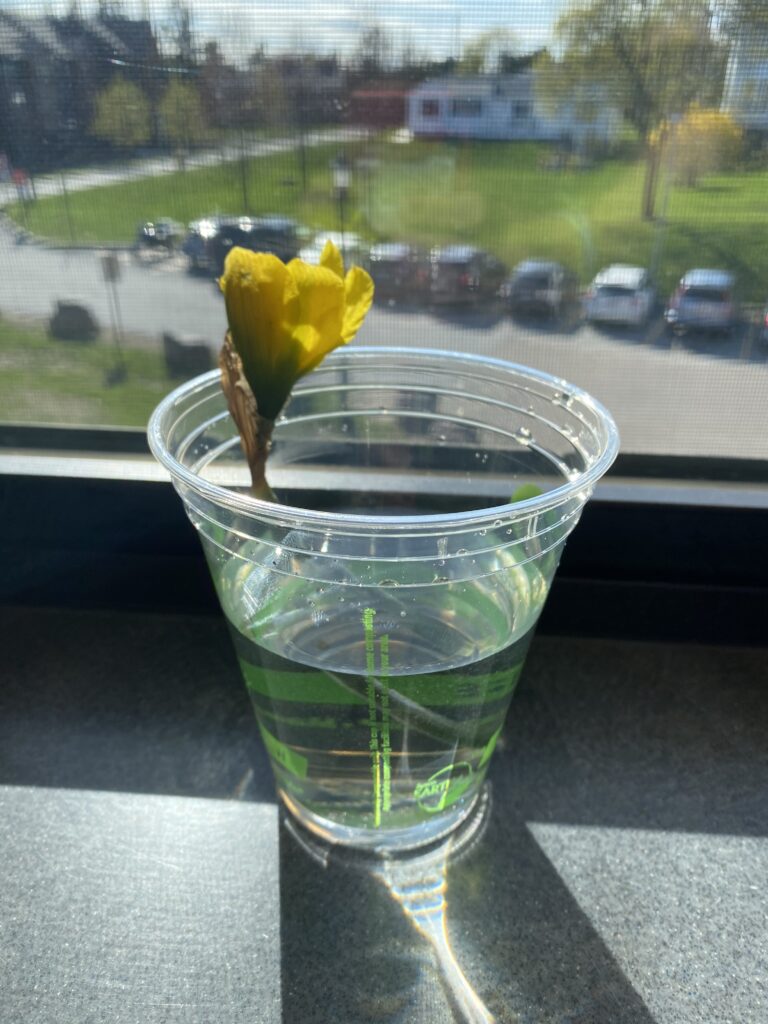
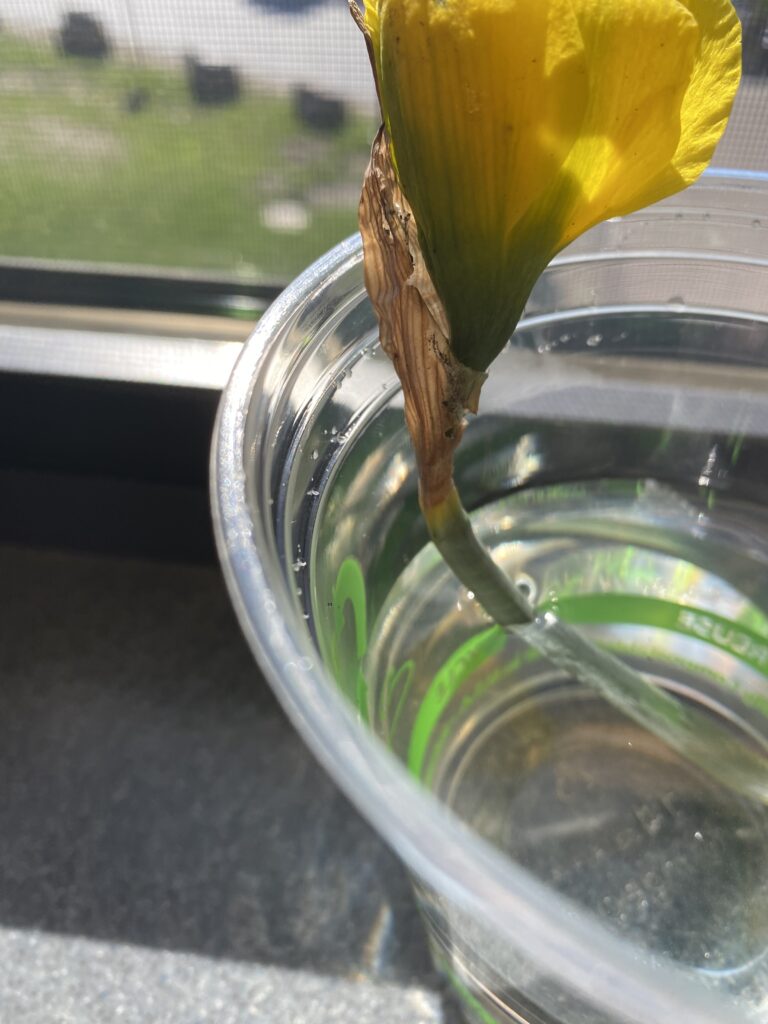
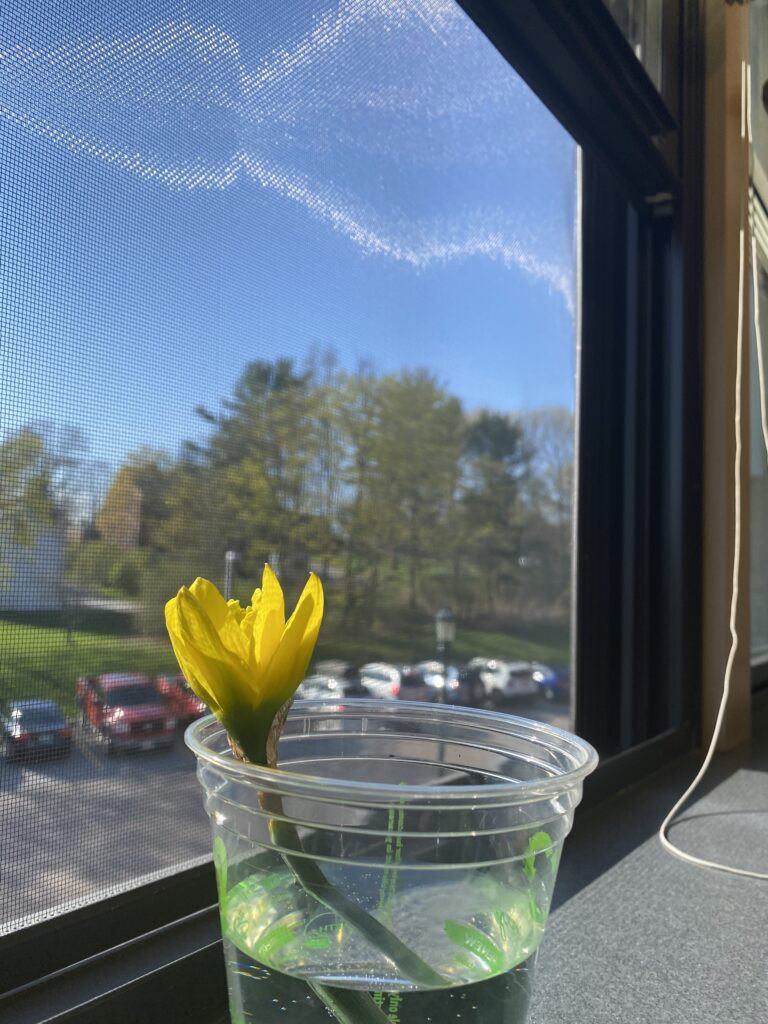
For the optional assignment I used a daffodil that I found in Centennial Woods, this flower started of looking healthy but over the next 10 days it was clear that the flower was dying. It started to wilt and one of the leaves turned brown this may have been do to too much sun exposure because I put it directly in the sun for 10 days. I noticed that the peddle on the flower when I first put the flower in the water were firm and pointy, but after 10 days they were belt and had wilted, this was probably due to lack of nutrients that it would receive from the soil but didn’t from the water. I probably could have preserved this flower better if I gave it a proper amount of sunlight and if I gave it flower food, which is citric acid, sugar, and bleach, this would have kept the flower healthy and prevent it from wilting.

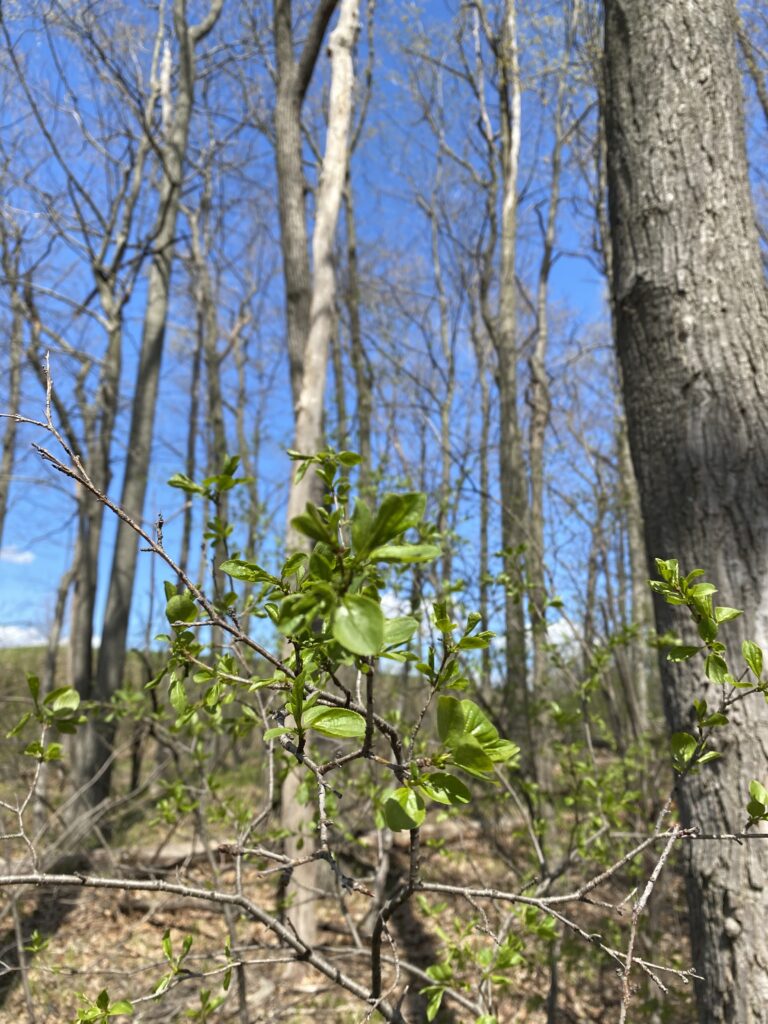
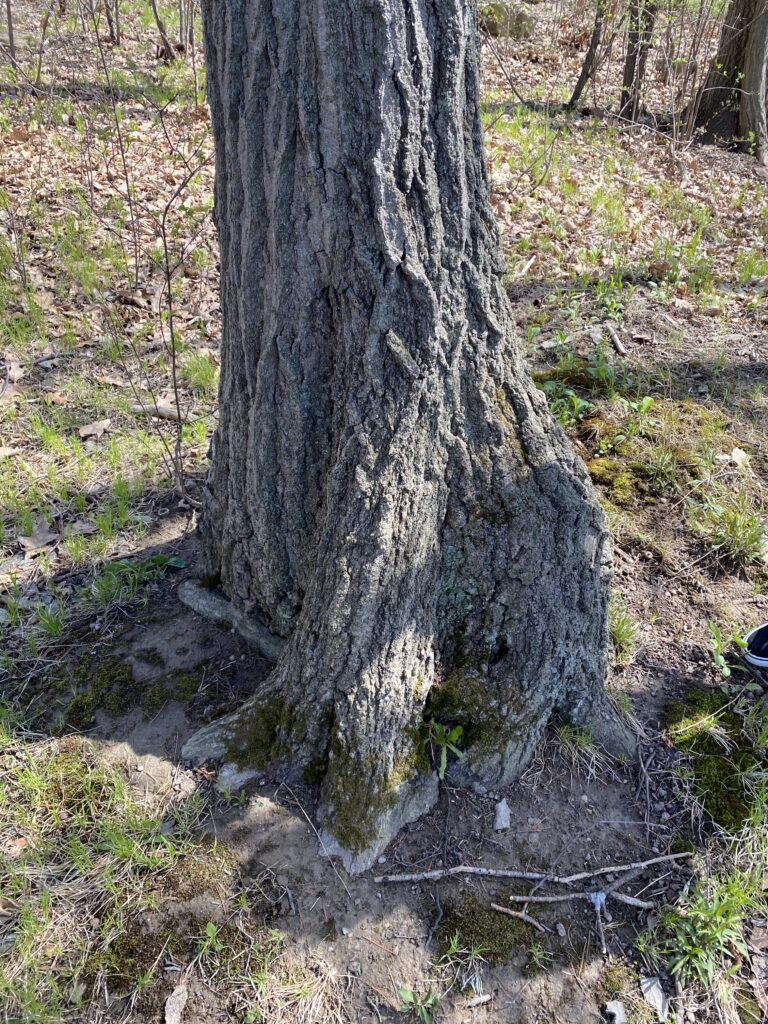
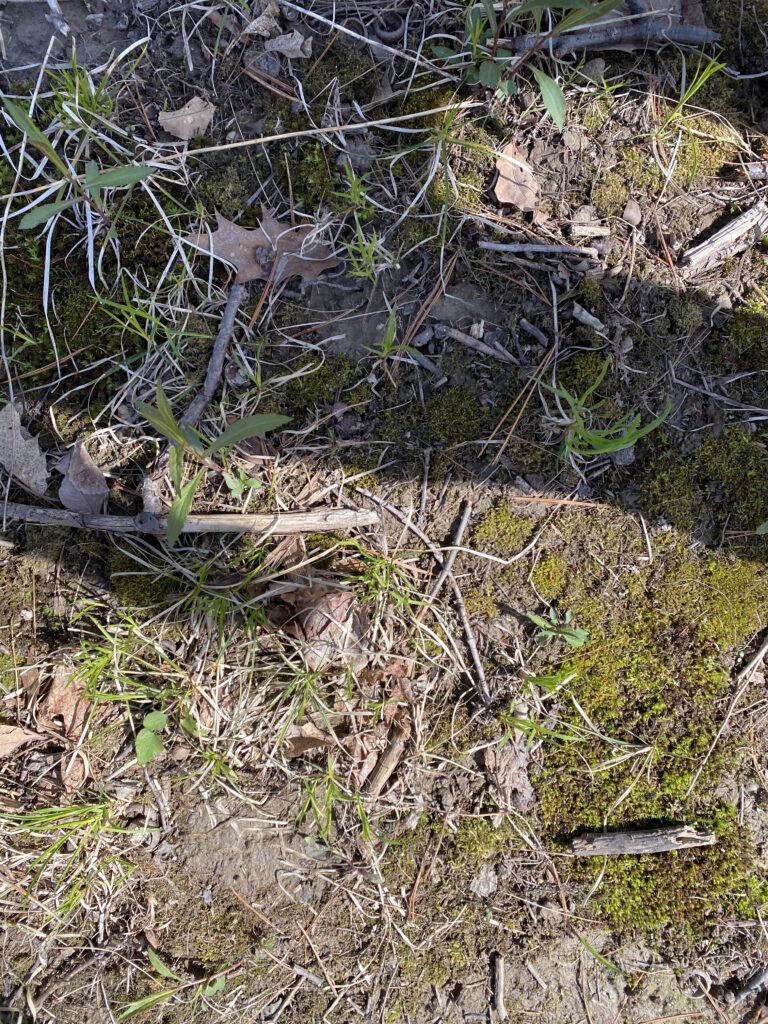
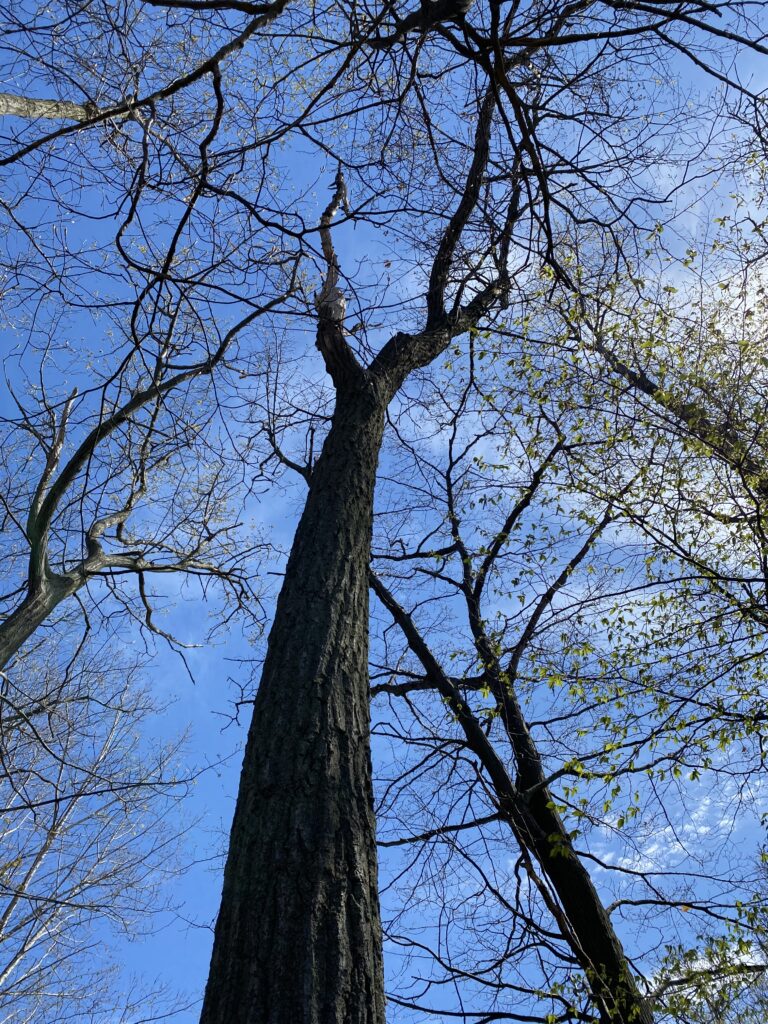
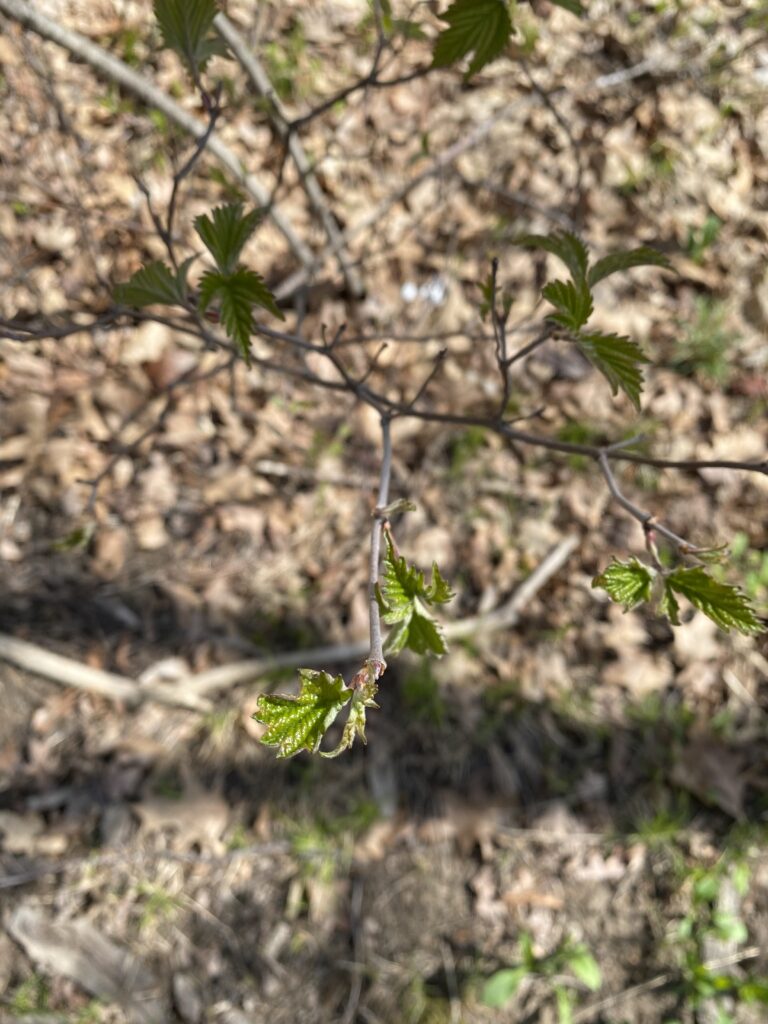
For the Bio-Blitz here in Burlington I decided to stay close to campus, I walked around Centennial Woods. I was able to identify several types of trees and plants, a couple I was able to identify by myself because they were apart of the focal tree species. The trees that I was able to identify were the Glossy Buckthorn and a White Oak, the trees and plants that I had to use iNaturalist for were the Eastern White Pine that was just a sapling. And the plant that I was not able to identify I found out using iNaturalist that it was Sumac which is a poisonous plant.

This was the Glossy Buckthorn also known as the Rhamnus frangula, I found it in Centennial Woods near the entrance of the Woods. This tree was my most memorable experience during the Burlington Bio-Blitz because the leaves on the tree were so bright green and was a beautiful sneak peak to what the summer in Burlington has to offer.

This is the White oak also known as Quercus alba, I was able to identify this tree because of the one single leaf that I saw almost at the top of the tree, there was also some moss that I found growing around the base of the tree. White Oaks are very common in my hometown in Maryland so this tree was very easy for me to identify.

This is a plant that I wasn’t able to identify at first but with the help of iNaturalist I was able identify this plant as Sumac also known as Rhus, this is a poisonous flowering plant that is very similar to poison ivy. I was able to identify this by taking a picture of it and look at the recommended species of plans based on the picture i took and I was able to decipher that Sumac was the most accurate choice. I’ve never heard of this before but I’m glad I know about it now because I’m going to stay away from it.

Displaying IMG_6695.jpg

I came across these vibrant Orange mushrooms, so I stopped and pulled out iNaturalist so that I could determine what they were, I found out that these mushrooms were Xeromphalina. I thought that they were very beautiful and I had not seen them before in my penology spot before.

In what ways do nature and culture intertwine at your place?

The creation of Centennial Woods happened over 19,000 years ago, when During the retreat of the Laurentide glacial sheet in Northeast America, the Retreat of this glacial ice sheet brought the possibility of life in this region, this was possible because it was no longer controlled by the overwhelmingly frigid glacial ice. Over many years this land was able to form and grow many varieties of vegetation, the vegetation  attracted many different animal species and other wildlife. This land was eventually used by the Abenaki people that lived here in Vermont before  Vermont was colonized. Abenaki people are native people to Northern America, they are the people that have influenced the landscape of Vermont for thousands of years. The Abenaki  people were a hunter and gatherer group that likely used Centennial Woods as a hunting grounds to catch wild game. The Abenaki people do not just have a connection with Centennial Woods however, they also inhabited places like the Ethan Allen Homestead. I am glad that Centennial Woods is under  the University of Vermont’s protection because now Centennial Woods can be a safe place for anyone to experience and can be a tribute to the Abenaki people and their culture as a place they once inhibited, Centennial Woods would be a hot commodity to the booming ecosystem of Burlington I would most likely be condominiums or paved over if it wasn’t for the University of Vermont protecting the land. this is a small step for the University of Vermont into giving back to the Abenaki people, by protecting the land of their ancestors 
Do you consider yourself a part of your place? Why or why not? If so, how?

I feel like over the past semester I have developed a deep connection to my penology spot, even though I switched it at the beginning of this semester to my new spot in Centennial Woods, I still feel very connected to this spot because I not only saw it in snow but now I get to see it bloom and see it transform back to a green and lively woods. I feel at peace and calm when I’m in my spot,  I actually spent a night there with some of my friends because I felt so comfortable in my spot, and we saw  many species we wouldn’t see if we didn’t spend the night such as The brave raccoon that in the middle Of the night opened our bags and tried to eat our food. It was so peaceful staying there overnight, this was the turning point that made me feel that I am truly a part of this ecosystem that I have made my penology spot. I went to my spot with a couple of my friends with no phones, no technology, but with open minds and readiness to explore. We spent a full 24 hours in Centennial Woods connecting to the spot and truly immersing ourselves in the ecosystem around us, we explored the woods and found a beaver dam, many birds nests (that I was unfortunately not able to identify), and if we were lucky a scampering chipmunk or squirrel in the distance. When I was in the spot I did a breathing technique that my grandfather told me, so that I could truly enjoy the descent of Centennial Woods, the loamy scent of the freshly rained on soil, and the  earthy smell of the decaying trees around the foot path of Centennial Woods. This breathing technique always makes me feel super close to the outdoors, and makes me think of my grandpa, The breathing technique that my grandpa taught me is to breathe in for 4 seconds then hold it for 5, breathe in for 5 seconds hold it for 6, and then in for 6 hold it for 7. I always try to do this in places that I want to grow a deep connection with and remember for a lifetime so I really think that  I will remember Centennial Woods  for the rest of my life.

Skip to toolbar