
A surface exploration of Costa Rican history and culture
Welcome to my UVM blog. This is a space for me to demonstrate my knowledge of Development in Costa Rica. I am creating this blog for the UVM class ‘Rural Livelihoods in a Global World’. As part of the course, I will be blogging about the Costa Rican economy, its history and roots, and how the country has changed into the Costa Rica of today. Thank you for visiting this site and hopefully you may learn a thing or two.
-Charles Scribner
Osa Products
Coffee
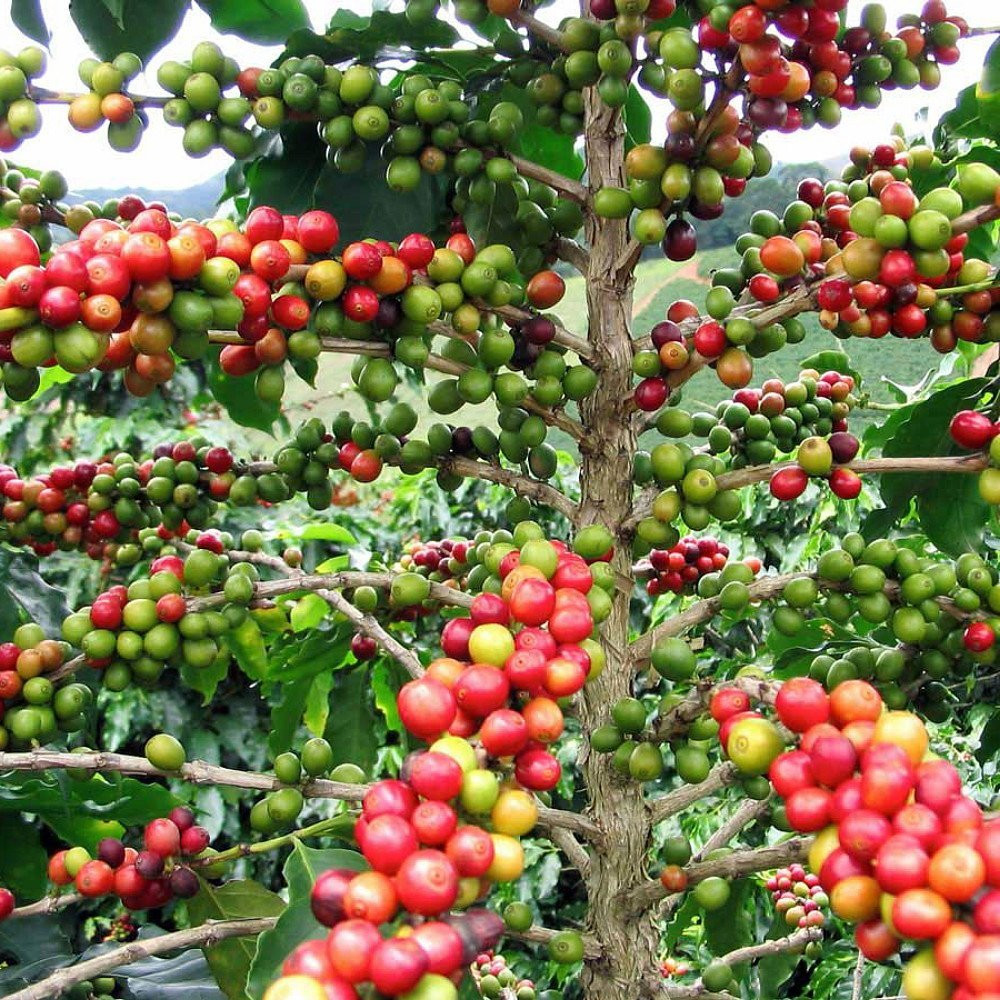
Most people think of coffee as the final product – a tasty drink that gives us energy. On the Osa Peninsula in Costa Rica however, coffee and coffee production is so much more than what you have in your cup every morning. This is a highly simplified version of how coffee is made At Cafe Diria and at other coffee plantations around Costa Rica. However the basic idea remains. after three or four years of growing, coffee “cherries” are picked from the tree and dried in the sun until the moisture level reaches an ideal 11%. Actual processes vary but the basic idea is that the cherries have their husks removed to reveal the coffee bean inside. After this step the beans are roasted at high temperatures and now resemble the dark and fragrant unground coffee we all know.
Costa rica exported 372 million dollars worth of coffee in 2021, with the United States and Belgium importing the most Costa Rican coffee in 2021. As for Cafe Diria, they sell their coffee online at their website, as well as to hotels and restaurants in their area of Hojancha, which is a city in the center of the Osa.
Cacao
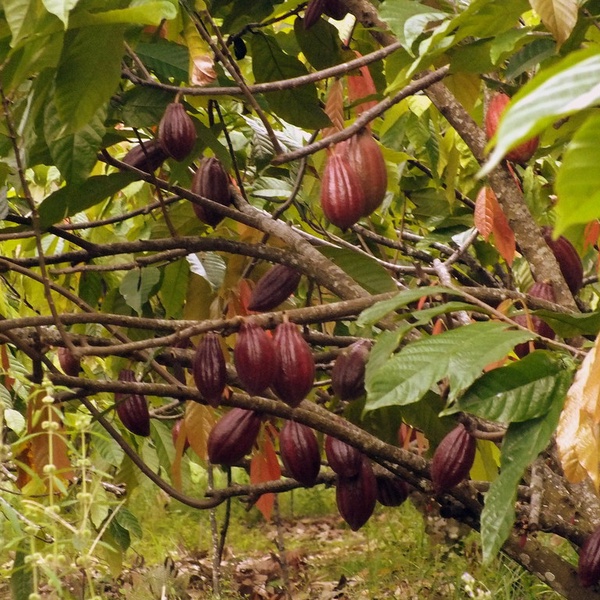
Cacao, or cocoa is a tree that produces seeds which are then used to make chocolate. In the Osa Peninsula there are numerous farms that grow cacao, like Rancho Raices, Cocoa Ethika, or Finka Kobo. Cacao has to go through an intense process to become the seed from a tree to a chocolate bar or other chocolate product. Removing the beans from the larger shell you have to go through a multi-day process of drying and fermenting. next you roast the beans and remove the shells. this is when the cacao becomes more recognizable to chocolate. After this intense process, there is still room for grinding or further heating the chocolate to get it to its desired state. All this work takes a long time, especially when you learn that each tree can only make about a pound of chocolate.
Many farms in the Osa peninsula sell their chocolate to tourists who come to see how the process happens. Other farms like Cocoa Ethika sell their product, either online or to local stores.
Sources
Osa Natural
Osa Natural is a company based in the – you guessed it – Osa Peninsula. Started in 2007, Osa Naturals has been making everything from organic insect repellant to after sun skin moisturizers. Their products are made in the Osa and use ingredients like coconut, lemongrass, and essential oils that come from the Osa and other Costa Rican regions. The owners, Alison and Josiah Lott source local ingredients from farms to create products that are then sold to hotels and eco lodges in the Osa. Through the website the Lott’s share that Bosque del Cabo and Luna Lodge sell their products. They also sell their products online at their website so you can purchase from your couch at home. Osa Naturals is a great example of a local business that is using materials from the Osa to create sought after products that increase the local economy of the area.
The primary ingredient for many of their all natural products is coconut. As it happens, coconut is extremely abundant in Costa Rica and in the Osa so making use of the tree is only natural as it is not only abundant but has been apart of the lives of Costa Ricans for generations.

Sources
Banana
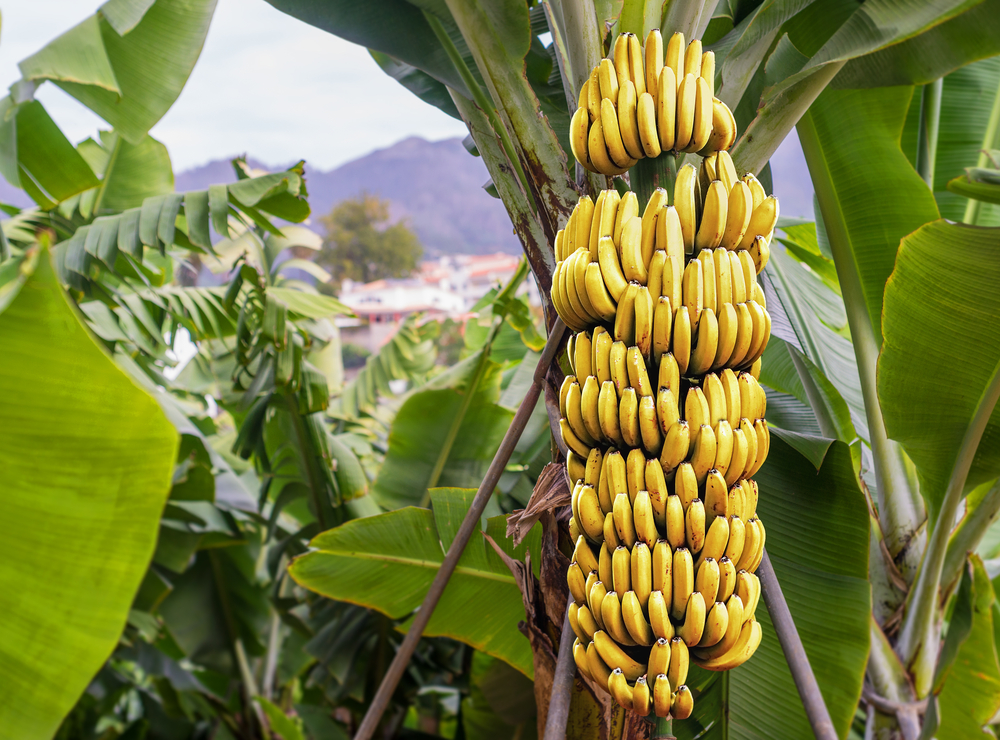
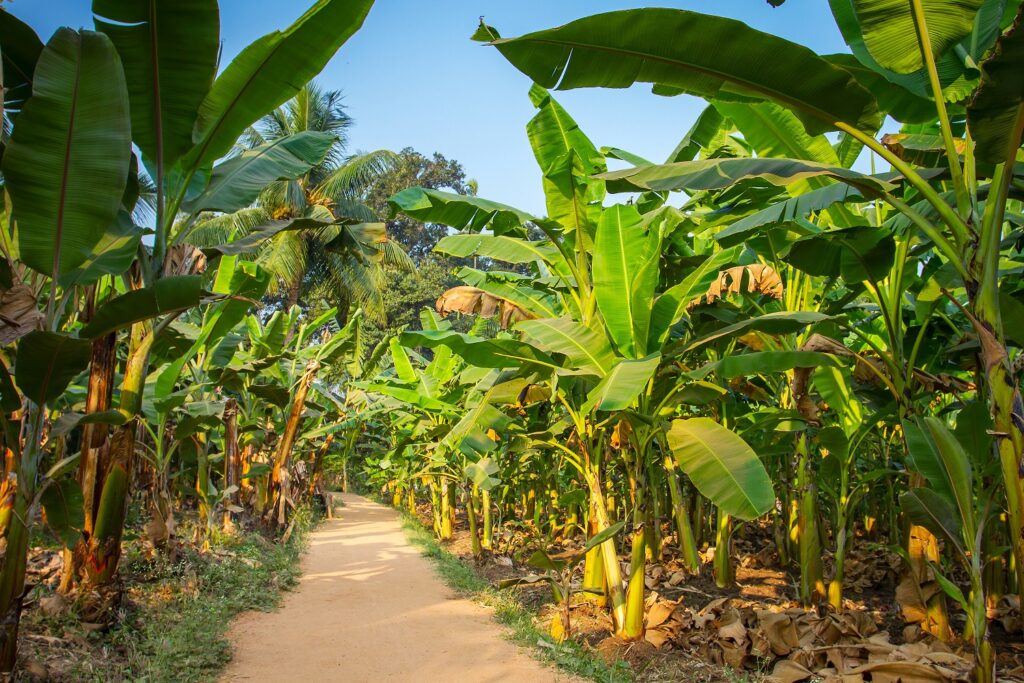
Costa Rica exported over a billion dollars worth of bananas in 2021 alone. Bananas are also very inexpensive to purchase, can grow year round, and can provide valuable nutrients to consumers, whether that be in country or to people in the United States, the main importer of bananas from Costa Rica. With farms like Cocoterra Rainforest Permaculture dedicated to sustainable farming practices, they are able to grow a product that isn’t harmful to the local ecosystem and even replenishes the soil and prevents erosion and habitat loss. Some farms sell their bananas to companies like Dole or Chiquita, while others keep their bananas local to sell at stores or markets all throughout the Osa. Banana farms provide value through inexpensive nutrition and the jobs that it provides as shipping bananas to countries overseas requires intense labor to keep bananas fresh.
Sources
Eco Tourism
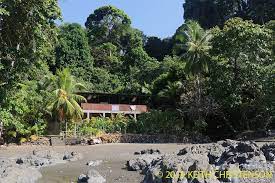
When people think of a product, they generally think of an item they can purchase and later consume or use, like a hat or a meal. But if you thought of products as something with a price tag, then tourism and the benefits of tourism could then be thought of as a product. On the Osa Peninsula there are many ways that scientists, students, or regular old tourists can pay to help build and restore habitat. For example, the Osa Institute or the Campanario Biological Station provides a service for travelers to learn about the ecosystems of the Osa and to conduct citizen science and conservation. The product of this endeavor would be the knowledge and experience gained by the students, as well as the sum of the positive impact they made while in Costa Rica. Some examples would be beach clean-ups, marine animal monitoring, snake rescuing, and rewilding projects. The benefits of these products serve the wildlife and people of the Osa Peninsula by preventing the effects of climate change.
Sources
Costa Rica Colonization
Mid 1500’s – 1821
Spanish rule of Costa Rica can be traced back to the 16th century, when Christopher Columbus landed near the current city of Limón. Naming it Costa Rica – translating to Rich Coast – due to the extravagant jewelry of the indigenous peoples. Costa Rica never had a large amount of settlers until around 1561 – the year the first settlement was established – almost 50 years after Costa Rica first had Spanish explorers. Small agricultural settlements began to appear on the more habitable western side of Costa Rica, farming in the fertile volcanic soil. Unlike other Spanish colonies Costa Rica did not have the ability to support large plantations, forcing the settlers to farm it themselves. Colonies traded numerous items through the decades, like cattle and animal fat. Soon Cocoa and tobacco were harvested and traded with Nicaragua and Panama along with leather. Costa Rica got permission to have a monopoly on bags, and the profits allowed for the building of an internal economy of tools, textiles and luxury goods within Costa Rica.
Sources
Variance in Approach Towards a ‘Sustainable’ Coffee Industry in Costa Rica

Globalization
Bayer
The Organization for Cooperation and Development (OECD) is an intergovernmental organization with 38 member countries that seek to grow the economies and stimulate trade for its member countries. Costa Rica has experienced growth in recent years that put it ahead of many other Latin American countries. This is thanks due to its openness to foreign investment. This has allowed for many multinational companies to set up shop within its borders – including Bayer, with revenue in 2022 of over 50 billion dollars USD – in designated Free Zones. A free zone is typically a designated area that allows companies to export and import goods without the time consuming or expensive task of going through customs or paying tariffs. Free zones increase foreign investment as companies recognize them as cost saving areas.
As of 2022, Bayer has 14,000 employees in Costa Rica, just under 14% of its total full time workforce. The Bayer factory in Costa Rica mainly makes contraceptives for women. This is a major investment into the population of Costa Rica, and Latin America as a whole. 41% of pregnancies in the world are unplanned, so providing quality care that can reduce unplanned and unwanted pregnancies can help reduce the strain on families to provide for their children. Family planning services are needed for a developing country as young mothers cannot attend school or work to better their families economic situation. By providing this region with jobs and family care, Bayer is helping to increase livelihood in Costa Rica and Latin America.
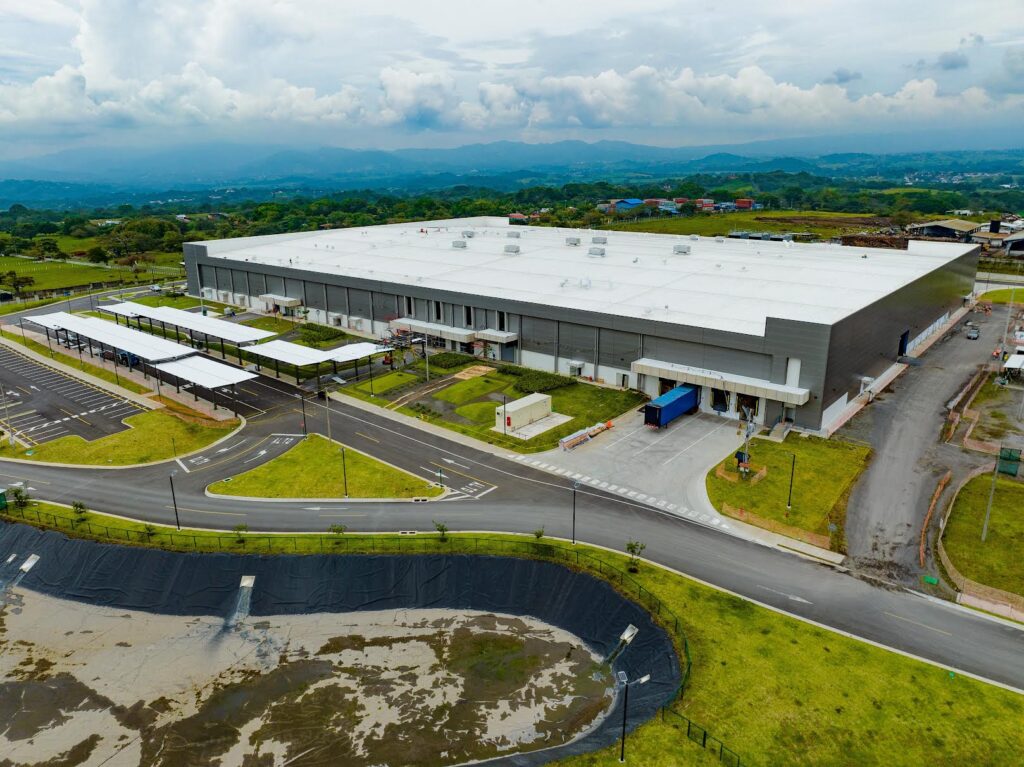
Free Zones are almost perfect definitions of neoliberalism. the main tenets of neoliberalism are free trade, globalization, and limited state interference. Bayer, a global company is inside a free zone and gets to experience extremely low, and sometimes no taxes on its imports and exports. While many of the products that come from Bayer go to Costa Ricans, other Latin American countries will benefit from the products too, as less expensive production leads to less expensive products in the store.
Sources