Posts

May Phenology

Spring is in full effect in Centennial Woods, trees are blossoming, flowers are in full bloom, migratory birds are returning, and pollinators as well. Here are a few observations of the woods coming back to life:
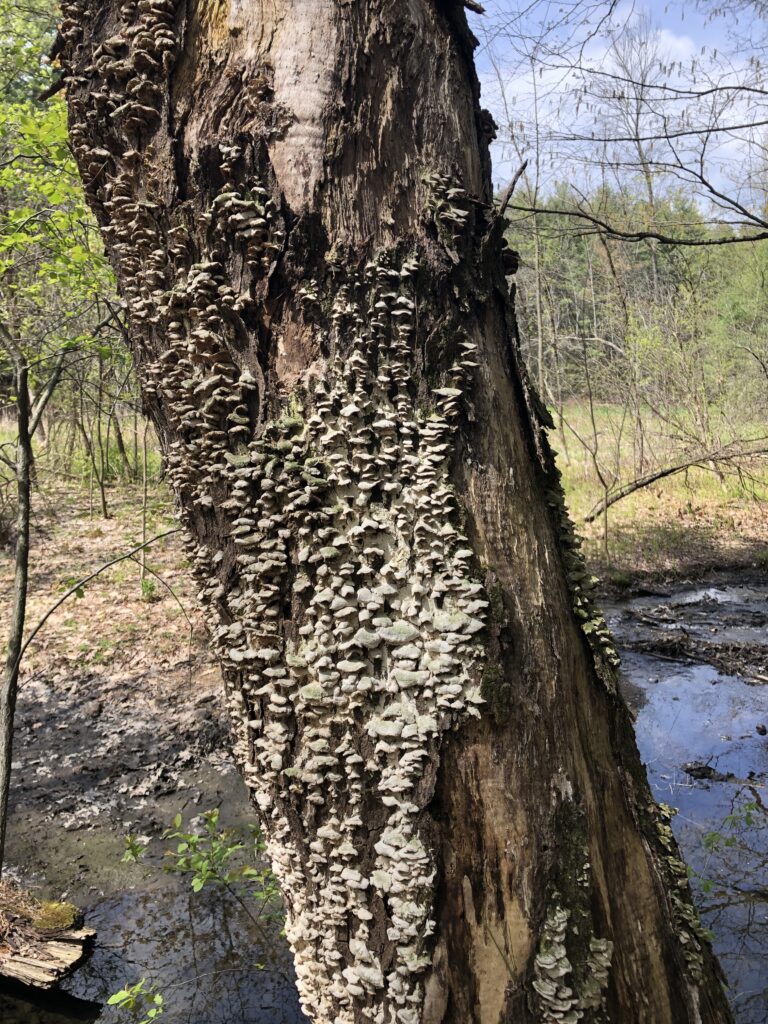
Mushrooms growing on the side of a dead tree next to Centennial Brook.
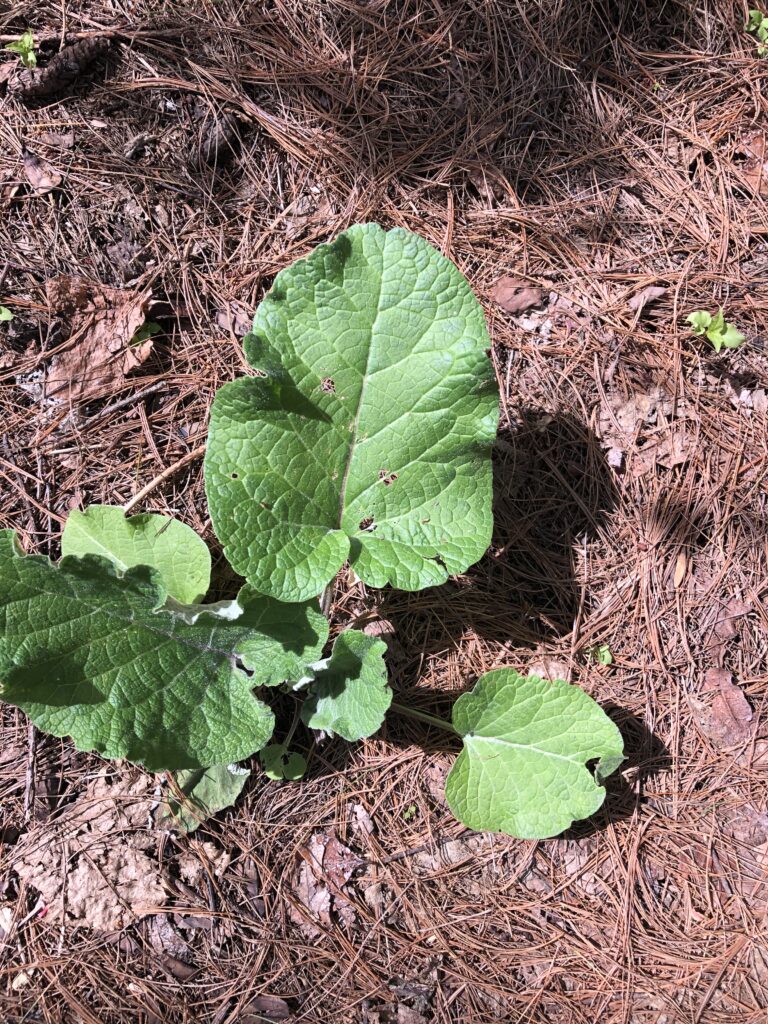
Burdocks emerging from the ground.
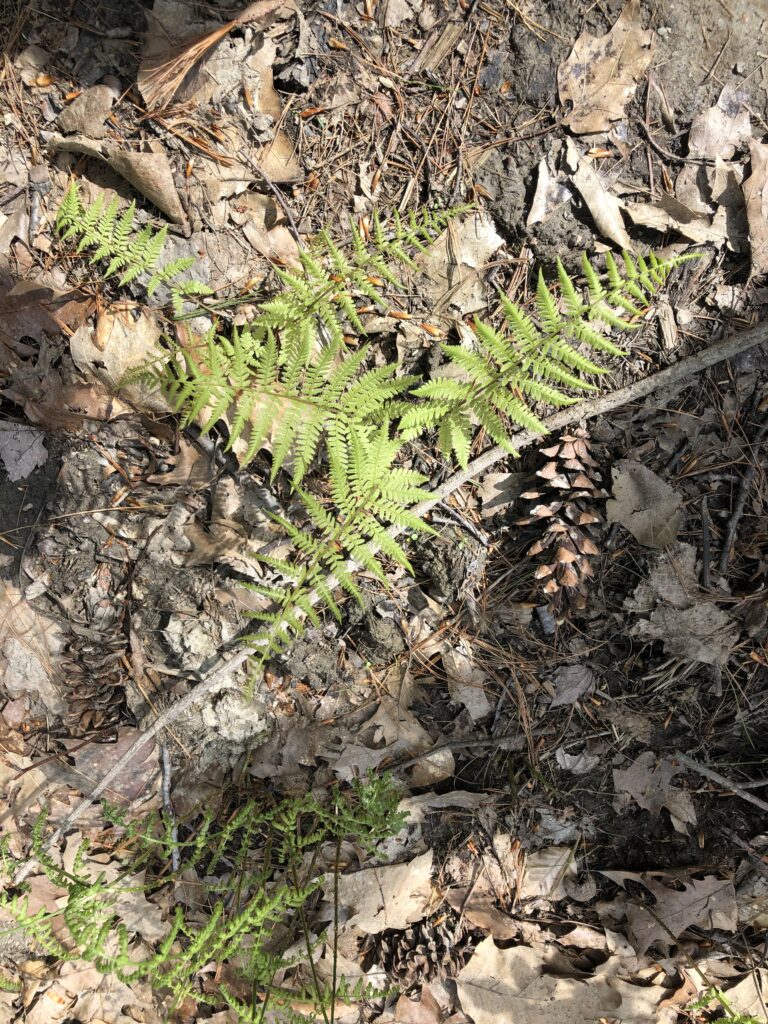
Ferns beginning to grow again.
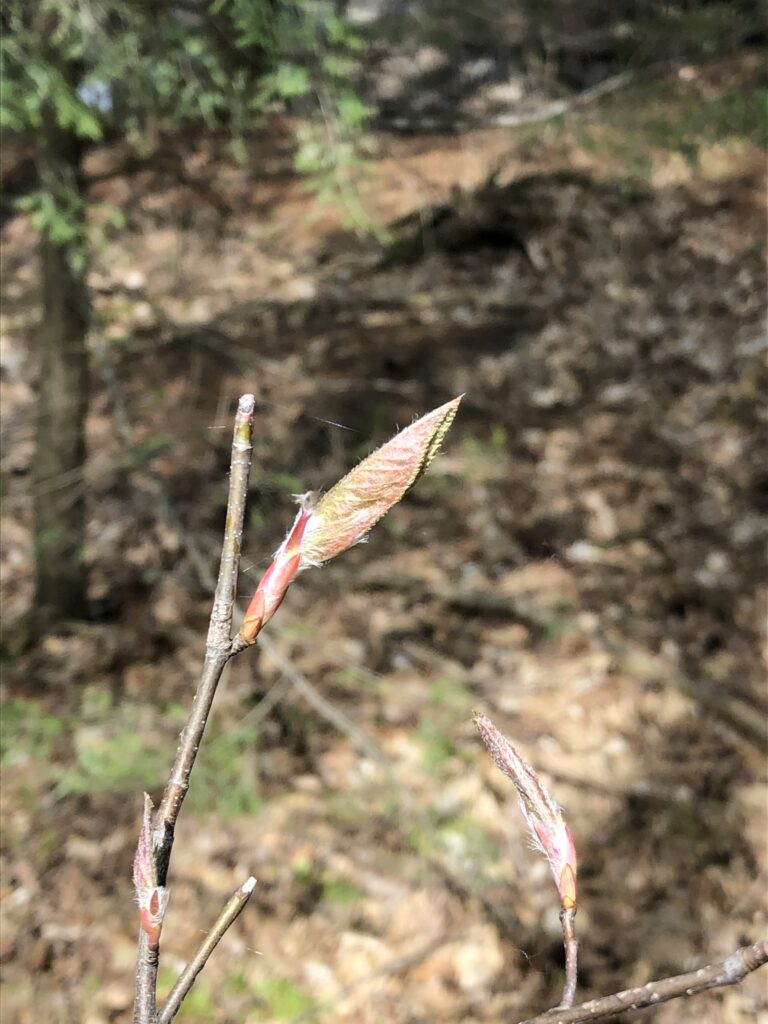
Serviceberry buds.
The beautiful canopy of Centennial Woods starting to come to life again with blossoms, buds, and leaves coming out.

It is easy to tell how the culture of Vermont is intertwined in Centennial Woods, as barbed wired fences are still dotted across the woods from when farmers used the land for grazing animals such as sheep. The bunker on the side of the hill that ROTC used to use also shows how culture is still intertwined in the woods. Along with historical aspects people go to Centennial Woods everyday to use it is a natural place to get outside and enjoy the beauty of Burlington. When wandering through Centennial Woods and observing plants, trees, and animals it is clear that I am part of my place just as much as wildlife is because of how it is place where social and ecological systems are very intertwined. When I am in the woods I can feel detached from everything else, but then I hear a siren or airplanes and remember that Centennial Woods is sitting in a city and surrounded by people and industrialization, making it culture once again completely intertwined with the woods.

City Nature Challenge 2021

I explored the Burlington Intervale and the waterfront during the City Nature Challenge during the four-day period from, April 30th through May 3rd. It was apparent that many other UVM students and citizens of Burlington and Winooksi were taking part with the challenge as well, especially because there was great spring weather for it.

My most memorable observation from the four-day urban BioBlitz was seeing the silver-maple-ostrich-fern-floodplain-forest flooded. It is amazing how much a location can change from an increase of rainfall and increased river flow as well. In my prior visit to the Intervale the river was about six feet below the riverbank, but this time the river was maybe three inches below the trail and riverbank. Seeing how fast a river can change over the course of a few days put into perspective why stream and river bank stabilization and a strong riparian buffer is to floodplain forests. My second most memorable observation from the BioBlitz was seeing a pileated woodpecker pecking at a tree, but then looking at the ground to see how much damage it had done to the tree, there was a pile of wood chips from the pecking at the base of the tree trunk. Although pecking holes in trees is a characteristic of any woodpecker, there can be lasting damage from the holes allowing trees to become infested with disease and pests.

iNaturalist is a great tool for anyone who wants to get out into nature and to be able to identify different species. I found the app very user friendly and it did a good job identifying species or giving possible options for what something may be. Another aspect of iNaturalist that I liked was that you could see what species people in Burlington and in the Winooski area were finding, but also all over the world people were documenting different species. This aspect of being able to see what species were being documented all over the world was incredibly interesting to me because it shows how much biodiversity there is around the world, and it shows how certain species thrive in certain regions of the world such as in Australia and New Zealand. Being able to see what species were documented globally was fascinating, but also seeing the different species that are found across the United States across the four-day City Nature Challenge was interesting as well.

Map of Burlington Intervale with Spectacular Day event sites.
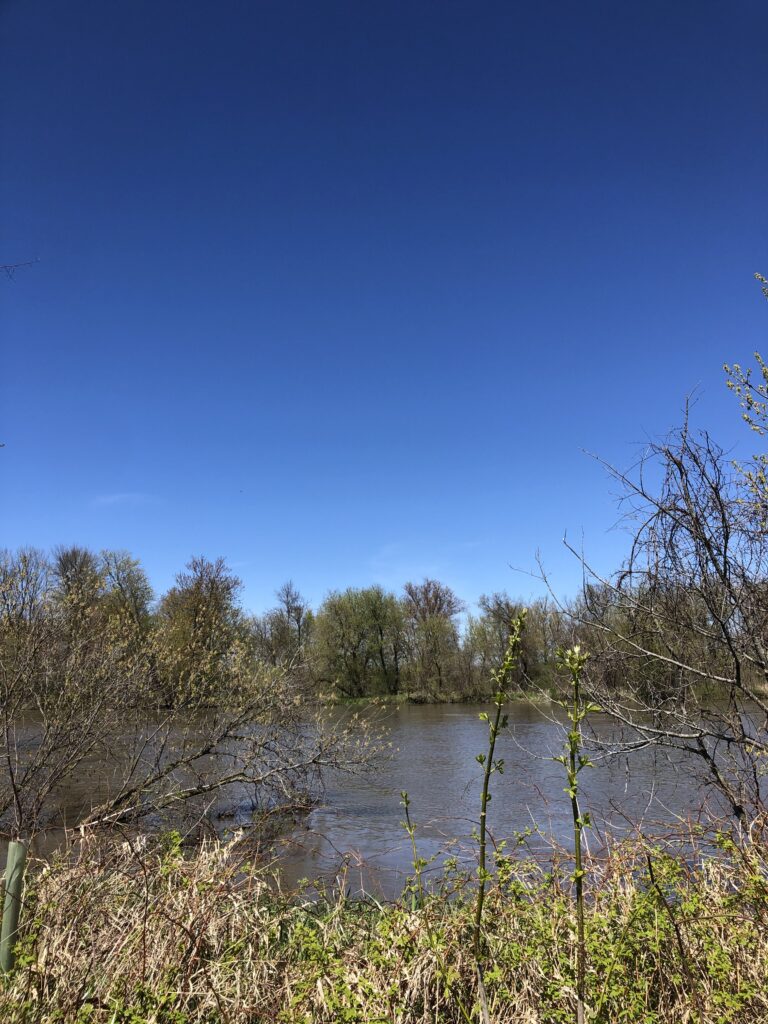
View of the recently flooded Winooski River from the Burlington Intervale.
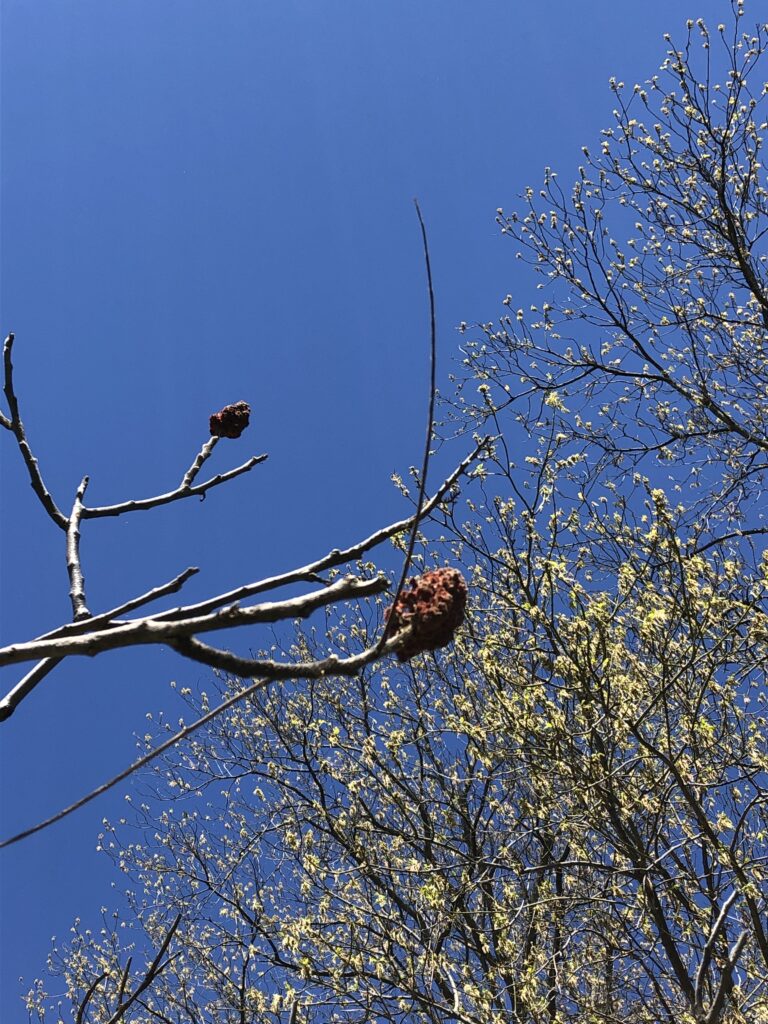
Staghorn sumac and American elm tree blossoms.
Finished planting of a silver maple sapling at the Intervale.
Water Horsetail

April Phenology

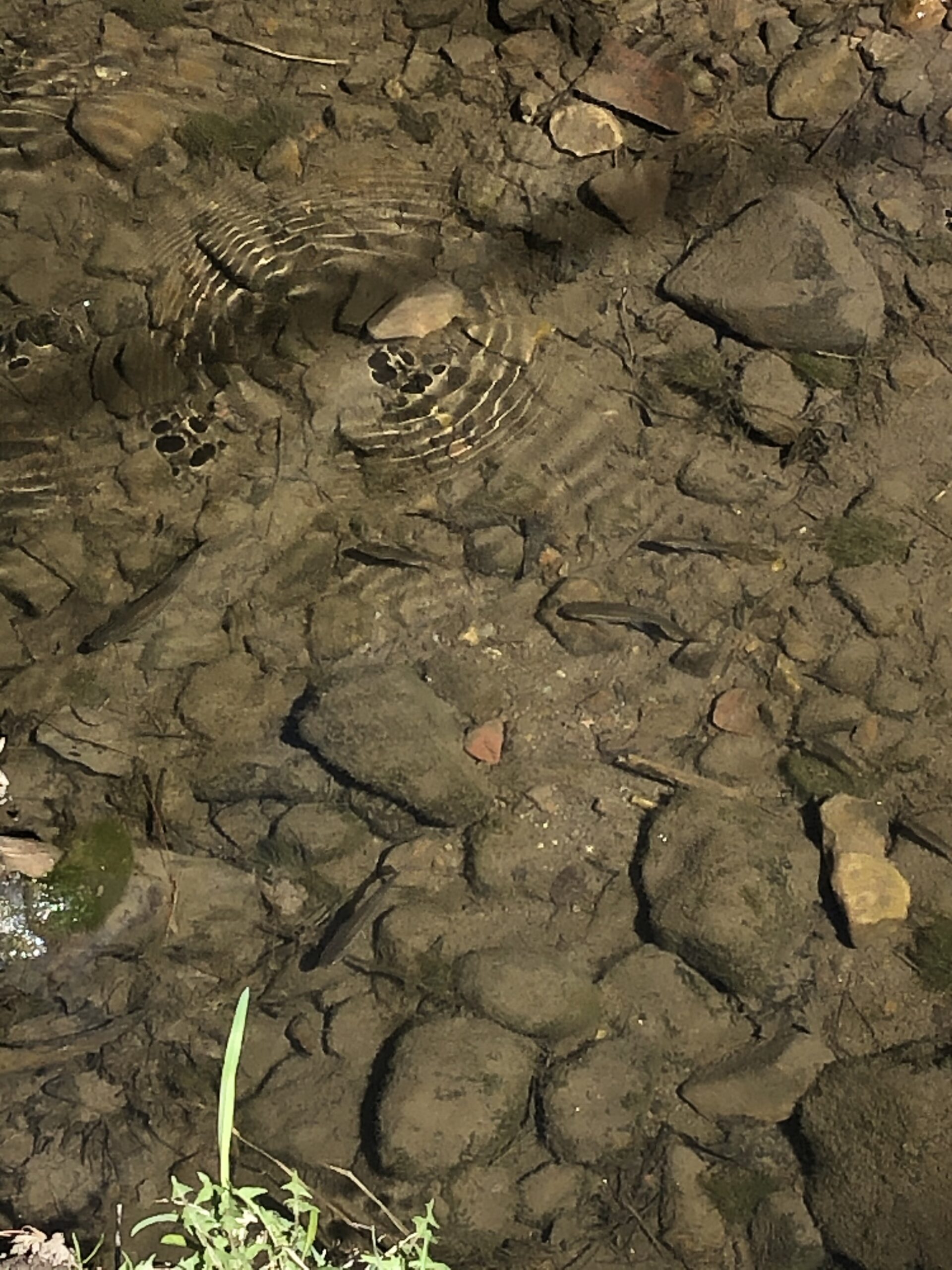
Spring has officially sprung in Vermont! The trees are budding and flowering, plants are beginning to emerge and some are blooming, seasonal bird species are returning, and the weather is warm. The signs and sights of spring were visible in Centennial Woods, a lot of bird songs could be heard, but very few birds were seen. I was able to see two robins, but only heard the other birds. I heard the song of an American Crow, a Northern Cardinal, an American Robin, a Black-Capped Chickadee, and a Wood Thrush. Grey squirrels were also very busy chasing each other around. Grass and ferns were beginning to grow and green up again. The stream through Centennial Woods was flowing. Spawn could be seen swimming and water striders dotted the surface. I believe the spawn that were seen in the stream were Brook Trout. Here is an image:

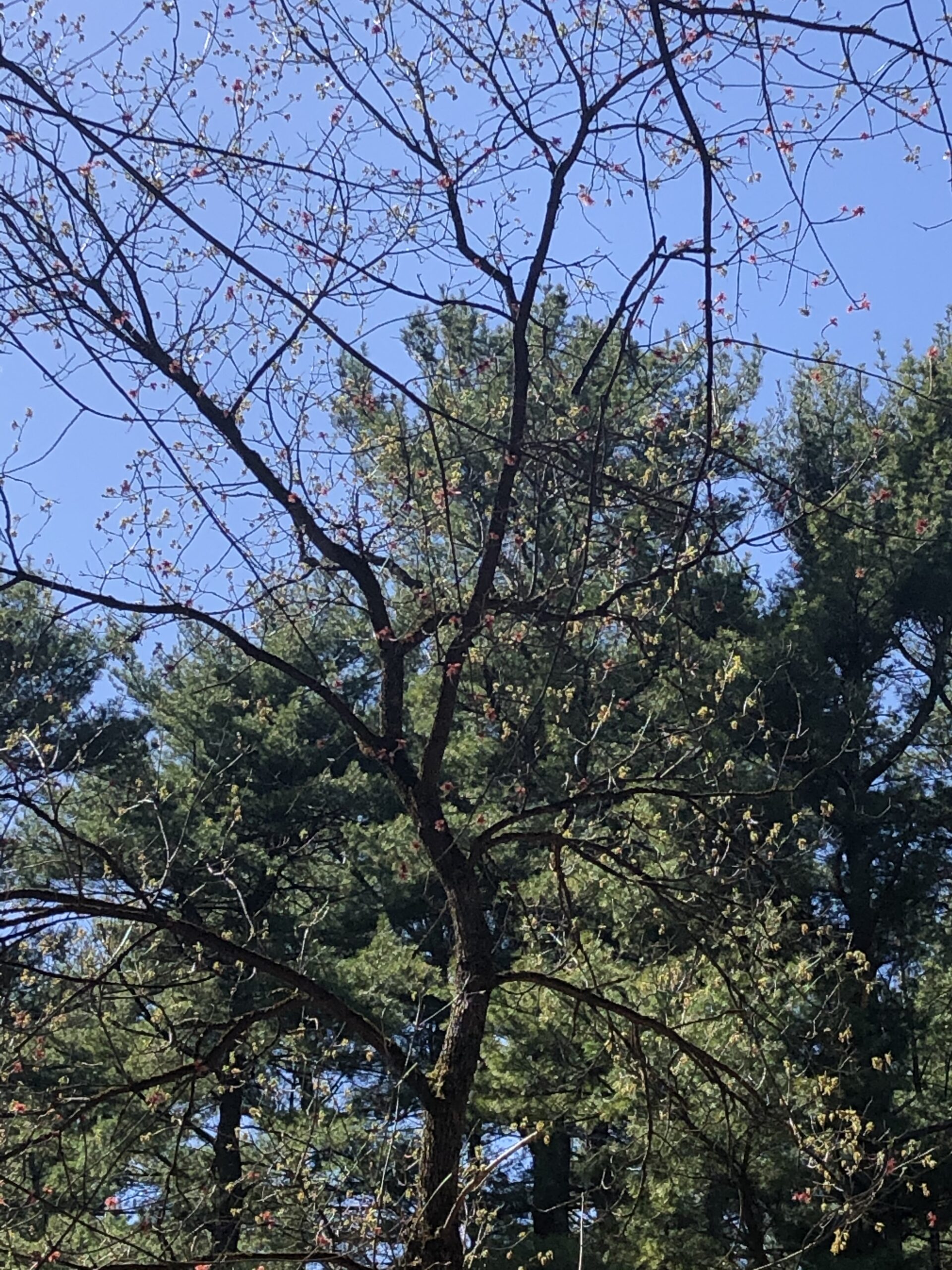
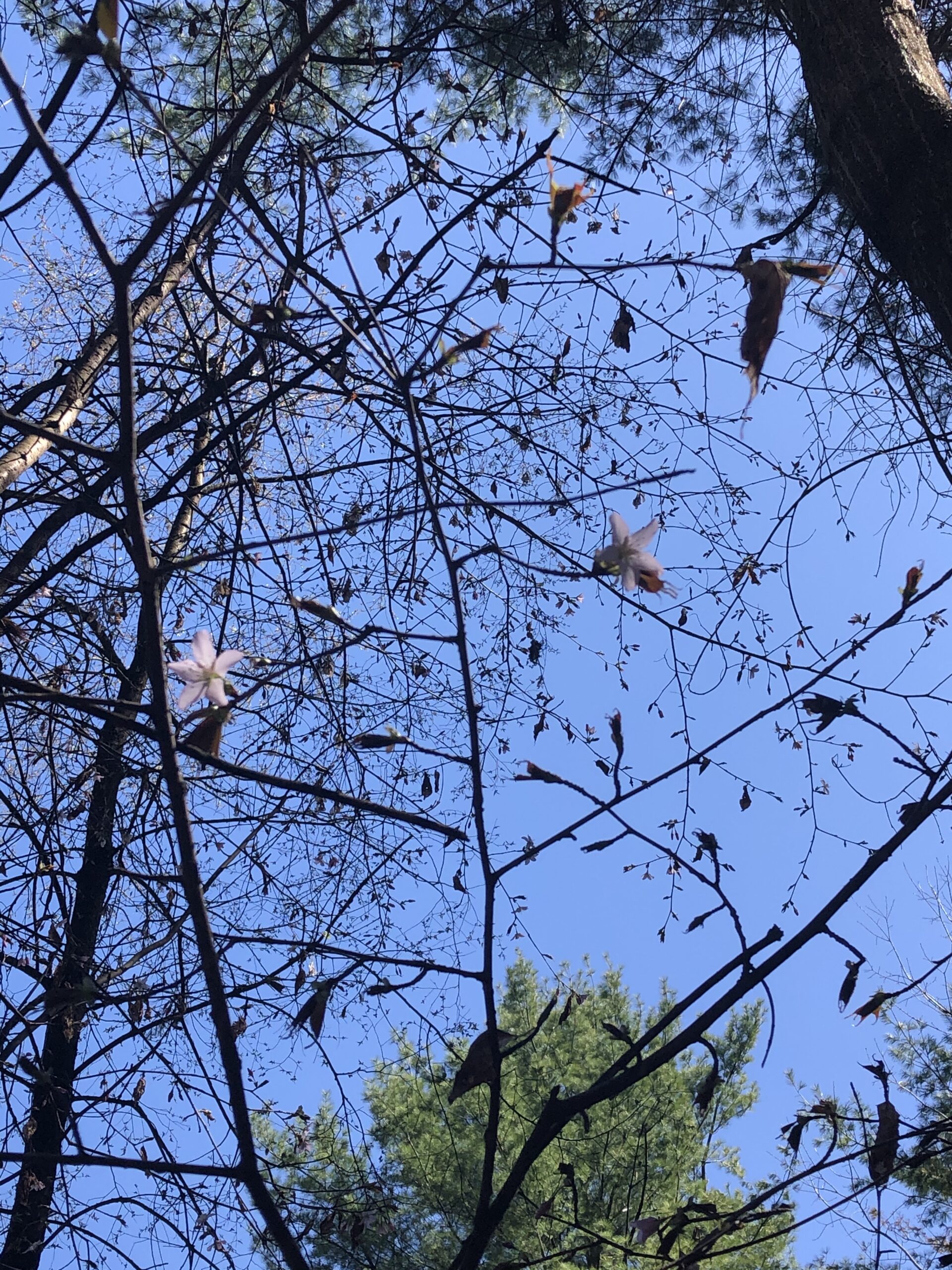
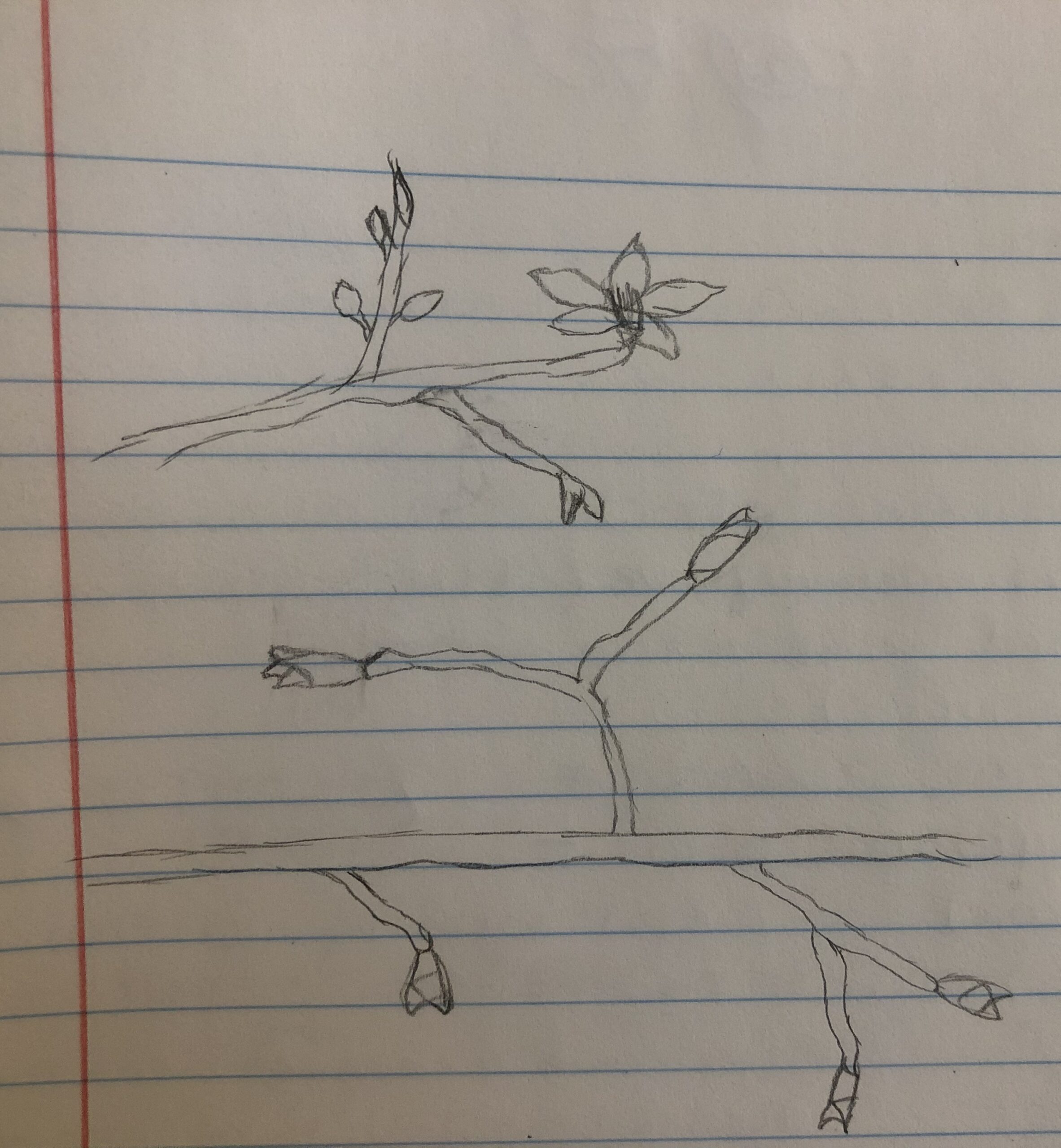
A few images and sketches of budding trees: .

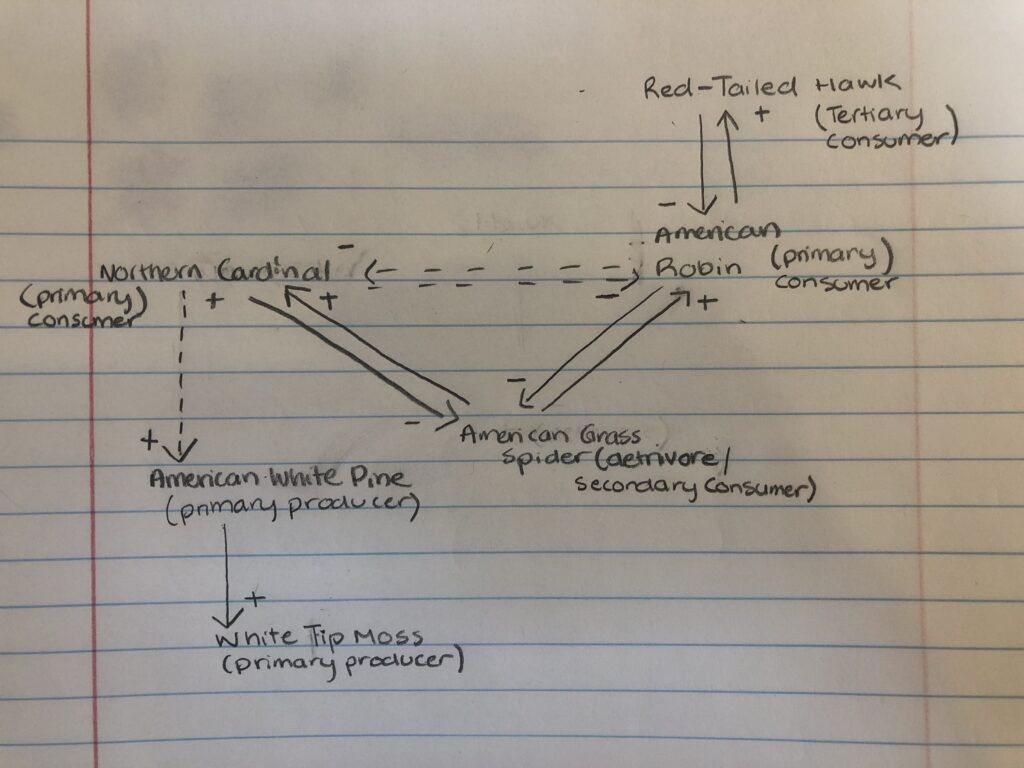
In addition to observing the signs of spring in Centennial Woods, I also observed how different species interact within Centennial Woods. Species interaction diagram:

Giffen, C (2021), Photograph of Fish

Giffen, C (2021), Photograph of Budding Trees

Giffen, C (2021), Sketch of Buds and Blossoms

March Phenology

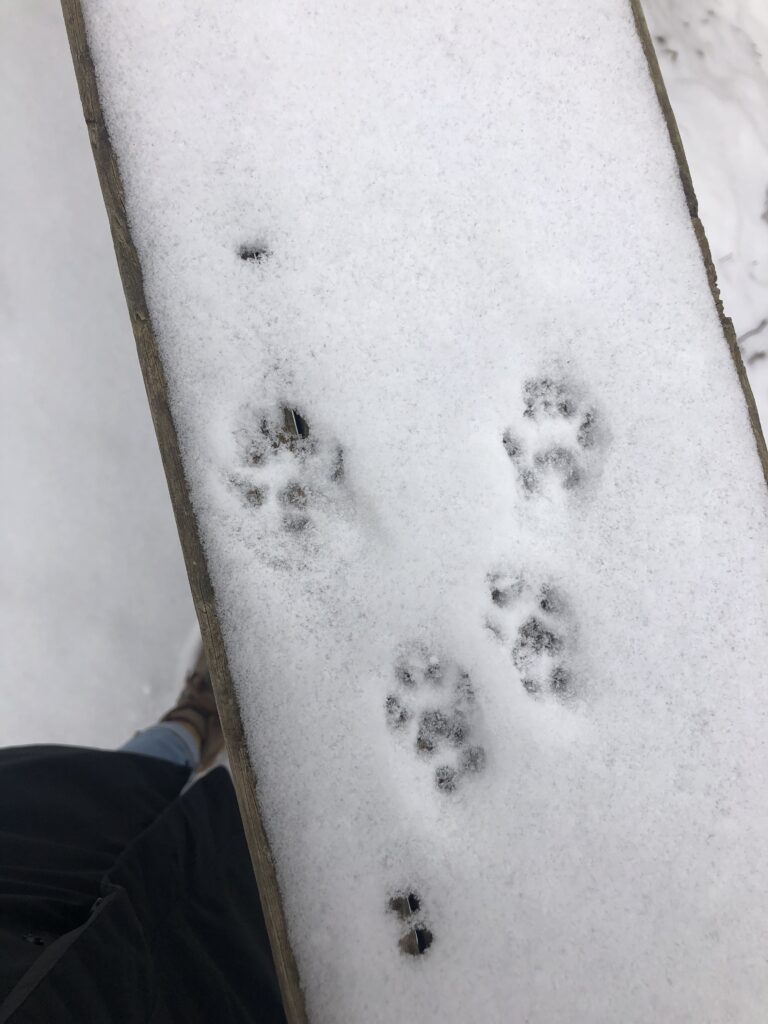
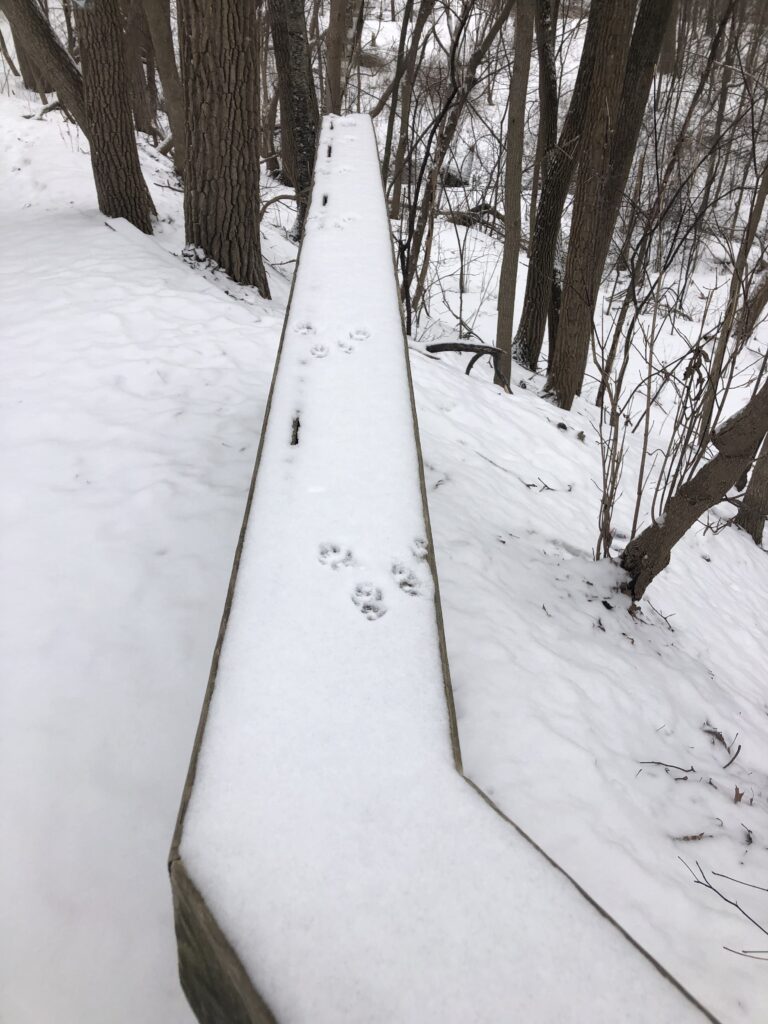
The temperature is slowly starting to get warmer again across Burlington and Winooski, and across the region of New England. There is more animal activity, song birds can be heard, and buds are starting to show, all signs that spring is approaching. Today I ventured down into Winooski and observed the area near Salmon Hole. During my walk down there were a lot more people out and about walking and running because the temperature had been warmer than the days before. There was a fresh layer of snow covering the trail down to the water, I knew I would see fresh animal tracks. Unfortunately as I started walking on the trail I realized it was a sheet of ice underneath the snow from the freezing and thawing that had happened a few days before. I observed my surroundings from the begging of the trail scanning the snow for tracks. I was able to see fresh tracks, which were easily identifiable as a squirrel.

The two images above are fresh tracks of a squirrel moving about the railing. I believe the squirrel had jumped out of a tree on to the railing because there were no other tracks in the snow before the railing.

There were a lot of active crows in the area, here is an image of one in a tree:

The Winooski river still has some ice flowing through it as there have still been days with below freezing or at freezing temperatures. One thing I assume is that there is typically more ice flowing through the river during this time, but temperatures have not been extremely cold this winter.

In this image a small chunk of ice can be seen floating down the river.

February Phenology

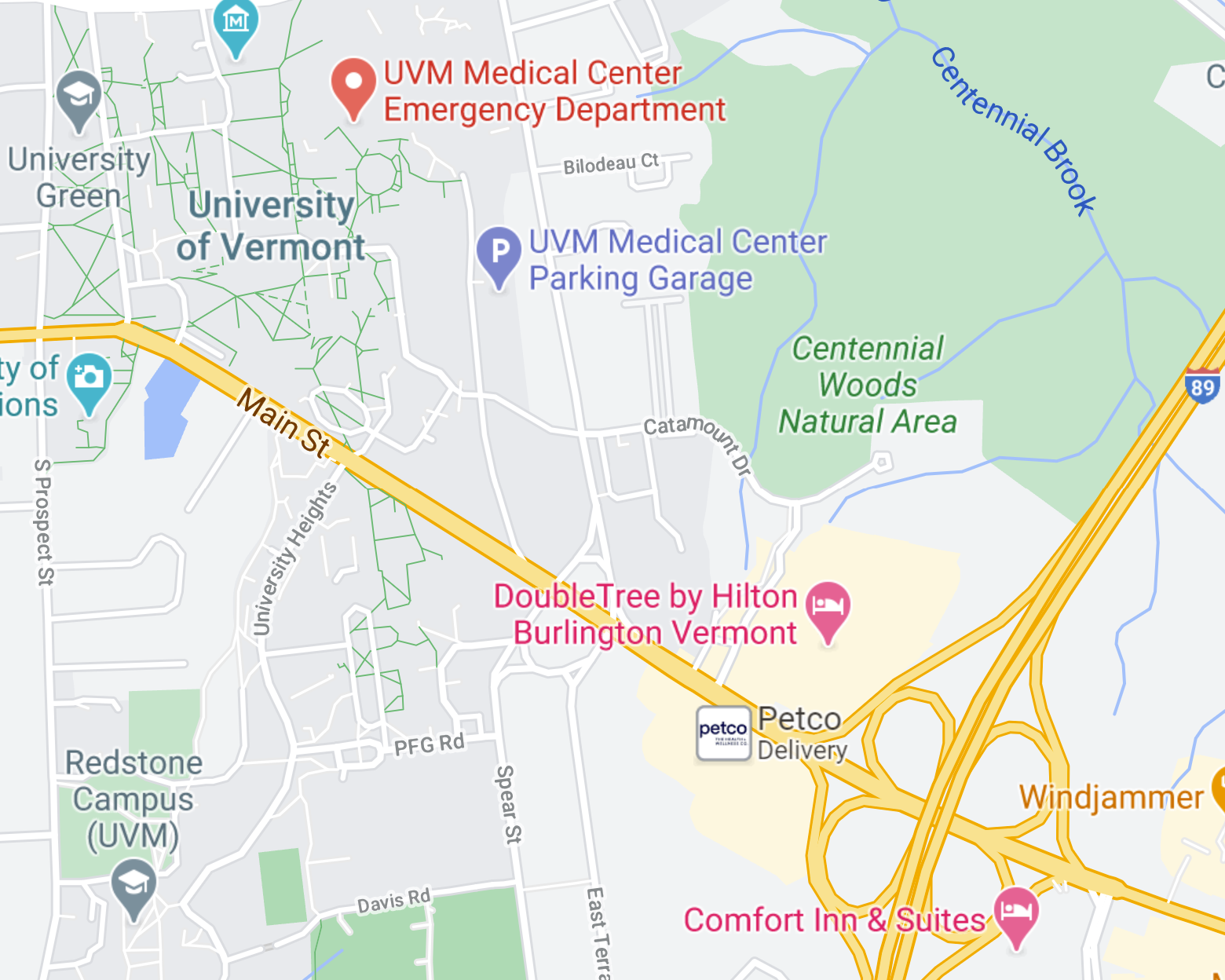
This month I have decided to visit the other end of campus and observe the phenology in Centennial Woods Natural Area. Centennial Woods is an easy 15 minute walk from my dorm on Redstone campus. I exit my building to the right and I follow University Heights road, until I reach Main street. I cross the street and I continue on Carrigan Drive until reaching the trail head at Centennial Woods.

Here is a map of the location:

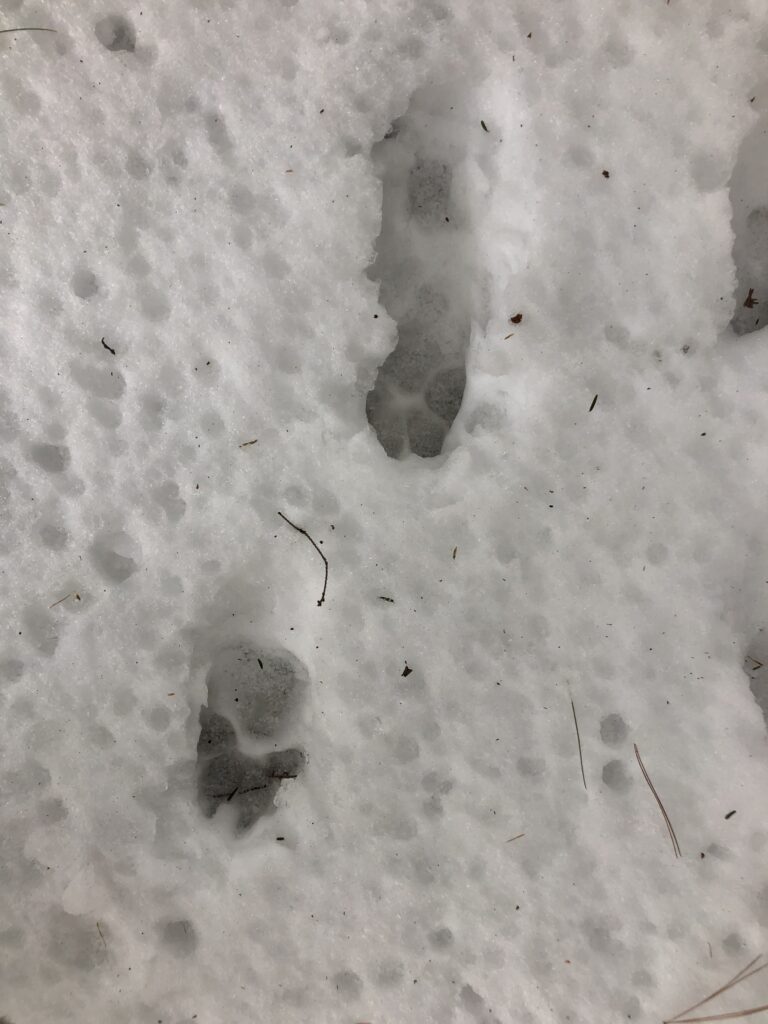
Centennial Woods was beautiful today, everything was covered in snow and there was a lot trail use. There was not a large amount of animal tracks that could be seen besides dog footprints, but there were a few other tracks that were seen. There was some snow melt which made it difficult to identify the tracks that could be seen. There did not seem to be a large amount of wildlife activity based on the few tracks that could be seen that were not dog tracks.

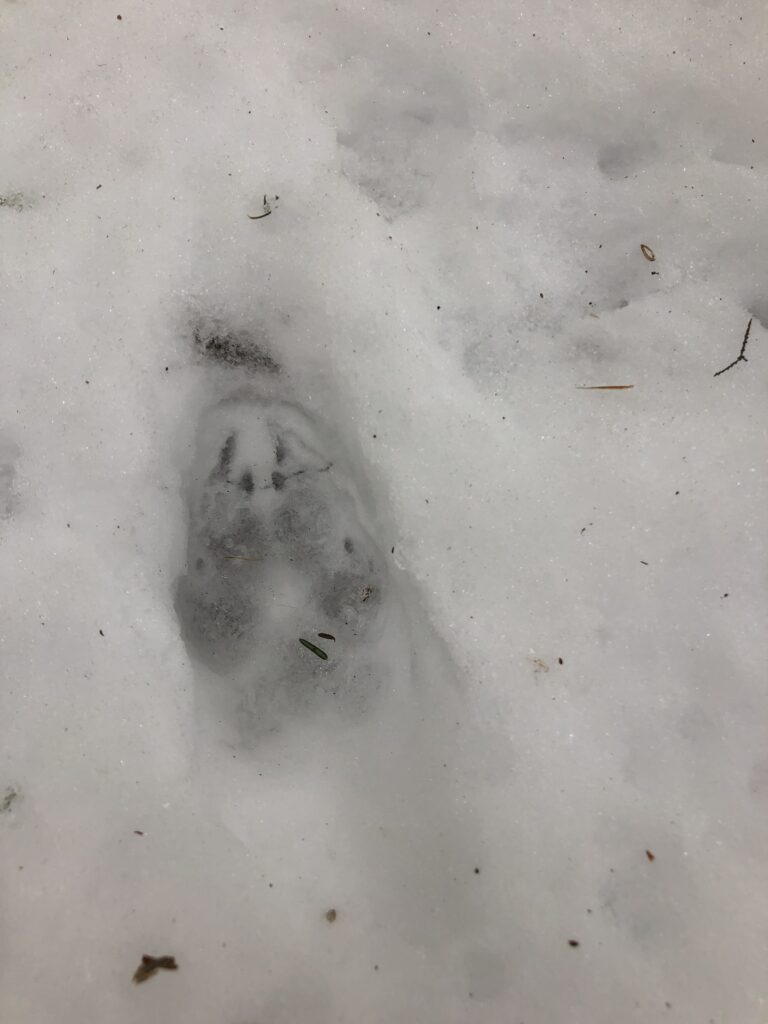
A picture of the dog tracks:

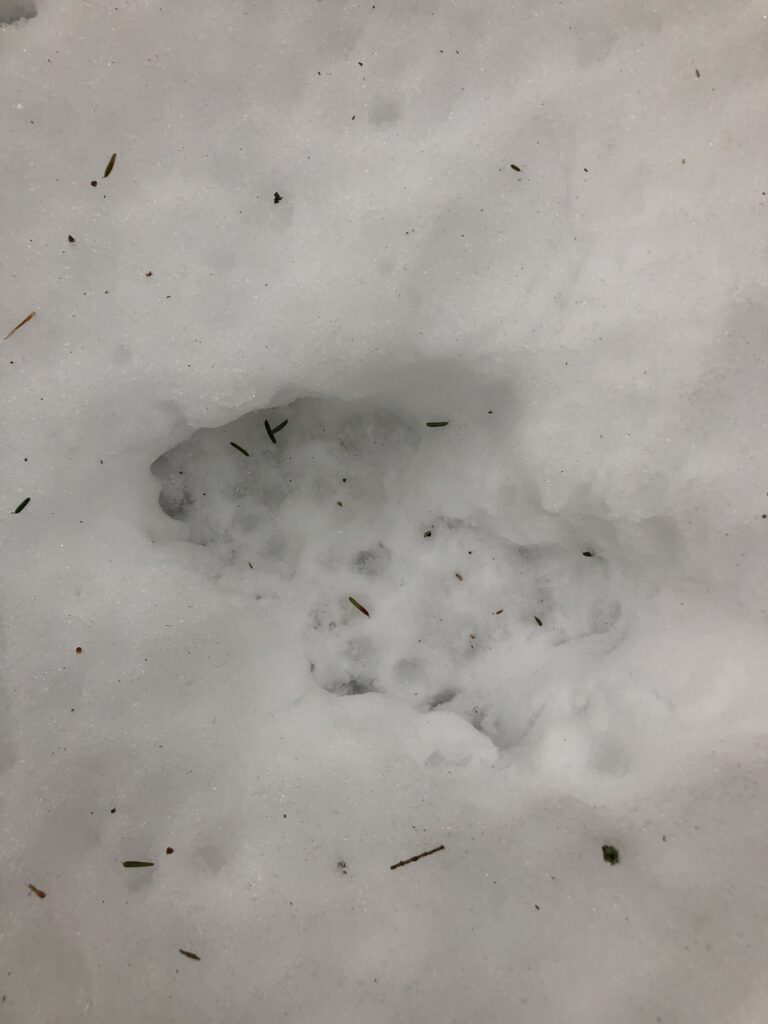
A possible coyote track:

A possible racoon track:

Giffen, C (2021) Dog Track

Giffen, C (2021) Coyote Track

Giffen, C (2021) Racoon Track

The Human History of Redstone Quarry

After visiting Redstone quarry and looking at the pieces, processes, patterns, the area that the quarry is in, and the species that inhabit the area I was able to develop knowledge on what the quarry was like in the past. The name of my phenology place, Redstone quarry itself gives away the human history. Redstone quarry was a quarry that was used in the past to mine Redstone or under the scientific name Monkton quartzite. The area had a functional mine in the 1800s until the University of Vermont bought it in 1958. The location of the quarry shows how important and lucrative mining was in the 1800s because the quarry is in the middle of the city. Some of the buildings on Redstone campus were built out of rock mined from the quarry. The rock mined was primarily used as a building material or crushed gravel.

Vermont – Quarry Links and Photographs. (n.d.). Quarriesandbeyond.org. Retrieved December 4, 2020, from http://quarriesandbeyond.org/states/vt/vermont-photos02_b.html

Vermont State Rocks and Rock Kit | Department of Environmental Conservation. (2011). Vermont.Gov. https://dec.vermont.gov/geological-survey/vermont-geology/staterx

Phenology at home in Maine

Steedman Woods

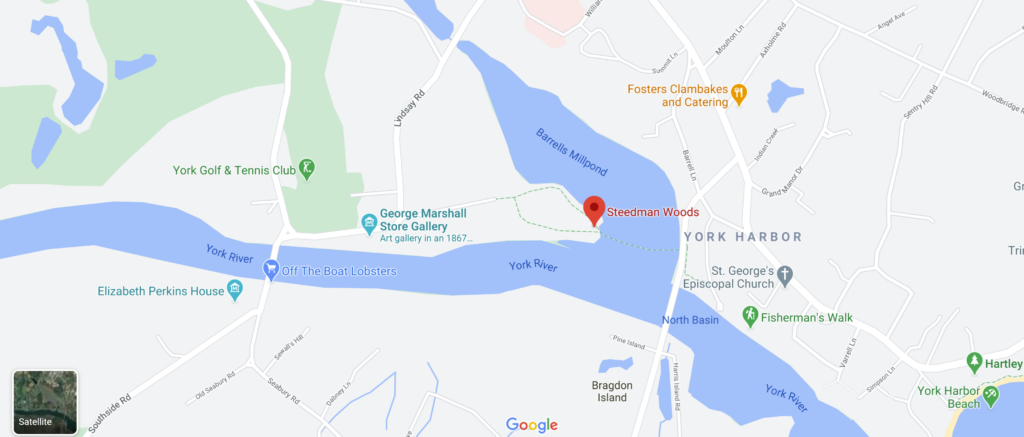
Map of phenology location in my home-town.
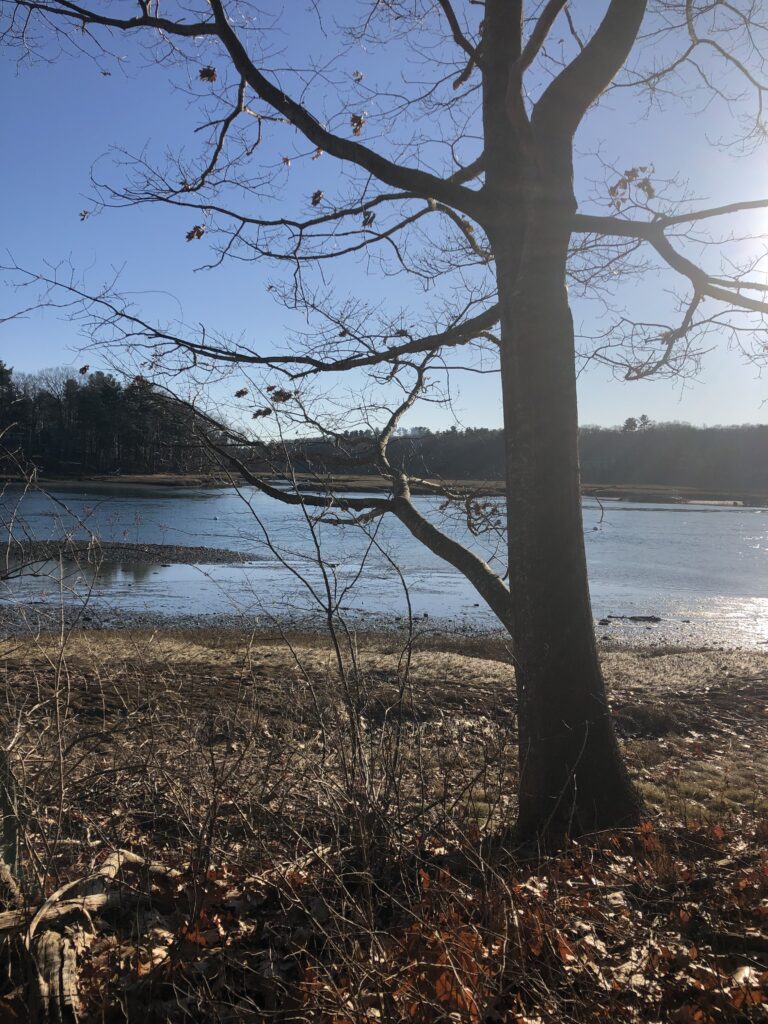
York River.
A glimpse down the path.
Looking towards the Rt. 103 bridge.

My home-town phenology place is in Steedman Woods, a preserve located next to the York River. This area of land has a large amount of human land-use, but there is a lot done to ensure that users are only using the trails that were built. My place has a variety of plant and tree species that are native to the state and grow well next to the water. Compared to Redstone Quarry, Steedman Woods has a smaller variety of tree species, primarily eastern white Pines, yellow birch, northern red oak, and American beech trees can be found. There is a large area of marsh that surrounds the area which is protected by the local land trust. At my place in Burlington there was fresh water present, while in my home town the water feature, the York River, is salt water. In Burlington I was able to watch the phenology of my place change over the course of a few months, from watching the leaves change colors to the vibrant yellows, oranges, and reds, to watching them die and fall to the ground. During the summer I was able to see my place at home full of life, everything a vibrant green, and the water warm, now all of the leaves have fallen, and everything is dull and cold. In the next month or so the leaves will most likely be covered in a blanket of snow.

Giffen, C. (2020a). Map of York Harbor. In Google. https://www.google.com/maps/place/Steedman+Woods/@43.1376914,-70.6523275,15.68z/data=!4m12!1m6!3m5!1s0x89e2ba439dfabbaf:0x7b73eb60d3934545!2sSteedman+Woods!8m2!3d43.1369851!4d-70.6503484!3m4!1s0x89e2ba439dfabbaf:0x7b73eb60d3934545!8m2!3d43.1369851!4d-70.6503484?authuser=1

Giffen, C. (2020). Steedman Woods Path.

Giffen, C. (2020b). York River.

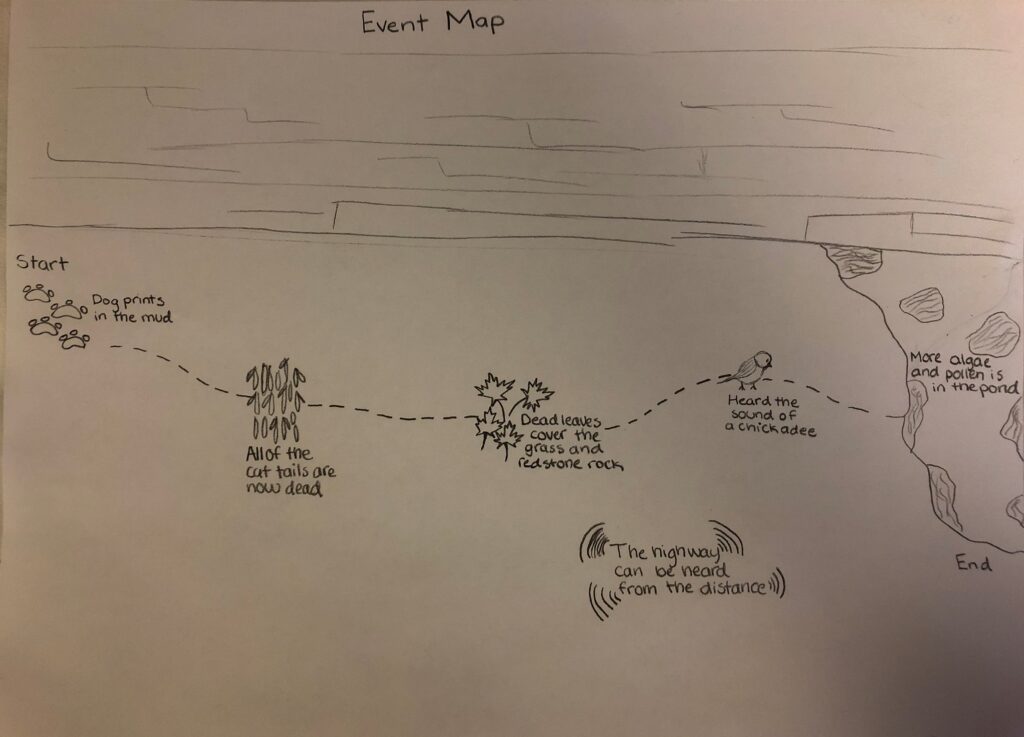
Event Map

Event Map of Redstone Quarry on 11/6/20

Gallery from visit on 11/6/20

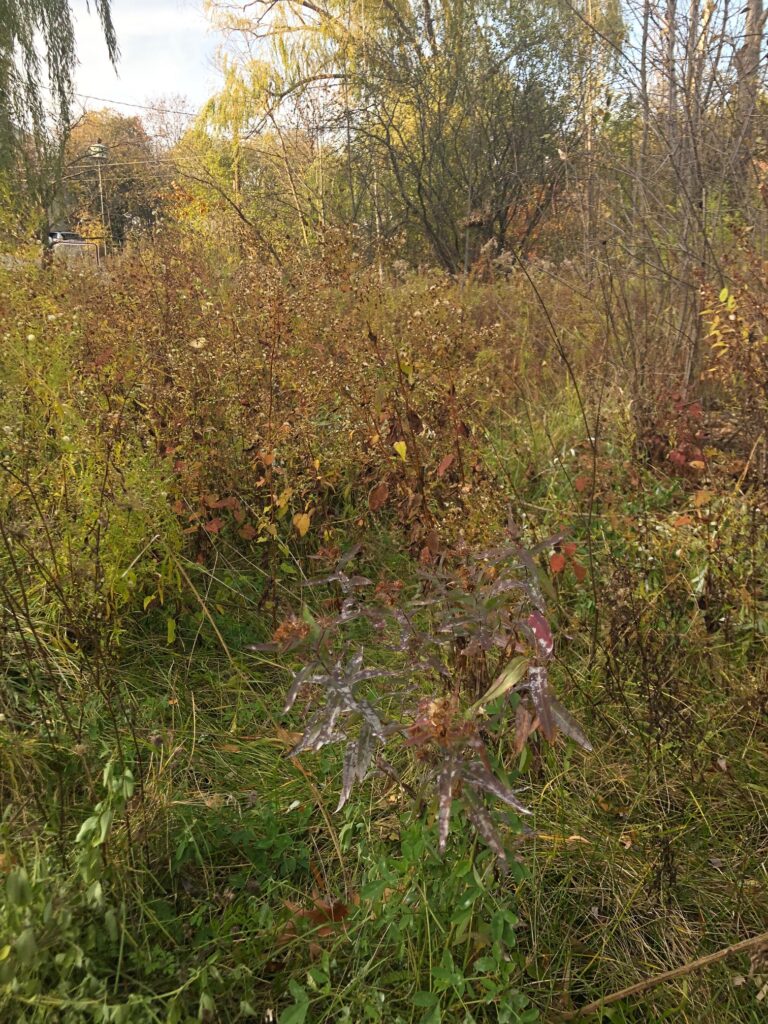
Most all of the wildflowers are dead.
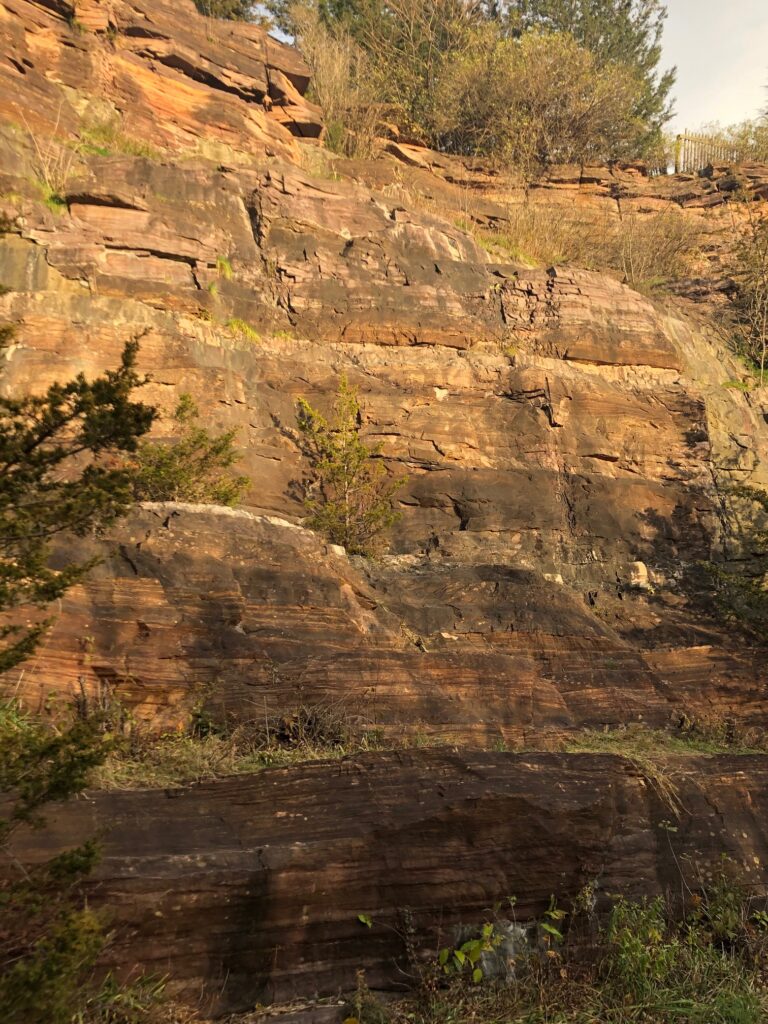
Sun hitting Redstone rock.
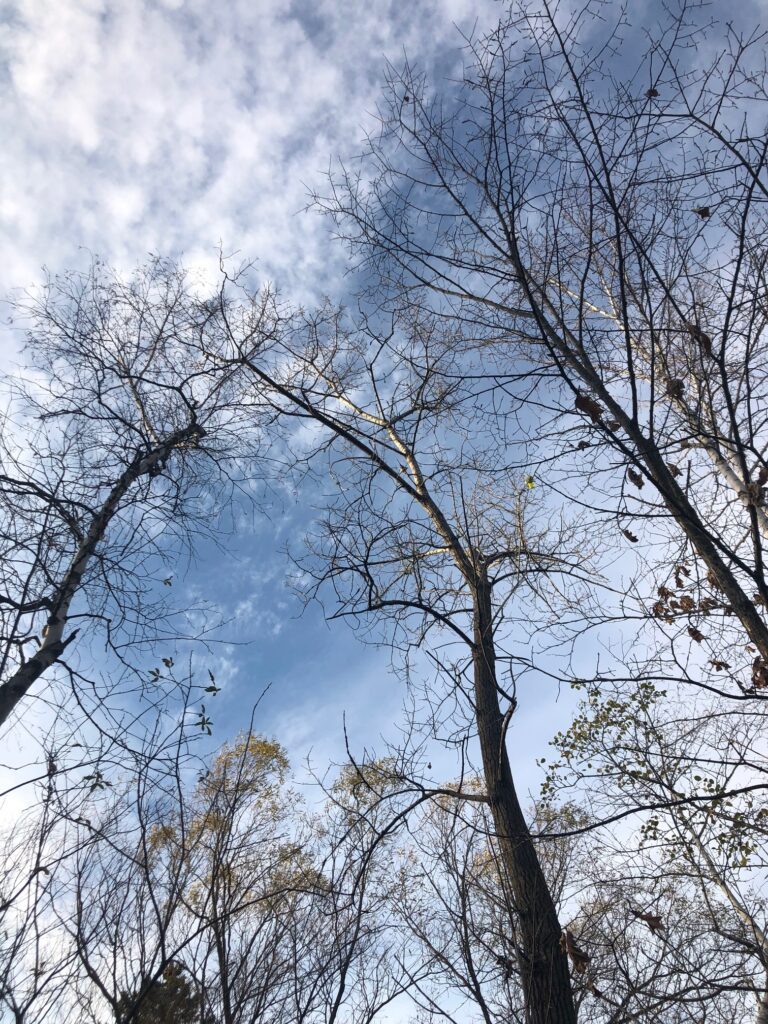
Most leaves have dropped from the trees.
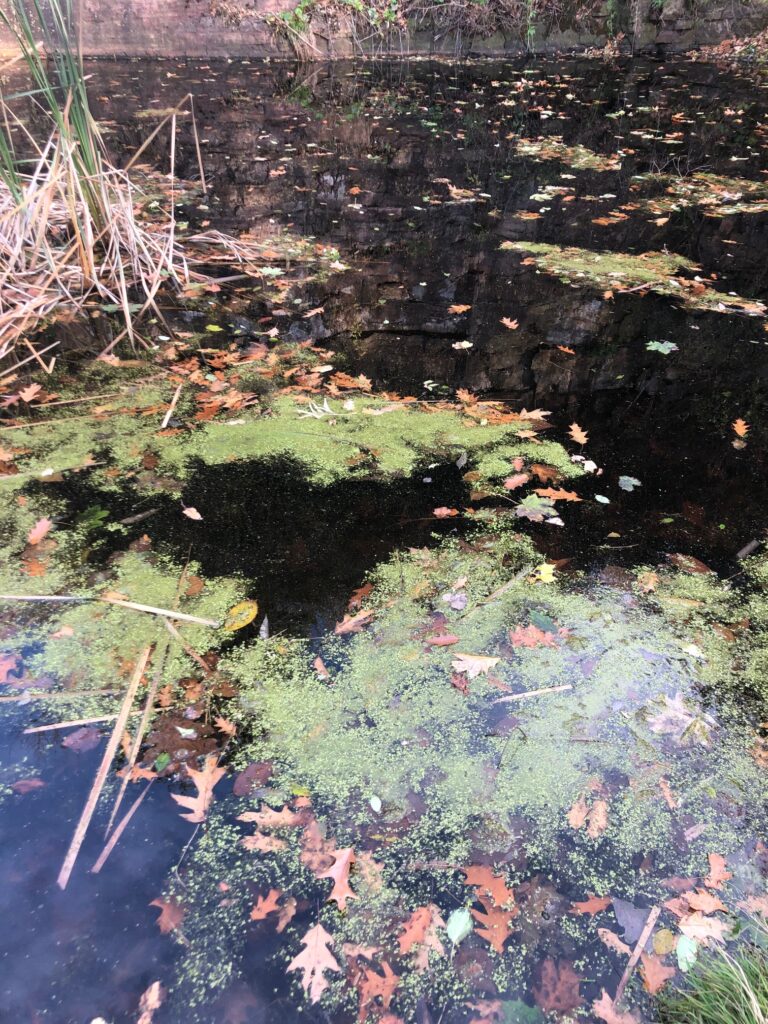
The pond is covered in more pollen and algae.
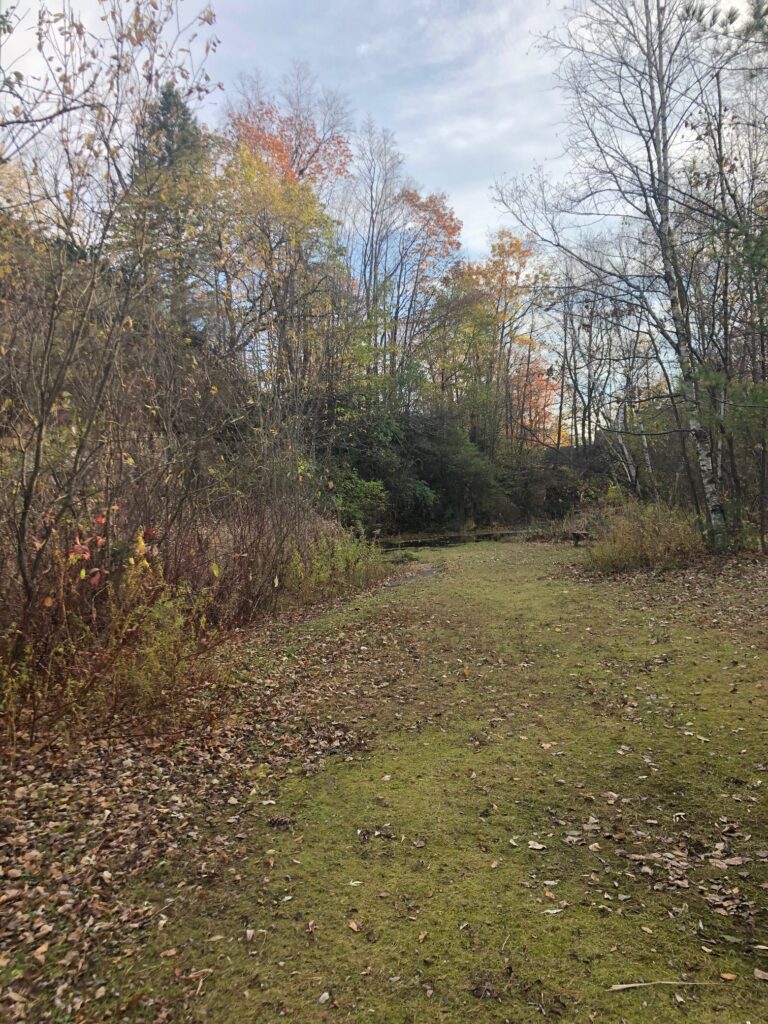
A look down the path.
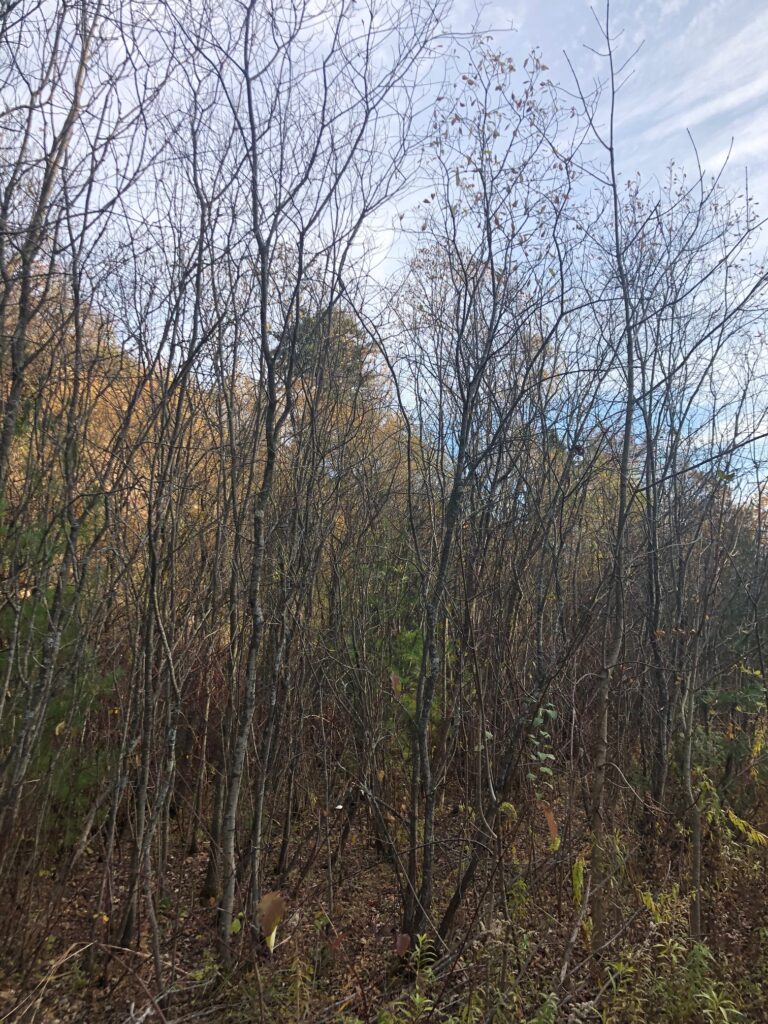
Bare trees.

After visiting Redstone Quarry this week it is present the seasons are changing from summer to late autumn. The trees are all bare now, except for a few. Dead leaves coat the ground, but most have blown off the path, and a large amount of leaves have found their way into the pond. Most all of the wildflowers are dead. The cat tails that line the trail and surround the multiple water features are all dead and allow for more space on the main path and more features of the area can be seen. With all of the die back from the recent colder temperatures, the area is a lot more clear, more water features can be seen that were covered before, and it is easier to see the wall of Redstone. There seems to less wildlife each time I return, I saw no squirrels or chipmunks, but I heard and saw a chickadee during my visit.

Giffen, C. (2020). Photograph of pond.

Giffen, C. (2020). Photograph of Redstone.

Giffen, C. (2020). Photograph of trail.

Giffen, C. (2020). Photograph of trees.

Giffen, C. (2020). Photograph of wildflowers.

Map and Continued Phenology Observations

Pictured above is an aerial view map of Redstone Quarry.

As we start approaching cooler fall days and colder nights changes are going to occur at the Redstone Quarry, and there have already been a few changes present to the area. At my last visit most all of the trees had their leaves and had changed colors from green to bright, vibrant, yellows, oranges, and reds, this time some trees had dropped some leaves. Another aspect of the vegetation such as the grass was still very green. Many of the wildflowers that were observed last time were still in bloom for the most part, but once the temperature starts dipping lower, soon enough they will die off due to the cold weather.

It is evident that there is wildlife at my location, both terrestrial wildlife and aquatic wildlife. The pond is a great place for the toads and frogs that live in this area to bury themselves in the deep mud for the winter months. There were a few small minos swimming in the pond and possibly tadpoles as well. Along with aquatic life using my place as a habitat the terrestrial wildlife that is using it as well are red squirrels, chipmunks, and various bird species, such as the American robin and American crow as well. The birds and red squirrels primarily use the trees in the area for their nests and some trees for food. The chipmunks and squirrels also eat and forage berries and nuts that can be found in the area, along with eating small insects. All of the wildlife co-exists with each other and the ecosystem that they are part of.

Initial Phenology Observations

Redstone Quarry is a beautiful location to study the phenology of Vermont. The quarry is a quick and easy ten minute walk from my dorm on Redstone campus. To get to Redstone Quarry I leave my dorm, exit left down South Prospect Street, which turns into Ledge Road at a sharp curve in the road. I follow Ledge Road to Route 7, at the intersection I turn left and continue walking until I reach Hoover Street. I continue up Hoover Street and the quarry is at the end of street. Redstone Quarry is tucked away, but it is a great addition to Burlington Wildway’s and a Vermont natural area.

I picked this location for a reasons; I wanted to explore a natural area that is close to where I live and quarries are very interesting because one can see the different rock layers, and it is interesting to see how the landscape has been shaped in the area from the quarry.

Redstone Quarry is made up of lots of different plant and tree species even though it is a small natural area. There are two small ponds in the area that are full of cat tails. The area is mostly grassy, but the main path is a sheet of rock. Besides the path being open and the area next to the pond being open as the well, the are is densely populated with wildflowers and a variety of tree species. The wildflowers I was able to identify are New England Aster, New Jersey Tea, Common Cowparsnip, and Canada Goldenrod. The common woody plants in my area are: Eastern White Pine, Paper Birch, Red Maple, Northern Red Oak, Northern White Cedar, American Beech, Silver Maple, Sugar Maple, and Norway Spruce.

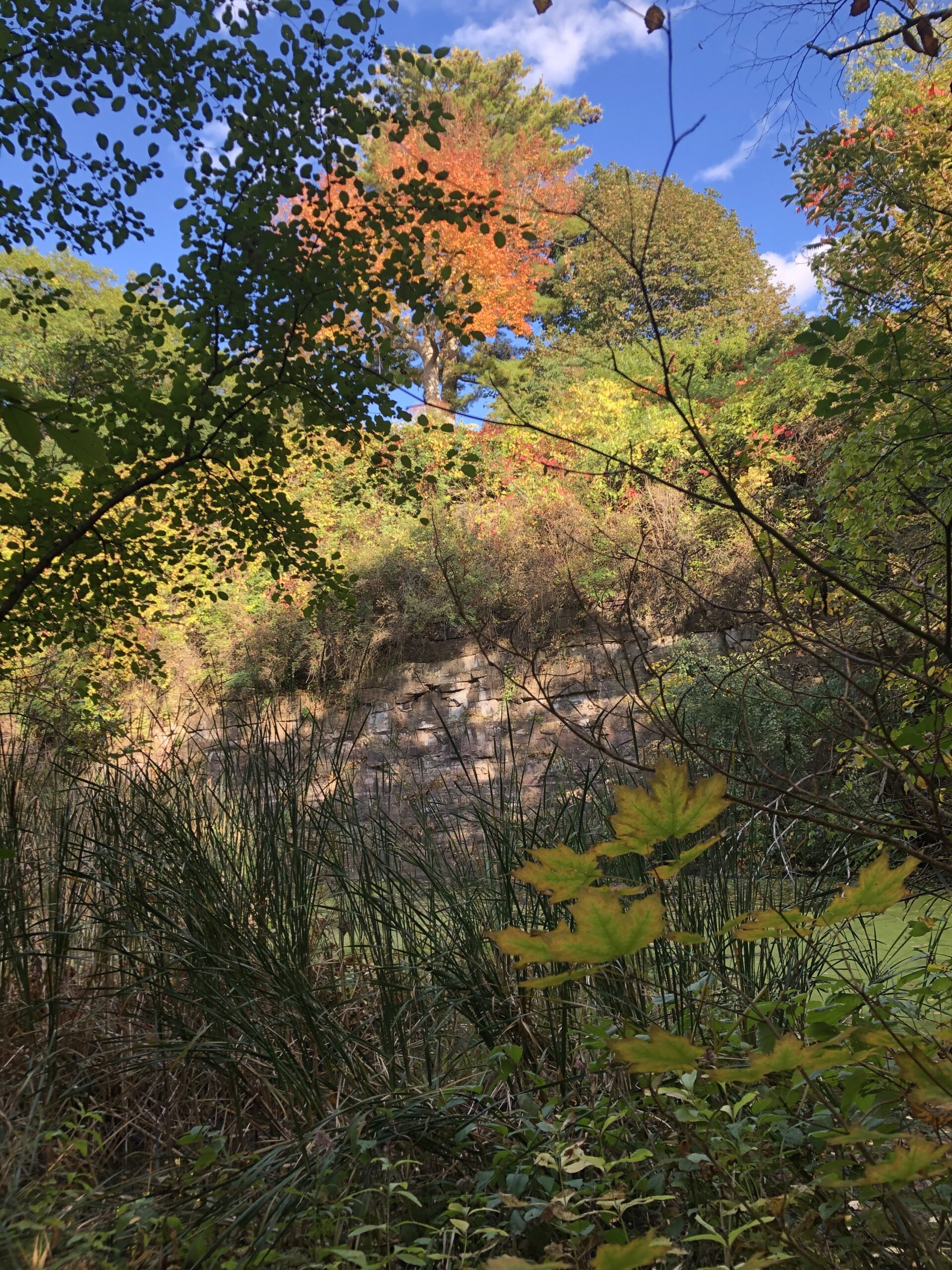
Here is a photo of my area:

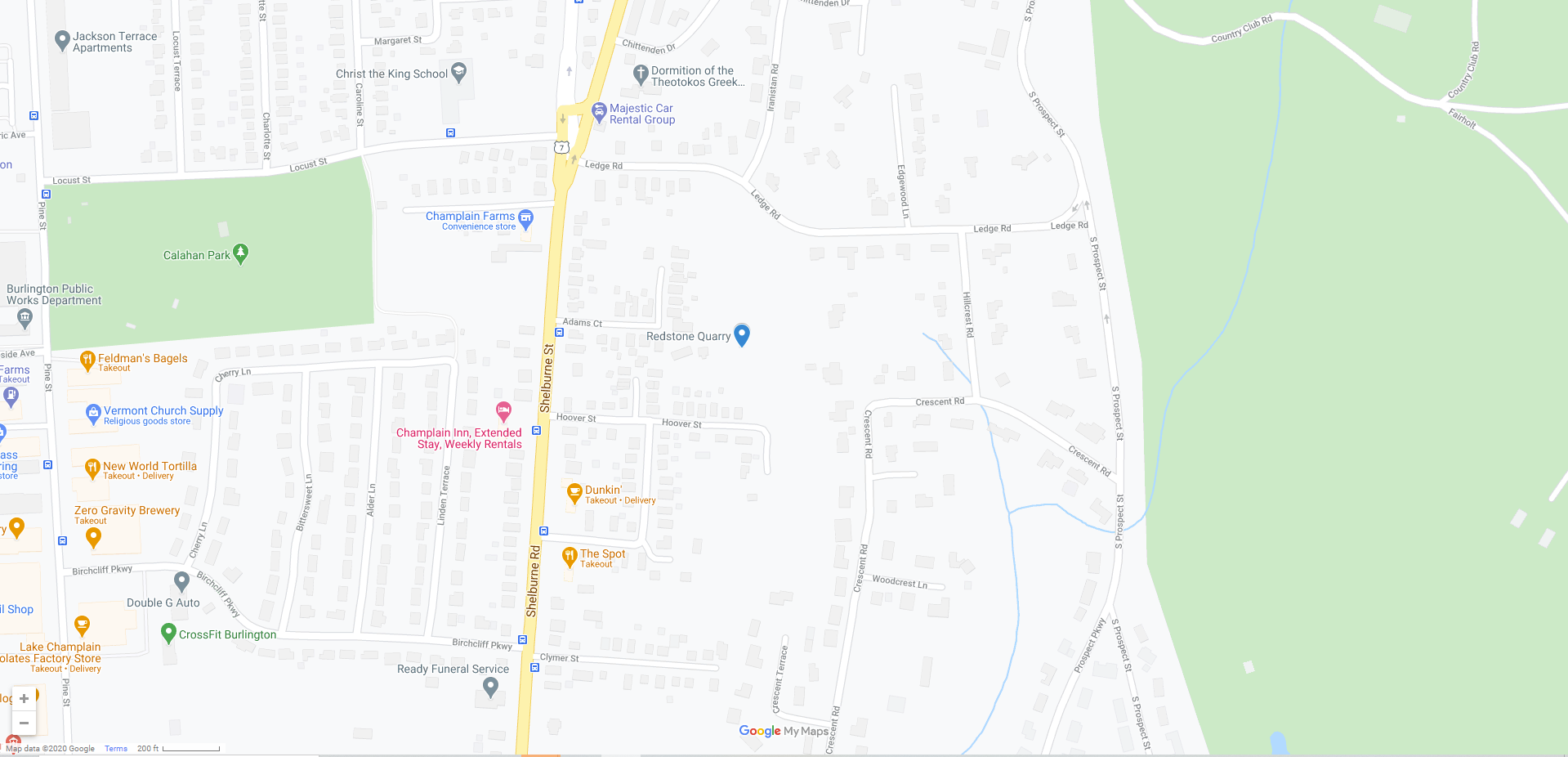
Here is a map of my area and a link to visit the map as well:

https://www.google.com/maps/d/u/1/embed?mid=1akUAuaMN9mgSNOy5htyl853eWqaiRcDV

Giffen, C. (2020b). Map of Burlington. In Google. https://www.google.com/maps/place/Redstone+Quarry/@44.4613431,-73.2076696,17z/data=!3m1!4b1!4m5!3m4!1s0x4cca7bb205be9c89:0x66f33cb18d956e30!8m2!3d44.4613431!4d-73.2054809

Giffen, C. (2020). Photograph of Foliage at Redstone Quarry.

Skip to toolbar