Final Phenology Blog :(

I was quite sad after visiting my spot for the final time. I have spent this past year learning and watching my spot change so it is sad to not have to go into Centennial Woods again. This doesn’t mean I won’t keep going and visiting my spot but because it is no longer for an assignment it will be more difficult to cut time out of my days to go to my spot. I have had some wonderful memories in my spot so I will truly miss this assignment.
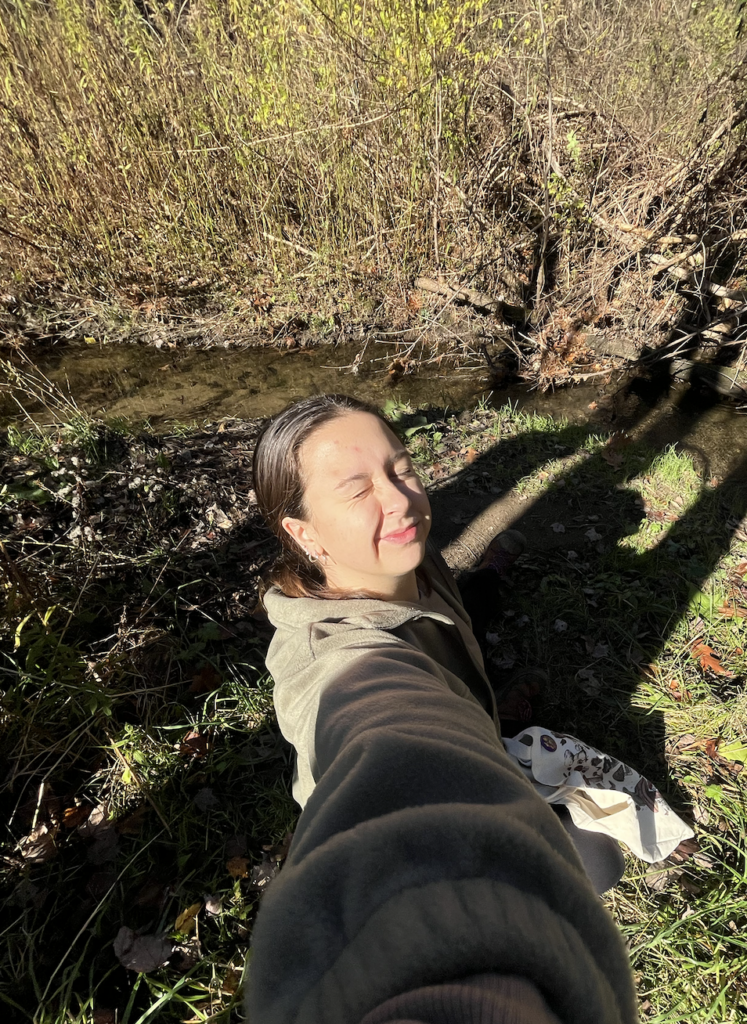
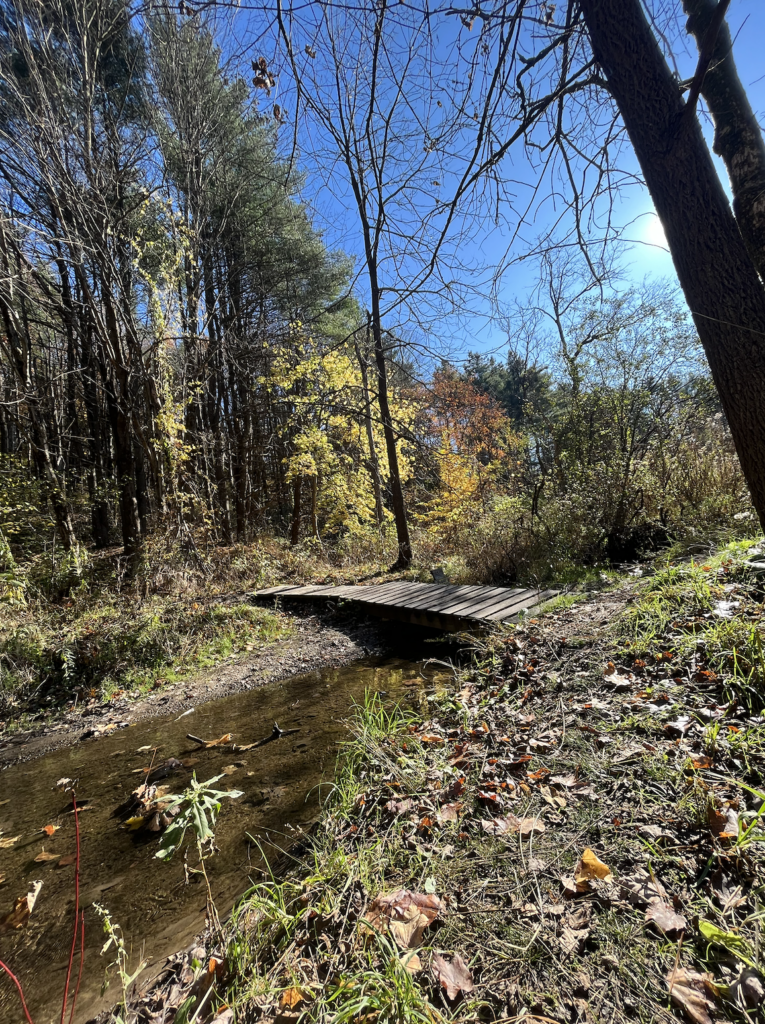
My spot has changed throughout the seasons with phenological changes of falling leaves, snow, blooming buds, and wildlife changes throughout it. I don’t think there were any major changes to the spot and it looks pretty similar to when I first visited in August/September.
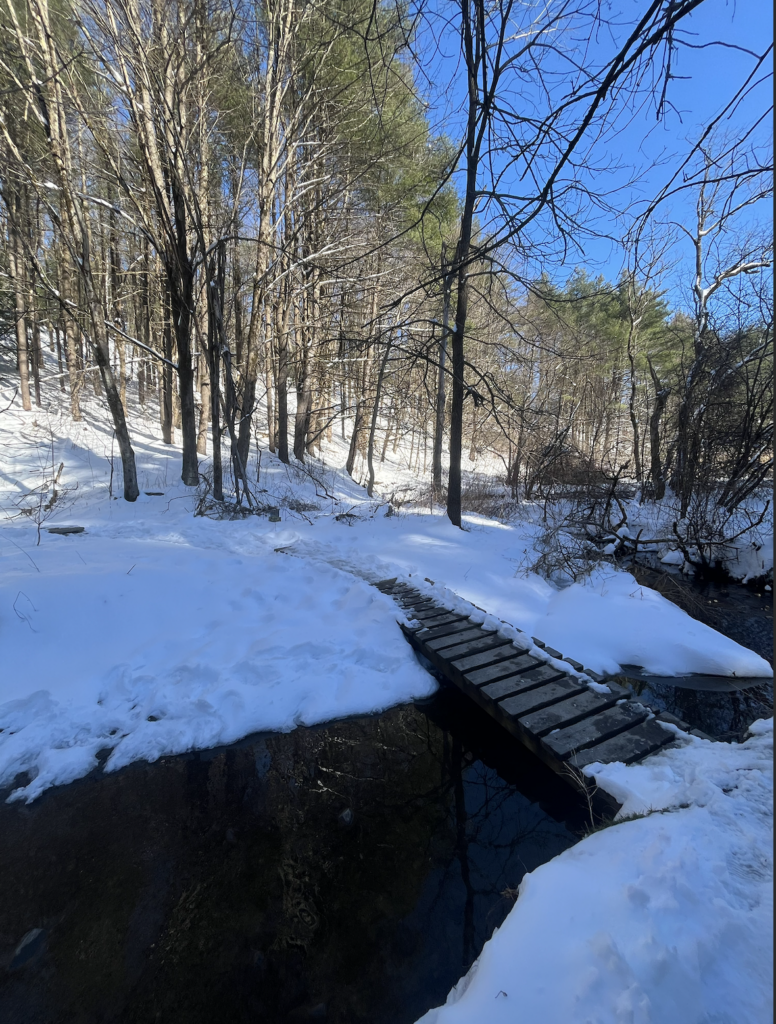
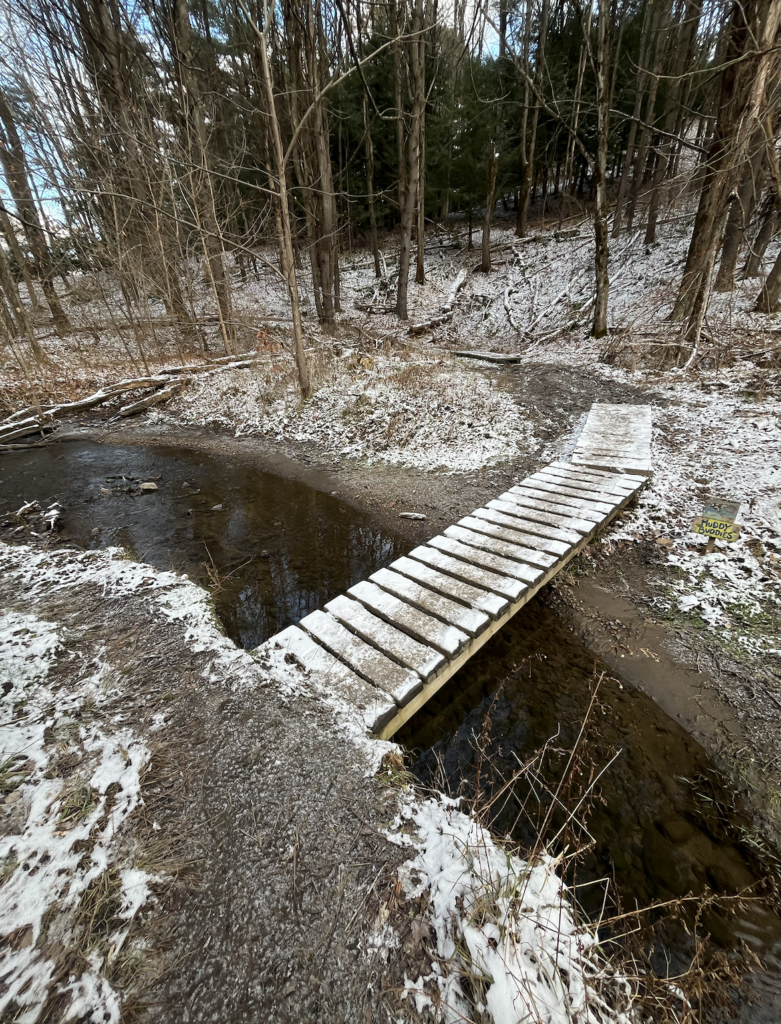
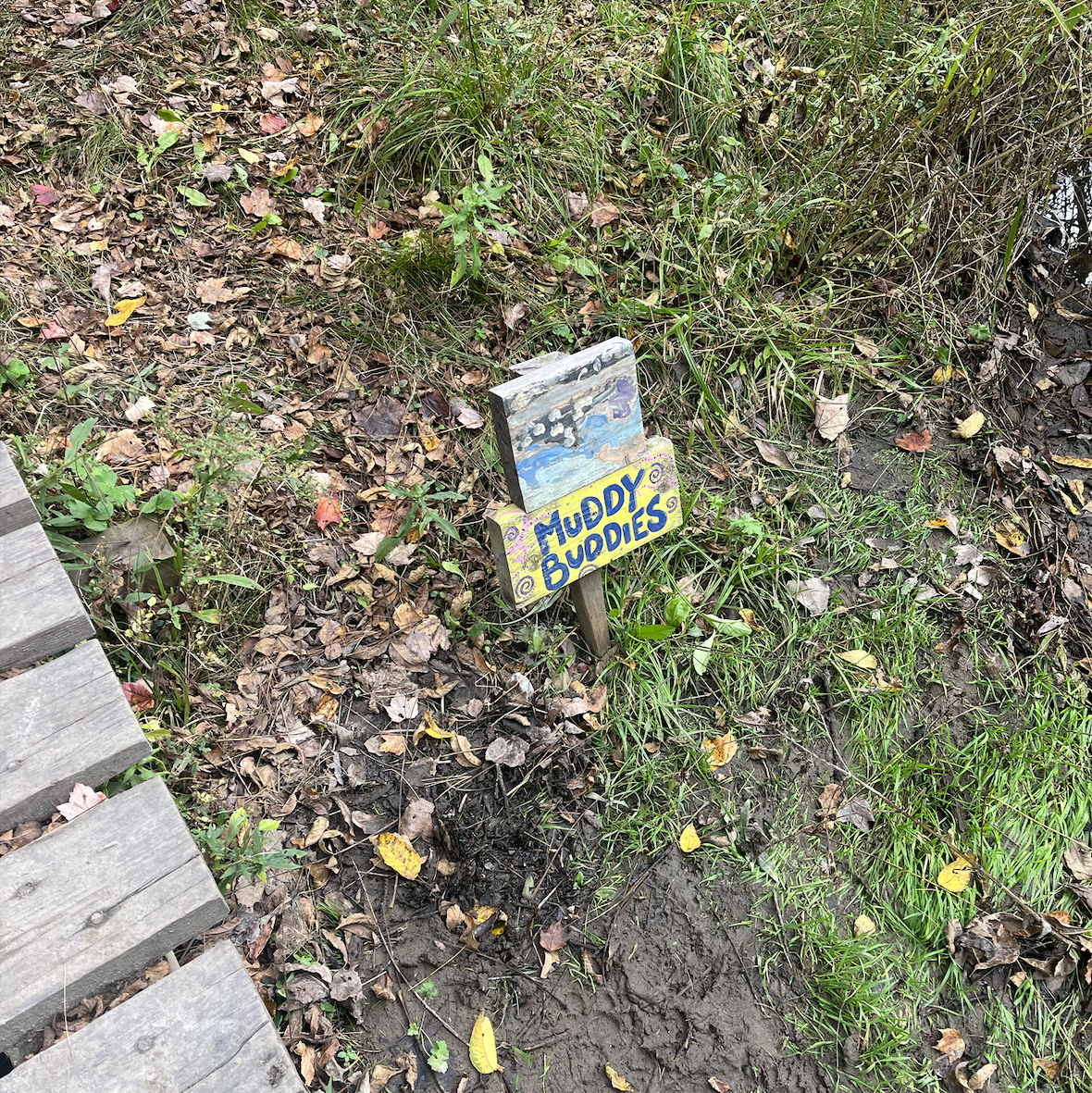
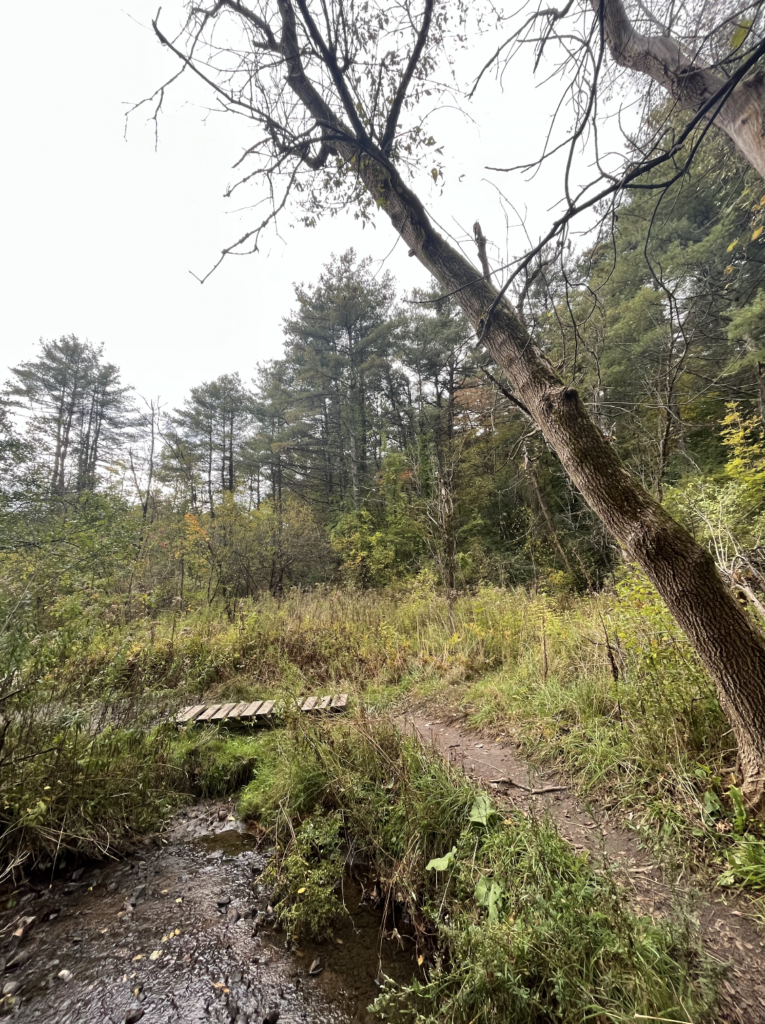
I would say the major landmarks of my site are the footbridge, the brook, and the hill continuing up the trail. The more minor ones that I have been able to notice over time are the trees with nests in them, the brook’s bank eroding over time, and the Muddy Buddy’s sign.

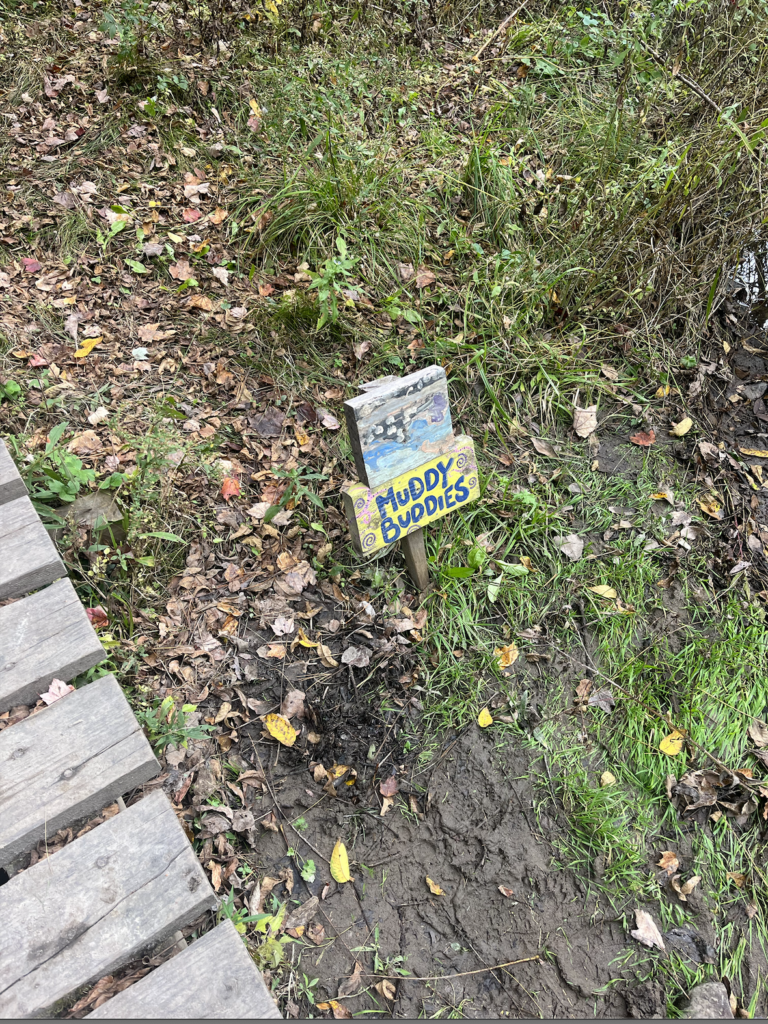
At first glance I would say that the Muddy Buddy’s Sign shows that there is some human interaction with this site. I would consider this culture intertwined with nature because it shows that social groups interact with the land.

I do have a connection to my spot but I’m not sure if I consider myself a part of my spot. Many people go through this spot on a daily basis and I did not visit enough to consider myself a part of the site. Hopefully, I have respected the land and can continue to visit in the future. I hope I can always feel this connection with the land.
City Nature Challenge

For this 4-day urban BioBlitz, I explored East Park and the Intervale Center.

I learned a lot about the process of recording species on iNaturalist but did not personally record any on my phone. I was always with people who recorded the species and did not want to double count a singular species. We always made sure to designate one person to record the species.

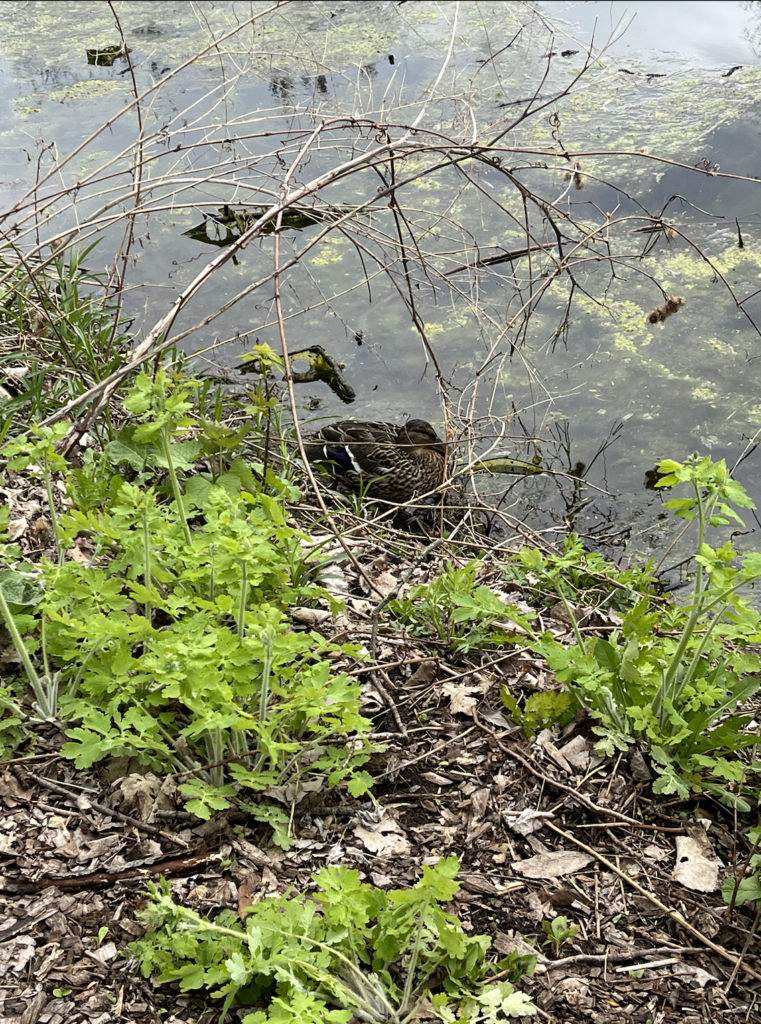
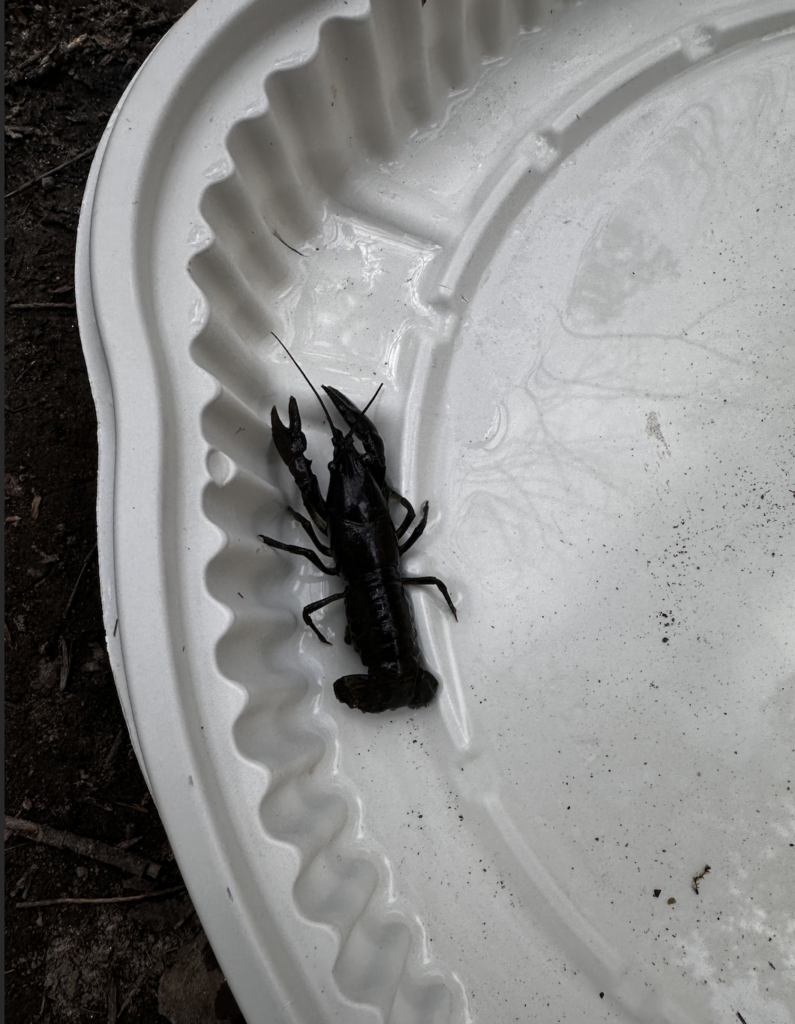
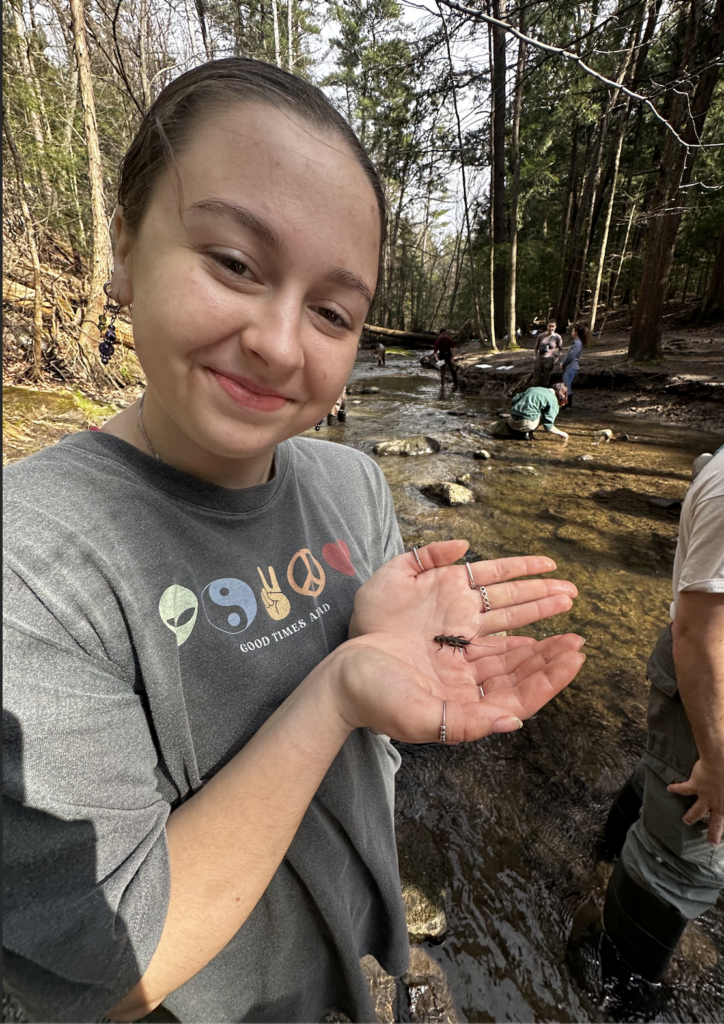
I think we found around 20 species between the 2 sites. We found garter snakes, crayfish, stonefly larvae, mayfly larvae, dragonfly larvae, wood frogs, ducks, painted turtles, snapping turtles, water striders, water beetle, leech, minnows, baby catfish, snails, earthworms, northern cardinals, tufted titmouse, and American robin. We couldn’t determine many of their exact species but we identified quite a few.

I did some research on Sydney BioBlitz and found it very interesting that they had over 1,000 species found and the most popular species found was a ghost fungus.

Phenology 3/25- Original Spot

I traveled back to my original spot on Sunday afternoon after it snowed all day Saturday. This was quite ironic because for this assignment we were supposed to study the signs of spring. Although it didn’t seem like spring there were still some signs of spring emerging at my spot. For example, there were plenty of birds chirping and some green on the trees.

I heard many different birds and recorded them on the Merlin Bird ID app. This app tells you which bird is making the sound in real-time. I could identify the Tufted Titmouse, White-breasted Nuthatch, American Crow, and Pine Siskin. We also saw a lot of robins on the trees near the road to Centennial Woods.

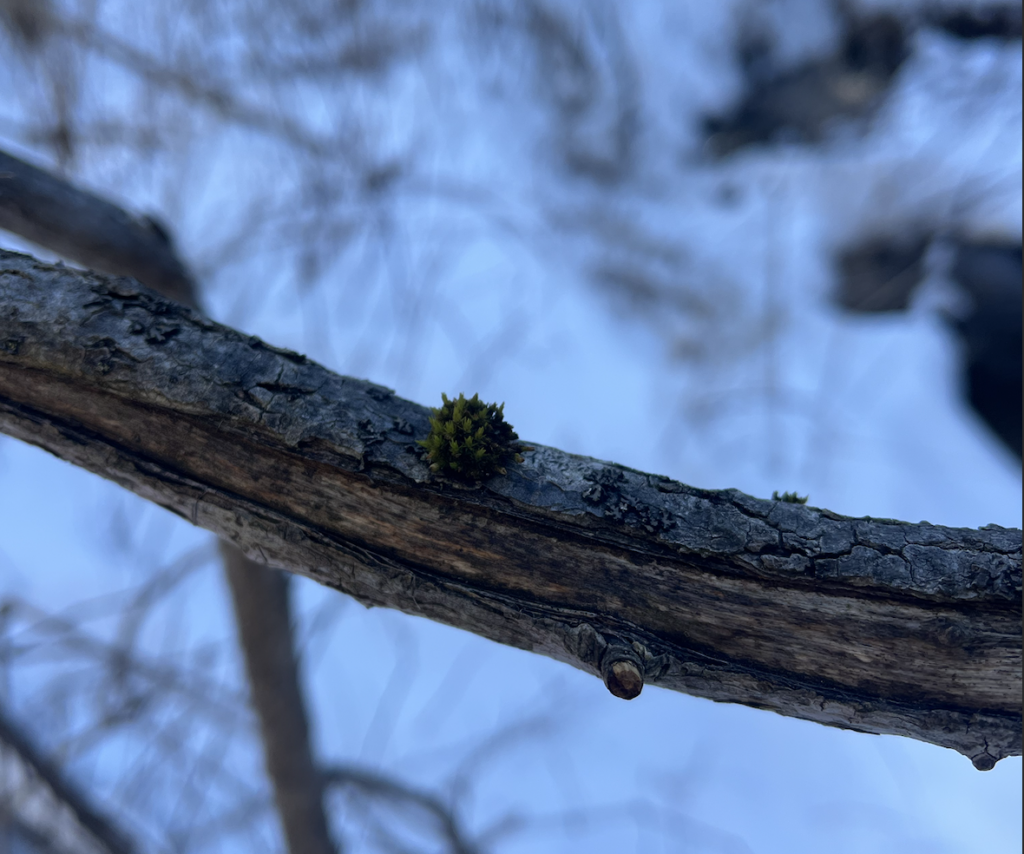
I saw a lot of buds on the trees but none of them were swelling or seemed ready to bloom. I think this is because of the change in temperature returning back to winter in a sense. There was a lot of moss growing on some of the trees.

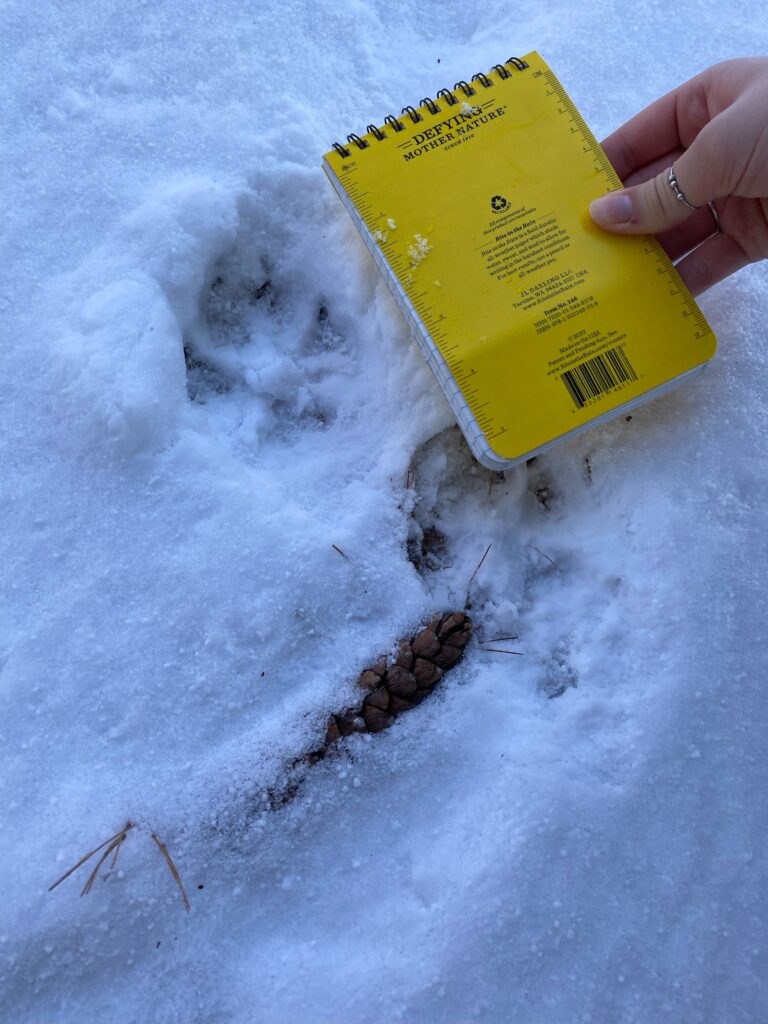
There were also some tracks in the snow that I noticed like deer, squirrel, and the domestic dog.

Overall this visit was interesting showing both winter and spring fighting against each other and both showing traits at the same time.

Phenology 2/19 Wildlife in Burlington

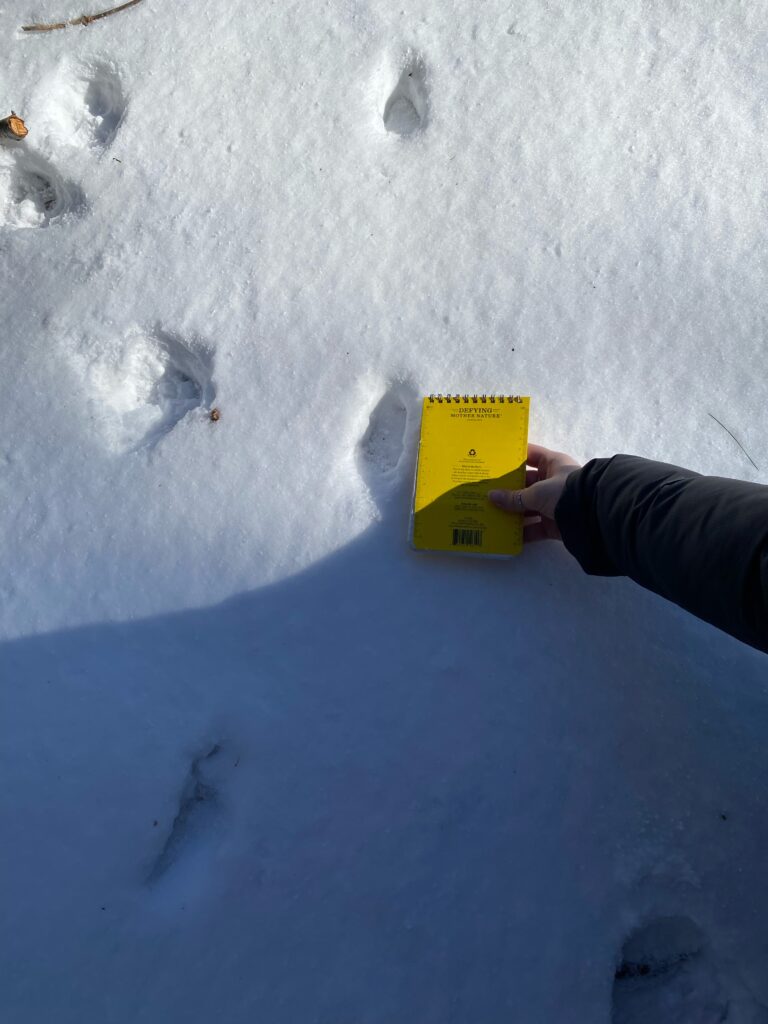
This week me and my friends went to the Redstone Pines right behind the Interfaith Building. It was a cold windy day and the night before we went it snowed making the tracks harder to spot. Even with a majority of the tracks being covered or messed up, we were still able to find a couple of interesting tracks. We found plenty of domestic dog tracks.

This was clearly a domestic dog because of the size and shape of the space between the toes and the pad. We even saw some dogs walking along the trail near the forest.

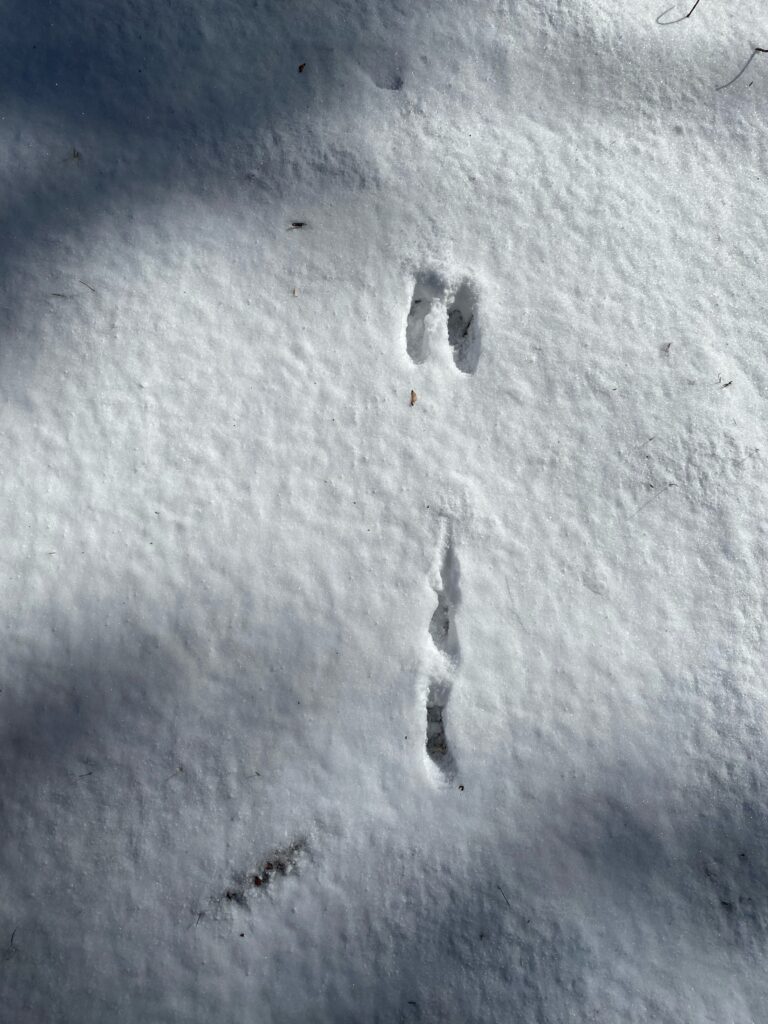
We also saw a snowshoe hare pattern.

With this galloping pattern and the general size, we think this is a snowshoe hare.

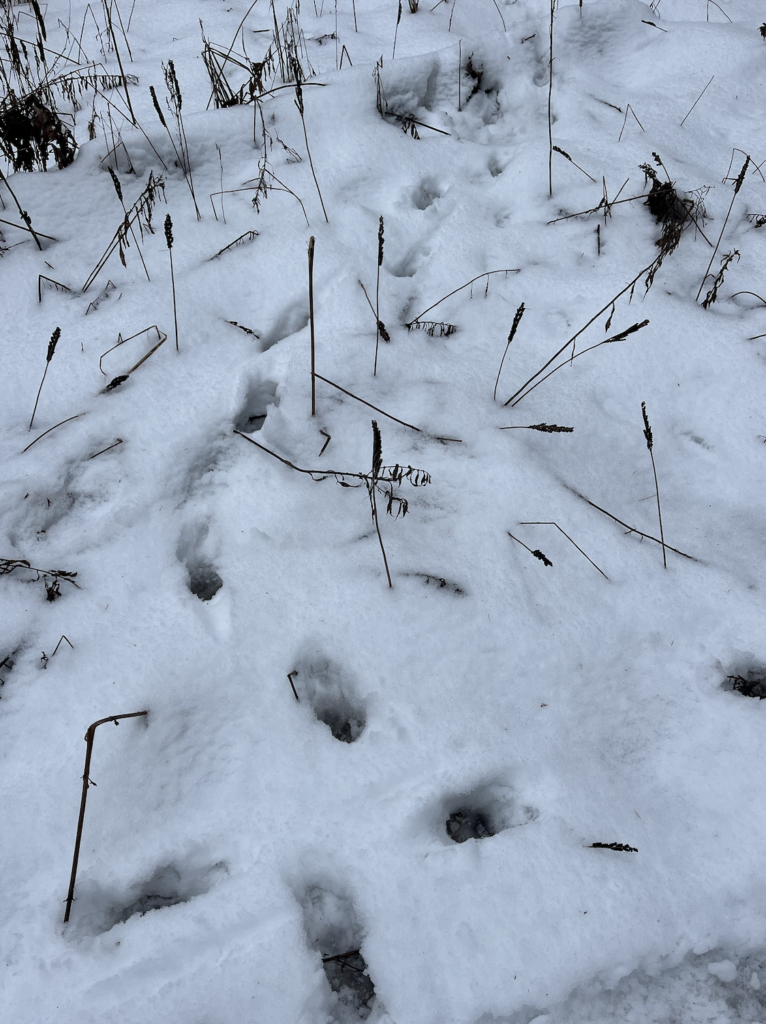
We also found one that kind of stumped me.

I think this track was covered by the snow and the wind. This made it much harder to identify. It was a diagonal walker that was around 2 inches so looking at that it could be anything from a fox to another domestic dog. Since the track isn’t clear I could not figure out exactly what it was.

We recorded some bird sounds along with the tracks to iNaturalist. We could only identify one of the birds. It was a black-capped chickadee. We didn’t see any scat or dens at this site.

Overall this trip was interesting. It was nice to go somewhere different than my normal site.

Phenology January 29th

I returned to my old phenology spot after a long break. A lot had changed and I even got a little lost trying to find it because of the snow and ice on the trails. Once I made it though I was able to see the bare trees and some tracks left in the snow.

Along with the bare trees, I also heard fewer birds chirping. There was also ice covering some parts of the stream which changed the flow of the water. Speaking of the water, it was freezing and we decided we needed a little refresh after our long hike!

Final Phenology Blog

I visited my phenology place for the last time on 12/7.

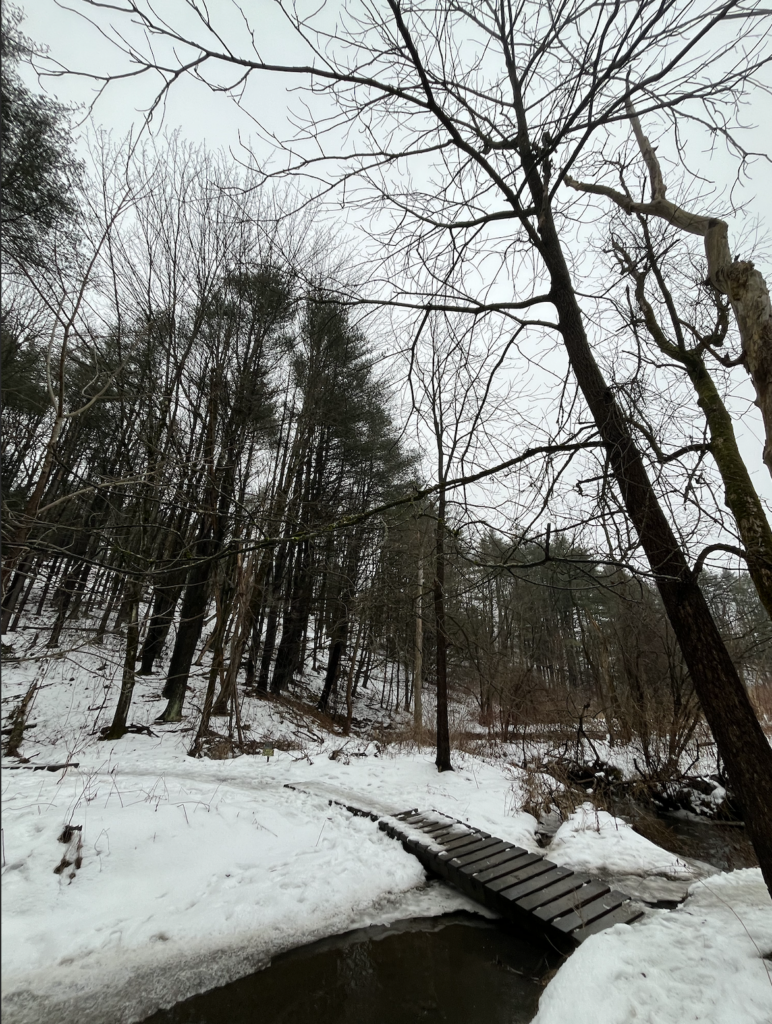
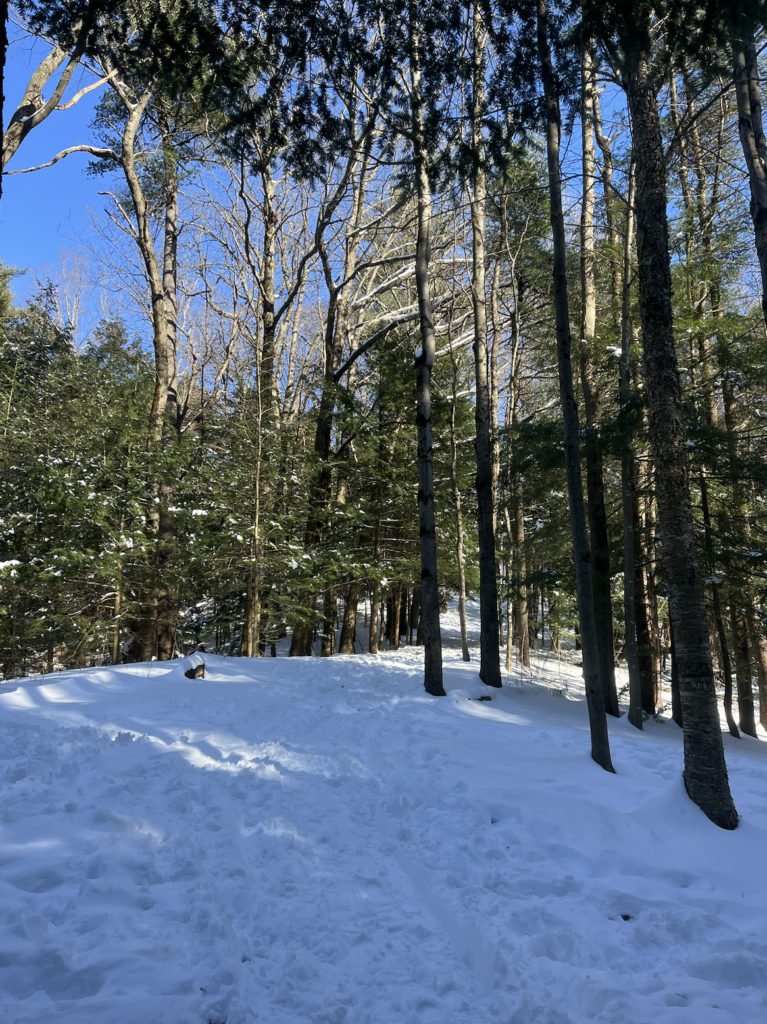
There was snow on the ground and there were many changes since last time I visited. The trees around my phenology spot were bare and the only green trees were pines.

All of the leaf litter on the ground was frozen and there was still some in the stream caught in piles.

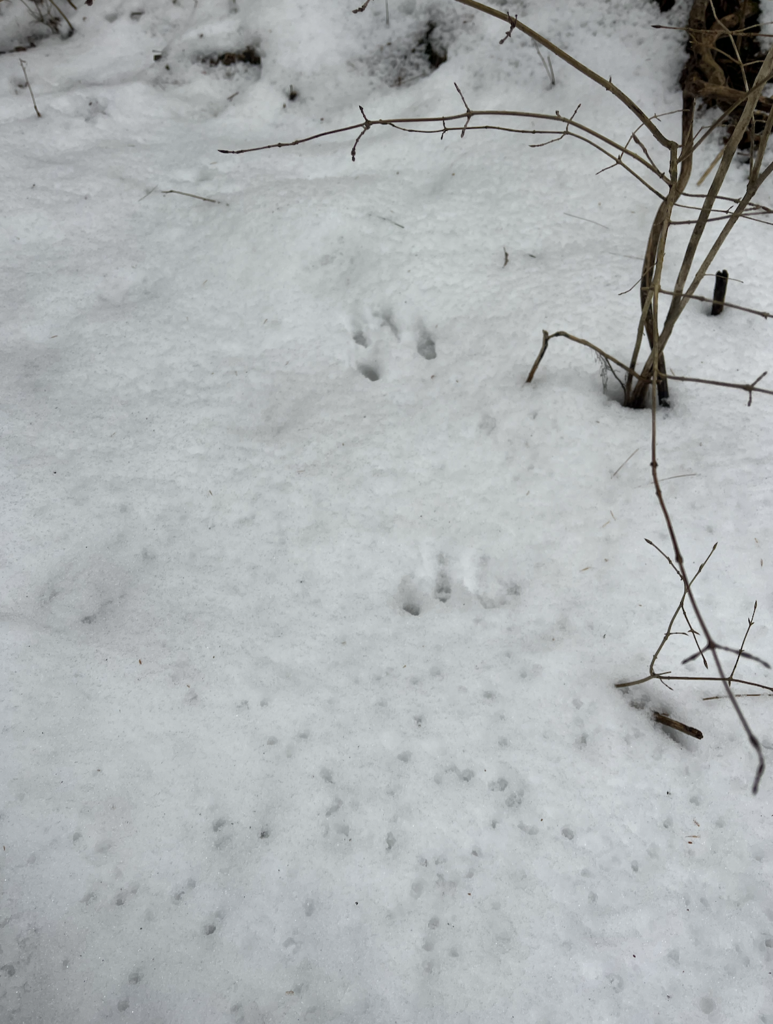
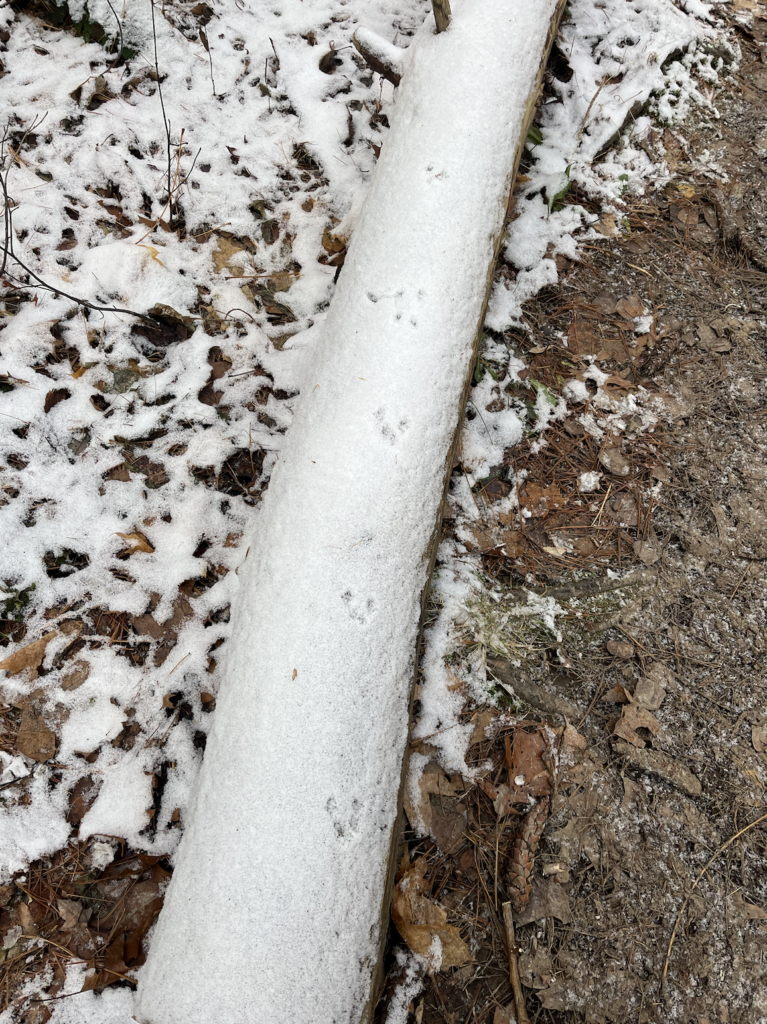
There were little berries left on the bushes. I did see some track on a log near my phenology spot that I think may be a mouse. I am not completely confident in this.

Overall I think the wildlife that is visible has decreased. I heard little to no birds chirping and all of the other animals were clearly not visible.

New Phenology Place

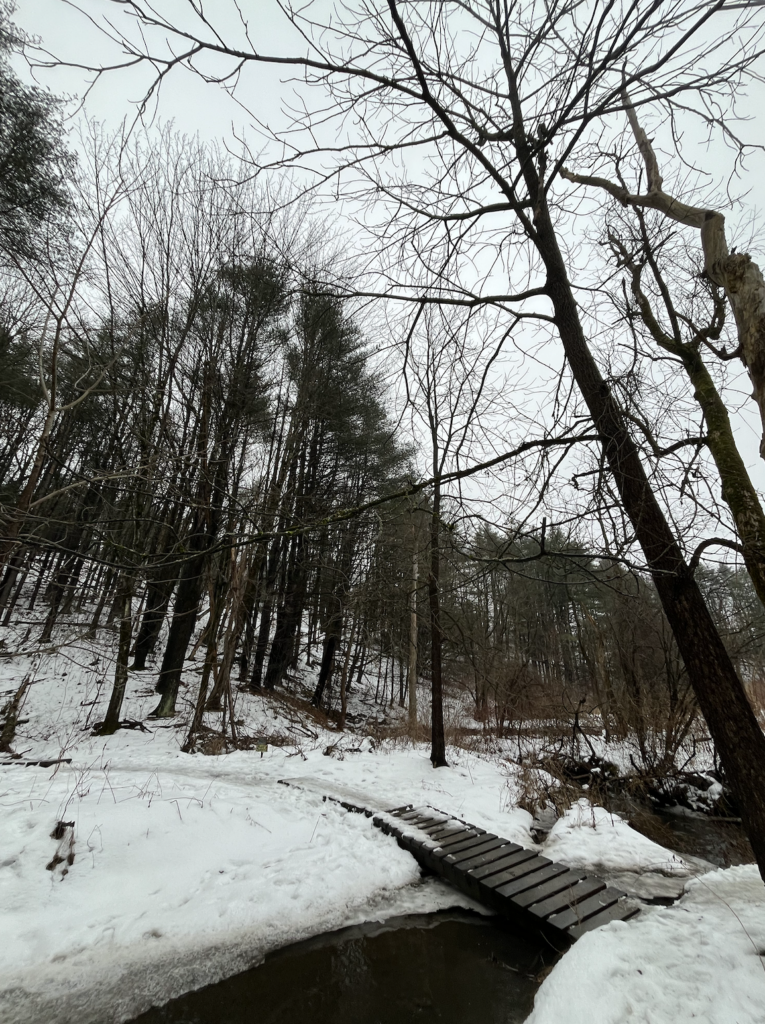
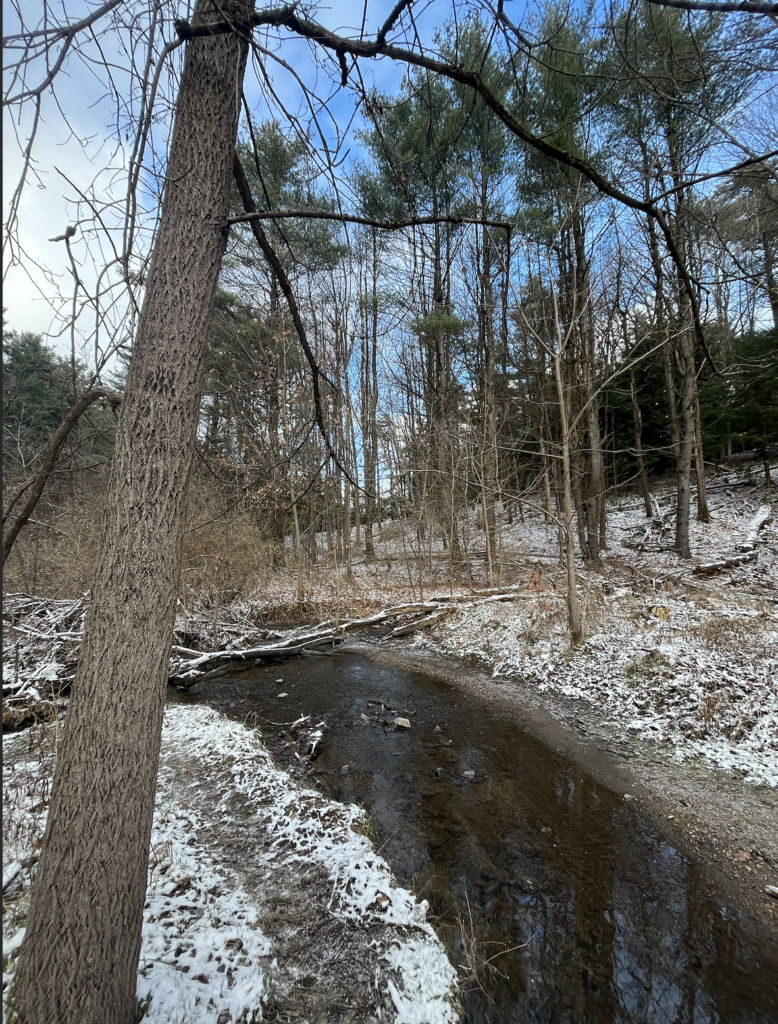
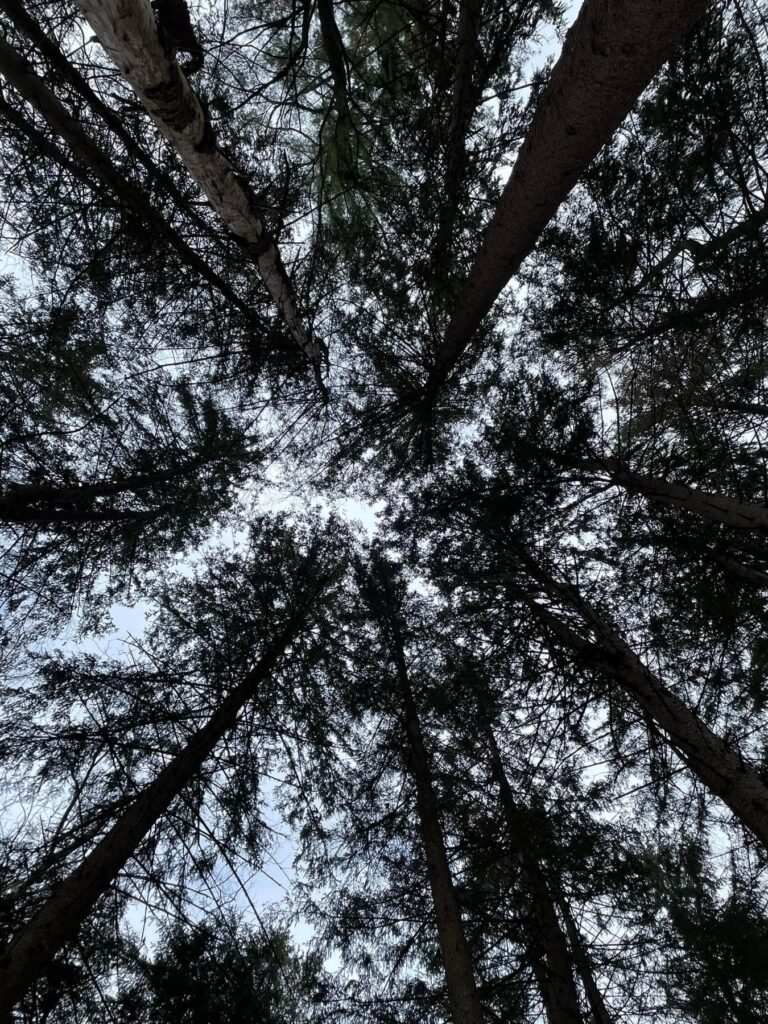
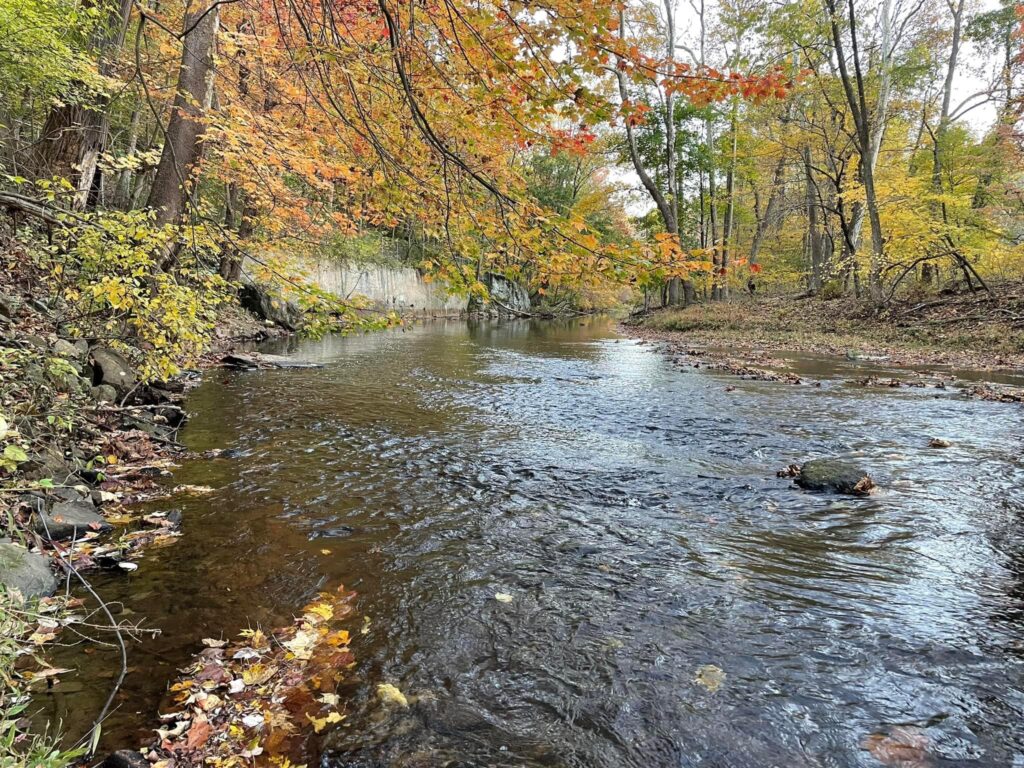
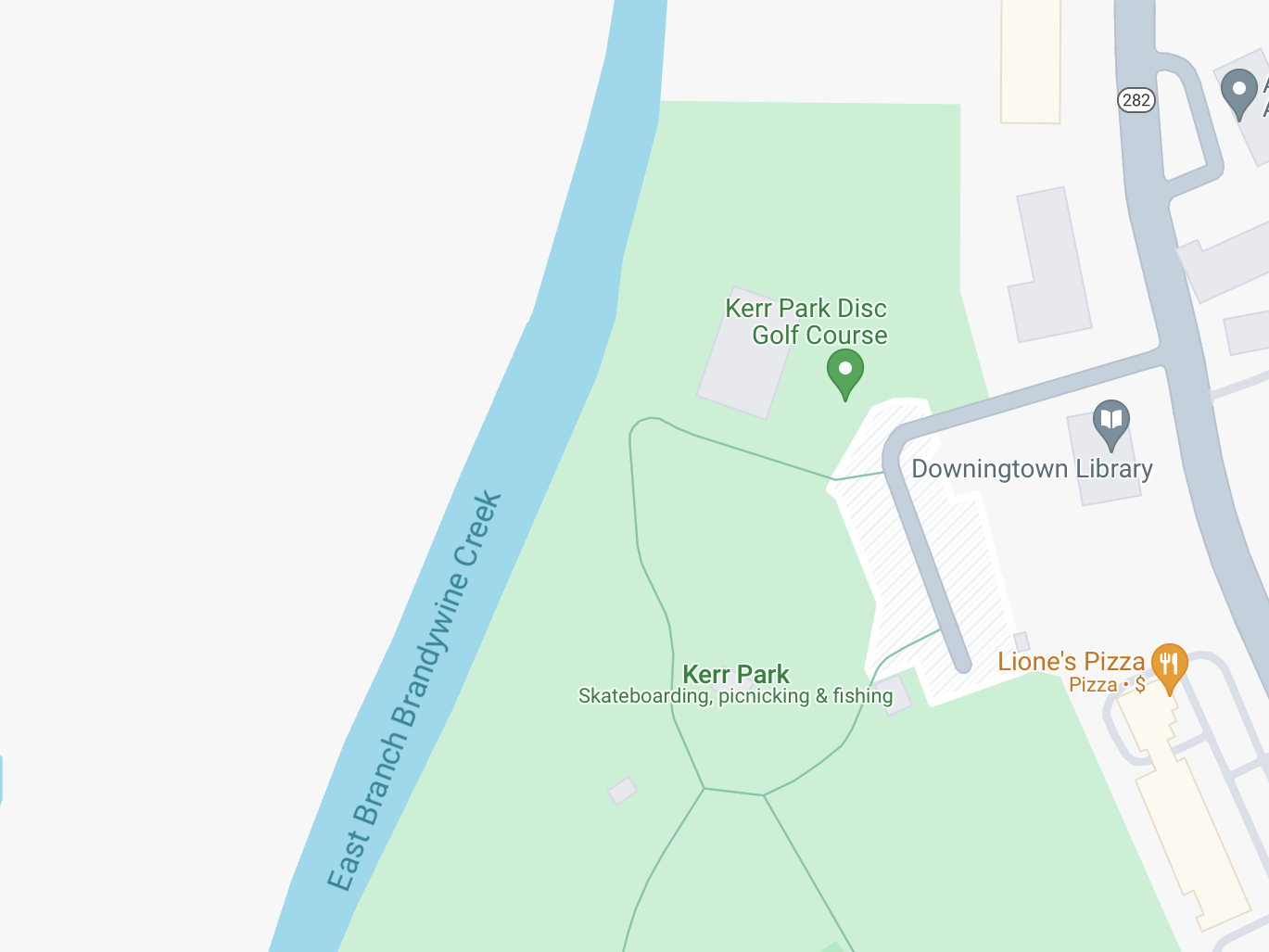
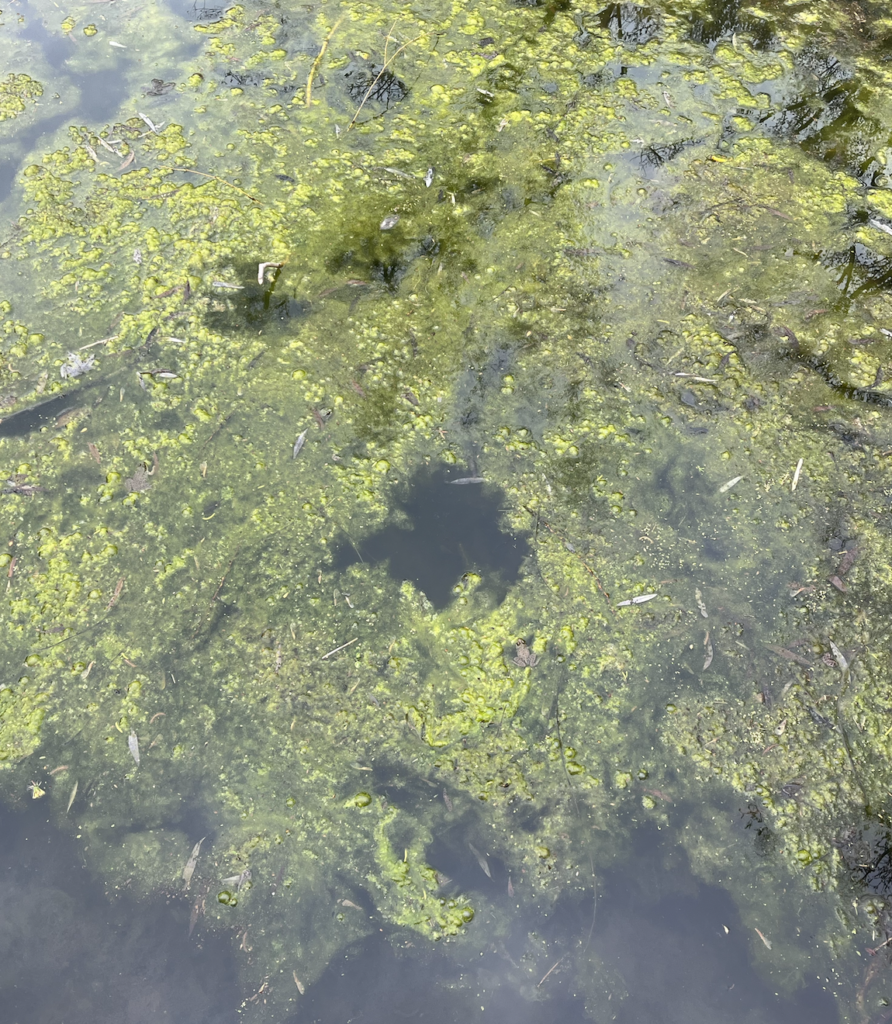
Over break, I decided to go on a walk and found a stream. I am from Pennsylvania so the phenology is not too different. Except for the temperature, nature was very similar. This stream is much bigger than the one in my original phenology spot but they are kind of similar in turbidity and stream flow. The water was cold and the trees around the stream were losing their leaves fast. The pines close to the stream were tall and thriving.

Birds Eye View Map

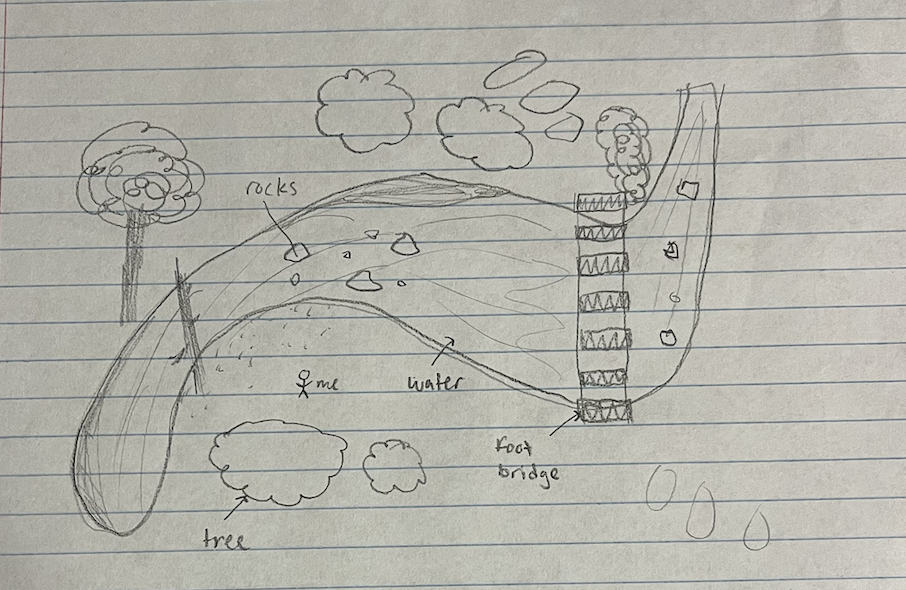
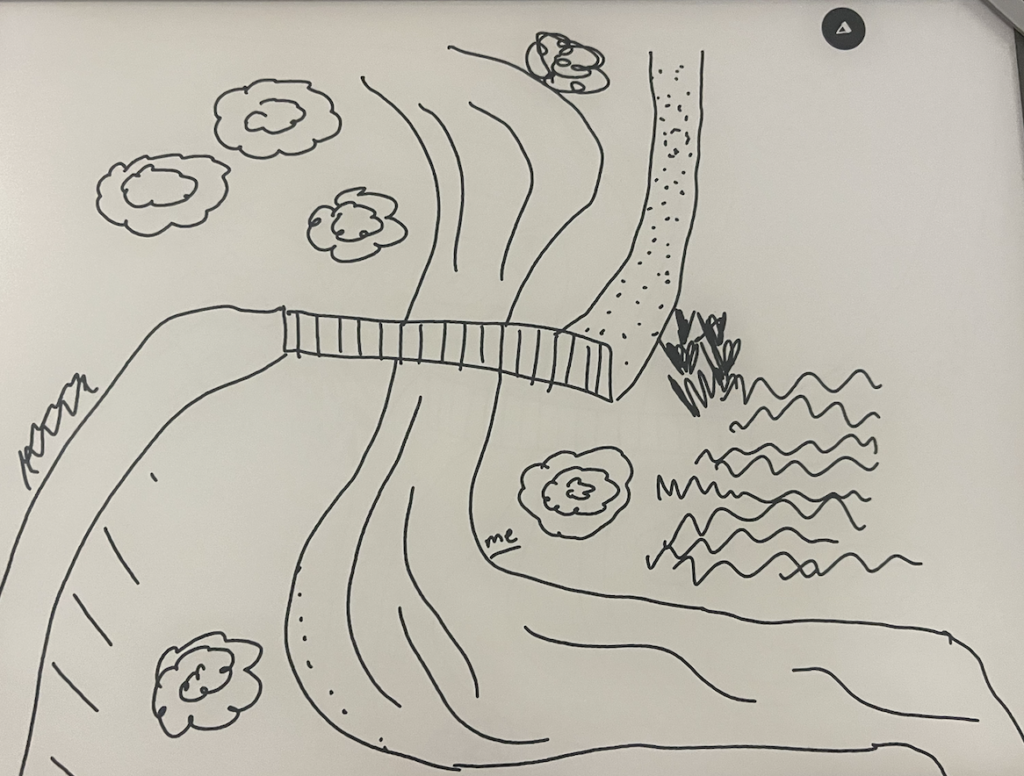
I had a good time engaging with this area in nature. It was very peaceful and it was a beautiful day. After these 15 minutes, I drew a bird’s eye view map of this area.

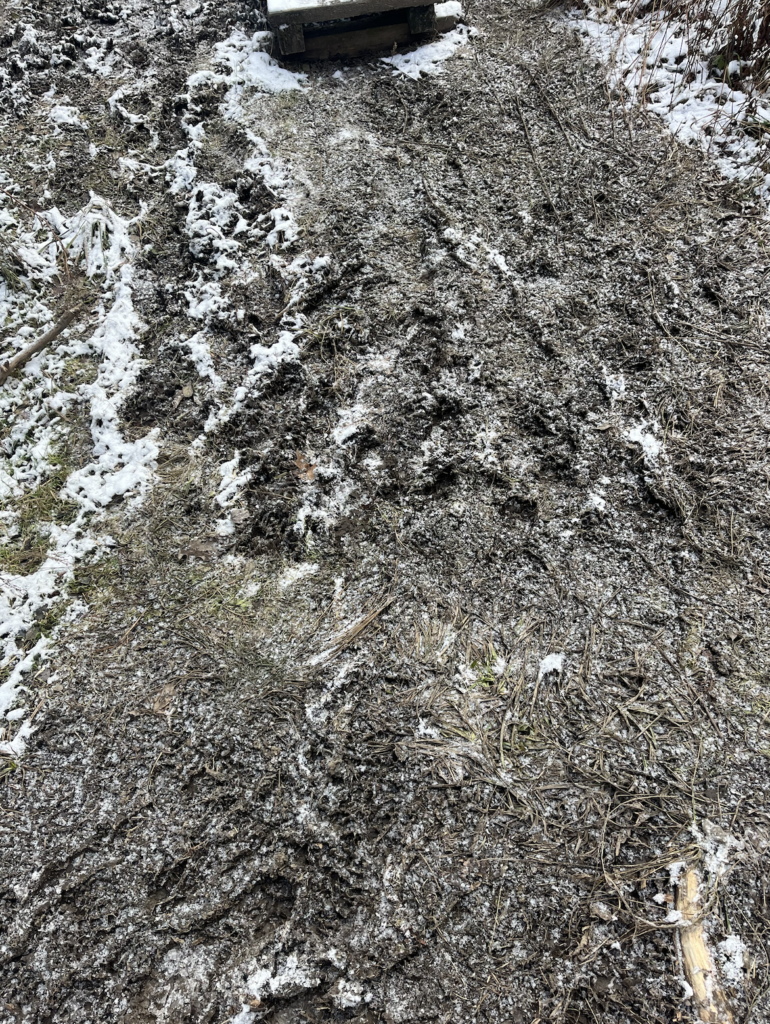
With the temperature change, the area is changing as well. Many of the trees are bare or almost bare and the leaves are on the ground. The water in the stream is also getting much colder and I heard fewer birds chirping than before. The honeysuckle right by the stream is completely dead now and the ground was muddy because of the snow that melted.

Phenology Blog

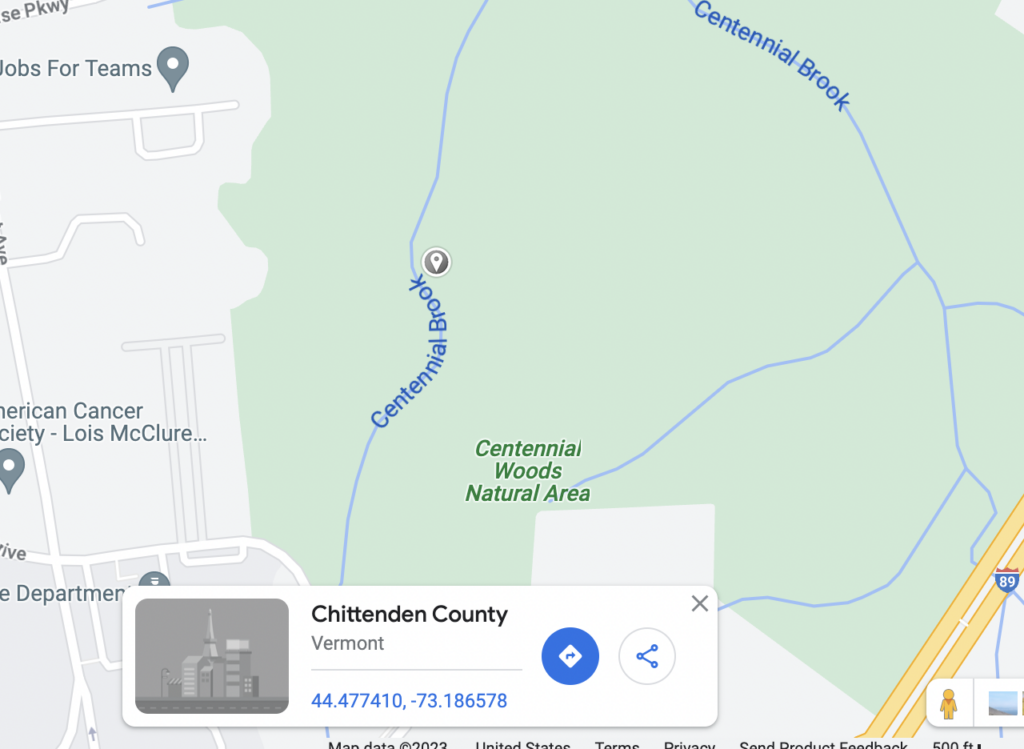
I chose to go to Centennial Woods. I chose a spot easy to get to with lots of vegetation around and even a brook flowing. To get to this location go to the main entrance to Centennial Woods and follow the trail until you approach the footbridge above a small brook. One notable feature about this place is the "Muddy Buddies" sign in the mud.
I was first introduced to this place in the Tree Identification assignment for NR1010. I was drawn to it because of the water and the nature around this central part of the trail. 
The vegetation around this area is mostly low laying ferns with some invasive species like honeysuckle, and few bigger maple trees. There are also green ash and pines close to my site. 

Skip to toolbar