Feeds:
Posts
Comments

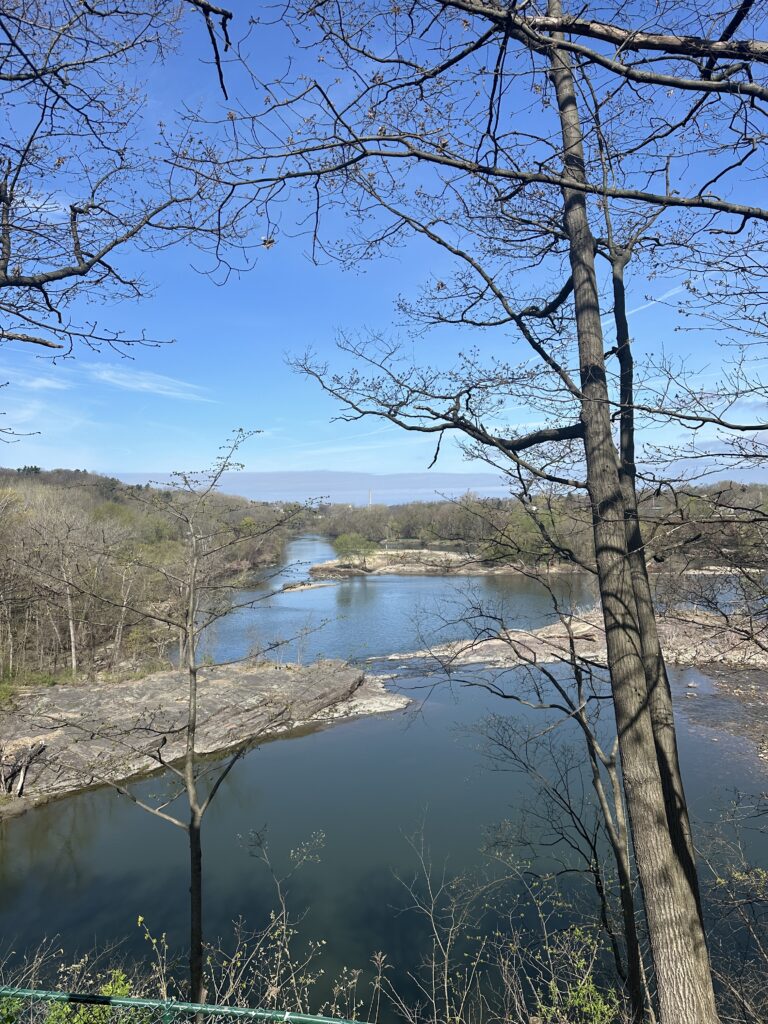
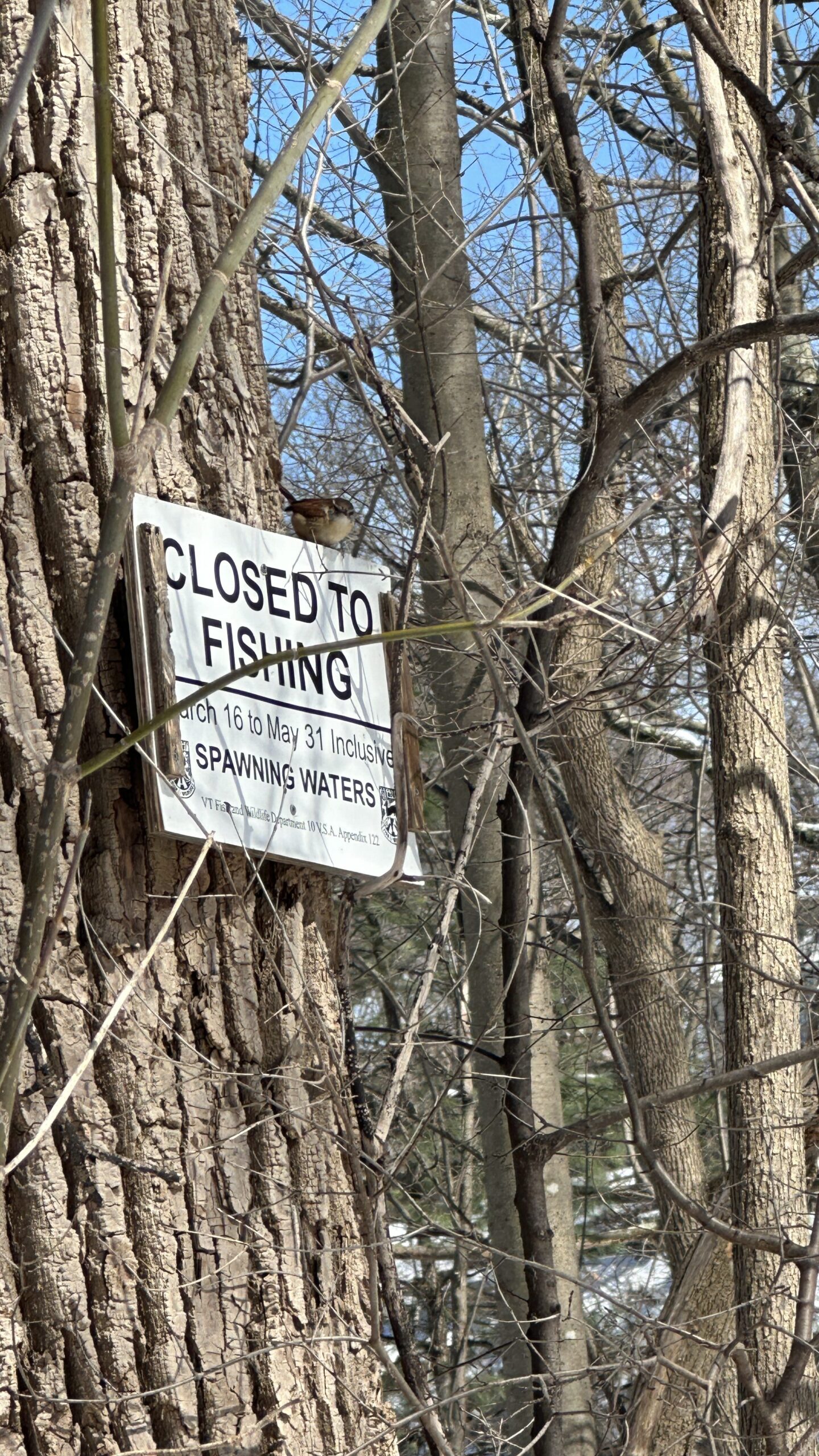
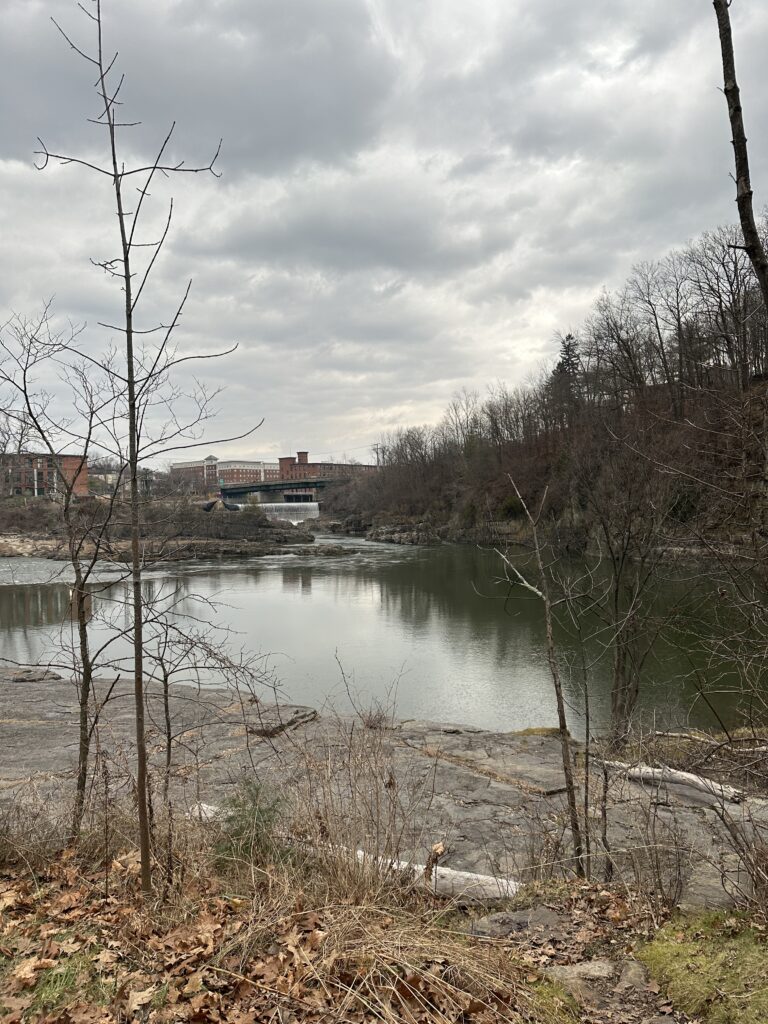
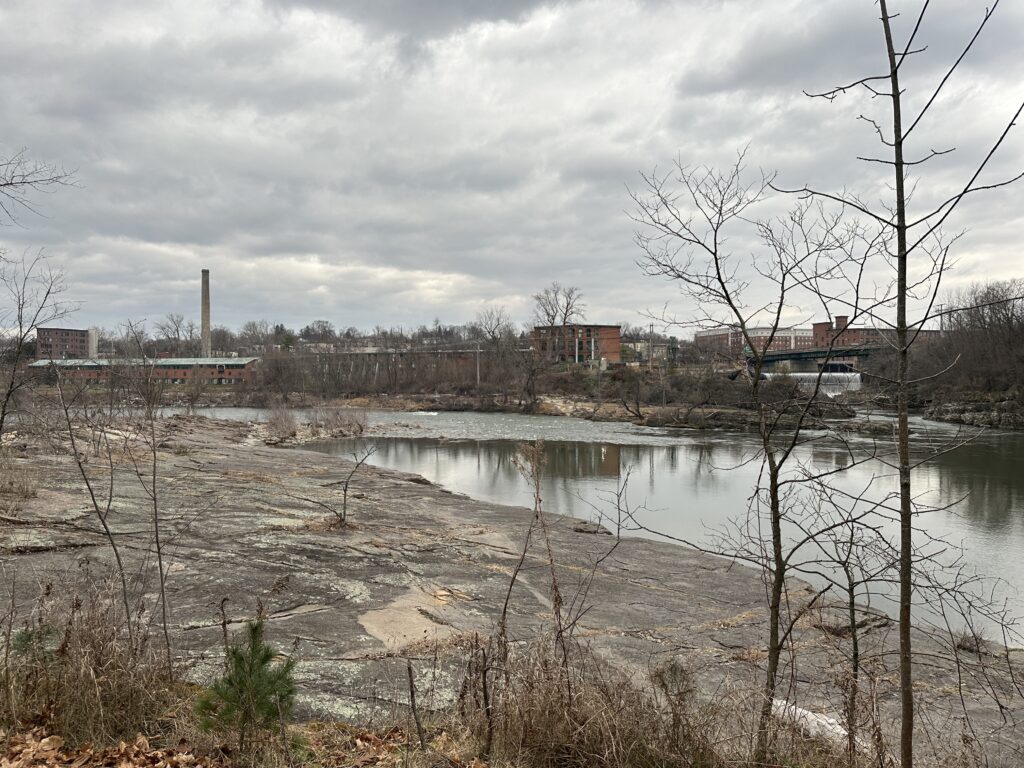
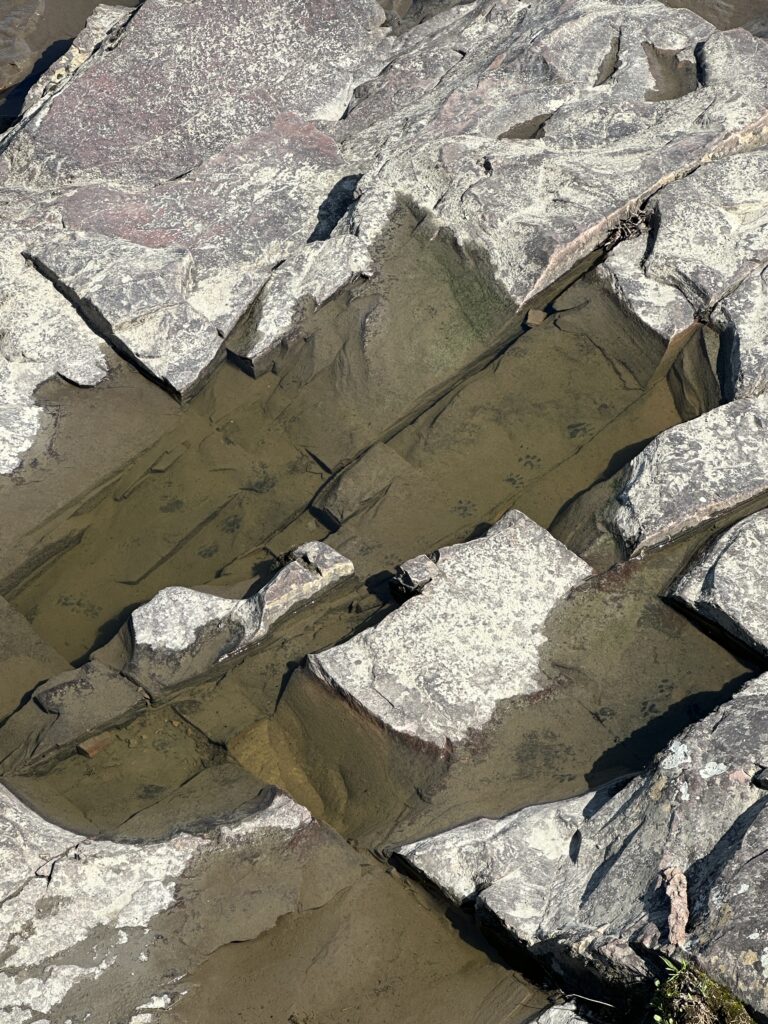
Today is a very sad day; it is the last day I will be reporting on the changing phenology of Salmon Hole. Ugh, I shed a tear! Anyway… over the course of the year, my site has changed a plethora of times. The most noticeable change has been the impact of winter on the area and its wildlife. However, as we move into spring, life seems to be bouncing back into the area. I found a few prints in the water, budding trees, and growing ferns. Even a few people were in the water fishing a little bit, although I do not think that is particularly allowed yet due to Salmon Spawning…
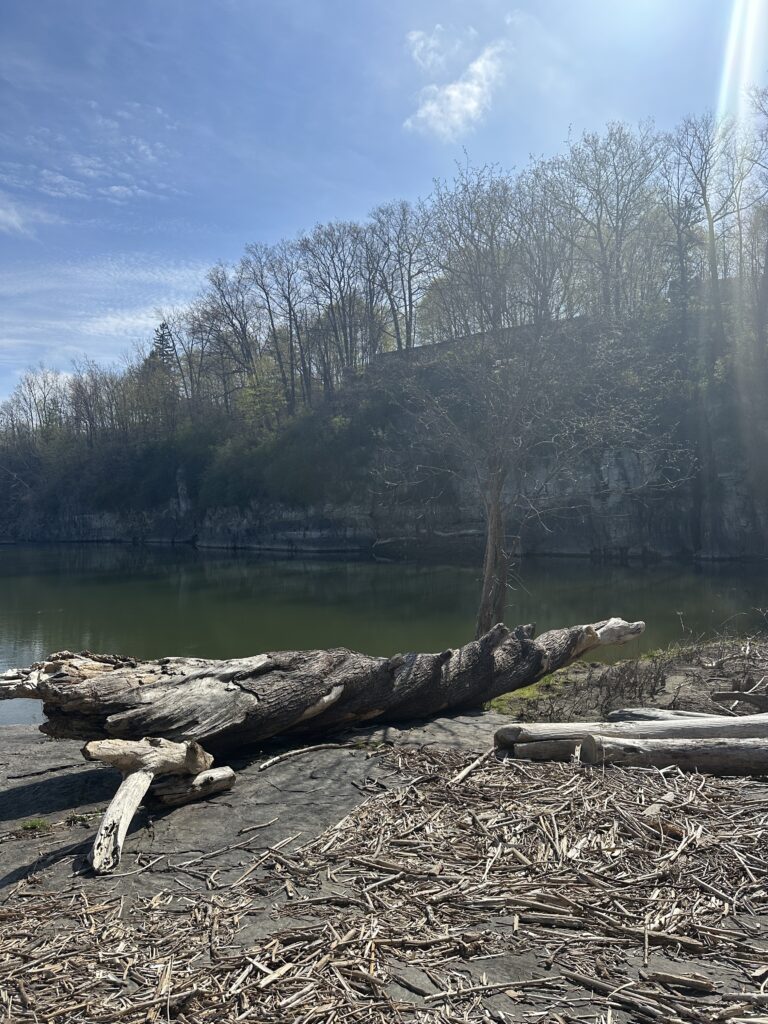
As my site has quieted and bloomed over the year, I have become particularly familiar with the rock topography, where to look for beaver prints, the birds’ favorite areas, and great sitting spots. I know where the fishermen like to set up and where the quietest points of Salmon Hole are. I would say that in this case, learned knowledge is a large part of the culture. Both the fishermen and I share a culture and understanding of this place and where to set up shop. We both work but do not disturb each other, acknowledging each other with a wave.
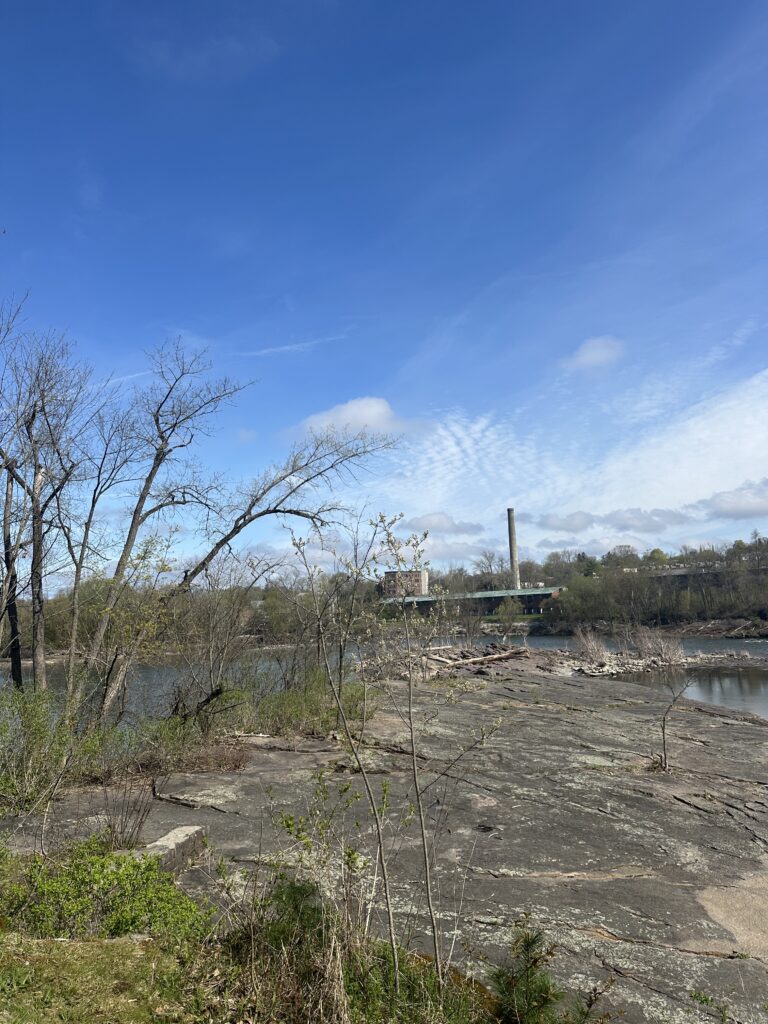
Finally, I consider myself a part of Salmon Hole. After undertaking this phenology project, I have developed a deeper care for the area, and I believe I will take more actions in the future to preserve it. I think my experience in documenting and monitoring Salmon Hole also plays a small but important role in citizen science and the maintenance of these small yet mighty natural areas

Bye Bye Salmon Hole.
Bridge out!
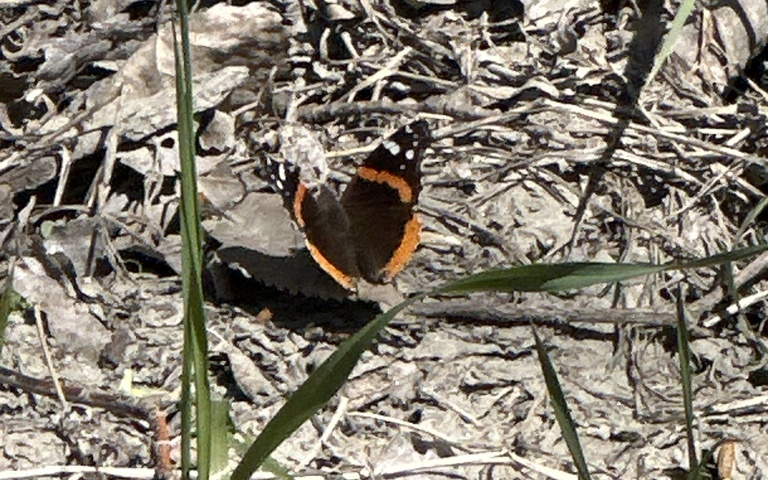
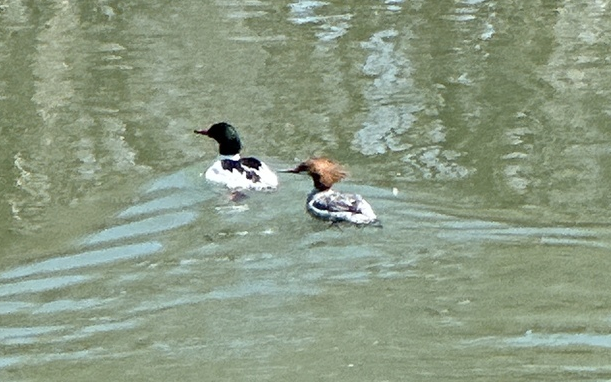
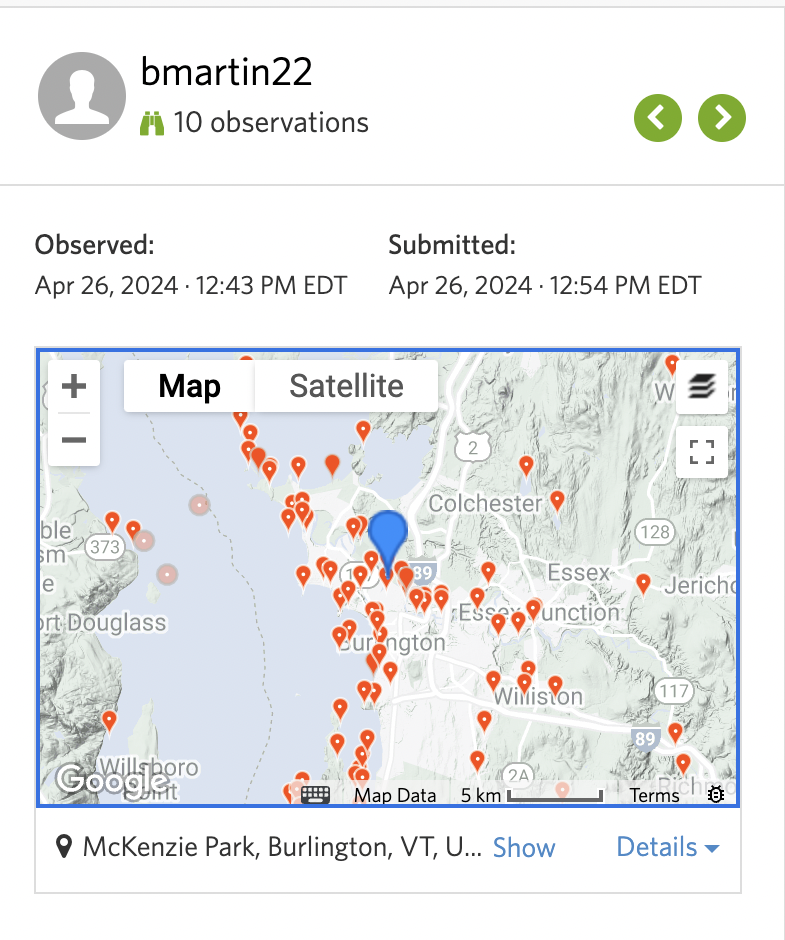
During the four days of the BioBlitz in Burlington Vermont, I went back to McKenzie Park with some friends. I started near the Intervale area and made my way along the Winooski River all the way to Ethan Allen Holmstead. I had a very fun and easy time using Inaturalist, however, there were many more species than just the ones I captured. I find it is difficult to photograph many birds and butterflies because they move so much.

I photographed around 7 species total, between plants and animals. However, I saw many more than just that. I saw around 15 species of birds while I was in the area but my camera struggled to photograph them, and I saw many different ferns (but they weren’t very interesting).

Globally, I found Inaturalist very interesting as the variety of submissions was spectacular. As I really focused on birds, many other people focused much more on the woody species. I think the participation was great and I even got a few of my friends to participate!

As I arrived back at Salmon Hole for the first time in a while it was glazed in snow and ice. The activity down by Salmon Hole was beginning to pick up, especially with the birds. However, tree buds had not particularly made an appearance, likely due to the intense snow storm we experienced on Saturday.

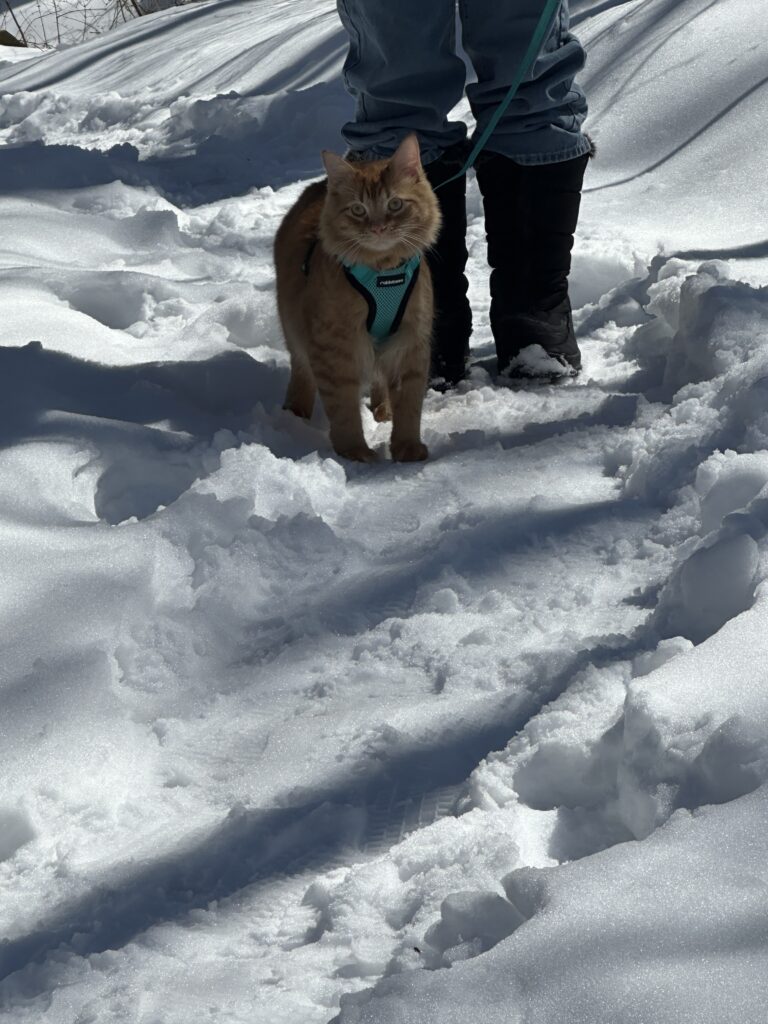
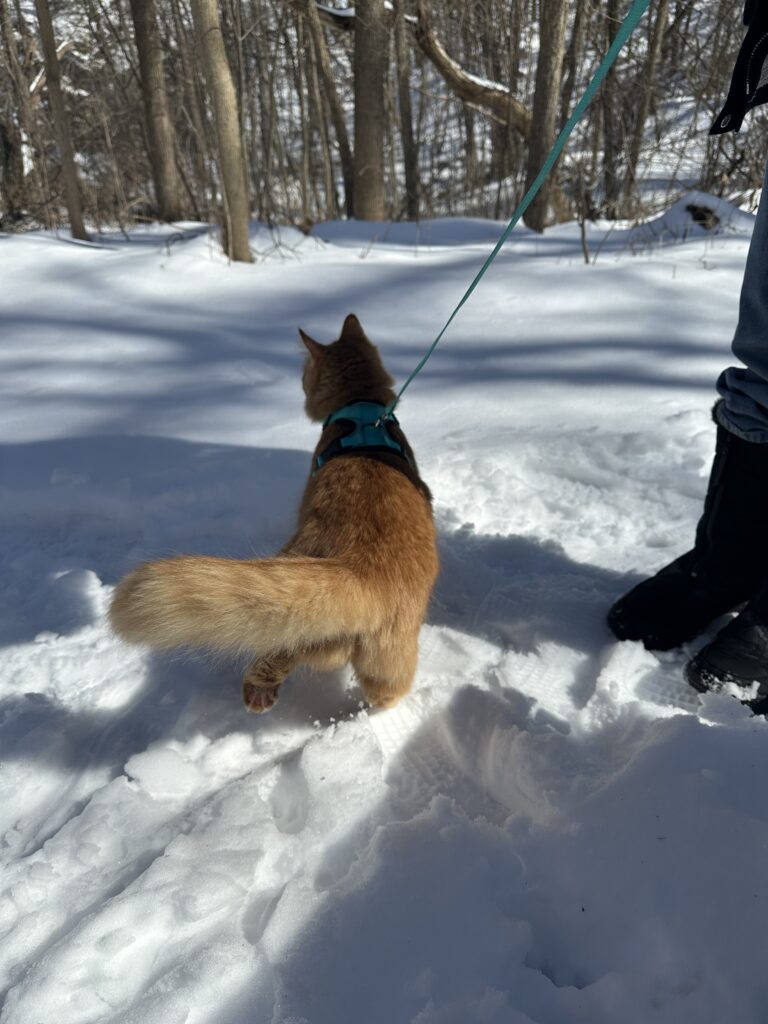
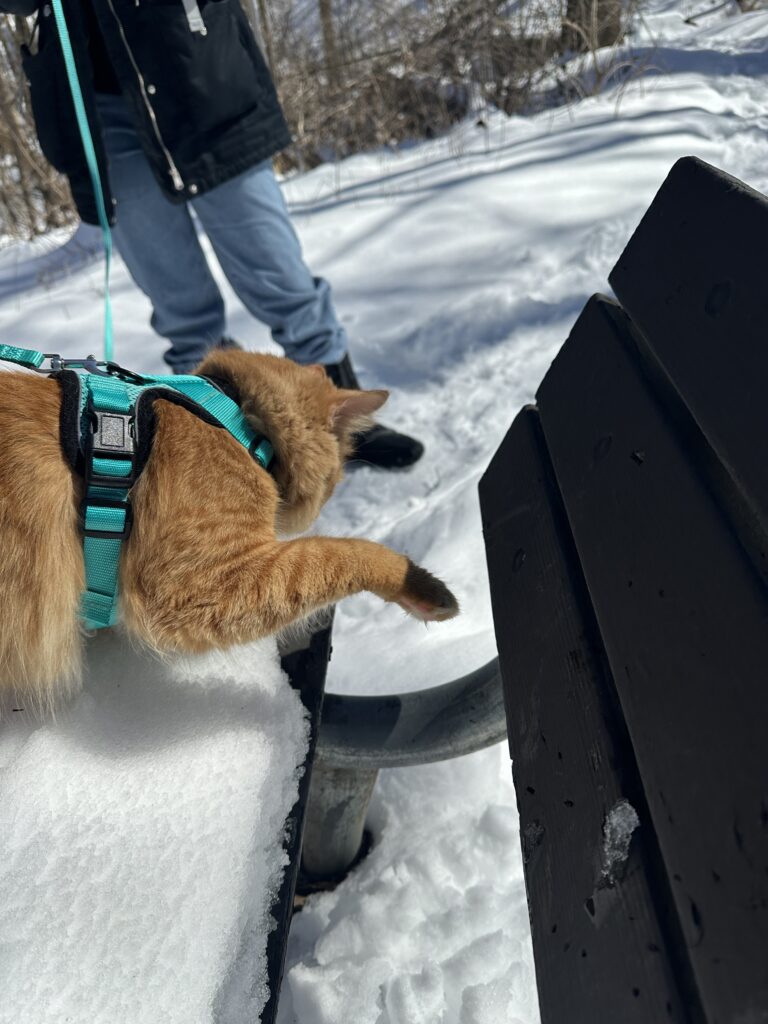
While I was at Salmon Hole I saw a ton of new birds, and a girl was walking her cat! How fun. The ground was still very full of snow but the sky was becoming very lively!!!!

Song of the week because it’s sunny out!

Welcome to Winter. With the Inaturalist app, I was able to track few signs of winter life while walking around our very own campus at the University of Vermont. While I have been pretty sick, finding these pieces of nature on my own definitely pumped some joy through my veins.

To begin, I encountered a deer which I was not exactly quick enough to capture. However, that was super cool and also sad. Seeing a deer this far away from a natural area made me think a lot about displacement of habitat and likelihood of survival. Recording my findings was fairly simple, but I found it hard to take good quality images.

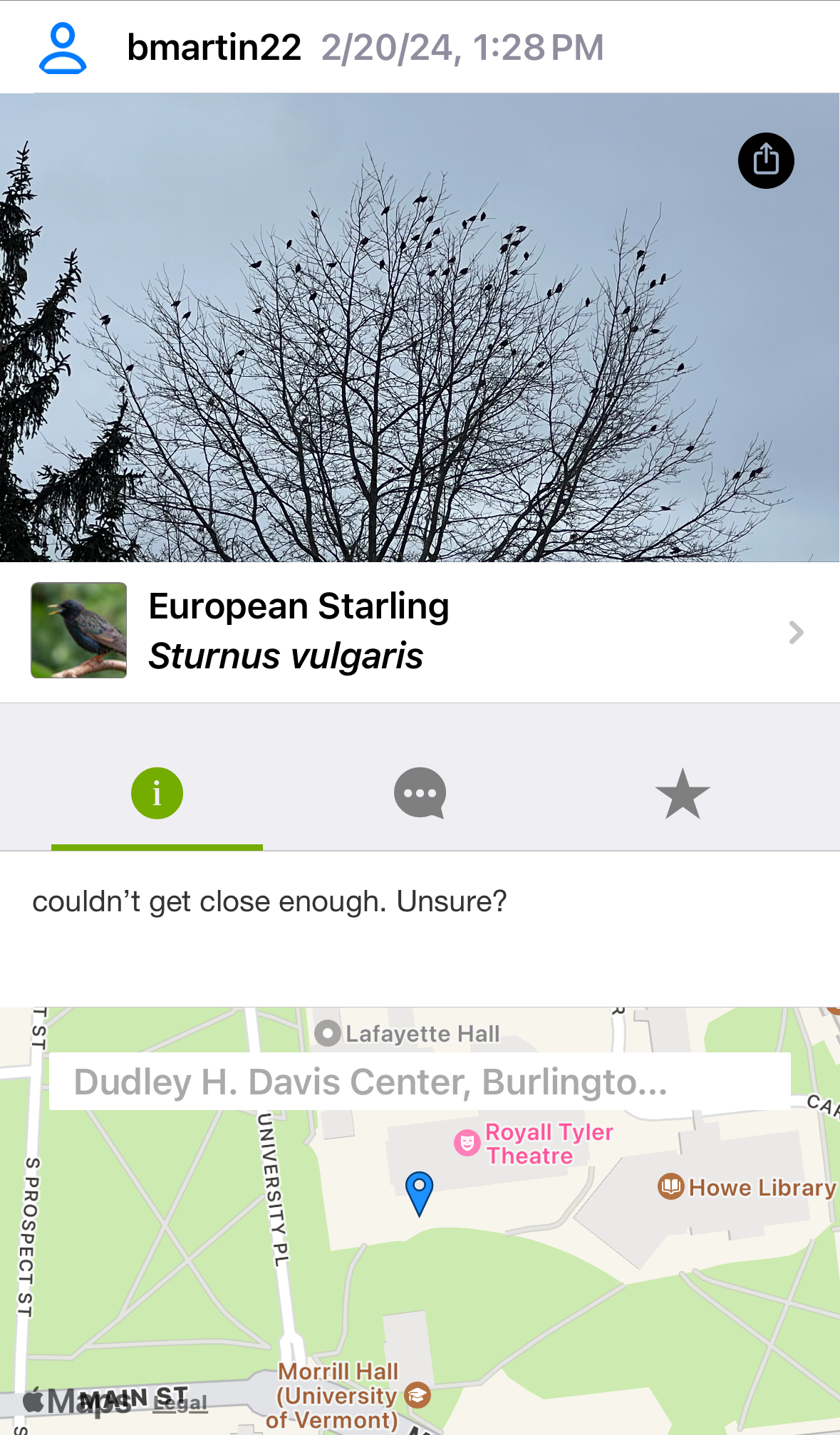
Due to the nature of my sickness, I unfortunately was not able to stay out or go very far. But in deciding species, such as this European Starling, I took knowledge from a bird book that my parents gifted to me. I found that Starling’s often travel in very large packs. They enjoy this area of Northern America and they are similar in color to that of the bird pictured above. I did find that figuring out what was what is very difficult. Even when just following tracks and scat within NR1020 Labs, it always takes a few tries to deduce what is truly going on in nature. Often, if really torn, I will just lead with my gut instinct.

This song represents how once I overcome illness, I hope to become a TRACK STAR!

#ROLLSCAT&TRACKS

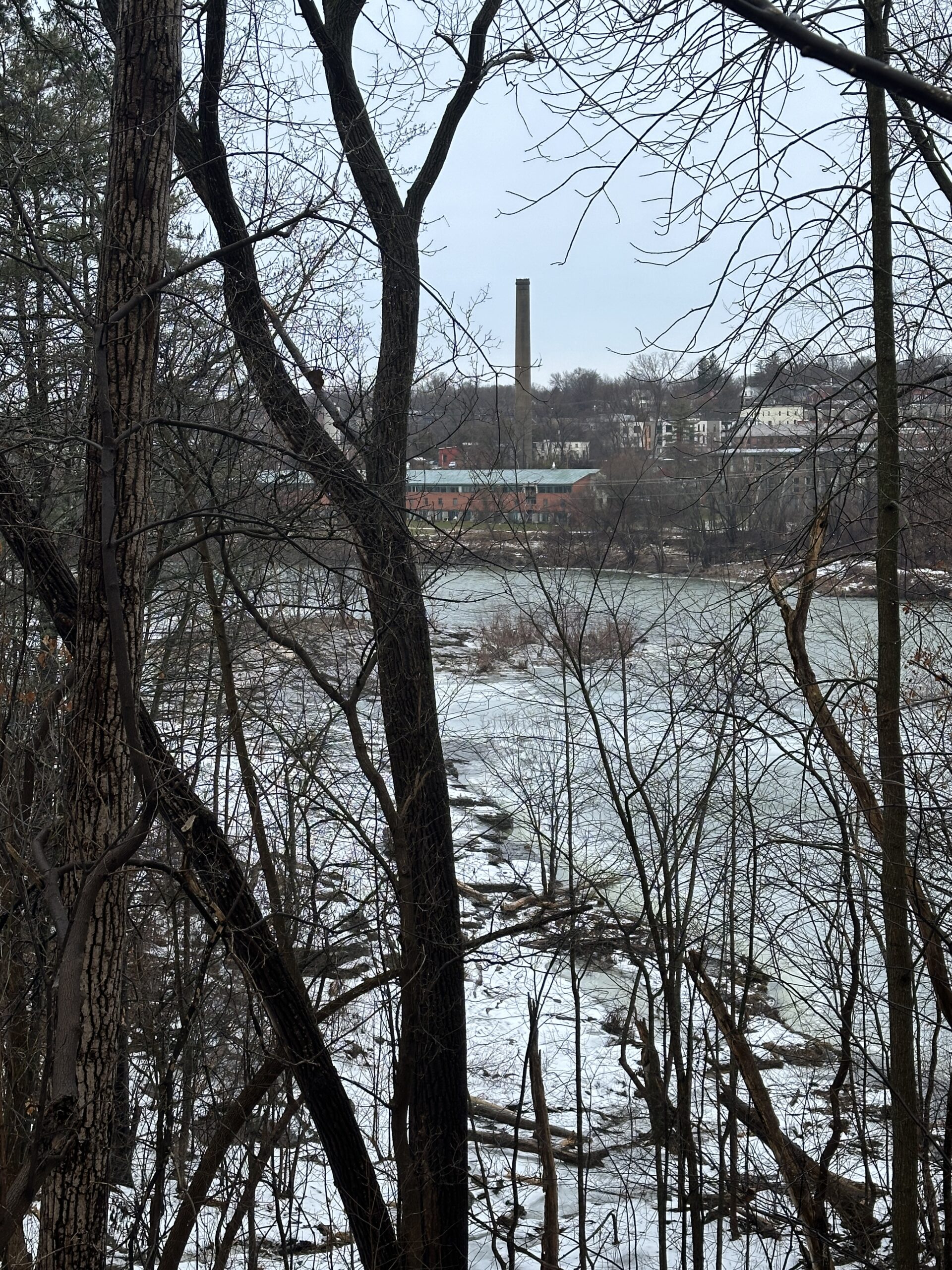
It has been a long time since I have last visited Salmon Hole, clearly a ton changed! Currently, Salmon Hole is covered by light layers of snow and ice making it somewhat difficult to get to my past spot. However, I did notice some things from this higher perspective. Specifically, how shallow the cover of snow was due to the rain Winooski and Burlington has been experiencing. This may be making it hard for many species to hibernate and hide from the cold weather. Similarly, this area is densely populated with deciduous trees so there is now minimal food availability.

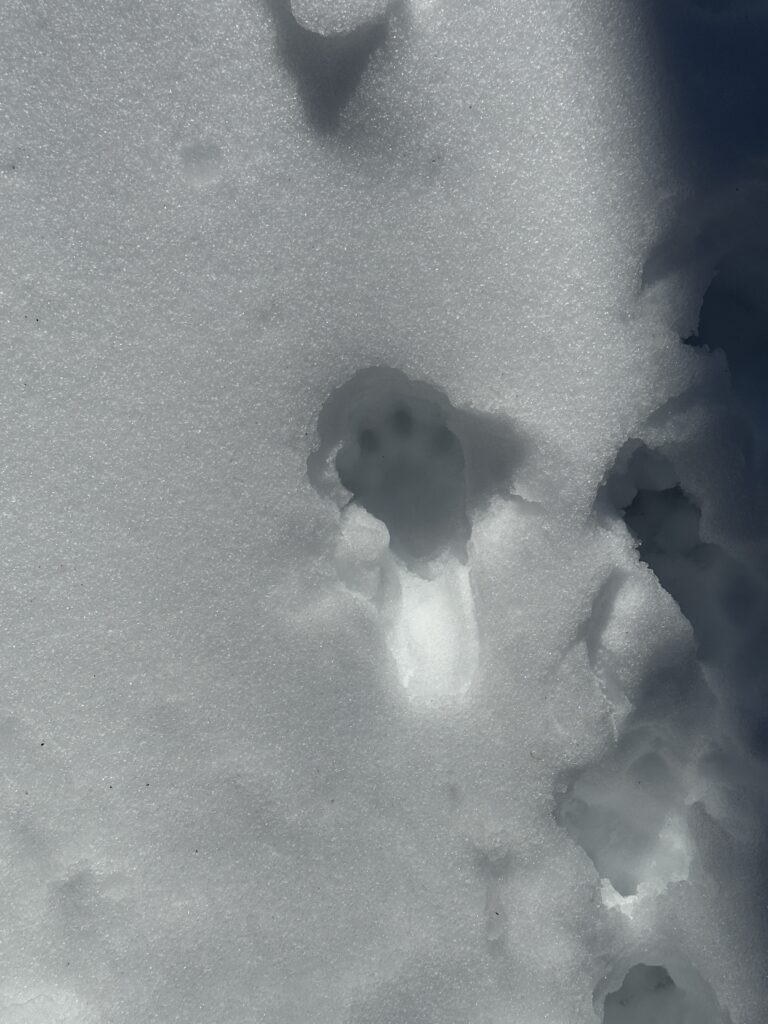
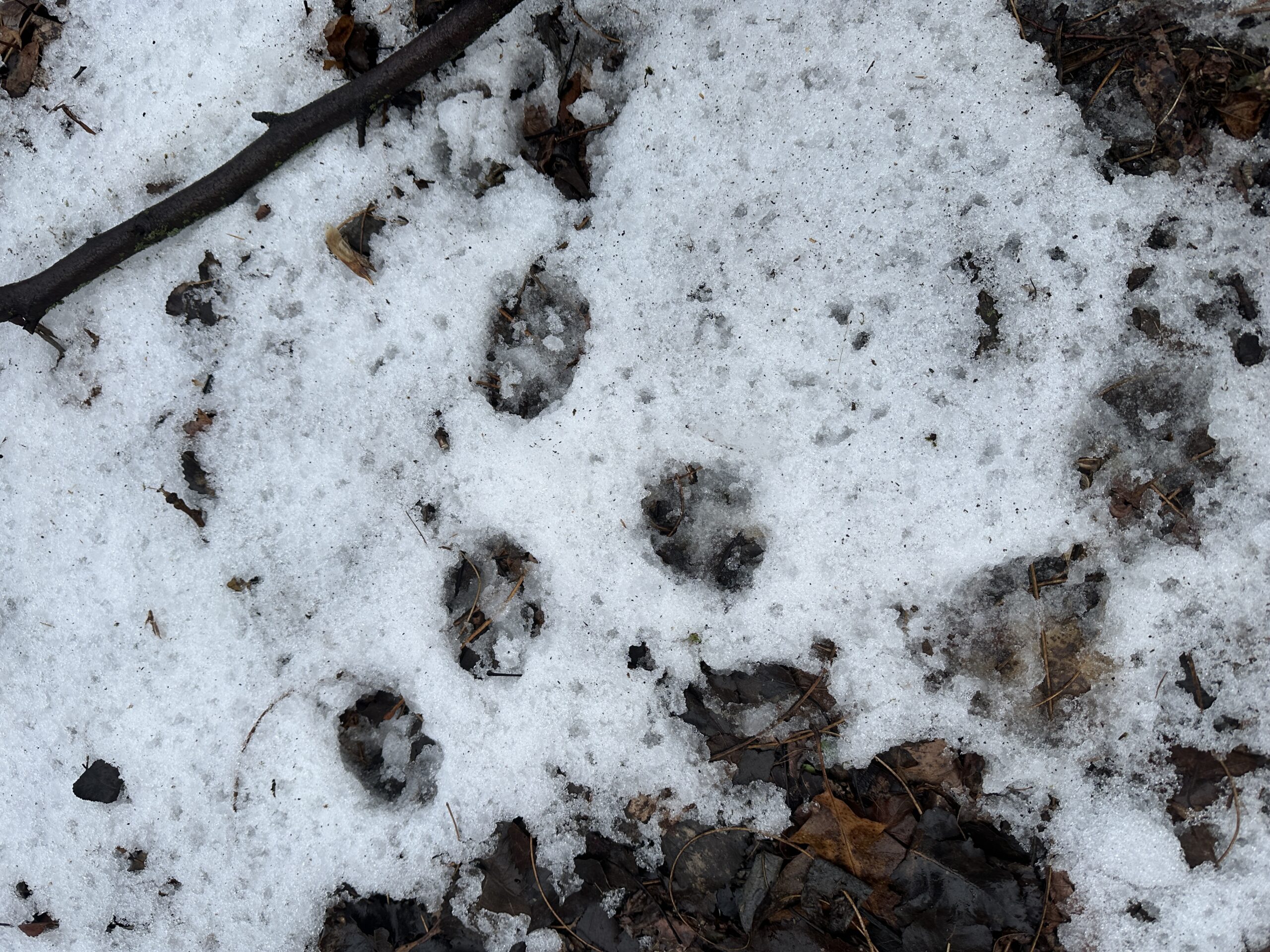
Likewise, I was trying to look for print in the snow but all I could come up with were dog paw prints. Alas, I will have to check again next time, hopefully with a fresh layer of POWDAH!!!!!!

Since my last visit, Salmon Hole has become much less populated. I saw nothing while I was there which felt odd to me. The waters seemed calmer than usual and the trees completely bare. Portions of the water was frozen over while other continued to rush past.

It’s giving…

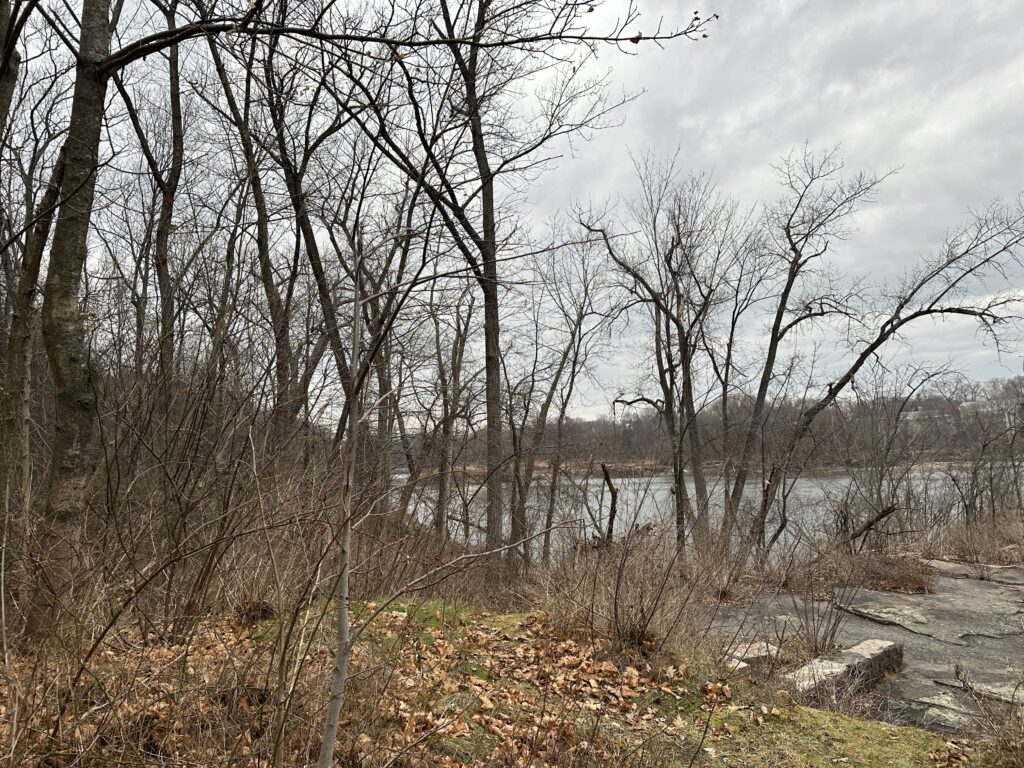
Winter has seemingly silenced Salmon Hole. The once leafy haven is now stripped bare, its deciduous trees standing all alone against the chilly winds. The ground, once alive with orange hues, is now just a carpet of fallen leaves, slowly surrendering to decay.

Recent rains have accelerated the decomposition process, revealing a another world full of worms and grubs. Snow has already melted, and the landscape appears untouched by animals, except for a few scattered bird’s nests possibly preparing to brave the winter to come.

The usual amount of animals has dwindled, leaving Salmon Hole ready to enter winter. Nature’s rhythm has slowed, and the stillness is visible. As I wander through this wintered realm, the air holds a sense of anticipation, a pause before the eventual awakening that spring will bring.

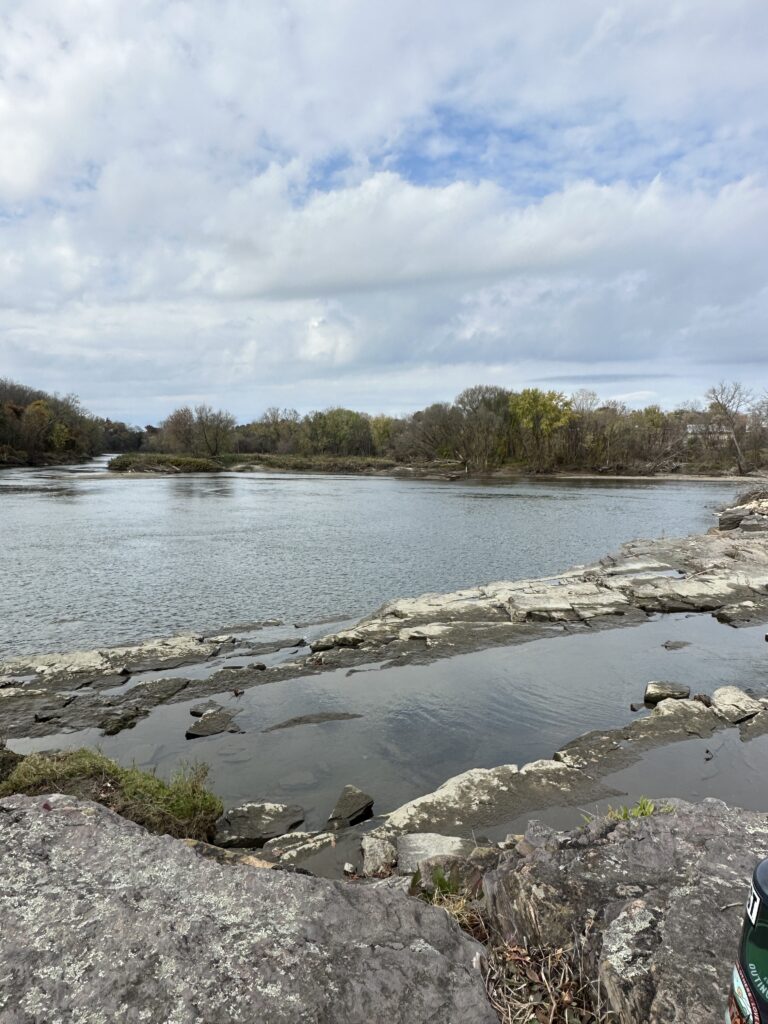
While the grasses stand strong, the water level continue to rise and there are a few frozen ponds in the center of the rocks. Overall, Salmon Hole seems like it is about to go dormant for the winter.

Species I saw but could not capture well in a camera were: Tufted Titmouse and the Downy Woodpecker.

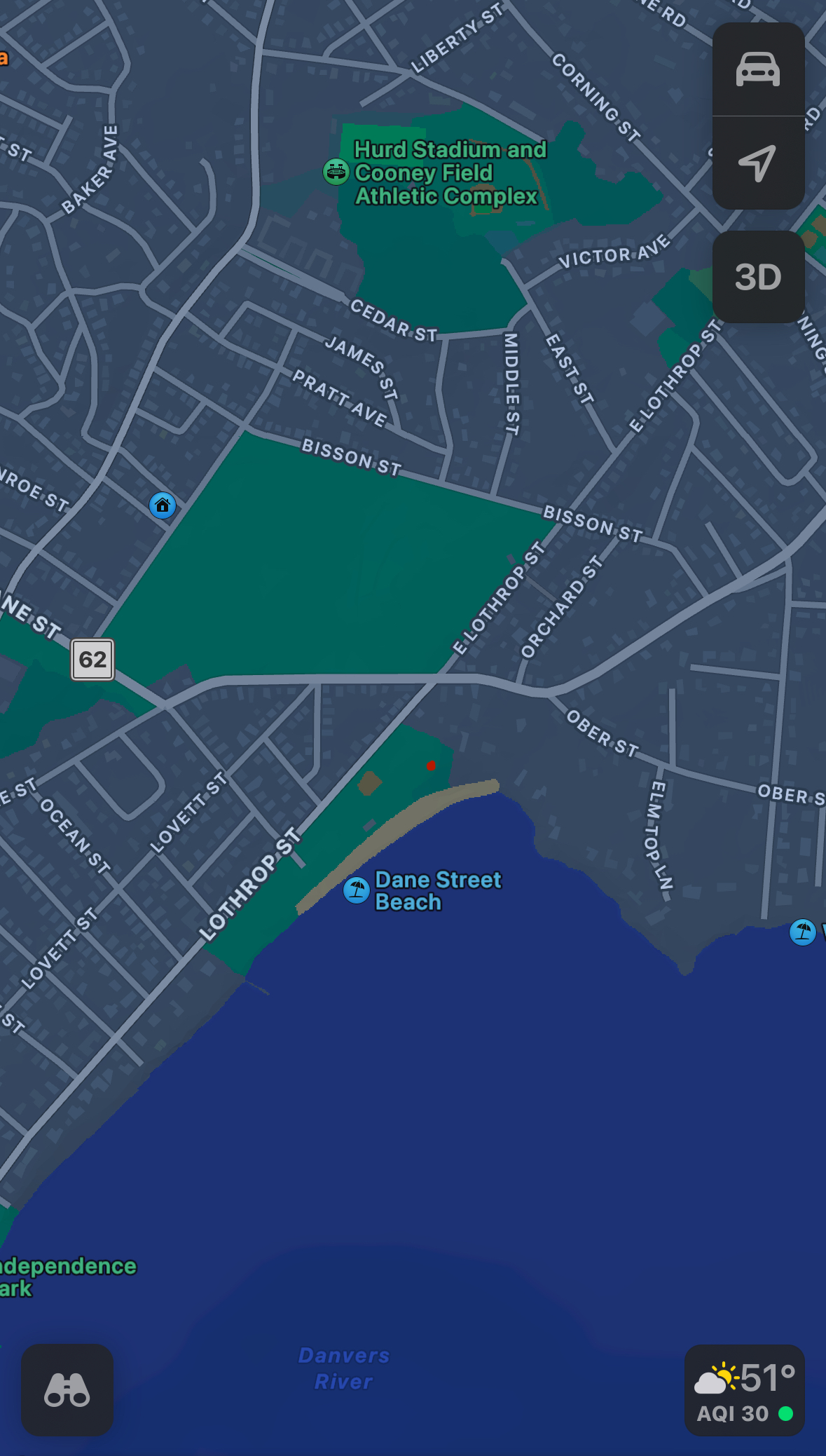
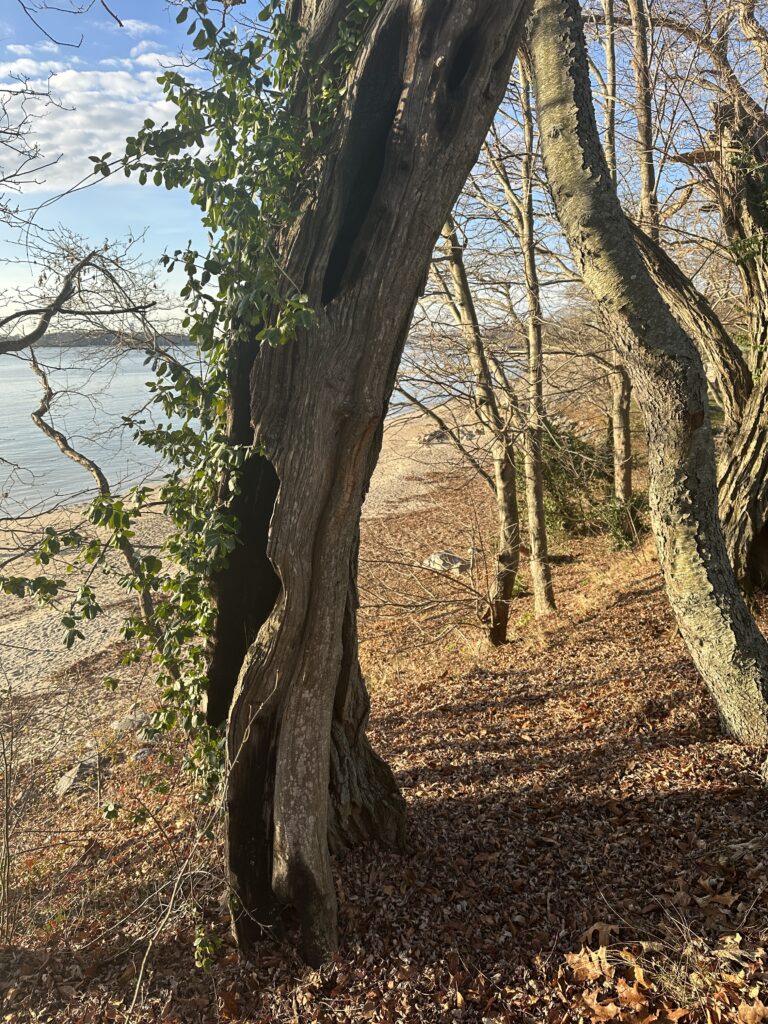
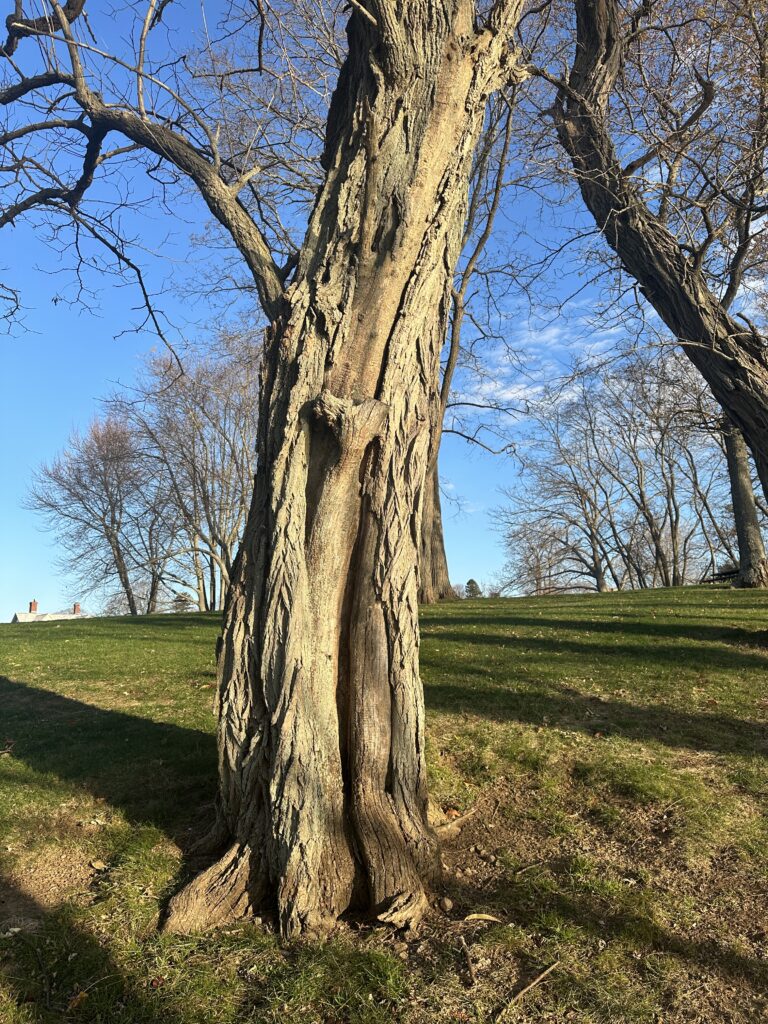
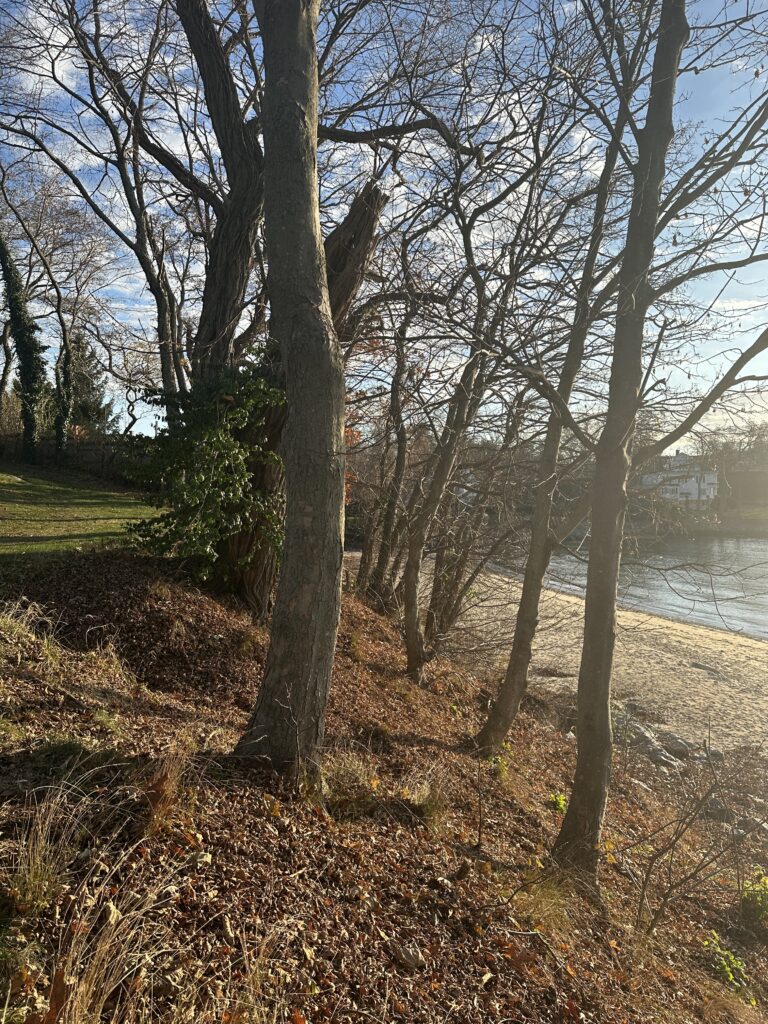
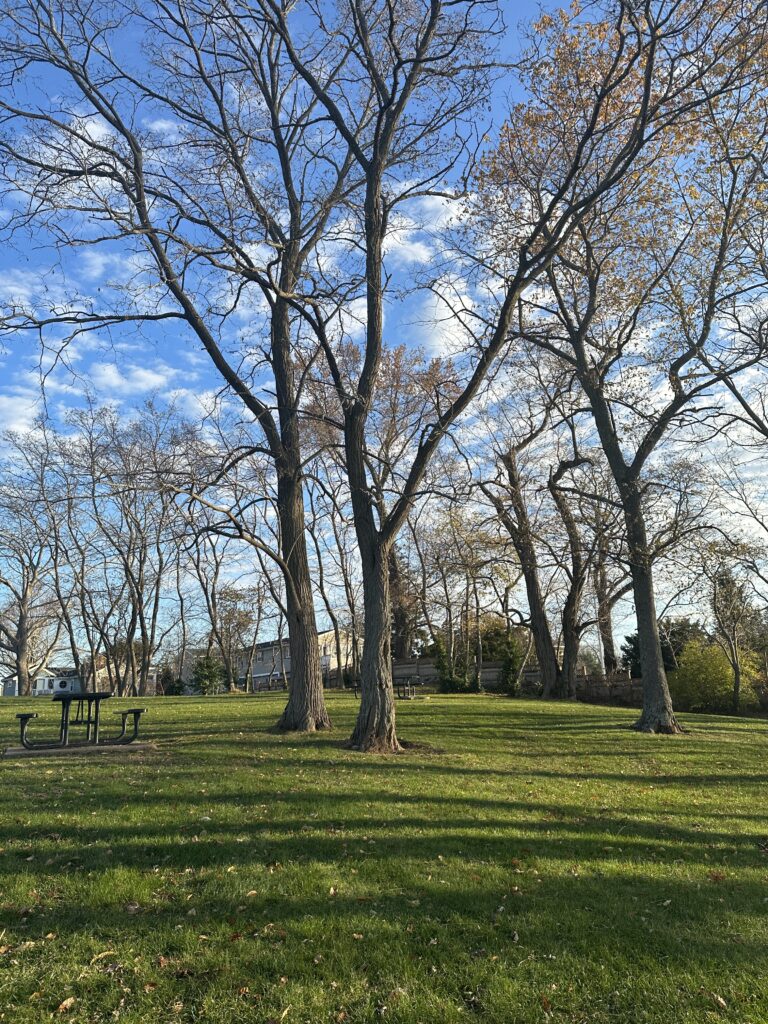
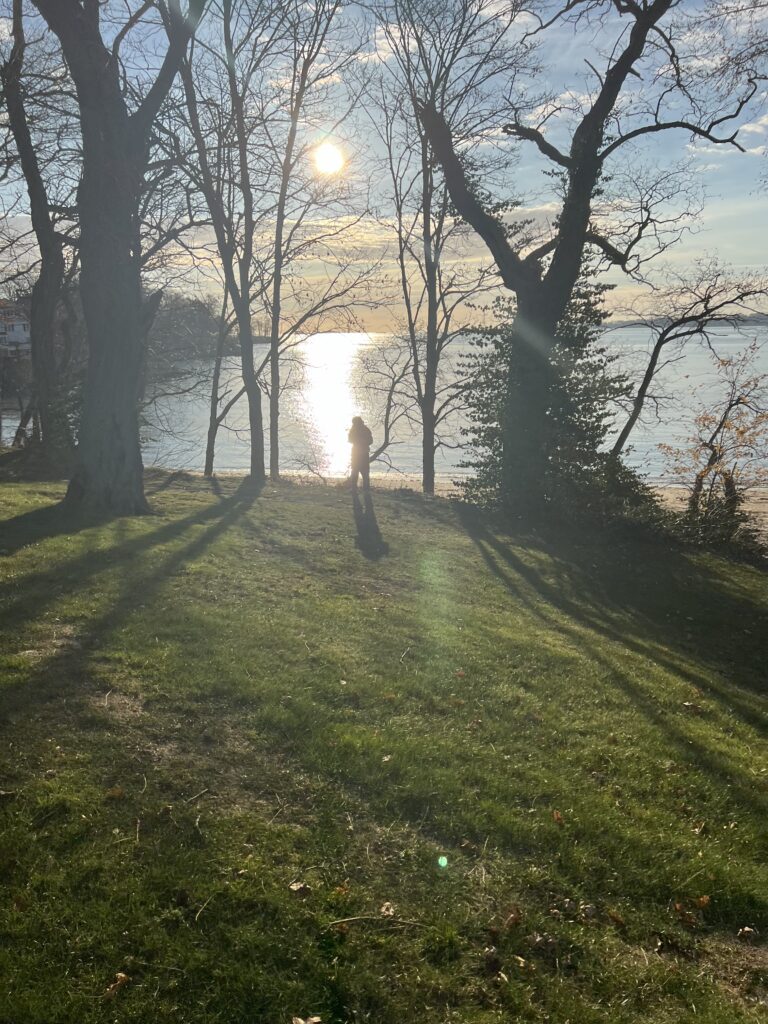
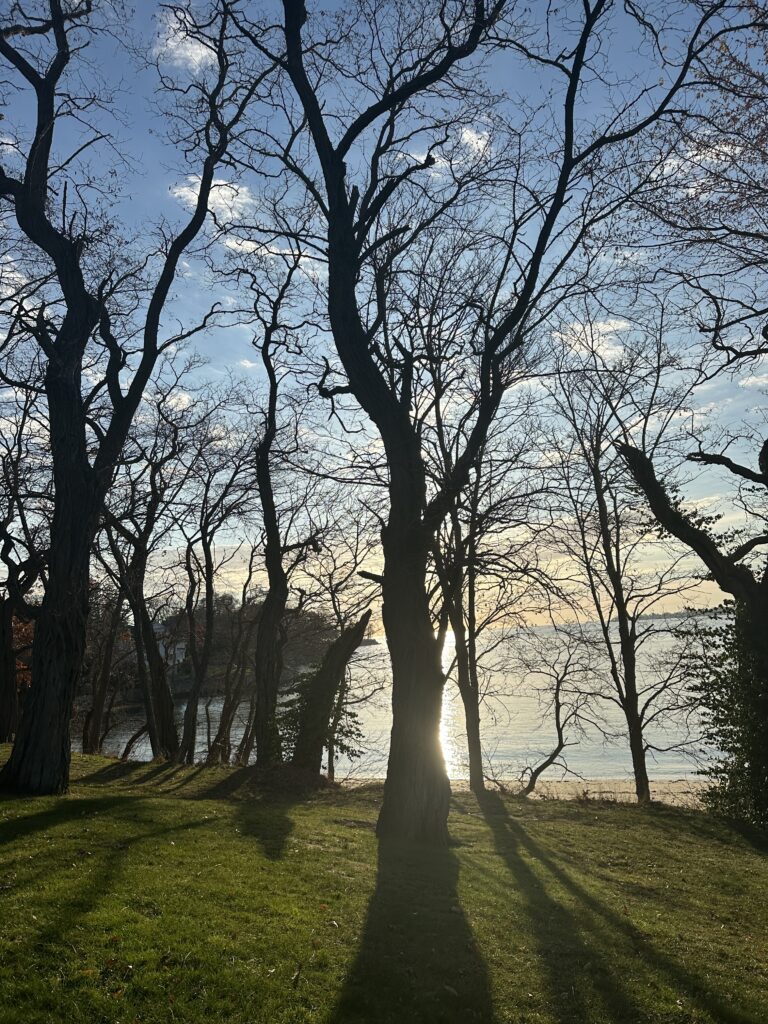
During Thanksgiving Break I went back home to Beverly, Massachusetts! While I was at home I chose to visit my favorite location, Dane Street Beach. This urban natural area is only a five minute walk from my house and contains some beautiful scenery, full of life.

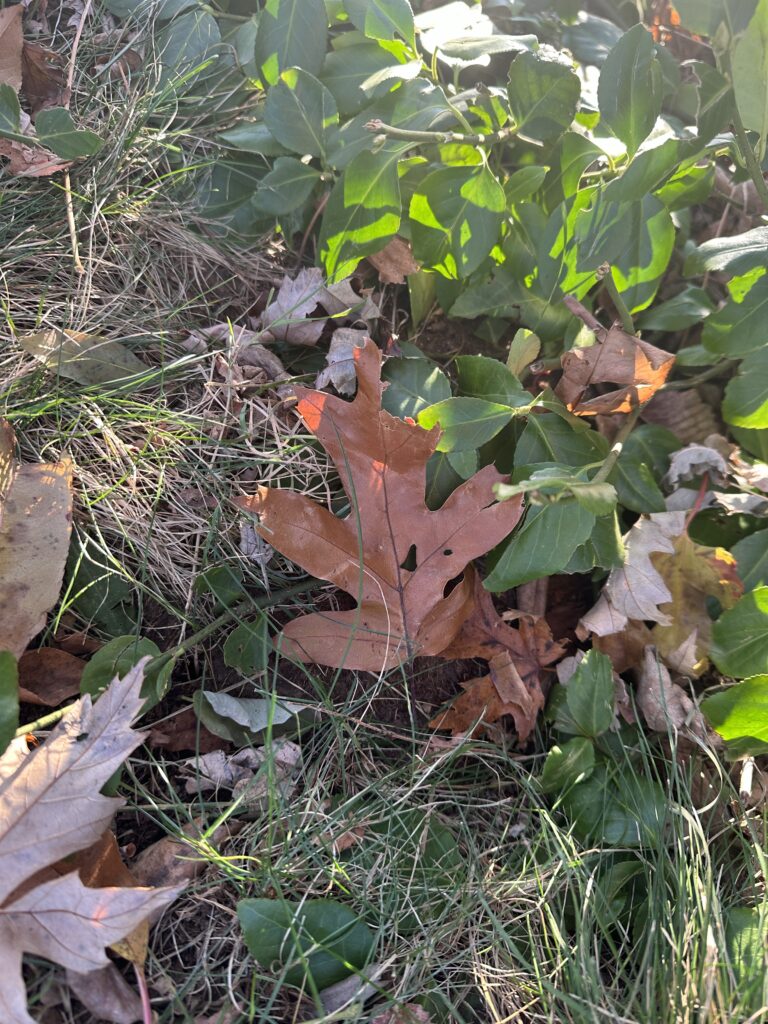
Dane Street Beach presents an ecological tapestry noticeably less diverse than the vibrant ecosystem of Salmon Hole. This coastal expanse appears largely shaped by human intervention, visible by the manmade features. The absence of an understory diminishes its capacity to support diverse wildlife, limiting the habitat to a sparse selection of intentionally planted species, some of which show signs of degradation. Despite this, their crucial role in erosion prevention, particularly along the beachside, underscores the delicate balance between human landscaping priorities and ecological resilience.

A significant concern arises about the city of Beverly’s heightened susceptibility to summer Cyanobacteria blooms. These blooms may be linked to the lack of understory in this highly urbanized location. This ecological imbalance highlights the need for a holistic approach to urban planning, which we have been talking about in my NR1010 course at the University of Vermont. The aesthetic and functional aspects of landscaping must converge to foster biodiversity, mitigate environmental issues, and promote a healthier coexistence between urban development and nature.

Likewise, Salmon Hole faces some degradation from human interaction. The fish that are caught at Salmon Hole are often impacted by water quality which comes from urban runoff. However, most of Salmon Hole is left to its own diverse measures.

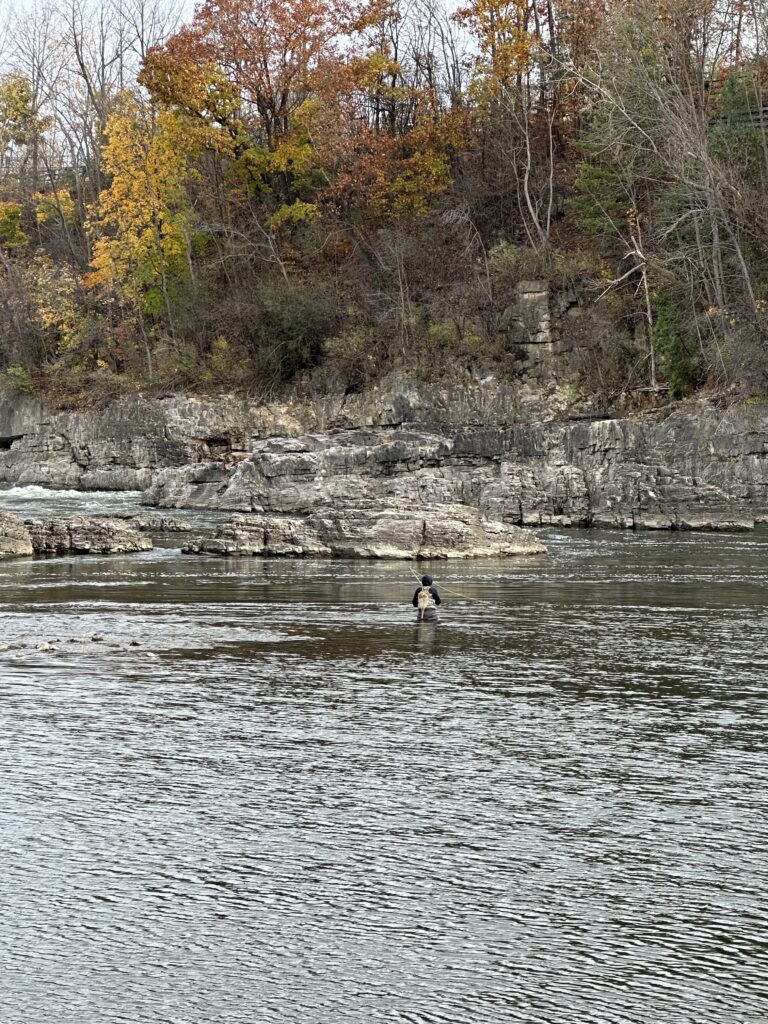
Since last month, many changes have occurred within Salmon Hole. Most of the Deciduous trees have now begun to drop leaves, leaving behind a bare canopy opening up to the sky. A large difference I have notices since October was the water levels. As you can tell by the image of the fisherman beneath this text, the levels of water have risen. This influx of water is likely due to the increase in rain/snow storms we have experienced thus far into fall.

Fisherman in Winooski River fishing for Salmon!


“Autumn leaves don't fall, they fly. They take their time and wander on this their only chance to soar.”  - Delia Owens


Salmon Hole is very much giving Gilmore Girls energy this week!

The green here is near its end. Not many changes have occurred beyond the gradient in colors of the Maples, Oaks, and Ashes of this area. A few small birds flew by but much more desolate than my last appearance here. I found a few streams trickling into Salmon Hole, I wonder how that is impacting water quality. Anyways, I’ll see y’all soon!

Hello and welcome to Salmon Hole. This Blog will be discussing the Phenology of this urbanized location throughout the year!

To begin, I chose this location because of its variation. Salmon Hole is a semi-urban water center that is just near the Riverside Wastewater Treatment Facility. This location experiences a ton of human impact such as fishing, walking, waste, and erosion. Therefore, I think it will be quite interesting to track to species that live here along with the processes that take place.

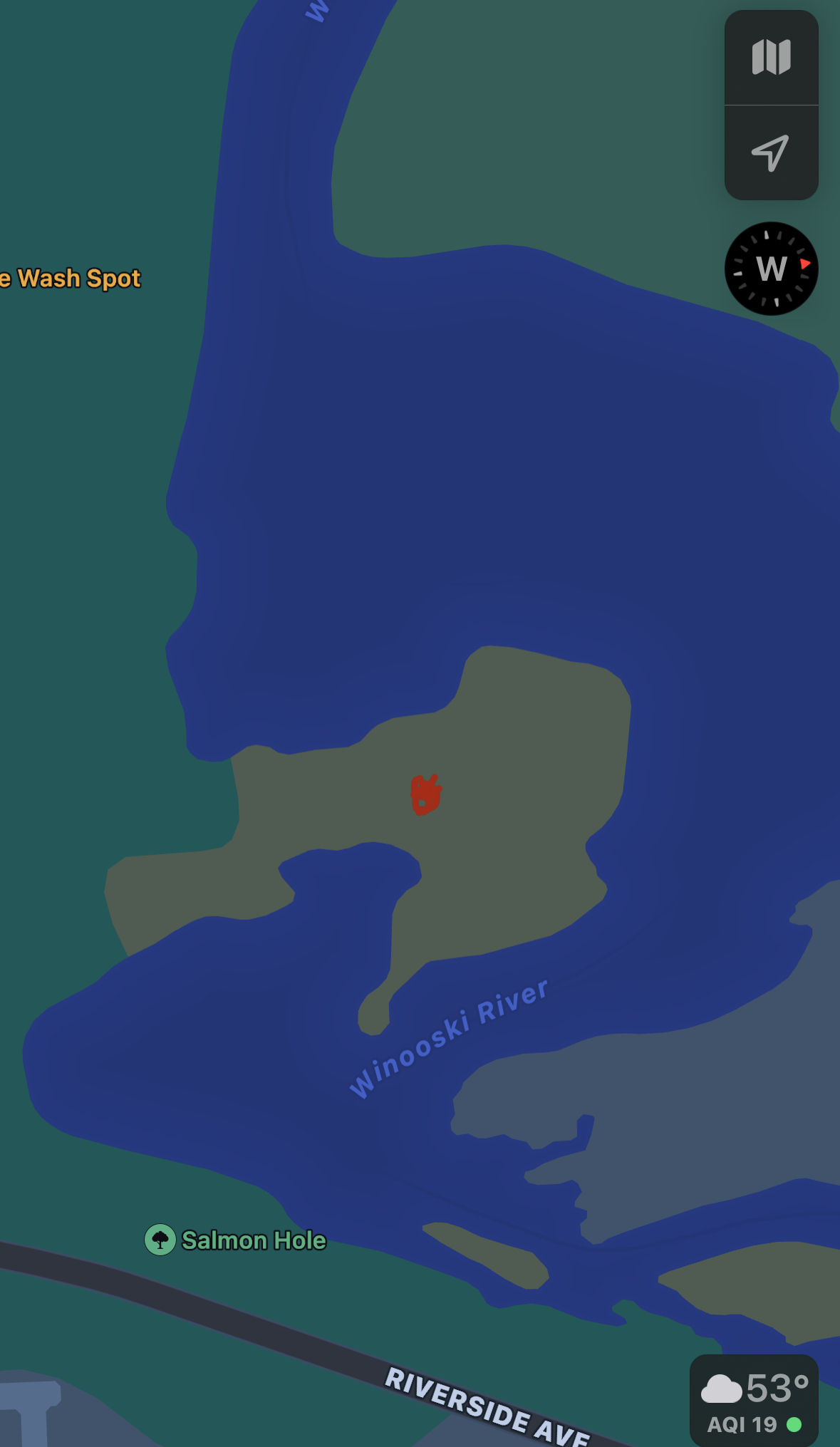
To get to Salmon Hole, you must walk/drive/bike down Colchester Avenue and take a left onto Riverside Avenue. Very quickly there are gates that open up to a simple man-made walking path that leads you down to Salmon Hole.

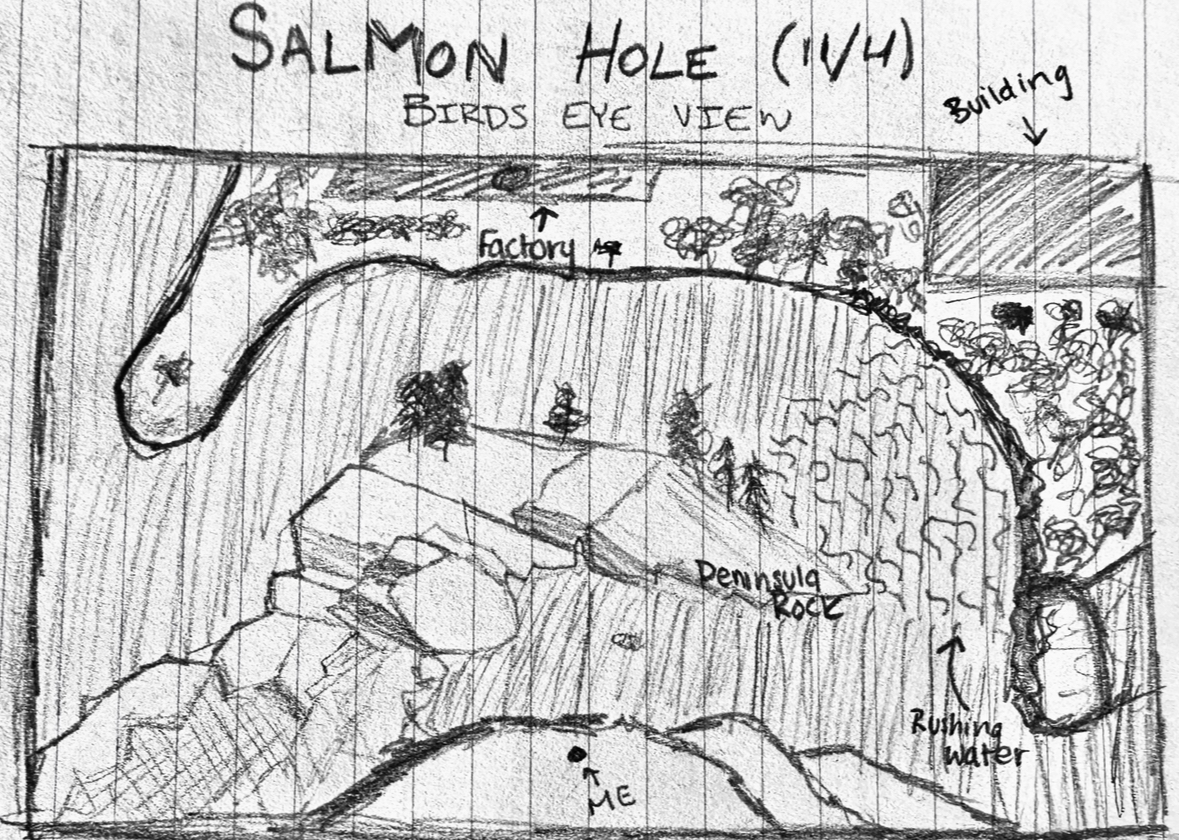
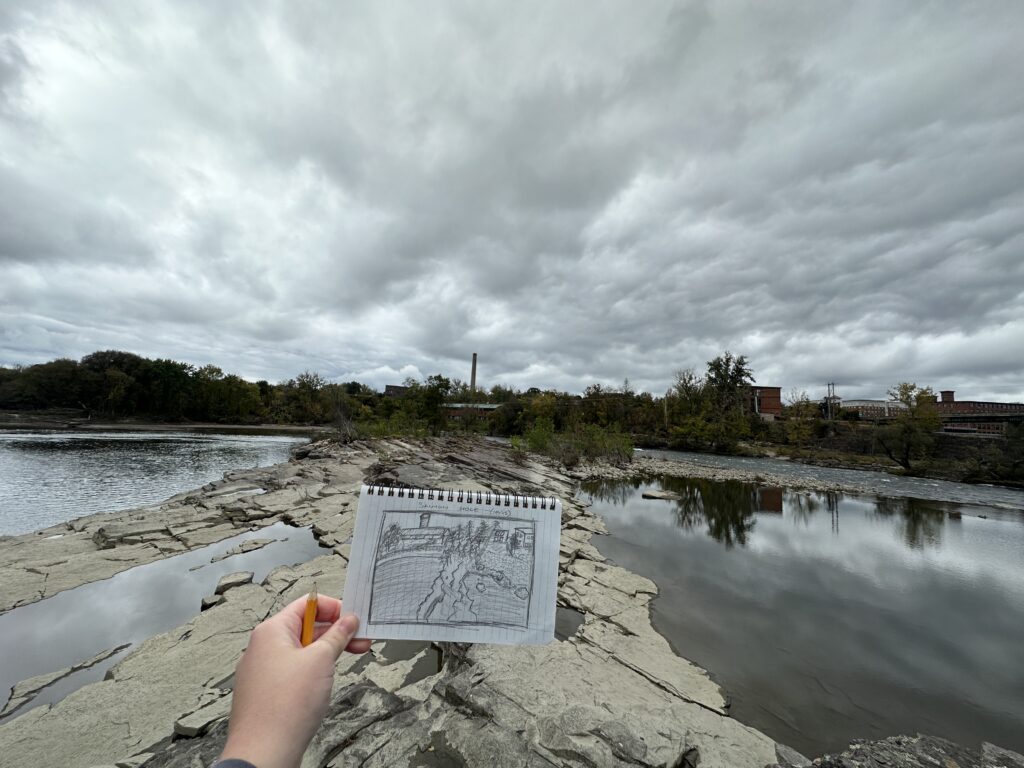
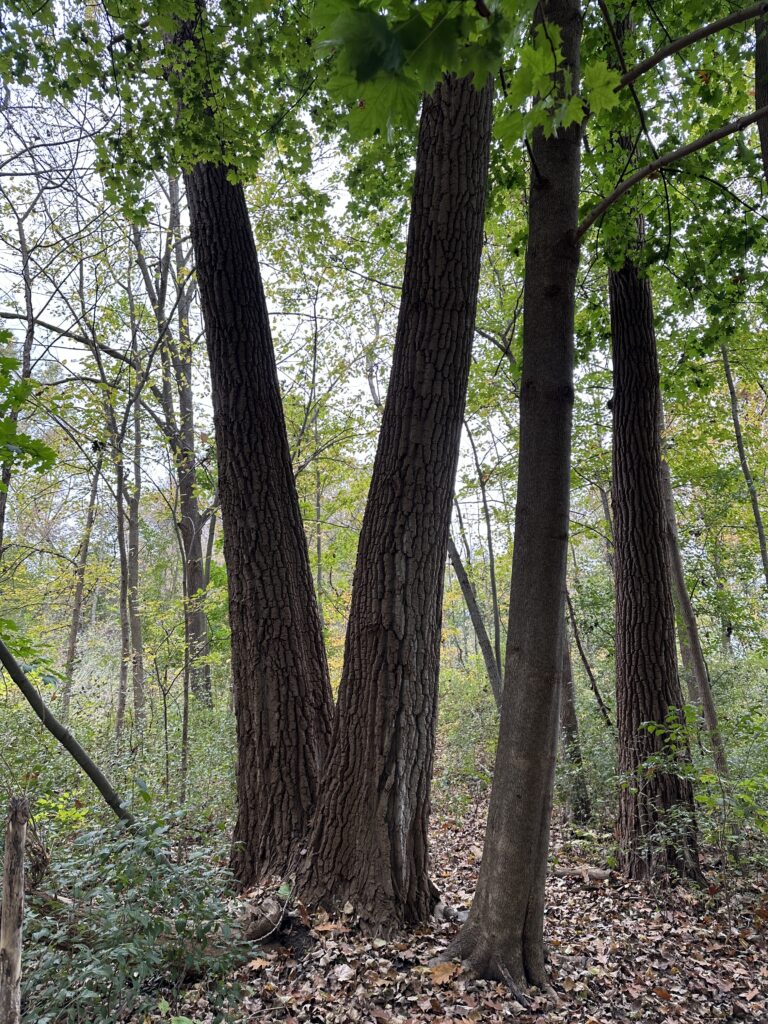
At Salmon Hole, the land is a large mixture of Dolostone, soil, and rushing streams. The vegetation is mostly dominated by deciduous trees. However, a few conifers can be found as well. The most prevalent species in the over story seem to be Red Maple, Northern Red Oaks, and Cottonwoods. Whereas in the understory, Buckthorn and Green Ash can be seen along with many small ferns.

Salmon Hole’s location is very intriguing because of it’s elevation. Salmon Hole is around 177ft above sea level. Whereas, the University of Vermont is around 351ft above sea level. The difference in elevation means the Salmon Hole is affected by high levels of storm water run-off and due to its proximity to Urban Winooski, this area experiences erosion. Similarly, Salmon Hole is just upstream of the Waste Water Treatment facility, which may have some impact on the vegetation in this area.

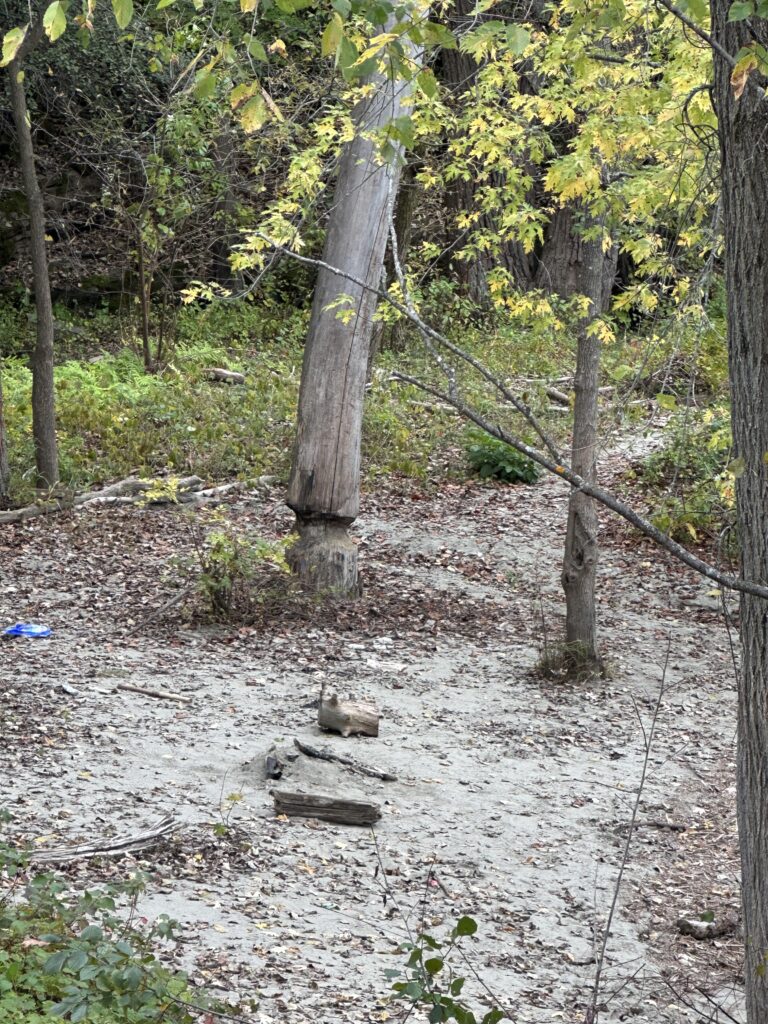
On another note, saw some possibility of Beaver activity in the area!

Skip to toolbar