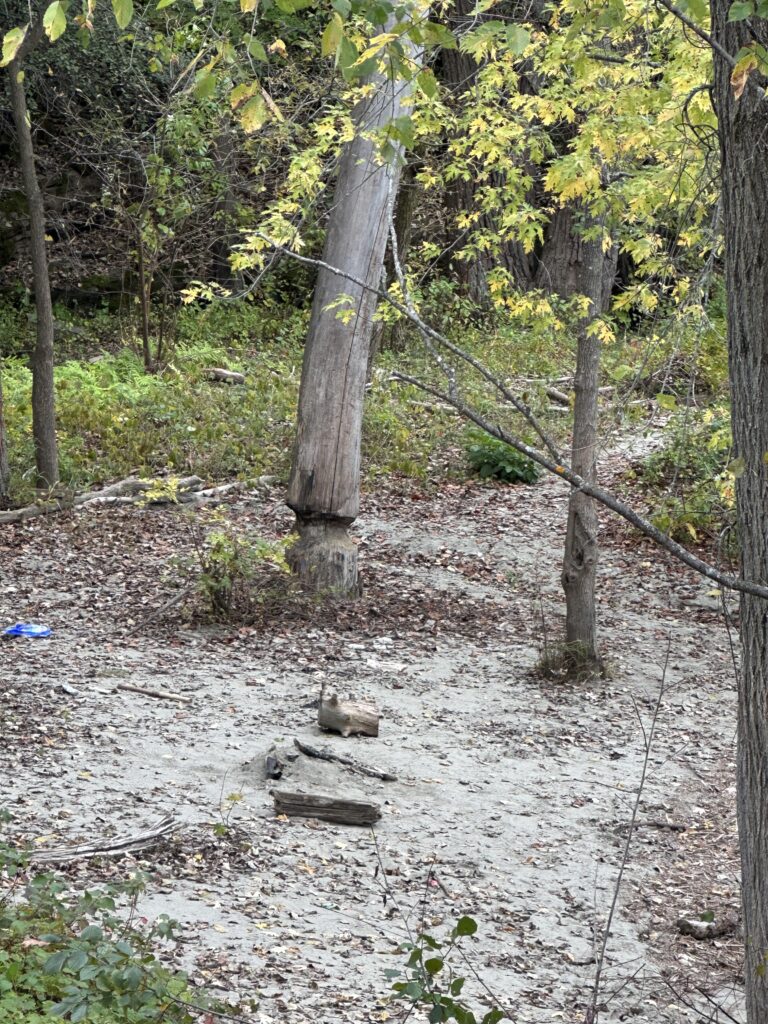
Hello and welcome to Salmon Hole. This Blog will be discussing the Phenology of this urbanized location throughout the year!
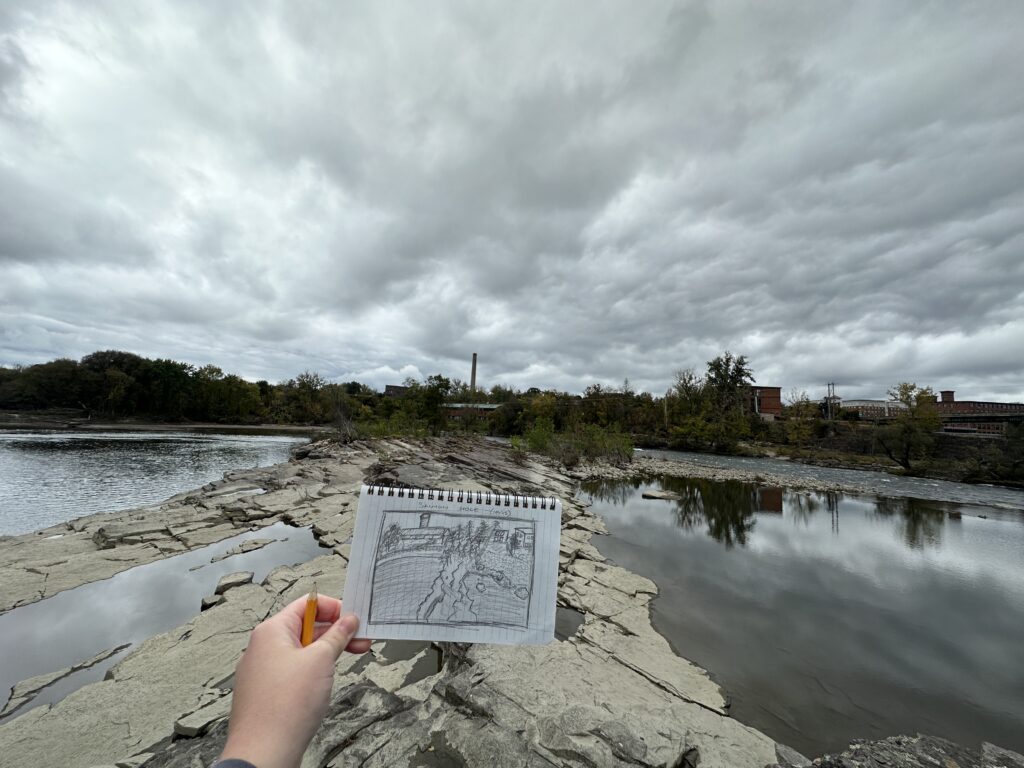
To begin, I chose this location because of its variation. Salmon Hole is a semi-urban water center that is just near the Riverside Wastewater Treatment Facility. This location experiences a ton of human impact such as fishing, walking, waste, and erosion. Therefore, I think it will be quite interesting to track to species that live here along with the processes that take place.
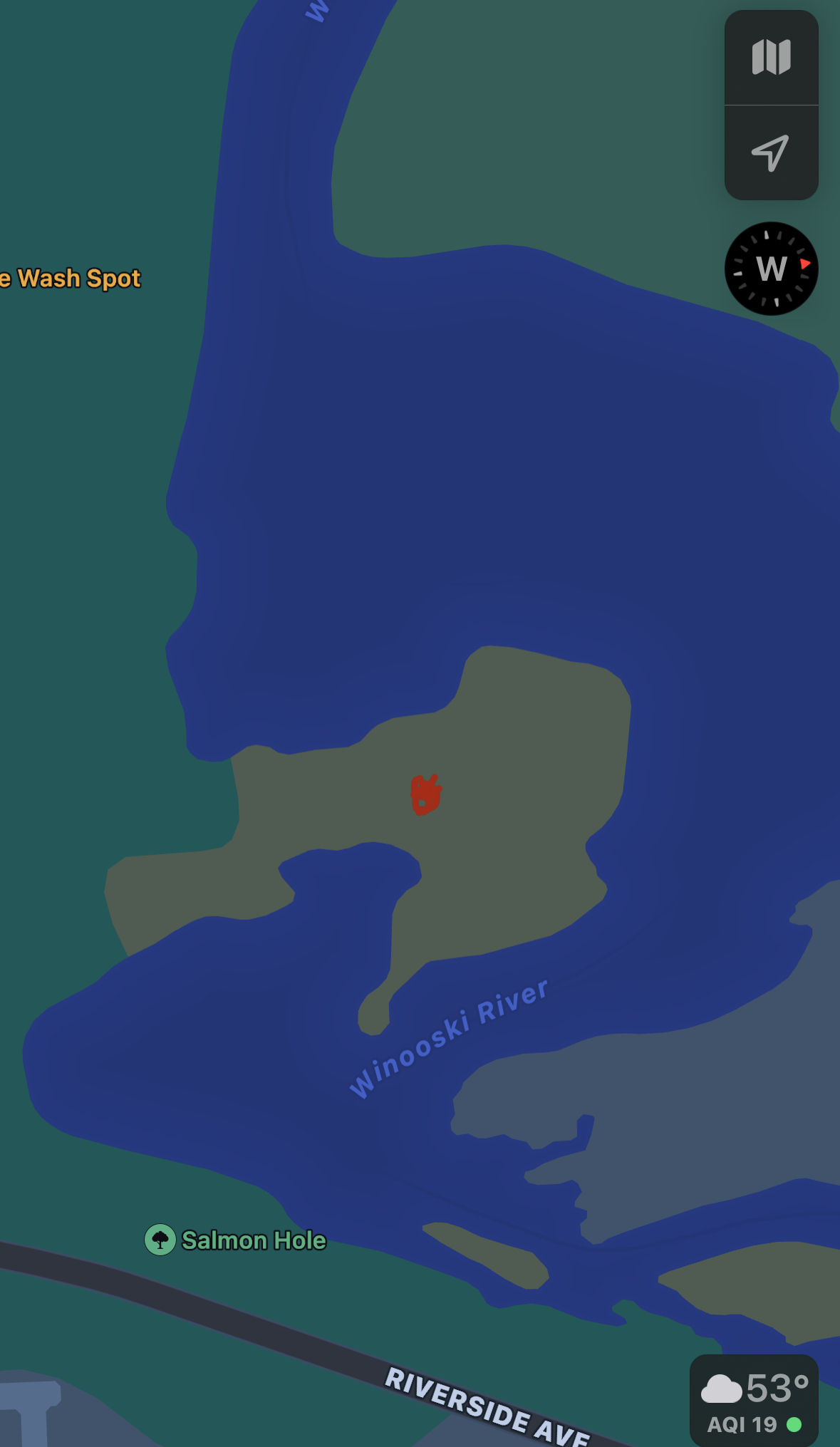
To get to Salmon Hole, you must walk/drive/bike down Colchester Avenue and take a left onto Riverside Avenue. Very quickly there are gates that open up to a simple man-made walking path that leads you down to Salmon Hole.
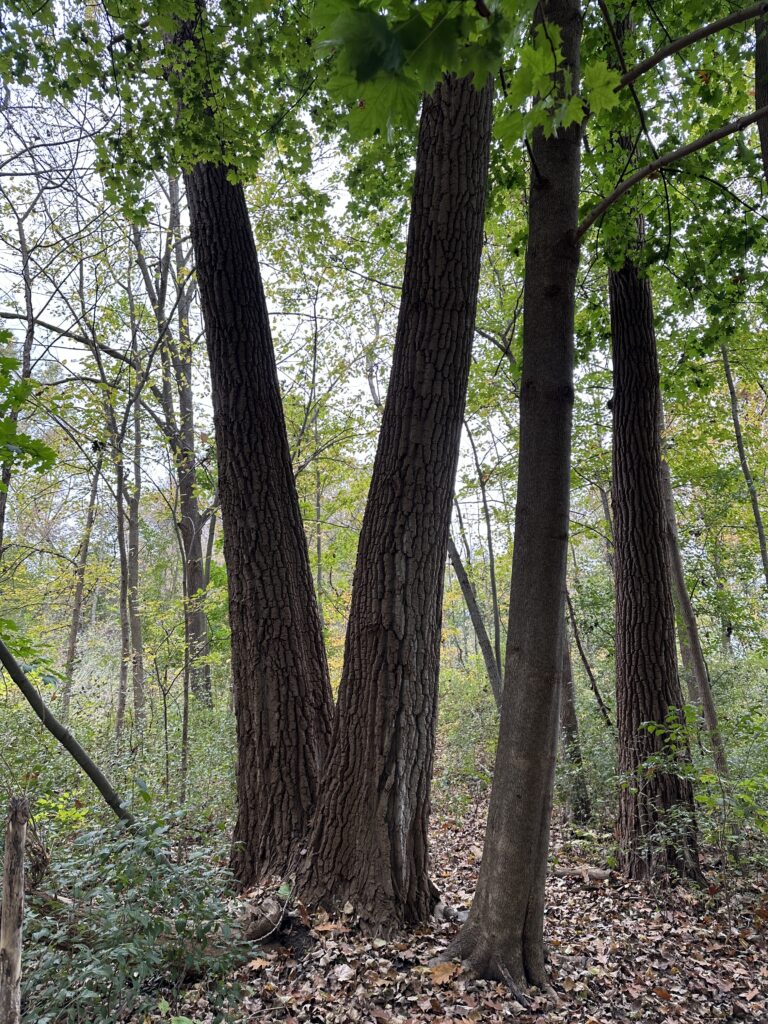
At Salmon Hole, the land is a large mixture of Dolostone, soil, and rushing streams. The vegetation is mostly dominated by deciduous trees. However, a few conifers can be found as well. The most prevalent species in the over story seem to be Red Maple, Northern Red Oaks, and Cottonwoods. Whereas in the understory, Buckthorn and Green Ash can be seen along with many small ferns.
Salmon Hole’s location is very intriguing because of it’s elevation. Salmon Hole is around 177ft above sea level. Whereas, the University of Vermont is around 351ft above sea level. The difference in elevation means the Salmon Hole is affected by high levels of storm water run-off and due to its proximity to Urban Winooski, this area experiences erosion. Similarly, Salmon Hole is just upstream of the Waste Water Treatment facility, which may have some impact on the vegetation in this area.
On another note, saw some possibility of Beaver activity in the area!