ECOS Lab
Ecology, Conservation, & Other Stuff
The Rubenstein School of Environment & Natural Resources
Ecology, Conservation, & Other Stuff
The Rubenstein School of Environment & Natural Resources
The high level goal of the lab is to undertake research that investigates how our use, management and conservation of ecosystems affects human and non-human species. We aim to produce science that can be applied to, yes we hope, make the world a better place.
Three broad buckets of research could be defined as:
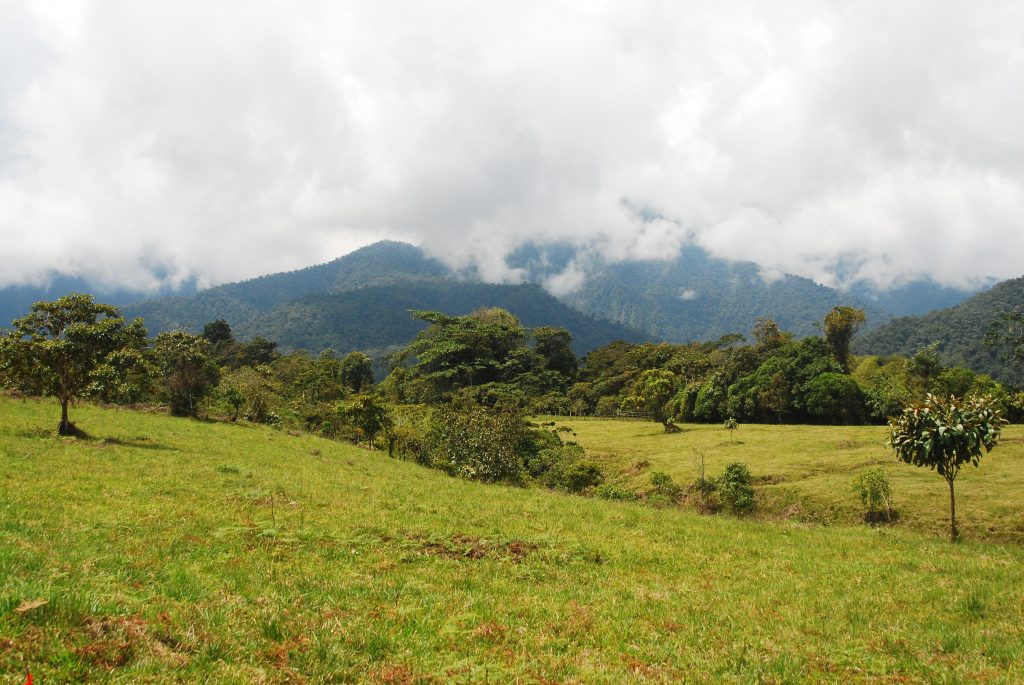
We work on a range of issues with regard to how the condition and management of ecosystems affects human well-being and biodiversity. From forest conservation in East Africa and grassland conservation in Brazil to timber management in the Northeast of the USA, we aim to better understand the links between ecosystem functioning and impacts on biodiversity and socioeconomic dimensions of such systems.
A particular aspect of the ecosystem services research focuses specifically on human health impacts of ecosystem change and governance. In the field, we are looking at how recreation and tick borne disease interact in the Northeast, how engagement conservation and restoration activities affect mental health and human wellbeing, and how forests provide a suite of wellbeing outcomes from reducing diarrheal disease, mitigating incidences of malaria and improving dietary diversity.
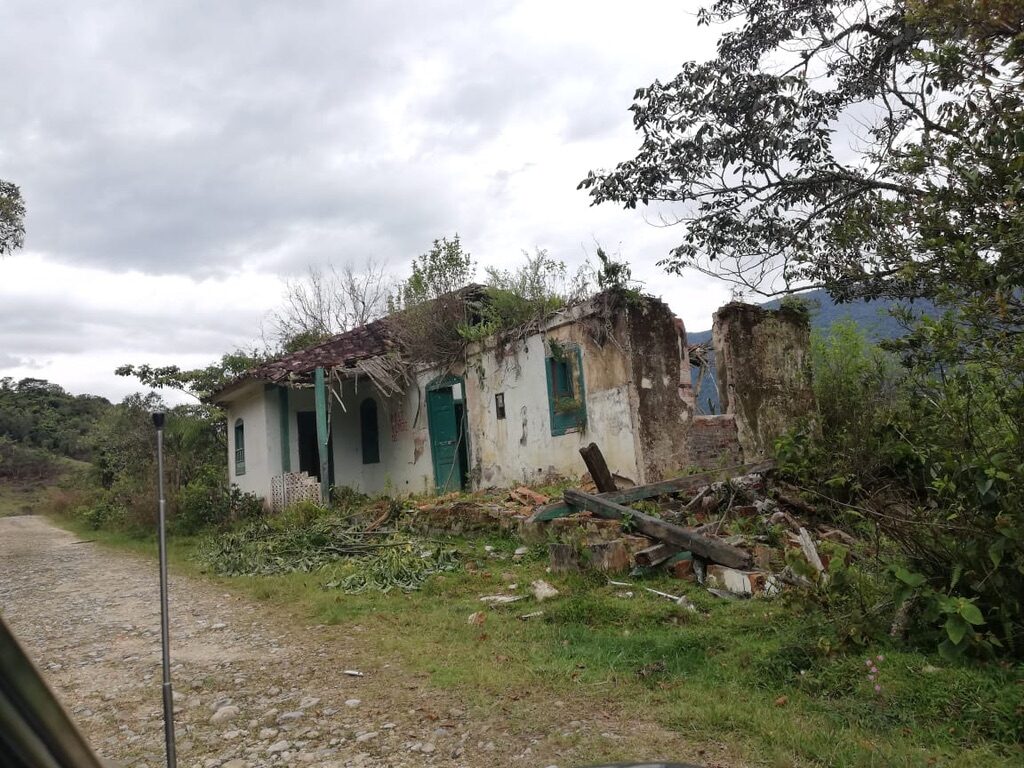
We know that the sustainability of our planet rests firmly on the aggregate decisions of humankind. We look to better understand processes of human decision making when confronted with consumption decisions and environmental behavior in general. We have been using insights from behavioral economics to test how people decide to purchase more sustainable products, decide how to dispose of their waste, decide to enjoy nature, or decide to act more pro-socially.
For a full list of publications, please see Google Scholar