Feeds:
Posts
Comments

All things must come to an end, and with the bittersweet end of the semester comes the end of this project!

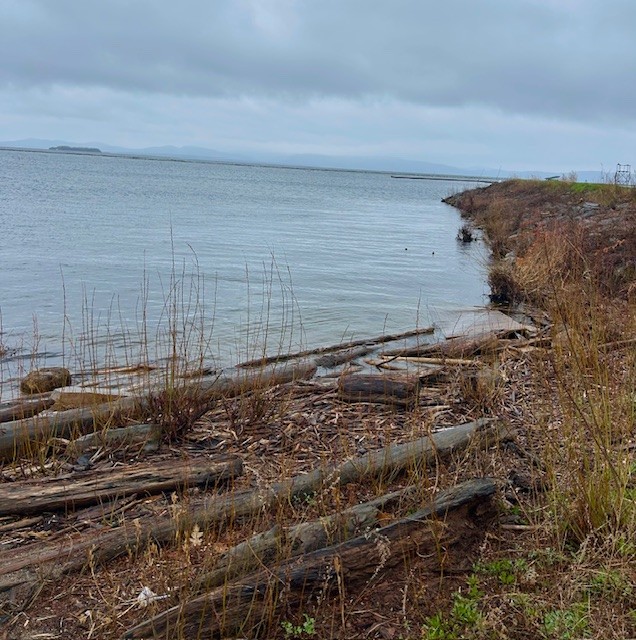
My spot over time:

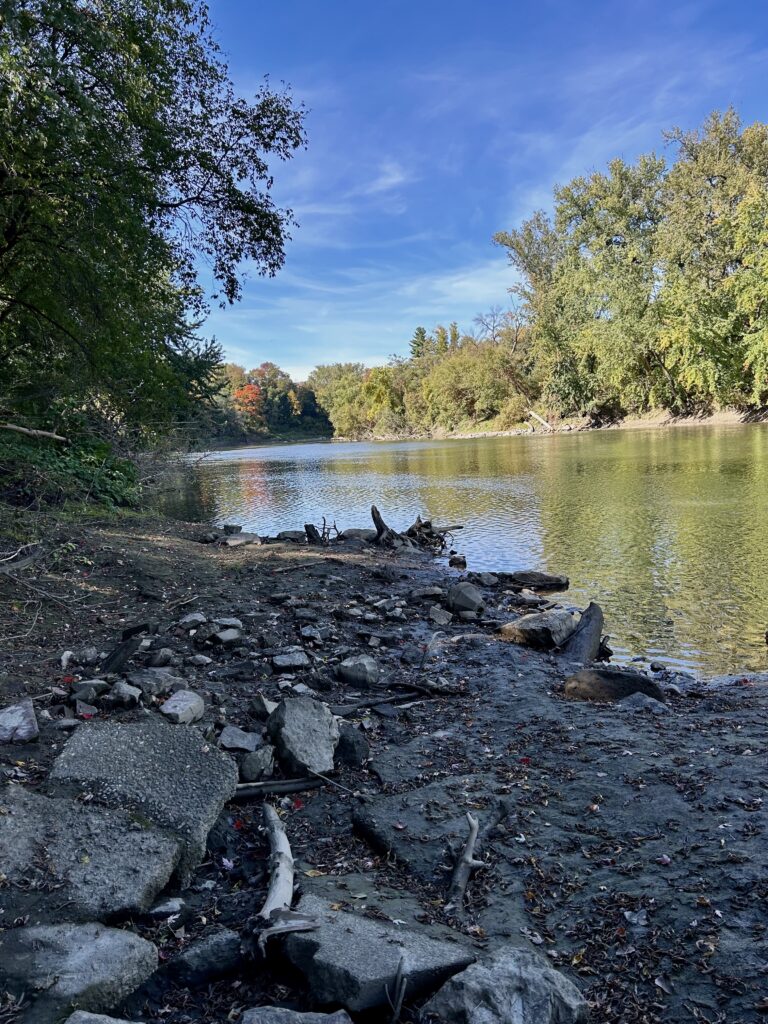
Although this place has changed over the phenological timeline, some things stay the same, like the smell of the nearby wastewater facility, random bits of trash, metal and brick and the ever present evidence of erosion. Ok, but it’s not all bad, this bank has plenty of things to celebrate, like the slow regrowth of ferns and grasses, the nearby sugar maples getting their leaves back, and reemerging creatures and song birds. Compared to the fall, there is more trash and debris washed up on the bank, most likely carried by the rising levels of water as the rainy season continues. You know what they say, April showers bring….. Vermont mud season???

Major landmarks

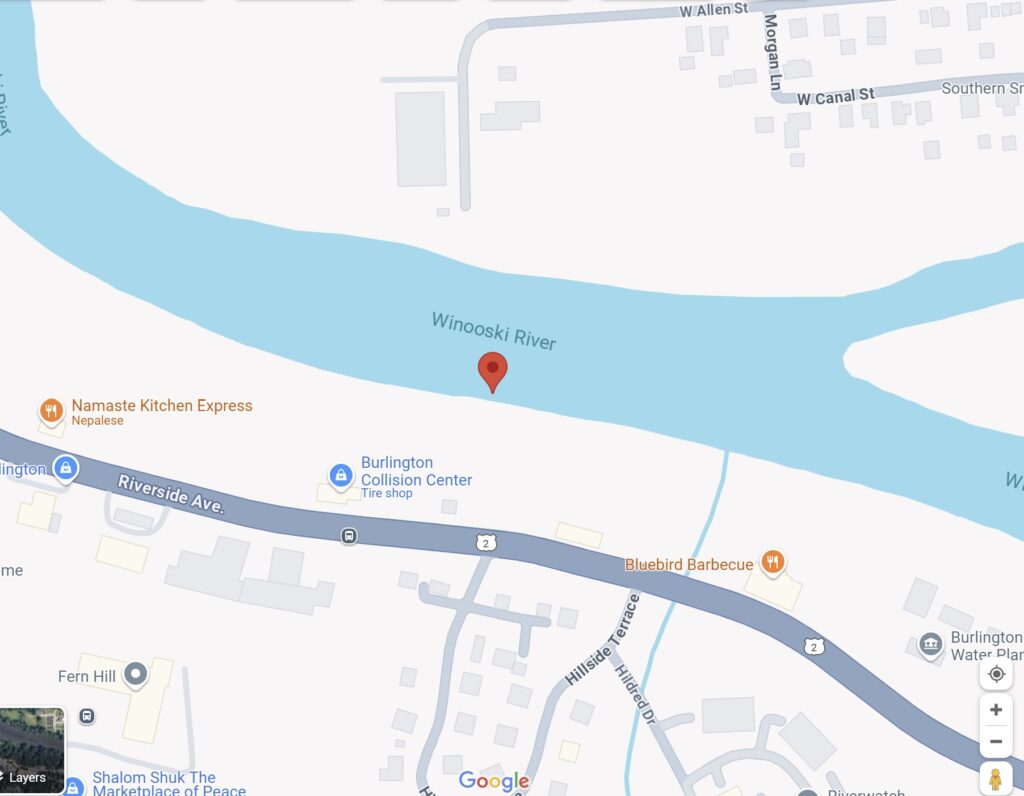
Admittedly, I almost forgot where my location was every single time. It’s located towards the end of the Winooski River walk, so it would take a minute, but once I saw the 2 giant sugar maples splitting the trail in half, I knew I made it. Plus, I always could identify my little riverbank by its composition of old mill bricks. So unique!

Nature and Culture

The riverwalk along the Winooski river is extremely intertwined with human culture and interaction. This trail gets a decent amount of foot traffic, as it provides a lovely gentle hike with a pretty view of the river. The riverwalk begins at Salmon Hole, which is located extremely close to industrial downtown Winooski. I hate to say that a good chunk of the human-nature interactions here are negative. There is a saddening amount of trash and pollution as a result of its proximity to the road and to multiple mills and wastewater facility plants. There are actually some people that have set up temporary camps along the trail and near my location, and I’m curious whether that has a negative effect on the environment or on hikers, but my experience was relatively unaffected (except in the first week I was yelled out from a disembodies voice and given a rather ominous warning)

Am I a Part of this Place?

I don’t think I would say I am a fundamental part of this place, honestly the vibe felt more like I was a frequent adventurer to this place. I got to know my own small location and the broader Salmon Hole area pretty well and I would say that this little bank will always be important to me and my education as an NR student. I have developed a relationship with this place, but I do not claim ownership or belonging over it.
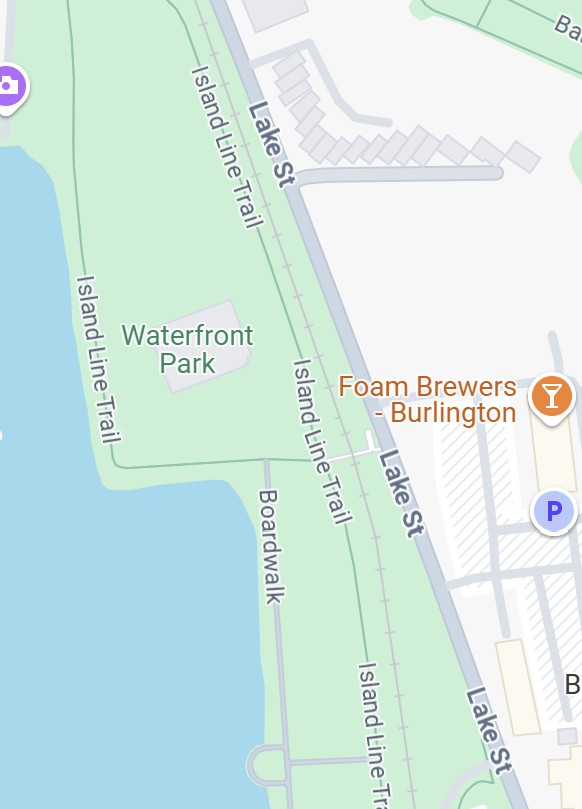
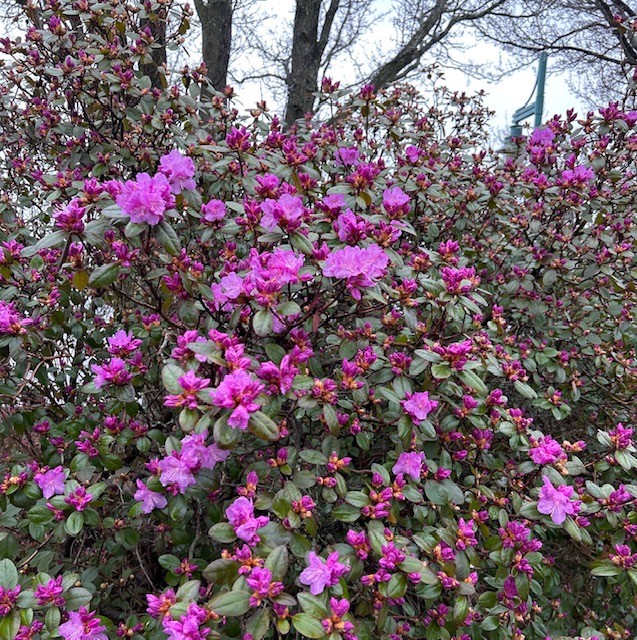
As a part of the iNaturalist Bioblitz City Nature Challenge, I made my way down to Waterfront Park, braving the rather cold and rainy Sunday weather. I walked along the boardwalk and the bike path, identifying absolutely everything: from flowers to songbirds to squirrels. It was easy to navigate the iNaturalist app, upload my findings to the correct projects, and some of my observations have already been confirmed by professionals on the app! That was fast!

Species

Despite the dreary weather, Waterfront Park was still buzzing with activity. Not even the wind could drown out the lovely songs of various bird species. Not to brag or anything but I made 14 observations of 14 different species! Here are my results:

  • Plants: Queen Anne’s Lace, common evening-primrose, common blue wood aster, rough cocklebur, common mugwort, silver maple, pontic rhododendron, spotted deadnettle, white clover
  • Animals/Birds: Eastern grey squirrel, song sparrow, black-capped chickadee, seagull, American robin

Global Scale

I enjoyed looking at the global statistics and scouring the leaderboard on the iNaturalist website and as of right now (Sunday 1 pm), Burlington is…. not even close to first place. I was surprised to see San Antonio at the top of the leaderboard with a significant lead over the other cities. I haven’t yet accepted Burlington’s defeat, there is still time to make an epic comeback! I was also surprised to see my hometown of Baltimore was far above Burlington, with almost 4,000 more observations than Burly. I guess I never knew how widespread and thoroughly executed this challenge was because I had never heard of it. But it’s cool to know that so many people all over the world, including my hometown, are united through a challenge to participate in citizen science to allow better understanding of biodiversity in urban areas. That’s all for now folks, see you next time for my FINAL phenology post! (can you even believe it’s almost over?)

-M

Spring Phenology Walk

On Wednesday April 9, I embarked on an epic journey across UVM campus on the search for evidence of phenological changes among 5 different species of native trees. After the longest, coldest, and snowiest winter of my entire life, I am simply desperate to find something, anything that gives me hope of Spring’s slow but sure arrival. If my time here has taught me anything, phenology is a patient process.

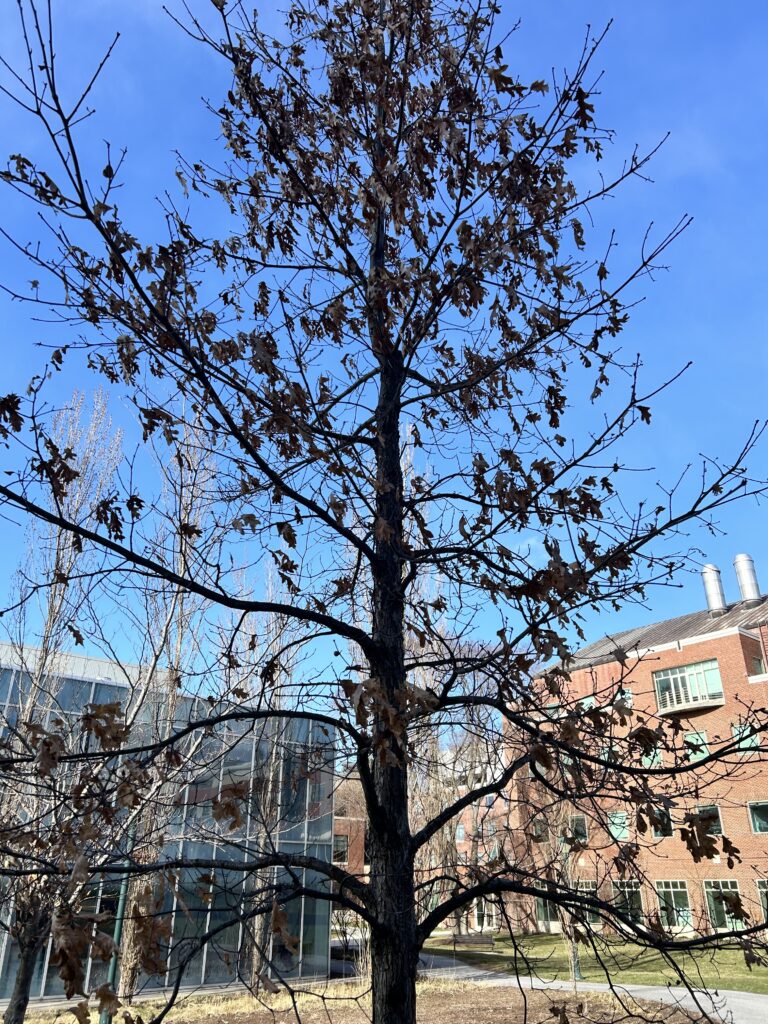
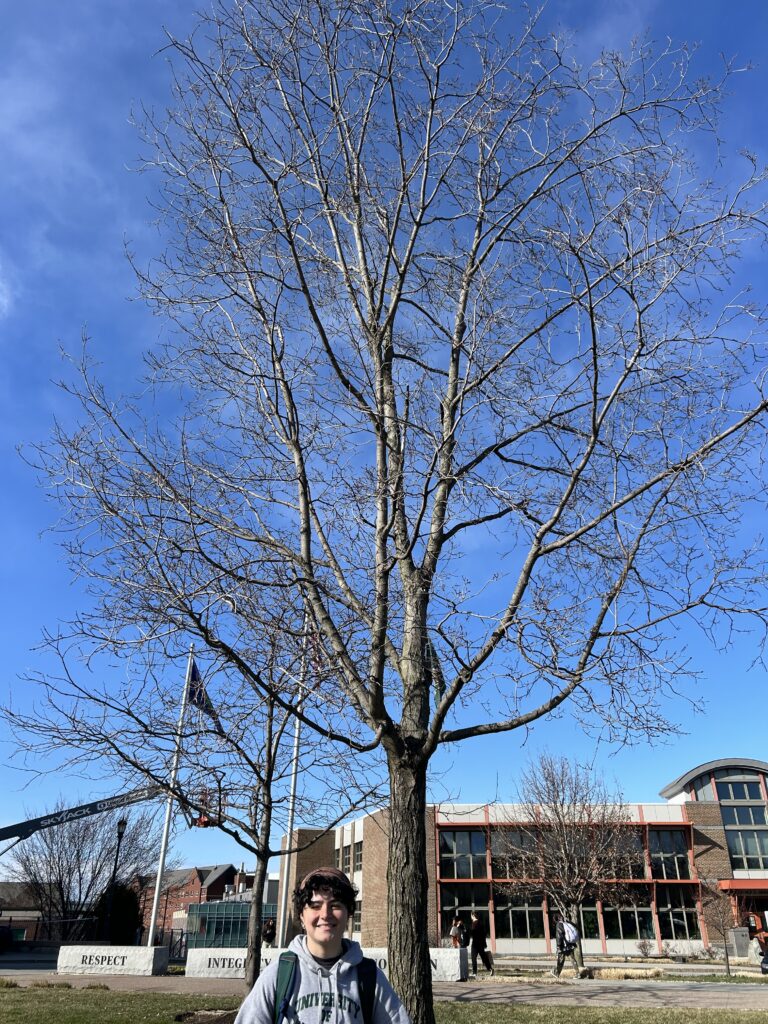
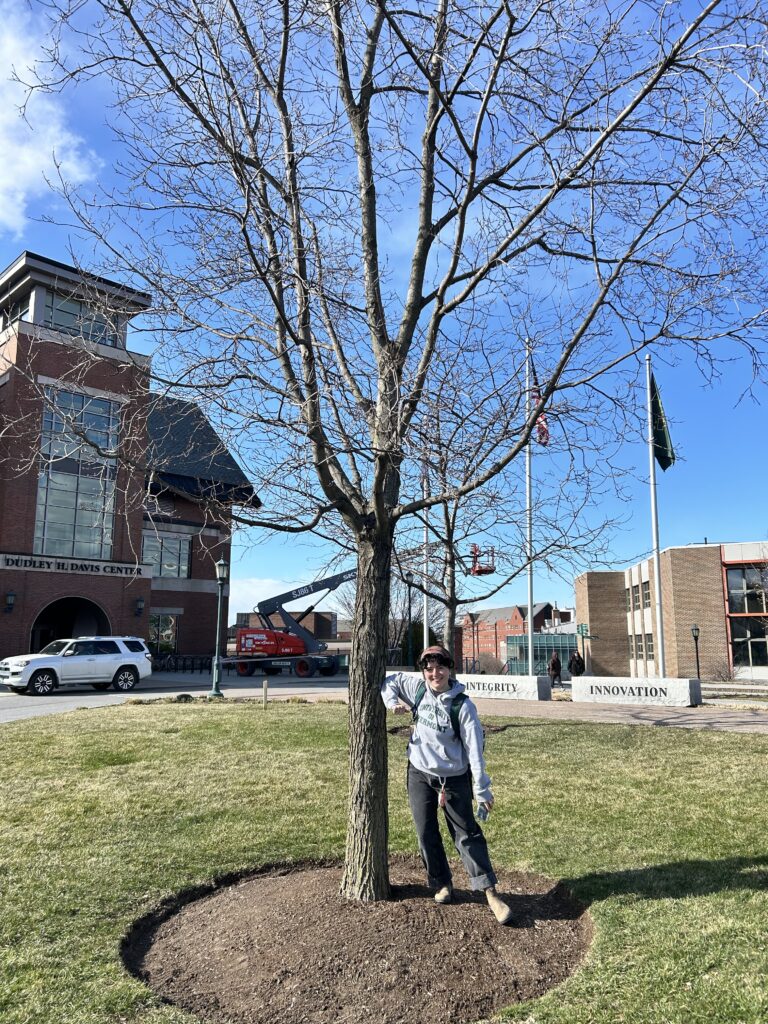
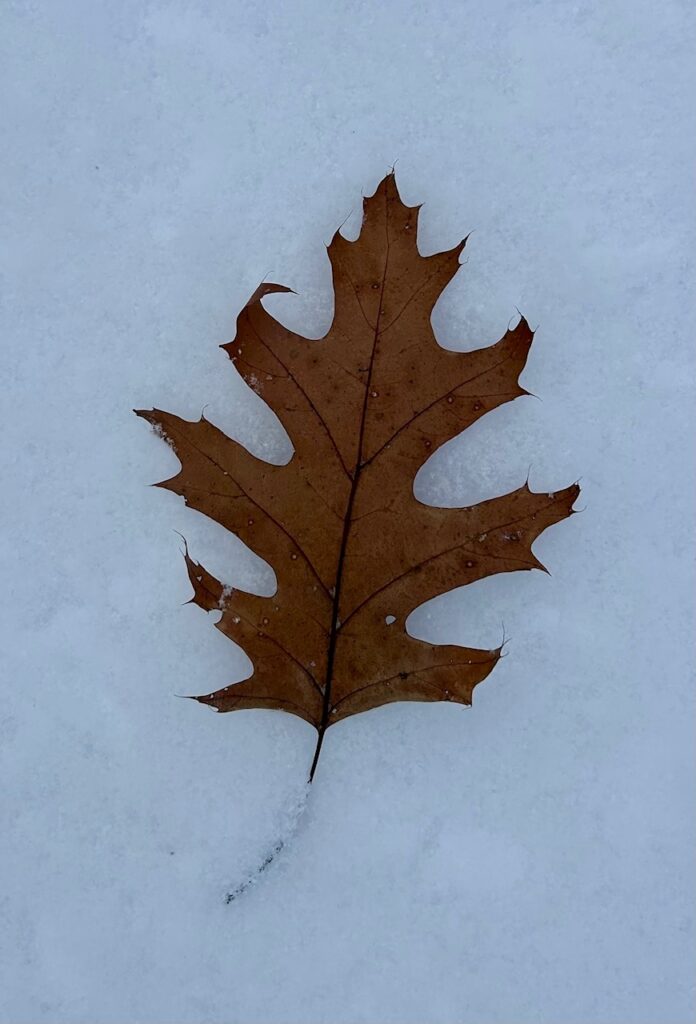
The Mighty Oaks: We have some late bloomers in our midst, because both the white oak and the red oak are a bit late to the spring welcoming party. Although I observed dozens of buds along the branches on both species, there doesn’t seem to be any sign of breakage just yet. In fact, the red oak is still hanging on to its leaves from last season, so at least it isn’t completely bare. Overall, both species of red oak don’t seem to have any intention on blooming soon.

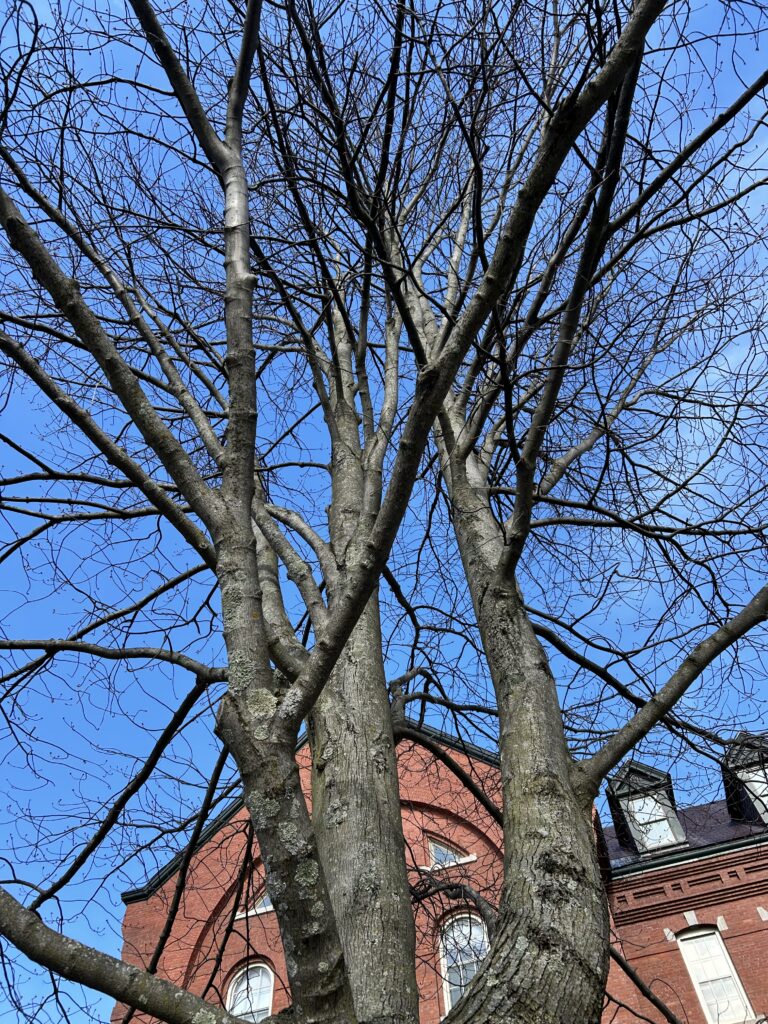
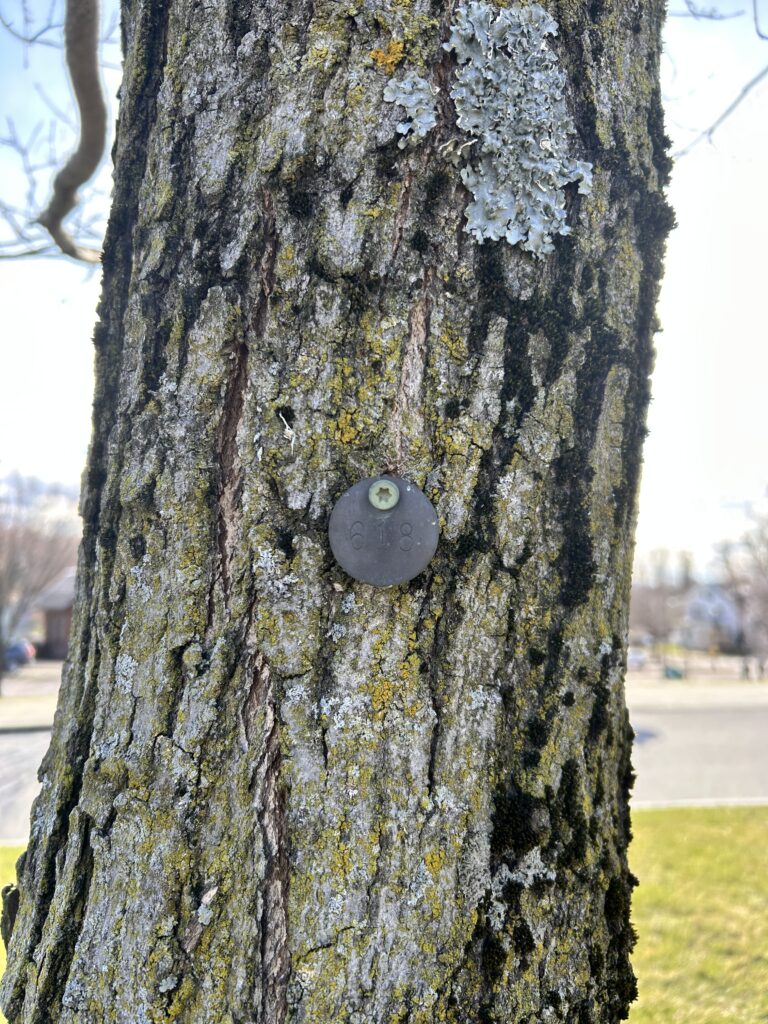
The Three Maple Trees: If you are looking for signs of spring on a dreary Vermont April day, look to the maple trees! Well, sort of……The red maple, sugar maple, and Norway maple are featured in the above photos and though it may look like there is not much going on, after some observation I can tell that there are lots of big changes on the way. The red and sugar maple are slightly more discrete though, as their only sign of phenological change was the slight breakage of buds. The lovely Norway maple is starting to produce flower buds and the beginning of opening flowers! But other than that, the arrival vibrant green treetops is still just out of reach.

National Phenology Network: What did I learn??

I took some time this week to dive deep into an ecological-technological rabbit hole that is the National Phenology Website Network. I scrolled through the “News and Publication” section until a particular article caught my eye. “Male and female trees are responding differently to increasing temperatures”?? Let’s just say my feminist curiosity got the best of me. The article discusses the impacts of warming temperatures on dioecious trees (Dioecy describes the phenomenon of a unisex organism that requires both male and female gametes to reproduce). In a nutshell, male trees often flower earlier than female trees, meaning they are increasing flowering time at a greater rate than females. This offsets the synchronicity of male/female flowering and pollen release, which allows for successful reproduction in dioecious trees. In a broader perspective, this phenological mismatch could lead to a decrease in the abundance of these types of trees, which include mulberry, holly, and willow. This article adds to the concept that human-driven climate changes are causing drastic changes in the environment and disrupting natural processes, such as tree reproduction.

For this assignment, I chose to take a stroll through Centennial Woods to look for signs of wildlife activity and admire the winter scenery with all the snow that Burlington received in recent days. Using iNaturalist, I recorded signs of animal activity, but in general, it was up to me to identify what I was looking at, since the app was unable to. Pictures below are some examples of images I uploaded along with my thoughts.

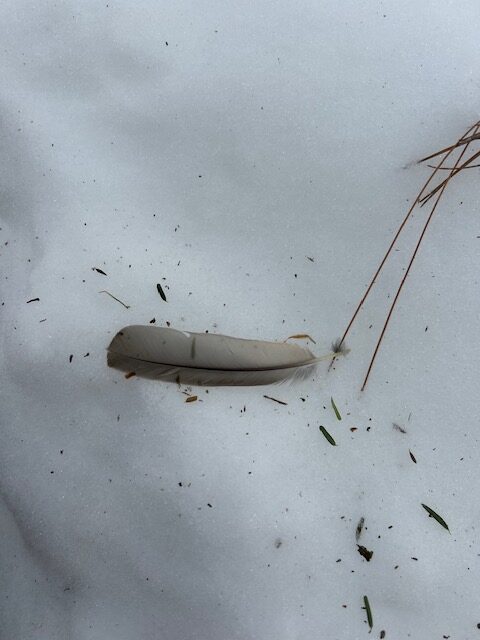
This is a small feather (approximately 10 cm) that was beside one of the trails within Centennial. iNaturalist is unable to identify the species of bird that this feather belongs to, so considering the size, coloration and habitat range, I guessed that this was Mourning Dove feather.

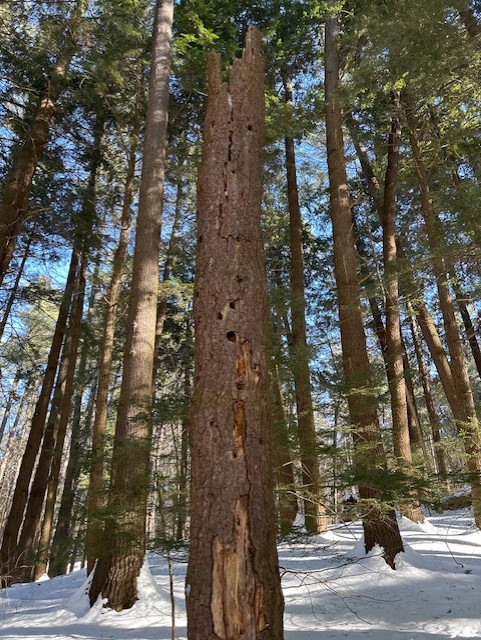
This dead tree bears the markings of woodpecker holes. The Downy Woodpecker, Pileated Woodpecker and Red-Bellied Woodpecker all live natively in Vermont, so these holes could have been from any one of the local woodpecker species, although the holes are not oval shaped, which could rule out the Pileated Woodpecker as a suspect.

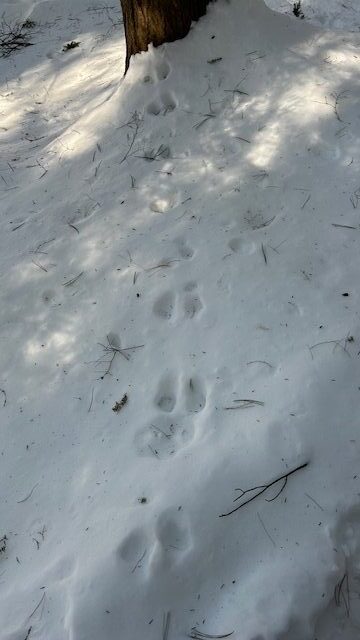
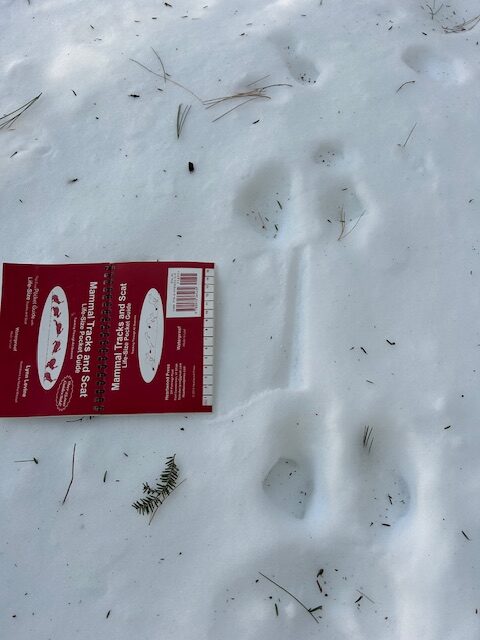
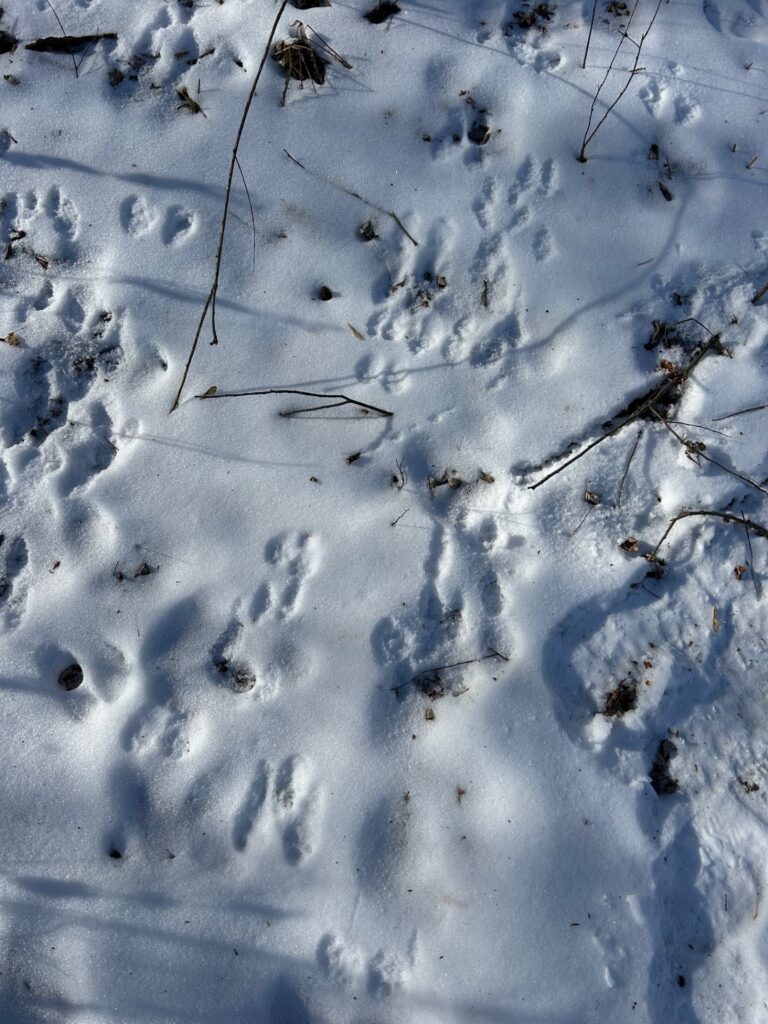
Pictured above are possible rabbit tracks found near a trail. Based on the movement pattern, I could tell that this was a bounder, specifically land roaming based on the staggered pattern of the back prints. These prints are likely not snowshoe hare prints based on the small size, which led me to the conclusion that these are cottontail rabbit prints.

Welcome back to the Salmon Hole Riverwalk along the Winooski River!

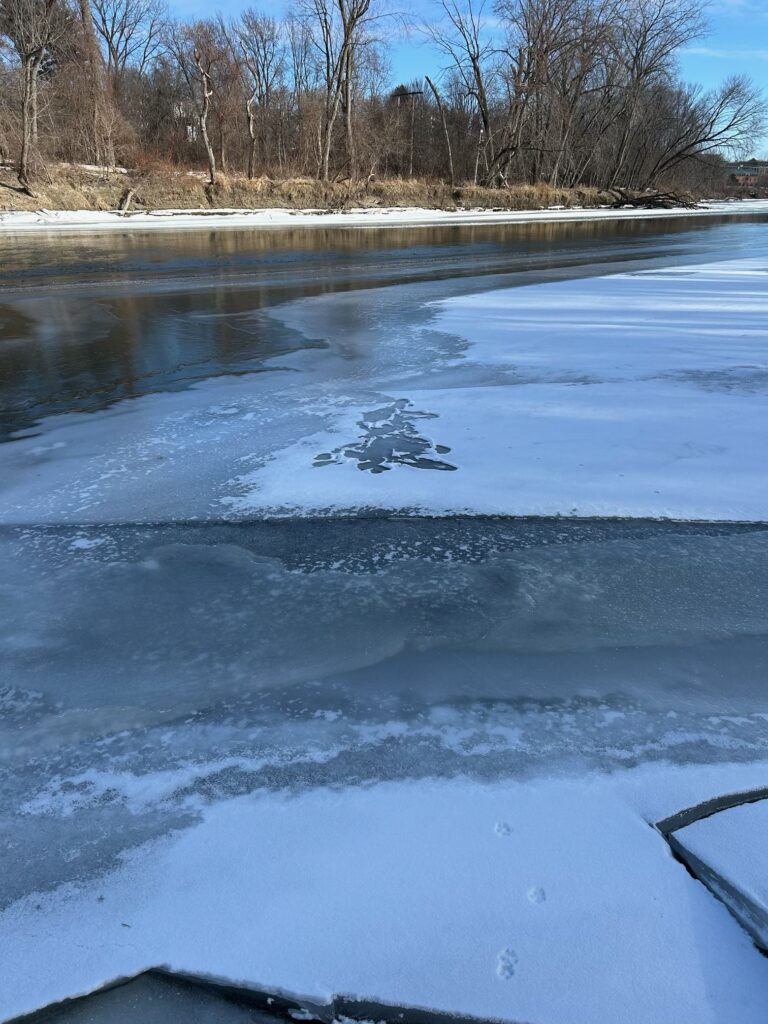
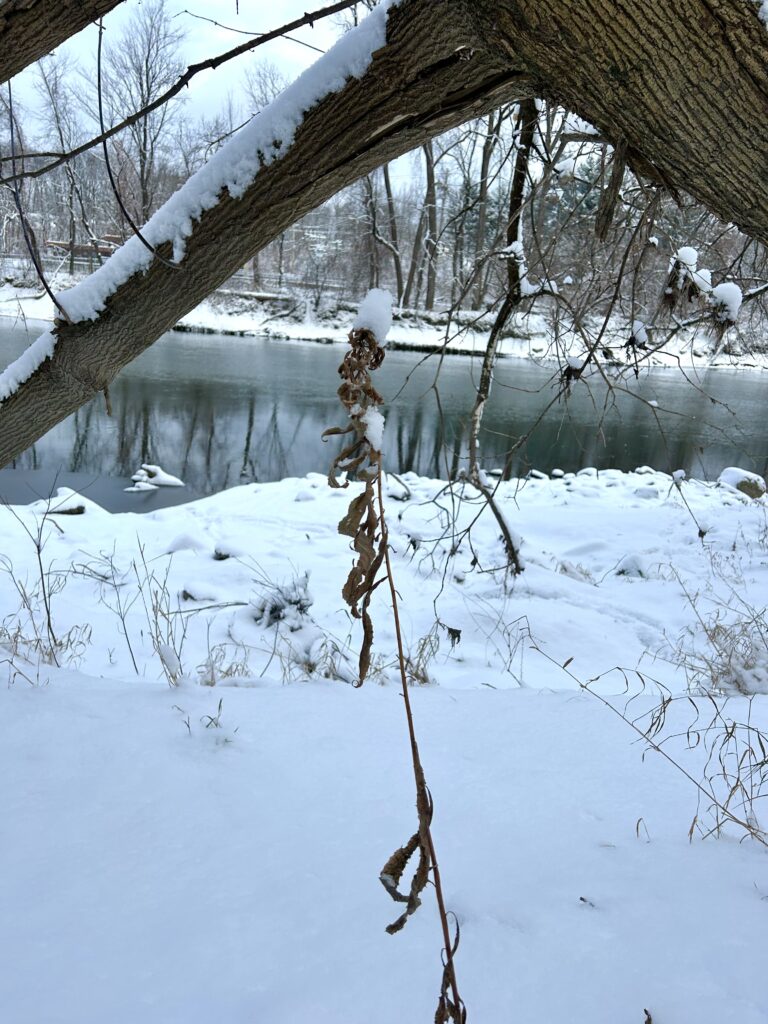
Although there is less snow on the ground since my last visit, it is certainly colder! Cold enough that large portions of the Winooski River, specifically nearest to the shoreline, are frozen solid. Large ice sheets cover most of what used to be the rocky, sandy bank of my location, making it quite slippery and a bit precarious to walk along. I could no longer discern where the bank ended and the river began so to avoid a rather soggy, freezing walk home, I did not test these boundaries. Due to the snow and ice cover, all signs of vegetation on the riverbank are hidden.

Animal Activity

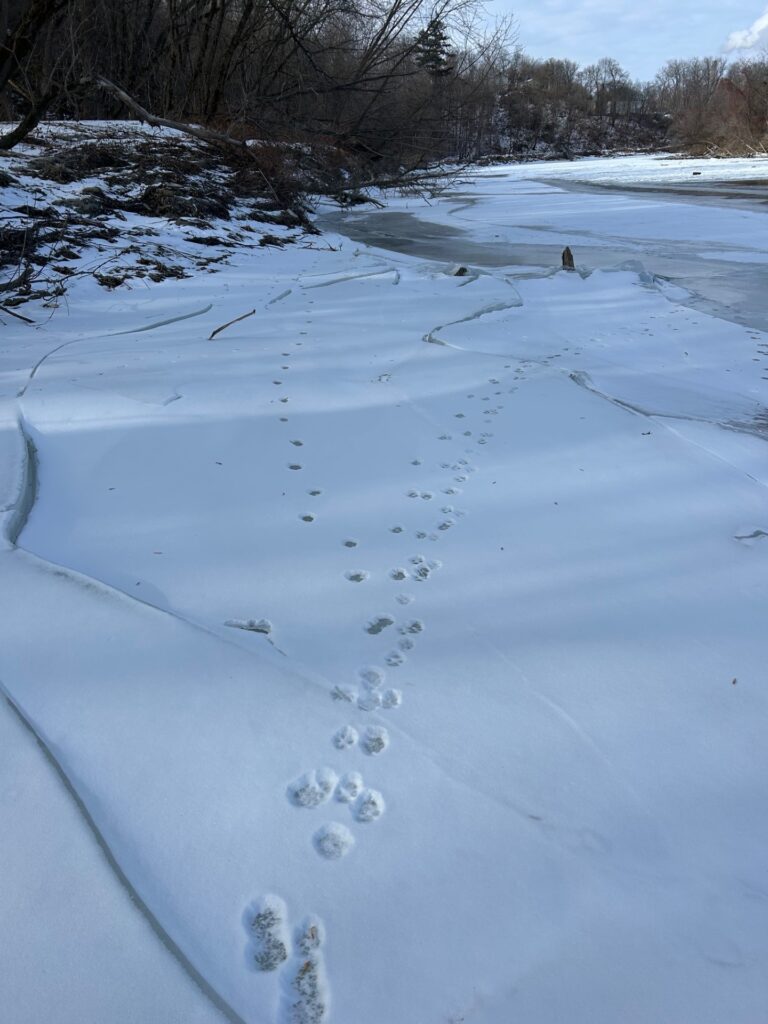
Despite the frigid temperatures dropping to the single digits, it seems not even cold can keep the nearby wildlife from playing in the snow!

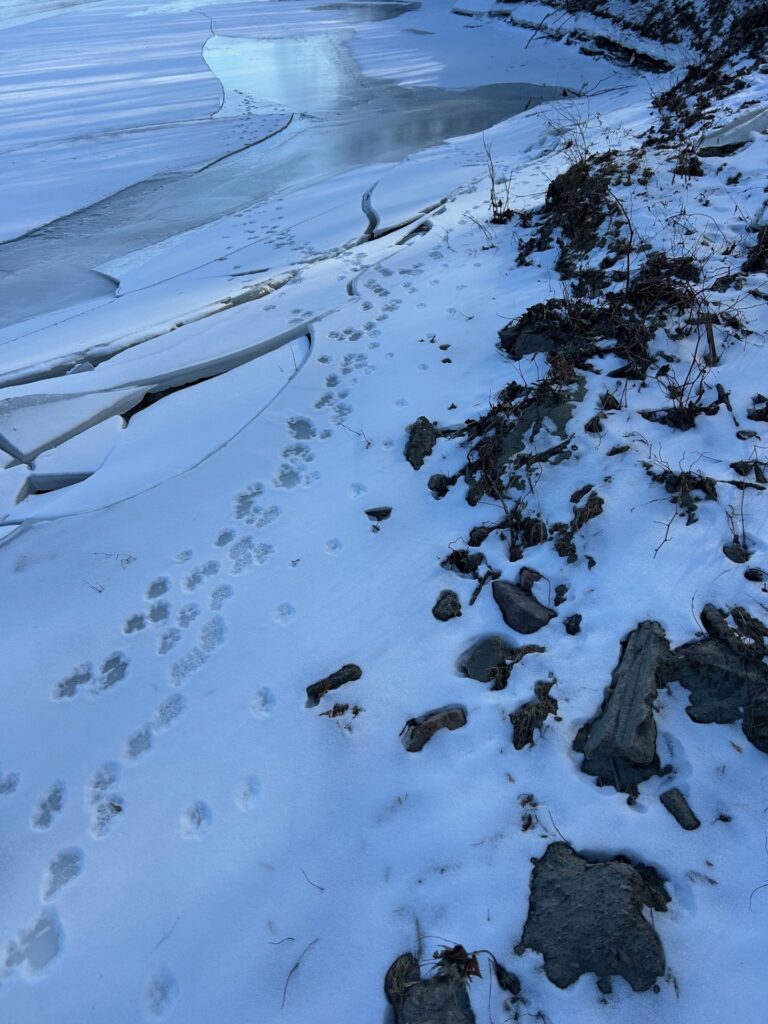
These tracks are a continuation of the path of the first picture in the gallery. The prints are relatively small, and the owners of these prints would also have to be small since they were traveling on and off the ice sheets over the river. At first, I thought these might belong to a pair of small dogs, but I think it might be possible for them to be fox tracks (maybe just wishful thinking because dog prints would make sense). Either way, whoever left these tracks continued past my phenology spot and along the river’s icy banks.

Holy Snow!

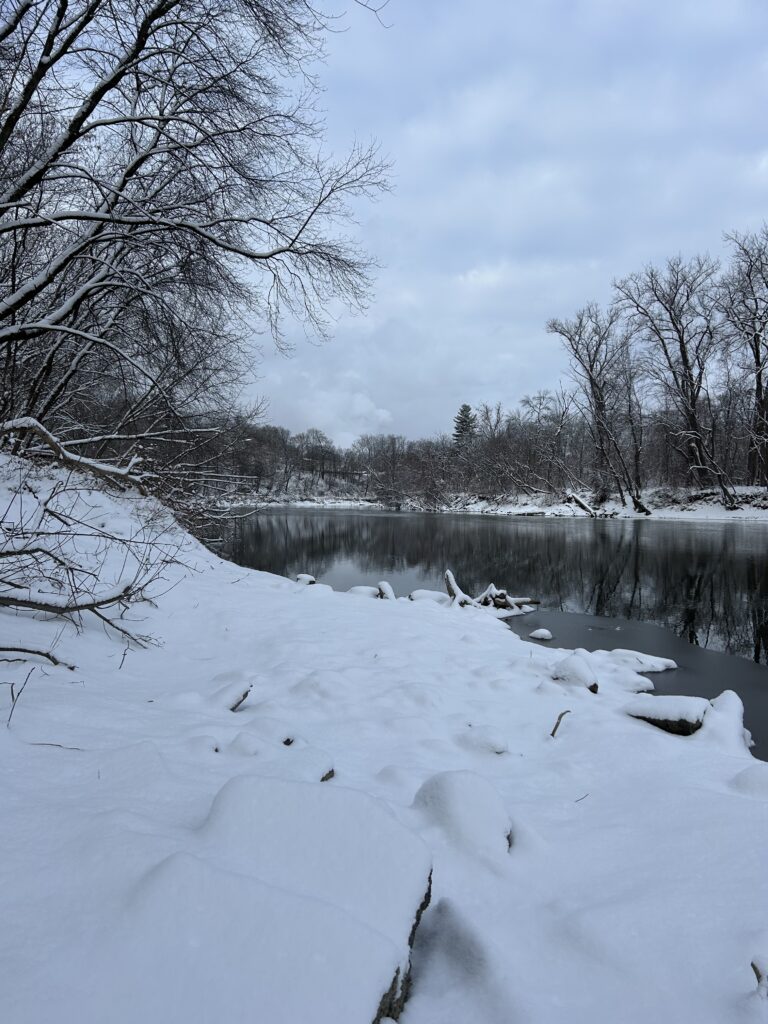
This Saturday, I awoke to the world outside of my window covered in a blanket of snow. The snow continued to fall throughout my entire hike to the Winooski River and although it was cold, the breathtaking sight of snow-covered trees was truly worth it.

This is my last phenology post for this semester, which is almost surreal. It’s been so fascinating to watch this little riverbank change with the seasons. Most of all, my favorite part of this project process was the hike along the Burlington Wild Way trail. A few friends with nearby phenology locations and I would always journey from the athletic campus all the way to Salmon Hole and back. I really value the time spent with such lovely people in such a cool place.


Few Foliage: What’s Left?

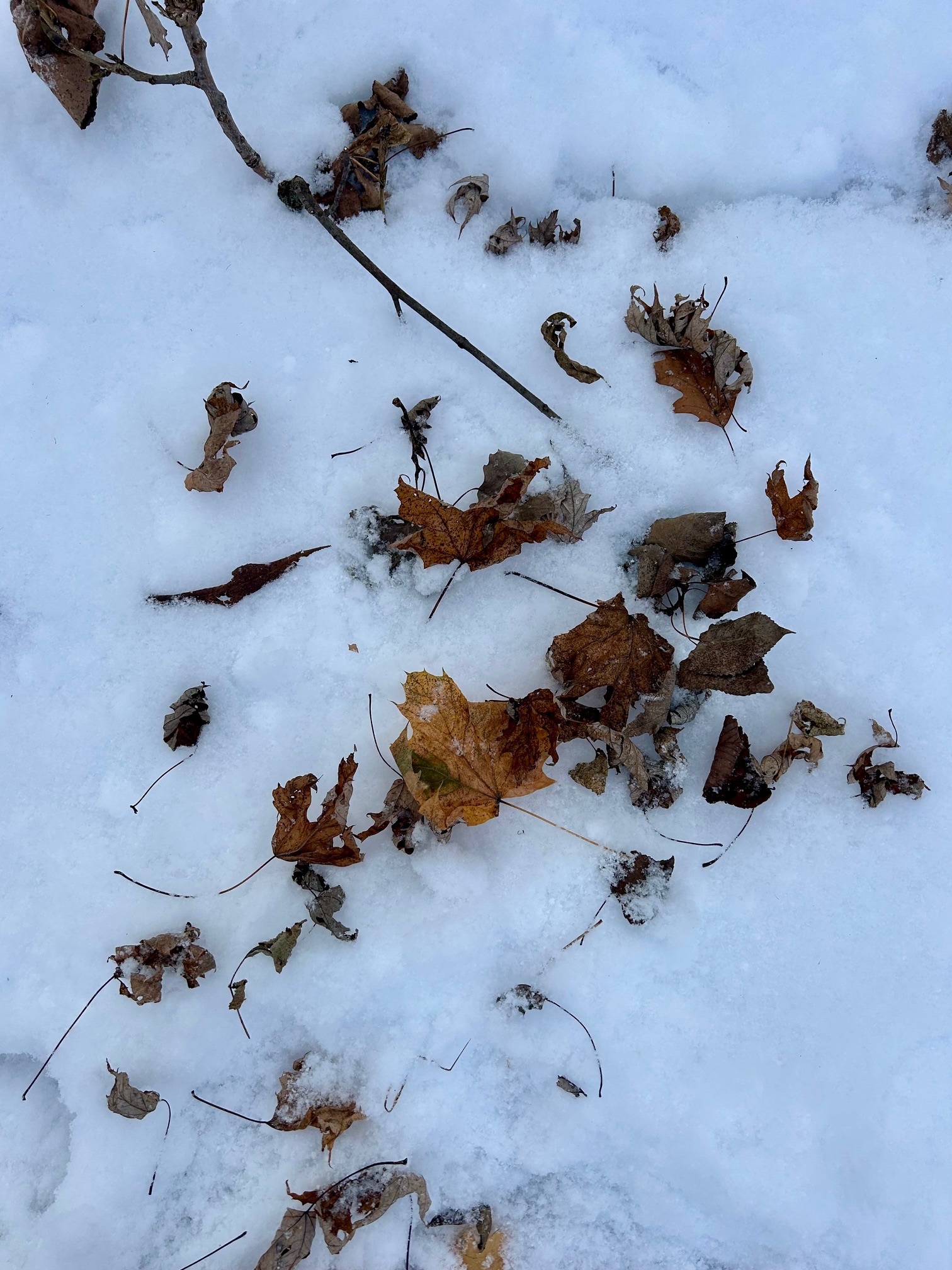
Since my last post, not much has changed in terms of the foliage (or lack thereof). Although the box elders here have shed their leaves, they are still holding on to their seeds, which will provide a great food source to the little creatures of the area. The persistent goldenrod seems to be hanging on to its leaves amid other barren vegetation and browned grasses along the sandy riverbank. It was hard to fully gauge the state of the leaf litter because of the fresh layers of snow, but after brushing some of the snow away, I could see dropped Sugar maple, basswood, and Silver maple leaves along the forest floor.


Animal Activity: Beaver Presence!

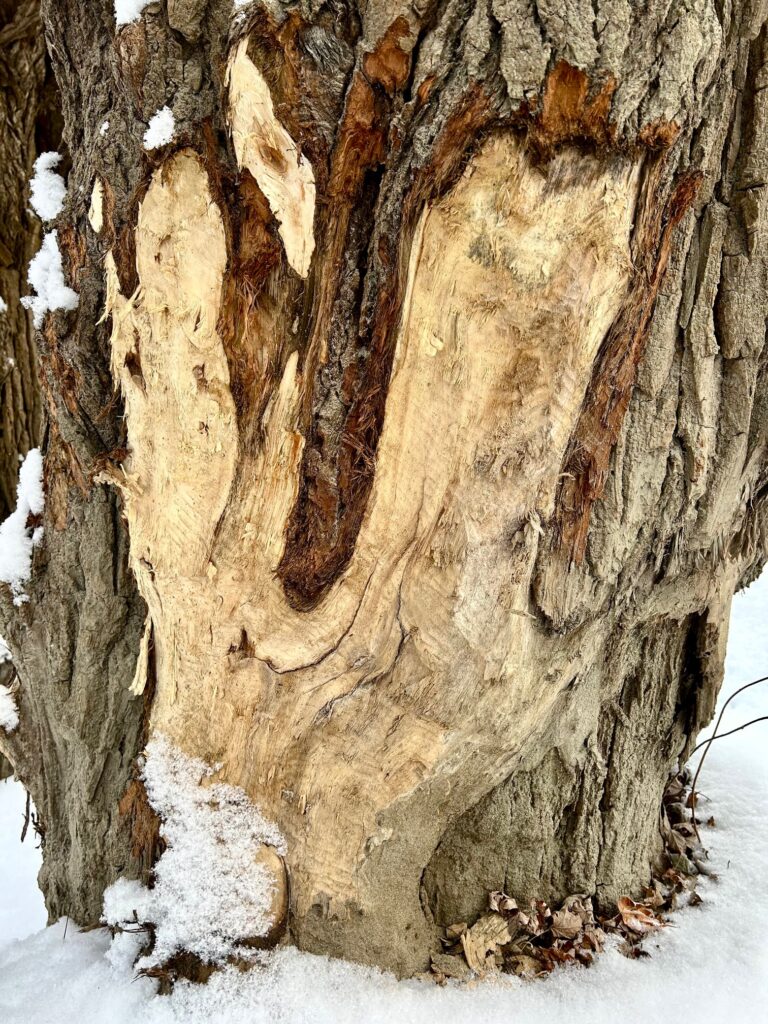
I was convinced that the frigid temperatures and fresh snow meant I wouldn’t see much animal activity because I know if I was a woodland creature, I’d want to be hiding in my warm den and napping under the insulation of the subnivean zone. Compared to the summer and fall, I saw less birds along the river (no ducks this time). As I was walking up from the riverbank, I noticed beaver chews on the bottom of the giant sugar maples in the center of my phenology spot!

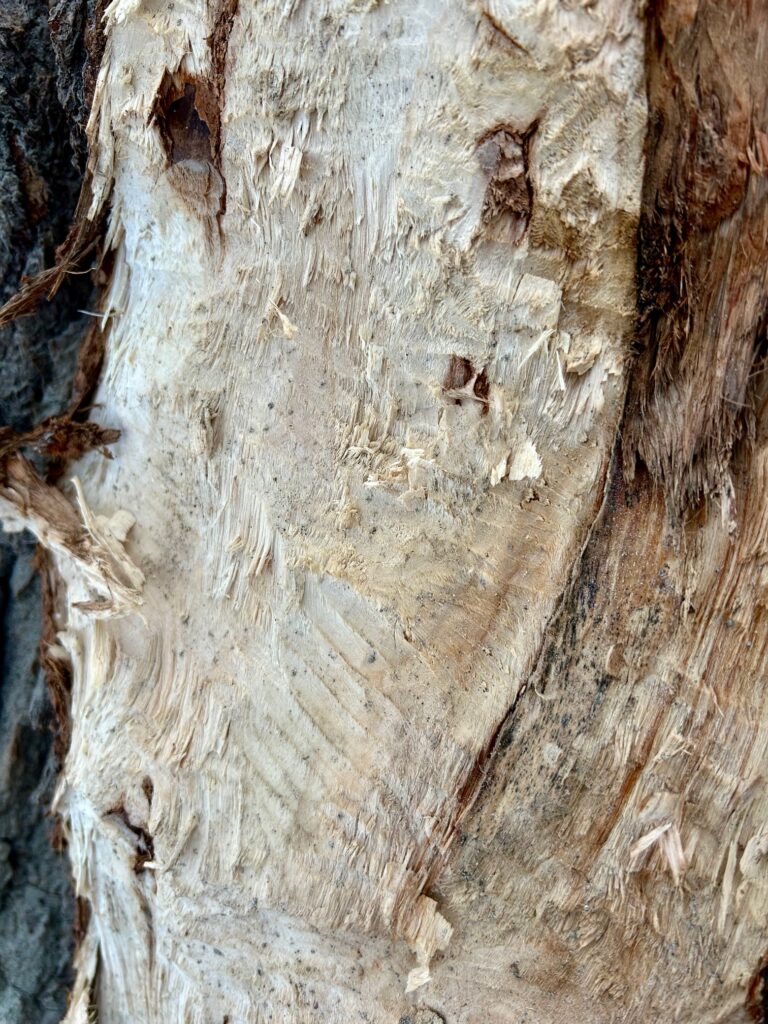
Look at those fresh incisor marks! You can see the exact imprint of their little teeth! The chewed spots were pretty small, so I guess this little guy didn’t make much progress.

After excitedly taking pictures of the fresh chews, I searched the nearby area for more evidence of beaver, but if there were any tracks, scat, or dens, they would have been hidden under the snow. The only trees with fresh chews were the ancient sugar maples, so maybe these Vermont beavers were craving some sweet maple bark on a cold day, and I wouldn’t blame them!


All good things must come to an end… like this blog post and apparently this semester! I’ll certainly miss my phenology location over winter break but I am excited for the changes that next semester brings. Until then, stay warm! -m

Toto, I’ve a feeling we’re not in Vermont anymore…..

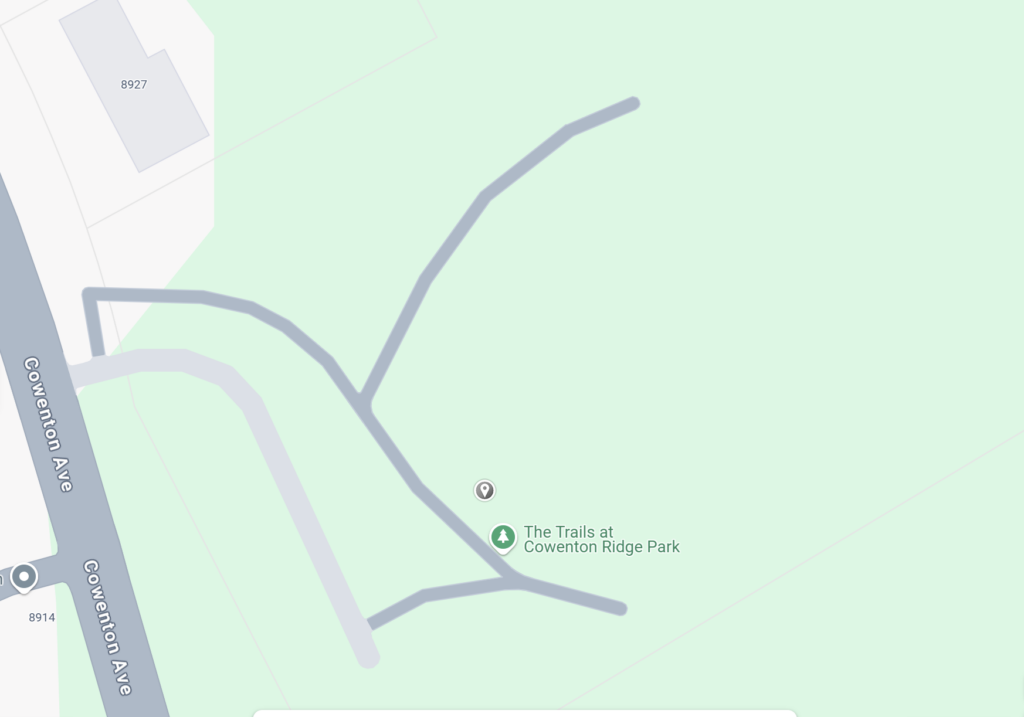
This week, we’re taking on an entirely new perspective and phenology location. Dearest reader of my blog, welcome to Perry Hall, Maryland. I’m from a town that was once a farm town, now a suburban community. Let me give you a look into the Trails at Cowenton Ridge Park.


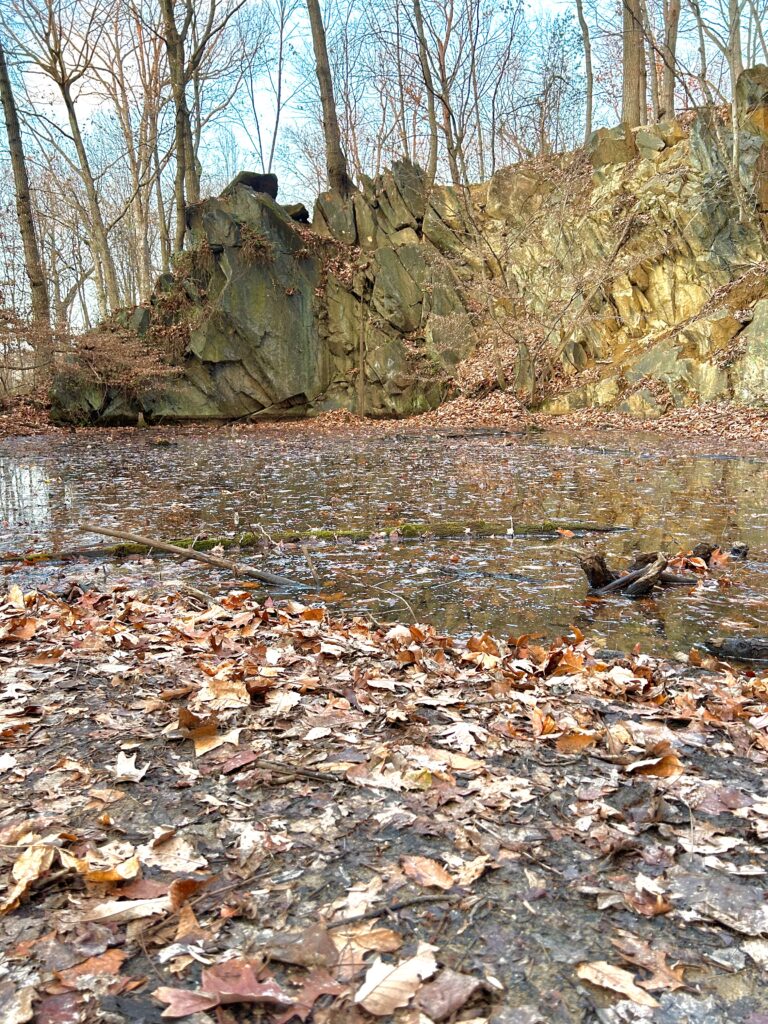
The location that I chose is small, marshy pond/quarry located along the trail in the forest. Farms would use dynamite to extract the rock to be used for agriculture. I think the geological formation around the pond is fascinating and gives a little peak into the bedrock geology and human use in the area! It is interesting to see the trees that are able to grow in the cracks of rock along the cliffs.

This little pond is also interesting because the depth is relatively small (although I would never test it out) so it is mainly inhabited by small creatures such as frogs and insects.


Comparison to Winooski River Phenology Location

  • As the water level of this pond changes with precipitation, the water rises to the floodplain (where I am standing in all of the pictures!) so in that sense, the pond is similar to the banks of the Winooski river, because not many plants are able to grow in the floodplain. Similarly, both locations lack a strong riparian buffer, so there aren’t many trees or vegetation growing directly next to the body of water to shield it from erosion or pollutants moving into the ecosystem.
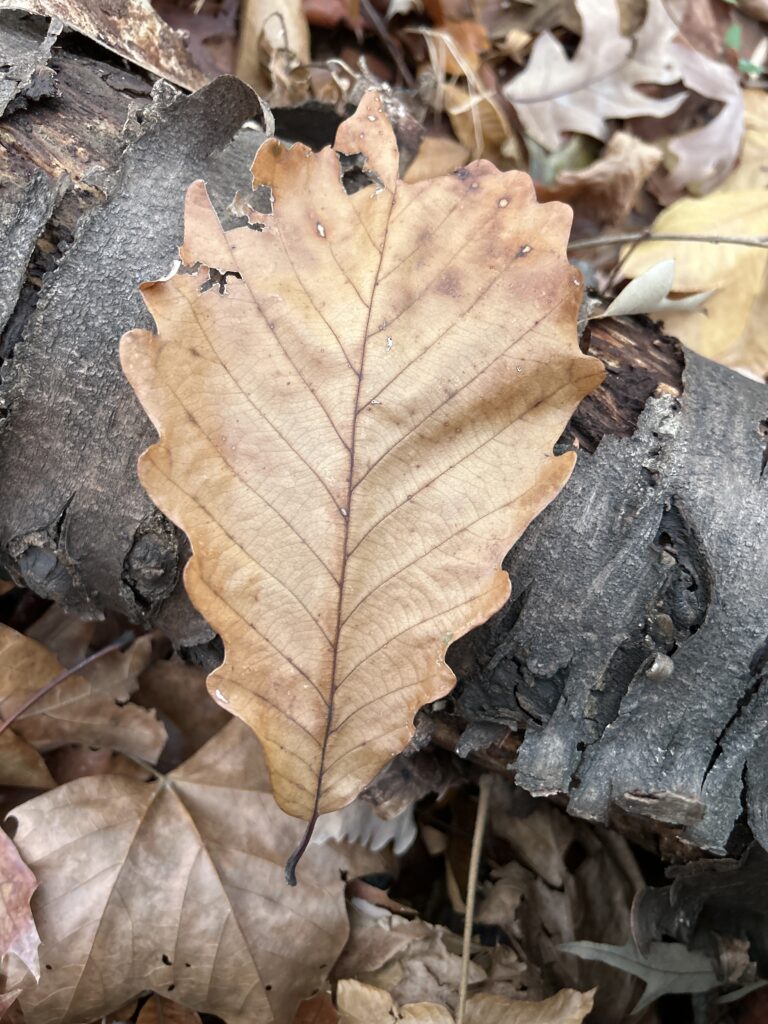
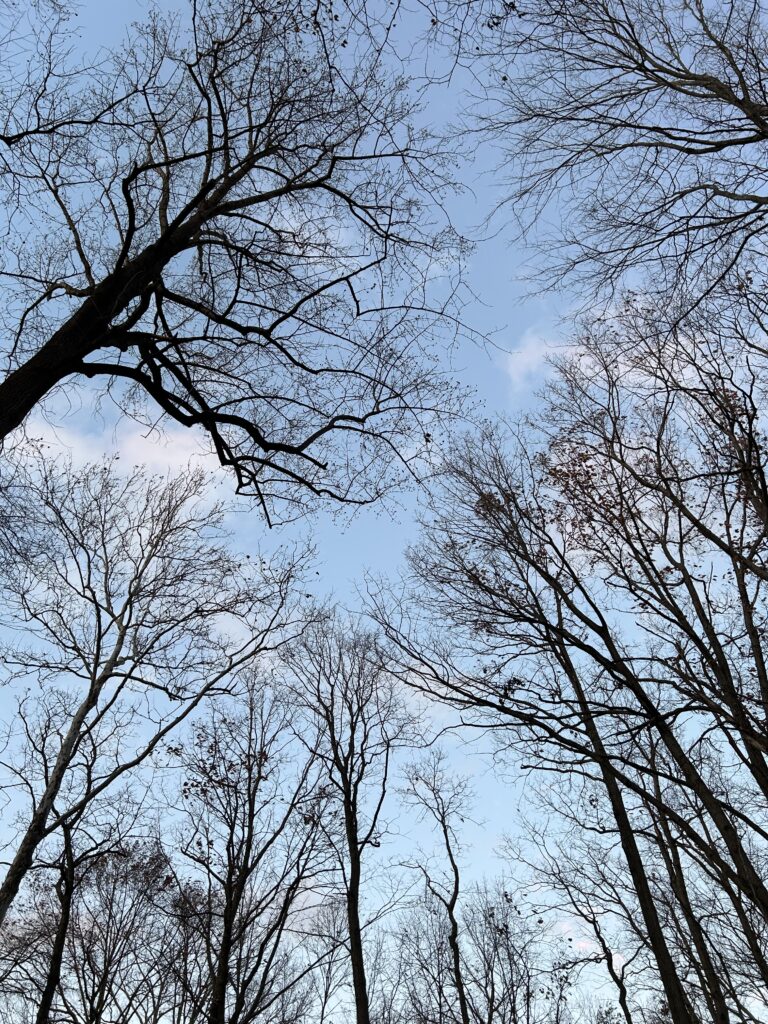
  • A major difference between these two locations is the species composition. The location along the Winooski River is primarily comprised of various maple species and Boxelder, but at this new location, I did not see any nearby Boxelder or maples! It was tricky to identify the species in the area but using my limited INaturalist skills, I came to the conclusion that the main woody species in this area are Swamp Chesnuts, Pignut Hickory and White and Red Oak.
  • An obvious difference between my two locations would be the characteristics of the bodies of water. The Winooski River is a decently sized flowing river, while this pond is a shallow, almost stagnant pond. I imagine the species living in these two different types of water are very different. The pond in my area is covered in leaves, meaning the bottom of the pond is shaded and unable to host photosynthesizing vegetation.
  • Lastly, the banks of the Winooski River are very sandy, which remains from the ancient Champlain sea. The bedrock geology in Maryland is very different and very much not sandy. The floodplain of the pond was rich with clay instead of sand.

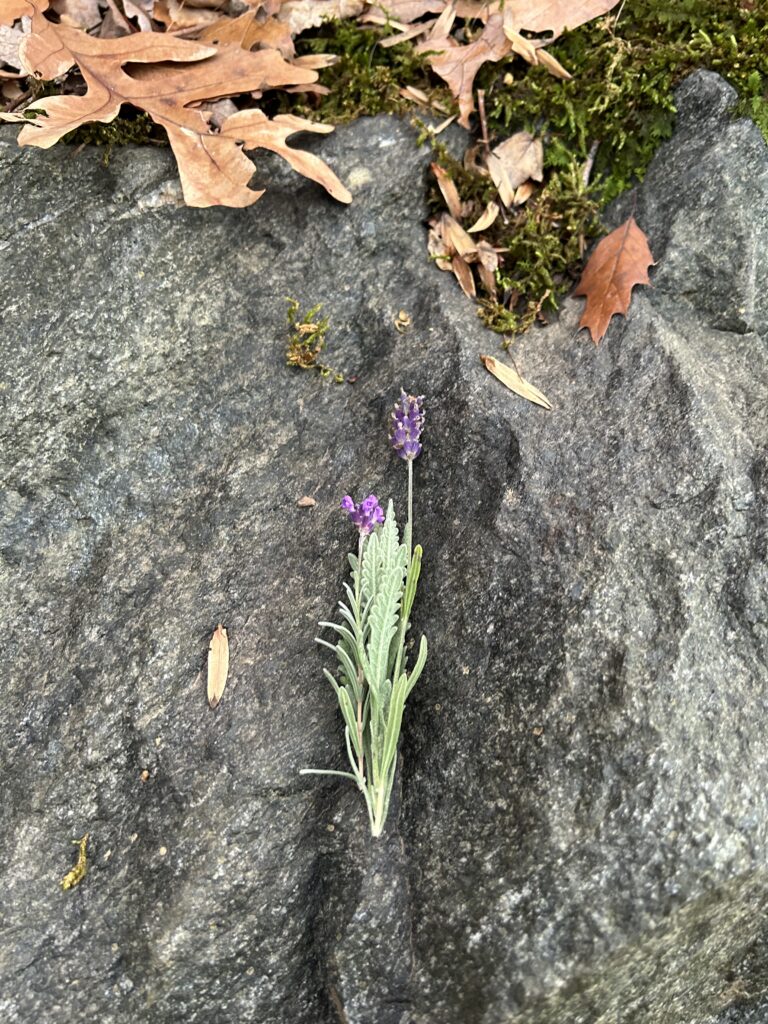
After reading the Honorable Harvest, I left a little sprig of lavender from my garden in my backyard to show my appreciation for this little piece of the forest. I have always loved lavender for its beauty and aroma and since it doesn’t grow in this area, I thought this little ecosystem should experience lavender’s many gifts. That’s all for now, have a restful week!

-M

"That November whose name sounds so bleak and cheerless — perhaps its harvest of thought is worth more than all the other crops of the year.”
— Henry David Thoreau

A Bird’s Eye View Of This Area..

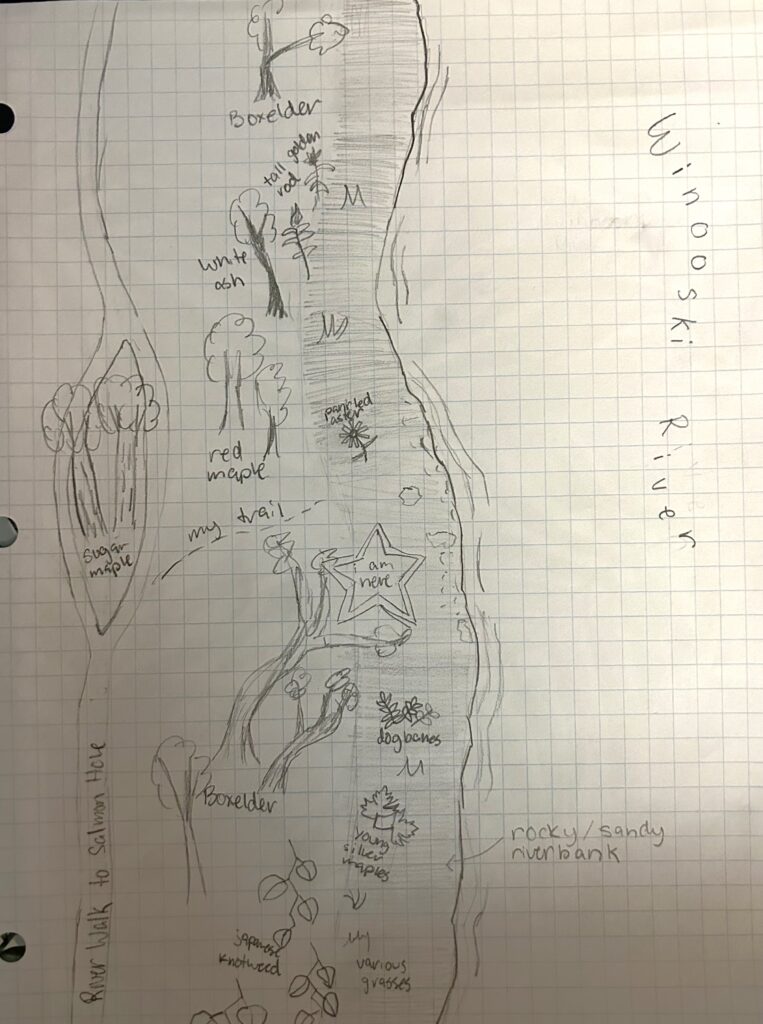
Here is a quick sketch of my location, with a few prevalent species included.

My Own Experience

Back at the banks of the Winooski River! Except this time, we are slowing down and taking it all in, as this assignment challenged me to really experience my phenology location for 15 minutes. As I sat on the rocky riverbank, I tried to close my eyes and just feel… but then I started to think to myself “wow, I am really cold right now!”. The wind roared through the treetops, sending the few remaining leaves flying through the air. It finally struck me that winter is nearly upon us and golden autumn days are slipping away. I watched the meandering water flow through the river and realized that I chose this spot in September, back when the air still felt warm, the leaves were vibrantly green, and the sun set late in the evening. This time gave me the chance to reflect on change; the phenological changes and also the changes in the seasons of my own life.

A Season of Change

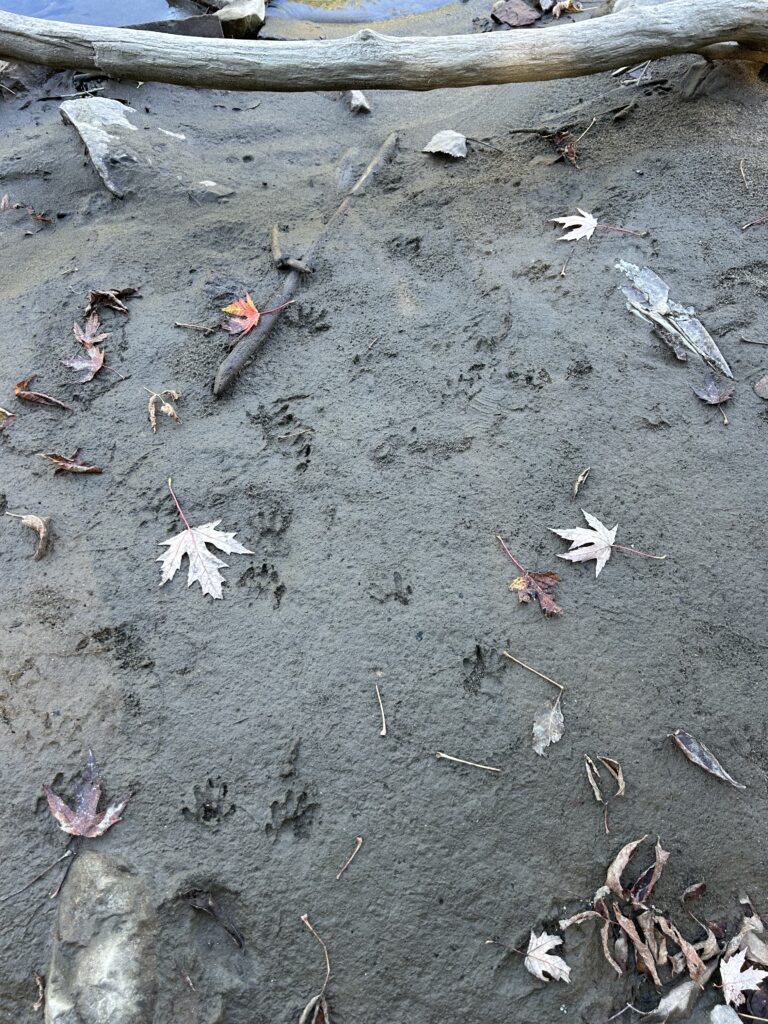
Things are certainly changing over at Winooski River at this time of year! The forest…. well, it is looking a little barren and leaf-less (ha get it, like ‘lifeless’ but leafless wow that was so funny) The boxelder and maple trees have shed almost all of their leaves by now. The panicle aster and tall golden rod are no longer blooming. The grasses along the river have started to brown as well. But hey! it looks like we have a little racoon friend from the picture right there! I wonder if this little guy is preparing for the winter as well. Everything in the forest seems to be turning in and winding down in (I should get to that too!)

Welcome to my beloved little plot of land, which I like to call the future 8th wonder of the world, but others might commonly know it as “Somewhere on the Winooski River”. I can’t wait to revisit this lil slice of heaven throughout the seasons and drag you along with me! Grab your binoculars and your best hiking boots because things are about to get ABSOLUTELY wild! (wild as in ‘growing in nature’, because I doubt this river gets lit)


Where is this mysterious location? Where are any of us really? Apparently along the Winooski River! I’m not really sure how and why I picked this plot of land, I just started walking along the trail at Salmon Hole and chose a small riverbank with the best vibes and prettiest landscape (and apparently a nearby sewage treatment plant). If you want to share in the wonder of Winooski River, simply hitch a ride over to Salmon Hole (about a 30-minute walk from UVM campus) and walk a bit over a mile of the Riverwalk Trail. When it feels right (or you can smell the barbeque joint), you have arrived…


Description of Vegetation

I hope you guys like Boxelder trees because we have LOTS of them here. If you’re looking for rich tree species diversity, you should probably keep looking… because the most common woody plants close to the riverbank area are mostly Boxelders, Sugar Maples, Red Maples, and Silver Maples. If you venture further away from the bank, you may find the occasional basswood or green ash, but the maple family takes the cake for the most abundant. There aren’t a whole lot of woody plants, since a decent chunk of my plot is a riverbank.

The vegetation along the bank is comprised of scattered medium-height grasses, aster flowers, goldenrod, dogbanes, and other short/shrubby plants that can tolerate flooding (they are right in the floodplain after all) And beware of the notorious and very invasive Japanese knotweed! Don’t let their pretty white flowers deceive you; these guys are no joke when it comes to driving out the native species. Check out the iNaturalist links below if you want the full inside scoop.

INaturalist Links!

rough cocklebur (Xanthium strumarium) from Winooski River, Burlington, VT, US on October 06, 2024 at 01:40 PM by miasmitty · iNaturalist

https://www.inaturalist.org/observations/245990285

silver maple (Acer saccharinum) from River Walk to Salmon Hole Trail, Burlington, VT, US on October 06, 2024 at 01:43 PM by miasmitty · iNaturalist

green ash (Fraxinus pennsylvanica) from River Walk to Salmon Hole Trail, Burlington, VT, US on October 06, 2024 at 01:58 PM by miasmitty · iNaturalist

red maple (Acer rubrum) from River Walk to Salmon Hole Trail, Burlington, VT, US on October 06, 2024 at 01:57 PM by miasmitty · iNaturalist

basswood (Tilia americana) from Riverside Ave, Burlington, VT, US on October 06, 2024 at 02:01 PM by miasmitty · iNaturalist

tall goldenrod (Solidago altissima) from River Walk to Salmon Hole Trail, Burlington, VT, US on October 06, 2024 at 01:54 PM by miasmitty · iNaturalist

Japanese knotweed (Reynoutria japonica) from River Walk to Salmon Hole Trail, Burlington, VT, US on October 06, 2024 at 01:45 PM by miasmitty · iNaturalist

And that’s all for now folks! Here is a little preview of my little corner of Winooski River but expect many more digital camera pictures coming soon! I can’t wait to revisit this place and track its changes throughout the phenological year. Until next time!

M

Hello world!

Welcome to UVM Blogs. This is your first post. Edit or delete it, then start blogging!

Skip to toolbar